
The Best 7-Day Dolomites Itinerary for 2026
A detailed 7-day Dolomites itinerary, with drive times, parking reservations, road closures, and where to stay each night.
The Dolomites have had a moment in recent years. Between the 2026 Winter Olympics putting Cortina d'Ampezzo on every sports broadcast and a wave of "steal my itinerary" videos sending Seceda's ridgeline and Lago di Braies' turquoise water across every travel feed, this stretch of northeastern Italy has gone from hiking-forum favorite to full-blown bucket-list destination almost overnight.
Here's the problem with borrowing someone's 7-day itinerary off social media: most of them skip the logistics that can quietly wreck a trip. Lago di Braies now requires a paid parking reservation during a specific summer window. One of the most scenic mountain passes on the classic Sella Ronda route just got restricted to local traffic. Cable cars have operating seasons. None of that fits in a 30-second video, and most blog itineraries built for search engines rather than for the actual trip don't mention it either, which is how travelers end up circling a closed valley road at 11 am wondering why the parking lot won't let them in.
This is a full 7-day Dolomites itinerary built the way an actual trip needs to run: day by day, with drive times, current 2026 access rules, where to base yourself each night, and the local tips that keep a dream trip from turning into a parking lot standoff.
Quick answer: The best 7-day Dolomites itinerary bases in Val Gardena for Alpe di Siusi and Seceda, spends a day driving the Sella Ronda circuit, stops at Lago di Braies en route to Cortina d'Ampezzo, dedicates a full day to the Tre Cime di Lavaredo hike, and wraps with the Marmolada cable car on the way back to Venice.
Why This Route, Specifically
The Dolomites span three provinces and dozens of valleys, and no single week covers all of it. This route is built around one specific tradeoff: two home bases instead of five, so most nights involve settling in rather than repacking, while still covering the landmarks that show up again and again in both hiking guides and this year's wave of social videos: Seceda, Alpe di Siusi, Lago di Braies, Tre Cime, and the Sella Ronda.
It runs roughly west to east, starting in Val Gardena (South Tyrol) and finishing near Cortina d'Ampezzo (Belluno province), which also means finishing closer to Venice for the flight home. A handful of alternate itineraries flip this order or add a Trentino leg through Val di Fassa. Either direction works, and the logic scales down for a shorter trip too: a 4- or 5-day version of this same route simply drops Day 6's second hike and treats the Marmolada as optional rather than cutting a full valley out of the plan. What matters more than the exact order is building in the two logistics steps most itineraries leave out, which show up as callouts throughout this guide.
This post contains affiliate links. If you book through my links, I may earn a small commission at no extra cost to you. It helps keep this blog going, and I only ever recommend things I'd use myself.
Is 7 Days Enough for the Dolomites?
Seven days is the sweet spot for a first visit. It's enough time to base in two valleys, hit the major lakes, viewpoints, and one serious hike, and still leave room for a slower rifugio lunch instead of rushing from parking lot to parking lot. Three or four days works if this itinerary gets trimmed to a single base town, but the driving distances between valleys are longer than they look on a map, since nearly every road here is a two-lane mountain pass with switchbacks.
Before You Go: The Basics
Fly into: Venice Marco Polo (VCE), about 2 to 2.5 hours to the Dolomites, is the most convenient gateway for this route. Innsbruck and Verona also work well depending on your route.
Rent a car: This itinerary is built around a rental car. Regional buses connect the main towns, but they won't get you to trailheads early enough to beat the crowds.
Best time to go: Late June or the second half of September for open trails, running cable cars, and meaningfully thinner crowds than peak July and August.
Book ahead: Post-Olympics demand is real. Hotels in Cortina and Val Gardena, and the Lago di Braies parking reservation, should be booked weeks in advance, not decided the morning of.
A few other basics worth knowing before the trip starts:
Mountain passes have a season. Passo Sella, Passo Gardena, and Passo Pordoi are typically open only from late May through October and close entirely in winter, which is part of why this itinerary is built as a summer or shoulder-season route.
Cell signal drops out in the valleys. Download offline maps before leaving the airport, not after you've lost signal on a mountain road looking for your hotel.
Multiple names exist for the same place. South Tyrol landmarks often have both Italian and German names on road signs, sometimes a third Ladin name too. Lago di Braies is also Pragser Wildsee, and Val Gardena is also Gröden. It's not confusing once you expect it.
Car Rental
One of the best ways to get around the Italian Dolimtes is to rent a car. I recommend booking through Expedia to help compare prices and read reviews for rental car companies.
Day 1: Arrive in Venice, Drive to Val Gardena
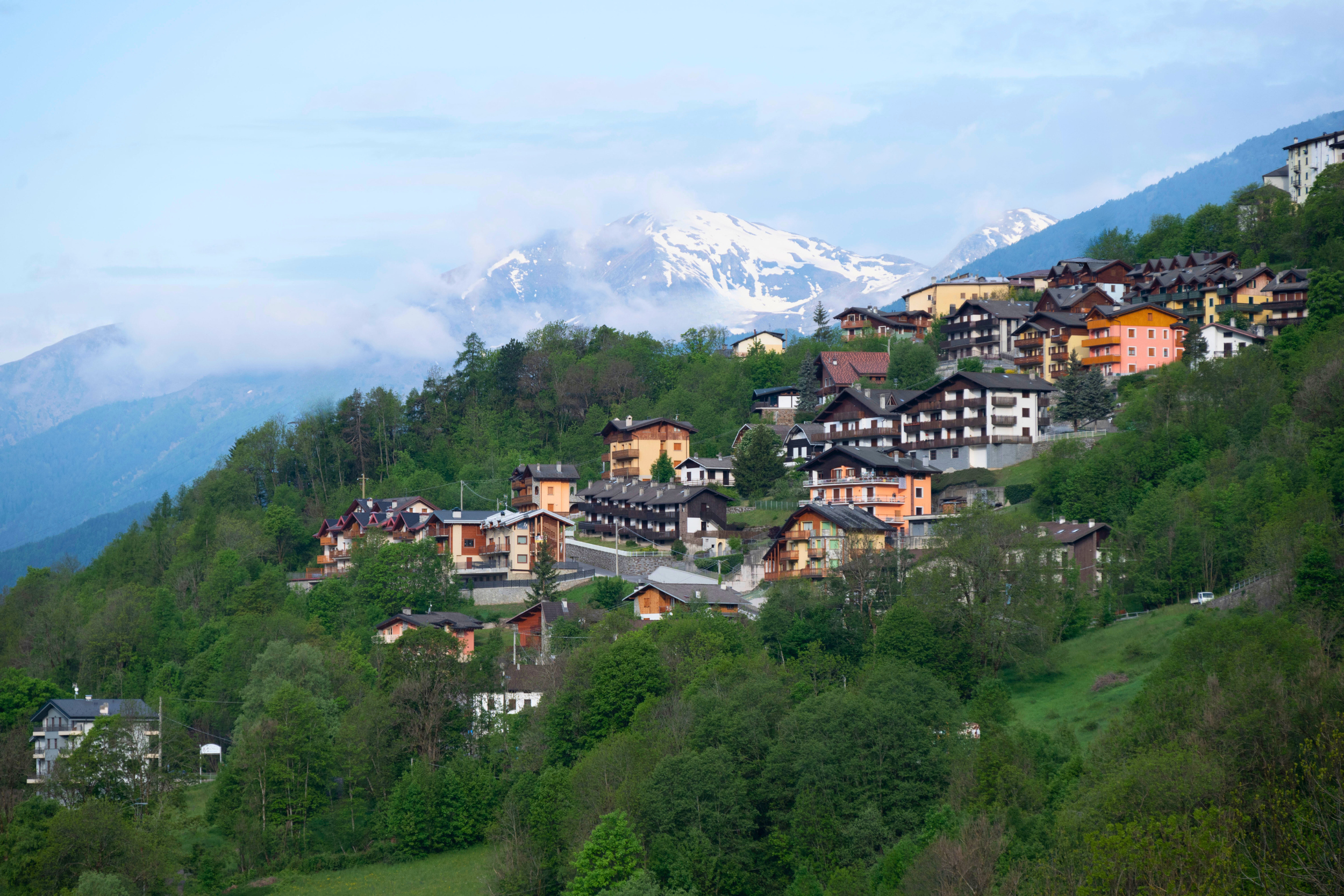
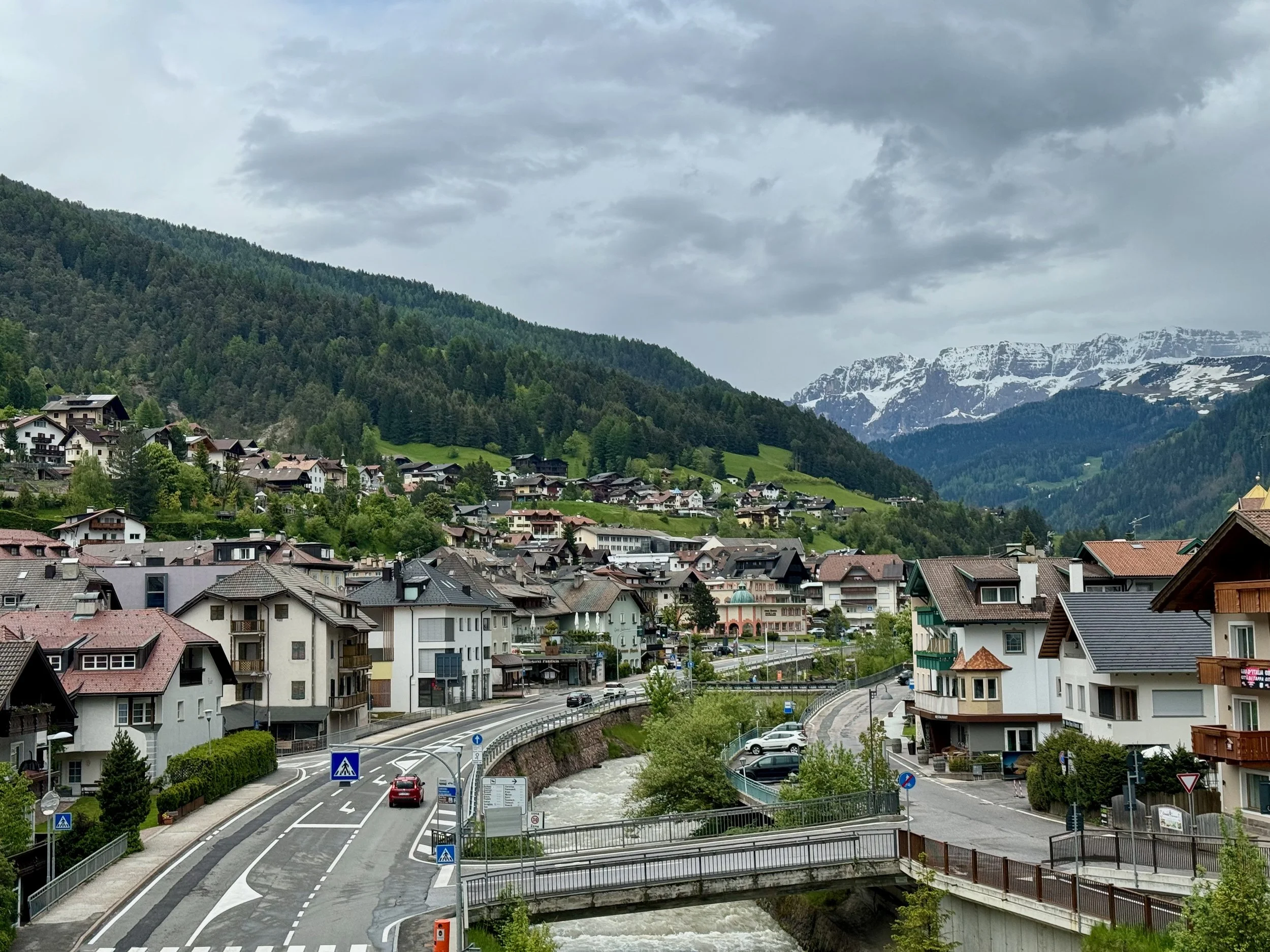
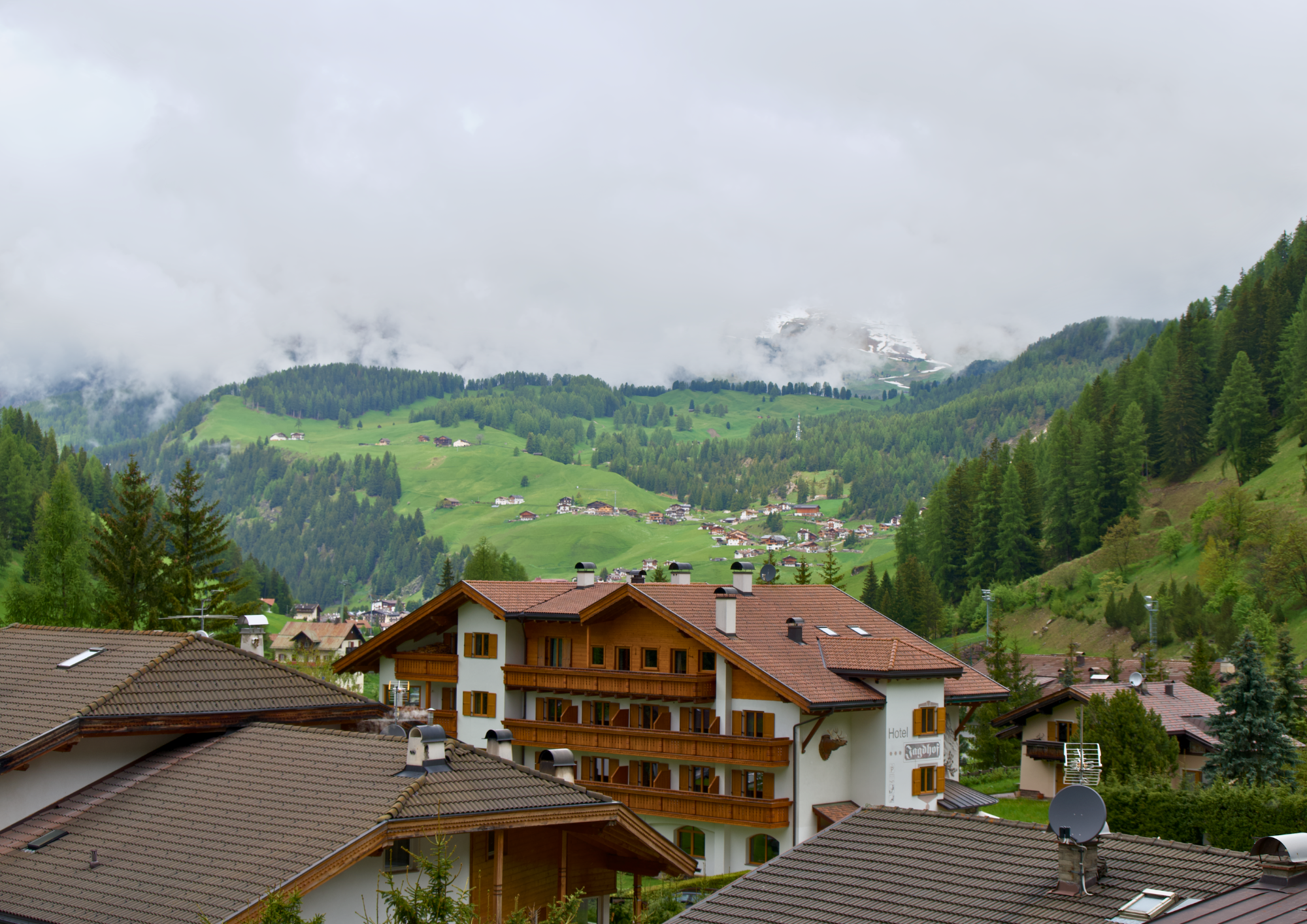
Land at Venice Marco Polo, pick up the rental car, and drive roughly 3 hours north into Val Gardena (Gröden), the South Tyrolean valley that anchors the first half of this trip. Base in Ortisei, the valley's main town, which has strong cable car access to both of tomorrow's stops.
Drive time: about 3 hours from Venice
Base town: Ortisei
Tonight: settle in, grab dinner, get an early night before a big day two
Hotel Options for Ortisei
Local tip: If your flight lands early enough, stop at Lago di Carezza on the drive up. It's a small, easy roadside lake with mirror-still reflections of the Latemar peaks, and it takes less than 30 minutes to see.
Ortisei itself is worth an evening walk beyond just dinner. The town center is pedestrian-only, with wood-carving shops that reflect the valley's long history as a woodworking hub, and a cable car station right in town that makes tomorrow's early start simple. Jet lag tends to work in your favor here: an early bedtime sets up the early cable car ride that saves the whole next day from crowds.
Day 2: Alpe di Siusi and Seceda
This is a lift-served viewpoint day, and it's one of the best arguments for why the Dolomites don't require serious hiking fitness to enjoy.
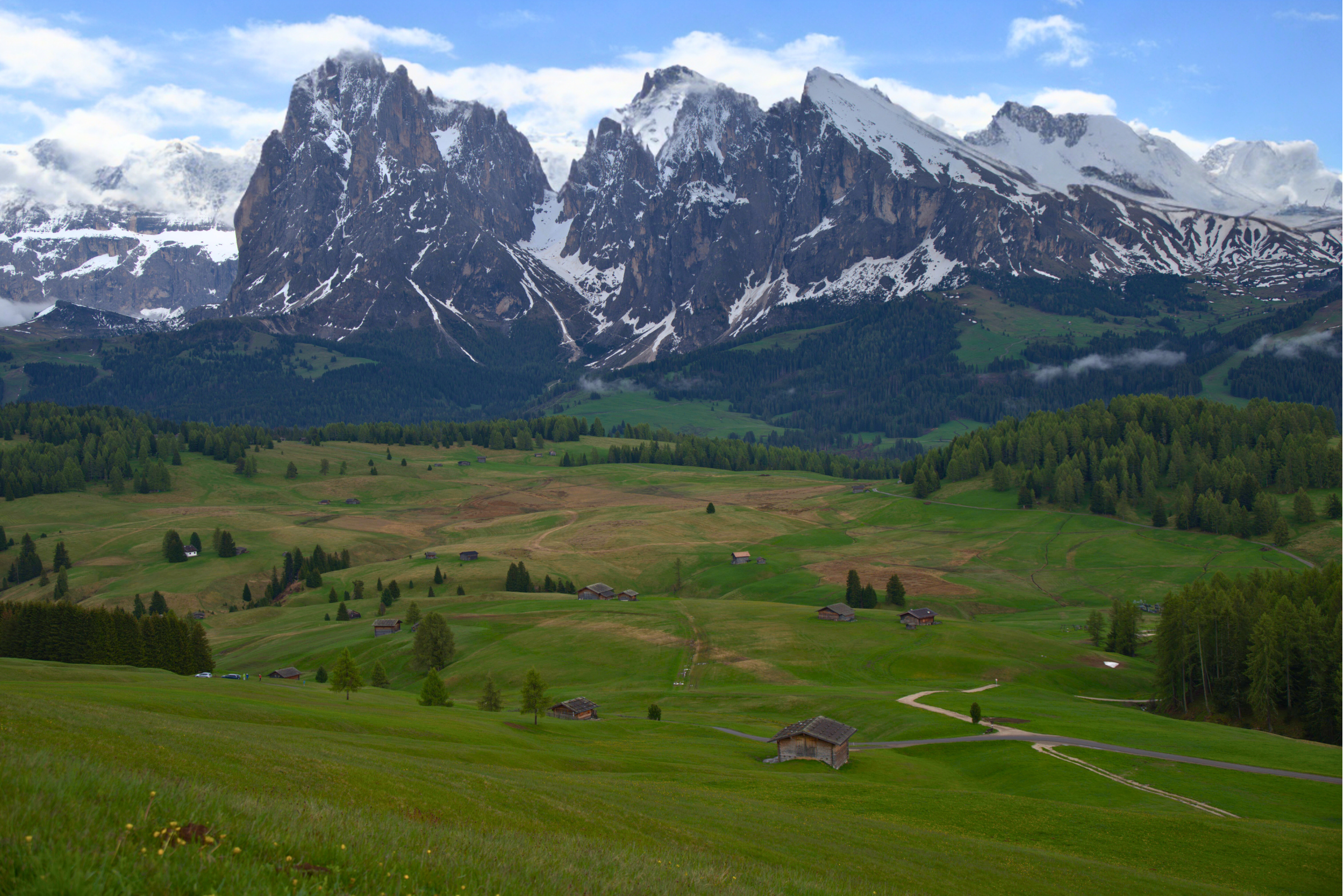
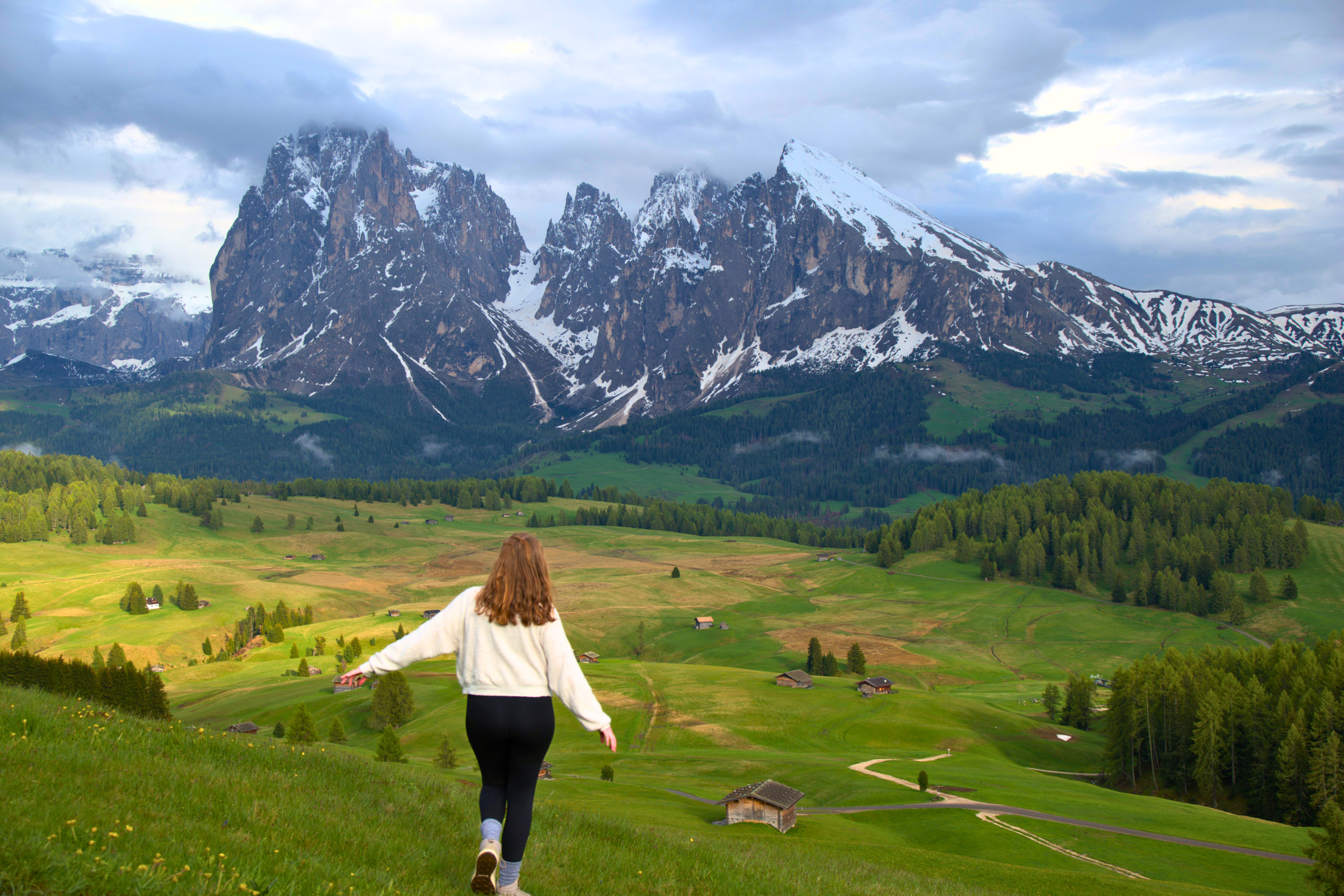
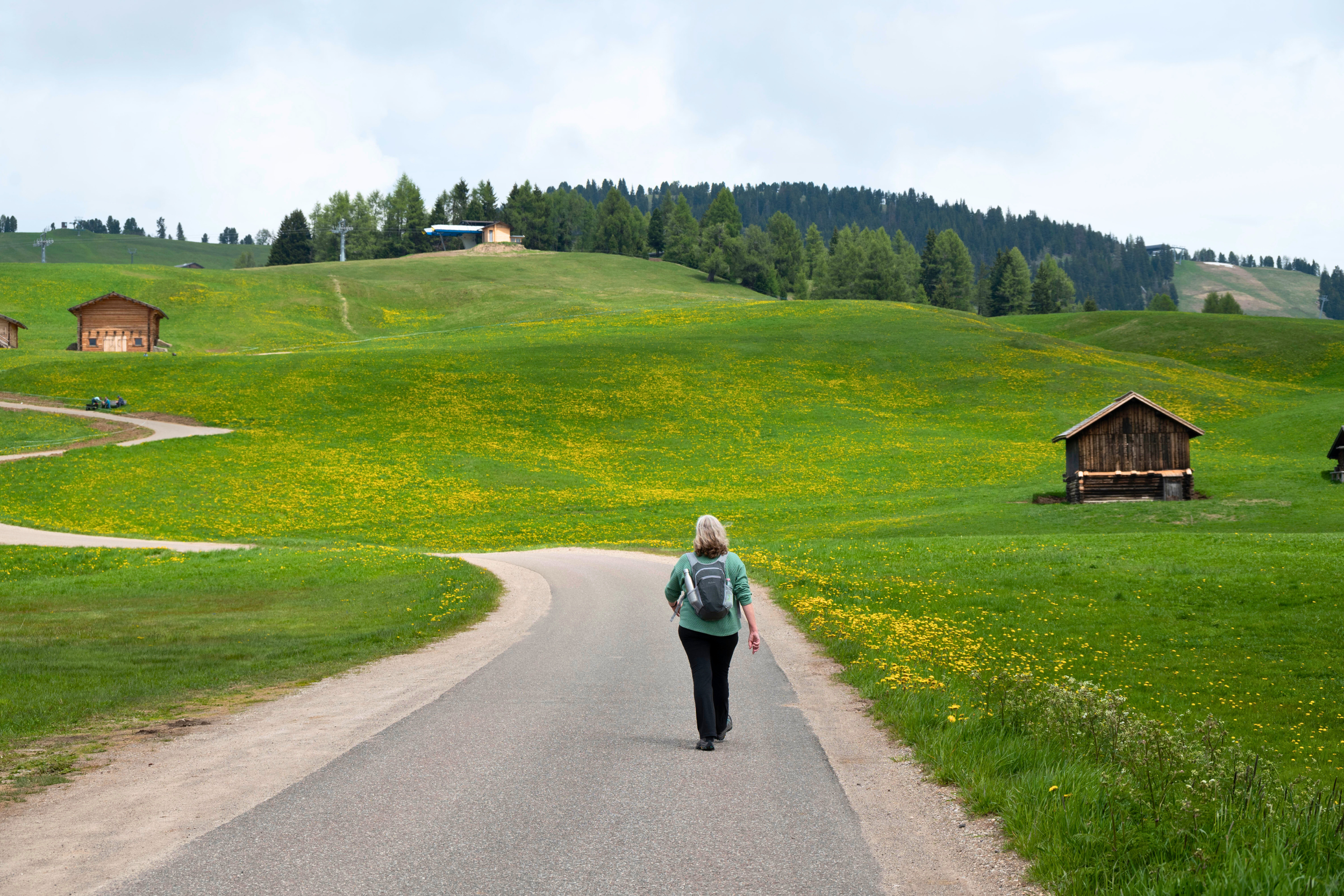
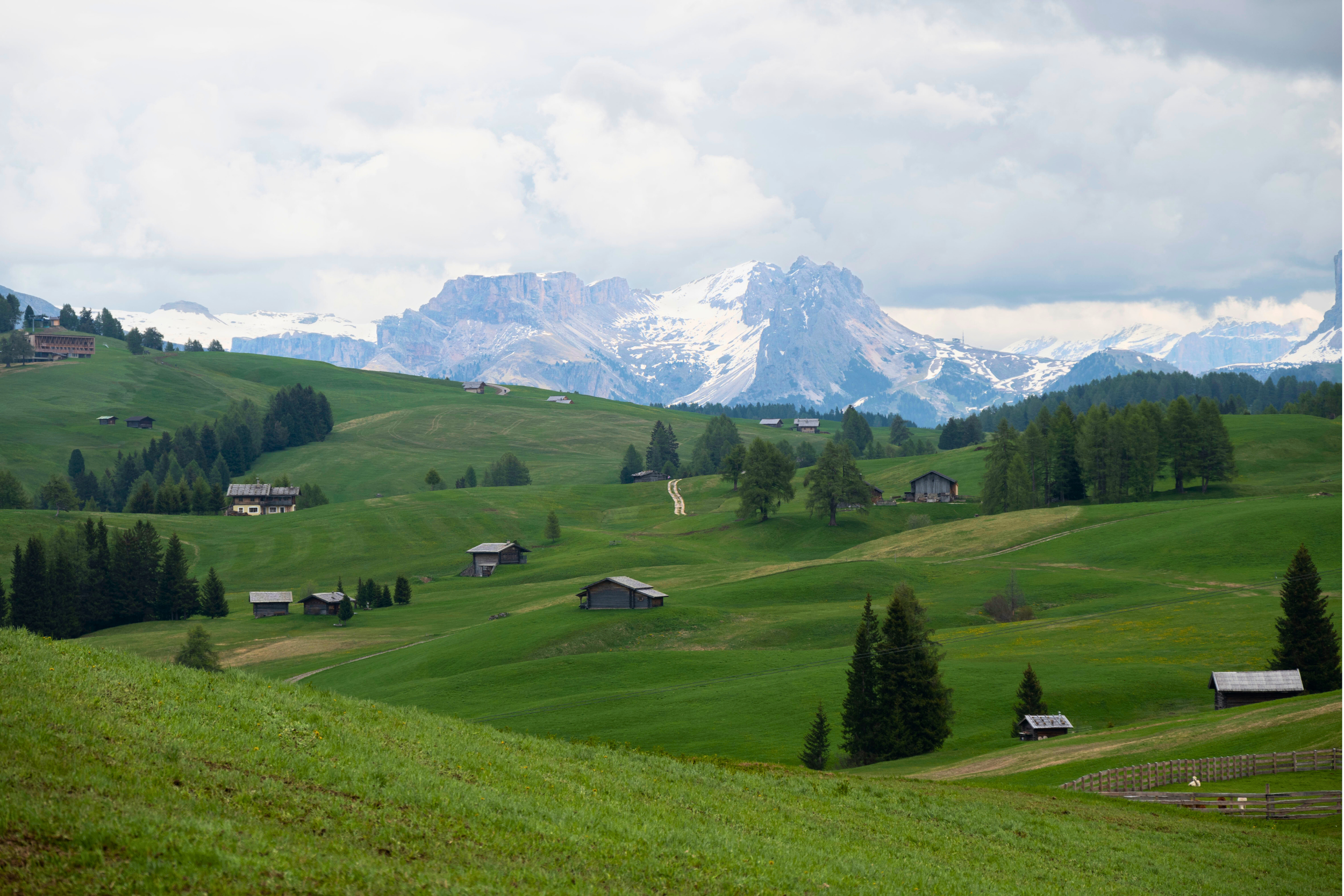
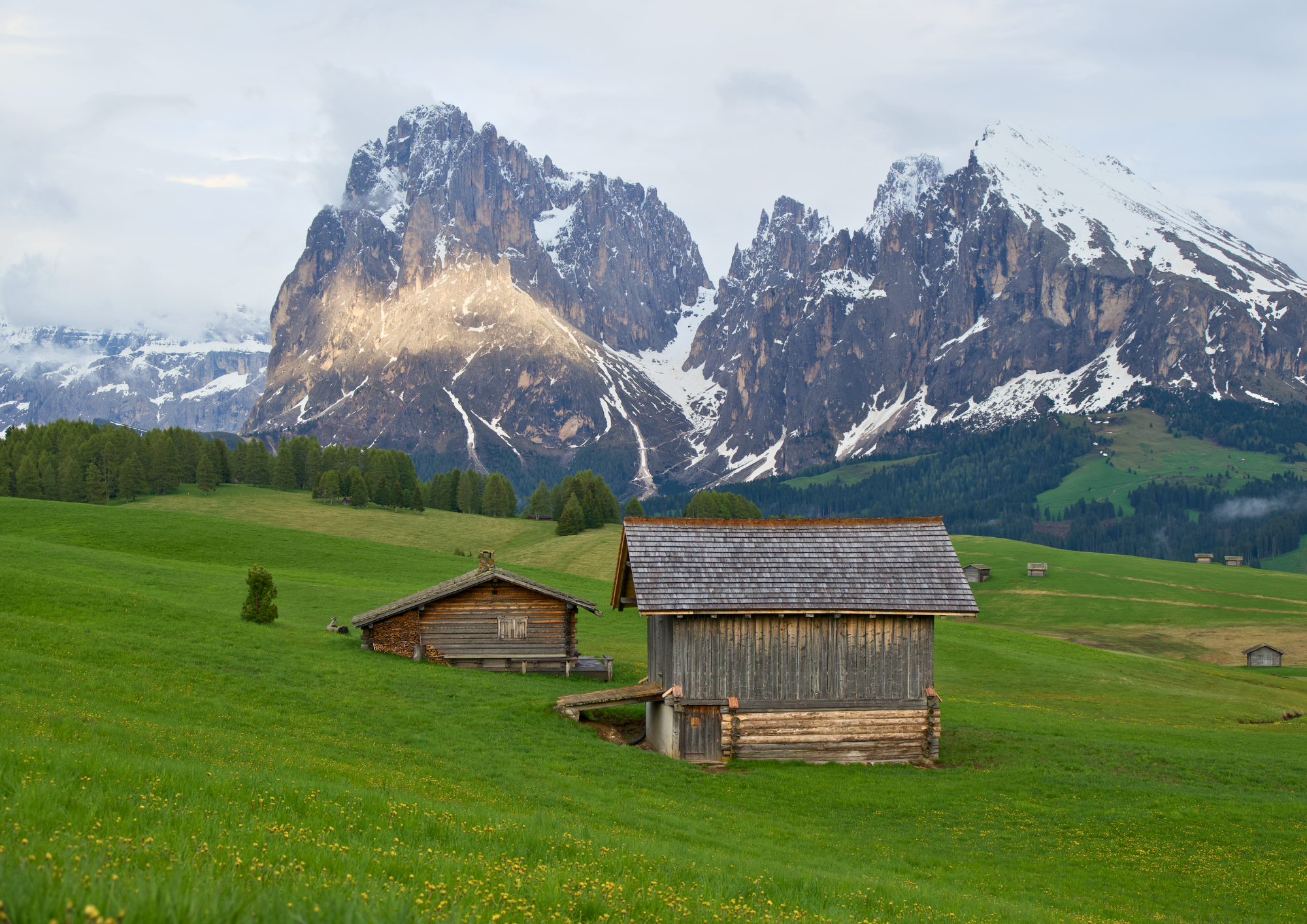
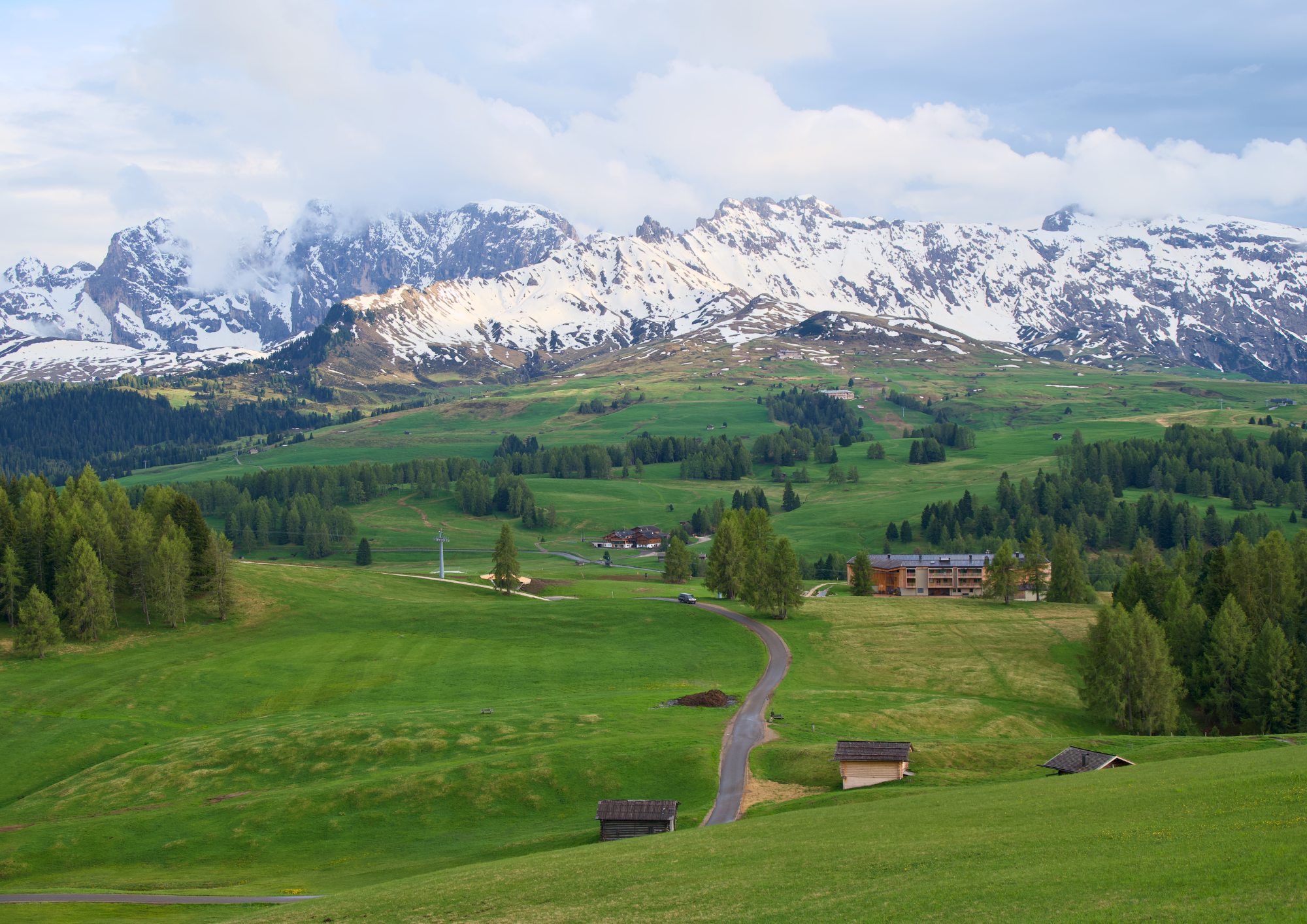
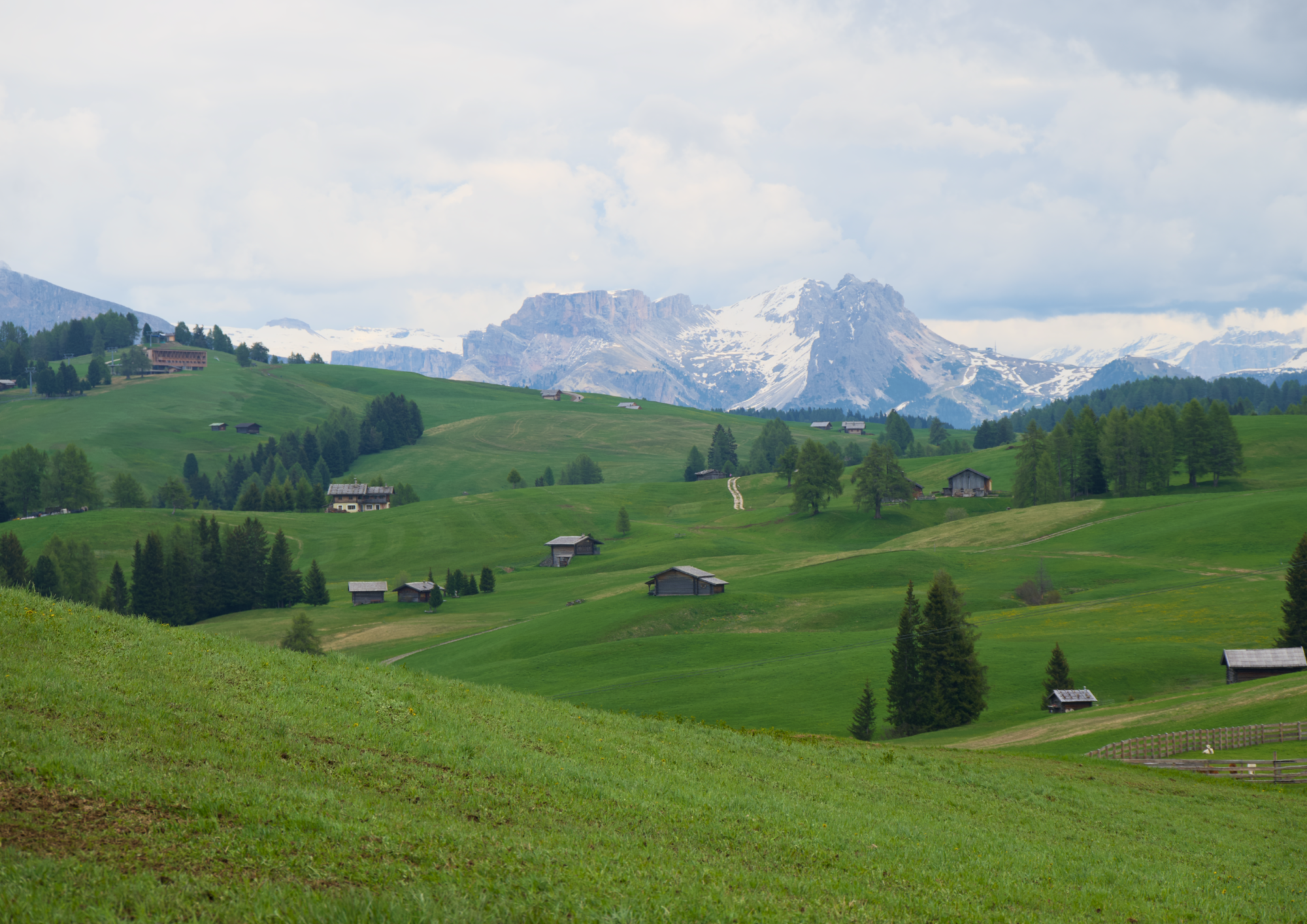
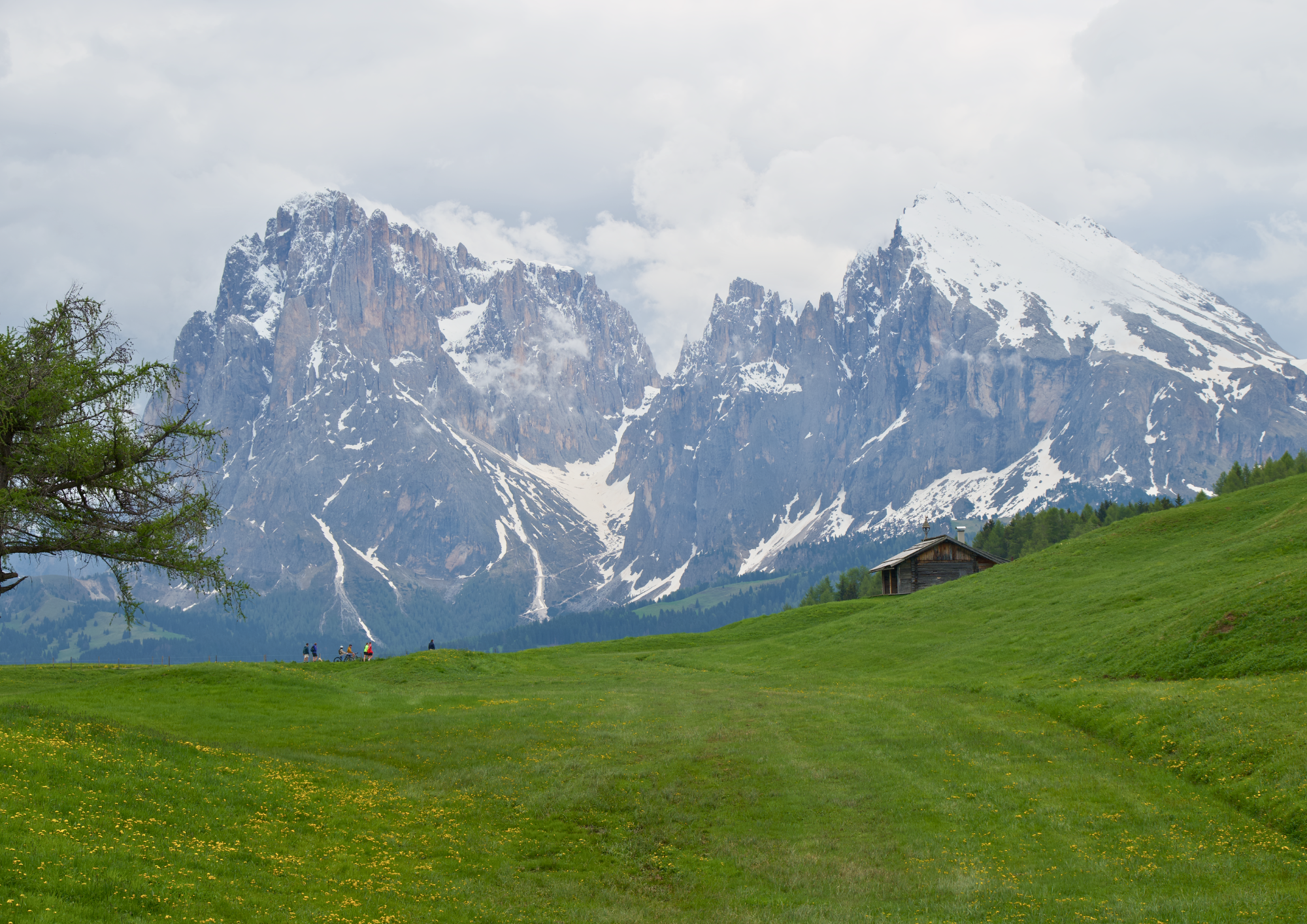
Start with the Alpe di Siusi, Europe's largest high-altitude alpine meadow, reachable by cable car from Ortisei or nearby Siusi. Once you're up top, the trails are mostly flat, winding through rolling pastures with the Sassolungo peaks as a backdrop. Spend the morning here, then head back down and take the second cable car, also from Ortisei, up to Seceda.
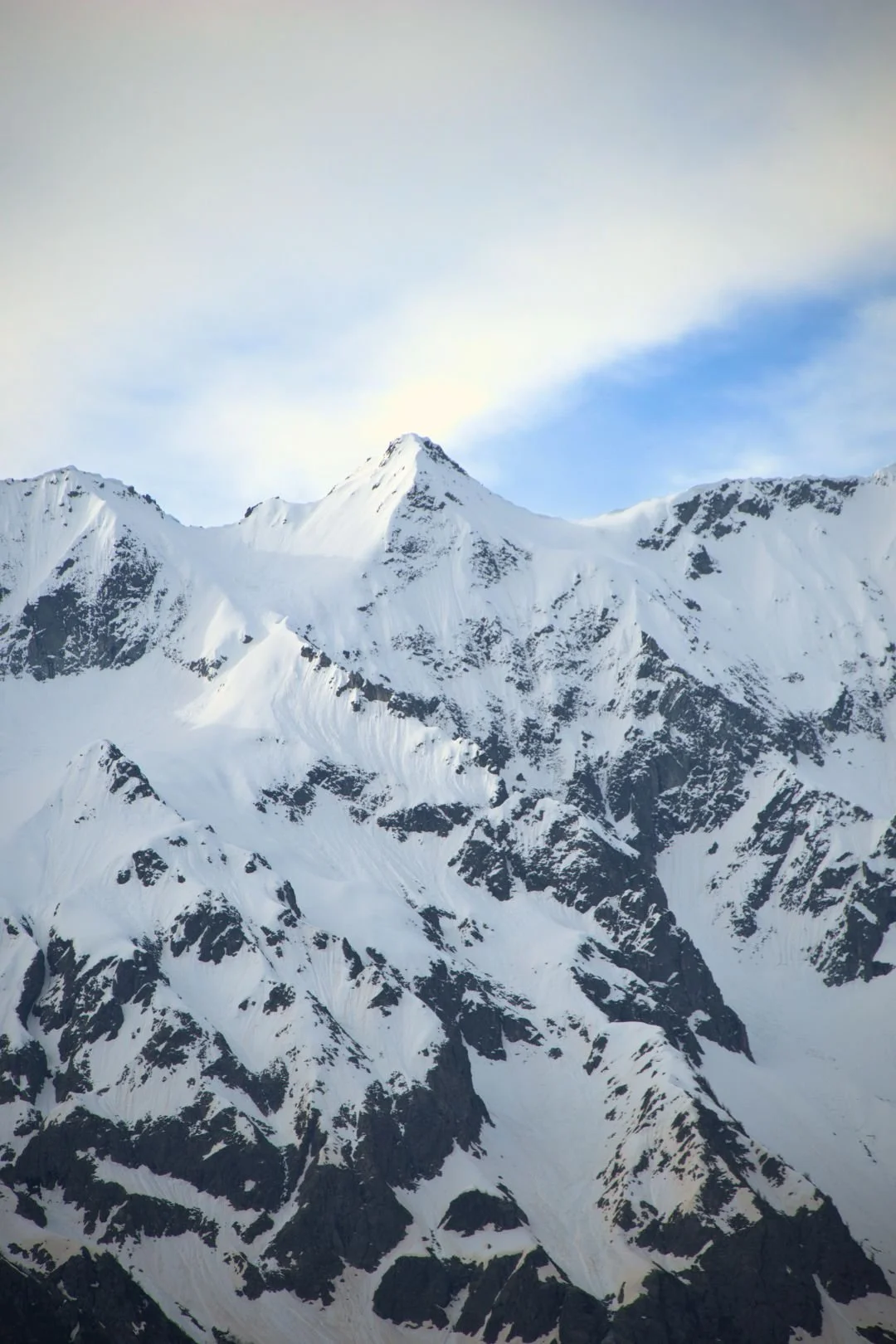
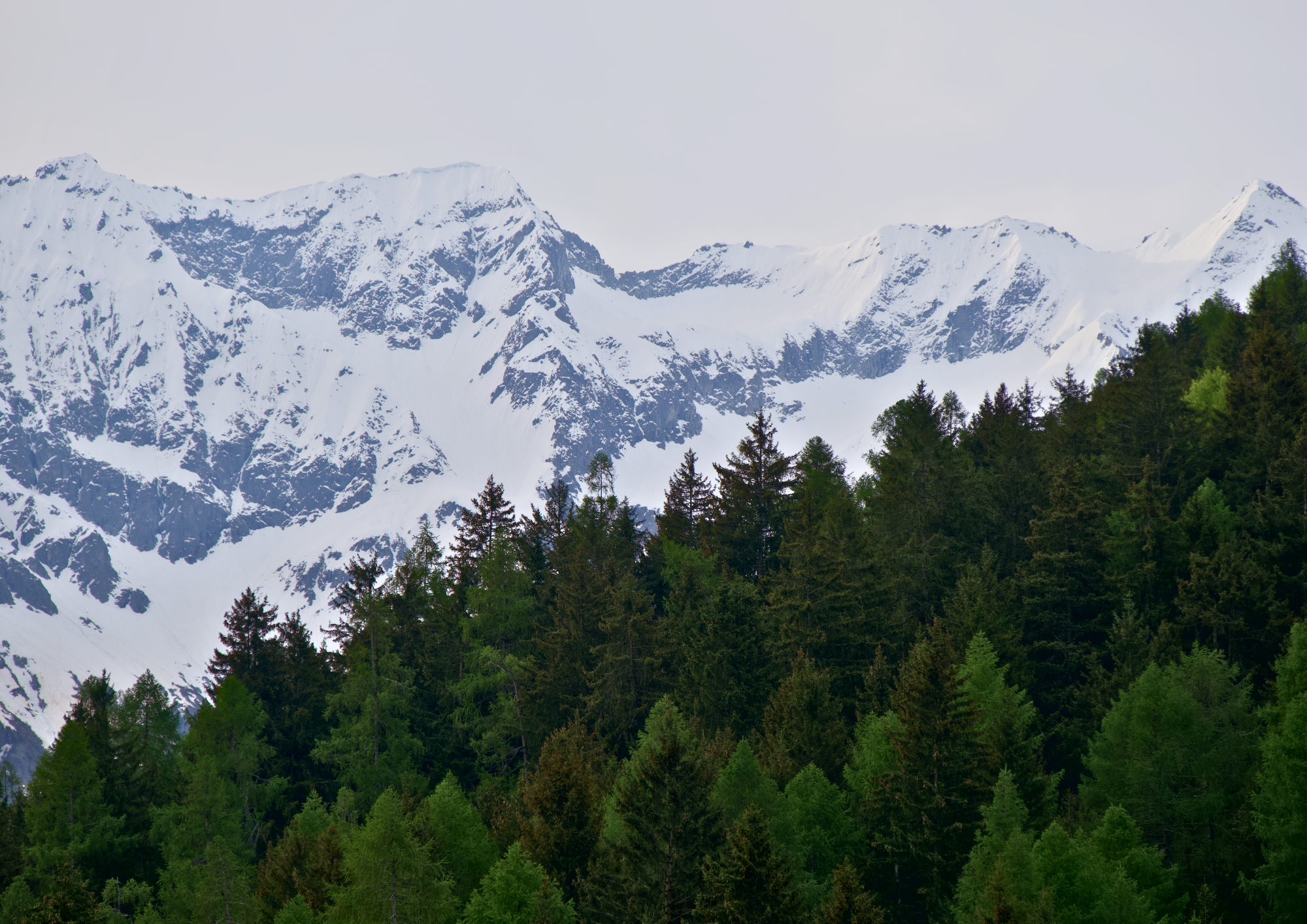
Seceda delivers one of the single most photographed views in the entire range: the jagged Odle/Geisler peaks rising above green ridgelines, with a viewing platform a short, easy walk from the top lift station.
Access: cable car from Ortisei or Siusi (Alpe di Siusi); cable car from Ortisei (Seceda)
Difficulty: easy, mostly flat trails once you're at altitude
Best light: late afternoon, when day-trip crowds thin out after 4 pm
Local tip: Both cable cars get their heaviest crowds between 10 am and 1pm. Ride up early for Alpe di Siusi, then save Seceda for the golden hour window before the last lift down.
Alpe di Siusi Hotel Options
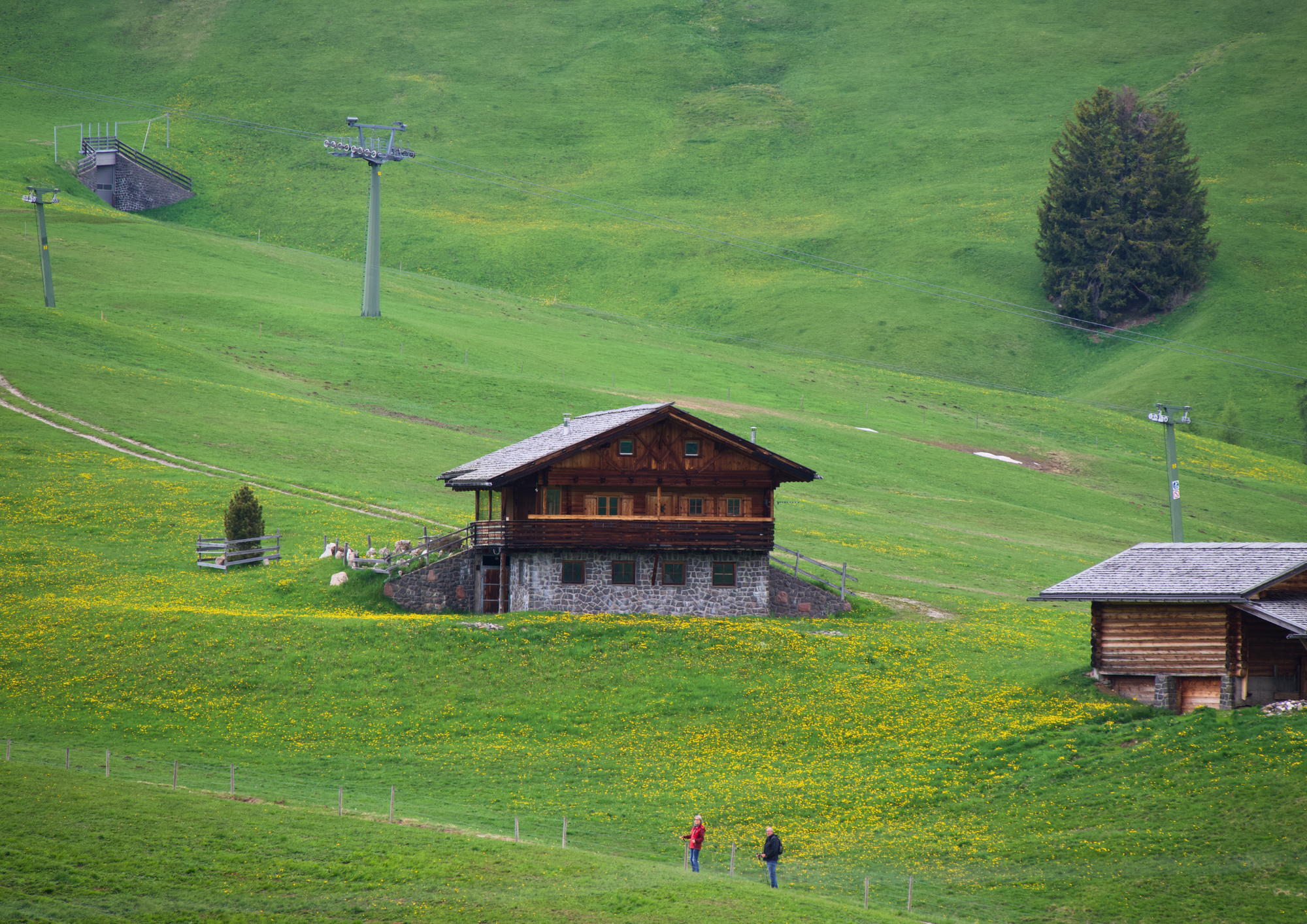
Pack a picnic lunch or plan to eat at one of the malghe (working alpine dairy farms turned lunch stops) scattered across the Alpe di Siusi plateau. Several serve their own cheese and speck, and eating at one is as much a part of the day as the views. If time allows, the short walk out to the Bullaccia/Puflatsch loop from the upper cable car station adds another hour of meadow walking with fewer people than the main viewpoint areas.
Day 3: The Sella Ronda Scenic Drive
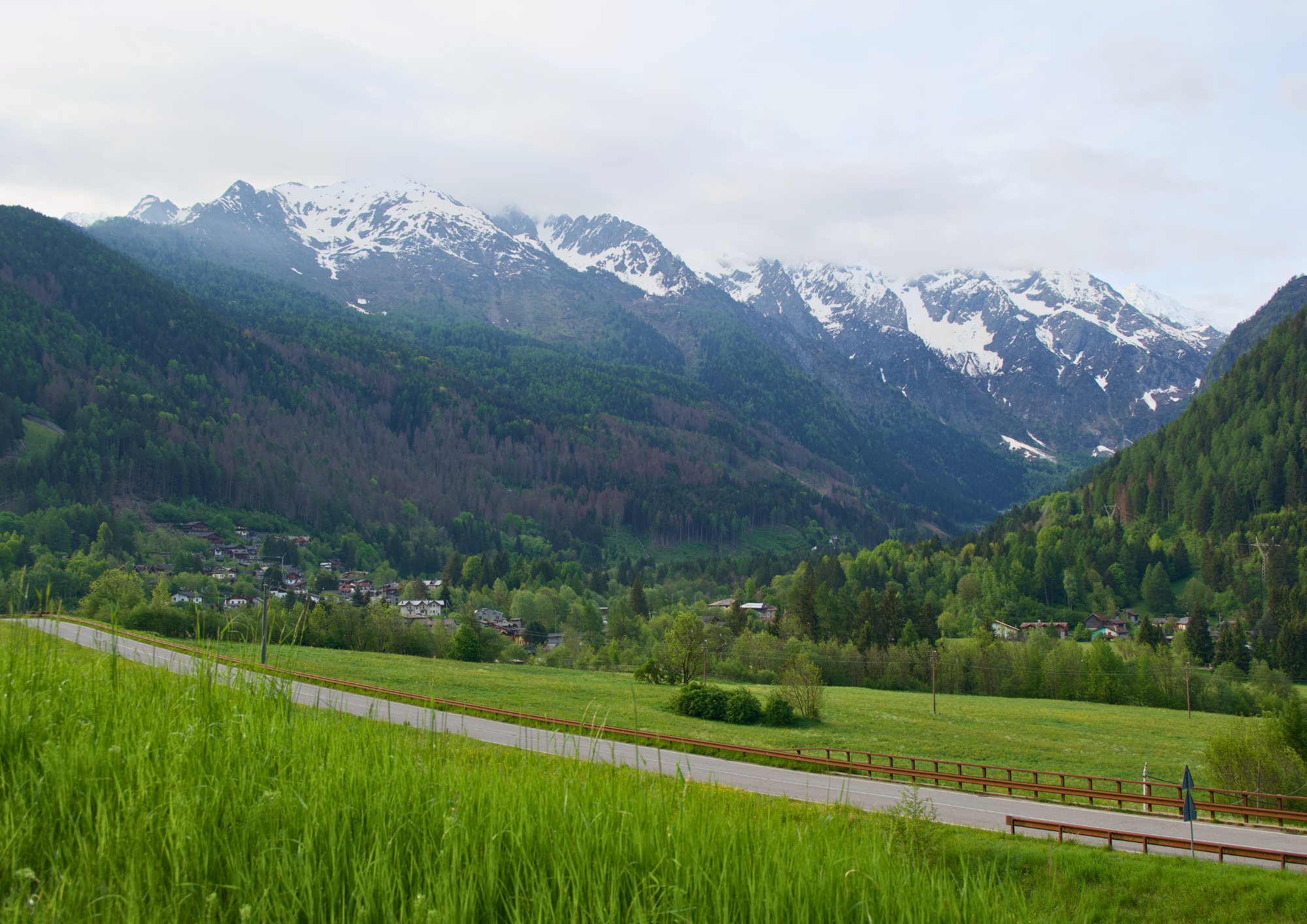
Today is a driving day, and one of the most scenic ones in Europe. The Sella Ronda is a roughly 26-kilometer circuit looping around the Sella massif through four valleys, Val Gardena, Val di Fassa, Alta Badia, and Arabba, connected by four mountain passes: Passo Sella, Passo Gardena, Passo Campolongo, and Passo Pordoi.
Give yourself the full day. The road itself, with its switchbacks and the road cyclists who treat this pass as a bucket-list ride, takes longer than the distance suggests, and there are pull-offs at nearly every hairpin worth stopping for.
Distance: about 26 km, full loop
Passes: Sella, Gardena, Campolongo, Pordoi
Tonight: continue on to Alta Badia (Corvara or San Cassiano) to set up for tomorrow's drive toward Cortina
The Sella Ronda Scenic Drive Hotel Options:
Local tip most itineraries miss: Starting September 1, 2026, Passo Gardena is restricted to local and hotel-guest traffic to reduce congestion. If you're driving this route later in the season, check current access rules before building your route around it, since this pass has historically been open to everyone.
The Sella Ronda is also, famously, the same circuit skiers loop in winter using nothing but lifts and slopes, so summer drivers are essentially retracing a ski route by car. Passo Pordoi, the highest of the four passes at just over 2,200 meters, tends to have the best panoramic pull-off near the top, with views across both the Sella group and the Marmolada in the distance, a preview of Day 7.
Day 4: Lago di Braies, Then On to Cortina
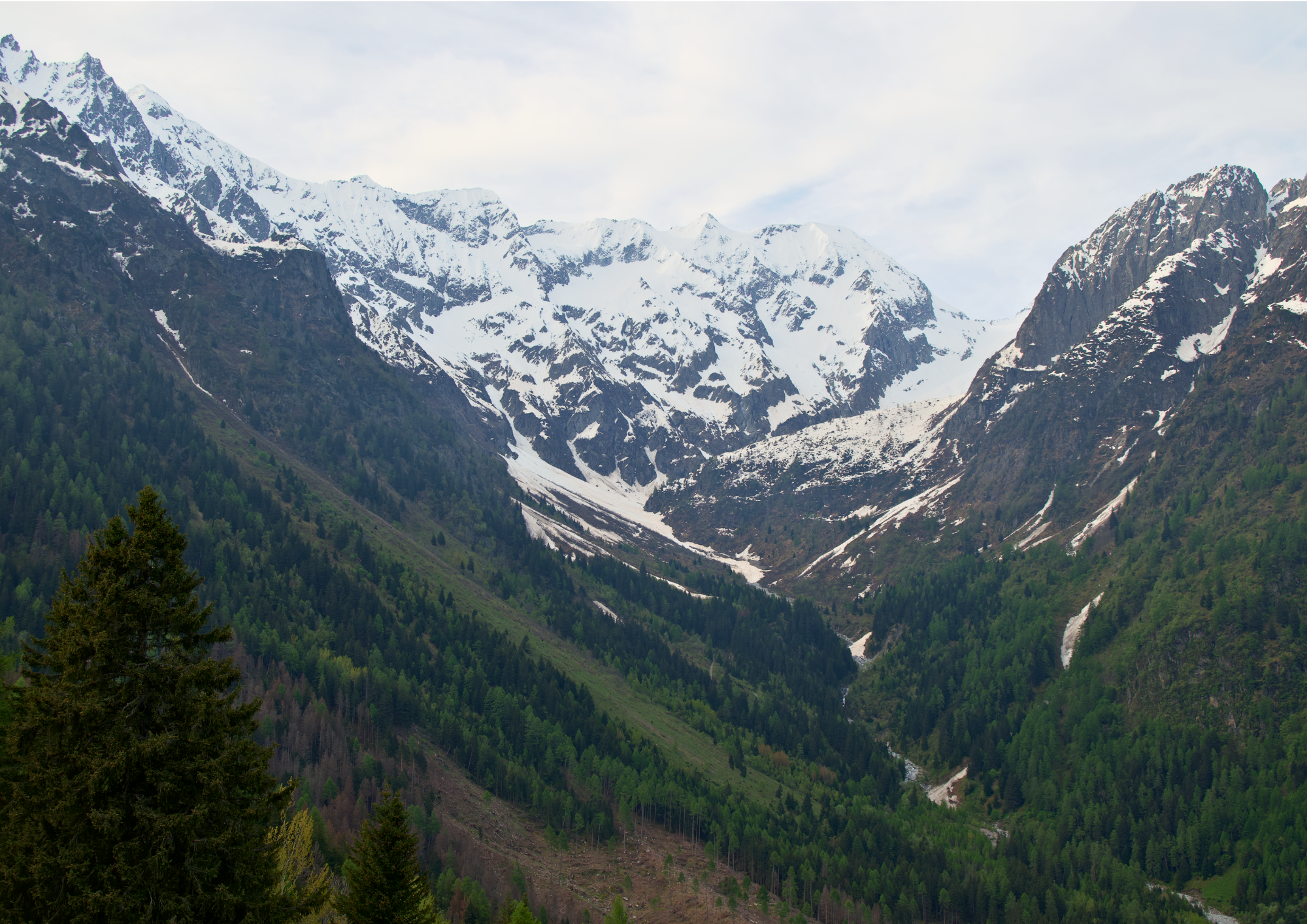
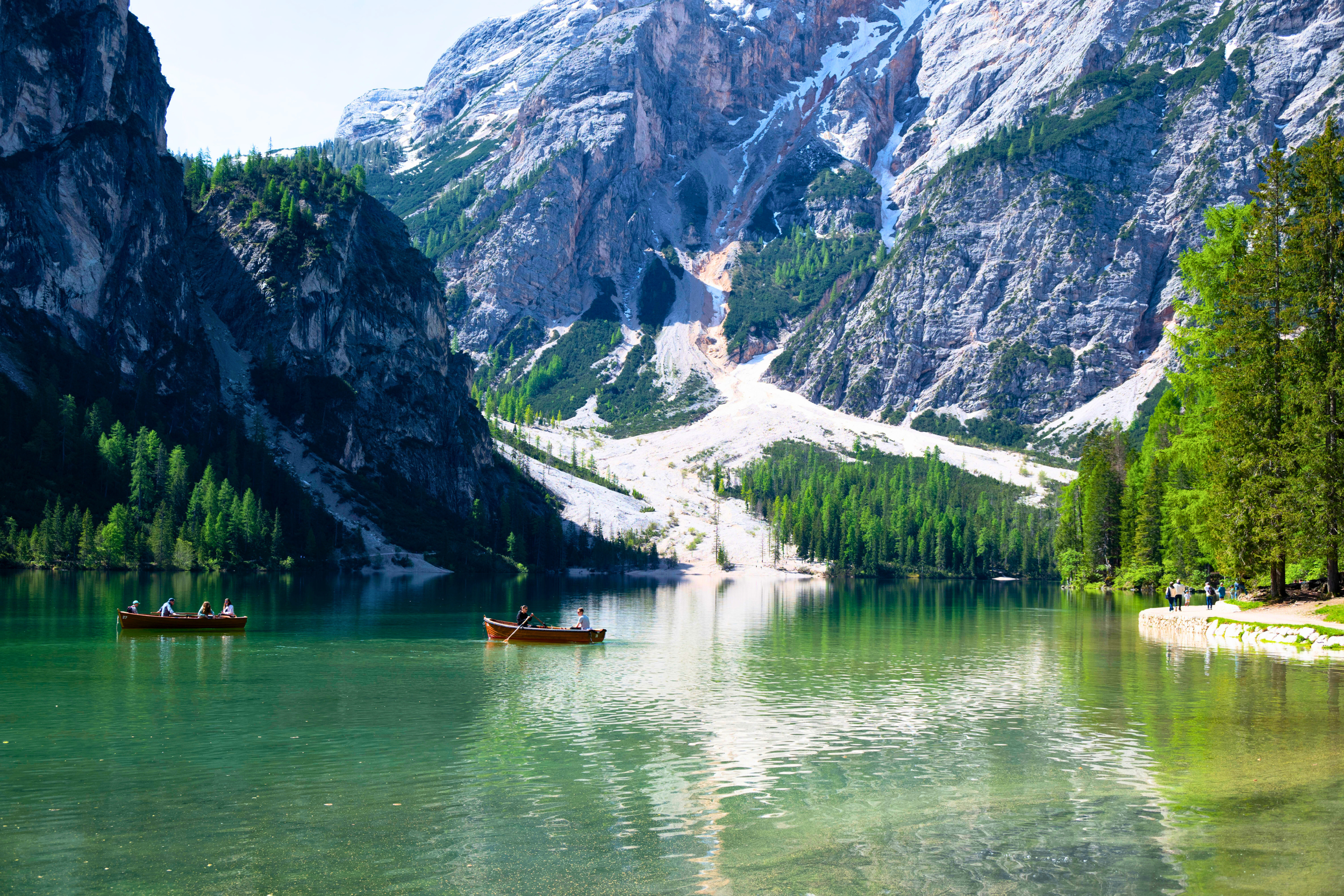
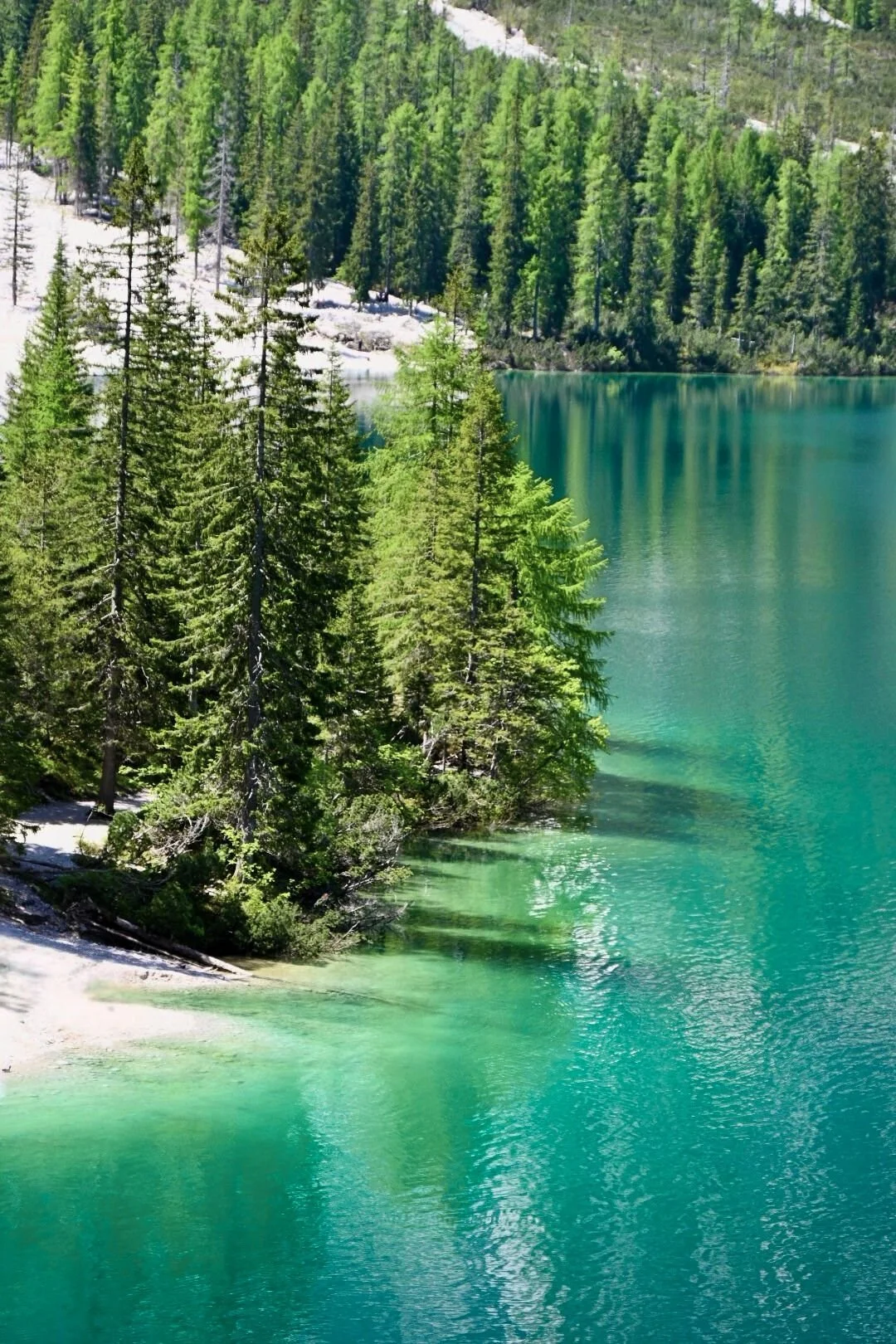
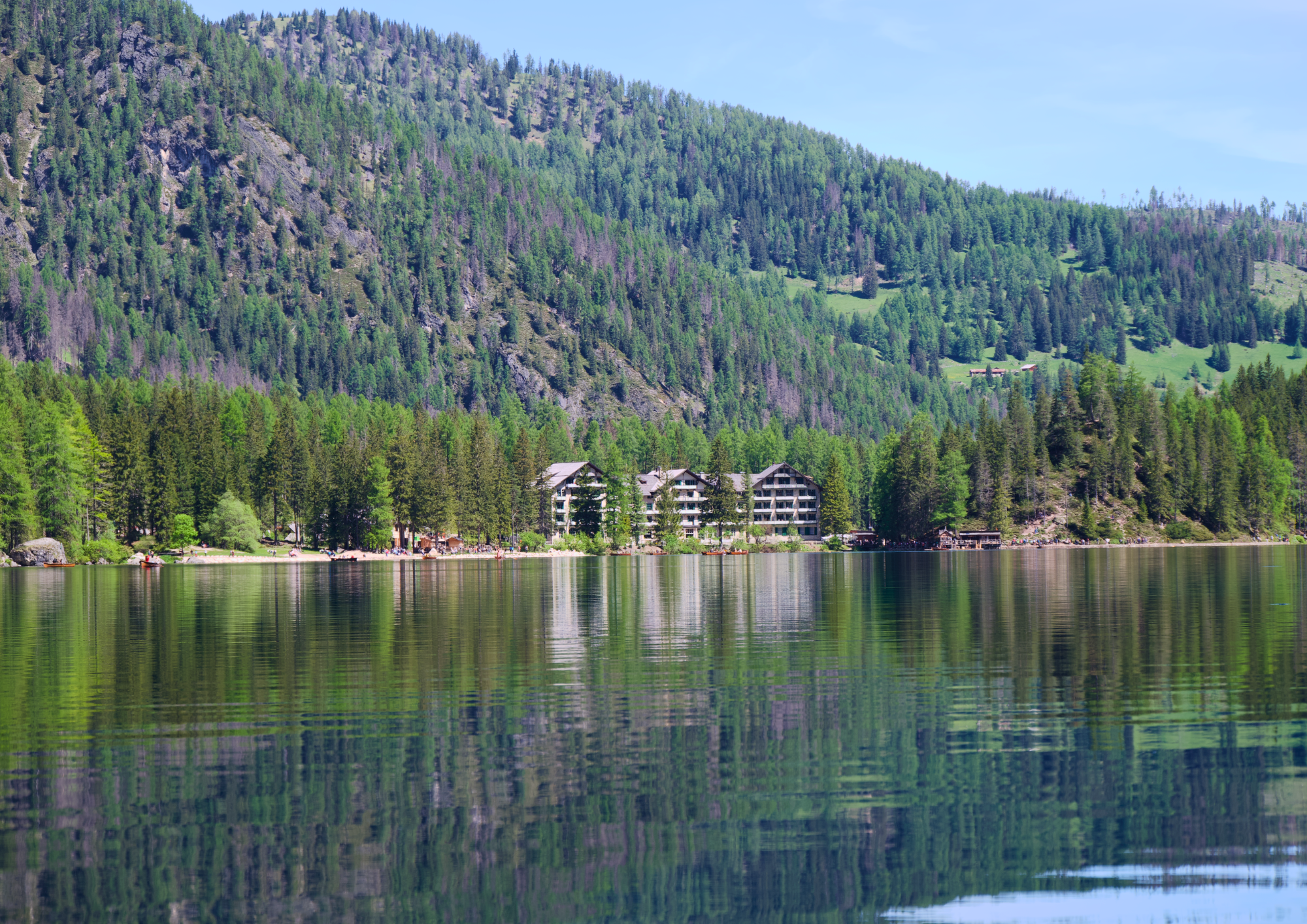
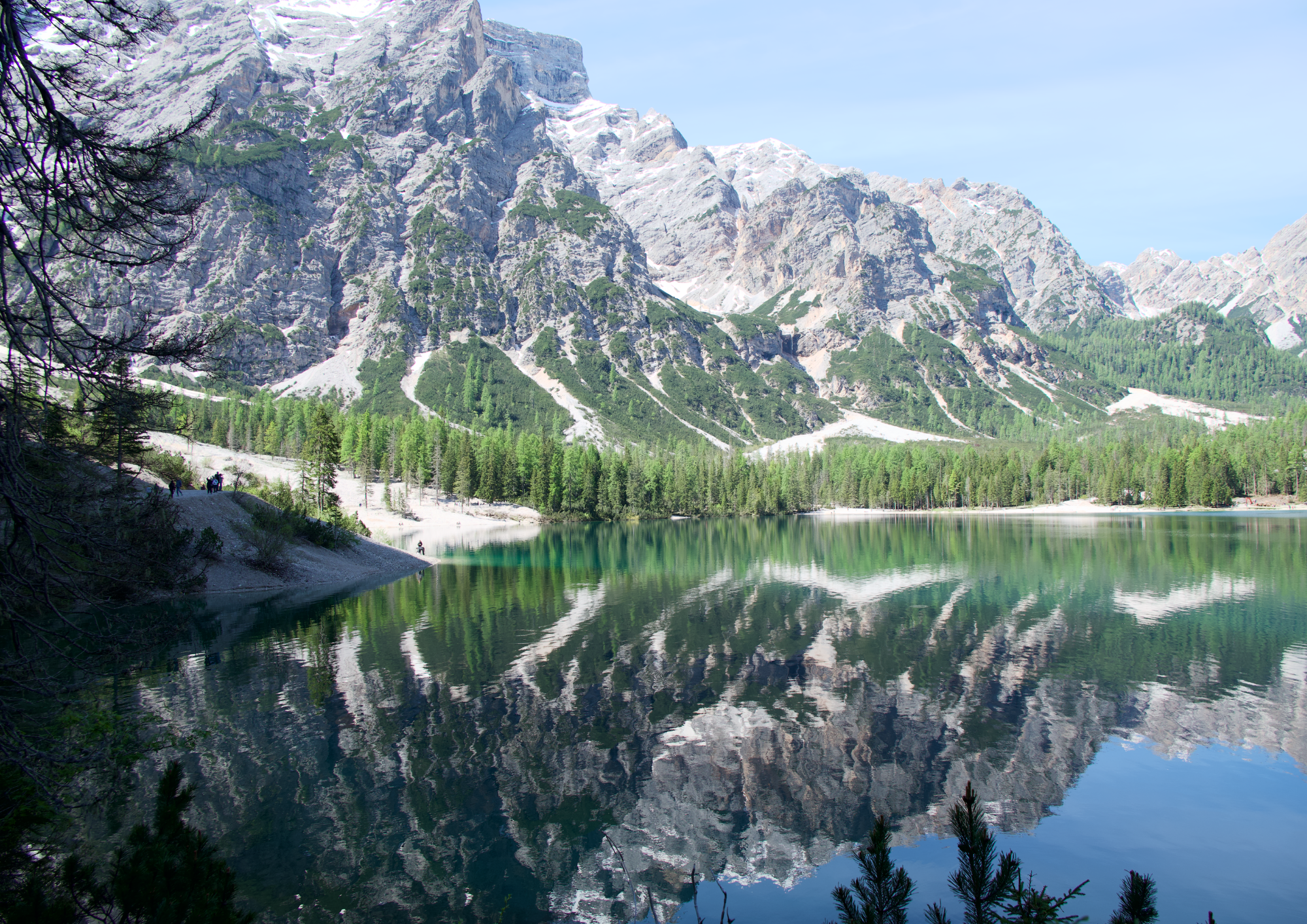
Today is a travel day with one major stop: Lago di Braies (Pragser Wildsee), the turquoise lake with the wooden rowboats that shows up on every Dolomites Pinterest board. It earns the reputation. It sits inside Fanes-Sennes-Braies Nature Park, ringed by peaks that turn the water an almost unreal shade of green-blue.
Here's the detail almost no itinerary mentions: from July 1 to September 15, 2026, personal vehicles cannot drive into the Pragser Tal valley between 9 am and 4 pm without a paid parking reservation. Outside those hours, or with a reservation booked through the official Pragser Wildsee parking site, driving in works as normal.
Reservation window: July 1 to September 15, 2026, 9 am to 4 pm
Parking cost: roughly €7 to €44, depending on lot and whether it's peak season
Boat rental: about €20 per person or €55 for a full boat, first-come, first-served, tends to sell out by midday
Workaround: arrive before 9 am, after 4 pm, or take the regional shuttle bus from Dobbiaco/Toblach
From Braies, it's about 1.5 to 2 hours on to Cortina d'Ampezzo, tonight's base for the next three nights.
Cortina d'Ampezzo Hotel Options:
Local tip: Build your Braies stop around the reservation window, not the other way around. An early arrival, before the 9 am cutoff, gets you both the calmest water for photos and a guaranteed parking spot with no booking required.
Day 5: Hike Tre Cime di Lavaredo
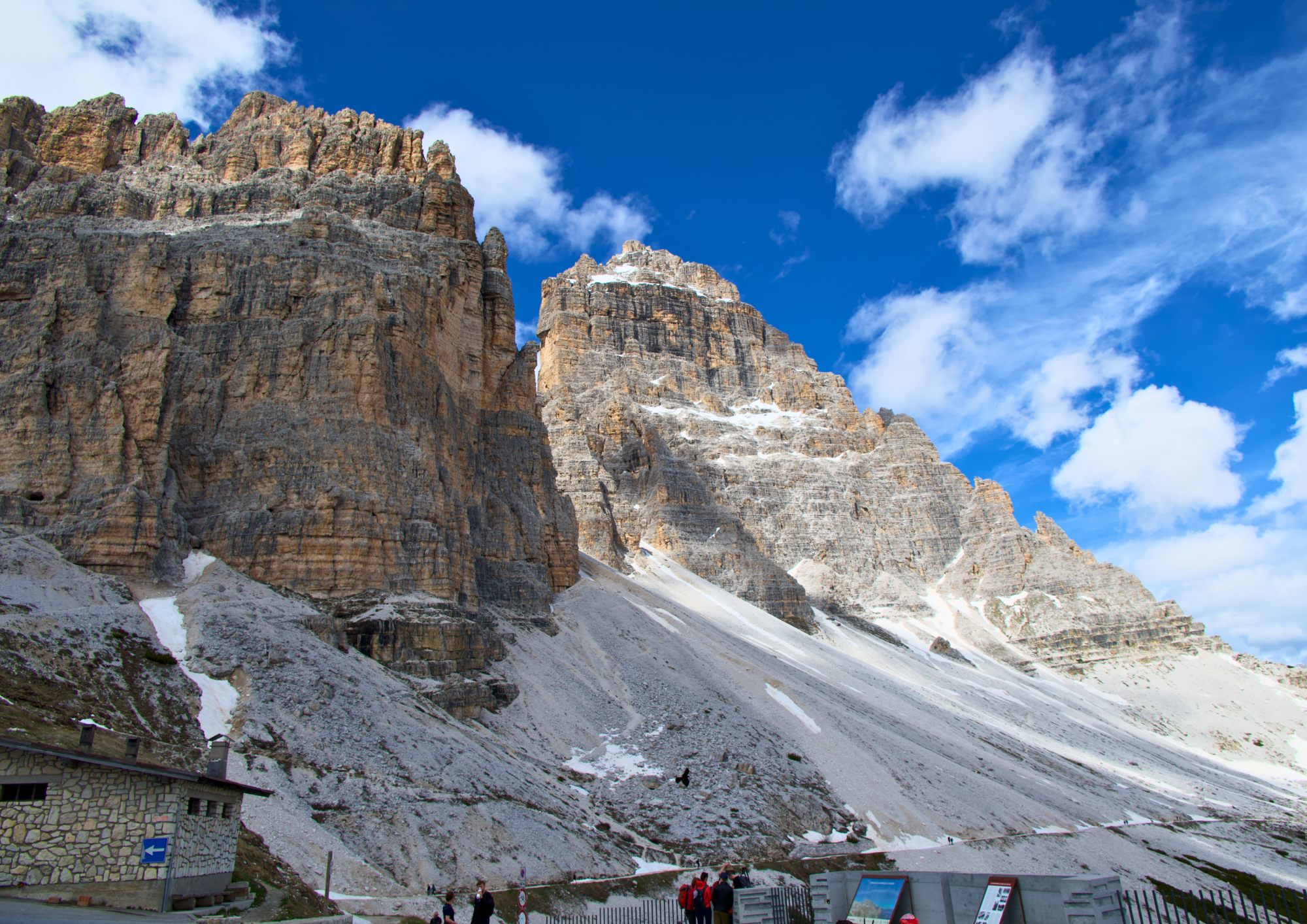
If one image made you want to visit the Dolomites, there's a decent chance it was this one: three sheer limestone towers rising out of a green plateau, ringed by a loop trail most hikers finish in three to four hours.
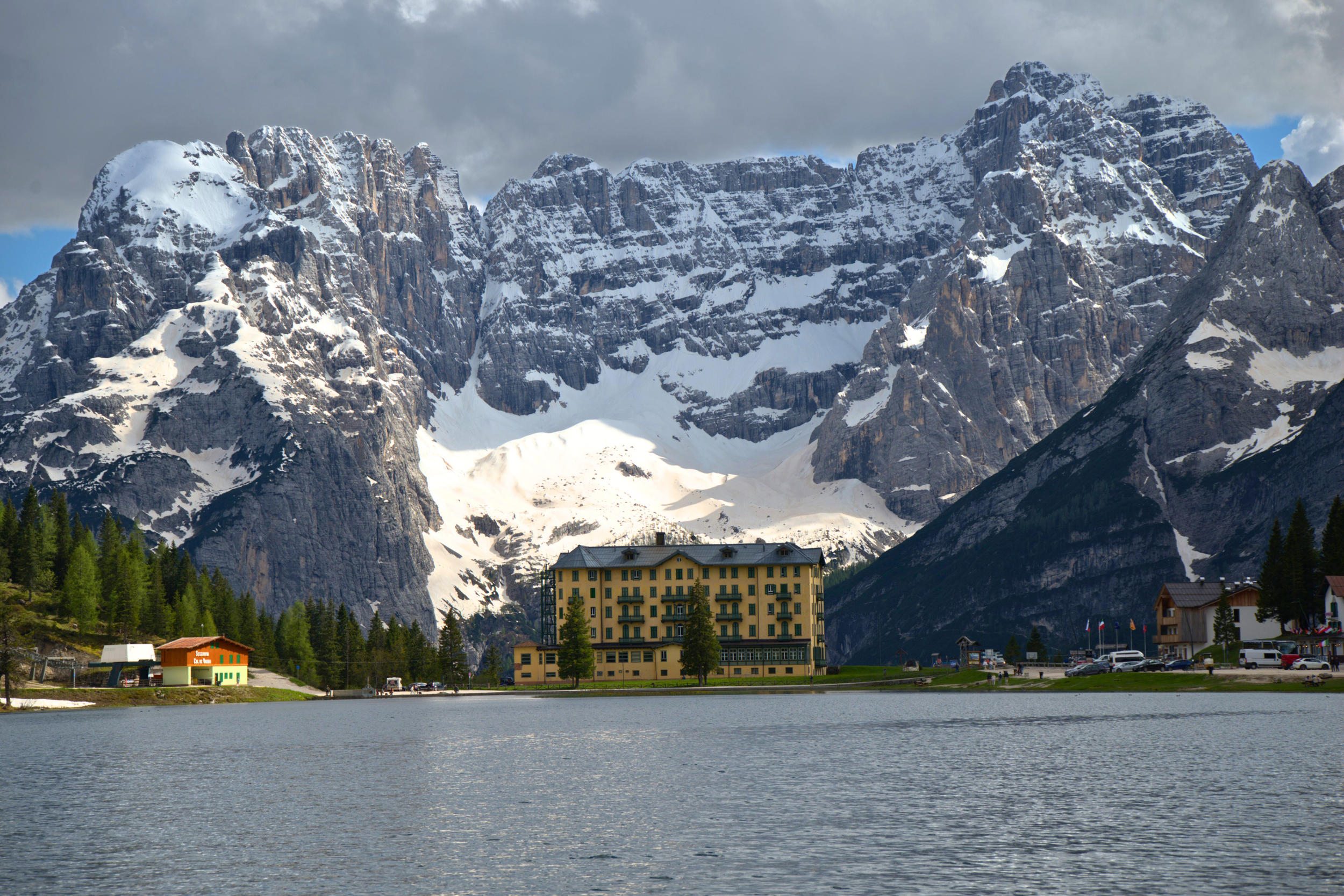
Start at Rifugio Auronzo, reachable by a toll road from Cortina in about 45 minutes, and hike the counterclockwise loop past Rifugio Lavaredo and Rifugio Locatelli, home to the classic postcard shot of the towers reflected in a small pond. Arrive before 8 am, or the parking lot fills, and the trail turns into a slow shuffle of tour groups.
Distance: about 10 km loop, 3 to 4 hours
Difficulty: moderate, well-marked, minimal technical terrain
Start point: Rifugio Auronzo, via toll road from Cortina
Book your guided tour in advance: Misurina/Dolomites: Tour of the Tre Cime di Lavaredo
Local tip: Pack a rifugio lunch into the plan rather than rushing back to the car. Canederli (bread dumplings), speck, and strudel are the standard mountain-hut menu, and eating one mid-hike is one of the better parts of the day, not a delay in it.
If the loop trail still has energy left in it, the Cadini di Misurina viewpoint sits a short drive from the Tre Cime toll road and adds a dramatically different perspective: a cluster of narrow, saw-tooth spires that photograph almost better than Tre Cime itself, with a fraction of the foot traffic. It pairs naturally with today's stop since it's on the way back toward Cortina.
Day 6: Choose Your Adventure
Today has two solid options depending on fitness level and how the weather looks.
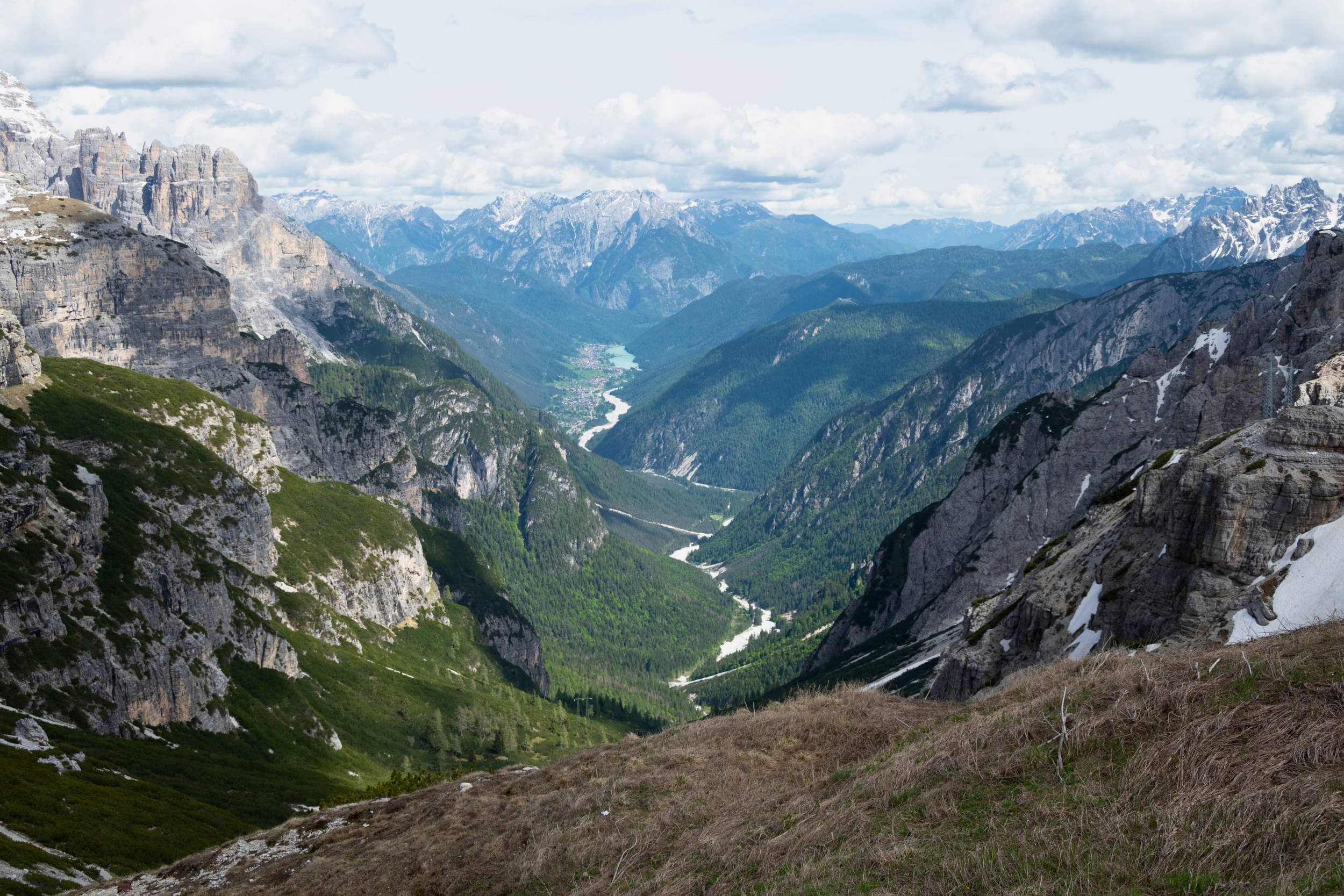
Option A: Lago di Sorapis (for experienced hikers) A quieter, more demanding lake hike than Braies, Lago di Sorapis delivers a milky turquoise lake tucked beneath the Sorapis massif, reached via a trail with chain-assisted sections along narrow ledges.
Distance: about 10 to 12 km round trip, 5 to 6 hours
Difficulty: challenging, real exposure on the chained sections
Start early to beat both the crowds and the afternoon storm risk common in summer
Option B: Passo Giau and Passo Falzarego (for a lower-key day) Two of the most photogenic mountain passes near Cortina, both with sweeping hairpin roads, rifugios perched at the top, and outstanding sunrise and sunset light. This is the easier, drive-and-photograph version of today, with a rifugio lunch built in.
Drive time: about 1 to 1.5 hours round trip from Cortina, with stops
Best for: travelers who want the scenery without another big hike so soon after Tre Cime
Book in advance: via ferrata / guided climbing tour, for anyone who wants to add a third option
Local tip: Check the forecast the night before and pick based on weather, not preference. Afternoon thunderstorms build fast above the treeline in summer, and the Sorapis trail is not the place to be caught in one.
Either option leaves the evening free for one of the better dinners of the trip. Cortina's restaurant scene has leaned further upscale since the Olympics, so this is a good night to book ahead rather than walk in, especially in July and August.
Day 7: The Marmolada, Then Back to Venice
On the way back toward Venice, detour to Malga Ciapela for the Marmolada cable car. At 3,343 meters, the Marmolada is the highest peak in the range and home to its only glacier, which has shrunk significantly in recent decades and is worth seeing while it's still there. The cable car climbs to Punta Rocca near the summit, with panoramic views across the whole range and, on a clear day, out to the Adriatic.
Access: cable car from Malga Ciapela to Punta Rocca
Time needed: 2 to 3 hours including the ride up, viewing time, and the ride down
From here: about 2.5 to 3 hours back to Venice Marco Polo for a flight home
Where to Stay Each Night, at a Glance
Nights 1 to 3, Val Gardena (Ortisei): the most convenient base for Alpe di Siusi, Seceda, and the start of the Sella Ronda
Night 3, Alta Badia (Corvara or San Cassiano): quieter and upscale, well positioned for the eastern half of the Sella Ronda and known for excellent rifugio dining
Nights 4 to 6, Cortina d'Ampezzo: the closest base to Lago di Braies, Tre Cime, and Lago di Sorapis, with strong post-Olympics infrastructure and dining
Adjust the exact town within each valley based on budget. Ortisei, Corvara, and Cortina all have a mix of family-run guesthouses and higher-end hotels, and the smaller family-run properties tend to sell out first for 2026 and 2027 travel, often before the larger chain properties do.
For a self-driven trip like this one, proximity to a cable car or the day's starting trailhead matters more than proximity to a town center. A hotel a short walk from the Ortisei cable car station saves real time on Day 2's early start, even if it costs slightly more than a similar property a ten-minute drive away. The same logic applies in Cortina for the Tre Cime toll road turnoff.
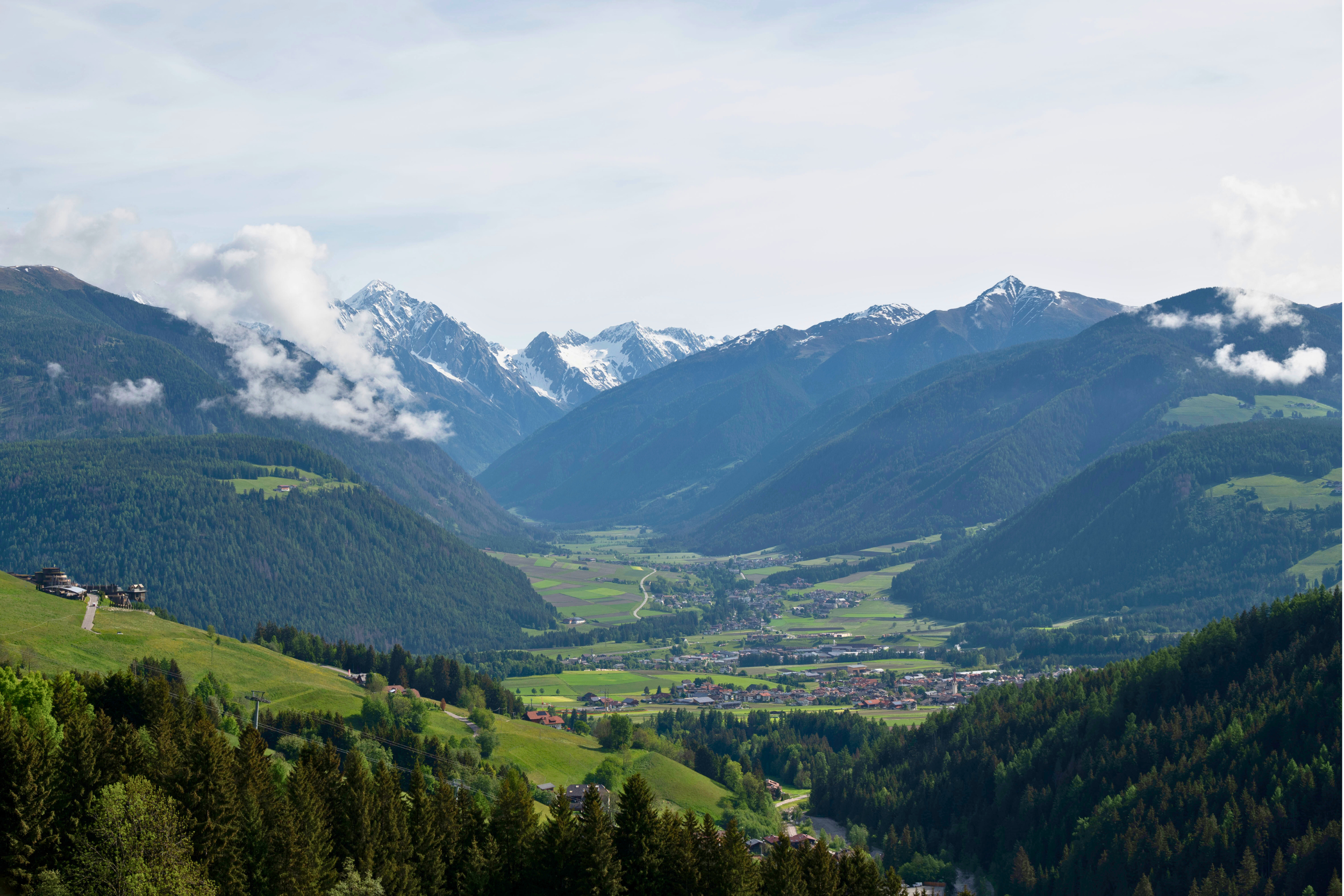
Agriturismi, working farm stays that offer rooms and often a home-cooked dinner, are worth considering as an alternative to a standard hotel in either base, particularly for travelers who want a slower, more local pace built into a lodging choice rather than just a place to sleep.
I always recommend comparing all of the various hotels in this region in Italy by using Expedia - you can filter by exactly what you are looking for: price, location, parking, laundry, dog-friendly!
What to Pack
Mountain weather changes fast here, even in summer, and afternoon thunderstorms are common at altitude.
Broken-in hiking boots with ankle support, not sneakers, even for moderate trails (men’s & women’s hiking boots)
Layers: a base layer, a light insulating layer, and a packable rain shell
Trekking poles, especially useful on the steeper descents
A refillable water bottle or bladder, since not every trail passes a rifugio
Sun protection: altitude sun is stronger than it feels, even on cool days
A basic first aid kit and a phone with offline maps downloaded before you lose signal in the valleys
Budgeting and Booking Tips
Travel insurance is worth the cost on a trip built around hiking and mountain driving, where injuries and weather disruptions are more common than average.
A travel rewards credit card with no foreign transaction fees is a simple way to offset flight and hotel costs on a trip where nearly all your spending happens abroad.
Many rifugios and smaller shops in remote valleys are cash-preferred or cash-only, so carry euros.
Book the Lago di Braies parking reservation and your Cortina and Val Gardena hotels well before arrival for any summer trip. Post-Olympics demand has pushed both to sell out earlier than in past years.
Adapting This Itinerary
This route is built for a first-time visitor who wants the highlight reel without missing the logistics that trip people up, but it's a starting framework, not a rigid script. A few ways to adjust it:
Traveling with kids or non-hikers? Days 2, 3, 4, and 7 are almost entirely lift-served or road-based, so the itinerary already leans accessible. Swap Day 5's Tre Cime hike for a shorter loop near Cortina, and skip the Sorapis option on Day 6 in favor of Passo Giau.
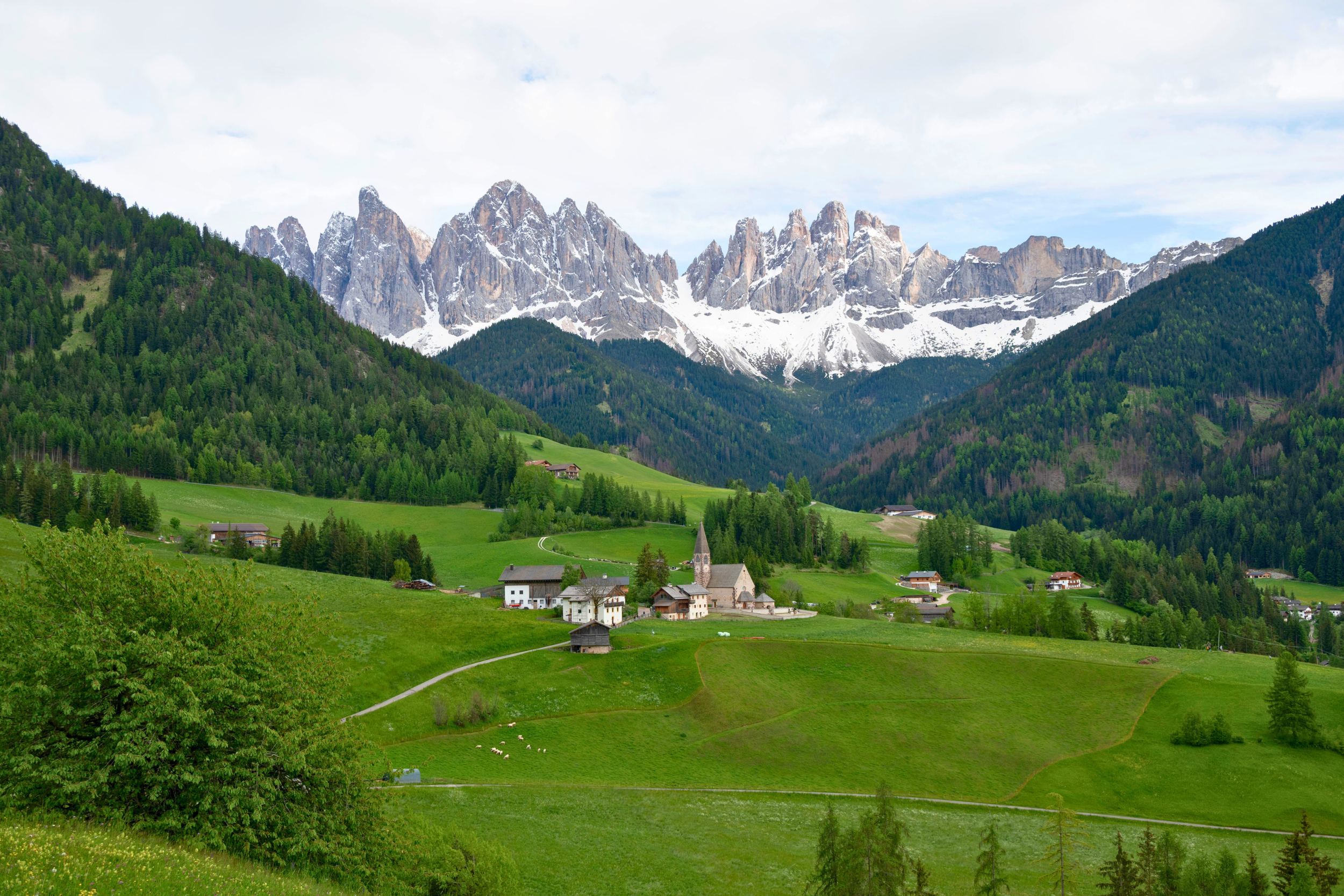
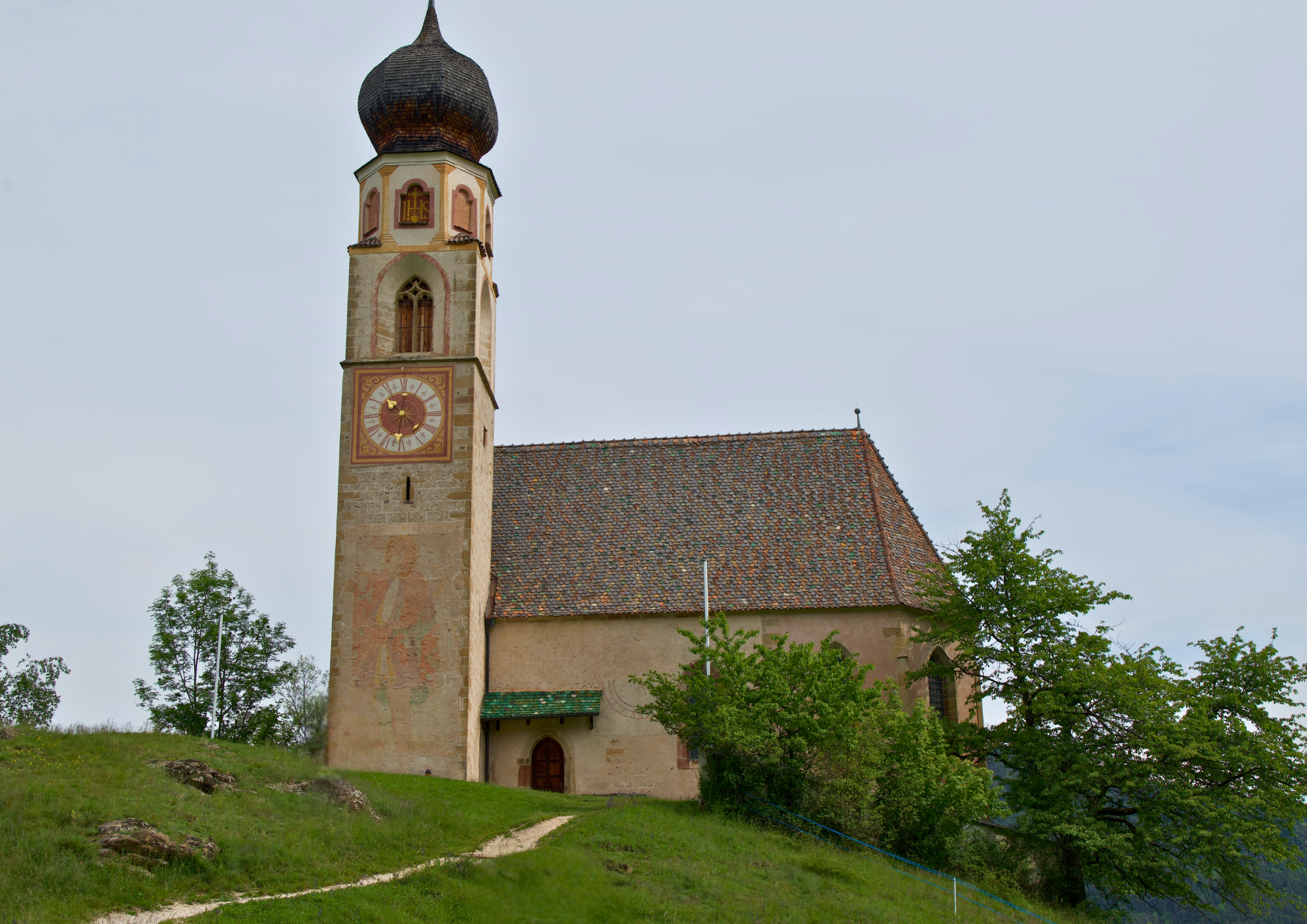
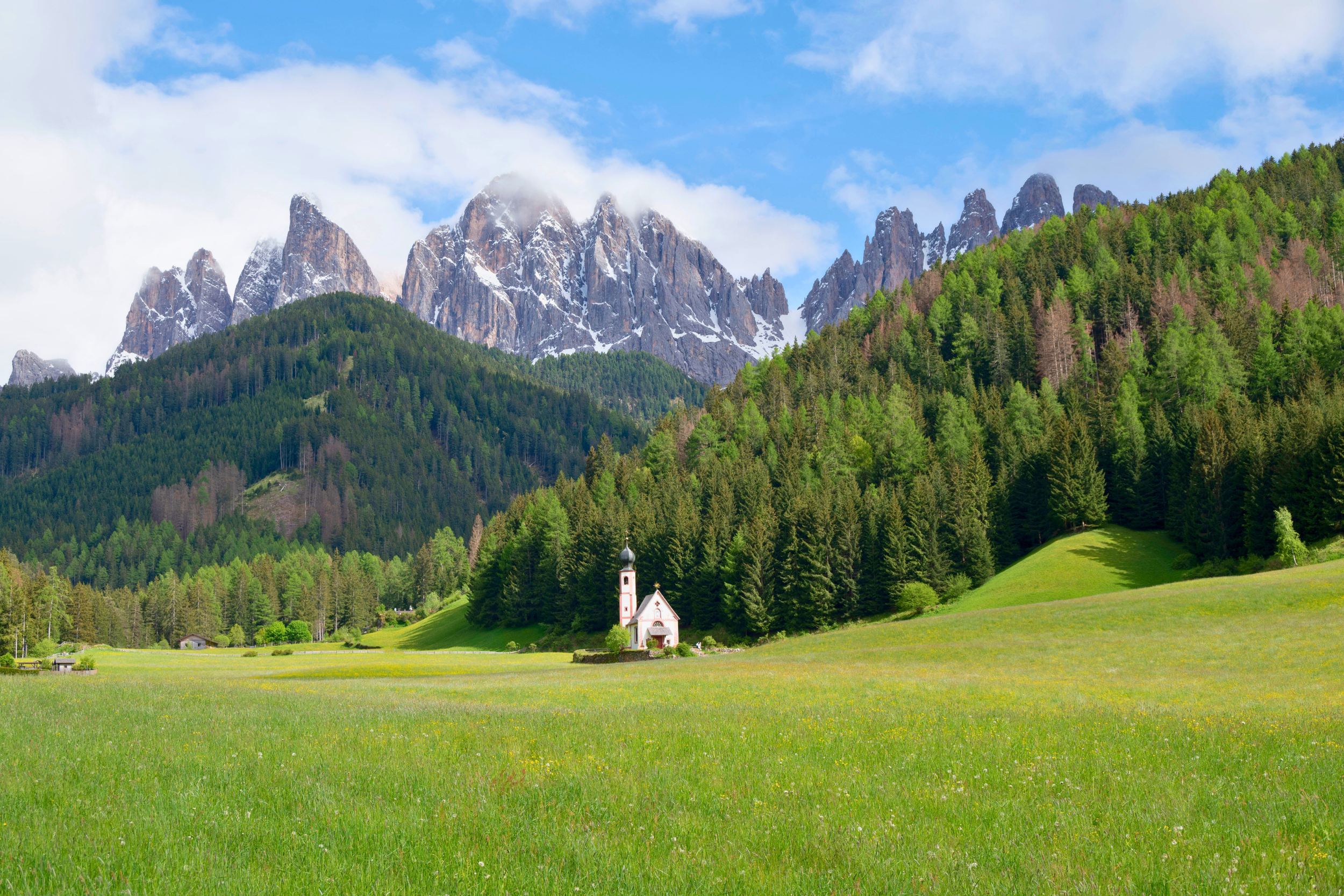
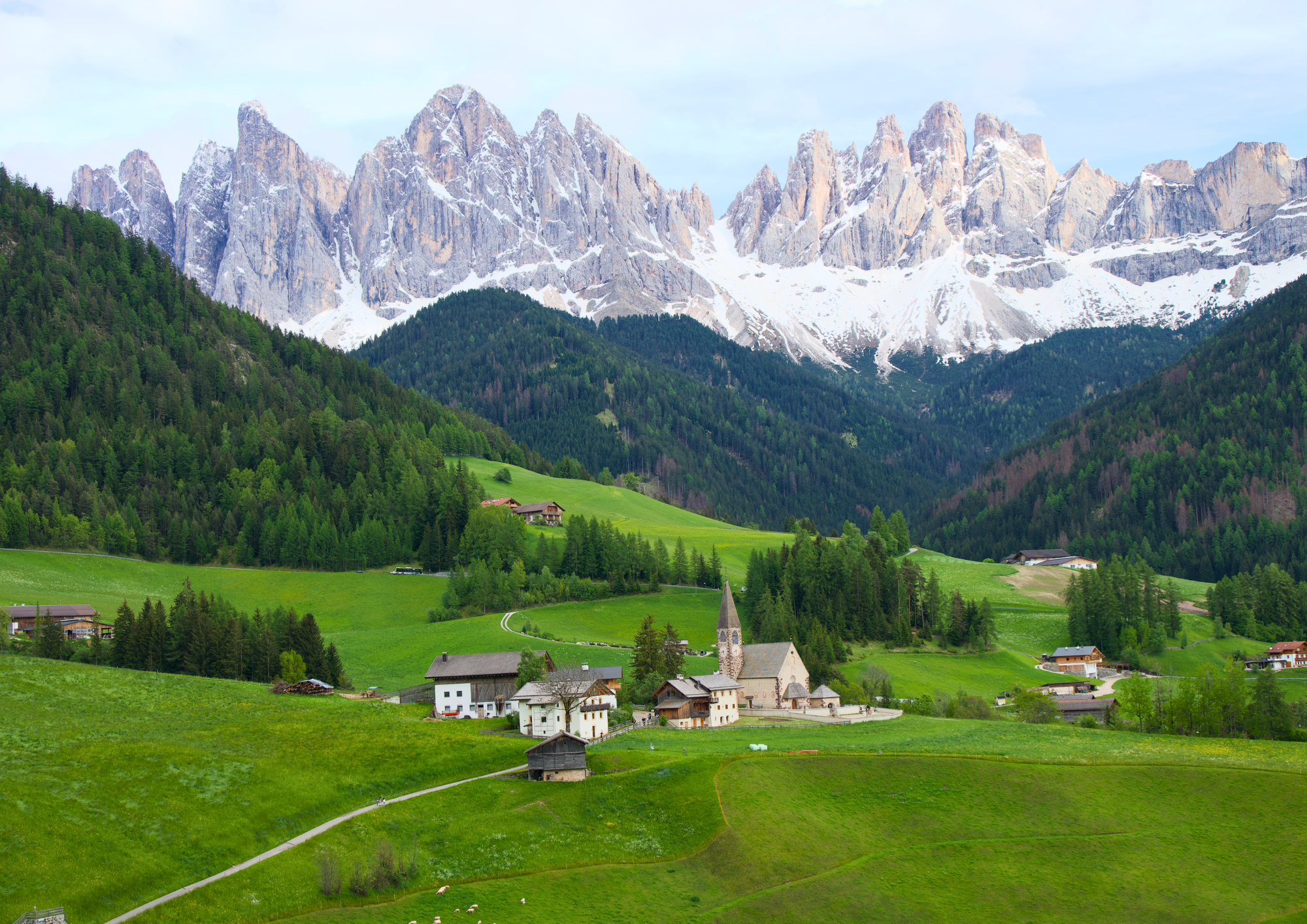
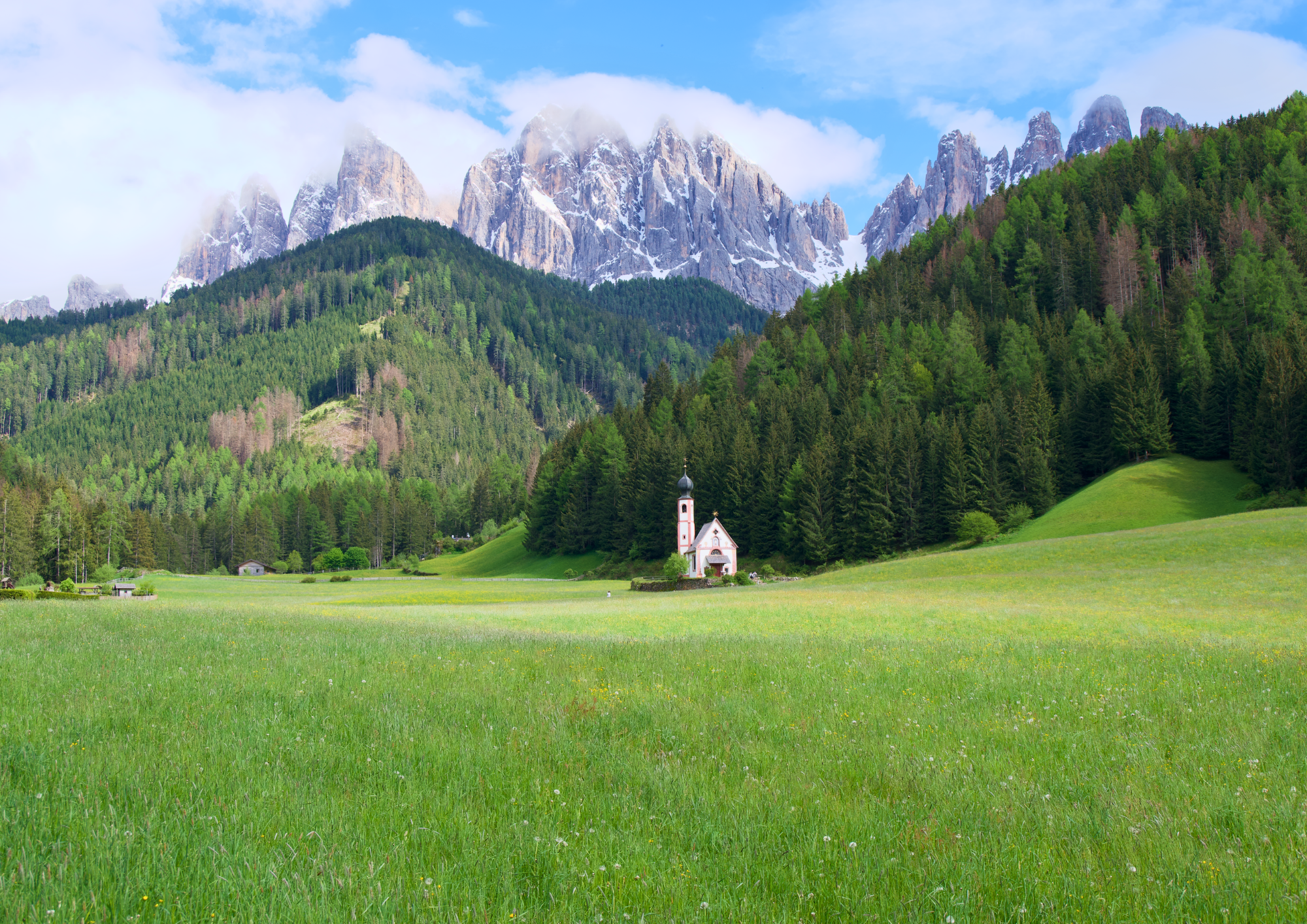
Want more time? Add a day in Val di Fassa for Passo Sella access from the Trentino side, or a day around Val di Funes for the classic Santa Maddalena church photo with the Odle peaks behind it.
Visiting in winter instead? This same loop works as a ski trip using the Dolomiti Superski pass, which links 12 resorts and roughly 1,200 kilometers of runs, including a version of the Sella Ronda skied entirely by lift and slope instead of by car. Lago di Braies and Tre Cime shift from hiking stops to snowshoe or winter-walk destinations, and several of the mountain passes on this route close to cars entirely, so a winter itinerary needs to be rebuilt around lift access rather than point-to-point driving.
Prefer not to drive at all? A version of this route is possible using regional buses and cable cars, especially between Ortisei, Bolzano, and Cortina, though it requires more schedule-checking and won't reach every stop as efficiently. Guided multi-day tours are the other alternative, trading flexibility for a fully planned route with transport included.
This Itinerary at a Glance
For a quick reference while planning, here's the full seven days in one place:
Day 1: Arrive Venice, drive to Val Gardena, base in Ortisei
Day 2: Alpe di Siusi and Seceda by cable car, still based in Ortisei
Day 3: Sella Ronda scenic drive, move to Alta Badia (Corvara or San Cassiano)
Day 4: Lago di Braies, then drive on to Cortina d'Ampezzo
Day 5: Tre Cime di Lavaredo hike, based in Cortina
Day 6: Lago di Sorapis hike or Passo Giau/Passo Falzarego drive, based in Cortina
Day 7: Marmolada cable car, then drive back to Venice for departure
Two hotel changes across seven days, five major landmarks, and two full logistics workarounds already built in. That's the whole shape of the trip before any of the day-by-day detail below.
Common Mistakes This Itinerary Avoids
A few planning mistakes show up again and again in Dolomites trip reports, and this route is built specifically to sidestep them:
Booking too many base towns. Moving hotels every single night sounds efficient on paper and is exhausting in practice, especially with mountain roads eating more time than flat highway miles. This itinerary uses two bases for seven days.
Driving into Lago di Braies at 11 am in July with no reservation. This is the single most common frustration in Dolomites trip reports, and it's entirely avoidable with a few minutes of planning before the trip.
Underestimating pass driving time. A 26-kilometer loop sounds like an hour of driving. On the Sella Ronda, with switchbacks, cyclists, and photo stops, it's a full day.
Scheduling the hardest hike on the last day. Save Lago di Sorapis, or any strenuous trail, for a day with a buffer after it, not the day before a flight.
Assuming every cable car runs year-round. Several lift-served viewpoints, including some used in this itinerary, have defined summer operating seasons and close for maintenance in shoulder months. Check current schedules before building a day around one.
Skipping travel insurance on a trip built around hiking and mountain roads. This is exactly the itinerary type it exists for, not an afterthought to add if there's budget left over.
Photography Notes for This Route
For anyone bringing a camera rather than just a phone, a few things are worth planning around:
Golden hour runs long here. Because the peaks block direct sun earlier and later than open terrain, the soft light window at sunrise and sunset tends to stretch longer than in flatter destinations, particularly in east- or west-facing valleys like Val Gardena.
The enrosadira window is short. This is the phenomenon where the pale limestone catches the last light and turns a deep rose-orange for a few minutes at sunset. It depends on clear skies and the right cloud cover to the west, so scout a spot with an open western view in advance rather than searching for one in the moment. Passo Giau and the Alpe di Siusi both work well for this.
Drone rules are strictly enforced at protected sites. Lago di Braies bans all drone use, including small consumer models, over the lake and the surrounding private hotel land, with fines for violations. Check local rules for any nature park before flying.
A polarizing filter earns its keep here, cutting glare off both the alpine lakes and the pale rock faces, which can blow out easily in strong midday sun.
If photography is part of why you're here, this is a place worth packing gear specifically for. A compact travel tripod is the single upgrade that makes the biggest difference on this shot. (The PERFECT travel tripod)
Food Along the Route
South Tyrolean and Trentino food shifts noticeably from valley to valley, and it's worth building meals into the itinerary rather than treating them as a break from it.
In Val Gardena, expect a strong Austrian influence: canederli in broth, goulash, and strudel show up on nearly every menu, alongside South Tyrolean wines from the valley floors below.
In Alta Badia, the Ladin culture adds its own dishes, including turtres, a fried dumpling filled with sauerkraut or spinach and cheese, found mostly in this specific area.
Near Cortina, the food leans more distinctly Italian and, since the Olympics, noticeably more upscale, with a growing number of chef-driven restaurants alongside the traditional rifugios.
Rifugios throughout the route are worth treating as full meal stops rather than quick snack breaks. Most are family-run, reachable only on foot or by cable car, and serve notably good food at prices that are reasonable given the location. It's customary to order something if you're stopping to rest at the tables or use the restroom.
Ready to Build Your Dolomites Trip?
Save this itinerary, adjust the days to fit your pace, and book the two things that run out first, every year: your Cortina or Val Gardena hotel, and your Lago di Braies parking reservation if you're traveling between July and mid-September. Everything else on this route can flex around weather and energy levels. Those two can't.
If you want more Dolomites content, including a deeper Val di Funes and Puez-Odle guide for anyone extending past 7 days, that's coming soon on The Scenic Route Traveler.
Ready to Book Your Italy Trip?
Save this guide, start with the full weekend, and let this part of Italy surprise you. Trust me, it will.
Questions about Italy? Send me a message on my social channels. I read everything and genuinely enjoy talking about this part of Italy. If you've been to this part of Italy, tell me what I missed. There's always more.
Frequently Asked Questions: Italian Dolomites
-
Yes, for a first visit. Seven days allows two valley bases, the major lakes and viewpoints, and one full hiking day, without the rushed pace a 3 or 4 day trip requires.
-
It's strongly recommended for this itinerary. Regional buses connect the main towns, but they run less frequently to trailheads and mountain passes than a self-driven schedule needs.
-
Only if you're driving in between 9am and 4pm from July 1 to September 15, 2026. Outside that window, or by public shuttle, no reservation is required.
-
Late June or the second half of September, when trails and cable cars are fully open but crowds are noticeably thinner than peak July and August.
-
It varies widely by season and hotel choice, but expect meaningful costs from rental car and fuel, cable car tickets, Lago di Braies parking, and lodging in Cortina and Val Gardena, both of which run higher than average during peak summer.
The Scenic Route Traveler inspires intentional travel through storytelling, hidden gems, and culturally rich experiences around the world.
-
I’m Erin, the voice behind Scenic Route Traveler, sharing intentional travel stories and guides from around the globe.
-
We deliver travel guides and storytelling through YouTube, social media, photography, and digital products designed for fellow travelers.
-
If you’re new here: this is a space for travelers who care more about how a place feels than how it looks on a checklist. You’ll find guides, stories, and resources designed to help you slow down and travel with intention.