
Things to Do in Gyeongju: A Complete Guide to Korea's Ancient Capital
Gyeongju was the capital of the Silla Kingdom for close to a thousand years. Royal tombs sit in the middle of ordinary neighborhoods. A 1,400-year-old observatory shares a park with dog walkers. A full moon pond glows every night whether anyone shows up to watch it or not.
Locals call it the museum without walls. A few blocks in, the nickname stops feeling like marketing.
This post contains affiliate links. If you book through my links, I may earn a small commission at no extra cost to you. It helps keep this blog going, and I only ever recommend things I'd use myself.
Quick Answer: Best Things to Do in Gyeongju
Daereungwon Tomb Complex. Cheomseongdae Observatory. Donggung Palace and Wolji Pond at night. Hwangnidan-gil Street for food and coffee. That's the essential day.
With a second day, add Wolseong Fortress, Gyerim Forest, and Gyeongju Gyochon Traditional Village. Most of it is walkable. A hanok stay puts you within reach of all of it.
Quick Facts
From Seoul: ~2 hours by KTX
From Busan: ~30 minutes by KTX
Best time to visit: Spring or fall
Ideal trip length: 2–3 days
Daily budget (mid-range): 40,000–60,000 won, excluding lodging
A Short History, Because It Changes How You See the City
Gyeongju was the capital of the Silla Kingdom from the first century BCE until the tenth century, one of the longest-running capital cities in world history.
After Silla unified the Korean peninsula in the seventh century, Gyeongju grew into one of the largest cities in the world at the time, with a population historians compare to Tang dynasty Chang'an. UNESCO designated the Gyeongju Historic Areas a World Heritage Site for exactly this reason.
Almost everything on this list dates from that era. Not reconstructions built to look old, the actual tombs, foundations, and observatory, standing where they were built over a thousand years ago. That's worth knowing before you get to the tomb complex, because it changes the walk.
Silla eventually fell in the tenth century, absorbed into the Goryeo dynasty, and Gyeongju's role as capital ended with it. What kept the city's Silla-era sites intact wasn't preservation in the modern sense; it was that Gyeongju became a regional city rather than a rebuilt one, which meant later dynasties built around the tombs and the old palace grounds instead of over them. That's the reason a functioning neighborhood today still has a park of royal burial mounds running through the middle of it.
Where Is Gyeongju, and How Do You Get There
Gyeongju sits in North Gyeongsang Province, on Korea's southeast coast. Two hours from Seoul by KTX. Thirty minutes from Busan. Close enough to either city that it works as an add-on rather than its own separate trip.
There's no major airport in Gyeongju itself. Fly into Seoul (Incheon or Gimpo) or Busan (Gimhae) and connect by train. If Busan is already on your route, slot Gyeongju in from there.
If you'd rather not manage train transfers yourself, a handful of operators run day tours directly from Seoul or Busan that include round-trip transport. Worth it if you're tight on time; skip it if you'd rather move at your own pace.
The historic core is compact and mostly flat. A bicycle or a good pair of shoes will get you through nearly everything on this list without a car.
Book a Day Tour to Gyeongju
If you choose not to stay overnight in Gyeongju and you’d prefer to do a day trip from Busan, I recommend booking this day tour ahead of time.
Best Time to Visit
Spring (late March–April): cherry blossoms around the tomb parks, mild temperatures on paths that offer almost no shade. The most photogenic window, and the most crowded.
Fall (October–early November): cooler air, warmer light, the strongest season for photos at Wolji Pond. My pick if you're choosing one season.
Summer (June–August): humid, exposed, doable if you plan around early mornings and evenings.
Winter (December–February): cold and quiet, with Cheomseongdae mostly to yourself if you're willing to bundle up.
Gyeongju also runs a spring cherry blossom festival and a fall Silla cultural festival, both adding markets and evening programming on top of the usual sightseeing. If your dates overlap with either, book lodging further ahead than usual.
What It Costs
Site entrance fees: a few thousand won each
Local meals: 10,000–20,000 won
Mid-range hanok stay: often cheaper than a Seoul hotel
Bicycle rental: ~10,000 won/day
Cross-town taxi: rarely over 15,000 won
One catch: some restaurants charge extra for side dishes that come free elsewhere in Korea. Check the menu before you order if you're watching the budget.
A reasonable daily budget for a mid-range traveler, meals, entrance fees, local transport, no lodging, lands around 40,000 to 60,000 won.
Getting Around
Bicycle is the move. Most guesthouses rent them directly or can point you to a nearby shop, and it's the fastest way between the tomb parks, the observatory, and Hwangnidan-gil without wasting time on short taxi rides.
Taxis handle anything further out. City buses reach Bomun Lake and the KTX station if you need to go beyond the historic core.
An eSIM makes navigating between sites considerably easier, especially since not every street sign in the older neighborhoods is in English.
If you’re hoping to take a day tour of Gyeongju with a guide, I’d recommend booking it in advance with this option.
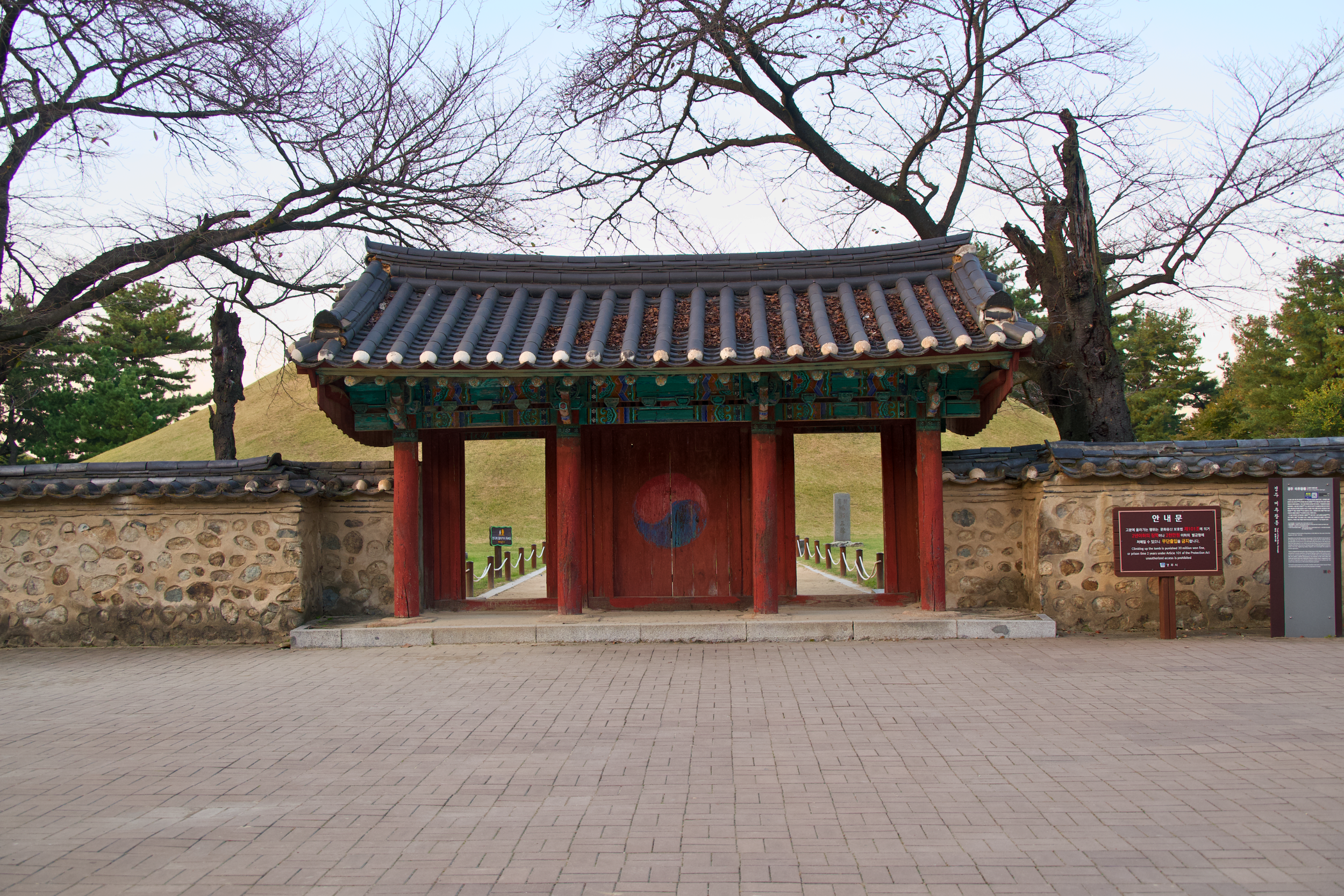
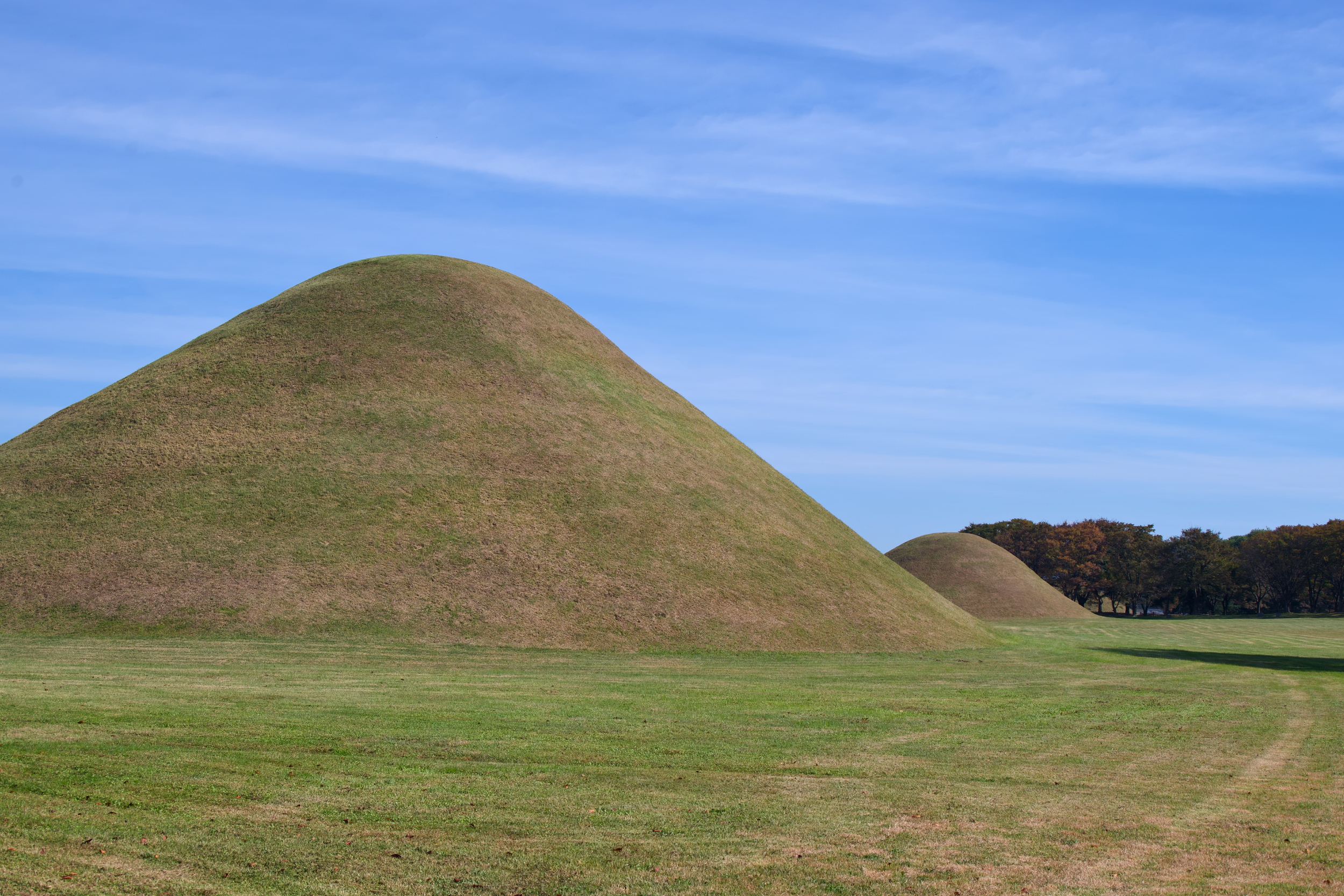
Daereungwon Tomb Complex & the Tomb of King Michu (미추왕릉)
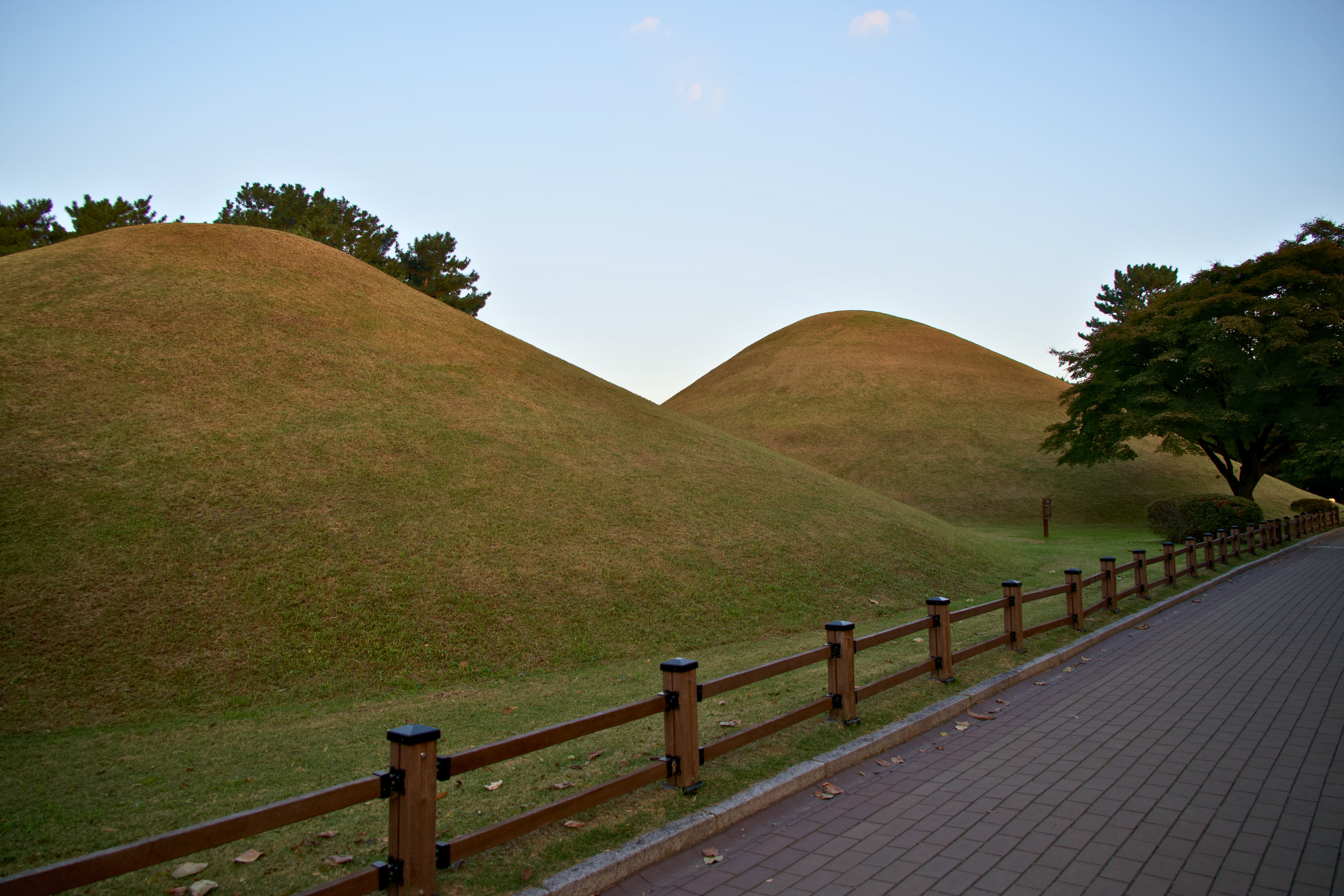
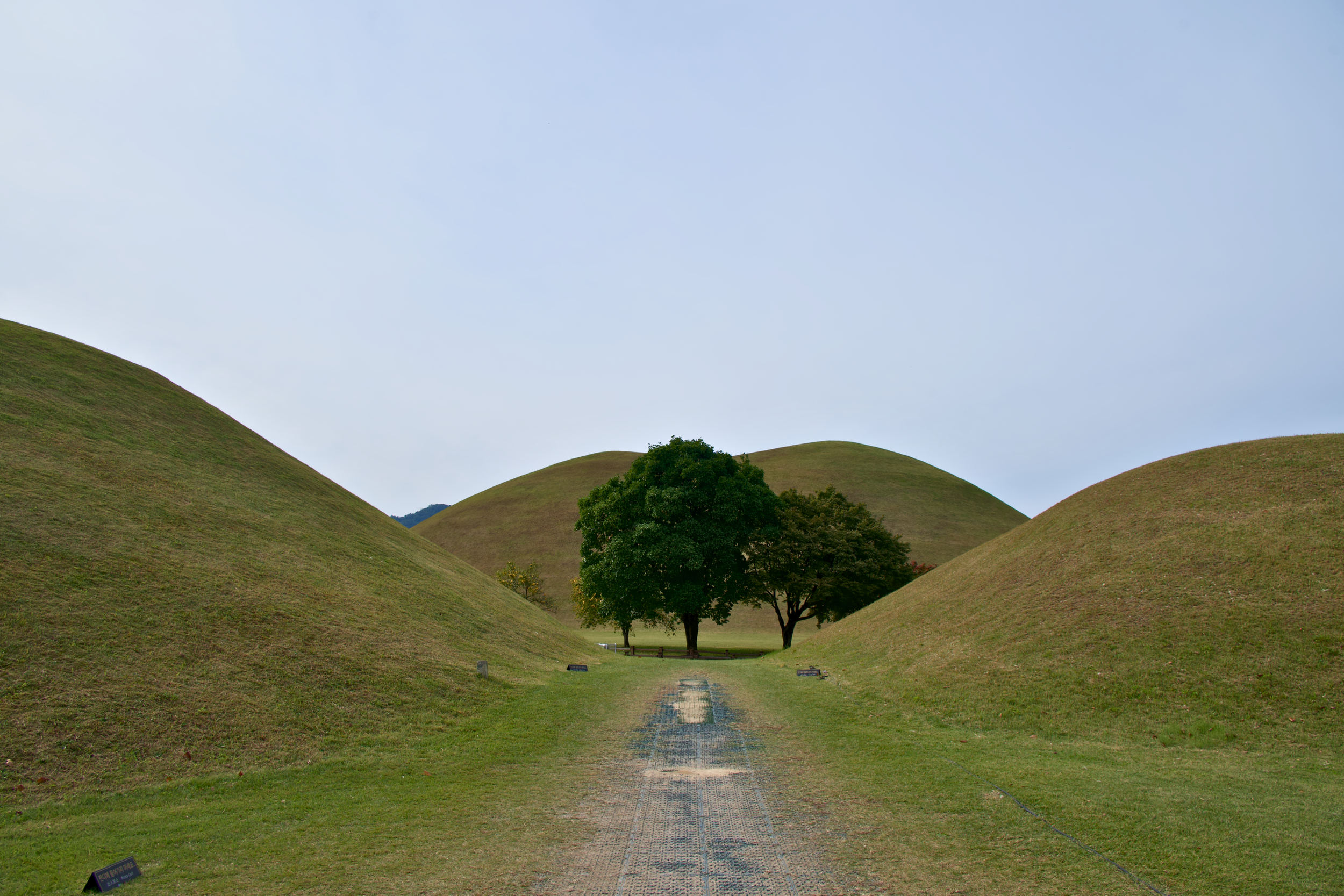
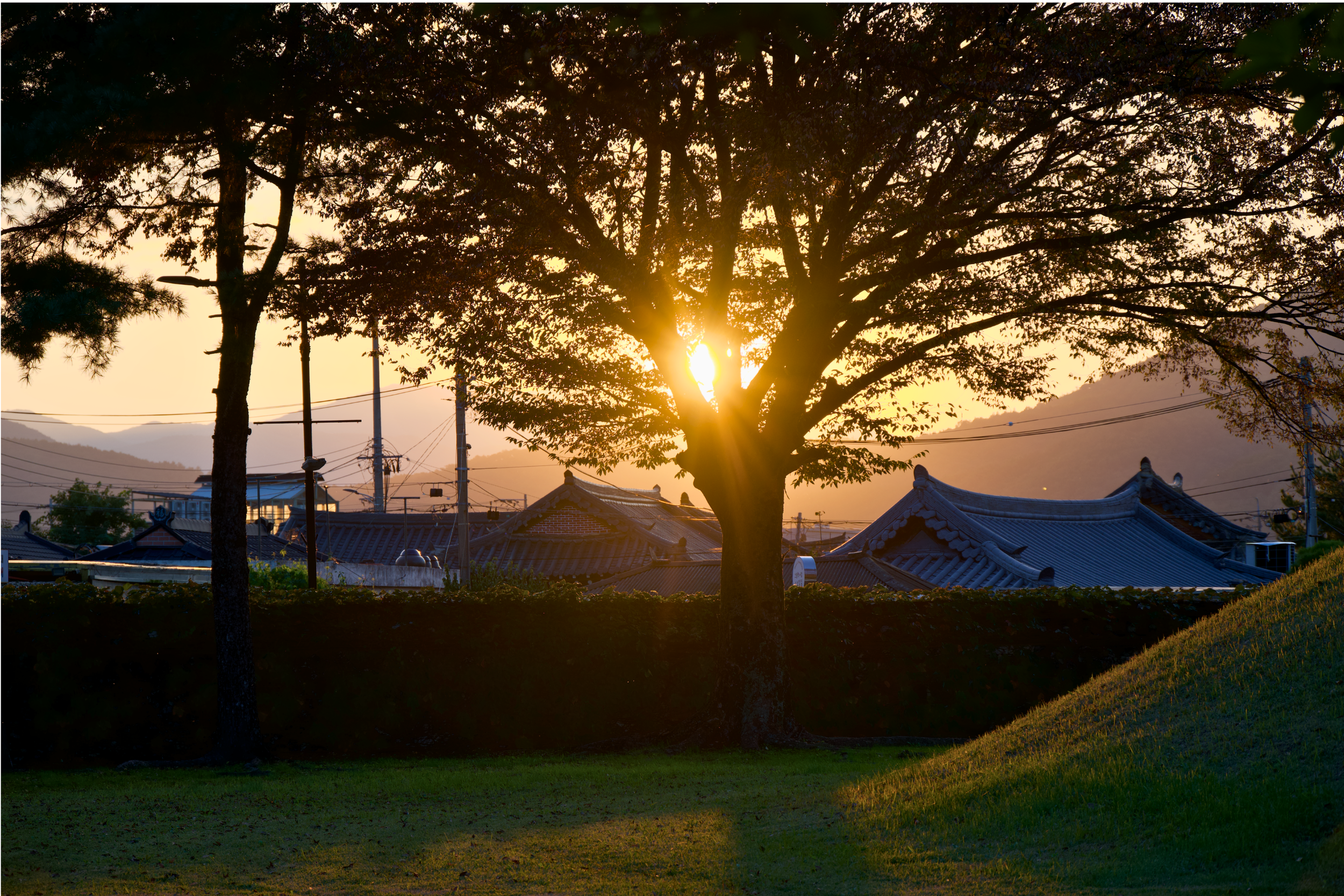
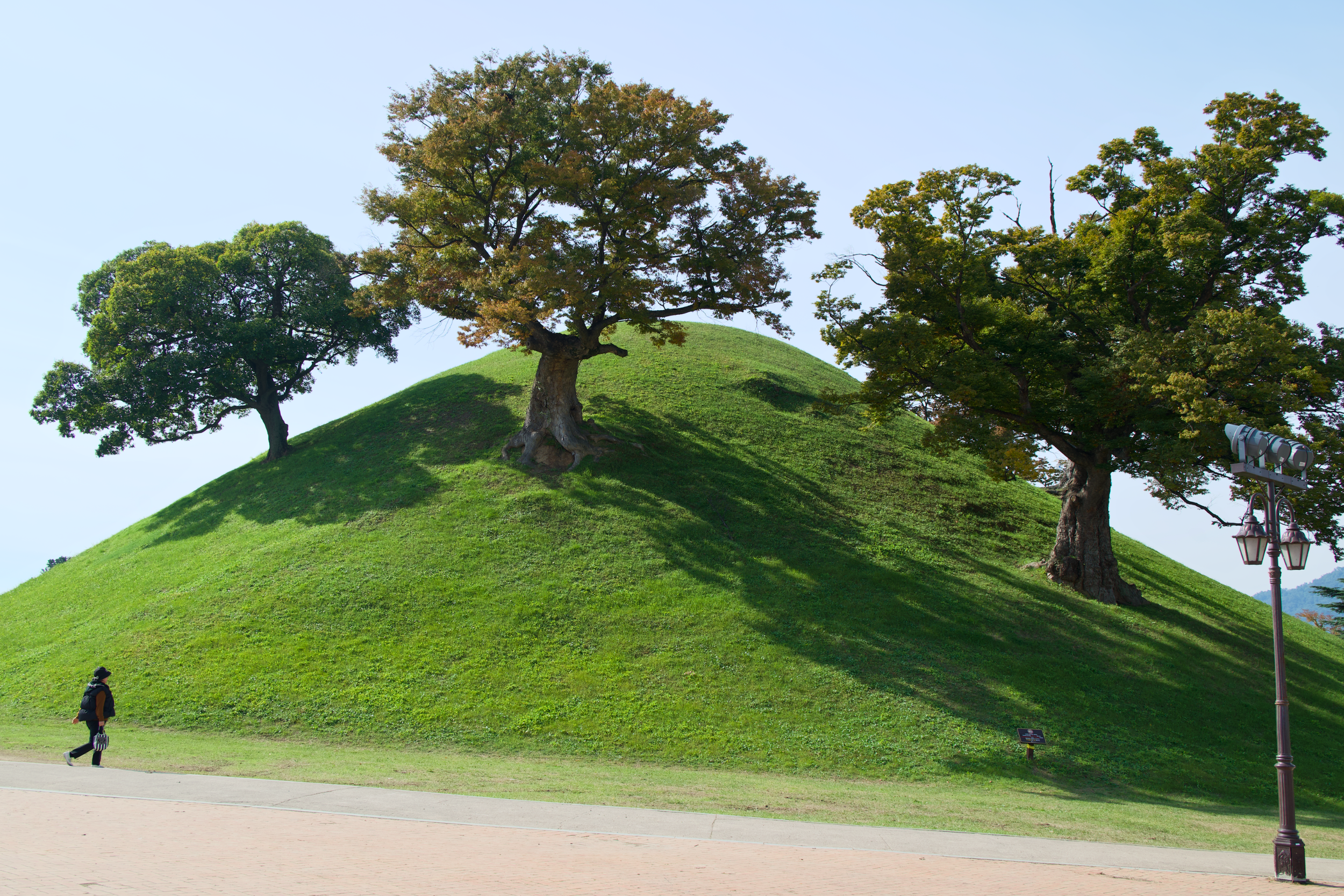
Grass-covered royal tombs, some over twenty meters tall, sit in the middle of the city. Not small mounds in a museum courtyard, several city blocks of them.
The Tomb of King Michu (미추왕릉) is one of the few identified with a specific Silla ruler. One tomb, Cheonmachong, is open for interior viewing, with replicas of the gold crown and painted-horse saddle flap found during excavation, including the artifact that gave the tomb its name, a birch-bark saddle flap painted with a galloping white horse.
Go early morning or late afternoon for light and lighter crowds
Flat paths, easy for most fitness levels
Budget 45–60 minutes for the full walk
The Noseo-dong tomb cluster across the road is free and far less crowded
If you want the full story behind what's buried here rather than just the view, a licensed local guide can make the difference between a nice walk and actually understanding what you're looking at. BOOK IN ADVANCE: private historical sites guide
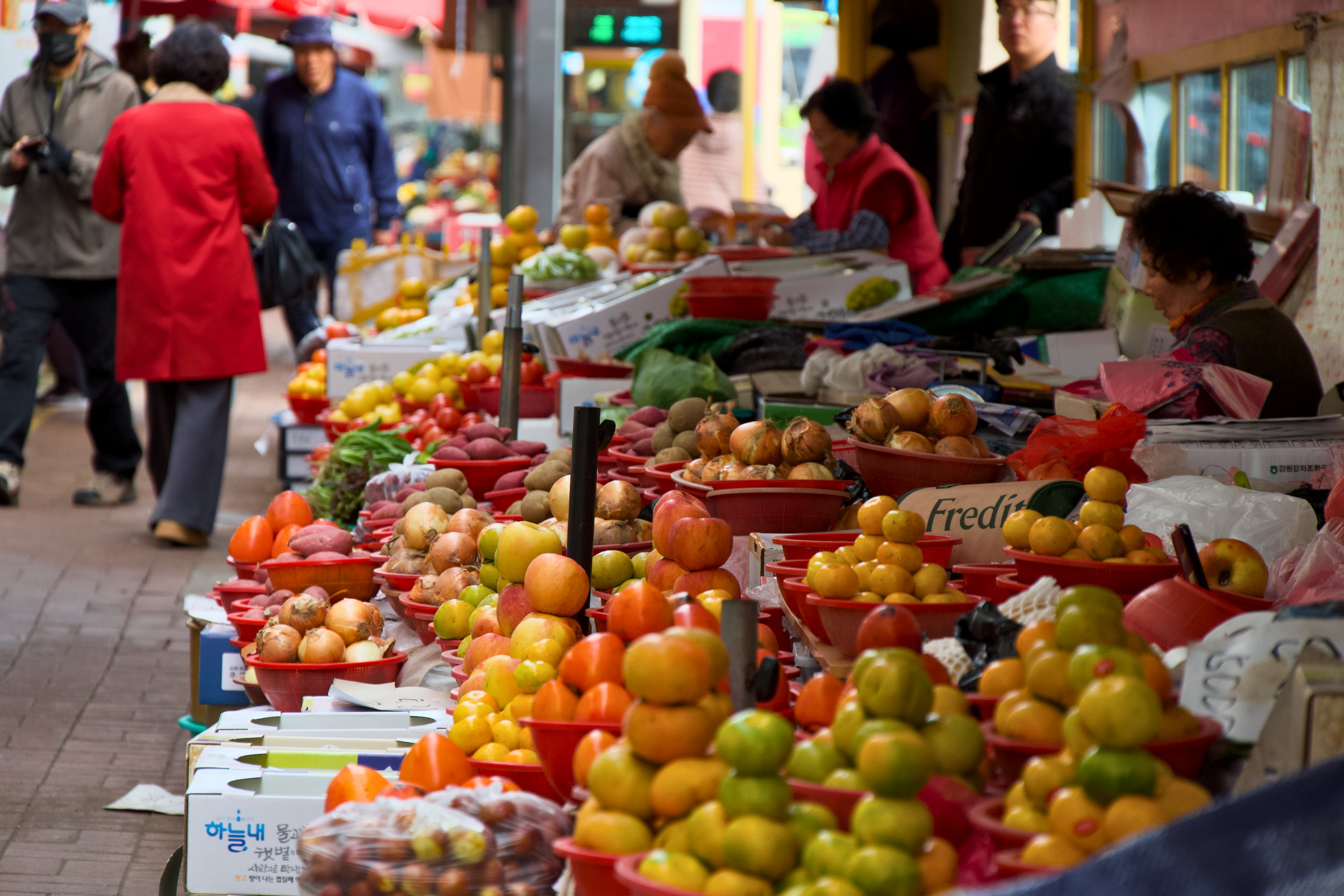
Seongdong Market
The city's traditional covered market. Not curated for tourists; produce, banchan, hot food stalls, prices noticeably lower than the restaurants nearby. Go in the morning, when it's busiest with local shoppers rather than visitors.
If you'd rather have someone point you to the actual good stalls instead of guessing, a local food tour through the market is worth it. This isn't a place built for tourists, so a guide changes the experience more here than almost anywhere else on this list. BOOK IN ADVANCE: Gyeongju: Small Group Market Tour and Korean Cooking Class
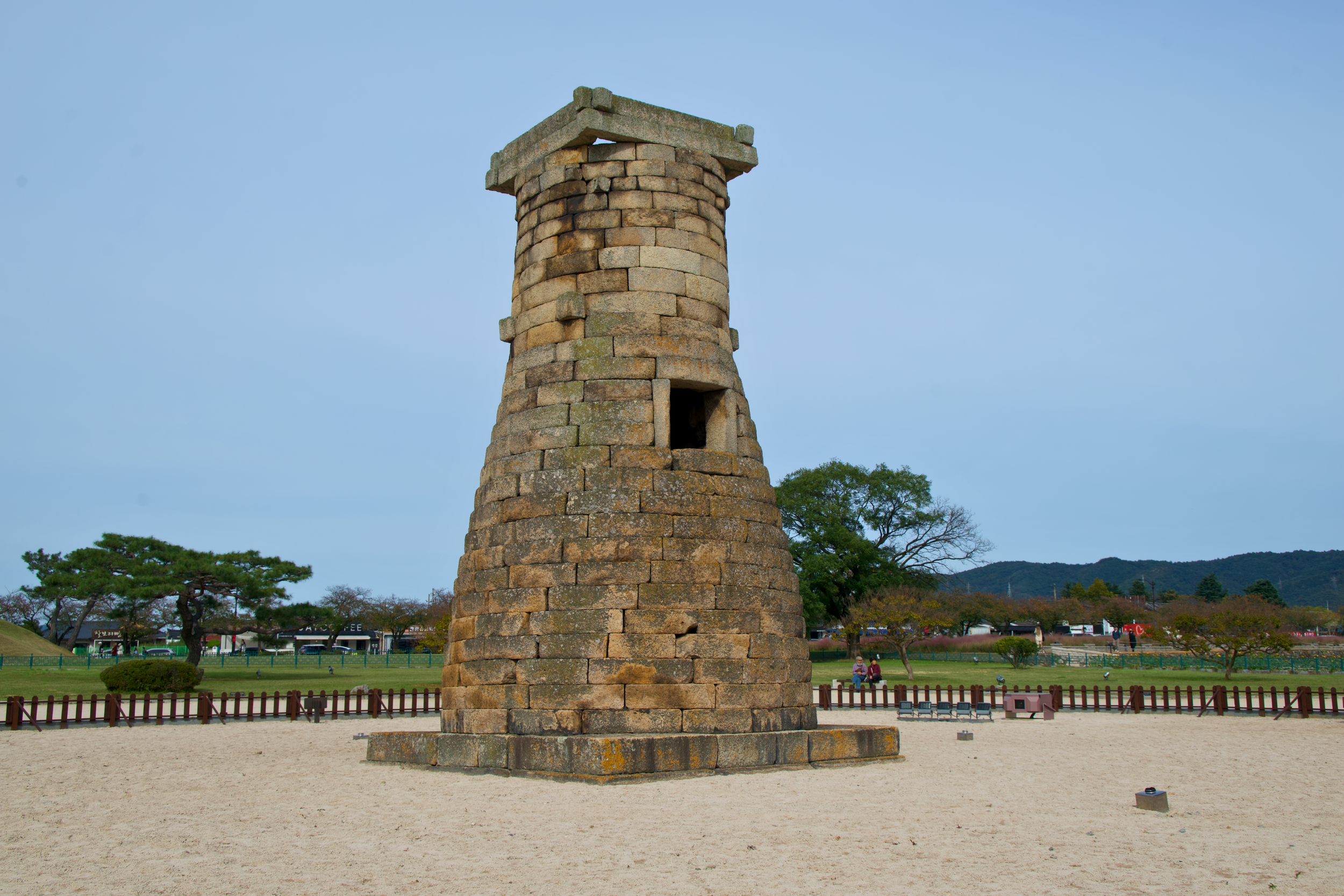
Cheomseongdae Observatory
Built in the seventh century under Queen Seondeok. One of the oldest surviving astronomical observatories in East Asia, a stone tower, not something you climb into, made from roughly 360 cut stone blocks, a number some historians tie to the lunar calendar year.
Fifteen to twenty minutes is plenty. Pair it with Daereungwon since they're a short walk apart, and aim for sunset if you want the stone at its warmest.
Gyerim Forest & Wolseong Fortress
The legend: Silla's founding clan traced its origins to a golden box found here, hanging from a tree beneath a crowing rooster. That's where the forest gets its name, and it's also where the Gyeongju Kim clan traces its own origin story, one of the more direct threads between the city's ancient legends and living Korean family history today.
It's quiet. Twisted old trunks, heavy shade, almost none of the foot traffic that gathers at the tombs a few minutes away. A short loop through the forest takes fifteen minutes, though it's the kind of place worth slowing down in rather than rushing through.
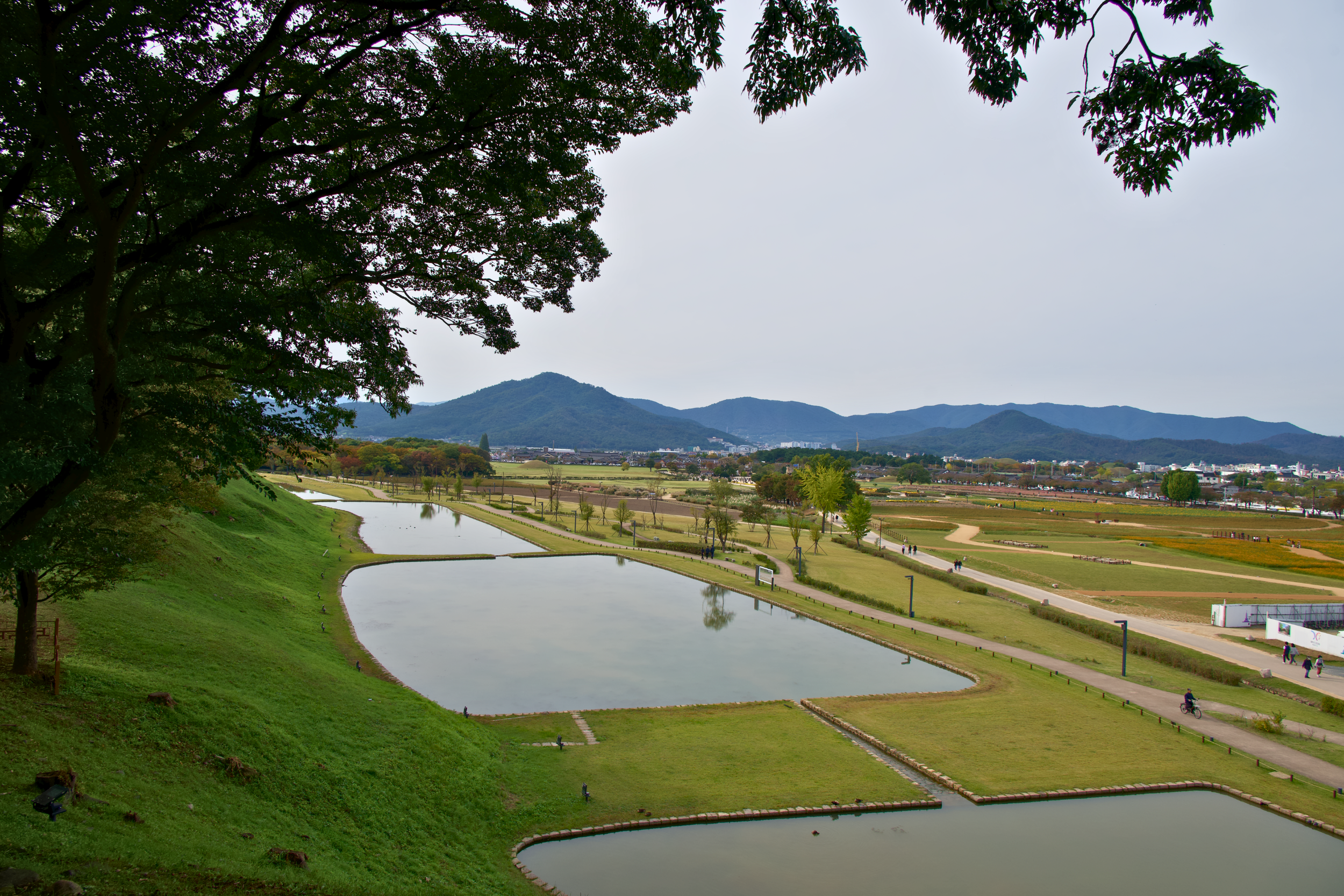
Wolseong Fortress next door is mostly earthen mounds and tree-lined paths now, not standing walls; treat it as a walk, not a photo stop. It served as Silla's royal palace grounds for centuries, and active archaeological digs are still a normal sight here, roped off in sections as researchers continue uncovering foundations. Combine both sites into one unhurried hour.
Woljeonggyo Bridge & Donggung Palace / Wolji Pond
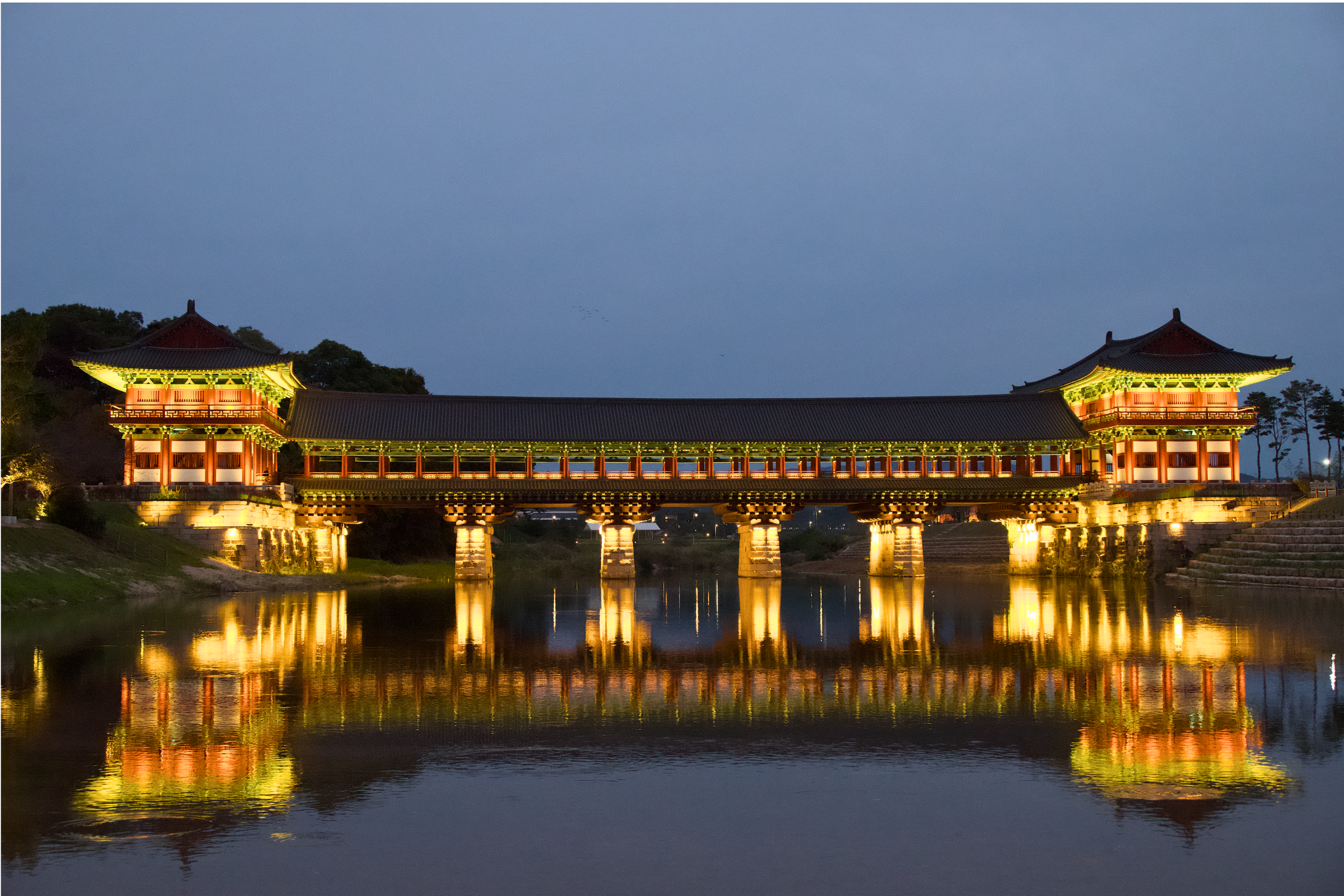
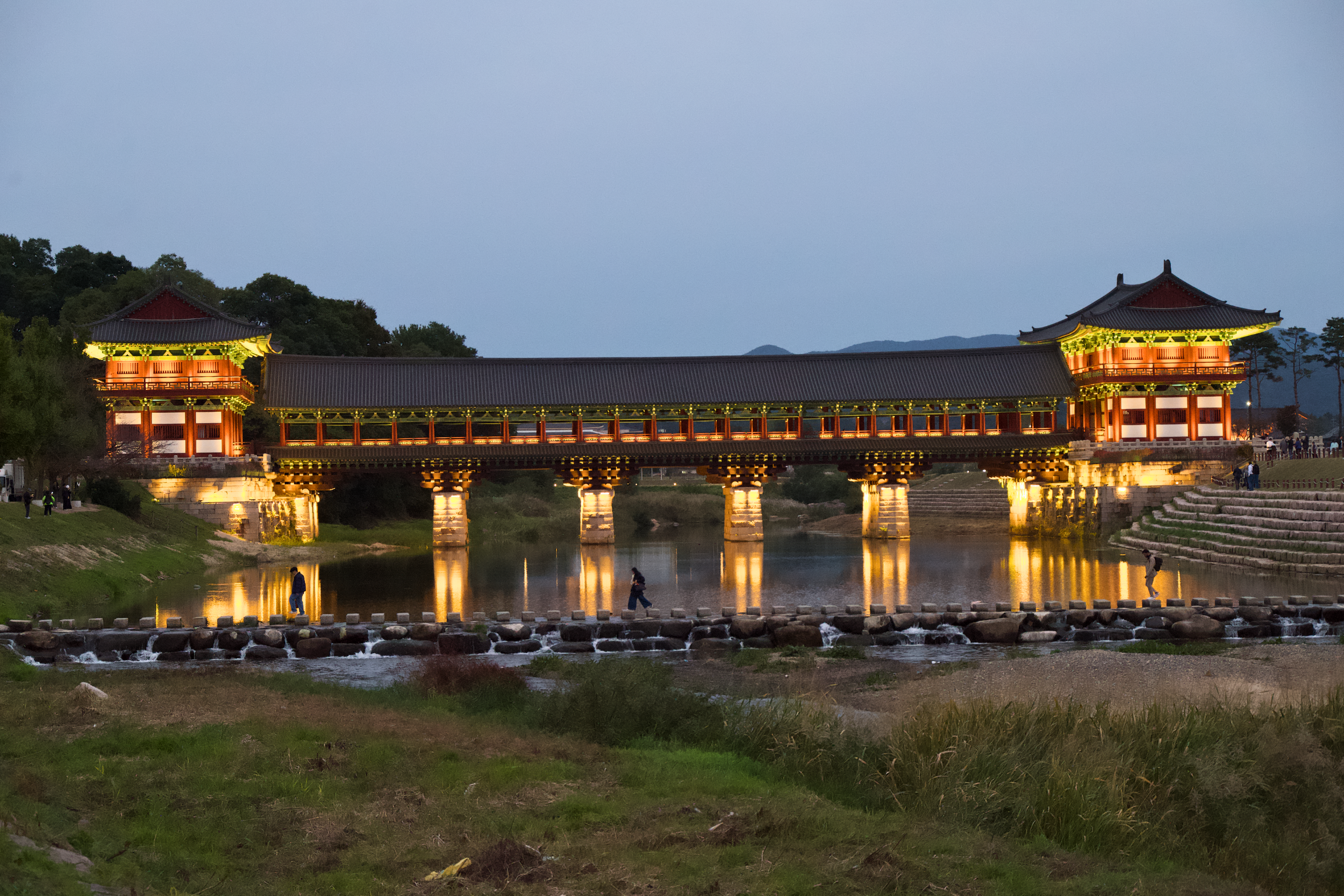
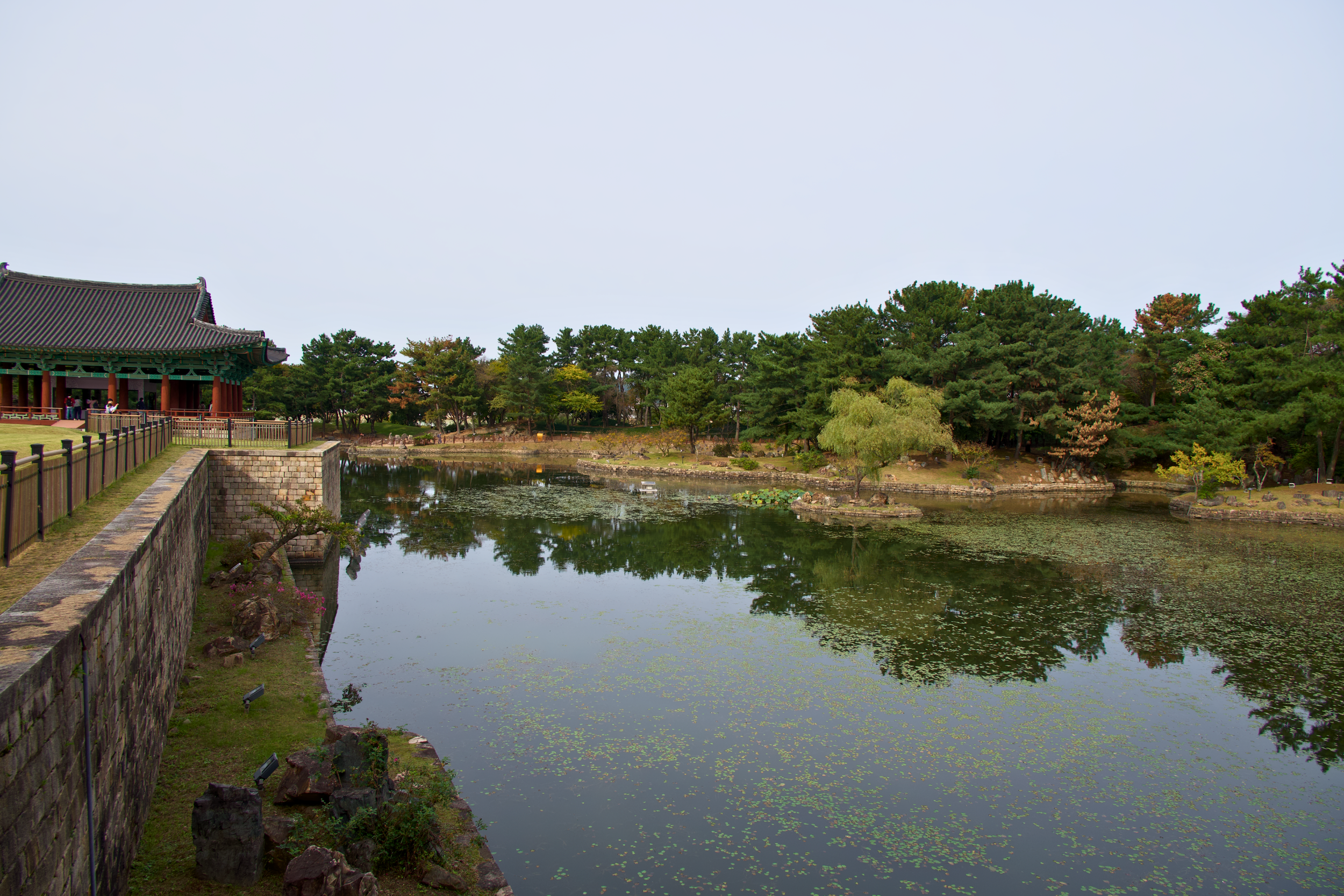
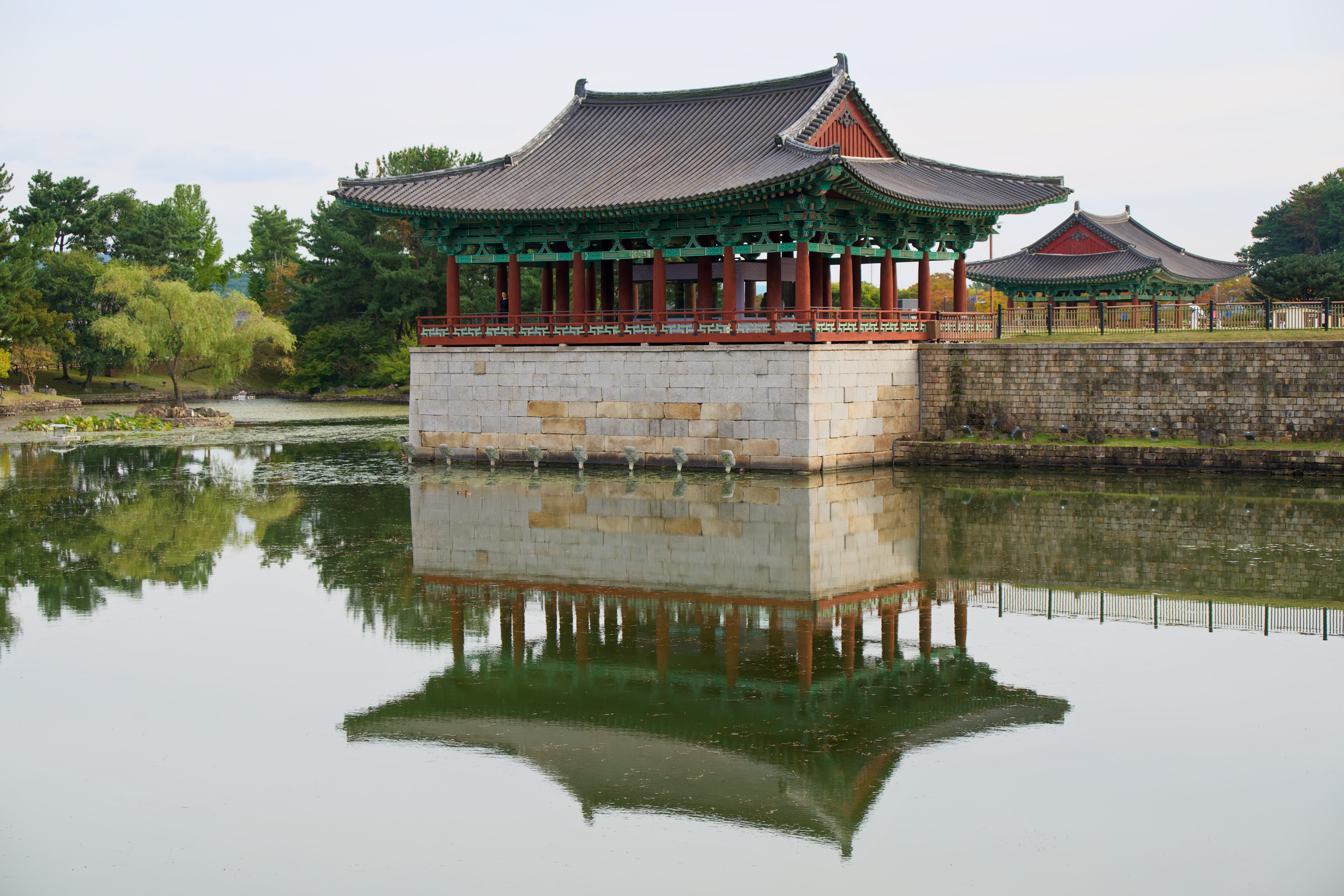
Woljeonggyo is a reconstructed wooden bridge, built on Silla-era stone footings, lit up after dark. It leads naturally into Donggung Palace and Wolji Pond a few minutes away.
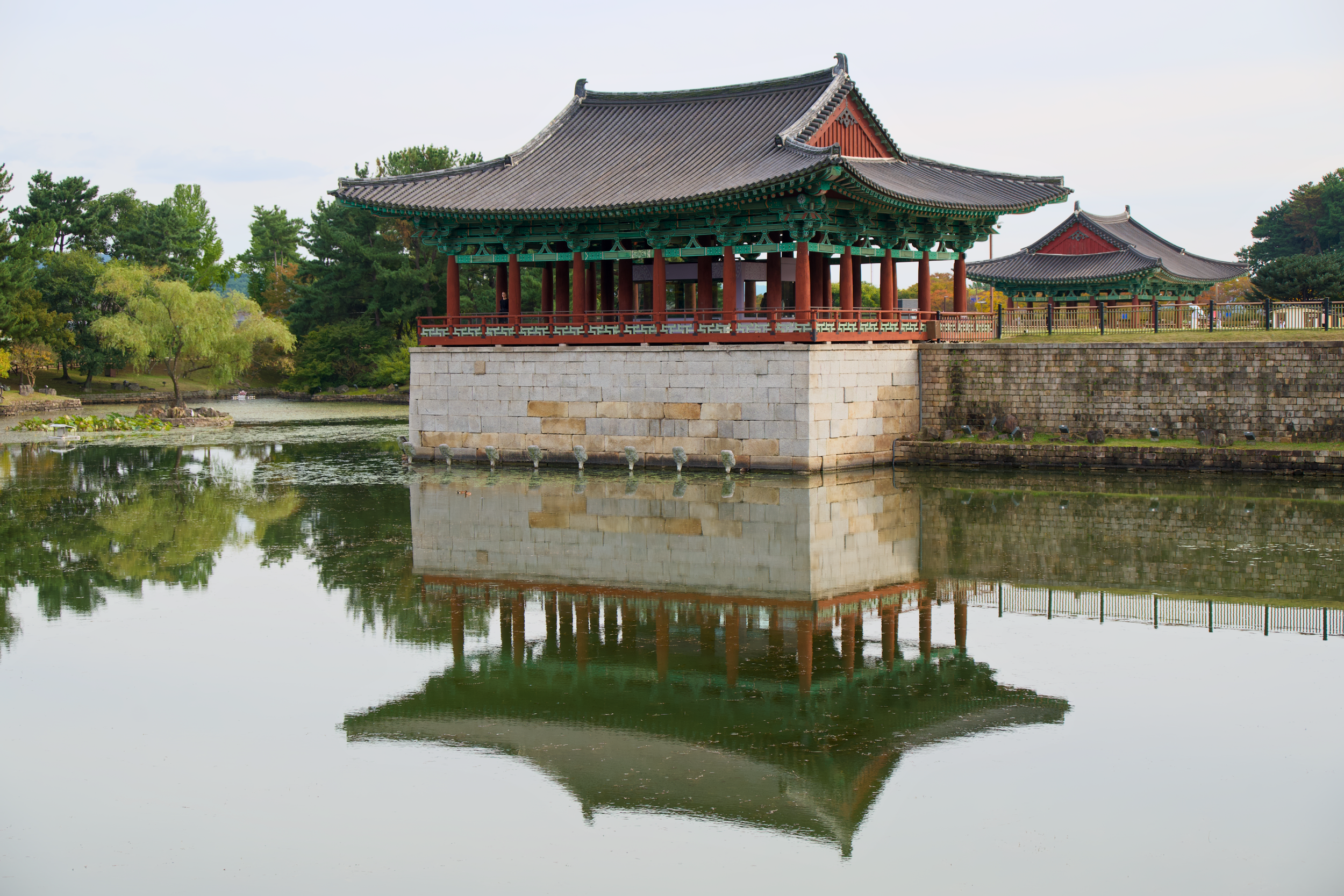
The lit pavilions reflected in the pond are the single most recognizable image of Gyeongju at night. If you make time for one evening activity, make it this one.
The pond was once part of a Silla royal palace used for banquets. Excavations here recovered thousands of artifacts, from drinking-game dice to roof tiles, a rare, well-preserved window into palace life.
Arrive near sunset to catch daylight and the lights coming on
Still, windless evenings give the strongest reflection
Bring a small tripod; handheld shots rarely do it justice
If photography is part of why you're here, this is the one spot in the city worth packing gear specifically for. A compact travel tripod is the single upgrade that makes the biggest difference on this shot. (The PERFECT travel tripod)
Hwangnidan-gil Street & Gyeongju Gyochon Traditional Village
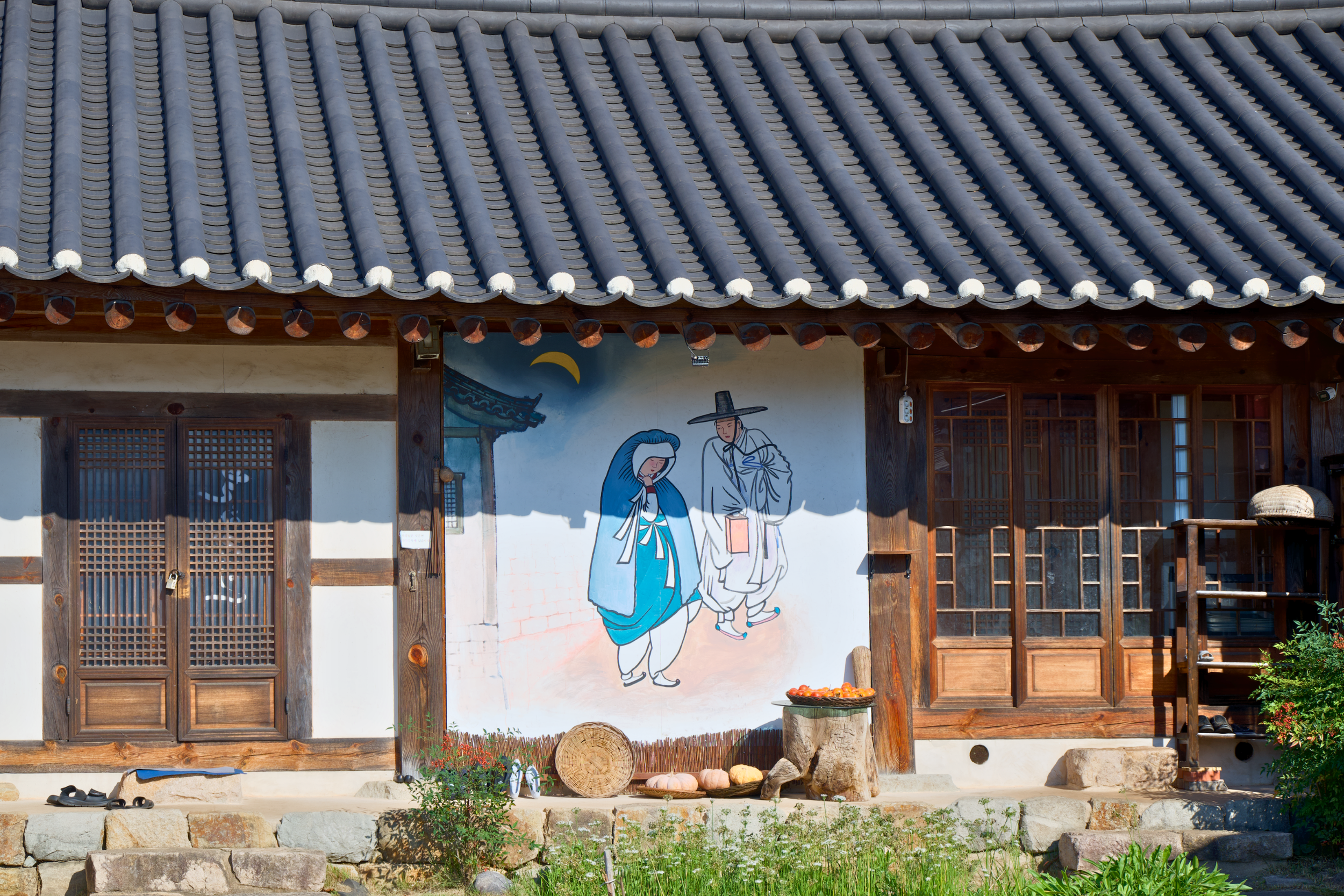
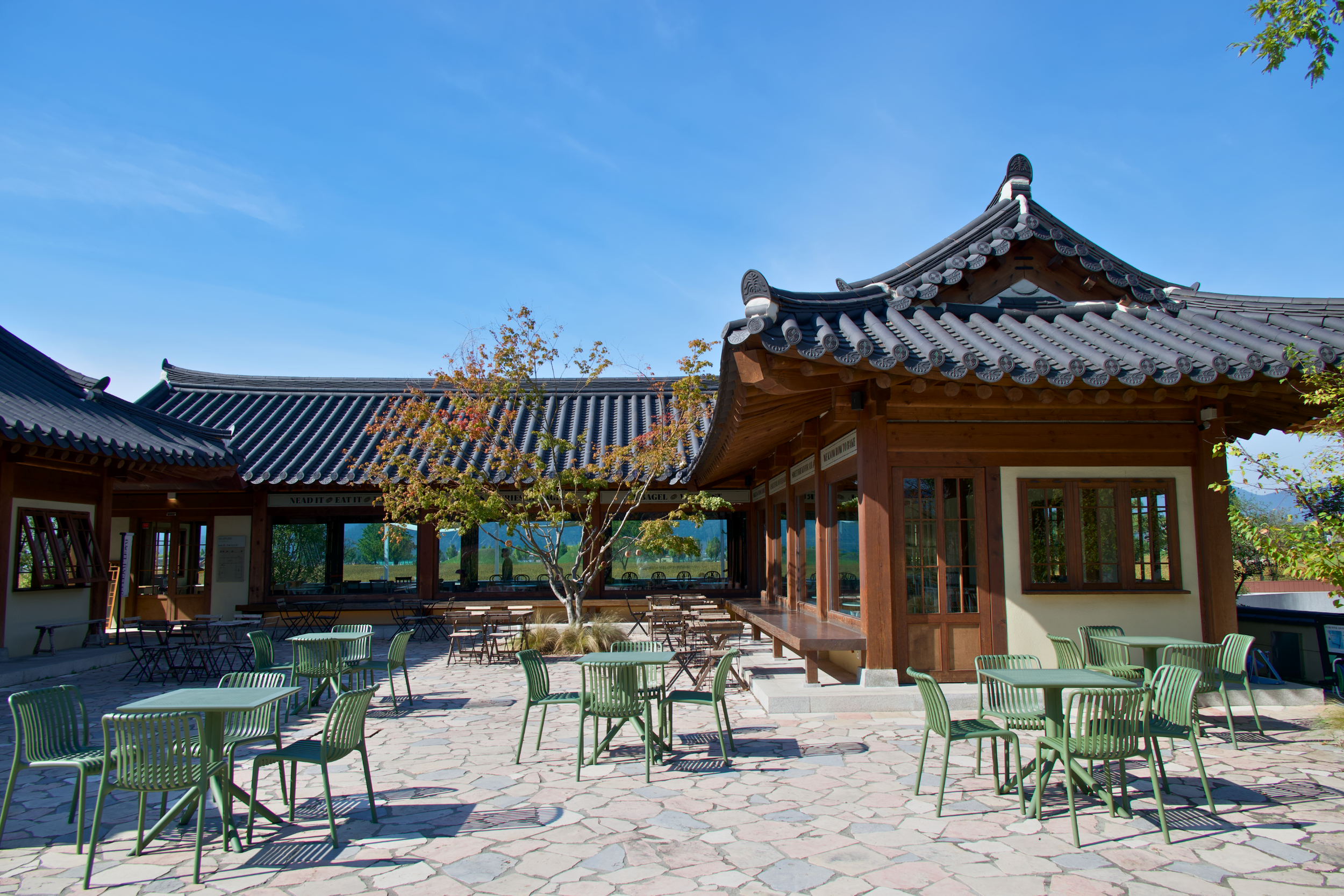
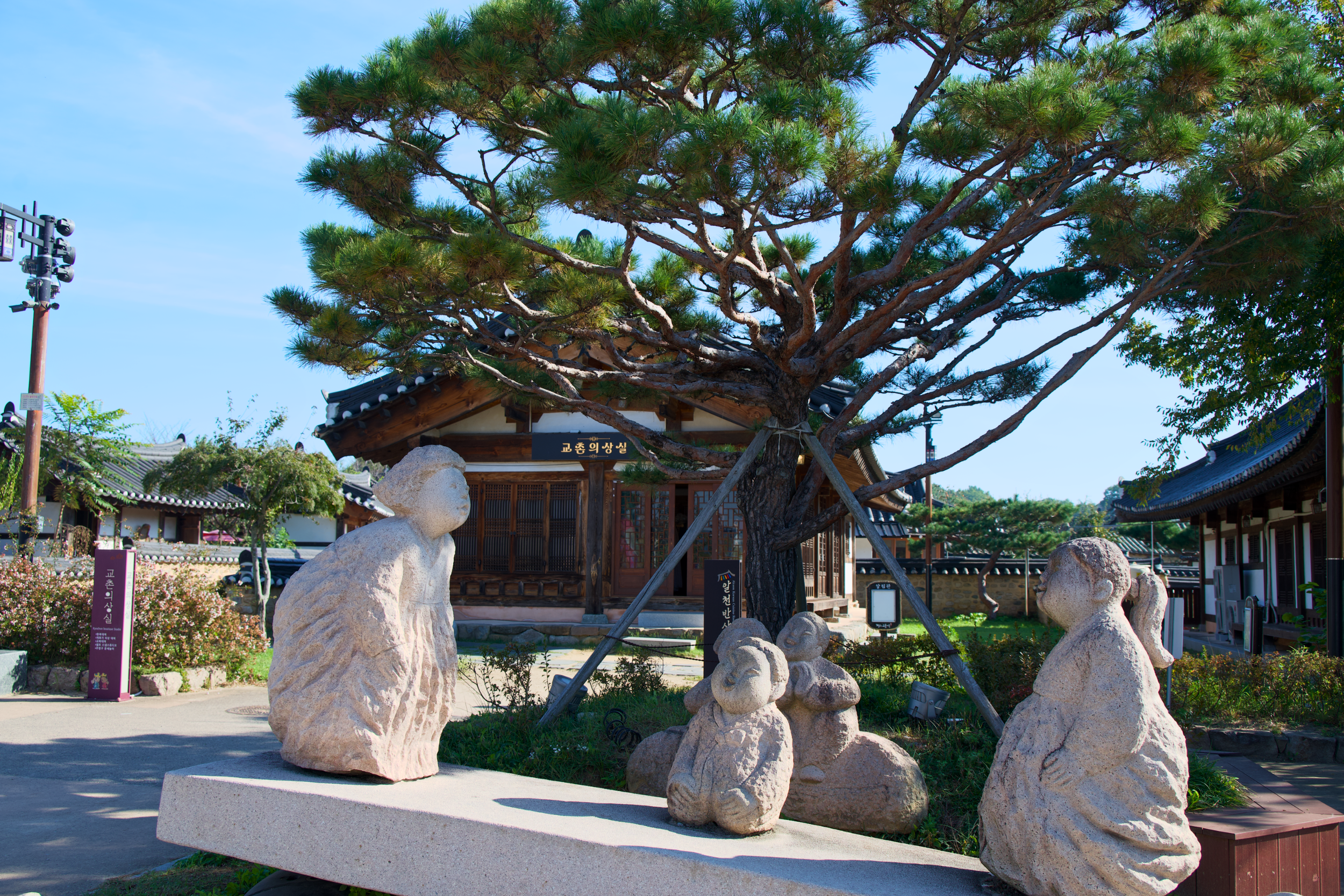
Hwangnidan-gil is the café-and-boutique strip, lined with hanok-style storefronts. It's the most commercial stop on this list, and also where you actually eat and take a break between sites.
Weekends get crowded. For photos without a line of other visitors in frame, come on a weekday morning before the shops fully open.
Renting a hanbok for a walk down this street is one of the more popular things to do here, and for good reason; the hanok storefronts make a genuinely good backdrop for it.
Gyeongju Gyochon Village, a short walk away, is quieter and more residential. It's also home to a rice wine brewery with roots in the Silla period, a better souvenir stop than anything on the main strip. BOOK IN ADVANCE: Hanbok rental in Gyeongju
Gyeongju Eupseong Fortress & Hyangilmun Gate (경주읍성 향일문)
A restored city wall entrance, from a later fortification period than the Silla sites. A fraction of Hwangnidan-gil's foot traffic. Good for a quiet break between the busier stops.
What to Eat
Hwangnam-ppang - small sweet bread filled with red bean paste, invented in this exact neighborhood and still warm from the pan on Hwangnidan-gil. Nearly every bakery on the strip sells its own version; there's no single "best" one, just whichever line is shortest when you walk by.
Gyodong Beopju - traditional rice wine brewed since the Silla period at the Gyochon Village brewery, made using a recipe passed down through generations of the same family. Milkier and less sweet than the mass-market rice wines sold elsewhere in Korea.
Hanjeongsik - a full multi-course Korean set meal, common around the historic center. Worth booking ahead at the more established restaurants, since the better-known spots fill up around typical lunch and dinner hours.
Temple food - vegetarian, seasonal, built around vegetables and rice rather than meat. A useful, calmer counterpoint if you've been eating heavier meals the rest of the trip.
Seongdong Market street food - cheaper, less polished, and a better read on what people actually eat here day to day than anything on the main café strip.
Where to Stay: Hanok Guesthouses
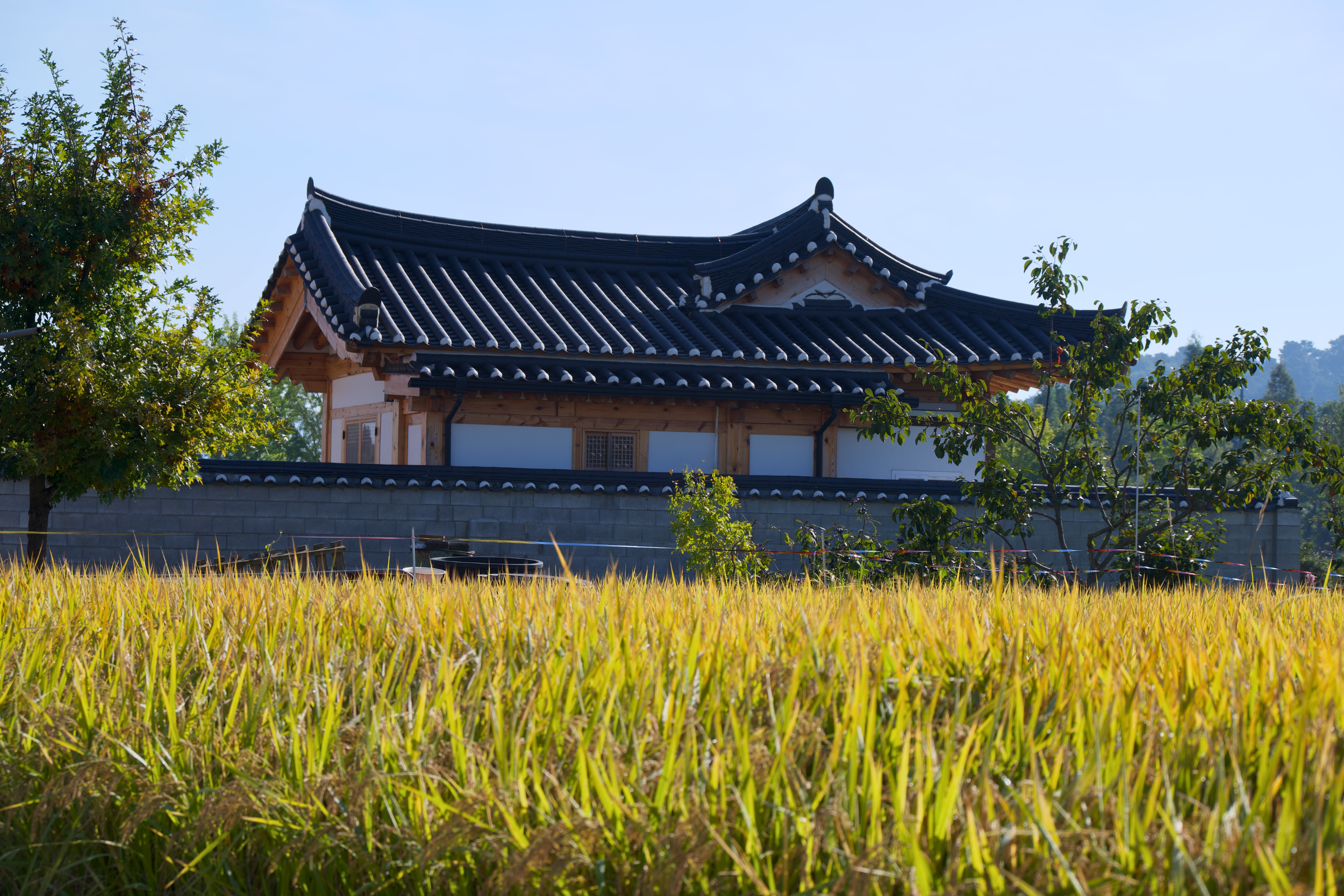
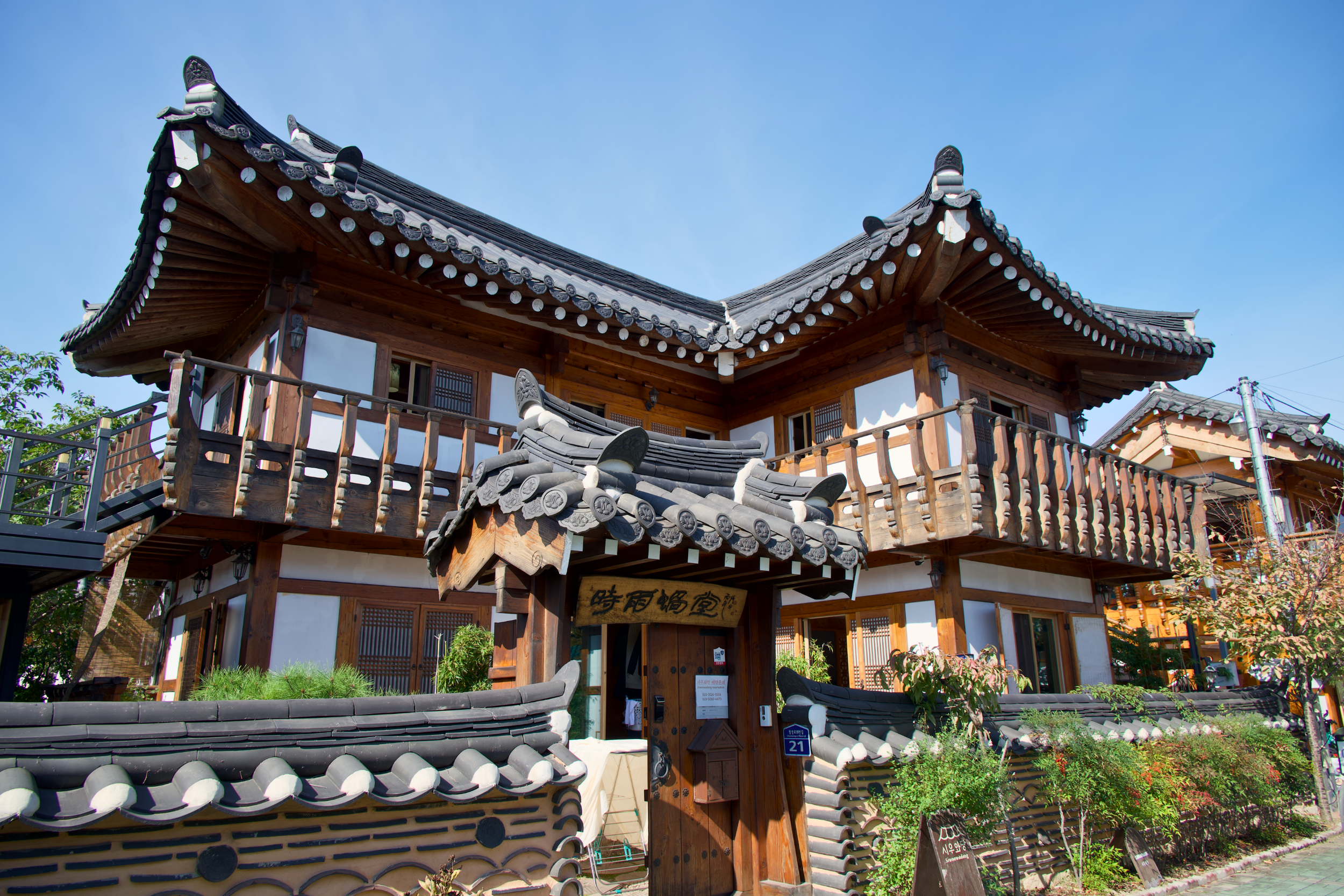
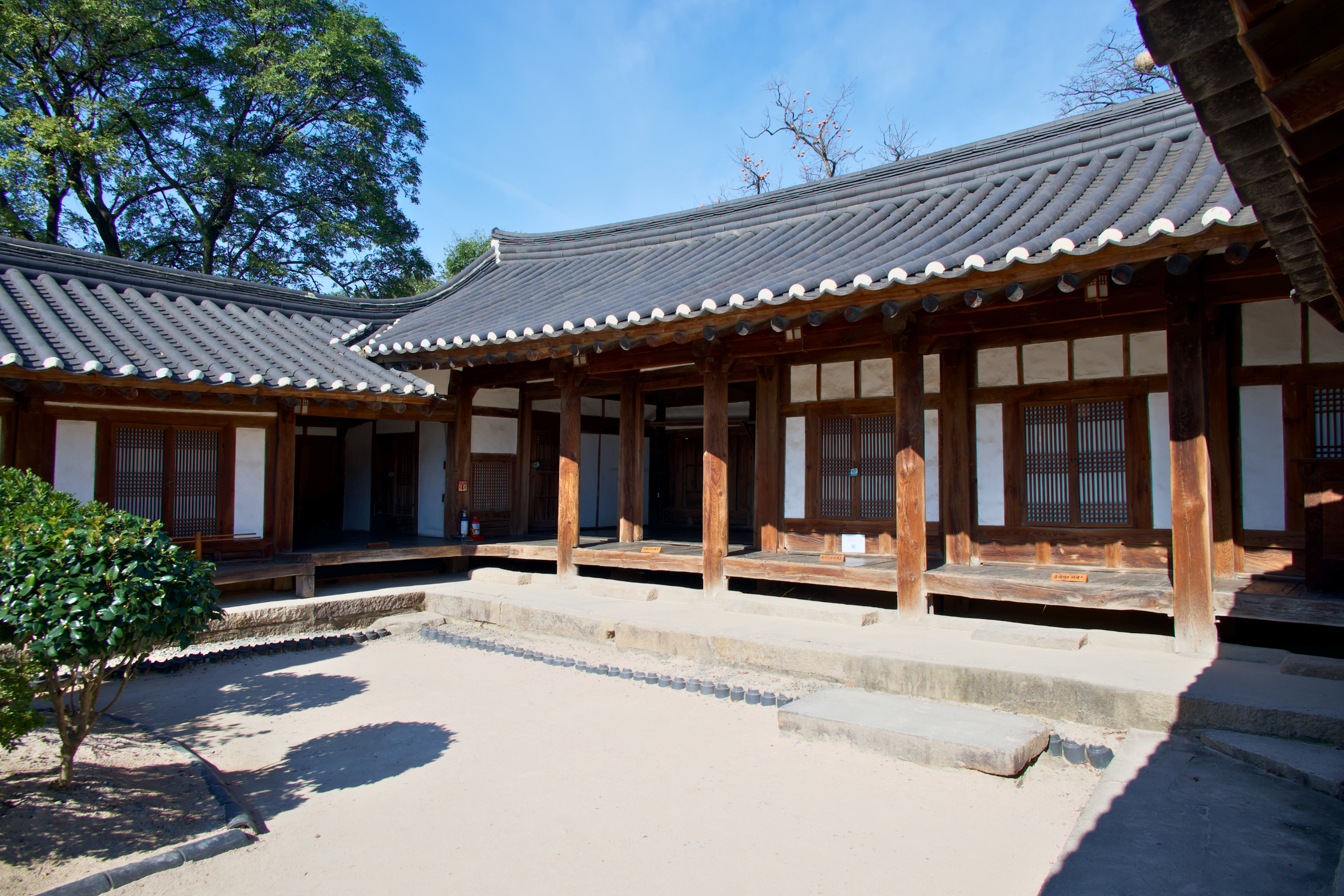
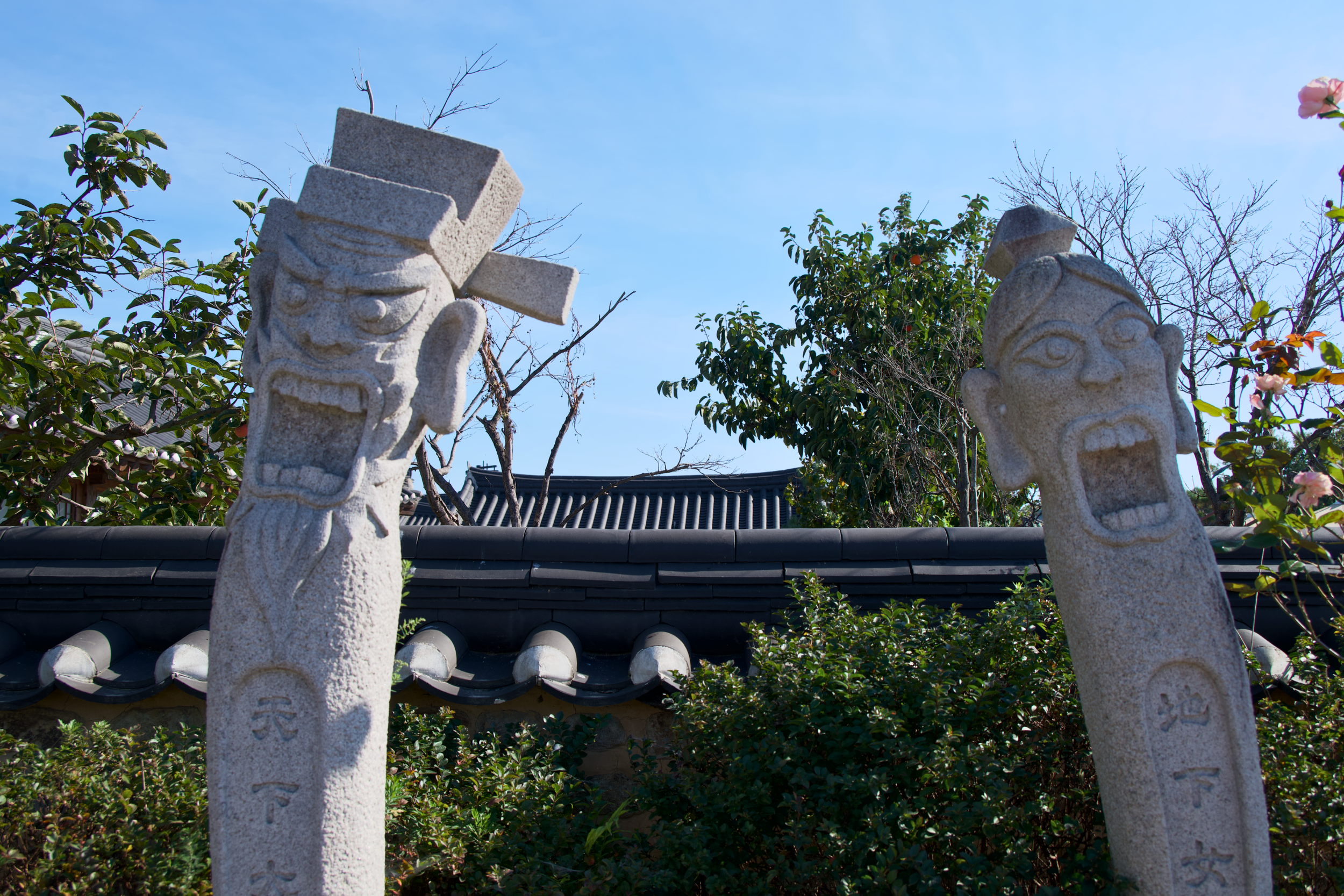
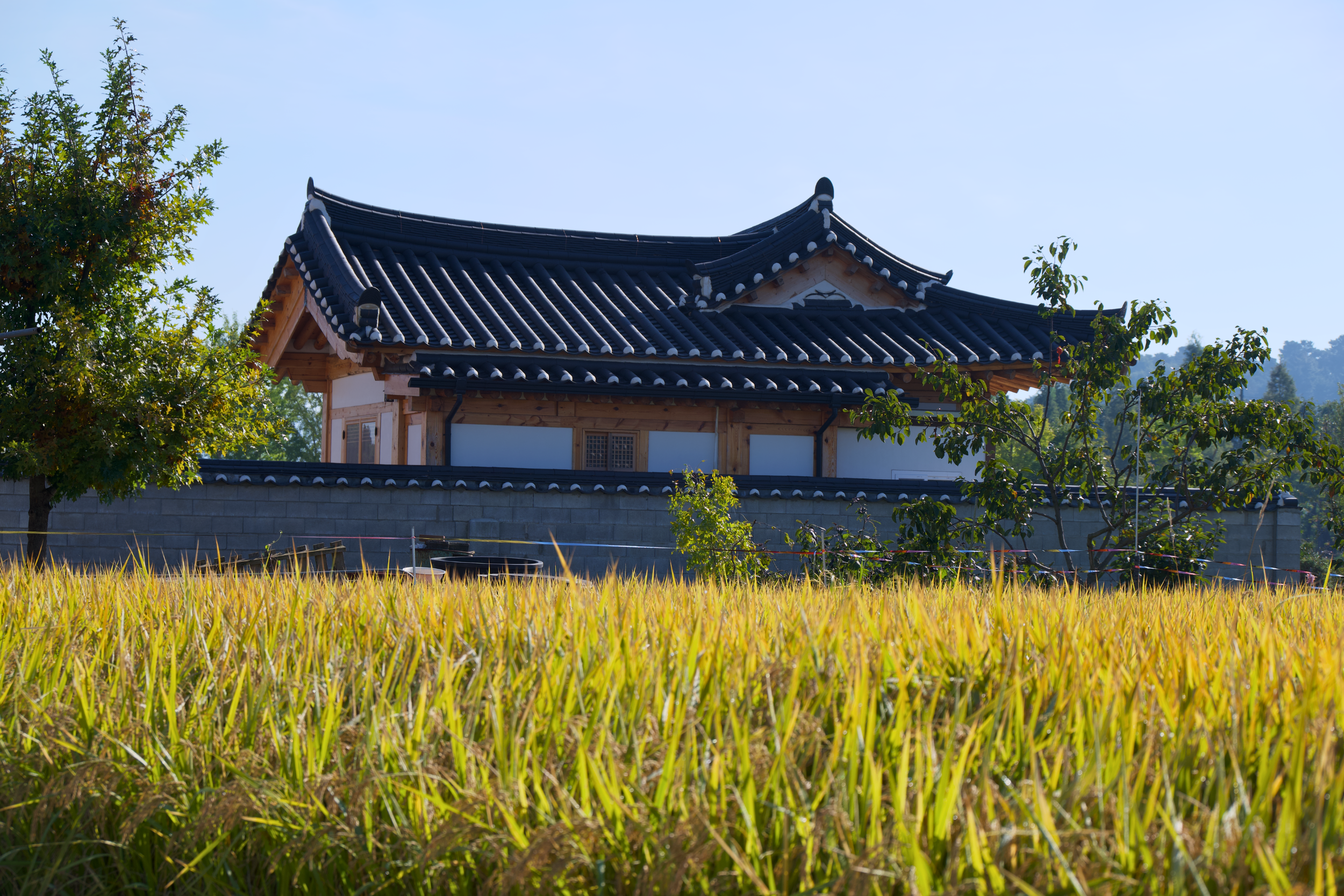
Sleeping in a hanok, a traditional Korean house with a courtyard and heated floors, changes the trip more than any single sightseeing stop.
I stayed at Gyeongju Ran Hanok Guesthouse, in the historic center within walking distance of the tomb complex and Hwangnidan-gil.
Central hanoks near Daereungwon and Cheomseongdae give you walking access to almost everything. Bomun Lake trades that walkability for resort hotels and lake views. Near Bulguksa Temple suits an early temple visit over central convenience.
Hanok rooms during peak season (spring blossoms, fall festival) book out weeks ahead, more so than standard hotels. If your dates are fixed, book this piece first.
Other Great Hanok Options in Gyeongju:
Nearby Day Trips
Pohang - a short trip northeast, known for its sunrise viewpoint at Homigot and a lively seafood market. Worth it if you have a spare morning and want ocean views to balance out a trip that's otherwise all inland history.
Busan - beach districts and city neighborhoods are thirty minutes away by KTX. Gyeongju works as a day trip from Busan just as well as the reverse, so this pairing goes either direction depending on where your trip starts.
Ulsan - a riverside park and a manageable add-on if you're moving down the southeast coast rather than heading back toward Seoul.
Bulguksa Temple & Seokguram Grotto - technically within Gyeongju's city limits, but far enough from the historic core, and large enough as sites, to deserve their own half-day rather than being squeezed into the same day as the tombs.
A combined Bulguksa Temple and Seokguram Grotto tour is the easiest way to see both without figuring out the bus connections yourself, since the grotto sits further up the mountain than the temple. BOOK IN ADVANCE: Bulguksa Temple & Seokguram Grotto day tour
Suggested Itineraries
One Day
Morning: Daereungwon + Cheomseongdae
Midday: Lunch and coffee on Hwangnidan-gil
Afternoon: Gyerim Forest + Wolseong Fortress
Evening: Woljeonggyo Bridge + Wolji Pond at sunset
Two Days
Add Gyeongju Gyochon Village, Eupseong Fortress and Hyangilmun Gate, and Seongdong Market, with a hanok breakfast and a stop at the rice wine brewery.
Three Days
Give Bulguksa Temple and Seokguram Grotto their own half-day, then a slower afternoon back in the center, plus a Pohang day trip or extra time at Bomun Lake.
Solo Travelers
The compact, walkable layout makes this one of the easier Korean cities to navigate alone. Low crime rate, well-lit streets, and a central hanok stay that keeps you within walking range of everything after dark.
Gyeongju's Neighborhoods at a Glance
Hwangnam-dong (the tomb district): Daereungwon, Cheomseongdae, and most central hanok stays. The most walkable base if you want everything within reach.
Hwangnidan-gil: the café and boutique strip. Busy, photogenic, best experienced early or late in the day.
Gyochon Village: quieter, residential, home to the rice wine brewery and calmer street photography.
Wolseong / Wolji Pond area: the fortress grounds and the palace pond, your evening zone.
Bomun Lake: resort hotels, lake views, further from the historic core. A different kind of trip than staying central.
For a first visit, base yourself in Hwangnam-dong or right on the edge of Hwangnidan-gil. Everything else on this list is a walk or short bike ride away.
Local Etiquette and Practical Notes
Gyeongju is safe, with low crime and well-lit streets through the historic center. Solo travelers can comfortably explore into the evening.
Language can be a minor barrier off the main tourist streets. A translation app and some patience resolve most situations.
At the tombs and temple grounds, keep noise down and stay on marked paths. Several of these sites are still active archaeological or religious spaces, not purely recreational parks.
A Note on Photographing This City
Gyeongju rewards planning around light more than most Korean cities, since so much of its appeal comes from open, unobstructed views rather than dense streetscapes.
Daereungwon and Cheomseongdae both photograph best in the low, warm light of early morning or the hour before sunset. Wolji Pond is the reverse; photograph it after dark, within the first thirty to forty-five minutes after the lights come on, while there's still a trace of blue left in the sky.
If you're bringing a camera specifically for this trip rather than shooting on your phone, a lightweight mirrorless setup handles both the wide tomb-park shots and the low-light pond scenes without much extra gear.
Before You Go
KTX tickets - book in advance during peak seasons
Comfortable walking shoes — nearly everything here is flat but adds up (men’s shoe & women’s shoe options)
Ready to Book Your Gyeongju Trip?
Save this guide, start with the full weekend, and let this part of South Korea surprise you. Trust me, it will.
Questions about Gyeongju? Send me a message on my social channels. I read everything and genuinely enjoy talking about this part of South Korea. If you've been to this part of South Korea, tell me what I missed. There's always more.
Frequently Asked Questions About Gyeongju, South Korea
-
Yes. It's one of the few places in Korea where major historic sites sit inside the everyday city instead of being fenced off in a park or museum.
-
Overnight, if you can. Wolji Pond and Woljeonggyo Bridge look completely different lit up at night, and a day trip usually forces a choice between the daytime tombs and the evening pond.
-
KTX - about 2 hours from Seoul, 30 minutes from Busan.
-
A traditional wood-and-tile house with a courtyard and heated floors. Most guesthouse hanoks add private bathrooms and modern plumbing while keeping the traditional layout.
-
One day covers the essentials. Two allows a slower pace and the quieter sites. Three adds Bulguksa Temple and Seokguram Grotto without rushing.
-
Yes, low crime, well-lit streets, and a layout compact enough to navigate alone, even after dark.
-
They serve different priorities. Jeonju's hanok village is larger and more food-focused; Gyeongju pairs the hanok experience with genuine ancient history you can walk through, not just a preserved streetscape.
-
Yes, easily. The historic core is flat, compact, and walkable, and a rental bicycle covers anything a bit further out.
The Scenic Route Traveler inspires intentional travel through storytelling, hidden gems, and culturally rich experiences around the world.
-
I’m Erin, the voice behind Scenic Route Traveler, sharing intentional travel stories and guides from around the globe.
-
We deliver travel guides and storytelling through YouTube, social media, photography, and digital products designed for fellow travelers.
-
If you’re new here: this is a space for travelers who care more about how a place feels than how it looks on a checklist. You’ll find guides, stories, and resources designed to help you slow down and travel with intention.