
Inverness, Scotland Travel Guide: What to See, Where to Stay, and How to Get Around
Planning a trip to Inverness? Here's when to go, where to stay, the best things to do, and how to use the Highland capital as your base for Loch Ness.
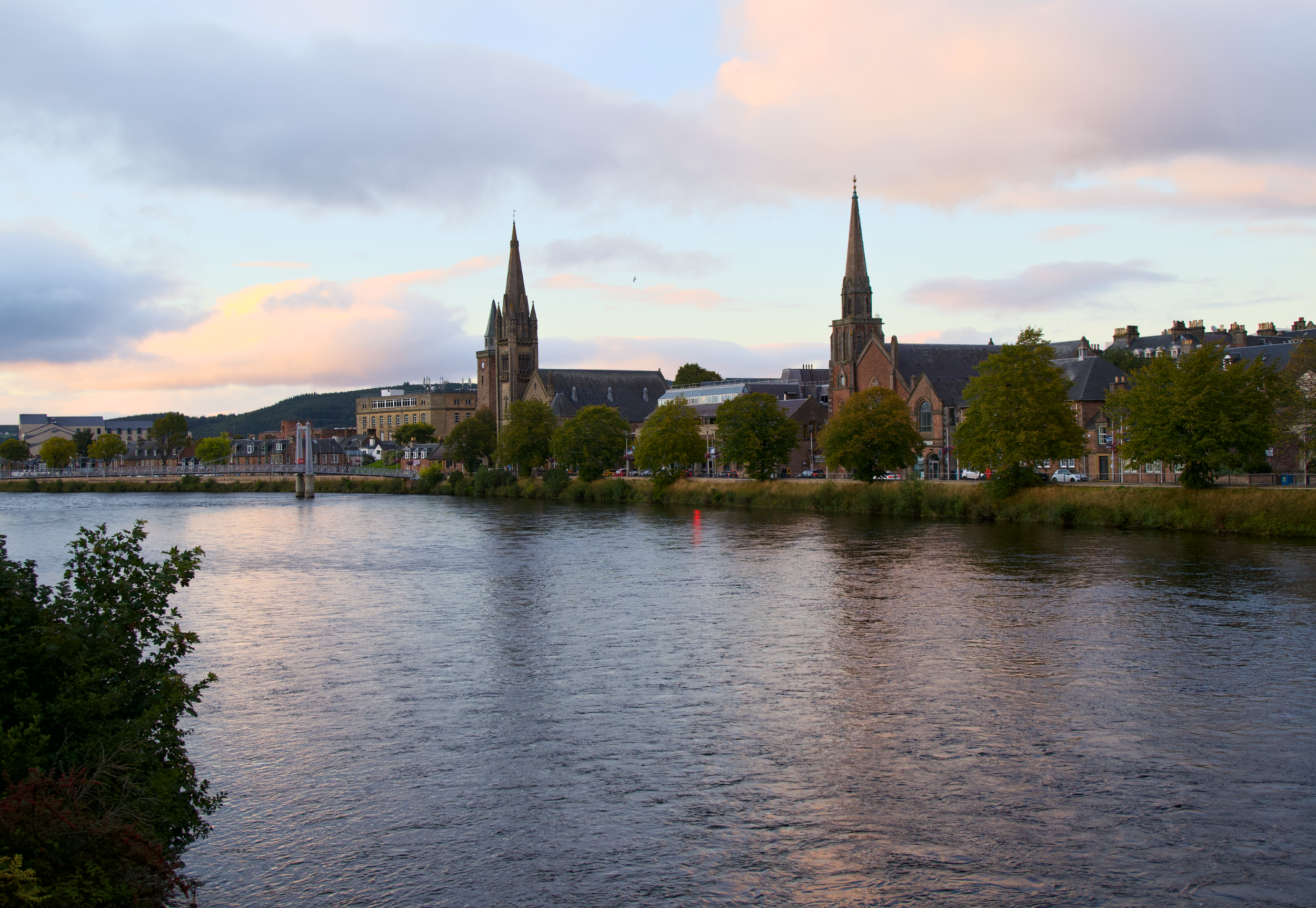
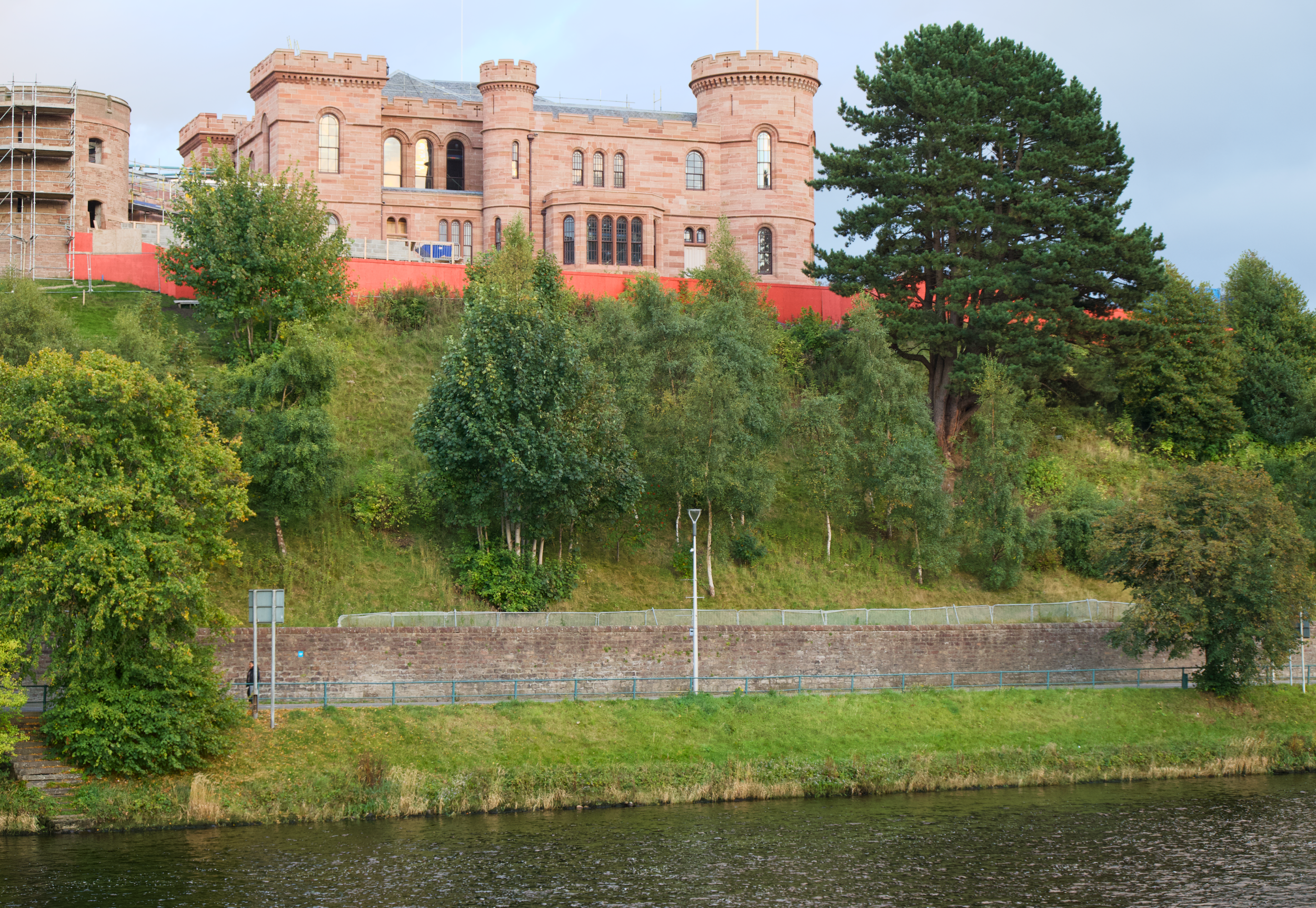
The River Ness cuts directly through the center of Inverness, flowing past a warm‑toned sandstone castle perched on the hill and carrying a calm, steady rhythm that sets the tone for the entire city. Although Inverness is officially the capital of the Scottish Highlands, it feels more like a compact market town, one that just happens to sit at the gateway to some of Scotland’s most iconic landscapes, including Loch Ness, the Cairngorms, and the Isle of Skye.
For many travelers, Inverness becomes the anchor point of a Highlands itinerary. It’s where trains from Edinburgh and Glasgow arrive, where rental cars are picked up, and where you return between exploring the region’s dramatic scenery. But the city itself deserves time, too. This guide covers everything you need to plan your trip: what to see, where to stay, how to get around, when to visit, and how to use Inverness as a strategic base for the wider Highlands.
Quick Answer: How many days do you need in Inverness?
Two to three days is enough to explore the city’s core highlights: Inverness Castle, the River Ness walk, Culloden Battlefield, and a Loch Ness cruise. If you’re using Inverness as your home base for day trips to Skye, the Cairngorms, or the Moray Coast, plan for five to seven days.
When to Visit Inverness
Inverness sits far north, which means daylight hours swing dramatically between seasons. This matters more here than temperature alone, especially if you’re planning outdoor activities or long day trips.
Summer (June to August)
Summer brings long daylight hours, up to 18 hours in June, and mild temperatures that hover around 17–19°C (63–66°F). This is peak season for festivals, outdoor events, and tourism. Expect higher prices, more crowds, and frequent rain showers. Even in summer, waterproof layers are essential.
Shoulder Season (April to May, September)
April and May often deliver some of the driest, brightest weeks of the year, while September offers comfortable daylight and fewer crowds than summer. These months strike the best balance between weather, pricing, and visitor numbers. If you want good conditions without peak‑season congestion, shoulder season is ideal.
Winter (November to March)
Winter brings short days, as little as seven hours of daylight in December, colder temperatures, and occasional snow in the surrounding hills. It’s also the cheapest time to visit, with lower hotel rates and quieter streets. The city feels more local and relaxed, and indoor attractions become more appealing.
Bottom Line
May, June, and September offer the best overall experience. If budget matters more than weather, consider April or late October.
Because Highland weather can shift quickly, travel insurance is worth considering, especially if your plans rely on outdoor tours, boat trips, or regional flights.
This post contains affiliate links. If you book through my links, I may earn a small commission at no extra cost to you. It helps keep this blog going, and I only ever recommend things I'd use myself.
How to Get to Inverness
By Air
Inverness Airport (INV) sits about 15 minutes from the city center and offers direct flights from London, Bristol, Manchester, Birmingham, Belfast, and several other UK cities via easyJet, Loganair, and British Airways. A handful of international routes operate seasonally. The airport is small, which means short lines and quick exits. I always recommend comparing flight prices with Expedia.
A taxi into the city center takes 15–20 minutes. You can also take the airport train from Inverness Airport Station to Inverness Station in roughly 12 minutes.
By Train
Direct trains run from Edinburgh (around 3.5 hours) and Glasgow (around 3 hours) into Inverness Station, located in the heart of the city. From London, the Caledonian Sleeper offers a scenic overnight option: board at Euston in the evening and wake up in the Highlands. Daytime trains from London also run via Edinburgh with one change.
By Car
Inverness sits at the northern end of the A9, the main road linking the Highlands to the rest of Scotland. Renting a car gives you the most flexibility for day trips, especially once you leave the city center where public transport becomes limited. If you plan to explore beyond Inverness, book ahead; Highland rental cars often sell out in summer.
Getting Around the City
Inverness is compact and easy to navigate on foot. Most major sights are within a 15–20 minute walk of the train station. Local buses cover the outskirts, and taxis are readily available for trips to the airport or marina.
Walking is the best way to explore the city center, especially along the River Ness and through the Ness Islands. For day trips, driving or joining guided tours is often the most efficient option.
Day Trips
Many day trips leave from Inverness. If you are not looking to rent a car or would rather pack as much in as possible, I always recommend looking into day trips. Here are a few options leaving from Inverness:
Where to Stay in Inverness
Inverness is small enough that most central neighborhoods put you within walking distance of restaurants, shops, and major attractions. Here’s how the main areas compare:
City Centre / Ness Walk
Ideal for first‑time visitors. Close to the train station, Inverness Castle, the Victorian Market, and most dining options. Ness Walk offers quieter river views while staying central.
Hotel Options:
Moyness House (This is where my sister and I stayed and loved it, but considered most on this full list)
Crown
A residential neighborhood just east of the center. Quieter, often more affordable, and still an easy walk into town.
Hotel Options:
Ballifeary
Budget‑friendly and relaxed, with quick access to the river and city center.
Hotel Options:
Dalneigh
West of the river, home to Inverness Cathedral and the Botanic Gardens. Family‑friendly and peaceful.
Hotel Options:
For most trips, staying in the City Centre is worth the slightly higher price for convenience.
How to Choose the Best Area for Your Travel Style
To help you optimize your stay, here’s how each neighborhood aligns with different travel styles:
For Walkability
City Centre and Ness Walk offer the easiest access to attractions, restaurants, and the river.
For Quiet Stays
Crown and Ballifeary provide a calmer, more residential feel.
For Families
Dalneigh offers parks, quieter streets, and easy access to the cathedral and Botanic Gardens.
For Budget Travelers
Ballifeary and parts of Crown often have lower nightly rates without sacrificing convenience.
For Scenic Views
Ness Walk is the best choice for riverfront scenery and peaceful morning walks.
If you’re also taking a road trip around other parts of Scotland, I recommend booking your car in advance and using Expedia to compare across car rental agencies.
Best Things to Do in Inverness
Inverness may be compact, but it’s rich with history, riverside scenery, and cultural landmarks that make it worth more than a quick overnight.
Inverness Castle Experience
Inverness Castle is the city’s most recognizable landmark, perched above the River Ness with warm sandstone walls that catch the light beautifully throughout the day. The castle’s immersive exhibits walk visitors through Highland history, storytelling traditions, and the people who shaped the region. The viewpoint at the top offers one of the best panoramas in the city, with sweeping views over the river, rooftops, and surrounding hills.
Plan for: 2–3 hours Nearby: Ness Walk, Inverness Cathedral, Victorian Market
River Ness and the Ness Islands
The River Ness is the centerpiece of the city, and the Ness Islands walk is one of the most peaceful ways to experience it. The path follows the riverbank and crosses a series of small wooded islands via Victorian suspension bridges that sway gently as you walk. The islands are quiet, shaded, and full of birdlife, making them ideal for a morning stroll or a break from the busier city center.
Plan for: 45–60 minutes Nearby: Inverness Cathedral, Bught Park, Ballifeary
Inverness Cathedral and the Victorian Market
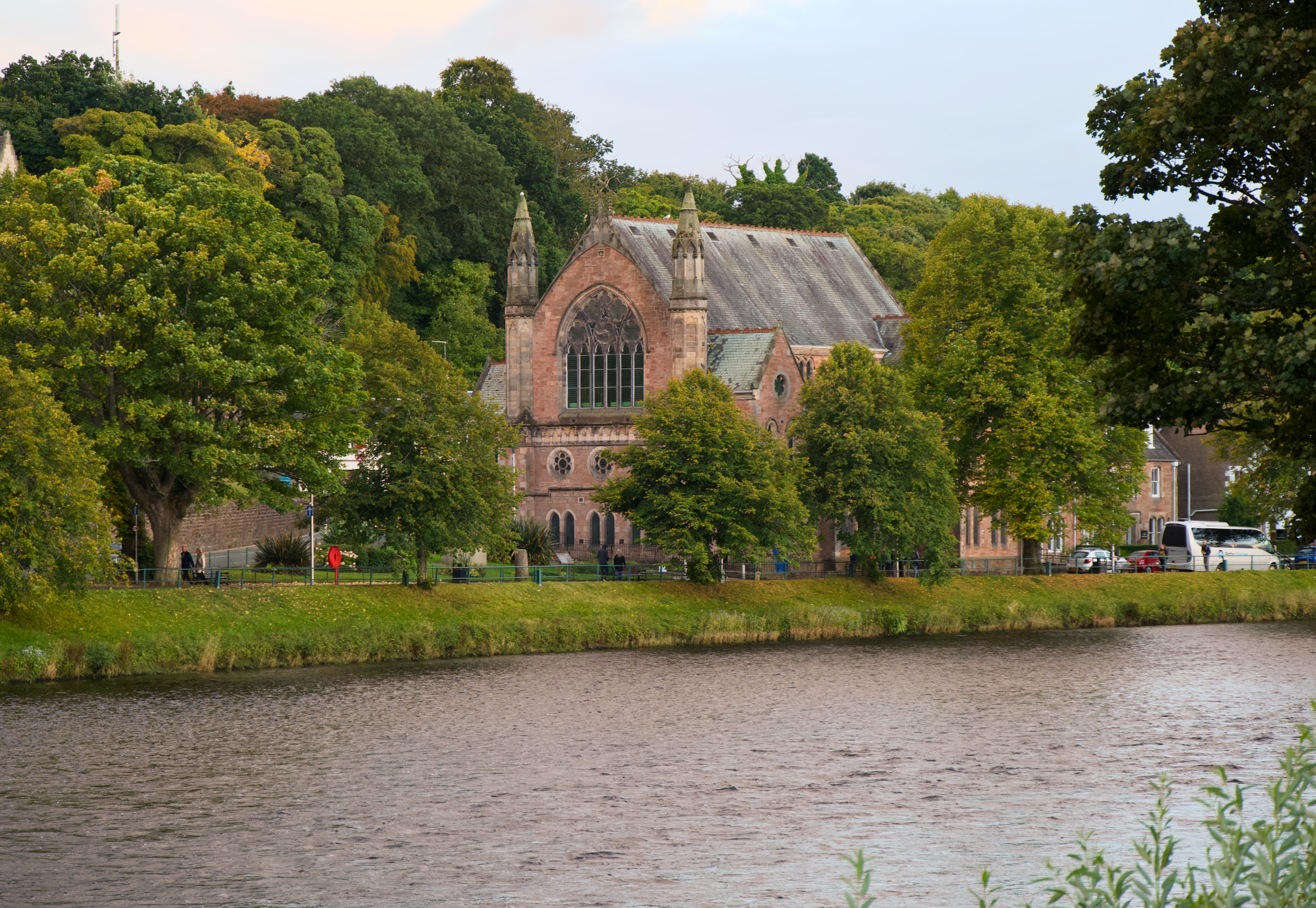
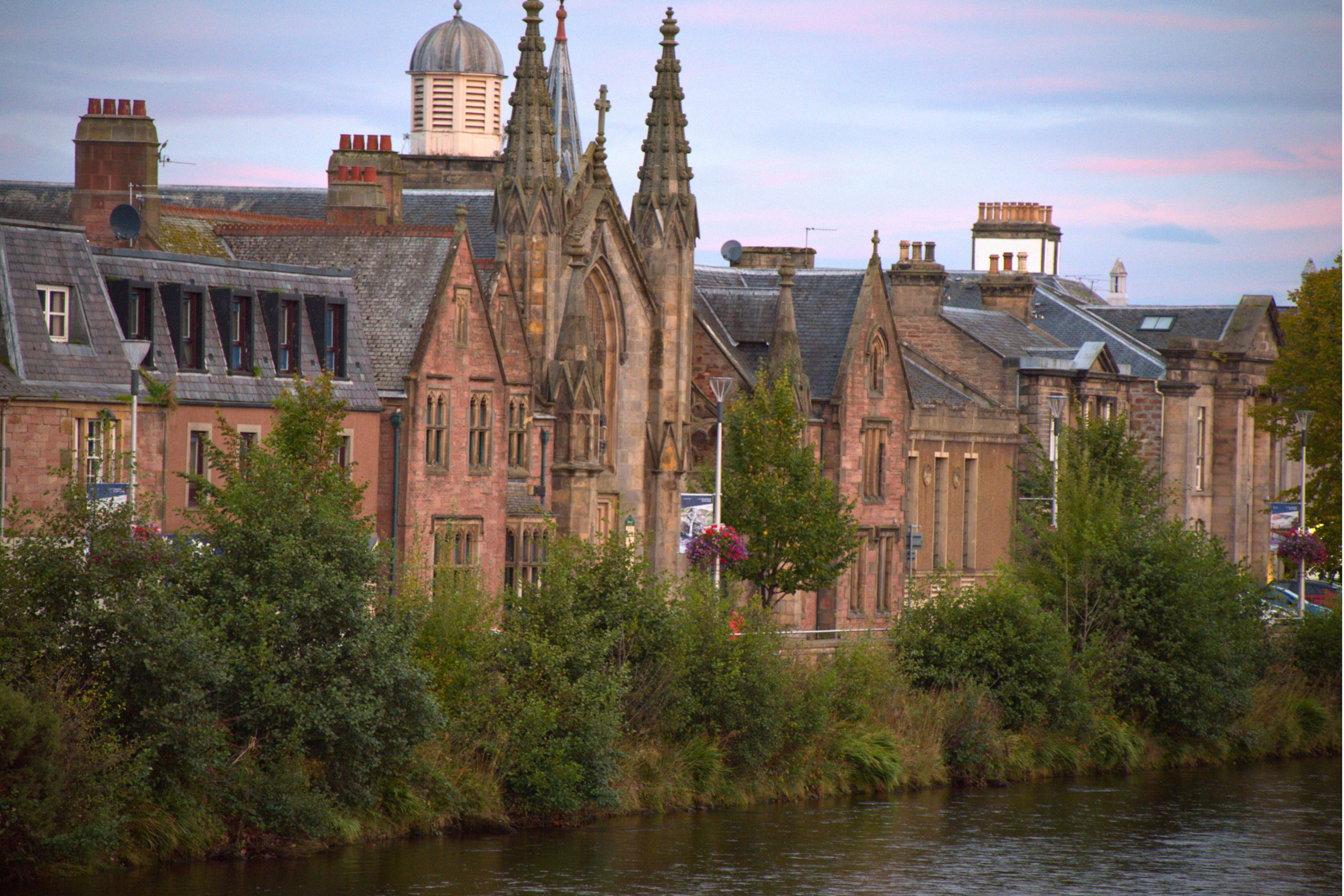
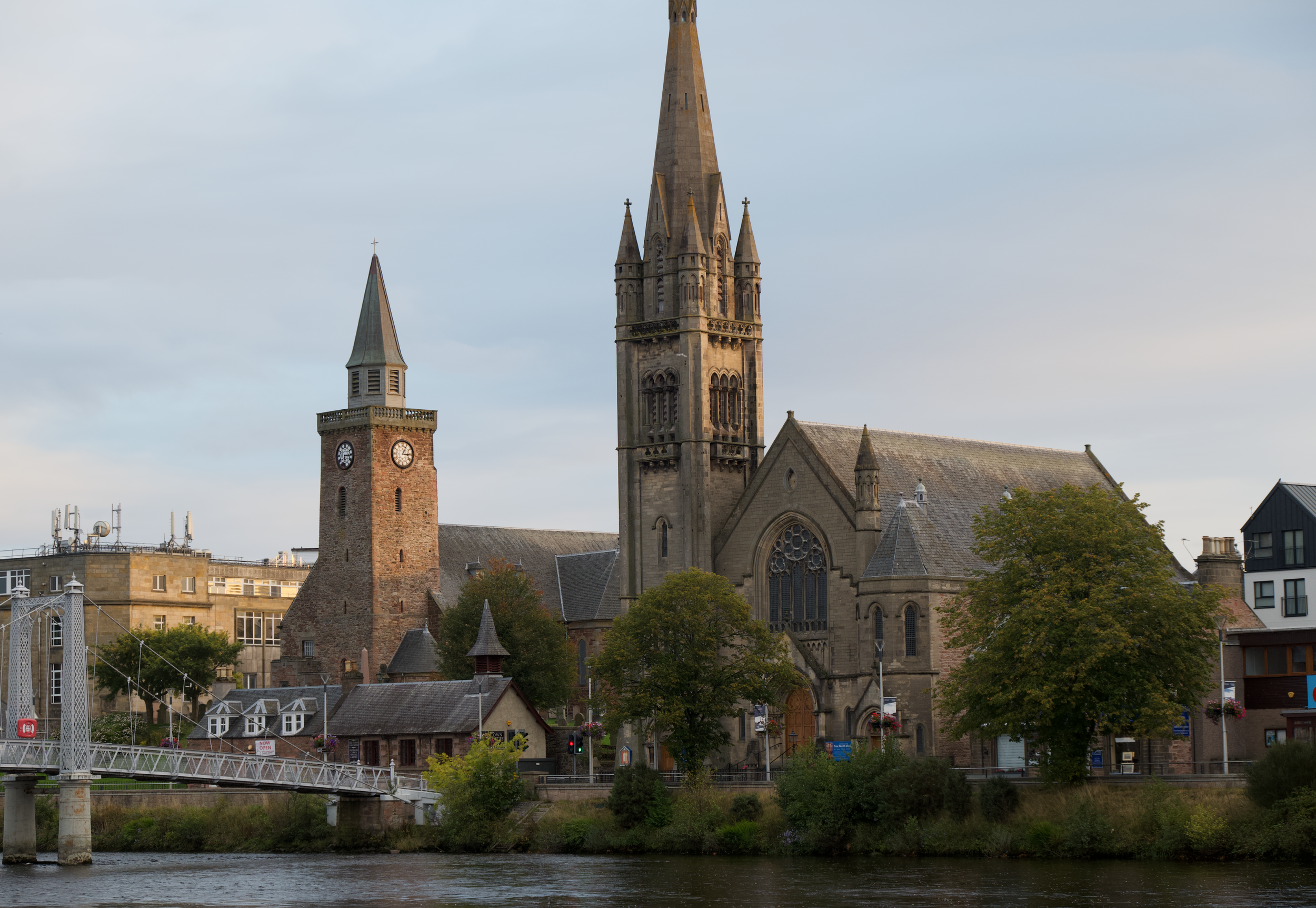
Inverness Cathedral (St. Andrew’s Cathedral) sits along the riverbank and is known for being the northernmost Anglican cathedral in the UK. Its red sandstone exterior and twin towers make it a striking stop on any walking route. Inside, you’ll find stained glass, carved stonework, and a peaceful atmosphere.
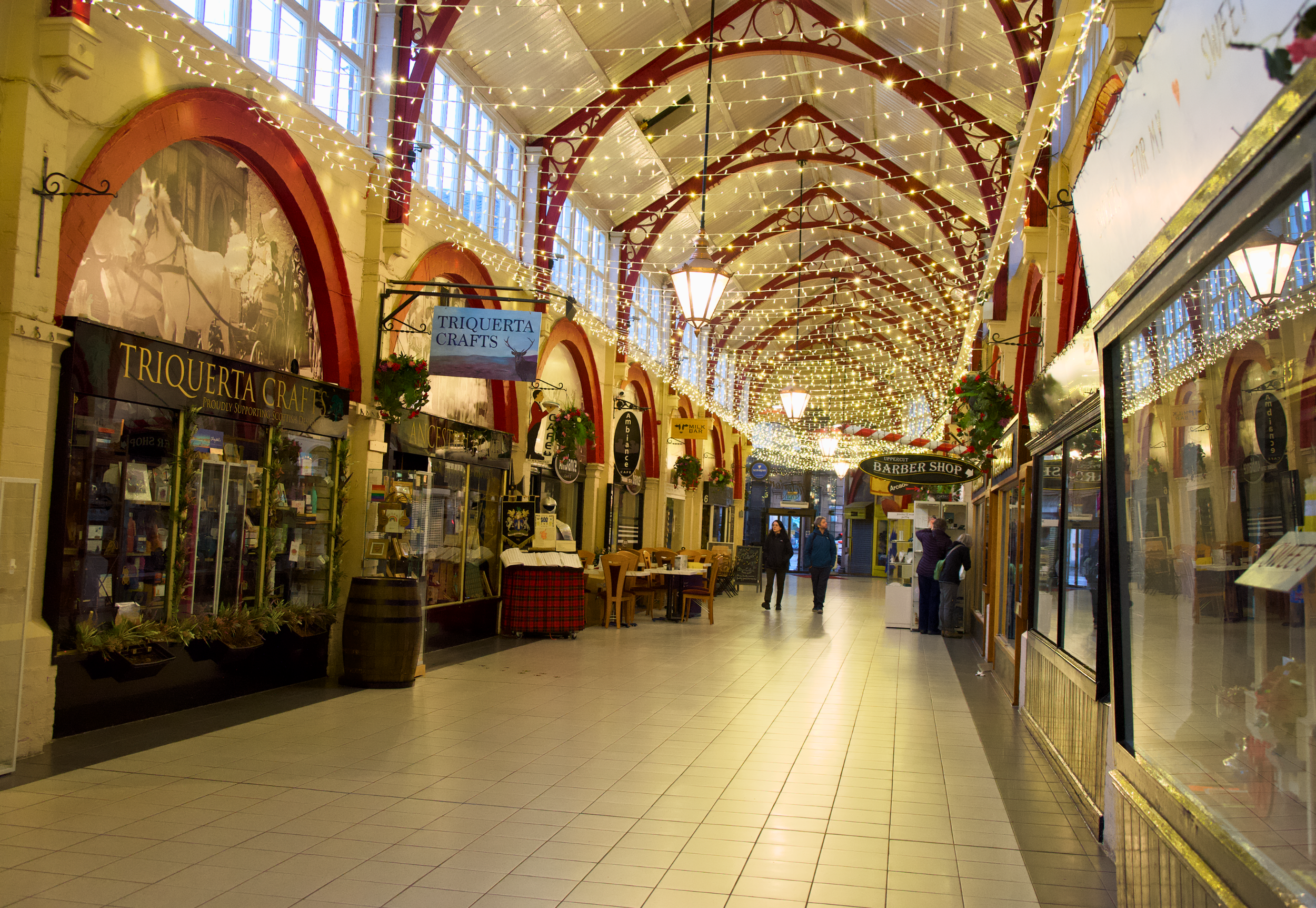
A short walk away, the Victorian Market offers a covered arcade of independent shops, cafés, and small local businesses. It’s a great place to browse, grab a coffee, or duck into on a rainy day.
Plan for: 1 hour Nearby: City Centre, Ness Walk, Inverness Museum
Leakey’s Bookshop
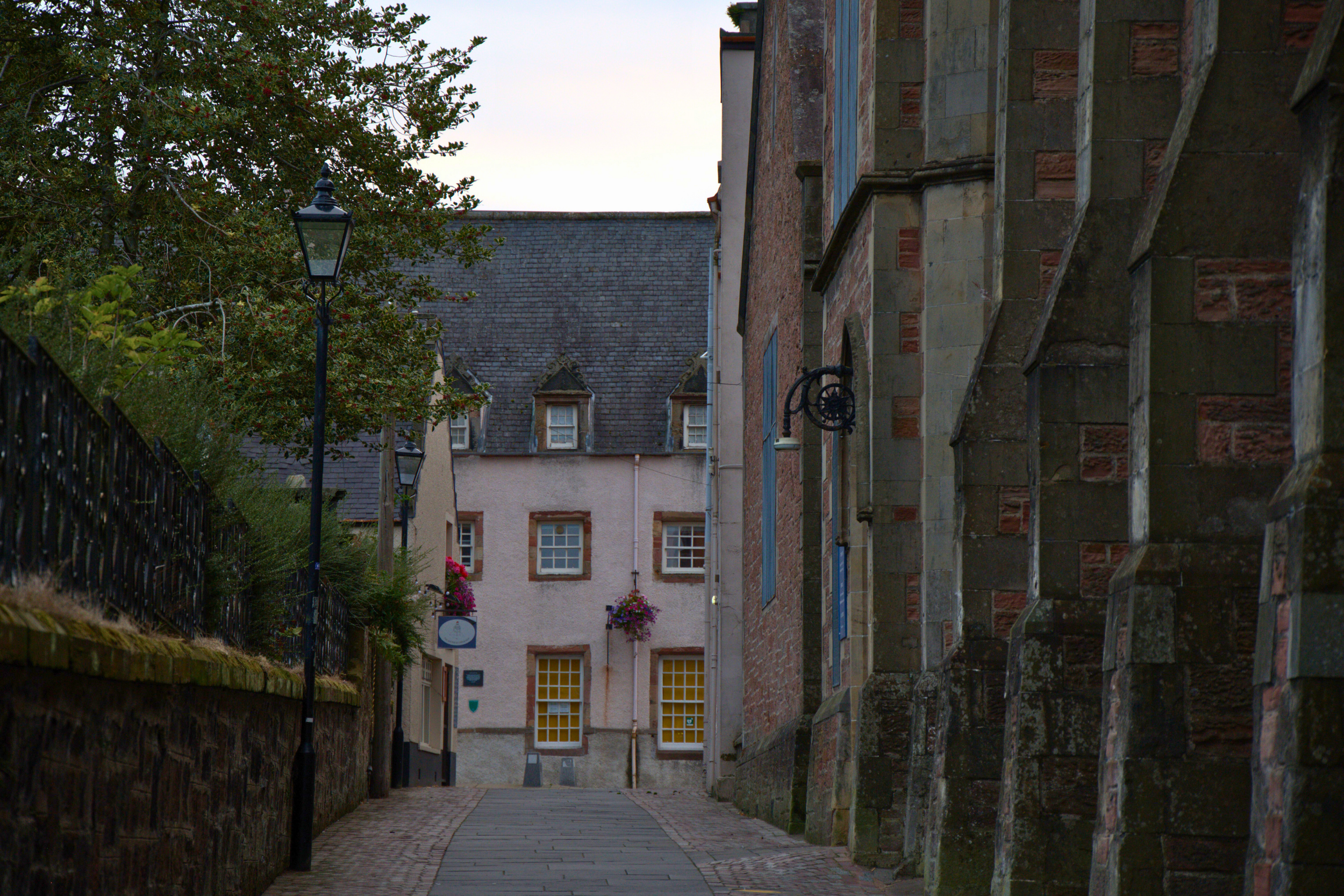
Leakey’s is one of Scotland’s most atmospheric bookstores, housed inside a converted church with towering shelves and a wood‑burning stove at its center. It’s the largest second‑hand bookshop in the country and a favorite stop for travelers looking for local history books, maps, or vintage finds. Even if you’re not shopping, the ambiance alone makes it worth a visit.
Plan for: 45–90 minutes Nearby: City Centre, Victorian Market, Inverness Castle
Inverness Museum and Art Gallery
This free museum offers a well‑structured introduction to Highland history, covering geology, the Picts, Vikings, medieval life, and the Jacobite era. It’s compact enough to explore quickly but detailed enough to give meaningful context before visiting sites like Culloden or Clava Cairns. The art gallery features rotating exhibitions from local artists.
Plan for: 45–60 minutes Nearby: Inverness Castle, City Centre, Ness Walk
The Caledonian Canal and Great Glen Way
The Caledonian Canal offers a scenic walking or cycling route just outside the city center. The canal stretches across Scotland, connecting several lochs including Loch Ness. Even a short walk along the towpath gives you quieter views of Inverness, with boats, locks, and open countryside. For longer outings, the Great Glen Way begins here and continues all the way to Fort William.
Plan for: 1–3 hours Nearby: Clachnaharry, Merkinch Nature Reserve
Inverness Photography Guide
Photography is a major draw for travelers visiting the Highlands, and Inverness offers plenty of scenic spots.
Best Photo Spots in Inverness
Inverness Castle viewpoint
Ness Islands suspension bridges
River Ness at sunrise
Inverness Cathedral exterior
Leakey’s Bookshop interior
Victorian Market arches
Caledonian Canal locks
Clachnaharry Sea Lock at sunset
Best Time of Day for Photos
Sunrise: River Ness, Ness Islands, Castle viewpoint
Golden hour: Castle, Cathedral, Caledonian Canal
Blue hour: City Centre, bridges, riverside paths
Seasonal Photography Tips
Summer: Long daylight hours; softer light late in the evening
Autumn: Salmon run visible in the River Ness; warm foliage tones
Winter: Snow‑dusted hills; shorter days but dramatic skies
Spring: Blossoms along Ness Walk and the Cathedral grounds
How to Use Inverness as a Base for the Highlands
Inverness works exceptionally well as a home base for exploring the Highlands thanks to its central location, reliable transport links, walkable center, and wide range of accommodations.
Why Inverness Works Well as a Base
Easy access to Loch Ness, Skye, Cairngorms, and the Moray Coast
Walkable city center with plenty of dining options
Tours departing directly from the city
Good mix of hotels, guesthouses, and apartments
Train and bus connections for travelers without a car
Best Day Trips from Inverness
Loch Ness & Urquhart Castle
Culloden Battlefield & Clava Cairns
Isle of Skye
Moray Coast
Cairngorms National Park
Cawdor Castle
Fort George
Dornoch & partial North Coast 500 route
Who Benefits Most from Staying in Inverness
First‑time Highlands visitors
Travelers without a car
Solo travelers
Families
Photographers
Travelers planning multi‑day regional exploration
Day Trips from Inverness
Inverness’s location makes it one of the most convenient bases for exploring the Highlands. You’ll get a good sense of the day trips you can take when staying in or near Inverness.
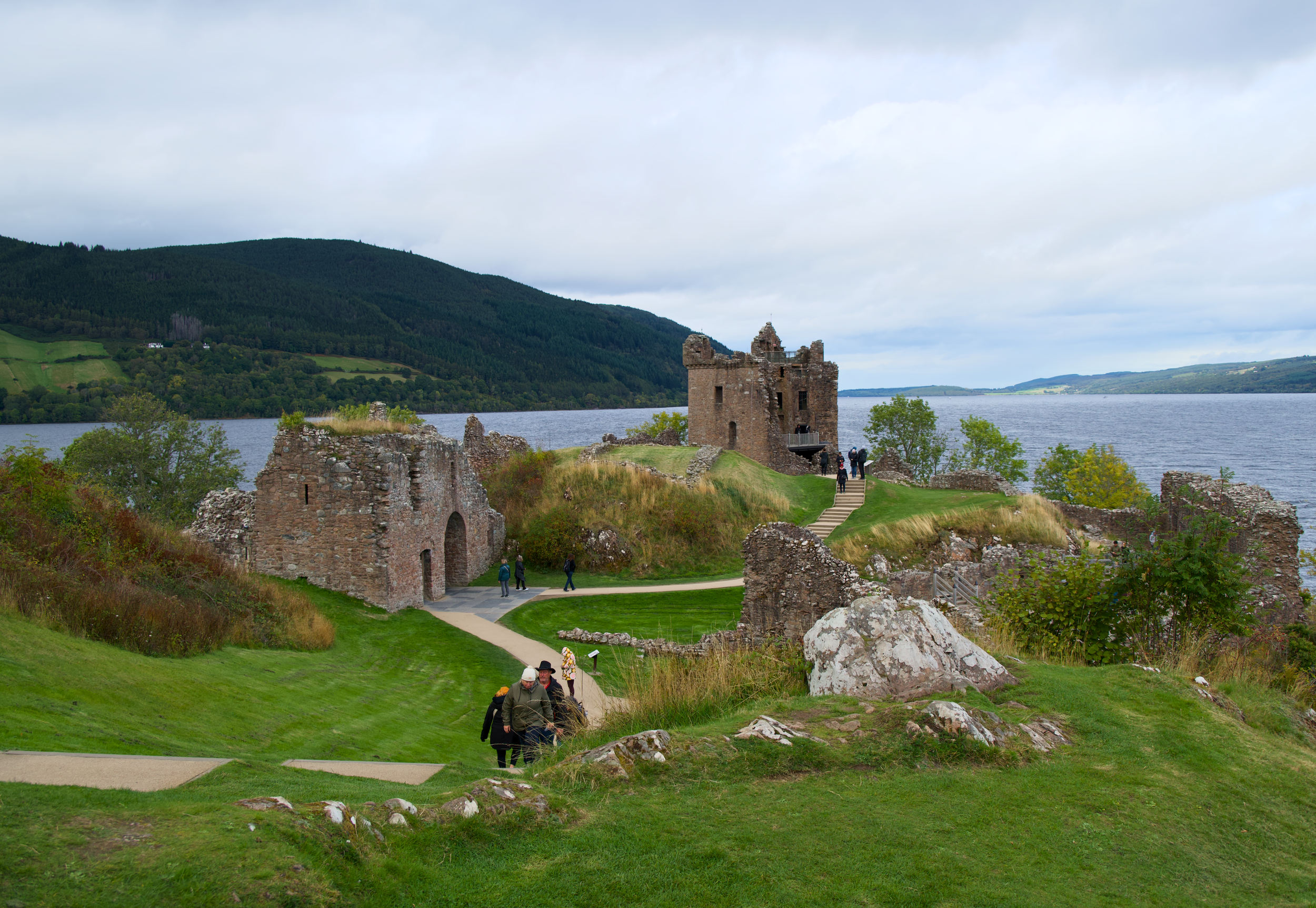
Loch Ness and Urquhart Castle
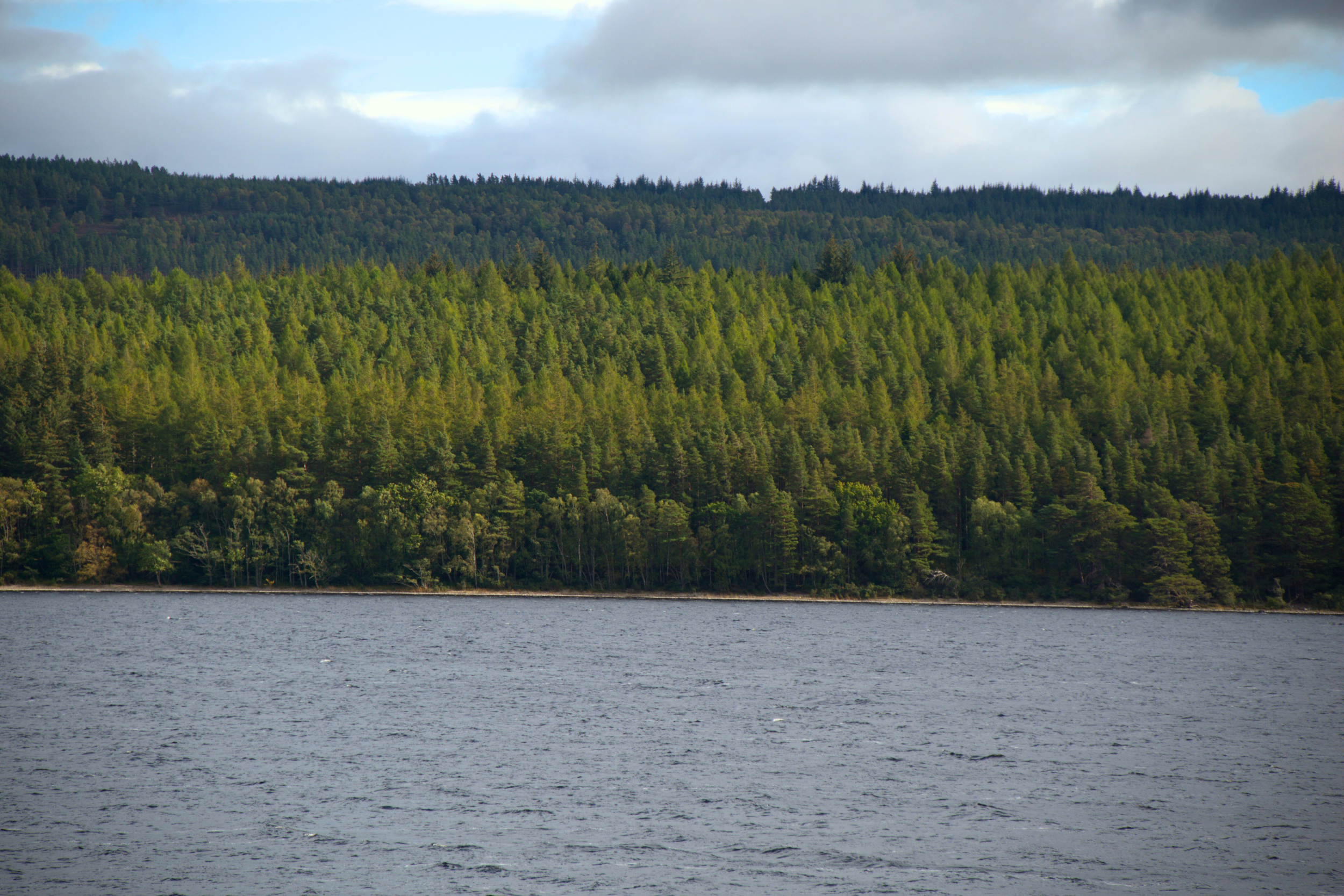
Loch Ness stretches for 23 miles, flanked by steep hills and dense forest, creating one of the most dramatic waterways in Scotland. Cruises from Inverness Marina offer commentary on local history and geology, and the dark, peat‑rich water adds to the loch’s mysterious reputation.
Urquhart Castle sits halfway down the western shore. The 13th‑century ruins offer panoramic views over the loch, and the surviving tower provides one of the best vantage points in the area.
Travel time: ~30 minutes by car
Book your tour in advance: From Inverness: Loch Ness Small-Group Day Tour with Cruise
Culloden Battlefield and Clava Cairns
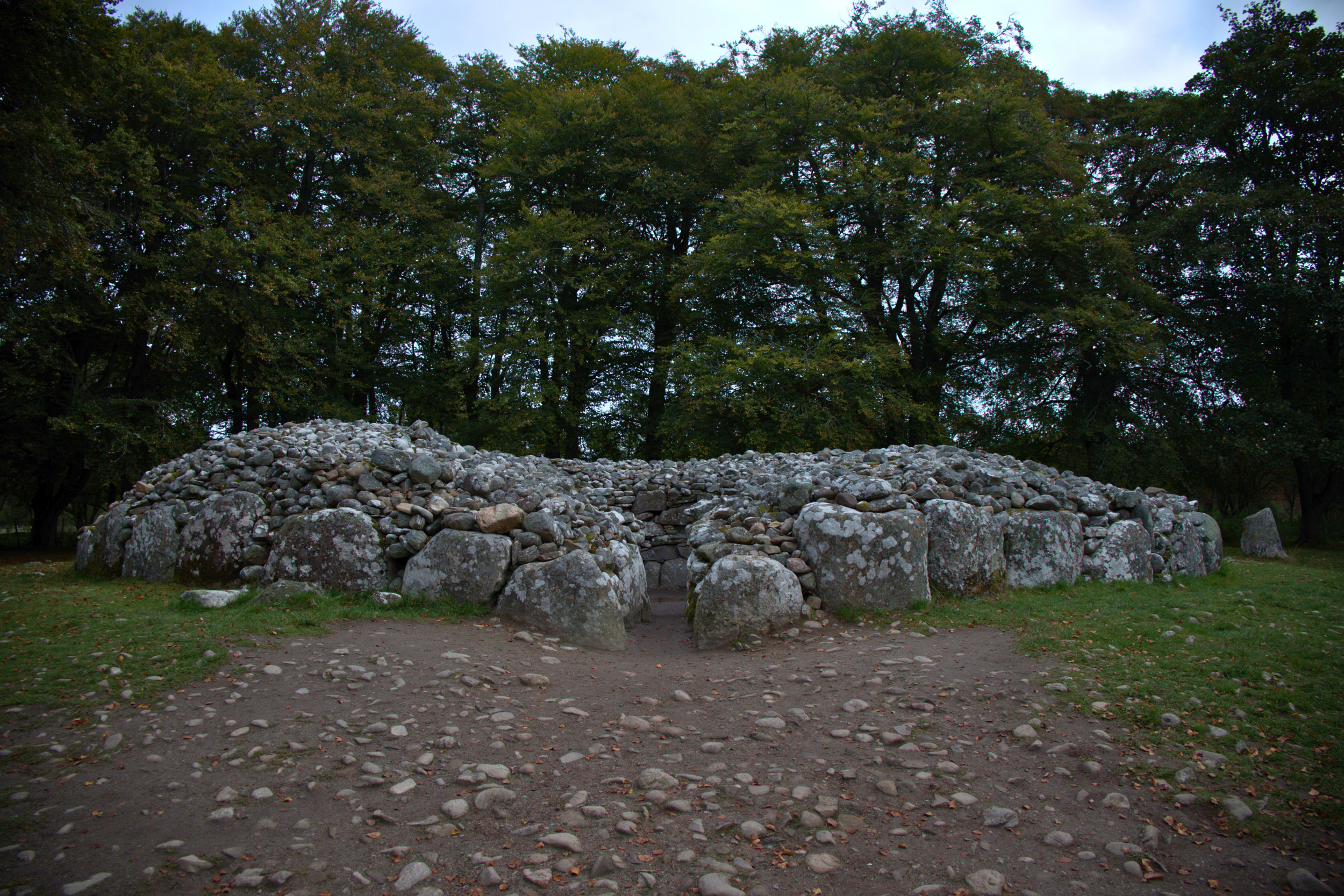
Culloden marks the site of the final Jacobite uprising in 1746. The visitor center’s exhibits and artifacts provide a detailed look at the events leading up to the battle. Walking the battlefield itself is a powerful experience, with markers indicating where different clans stood.
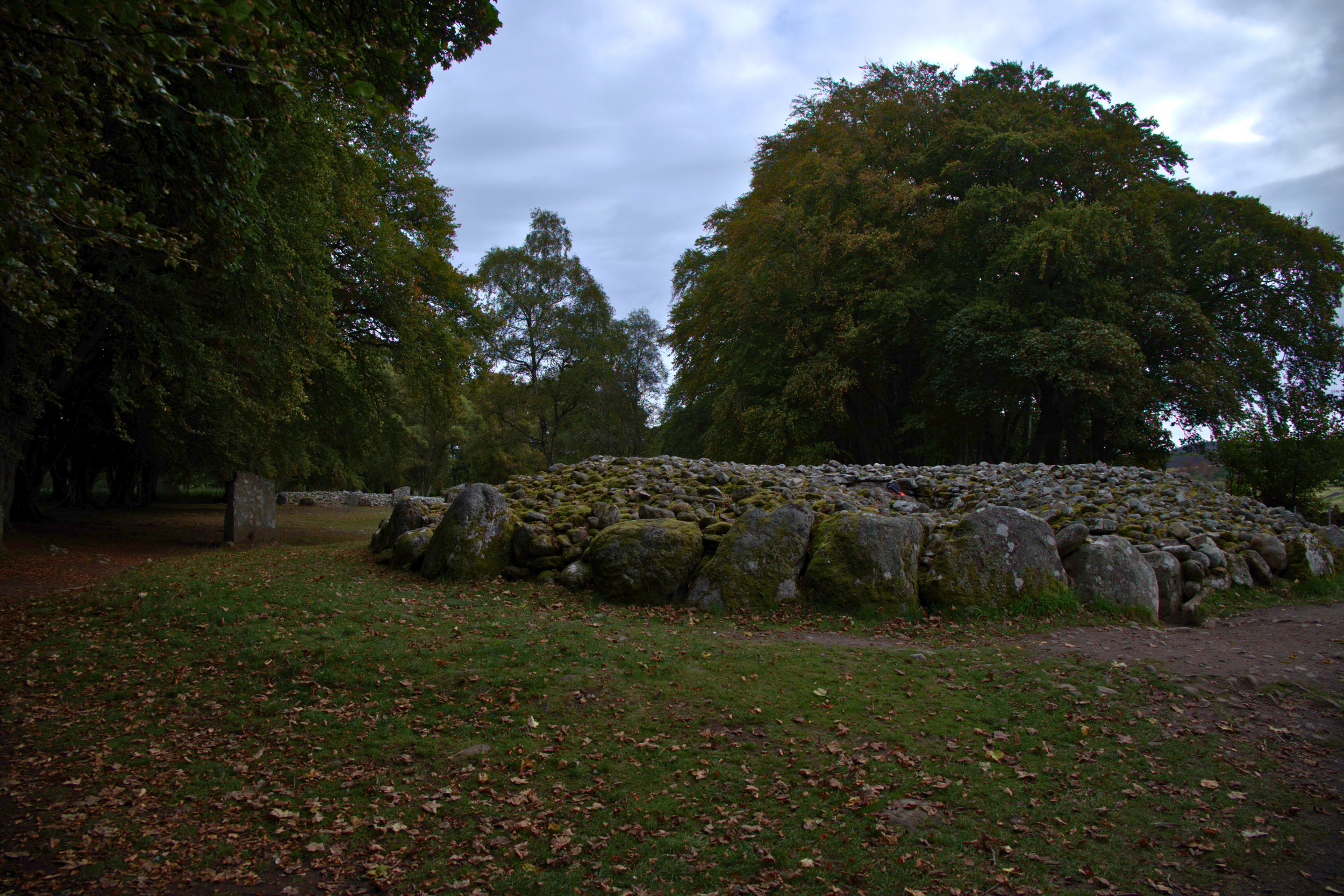
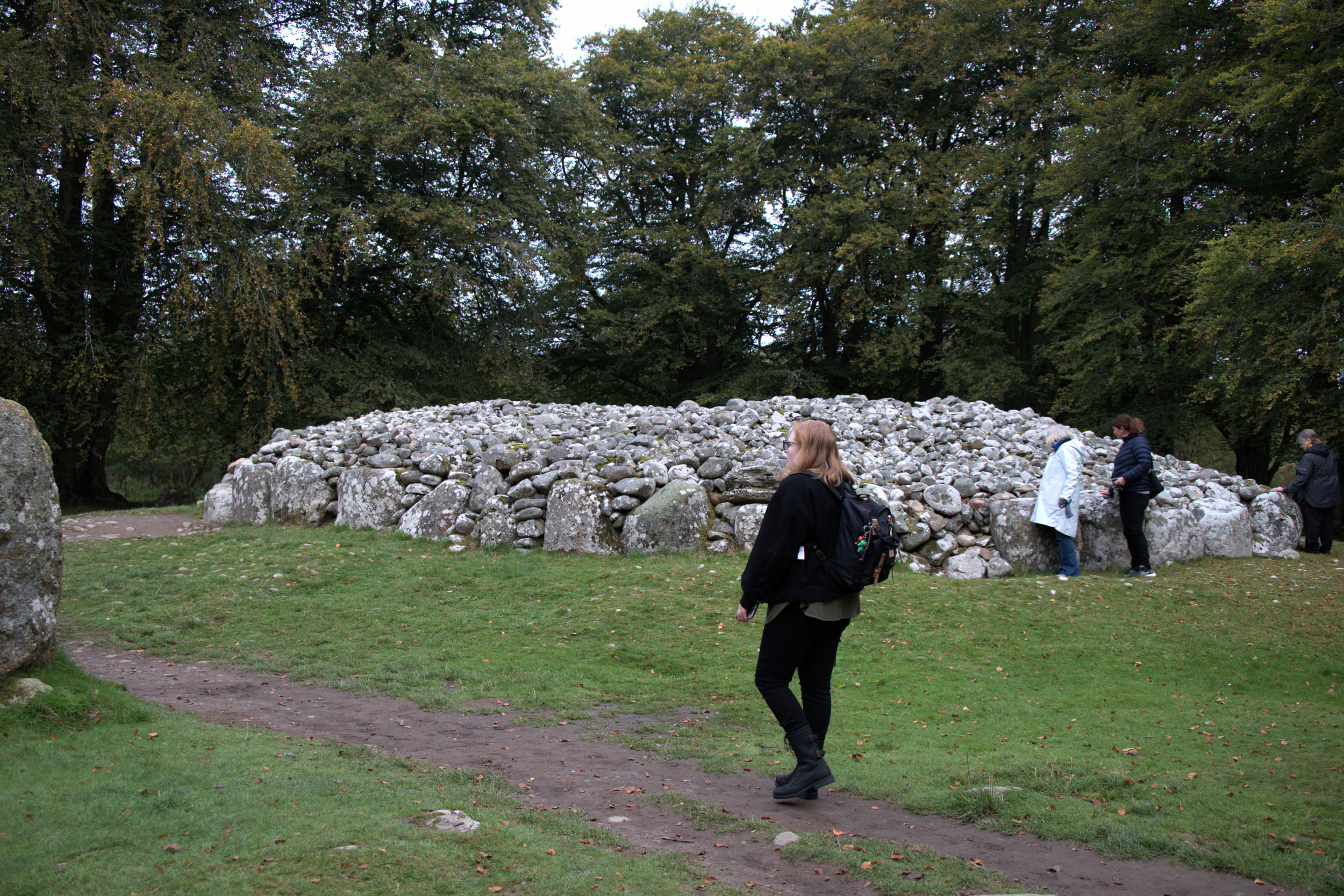
Nearby Clava Cairns offers a quiet Bronze Age burial site with standing stones and ring cairns. It’s atmospheric, ancient, and pairs naturally with a visit to Culloden.
Travel time: ~15 minutes to Culloden; ~5 minutes to Clava Cairns
Book your tour in advance: Inverness: Culloden Battlefield & Clava Cairns Half Day Tour
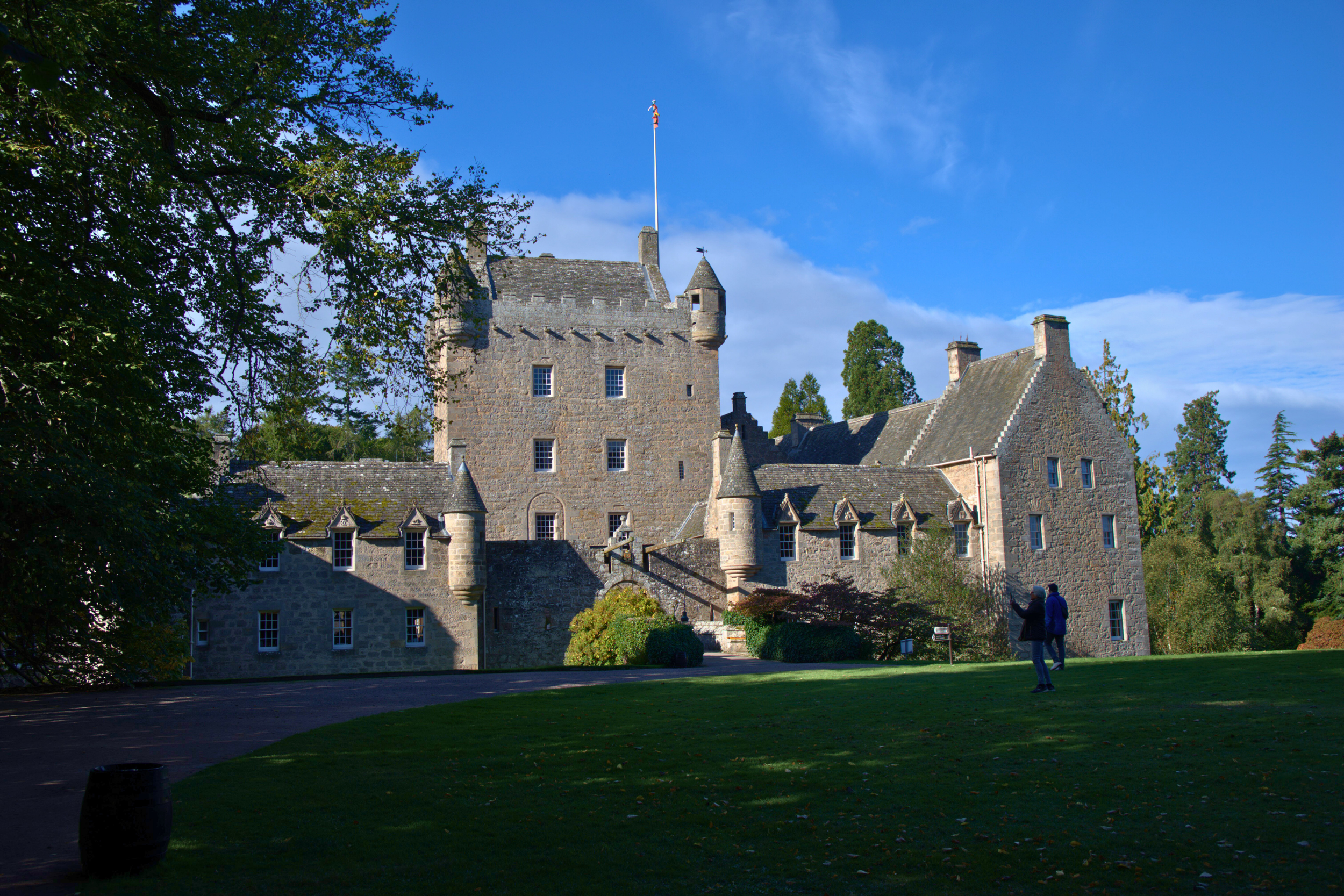
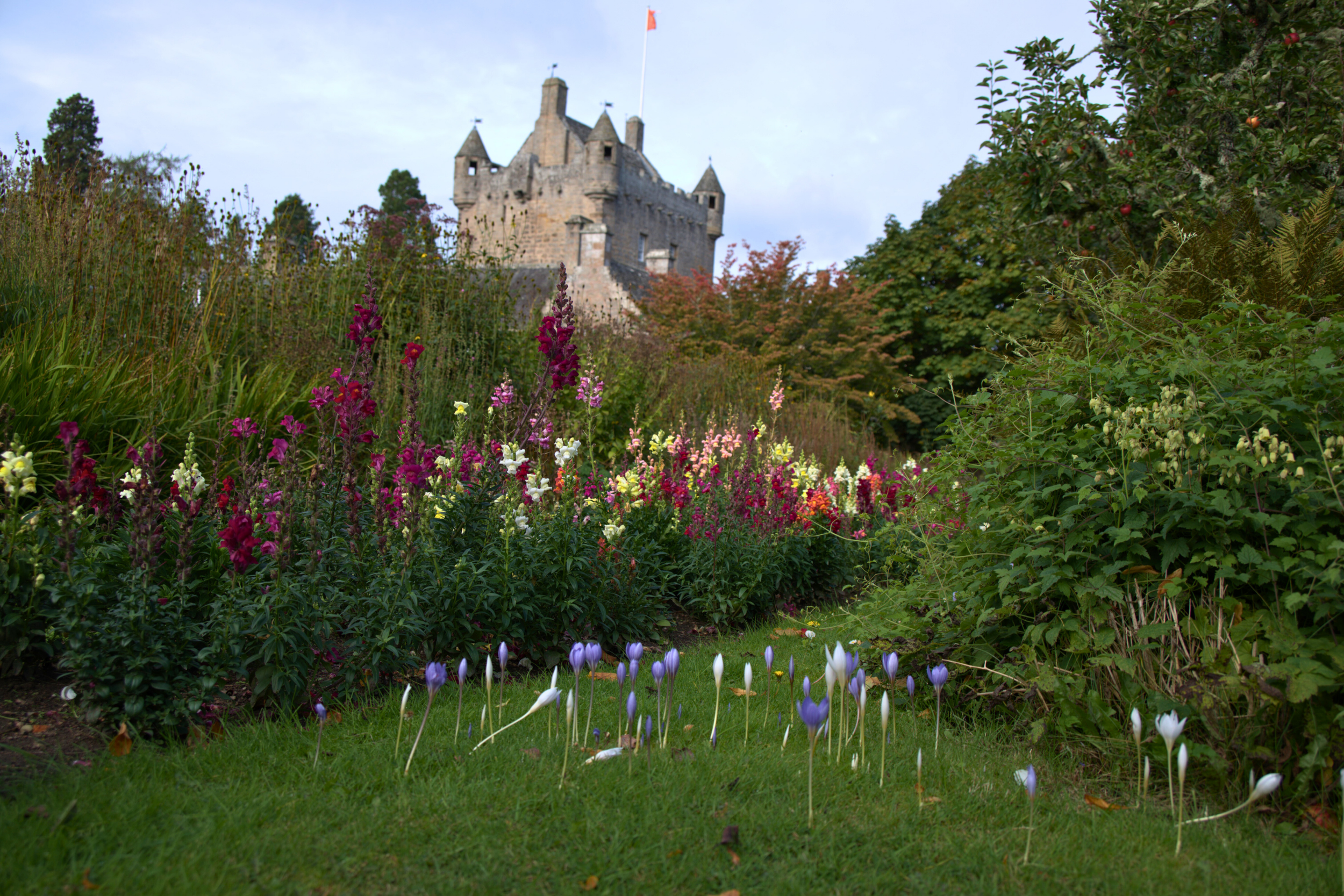
Cawdor Castle
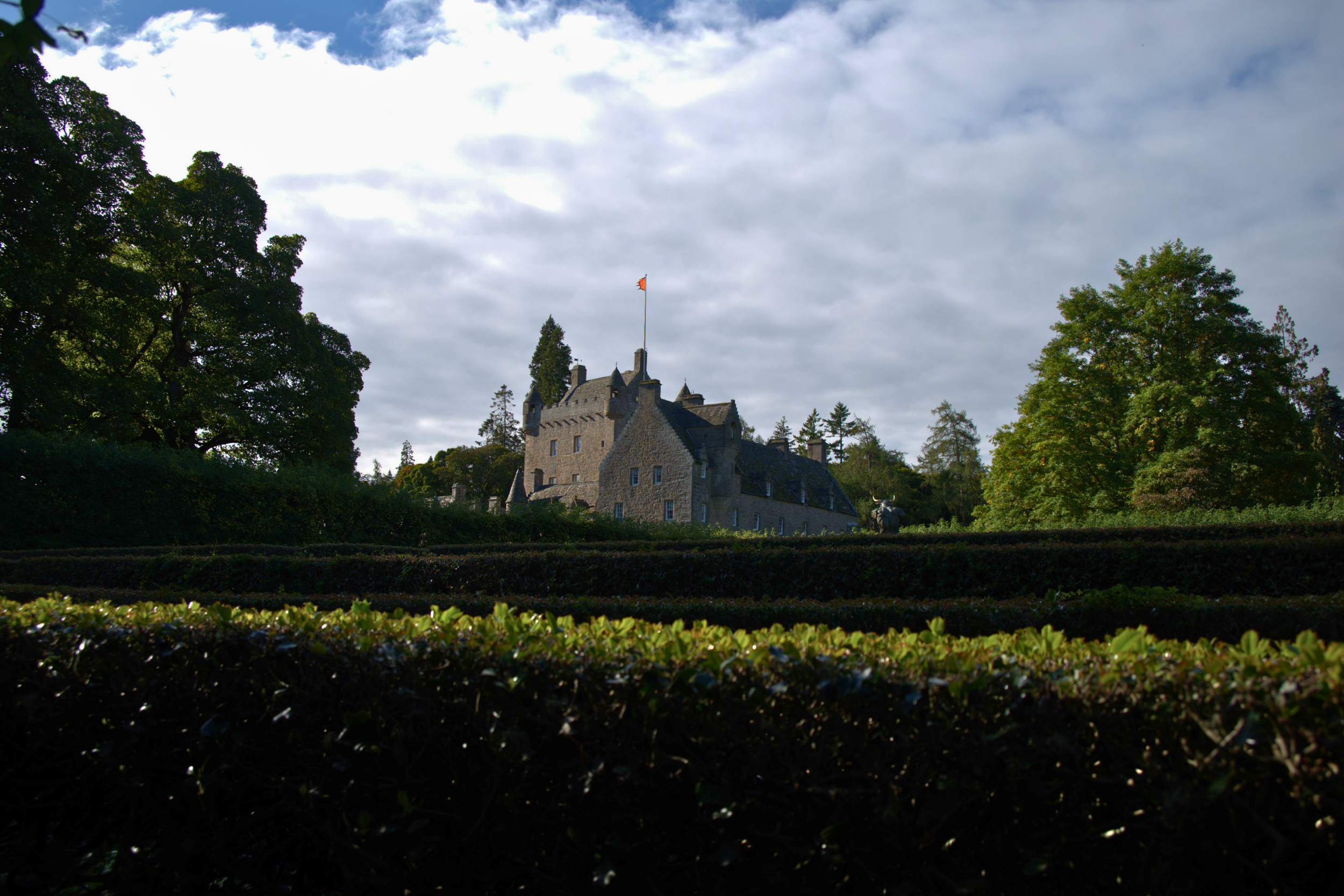
Cawdor Castle is still lived in by the Cawdor family, giving it a warm, lived‑in feel. The interior features tapestries, portraits, and period furnishings, while the gardens are beautifully landscaped and ideal for a peaceful afternoon. Woodland trails around the castle add to the experience.
Travel time: ~30 minutes
Book your tour in advance: From Inverness: Cawdor Castle and Cairngorms National Park
Isle of Skye
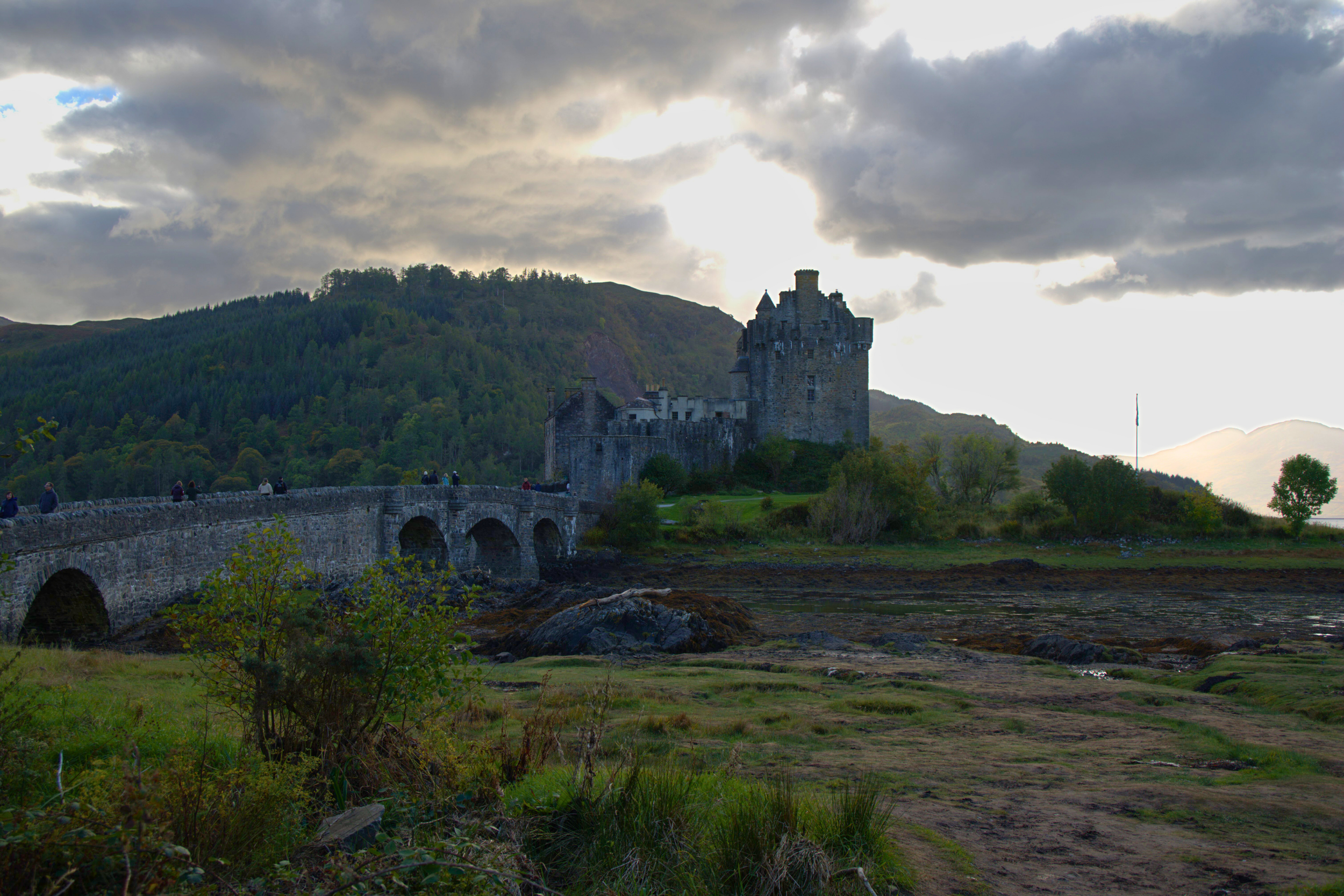
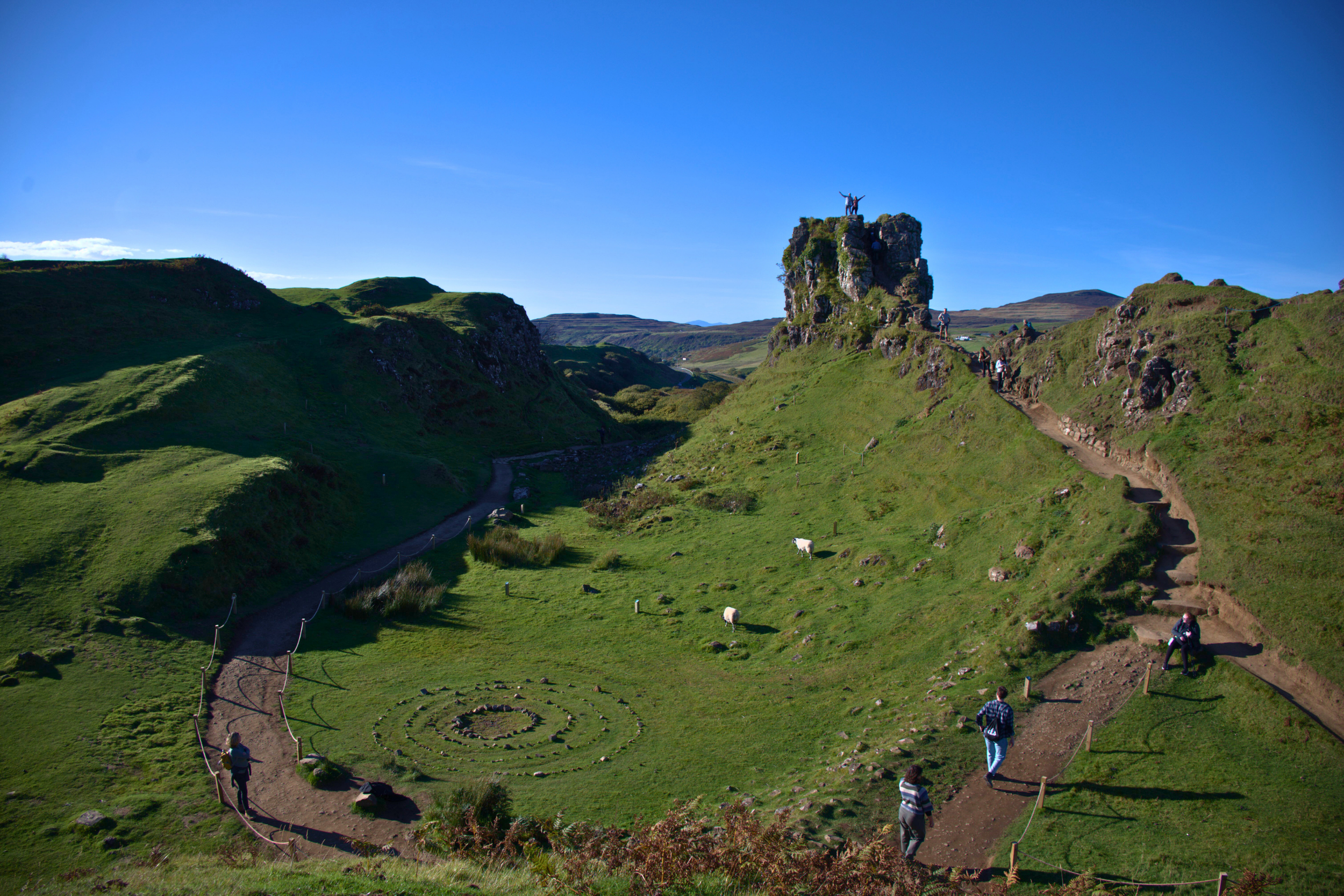
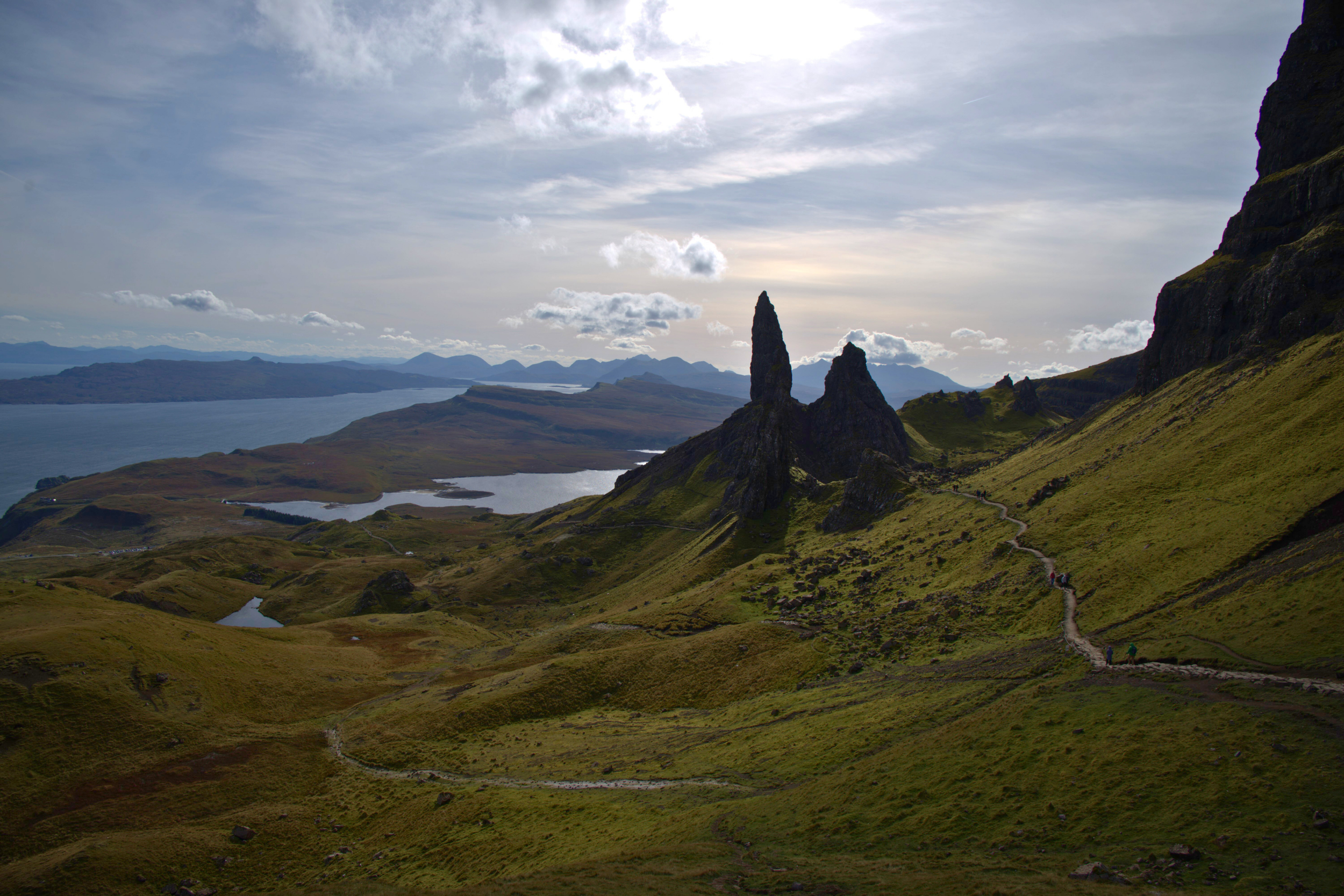
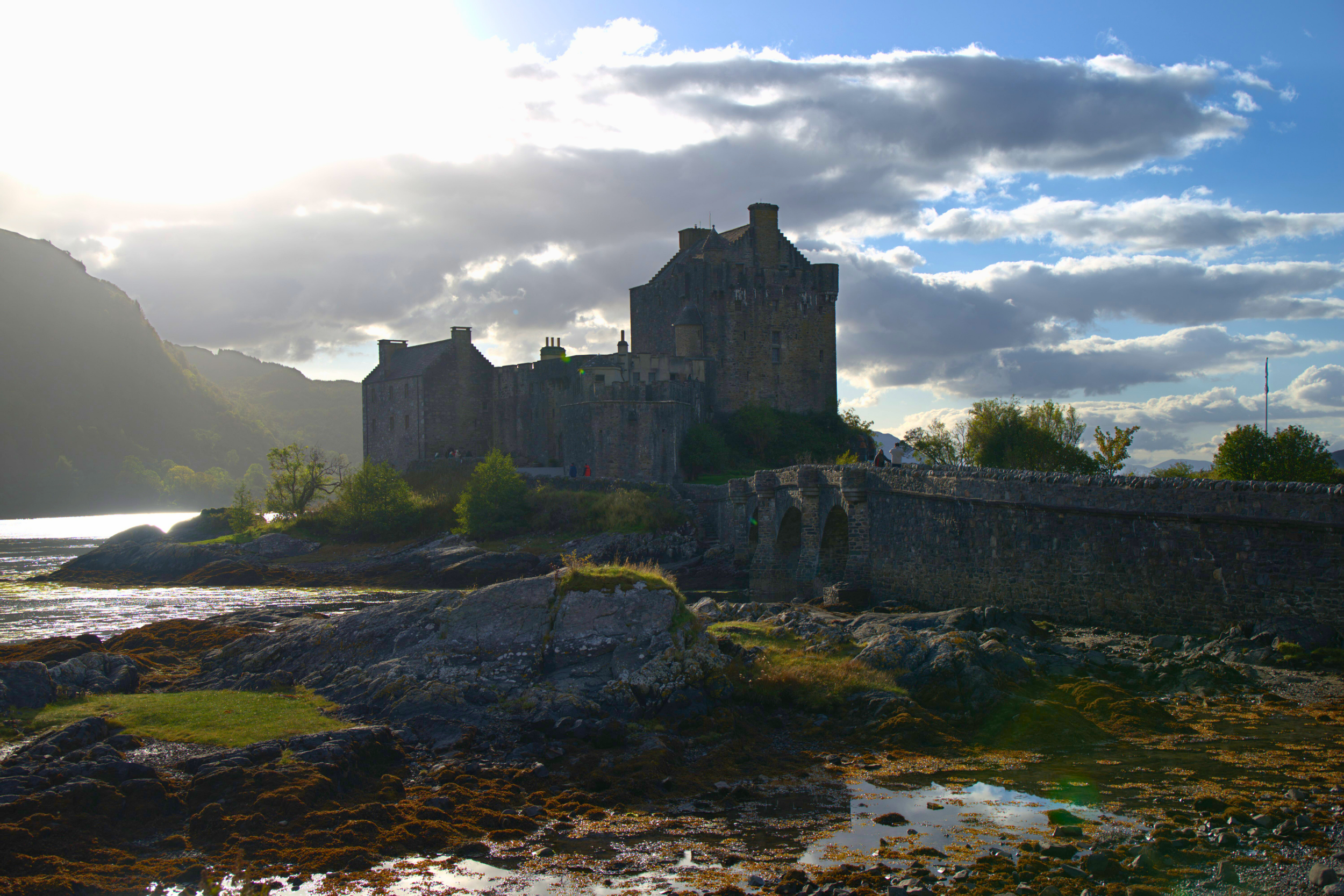
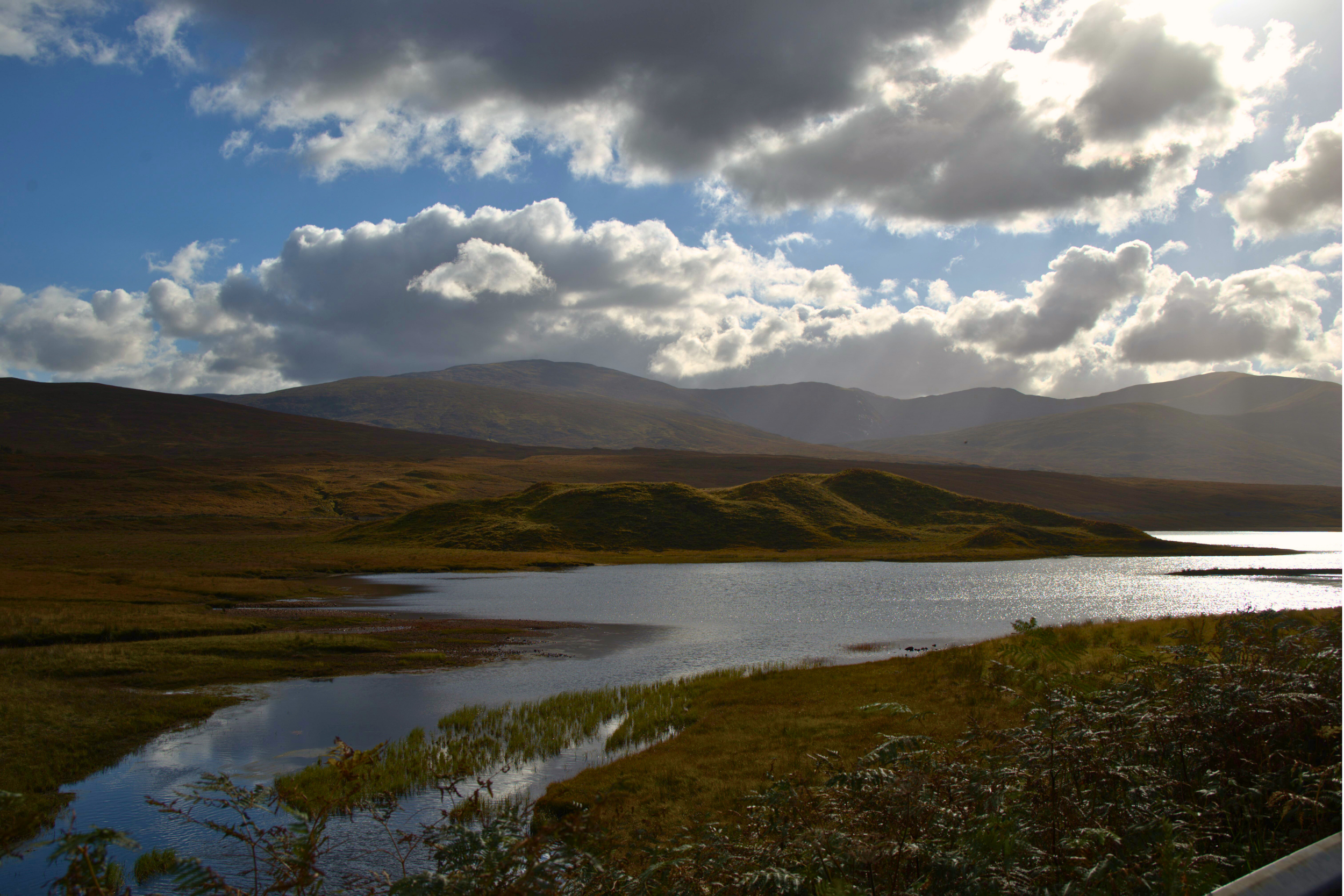
Skye is known for its dramatic landscapes, waterfalls, and coastal scenery. While the island deserves multiple days, a long day trip from Inverness is possible if you start early. Highlights include the Fairy Pools, Old Man of Storr, Kilt Rock, Quiraing, and Portree Harbour.
Roads on Skye are narrow and winding, so allow extra time for travel. Guided tours are a good option for travelers who prefer not to drive.
Travel time: ~2.5 hours to Portree
Book your tour in advance: Inverness: Isle of Skye and Eilean Donan Castle Day Trip
If you’re planning a long trip to the Isle of Skye, I recommend reading my full blog post or watching my YouTube video.
The Moray Coast
The Moray Coast offers sandy beaches, fishing villages, and coastal walks. Nairn Beach is ideal for families, Findhorn has a relaxed village feel, and Lossiemouth’s East Beach offers dramatic views. Bow Fiddle Rock near Portknockie is one of the most photographed natural formations in the region.
Travel time: 20 minutes to Nairn; ~1 hour to Lossiemouth
Cairngorms National Park
The Cairngorms offer hiking, wildlife viewing, and mountain scenery. Popular stops include Loch Morlich, Rothiemurchus Forest, Cairngorm Mountain, Aviemore, and the Highland Wildlife Park. The park is ideal for travelers seeking outdoor adventure without committing to multi‑day treks.
Travel time: ~45 minutes to Aviemore
Book an outdoor adventure tour in advance: Cairngorms National Park: Guided River Spey Canoe Trip
Fort George
Fort George is one of the best‑preserved 18th‑century fortifications in Europe. Built after the Battle of Culloden, it features barracks, cannons, historic rooms, and a regimental museum. The fort’s location on the Moray Firth offers sweeping coastal views.
Travel time: ~25 minutes
Dornoch & Partial North Coast 500 Route
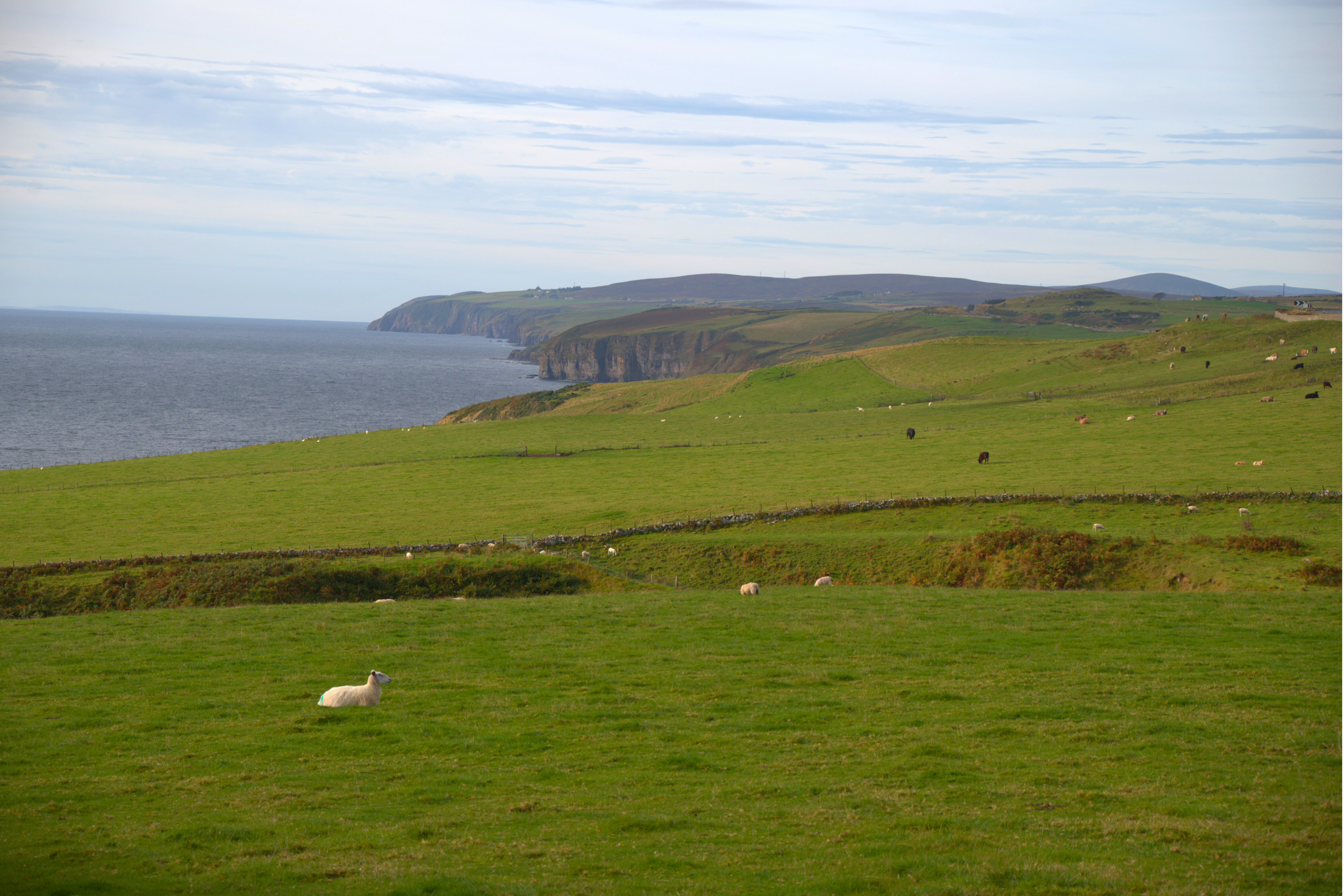
Dornoch is a charming town with a historic cathedral, sandy beach, and peaceful streets. It’s a great introduction to the North Coast 500 for travelers who don’t have time for the full loop. From Dornoch, you can continue north toward Golspie or Dunrobin Castle.
Travel time: ~1 hour
Dunrobin Castle
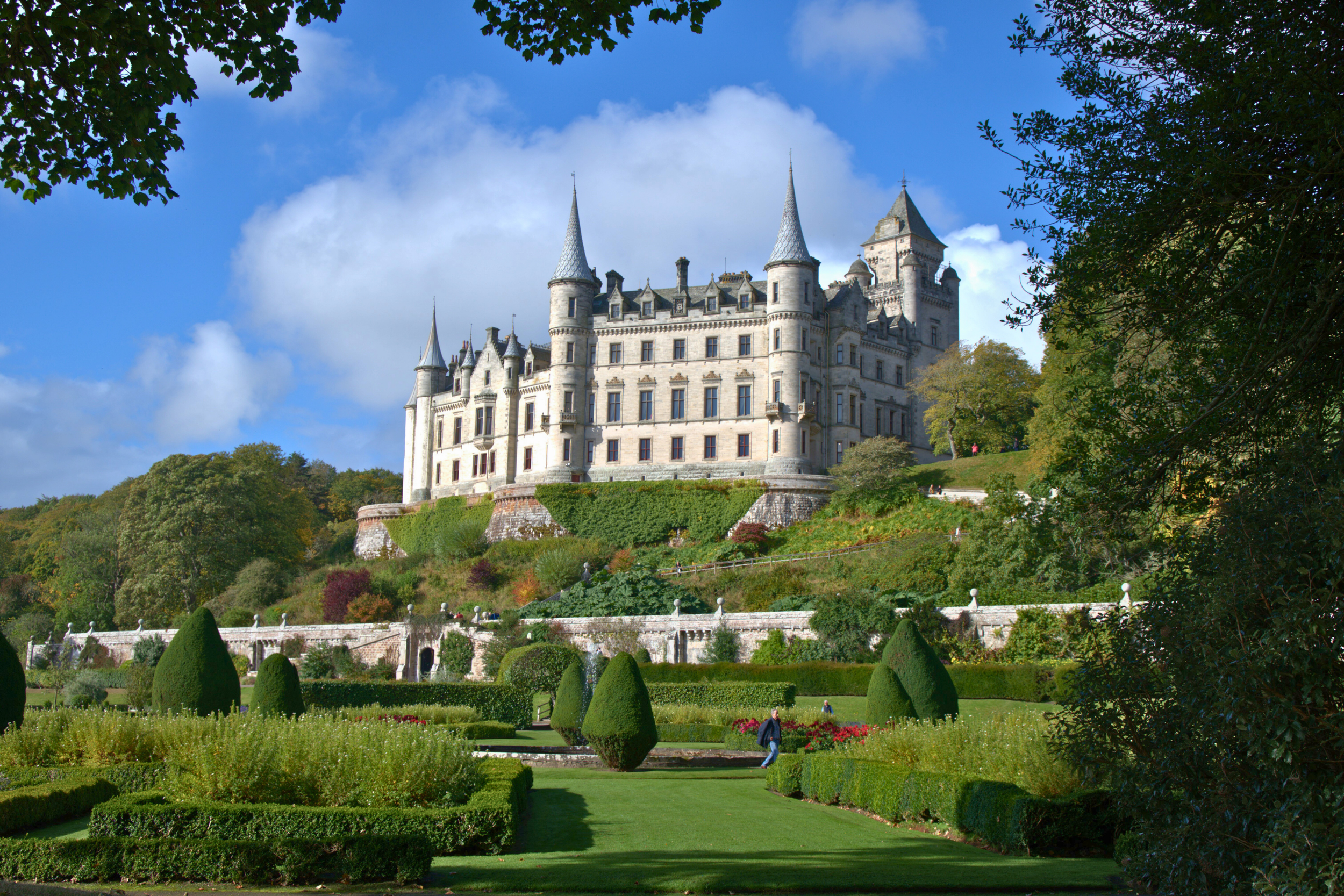
Dunrobin Castle is one of the most striking and elegant castles in the Scottish Highlands, and easily one of the best day trips you can take from Inverness. Located just north of Dornoch, Dunrobin looks almost French at first glance, with its fairytale‑style spires, manicured gardens, and a dramatic coastal backdrop overlooking the Moray Firth. It’s the kind of place that surprises travelers who expect rugged Highland ruins and instead find a grand, stately home that feels more like a storybook château.
Book your tour in advance: From Inverness: Dunrobin Castle and Easter Ross Day Trip
BEST ISLE OF SKYE TOURS:
What to Pack for Inverness
Highland weather is famously unpredictable, and packing well can make a big difference in comfort. Even in summer, conditions can shift quickly between sunshine, wind, and rain.
Sturdy Walking Shoes: You’ll spend more time on your feet than you expect, from castle grounds to riverside paths to uneven terrain at historical sites.(Men’s &Women’s hiking boots)
A proper waterproof shell, not just a light jacket. A proper waterproof jacket is essential. Water‑resistant layers won’t hold up in sustained Highland rain. (Women’s & Men’s rain jackets)
Layers you can add and remove quickly. Temperature swings happen fast, especially near the coast.
A dry bag or protective case for camera gear.
A refillable water bottle or bladder.
Daypack: Useful for carrying layers, water, snacks, and a camera during longer outings.
Portable Charger: Day trips can be long, and charging options are limited once you leave the city.
Practical Tips for Visiting Inverness
Currency
The local currency is British pounds (GBP). Cards are accepted almost everywhere, including small cafés and shops. Carry a small amount of cash for rural stops or small vendors.
Driving
Traffic drives on the left. Many rural Highland roads narrow to a single lane with passing places. Allow extra time for travel, especially on scenic routes or when visiting Skye or the Cairngorms.
Connectivity
Mobile coverage is strong in Inverness but inconsistent in remote areas. Download maps, directions, and tickets ahead of time.
Language
English is the primary language throughout the Highlands. Scots Gaelic appears on road signs and place names, adding cultural context but not affecting navigation.
Weather Awareness
Weather can change quickly. Even if the forecast looks clear, pack waterproof layers and warm clothing. Wind can be strong near the water and on higher ground.
How to Plan Day Trips Efficiently
Best Day Trips Without a Car
Loch Ness cruise
Culloden Battlefield
Clava Cairns
Guided Skye tours
Moray Coast via train and local bus
Best Day Trips for Families
Loch Ness
Cawdor Castle
Moray Coast beaches
Cairngorms Wildlife Park
Best Day Trips for Photographers
Isle of Skye
Moray Coast
Fort George
Ness Islands
Best Day Trips for History Lovers
Culloden
Clava Cairns
Fort George
Cawdor Castle
Where to Eat and Drink in Inverness
Inverness’s food scene has grown steadily over the past decade, driven by local producers, independent restaurants, and a renewed focus on Highland ingredients. Whether you’re looking for traditional Scottish dishes, fresh seafood, or cozy cafés, the city offers plenty of options within walking distance of the city center.
Local Specialties to Try
Cullen Skink A rich, creamy smoked haddock soup that’s a staple of northern Scotland. It’s hearty, comforting, and perfect on cooler days.
Highland Venison Often sourced from nearby estates, venison is commonly featured on menus in Inverness. Expect tender cuts served with seasonal vegetables or berry‑based sauces.
Seafood from the Moray Firth The waters northeast of Inverness supply fresh haddock, salmon, langoustines, and mussels. Many restaurants highlight daily catches.
Bakeries and Cafés
Independent bakeries around the city center serve excellent sourdough, pastries, and strong coffee. These spots make ideal morning stops before a full day of sightseeing or a day trip out of the city. Many cafés also offer vegan and gluten‑free options.
Pubs and Live Music
Several pubs in Inverness host live folk music throughout the week. These evenings are relaxed, informal, and a great way to experience Highland culture without needing reservations or a fixed plan. Many pubs also serve classic Scottish dishes alongside local ales and whiskies.
Whisky Tasting
Inverness makes a convenient base for whisky tastings, even if you’re not planning a full distillery tour. Many local bars offer curated tasting flights featuring Highland and Speyside whiskies. Book your whisky tour in advance.
Reservations
Independent restaurants in Inverness tend to be small, and tables fill quickly during summer and on weekends. Booking ahead is recommended, especially if you have specific places in mind.
Suggested Inverness Itinerary
This expanded itinerary section gives readers flexible options based on trip length, interests, and pacing.
2‑Day Itinerary
Day 1: City Highlights
Morning: Inverness Castle Experience Start with the castle’s immersive exhibits and panoramic viewpoint.
Afternoon: Ness Islands Walk & Inverness Museum Walk the river path, cross the suspension bridges, and explore the museum’s Highland history exhibits.
Evening: Dinner & Live Music Choose a local pub or restaurant and enjoy traditional folk music.
Day 2: Loch Ness and Highland History
Morning: Loch Ness Cruise & Urquhart Castle Take a boat tour from Inverness Marina and explore the castle ruins.
Afternoon: Culloden Battlefield & Clava Cairns Visit the battlefield and nearby Bronze Age burial site.
Evening: Whisky Tasting End the day with a curated tasting flight.
5‑Day Itinerary
Add these days to the 2‑day plan:
Day 3: Cawdor Castle & Moray Coast
Visit Cawdor Castle’s gardens, then continue east to Nairn or Findhorn for coastal scenery.
Day 4: Isle of Skye
Start early for a full day exploring Skye’s dramatic landscapes. Check out my Isle of Skye guide.
Day 5: Cairngorms National Park or Caledonian Canal
Choose between mountain scenery in the Cairngorms or a slower morning walking along the Caledonian Canal before departure.
Ready to Book Your Scotland Trip?
Save this guide, start with the full weekend, and let this part of Scotland surprise you. Trust me, it will.
Questions about Scotland? Send me a message on my social channels. I read everything and genuinely enjoy talking about this part of Scotland. If you've been to this part of Scotland, tell me what I missed. There's always more.
Frequently Asked Questions for Inverness, Scotland
-
Two to three days cover the city and a Loch Ness day trip. Plan for five to seven days if you’re using Inverness as a base for the wider Highlands.
-
Its riverside setting, castle, access to Loch Ness, and role as the gateway to the Scottish Highlands.
-
Not directly from the city center, but the loch begins just south of Inverness. Most cruises depart from Inverness Marina.
-
Yes, both as a destination and as a base for Highland exploration.
-
Generally more affordable than Edinburgh, especially outside peak summer months. Shoulder seasons offer better value.
The Scenic Route Traveler inspires intentional travel through storytelling, hidden gems, and culturally rich experiences around the world.
-
I’m Erin, the voice behind Scenic Route Traveler, sharing intentional travel stories and guides from around the globe.
-
We deliver travel guides and storytelling through YouTube, social media, photography, and digital products designed for fellow travelers.
-
If you’re new here: this is a space for travelers who care more about how a place feels than how it looks on a checklist. You’ll find guides, stories, and resources designed to help you slow down and travel with intention.