
2 Days in Jeonju, South Korea: The Complete Itinerary
A complete 2-day Jeonju itinerary: where to stay in a hanok, the best sunset spot, and every stop worth the walk in Korea's hanok capital.
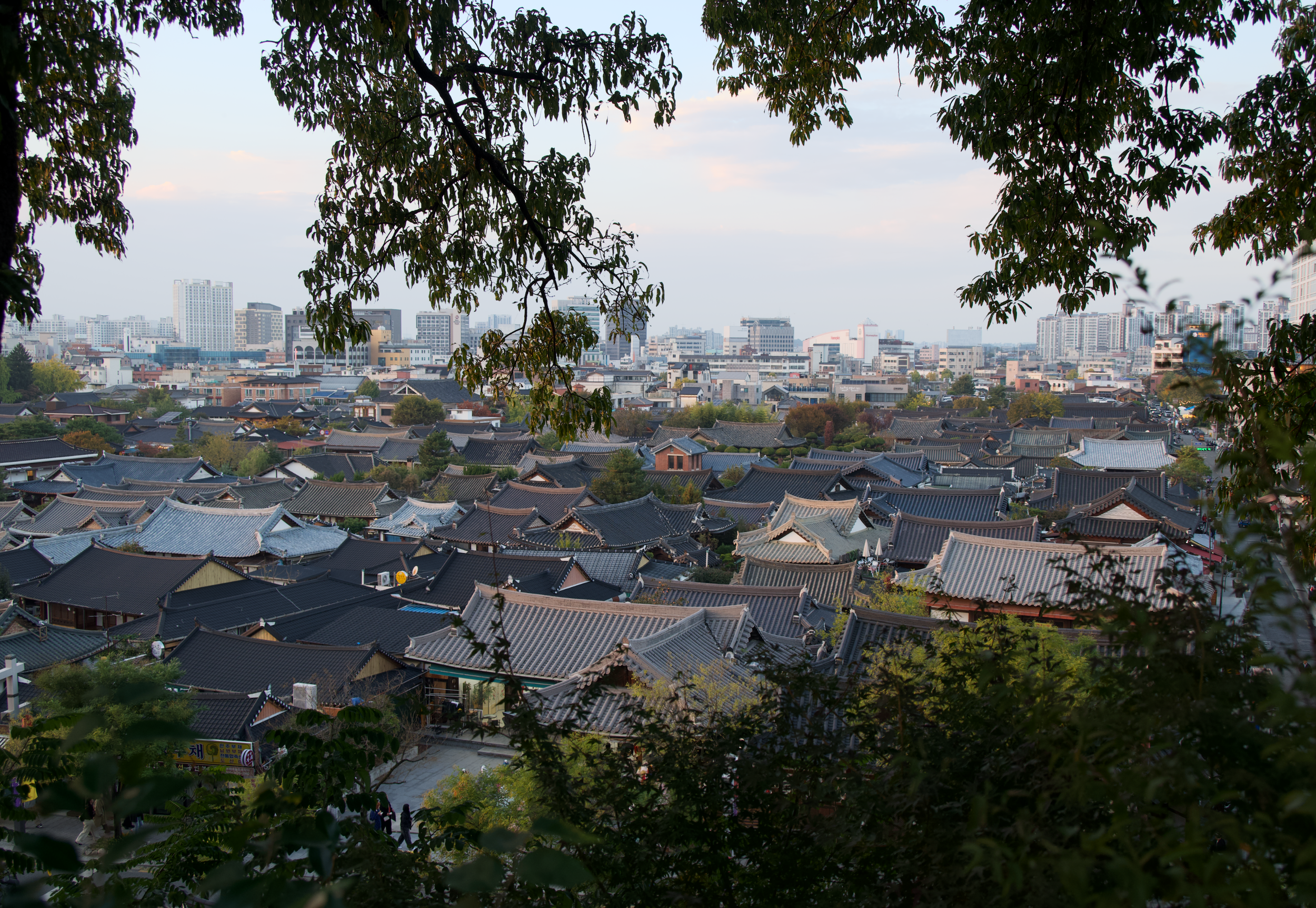
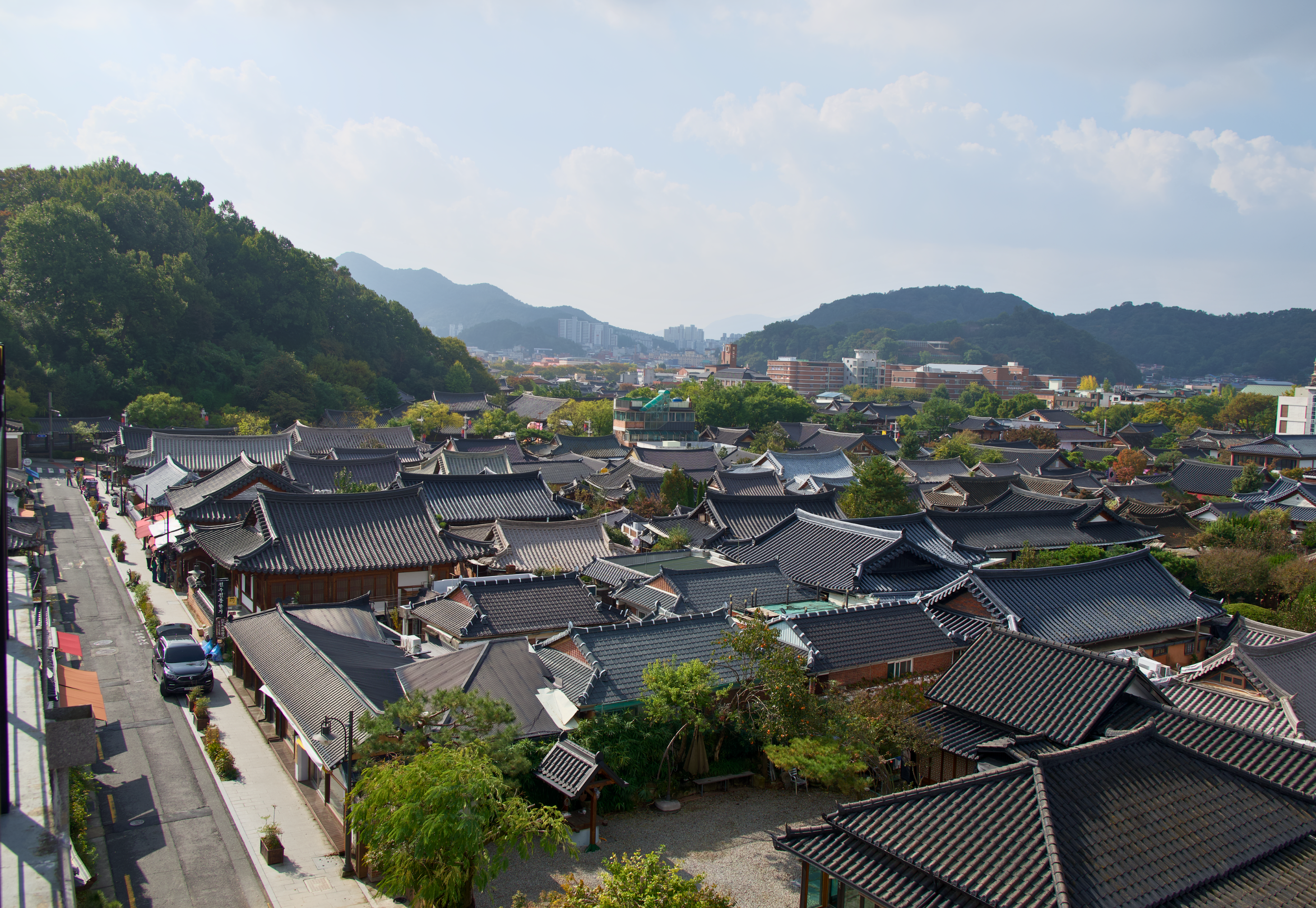
Jeonju doesn't announce itself the way Seoul or Busan do. There's no skyline, no single must-see monument photographed from the same angle a thousand times. What it has instead is roughly 700 hanok packed into a few walkable blocks, a stream running through the middle of it, and a pace that slows down the second you cross into the old part of the city. Two days there is enough to feel that shift without needing to plan around it.
How many days do you need in Jeonju? Two days covers it well: one full day for the Hanok Village core (Gyeonggijeon Shrine, the old town streets, Pungnammun Gate, the riverfront) and a second, slower day for the mural village, a tea garden, and a sunset hike above the rooftops. It also works as an overnight from Seoul, since the KTX puts you there in under two hours.
At a glance
Best for: slow travel, food, traditional architecture, a break from Seoul's pace
Time needed: 2 days, 1 night minimum
How to get there: KTX from Seoul (Yongsan or Seoul Station) to Jeonju Station, about 1h50m
Where to stay: inside or near the Hanok Village, ideally in an actual hanok
Getting around: entirely walkable once you're in the village
This post contains affiliate links. If you book through my links, I may earn a small commission at no extra cost to you. It helps keep this blog going, and I only ever recommend things I'd use myself.
Getting Oriented: Where Everything Is
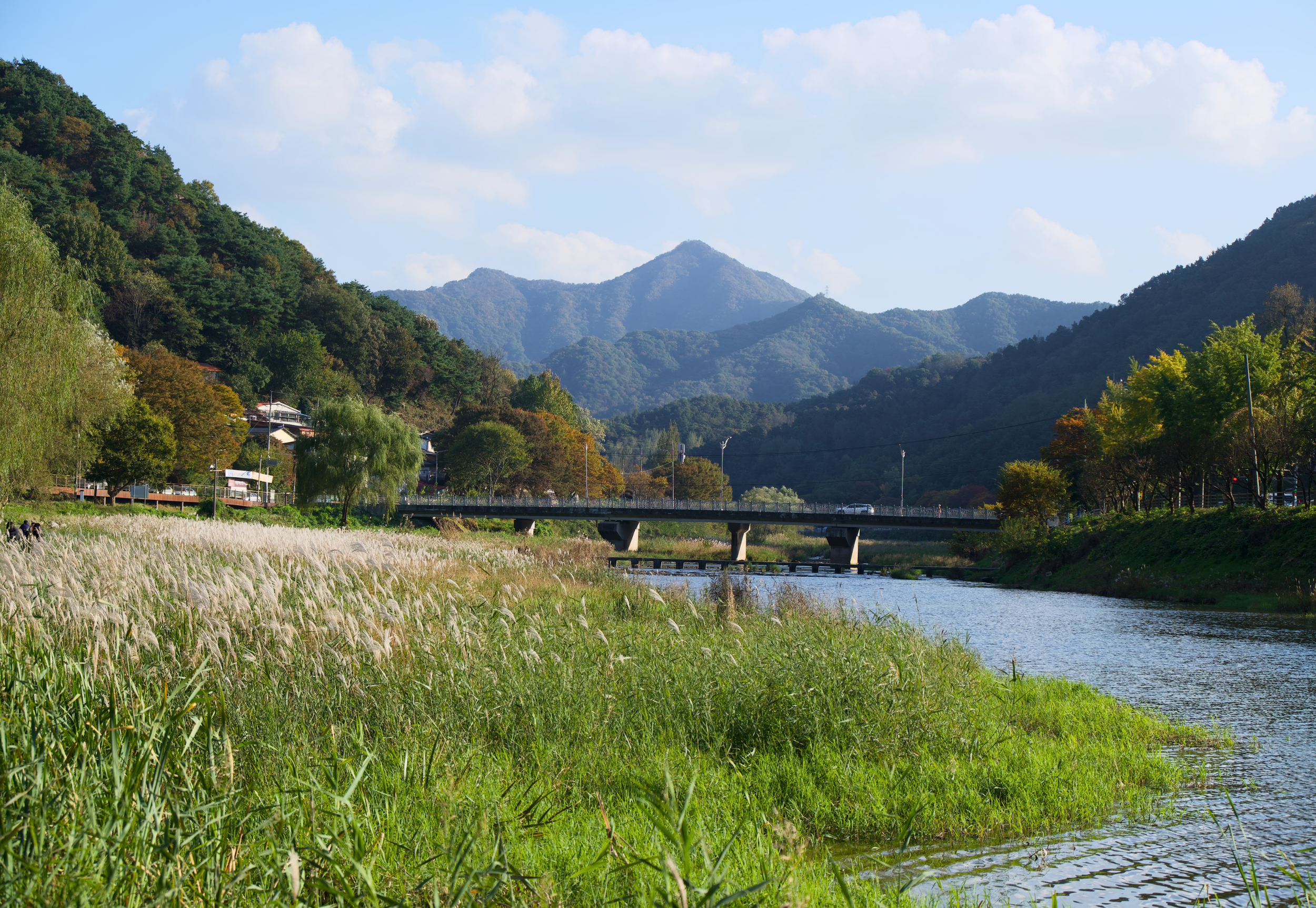
Jeonju is bigger than the part of it you'll actually see. The city itself sprawls out with a modern downtown, apartment blocks, and the usual infrastructure of a mid-sized Korean city, but almost everything in this itinerary sits inside or immediately around the Hanok Village, and none of it requires touching the newer part of town at all.
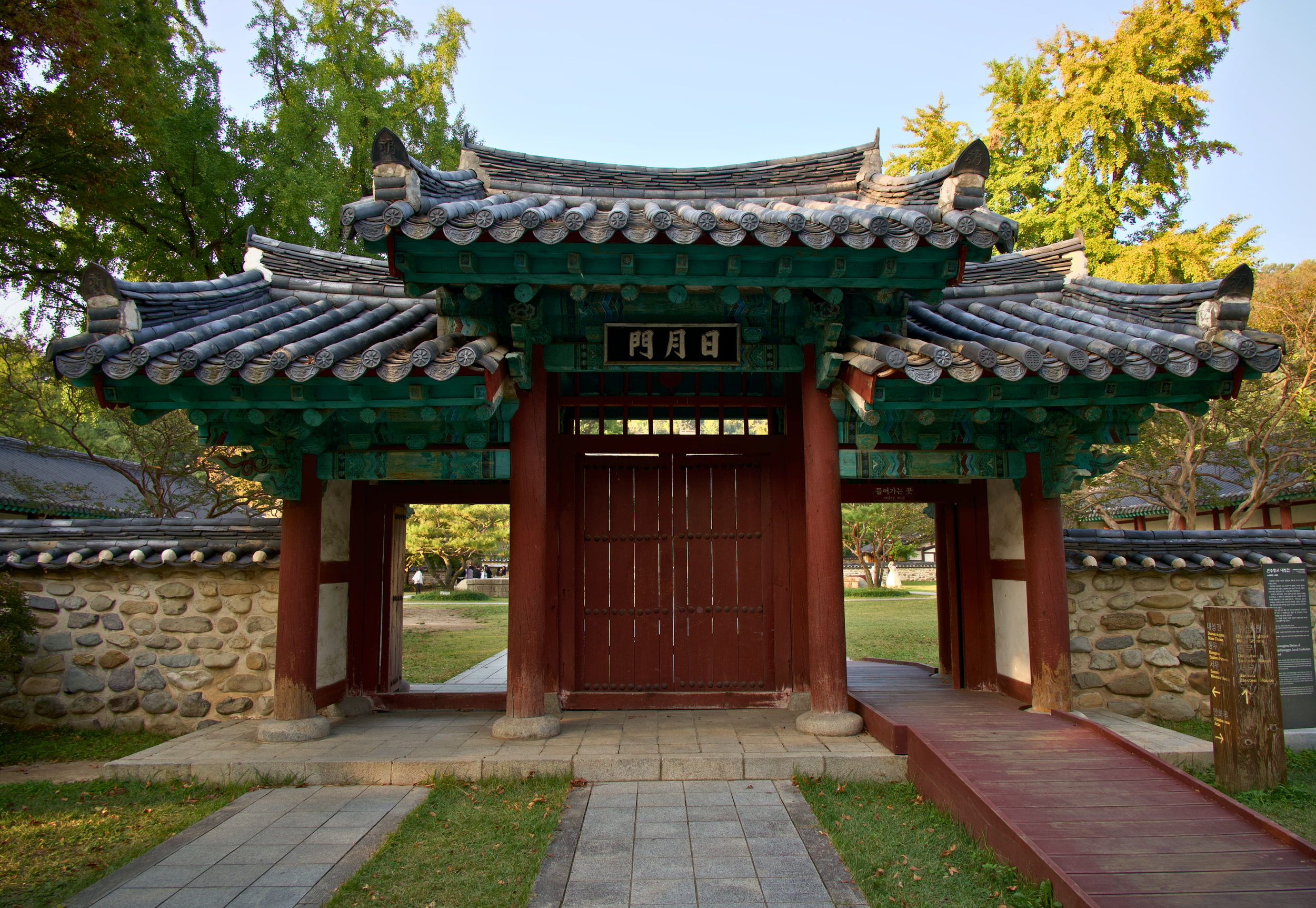
The Hanok Village core, Gyeonggijeon Shrine, the old town streets, Jeonju Hyanggyo, and Pungnammun Gate, is compact enough to cover entirely on foot in a few hours, with most of it walkable in 10-15 minutes end to end. Nambu Market and the riverfront sit just south and west of that core, an easy extension of the same walk rather than a separate trip. Jaman Mural Village and Omokdae are both on the hillside directly east of the village, close enough to each other that you can do both in the same morning or evening without backtracking. Gyodong, home to the tea garden, is its own quieter neighborhood tucked just past Jaman.
In practice: everything on this list is within about a 20-minute walk of everything else. You won't need a taxi once you've made it from the train station to your hanok, and you won't need to think much about neighborhoods the way you would in a bigger city. This is part of why two days works so cleanly here; there's very little transit time eating into your actual sightseeing.
Getting to Jeonju
The KTX is the easiest option if you're coming from Seoul. Trains run from both Yongsan and Seoul Station directly to Jeonju Station, and the ride takes roughly 1 hour 50 minutes. Fares run somewhere in the ₩22,000-28,000 range one way depending on the train type, and weekend departures, especially Friday evening and Saturday morning, sell out ahead of time, so book a few days out if you're traveling then. From Jeonju Station, it's a short taxi or local bus into the Hanok Village itself, since the station isn't within walking distance of it.
If you're flying into Korea specifically for this trip rather than adding it onto a Seoul stay, Expedia is worth checking before you commit to a routing, since Jeonju has no airport of its own and everyone connects through Seoul or Busan regardless.
Before You Go: Maps, SIM Cards, and Luggage
A few logistics worth sorting before you land, since they're easier to handle in advance than mid-trip.
Google Maps barely works in South Korea. Korean law restricts detailed mapping data from leaving the country, so Google Maps can get you between cities but falls apart for walking directions once you're inside somewhere like the Hanok Village. Download Naver Map or Kakao Map before you go; both have English-language modes, and Naver Map in particular handles walking routes through the village's narrower lanes far better.
Get an eSIM or pick up a SIM at Incheon before heading to Jeonju. Jeonju itself doesn't have the same density of telecom shops you'd find in Seoul, so it's easier to sort connectivity before you leave the capital.
Papago, not Google Translate, for anything menu- or sign-related. It's built for Korean specifically and handles the honorific-heavy, context-dependent phrasing you'll run into far better.
Luggage storage is worth planning if you're doing this as a quick overnight and don't want to drag a full suitcase around the village all day. Jeonju Station has lockers, and some hanok stays, including smaller ones, will hold bags before check-in or after checkout if you ask.
Book a day trip to Jeonju
If you choose not to stay overnight in Jeonju and you’d prefer to do a day trip from Seoul, I recommend booking this day tour ahead of time.
Where to Stay: Book a Hanok, Not a Hotel
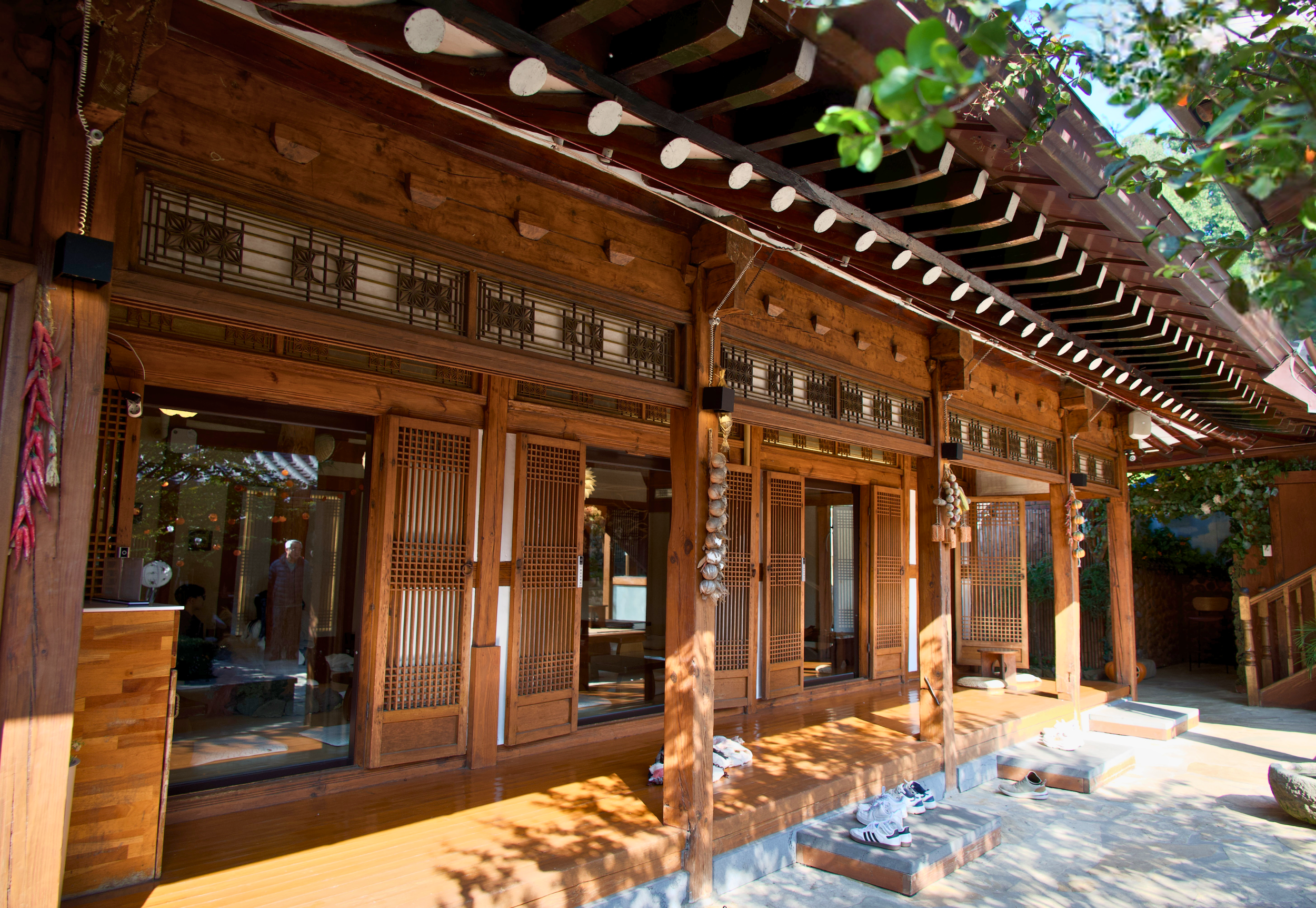
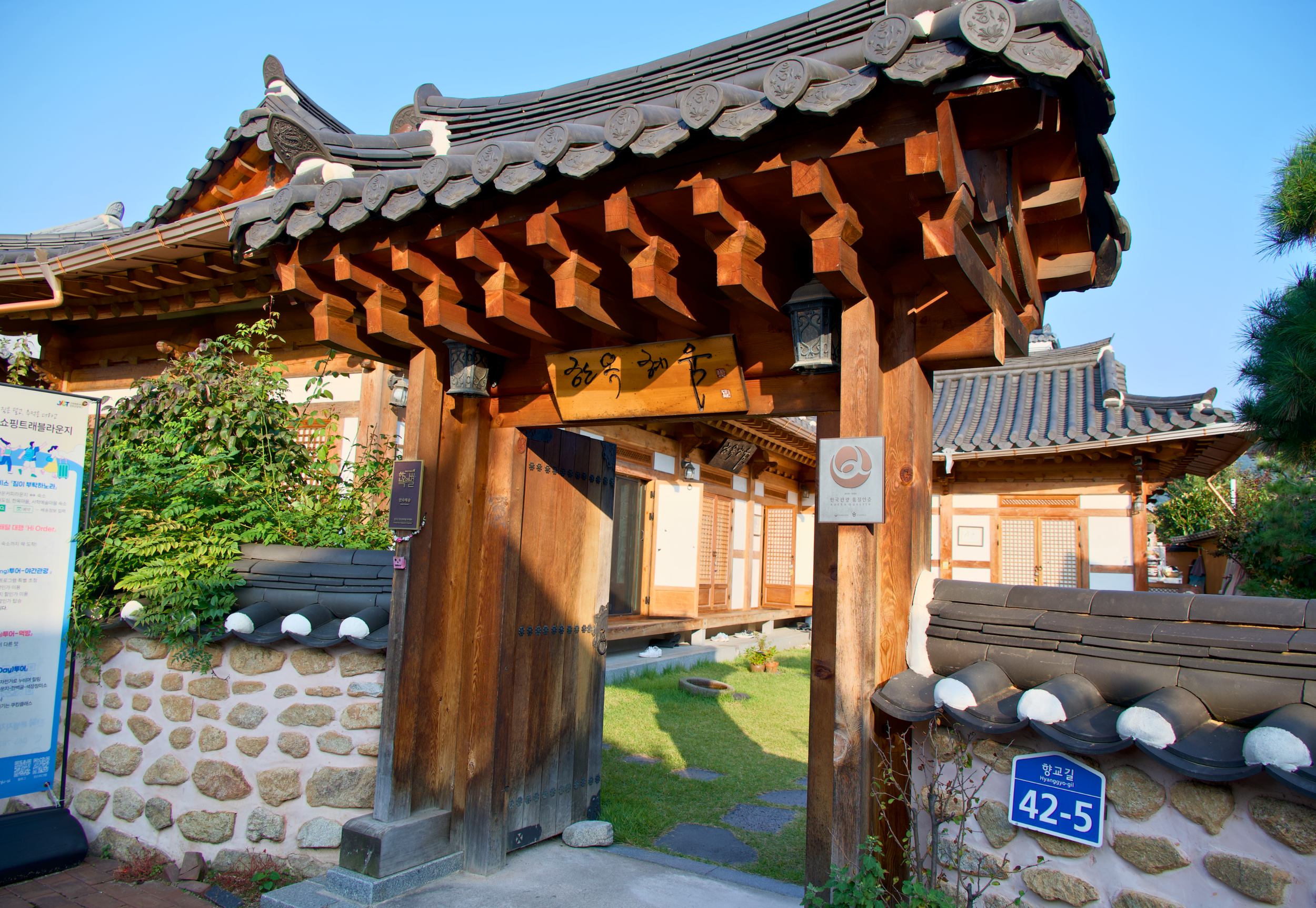
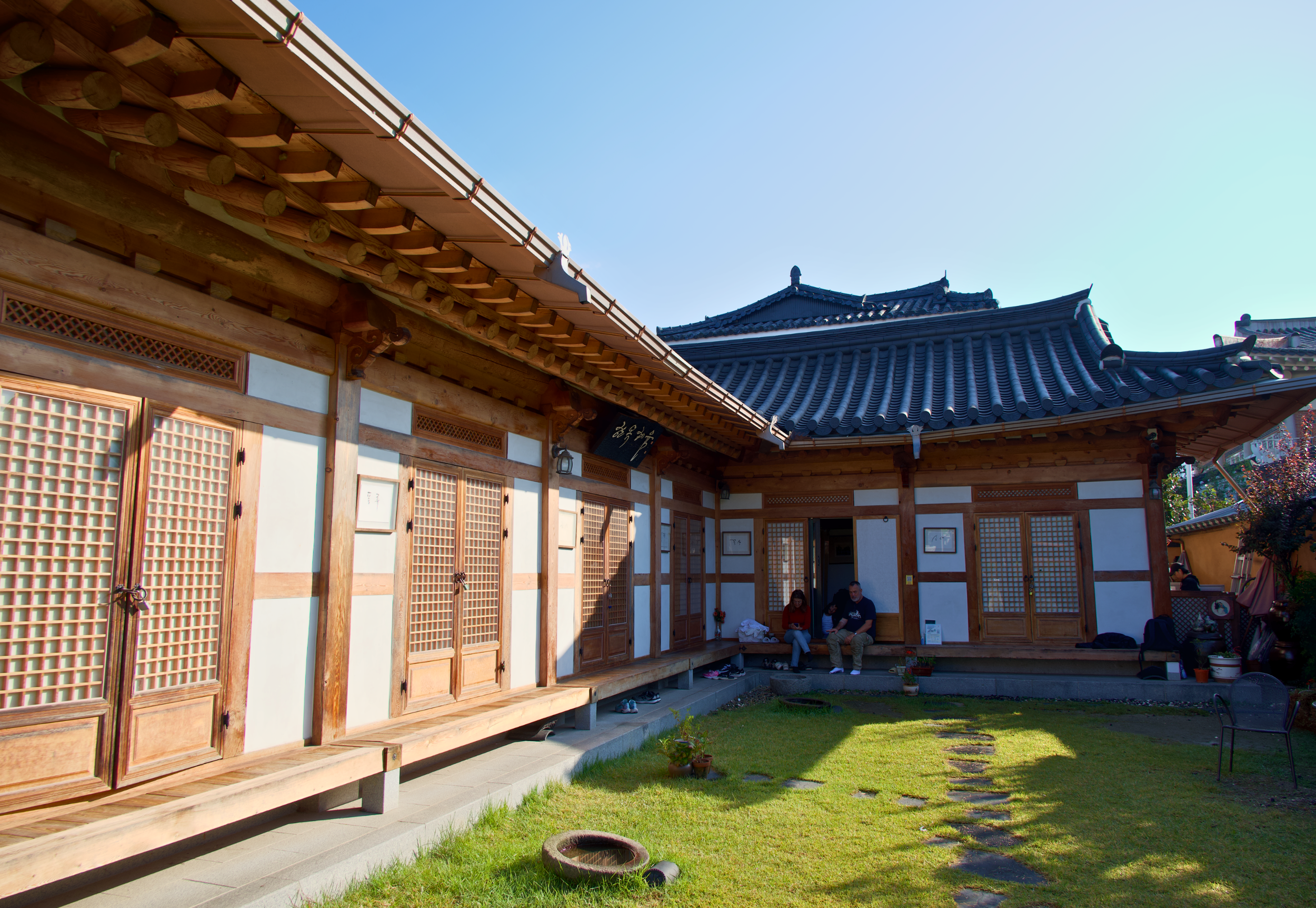
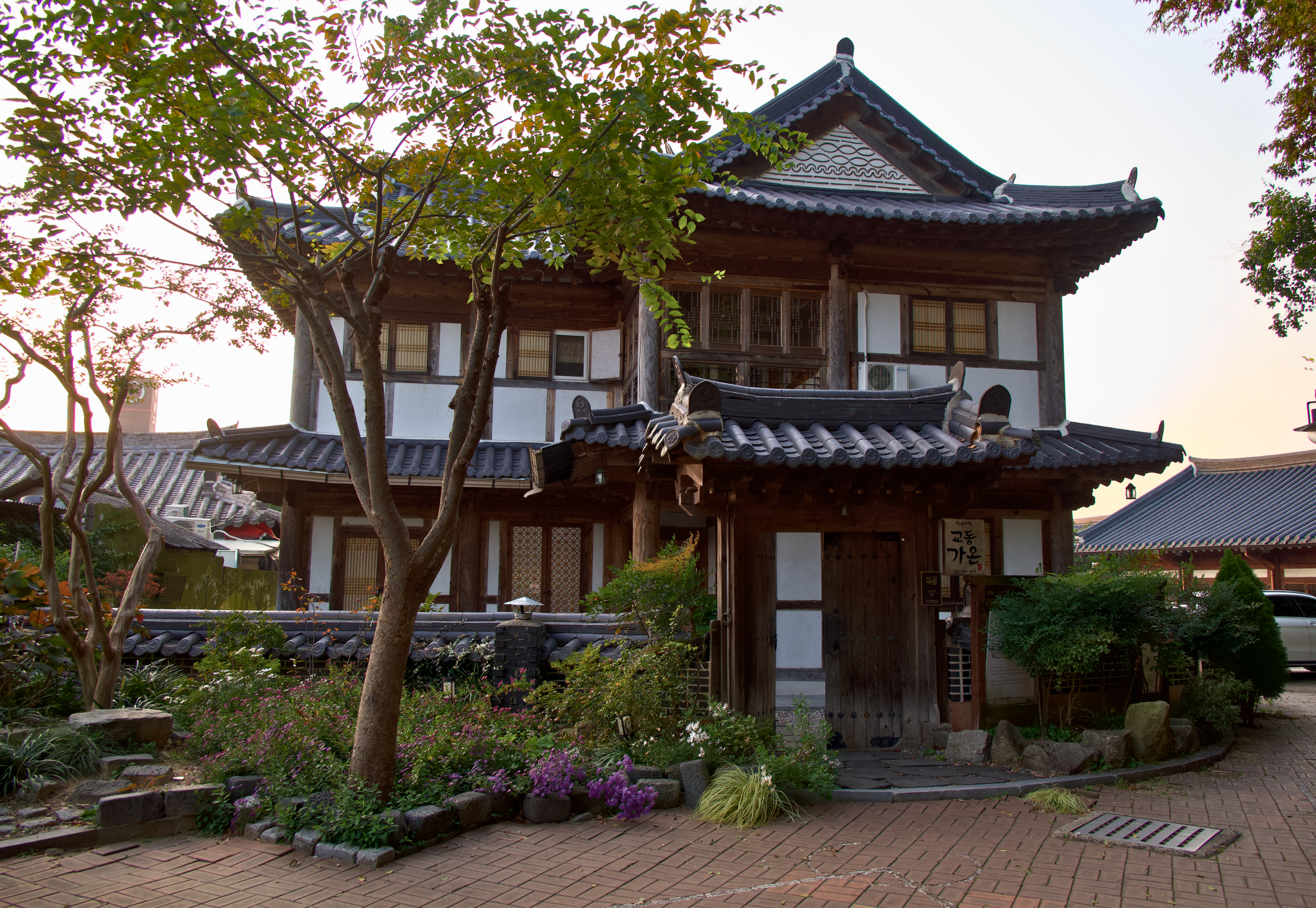
You can find standard motels and guesthouses in Jeonju, but staying in an actual hanok is most of the point of coming here. I stayed at Hanok Hyeyum, a traditional hanok inside the village, and it made the two days feel less like sightseeing and more like actually being somewhere. Wood floors, a courtyard, the whole structure built the way houses here have been built for centuries, minus the parts that would make it genuinely uncomfortable to sleep in.
A few things worth knowing before you book a hanok stay generally: rooms tend to be smaller than a standard hotel room, floor sleeping on a traditional mat (yo) is common rather than a Western bed, and walls are thinner than modern construction. None of that is a downside so much as the actual experience you're paying for. Book early for weekends, since the well-reviewed hanok stays fill up faster than the surrounding hotels.
Hanok Stays to Book in Jeonju:
What to Eat in Jeonju
Jeonju was the first city in Korea to be named a UNESCO City of Gastronomy, and food isn't a side note here; it's most of the reason locals will tell you the trip is worth it. Fold these into both days rather than treating them as a separate stop.
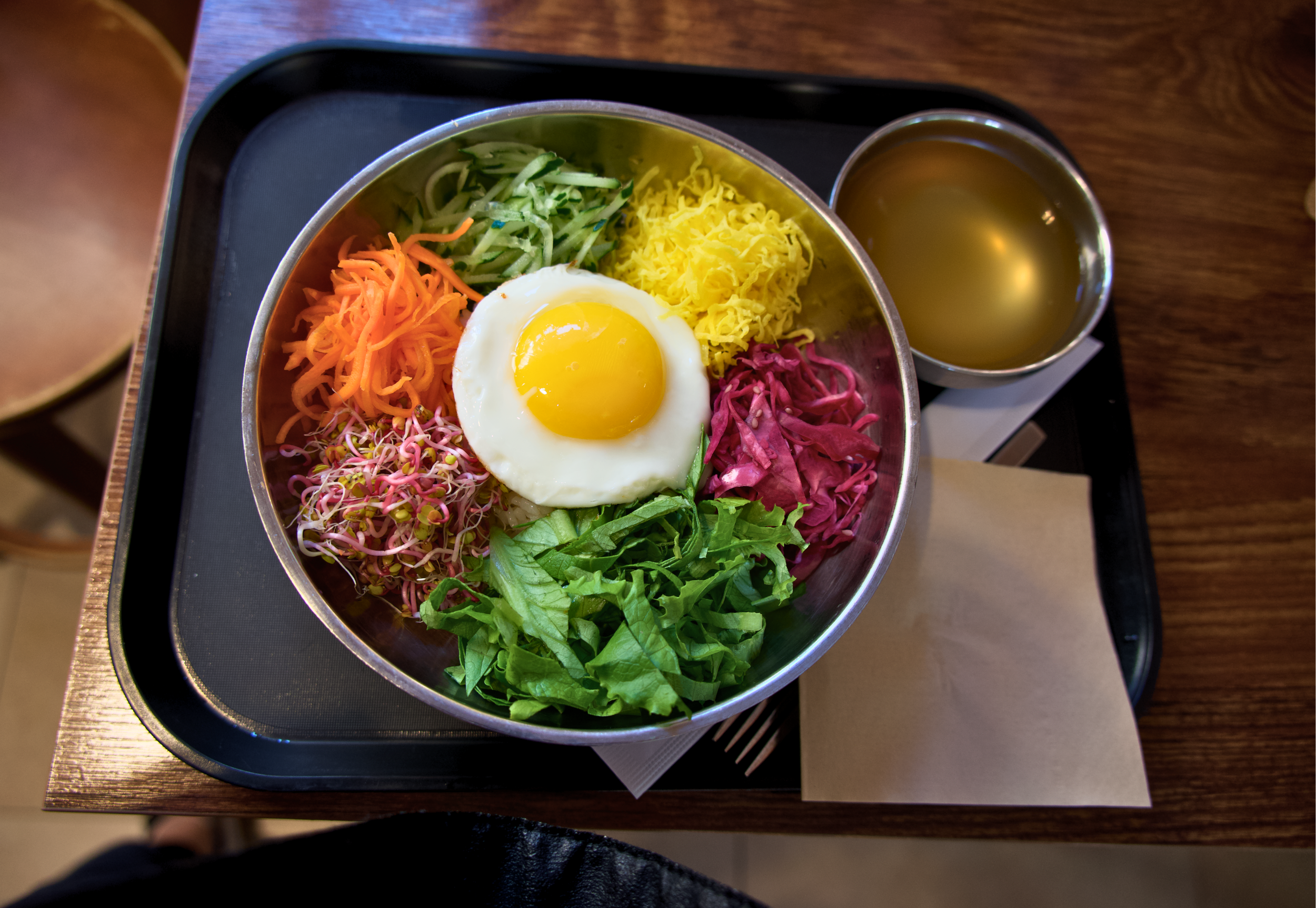
Jeonju bibimbap, the dish's birthplace. Order the raw-beef version (yukhoe bibimbap) for the traditional take, though a cooked-meat option exists almost everywhere for anyone who'd rather skip the raw beef.
Kongnamul gukbap, a bean-sprout soup that's become the city's other signature dish, eaten as often for breakfast or a hangover cure as for lunch.
Makgeolli, done properly. Order a large earthenware bowl (dongdegi) at any makgeolli bar in the village and free side dishes will keep arriving unprompted as you drink: pajeon, braised potatoes, whatever's in season. It's less a drink order than a whole evening.
Nambu Market, for both. The market's food hall has some of the most atmospheric kongnamul gukbap in the city, and if your visit lands on a Friday, the market runs as a night market with street food that isn't available the rest of the week.
PNB Bakery, Jeonju's most famous bakery chain and the birthplace of the choco pie now sold nationwide. The Jeondong branch, near Gyeonggijeon, is the original.
Veteran Kalguksu, a long-running noodle spot inside the village that's become a name locals and visitors both bring up unprompted. Perilla-seed broth, hand-cut noodles, usually a line, worth the wait.
Moju, a mildly alcoholic, spiced rice punch specific to the region, warm and slightly sweet. Less well-known outside Korea than makgeolli, but just as much a Jeonju staple, and easy to find at the same bars pouring dongdegi bowls.
Hanjeongsik, if you want one sit-down meal that shows off the range of it. It's a full-course Korean meal built around a dozen or more small dishes rather than one main plate, and Jeonju's version is considered among the country's best, a legacy of the city's role as a former royal provisioning center.
A workable rhythm: bibimbap or kongnamul gukbap for lunch on Day 1 near the old town, makgeolli in the evening after the day's walking, and Nambu Market worked into the Day 1 riverfront stop, or pushed to Friday evening if your two days include one.
Day 1: The Hanok Village Core
Gyeonggijeon Shrine (start around 9 am)
Start here, ideally at opening. Gyeonggijeon houses a portrait of Taejo, the founder of the Joseon Dynasty, and it's the closest thing Jeonju has to a formal headline attraction. The grounds are large enough to spend a real amount of time in without feeling rushed, and the tile-roofed halls set the visual tone for everything else you'll see over the next two days. Admission is a few thousand won, and it's open roughly 9 am-6 pm. Give it 45 minutes to an hour before the tour groups thicken.
Jeonju Hanok Village and the old town streets (late morning into lunch)
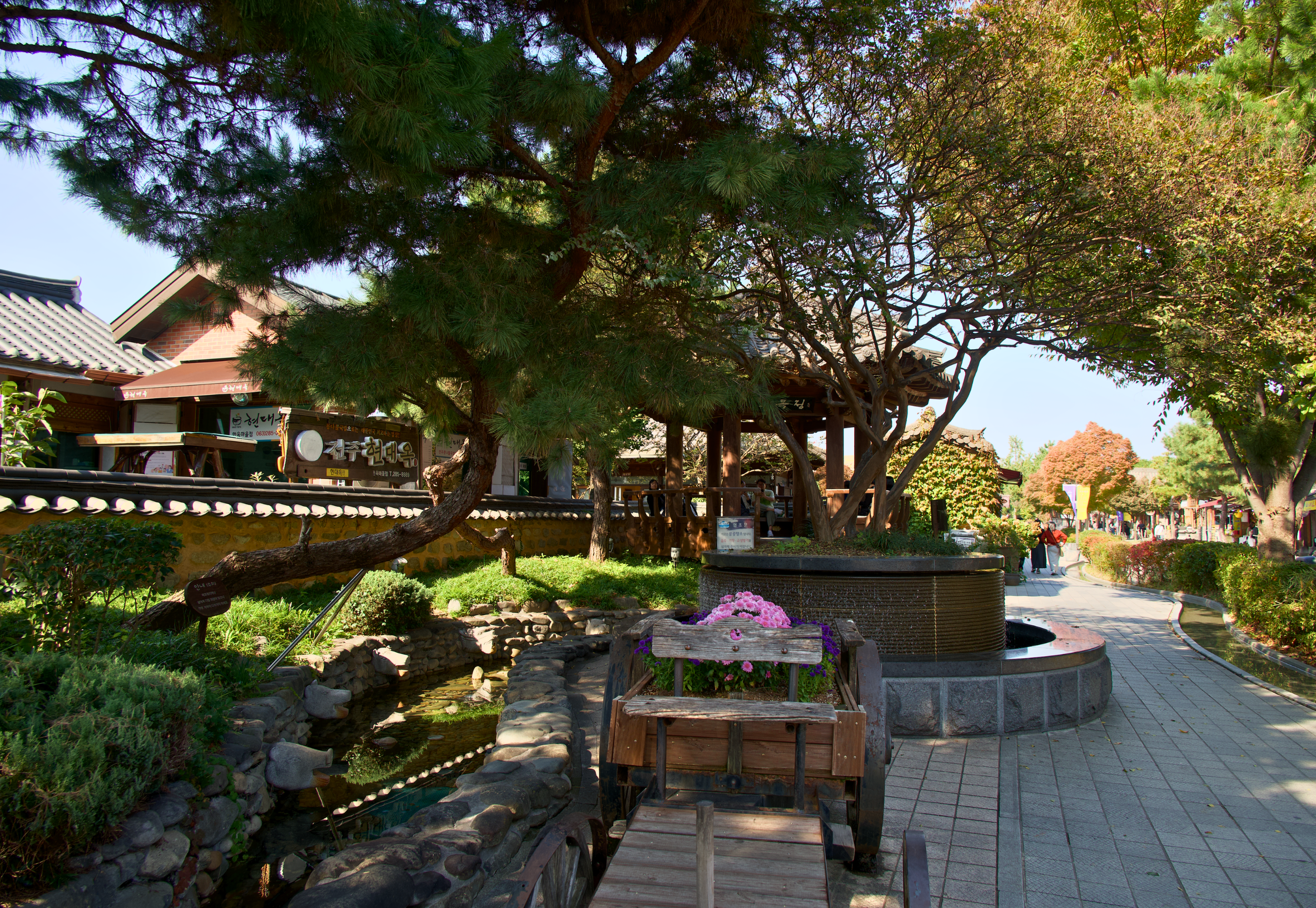
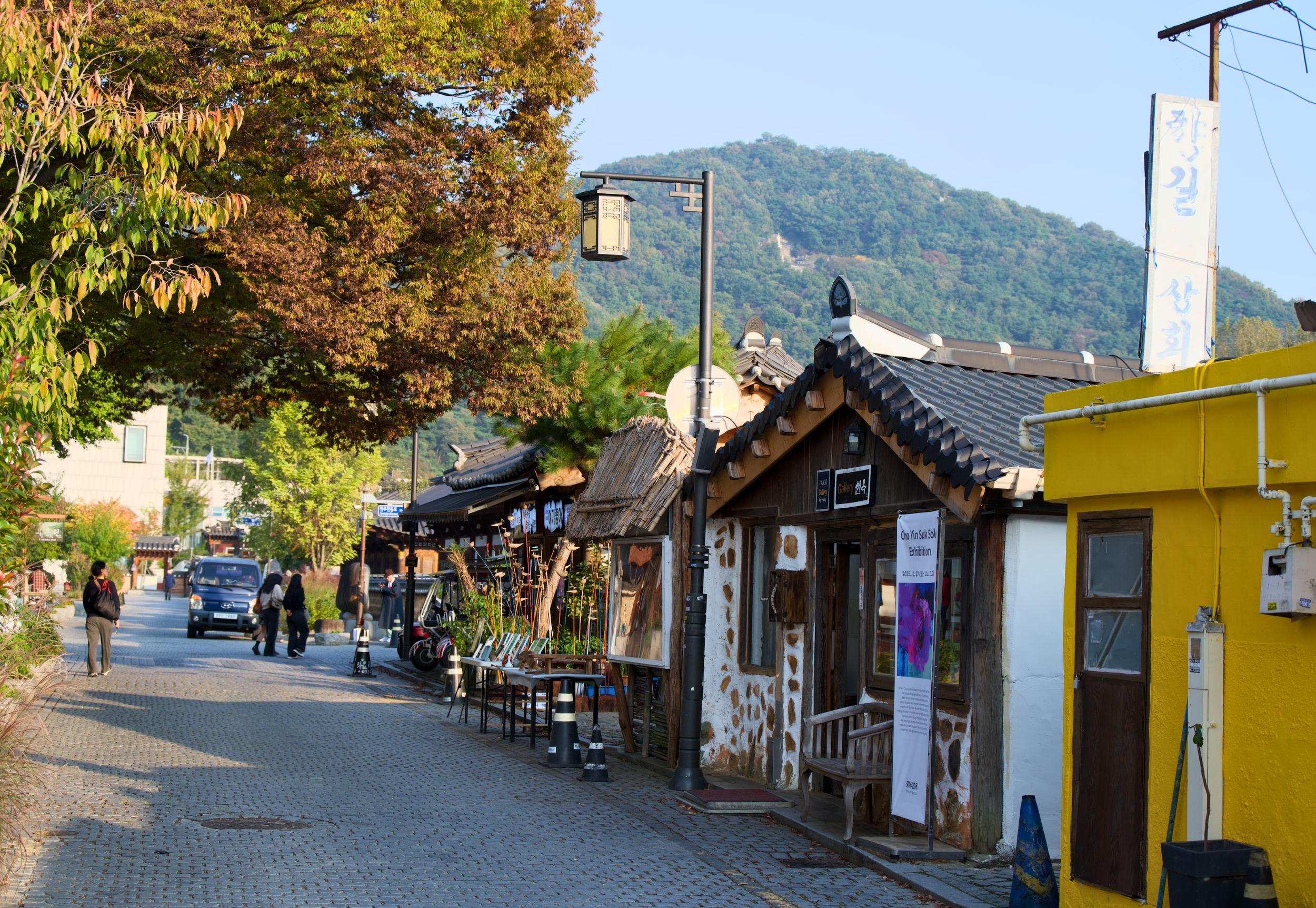
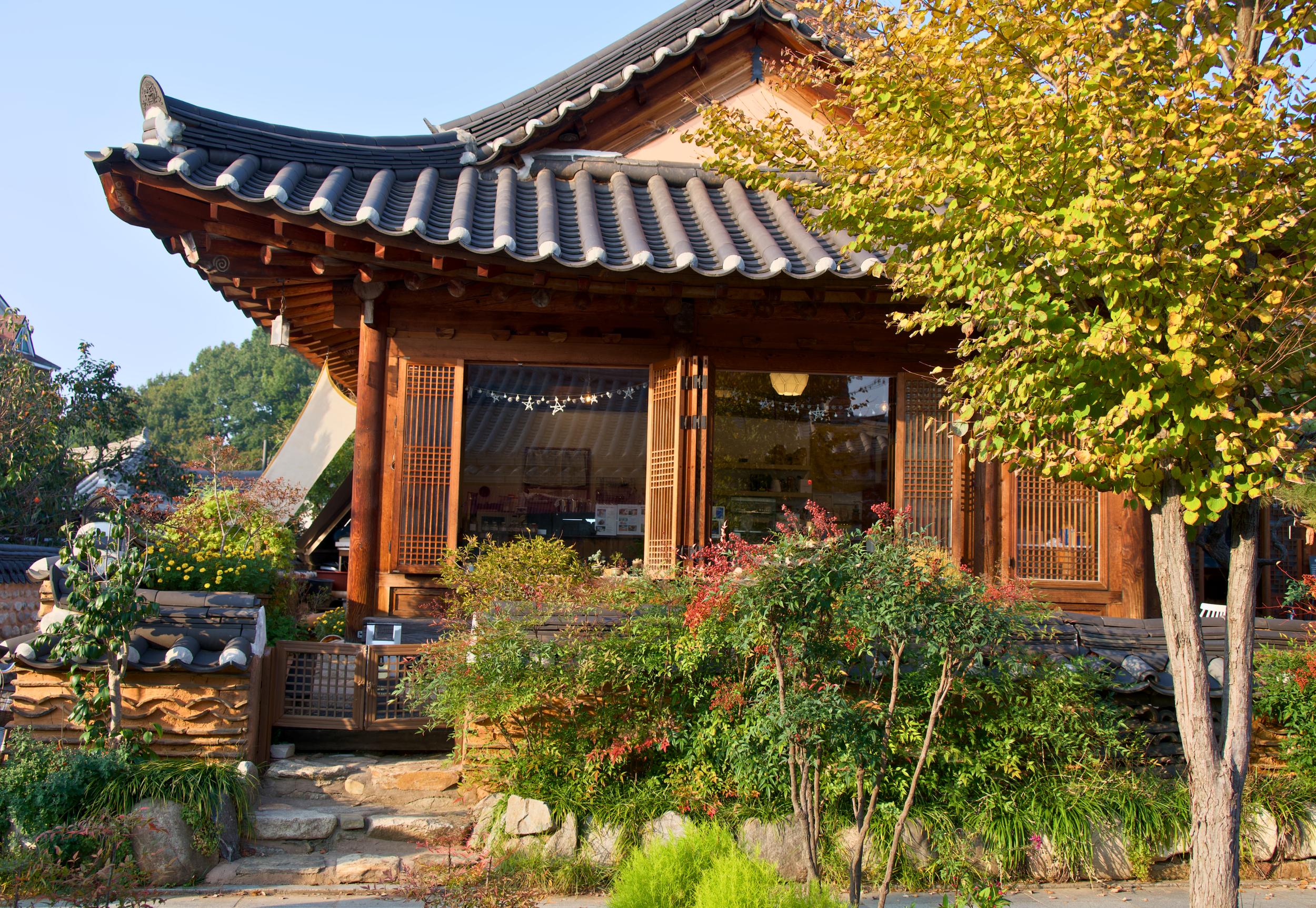
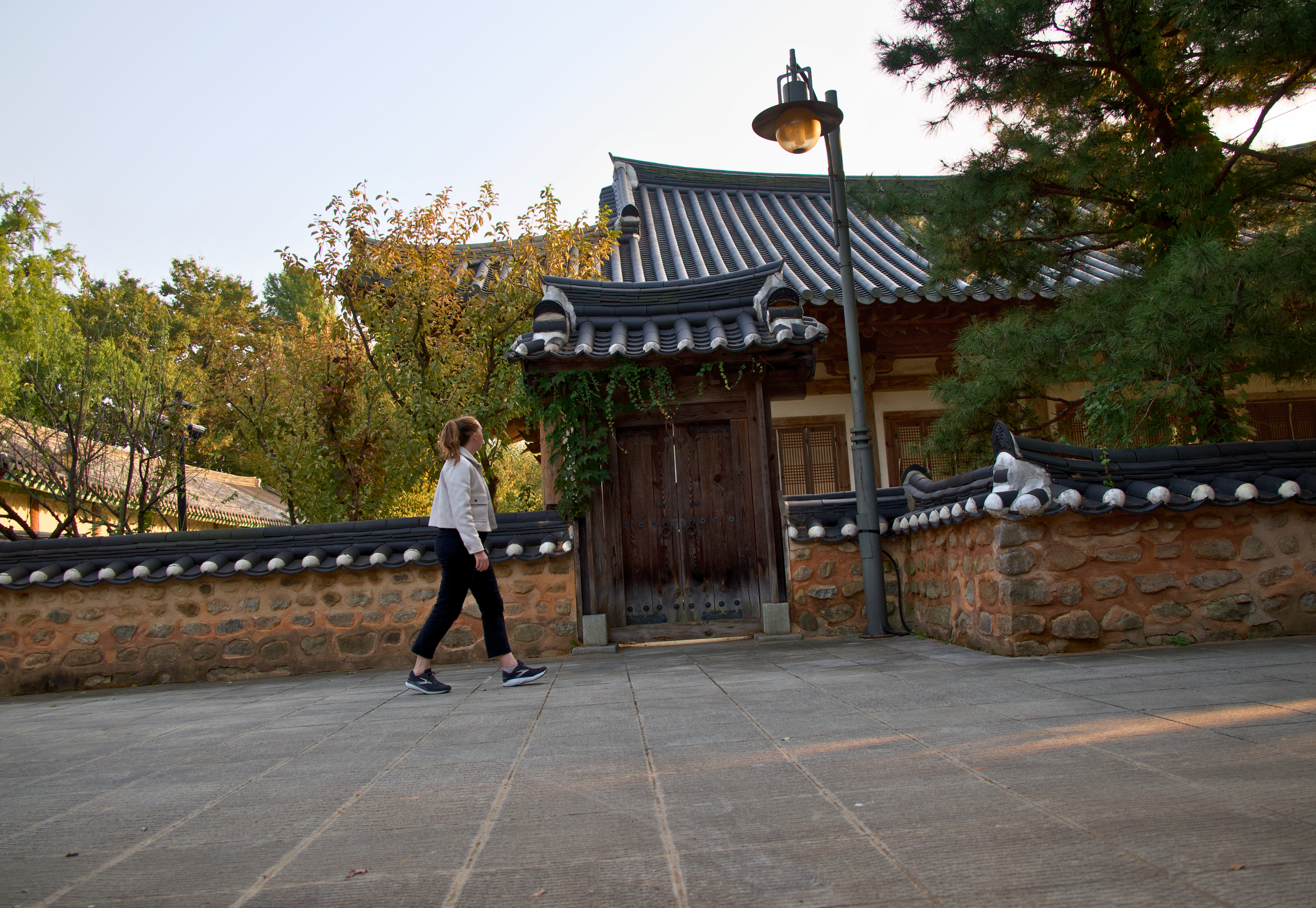
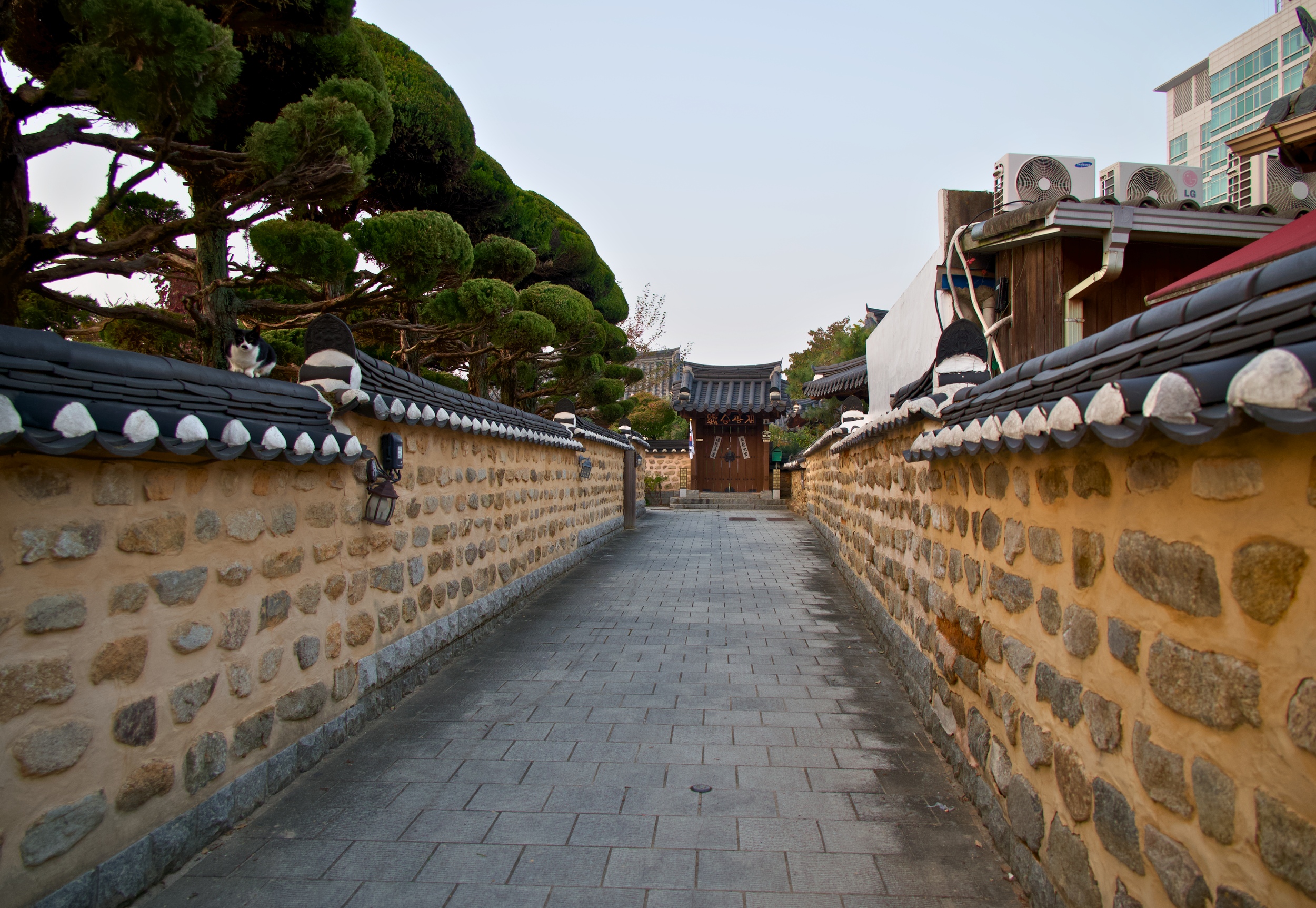
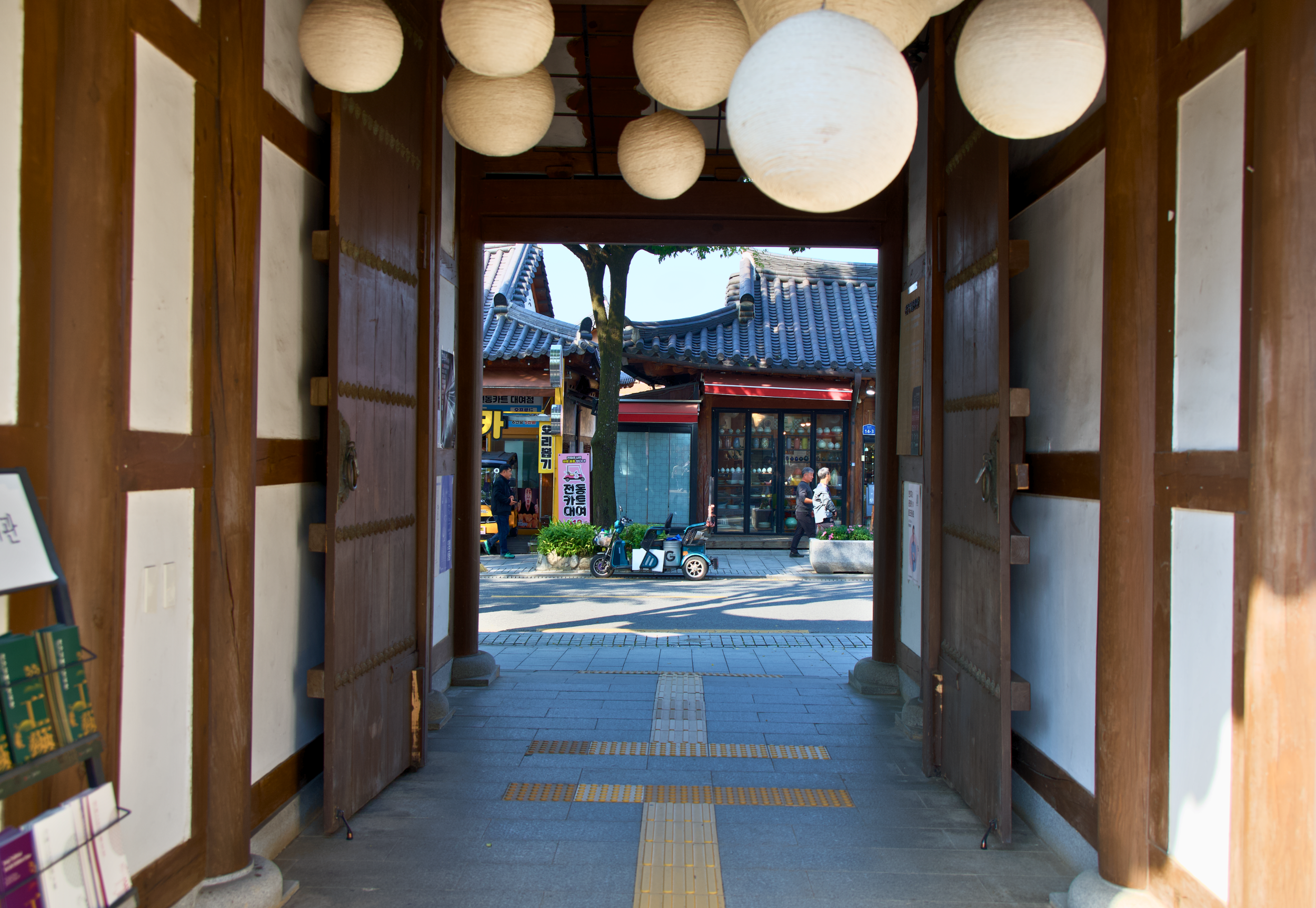
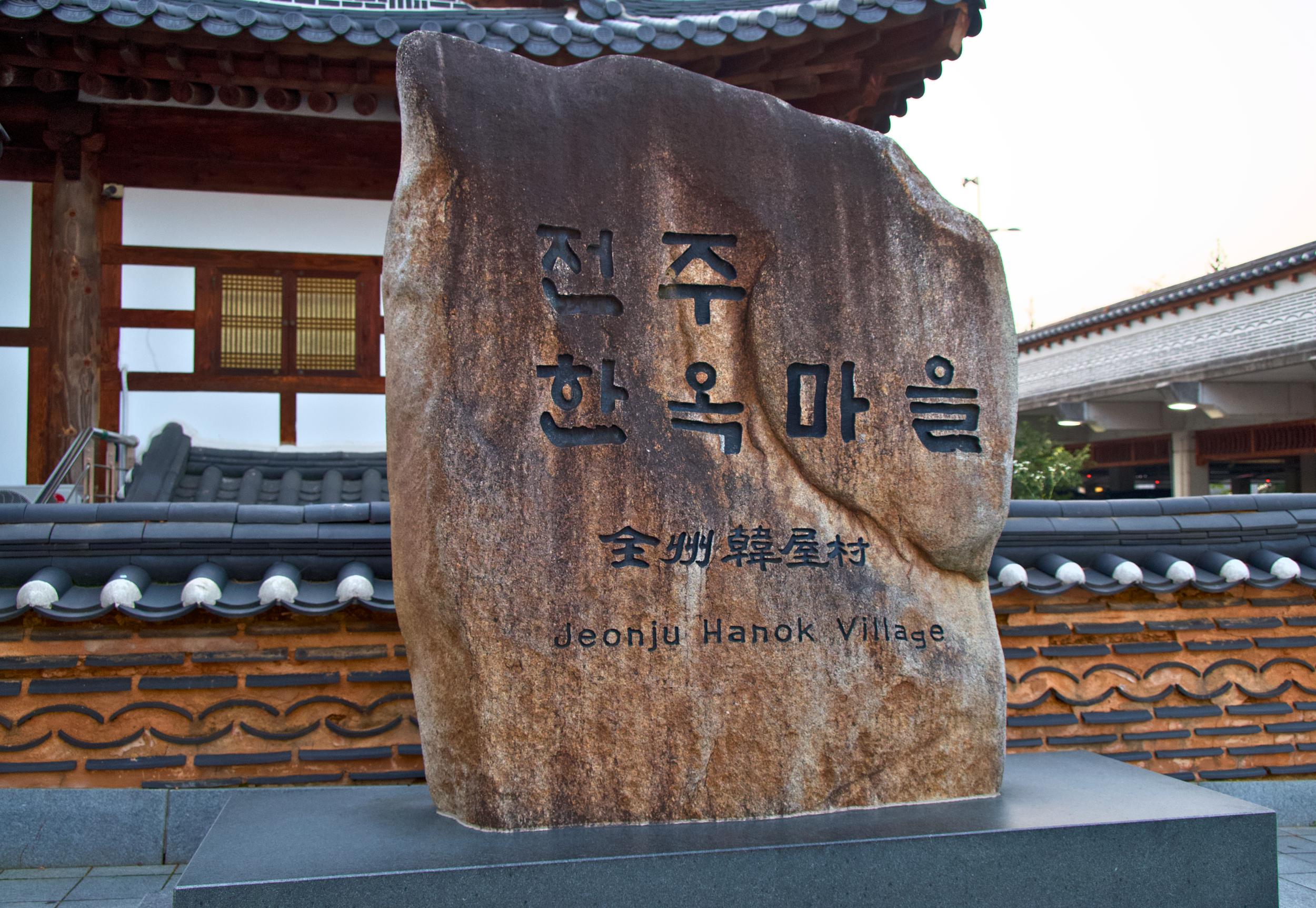
From Gyeonggijeon, the Hanok Village itself spreads out in every direction. This is where the roughly 700 traditional houses are, some residential, some now cafes, hanbok rental shops, or craft workshops. The main pedestrian street gets busy, particularly on weekends, so if you want the quieter version, work it into your morning before the day-trip crowds from Seoul arrive. Break for bibimbap or kongnamul gukbap here rather than saving lunch for later, since this stretch has the highest concentration of well-reviewed spots.
Book in advance: Jeonju Hanok Village Slow Walking Tour
Jeonju Hyanggyo (early afternoon)
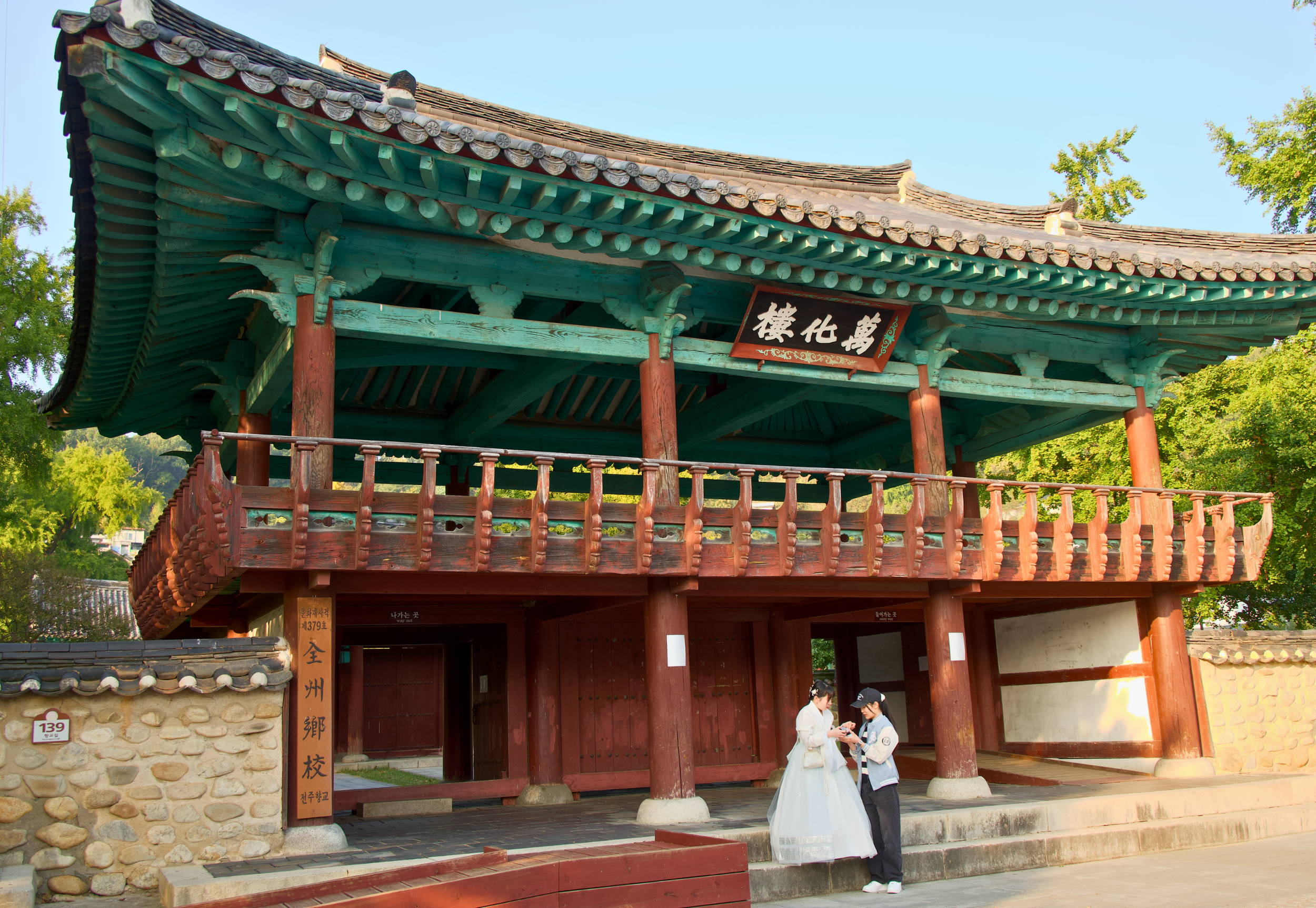
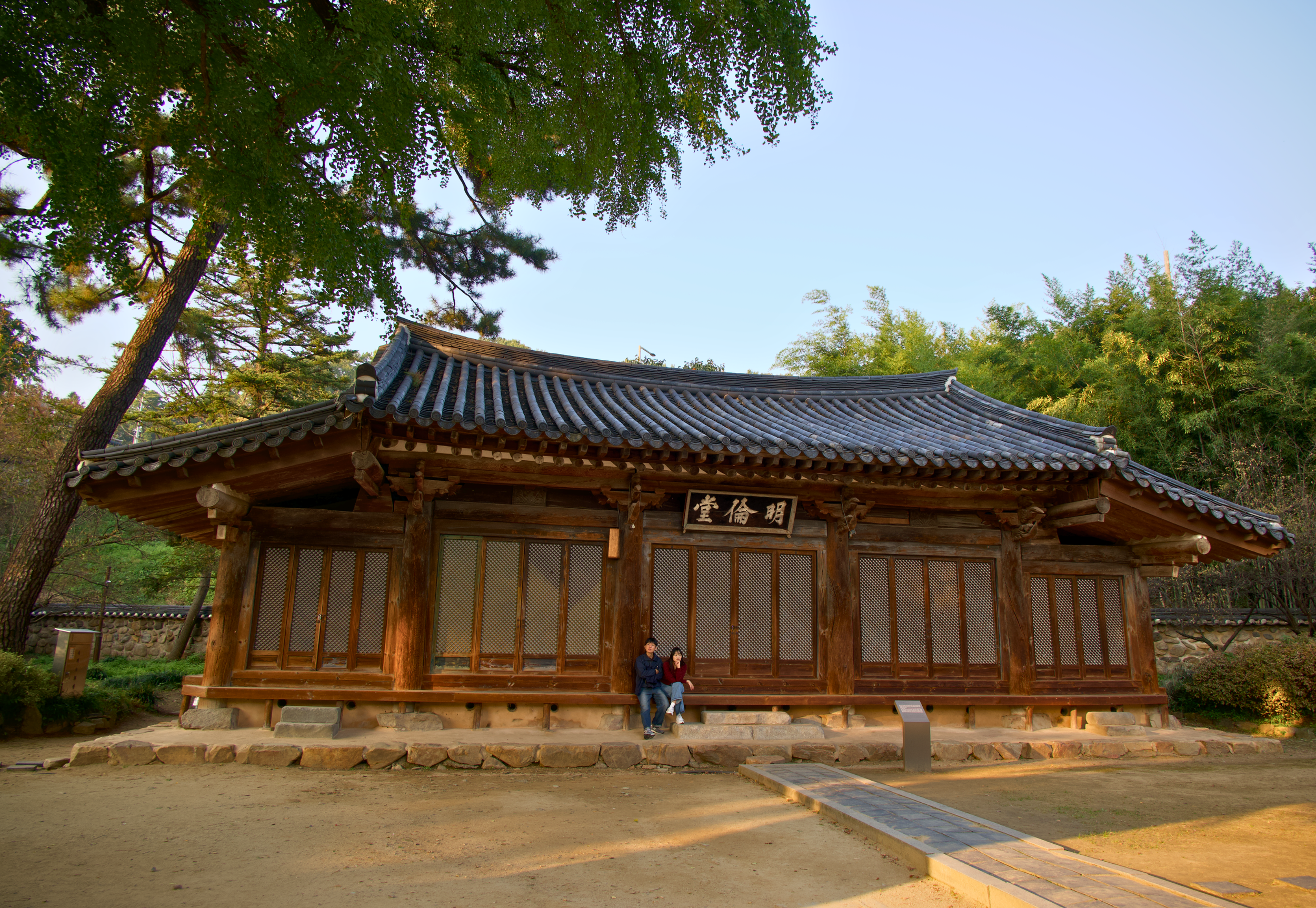
A short walk from the busier streets, Jeonju Hyanggyo is a Confucian school and shrine complex that dates back centuries. It's noticeably quieter than the main village drag, with old ginkgo trees in the courtyard that turn the whole space gold if you happen to be there in fall. Worth the detour specifically because most visitors skip it, and it's a good reset after the crowds around Gyeonggijeon.
Pungnammun Gate (mid-afternoon)
One of the last remaining gates from Jeonju's original city walls, standing at the southern edge of the old town. It's a good landmark to orient yourself by even if you're not stopping to study it, since the streets around it fan out toward both the hanok village and the newer parts of downtown, and it marks a natural pivot point toward the river.
The riverfront and the market (late afternoon into evening)
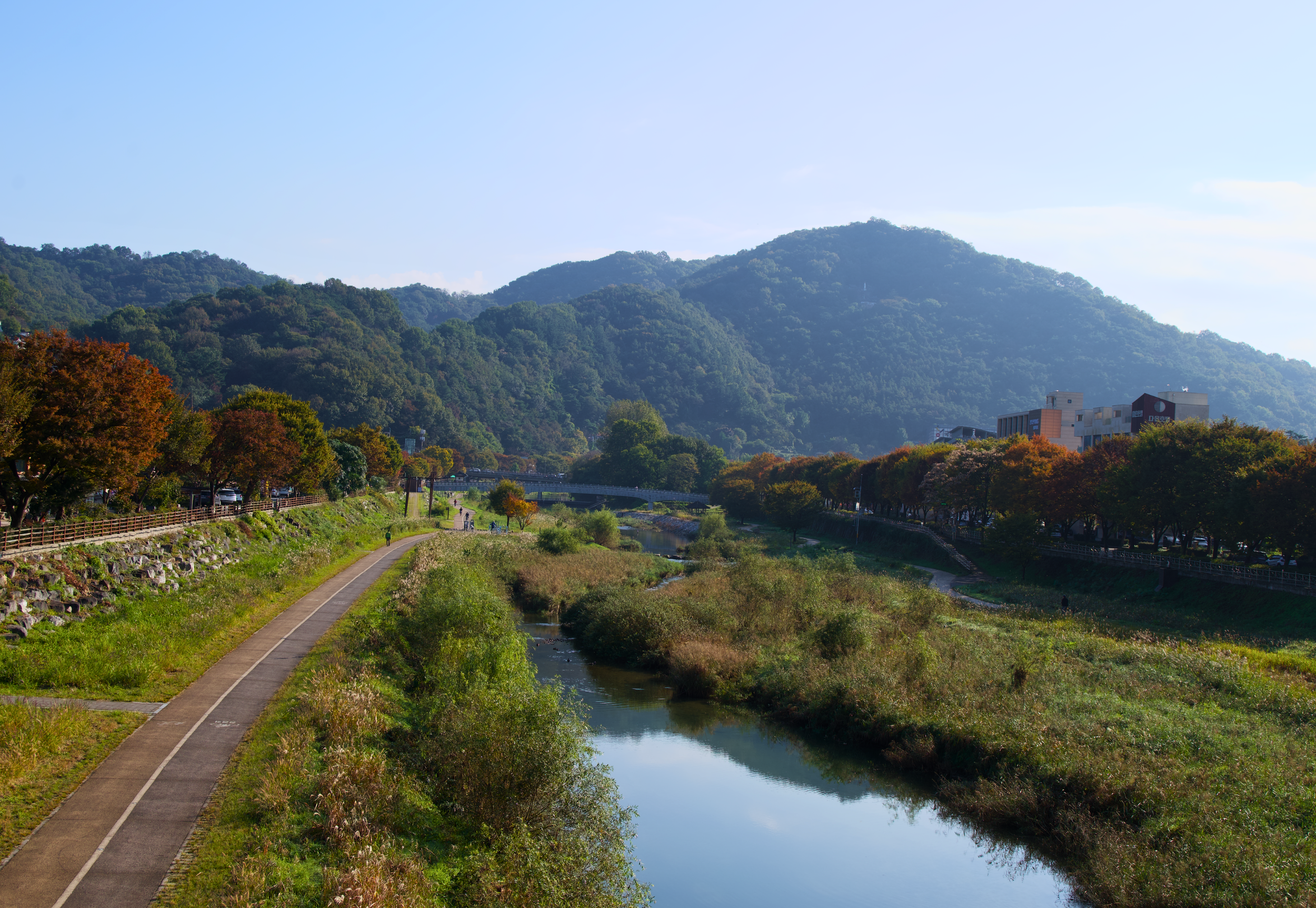
Jeonju has a stream (Jeonju-cheon) running along the edge of the old town, and walking it is a decent way to reset after a few hours of dense streets. Near the river, Nambu Market is worth wandering through, less polished than the tourist-facing shops in the village core, and the better choice for dinner: kongnamul gukbap in the market's food hall, or, if it happens to be a Friday, the weekly night market with street food that isn't around the rest of the week.
Day 2: Slower, Higher, and Sunset
Jaman Mural Village (morning, before 10 am if you can)
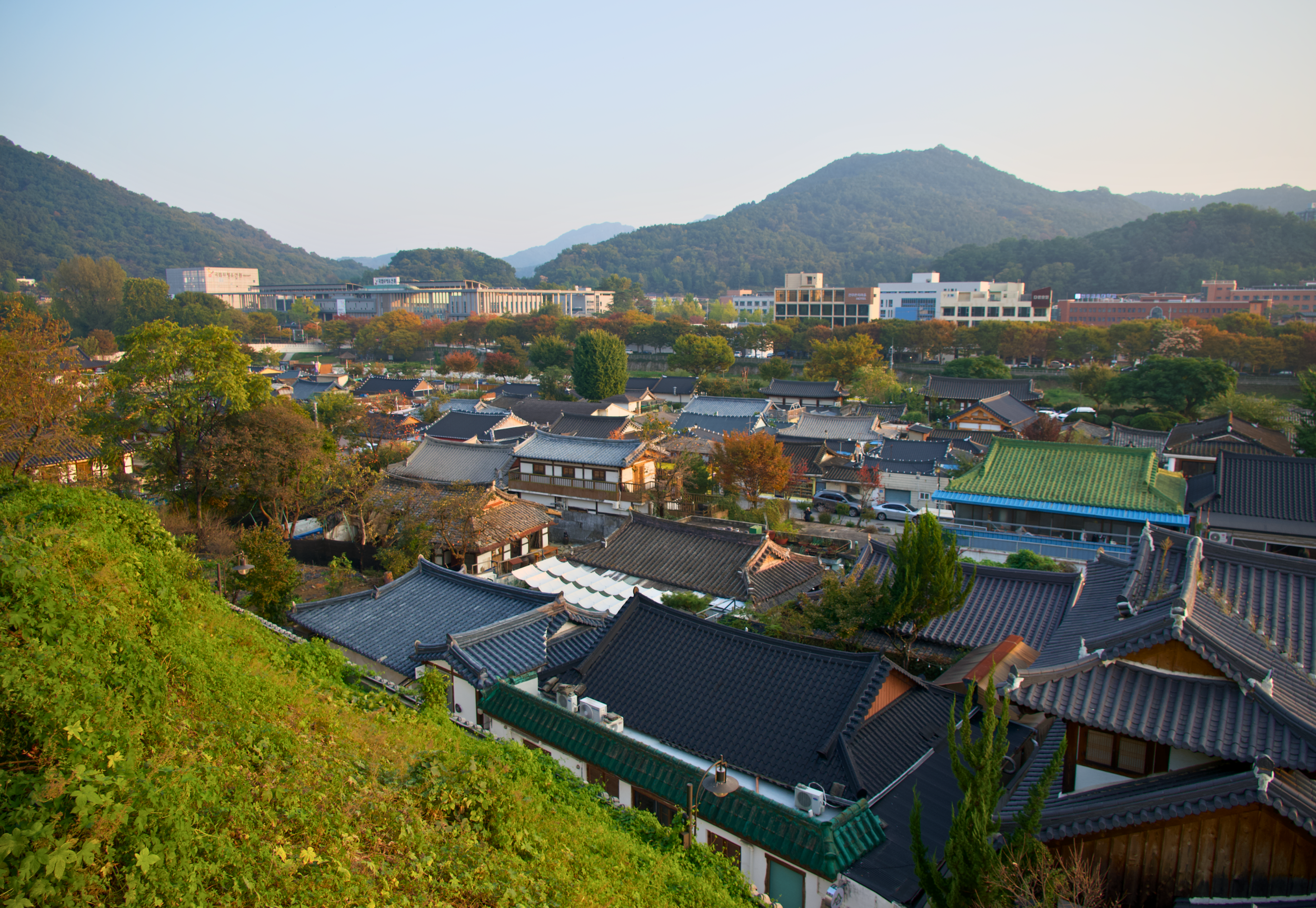
Jaman sits on a hillside just outside the main Hanok Village, roughly a five-minute walk uphill, and it's exactly what it sounds like: narrow alleys covered in murals, painted over what used to be a fairly plain residential neighborhood. Go earlier in the day if you want the alleys to yourself, since the stairs and tight paths get congested fast once tour groups arrive. The upper paths also give you a first, lower-key look at the rooftop view you'll get in full from Omokdae later.
Hanbyeokdang Pavilion (late morning)
A pavilion set against a small cliff face along the water, quieter than almost everywhere else on this list. It's a good midday stop if you need a break that isn't a cafe, somewhere to sit that isn't crowded, before the afternoon's slower stretch.
Gyodong Tea Garden (early afternoon)
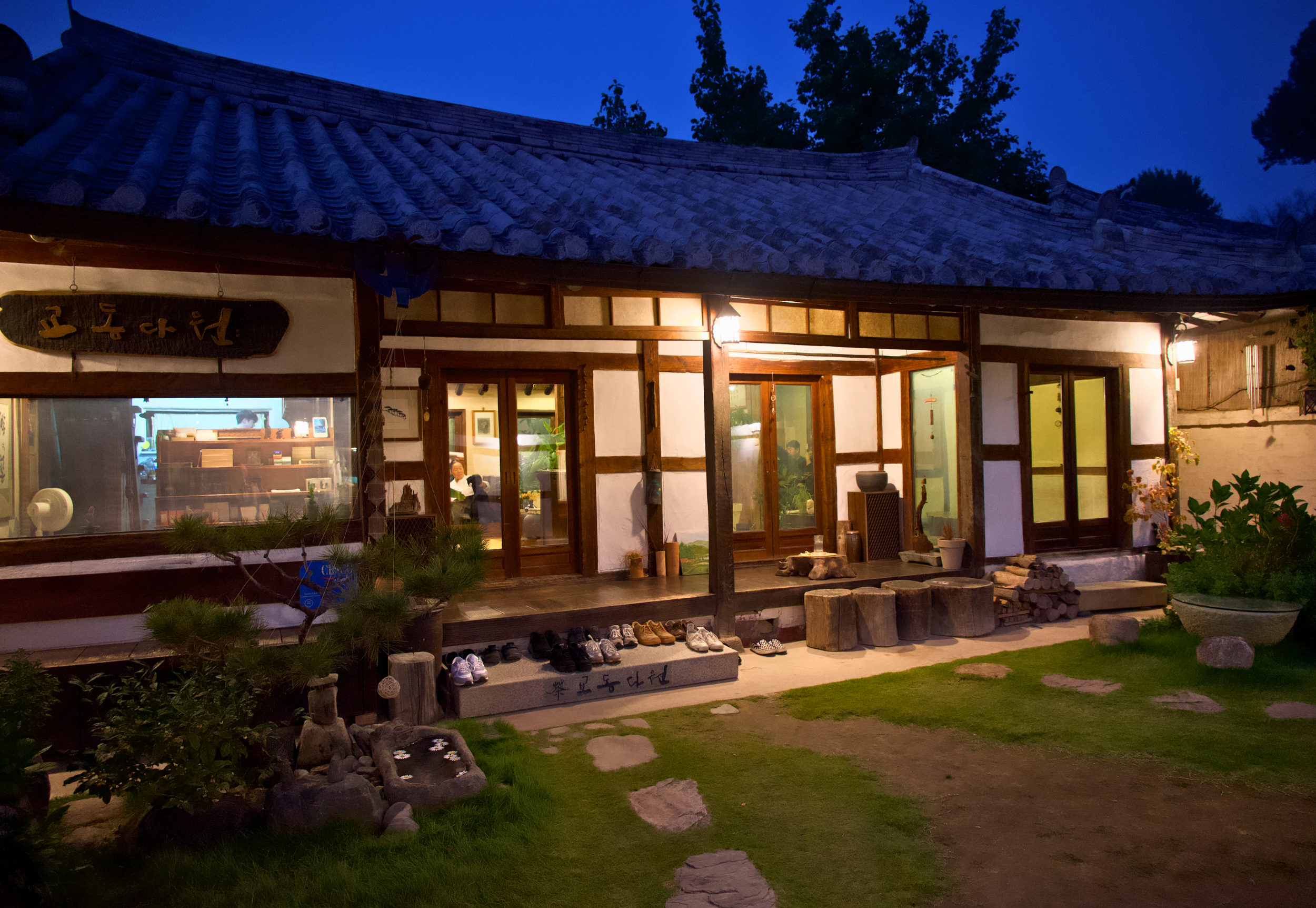
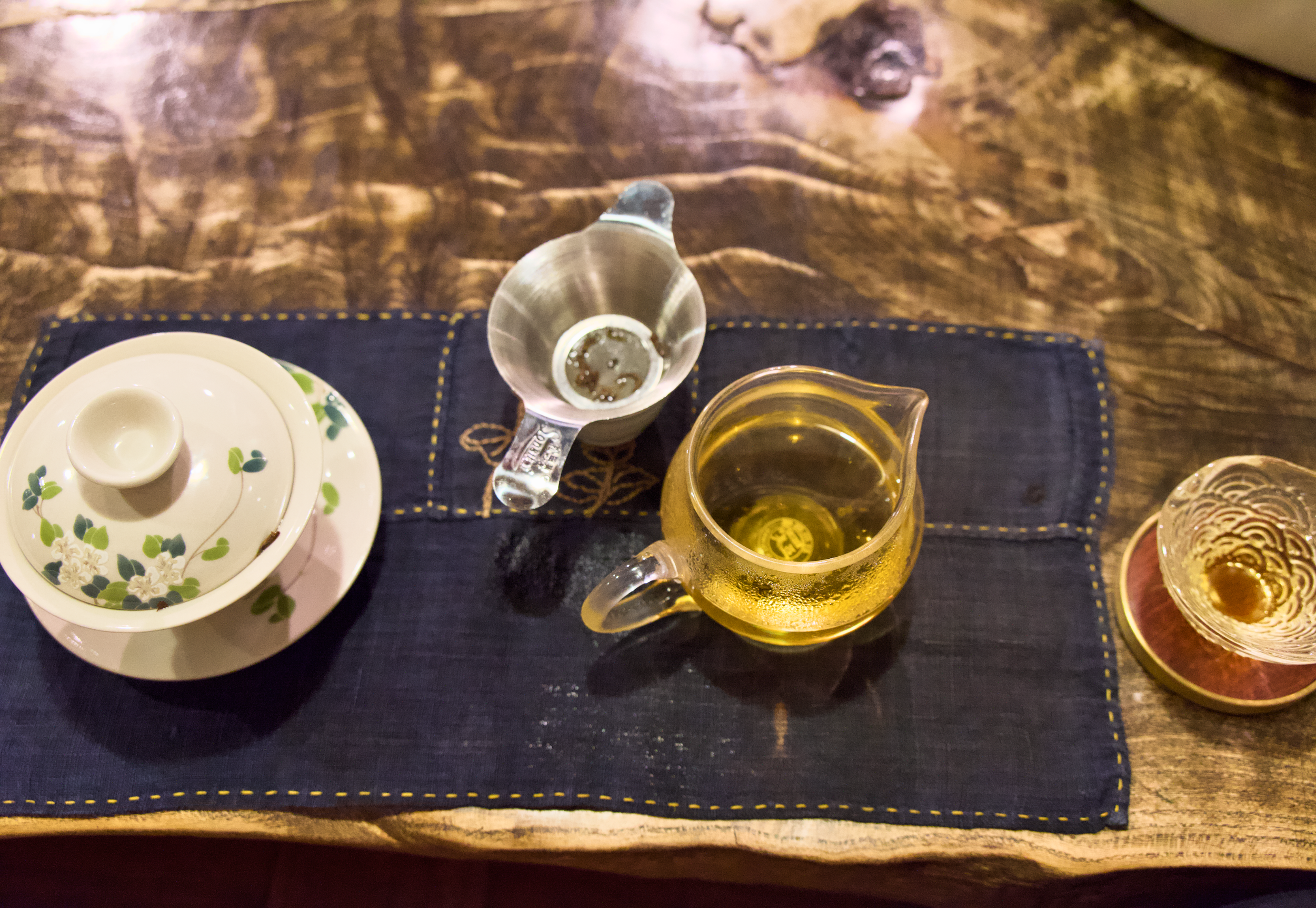
Gyodong is the neighborhood just east of the main Hanok Village, and it moves at a noticeably slower pace than the main drag. A tea garden here is the right way to spend a couple of unhurried hours before the day's last push. If you want to build in a proper tea ceremony experience rather than just tea with a view, a Jeonju traditional tea ceremony or hanbok rental experience is worth booking ahead, since the better-reviewed slots fill up.
Book in advance: Traditional Moju-Making Experience in Hanok Village
Omokdae, for sunset (arrive with 30-45 minutes of daylight left)
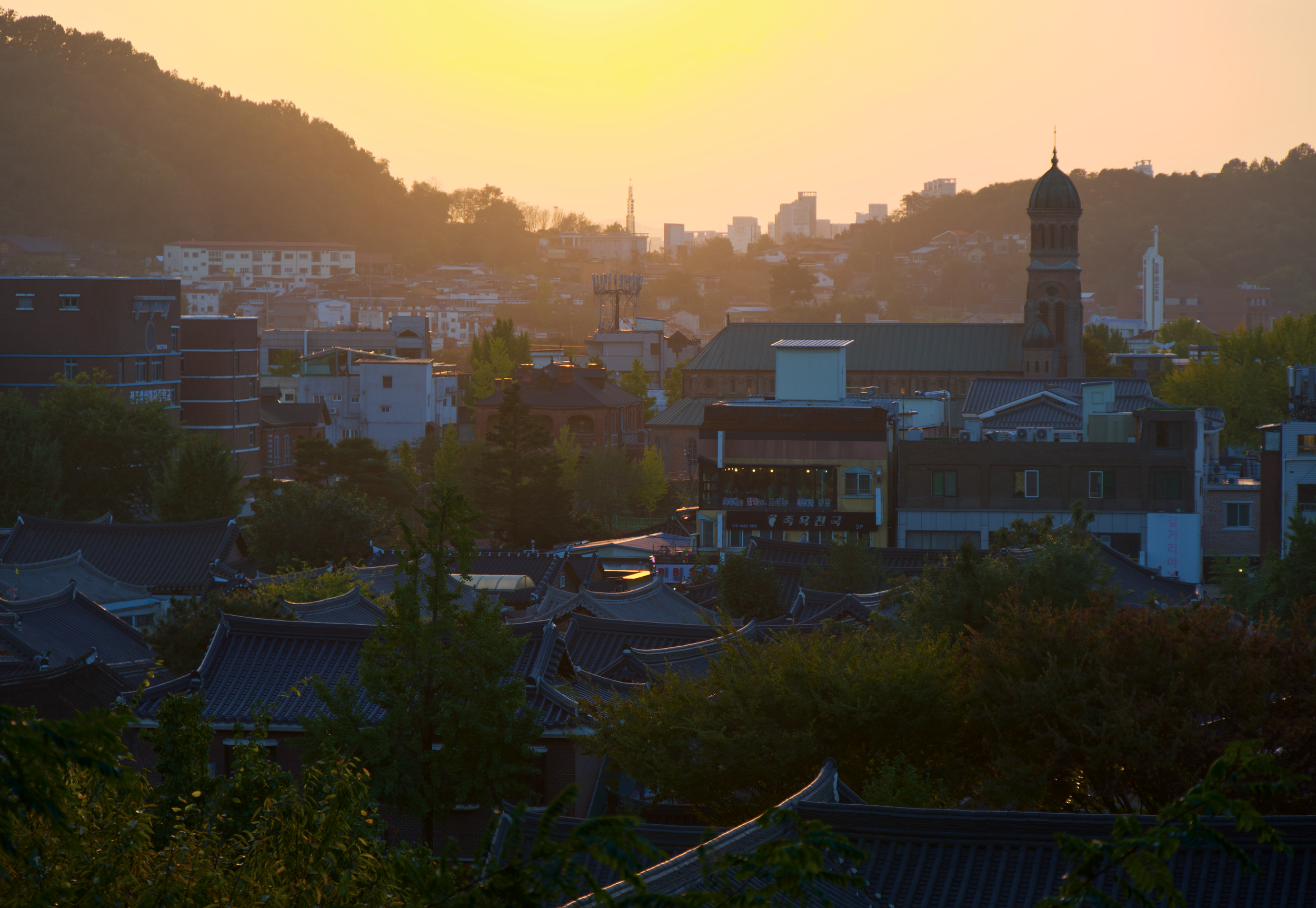
End here. Omokdae is a pavilion on a hill above the Hanok Village, and it's the best vantage point in the city for watching the curved tile roofs stack out below you as the light goes gold and then flat. It's a short but real climb, worth timing so you're up there before the sun actually drops rather than arriving right as it does, since the walk up takes longer than it looks from the bottom.
If You Have More Time: Day Trips from Jeonju
Two days cover the itinerary above without rushing, but if you're stretching this into three or four, Jeonju also works as a base for a couple of well-known day trips.
Sunchang, Korea's Gochujang Village, about an hour away. Sunchang is where the country's gochujang tradition actually comes from, and several spots run hands-on workshops where you make and take home your own jar. It's often paired with Gangcheonsan Provincial Park, which has an easy walking trail to a suspension bridge and a temple.
Naejangsan National Park, widely considered one of the best fall foliage spots in Korea. It's less of a fit for a tight two-day trip given the travel time, but if your visit lands in late October or early November, it's the reason some travelers extend their stay specifically.
Both are easiest with a rental car if you're comfortable driving in Korea; car rental search through Expedia: Jeonju or Jeollabuk-do, though guided day-tour options exist for both if you'd rather not navigate rural roads yourself.
What to Pack for Jeonju
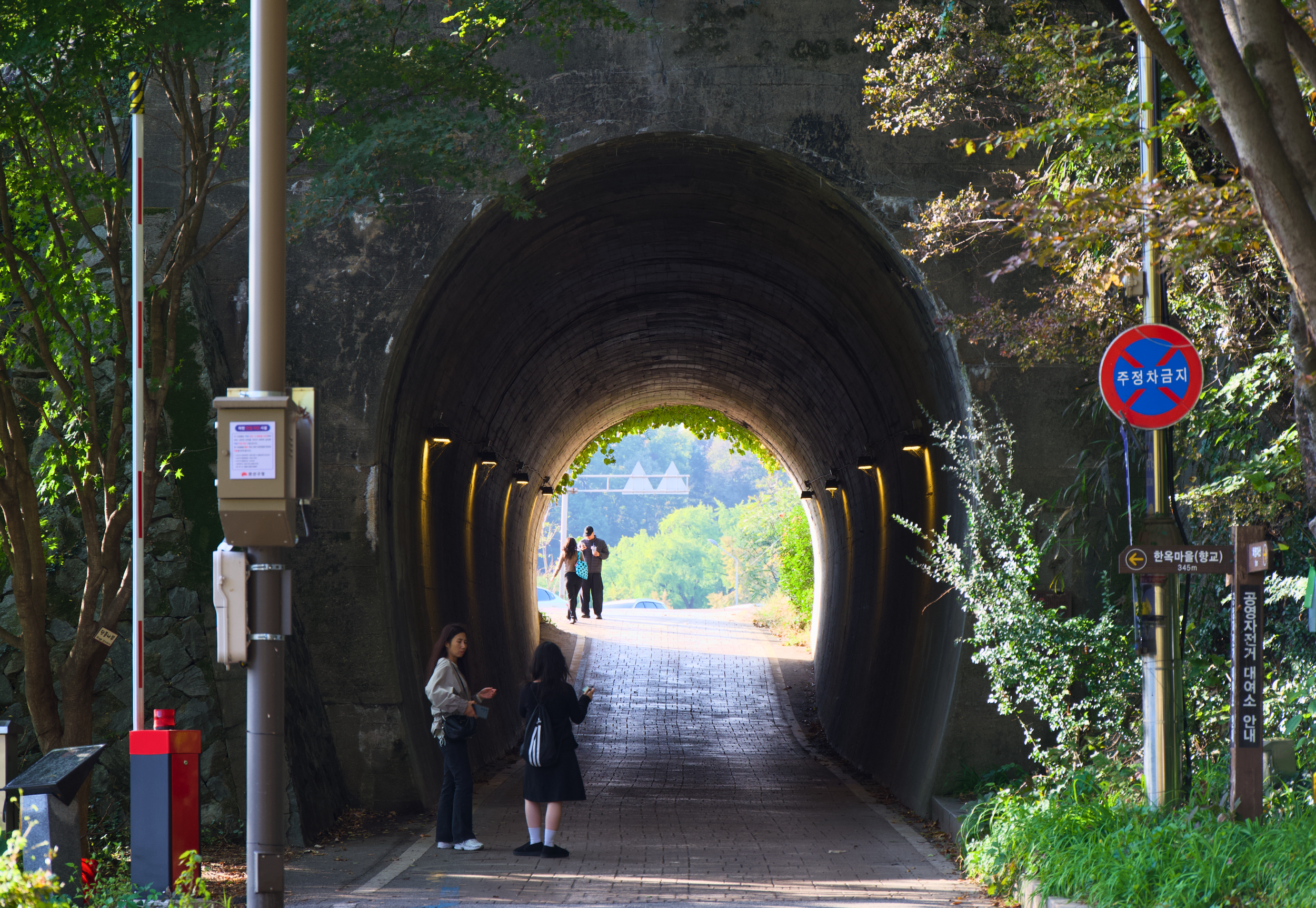
Real walking shoes, not just comfortable ones. The old town's stone and uneven paving add up over two full days, and the climbs to Jaman and Omokdae are real inclines, not gentle slopes.
A layer you can add or shed, since mornings and evenings run noticeably cooler than midday for most of the year, especially in spring and fall.
A compact umbrella, since Korea's shoulder seasons bring sudden, short rain that most forecasts don't call with much notice.
A power adapter (Type C or F) and a portable charger, particularly if you're shooting a lot of photos or videos, since the day involves more walking time than convenient charging stops.
Cash in small bills, alongside your card, for the market stalls and smaller family-run restaurants that still prefer it.
Photography Tips for This Itinerary
Jeonju is an easy place to take good photos and a slightly harder place to take good photos that don't look like everyone else's. A few things that help:
Go to Gyeonggijeon and the main village streets right at opening. The light is softer, and you'll have a genuine window before the tour groups fill the frame, especially on weekends.
Save the wide rooftop shot for Omokdae, not Jaman. Jaman's alleys are better for closer, more graphic shots of the murals themselves, while Omokdae is the actual overlook that gives you the stacked-roofline shot Jeonju is known for.
If you want a hanbok shot, rent one in the morning and wear it through midday. Most rental shops are in the village core, and the color and movement of hanbok photograph best against the wood and tile backdrops of the old streets rather than anywhere modern.
Shoot Hanbyeokdang Pavilion and the riverfront in late afternoon. The water picks up reflected light better than it does at midday, and it's a quieter, less-photographed alternative to the main village shots everyone already has.
Practical Tips for Visiting Jeonju
Pack for walking. Everything on this itinerary is on foot once you're in the village, and the stone streets aren't forgiving in the wrong shoes.
Weekends are dramatically busier than weekdays. If your schedule allows any flexibility, a Tuesday-Wednesday visit will feel like a different city than a Saturday one.
Bring a day bag you don't have to think about. Between the hills up to Omokdae and Jaman, and hours of walking on Day 1, a lightweight daypack or crossbody bag is a small thing that makes a real difference by hour six.
Get travel insurance sorted before you leave, especially if this is one stop on a longer Korea trip. Travel insurance providers are worth comparing against whatever your card already offers, since coverage gaps are more common than people expect.
Cash still matters at some of the smaller market stalls and family-run restaurants, even though card acceptance in Korea has gotten close to universal.
A Note on Pace
The easiest way to get Jeonju wrong is to treat it like a checklist. Every stop on this itinerary is close enough to the next that it's tempting to move fast, tick off Gyeonggijeon, tick off Pungnammun, keep going. The city rewards the opposite. The best parts of both days here weren't any single landmark; they were the walk between them: a quiet street off the main drag, the ten minutes waiting for tea to steep in Gyodong, the climb up to Omokdae before the view actually opens up. Build in more slack than you think you need.
Final Thoughts
Two days in Jeonju is enough time to see nearly everything worth seeing and still leave room to sit still for an hour, which isn't true of most short Korea itineraries. If you're already planning a Seoul trip and debating whether to carve out the extra time for this detour, that's your answer.
Before You Go
KTX tickets - book in advance during peak seasons
Comfortable walking shoes — nearly everything here is flat but adds up (men’s shoe & women’s shoe options)
Ready to Book Your South Korea Trip?
Save this guide, start with the full weekend, and let this part of South Korea surprise you. Trust me, it will.
Questions about Jeonju? Send me a message on my social channels. I read everything and genuinely enjoy talking about this part of South Korea. If you've been to this part of South Korea, tell me what I missed. There's always more.
Frequently Asked Questions About Jeonju, South Korea
-
Yes. It's a genuinely different pace and a different version of Korea, less about density and more about slowing down, and it pairs well as a short add-on to a longer Seoul-based trip rather than a destination that needs its own dedicated week.
-
The KTX is the fastest option, running from Yongsan or Seoul Station to Jeonju Station in about 1 hour 50 minutes. Express buses also run the route in around 2.5 hours and can be cheaper if you book same-day.
-
One day covers the Hanok Village core if you move quickly, but it means skipping the mural village, the tea garden, and the sunset hike up to Omokdae. Two days lets you see the main sights without rushing and adds a genuinely different second-day experience.
-
Spring and fall are the most comfortable for walking, with fall in particular giving Jeonju Hyanggyo's old trees a strong color change. Summer is hot and humid enough to slow you down, and the Hanok Village gets crowded on nice-weather weekends regardless of season.
-
A hanok, if you have the option. It's a smaller, less convenient room in most practical terms, but it's the difference between visiting the Hanok Village and actually staying inside it, which is most of what makes Jeonju worth the detour in the first place.
-
Yes. Jeonju is a low-crime, walkable city, and the Hanok Village area in particular is well-lit and busy well into the evening, including for solo travelers walking back to a hanok stay after dark.
-
Budget for a hanok stay (generally more than a basic motel but less than a full-service hotel), inexpensive food by international standards even at the well-known restaurants, and minimal transit costs once you're there, since almost everything is walkable. The KTX from Seoul is usually the largest single line item.
-
No. English signage exists at the major sites and most restaurants in the village core have some English on the menu, though it thins out at smaller, more local spots. Papago and a translation app cover the rest.
The Scenic Route Traveler inspires intentional travel through storytelling, hidden gems, and culturally rich experiences around the world.
-
I’m Erin, the voice behind Scenic Route Traveler, sharing intentional travel stories and guides from around the globe.
-
We deliver travel guides and storytelling through YouTube, social media, photography, and digital products designed for fellow travelers.
-
If you’re new here: this is a space for travelers who care more about how a place feels than how it looks on a checklist. You’ll find guides, stories, and resources designed to help you slow down and travel with intention.