

15 Best Places to Visit in Egypt (2026 Guide) + Travel Tips


15 Best Places to Visit in Egypt (2026 Travel Guide)
Discover the 15 best places to visit in Egypt in 2026, from the Pyramids of Giza to Abu Simbel. Includes expert tips, tour recommendations, and accommodation guides for your Egyptian adventure.
Quick Guide: Egypt's Must-Visit Destinations
✅ Top 3 Can't-Miss Sites: Pyramids of Giza, Valley of the Kings, Abu Simbel
✅ Best Time to Visit: October-April (20-25°C/68-77°F)
✅ Recommended Trip Length: 7-10 days minimum
✅ Essential Stops: Cairo (3 days), Luxor (2 days), Aswan (2 days)
✅ Average Budget: $50-150 per day depending on travel style
✅ Must-Try Experiences: Nile River cruise, Sound & Light show, hot air balloon ride
Standing before the Great Pyramid of Giza for the first time, I was overwhelmed—not just by its massive 139-meter height, but by the realization that this 4,500-year-old structure has watched over the Nile Valley longer than most civilizations have existed. That moment in 2024 sparked a three-week journey through Egypt that completely transformed how I understood ancient history.
Egypt isn't just about ticking off bucket-list monuments (though you'll definitely do that). It's about standing in temples where Cleopatra walked, sailing the Nile at sunset exactly as ancient traders did, and experiencing a living culture that's maintained its traditions for millennia. Whether you're a history enthusiast, adventure seeker, or beach lover, Egypt offers experiences that will stay with you forever.
After visiting 15+ destinations across Egypt, I've created this comprehensive guide to help you plan your own unforgettable Egyptian adventure. From the iconic Pyramids of Giza to the otherworldly White Desert, here are the absolute best places to visit in Egypt in 2026.
This post contains affiliate links. I may earn a commission if you purchase through my links, at no extra cost to you.
How Much Does a Trip to Egypt Cost?
Before diving into the destinations, let's talk budget. Egypt can accommodate every travel style, from backpackers to luxury seekers.
Budget Traveler ($30-50/day)
Accommodation: $8-15 (hostels, budget hotels)
Food: $10-15 (street food, local restaurants)
Transport: $5-10 (public transport, occasional taxi)
Activities: $10-15 (entrance fees, self-guided tours)
Mid-Range Traveler ($70-150/day)
Accommodation: $30-60 (3-star hotels, nice Airbnbs)
Food: $20-40 (mix of local and tourist restaurants)
Transport: $15-25 (private taxis, domestic flights)
Activities: $30-50 (guided tours, experiences)
Luxury Traveler ($200+/day)
Accommodation: $100-300+ (5-star hotels, luxury Nile cruises)
Food: $50-100 (hotel restaurants, fine dining)
Transport: $30-60 (private drivers, business class flights)
Activities: $80-150 (private tours, premium experiences)
Typical Costs in Egypt (2026)
Coffee: 20-40 EGP ($0.40-0.80)
Local meal: 80-200 EGP ($1.60-4)
Taxi ride: 50-150 EGP ($1-3)
Bottled water: 10-15 EGP ($0.20-0.30)
Major site entrance: 200-450 EGP ($4-9)
Nile cruise (3-4 nights): $200-800
Sample Egypt Itineraries
7-Day Egypt Highlights
Perfect for first-timers who want to see the main attractions
Day 1-2: Cairo (Pyramids of Giza, Egyptian Museum, Islamic Cairo)
Day 3-4: Luxor (Valley of the Kings, Karnak Temple, Luxor Temple)
Day 5-6: Aswan (Philae Temple, felucca ride, Nubian village)
Day 7: Abu Simbel day trip, fly back to Cairo
10-Day Classic Egypt
A more relaxed pace with additional ancient sites
Day 1-3: Cairo & Giza area
Day 4: Dahshur & Saqqara day trip
Day 5-6: Luxor (West and East Banks)
Day 7-8: 3-night Nile Cruise from Luxor to Aswan
Day 9: Aswan exploration
Day 10: Abu Simbel excursion
14-Day Egypt Adventure
Includes desert, beach, and all major historical sites
Days 1-4: Cairo, Giza, Saqqara, Dahshur
Day 5-6: White Desert camping safari
Day 7-8: Alexandria
Day 9-11: Luxor and Nile cruise to Aswan
Day 12: Abu Simbel
Day 13-14: Red Sea diving in Hurghada or Sharm el-Sheikh
1) The Pyramids of Giza - Egypt's Most Iconic Wonder
📍 Location: Giza, 20km southwest of central Cairo
⏰ Hours: 7:00 AM - 5:00 PM daily
💵 Entrance: 540 EGP ($11 USD) for the complex; additional 900 EGP ($18) to enter Great Pyramid
🕐 Time Needed: 3-4 hours minimum, half day with museums
📸 Best Photo Time: Golden hour (30 minutes before sunset)
The last remaining Wonder of the Ancient World, the Pyramids of Giza are even more impressive in person than in photos. The Great Pyramid of Khufu contains approximately 2.3 million stone blocks, each weighing 2-3 tons. Built over 4,500 years ago, these massive structures continue to baffle modern scientists with their precision and astronomical alignments.
What to Do at Giza
Explore the Great Pyramid of Khufu: Climb inside to see the Grand Gallery and King's Chamber (claustrophobic but incredible)
Marvel at the Sphinx: This 73-meter-long limestone guardian has watched over the pyramids for millennia
Visit the Solar Boat Museum: See the reconstructed ceremonial boat that was buried next to the Great Pyramid
Take a camel ride: Get classic desert photos, but negotiate prices carefully (see tips below)
Attend the Sound and Light Show: Evening show projects the history of ancient Egypt onto the pyramids
How to Get There
Uber/Careem: 30-45 minutes from central Cairo, costs 150-200 EGP ($3-4) - most convenient option
Metro + Taxi: Take Metro Line 2 to Giza station, then taxi for final 15 minutes (100 EGP total)
Tour: Includes transport, guide, and often combines with Saqqara or Memphis
Best Time to Visit
Early morning (7-9 AM) before the crowds and scorching heat, or late afternoon (3-5 PM) for stunning golden hour photography. Avoid midday when it's hottest and most crowded.
Pro Tips
Enter through the lesser-known gate near the Sphinx to avoid massive tour bus crowds at the main entrance
Bring cash—credit cards aren't accepted for tickets
Hire a licensed guide (200-300 EGP for 2-3 hours) to understand the history and avoid hasslers
Recommended Tours & Tickets
🎫 Best Giza Tours:
Where to Stay Near Giza
🏨 Accommodation Options:


2) Luxor and the Valley of the Kings - The World's Greatest Open-Air Museum
📍 Location: Southern Egypt, 670km south of Cairo
⏰ Valley of the Kings Hours: 6:00 AM - 5:00 PM (last entry 4:00 PM)
💵 Entrance: Valley of the Kings 400 EGP ($8); Karnak Temple 450 EGP ($9); Luxor Temple 300 EGP ($6)
🕐 Time Needed: 2-3 days minimum
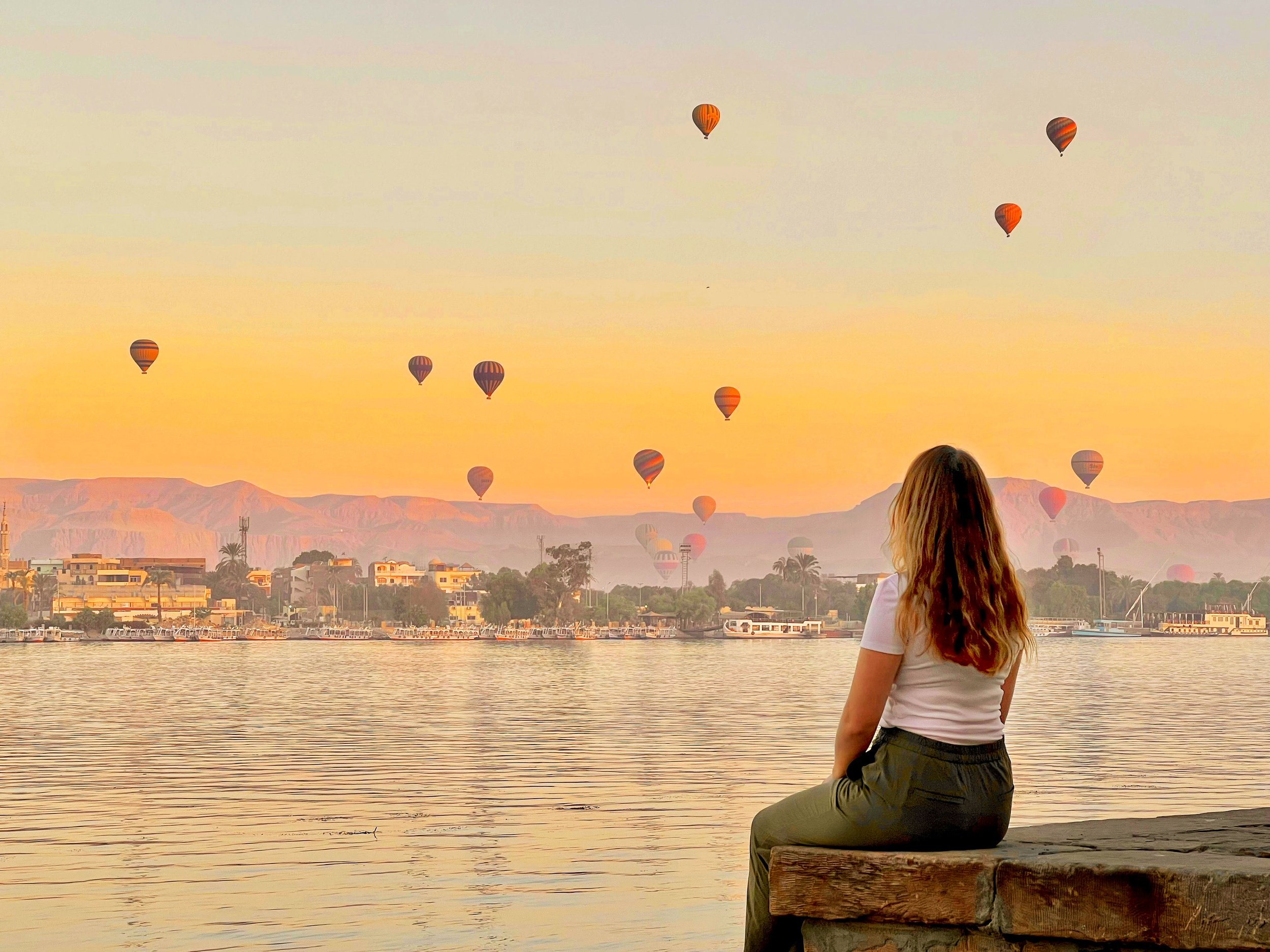
🎈 Special Experience: Hot air balloon ride at sunrise ($80-120)
Often called the world's greatest open-air museum, Luxor is home to an astounding one-third of the world's ancient monuments. The Valley of the Kings alone houses 63 tombs, including the famous tomb of Tutankhamun. The area served as Egypt's capital during the New Kingdom period (1550-1077 BCE) and contains some of the country's most impressive monuments.
What to Do in Luxor
West Bank (Valley of the Dead):
Valley of the Kings: Tour 3-4 royal tombs with your ticket (Tutankhamun's tomb costs extra 450 EGP but worth it)
Temple of Hatshepsut: Stunning three-tiered temple built into the cliff face
Valley of the Queens: Less crowded alternative, includes Nefertari's beautifully decorated tomb
Colossi of Memnon: Two massive statues guarding the entrance to Amenhotep III's temple
Deir el-Medina: Workers' village where the tomb builders lived
East Bank (City of the Living):
Karnak Temple Complex: Egypt's second most-visited site, a massive complex covering 100 hectares with the Great Hypostyle Hall containing 134 columns
Luxor Temple: Beautifully illuminated at night, connected to Karnak by the Avenue of Sphinxes
Luxor Museum: Contains well-curated artifacts found in the area, including royal mummies
How to Get There
Flight from Cairo: 1 hour, multiple daily flights ($60-150)
Overnight sleeper train: 10-12 hours from Cairo, a comfortable option with dinner and breakfast included ($60-120)
Nile cruise: 3-4 day cruise from Aswan, stops at temples along the way
Best Time to Visit
Visit the Valley of the Kings first thing at 6:00 AM, opening to beat tour buses and heat. The tombs can get crowded and stuffy by 9:00 AM. Save the illuminated Luxor Temple for the evening. Hot air balloon rides launch before sunrise at 4:30-5:00 AM.
Pro Tips
Photography is prohibited inside tombs to preserve the paintings—don't risk the 5,000 EGP fine
Hire a West Bank taxi driver for the full day (400-500 EGP) rather than paying per site
Bring a flashlight for darker tombs, though most are well-lit
Valley of the Kings ticket includes 3 tombs; KV2 (Ramses IV) and KV9 (Ramses VI) are must-sees
Recommended Tours & Experiences
🎫 Best Luxor Tours:
🏨 Luxor Accommodation:
Budget: Bob Marley Peace Hotel
Mid-Budget: Hotel Pavillon Winter Luxor
Luxury: Hilton Luxor Resort & Spa

3) Abu Simbel - Ramses II's Monumental Masterpiece
📍 Location: 280km south of Aswan, near Sudan border
⏰ Hours: 5:00 AM - 6:00 PM daily
💵 Entrance: 450 EGP ($9)
🕐 Time Needed: 2-3 hours at the site, full day including travel
🌟 Special Event: Sun Festival (February 22 & October 22) - sunlight illuminates inner sanctum
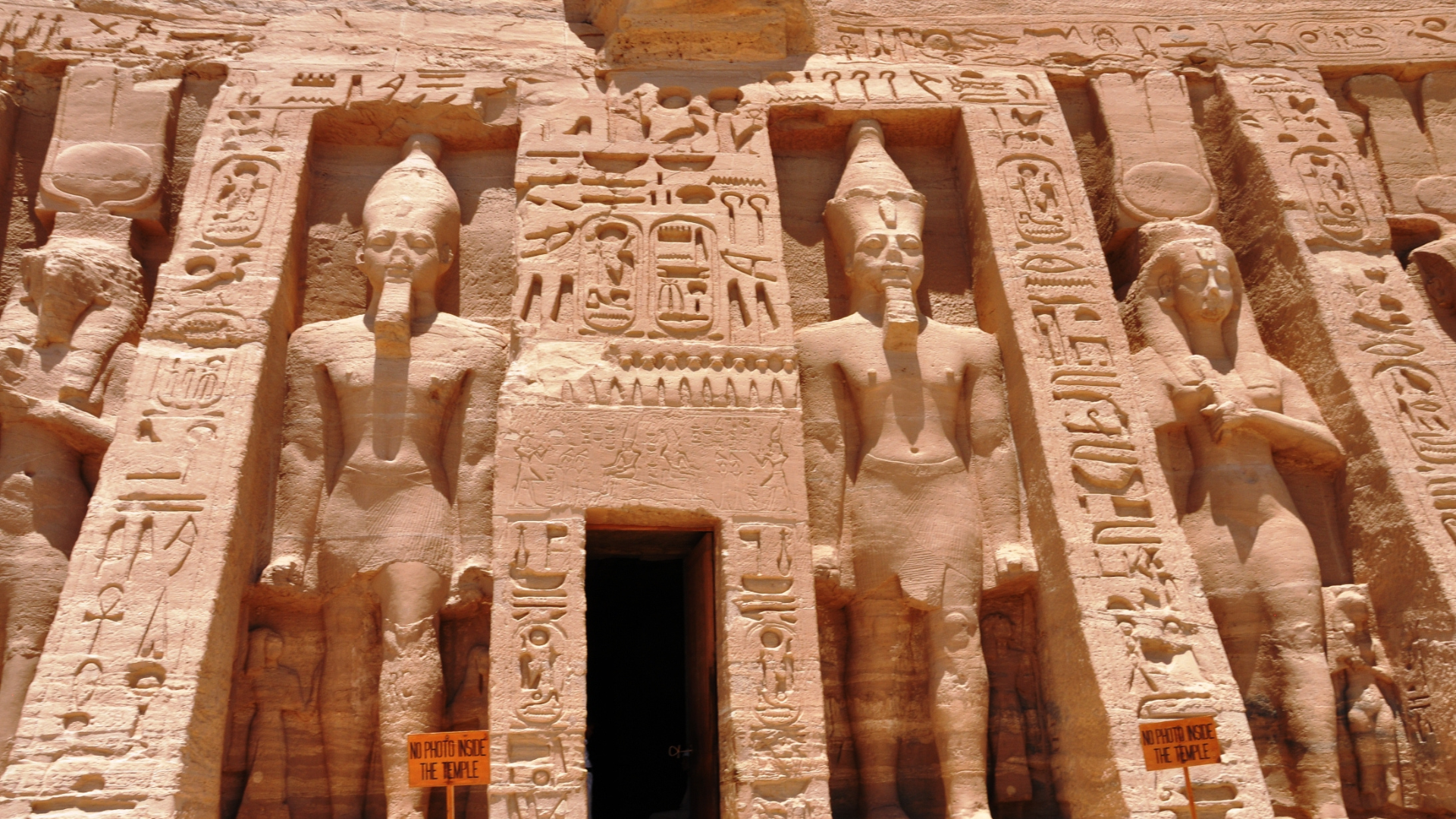
These colossal rock temples showcase the grandeur of Ramses II's 66-year reign (1279-1213 BCE). Four 20-meter-tall statues of Ramses II guard the entrance. In the 1960s, the entire temple complex was relocated 65 meters higher and 200 meters inland to save it from the rising waters of Lake Nasser—one of the greatest archaeological rescue operations in history, costing $80 million.
What Makes Abu Simbel Special
The Great Temple of Ramses II is dedicated to the gods Ra-Horakhty, Ptah, and Amun, as well as to Ramses himself. Twice a year on the Sun Festival dates (February 22 and October 22), the rising sun penetrates the temple's inner sanctum and illuminates the statues of the gods—remarkably, this alignment still works even after the temple was moved.
The smaller Temple of Hathor is dedicated to Ramses' favorite wife, Nefertari. It's one of the few temples where a queen appears the same size as the pharaoh, showing her importance.
What to Do at Abu Simbel
Explore the Great Temple of Ramses II: Walk through the massive entrance guarded by four colossal statues
Visit the Temple of Hathor and Nefertari: Admire the queen depicted as the goddess Hathor
Witness the Sun Festival: Book months in advance if visiting February 22 or October 22
Attend the Sound and Light Show: Nightly show at 6:00 PM and 7:00 PM (150 EGP/$3)
Visit the small museum: Learn about the UNESCO relocation project
How to Get There
Option 1: Tour from Aswan (Most Popular)
Leaves Aswan at 4:00 AM, returns around 1:00 PM
3-hour drive each way through the desert
Small group tours ($50-70/person) or private tours ($80-120/person)
Option 2: Fly from Aswan
30-minute flight, offered several days per week
More expensive ($150-200), but saves 6 hours of driving
Good option if you have limited time
Option 3: Stay Overnight
Hotels near Abu Simbel allow you to visit at opening before day-trippers arrive
See the Sound and Light Show
Best for photographers wanting multiple visits
Best Time to Visit
The site opens at 5:00 AM. If driving from Aswan, you'll arrive around 8:00-8:30 AM, which is perfect timing before the heat intensifies. The temples face east, so morning light is best for photography. If you can overnight nearby, visit at sunrise for empty temples and magical light.
Pro Tips
The drive from Aswan is long and starts very early (4:00 AM departure)—bring snacks and water
Bathrooms at the site are basic; use the facilities at the visitor center
Bring sunscreen and a hat—there's minimal shade
Photography is allowed everywhere except inside sanctuaries
If visiting on Sun Festival dates (Feb 22, Oct 22), book tours 2-3 months in advance
Abu Simbel Tours & Travel
🚐 Getting There: Tour Options
✈️ Alternative: Fly Instead of Drive
🏨 Stay Overnight Near Abu Simbel:

4) Aswan and the Philae Temple - The Jewel of the Nile
📍 Location: Southern Egypt, 230km south of Luxor
⏰ Philae Temple Hours: 7:00 AM - 4:00 PM daily
💵 Entrance: Philae Temple 300 EGP ($6); Unfinished Obelisk 120 EGP ($2.50)
🕐 Time Needed: 1-2 days
⛵ Must-Do: Sunset felucca ride on the Nile
This laid-back city offers a perfect blend of natural beauty and ancient history, centered around the Nile River. Aswan has been a strategic and commercial gateway to Africa since ancient times, serving as a frontier garrison town. The atmosphere here is noticeably more relaxed than Cairo or Luxor, with strong Nubian cultural influences.
What to Do in Aswan
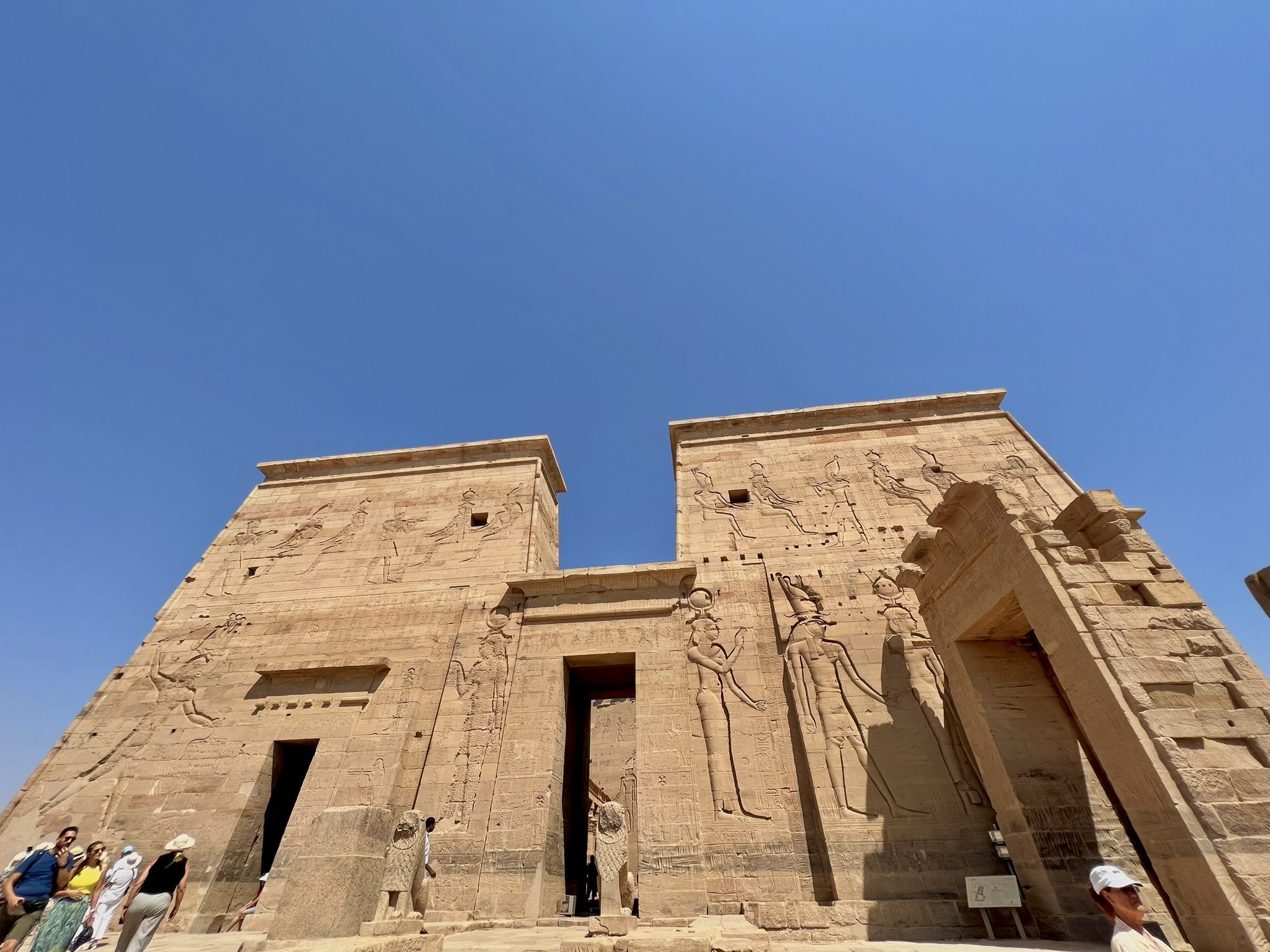
Visit the Temple of Isis on Philae Island: Take a boat to the island temple complex dedicated to Isis, relocated to save it from Lake Nasser
Explore the Unfinished Obelisk: See how ancient Egyptians quarried granite, including a massive 42-meter obelisk that cracked and was abandoned
Take a felucca ride at sunset: Traditional wooden sailboat cruise on the Nile, 2-3 hours around Elephantine Island (100-150 EGP)
Visit a Nubian village: Experience colorful homes, Nubian hospitality, and crocodile encounters
Tour the Aswan High Dam: Impressive modern engineering feat completed in 1970, which created Lake Nasser
See the Nubian Museum: Excellent collection of Nubian artifacts and culture
Attend Philae Sound & Light Show: Evening show projected onto temple (200 EGP/$4)
How to Get There
Flight from Cairo: 1.5 hours, several daily flights ($80-180)
Train from Cairo: 13 hours overnight sleeper train ($60-100)
From Luxor: 3-4 hour drive, or take a Nile cruise ship (3-4 days)
Best Time to Visit
Aswan is the hottest city in Egypt. Visit October-April when temperatures are bearable (20-30°C). Summer temperatures regularly exceed 45°C/113°F. The best time of day is late afternoon for the felucca ride at sunset—the Nile is stunning during golden hour.
Pro Tips
Negotiate felucca prices before boarding—should be 100-150 EGP for 2-3 hours
The boat to Philae Temple (motorboat, not felucca) costs 150 EGP per boat (holds up to 8 people), split with other tourists to save money
Nubian villages are accessible by felucca or motorboat—expect to spend 50-100 EGP on handicrafts or donations
Aswan is very relaxed—fewer touts and hasslers than Cairo or Giza
Try Nubian food at restaurants along the Corniche
Recommended Aswan Tours
🎫 Best Aswan Experiences:
Where to Stay in Aswan
🏨 Aswan Accommodation:
Budget: Wanees Hostel
Mid-Range: Movenpick Resort Aswan OR Basma Hotel Aswan
Luxury: Sofitel Legend Old Cataract

5) Alexandria - Mediterranean Coastal Gem
📍 Location: Northern Egypt, 220km north of Cairo on the Mediterranean coast
⏰ Typical Hours: 9:00 AM - 5:00 PM for most attractions
💵 Entrance: Bibliotheca Alexandrina 70 EGP ($1.40); Catacombs 100 EGP ($2); Citadel 60 EGP ($1.20)
🕐 Time Needed: 1-2 days
🏖️ Bonus: Mediterranean beaches, seafood restaurants
Founded by Alexander the Great in 331 BCE, this Mediterranean gem boasts a rich history blending Greek, Roman, and Egyptian cultures. Once home to the legendary Library of Alexandria (the largest in the ancient world) and the Lighthouse of Alexandria (one of the Seven Wonders), the city remains a vibrant center of culture and commerce with a distinctly different feel from the rest of Egypt.
What to Do in Alexandria
Explore the Bibliotheca Alexandrina: Stunning modern library opened in 2002, pays homage to the ancient Great Library
Descend into the Catacombs of Kom el Shoqafa: Fascinating 2nd-century tombs blending Egyptian, Greek, and Roman art
Visit the Citadel of Qaitbay: 15th-century fortress built on the site of the ancient Lighthouse of Alexandria
Stroll along the Corniche: 15km waterfront promenade perfect for walking, cafes, sea views
Explore Pompey's Pillar: 25-meter red granite column, sole remnant of the Serapeum temple complex
See the Roman Amphitheater: Well-preserved 2nd-century theater
Visit Montazah Palace Gardens: Beautiful royal gardens and beaches
Try fresh seafood: Alexandria is famous for seafood restaurants along the corniche
How to Get There
Train from Cairo: 2.5-3 hours, frequent departures, comfortable (80-150 EGP/$1.60-3)
Bus from Cairo: 3 hours, cheaper but less comfortable (60-80 EGP/$1.20-1.60)
Private car/taxi: 2.5 hours (500-700 EGP/$10-14)
Best Time to Visit
Alexandria has a Mediterranean climate, making summer (June-September) pleasant with sea breezes while the rest of Egypt swelters. It's actually a popular Egyptian summer resort destination. Visit spring or fall for perfect weather and fewer crowds.
Pro Tips
Alexandria feels very different from the rest of Egypt—more Mediterranean, more cosmopolitan
The corniche is lovely for walking at sunset
Try local specialties: fresh fish, seafood, and traditional Alexandrian breakfast
Most sites are spread out—consider hiring a taxi for the day (300-400 EGP)
Swimming in the Mediterranean is possible in summer, but beaches can be crowded
Where to Stay in Alexandria
🏨 Alexandria Hotels:


6) The White Desert National Park - Surreal Landscapes
📍 Location: Western Desert, 500km southwest of Cairo
⏰ Open: 24/7 (national park)
💵 Cost: Entry 5 EGP ($0.10); safari tours $80-150 per person
🕐 Time Needed: 2-day/1-night camping safari recommended
🏕️ Must-Do: Camp under the stars
For a completely different side of Egypt, venture into the surreal landscape of the White Desert National Park. This otherworldly expanse is characterized by its chalk rock formations, sculpted by wind and sand into fantastical mushroom-like shapes. The rocks glow brilliant white during the day and take on golden and pink hues at sunset, creating a landscape that looks more like another planet than Earth.
What Makes the White Desert Special
The chalk rock formations are remnants of an ancient seabed from when this area was underwater millions of years ago. Wind erosion has carved the soft chalk into bizarre shapes that resemble mushrooms, camels, chickens, and abstract sculptures. The contrast between the brilliant white rocks and the pale golden sand creates an ethereal landscape unlike anywhere else on Earth.
What to Do in the White Desert
Take a 4x4 desert safari: Only way to access the area safely
Camp under the stars: The night sky here is spectacular with zero light pollution
Visit at sunset or sunrise: The changing light creates magical colors on the white rocks
Explore the Black Desert: Volcanic mountains covered in black stones, stark contrast to White Desert
Visit Crystal Mountain: Calcite crystal formations jutting from the desert
See ancient springs: Natural water sources in the desert
How to Get There
The White Desert requires a tour—it's illegal and dangerous to attempt independently. Most tours start from Cairo or the oasis town of Bahariya.
2-day/1-night safari from Cairo: Most popular, includes transport, camping, meals ($80-150/person)
3-day/2-night safari: More time to explore, includes multiple desert areas
Budget option: Join a group tour from Bahariya Oasis (3-hour bus from Cairo, then join the tour)
Best Time to Visit
October-April, when desert temperatures are moderate (15-25°C during the day, 5-10°C at night). Summer is dangerously hot (45°C+). Winter nights can drop to freezing—bring warm layers. Full moon periods are spectacular for night photography.
Pro Tips
Bring warm clothes for nighttime—the desert gets very cold after sunset
Tours provide camping equipment, but bring your own sleeping bag if you prefer
Photography equipment: bring extra batteries (cold drains them) and lens cloth (sand/dust)
Expect very basic facilities—camping is in the open desert
Choose reputable tour operators—safety is important in remote desert areas
Recommended White Desert Tours
🏕️ Desert Safari Tours:


7) Cairo - Egypt's Vibrant Capital City
📍 Location: Northern Egypt, Nile Delta
⏰ Museum Hours: Generally 9:00 AM - 5:00 PM
💵 Egyptian Museum: 450 EGP ($9); Grand Egyptian Museum: 600 EGP ($12)
🕐 Time Needed: 3-4 days minimum
🌆 Don't Miss: Khan el-Khalili bazaar, Islamic Cairo
Egypt's bustling capital seamlessly blends ancient wonders with modern life. Home to over 20 million people in the greater metropolitan area, Cairo is chaotic, loud, polluted—and absolutely fascinating. Beyond the Pyramids of Giza (technically in Giza, not Cairo proper), the city offers incredible museums, Islamic architecture, Coptic Christian heritage, and some of the best street food in the world.
What to Do in Cairo
Museums:
Grand Egyptian Museum (GEM): Brand new museum near pyramids, world's largest archaeological museum, houses 100,000+ artifacts including complete Tutankhamun collection
Egyptian Museum in Tahrir Square: Older museum with massive collection, slightly chaotic but fascinating
Coptic Museum: Beautiful collection of Christian Egyptian art and artifacts
Historic Cairo:
Khan el-Khalili Bazaar: Medieval marketplace, incredible for shopping spices, jewelry, souvenirs, and people-watching
Islamic Cairo: Explore medieval mosques including Sultan Hassan, Ibn Tulun, and Al-Azhar
Coptic Cairo: Ancient Christian quarter with Hanging Church and Ben Ezra Synagogue
The Citadel and Muhammad Ali Mosque: Ottoman fortress with stunning alabaster mosque
Modern Cairo:
Nile dinner cruise: Evening cruise with dinner and entertainment, see city lit up at night
Cairo Tower: 187-meter observation deck for 360° city views
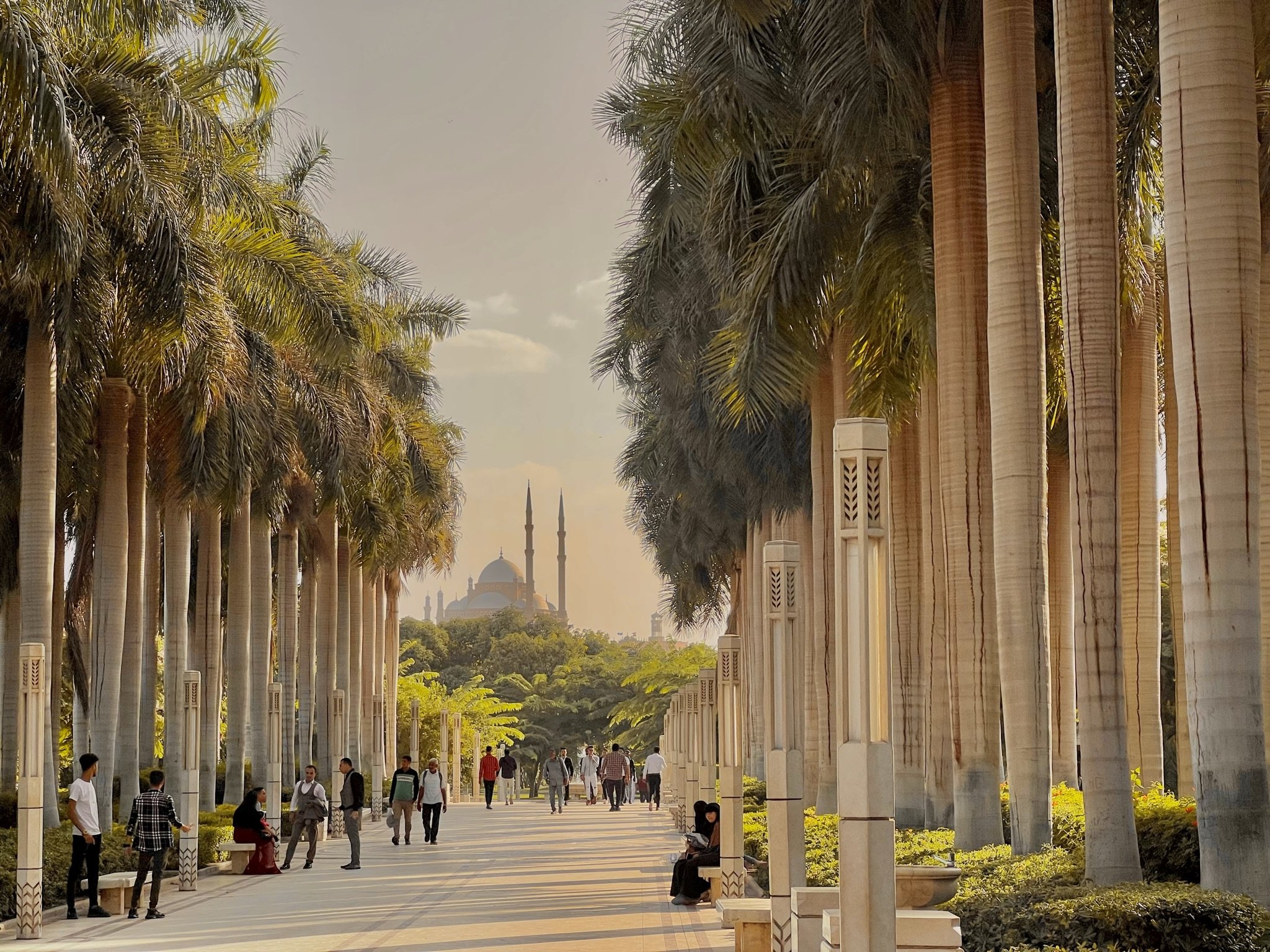
Al-Azhar Park: Beautiful green space with great views, perfect escape from chaos
Zamalek Island: Upscale neighborhood with art galleries, cafes, and restaurants
How to Get Around Cairo
Uber/Careem: Safest and easiest, most rides $1-5
Cairo Metro: Clean, modern, very cheap (5-7 EGP), but can be crowded during rush hour
Taxis: Always use Uber instead to avoid haggling and "broken meters"
Best Time to Visit Cairo
October-April for pleasant weather (18-28°C). Summer (June-August) is brutal with 35-42°C heat. Avoid Ramadan if you want full restaurant access during the day.
Pro Tips
Give yourself at least 3 days—Cairo has so much to see
Traffic is horrendous—budget extra time for everything
Khan el-Khalili is for tourists but still worth visiting—start negotiating at 50% of asking price
Islamic Cairo is walkable and fascinating to explore on foot
Try traditional Egyptian breakfast: ful medames and falafel at local shops
Download offline maps—Google Maps works well in Cairo
Cairo Accommodation
My Recommendation: Madina Hostel- Perfect location in downtown Cairo, close to the Egyptian Museum and Tahrir Square. Budget-friendly with clean rooms and helpful staff.
Other Great Options:
Budget: Cecilia Hotel Cairo
Mid-Range: Steigenberger Hotel El Tahrir OR Viaje Hotel Downtown Cairo
Luxury: Four Seasons Cairo at Nile Plaza OR Waldorf Astoria Cairo Heliopolis
Compare all Cairo hotels on Expedia
Recommended Cairo Tours
🎫 Best Cairo Experiences:

8) Dahshur - Pyramids Without the Crowds
📍 Location: 40km south of Cairo
⏰ Hours: 8:00 AM - 4:00 PM daily
💵 Entrance: 150 EGP ($3) covers all pyramids
🕐 Time Needed: 2-3 hours
✨ Bonus: You can climb inside both major pyramids
Often overlooked in favor of Giza, Dahshur offers a more peaceful pyramid experience away from the massive crowds and aggressive touts. These pyramids are just as impressive and historically significant—in fact, the Red Pyramid is older than any pyramid at Giza and represents a crucial transition in pyramid construction.
What Makes Dahshur Special
The Bent Pyramid: Has two distinct angles (54° then 43°), possibly due to engineering concerns mid-construction, creating its unique bent appearance
The Red Pyramid: World's first successful smooth-sided pyramid, you can climb down inside to three massive chambers—much more accessible than the Great Pyramid
No crowds: Seriously, you might have the place almost to yourself
No hassle: Minimal touts compared to Giza, peaceful atmosphere
What to Do at Dahshur
Enter the Red Pyramid: Climb down 62 meters through a narrow shaft to three massive burial chambers (free with entrance ticket)
Walk around the Bent Pyramid: Recently opened interior, but check the current status
Photograph the pyramids: Wide open space makes for great photos without crowds
See the Black Pyramid ruins: Remains of Amenemhat III's mud-brick pyramid
How to Get There
Taxi/Uber from Cairo: 45-60 minutes, 250-400 EGP ($5-8) one way
Combine with Saqqara: Only 15 minutes apart, hire a driver for the day (600-800 EGP/$12-16)
Tour: Many Giza tours include Saqqara and Dahshur as add-ons (Tour I recommend: Private Day Tour Saqqara Pyramids, Memphis and Dahshur Pyramids)
Best Time to Visit
Early morning (8-9 AM) for cooler temperatures and best light for photos. You'll likely have the Red Pyramid almost to yourself if you arrive at opening.
Pro Tips
Climbing inside the Red Pyramid is claustrophobic and physically demanding—not for everyone
The descent is steep (62 meters at 27° angle), and the shaft is only 1.2 meters high—you'll be hunched over
Very hot inside—go early or bring water
No artificial light inside—bring a phone flashlight or a headlamp
A combined day trip to Saqqara and Memphis is perfect


9) Siwa Oasis - Remote Desert Paradise
📍 Location: Western Desert, 50km from Libyan border, 560km west of Cairo
⏰ Open: 24/7 (town)
💵 Typical costs: Very affordable, meals $2-5
🕐 Time Needed: 2-3 days
🏊 Must-Do: Swim in Cleopatra's Spring, sandboard the dunes
This remote desert oasis near the Libyan border offers a glimpse into traditional Berber culture and a welcome respite from Egypt's hectic cities. Siwa feels like a world apart—it has its own Berber language (Siwi), distinct customs, and until the 1980s was only accessible by camel caravan. The atmosphere here is incredibly relaxed and authentic.
What to Do in Siwa
Explore the Temple of the Oracle of Amun: Where Alexander the Great supposedly consulted the oracle and learned of his divine status
Wander Shali Fortress: Atmospheric mud-brick ruins of old Siwa town, great sunset views
Swim in natural springs: Cleopatra's Spring and Fatnas Spring offer refreshing swimming
Try sandboarding: Massive sand dunes are perfect for sandboarding adventures
Visit a date farm: Siwa produces some of Egypt's best dates and olives
Enjoy sunset at Great Sand Sea: Spectacular views over endless dunes
Stargazing: Incredible night skies with zero light pollution
Visit Gebel al-Mawta (Mountain of the Dead): Ancient tombs carved into the hillside
How to Get There
Siwa is remote—getting there is an adventure.
Bus from Cairo: 10-12 hours overnight, departs evening (150-200 EGP/$3-4), the only way using public transport
Private car: 8-9 hours from Cairo, comfortable but expensive (1,500-2,000 EGP/$30-40)
Tour: Multi-day tours from Cairo include transport and accommodation
Best Time to Visit
October-April for comfortable temperatures (20-30°C). Summer is extremely hot (40-48°C). The oasis has natural springs, so it's refreshing even in the heat, but avoid peak summer.
Pro Tips
Siwa is conservative—dress modestly, women should cover shoulders and knees
Bring cash—ATMs are unreliable, credit cards rarely accepted
Internet is slow or non-existent—embrace the disconnect
Stay at least 2 nights to appreciate the slow pace
Rent bicycles to explore (50 EGP/day)—very flat terrain
Try local specialties: dates, olive oil, traditional Siwan bread
Recommended Siwa Tours
🏕️ Siwa Oasis Tours:
Siwa Oasis Tour All-inclusive 3 Days Experience from Cairo&Giza
Siwa Oasis 2 Days 1 Night From Cairo&Giza all Inclusive[Private]
🏨 Where to Stay in Siwa:


10) Red Sea Coast - World-Class Diving & Beach Resorts
📍 Popular spots: Hurghada, Sharm el-Sheikh, Marsa Alam, Dahab
⏰ Year-round destination
💵 Diving: $30-60 per dive; all-inclusive resorts $80-300/night
🕐 Time Needed: 3-5 days
🤿 Best For: Diving, snorkeling, beach relaxation
Egypt's Red Sea coast offers world-class diving and snorkeling alongside luxurious beachside relaxation. The Red Sea has some of the world's most spectacular coral reefs, with over 1,200 species of fish and 200+ species of coral. Underwater visibility regularly exceeds 30 meters, water stays warm year-round (20-28°C), and there are dive sites for all experience levels.
Popular Red Sea Destinations
Hurghada:
Most developed resort town, great for families
Mix of all-inclusive resorts and budget options
Giftun Island snorkeling trips are excellent
Good for learning to dive (many PADI centers)
Sharm el-Sheikh:
Located on the Sinai Peninsula
Ras Mohammed National Park (world-class diving)
Upscale resorts and nightlife
Easy access to desert excursions and Mt. Sinai
Dahab:
Backpacker haven, relaxed vibe
Famous Blue Hole (advanced diving)
Cheapest diving in Egypt
Beach camps and budget accommodation
Marsa Alam:
Less developed, more pristine
Best for seeing dugongs (rare sea cows) at Abu Dabab Bay
Elphinstone Reef (hammerhead sharks)
Dolphin encounters
Best Diving & Snorkeling Sites
Ras Mohammed National Park: Sheer walls dropping 800+ meters, sharks, barracuda, pristine coral
SS Thistlegorm Wreck: WWII British ship sunk in 1941, intact cargo of trucks, motorcycles, rifles (advanced diving)
Blue Hole, Dahab: Famous sinkhole dive, 130 meters deep (be careful—dangerous for inexperienced)
Abu Dabab Bay: Shore snorkeling with sea turtles and rare dugongs
Giftun Island: Easy day trip from Hurghada, beautiful snorkeling
How to Get There
Hurghada: 1-hour flight from Cairo ($60-120), or 5-hour drive
Sharm el-Sheikh: 1-hour flight from Cairo ($70-150)
Marsa Alam: International flights, or a 5-hour drive from Hurghada
Dahab: 1.5 hours from Sharm el-Sheikh
Best Time to Visit
Year-round destination! Summer (June-September) is hot, but the water is warmest. Best diving visibility is October-May. Water temperature stays comfortable year-round (20-28°C).
Pro Tips
All-inclusive resorts offer the best value for families and non-divers
Budget divers should head to Dahab (the cheapest diving in Egypt, $25-35/dive)
Book diving courses in advance during peak season (December-February)
Bring reef-safe sunscreen—regular sunscreen damages coral
Don't touch or stand on coral—major damage and hefty fines
Recommended Red Sea Tours & Resorts
🤿 Diving & Snorkeling:
🏨 Best Red Sea Resorts:


11) Edfu Temple - Best-Preserved Ancient Temple
📍 Location: Between Luxor and Aswan, 115km south of Luxor
⏰ Hours: 7:00 AM - 4:00 PM daily
💵 Entrance: 450 EGP ($9)
🕐 Time Needed: 1.5-2 hours
🚢 How most visit: Stop on Nile cruise
The Temple of Horus at Edfu is one of the best-preserved ancient monuments in all of Egypt. Built between 237 and 57 BCE during the Ptolemaic period, this temple offers incredible insight into ancient Egyptian religion and mythology. Because it was buried under sand for centuries, the hieroglyphics, reliefs, and structures are remarkably intact.
What Makes Edfu Special
Dedicated to Horus, the falcon-headed god, this temple has:
Massive pylons: 36 meters high covered with intricate battle reliefs
Giant granite falcon statues: Guard the entrance
Hypostyle halls: With lotus and papyrus columns
Sacred sanctuary: Inner sanctum where the cult statue was kept
Roof terraces: Climb up for panoramic views
Nilometer: Ancient water measurement system
Birth house (Mammisi): Celebrates Horus' divine birth
The wall reliefs tell the myth of Horus avenging his father Osiris by defeating Seth, providing a complete narrative of Egyptian mythology.
How to Get There
Most visitors arrive as a stop on Nile cruise ships (Luxor to Aswan route). If traveling independently:
From Luxor: Taxi (1.5 hours, 400-500 EGP/$8-10)
From Aswan: Taxi (2 hours, 500-600 EGP/$10-12)
Minibus: Cheaper option from either city (40-60 EGP)
Tour: One-Day Tour Option
Best Time to Visit
Early morning (7-8 AM) before cruise ships arrive around 9 AM. The temple faces east, so morning light is beautiful for photography.
Pro Tips
Arrive before 9 AM to beat the cruise ship crowds
Climb to the roof for unique views and photo opportunities
Hire a guide (150-200 EGP) to understand the detailed mythology
Photography is allowed throughout—bring wide-angle lens
Combined with Kom Ombo temple makes a great day trip


12) Saqqara - Ancient Necropolis & Step Pyramid
📍 Location: 30km south of Cairo
⏰ Hours: 8:00 AM - 4:00 PM daily
💵 Entrance: 450 EGP ($9) covers main sites
🕐 Time Needed: 2-3 hours
🏛️ Historical significance: World's oldest known pyramid
This vast ancient burial ground served as the necropolis for Memphis, the ancient Egyptian capital. The Step Pyramid of Djoser, built around 2670 BCE, is considered the world's first pyramid and represents a revolutionary architectural achievement that paved the way for the smooth-sided pyramids at Giza.
What to See at Saqqara
Step Pyramid of Djoser: Six-tiered pyramid, world's oldest monumental stone structure
Pyramid of Unas: Contains the oldest pyramid texts (religious spells carved on walls)
The Serapeum: Underground galleries with massive granite sarcophagi for sacred Apis bulls (each weighing 70+ tons)
Mastaba of Ti: Beautifully preserved tomb with detailed reliefs of daily life
Imhotep Museum: Artifacts found at Saqqara, dedicated to the architect who designed the Step Pyramid
Tomb of Mehu: Recently opened, stunning, colorful reliefs
How to Get There
Taxi/Uber from Cairo: 45 minutes, 250-350 EGP ($5-7)
Combine with Dahshur: Only 15 minutes apart, hire a driver for the full day
Tour: Most pyramid tours include Saqqara with Giza and Dahshur
Best Time to Visit
Early morning (8-9 AM) for fewer crowds and cooler temperatures. The site is vast and exposed—midday sun is brutal.
Pro Tips
Saqqara is massive and spread out—wear comfortable walking shoes
The Serapeum is underground and can be hot—bring water
Photography is allowed in most areas except inside the pyramids
Combined ticket with the Memphis archaeological site nearby
Less touristy than Giza—more peaceful atmosphere
Recommended Saqqara Tours
🎫 Pyramid Day Tours:


13) Nile River Cruise - Egypt's Most Relaxing Experience
📍 Route: Typically Luxor to Aswan (or reverse)
⏰ Duration: 3-4 nights most common, 7-night options available
💵 Cost: $200-800+ depending on luxury level
🕐 Recommended: 4 nights to see all temples without rushing
🚢 Best For: Relaxing while seeing multiple archaeological sites
A cruise down the Nile, the lifeblood of Egypt, is an essential part of any visit to this ancient land. The Nile is 6,650 kilometers long, making it the world's longest river. A Nile cruise allows you to see multiple archaeological sites while enjoying the timeless rhythm of life along the river—farmers working fields with methods unchanged for thousands of years, water buffalo cooling in the river, and fishermen in traditional boats.
What a Nile Cruise Includes
Typical Itinerary (Luxor to Aswan):
Day 1: Board in Luxor, visit Karnak and Luxor Temples
Day 2: Valley of the Kings, Temple of Hatshepsut, Colossi of Memnon, sail to Edfu
Day 3: Edfu Temple, sail to Kom Ombo, visit Kom Ombo Temple (crocodile temple), sail to Aswan
Day 4: Aswan: Philae Temple, High Dam, Unfinished Obelisk
Optional Day 5: Abu Simbel excursion, disembark
What's Included:
All meals (breakfast, lunch, dinner, afternoon tea)
Accommodation in a cabin with Nile views
Guided tours of temples along the route
Entertainment (belly dancing, Nubian shows, galabiyya party)
Most cruises include an Egyptologist guide
What's Usually Extra:
Drinks (unless all-inclusive package)
Abu Simbel excursion
Tips for crew and guides
Entrance fees to temples (sometimes)
Types of Nile Cruises
Luxury Cruise Ships ($500-800/person for 3-4 nights):
Oberoi Philae, Sanctuary Nile, Sonesta St. George
Pool, spa, fine dining, butler service
Smaller ships (60-80 passengers)
Best quality guides and amenities
Mid-Range Cruise Ships ($300-500/person):
Movenpick Royal Lily, Steigenberger Legacy
Pool, good restaurants, comfortable cabins
100-150 passengers
Good value for money
Standard Cruise Ships ($200-300/person):
Many options available
Basic but clean, decent food
Larger ships (150+ passengers)
Budget-friendly option
Dahabiyas (Traditional Sailing Boats):
Luxury experience ($800-1,200/person)
Only 8-12 passengers
Authentic sailing experience (plus motor)
More intimate, personalized service
Slower pace, can visit smaller sites
When to Book
Best Time: October-April for comfortable weather
Peak Season: December-February (book 2-3 months ahead)
Shoulder Season: October-November, March-April (better prices, good weather)
Low Season: May-September (very hot but significant discounts)
How to Book
Book online: Compare prices on cruise booking sites
Book on arrival: Can sometimes get last-minute deals in Luxor, but risky in peak season
Through tour operator: Often bundled with flights and hotels
Pro Tips
Direction matters: Luxor to Aswan is more common (sailing with current), Aswan to Luxor means more time under engine power
Cabin location: Mid-ship cabins have less motion, upper deck cabins have better views
Timing: 4-night cruises are more relaxed than 3-night (less rushing between temples)
Tipping: Budget $5-10/day per person for crew tips (given at end)
Locks: The Esna Lock can cause delays—boats queue for hours (bring a book!)
All-inclusive: Worth it if you drink—otherwise drinks add up quickly
Recommended Nile Cruises
🚢 Best Nile Cruise Options:
What to Pack for Nile Cruise:
Binoculars for wildlife watching
Light layers (AC on ships can be cold)
Formal outfit for captain's dinner
Sunscreen and hat for temple visits
Motion sickness pills (just in case)


14) Islamic Cairo - Step Back to Medieval Times
📍 Location: Historic center of Cairo
⏰ Mosque Hours: Generally 9:00 AM - 5:00 PM (closed during prayer times)
💵 Entrance: Free for most mosques (donations appreciated); Khan el-Khalili free to wander
🕐 Time Needed: Full day minimum
🕌 Dress Code: Modest clothing required, women should cover hair in mosques
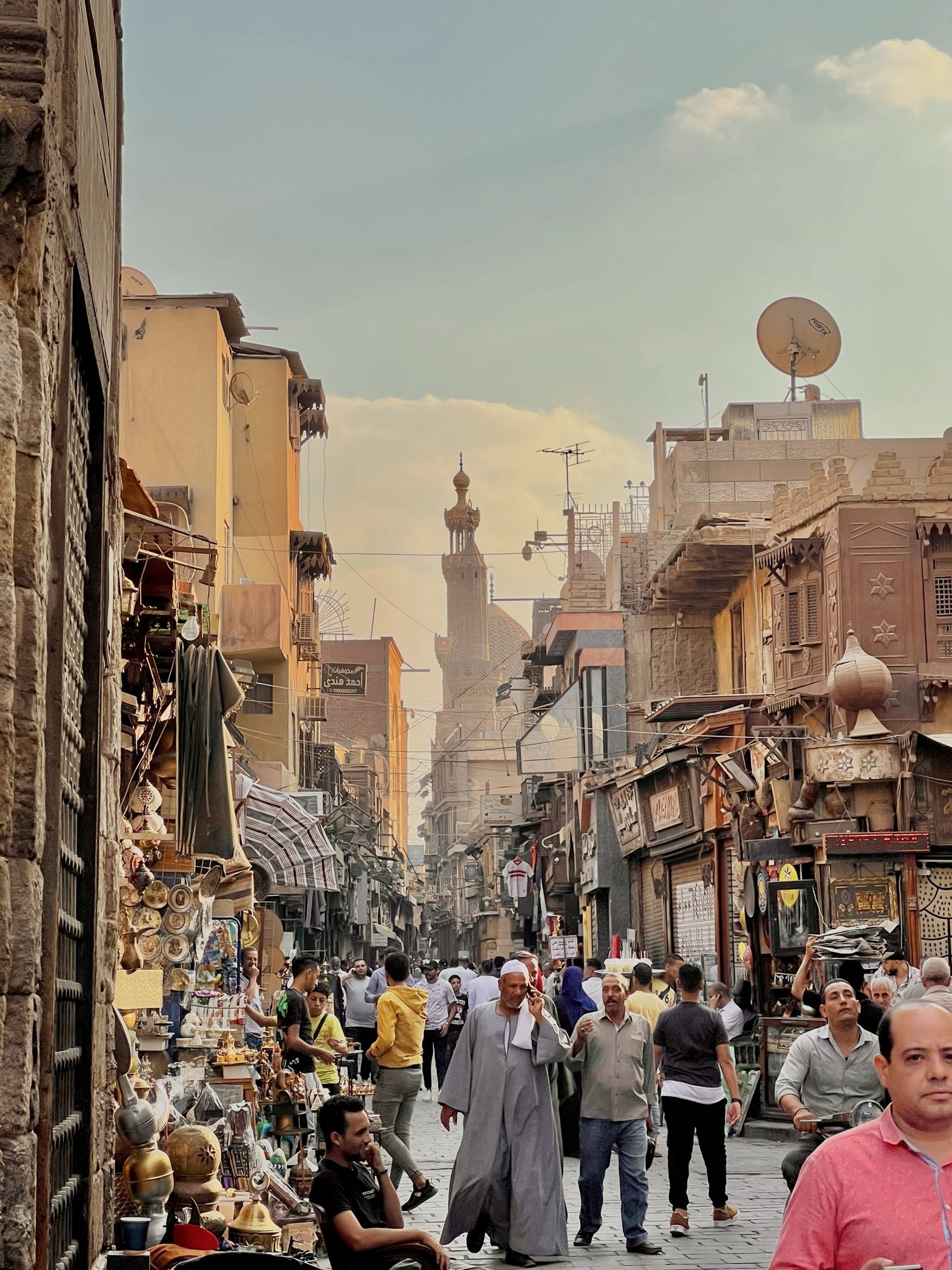
Step into medieval Islamic Cairo and you'll feel transported back centuries. This area contains the largest concentration of medieval architectural treasures in the Islamic world, with over 600 classified monuments dating from the 7th to 19th centuries. The narrow streets, bustling bazaars, and stunning mosques create an atmosphere unchanged for hundreds of years.
What to See in Islamic Cairo
Major Mosques:
Muhammad Ali Mosque (Alabaster Mosque):
Located inside the Citadel of Cairo
Built 1830-1848, Ottoman-style architecture
Stunning alabaster-covered walls and grand dome
Panoramic views of Cairo from the citadel
Entrance: 200 EGP ($4) includes entire Citadel complex
Sultan Hassan Mosque:
Built 1356-1363, Mamluk masterpiece
One of largest mosques in world (7,900 square meters)
Incredible acoustics and soaring ceilings
Adjacent to Al-Rifai Mosque (royal burial site)
Ibn Tulun Mosque:
Cairo's oldest mosque still in original form (879 CE)
Unique spiral minaret similar to Samarra in Iraq
Peaceful courtyard, minimal tourism
Entrance: Free (donations appreciated)
Al-Azhar Mosque:
Founded 970-972 CE, one of oldest universities in world
Beautiful courtyard and multiple prayer halls
Still functioning as university and mosque
Free entrance (respectful dress required)
Khan el-Khalili Bazaar:
Medieval marketplace dating to 1382
Maze of narrow alleyways with shops selling spices, jewelry, textiles, souvenirs, antiques, perfumes
Historic coffeehouses (El Fishawi café opened 1769)
Street food vendors selling traditional Egyptian snacks
Best for: Shopping, people-watching, experiencing old Cairo atmosphere
Other Highlights:
Bab Zuweila: Medieval city gate (1092 CE), climb minarets for views
House of Gamal al-Din al-Dhahabi: Restored medieval merchant house
Al-Muizz Street: Historic street with beautiful architecture
How to Explore Islamic Cairo
Best Approach:
Start at Al-Azhar Mosque (Metro: Al-Azhar station)
Walk through Khan el-Khalili Bazaar
Continue to Al-Muizz Street
Visit Sultan Hassan and Muhammad Ali Mosques (can take taxi or walk)
End at Ibn Tulun Mosque
Getting There:
Metro: Al-Azhar station or Bab el Shaaria station
Taxi/Uber: Ask for "Khan el-Khalili" or "Al-Azhar Mosque"
Best Time to Visit
Timing:
Early morning (8-10 AM) for fewer crowds in Khan el-Khalili
Late afternoon for beautiful light in mosques
Evening for Khan el-Khalili atmosphere (stays open late)
Avoid:
Friday mornings (main prayer time, mosques more restricted)
Midday in summer (extremely hot, minimal shade)
Important Rules & Etiquette
Modest dress: Cover shoulders and knees (both men and women)
Women: Bring scarf to cover hair in mosques (sometimes provided at entrance)
Shoes: Remove shoes before entering prayer halls (bring socks or be barefoot)
Photography: Generally allowed in courtyards, ask before photographing inside prayer halls
Prayer times: Tourists cannot enter during prayer times (5 times daily, 15-20 minutes each)
Respectful behavior: Quiet voices, no public displays of affection
Shopping in Khan el-Khalili
What to Buy:
Spices (saffron, hibiscus, cumin)
Perfume oils and traditional Egyptian perfumes
Hand-blown glass lamps
Jewelry (silver, gold, semi-precious stones)
Papyrus (careful - most is fake banana leaves)
Traditional clothing (galabiyyas)
Shisha pipes
Leather goods
Shopping Tips:
Always negotiate—start at 40-50% of asking price
Don't show too much interest initially
Walk away if price too high—they'll usually call you back
Compare prices at multiple shops
Quality varies greatly—examine items carefully
Where to Eat in Islamic Cairo
Traditional Restaurants:
Naguib Mahfouz Café: In Khan el-Khalili, traditional Egyptian food, historic atmosphere
El Fishawi Café: Open since 1769, perfect for mint tea and shisha
Al-Azhar Restaurant: Near Al-Azhar Mosque, good local food, cheap
Street Food:
Try koshari, ful medames, taameya (falafel), feteer (flaky pastry)
Fresh sugarcane juice from street vendors
Recommended Islamic Cairo Tours
🕌 Best Tours:
Pro Tips:
Hire a knowledgeable guide for the first visit—easy to get lost and miss highlights
Bring small bills for donations and tipping (10-20 EGP)
Khan el-Khalili shops close during midday prayers (30-60 minutes)
Bargain hard but stay friendly—it's expected and part of the experience
Visit coffeehouses for mint tea and people-watching

15) Marsa Alam - Pristine Red Sea Paradise
📍 Location: Southern Red Sea coast, 280km south of Hurghada
⏰ Open: Year-round beach destination
💵 Cost: Mid-range to luxury, $80-300/night all-inclusive resorts
🕐 Time Needed: 3-5 days minimum
🐢 Special Wildlife: Dugongs, sea turtles, dolphins, manta rays
For those seeking natural beauty, pristine reefs, and tranquility away from mass tourism, Marsa Alam on the southern Red Sea coast is Egypt's hidden treasure. Far less developed than Hurghada or Sharm el-Sheikh, Marsa Alam offers some of the best diving and snorkeling in Egypt with healthy coral reefs and incredible marine life encounters.
What Makes Marsa Alam Special
Unique Marine Life:
Dugongs (Sea Cows): Abu Dabab Bay is one of the few places in the world to reliably see these rare marine mammals (less than 250 left in Red Sea)
Sea Turtles: Green sea turtles are commonly seen at Abu Dabab and other beaches
Dolphins: Spinner and bottlenose dolphins regularly spotted, Satayah Reef (Dolphin Reef) has resident pod
Manta Rays: Elphinstone Reef is famous for manta and hammerhead sightings
Pristine Coral: Less tourist traffic means healthier reefs than northern Red Sea
Best Diving & Snorkeling Sites:
Abu Dabab Bay:
Beach entry snorkeling (no boat needed)
Green sea turtles graze on seagrass
Dugongs feed here (best sightings early morning)
Calm, shallow water perfect for beginners
Day pass or book through resorts
Elphinstone Reef:
World-class advanced diving site
Sheer walls dropping 100+ meters
Hammerhead sharks, oceanic whitetip sharks, manta rays
Strong currents—experienced divers only
1-2 hour boat trip from Marsa Alam
Satayah Reef (Dolphin House):
Large resident pod of spinner dolphins
Snorkeling and swimming with dolphins
Full-day boat trips
Beautiful coral gardens
Marsa Mubarak:
Shore snorkeling, similar to Abu Dabab
Dugongs occasionally spotted
Sea turtles very common
House reefs from resorts
Wadi el Gemal National Park:
Protected area with diverse marine life
Pristine reefs and beaches
Desert-mountain landscapes meet sea
Mangrove forests
What to Do in Marsa Alam
Water Activities:
Snorkeling trips to Abu Dabab, Satayah Reef
Diving courses and dive trips
Dolphin watching tours
Kite surfing (strong winds)
Stand-up paddleboarding
Land Activities:
Wadi el Gemal National Park desert safari
Camel or jeep trips into Eastern Desert
Visit Emerald Mines (ancient Roman mining site)
Stargazing tours (incredibly dark skies)
How to Get There
Marsa Alam International Airport: Direct international flights from Europe (UK, Germany, Italy)
From Cairo: 1.5-hour flight (limited domestic flights) or 8-hour drive
From Hurghada: 3-hour drive south along coast road
Best Time to Visit
Year-Round Destination:
October-April: Perfect weather (22-28°C), calm seas, peak season
May-September: Hot (30-40°C) but water warmest (28°C), good for diving, fewer tourists, better prices
Best diving visibility: March-May and September-November
Wildlife Sightings:
Dugongs: Year-round at Abu Dabab, best early morning
Manta rays: October-November at Elphinstone
Hammerheads: September-November
Dolphins: Year-round, especially morning
Resort or Independent Travel?
All-Inclusive Resorts (Recommended):
Most tourists stay at all-inclusive beach resorts
Isolated locations—not much outside resorts
Includes meals, drinks, and often snorkeling equipment
Resort house reefs for easy shore snorkeling
Best value for families and couples wanting relaxation
Budget/Independent Travel:
Marsa Alam town has budget hotels but limited dining options
Better to base in Port Ghalib Marina (more restaurants, shops)
Rent a car or book organized tours for different beaches/dive sites
Pro Tips
Book Abu Dabab day trips early—limited daily visitors to protect dugongs
Bring reef-safe sunscreen (regular sunscreen harms coral)
Many resorts have excellent house reefs—check before booking
Marsa Alam is remote—bring prescription medications, specific items you need
WiFi can be slow—embrace disconnecting
Tipping: Bring small bills for guides, drivers, and resort staff
Egypt Air domestic flights are often delayed—don't book tight connections
Recommended Marsa Alam Tours & Resorts
🐢 Best Tours To Book:
🏨 Best Marsa Alam Resorts:
Steigenberger Coraya Beach - Adults-only, excellent house reef, all-inclusive luxury ($180-320/night)
Jaz Lamaya Resort - All-inclusive, beautiful beach, great snorkeling ($140-250/night)
Aurora Bay Resort Marsa Alam - Mid-range, good house reef, family-friendly ($100-180/night)
Shams Alam Beach Resort - Eco-resort, pristine beach, PADI dive center ($90-160/night)
Who Should Visit Marsa Alam:
Marine life enthusiasts wanting dugong encounters
Divers seeking pristine, less-crowded reefs
Travelers wanting peaceful, uncrowded Red Sea experience
Families wanting all-inclusive beach vacation
Who Should Skip Marsa Alam:
Party seekers (limited nightlife)
Travelers wanting cultural attractions (focus is nature)
Those on very tight budgets (more expensive than Dahab)


Frequently Asked Questions About Visiting Egypt
-
Seven days is enough to see the main highlights of Egypt, including Cairo, the Pyramids of Giza, Luxor, and Aswan. However, Egypt has so much to offer that 10-14 days would allow for a more relaxed pace and the opportunity to add destinations like Alexandria, the Red Sea coast, or Abu Simbel with an overnight stay. If you only have one week, this itinerary maximizes your time to see the most iconic sites without feeling too rushed.
-
A week in Egypt can cost anywhere from $350 to $2,500+ depending on your travel style:
Budget travelers: $350-500 total (staying in hostels, eating street food, taking trains, joining group tours)
Mid-range travelers: $700-1,050 total (3-star hotels, mix of local and tourist restaurants, one domestic flight, mix of group and private tours)
Luxury travelers: $1,500-2,500+ total (4-5 star hotels, upscale dining, domestic flights, private tours and transfers)
These estimates don't include international flights to Egypt. Domestic costs are relatively affordable, but tours, entrance fees, and domestic flights add up quickly.
-
Yes, Egypt is generally safe for tourists. The Egyptian government has invested heavily in tourism security, with police and tourist police visible at all major sites. Popular tourist destinations like Cairo, Luxor, and Aswan are well-patrolled and safe for travelers.
That said, use common sense: don't flash expensive jewelry, be aware of your surroundings, avoid political demonstrations, and stick to tourist areas, especially at night. Solo female travelers should dress modestly and may experience some harassment, but millions visit safely every year. Always check current travel advisories from your government before booking.
-
The best time to visit Egypt is October through April when temperatures are cooler and more comfortable for sightseeing (68-86°F/20-30°C). December to February can be quite pleasant, though evenings can be cool, especially in desert areas.
Avoid May through September unless you're comfortable with extreme heat (95-113°F/35-45°C). However, summer is low season with fewer crowds and lower prices.
Consider avoiding major holidays like Ramadan (dates vary), Eid al-Fitr, and Eid al-Adha, as some restaurants and shops may have limited hours.
-
While not strictly necessary, I highly recommend hiring a guide for the Pyramids of Giza, Luxor temples, and other major archaeological sites. Here's why:
Guides provide historical context that brings the sites to life
They navigate the sites efficiently, ensuring you don't miss important areas
Guides help ward off persistent vendors and unofficial "helpers"
They can answer all your questions about ancient Egyptian history
Photography tips and best viewpoints
Often include transportation, eliminating logistics headaches
You can explore on your own, but you'll miss much of the historical significance and likely feel overwhelmed by the crowds and touts.
-
No, do not drink tap water in Egypt. Stick to bottled water, which is inexpensive and widely available everywhere. Also avoid:
Ice in drinks (unless you're at upscale hotels/restaurants that use filtered water)
Raw vegetables that may have been washed in tap water
Brushing teeth with tap water (use bottled water to be safe)
Consider bringing a reusable water bottle with a built-in filter to reduce plastic waste while staying safe.
-
Yes, Egypt can be great for solo travelers, though it requires more awareness and preparation than some destinations.
Pros:
Easy to meet other travelers at hostels and on group tours
Very affordable
Well-established tourist infrastructure
Fascinating history and culture
Challenges:
Can feel overwhelming, especially in Cairo
Solo female travelers may experience harassment
Constant bargaining and vendor attention can be exhausting
Language barriers outside tourist areas
Tips for solo travelers:
Stay in social hostels to meet others
Join group tours for major sites
Book accommodations in tourist-friendly neighborhoods
Consider hiring guides for added security and knowledge
Connect with other travelers for certain activities
Solo female travelers should dress modestly, be firm but polite with touts, and consider joining group tours for added comfort.
-
Yes! Uber operates in Cairo, Alexandria, and some other major cities. It's highly recommended over traditional taxis because:
Price is set by the app (no bargaining or scams)
Driver and route are tracked for safety
Cashless payment option
English-language interface
Driver ratings ensure accountability
Careem is another ride-sharing app popular in Egypt, similar to Uber.
For longer distances between cities, Uber won't work—you'll need to arrange private drivers or take trains/flights.
-
Yes! My best friend and I both are vegan and found eating in Egypt as vegans to be easy. Egyptian cuisine has many naturally vegetarian and vegan dishes:
Vegetarian/Vegan Egyptian foods:
Koshari: National dish with rice, lentils, pasta, chickpeas, tomato sauce
Falafel (ta'ameya): Made from fava beans
Ful medames: Stewed fava beans
Baba ganoush: Eggplant dip
Tahini: Sesame paste
Mahshi: Stuffed vegetables
Fresh salads with pita bread
Grape leaves
Hummus
Fattoush salad
Note: Many Egyptian dishes use ghee (clarified butter), so specify if you're vegan. Restaurants in tourist areas are familiar with vegetarian/vegan requests. Bread is served with almost every meal.
The Scenic Route Traveler inspires intentional travel through storytelling, hidden gems, and culturally rich experiences around the world.
-
I’m Erin, the voice behind Scenic Route Traveler, sharing intentional travel stories and guides from around the globe.
-
We deliver travel guides and storytelling through YouTube, social media, photography, and digital products designed for fellow travelers.
-
If you’re new here: this is a space for travelers who care more about how a place feels than how it looks on a checklist. You’ll find guides, stories, and resources designed to help you slow down and travel with intention.