
2 Days in Venice, Italy: The Honest Itinerary (With Tips That Actually Help)
Plan your 2 days in Venice with this honest, experience-based itinerary covering the Grand Canal, Murano, getting around by vaporetto, and what to skip.
Two days in Venice is enough to fall completely in love with it, if you know how to move through it. It's also enough to feel completely overwhelmed if you don't.
My mom and I spent 48 hours here at the end of a week-long Italy and Slovenia road trip, and this is the honest version of what that looked like, including what worked, what I'd do differently, and the logistics that nobody seems to explain clearly until you're already there, standing at a dock, wondering which boat to take.
This is not a checklist post. It's a real trip, told in the order it happened, with the tips woven in where they actually matter.
This post contains affiliate links. If you book through my links, I may earn a small commission at no extra cost to you. It helps keep this blog going, and I only ever recommend things I'd use myself.


Is 2 Days in Venice Enough?
Yes, with one condition. You have to stop trying to see everything and start trying to feel something.
Venice rewards the people who slow down. The ones who duck into alleys without a plan, who find a canal-side table and stay too long, who wake up before the city does and walk through completely empty streets. Two days give you enough time to do all of that and still hit the landmarks that deserve the hype.
What two days won't give you: the outer islands of Burano and Torcello, the Doge's Palace interior, most of the museums, or the kind of deep familiarity that comes from a longer stay. If those are your priorities, add a third day. If you're working with 48 hours, use this guide.
How to Get Into Venice
This is the thing nobody explains well, so let's do it properly.
You cannot drive into Venice. The city sits on a series of islands in a lagoon, connected to the mainland by a single road bridge. That bridge ends at Piazzale Roma, a parking terminal and bus hub, and from there, everything is water.
Your options for getting into the city:
Park at Tronchetto or Piazzale Roma on the mainland and take a vaporetto or water taxi from there. This is what we did. Tronchetto has a large multi-story parking structure and is slightly cheaper than Piazzale Roma. Book in advance on weekends, as it fills up.
Take the train to Venezia Santa Lucia station, which sits directly on the edge of the historic city in the Santa Croce neighborhood. This is the most convenient option if you're coming from Florence, Rome, or anywhere else in Italy by rail.
Fly into Marco Polo Airport (VCE), then take the Alilaguna water bus directly to the city (about 75 minutes) or a private water taxi (significantly faster, significantly more expensive, around €100–120 for the ride).
We drove in from Slovenia and parked at Tronchetto, then took a water taxi to the dock closest to where we were staying. That first ride across the lagoon, even before you've seen anything, even when you're tired, it tells you immediately that you are somewhere unlike anywhere else.
Book your rental car ahead of time if you are also on a road trip through other parts of Italy or surrounding countries. I usually book with www.expedia.com/Cars
Where to Stay in Venice: Why Santa Croce Is the Right Neighborhood
Most Venice itineraries tell you to stay near San Marco. I'm going to tell you the opposite.
We stayed in the Santa Croce neighborhood, on the northwestern side of the historic city, and it was one of the best decisions of the trip. Here's why it works:
Santa Croce is quieter than the areas around San Marco and Rialto, noticeably so. The streets are less crowded, the restaurants are less touristy, and the whole neighborhood operates at a pace that feels more like a city people actually live in. You're close to Piazzale Roma and the train station, which makes arrivals and departures genuinely painless. And you're still within easy walking or vaporetto distance of every major sight.
The trade-off is that you'll walk a bit farther to reach San Marco, about 25 minutes on foot, less by vaporetto. That's not a trade-off. That's a walk through Venice.
We stayed at the Santa Croce Boutique Hotel, which put us right in the heart of the neighborhood. Small, charming, well-located. Exactly what you want in a Venice hotel.
Other neighborhoods worth considering:
Dorsoduro - slightly artsy, less crowded than San Marco, great for wandering and canal-side bars. A strong second choice.
Cannaregio - the neighborhood where most locals live, in the northern part of the city. Quieter in the evenings, authentic markets, and good value on accommodation.
San Marco / San Polo - maximum convenience to the main sights, maximum crowds and noise. The location is hard to beat if you're on a tight schedule; the atmosphere makes up for it.
Lodging Options
If you are not renting a car to come into Venice, I recommend booking your trains or other public transportation via Omio.
Day 1: Arriving in Venice
Afternoon: The First Wander
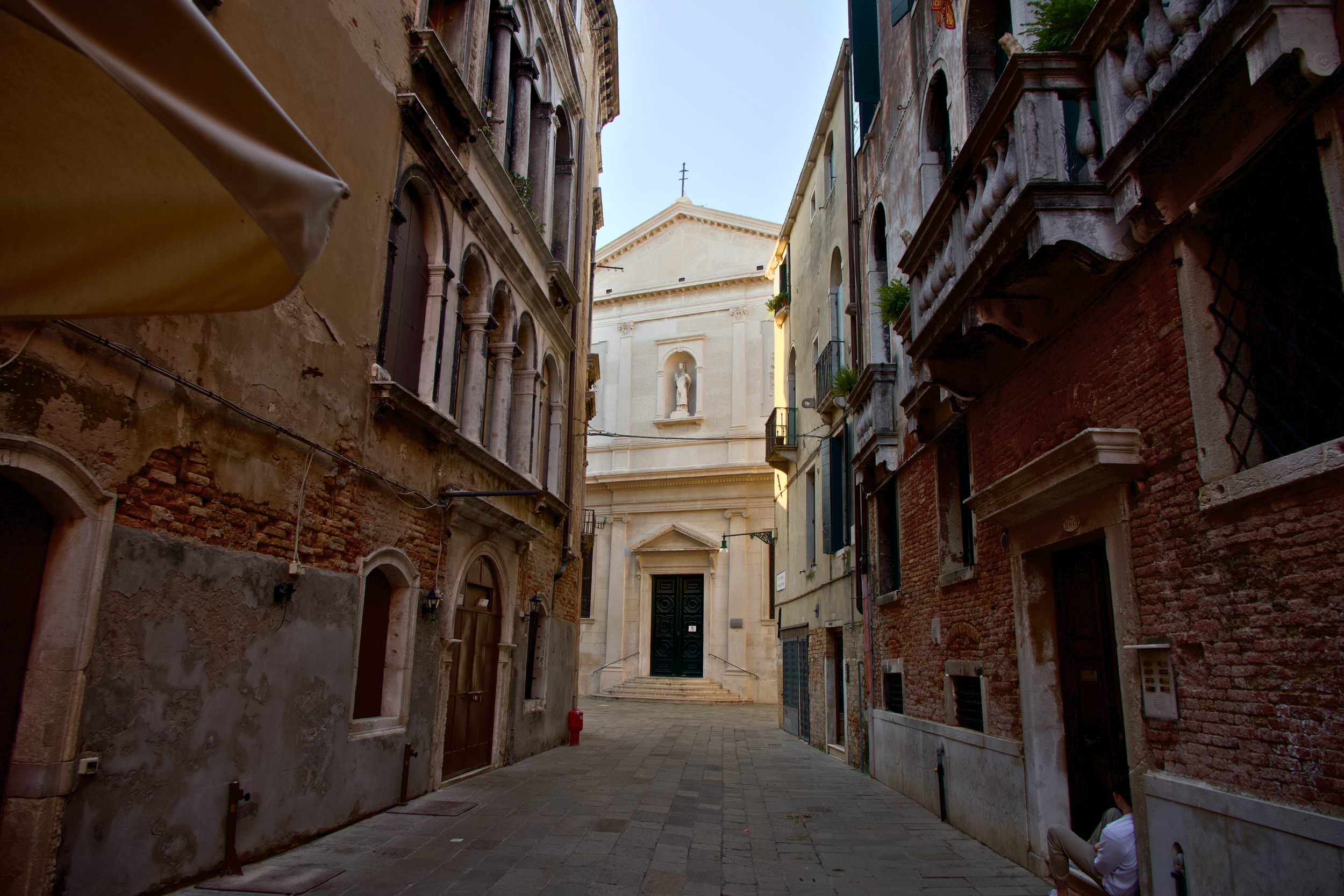
We dropped our bags and went straight out, which is the right call. The temptation after a long drive is to settle in and rest; resist it. The late afternoon light in Venice is something specific: golden and slightly hazy, the way sunlight looks when it's been bouncing off water all day.
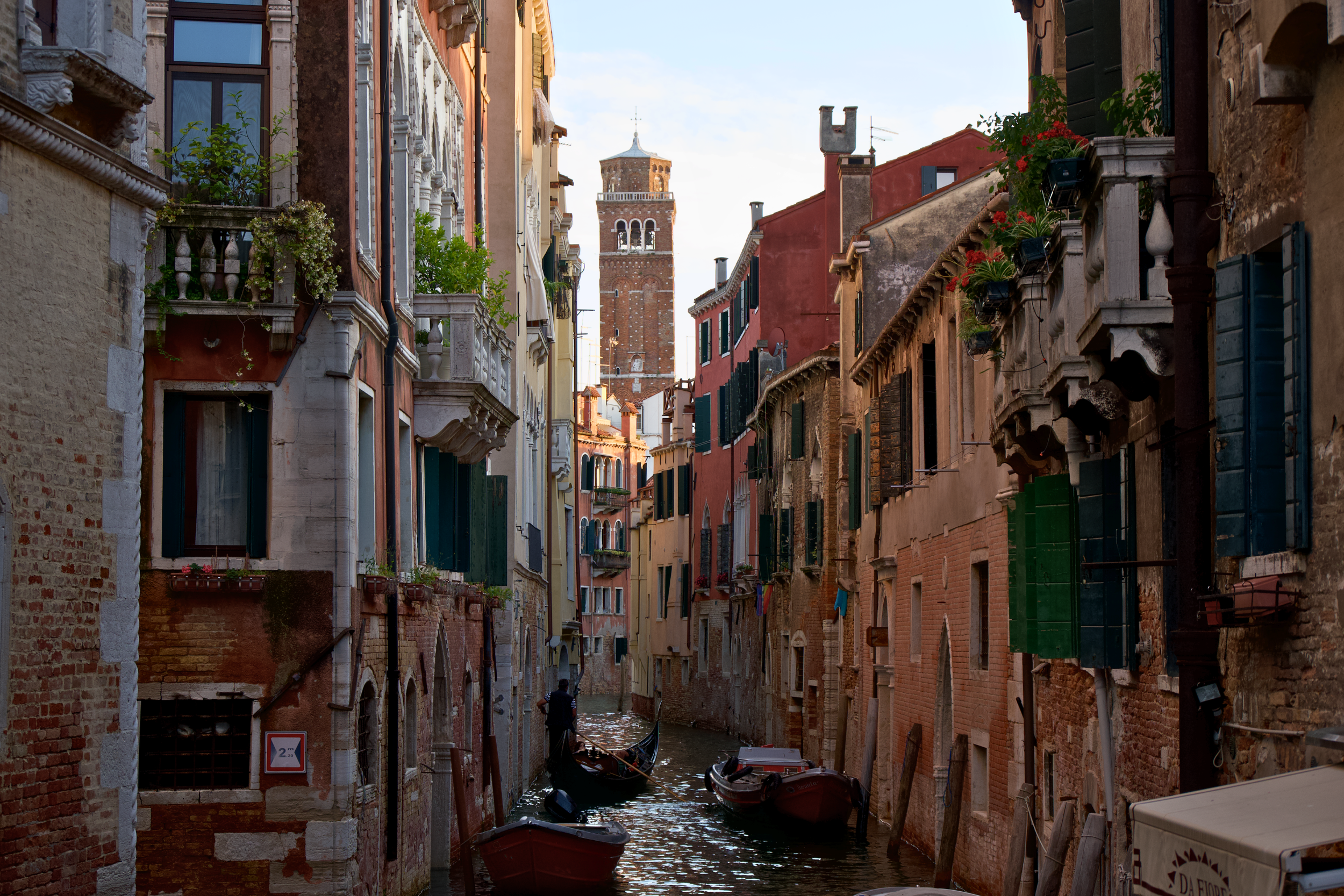
The Santa Croce neighborhood is a good place to start walking because it's manageable. The streets are narrow, quiet, and genuinely pleasant. You'll dead-end at canals, double back, find small squares called campi that open up unexpectedly, and generally get comfortable with the way the city is organized, which is to say, not organized in any way that makes sense from the outside, but completely navigable once you stop fighting it.
The single most useful thing to know about navigating Venice: getting lost is not a problem. It's the method. Every alley eventually leads somewhere interesting or brings you back to a canal where you can reorient. Download Google Maps with offline mode before you arrive, but don't stare at it constantly; it dead-ends at canals and misses the best routes anyway.
Evening: Dinner by the Canal
We found dinner without trying very hard, which is often the best way to find dinner.
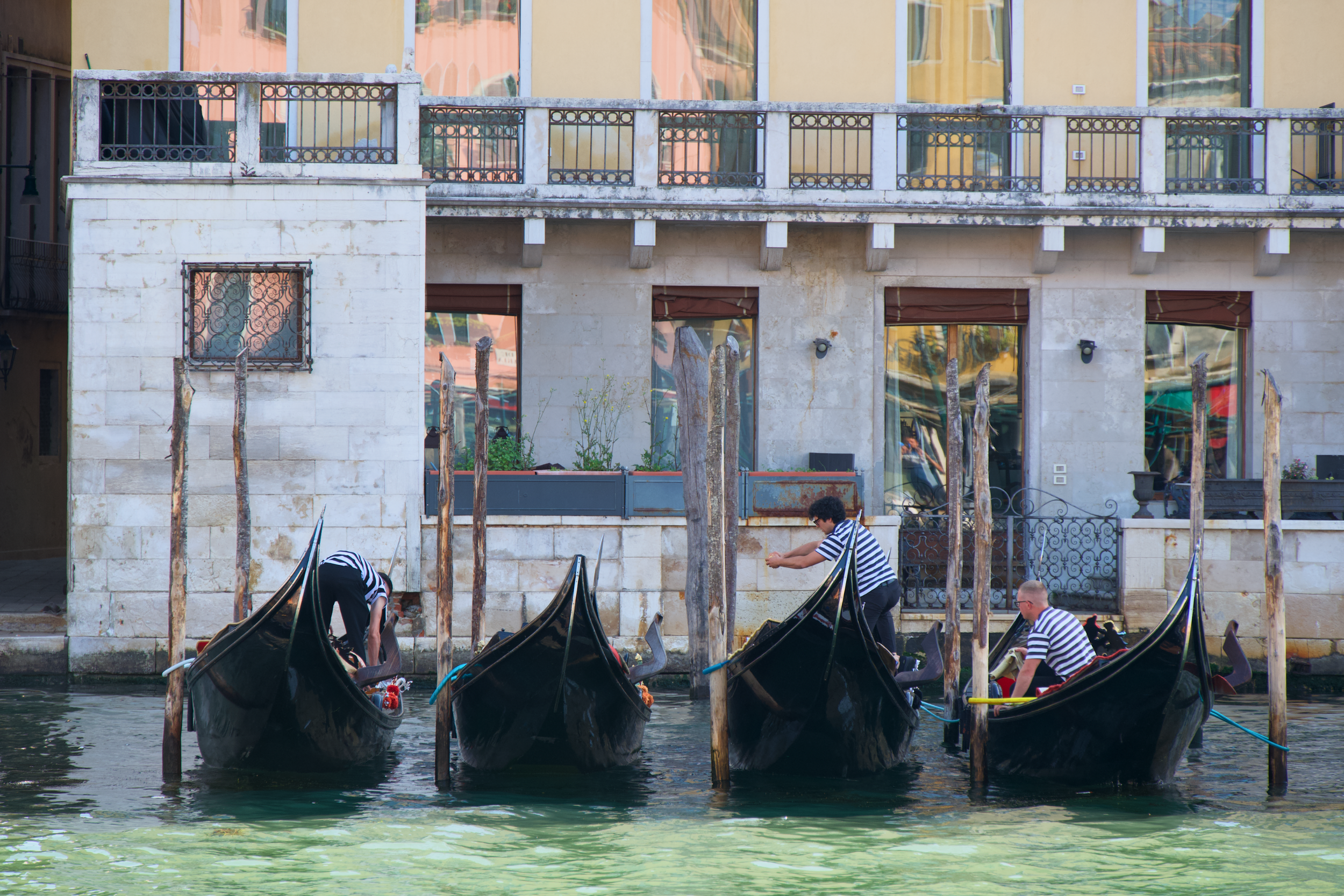
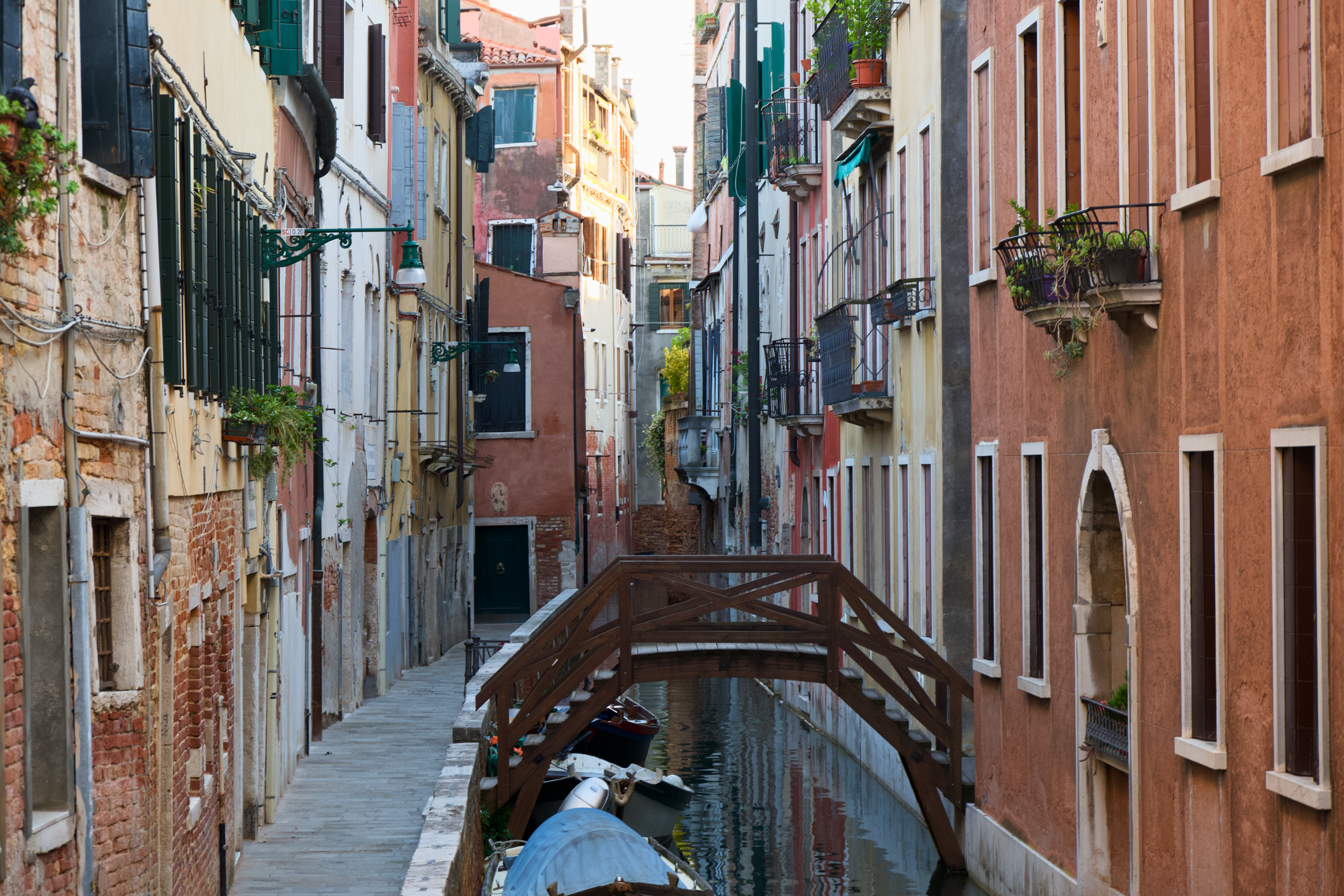
A small restaurant right on a side canal, close enough to the water that you could watch the boats pass between courses, gondolas, water taxis, delivery boats bringing supplies into the city, the only way supplies can get here. Watching Venice move by water while you eat is not something you get used to quickly.
A note on eating in Venice: the food is significantly better when you walk away from the main tourist corridors. The restaurants within 100 meters of San Marco and the Rialto Bridge are expensive, mediocre, and aimed at people who won't be back. Walk a few streets in any direction, and you'll find places that are cheaper, less crowded, and actually cooking Venetian food, which means seafood, pasta, and cicchetti (Venetian small plates) rather than €18 tourist menus.
Day 2: Venice Before the Crowds
Early Morning: The Empty City
We were up before the city the next morning, and that was intentional.
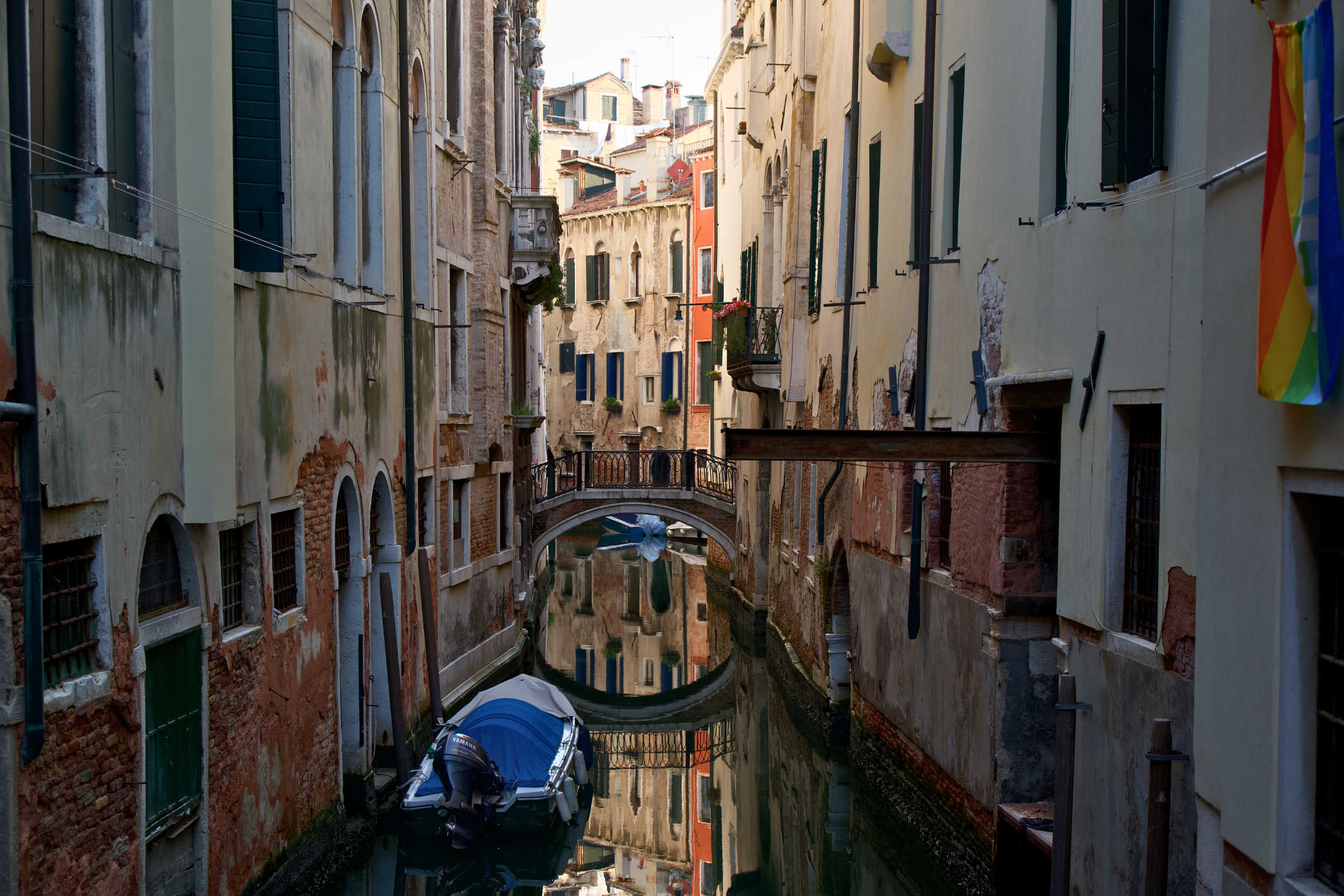
Venice before 8 a.m. is a completely different place. The alleys are empty. The light is low and blue. The only sounds are your footsteps and water somewhere close that you can't quite locate. Shopkeepers are pulling up gates, delivery boats are navigating the smaller canals, and locals are walking to work. It feels like the city is letting you in on something.
If you can do one thing in Venice, do this. Wake up early, go out before the crowds arrive, and just walk without a plan. The difference between Venice at 7 a.m. and Venice at 10 a.m. is the difference between one of the most atmospheric places on earth and a very beautiful, very crowded experience. Both are worth having. The morning one is rarer.
The Grand Canal at Sunrise
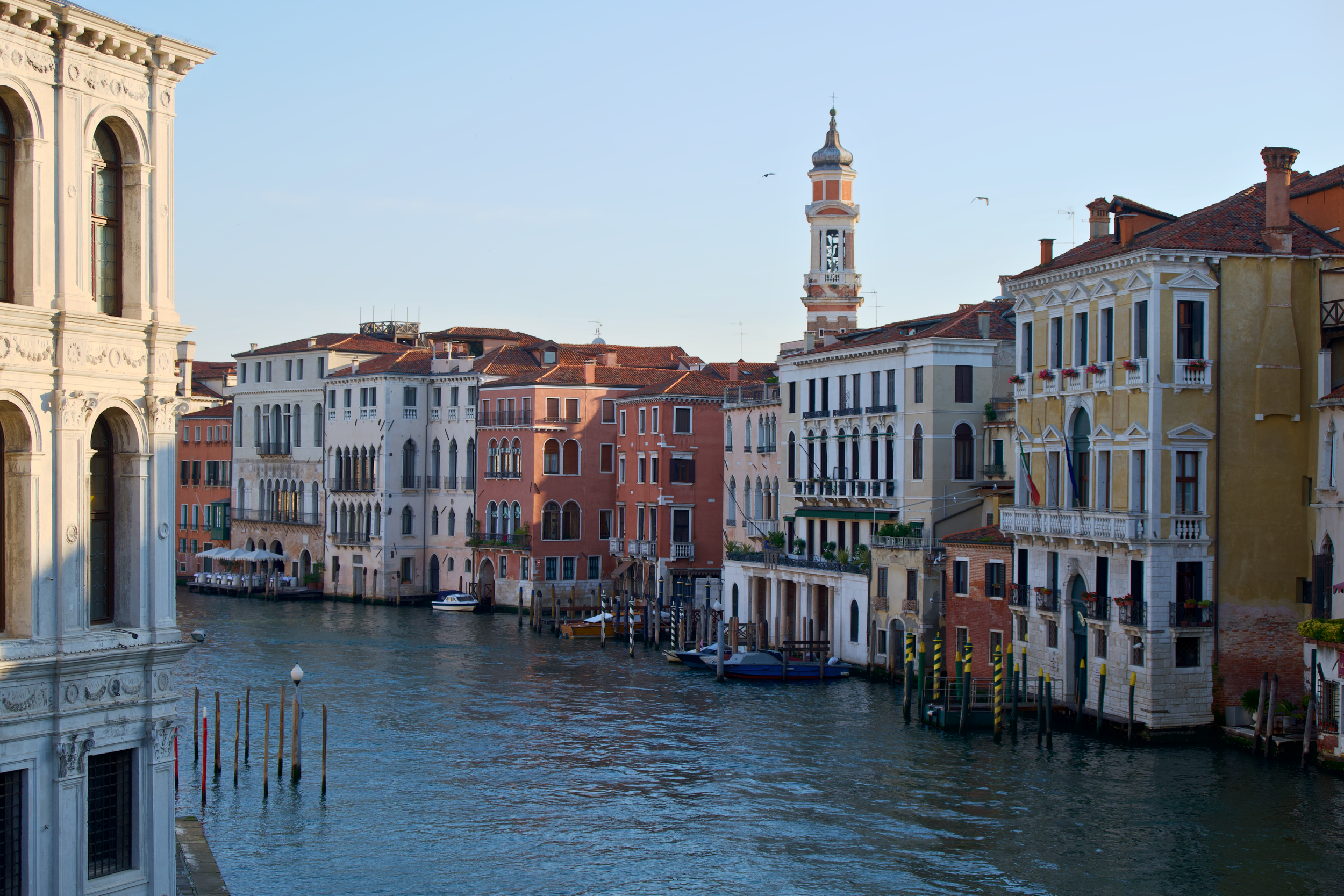
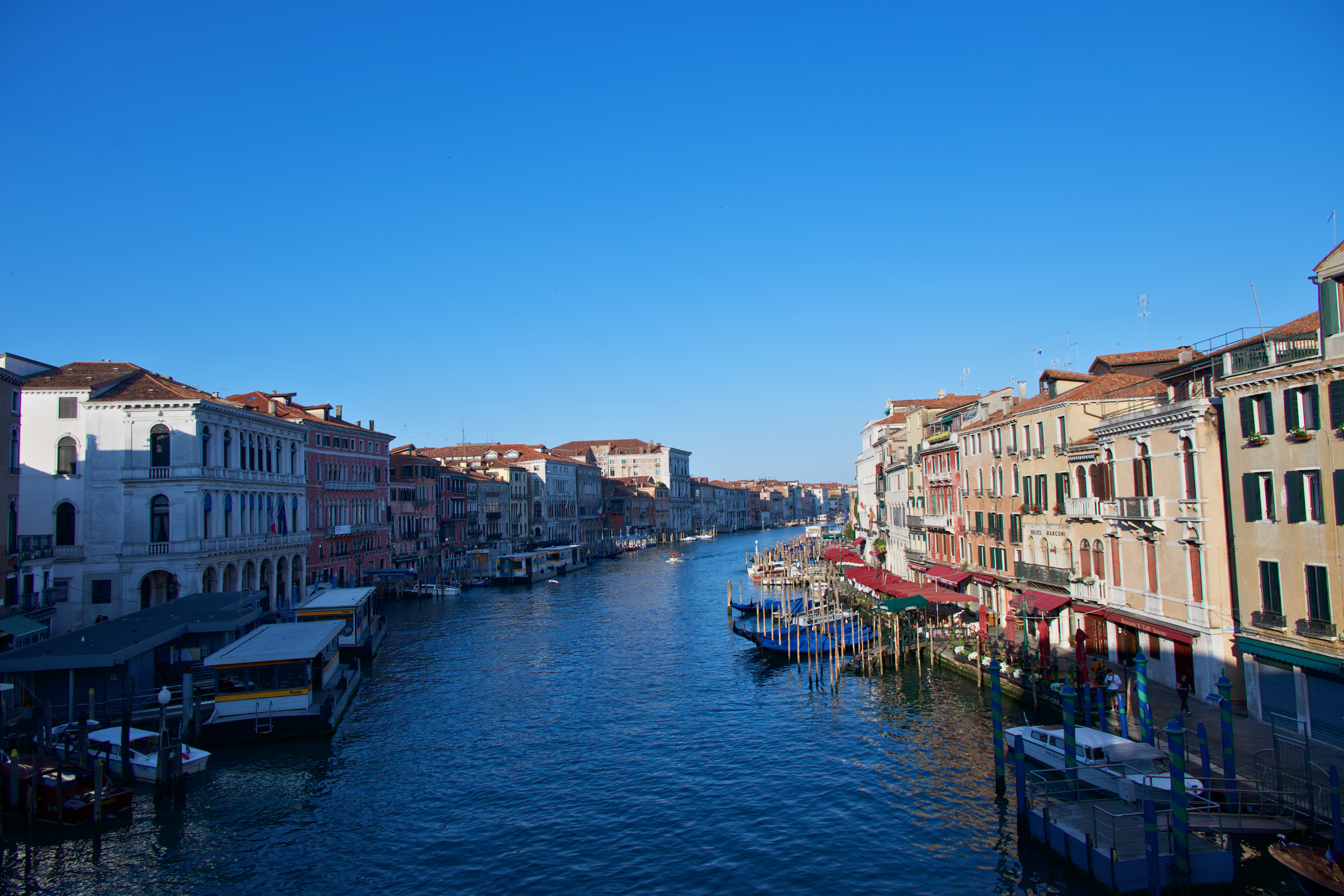
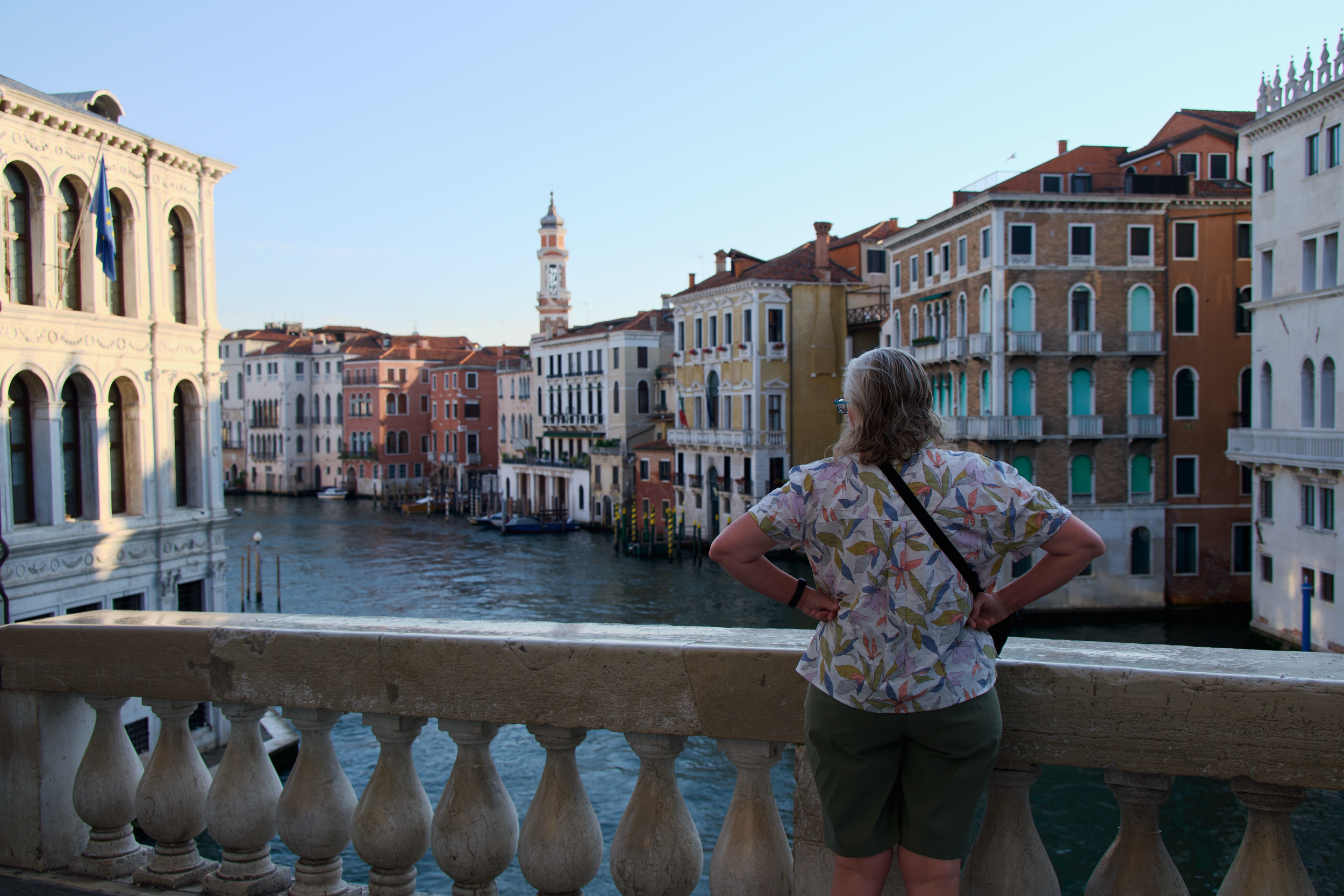
When we came around a corner, and the Grand Canal opened up in front of us, we both stopped.
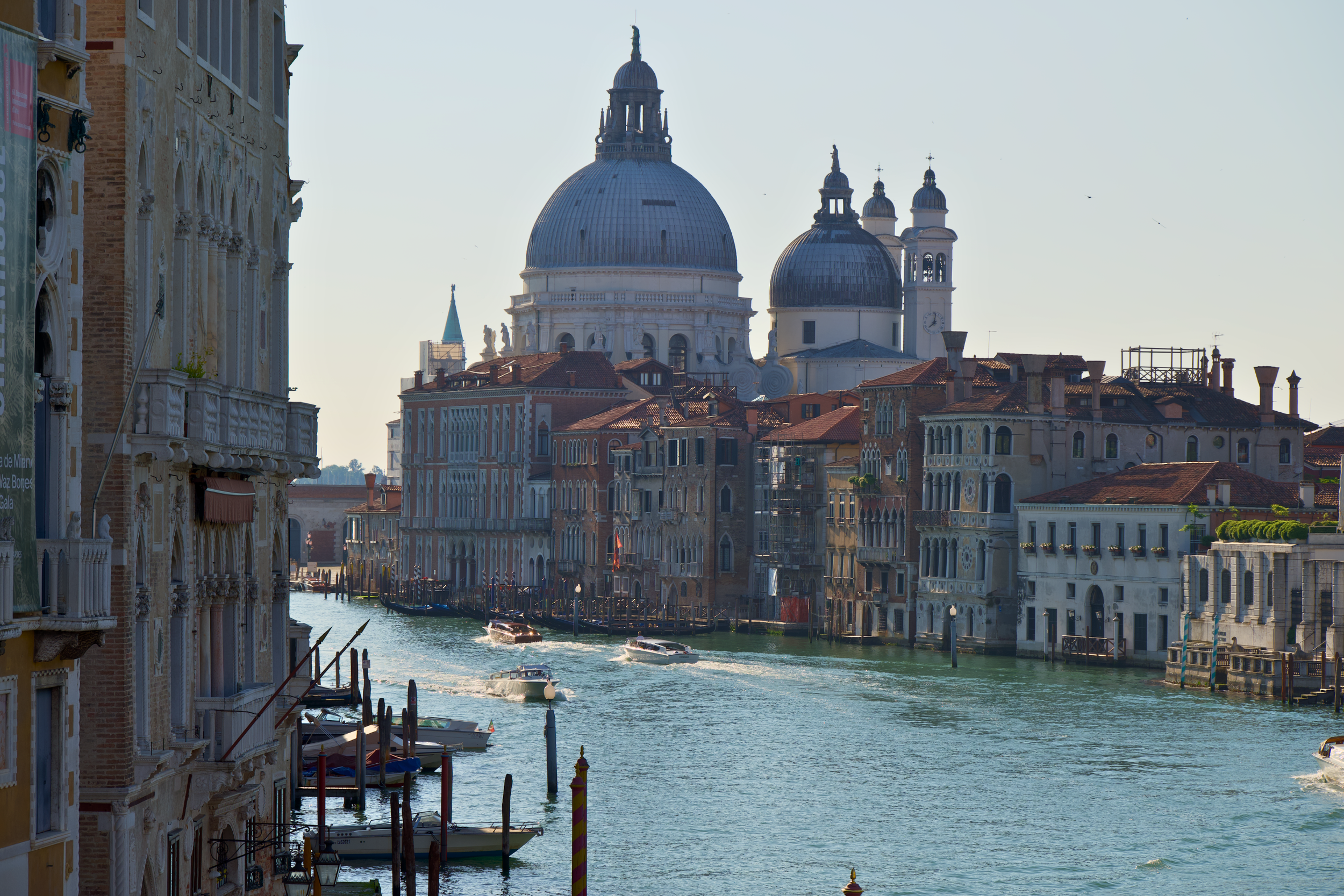
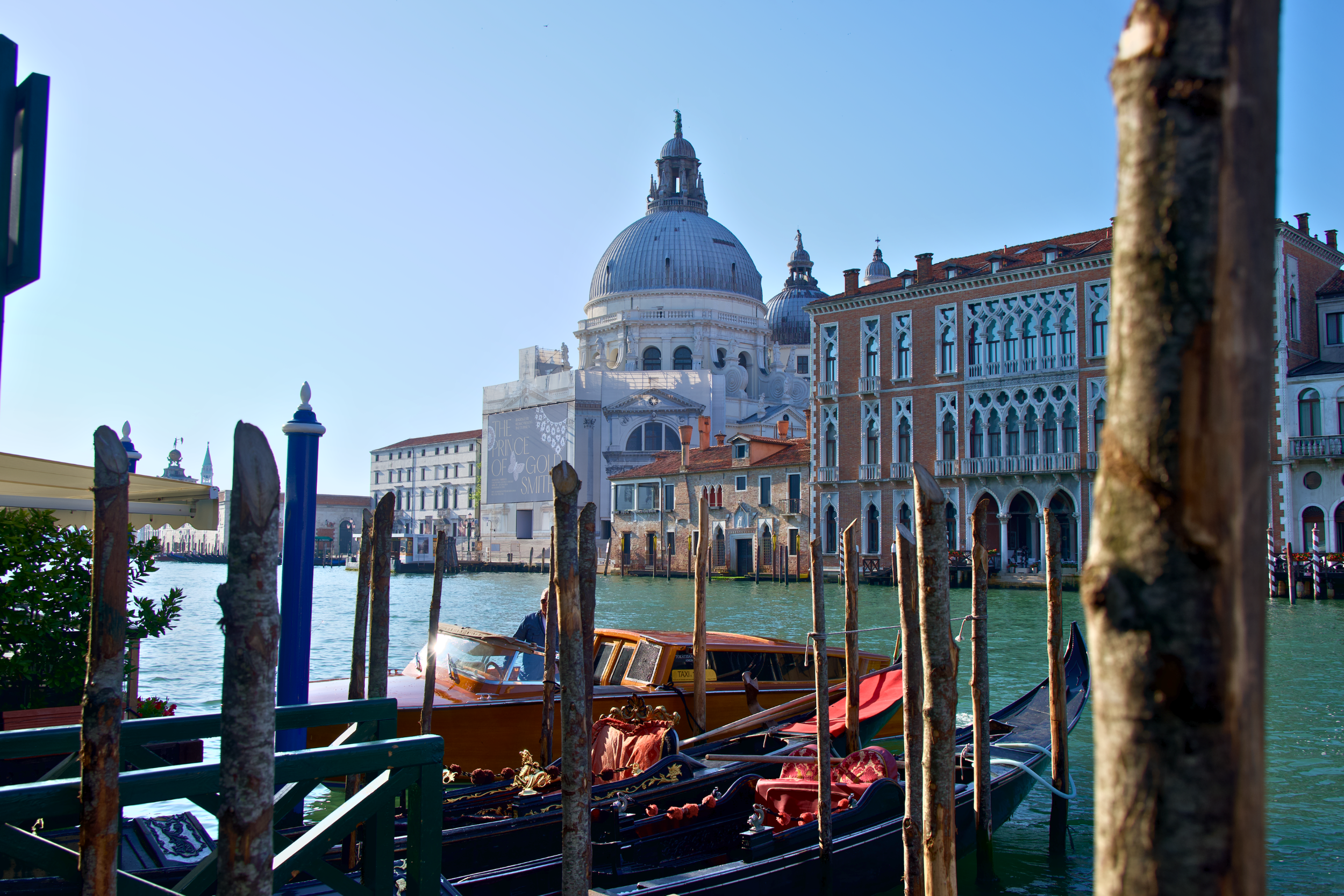
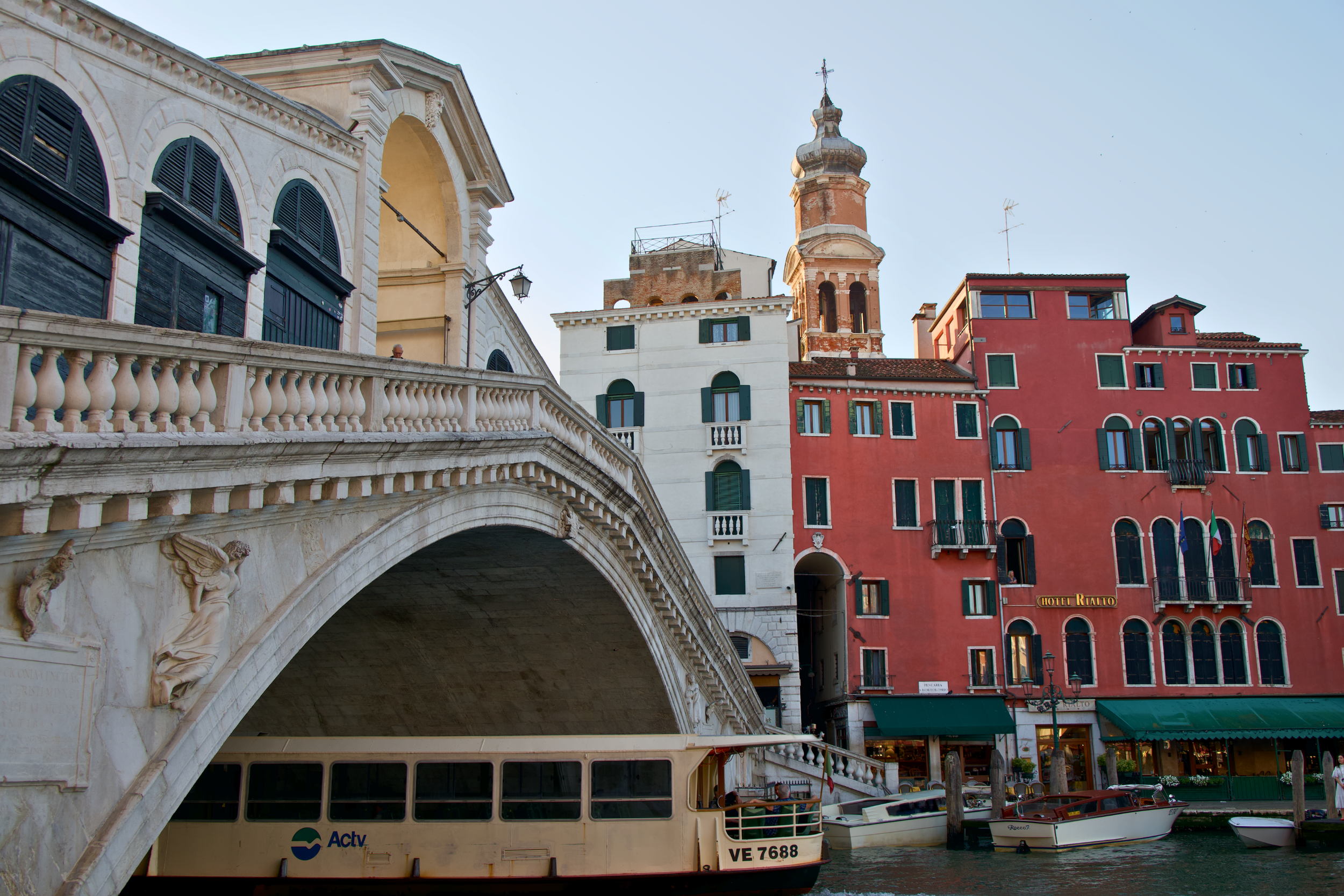
The Grand Canal is Venice's main artery, two miles long, shaped like a backward S, lined on both sides with palaces and churches and facades that have been slowly sinking and slowly surviving for centuries. Early in the morning, before the vaporettos fill up and the tourist boats take over, it's quiet enough that you can actually take in the scale of it.
The canal isn't just a backdrop here; it's the reason Venice exists the way it does. The buildings face the water because the water was always the street. The deliveries come by boat, the trash goes out by boat, and the ambulances are boats. Everything about how this city functions runs through these channels, and standing at the edge of the Grand Canal in the early morning, you feel the weight of that.
Book your Grand Canal tour in advance
Getting around Venice by vaporetto:
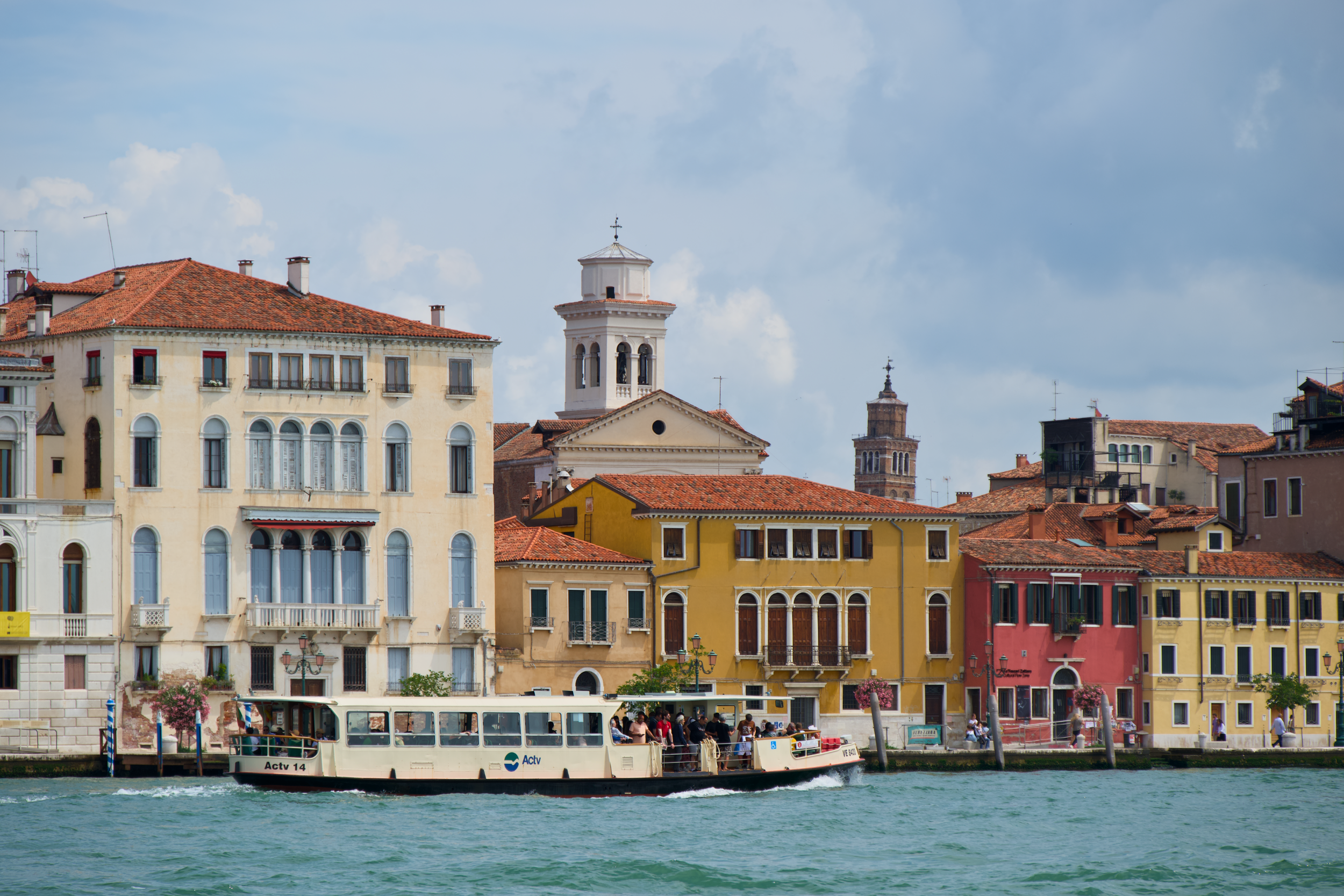
The vaporetto is the public water bus, and it's how most people move through the city when they're not walking. A few things worth knowing:
Line 1 runs the full length of the Grand Canal, stopping at every dock. It's the most scenic route in the city and doubles as a floating tour. Take it at least once.
Line 2 runs the same route with fewer stops and is faster if you're trying to get somewhere specific.
A 72-hour vaporetto pass costs €35 and pays for itself quickly if you're using it regularly. Buy through the ACTV app before you arrive; it loads directly onto your phone and means no waiting in line at the docks.
Single-ride tickets are €9.50 each and add up fast. The pass is almost always worth it for a two-day stay.
Saint Mark's Basilica
Saint Mark's Basilica is not subtle.
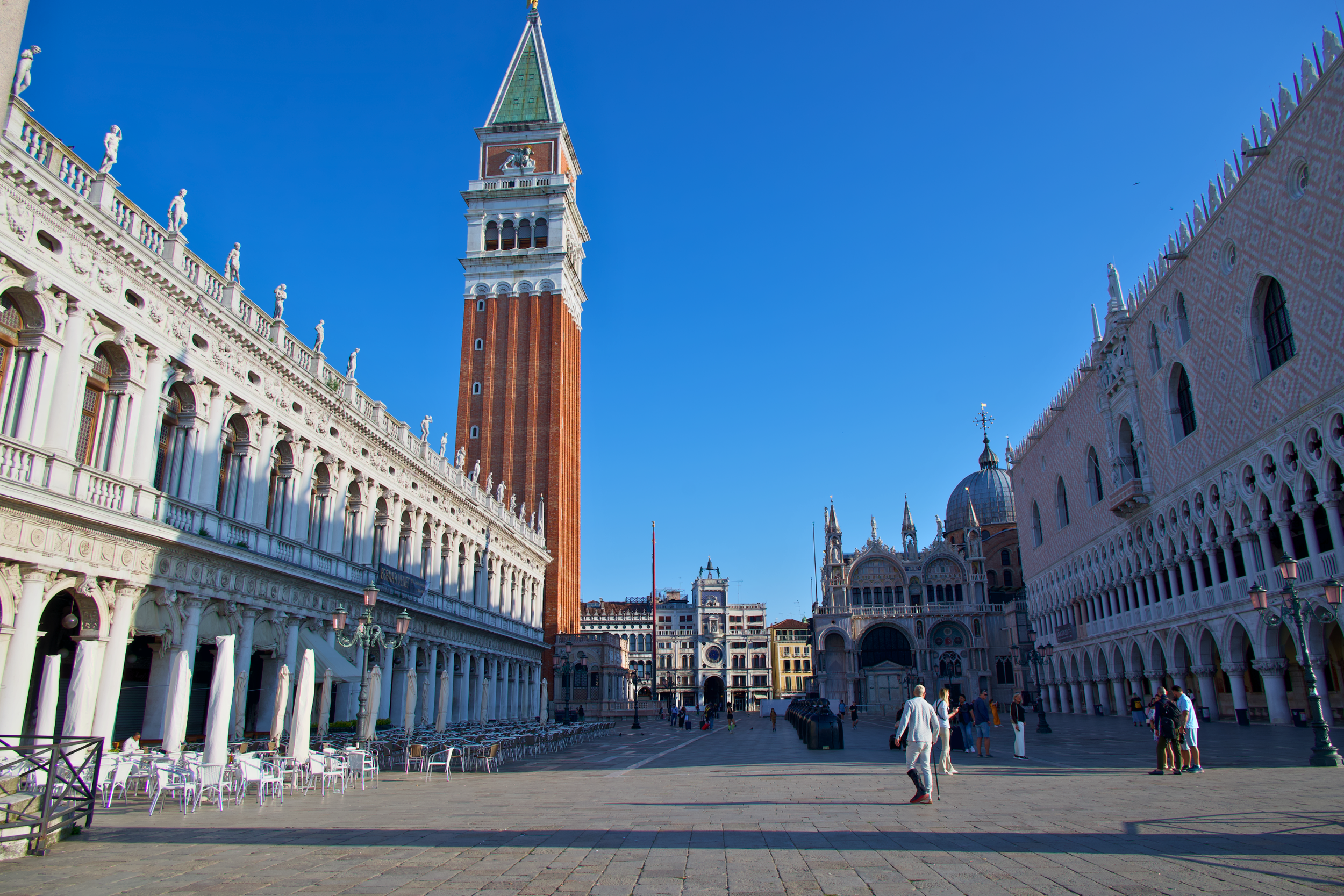
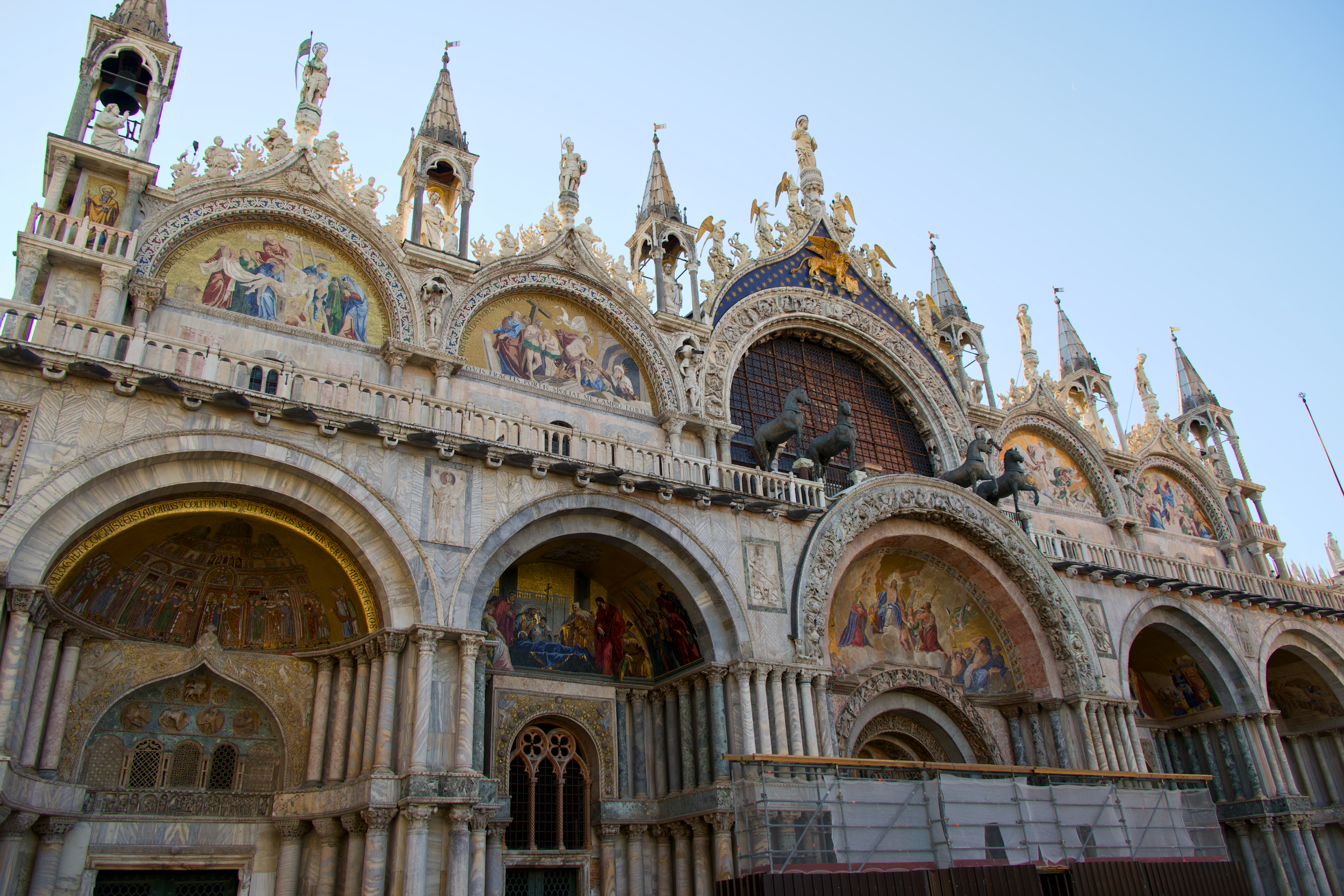
You come around the corner into Piazza San Marco, and it's just there; five domes, gold mosaics, Byzantine arches, everything competing for your attention at once. It has been standing in some form since the ninth century, built, rebuilt, and decorated over several hundred years, which explains why it feels like an accumulation of everything beautiful rather than a single unified vision.
Go early. This is one of the most visited sites in all of Europe, and the line for the basilica moves slowly. If you're there before 9 a.m. on a weekday, you have a real chance of walking in without much of a wait. By 10:30, the square feels like an entirely different place.
Book your Doge’s Palace & St. Mark’s Basilica Tickets + Tour Option Ahead of Time
A few practical notes:
Entry to the basilica is free, but you must book a timed entry slot in advance at the official website. Slots go quickly, especially in summer.
Shoulders and knees must be covered to enter; this applies to everyone, and they enforce it. Bring a scarf or a light layer.
The gold mosaics cover almost every surface above you. The floors are uneven, slightly rippled, because the building has been settling over centuries. It's not perfect, and that's exactly what makes it feel as old as it is.
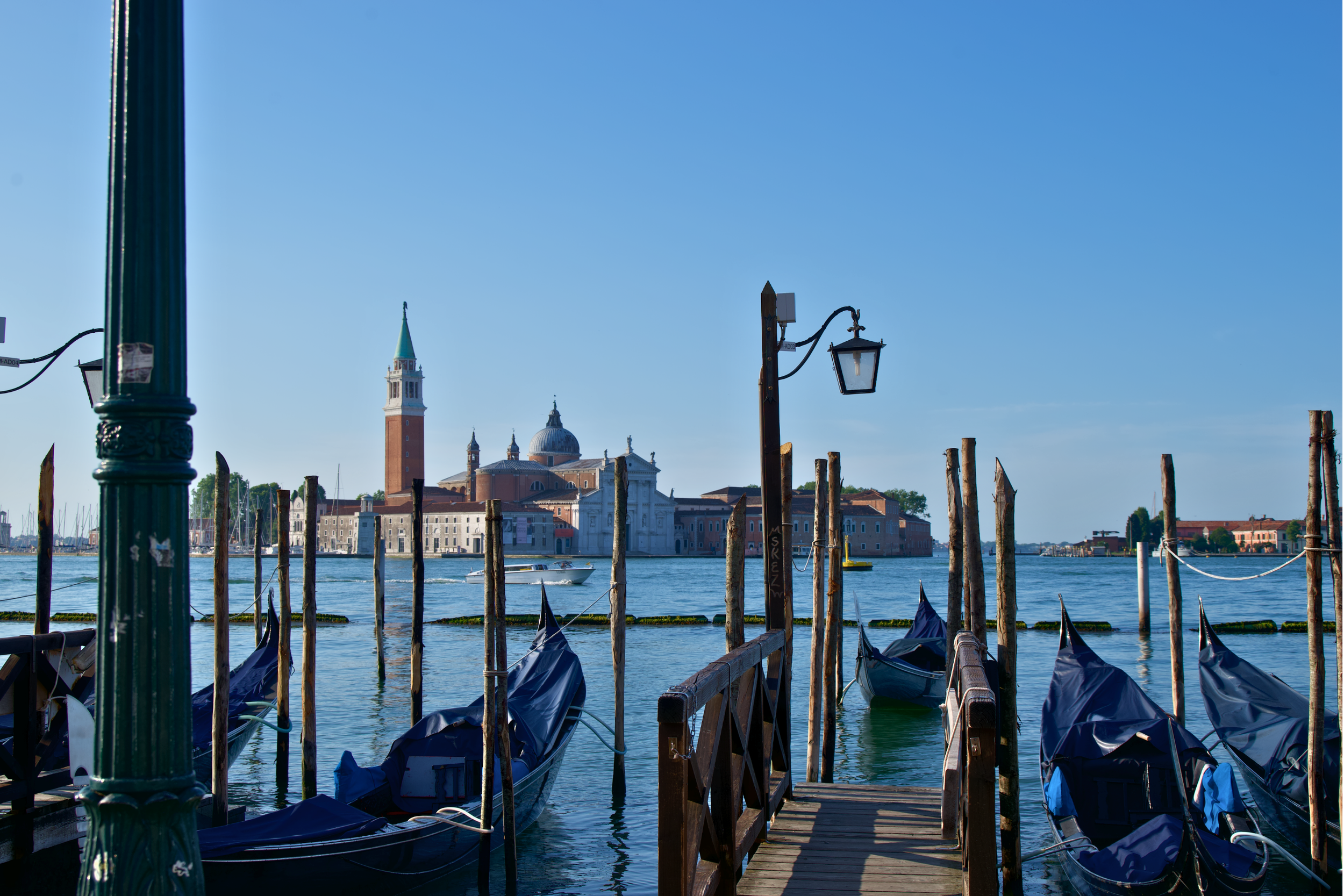
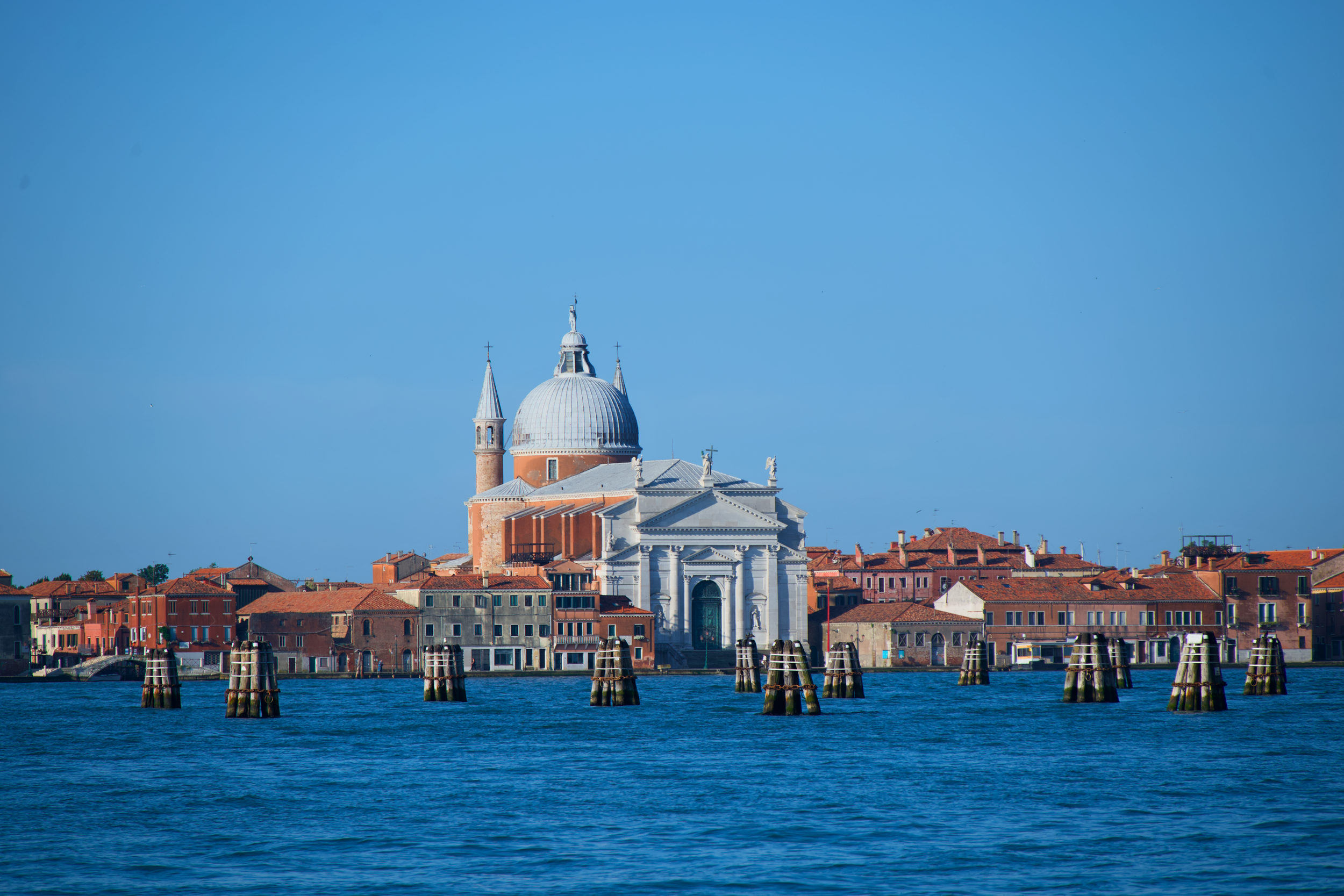
After the basilica, walk toward the waterfront, the Riva degli Schiavoni, and look back across the water toward San Giorgio Maggiore. That island, that church, that open view across the lagoon is one of the most iconic compositions in Venice, and seeing it in the morning light with the water calm is one of those moments where you understand immediately why people have been painting this city for five hundred years.
Ponte dell'Accademia
The Accademia Bridge is one of four bridges that cross the Grand Canal, and it's the one most people end up on without quite meaning to.
It's wooden, which feels like an accident in a city of marble and stone, but it works, lighter, less formal, and the views from the center in both directions are some of the best you'll get of the canal without actually being on the water. We stayed up there longer than we planned, watching the boats move underneath, a gondolier threading through, a water taxi coming fast in the other direction, a flat-bottomed boat loaded with boxes of produce heading somewhere deeper into the city.
There's a version of Venice that's about monuments and museums and ticking things off a list. And then there's the version that's about standing on a bridge and watching the city do what it has always done. We spent most of our time in the second one.
Getting on the Water: The Boat Ride to Murano
Getting on the water changes everything.
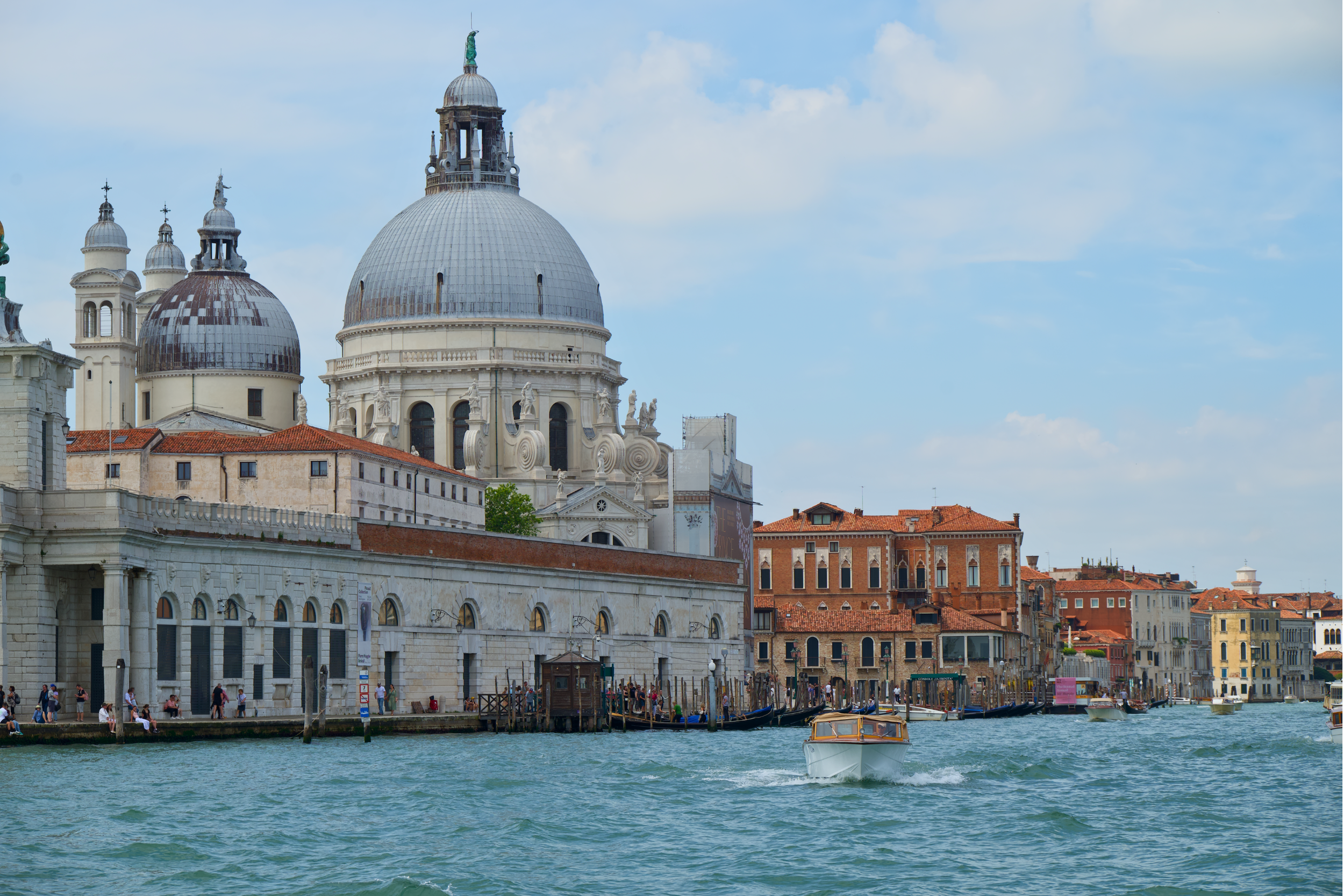
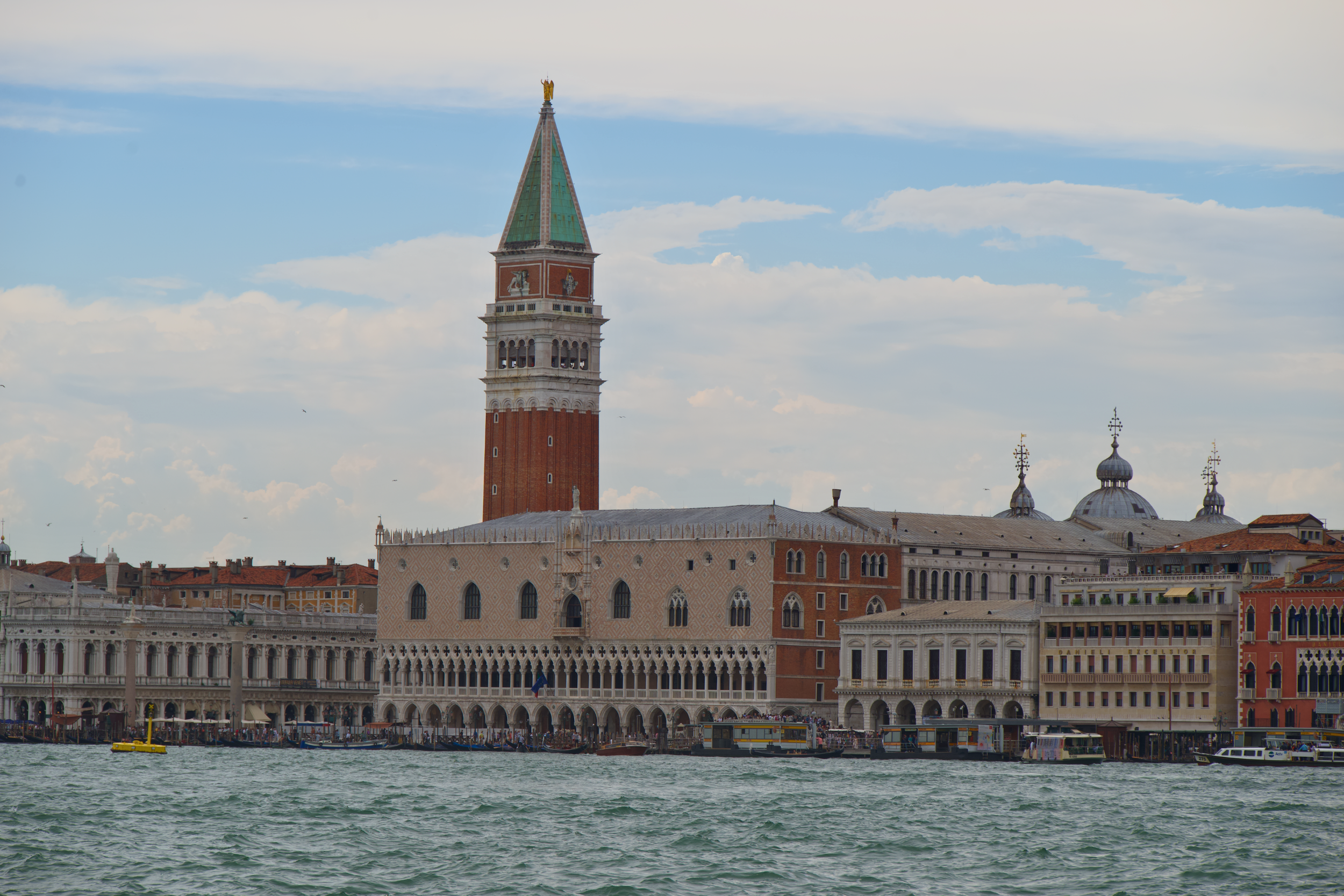
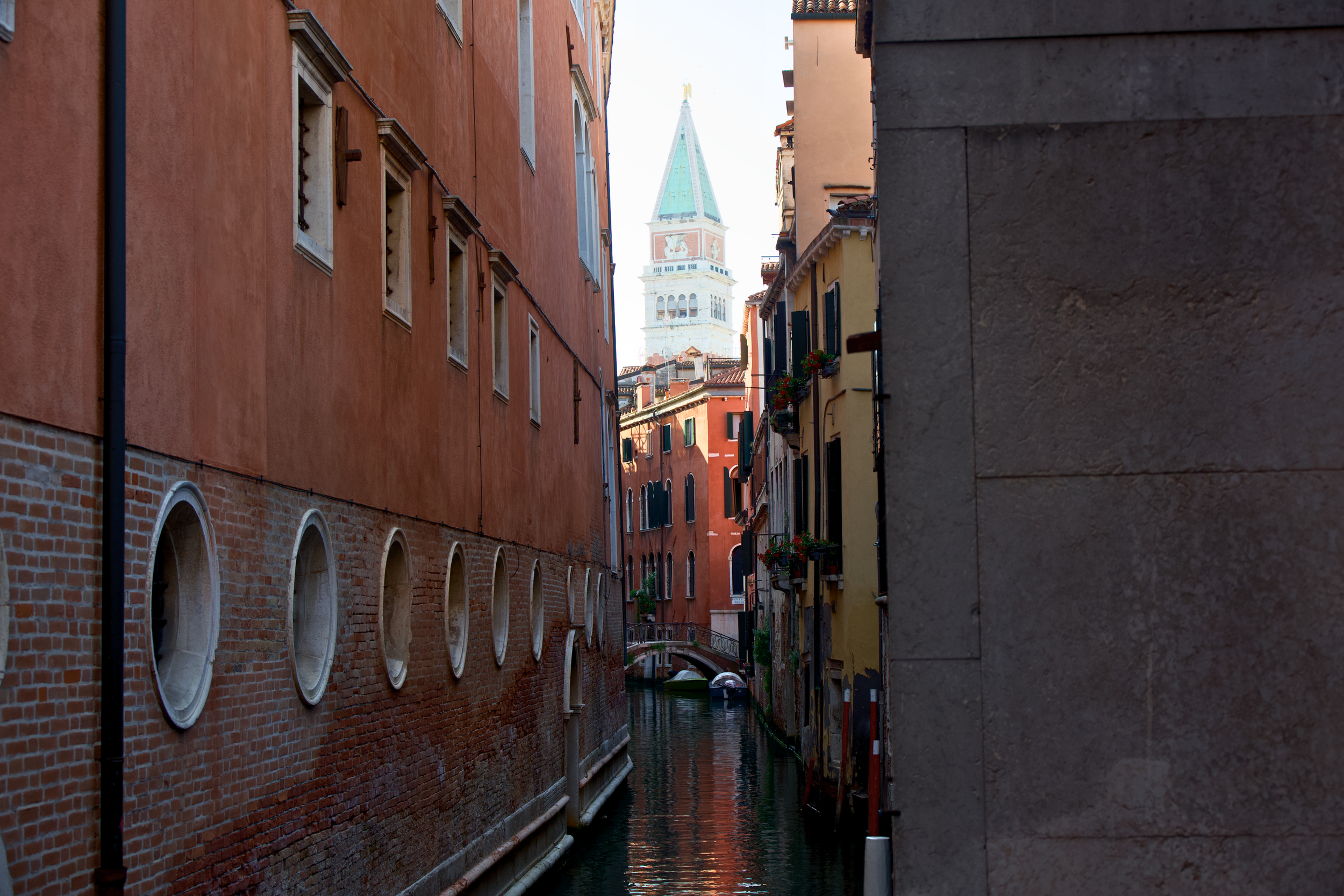
We took a boat from the Santa Croce area out toward Murano, and the route carries you past some of the most iconic views in Venice, the dome of Santa Maria della Salute rising at the mouth of the Grand Canal, the campanile of San Marco visible above the rooftops, the wide open stretch of the lagoon opening up around you in a way that makes you realize how small the city actually is relative to the water it sits in.
From out here, Venice makes sense in a way it doesn't from the inside. You can see that it's a series of islands connected by bridges, not one continuous landmass. You can see the boats that supply every restaurant, every hotel, every home, because there is no other way for anything to arrive. The water isn't the backdrop to Venice. It's the infrastructure.
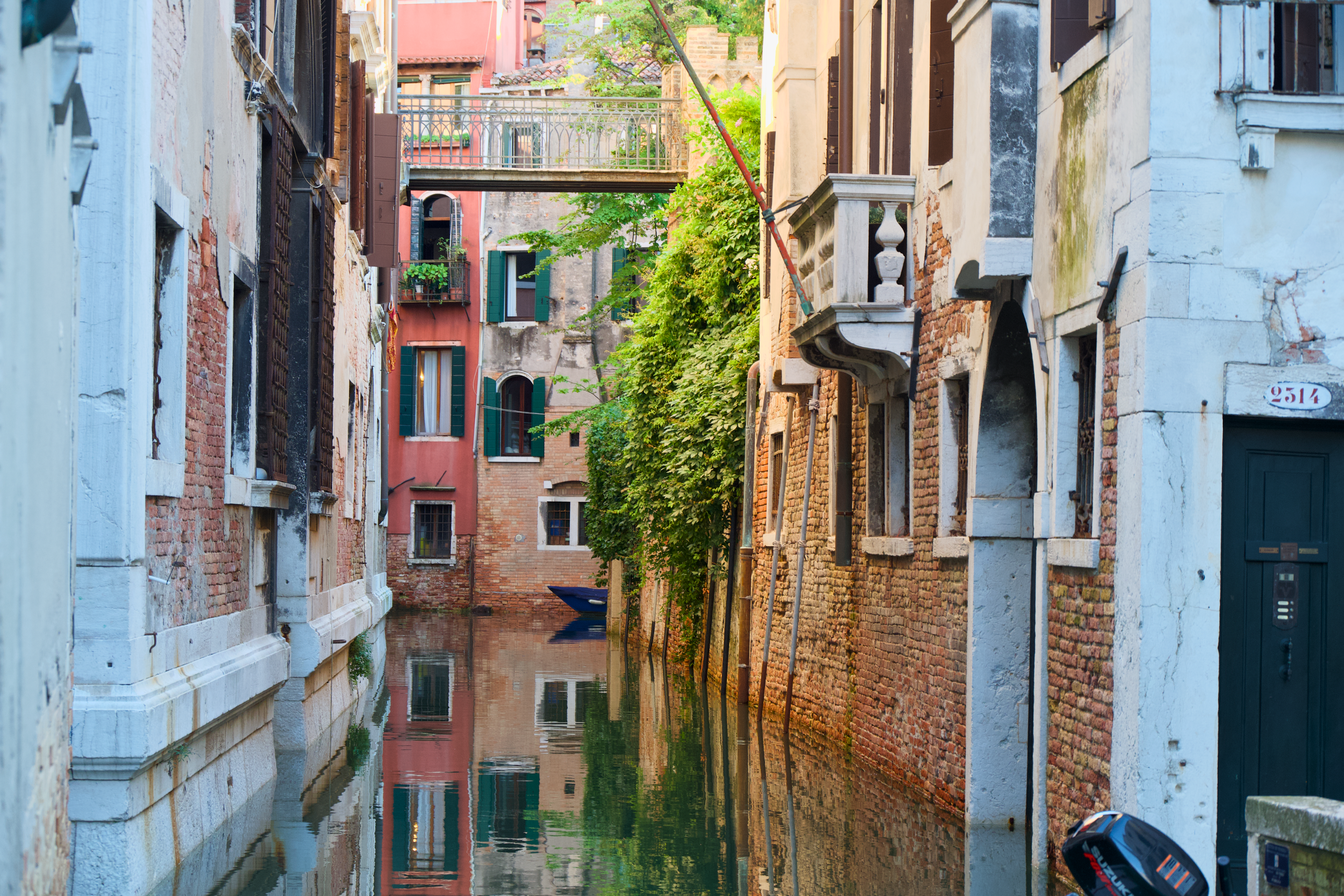
A note on gondolas: They are expensive and worth doing once, not as transportation, but as an experience. The fixed rate is €90 for 30 minutes during the day, €110 in the evening. These prices are set by official regulation and are non-negotiable. If you do it, ask to go through the smaller side canals rather than the Grand Canal. The narrow channels are quieter, more intimate, and feel like a different city from the one you've been walking through.
GetYourGuide gondola rides and Murano tours: Book in advance
Murano Island: The Glassblowing Tradition
We left the main part of the city as the crowds were starting to come in, which turned out to be exactly the right time to go.
Murano is about a 15-minute boat ride from Venice, and it's where Venetian glassblowing has been happening since 1291. The Republic of Venice moved the glassmakers out here because they were a fire risk in the city, and the craft has been based on this island ever since.
What Murano actually feels like: quieter than you'd expect. It has tourists, but it doesn't have the same density as the main island. The streets are wider, the pace is slower, and the whole place feels more like a working neighborhood than a performance of itself. We went into shops without pressure, watched a glassblower work for longer than we planned, and walked streets that had nothing particularly notable on them and were pleasant for exactly that reason.
What to buy on Murano, and how to avoid getting ripped off:
A significant amount of glass sold in Venice and on Murano itself is imported, not made here. The thing to look for is the Vetro Artistico Murano trademark, an official sticker and certification that confirms the glass was made on Murano by Murano artisans. It matters more than you might think, especially if you're spending real money.
The range is enormous: chandeliers, jewelry, vases, sculptures, ornaments, animals in every color and size. Some of it is clearly mass-produced, and some of it is genuinely extraordinary. Spend some time before you buy anything, and after a few shops, you'll develop an eye for the difference.
Getting to Murano: Take vaporetto Line 4.1 or 4.2 from Piazzale Roma or the train station. The journey takes about 40 minutes with stops, or closer to 20 from Fondamente Nove. A day trip to Murano is also easy to book as a guided tour if you want context for the glassblowing process, worth it if you're genuinely interested in the craft.
Book your GetYourGuide Murano glassblowing experience ahead of time.
Afternoon: The Mask Shop and a Venetian Tradition
We made it back to our neighborhood in the early afternoon and took a real break, which I'd recommend building into any two-day Venice itinerary. The city is more tiring than it looks, not physically demanding, but dense. A couple of hours off your feet in the middle of the day means you see more clearly when you go back out.
The afternoon wander was slower and more aimless than the morning, which made it feel like a different city. Fewer people in this neighborhood, smaller canals, streets that didn't lead anywhere particularly notable, and were better for it.
And then we found the mask shop.
Venetian masks have been part of the city's identity since the twelfth century, tied originally to Carnival, used as a way to dissolve social distinctions when everyone was behind one. You still see them everywhere, in every price range, from plastic to hand-painted papier-mâché to pieces made by artists who have been doing this their whole lives. Most of the shops in the busier tourist corridors are selling the former. We'd wandered far enough from those that this one was different.
My mom and I have a tradition that started with my parents; wherever they traveled, they bought an ornament. Not a magnet, not a generic souvenir. An ornament. Something that would eventually go on a Christmas tree and bring back a specific place and a specific trip. I've carried that forward. We found a small hand-painted mask, the right size, the kind of thing that looks exactly right, hanging on a tree next to thirty years of other places, and we bought it.
Leaving Venice
We left Venice early in the morning.
There's something specific about the city at that hour, before the boats are fully running, before the shops open, before the day-trippers arrive from the mainland. It feels like the Venice that exists when nobody is watching it. The water is still, the light is just coming up, and the streets that were full the day before are completely empty.
We walked to the ferry with our bags, got on the boat, and watched the city get smaller as we moved out across the lagoon.
It didn't feel like leaving. It felt like carrying it with us.
Venice Practical Info: Everything You Need Before You Go
Getting There
By car: Park at Tronchetto or Piazzale Roma. Book in advance on weekends and holidays.
By train: Venezia Santa Lucia station is inside the city, steps from the vaporetto docks.
By plane: Marco Polo Airport (VCE) is the closest. Alilaguna water bus takes about 75 minutes to the city center; the private water taxi is faster.
Getting Around
Walk everywhere you can. Venice is small and dense, and walking is often faster than waiting for a vaporetto.
Vaporetto passes: 24 hours = €25, 48 hours = €30, 72 hours = €35. Buy via the ACTV app.
Line 1 is your scenic Grand Canal route. Line 4.1/4.2 gets you to Murano.
Gondolas: €90/30 minutes during the day. Fixed price, non-negotiable. Worth doing once on the smaller canals.
When to Visit
Venice is worth visiting year-round, but timing matters:
April–early June: The sweet spot. Warm enough for comfortable wandering, not yet at peak summer crowds. Best shoulder season window.
July–August: Peak crowds and peak heat. Venice can feel genuinely overwhelming. Go early every day.
September–October: Beautiful light, manageable crowds, comfortable temperatures. Arguably the best month overall.
November–March: Off-season, dramatically lower prices, far fewer tourists. Acqua alta (flooding) is a possibility; check tide forecasts and bring waterproof shoes.
Note on the day-tripper fee: Venice introduced a €5 access fee for day-trippers in 2025. If you're staying overnight, you're exempt; just register your accommodation. The fee applies only to visitors who are not spending the night in the city.
What to Pack
Comfortable walking shoes with some ankle support; Venice has uneven stone streets and a lot of bridges
A small crossbody bag; easier to manage in crowds than a backpack
A scarf or light layer to cover shoulders and knees for churches
Waterproof shoes or packable rain boots if visiting in fall or winter
The ACTV app downloaded before you arrive
Budget Expectations
Venice is expensive relative to the rest of Italy. A few honest benchmarks:
Coffee at the bar: €1.50–€2 (standing; sitting canal-side is significantly more)
Cicchetti + a spritz: €8–€12 at a good bacaro
Mid-range dinner: €35–€50 per person with wine
Vaporetto pass (72 hours): €35
Saint Mark's Basilica entry: Free with timed reservation
Gondola (30 minutes): €90 daytime, €110 evening
2-Day Venice Itinerary: Quick Reference
Day 1
Afternoon arrival — check in, first wander through Santa Croce
Early evening — explore toward the Grand Canal as the light changes
Dinner at a canal-side restaurant away from the main tourist corridors
Day 2
Early morning — walk the empty streets before the city wakes up
Grand Canal at sunrise
Saint Mark's Basilica (go before 9 a.m.)
Waterfront at Riva degli Schiavoni, views toward San Giorgio Maggiore
Ponte dell'Accademia
Boat ride across the lagoon — take in the skyline from the water
Murano Island — glassblowing studios and the Vetro Artistico shops
Afternoon rest, then a slow wander through the neighborhood
Early morning departure
Ready to Plan Your Venice Trip?
Save this guide, use the itinerary as a framework rather than a rigid schedule, and give yourself permission to get completely lost at least once. That's when Venice gives you its best moments. If you're planning the broader Italy and Slovenia road trip that this Venice stay was part of, check out the full guide below. And if you have questions about any of this, logistics, what to skip, or where to eat, reach out on Instagram.
Slovenia Travel Guide: Everything You Need to Know
📺 Watch the full Venice vlog here
Frequently Asked Questions About 2 Days in Venice
-
Yes, with focused priorities. You can experience the Grand Canal, Saint Mark's Basilica, Ponte dell'Accademia, a boat ride to Murano, and meaningful time just wandering in two days. What you won't have time for: the Doge's Palace interior, Burano, most museums, and the kind of depth that comes with a longer stay. If your budget and schedule allow for a third day, add it.
-
Santa Croce and Dorsoduro are the best choices for most travelers, quieter than San Marco, still well-connected, and more representative of how the city actually functions day-to-day. San Marco puts you closest to the main sights but is the most crowded and most expensive. Cannaregio is the most local-feeling neighborhood and offers good value.
-
Primarily on foot. Venice is small enough that most of the city is walkable, and walking is often faster than waiting for water transport. For longer distances and the outer islands, the vaporetto (water bus) is the main option. Buy a multi-day ACTV pass through the app before you arrive. Gondolas are for the experience, not efficient transportation.
-
As early as possible, before 9 a.m., if you can manage it. Entry is free but requires a timed reservation booked in advance at the official website. Shoulders and knees must be covered to enter. The crowds build quickly after 10 a.m.
-
Yes. The 15-minute boat ride is worth it for the combination of quieter atmosphere, the glassblowing tradition, and the chance to buy authentic Murano glass directly from the source. Look for the Vetro Artistico Murano trademark on anything you purchase, a significant amount of glass sold in Venice is imported and not actually made on the island.
The Scenic Route Traveler inspires intentional travel through storytelling, hidden gems, and culturally rich experiences around the world.
-
I’m Erin, the voice behind Scenic Route Traveler, sharing intentional travel stories and guides from around the globe.
-
We deliver travel guides and storytelling through YouTube, social media, photography, and digital products designed for fellow travelers.
-
If you’re new here: this is a space for travelers who care more about how a place feels than how it looks on a checklist. You’ll find guides, stories, and resources designed to help you slow down and travel with intention.