

The Perfect 3-Week Australia Itinerary: Sydney to Tasmania's Wild Edge
Introduction: Three Weeks and the Continent That Swallowed Them Whole
The barista in Surry Hills told me three weeks was ambitious. "Most Americans do ten days, maybe two weeks," she said, tamping down espresso with practiced precision. She was wrong. Three weeks in Australia isn't ambitious; it's the bare minimum to understand that this continent operates on a different scale entirely.
Australia doesn't reveal itself quickly. It's not like Europe, where you can hop between countries in a weekend. Australia demands time, patience, and a willingness to let each place work its particular magic. Three weeks gave me just enough: Sydney's glittering harbor sophistication, the Gold Coast's unabashed beach culture, Cairns as a gateway to both reef and rainforest, Melbourne's laneway secrets, and Tasmania's raw wilderness that feels like it belongs to another century entirely.
By the end, I understood something fundamental: Australia isn't one experience. It's a dozen countries compressed into one island continent, each region with its own rhythm, its own relationship to the ocean, its own way of being. This itinerary traces the path I actually took, not the theoretical "perfect" route, but the one that worked in reality.
This post contains affiliate links. I may earn a commission if you purchase through my links, at no extra cost to you.
Quick Itinerary Overview
Route: Sydney → Gold Coast → Cairns → Melbourne → Tasmania
Total Duration: 21 days / 3 weeks
Best Time to Visit: October through April (Spring through Autumn) offers the most reliable weather across all regions
Budget Range: $4,500-7,500 USD per person for mid-range travel
At a Glance Timeline
Days 1-4: Sydney & surroundings (4 nights)
Days 5-7: Gold Coast (3 nights)
Days 8-11: Cairns region (4 nights)
Days 12-15: Melbourne & Great Ocean Road (4 nights)
Days 16-21: Tasmania (6 nights)
Before You Go: Essential Planning
Visa & Entry Requirements
If you're a U.S. citizen (or from most Western countries), you'll need an Electronic Travel Authority (ETA) to enter Australia. This isn't technically a "visa" but functions the same way. You can apply through the Australian ETA app on your phone for around $20 AUD. The process takes approximately 10 minutes, and approval is typically received within 24 hours. The ETA allows multiple entries over 12 months, with stays up to 90 days per visit.
Best Time to Visit Each Region
I traveled in mid/late March through the beginning of April, catching the tail end of summer. It worked well, though each region has its quirks:
Sydney (Oct-Apr): Summer can be sweltering, but the beaches are glorious. I'd aim for shoulder seasons, October/November or March/April, when the weather's still warm but crowds thin out.
Gold Coast (Year-round): Subtropical climate means it's always warm. Cyclone season (Nov-Apr) can bring rain, but brief afternoon storms that clear fast.
Cairns (May-Oct): Dry season is ideal. I was there in late summer with humid heat and jellyfish season (stinger suits required). Winter (June-August) offers perfect weather and whale migration.
Melbourne (Oct-Apr): Famous for "four seasons in one day." I got lucky with sunshine, but pack layers. Summer's warm, winter's genuinely cold.
Tasmania (Dec-Mar): Summer is essential unless you're into cold-weather hiking. Even in March, mornings were crisp. Winter can be harsh, and many things close.
Getting Around: The Transportation Reality
Australia's vastness doesn't hit you until you're in it. From Sydney to Melbourne is the same distance as New York to Chicago. You cannot drive this itinerary; you'll waste days behind a wheel watching identical scrubland pass by.
For this route, you'll need:
Domestic flights: 4 flights (Sydney→Gold Coast, Gold Coast→Cairns, Cairns→Melbourne, Melbourne→Launceston). Budget $100-300 per flight booked in advance - I booked all my flights via Trip.com for ease.
Car rentals: Essential for Great Ocean Road (3 days) and Tasmania (full 6 days). Budget $50-80/day, including insurance. For every single car rental I had in Australia, I used Expedia.
Public transport: Works brilliantly in Sydney and Melbourne. Save rental money for when you actually need it.
Budget Breakdown
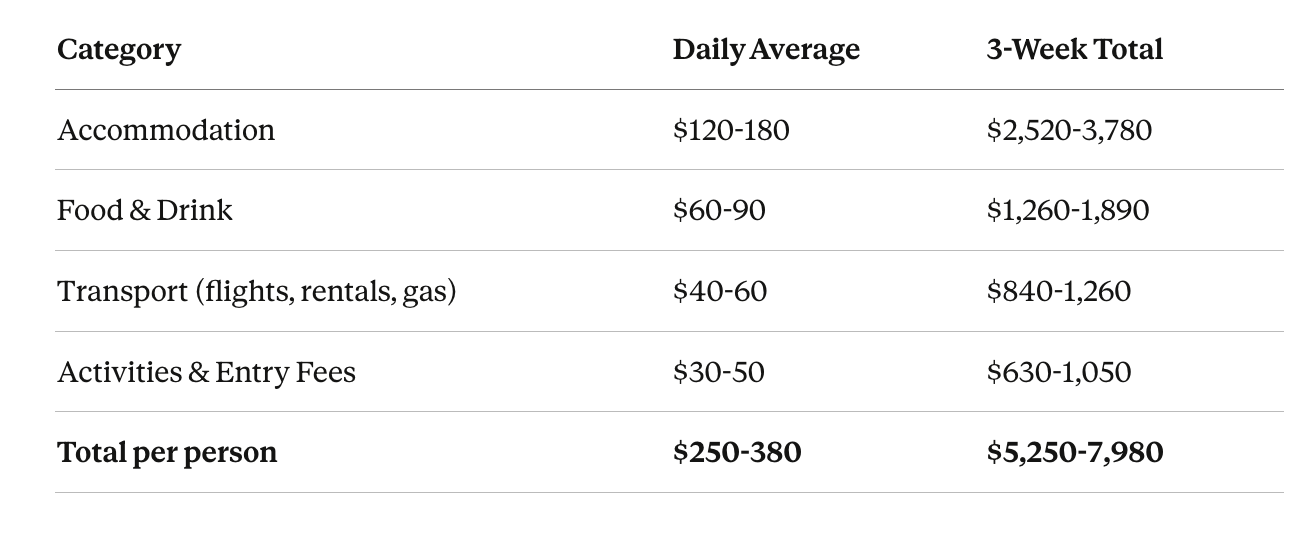
Here's what I actually spent per person (mid-range travel, occasional splurges):
You can do it cheaper (hostels, self-catering, fewer activities) for around $150/day, or splurge on luxury stays and private tours for $500+/day. I aimed for the middle: nice but not extravagant.
Money-Saving Tip: Groceries are expensive in Australia, but eating one meal out and cooking breakfast/lunch saved me $30-40 daily. Most accommodations have kitchens; use them.

Days 1-4: Sydney - The Harbor City That Earned Its Reputation
Where to Stay: Surry Hills, Potts Point, or Newtown for character, Darlinghurst for proximity, Bondi for beach vibes. I stayed in Potts Point and loved the walkability.
Day 1: Arrival & Shaking Off the Flight
Landing in Sydney after 15+ hours of flying feels like surfacing from deep water. The first thing I noticed was the light; Australian sunlight has a clarity that makes everything look HD.
Recommended Hotels:
Getting from Airport to City:
Train to Central Station: $19 AUD, 13 minutes (easiest option)
Taxi/Uber to inner suburbs: $45-60, 25-35 minutes
I took the train, simple, efficient, no traffic stress
Afternoon: Easy Recovery Mode
Don't overdo Day 1. I kept it gentle:
Walked Crown Street in Surry Hills, browsing bookshops and vintage stores
First proper flat white at a local café (life-changing)
Sat in Prince Alfred Park watching tai chi and ibis birds stalking like tiny dinosaurs
Light dinner (Sydney's restaurant scene is phenomenally multicultural)
Day 2: Icons, Ferries & Neighborhood Exploring
Morning: Sydney Opera House & Harbor Views
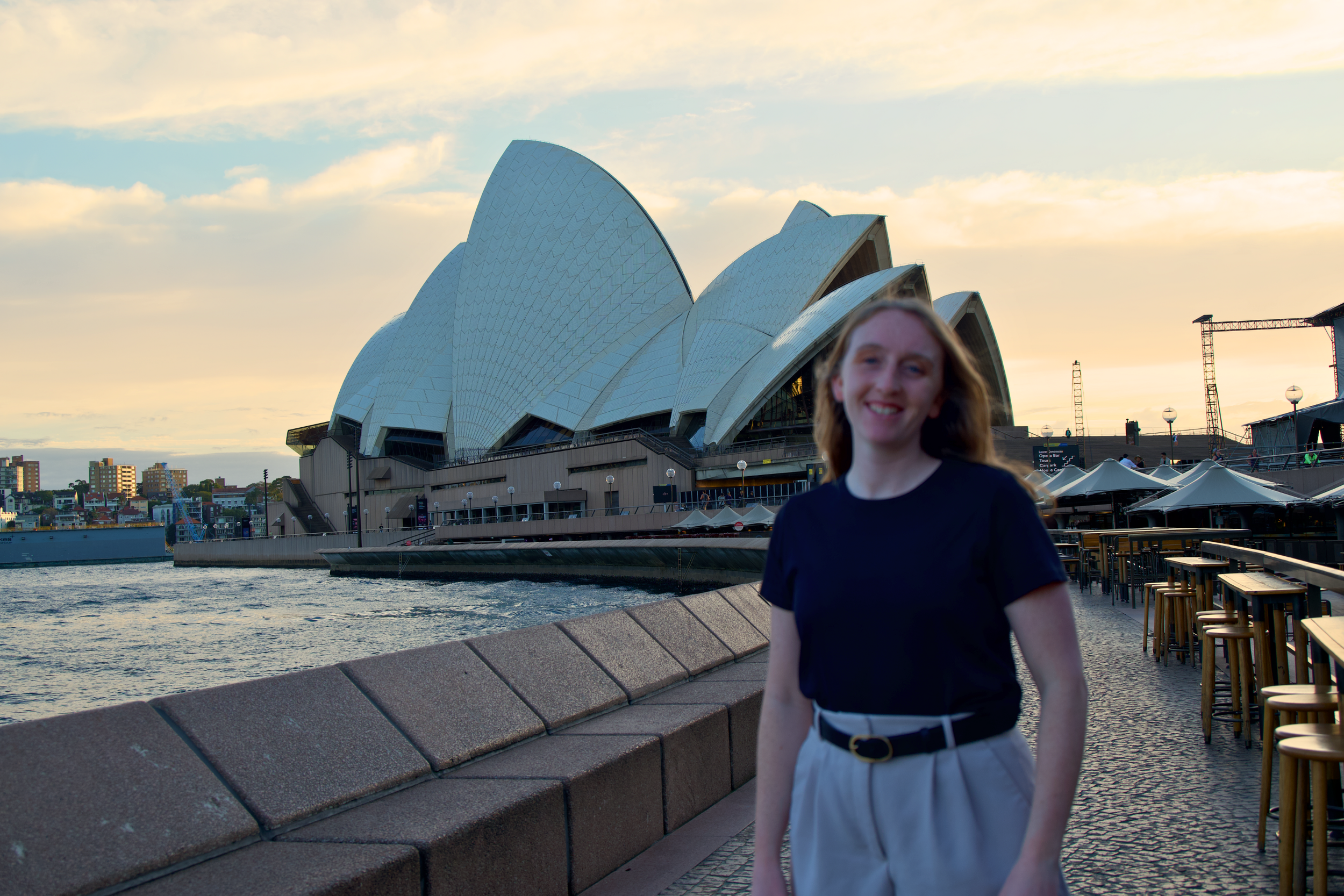
Left at 7 AM to beat crowds. The walk from Potts Point to Circular Quay takes 30 minutes. As I rounded the corner, there it was: the Opera House catching gold dawn light against pale blue sky, impossibly more striking than photographs.
Opera House Experience:
Tour: $43 AUD, 60 minutes (or cheaper with this tour here)
Worth it? Absolutely. You learn it's cream-colored tiles (not white), took 14 years to build, nearly bankrupted the state. Inside the concert hall, even silence has acoustics.
Book: 9 AM tour online to guarantee spots
Best Photo Spots:
Royal Botanic Gardens for the classic Opera House + Harbor Bridge angle
Go at sunrise (6-7 AM) or golden hour (5-6 PM) for best light
Mrs Macquarie's Chair offers the postcard view
Midday: Ferry to Manly
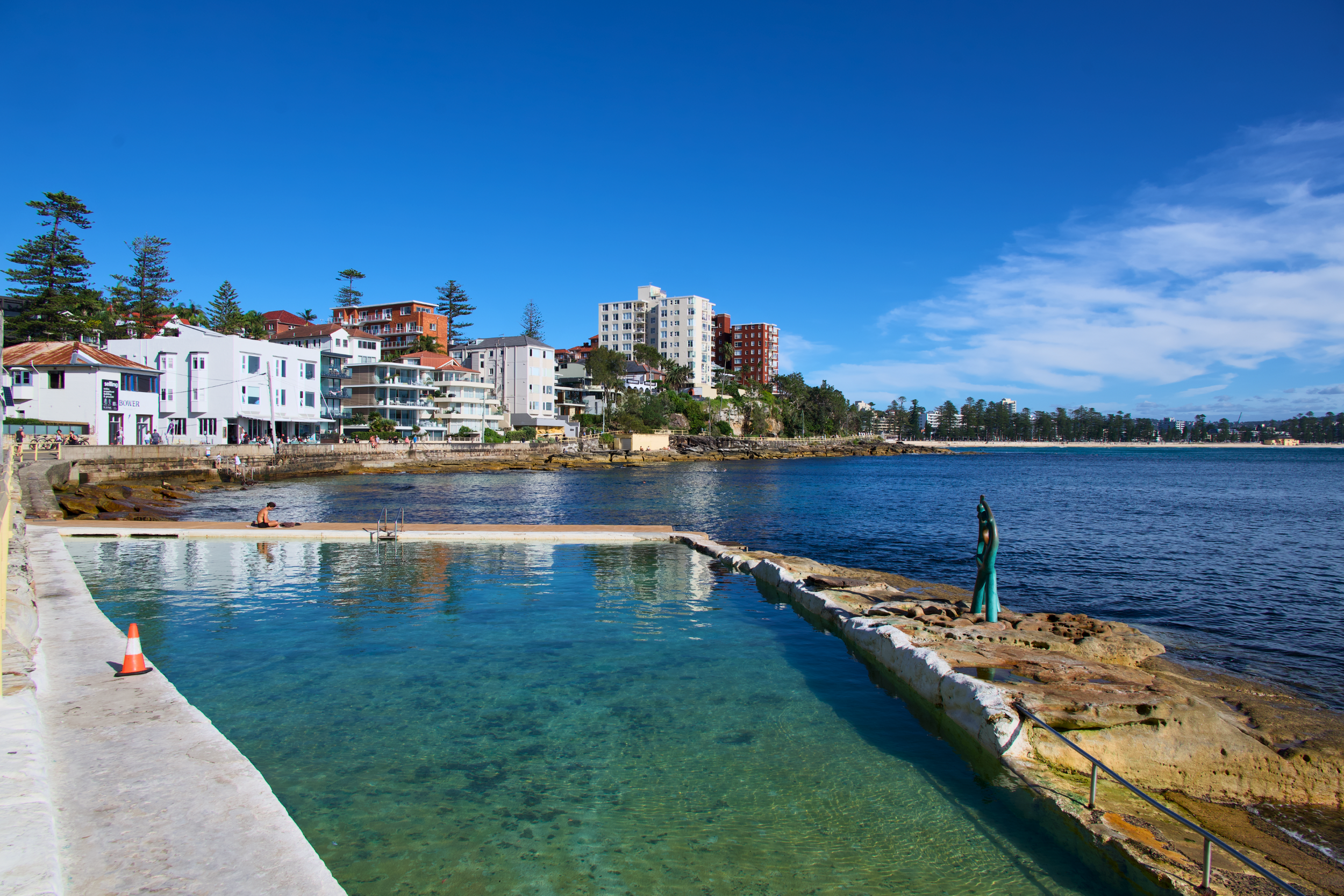
From Circular Quay, caught the ferry to Manly ($8.80, 30 minutes). Sydney's ferries are public transport but feel like a tourist attraction, gliding past waterfront mansions and under the bridge.
Manly Beach:
More laid-back than Bondi
Great for swimming (protected harbor beach)
The Corso pedestrian mall connects ferry wharf to ocean beach
Afternoon: Harbor Bridge Walk
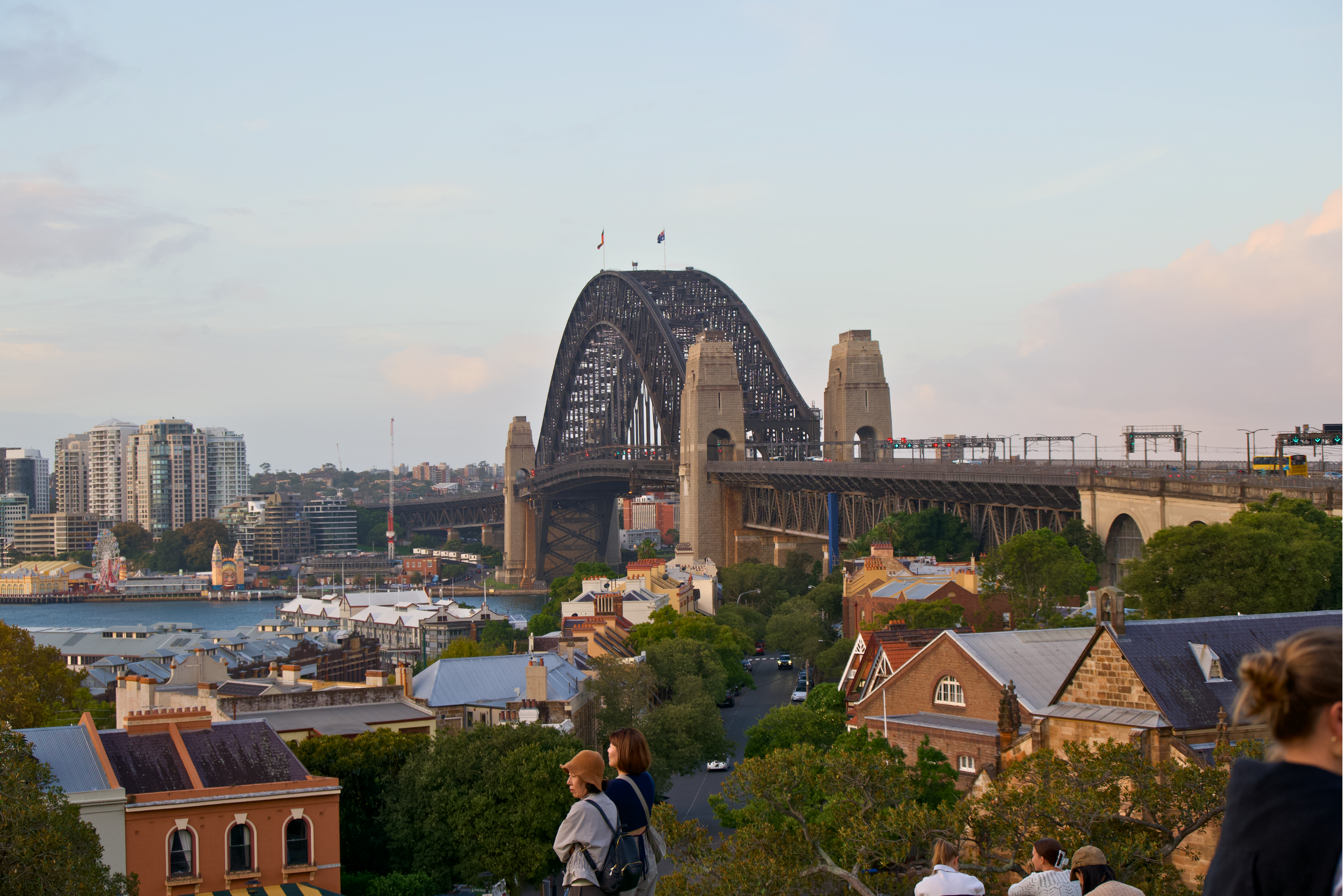
Returned to Circular Quay and walked across the Harbor Bridge via the eastern pedestrian path (free). The views were spectacular.
Bridge Options:
BridgeClimb: $308-388 AUD, 3.5 hours (sunset slots book weeks ahead) or book a tour for a bit less (book here)
Walk it for free: Same views from pedestrian path, save $300+
Evening: The Rocks & Darling Harbour
Wandered The Rocks neighborhood, cobblestone streets, sandstone buildings, weekend markets (Friday-Sunday only). Dinner at Darling Harbour, watching the city lights ripple on water.
Day 3: Coastal Walks & Hidden Paths
Morning: Bondi to Coogee Coastal Walk
The classic Sydney experience. I took bus Route 333 to Bondi Beach (30 minutes from city).
The 6km Walk Breakdown:
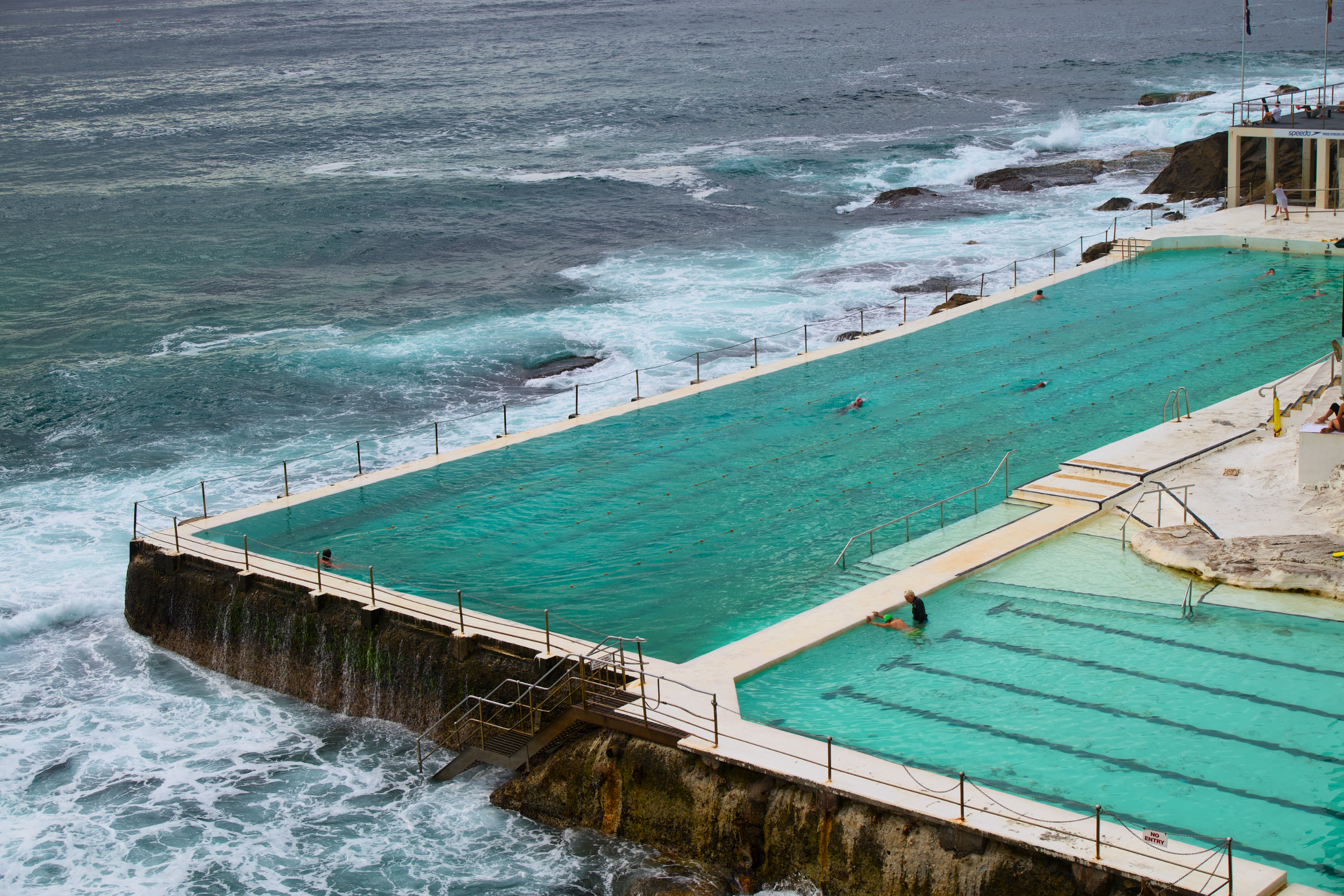
Starting at Bondi Icebergs pool, the path climbs onto sandstone cliffs with the Pacific infinite to your left.
Beach by Beach:
Bondi (Start) - Iconic crescent beach, surfers, Icebergs pool clinging to cliff
Tamarama (10 min) - Small intimate beach, locals call it "Glamarama"
Bronte (15 min) - Family beach with ocean pool, perfect coffee stop
Clovelly (20 min) - Protected bay, excellent swimming
Coogee (20 min) - Fish and chips reward at finish
Key Stops:
Waverley Cemetery is dramatically perched on cliffs
Mermaid rock pools between beaches
Multiple swimming spots (I jumped in at Bronte and Clovelly)
What to Bring:
✅ Swimsuit under clothes
✅ Reef-safe sunscreen (reapply every 2 hours—Australian sun is brutal)
✅ Water bottle
✅ Hat and sunglasses (zero shade)
✅ Quick-dry towel
Strategy: Walk south to north (Bondi→Coogee) in the morning so the sun isn't in your eyes. Takes 2.5 hours with swim stops.
Afternoon: Hermitage Foreshore Walk & Taronga Zoo Area
After Bondi-Coogee, I wanted something quieter. Took the ferry to Taronga Zoo wharf ($6.80).
The Hermitage Foreshore Walk:
1.8km loop from Taronga wharf
Stunning harbor views
Barely any tourists
Shaded path through bushland
Balmoral Beach midway (perfect for a swim)
Ended at Kurraba Point Wharf and caught the ferry back to Circular Quay, one of Sydney's best secrets.
Alternative Options for Day 3:
Observatory Hill: Best sunset view over the harbor (free)
Potts Point: Charming neighborhood, excellent cafes, vintage shops
More beaches: Milk Beach, Shark Beach, Nielsen Park (all quieter than Bondi)
Day 4: Blue Mountains Day Trip
After three days of beaches and harbor, head out for some wilderness.
Getting There:
Drive: 90 minutes from Sydney to Katoomba (main town)
Train: $8.70 one-way to Katoomba Station (trains run hourly)
You can rent a car for the day ($65) for flexibility between lookouts
OR one of the most popular ways is to book a tour - heard great things about this one.
Why They're Called "Blue" Mountains
The eucalyptus oil in the air from millions of trees creates a blue haze across the valleys. It's subtle but real; the whole landscape has a soft, dreamlike quality.
Three Sisters Lookout: The Main Event
The most famous formation, three golden sandstone pillars with deep Aboriginal significance. Legend says they're three sisters turned to stone to protect them from danger.
Timing is Everything:
Tourist crowds arrive by 10 AM
Get there at 8:30 AM and had it nearly alone
Golden morning light on the rock formation is spectacular
The Giant Stairway Challenge
From Three Sisters viewpoint, you can descend the Giant Stairway into Jamison Valley:
The reality: Nearly 1,000 steps DOWN (which means 1,000 steps back UP)
Alternative: Take the Scenic Railway back up ($44 for all three Scenic attractions or walk for free)
Scenic World: Touristy But Worth It
Three attractions at one location (package deal $44 AUD):
Scenic Railway - World's steepest passenger railway (52-degree drop through cliff face)
Scenic Skyway - Glass-bottomed cable car crossing the valley
Scenic Cableway - Cable car to valley floor
Is it theme-park-ish? Yes. Is it fun? Also yes. The views are genuinely spectacular.
Blue Mountains Day Trip Essentials:
Leave Sydney by 8 AM to beat crowds
Bring layers (cooler in mountains than Sydney)
Comfortable walking shoes
Water bottle
Camera
Full day needed (return to Sydney by 6-7 PM)

Days 5-7: Gold Coast - Unapologetically Beach Life
Getting There: Jetstar flight Sydney→Gold Coast (1h 20min, $110). Gold Coast Airport is tiny—you're in your rental car within 30 minutes (recommended to book here).
Where to Stay: Burleigh Heads. More laid-back than Surfers Paradise, incredible café scene, beautiful beach. This is where locals go.
Hotel Recommendations:
Day 5: Burleigh Heads & Coastal Walking
The Gold Coast has a reputation problem. Australians from Sydney and Melbourne dismiss it as tacky. They're missing the point. The Gold Coast knows exactly what it is: unapologetically dedicated to surf, sun, and good vibes. If you approach it on those terms, it's brilliant.
Morning: Burleigh Hill at Sunrise
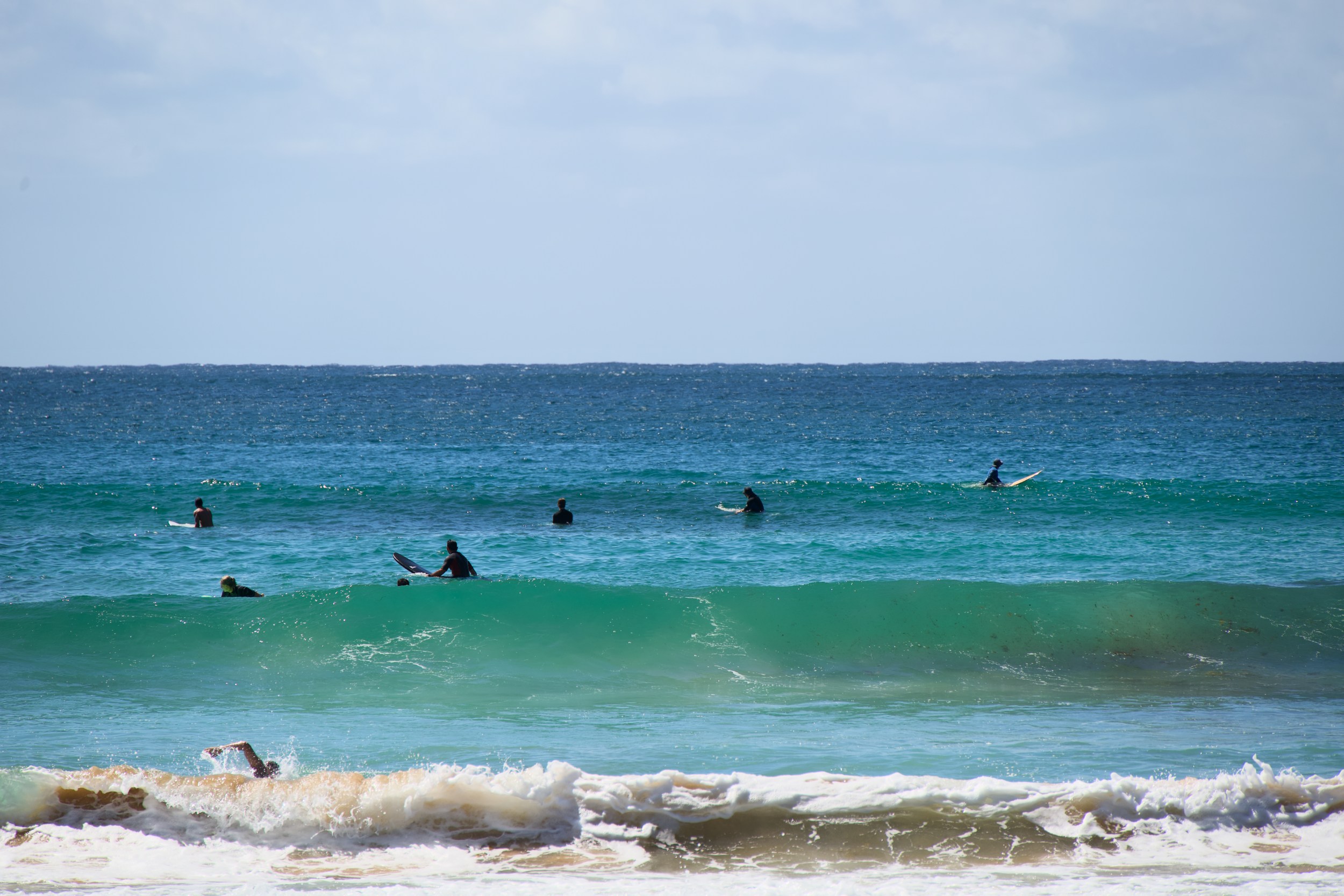
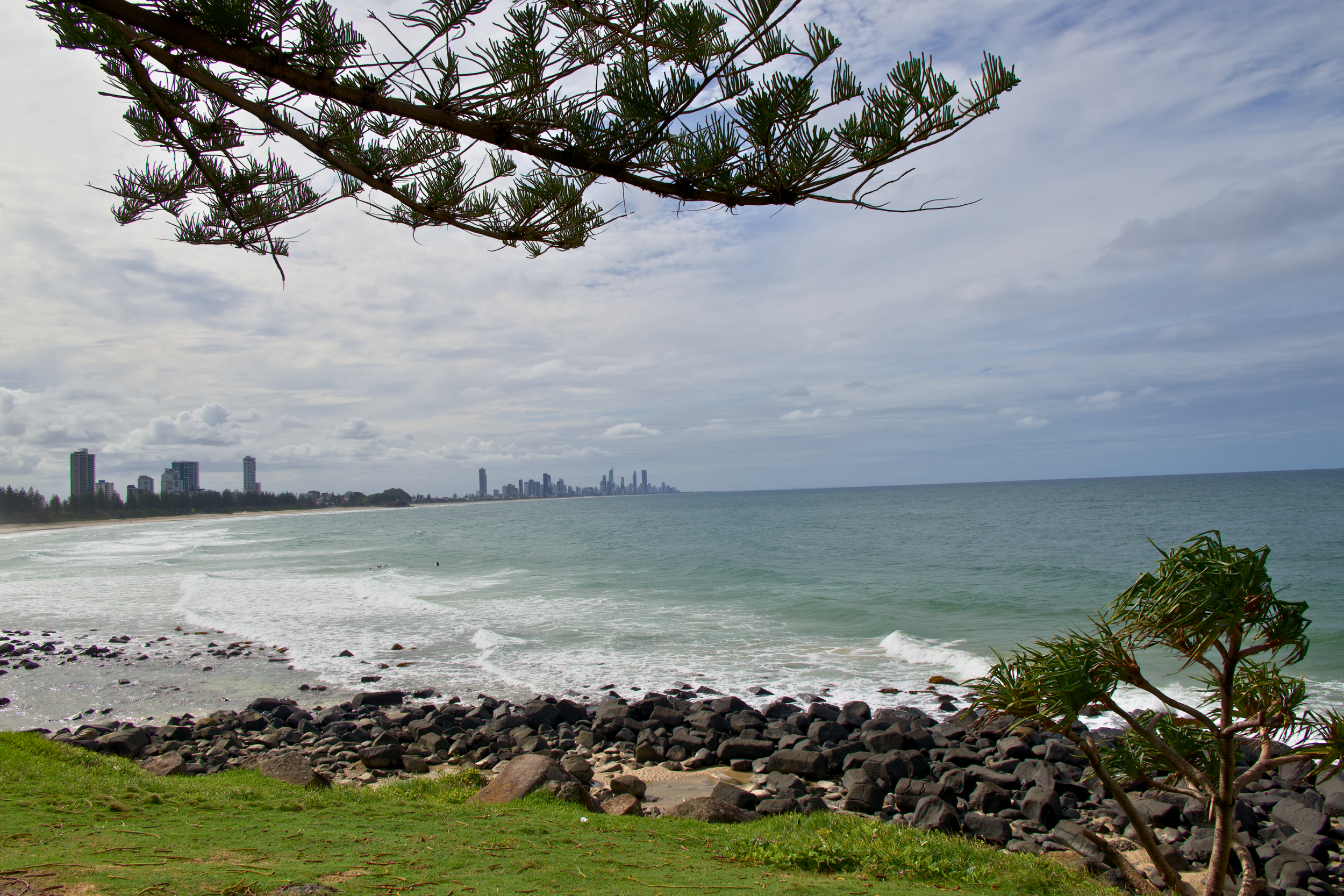
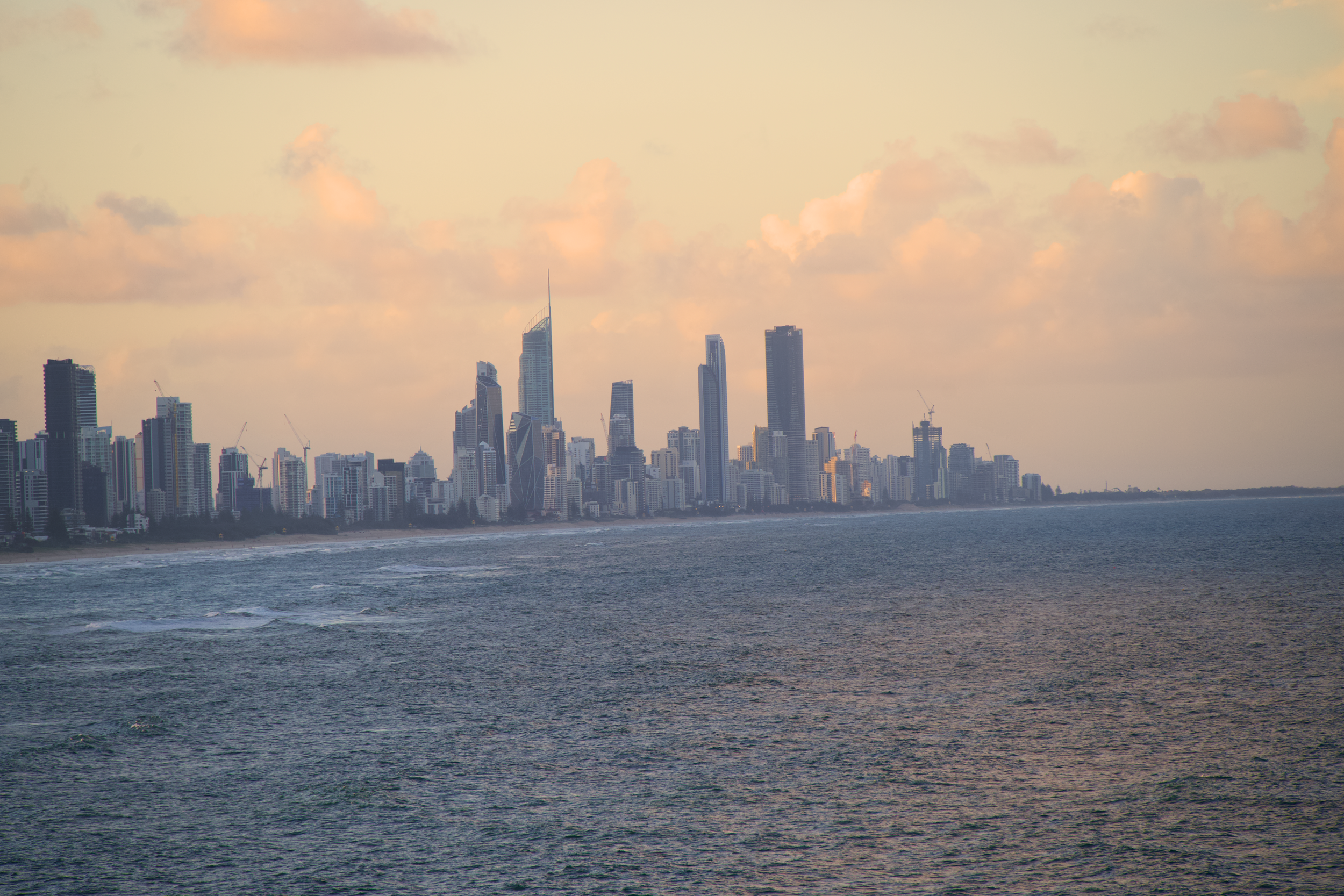
Set alarm for 5:45 AM (worth it). Walked to Burleigh Hill lookout as dawn broke, surfers already in the water, golden light hitting the coastline stretching north to Surfers Paradise. This view alone justifies the Gold Coast.
Post-Sunrise:
Breakfast at a Burleigh café (avocado toast and flat white because clichés exist for a reason)
Beach time at Burleigh Beach (less crowded than Surfers, better surf)
Afternoon: Burleigh Head National Park Walk
The walk from Burleigh Hill through Burleigh Head National Park toward Kirra Beach showed me the Gold Coast's wilder side.
The Walk Details:
Distance: ~5km one way (beach to beach)
Time: 1.5-2 hours
Terrain: Coastal path, some rocky headlands
Highlights: Rugged cliffs, multiple surf breaks, hidden lookout points, native bushland meeting beach
What You'll See:
Surfers at Burleigh Point (world-class right-hand break)
Pandanus palms and rainforest pockets
Ocean views the entire way
Tallebudgera Creek (beautiful swimming creek)
Kirra Beach at the end (famous surf spot)
Ended at Kirra Beach, walked to Coolangatta for lunch, Ubered back to Burleigh.
Evening: Sunset at Burleigh
Returned to Burleigh Beach, sat on the grass at Burleigh Hill, watched the sun melt into the Pacific. The energy is pure vacation mode, families, couples, solo travelers, everyone there for the same reason.
Day 6: Northern Beaches & Mick Schamburg Lookout
Morning Routine: Ocean Views & Café Culture
Gold Coast mornings have a rhythm: wake early, walk to beach, watch surfers, café breakfast, repeat. I could have done this for weeks.
Walked north from Burleigh along the beachfront path, one of Australia's best coastal walking routes.
Stops Along the Way:
Mick Schamburg Park Lookout (elevated platform with panoramic ocean views)
Fresh-pressed juice at a beachfront spot
Swimming at Miami Beach (calmer water, fewer people)
Lunch back in Burleigh
Afternoon: Beach Time
Sometimes the best itinerary is no itinerary. Spent the afternoon on Burleigh Beach, swimming, reading, watching the endless parade of surfers.
Optional Add-Ons I Skipped:
Theme parks: Dreamworld, Warner Bros. Movie World, Sea World (if that's your thing, they're here)
Surf lesson: Multiple schools offer 2-hour lessons ($60-80)
Currumbin Wildlife Sanctuary: Kangaroos and koalas (book ticket in advance)
Springbrook National Park: Inland rainforest and waterfalls (tours available for those not wanting to drive)
Evening: Dinner at Rick Shores (Asian fusion restaurant right on Burleigh Beach—book ahead). Sat outside barefoot in sand, eating kingfish sashimi, drinking wine, watching the ocean.
Day 7: Springbrook National Park - Rainforest Escape
After two beach days, I wanted to see the Gold Coast's wilder side. Turn 30 minutes inland, and you're in ancient rainforest with waterfalls that look like they belong in Jurassic Park.
Getting There: 40-minute drive from Burleigh through winding mountain roads. The landscape shifts from surf shops to farmland to suddenly massive trees dripping with ferns. Tours are available as an option.
Springbrook National Park
Part of the Gondwana Rainforests, World Heritage listed, some of the oldest subtropical rainforests on Earth.
Natural Bridge Circuit (1km, 30 minutes):
Easy walk through rainforest to the collapsed cave, forming a natural bridge
Glow worms live in the cave (come at dusk to see them—I was there midday)
Waterfall cascading through the bridge is beautiful regardless
Purling Brook Falls (4km circuit, 2 hours):
More substantial walk descending to base of 109-meter waterfall
Pristine rainforest—thick green air, bird calls echoing, moss and ferns covering everything
Standing at the base with spray misting over me felt like another world
Practical Details:
Entry: Free, parking limited (arrive before 10 AM on weekends)
Bring: Good shoes (trails can be muddy), water, insect repellent (March flies are aggressive)
Time needed: Half day minimum, full day if doing multiple walks
Afternoon: Returned to Burleigh for the final beach time and sunset.

Days 8-11: Cairns - Gateway to Reef & Rainforest
Getting There: Virgin Australia Gold Coast→Cairns (2h 45min, $180). (recommended to book here)
Hotel Recommendations:
Day 8: Arrival & Cairns Exploration
Stepping off the plane in Cairns feels like walking into a warm, damp towel. The humidity hits immediately, thick tropical air.
Cairns exists for one reason: gateway to the Great Barrier Reef and Daintree Rainforest. The town itself is small, functional, and honest about what it is. But there's good energy, everyone's here for adventure.
Afternoon: Getting Oriented
Walked the Esplanade boardwalk
The Lagoon (free public pool on the waterfront, you can't swim in the ocean due to crocodiles and jellyfish)
Sunset at the lagoon, watching kids play in the water, families having picnics
Why No Ocean Swimming? Saltwater crocodiles inhabit Far North Queensland waterways and coastline. Jellyfish (including deadly box jellyfish) are present November–May. The lagoon is the town's solution, and it's actually lovely.
Day 9: Great Barrier Reef - The Main Event
This was the experience I traveled 8,000 miles for. It delivered.
Choosing Your Reef Operator:
After research, I chose Pure Snorkeling (smaller boat, perfect reef stops).
Why Pure Snorkeling:
Save time by heading to the Great barrier Reef on a speedy boat
Avoid crowded snorkel sites and explore exclusive reef moorings
Benefit from expert guidance and included snorkel gear
Stay fueled for adventure with included snacks on board
What I Saw:
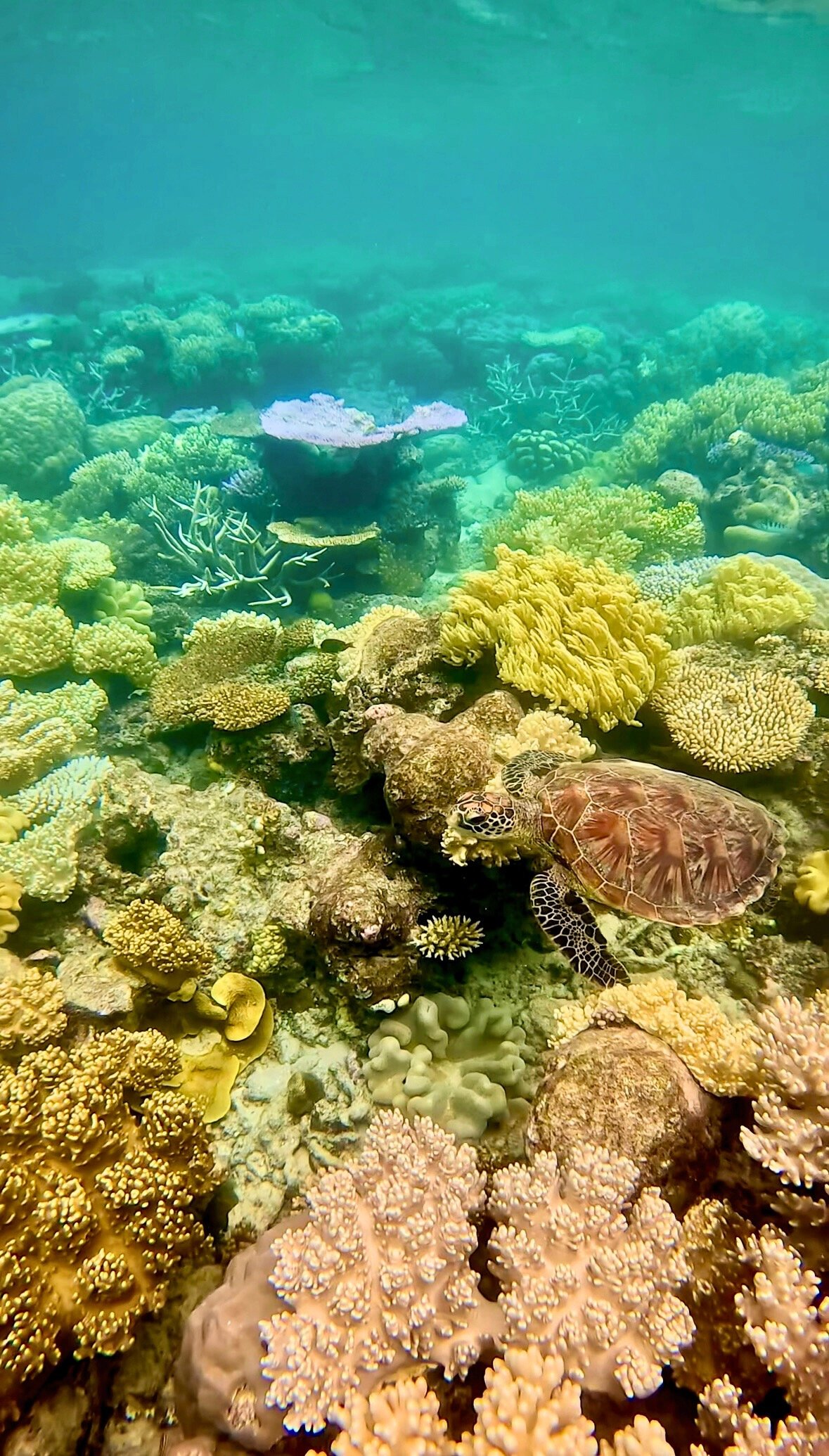
Within thirty seconds: hundreds of bright yellow fish, massive Napoleon wrasse (blue-green fish the size of a coffee table), coral formations like underwater cities.
Coral in every color: purple, fluorescent green, rusty orange, electric blue. Fish everywhere: parrotfish crunching coral, schools of surgeonfish, tiny cleaner wrasse darting between them.
A sea turtle glided past me, completely unbothered, ancient and graceful.
The Reality:
Being on the reef feels like floating through an alien world. The scale, the color saturation, the frenetic energy of all that life, it changes something in your brain. I understand why David Attenborough narrates with reverence.
Critical Reef Tips:
Seasickness medication: Take it 30 minutes before boarding.
Sunscreen: Reef-safe only. Regular sunscreen kills coral. Operators provide it, or wear a full-body rashguard (best option).
Swimming ability: You don't need to be Olympic-level, but comfort in open ocean is essential. Life jackets available.
Stinger suits: Provided November-May for jellyfish protection. Wear them.
The Conservation Question:
Yes, parts of the reef are bleached. Climate change is real and damaging. But vast sections are still thriving and spectacular. Go now, support responsible tourism, and minimize your carbon footprint elsewhere.
Was it worth it? Absolutely. One of Earth's natural wonders. Even partially diminished, it's extraordinary.
Returned to Cairns: exhausted and sunburned and completely satisfied. Hung out at my pool for the rest of the night.
Day 10: Fitzroy Island - The Tropical Island Experience
After the outer reef's intensity, Fitzroy Island offers something different: accessible reef snorkeling, rainforest walks, pristine beaches, all 45 minutes from Cairns.
Getting There:
Ferry from Cairns Reef Fleet Terminal. Multiple operators, I used Fitzroy Island Adventures. Book your Fitzroy Island ferry or tour here for ease!
Departure Options:
Full day: 8:30 AM departure, 4:45 PM return (6+ hours on island)
Half day: 10:45 AM departure, 3:00 PM return (3+ hours on island)
The Island Experience:
Fitzroy is a continental island (not a coral cay), mostly rainforest, fringing reef around the edges, part of the Great Barrier Reef Marine Park.
What I Did:
Morning: Fitzroy Lighthouse Loop Walk
3.6km return (about 1.5 hours)
Moderate difficulty (steep in sections)
Climbs to island summit
Views of the outer reef, the coastline, all of Fitzroy Island spread below
Rainforest canopy walk
Midday: Foxy's Bar & Café
Beachfront restaurant with stunning views
Burgers, fish and chips, cold beer
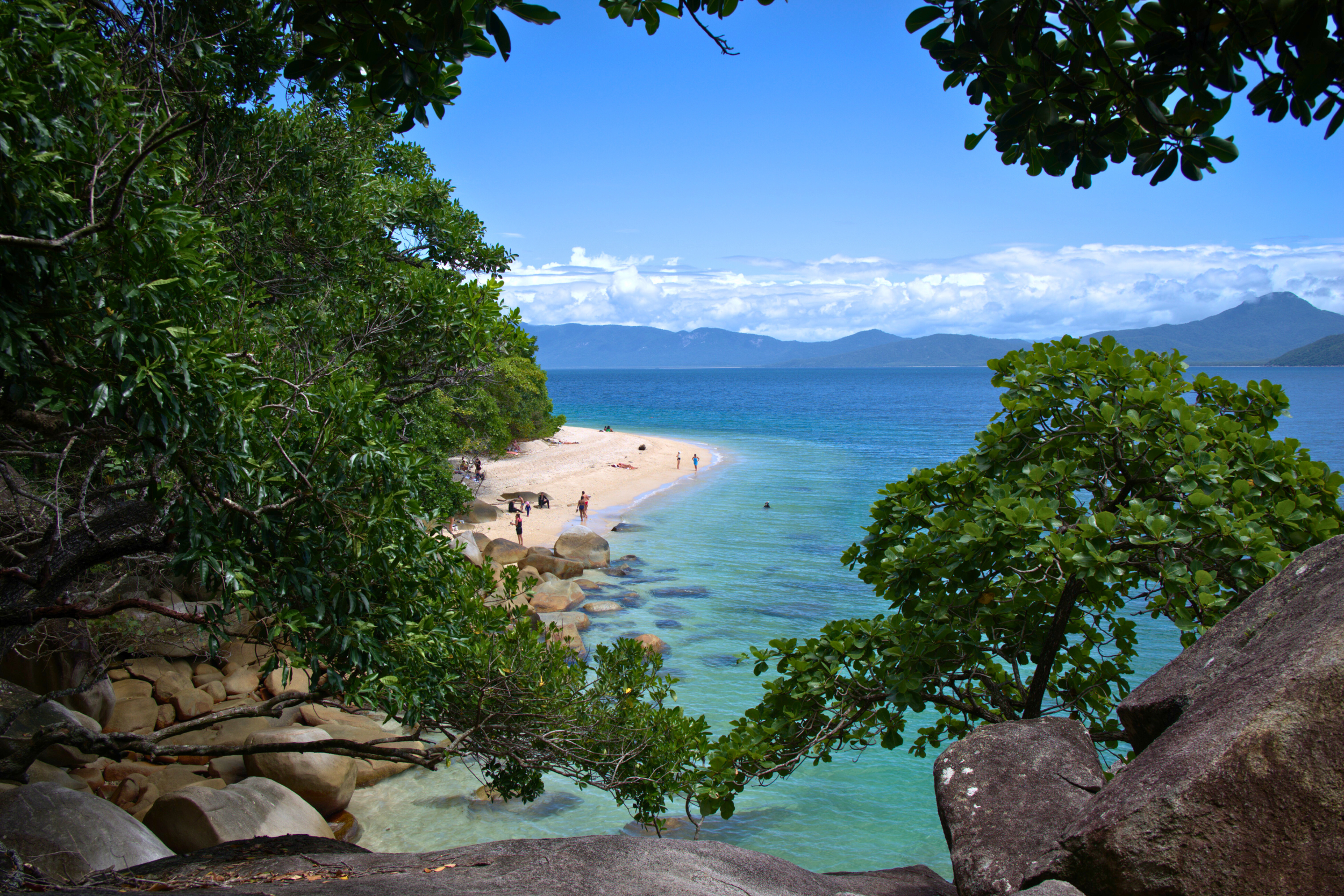
Afternoon: Secret Garden Walk & Nudey Beach
1.2km through tropical rainforest
Dense jungle, ferns, palm trees
Emerges at Nudey Beach (voted Australia's #1 beach in 2018)
Pristine curved beach, crystal water, massive granite boulders
Beach Time & Snorkeling:
The fringing reef at Fitzroy is accessible right from Welcome Bay beach.
Other Island Activities (I didn't do) - you can also book here:
Glass bottom boat tour ($35)
Kayak rental ($20/hour)
Stand-up paddleboard rental ($25/hour)
Guided snorkel safari ($85)
Turtle Rehabilitation Centre (operates Tuesday-Sunday)
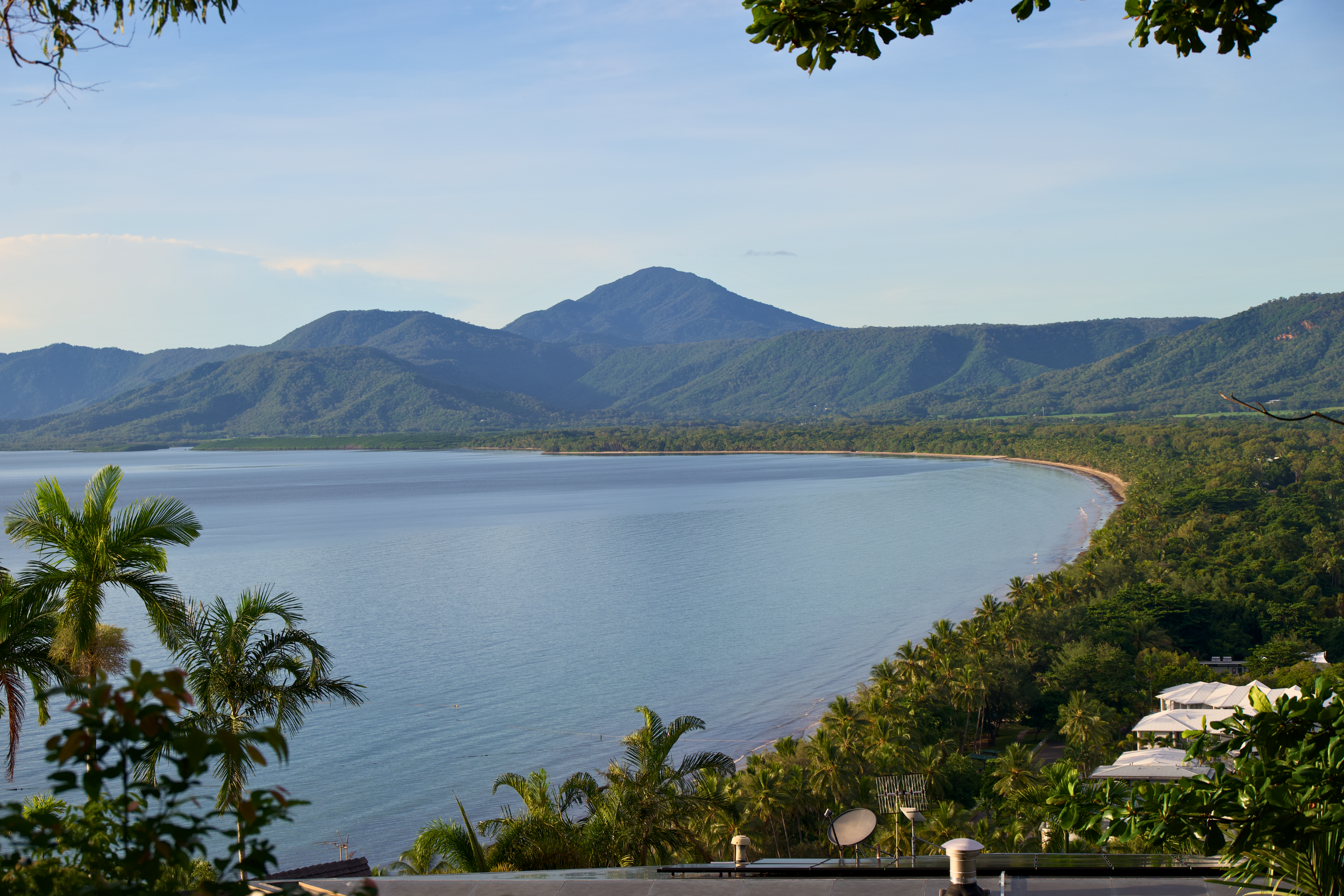
Return: 4:45 PM ferry back to Cairns, picked up my rental car, drove, and stayed in Port Douglas
Day 11: Port Douglas, Daintree Rainforest & Palm Cove
I rented a car the day before and stayed overnight in Port Douglas to position myself for an early start exploring Far North Queensland, rainforest, world heritage wilderness, and the tropical coast.
Morning: Daintree River Drift Snorkel
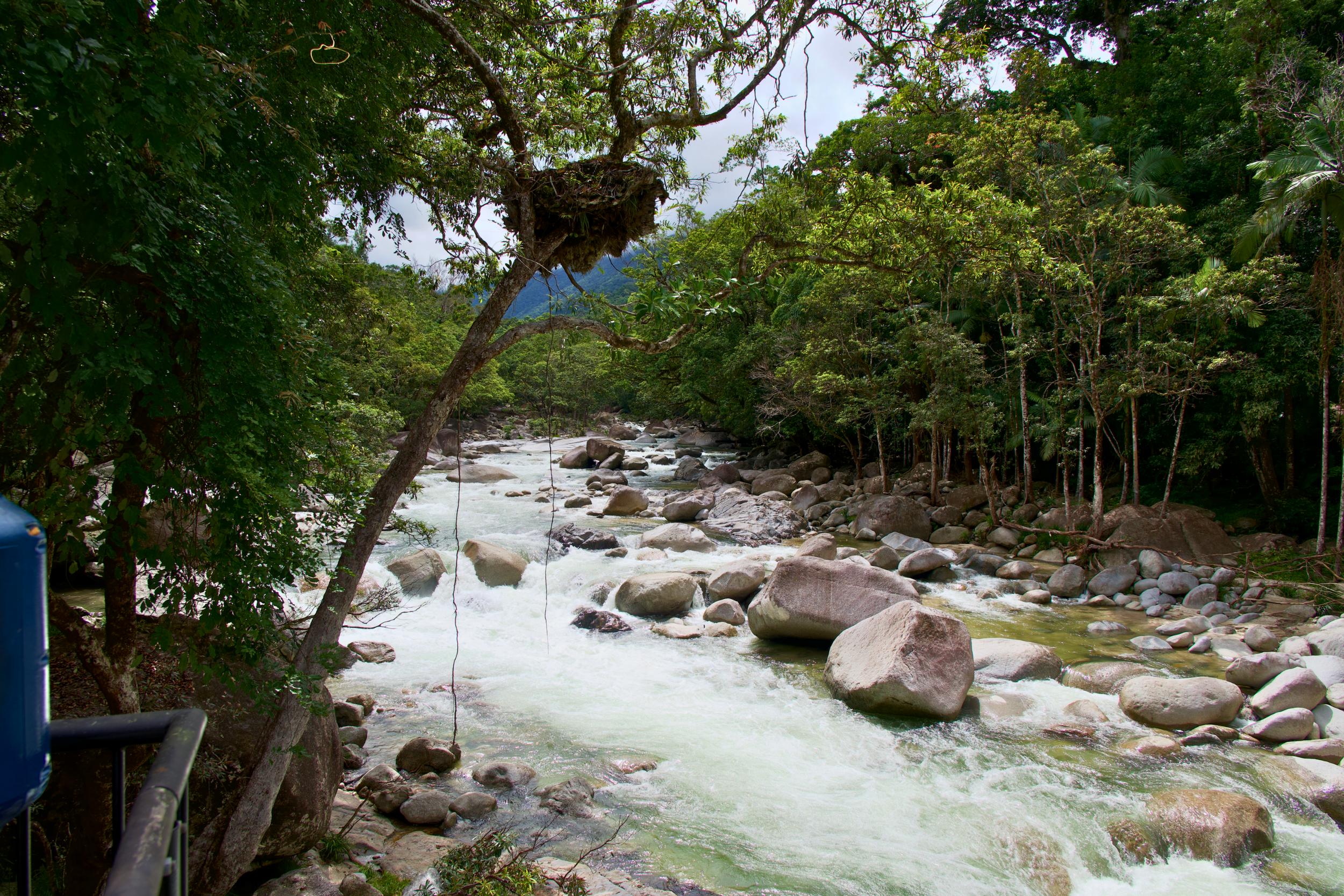
This was unlike any snorkeling I'd ever done. I booked with Backcountry Bliss for their river drift snorkeling experience through the Daintree Rainforest—floating downstream in crystal-clear freshwater, pulled gently by the current, surrounded by ancient rainforest.
The Experience:
Put on wetsuit, snorkel gear, life vest
Entered Mossman River at the upper section
Drifted approximately 1.5km downstream through untouched rainforest
Water so clear I could see every rock, fish, and plant on the riverbed
Jungle towering overhead on both sides—complete immersion in the Daintree
Complete silence except for flowing water and bird calls
Temperature: Cold but refreshing. Wetsuit absolutely necessary even in summer.
What makes it special: You're literally floating through a 135-million-year-old rainforest, no swimming required, but I’d know how to swim in case, just drifting with the current while the ancient Daintree surrounds you. It's meditative, surreal, and unlike anything else I've done. The rainforest canopy creates a green cathedral above, and below, you're watching an entirely different underwater world.
Midday: Mossman Gorge Rainforest Walk
After the drift snorkel ended at Mossman Gorge, I explored the area on foot.
The Walk:
2.4km circuit boardwalk through the gorge
Ancient rainforest, massive trees covered in vines, epiphytes, and ferns blanketing every surface
Crystal-clear river cutting through enormous boulders
Indigenous signage explaining how Aboriginal people used different plants
The gorge itself: dramatic rock formations, turquoise water pools
Afternoon: Scenic Drive Through Palm Tree Farms
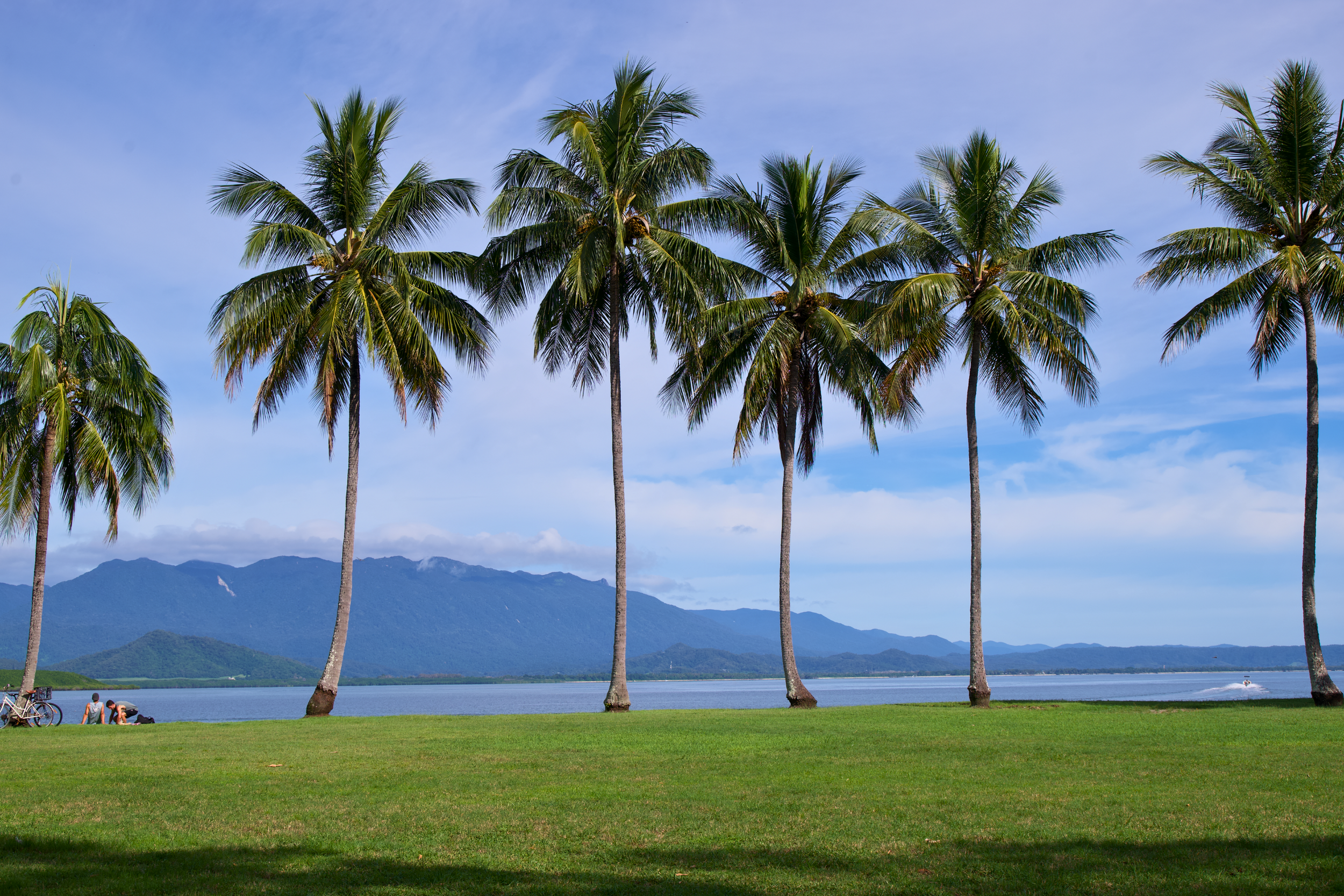
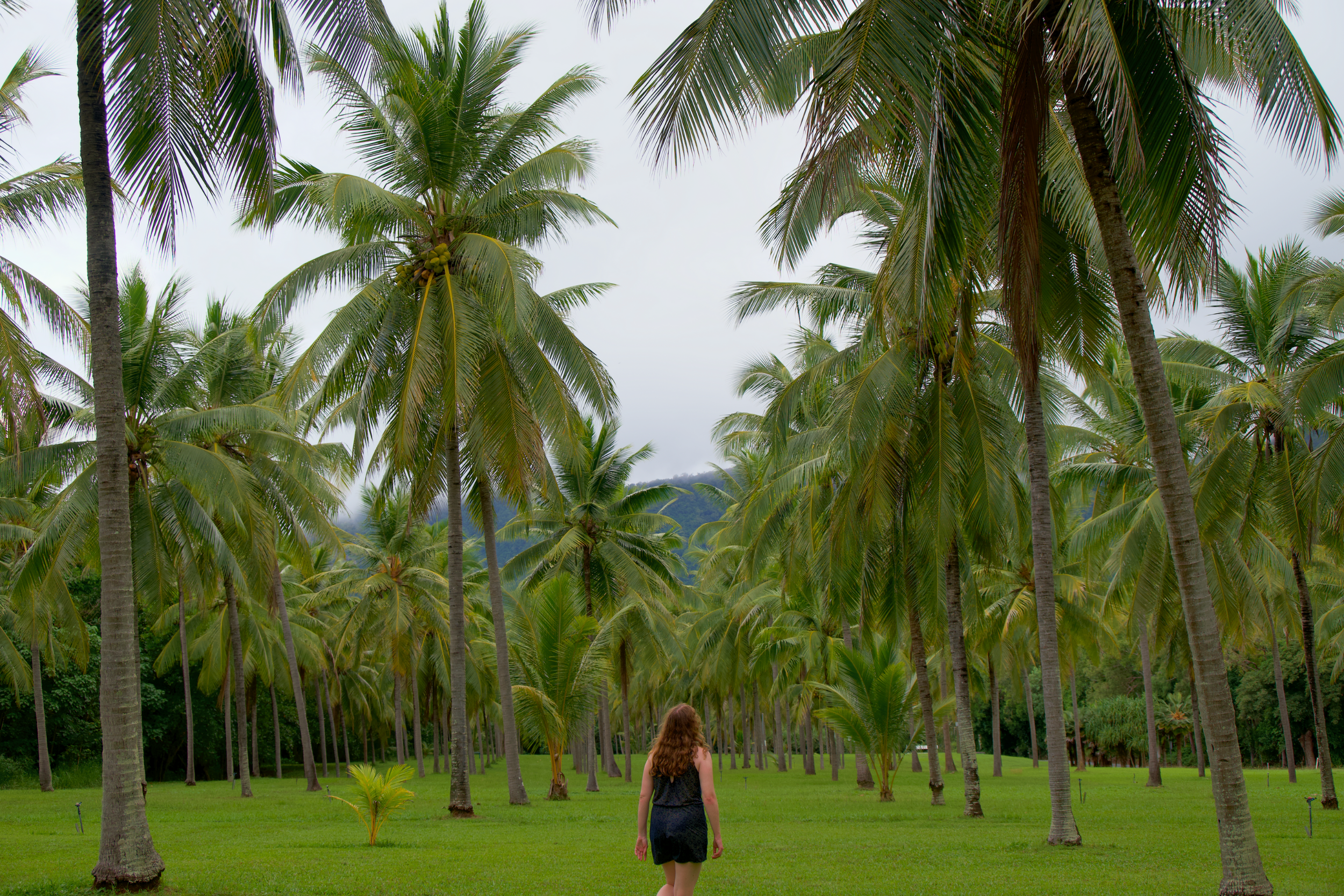
Drove south through Far North Queensland's agricultural heartland, endless rows of tropical palms, sugarcane fields stretching to the horizon, papaya orchards. The landscape is impossibly green and lush.
Stopped multiple times to photograph the palm fields. The geometric rows of palms against mountains in the background create striking compositions. This is working agricultural land, but it's beautiful in its own right.
Evening: Palm Cove
Checked into my bed and breakfast in Palm Cove, a beachside village between Cairns and Port Douglas. Melaleuca trees line the beach, providing rare natural shade.
Palm Cove Coastal Walk:
1km boardwalk through mangroves and along the beach
Sunset beginning to color the sky
Gentle waves, families playing in the shallows
The vibe is relaxed, upscale-casual
Dinner: Beachfront restaurant in Palm Cove. Fresh barramundi, glass of white wine, bare feet in sand, watching the sun set over the Coral Sea. One of those perfect travel moments where everything aligns.
Days 12-15: Melbourne & Great Ocean Road
Getting There: Qantas Cairns→Melbourne (3h 30min, $220). The jump from tropical Cairns to temperate Melbourne is jarring; I actually needed a jacket. (recommended to book here)
Where to Stay: Fitzroy for hipster energy and café culture. CBD, Carlton, or South Yarra also works. Melbourne's tram system is extensive.
Hotel Recommendations for Melbourne:
Hotel Recommendations for the Great Ocean Road:
Day 12: Melbourne Arrival & Afternoon Exploration
Landed: 2:00 PM. Took SkyBus from the airport to Southern Cross Station ($20 AUD, 20 minutes), then tram to accommodation.
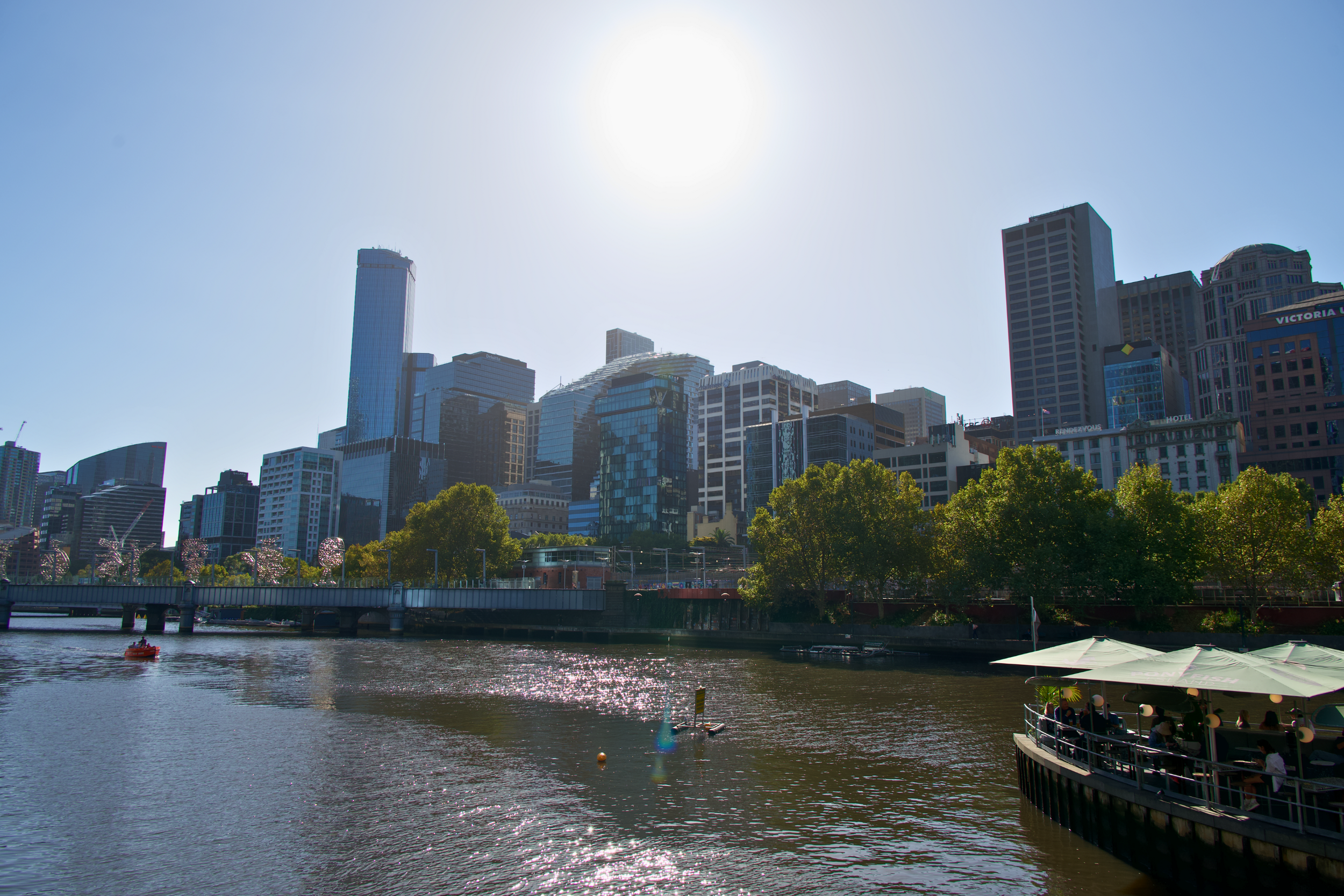
Melbourne does something Sydney doesn't: it feels like a city, not a beautiful harbor with a city attached. The laneways, the trams, the street art covering every wall, the constant café buzz, Melbourne has grit and sophistication in equal measure.
Late Afternoon: Laneway Exploration
Melbourne's famous laneways are where the city's soul lives. I spent three hours getting deliberately lost.
The Essential Laneways:
Hosier Lane & AC/DC Lane:
Melbourne's most famous street art
Massive murals, stencils, paste-ups layered over each other
Changes constantly as artists add new work
Photographer's dream
Centre Place & Degraves Street:
Lined with tiny cafes
Tables spilling into walkways barely wide enough for two people
Coffee culture in its natural habitat
I had an espresso at a hole-in-the-wall Italian place—locals reading newspapers, machines hissing
Hardware Lane:
European-style dining precinct
Cobblestones, outdoor heaters, string lights
Packed with restaurants
Evening: Dinner in Chinatown on Little Bourke Street (excellent dumplings), then drinks at Madame Brussels—, ooftop bar with vintage tea room aesthetic, city views, string lights everywhere.
Day 13-14: Great Ocean Road
The Great Ocean Road is why I rented a car in Melbourne. 243 kilometers of coastal magnificence, built by returned WWI soldiers as a memorial. It ranks among the world's great drives: California's Highway 1, Norway's Atlantic Ocean Road, Amalfi Coast.
If you are not looking to drive yourself, I highly recommend any of these tours to book. Still a great way to see this part of Australia.
The Plan:
Day 13: Melbourne → Twelve Apostles → Overnight in Port Campbell
Day 14: Port Campbell → Continue Along Great Ocean Road Back East → Return to Melbourne
Rental car pickup: 7:00 AM, drove out of Melbourne before rush hour traffic.
Day 13: Melbourne to Twelve Apostles
The Route Strategy:
I drove west (clockwise around the coast), pushing straight to the Twelve Apostles first to maximize time at the main attraction, then worked my way back east over two days. This meant a longer initial drive but front-loaded the most dramatic scenery.
8:30 AM: Through Geelong
The first 90 minutes pass through suburbs and farmland, necessary but unremarkable. Grabbed coffee in Geelong (Victoria's second-largest city) before continuing.
10:00 AM: Torquay - Official Start
Torquay is where the Great Ocean Road officially begins, marked by an arch. Noted it for tomorrow's return journey—this is surf capital of Australia, home to Rip Curl and Quiksilver headquarters.
10:30 AM - 1:00 PM: Pushing West
I made strategic photo stops at scenic lookouts but kept driving. The road hugs cliffsides, winds through rainforest, reveals ocean views around every bend. It's beautiful, but I wanted to reach the Twelve Apostles by early afternoon.
1:30 PM: Twelve Apostles
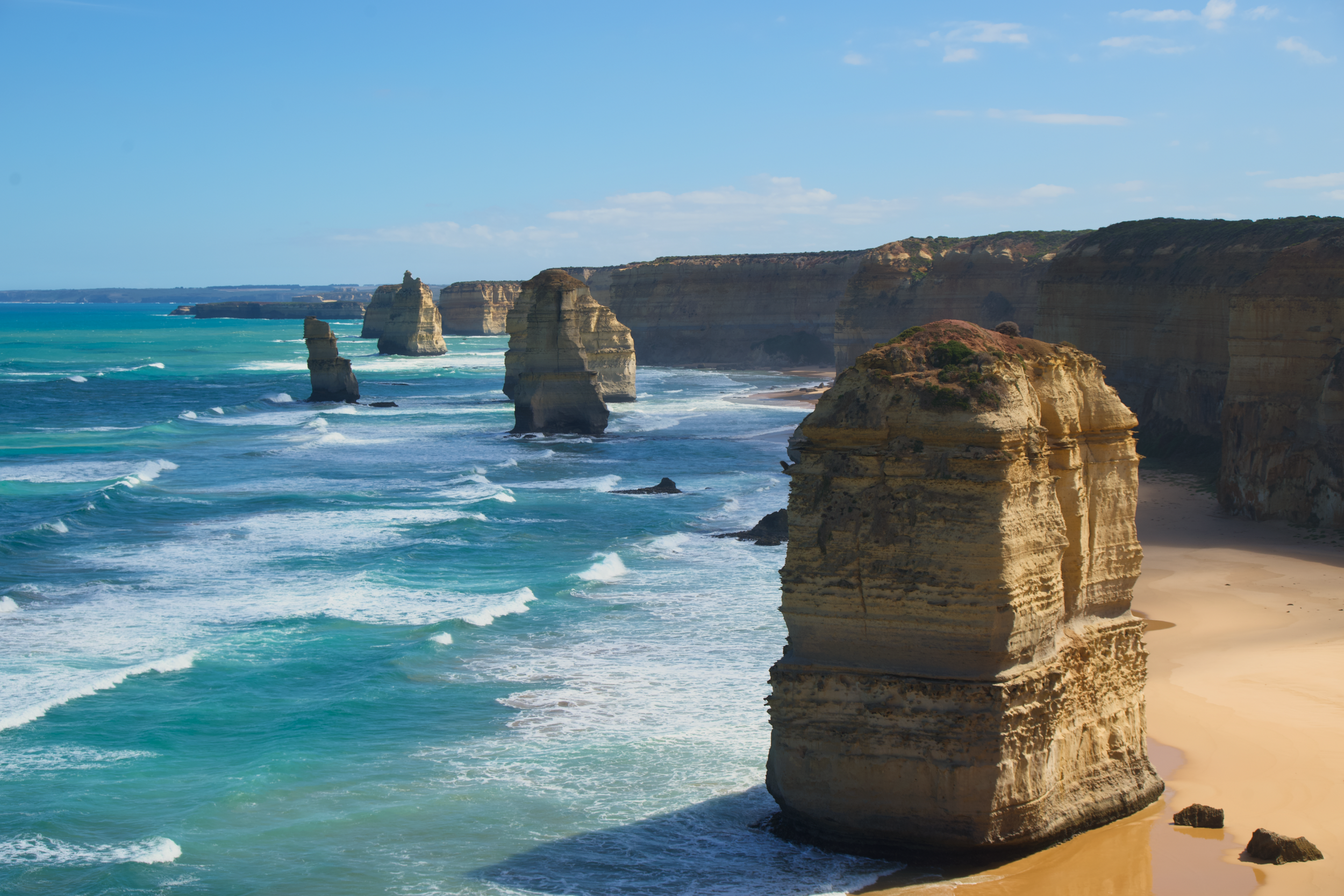
Arrived at the main event. Pulled into the parking lot, walked the boardwalk to the viewing platforms, and there they were: massive limestone stacks rising from the Southern Ocean, waves crashing white foam around their bases, afternoon light turning everything golden.
The Reality of the Twelve Apostles:
There aren't twelve anymore, only eight standing. Erosion claims them slowly. But they're not particularly big individually, maybe 50 meters tall, yet together, scattered across this exposed coastline with 70-meter cliffs behind them, they create something monumental.
I stayed for two hours, walking between viewing platforms, watching the light change as afternoon moved toward evening.
The Photography:
Best light: late afternoon (which I had) or sunrise
Multiple viewing platforms offer different angles
Walk down to Gibson Steps beach access for different perspective (if open—sometimes closed due to erosion)
3:30 PM: Loch Ard Gorge
Five minutes west of the Twelve Apostles: Loch Ard Gorge. Named after an 1878 shipwreck where only two survivors made it to shore through this narrow gorge.
The gorge is dramatically beautiful, towering cliffs creating a narrow inlet, wild ocean funneling through, beach at the bottom accessible by steep stairs (190 steps down, which means 190 back up).
4:30 PM: The Grotto
Another stunning formation, a sinkhole that's collapsed into a cave-like archway where ocean surges through. Boardwalk and stairs lead down to viewing platforms. The light filtering through the arch creates this ethereal blue glow on the water inside.
5:00 PM: Thunder Cave & The Razorback
Continued exploring the coastal formations along this stretch:
Thunder Cave: Another collapsed cave formation where waves crash and echo. The sound is incredible, the ocean literally thunders through the space.
The Razorback: Narrow rock formation jutting into the ocean like a spine. The name is perfect; it looks exactly like the backbone of some massive creature.
5:30 PM: Port Campbell Discovery Walk
With a few hours before sunset, I did the Port Campbell Discovery Walk, a 4km coastal trail from the Twelve Apostles area back toward Port Campbell town. The trail runs along clifftops with continuous ocean views, passing through coastal heathland, wildflowers (in season), and more dramatic rock formations.
7:00 PM: Port Campbell Town
Checked into my accommodation in Port Campbell, a tiny town (population ~400) that exists almost entirely for Great Ocean Road tourists. It's functional rather than charming, but perfectly positioned.
Day 14: Port Campbell to Melbourne via the Coastal Route
Morning: Leisurely Start
After yesterday's long drive and afternoon of walking, I slept in slightly. Started the drive back east around 8:30 AM, taking the coastal route slowly and stopping at everything I'd skipped yesterday.
9:30 AM: Maits Rest Rainforest Walk
First major stop heading east: Maits Rest, a boardwalk loop through temperate rainforest in the Otways. The contrast from yesterday's exposed coastline was immediate: ancient myrtle beech trees, tree ferns everywhere, moss covering everything, the air thick and green.
The walk: 30-minute loop on elevated boardwalk. Easy, accessible, beautiful. The forest is 300+ years old in places, and you feel the age.
10:30 AM: Marriner's Lookout
Elevated viewpoint over Apollo Bay and the coast. Quick photo stop—the bay curves beautifully below, ocean stretching infinitely.
11:45 AM: Kennett River & Koalas
This is where the Great Ocean Road delivers something completely different: wild koalas.
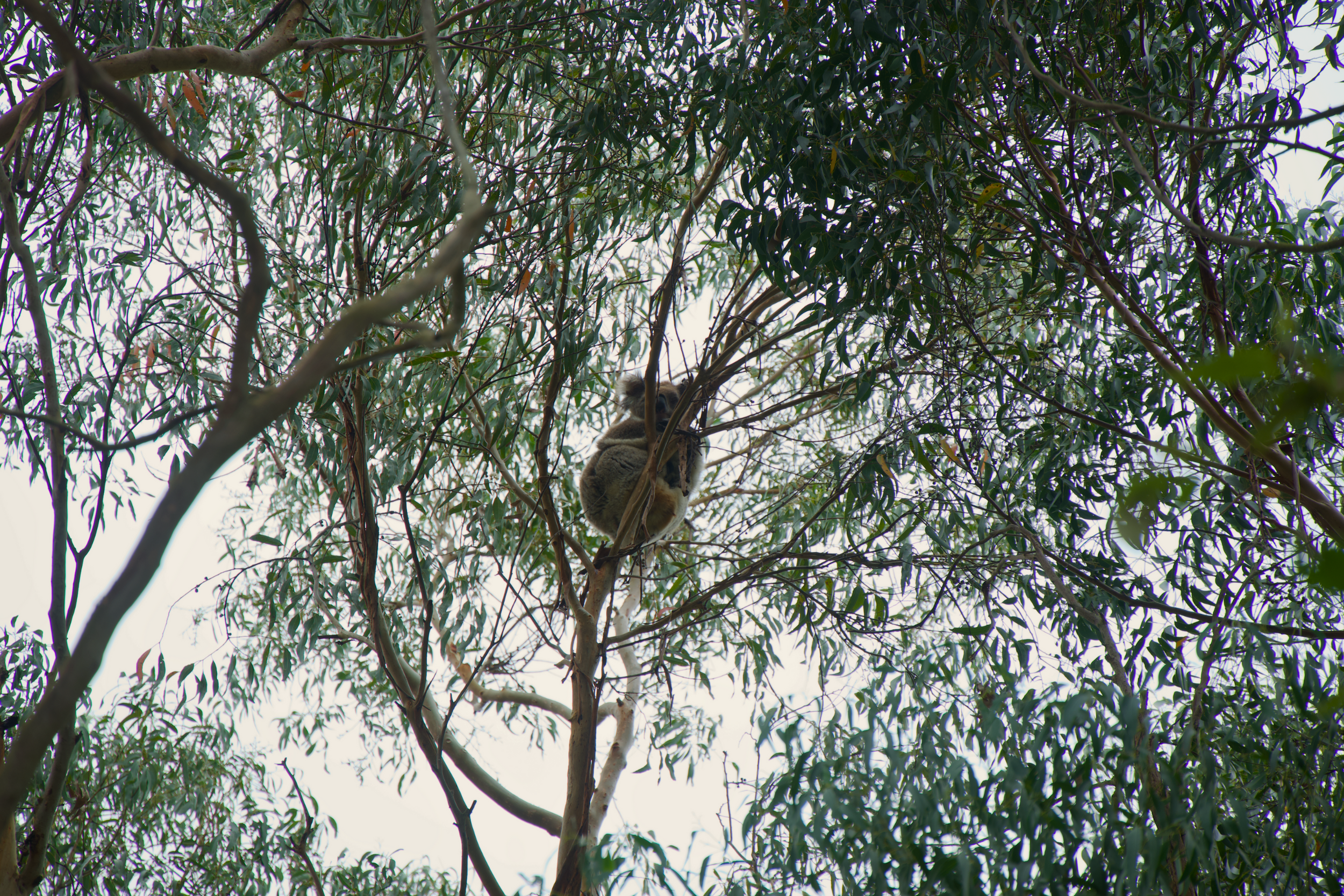
Kennett River Nature Walk: Short trail where koalas commonly sleep in eucalyptus trees right beside the road. I saw four koalas, one barely 3 meters up in a tree, completely unbothered, hugging a branch and sleeping. Koalas in the wild feel more special than in zoos.
The trail also winds through beautiful coastal forest down to a creek and beach. Took 45 minutes with koala-spotting time.
1:00 PM: Teddy's Lookout
Another elevated viewpoint, this one named after a local surfer. Panoramic views over Lorne and the coastline. Had lunch here (packed sandwiches), sitting at the picnic area, watching the ocean below.
2:00 PM: Anglesea Golf Club
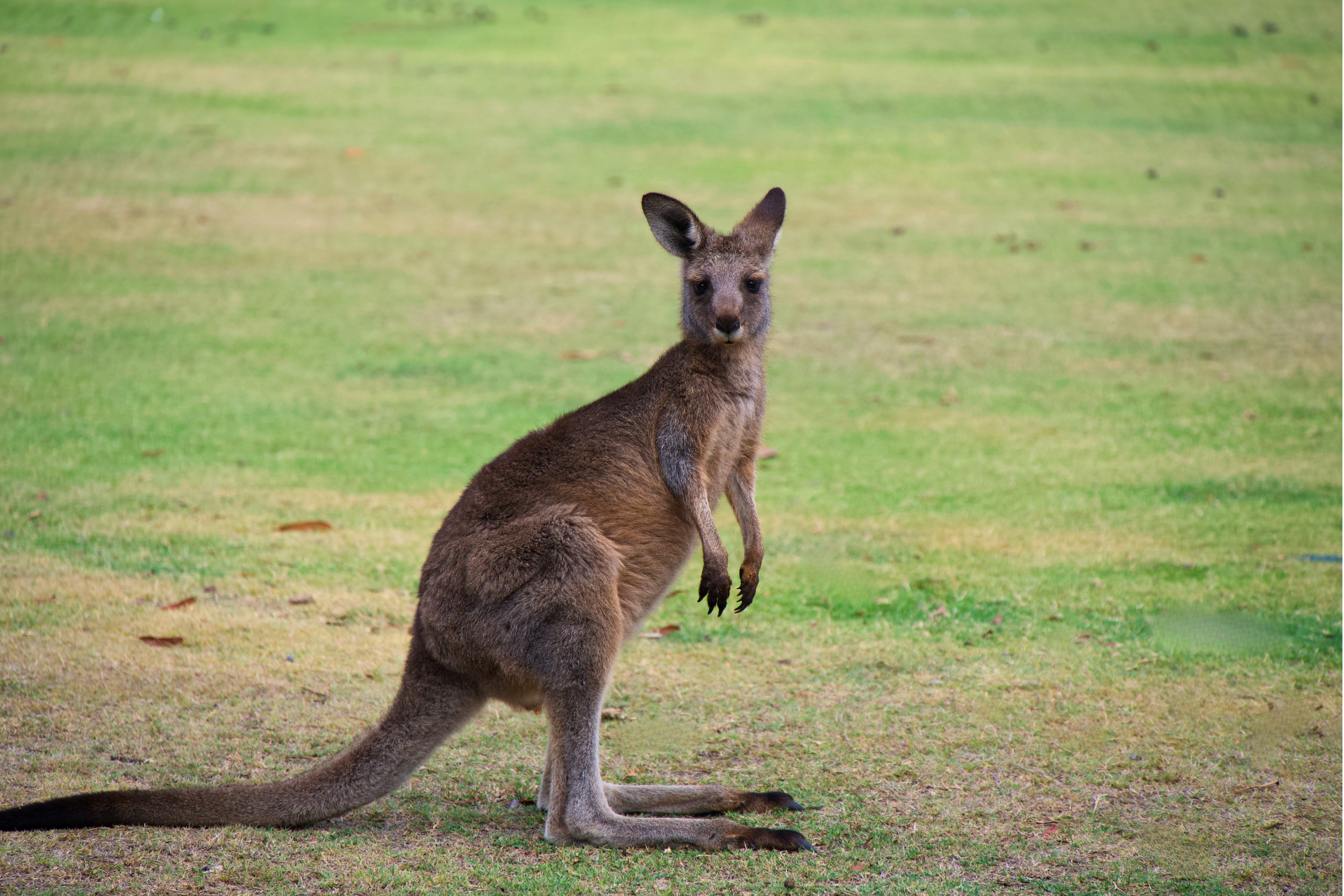
This stop is quirky: Anglesea Golf Club has kangaroos. Lots of them. They graze on the golf course fairways like it's their personal lawn. I pulled into the carpark, walked to the edge of the course, and counted 15+ kangaroos just hanging out while golfers played around them.
It's surreal and very Australian, kangaroos and golf, coexisting peacefully.
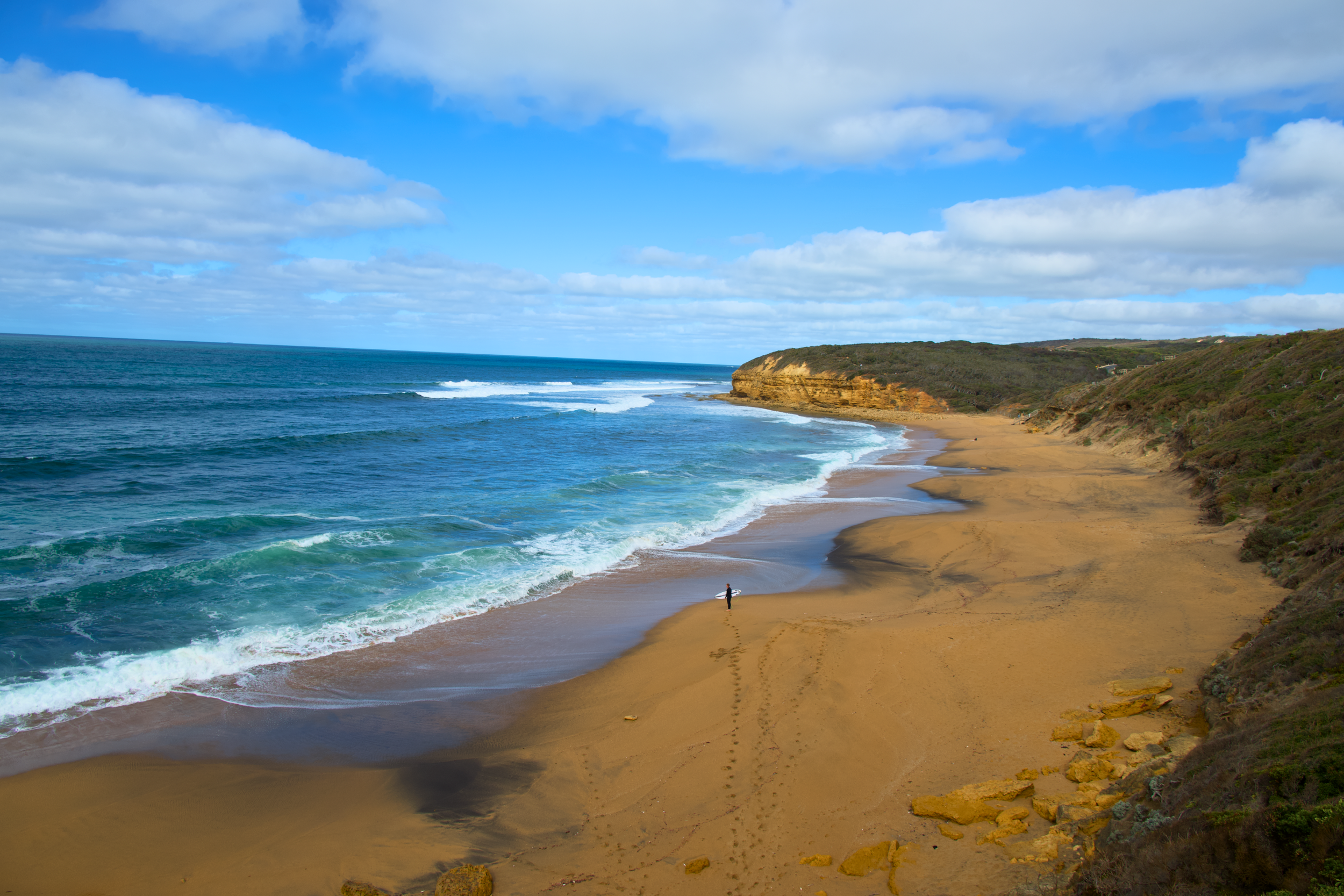
2:45 PM: Bells Beach
The legendary surf spot. Hosted the Rip Curl Pro surf competition since 1961. Stopped to watch surfers tackle the swell, even on a random weekday, there were 20+ people in the water.
3:30 PM: Torquay
Arrived in Torquay, the official start/end of the Great Ocean Road. Checked into accommodation for the night, Torquay has way more options than Port Campbell and is a proper surf town with good restaurants and bars.
Afternoon: Walked through town, browsed surf shops (Torquay is the global headquarters of Rip Curl, Quiksilver, and other surf brands—outlet shopping if you're interested), walked the main beach.
Evening: Dinner at a beachfront restaurant, cold beer, watching the sun set over the ocean. Reflected on two incredible days of coastal driving.
Next Morning: Easy 90-minute drive back to Melbourne (return car, check into city accommodation).
Day 15: Final Melbourne Day
Morning: Queen Victoria Market
Saturday morning at Queen Victoria Market (book a tour for an added layer of adventure)
Opened 1878, Southern Hemisphere's largest open-air market
Rows of produce, artisan cheese, fresh bread, meat, fish
International food section
Late Morning: Carlton & Museum
Walked through Carlton's Victorian streets to Melbourne Museum ($15 entry).
Aboriginal cultural section was exceptional
Natural history, Australian social history
Gave context for everything I'd seen traveling
Afternoon: St Kilda
Catch tram 96 to St Kilda, Melbourne's beach suburb.
Walked the pier (little penguins nest in breakwall rocks—come at dusk)
Fish and chips on the sand
Watched kite surfers
St Kilda Cake Shops:
Stopped at Monarch Cakes (since 1934) for a lamington. Old-school Australian bakery culture is wonderful, unpretentious, delicious, cheap.
Days 16-21: Tasmania - The Wild Island
Getting There: Jetstar Melbourne→Launceston (1 hour, $100) (recommended to book here)
Why Launceston (not Hobart)? Flying into Launceston in northern Tasmania means you drive the stunning east coast south toward Hobart, not backtracking. Much better routing.
Rental car: Picked up at Launceston Airport. You need a car for all of Tasmania—public transport is minimal. I kept it for all 6 days. I highly recommend booking through Expedia for the best price and options.
The Tasmania Route:
Day 16: Bay of Fires
Days 17-18: Freycinet National Park (1.5 days)
Day 19: Maria Island (half day) + drive to Hobart
Days 20-21: Hobart (2 nights)
Hotel Recommendations:
Hobart Hotel Recommendations
Day 16: Bay of Fires - Tasmania's Most Beautiful Coastline
Driving from Launceston: 2 hours northeast to Bay of Fires. The drive passes through farmland, forests, small towns. Tasmania immediately feels different from mainland Australia, greener, cooler, wilder.
What is Bay of Fires?
A 50km stretch of pristine coastline famous for:
White sand beaches that squeak when you walk
Turquoise water so clear you can see the bottom 20 meters out
Orange lichen-covered granite boulders (hence "Fires", they glow orange at sunrise/sunset)
Essentially deserted, you'll have beaches to yourself
Full Day Beach Hopping:
Spent the entire day driving and walking between beaches. Each one is stunning, each slightly different.
The Beaches (North to South):
Binalong Bay:
Iconic Bay of Fires beach
Massive orange granite boulders scattered across white sand
Crystal-clear turquoise water
20 minutes walking the beach, seeing maybe 5 other people
The Gardens:
Appropriately named, rock formations create natural "garden" rooms
More orange boulders
Tide pools to explore
Sloop Reef & Jeanneret Beach:
Two connected beaches
Wombat tracks in the sand
Felt like the edge of the world
Cosy Corner:
Protected cove
Excellent swimming
Had lunch here sitting on rocks
Late Afternoon:
Returned to Binalong Bay for sunset. The orange rocks actually do glow orange when low sun hits them.
Evening: Drove south to Freycinet area (2 hours), checked into accommodation near Coles Bay.
Days 17-18: Freycinet National Park - Wineglass Bay & Perfection
Drive from St Helens to Freycinet: 2.5 hours south along the coast. Stopped in Bicheno for lunch (cute fishing village).
What is Freycinet?
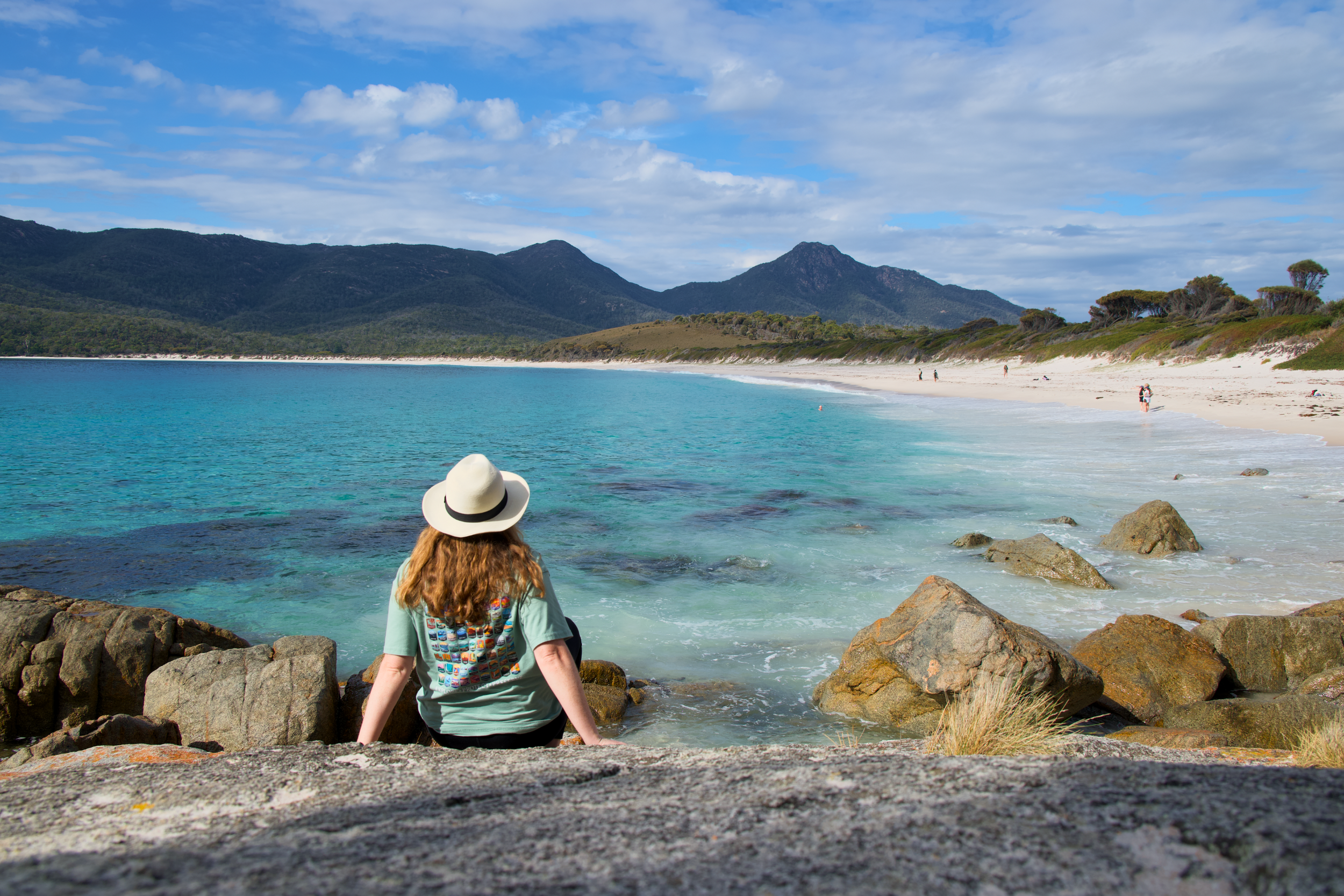
A peninsula of pink granite mountains, white sand beaches, and Wineglass Bay, one of the world's most photographed beaches.
Day 16 Afternoon: Arrival & Easy Walks
Honeymoon Bay:
5-minute walk from Freycinet National Park entrance
Sheltered beach with turquoise water
Perfect for swimming
Gentle introduction to Freycinet
Cape Tourville Lighthouse Walk:
20-minute circuit boardwalk
Elevated views over the coastline
Saw whales breaching offshore (early spring whale migration)
Sunset from here was spectacular

Day 17: Wineglass Bay - The Hike Everyone Comes For
The Wineglass Bay Lookout Hike:
Details:
Distance: 3km return (to lookout)
Time: 1.5-2 hours return
Difficulty: Moderate (uphill but well-maintained granite steps)
Elevation gain: 300 meters
My Experience:
Left accommodation at 7:30 AM to beat crowds and catch morning light. The trail begins at the main car park, immediately climbing through an eucalyptus forest. It's steep but steady, granite steps the entire way.
45 minutes of climbing later: Reached the lookout platform. And there it was.
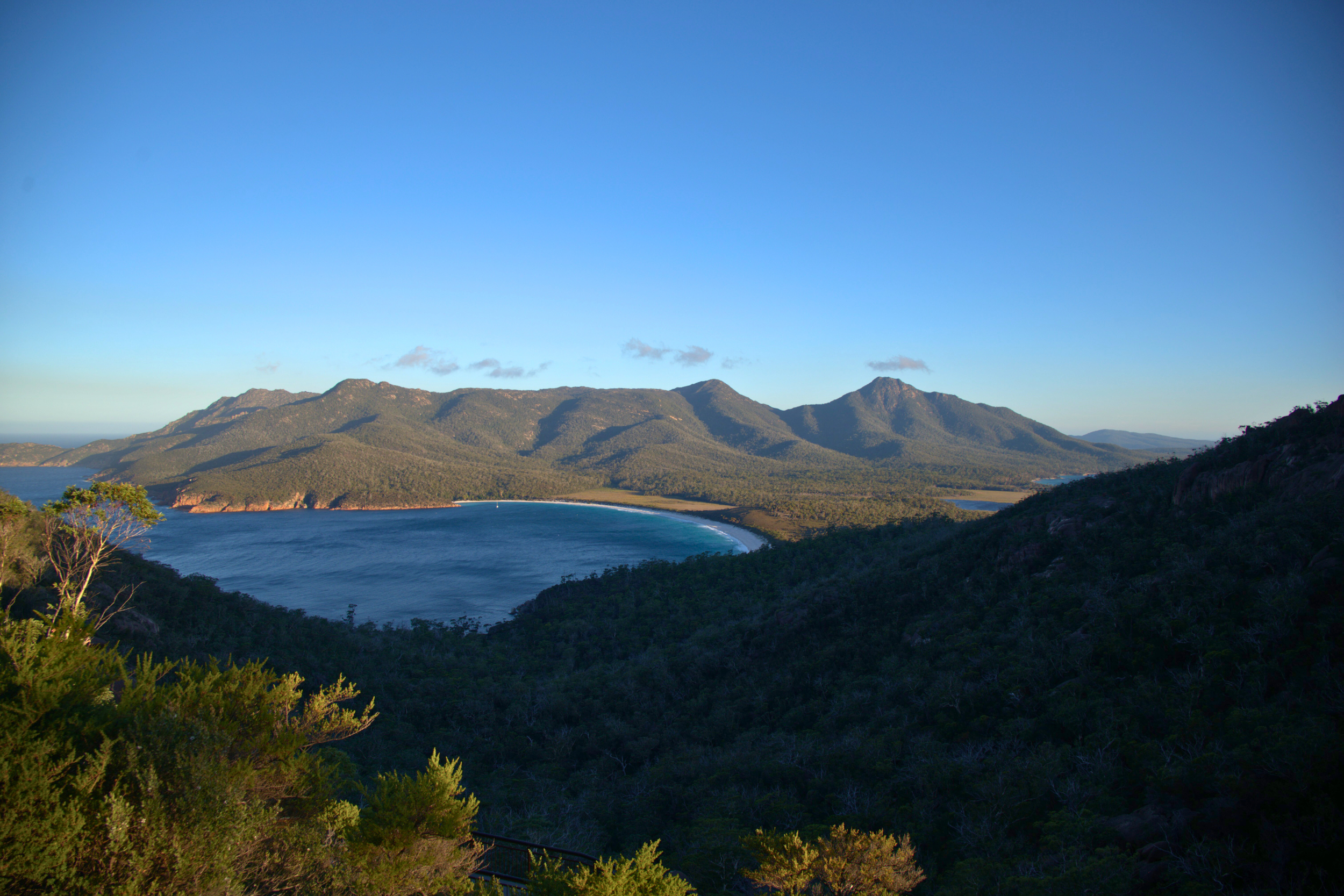
Wineglass Bay spread below: a perfect crescent of white sand beach, turquoise water, mountains framing both sides. The name is obvious; it's shaped exactly like a wineglass viewed from above.
I sat on the rocks for 30 minutes, eating an apple, watching the light change on the water. One of those moments where you think: this is why I traveled 10,000 miles.
Optional Extension: Walking to the Beach
You can continue from the lookout down to Wineglass Bay beach (additional 2.5km, 1 hour each way). I did it. The descent is steep, but reaching the beach is worth it.
Total stats if you do it all:
10-11km total
3-4 hours
Bring: water, snacks, sunscreen, swimsuit, camera
Afternoon: Hazards Beach Walk
Still had energy (barely), so drove to the Hazards Beach carpark and did another walk.
Hazards Beach Circuit:
6km loop (2 hours)
Through coastal forest to another stunning beach
Fewer people than Wineglass Bay
Wildflowers blooming (spring)
Wallabies everywhere
Day 18: Freycinet Kayaking & Departure
Morning: Half-day Kayaking Tour
You can book a guided kayak tour around the Freycinet coastline (book tour here). One of the best ways to see the park.
What You Can See:
Paddled along the granite coastline
Sea caves and rock formations
Seals lounging on rocks (they're enormous)
Secret beaches only accessible by water
The water is so clear you can see the bottom 10+ meters down.
Afternoon: Drove south toward Hobart, stopping for Maria Island detour.
Day 19: Maria Island Half-Day & Drive to Hobart
Maria Island is off Tasmania's east coast, a national park island with no cars, no permanent residents, just wildlife and convict history.
Timing: Did this as a half-day trip while driving from Freycinet to Hobart.
Getting There:
Ferry from Triabunna (on the route from Freycinet to Hobart). The ferry takes 30 minutes across Mercury Passage to the island.
Ferry details:
Multiple departures daily
Cost: $50 AUD return
Book ahead (limited capacity) - you can book packages here
Morning departure, early afternoon return works well
What Makes Maria Island Special:
No cars. No shops. No accommodation (unless you camp). Just walking tracks, pristine beaches, historic convict ruins, and wildlife everywhere.
The Wildlife:
Maria Island has ridiculous wildlife abundance:
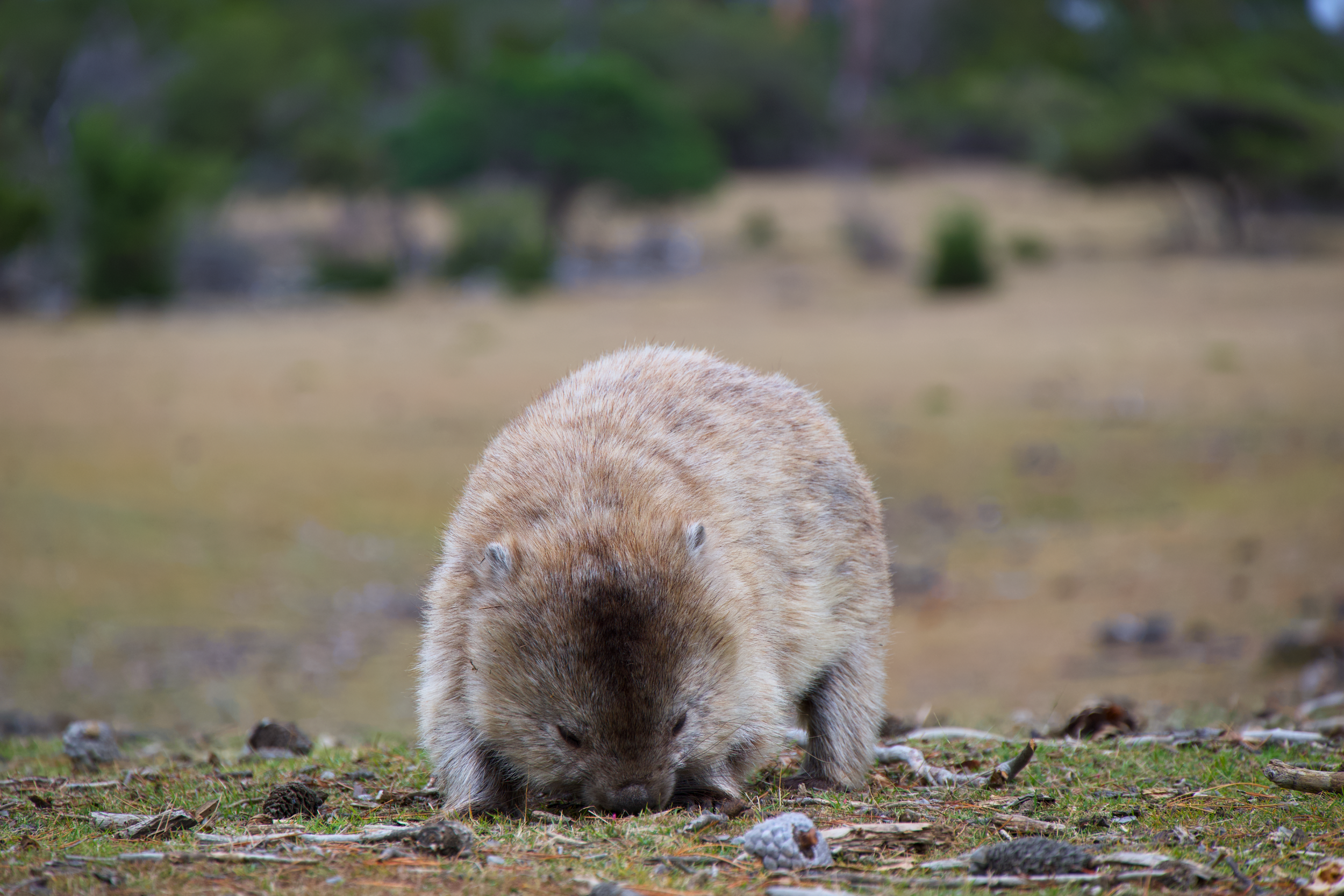
Wombats: I saw 12+ wombats in 3 hours. They waddle around like small bears, completely unbothered by humans.
Kangaroos: Everywhere. Grazing on the coastal plains.
Cape Barren geese: Rare species, honking loudly.
Wallabies: Hopping through forest.
Tasmanian devils: On the island as part of a conservation program (rarely seen during day).
What I Did (Half Day):
Darlington Township Walk (1 hour):
Circuit around old convict settlement
Well-preserved 1800s buildings (penitentiary, commissariat store, coffee palace)
Wombats grazing on the lawns between historic buildings
History and wildlife combined
Painted Cliffs (40-minute walk):
Coastal track to stunning sandstone cliffs
Rock striped with iron oxide patterns (looks painted)
Tide pools, clear water, more wombats
Return Ferry: Early afternoon, then drove to Hobart (1 hour from Triabunna).
Evening: Arrived in Hobart, checked into accommodation, casual dinner.
Days 20-21: Hobart - Tasmania's Capital
What is Hobart?
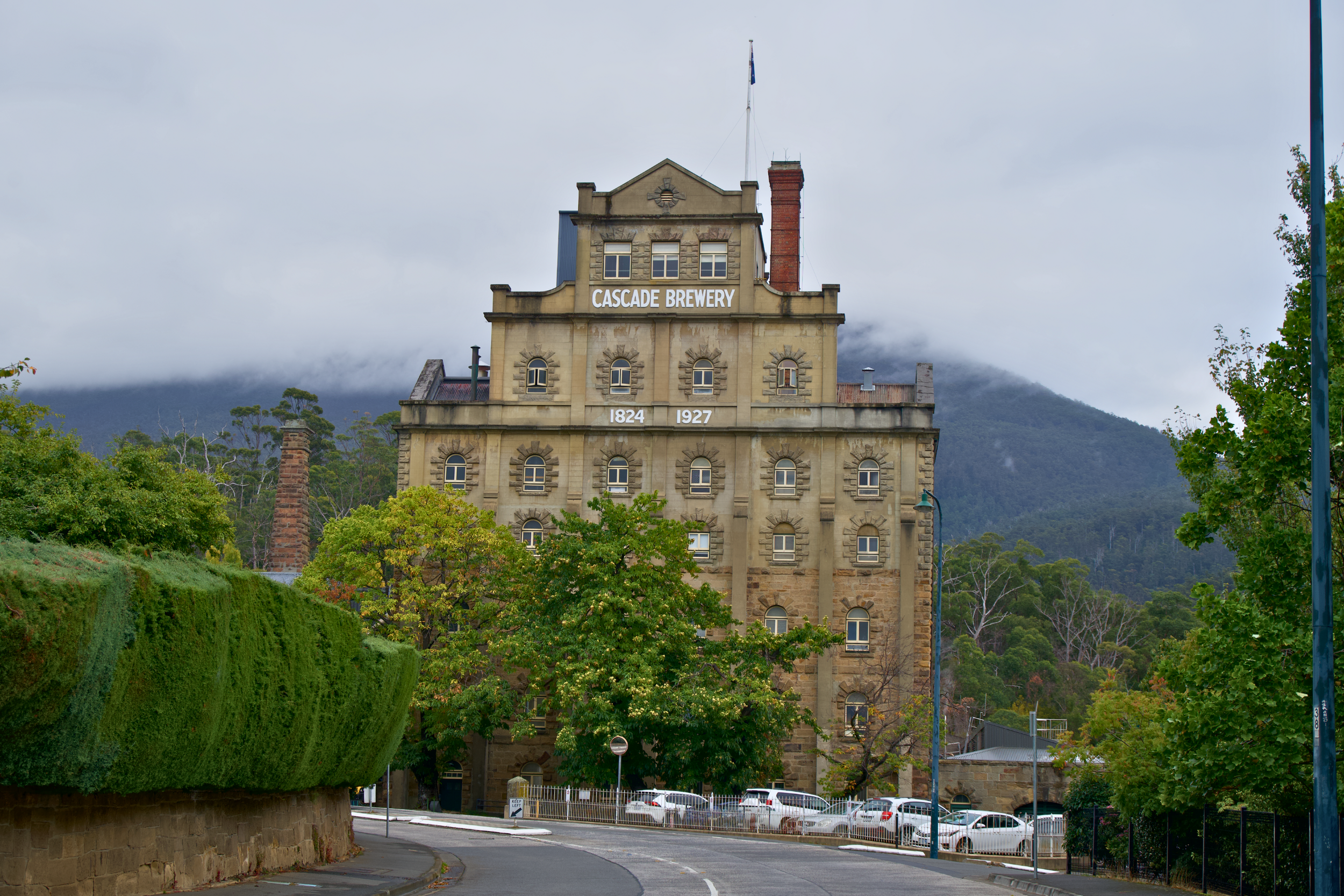
Australia's second-oldest capital city (after Sydney), built on the Derwent River estuary, backed by Mount Wellington. It has colonial architecture, excellent food and wine, quirky culture, and that cool-kid energy that happens when artists move somewhere affordable.
Day 20: Hobart Exploration
Morning: Salamanca Place
Salamanca is Hobart's historic waterfront district, 1830s sandstone warehouses converted into galleries, cafes, restaurants, shops.
Saturday morning: The famous Salamanca Market runs (8:30 AM-3:00 PM, Saturdays only). I was there on Saturday, 300+ stalls selling local produce, crafts, art, food.
Late Morning: Battery Point
Behind Salamanca, Battery Point is Hobart's oldest residential neighborhood. Tiny cottages, narrow lanes, gardens overflowing with flowers. Walked aimlessly for an hour, getting deliberately lost.
Afternoon: MONA (Museum of Old and New Art)
MONA is Tasmania's most famous attraction, a controversial, provocative, weird, wonderful art museum built into a cliff by a millionaire gambler.
Getting there: Ferry from Hobart waterfront (20 minutes, $30 return, the ferry itself is an experience with plush seats and a bar). You can also book a Hobart tour that includes a ticket to MONA.
Day 21: Mount Wellington & Final Reflections
Morning: Mount Wellington (kunanyi)
Mount Wellington towers 1,271 meters above Hobart. You can drive to the summit (30 minutes from city), and I strongly recommend it.
The Drive: Switchbacks climbing through temperate rainforest, then subalpine moorland, then bare rock. At the top: alpine desert of rock, wind, and views.
If you don’t want to drive yourself, they have tours available to take you to the top (book here).
The Summit:
On a clear day, you see: all of Hobart spread below, the Derwent River, Bruny Island, across to the east coast, the Tasman Peninsula, southern ocean beyond. 360-degree views that put Tasmania's scale in perspective.
Afternoon: Final Hobart Wandering
Returned to city, walked the waterfront, grabbed a final flat white, sat on Constitution Dock watching fishing boats.
Practical Information & Essential Tips
What to Pack for 3 Weeks
The essentials I actually used:
Light layers: Australia has massive climate variation. I needed t-shirts in Cairns and a puffy jacket in Tasmania.
Quality walking shoes: You'll walk 5-10km daily.
Reef-safe sunscreen: Critical for reef snorkeling.
Quick-dry travel towel: Used constantly.
Reusable water bottle: Australia has excellent tap water everywhere.
Power adapter: Australia uses Type I outlets (different from US/Europe).
Swimsuit and rashguard: Worn almost daily.
What I packed but never used:
Dress shoes: Australia is gloriously casual.
Too many clothes: I did laundry twice, could have packed 30% less.
Food & Dining Costs Reality
Budget breakdown per person:
Budget meals: $15-20 (bakery, takeaway, food courts)
Mid-range: $30-50 (casual restaurants, cafes)
Nice dinner: $60-100 (good restaurants, wine)
Money-saving strategies:
Cook breakfast and lunch, eat dinner out
Supermarkets: Coles and Woolworths are everywhere
Bakeries have excellent, cheap food (meat pies, sausage rolls)
BYO wine to restaurants (many allow it with $5-10 corkage fee)
Memorable meals:
Great Barrier Reef boat lunch (included in tour)
Rick Shores at Burleigh Heads (Asian fusion on beach)
Any meal in Hobart (Tasmania's food scene is exceptional)
SIM Card & Staying Connected
eSIM (used on this trip): Saily https://saily.tpx.lu/dua1Bx66
Coverage: Excellent in all cities, good on highways, spotty in Tasmania wilderness (expected).
Safety & Health Realities
Sun exposure: Australian UV index is brutal. I got sunburned twice despite constant sunscreen. Reapply every 2 hours, wear a hat, seek shade midday.
Wildlife:
Saltwater crocodiles in Far North Queensland, heed warning signs
Box jellyfish, November-May; wear stinger suits
Snakes and spiders exist, but rarely seen
Wombats and kangaroos cause car accidents, drive carefully at dawn/dusk in Tasmania
Water safety:
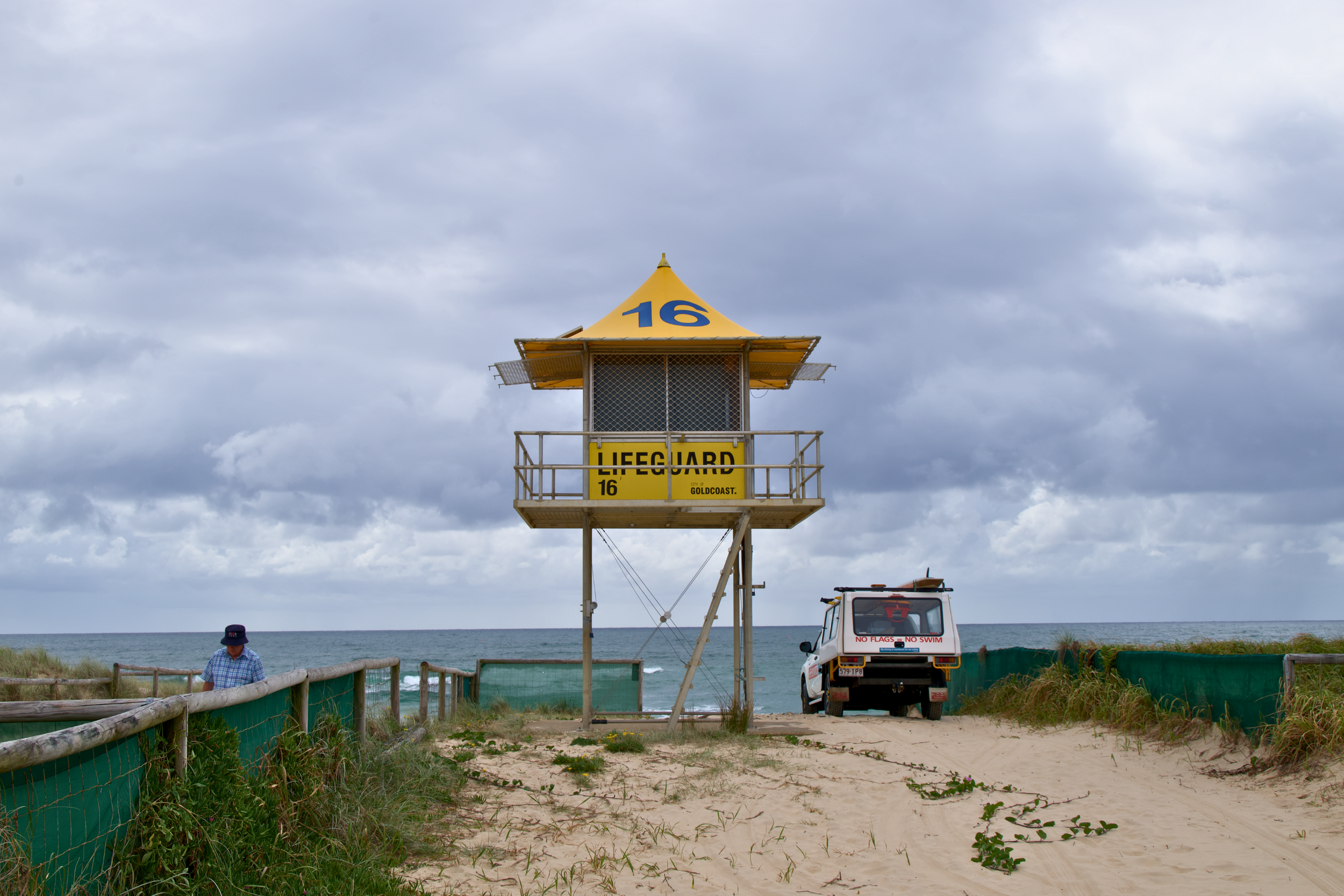
Rip currents kill tourists; swim at patrolled beaches between flags
If caught in a rip: don't panic, swim parallel to beach
Final Thoughts: Were 3 Weeks Enough?
Three weeks in Australia felt simultaneously too short and perfectly timed. I finished exhausted, satisfied, and already planning what I'd do with another month.
What I'd change:
Add 2-3 days to Tasmania (could explore west coast, Cradle Mountain)
Skip Gold Coast if only 2 weeks total (use those days for Tasmania or Sydney)
Build in more rest days (I was relentless with activities)
What exceeded expectations:
Tasmania completely. I gave it 6 days and could have spent 20.
Melbourne's café culture and laneways
How empty Australia's beaches are once you leave the main tourist spots
The Great Barrier Reef living up to the hype
What met expectations:
Sydney being beautiful (expected, delivered)
Cairns being hot and humid (prepared for it)
Driving distances being long (planned accordingly)
The truth about Australia:
This itinerary covered maybe 5% of the country geographically. I didn't see the Red Centre (Uluru), the Top End (Kakadu), Western Australia (Perth, Margaret River), or a dozen other places.
Australia rewards time. Every Australian I met said some version of: "You need at least 3 months to really see Australia." They're right, but 3 weeks is enough to understand why you'd want to come back.
If you have limited time, this route works: you get the iconic experiences (Sydney, reef, Great Ocean Road), the surprise highlights (Gold Coast beaches, Fitzroy Island), and the soul of the place (Tasmania's wilderness).
Would I do it again? In a heartbeat. But next time, I'm bringing 6 weeks.
Frequently Asked Questions About Visiting Australia
-
Very safe. Australia has low crime rates, stable government, and generally safe cities. The biggest safety concerns are natural—sun exposure (UV is brutal, wear SPF 50+ and reapply constantly), ocean rip currents (only swim at patrolled beaches between the flags), and wildlife in remote areas. Saltwater crocodiles exist in Far North Queensland, box jellyfish are present November-May (wear stinger suits), and snakes/spiders exist but are rarely encountered. Common sense keeps you safe.
-
Tipping is NOT expected in Australia. This is the biggest cultural difference for Americans. Australian workers earn a liveable minimum wage ($24.95/hour as of 2025), so they don't rely on tips. Tipping is slowly becoming more common in upscale city restaurants (10% for exceptional service), but it's purely optional and never expected. Don't tip at cafes, bars, taxis, or casual restaurants—it can even be seen as awkward. The price you see is the price you pay (taxes included). If you receive truly exceptional service at a nice restaurant, rounding up or leaving 10% is appreciated but never required.
-
Yes, everywhere. Australia has excellent tap water quality in all cities and towns. Bring a reusable water bottle and fill it freely. You'll save money and plastic waste. Even in remote areas, tap water is generally safe.
-
You'll see lots of wildlife, but dangerous encounters are extremely rare. Most Australians never see a dangerous snake or spider. What you WILL see:
Kangaroos and wallabies: Common in Tasmania, national parks, even golf courses
Koalas: Look in eucalyptus trees at places like Kennett River (Great Ocean Road)
Wombats: Everywhere in Tasmania, especially Maria Island
Birds: Cockatoos, kookaburras, rainbow lorikeets, magpies (watch for swooping in spring September-November)
Marine life: Sea turtles, reef fish, seals, dolphins, whales (May-November)
Dangerous animals exist but are avoidable: Don't swim in unmarked waterways in Far North Queensland (crocodiles), wear stinger suits in Cairns November-May (jellyfish), don't put hands in dark holes or under rocks (spiders/snakes), and shake out shoes before putting them on in remote areas.
-
Absolutely yes. Australia has excellent healthcare but it's expensive for visitors. A trip to the emergency room can cost thousands. Ambulance rides are not free and can cost $1,000+. Get comprehensive travel insurance that covers:
Medical emergencies and evacuation
Trip cancellation/interruption
Lost/stolen belongings
Adventure activities (reef diving, hiking, water sports)
If you can't afford travel insurance, you can't afford to travel to Australia.
-
Type I (Australia-specific) three-pin adapter. Australia uses 220-240V, 50Hz power. US devices (110V) work fine with an adapter, but check if your device is dual voltage (most modern electronics are). Buy adapters before you leave—they're cheaper at home than in Australia.
-
Parts are bleached, but vast sections are thriving. Climate change has damaged coral, but the reef is far from dead. When I snorkeled there, the abundance of life was extraordinary—colorful coral, sea turtles, reef sharks, countless fish. Go now, support responsible tourism (choose reef-safe operators), and minimize your carbon footprint elsewhere. The reef is still one of Earth's natural wonders and worth the journey.
-
2-3 months ahead for major cities and popular areas. Tasmania's Freycinet National Park and Bay of Fires areas book out months ahead (limited accommodation). Sydney and Melbourne have plenty of options but prices increase closer to travel dates. Cairns is generally available but book reef tours as early as possible (they fill up). During Australian school holidays, book even earlier.
-
Australian coffee culture is serious and exceptional. Forget drip coffee—it doesn't exist. Order:
Flat white: Espresso with velvety microfoam milk (the Australian staple)
Long black: Espresso with hot water (like an Americano but better)
Cappuccino: Espresso with foamed milk and chocolate dusting
Coffee costs $5-6, and even random suburban cafes make better coffee than most US specialty shops. This will ruin you for coffee elsewhere. Never ask for "regular coffee."
-
Major cities are generally accessible, but it varies. Sydney and Melbourne have accessible public transport, hotels, and attractions. Older buildings and regional areas have limited accessibility. Many of the hikes in this itinerary (Wineglass Bay, Bondi to Coogee walk) involve stairs and uneven terrain that aren't wheelchair accessible. Research specific accommodations and attractions ahead of time. Tourism Australia's website has accessibility information for major attractions.