
Best Things to Do in Bocas del Toro, Panama
A complete Bocas del Toro travel guide: top islands and beaches, where to stay, when to go, best tours, budget tips, and a ready-made itinerary.
Best Things to Do in Bocas del Toro, Panama
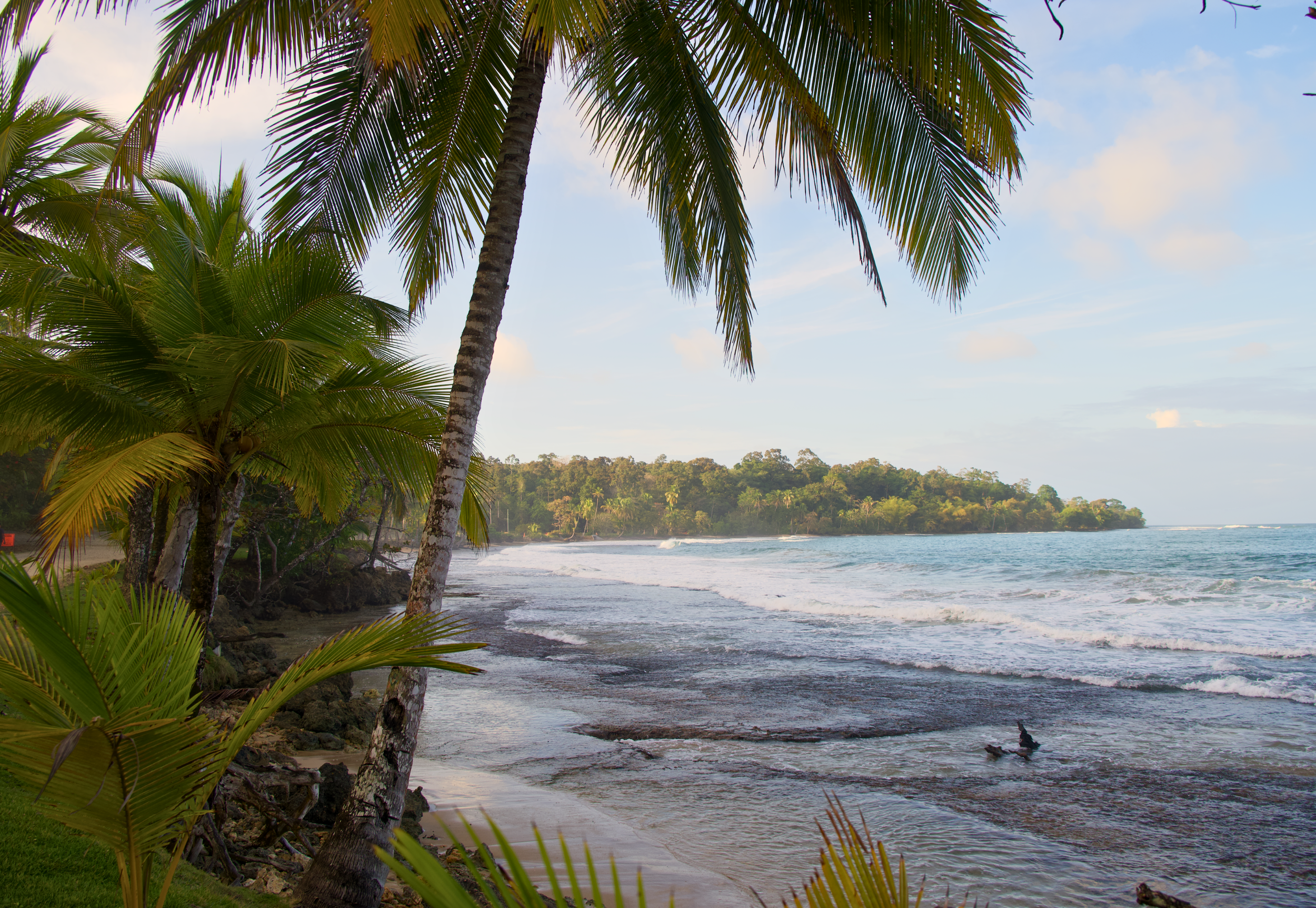
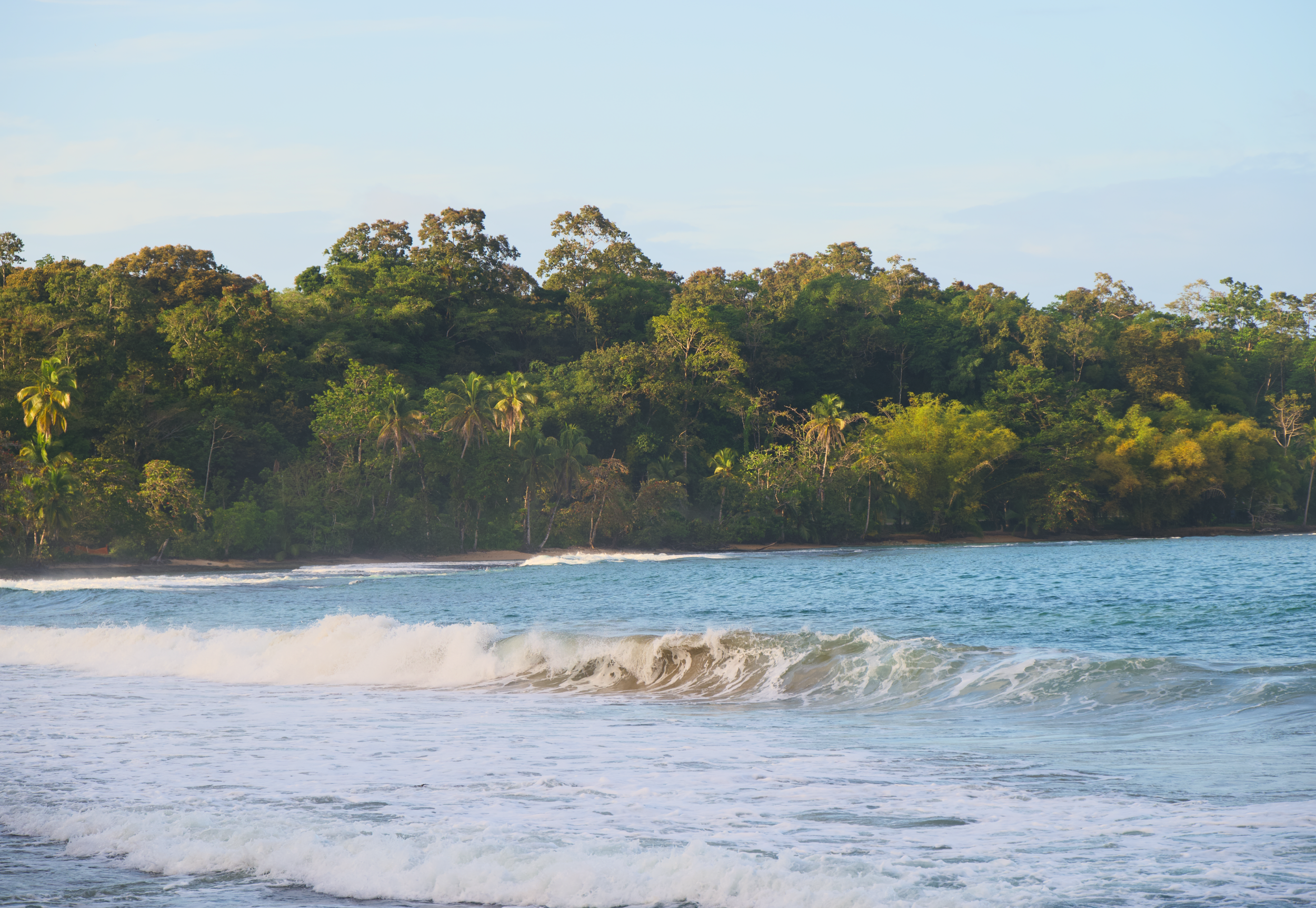
Nine main islands, a scatter of uninhabited cays, and one long stretch of Caribbean coastline sit at the edge of Panama's rainforest, connected by nothing but water taxis and a shared unhurried pace. This is Bocas del Toro, a province where sloths outnumber street signs and the fastest way between two points is almost always a boat.
It's also one of the most talked-about destinations in Central America right now, and for good reason. Between the reef breaks, the bioluminescent water, and beaches that look almost too vivid to be real, Bocas earns the hype. This guide covers everything you need to plan a trip: the best things to do, where to stay, when to go, what it costs, and how to get there without wasting a full day of your vacation in transit.
Bocas del Toro at a Glance
Best for: snorkeling, surfing, beach-hopping, and slow island living
Best time to visit: mid-December through mid-April (dry season)
How to get there: direct flight from Panama City's Albrook Airport, or overnight bus plus water taxi
Currency: US dollar (Panama's balboa is pegged 1:1, so dollars work everywhere)
Language: Spanish, though English is widely spoken in tourist areas
Getting around: water taxis between islands; bikes or golf carts on Isla Colón
Ideal trip length: 4 to 7 days
Before you go, it's worth pricing out coverage for the trip. Bocas involves a lot of boat transfers, water sports, and remote beaches with no cell service, which is exactly the kind of trip travel insurance is built for.
Where Is Bocas del Toro?
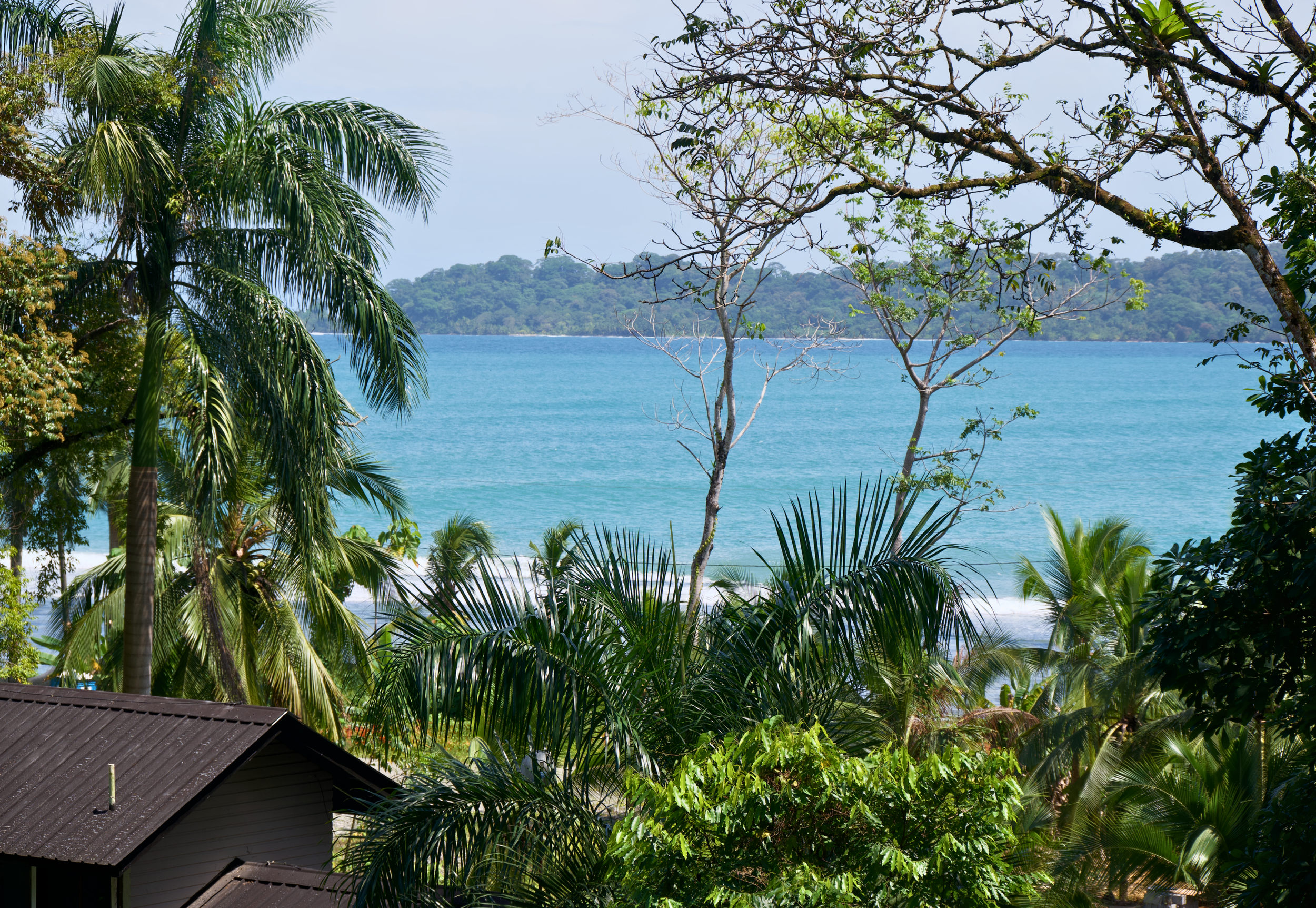
Bocas del Toro is a province in the far northwest of Panama, tucked against the Caribbean Sea and bordering Costa Rica. The Talamanca mountain range runs between it and the rest of the country, which gives the archipelago its own microclimate and, more importantly for travelers, its own rain schedule that doesn't match the "dry season, rainy season" rule you'll read about for the rest of Panama.
The archipelago includes nine main islands and dozens of smaller cays inside Bastimentos Island National Marine Park, Panama's first marine reserve. Most travelers split their time between just three or four of these islands, and knowing which ones do what is the key to planning a trip that matches what you want out of it.
This post contains affiliate links. If you book through my links, I may earn a small commission at no extra cost to you. It helps keep this blog going, and I only ever recommend things I'd use myself.
Best Time to Visit Bocas del Toro
Dry Season: Mid-December to Mid-April
This is the most popular window to visit, and for water-based activities, it's the safest bet. Seas are calmer, visibility for snorkeling and diving is at its best, and you can generally count on sunny mornings even if an afternoon shower rolls through. It's also the busiest and priciest stretch of the year, so book accommodations and flights early if you're traveling over the December or Easter holidays.
Rainy Season: May to November
Don't let the name scare you off entirely. Rain in Bocas tends to arrive as short, heavy bursts followed by hours of sun, not all-day washouts. This is the shoulder and low season, which means lower prices, thinner crowds, and a much better shot at snagging last-minute hotel deals.
The Locals' Secret: September and October
Ask anyone who lives in Bocas del Toro when their favorite months are, and September and October come up constantly. The sea tends to flatten out during this window, which opens up trips to harder-to-reach spots like Escudo de Veraguas that aren't feasible the rest of the year. It's the quiet, insider answer to "when should I go," and it's worth building a trip around if your schedule is flexible.
Bottom line: for the most reliable weather, aim for January through March. For a mix of good weather and lower prices, target September or October.
Travel Insurance
You never know what could happen on a trip. I recommend checking out VisitorsCoverage for travel insurance.
How to Get to Bocas del Toro
Getting to Bocas del Toro takes a little more planning than a typical beach trip, mostly because there's no road connecting the islands to the mainland. Every route ends with a boat.
By Air (Fastest)
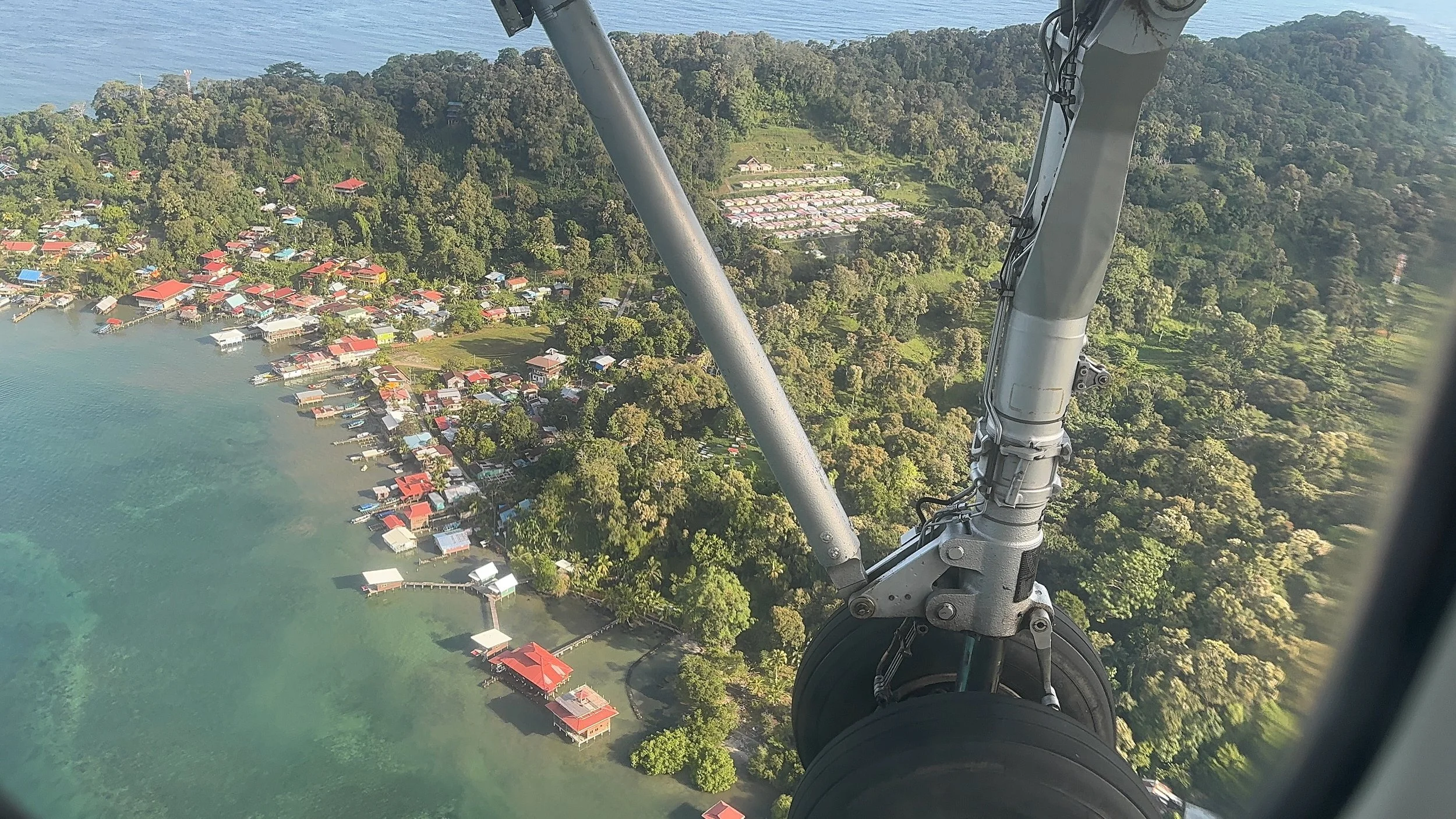
Air Panama runs multiple daily flights from Albrook Airport in Panama City to Bocas del Toro International Airport (airport code BOC) on Isla Colón. The flight takes about an hour, and one-way fares typically run somewhere between $80 and $250 depending on season and how far ahead you book.
A few things worth knowing:
Albrook is a domestic airport, separate from Tocumen International (PTY), where most international flights land. Budget at least 2.5 to 3 hours between an international arrival and a domestic departure to cover the transfer.
Book directly through Air Panama's website when possible; fares are often better than third-party aggregators.
Because it's a small plane and a small airport, arrive close to your departure time rather than hours early. There's not much to do while you wait.
By Overnight Bus and Water Taxi (Budget)
If you'd rather save the cash and don't mind a long travel day, the overnight bus from Panama City's Albrook Bus Terminal to Almirante takes about 10 to 11 hours and costs roughly $35. Buses typically depart in the evening and arrive early the next morning, followed by a taxi to the dock ($1) and a 30-minute water taxi to Bocas Town ($5 to $6). It's a full transit day, but it also folds a night's accommodation into the ticket price, which backpackers tend to appreciate.
Driving Yourself
You can drive from Panama City to Almirante in roughly 8 to 9 hours, then leave the car in secured parking before catching the water taxi over, since there's no road onto the islands themselves. This only really makes sense if you're combining Bocas with a longer Panama road trip through spots like Boquete on the way. Car rental for Panama City to Almirante route - compare rental car prices on Expedia
From Costa Rica
Coming from Puerto Viejo or San José? You have options. Direct flights connect San José to Bocas del Toro in a little over an hour with a handful of regional carriers. The overland route runs a bus to the Sixaola border crossing, an immigration stop on foot, and then a taxi or bus to the Almirante water taxi dock. Shuttle companies also run door-to-door service from San José hotels straight to Bocas Town for around $75.
Getting Around Once You're There
There are no roads linking the islands, so water taxis are the backbone of getting around Bocas del Toro. They're cheap (typically $1 to $6 depending on distance), run frequently during daylight hours, and are how you'll reach nearly every beach, restaurant, and tour on this list.
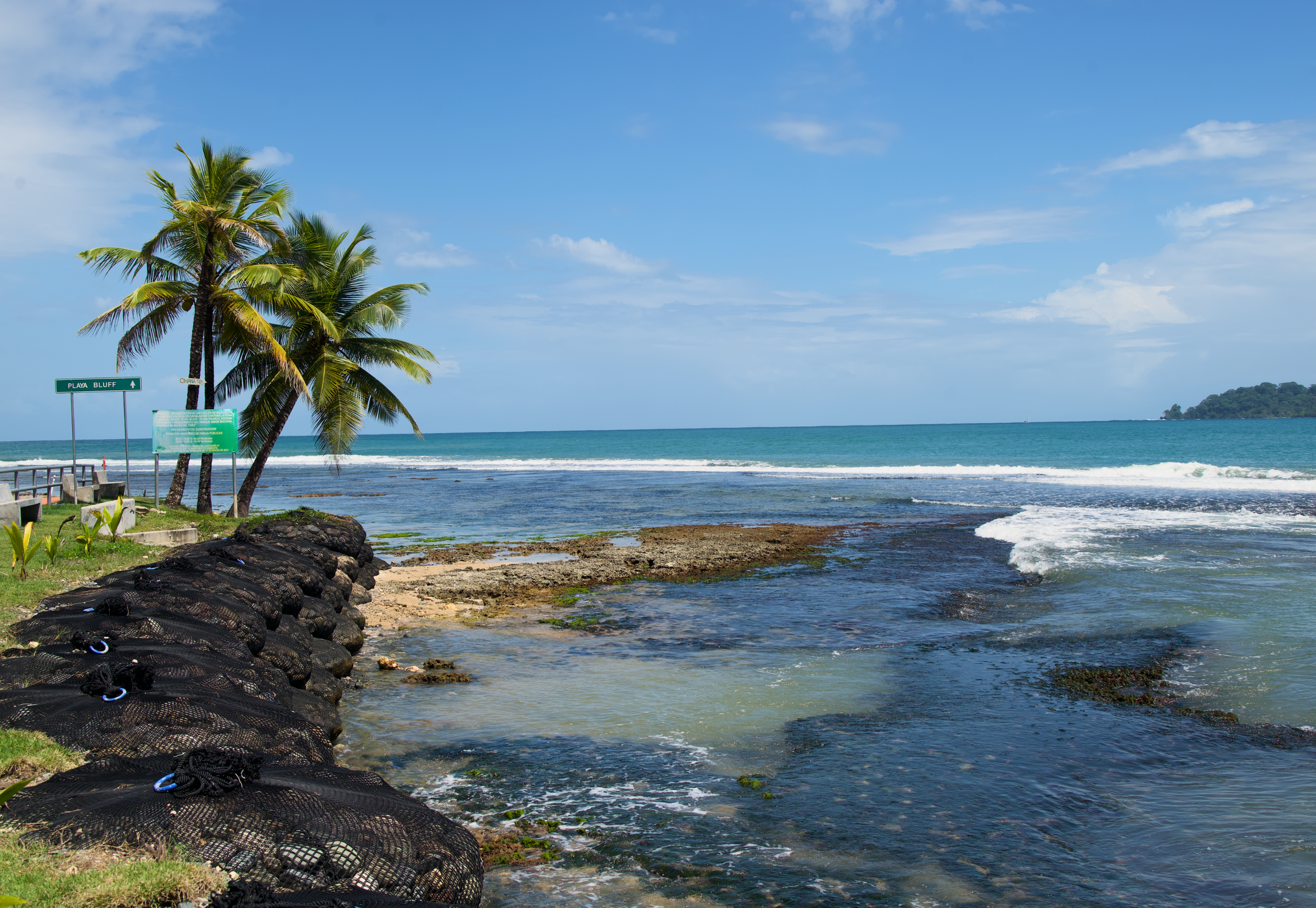
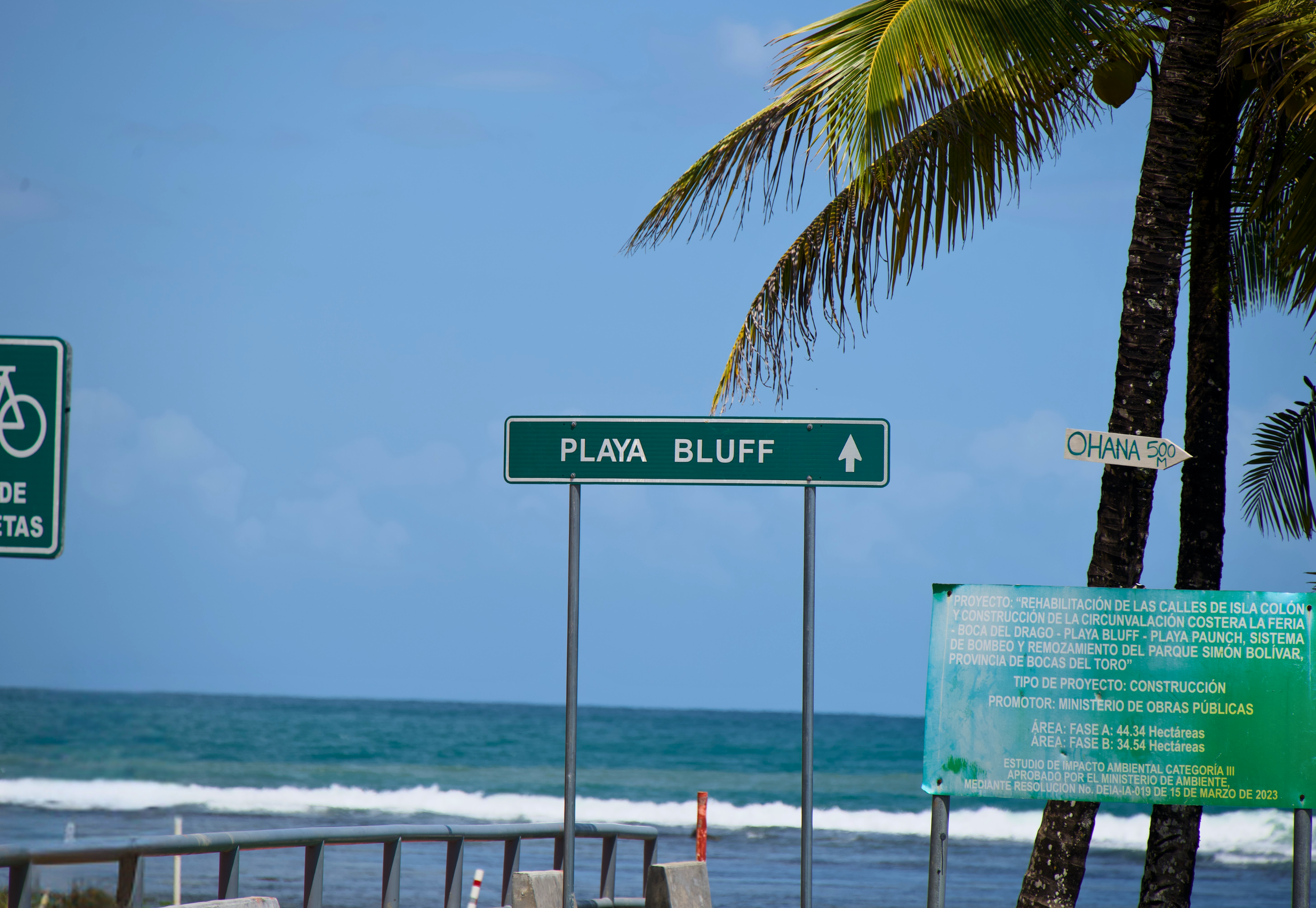
On Isla Colón itself, where Bocas Town is located, you can rent a bike or a golf cart to get to beaches like Playa Bluff and Playa Estrella that sit a few miles outside town. Taxis are available too, though limited in number, so don't count on hailing one on demand outside the main strip.
A short water taxi hop between Bocas Town and Isla Carenero runs about $1 to $2 and takes barely a couple of minutes. The ride to Isla Bastimentos costs closer to $3 to $5 depending on which dock you're headed to, and trips out to the more remote islands like Solarte or San Cristóbal run higher still. Most water taxis operate on a loose schedule rather than a fixed timetable, especially outside peak season, so it's worth confirming the last boat back before you commit to a beach day on another island. There's no Uber or Lyft in Bocas del Toro, so plan transport the old-fashioned way: ask your hotel which dock to use and roughly what a fair price looks like.
Where to Stay in Bocas del Toro
Picking an island is really picking a vibe. Here's how the main options break down.
Isla Colón (Bocas Town)
The main hub of the archipelago and the most practical home base for a first visit. Bocas Town has the largest concentration of restaurants, bars, tour operators, and grocery stores, plus the easiest onward water taxi connections to everywhere else. It's also where the nightlife lives, so it's not the pick if you want total quiet.
Places to Stay:
Isla Carenero
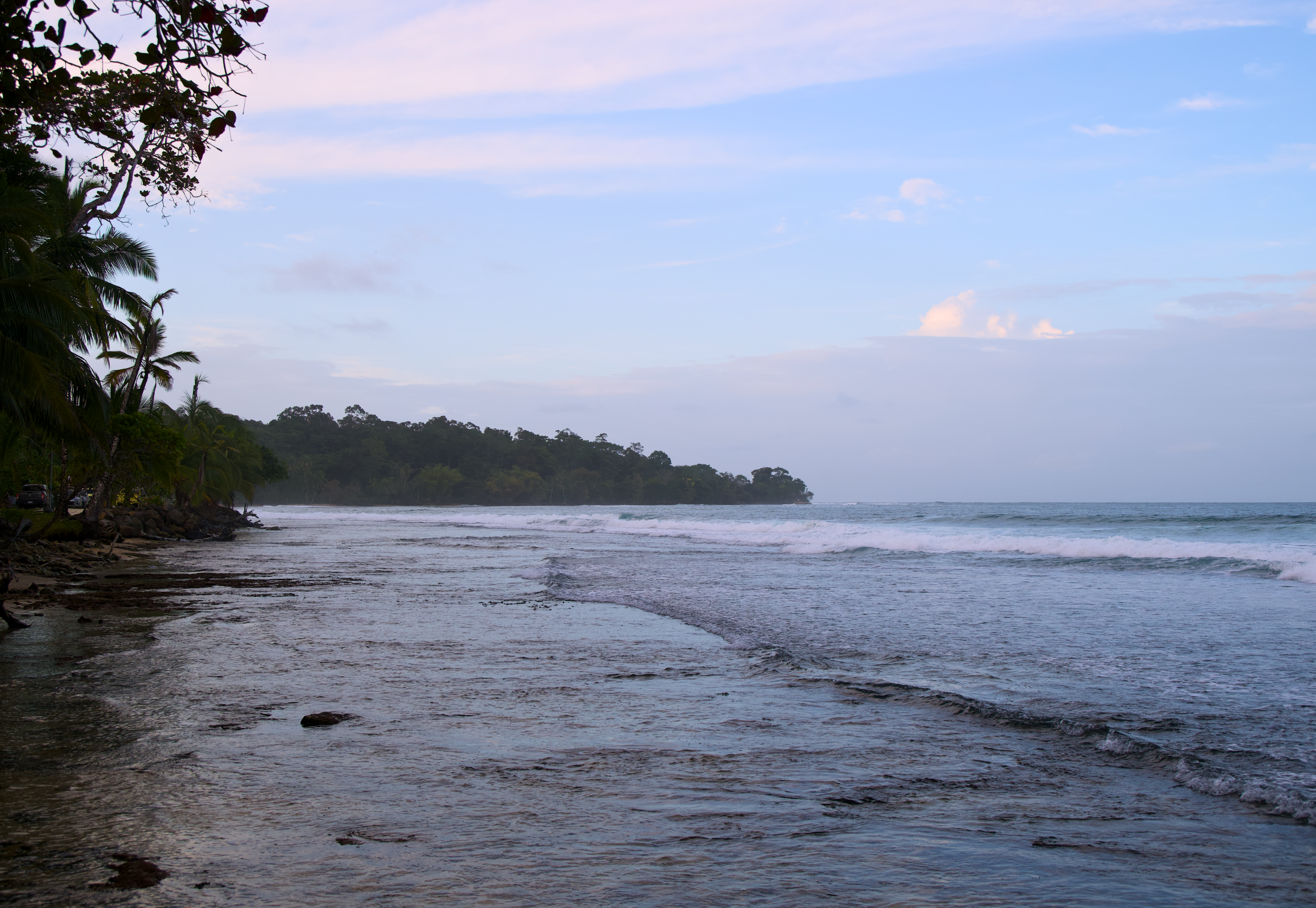
A two-minute water taxi from Bocas Town, Carenero trades some convenience for a noticeably more laid-back, natural feel. It has a solid lineup of restaurants and some of the most accessible surf breaks in the archipelago, walkable right from your accommodation.
Places to Stay:
Isla Bastimentos
The largest island in the archipelago and the pick for travelers who want jungle over town. Old Bank, the main village, has a strong Afro-Caribbean cultural identity and a much more local feel than Bocas Town. The Red Frog Beach area, a short boat ride from Old Bank, is the more developed side of the island, with beach bars and easy access to Bastimentos Island National Marine Park.
Places to Stay
Isla Solarte and Isla San Cristóbal
The choice for travelers who want seclusion over convenience. Both islands have a handful of standout lodges, including some overwater bungalows, but limited restaurants outside your accommodation and a longer boat ride to the main action. Worth it if quiet is the whole point of the trip.
Places to Stay
Wherever you land, book ahead if you're visiting during dry season, since the best properties fill up months out.
Best Things to Do in Bocas del Toro
1. Snorkel at Starfish Beach
Named for the hundreds of orange starfish visible right through the shallow, clear water, Starfish Beach on the northern side of Isla Colón is one of the most photographed spots in Bocas del Toro. Bring your own snorkel gear if you have it, and remember the golden rule: look, don't touch. Picking up starfish stresses them out and shortens their lifespan.
Tip: It gets crowded with tour boats by midday. Go early or add it to a longer boat tour that hits it first.
2. Spend a Day at Red Frog Beach
Red Frog Beach on Isla Bastimentos delivers on its name. Keep an eye on the leaf litter near the trailhead for tiny strawberry poison dart frogs (look, again, don't touch; their bright color is a warning, not an invitation). The beach itself is long, wide, and lined with a few solid beach bars, making it an easy full-day hangout.
3. Take a Boat Trip to the Zapatilla Cays
If you only do one full-day tour in Bocas, make it this one. The Zapatilla Cays sit inside Bastimentos Island National Marine Park and are widely considered the most beautiful spot in the entire archipelago: powder-white sand, clear turquoise water, and a coral reef right offshore. Most day tours combine the cays with a stop at Coral Cay for snorkeling and a pass through Dolphin Bay on the way out, so you're looking at three destinations in a single trip.
Book your tour in advance: Zapatilla Cays day tour
4. Surf Isla Carenero and Bastimentos
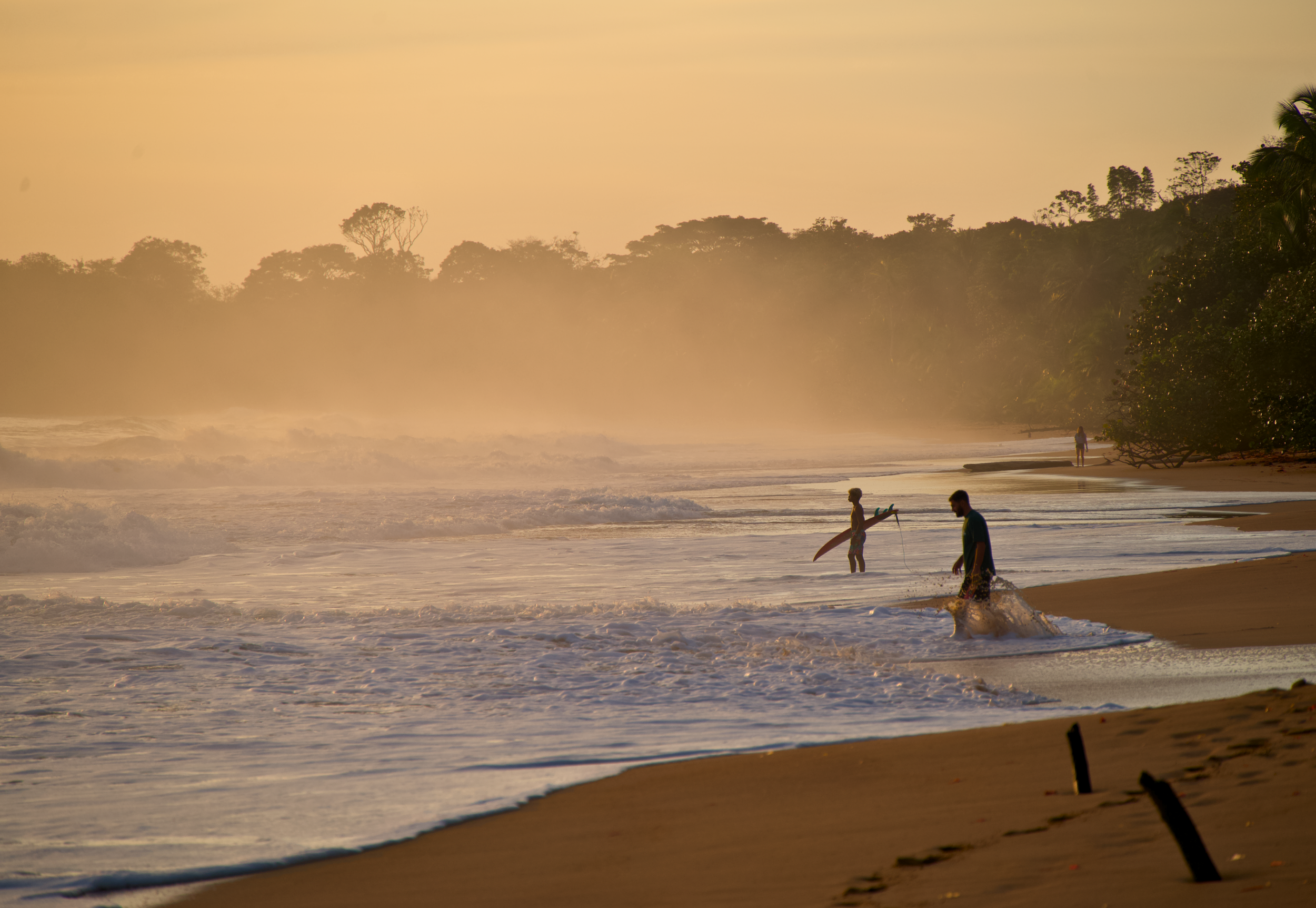
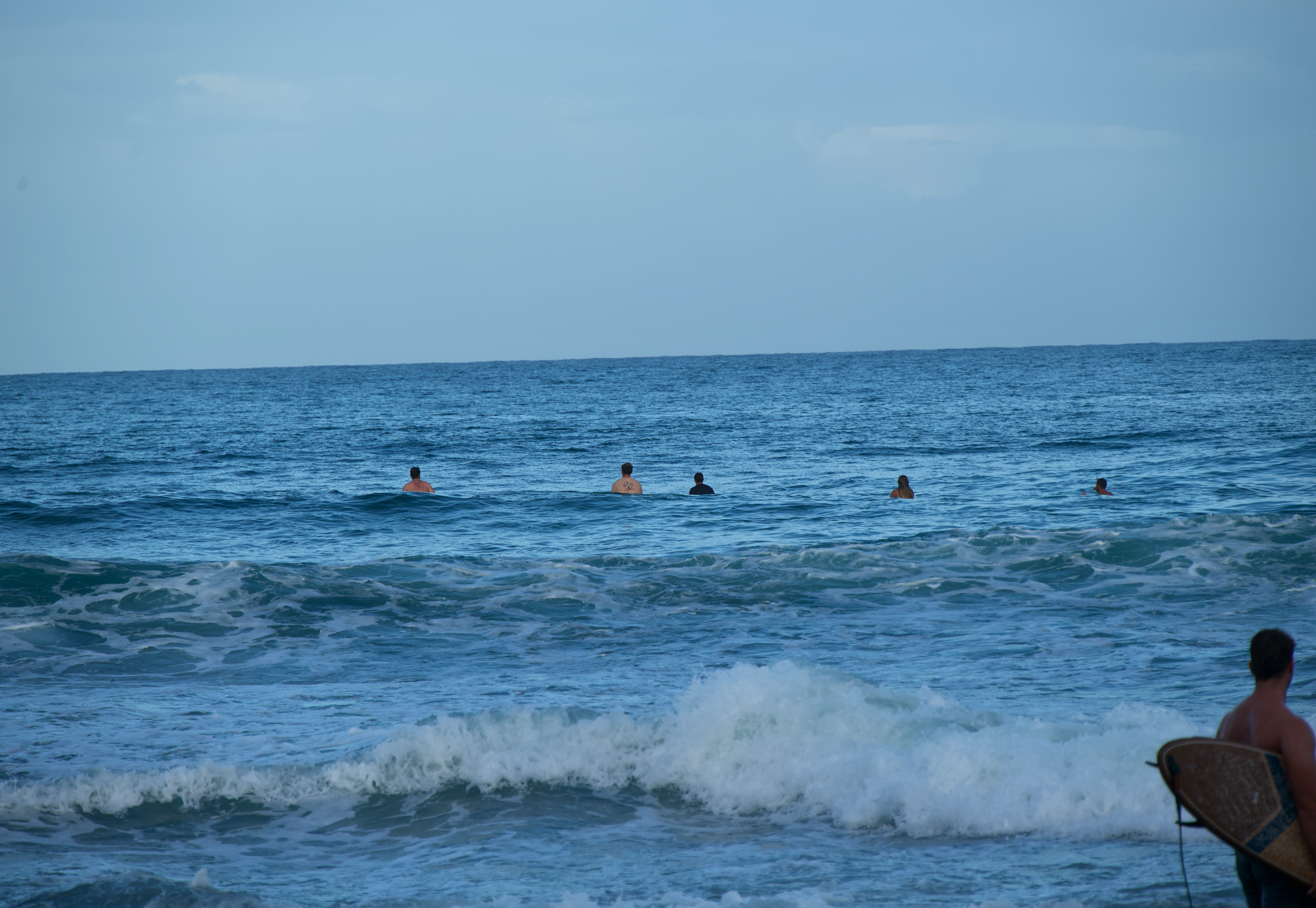
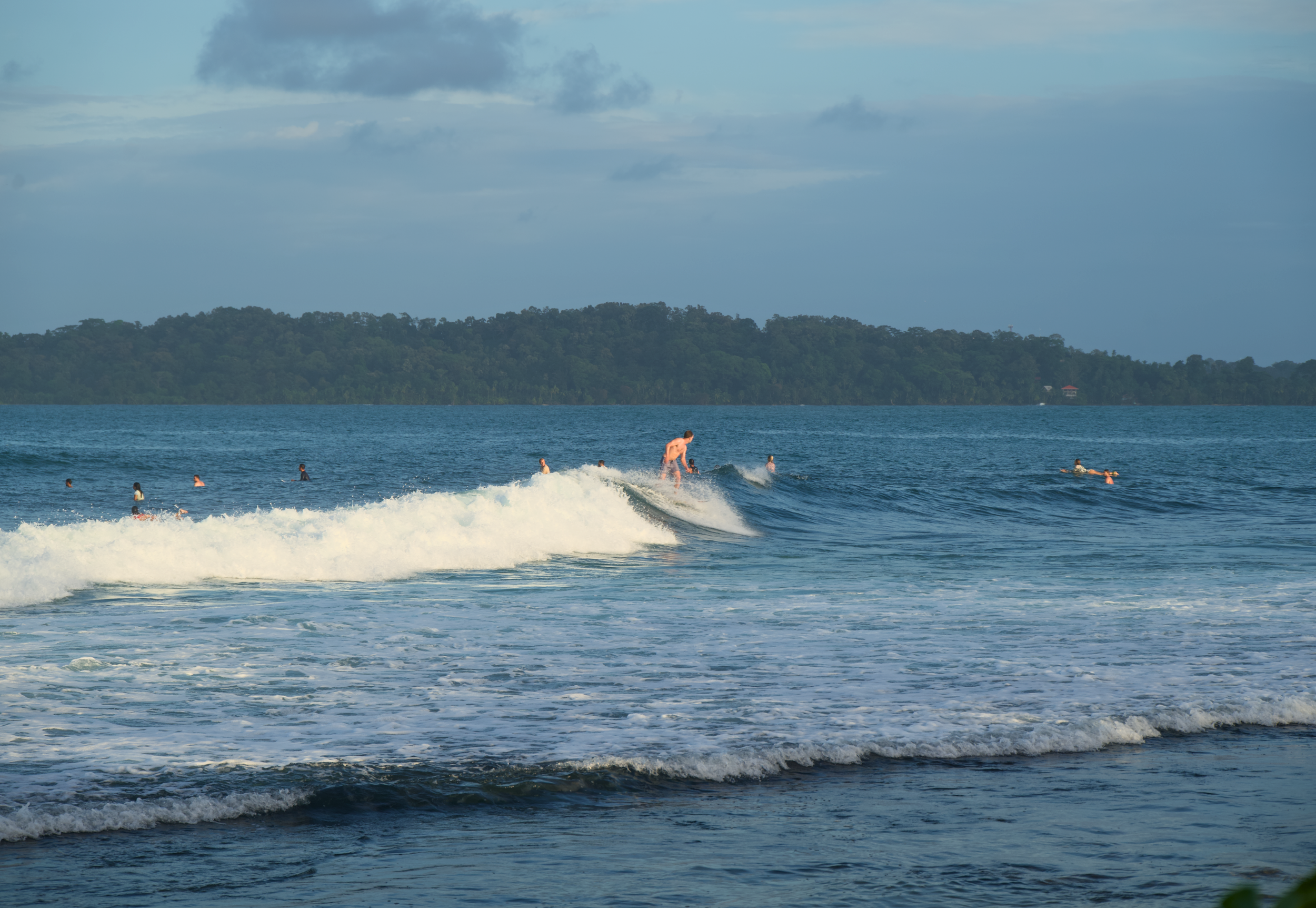
Bocas del Toro has a well-earned reputation as one of Panama's best surf destinations, with breaks suited to everything from first-timers to advanced surfers. Isla Carenero has some of the most beginner-friendly, walkable waves in the archipelago, while Bastimentos and Isla Colón's outer beaches pull in more experienced surfers chasing bigger swells. Board rentals and lessons are easy to find in Bocas Town if you don't want to travel with your own gear.
Book your tour in advance: Bocas del Toro: Surf Coaching Session with Boat Transfer
5. Go Diving Around the Reefs and Wrecks
Underneath the calm surface, Bocas del Toro has a solid, underrated dive scene: coral gardens, swim-throughs, and a couple of accessible shipwrecks for certified divers. Visibility is best during dry season. Most dive shops in Bocas Town run two-tank trips with hotel pickup included, which makes it an easy half-day add-on rather than a whole planning project.
6. Chase Bioluminescence After Dark
As night falls over certain bays in Bocas del Toro, the water lights up with a soft blue glow from bioluminescent plankton disturbed by movement. Paddling or swimming through it is one of those experiences that's hard to describe until you've seen your own hand glow underwater. Book through a guide who knows the current hot spot, since the phenomenon shifts around with water conditions.
Book your tour in advance: Bocas del Toro bioluminescence night tour
7. Look for Dolphins in Dolphin Bay
A calm, shallow bay between Isla Colón and Isla Bastimentos, Dolphin Bay is home to a resident pod of bottlenose dolphins that show up on the water taxi ride to the Zapatilla Cays with almost guaranteed reliability. Boats slow down and keep a respectful distance, so don't expect an up-close encounter, but seeing them swim and surface in open water is worth the quick detour.
8. Visit a Cacao Farm and Ngäbe-Buglé Community
A handful of small, family-run chocolate farms on the mainland side of the archipelago offer walking tours through working cacao plantations, ending with a chocolate tasting made from beans grown right there. Several tours are run in partnership with the Ngäbe-Buglé, an Indigenous community with a long history in this region, and combine the farm visit with a look at local crafts and traditions. It's one of the better ways to see a side of Bocas del Toro that isn't beaches and boats.
Book your tour in advance: Cacao Tour in Bocas del Toro
9. Boat Out to Bird Island
Also known as Swan's Cay, this small rock formation off the coast of Isla Colón is a nesting site for red-billed tropicbirds and other seabirds. It's usually tacked onto a Starfish Beach or Bocas del Drago boat tour rather than visited on its own, and it's a quick, easy stop if birdwatching is your thing.
10. Kayak or Paddleboard Through the Mangroves
The calm water around Bocas Town and Dolphin Bay makes for easy, low-effort kayaking, and a handful of shops in Bocas Town rent kayaks and stand-up paddleboards by the hour. Paddling out at sunrise, before the day-tour boats start their engines, is one of the quieter ways to experience the archipelago, and it's an easy add-on for a rest day between bigger excursions.
11. Walk the Trails at a Rainforest Nature Preserve
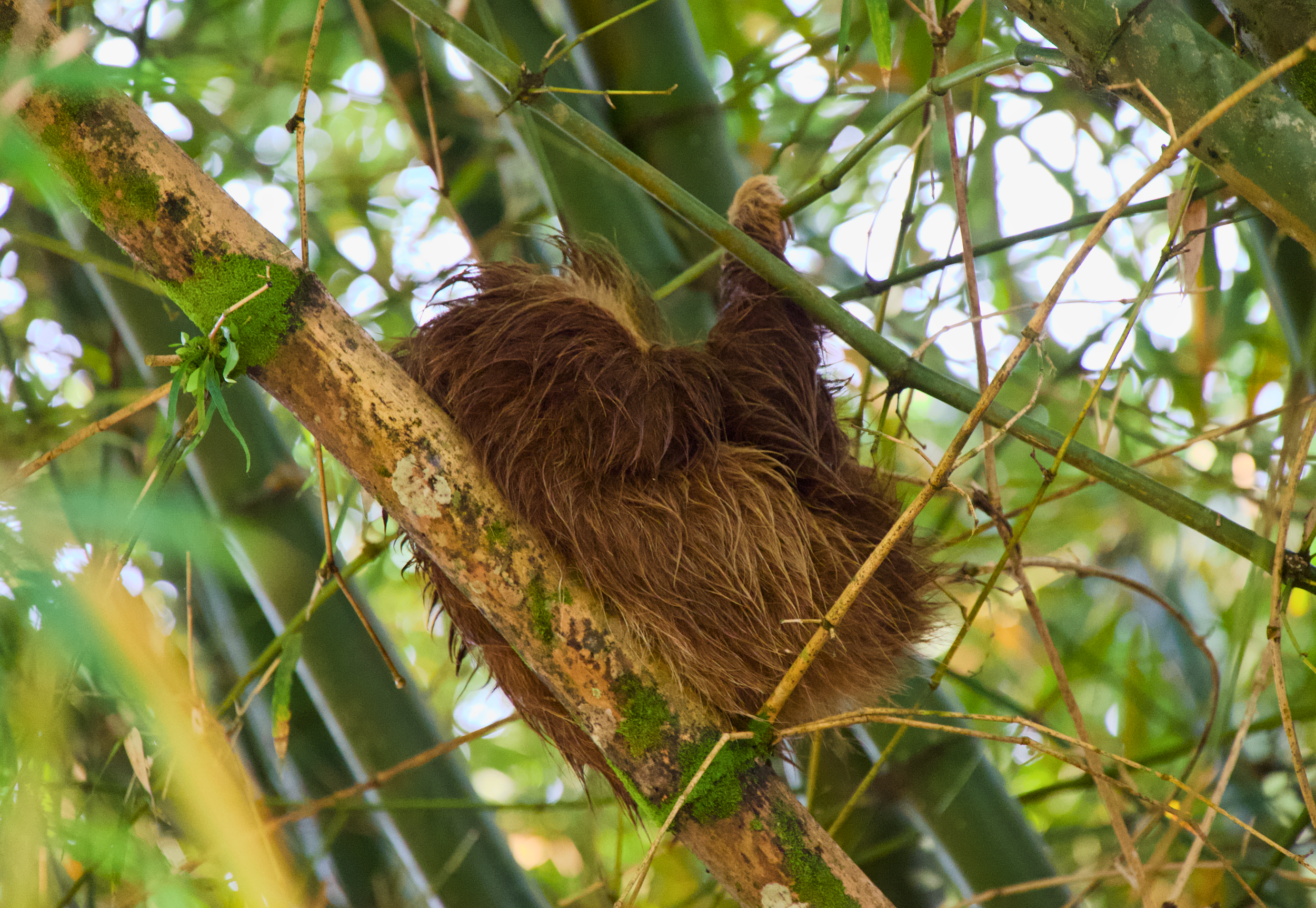
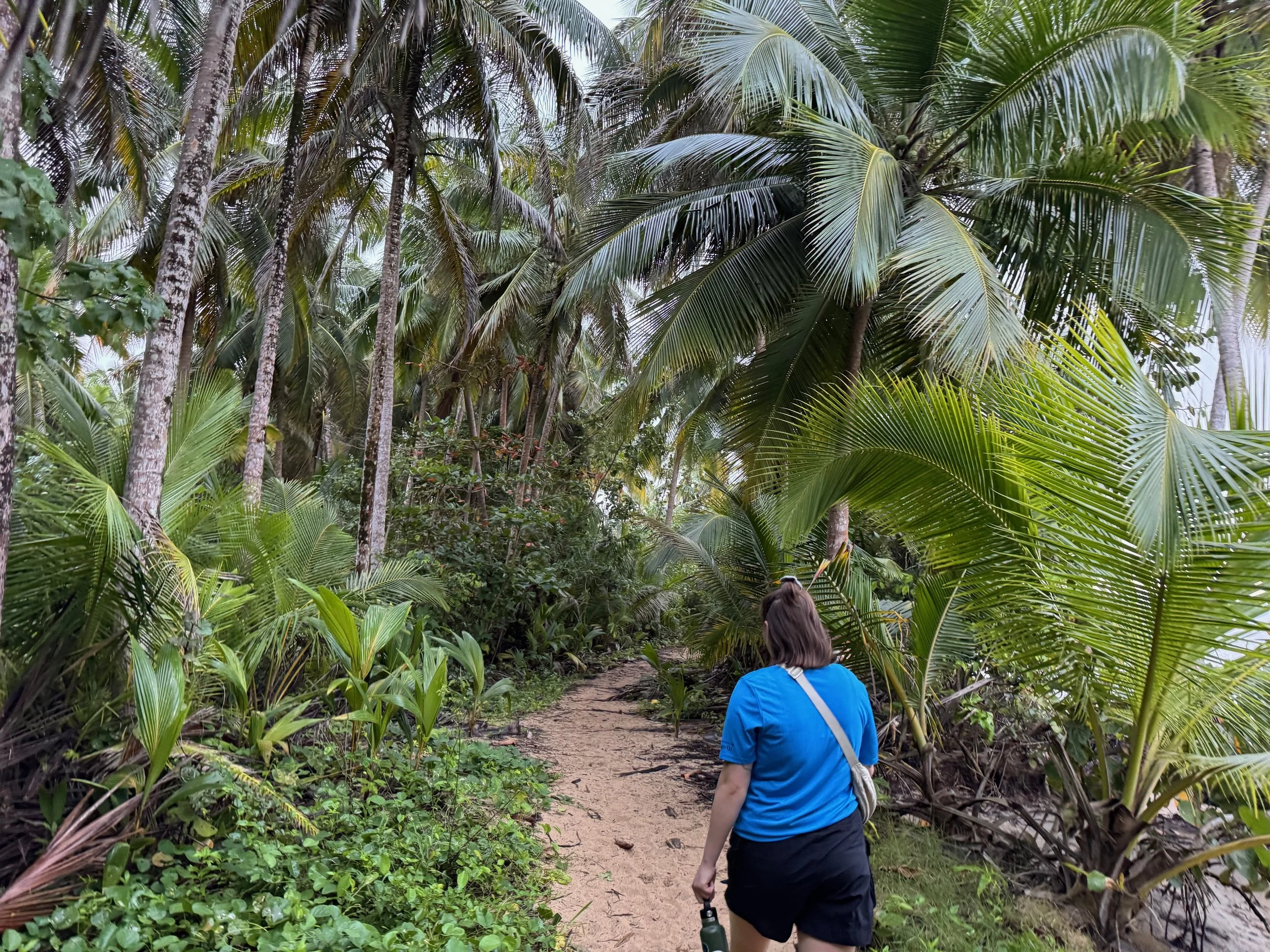
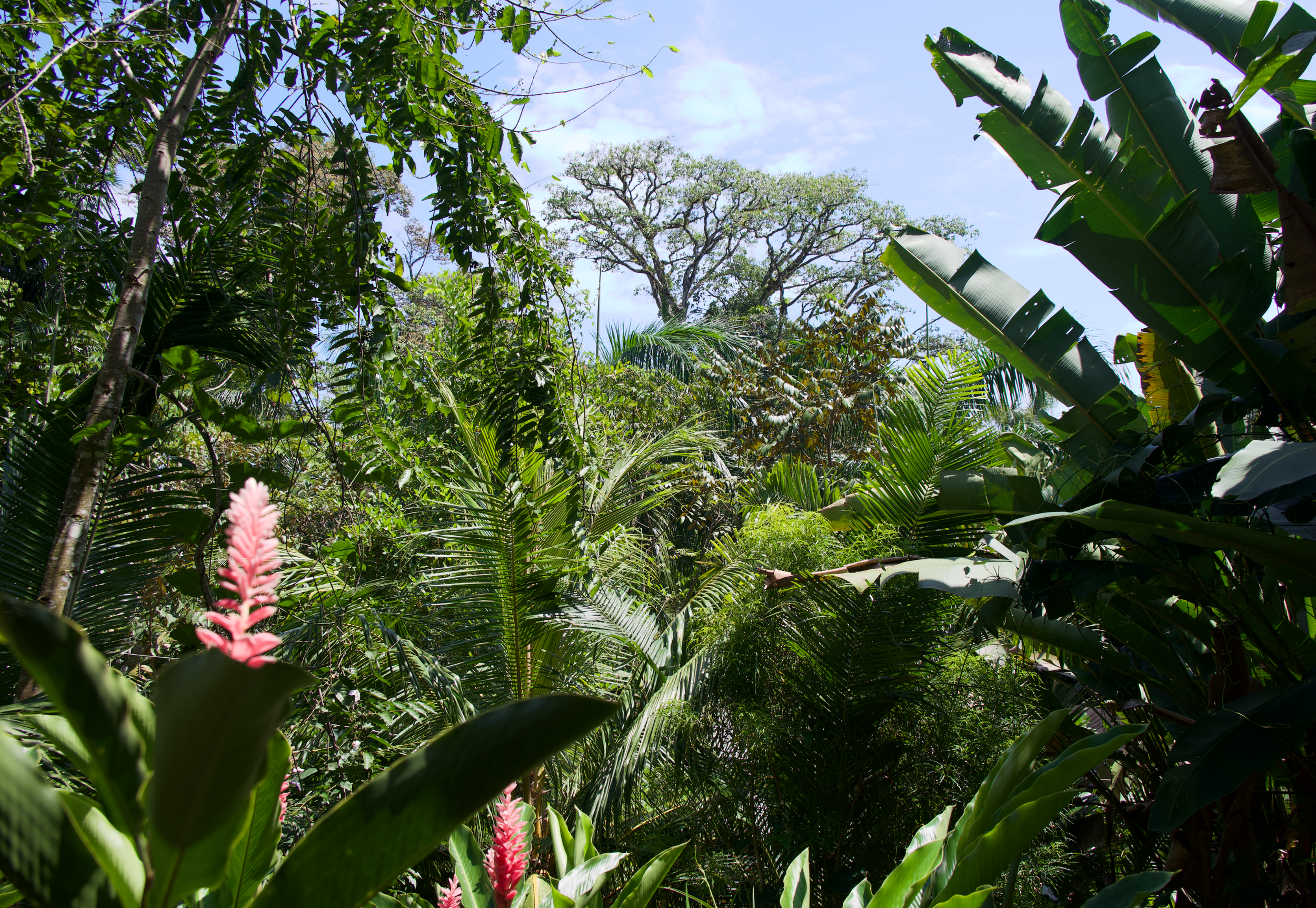
A couple of small nature preserves along the shore of Dolphin Bay offer short, guided walks through tropical rainforest and botanical gardens, usually two to three hours round trip. They're a good pick for travelers who want a jungle fix without committing to a full day trip, and guides are generally sharp-eyed about pointing out poison dart frogs, sloths, and birdlife you'd otherwise walk right past.
12. Explore Bocas Town on Foot
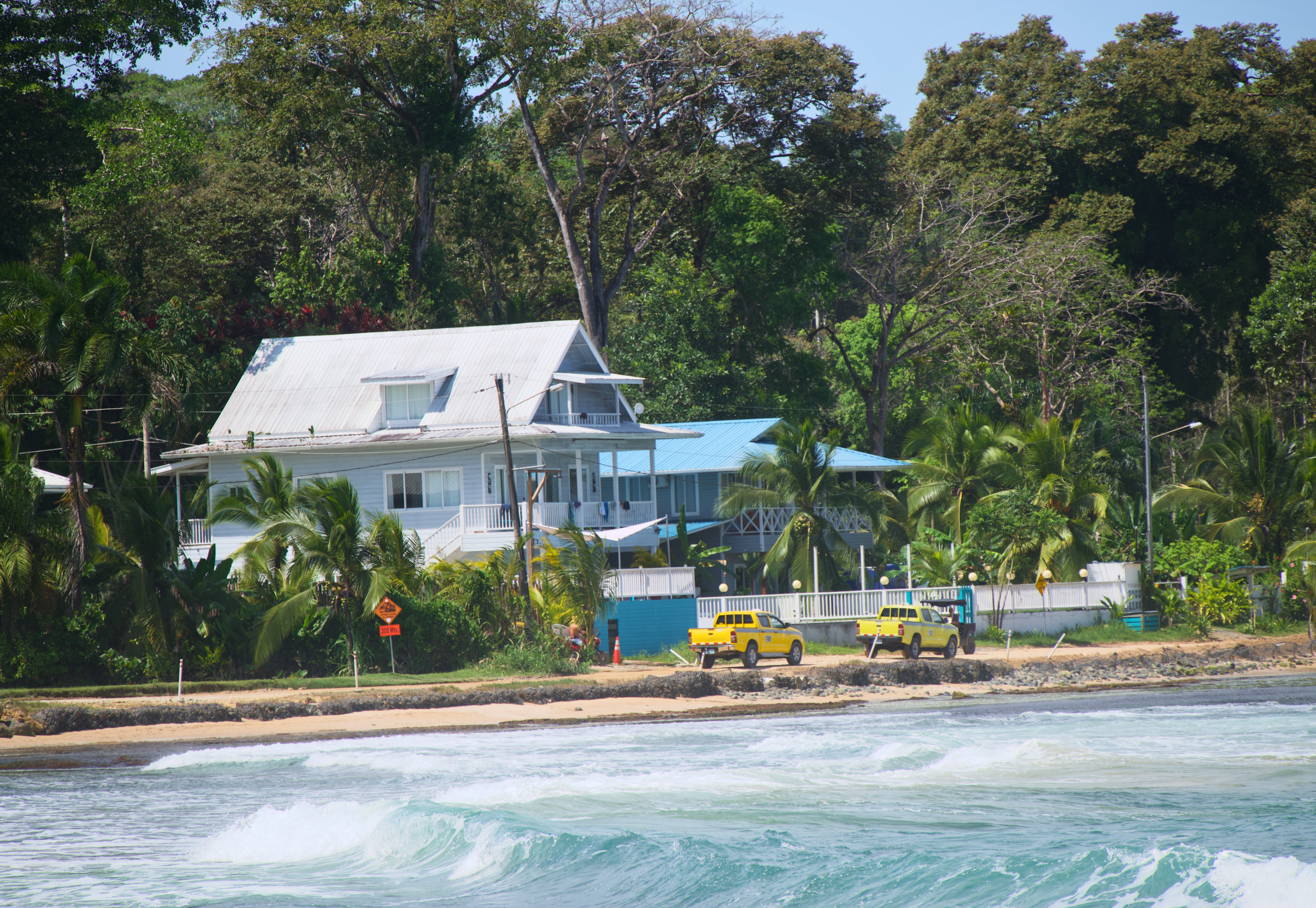
Before or after the boat tours, set aside an hour or two to just walk Bocas Town itself. The main strip, Calle 3, is lined with brightly painted wooden buildings on stilts, a legacy of the town's early 1900s banana-boom architecture, plus cafes, souvenir shops, and murals worth photographing. It's a small town, easily walkable, and a good way to get oriented before you start island-hopping.
13. Experience Bocas Town's Nightlife
When the sun goes down, Bocas Town on Isla Colón turns into the social center of the archipelago. Selina and Barco Hundido are longtime favorites for a low-key drink, while Aqua Lounge, a bar built partly over the water on Isla Carenero, is the spot for swimming and dancing in the same outfit. There's also a night market with street food if you'd rather eat your way through the evening. Friday afternoons bring Bocas Filthy Fridays, a daytime pub crawl across a few islands that's become a fixture of the backpacker scene.
Tips for Visiting Bocas del Toro
A few smaller details that make a real difference once you're on the ground:
Book popular tours like the Zapatilla Cays trip a day ahead in dry season. Boats fill up, and operators often can't accommodate same-day requests once a tour is full.
Many small businesses and tour operators run on WhatsApp rather than email or online booking systems. If you get a WhatsApp number for a captain or guide, use it.
Carry small bills. Water taxi drivers and local vendors frequently can't break a $20 bill for a $2 ride.
Some restaurants and shops close on Sundays or run reduced hours, particularly outside Bocas Town. Don't plan a big shopping or errand day around a Sunday.
Wifi is generally reliable in Bocas Town and at most hotels, but it thins out fast once you're on a boat tour or a remote beach. A local SIM card or eSIM is worth grabbing at the airport if you need to stay connected during island-hopping days.
If you're prone to seasickness, take precautions before a full-day boat tour. Seas are usually calm, but afternoon chop is common even in dry season.
What to Eat in Bocas del Toro
Food in Bocas del Toro leans Caribbean and Afro-Panamanian, with plenty of coconut, seafood, and fried plantains showing up across menus. A few dishes and spots worth seeking out:
Plate of the day (plato del día): the best-value meal in town, usually rice, beans, a protein like fish or curried chicken, and patacones (twice-fried green plantains), for around $4 to $6 at local spots
Coconut rice and seafood: a Caribbean staple across the archipelago, often paired with fresh-caught red snapper or shrimp
Fresh ceviche: widely available and a good way to sample the local catch without committing to a full seafood dinner
Chocolate: thanks to the region's cacao farms, single-origin chocolate bars and drinks show up on menus and in shops all over Bocas Town
Patacones with everything: these fried plantain rounds function as the local answer to fries and show up as a side with nearly every plate
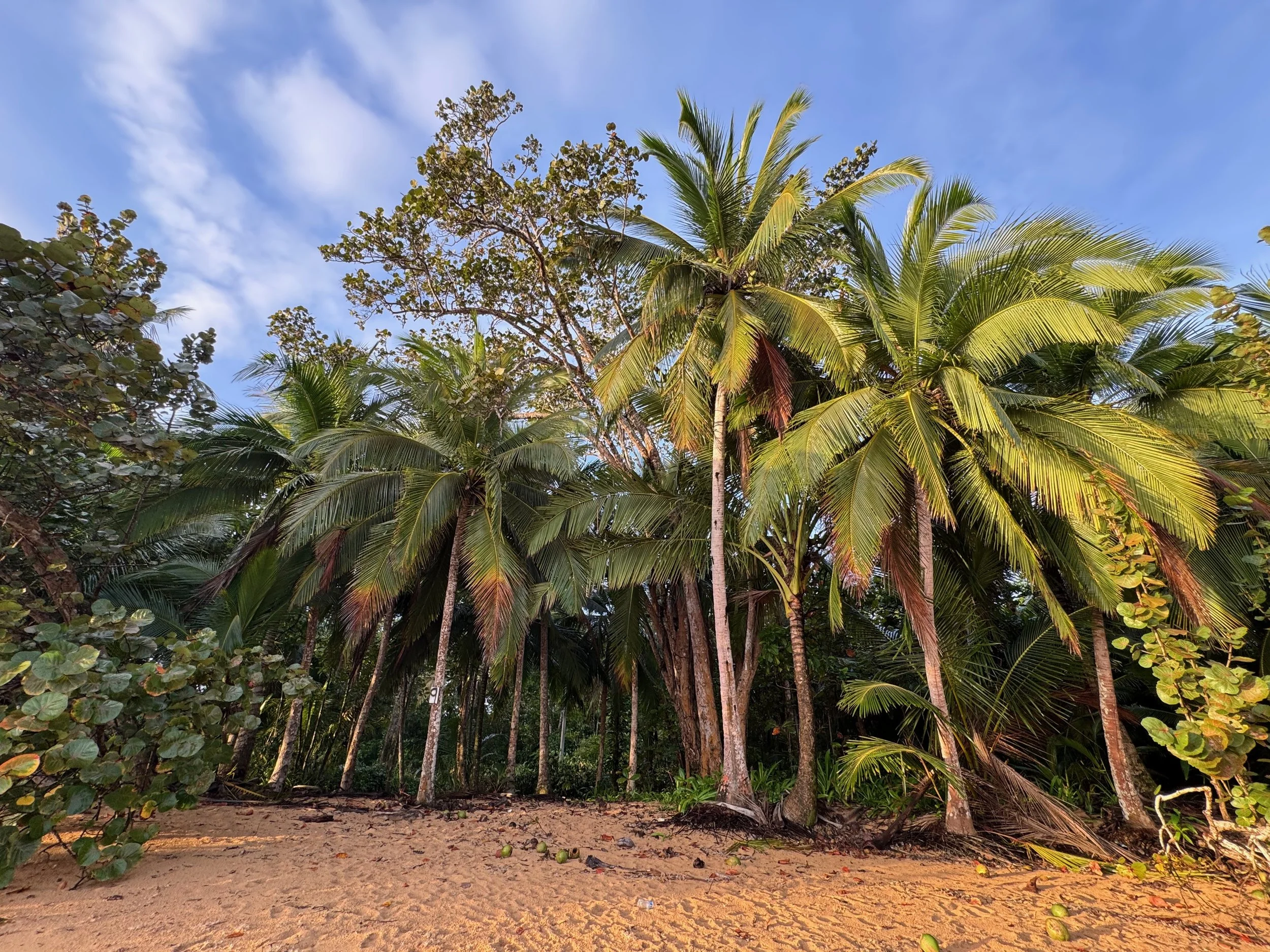
Bocas Town has the widest range of restaurants in the archipelago, from casual local spots to waterfront restaurants with a view. On Carenero and Bastimentos, expect a smaller but still solid lineup, and on the more remote islands like Solarte, plan to eat at your accommodation most nights since options are limited.
Combining Bocas del Toro With the Rest of Panama
Bocas del Toro rarely stands alone on an itinerary. Because it takes a flight or a full travel day to reach, most visitors pair it with at least one other region:
Boquete: a cool-climate mountain town a few hours south, known for coffee farms and hiking around Volcán Barú. A popular route (though logistically involved) connects the two overland. (You can read more about Boquete here)
Panama City: most international flights route through here, and it's worth a day or two on either end to see the Panama Canal and the Casco Viejo old town. (You can read more about Panama City here)
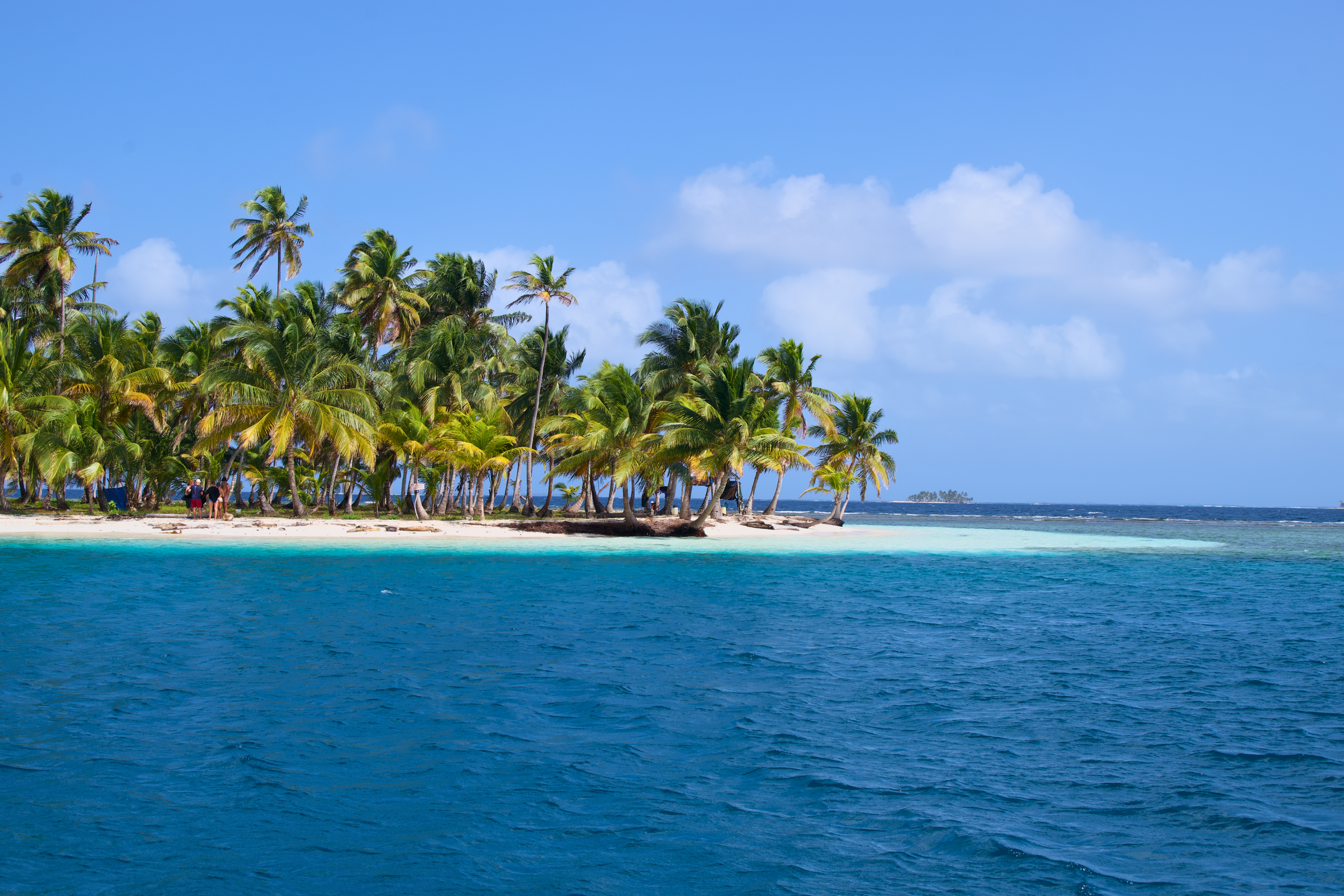
San Blas Islands: if you want more than one archipelago on your trip, San Blas offers a very different, more remote island experience on Panama's Caribbean side, though it typically requires flying back through Panama City to connect. (You can read more about San Blas Islands here)
If you're building a longer Panama trip around Bocas del Toro, plan your flights and any rental car logistics first, since the transit days between regions can eat up more time than the distances on a map suggest.

A Sample Bocas del Toro Itinerary
3 Days in Bocas del Toro
Day 1: Arrive, settle into Bocas Town, explore the main strip, and catch sunset at a waterfront bar
Day 2: Full-day boat tour to Dolphin Bay, Coral Cay, and the Zapatilla Cays
Day 3: Morning snorkel at Starfish Beach, afternoon at Red Frog Beach on Isla Bastimentos, evening back in Bocas Town for dinner and drinks
5 to 7 Days in Bocas del Toro
Days 1 to 3: Follow the 3-day itinerary above
Day 4: Surf lesson or rental on Isla Carenero, followed by a slow afternoon at a beach bar
Day 5: Two-tank dive trip, or a cacao farm and Ngäbe-Buglé community tour if diving isn't your thing
Day 6: Bioluminescence night tour, with a lazy beach day beforehand to recover from island-hopping
Day 7: Switch islands for your last night, staying somewhere quiet like Isla Solarte or Isla San Cristóbal before heading home

How Much Does Bocas del Toro Cost?
Bocas del Toro can flex to almost any budget, from hostel dorms to overwater bungalows.
Budget travelers ($40 to $70 per day):
Hostel dorm or budget private room: $15 to $40 per night
"Plate of the day" meals (rice, beans, protein, plantains): $4 to $6
Water taxis and local transport: $5 to $10 per day
Mid-range travelers ($100 to $180 per day):
Boutique hotel or mid-range lodge: $80 to $150 per night
Sit-down restaurant meals: $10 to $20 per person
One tour or activity per day: $40 to $80
Luxury travelers ($250+ per day):
Resort or overwater bungalow: $200 to $500+ per night
Private boat charters and tours: $150 to $400+
Fine dining and premium experiences: $40 to $80 per meal
A few things that catch first-timers off guard: credit cards aren't widely accepted outside Bocas Town, so carry more cash than you think you'll need for smaller islands and local vendors. ATMs are available in Bocas Town but can run out of cash on busy weekends, so don't rely on withdrawing money the same day you need it. And since Panama uses the US dollar, there's no currency exchange to plan around, though a no-foreign-transaction-fee card is still worth having for anywhere that does take plastic, and for booking flights and hotels ahead of time.
The single biggest lever on your daily budget is boat tours. A shared day tour to the Zapatilla Cays runs $30 to $60 per person, while a private boat charter for the same route can run $120 or more split across your group. If you're traveling with a few people, ask about private charter pricing before booking a shared tour; it's sometimes a comparable cost per person with a lot more flexibility on timing and stops.
Is Bocas del Toro Safe? Practical Safety Tips
Bocas del Toro is generally considered a safe destination, with low rates of violent crime. Petty theft is the more realistic concern, especially unattended bags on beaches, so it's worth building a few habits into your trip:
Don't leave valuables unattended on the beach, even for a quick swim. Split your group so someone's always watching your things.
Travel in pairs or groups for hikes and remote beach walks, particularly on Isla Bastimentos, where some trails are more isolated.
Old Bank on Isla Bastimentos has a reputation as one of the less tourist-friendly areas after dark; stick to well-lit, populated paths at night.
Bring only what you need to the beach. Leave your passport and extra cash locked up at your accommodation.
Watch ocean conditions before swimming at Playa Bluff and similar exposed beaches, where currents can be strong even on calm-looking days.
Sandflies (locally called chitras) are the real daily nuisance, especially at dawn and dusk on Isla Carenero. Repellent is non-negotiable.
What to Pack for Bocas del Toro
Reef-safe sunscreen (regular sunscreen is restricted or discouraged around the marine park)
A dry bag for boat days and water taxis
Water shoes for rocky entries and coral-adjacent beaches
Bug spray for sandflies and mosquitoes
A light rain jacket, even in dry season (women’s rain jacket & men’s rain jacket)
Cash in small bills for water taxis, tours, and island vendors
Ready to Book Your Panama Trip?
Save this guide, start with the full weekend, and let this part of Panama surprise you. Trust me, it will.
Questions about Panama? Send me a message on my social channels. I read everything and genuinely enjoy talking about this part of Panama. If you've been to this part of Panama, tell me what I missed. There's always more.
Frequently Asked Questions About Bocas del Toro
-
Four days is enough to hit the highlights: a boat tour to the Zapatilla Cays, a beach day at Starfish or Red Frog, and one evening in Bocas Town. A full week lets you spread out across two islands, fit in a surf lesson or dive trip, and build in slower days without feeling rushed. Given how much of the archipelago depends on boat schedules, padding your itinerary with an extra buffer day is rarely wasted, especially if weather pushes a tour to the next morning.
-
Yes. Between the snorkeling, surfing, beaches, and laid-back island culture, Bocas del Toro consistently ranks as one of the top destinations in Panama, and it delivers a very different experience from Panama City or the San Blas Islands.
-
It depends on your priorities. Isla Colón (Bocas Town) is best for convenience and nightlife. Isla Carenero is best for a quieter stay that's still close to the action. Isla Bastimentos is best for jungle scenery and surf. Isla Solarte and Isla San Cristóbal are best for total seclusion.
-
Since Bocas del Toro is part of Panama, entry requirements are the same as for the rest of the country. Most travelers from the US, Canada, the UK, and the EU can enter visa-free for up to 90 days with a valid passport, though it's worth confirming current requirements for your specific nationality before you fly.
-
Generally, yes, including for solo female travelers. Crime rates are comparatively low and locals have a reputation for being friendly and helpful. The same common-sense precautions apply here as anywhere: stick to populated areas after dark, don't leave belongings unattended, and travel with others on remote trails.
-
January through March offers the most consistently dry, sunny weather. September and October are the local favorite, with calmer seas and thinner crowds, making them a strong pick if you're flexible on timing and want a break on prices.
The Scenic Route Traveler inspires intentional travel through storytelling, hidden gems, and culturally rich experiences around the world.
-
I’m Erin, the voice behind Scenic Route Traveler, sharing intentional travel stories and guides from around the globe.
-
We deliver travel guides and storytelling through YouTube, social media, photography, and digital products designed for fellow travelers.
-
If you’re new here: this is a space for travelers who care more about how a place feels than how it looks on a checklist. You’ll find guides, stories, and resources designed to help you slow down and travel with intention.