
San Blas Islands: A First-Timer's Complete Planning Guide
Plan your San Blas Islands trip with this complete guide: budget breakdowns, cultural etiquette, best islands, transportation tips & how to support Guna communities.
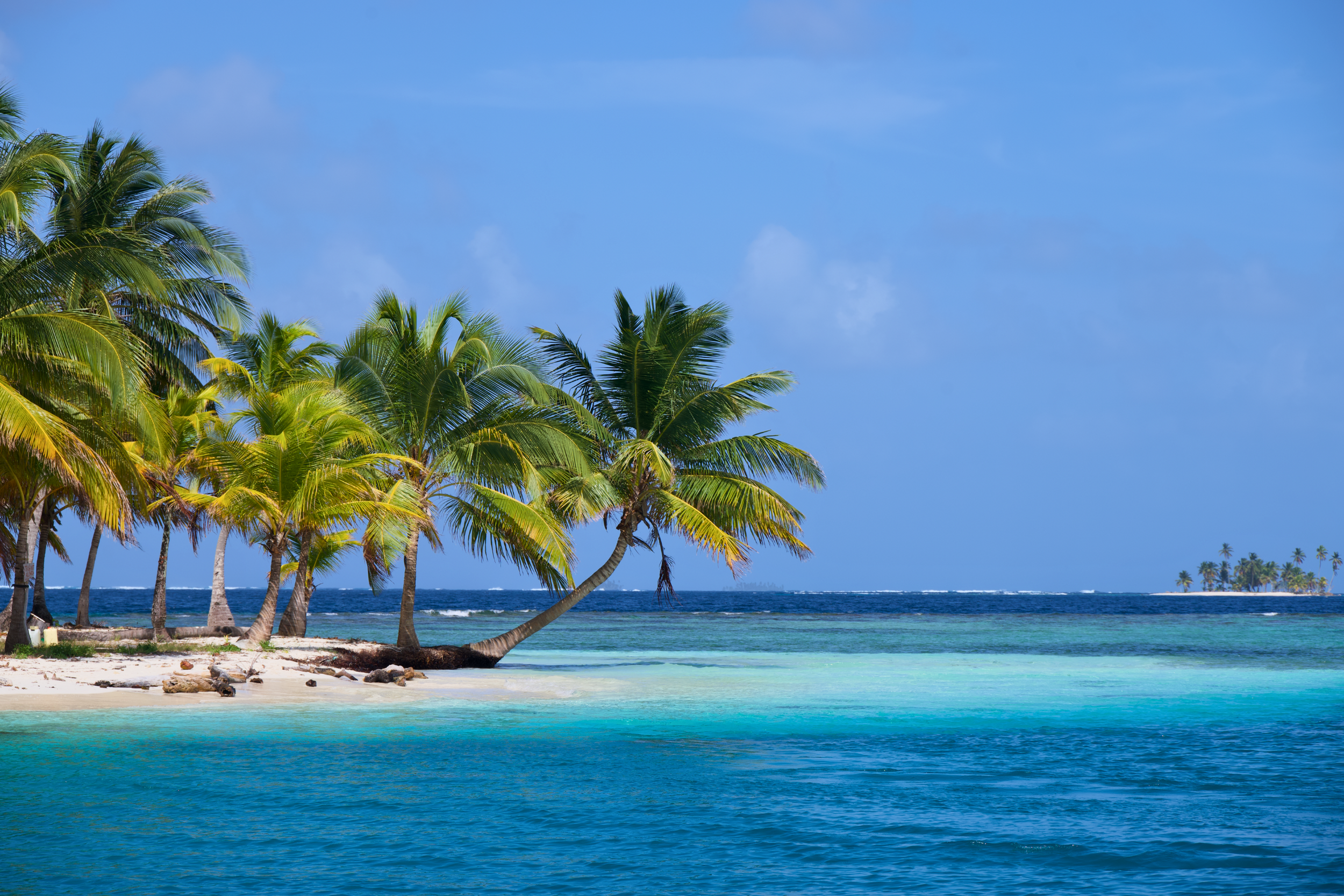
Table of Contents
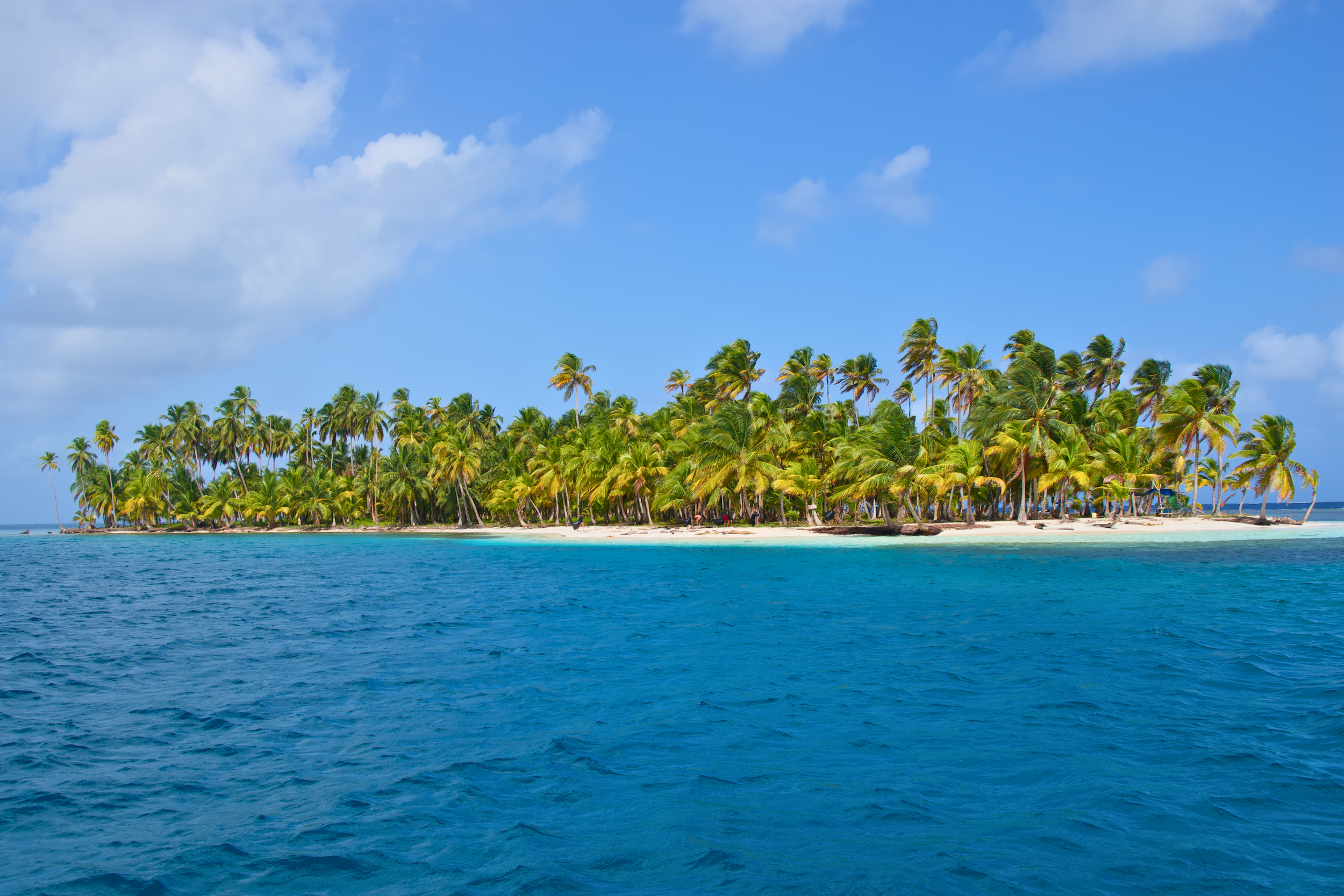
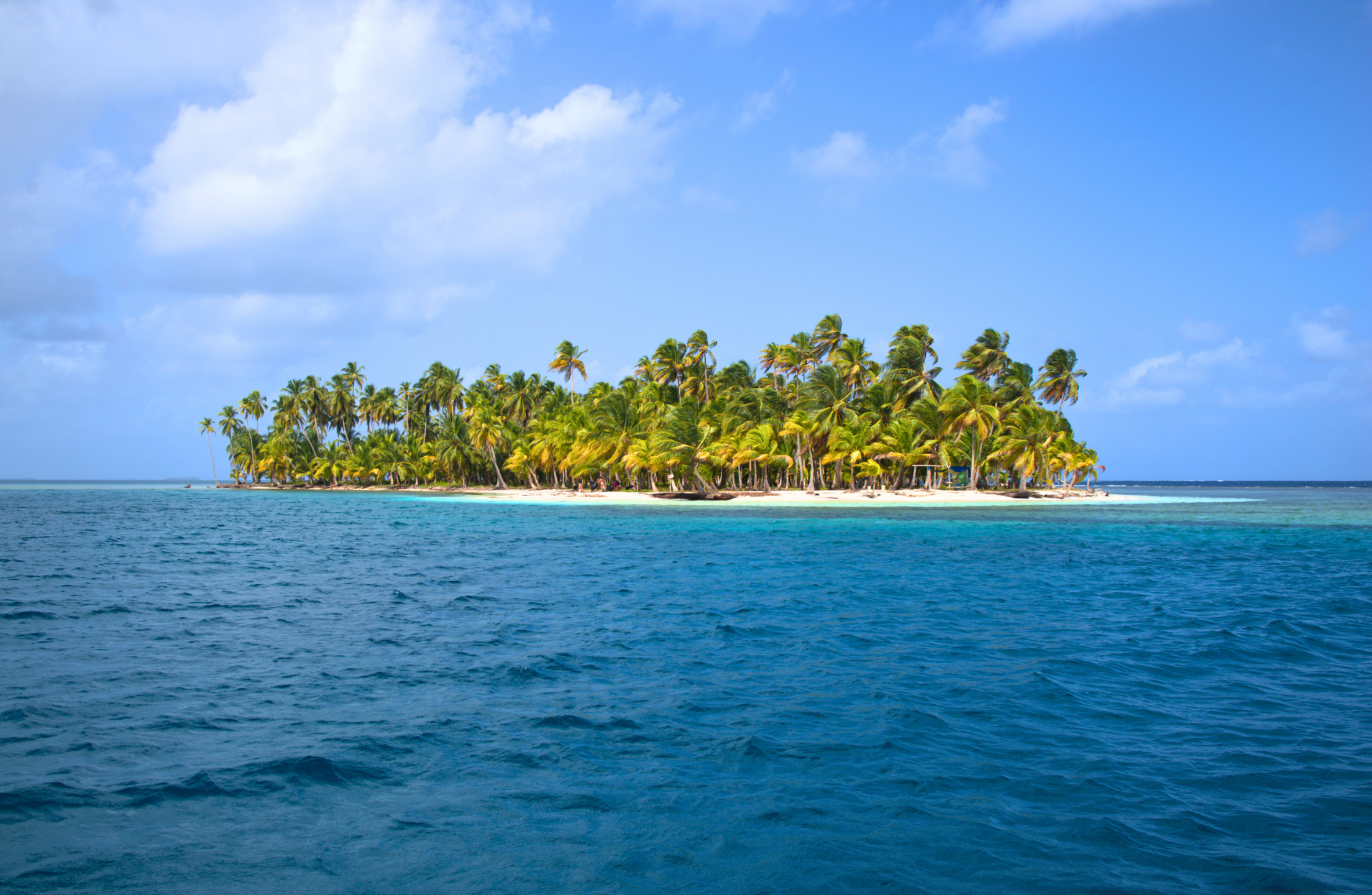
Imagine stepping onto a postcard-perfect Caribbean island where the sand is blindingly white, the water transitions through impossible shades of turquoise, and the only footprints are yours. Now imagine that this paradise isn't overrun with resorts, cruise ships, or Instagram hordes, because it's protected by an Indigenous community that has fiercely maintained their autonomy for centuries.
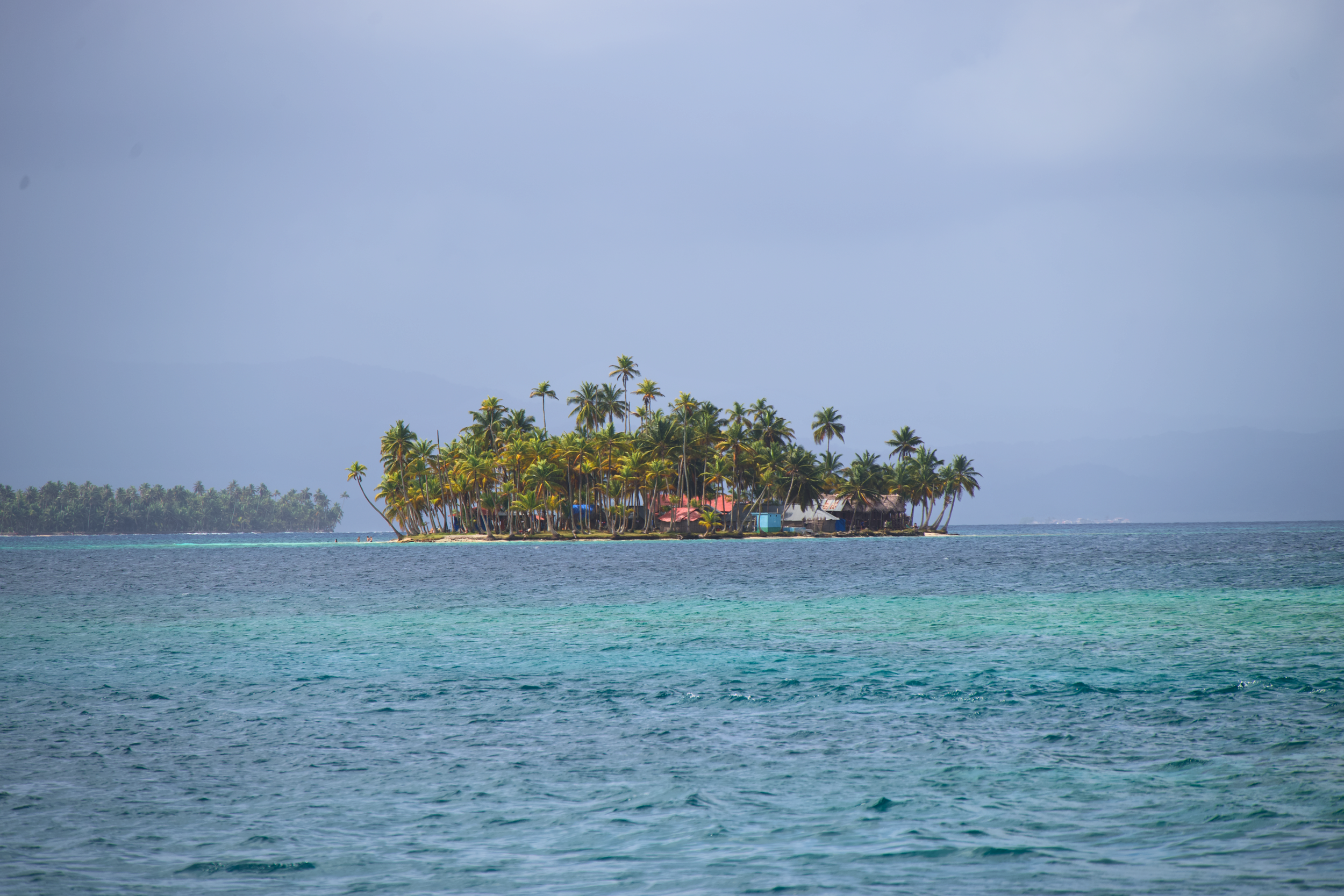
Welcome to the San Blas Islands, officially known as Guna Yala, an archipelago of 365 islands off Panama's Caribbean coast that offers something increasingly rare in today's world: an authentic paradise that hasn't been commodified into oblivion.
But visiting the San Blas Islands isn't like booking a generic beach vacation. This is an autonomous Indigenous territory run entirely by the Guna people, which means your visit comes with responsibilities. You'll need to understand local customs, respect cultural boundaries, and prepare for an experience that prioritizes community values over tourist convenience.
This guide will walk you through everything you need to know, from cultural etiquette to budget breakdowns to choosing which islands to visit, so you can experience this extraordinary place in a way that's both memorable for you and respectful to the Guna community.
This post contains affiliate links. I may earn a commission if you purchase through my links, at no extra cost to you.
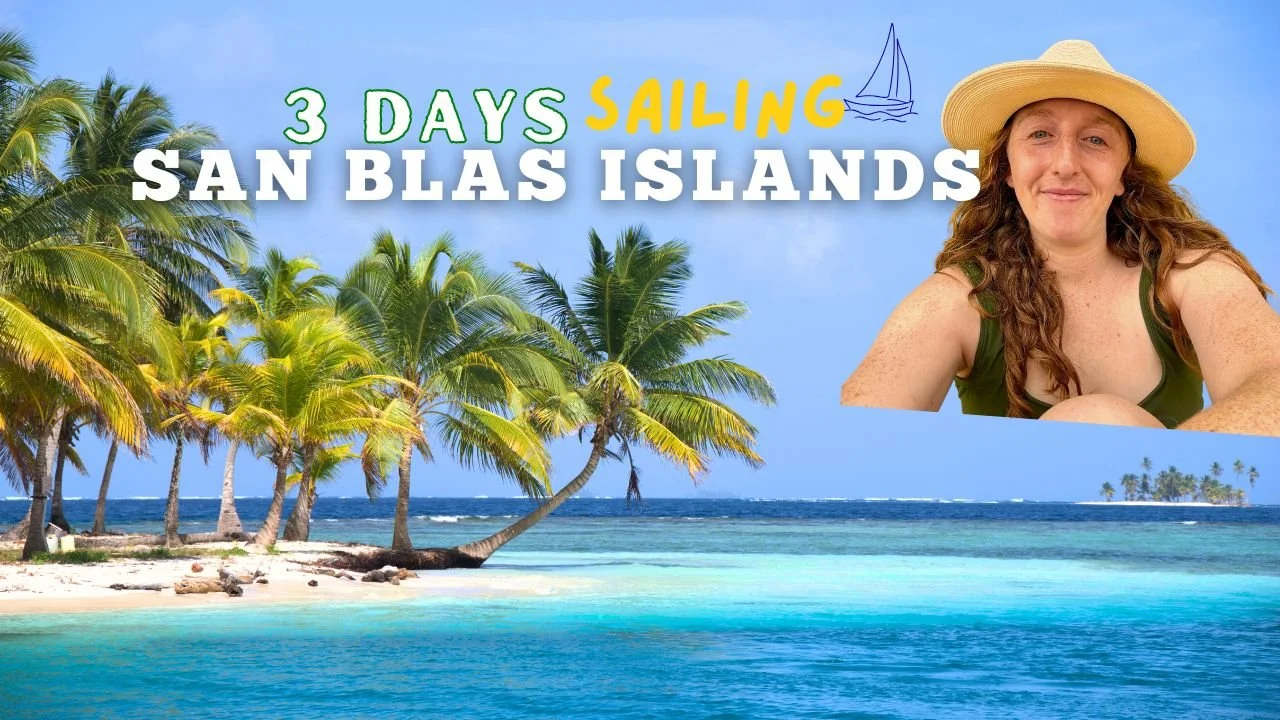
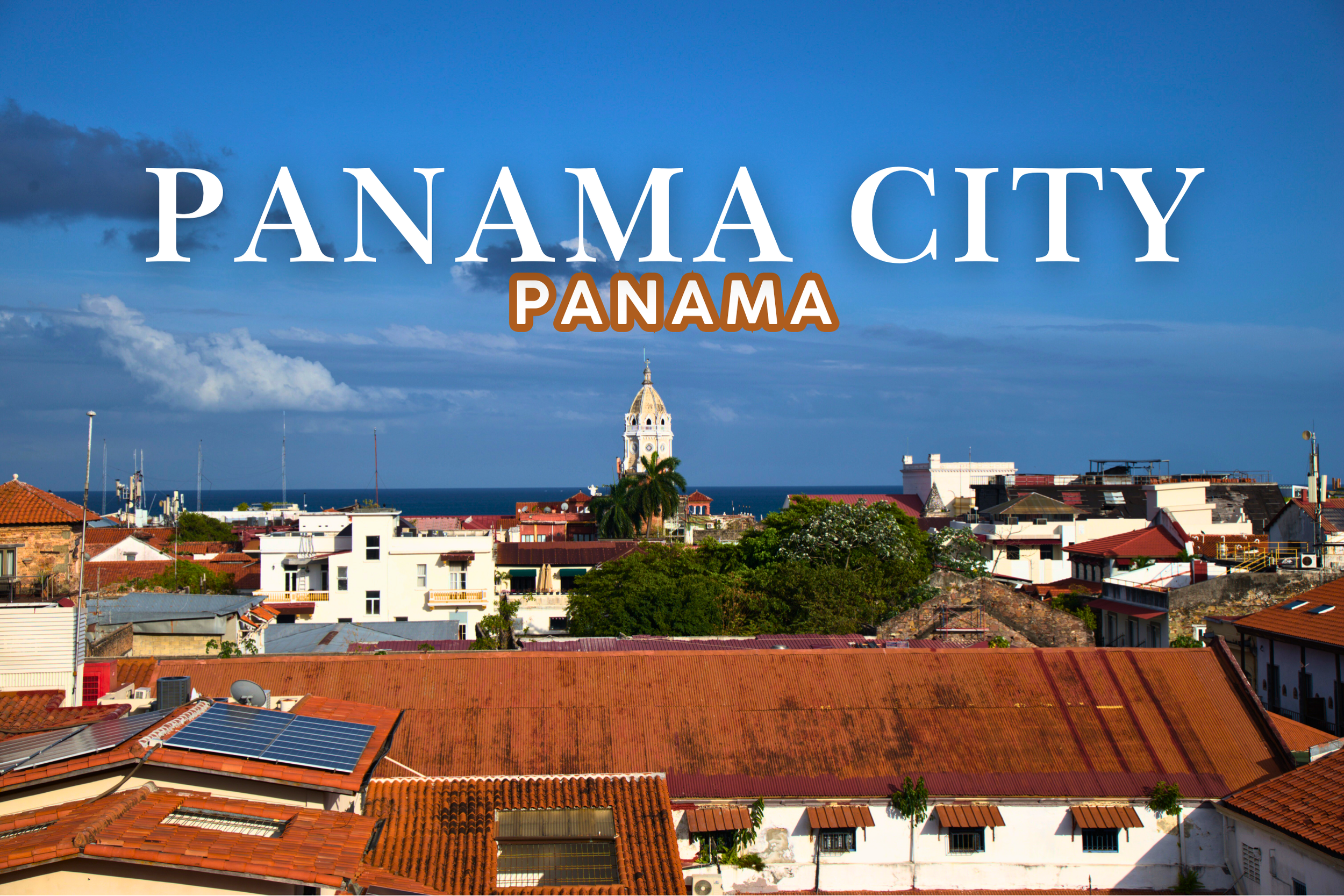
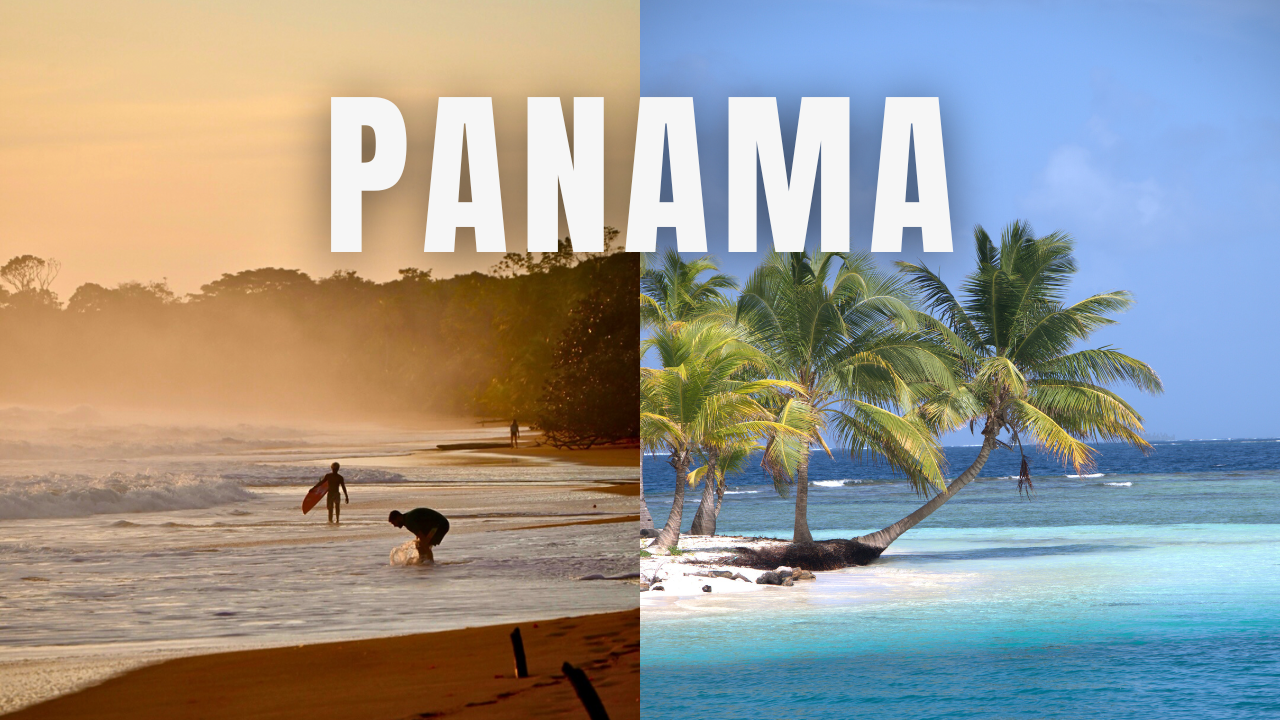
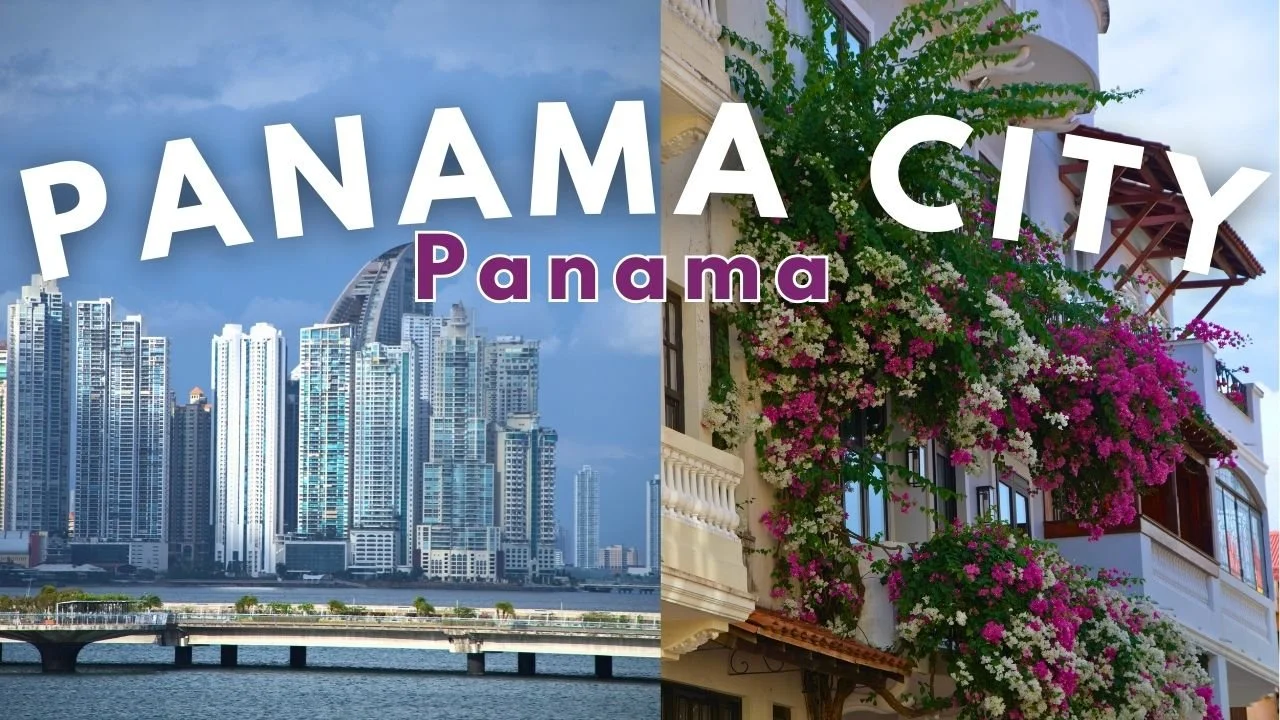
Why Visit the San Blas Islands? (What Makes Them Special)
The San Blas Islands aren't just another tropical destination; they represent something increasingly precious in an over-touristed world. Here's what sets them apart:
Paradise Preserved: The Guna Yala Autonomous Territory
In 1925, the Guna people fought for and won autonomy from Panama, establishing one of the first Indigenous autonomous territories in Latin America. This means the Guna control their land, make their own laws, and decide how tourism operates in their territory. No outside developers can build mega-resorts here. No international chains can move in. The Guna have chosen slow, community-controlled tourism over rapid commercialization.
The result? Islands that look like they did decades ago, simple palm-thatched huts instead of concrete hotels, locally run operations instead of all-inclusive chains, and a pace of life that feels genuinely untouched. When you visit, you're entering a space where the local community genuinely calls the shots.
What Sets San Blas Apart from Other Caribbean Destinations
Unlike the commercialized Caribbean islands, where culture has been packaged for tourist consumption, San Blas offers:
Authentic cultural immersion: You're not watching a "cultural show,” you're visiting active Guna communities where people still dress in traditional molas, speak their language, and live according to their customs.
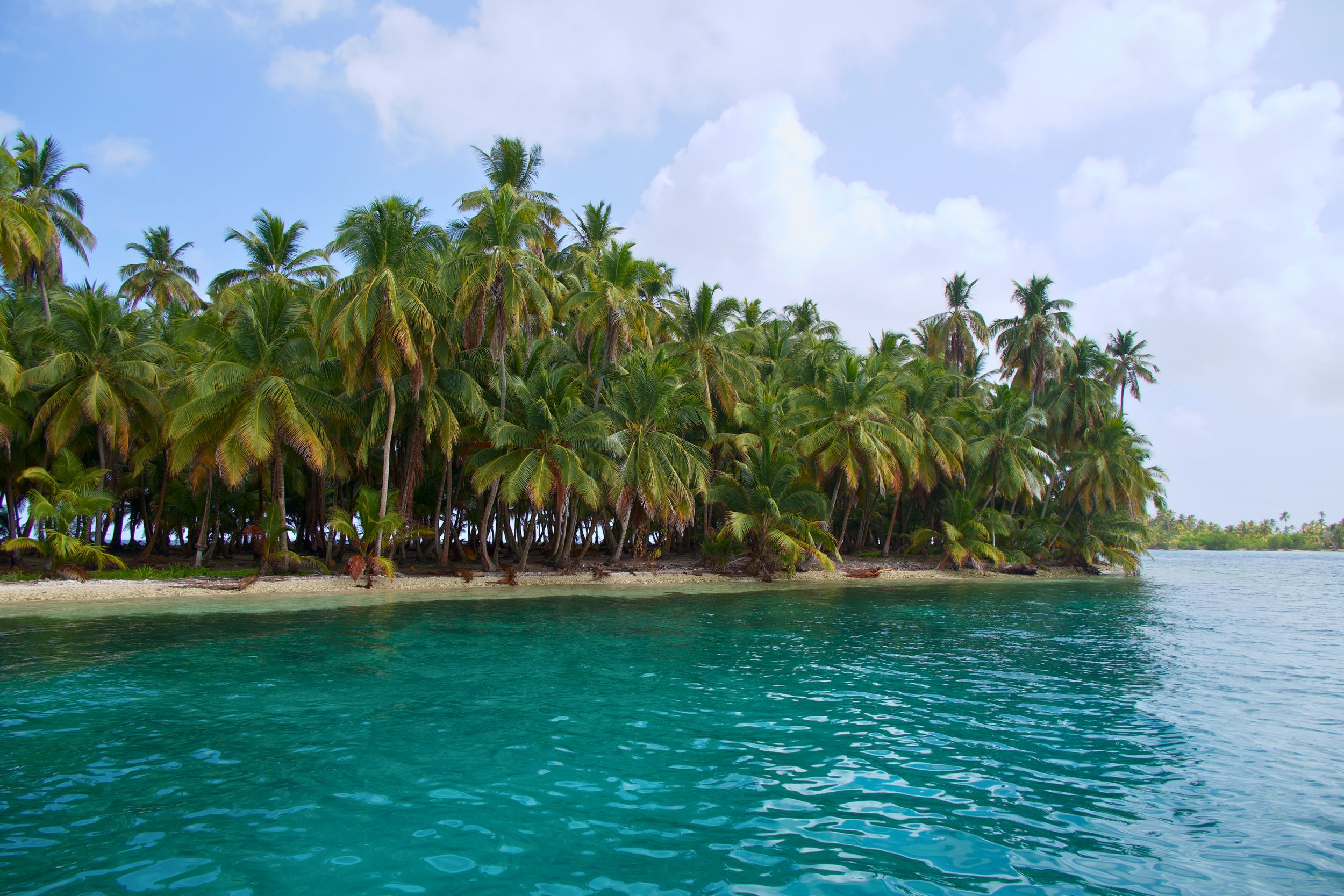
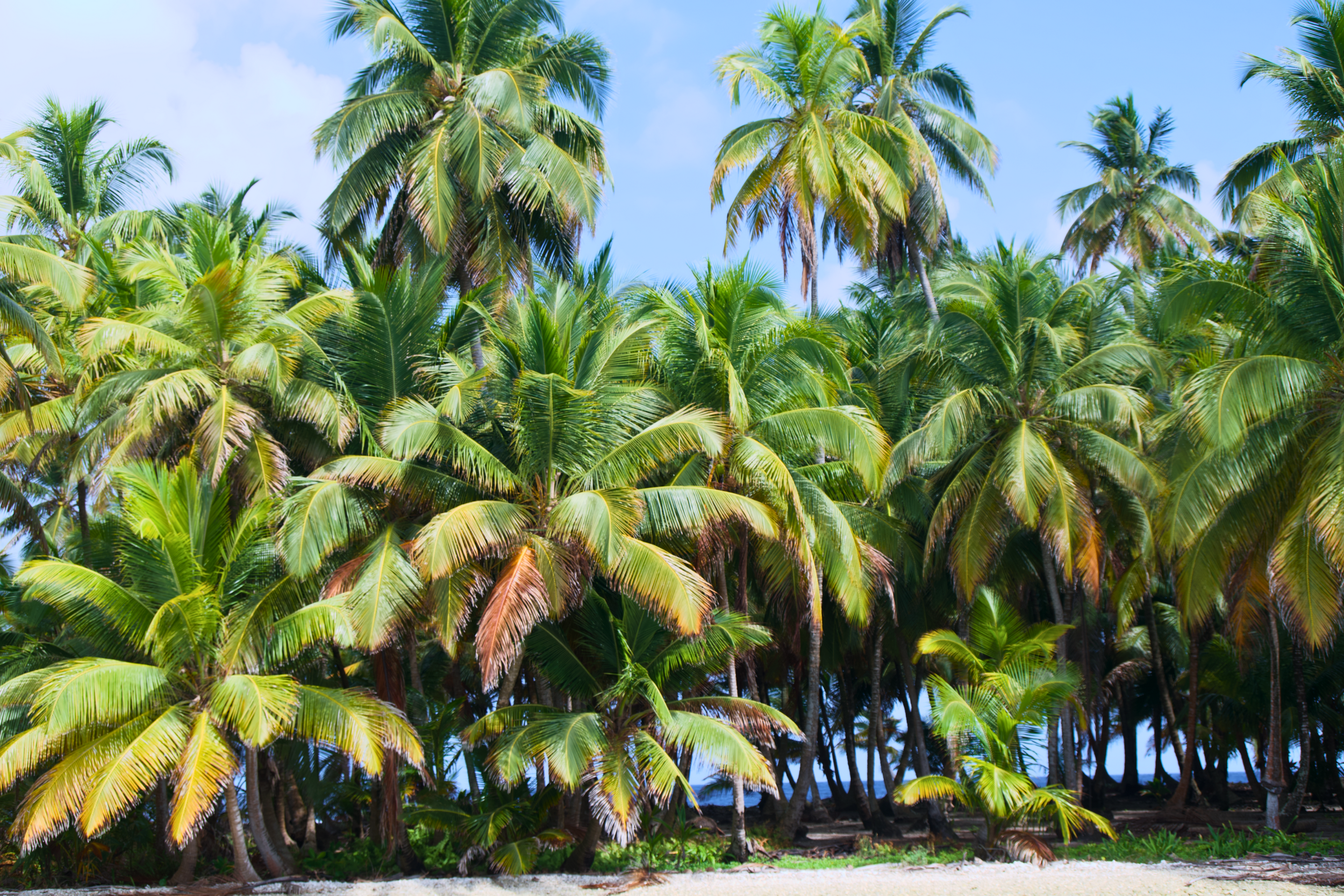
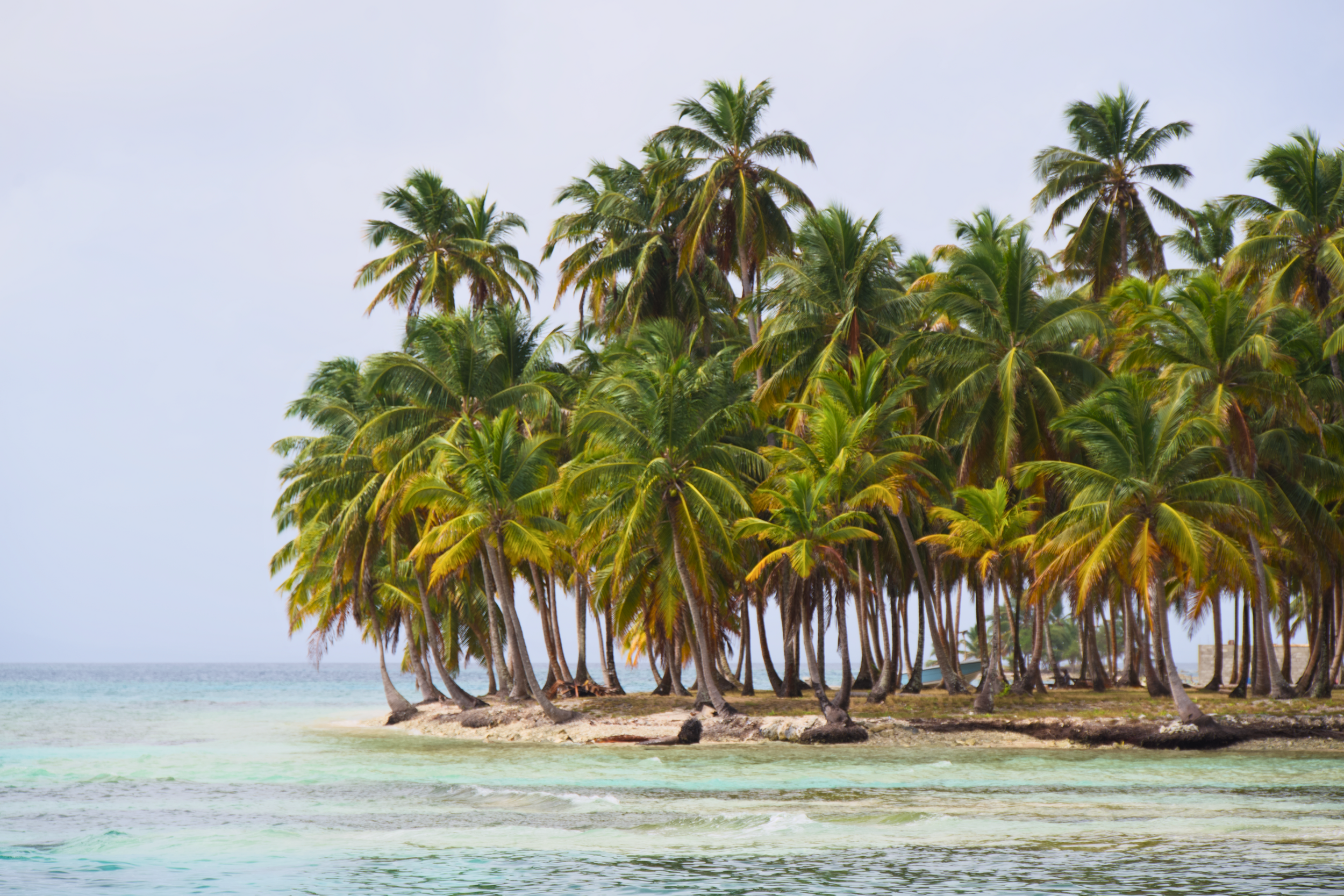
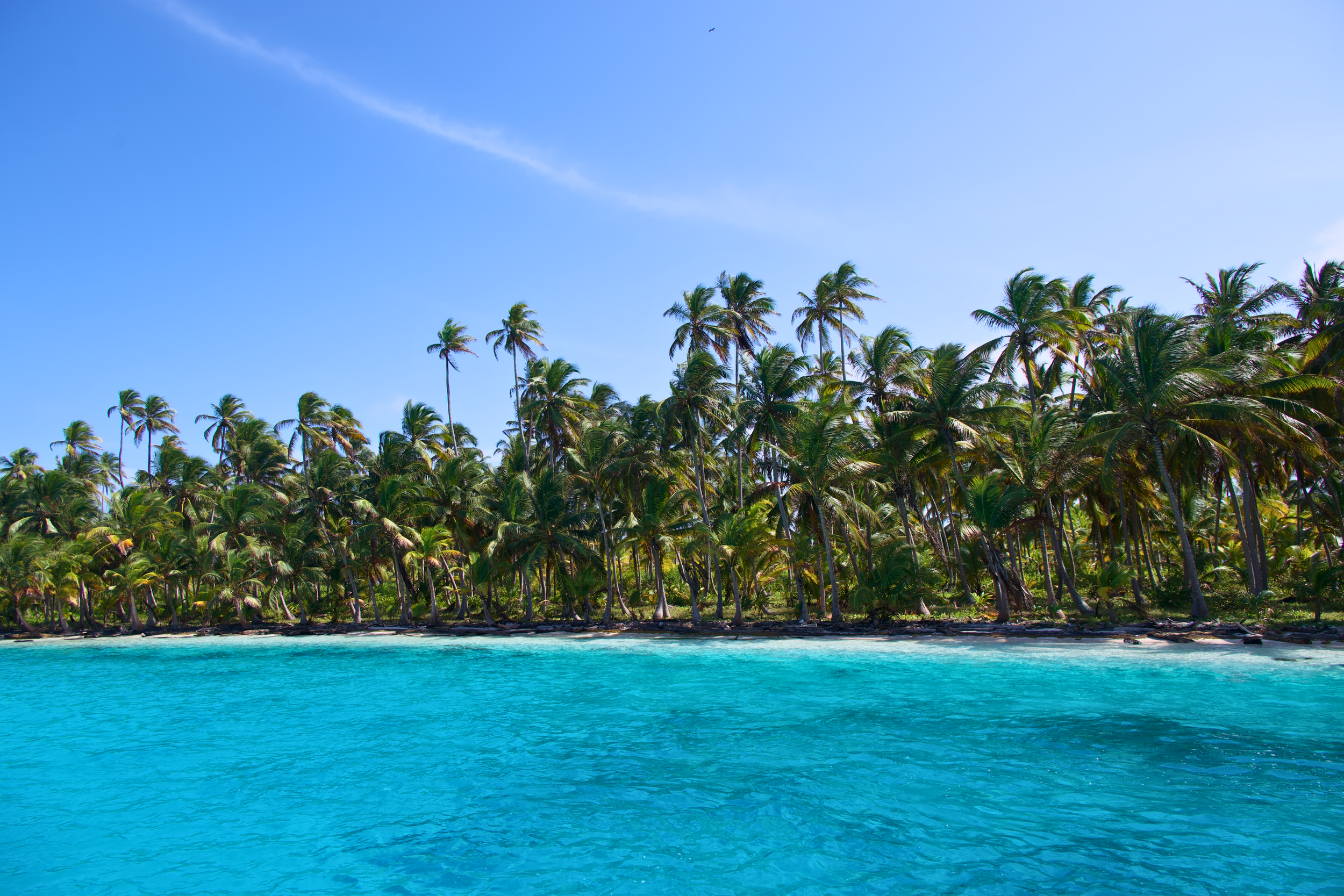
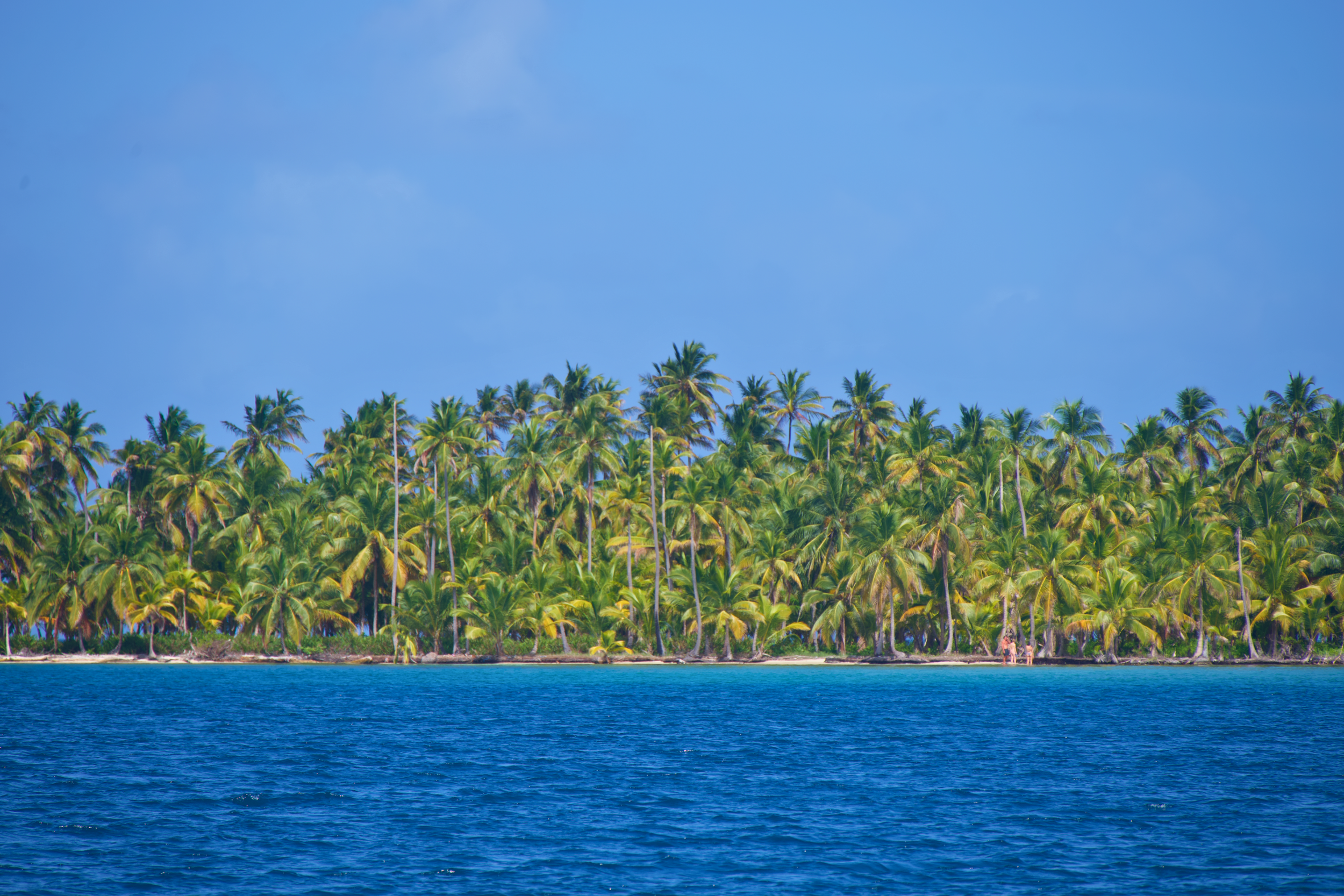
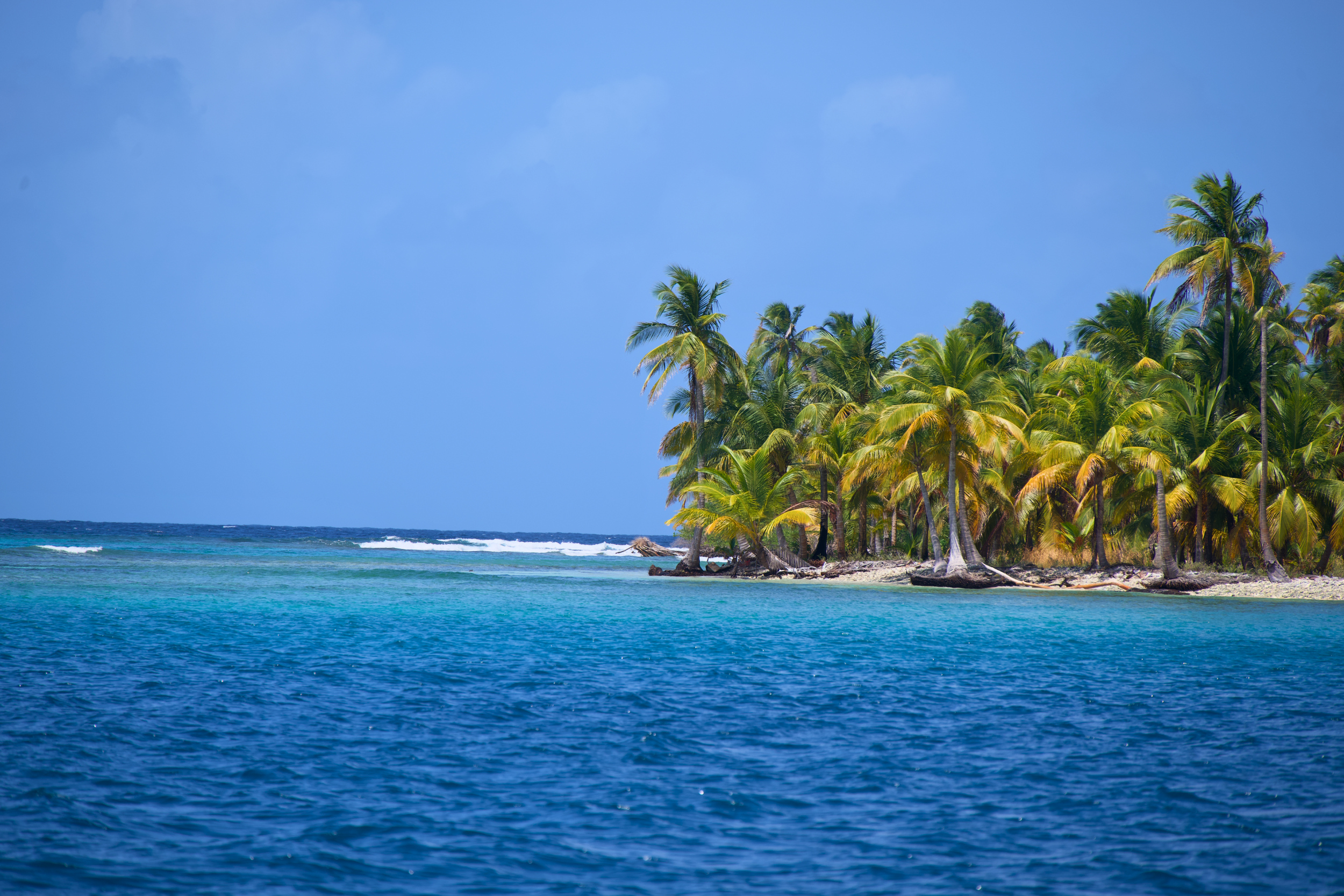
Pristine natural beauty: Because development is limited, many islands remain completely untouched. The coral reefs are healthy, the waters are crystal-clear, and you'll often have entire islands to yourself.
Digital detox by necessity: Most islands have no WiFi, limited cell service, and no nightlife. This is a place to genuinely disconnect.
Travel insurance - San Blas is remote with limited medical facilities. Travel insurance that covers medical evacuation is essential before visiting.
Understanding Guna Yala Culture: Travel Respectfully
This is the most important section of this guide. The San Blas Islands aren't a theme park; they're someone's home. Understanding and respecting Guna culture isn't optional; it's essential.
Who Are the Guna People? A Brief History
The Guna (also spelled Kuna) are an Indigenous people who have inhabited the Caribbean coast of Panama and Colombia for centuries. In the early 1900s, Panama attempted to suppress Guna culture, banning traditional dress, forcing Western education, and trying to assimilate the community.
In 1925, the Guna organized a revolution and successfully negotiated autonomy. Today, Guna Yala (meaning "Guna Land") operates with its own governing body, the General Guna Congress, which makes decisions about land use, tourism policy, and cultural preservation.
The Guna have maintained their language (Dulegaya), traditional dress (especially the colorful mola textiles worn by women), and matrilineal social structure. They're one of the most culturally intact Indigenous groups in Latin America, and their territory is one of the few places where visitors can experience Indigenous Caribbean culture that hasn't been commercialized into folklore.
Cultural Etiquette: Photography, Dress Code & Behavior
Photography Rules:
Always ask permission before photographing anyone. Many Guna women in traditional dress will expect payment ($1-5 USD) for photos. This isn't a tourist trap; it's a boundary they've established because they've been photographed without consent for decades. Respect it.
Don't photograph sacred sites, ceremonies, or community meetings without explicit permission from community leaders.
Never take sneaky photos. It's disrespectful, and you'll be called out.
Dress Code:
On inhabited islands, wear clothing that covers your swimsuit when you're not on the beach. Tank tops and shorts are fine, but walking through villages in just a bikini is considered disrespectful. On uninhabited tourist islands, standard beach attire is acceptable.
General Behavior:
Ask before entering villages or walking around inhabited islands. Some areas are off-limits to tourists.
Don't touch or take anything without permission, including coconuts, shells, or coral.
Speak quietly and move calmly. Loud, boisterous behavior is generally frowned upon in Guna communities.
Learning Basic Guna Phrases
While many Guna people speak Spanish, learning a few words in Dulegaya shows respect:
Nuedi - Hello
Be suli - Thank you
Ome gilli - How much? (for prices)
Nuga? - What's your name?
Planning Your San Blas Trip: Essential Logistics
Best Time to Visit (Dry Season vs Rainy Season Reality)
Dry Season (mid-December to April): This is peak season for good reason. You'll get sunshine, calm seas, and ideal snorkeling conditions. Expect higher prices and more tourists (though "more tourists" here still means far fewer than most Caribbean destinations). Book accommodations at least 2-3 months in advance.
Shoulder Season (November to mid-December, May): This is the sweet spot. The weather is still generally good, prices drop slightly, and crowds thin out. You might get occasional rain, but it's usually brief afternoon showers.
Rainy Season (June to October): Expect frequent rain, rougher seas, and some accommodations may close. However, if you don't mind weather uncertainty, you'll have islands nearly to yourself and pay the lowest prices. Just know that boat transfers can be canceled if the seas are too rough.
How Long to Stay (Day Trip vs 2-3 Nights vs Week-Long)
Day Trip: Not recommended. You'll spend 5+ hours in transit for 3-4 hours on the islands. It's rushed, exhausting, and you won't get a real sense of the place. Save yourself the headache and skip it.
2-3 Nights: The ideal minimum. This gives you time to settle in, explore multiple islands, snorkel properly, and experience the rhythm of island life without feeling rushed.
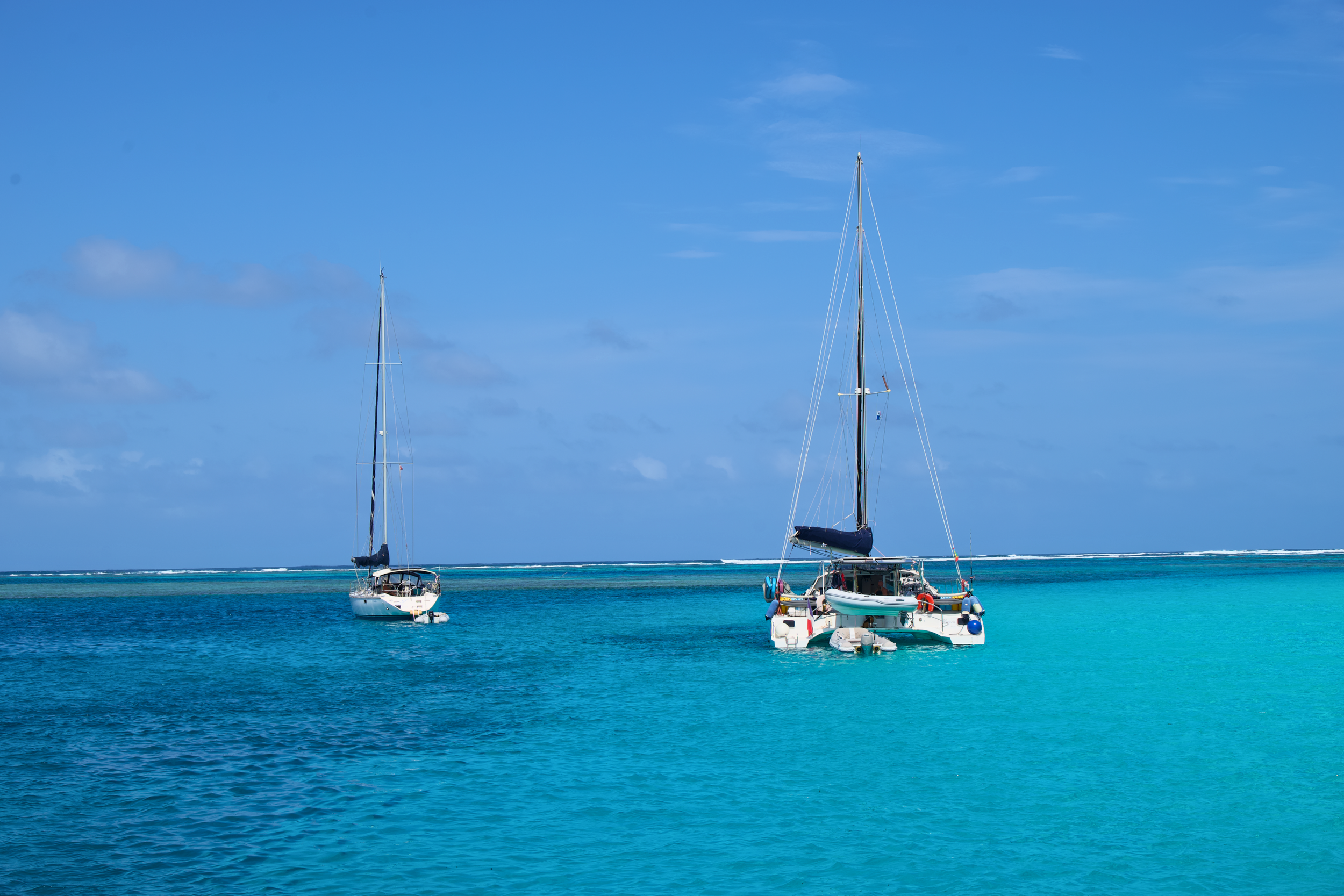
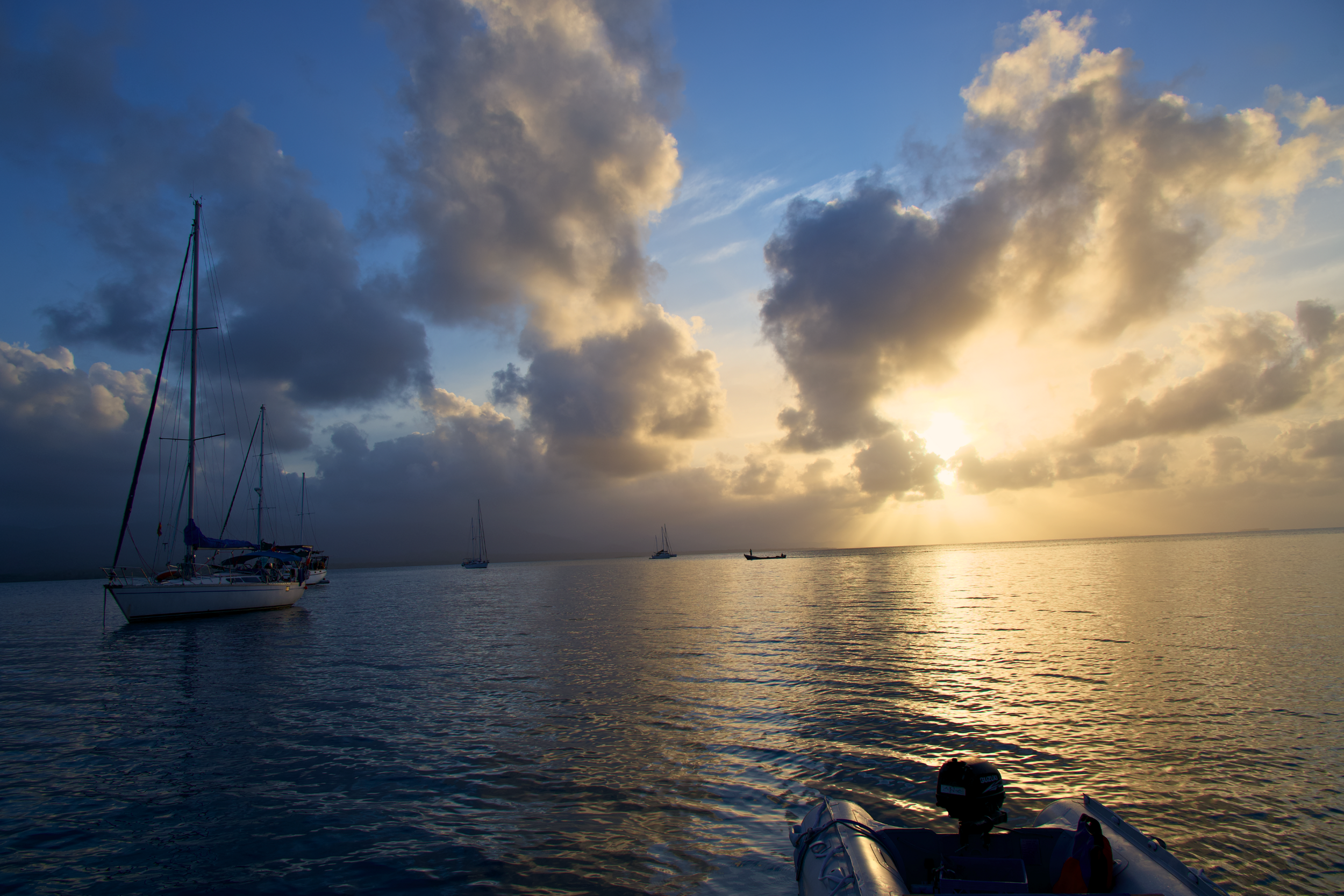
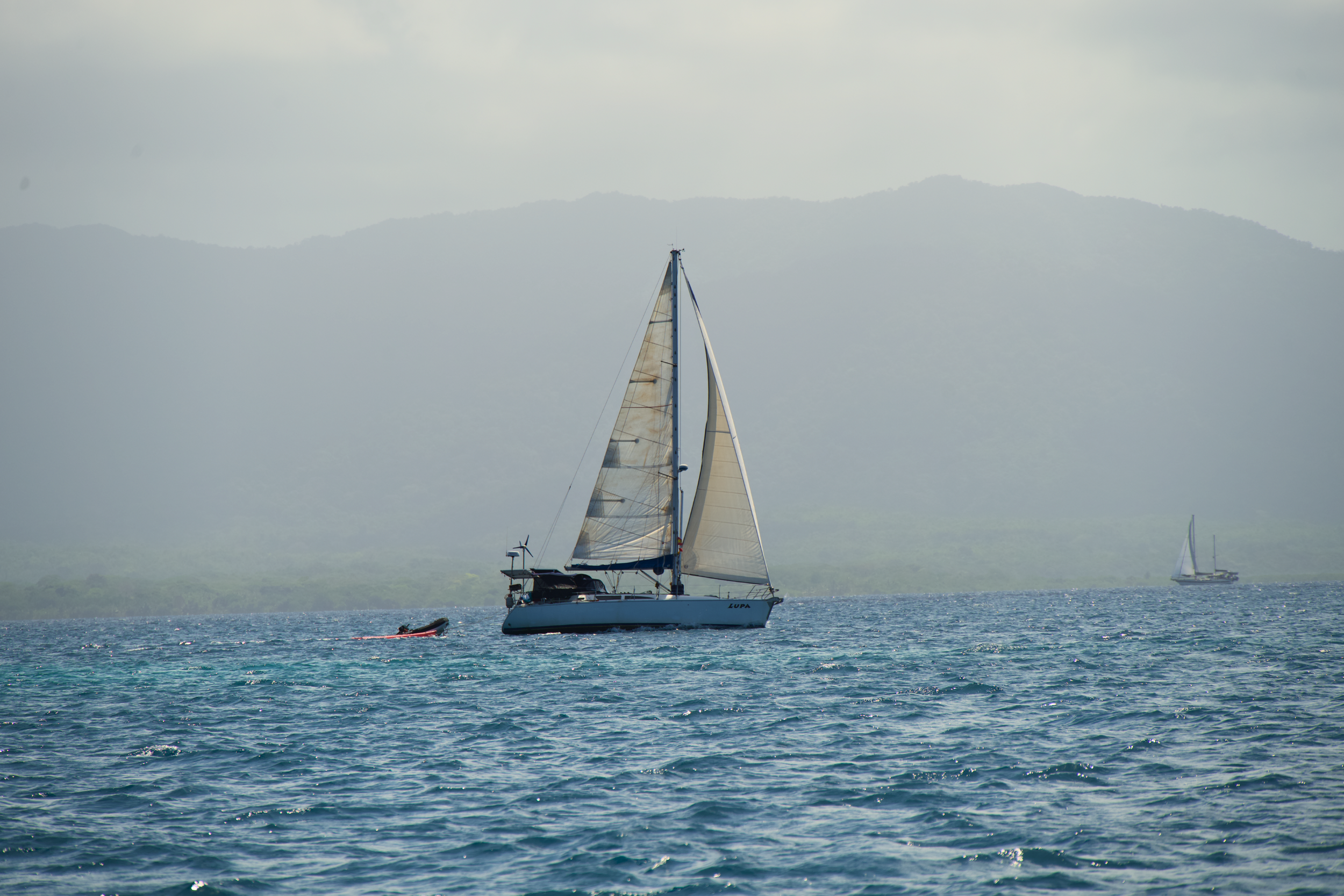
Sailing Trips (3-5 Nights): One of the most popular ways to experience San Blas is via multi-day catamaran or sailboat tours. These typically run 3-5 nights and offer an all-inclusive experience with accommodation on the boat, all meals, island hopping, snorkeling, and flexibility to reach remote islands. This is often the sweet spot between comfort and adventure, with prices ranging from $80-150 per person per night depending on the boat and season.
4-7 Nights: Perfect if you want a true digital detox or are doing a sailing trip. You'll have time to visit more remote islands, connect with local families, and fully decompress. Be prepared for serious simplicity; after day four, you'll be very familiar with the same three meals.
Booking in Advance: Why It's Not Optional
Unlike other destinations where you can show up and figure it out, San Blas requires planning. Island accommodations are limited, and most islands have only 3-10 cabins. Sailing tours also book up fast, especially in high season. During high season (December-March), everything books out months ahead. Even in low season, you can't just show up at the islands; you need pre-arranged transportation and accommodation or a confirmed sailing tour. Book at least 1-2 months ahead during the low season, 3-4 months during the high season.
How to Get to the San Blas Islands from Panama City
Getting to San Blas is part of the adventure, and by adventure, I mean a bumpy 4x4 ride through the mountains followed by a boat transfer. Here's what to actually expect:
The 4x4 + Boat Journey (What to Actually Expect)
The Route:
Most tours pick you up from Panama City hotels around 5:00-5:30 AM (yes, that early). You'll drive 2.5-3 hours through winding mountain roads to reach the Caribbean coast. The road has improved significantly in recent years; it's paved most of the way now, though still very curvy.
At the port (usually Carti), you'll transfer to a motorized cayuco (traditional canoe) for island stays, or board your catamaran if you're on a sailing tour. The boat ride to the islands is 20-45 minutes, depending on which one you're visiting.
The Reality:
The 4x4 ride is long and winding. If you're prone to motion sickness, take medication before departure.
Bring snacks and water. Most drivers stop once for bathrooms, but there are no meal stops.
The boat ride can be wet and bumpy. Protect electronics in waterproof bags and wear clothes you don't mind getting splashed.
Expect to arrive at your island or catamaran around 10:00-11:00 AM.
Flying to San Blas: Is It Worth It?
Air Panama operates small plane flights from Panama City to a few San Blas airstrips. Flights take about 45 minutes and cost $150-250 round-trip.
Pros: Fast and scenic (views of the islands from above are spectacular). No winding roads or motion sickness issues. You arrive around 8:00 AM with a full day ahead.
Cons: Significantly more expensive than the 4x4 option. Flights can be canceled due to weather. Strict luggage limits (usually 10-15 kg). Only operates on a few islands (mostly the more developed ones).
Verdict: Worth it if you have money to spare, get motion sick easily, or want to maximize your time on the islands. Otherwise, the 4x4 is fine and part of the authentic experience.
Border Fees & Checkpoint Procedures
At the entrance to Guna Yala territory, you'll pay two fees:
Entry fee: $20 USD per person (goes to the Guna Congress)
Port fee: $2 USD per person
Important:
Bring your passport. It's required at the checkpoint. Forgetting it means you can't enter.
Cash only. Have small bills ready ($20s, $10s, $5s).
These fees are not included in most tour packages; budget for them separately.
Choosing Your San Blas Experience
Sailing vs Island-Based: Choosing Your Experience Type
Before deciding between organized tours vs independent travel, you first need to choose your base: will you stay on an island or on a boat? This is the most fundamental decision for your San Blas trip.
Sailing/Catamaran Tours (Very Popular):
Pros: Maximum flexibility to visit remote islands; all-inclusive (meals, accommodation, activities); small group atmosphere (typically 6-12 people); better food variety than island accommodations; no packing/unpacking between islands; often more affordable than high-end island stays; equipment provided (snorkel gear, often kayaks)
Cons: Less privacy (shared spaces); subject to weather/sea conditions; not ideal if you get seasick; limited time on each island; less cultural immersion with Guna communities; shared cabins unless you pay a premium
Best for: Active travelers who want to see multiple islands, social groups, those on a moderate budget who want comfort, first-timers who want a "sampler" of San Blas
Island-Based Stays:
Pros: Deep immersion in one location; more interaction with Guna families; better for relaxation and "doing nothing"; more privacy in your own cabin; easier to visit nearby villages; wake up to the same beautiful view every day
Cons: Less flexibility to island hop; meals can be repetitive; need to arrange day trips separately; more rustic accommodations; fewer islands visited
Best for: Those seeking authentic cultural experiences, digital detox seekers, travelers who prefer one home base, and people who value privacy and quiet.
Once you've decided between sailing and island-based, here are your booking options:
Organized Land-Based Tour:
Pros: Everything is arranged: transport, accommodation, meals, activities. Pick-up/drop-off from Panama City hotels. English-speaking guides are usually included. Easier to coordinate boat trips and island hopping.
Cons: Less flexibility in itinerary. Slightly more expensive. You're on the tour company's schedule.
Independent Travel:
Pros: More flexibility and control. Potentially cheaper if you book directly with Guna families.
Cons: Requires significant research and Spanish language skills. You'll need to arrange transport separately (colectivos from Carti or private 4x4). Communication with accommodations can be challenging (many don't have consistent internet).
Tour booking platforms (GetYourGuide, Viator, Booking.com) - Link to verified San Blas tour operators with transparent pricing and good reviews.
Day Trip vs Overnight: Which Is Right for You?
I've mentioned this before, but it's worth repeating: skip the day trip if at all possible.
Day trips typically involve:
5:00 AM pickup from Panama City
2.5-3 hours driving to the coast
30-45 minutes by boat to the islands
3-4 hours on 2-3 islands (rushed)
30-45 minutes boat back
2.5-3 hours driving back to Panama City
Return to the hotel around 7:00-8:00 PM, exhausted
You'll spend 7-8 hours traveling for 3-4 hours of actual island time. You won't get to see sunset, experience the islands at their quietest, or truly unwind. The overnight experience is incomparably better.
Sailing alternative: If you're torn between a day trip and an overnight but worried about basic island accommodations, consider a 3-4 night sailing tour instead. You get the overnight experience with slightly more comfort, plus you'll visit way more islands than any land-based option.
Which San Blas Island Should You Visit?
With 365 islands, choosing where to stay can feel overwhelming. Here's a breakdown of the main options:
Best Islands for First-Timers
Isla Perro (Dog Island): The most popular and developed island. It has a sunken ship wreck perfect for snorkeling, multiple accommodation options, and the most tourist infrastructure. Good for those who want some amenities without total isolation.
Isla Aguja: A tiny island with just a handful of cabins. Offers a perfect balance of comfort and simplicity. The family that runs it is warm and welcoming, and you'll have stunning sunsets and clear waters.
Isla Pelicano: Slightly more upscale (by San Blas standards), with better-constructed cabins and decent food. Still rustic, but a step up in comfort from the most basic options.
Most Cultural Islands vs Most Scenic Islands
Most Cultural (Inhabited Islands): Islands like Ustupu, Mamitupu, and Carti Suitupo are larger, inhabited Guna communities. Staying here means more interaction with local families, seeing daily Guna life up close, more authentic cultural immersion, but less pristine beaches (these are working communities, not tourist islands).
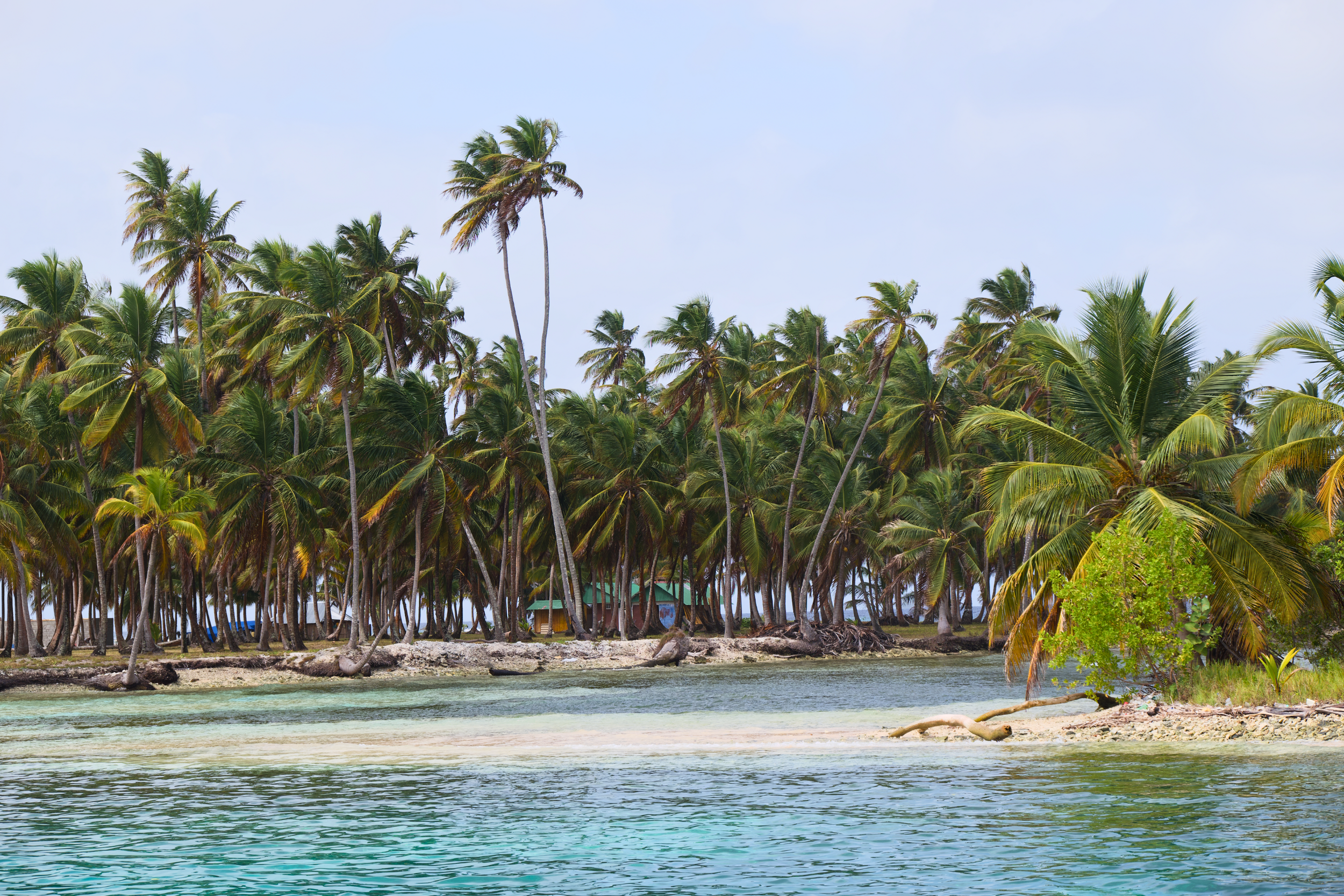
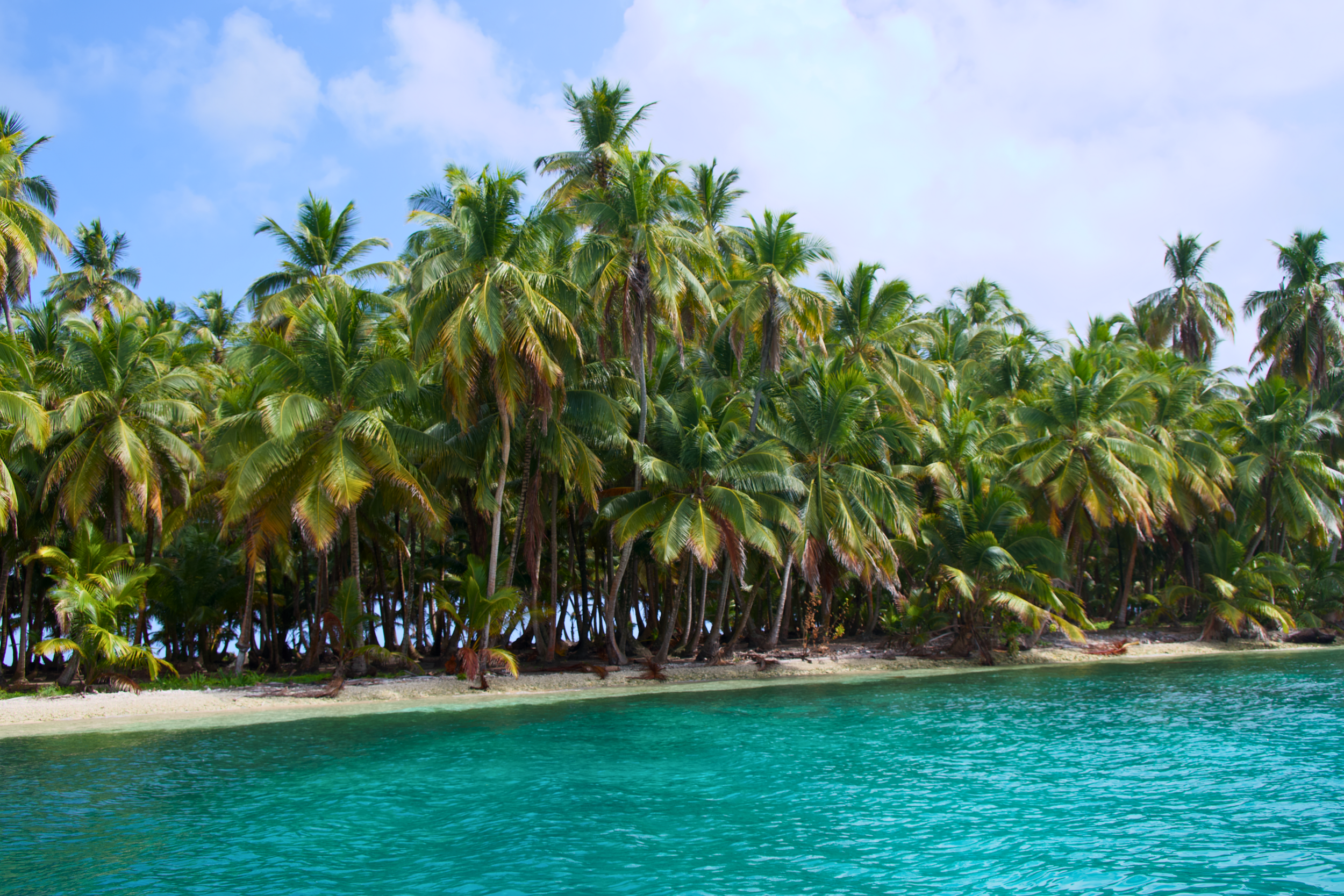
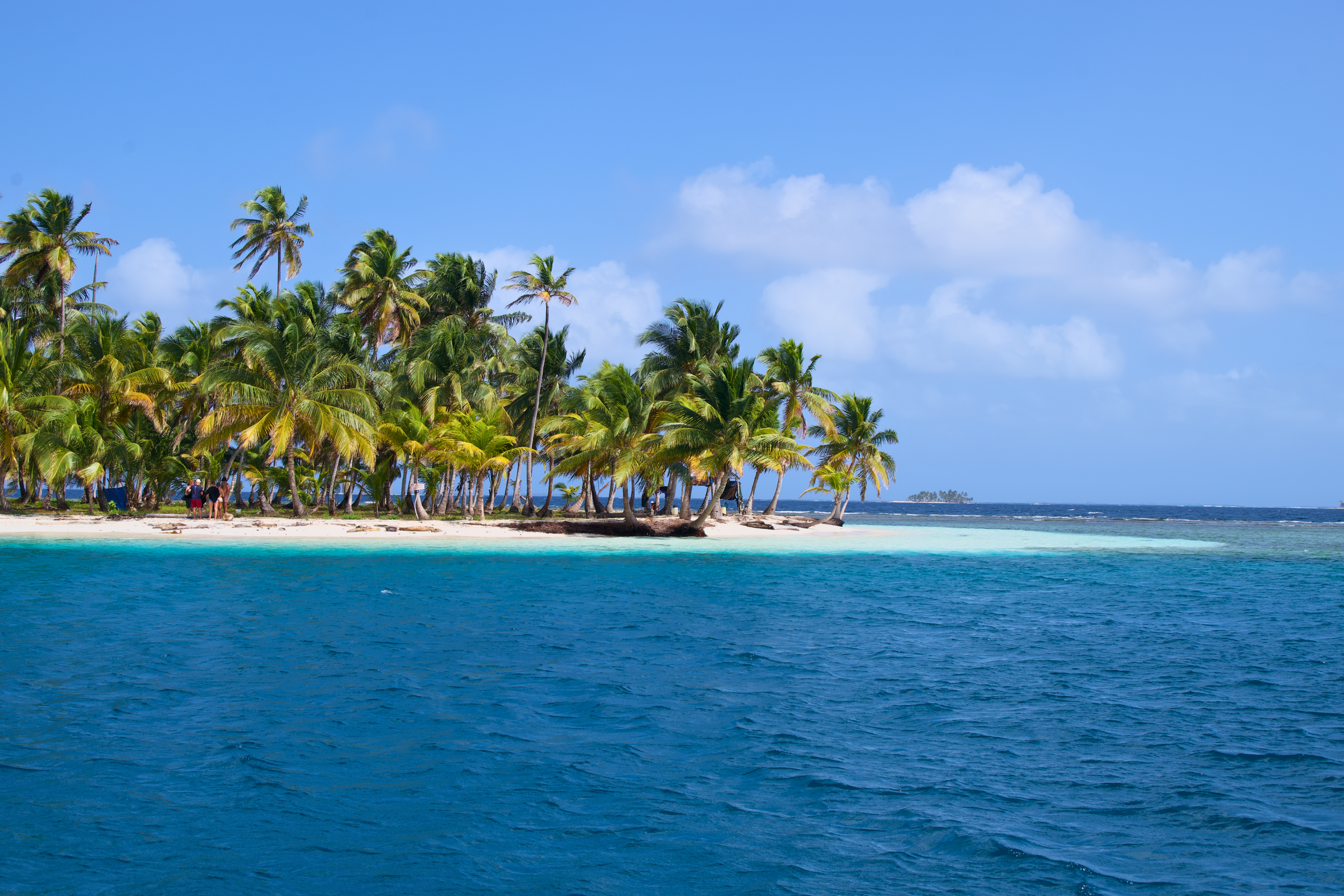
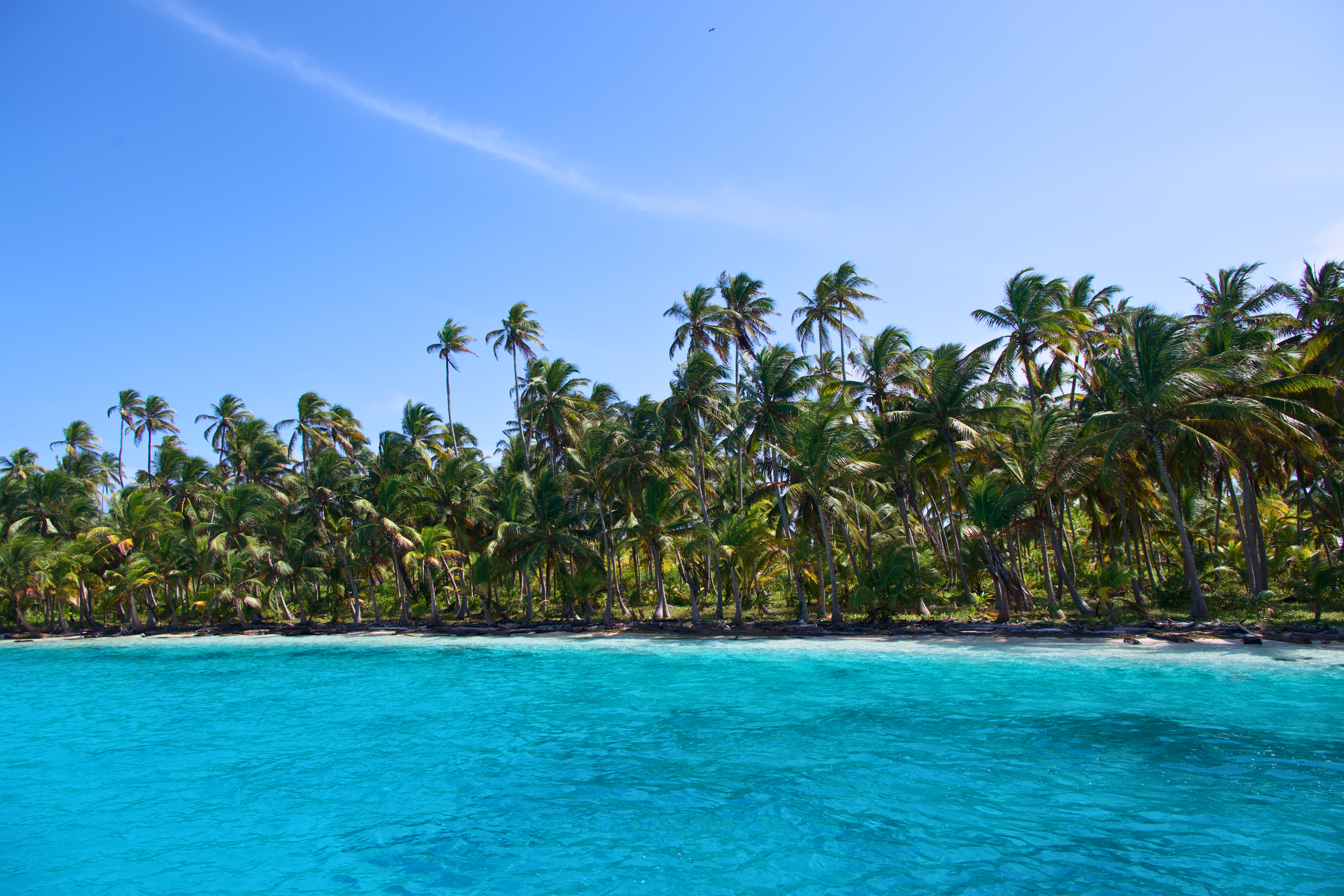
Most Scenic (Uninhabited/Tourist Islands): Tiny, palm-covered islands with white sand and turquoise water. These are postcard-perfect but have minimal cultural interaction since they're set up specifically for tourism.
Islands to Avoid (Overcrowded Spots)
Isla Diablo (Diablo Island): This has become the most popular day-trip destination, which means it gets swarmed with tour groups mid-day. If you're staying overnight, it's fine (mornings and evenings are peaceful), but avoid it for day trips if you want solitude.
Chichime Cays: Beautiful but increasingly crowded, especially during peak season. Not bad, but not the hidden paradise it once was.
Hidden Gem Islands
Dutch Cays (Holandeses Cays): Requires a longer boat transfer but is worth it for solitude-seekers. Many sailing tours visit here.
Coco Bandero: A stunning, lesser-known spot with excellent snorkeling and a small Guna community. Less infrastructure means more authentic experience.
Or Skip the Island Choice: Go Sailing
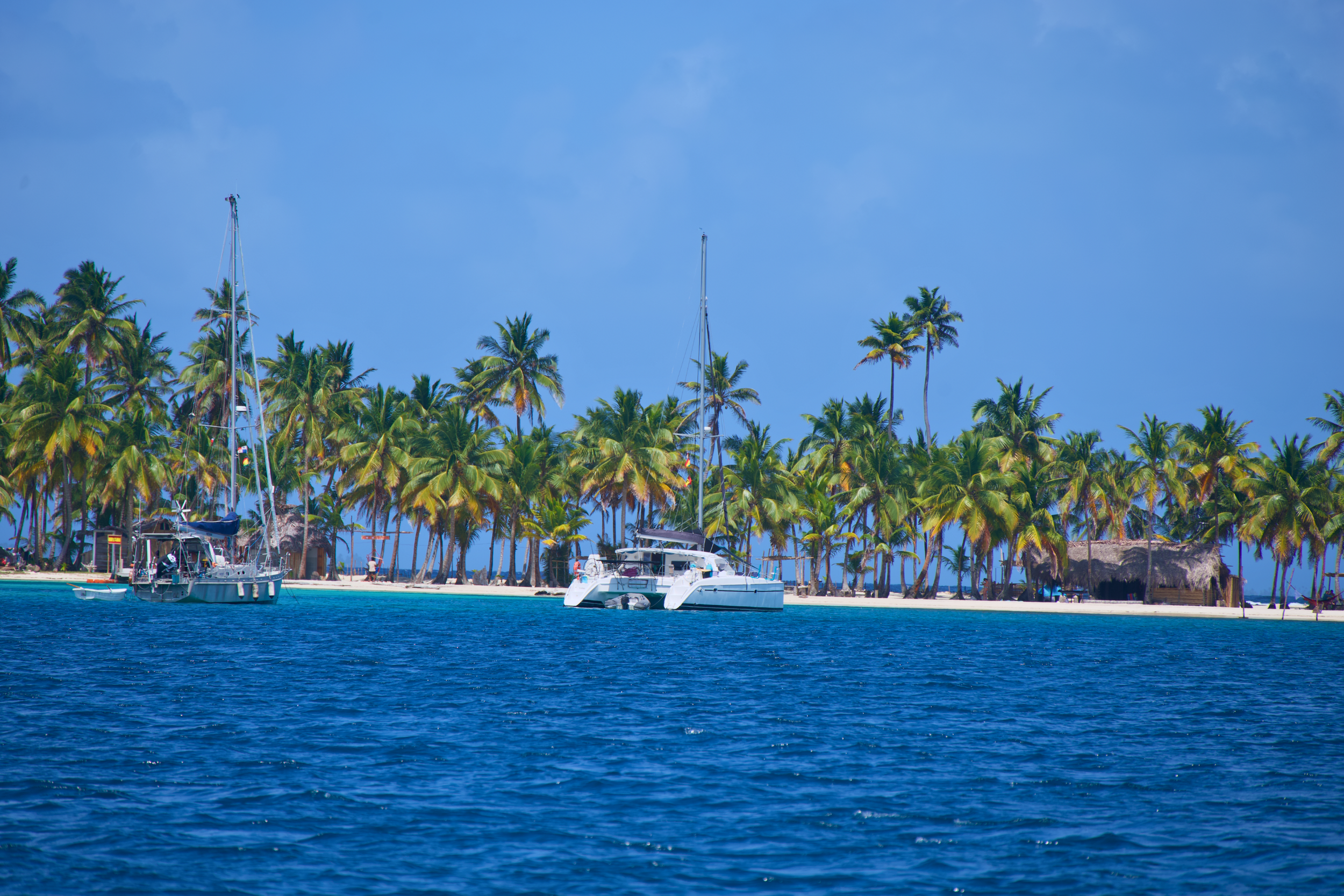
Here's the thing: if you're overwhelmed by choosing which island, a sailing tour eliminates this decision. You'll visit 5-10 islands over 3-5 days, so you get to experience the diversity of San Blas without committing to one spot. Popular sailing routes typically include Isla Perro, the Natural Pool, remote uninhabited islands, and at least one Guna village visit. This is honestly the best "sampler" of San Blas, and why sailing has become so popular.
San Blas Islands Budget Breakdown
Let's talk money. San Blas isn't as cheap as you might expect for a rustic destination, but it's still affordable compared to most Caribbean spots.
Budget Traveler ($50-70/day per person)
Accommodation: $30-45/night (basic cabin, shared bathroom)
Meals: $20-25/day (three simple meals included in most packages)
Transport to/from Panama City: $40-60 round-trip (shared 4x4)
Entry/port fees: $22 one-time
Island hopping tours: $15-25 per trip
What you get: Basic palm-roof cabin, foam mattress, shared cold-water bathroom, simple meals (usually lobster/fish, rice, plantains), access to pristine beaches.
Mid-Range Comfort ($90-130/day per person)
Sailing tours: $80-150/night per person all-inclusive (accommodation on boat, all meals, island hopping, snorkeling, some activities)
Accommodation: $60-85/night (better cabin, possibly private bathroom)
Meals: $30-40/day (better quality food, more variety)
Transport: $40-60 round-trip (shared) or $150-250 (flight)
Entry/port fees: $22
Activities: $30-50 for snorkeling gear rental, island tours, mola purchases
What you get: Upgraded cabin (possibly overwater bungalow), better mattresses, private bathroom with running water, improved food quality, more activities included, or a berth on a catamaran with all meals, daily island visits, and snorkeling included.
Luxury Experience ($200+/day per person)
Accommodation: $150-250/night (best available cabins or catamaran sailing)
Meals: $50-70/day (premium seafood, diverse menu)
Transport: $150-250 round-trip (private flight or premium 4x4)
All-inclusive packages: $300-500+ per person per day
What you get: The best San Blas has to offer, overwater bungalows, catamaran sailing trips, private island access, gourmet meals (relatively speaking), premium snorkeling equipment, and personalized service.
Hidden Costs Everyone Forgets
Drinking water: $1-2 per bottle. You'll need 3-4 bottles per day on island stays. Bring a reusable bottle and water purification tablets to save money and reduce plastic waste. Sailing tours usually include drinking water.
Snacks and extras: If you want snacks beyond meals, bring them from Panama City. Island stores have limited selection at marked-up prices. Sailing tours typically provide snacks.
Photography fees: $1-5 per photo if you photograph people in traditional dress.
Tips: $5-10 per day for guides/hosts is customary. $5-10 per day for guides/hosts is customary. Sailing crews typically expect $10-20 per person for the entire trip.
Coconuts: $1 each. Don't just grab one off a tree—they're owned by someone.
What to Pack for San Blas Islands
The Essential Packing List
Absolutely Essential:
Passport (required for entry checkpoint)
Cash (small bills: $1s, $5s, $10s, $20s—absolutely no credit cards accepted)
Reef-safe sunscreen (regular sunscreen kills coral)
Waterproof phone case or dry bag (boat transfers get wet)
Reusable water bottle with filter or purification tablets
Motion sickness medication (for the drive and boat)
Portable phone charger/power bank (electricity is limited)
Headlamp or small flashlight (most islands have no streetlights)
Quick-dry towel (towels aren't always provided)
Highly Recommended:
Snorkel gear (rentals available but bringing your own ensures fit), water shoes (rocky areas and sea urchins), sun hat and sunglasses, lightweight long sleeves (sun protection and mosquito defense), Ziploc bags (for keeping things dry), basic first aid kit (band-aids, ibuprofen, anti-diarrheal meds), waterproof camera or GoPro (for underwater shots).
What to Leave Behind
Hair dryer, flat iron, any high-power electronics (limited electricity, often only a few hours per day). Expectations of luxury (cold showers, basic meals, rustic accommodations are the norm). Single-use plastics (no waste management; you pack out what you bring in). Heavy luggage (pack light; transfers involve multiple modes of transport). Work laptop (terrible WiFi anyway; embrace the digital detox).
First-Timer Mistakes to Avoid
Learn from others' mistakes. Here are the most common errors first-time visitors make:
The Cash-Only Reality
Zero credit cards. Zero ATMs. Zero exceptions.
You need physical cash for: entry and port fees ($22), any accommodation balance not paid in advance, meals if not included, water/snacks/coconuts, souvenirs and mola textiles, tips, and photography fees.
How much to bring: Budget $150-250 in cash beyond what you've prepaid for accommodation. Bring mostly small bills; breaking a $50 or $100 is difficult.
Expecting Luxury Resort Amenities
This is not the Maldives. It's not even Cancun. San Blas is intentionally rustic, and that's part of what makes it special.
Adjust your expectations: Cold showers only (hot water is extremely rare). Limited electricity (a few hours per day, usually in the evening). Basic meals (fresh lobster and fish, but prepared simply; rice, plantains, repeat). Composting toilets or very basic plumbing on some islands. No WiFi or spotty cell service. Sand floors in some cabins. Palm-thatched roofs (which sometimes leak).
If you need modern comforts, San Blas isn't for you. But if you can embrace the simplicity, it's magical.
Not Bringing Enough Water
Hydration is critical. The sun is intense, you're in saltwater constantly, and you're sweating buckets. Bottled water on the islands is expensive and creates plastic waste.
Solution: Bring a reusable water bottle (ideally 1L capacity), pack water purification tablets or a portable filter (like LifeStraw), & bring electrolyte packets. Some accommodations provide drinking water, but confirm in advance.
Forgetting Your Passport
This sounds obvious, but people forget.
You need your physical passport to enter Guna Yala at the checkpoint. A photocopy or digital copy won't work. Without it, you'll be turned around, and your trip is over. Double-check before you leave Panama City.
Taking Coconuts Without Paying
Every coconut on every island belongs to someone. Even if it's lying on the ground, it's owned by a Guna family. Taking one without permission (and payment, usually $1) is considered theft. Always ask first.
What to Do on San Blas Islands
San Blas isn't about packed itineraries and activity checklists. It's about slowing down, being present, and soaking in natural beauty. That said, here are the main activities:
Snorkeling & Swimming (Best Spots)
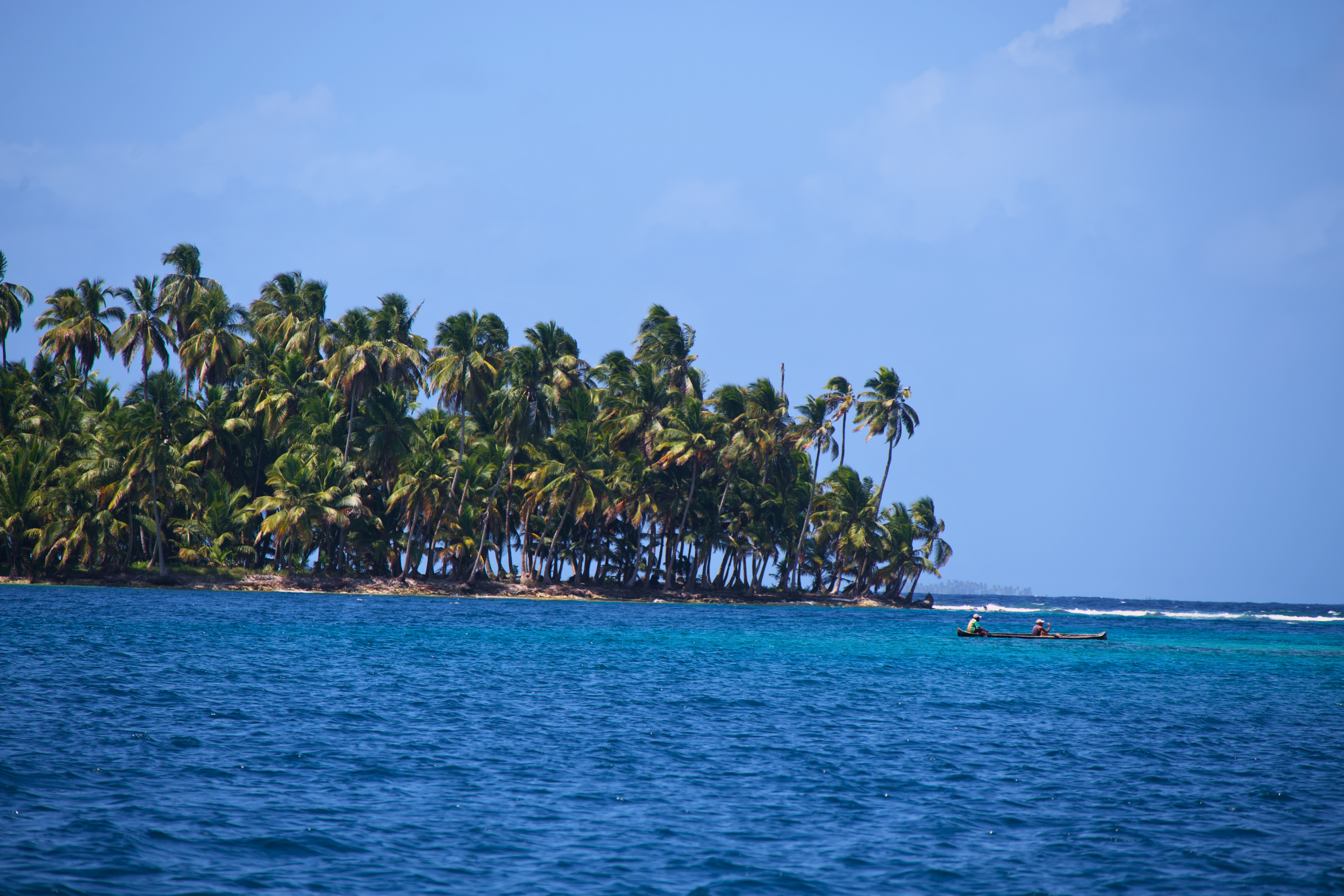
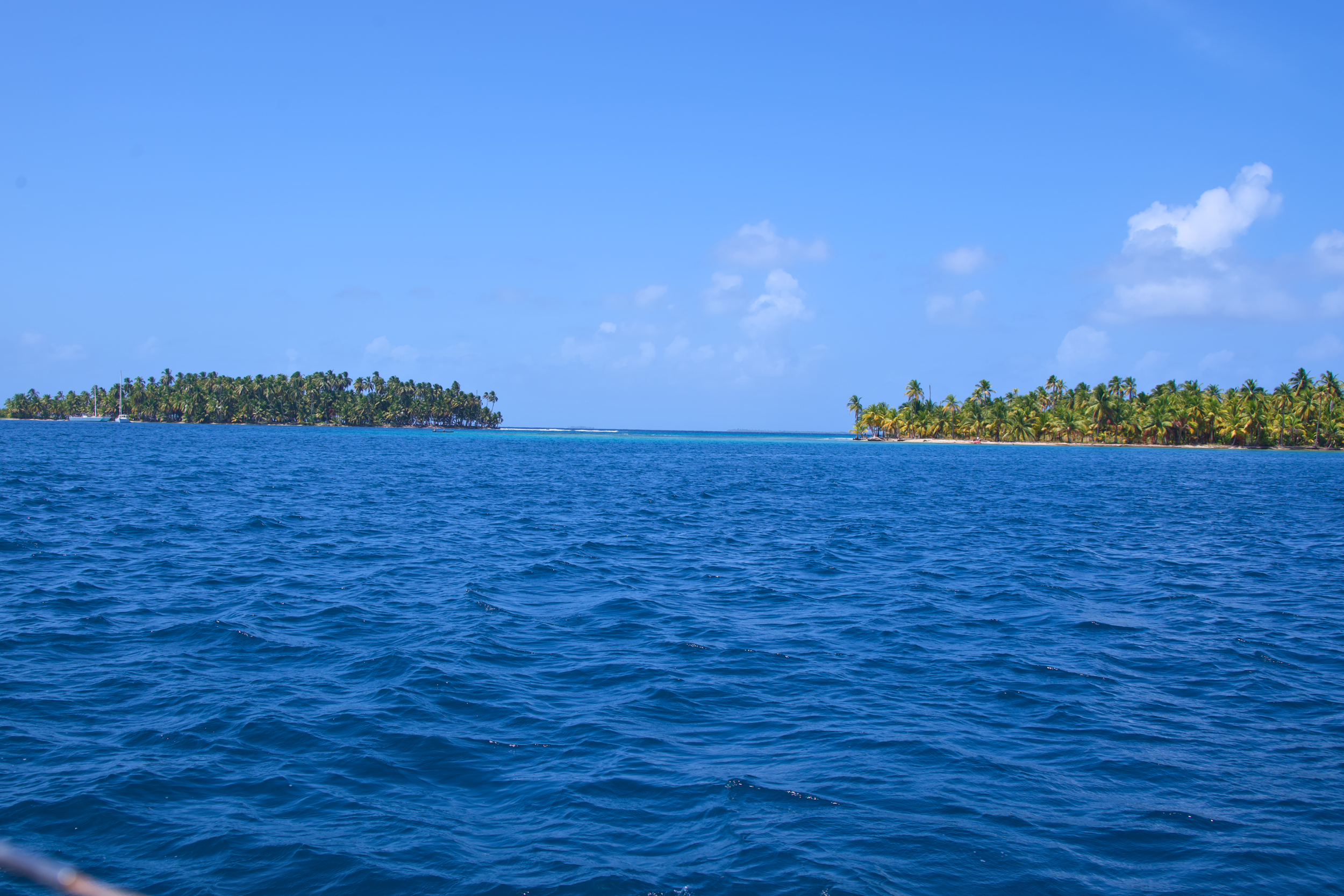
The water clarity in San Blas is unreal. Visibility often exceeds 30 meters, and the coral reefs are relatively healthy compared to many Caribbean destinations.
Best snorkeling spots:
Isla Perro (Dog Island): Sunken shipwreck teeming with fish
Swimming Pool (Piscina Natural): Shallow turquoise pool with starfish and rays
Fragata Island: Excellent reef, tons of tropical fish
Cayos Holandeses (Dutch Cays): Best overall snorkeling, more remote
Snorkel gear and waterproof cameras - Quality snorkel masks, underwater cameras, and waterproof phone cases for capturing underwater moments.
Visiting Guna Communities
If you're staying on an uninhabited tourist island, most accommodations offer visits to nearby Guna villages. This is a chance to see how the community lives, buy mola textiles directly from artisans, and learn about Guna culture.
Etiquette reminders: Always go with a guide or ask permission. Dress modestly (cover swimsuit). Ask before photographing anyone. Buy molas if you admire them; it directly supports artisans.
Island Hopping Adventures
Most accommodations offer island-hopping day trips where you'll visit 3-5 islands by boat. This usually includes snorkeling stops at multiple reefs, visits to pristine uninhabited islands, swimming in the Natural Pool, lunch on a secluded beach (usually fresh-caught lobster or fish), and an optional village visit.
Cost: $15-30 per person, depending on distance and inclusions.
The Art of Doing Nothing
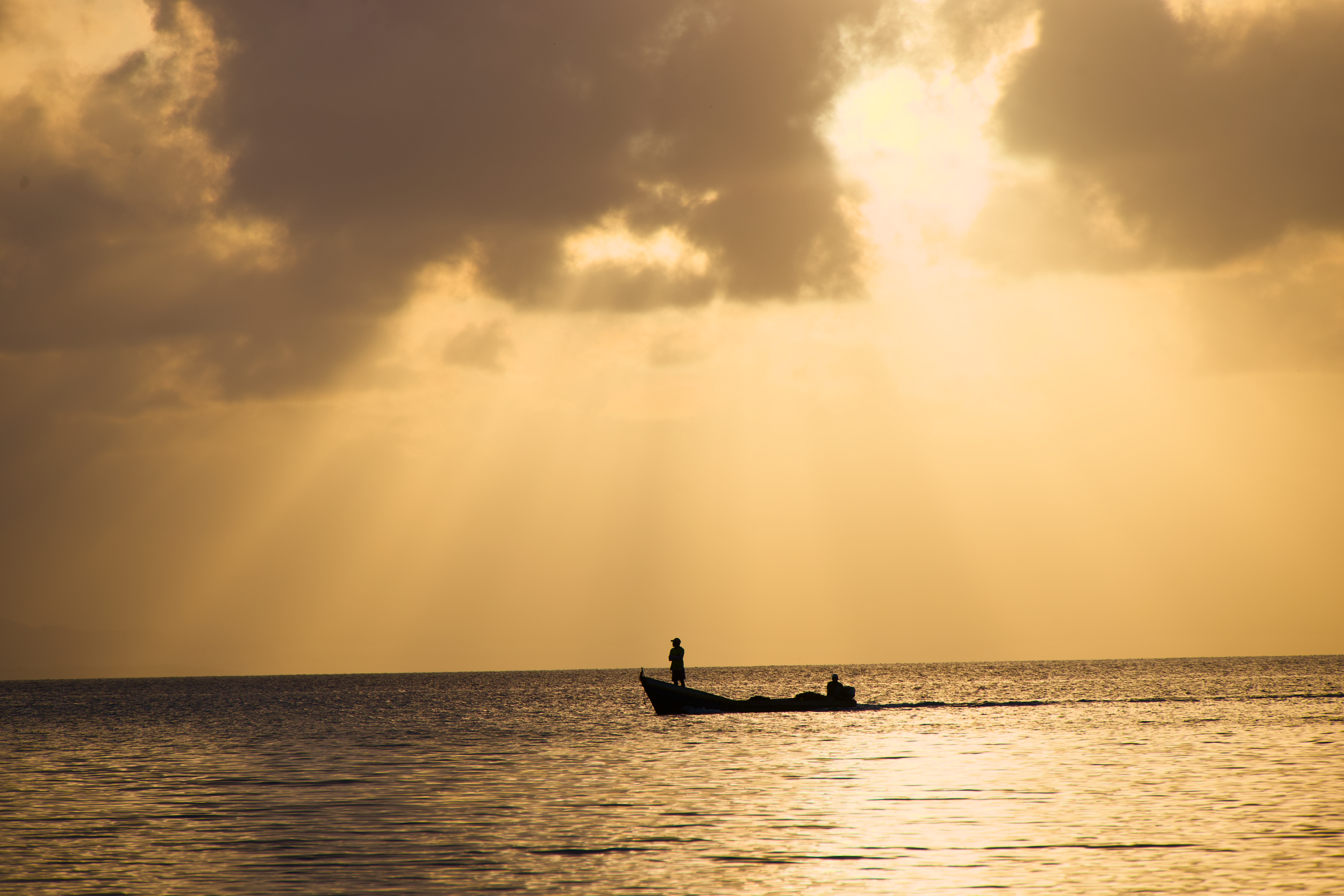
Honestly? This is the main activity. Lie in a hammock. Read a book. Watch the sunset. Swim whenever you feel like it. Listen to the waves. This is one of the few places left where "doing nothing" is still socially acceptable and deeply restorative. Embrace it.
San Blas Accommodation Guide
Rustic Beach Cabins
The most common accommodation type. Expect a palm-thatched roof, bamboo or wooden walls (sometimes open-air), a foam mattress on a wooden platform, mosquito netting, a shared bathroom (cold water only), and no electricity or very limited power.
Cost: $30-50 per person per night, usually includes three meals
Overwater Bungalows
A few islands offer overwater cabins built on stilts above the ocean. Still rustic, but with better construction and slightly more comfort, private bathroom (still cold water), stunning views, and direct ocean access, and better mattresses.
Cost: $70-120 per person per night with meals
Catamaran & Sailing Stays
Multi-day sailing trips through the islands. You sleep onboard, and the boat moves between anchorages. This offers maximum flexibility and access to remote islands, a small group experience (usually 6-12 people), all meals prepared by the crew, better food quality than island accommodations, and a more social atmosphere.
Cost: $80-150 per person per night, all-inclusive
Booking Platforms That Actually Work
San Blas accommodations are tricky to book online. Here's what works:
Direct contact: Many Guna families have WhatsApp. This is the cheapest option but requires Spanish and patience.
Tour operators in Panama City: Reliable and English-speaking. Slightly more expensive but handles all logistics.
Booking.com: A few higher-end options are listed, but the selection is limited.
San Blas-specific booking sites: Sites like SanBlasIslands.com and SanBlasDreams.com aggregate options.
Sustainable & Responsible Travel in San Blas
The Guna have protected their territory for nearly a century, but tourism brings challenges. Here's how to minimize your impact:
Supporting Guna-Owned Businesses
Book accommodations directly owned by Guna families when staying on islands. For sailing tours, choose operators who work respectfully with Guna communities and pay the required fees to visit islands and villages.
Minimizing Your Environmental Impact
Pack out ALL trash. There is zero waste management. Whatever you leave stays forever.
Use reef-safe sunscreen. Brands like Stream2Sea or Thinksport won't harm coral.
Bring reusable water bottles and bags to reduce plastic waste.
Don't touch or stand on coral. It takes decades to grow and dies easily.
Don't feed fish or wildlife. It disrupts natural behaviors.
Buying Molas & Crafts Ethically
Molas are the colorful textile panels worn by Guna women. They're intricate, handmade, and culturally significant. When buying: buy directly from the women who make them, pay the asking price (usually $10-30 for simpler designs, $50-100 for complex pieces), understand the time investment—some molas take weeks to complete, and don't haggle aggressively or lowball.
Waste Management (Pack It Out!)
This deserves its own section because it's critical. The islands have no landfills, no trash collection, and no recycling. Any waste you generate stays on the island or gets dumped in the ocean by less conscientious visitors. Pack a garbage bag in your luggage and bring everything back to Panama City for proper disposal.
Sample San Blas Itineraries
Perfect 2-Day/1-Night Itinerary
Day 1: 5:00 AM pickup from Panama City → 8:00 AM arrive at port, pay fees, board boat → 10:00 AM arrive at your island, settle into cabin → 11:00 AM lunch → 12:00 PM island-hopping tour (3-4 islands, snorkeling, Natural Pool) → 5:00 PM return to your island → 6:00 PM dinner → 7:00 PM relax, stargaze, hammock time
Day 2: 7:00 AM sunrise swim → 8:00 AM breakfast → 9:00 AM snorkel around your island or visit nearby reef → 12:00 PM lunch → 1:00 PM depart for port → 4:00 PM arrive back in Panama City
3-Day/2-Night Sailing Tour (Popular Option)
Day 1: 8:00 AM pickup from Panama City → Drive to Carti → Board catamaran around 11:00 AM → Sail to first anchorage → Lunch on board → Afternoon snorkeling at Isla Perro shipwreck → Swim at Natural Pool → Sunset from the boat → Dinner and socializing on deck
Day 2: Breakfast on board → Sail to remote uninhabited island → Beach time and snorkeling → Lunch → Visit Guna village, buy molas → Sail to new anchorage → Sunset beach bonfire on uninhabited island → Dinner on boat
Day 3: Sunrise swim → Breakfast → Final snorkeling stop → Sail back to Carti around 11:00 AM → Lunch → Transfer back to Panama City, arrive around 4:00 PM
Day 3: Leisurely morning, final swim. Depart after lunch.
Extended 4-5 Day Adventure
Perfect for deep relaxation or sailing trips. Add: day trip to the most remote islands (Dutch Cays, Coco Bandero), multiple village visits to different communities, full day doing absolutely nothing (highly recommended), photography sessions at sunrise and sunset, longer snorkeling expeditions.
Frequently Asked Questions About San Blas Islands
-
Yes. San Blas is very safe. Crime is extremely rare, and the Guna community takes safety seriously. Solo female travelers, in particular, report feeling completely comfortable. The main safety concerns are environmental, sun exposure, dehydration, and rough boat rides, not crime.
-
No. Absolutely not. Nowhere. Bring cash.
-
Spotty to nonexistent. Some islands have limited WiFi (often slow and unreliable). Cell service varies by carrier and location, sometimes you'll get a signal, sometimes you won't. Plan to be offline.
-
It depends on your priorities. Choose sailing if you want to see multiple islands, prefer a social atmosphere, want better food variety, and like the idea of waking up in a new spot each day. Choose island stays if you want deeper cultural immersion with Guna families, prefer privacy and quiet, want to truly disconnect and relax in one place, or if you're prone to seasickness. Many travelers do a 2-3 night sailing tour first to see the highlights, then return later for a longer island stay if they want the cultural experience.
-
Simple, fresh, and repetitive. Expect lots of fresh lobster and fish, rice and beans, fried plantains, and fresh fruit (pineapple, watermelon, coconut). The food is good but not gourmet. If you have dietary restrictions, communicate them clearly when booking.
-
Technically yes, but it's challenging for first-timers. You'll need to speak Spanish, contact Guna families directly via WhatsApp, arrange private 4x4 transport or take a colectivo from Carti, and navigate communication challenges (limited internet on islands). For most people, an organized tour makes more sense for the first visit.
-
If you're seeking pristine beaches, cultural authenticity, and a genuine escape from modern life, San Blas is absolutely worth the effort. It's not always comfortable, it's not convenient, and it's definitely not luxury, but that's precisely why it's special.
The San Blas Islands offer something rare in today's world: a place where an Indigenous community has maintained control over their land and culture while selectively engaging with tourism on their own terms. When you visit respectfully, you're not just witnessing this—you're supporting it.
So pack your cash, leave your expectations of five-star service at home, and embrace the simplicity. You'll return with a deeper appreciation for what travel can be when it's done with intention and respect.
Safe travels.
The Scenic Route Traveler inspires intentional travel through storytelling, hidden gems, and culturally rich experiences around the world.
-
I’m Erin, the voice behind Scenic Route Traveler, sharing intentional travel stories and guides from around the globe.
-
We deliver travel guides and storytelling through YouTube, social media, photography, and digital products designed for fellow travelers.
-
If you’re new here: this is a space for travelers who care more about how a place feels than how it looks on a checklist. You’ll find guides, stories, and resources designed to help you slow down and travel with intention.