

Top 50 Most Bucket-List Worthy Places to Visit in Europe
Europe is a treasure trove of diverse landscapes, rich histories, and cultural marvels. From sunlit Mediterranean coasts to mystical Nordic fjords, this continent offers something for every traveler. Whether you're drawn to medieval towns, vibrant cities, or breathtaking natural wonders, these 50 destinations capture the very best Europe has to offer.
This guide is organized by region to help you plan efficient itineraries and maximize your European adventure.
🚨 IMPORTANT 2026 TRAVEL UPDATE: New EU Entry Requirements
Before planning your European adventure, be aware of these critical new requirements:
Entry/Exit System (EES) - NOW IN EFFECT
- Launched October 2025, fully operational
- All non-EU visitors (including US, UK, Canadian, Australian travelers) must provide:
- Fingerprints (first entry only)
- Facial image
- Passport data recorded digitally
What this means: Allow extra time at immigration on your first entry to Europe
- Data is stored for tracking movement across the Schengen zone
European Travel Authorization (ETIAS) - LAUNCHING Q4 2026
- Expected launch: Late 2026 (exact date TBA)
-Who needs it: Visa-free travelers from 60+ countries (US, UK, Canada, Australia, etc.)
- Cost: €20 per person (free for under 18 and over 70)
- Validity: 3 years or until passport expires
- Application: Online only at https://travel-europe.europa.eu/etias
- Processing: Usually within hours, up to 96 hours maximum
- Important: Apply at least 2 weeks before travel
⚠️ Tip: The ETIAS website isn't live yet. Beware of scam websites claiming to offer applications. Only use the official EU site when it launches.
Plan Your Perfect European Adventure
Essential Travel Resources
This post contains affiliate links. I may earn a commission if you purchase through my links, at no extra cost to you.
Before You Go:
- ✈️ Compare Flights to Europe - Find the best deals from your city
- 🛡️ Get Travel Insurance - Essential for 2026 travel requirements
- 📱 Europe eSIM Data Plan - Stay connected across all countries
Book Your Accommodation:
- 🏨 Find Hotels on Booking.com or Expedia - Free cancellation on most properties
- 🏠 Sign up for Hilton’s or Marriott’s loyalty points
- 🎒 Budget Hostels on Hostelworld - Social stays for backpackers
Getting Around Europe:
- 🚂 Book European Train Tickets - Scenic routes across the continent
- 🚗 Rent a Car for Road Trips- Essential for remote destinations
- 🚌 Compare All Transport Options - Trains, buses, and flights
Tours & Experiences:
- 🎫 Book Skip-the-Line Tours - Save hours at popular attractions
- 🍷 Food & Wine Experiences - Authentic local tastings
Travel Essentials:
- 🎒 Best Travel Backpack for Europe - Carry-on approved
- 📷 Recommended Camera for Adventure moments or vlogging - Lightweight and powerful
2026 European Travel Trends
The Rise of Secondary Cities
Travelers are shifting from overcrowded capitals to charming secondary cities. The destinations in this guide emphasize these hidden gems alongside classic favorites, places like Bratislava, Sibiu, Fribourg, and Trogir offer authentic experiences without the overwhelming crowds.
Alpine Escapes Year-Round
There's been a 103% increase in mountain bookings for summer 2026 as travelers seek cooler temperatures and peaceful surroundings. Alpine destinations like Alpe di Siusi, Lauterbrunnen, and the Lofoten Islands are no longer just winter ski destinations.
Sustainable & Slow Travel
The trend toward longer stays in fewer places continues. Travelers are choosing trains over flights, supporting local businesses, and seeking accommodations with green certifications.
Cultural Fees & Visitor Management
Many European destinations have implemented climate resilience fees and visitor limits to combat overtourism:
Greece: €0.50-€10 per night climate fee
Venice: Day visitor fees and pre-booking requirements
Rome: Trevi Fountain now charges €2 entry
Iceland: Increased overnight tourist taxes
Norway: Seasonal controls in sensitive areas like Lofoten
Europe's Best Destinations by Region
Jump to: Western Europe | Southern Europe | Central Europe | Eastern Europe | Nordic Countries | Sample Itinerary
Europe's Best Destinations by Region
Western Europe
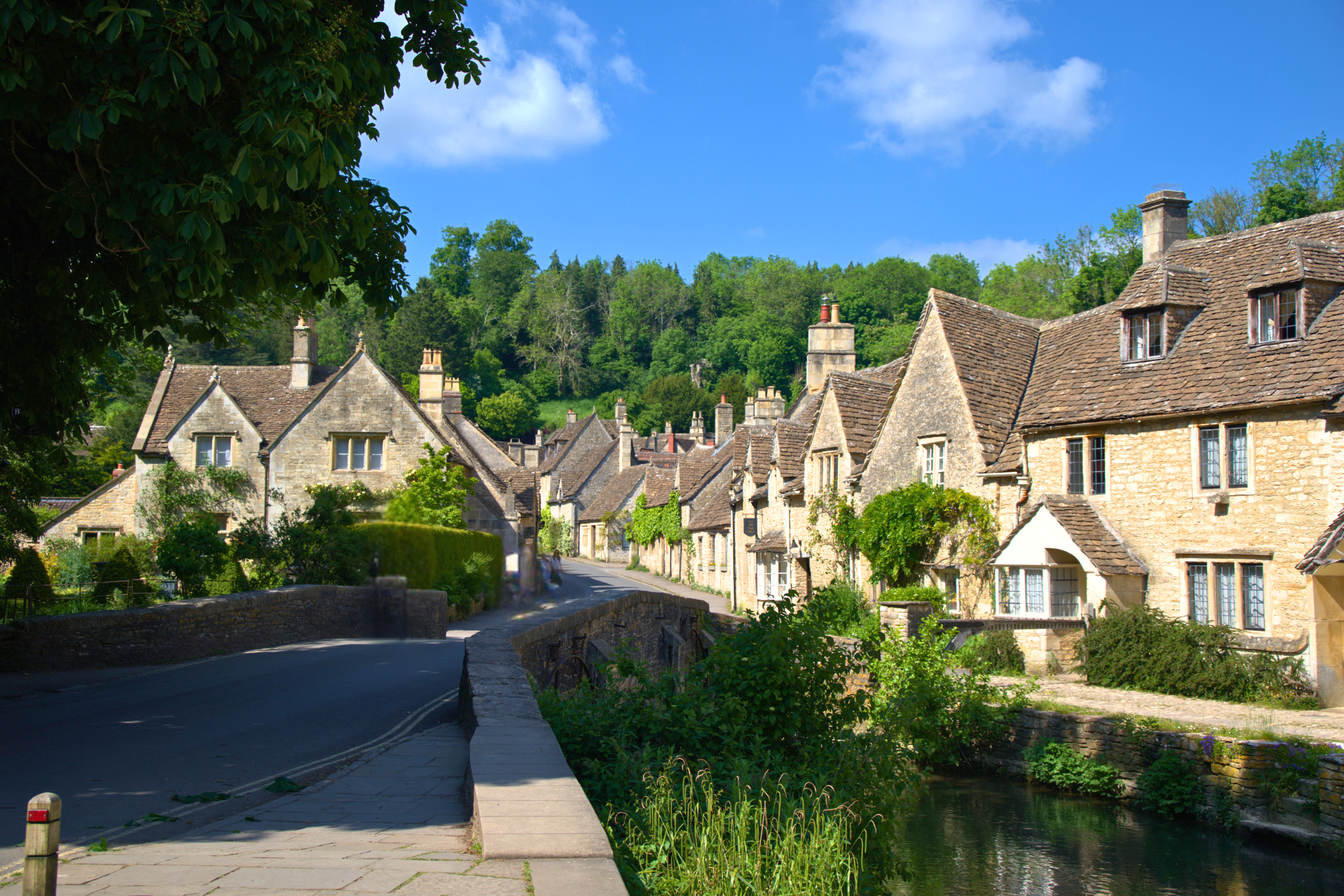
1. Cotswolds, England
Quintessential honey-colored villages across the rolling English countryside offer timeless charm. This region epitomizes rural England with its medieval churches, traditional pubs, and pastoral landscapes.
Best Time: April-May for wildflowers and spring lambs, or September-October for fall colors and fewer crowds
Must-Visit Villages: Bibury's Arlington Row (early morning for photos), Bourton-on-the-Water's riverside setting, and Castle Combe's unspoiled beauty
💡 Insider Tip: Skip the crowds in popular Bibury and head to equally charming but quieter villages like Snowshill or Lower Slaughter.
Find Cotswolds Accommodations | Book Cotswolds Village Tour
2. Seven Sisters National Park, England
Dramatic white chalk cliffs stretch along the Sussex coast, creating England's most iconic coastal scenery. Perfect for hikers and photographers seeking unspoiled natural beauty just 90 minutes from London.
Best Time: May-September for hiking; arrive weekday mornings to avoid weekend crowds
Must-Do: Walk the entire Seven Sisters path (3-4 hours), explore Birling Gap's beach at low tide, and photograph the Cuckmere Haven's meandering river
⚠️ Warning: The cliff path can be dangerous in high winds. Stay well back from the edges and bring windproof clothing.
Light fleece or puffy jacket (My recommendations: women’s & men’s jackets) | Seven Sisters Hiking Tour
3. Bruges, Belgium
This medieval canal city combines fairy-tale architecture with world-class chocolate and Belgian beer culture. The UNESCO-listed center feels frozen in time with its cobblestone streets and historic guildhouses.
Best Time: March-May or September-November for manageable crowds; December for magical Christmas markets
Highlights: Climb the Belfry Tower for panoramic views, take an evening canal cruise when day-trippers leave, and visit the Groeningemuseum for Flemish art
💡 Insider Tip: Avoid the Grote Markt restaurants—locals eat in the residential areas around the Sint-Gillis district for half the price.
Find Bruges Accommodation | Belgian Chocolate Workshop | Beer Tasting Tour

4. Antwerp, Belgium
Belgium's diamond capital blends artistic heritage with cutting-edge fashion. Antwerp offers a more authentic, less touristy Belgian experience than Bruges, with excellent museums, innovative restaurants, and vibrant nightlife.
Best Time: Year-round; spring and fall offer pleasant weather for exploring
Highlights: Rubens House museum, MAS Museum rooftop views (free!), Diamond District tours, and Sunday antique markets
Book Antwerp Hotels | Antwerp Walking Tour
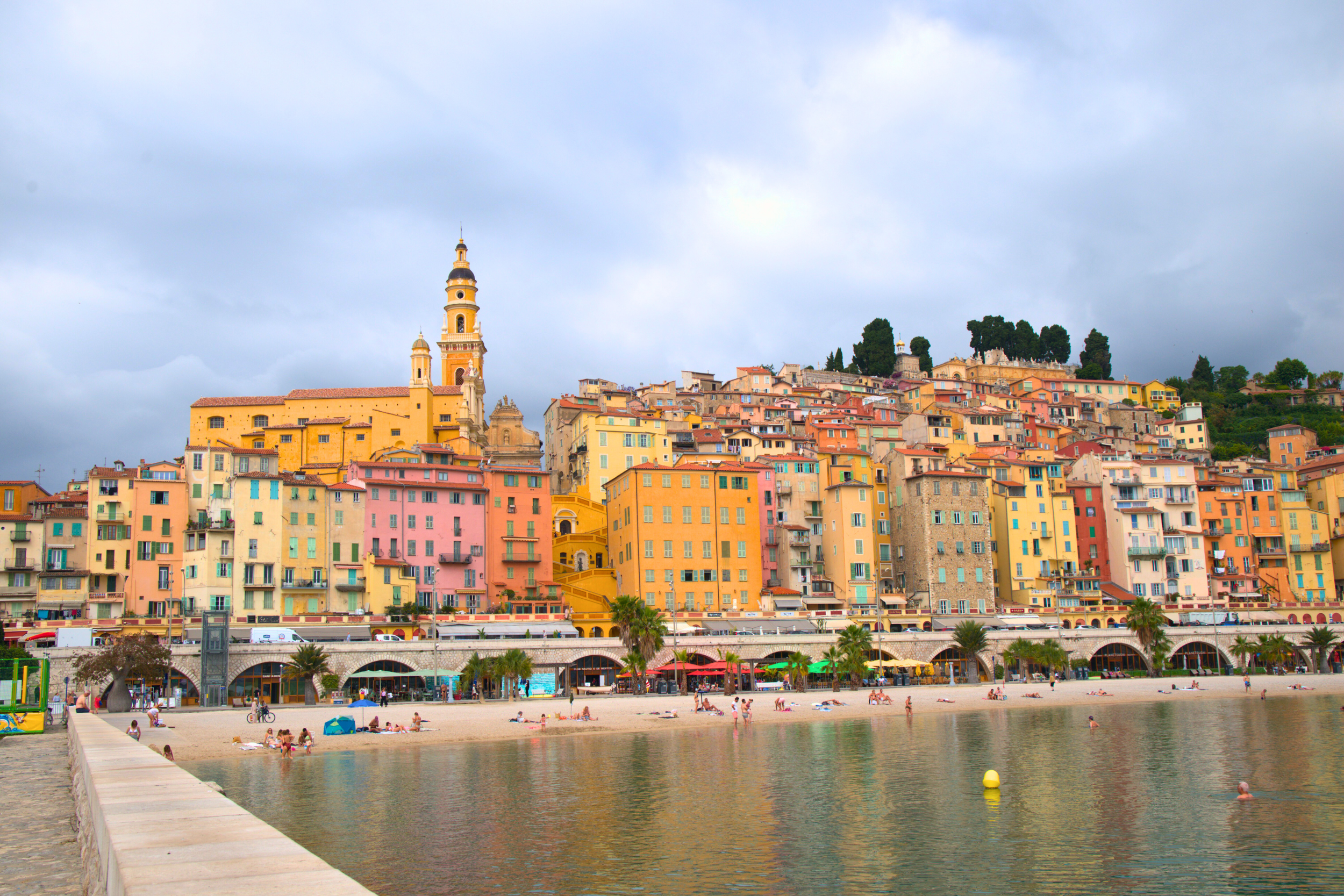
5. Menton, France
This pastel-hued French Riviera town offers Mediterranean charm without Monaco's price tags or Nice's crowds. Known as the "Pearl of France," Menton basks in the warmest microclimate on the Côte d'Azur.
Best Time: February for the famous Lemon Festival, or September-October for perfect beach weather without summer prices
Must-Do: Stroll the Old Town's colorful streets, visit Jardin Serre de la Madone's exceptional gardens, and walk to Italy along the coastal path (30 minutes)
💡 Insider Tip: The covered market is a local secret for trying Menton's famous citrus specialties at breakfast.
Find Menton Hotels | French Riviera Day Trip
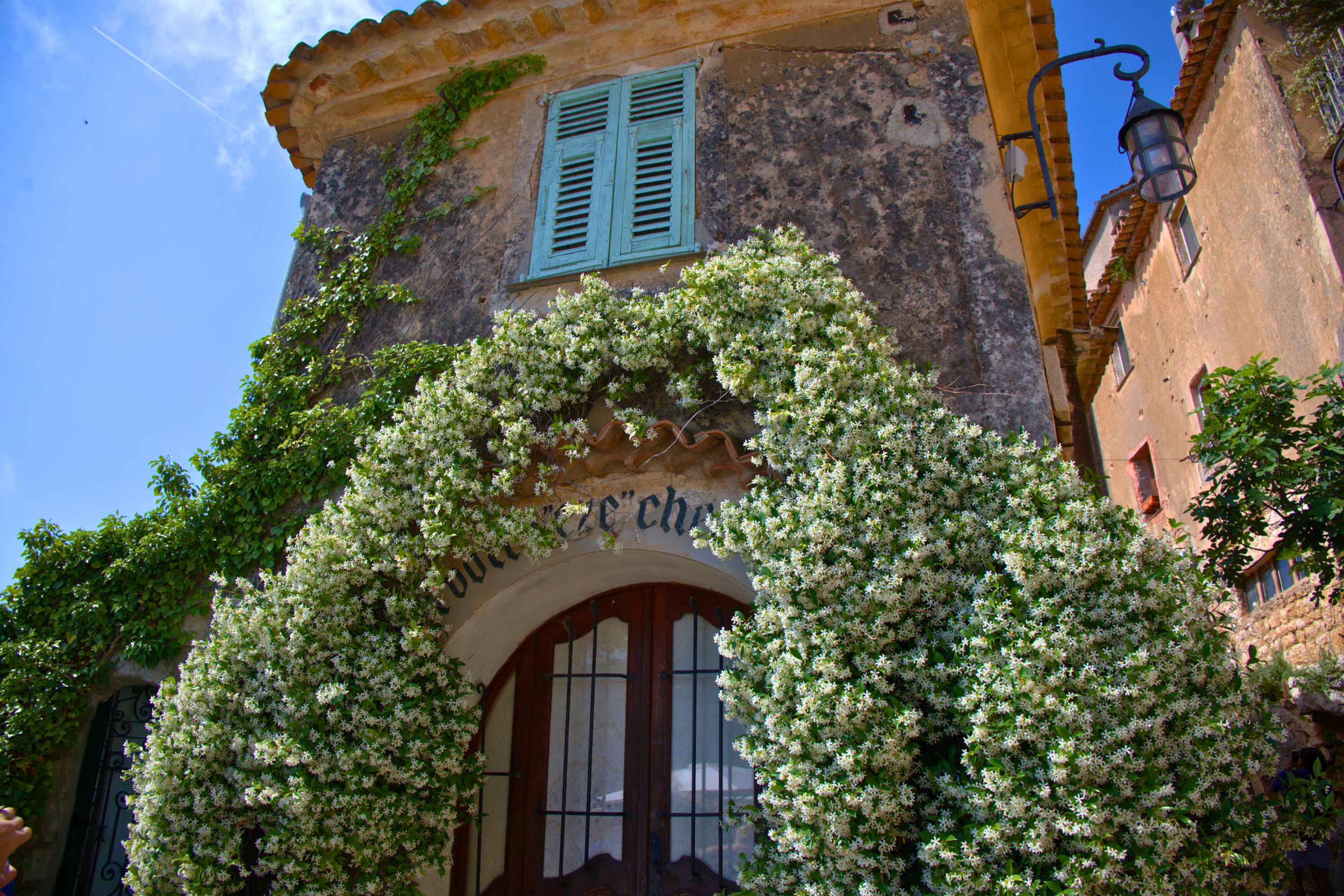
6. Èze, France
This medieval village perched 1,400 feet above the Mediterranean offers spectacular panoramas and an artistic atmosphere. Stone buildings cascade down the clifftop, creating one of France's most photogenic villages.
Best Time: Early morning (before 10 am) or late afternoon to avoid cruise ship tour groups
Highlights: Jardin Exotique for sunset views over Monaco, artisan workshops in ancient stone buildings, and the Nietzsche Path hiking down to the coast
⚠️ Note: Extremely crowded mid-day May-September; consider staying overnight for the authentic evening experience.
Book Recommended Èze Accommodation | Èze Village Tour from Nice
7. Mont Saint-Michel, France
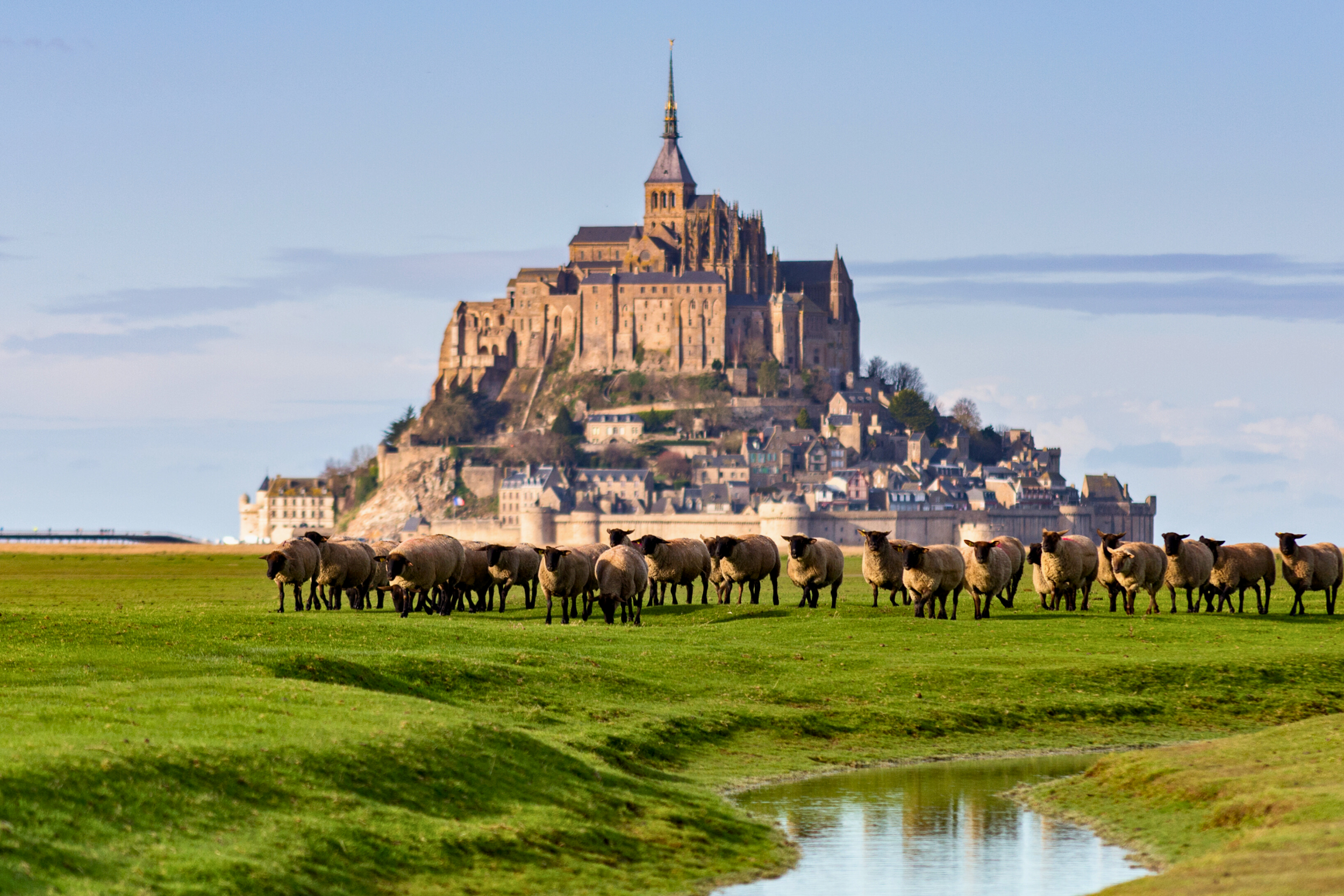
This tidal island monastery rises dramatically from the bay, creating one of Europe's most iconic silhouettes. The medieval abbey and village change character completely with the tides—plan to experience both high and low tide.
Best Time: Spring or fall shoulder seasons; stay overnight to experience empty evening streets after day-trippers leave
Must-Do: Walk the ramparts at sunset, time your visit with high tide for the island effect, and book a guided bay crossing at low tide
💡 Insider Tip: The evening illumination creates magical photo opportunities—view from the mainland causeway for the best perspective.
Find Mont Saint-Michel Hotels | Day Trip from Paris to Mont Saint-Michel
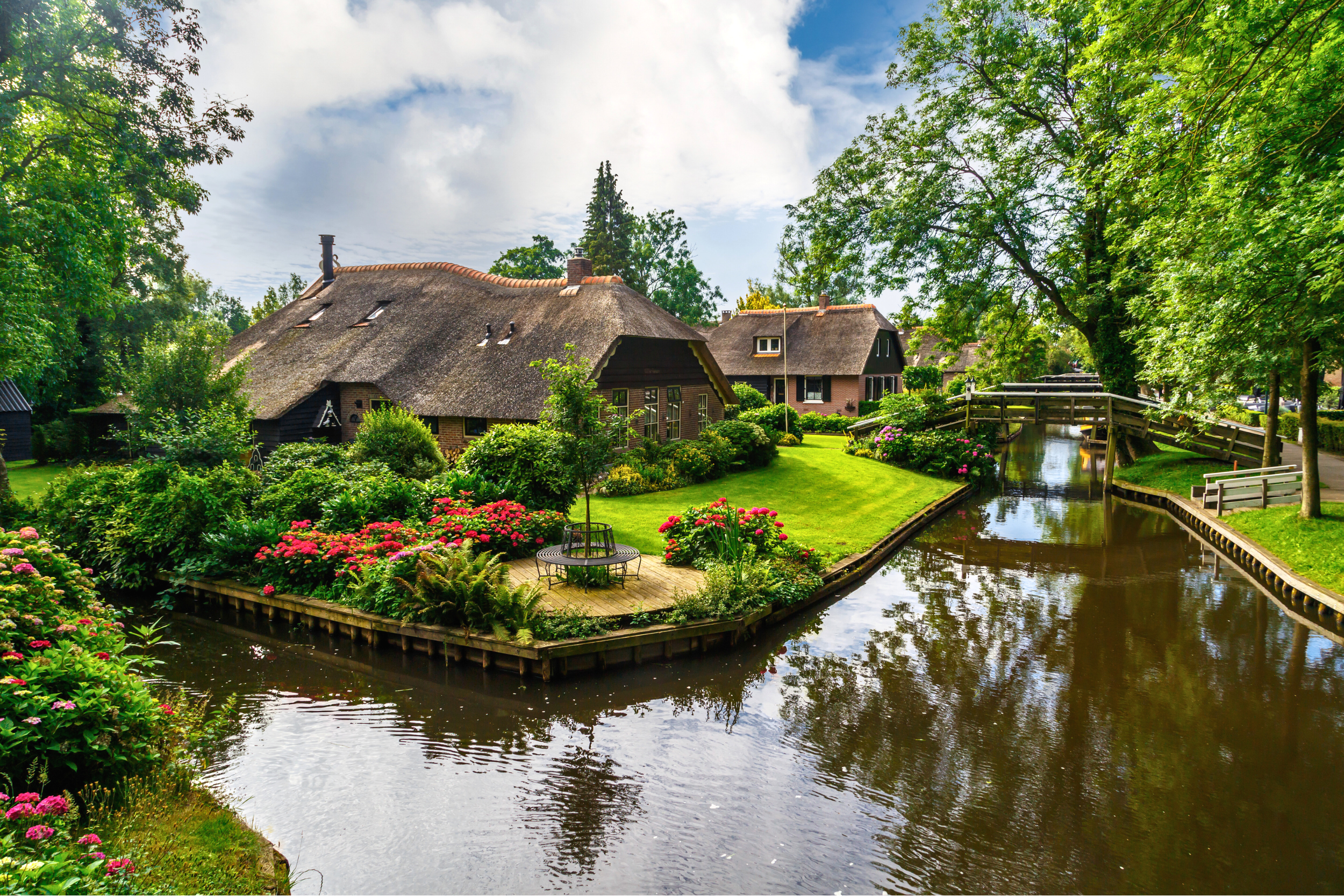
8. Giethoorn, Netherlands
The "Venice of the North" is a car-free village where canals replace roads and tranquility replaces traffic. Thatched-roof farmhouses line peaceful waterways crossed by wooden bridges.
Best Time: April-June for flowers, or visit in winter when canals freeze for a magical skating experience
How to Explore: Rent a whisper boat (electric, silent) for canal touring, cycle through the surrounding nature reserve, or take a guided evening canal tour
⚠️ Important: This tiny village gets overwhelmed with tourists May-September—arrive at opening time or visit off-season.
Southern Europe & Mediterranean
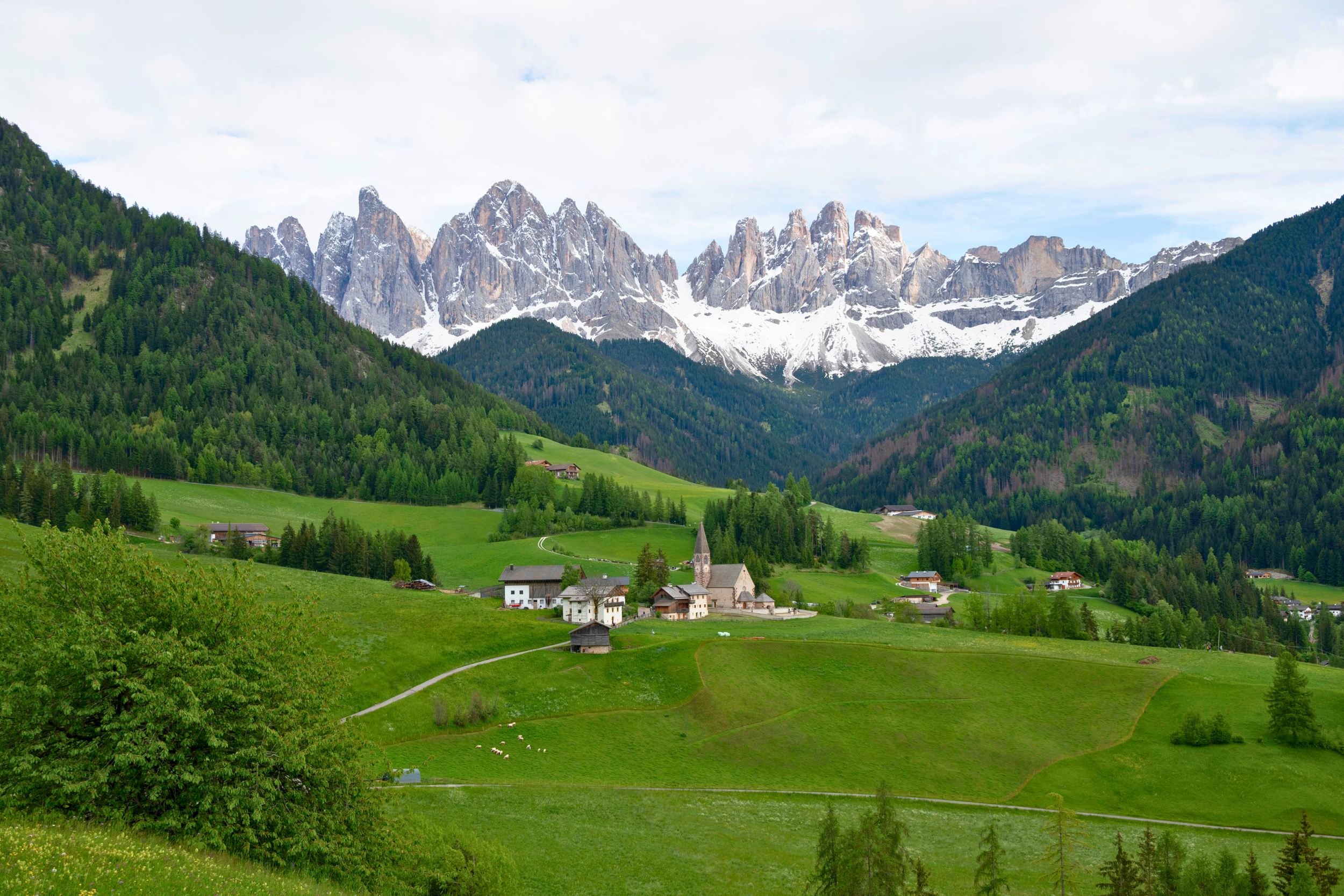
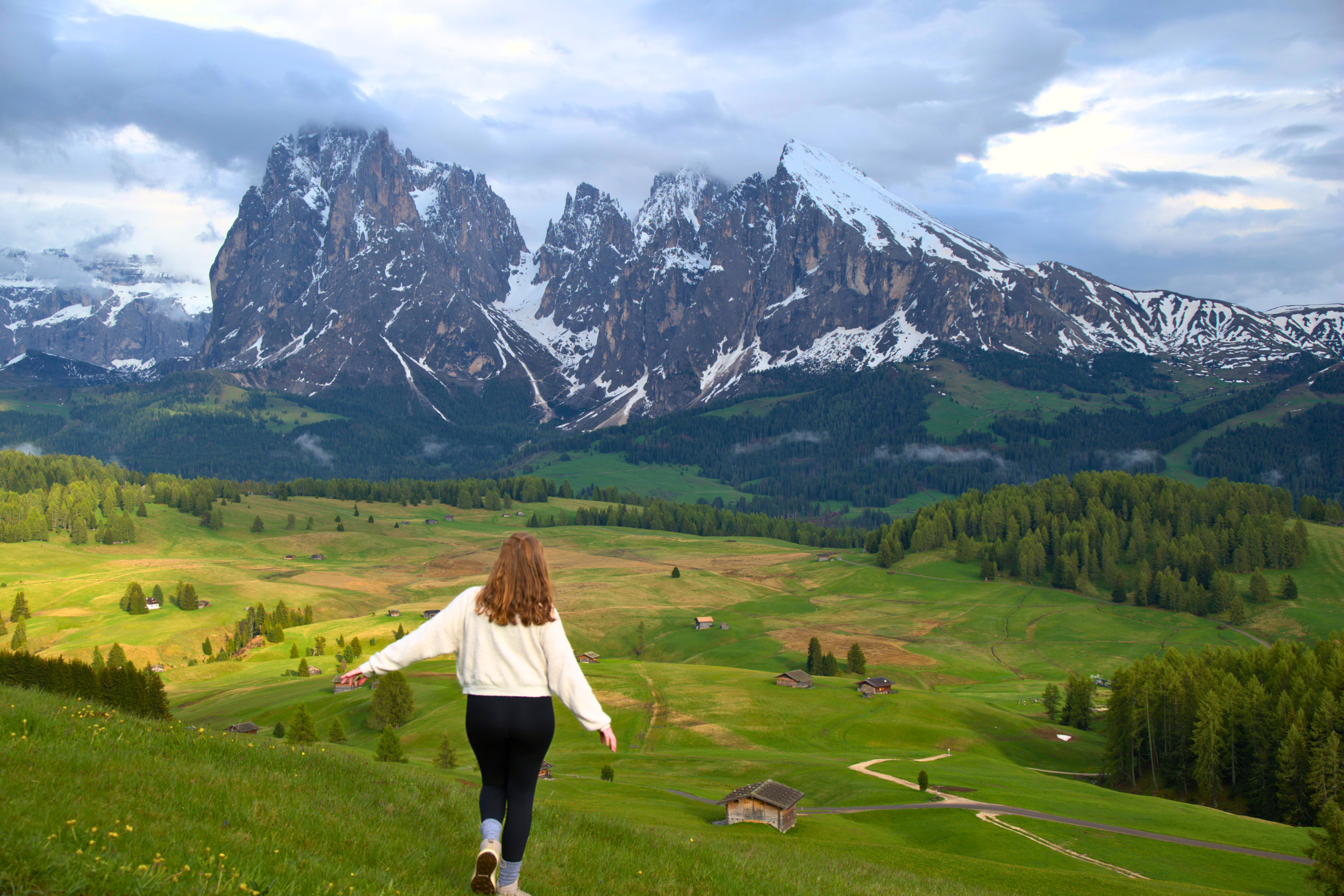
9. Alpe di Siusi, Italy
Europe's largest high-altitude plateau offers pristine Dolomite meadows with jagged peaks as a backdrop. This is Italy's answer to the Swiss Alps beauty at more affordable prices, with alpine huts serving spectacular Tyrolean cuisine.
Best Time: June-September for hiking and wildflowers; December-March for skiing with fewer crowds than the famous resorts
Activities: Hike to Gostner Schwaige mountain hut for lunch with views, sunrise photography at Seceda, and easy cable car access from Ortisei
💡 Insider Tip: Book rifugios (mountain huts) months in advance for overnight stays—they offer authentic experiences and sunrise access.
Recommended Alpe Di Siusi Hotel | Dolomites Day Tour | Rent a Car for Dolomites
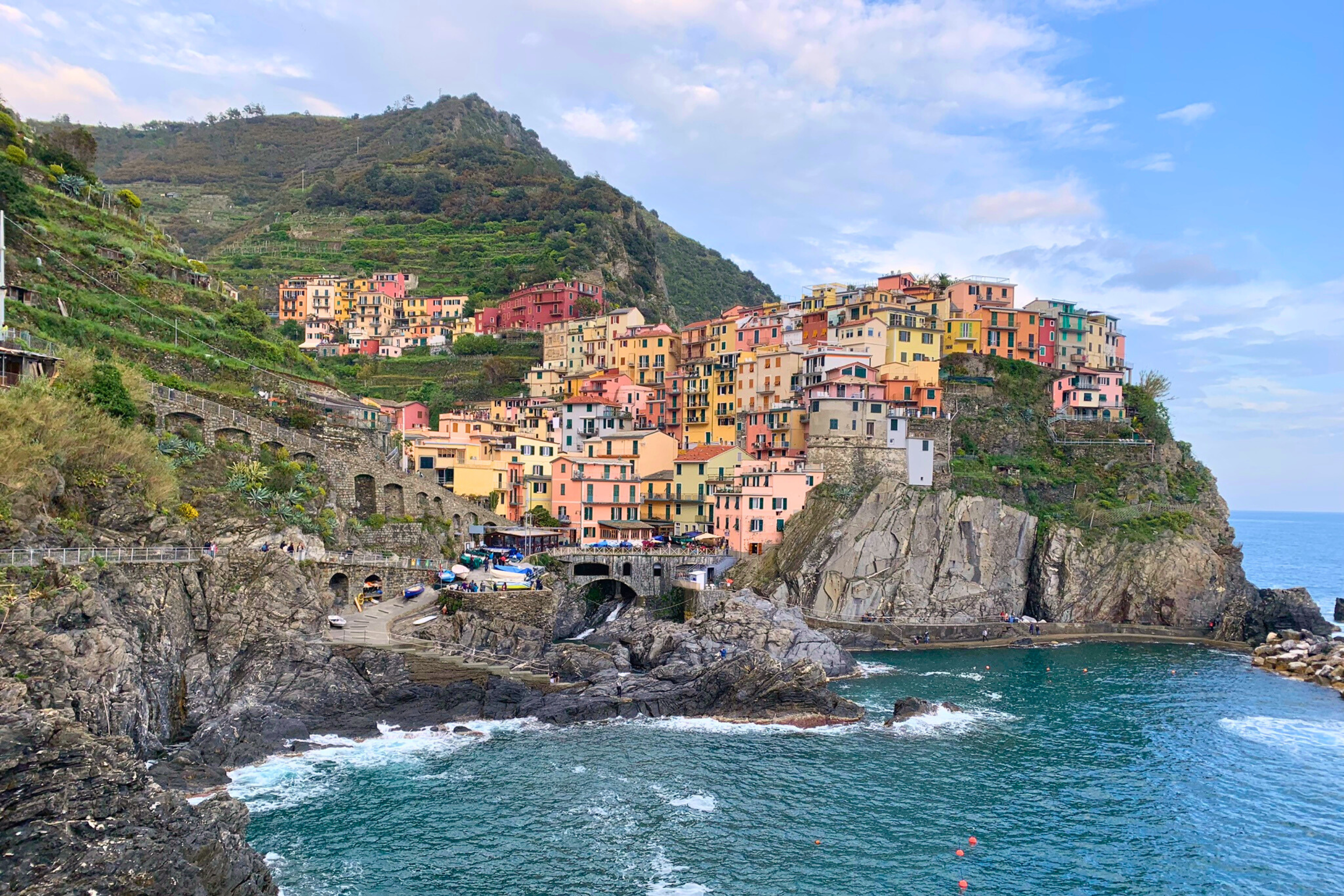
10. Cinque Terre, Italy
Five rainbow-hued fishing villages cling to dramatic Ligurian cliffs connected by scenic hiking trails. This UNESCO World Heritage site represents centuries of human adaptation to challenging coastal terrain.
Best Time: April-May or September-October for ideal hiking weather; avoid July-August's overwhelming crowds and heat
Essential Tips: Buy the Cinque Terre Card for unlimited trains between villages, start hikes early (by 8 am) to beat crowds and heat, book accommodations 6+ months ahead
⚠️ Trail Alert: Check trail status before visiting at parconazionale5terre.it. Landslides frequently close sections.
Book Cinque Terre Hotels | Cinque Terre Hiking Tour
11. Matera, Italy
Ancient cave dwellings carved into limestone cliffs create one of the world's oldest continuously inhabited settlements. The Sassi districts offer unique opportunities to sleep in restored cave hotels where humans have lived for 9,000 years.
Best Time: April-June or September-November for pleasant temperatures; summer is extremely hot in the exposed stone landscape
Must-Do: Stay in a cave hotel, tour ancient rupestrian churches with Byzantine frescoes, watch sunrise over the Sassi from Piazza San Pietro, and take a traditional bread-making workshop
💡 Photography Tip: Dawn light on the caves is magical, wake early for the money shot with no crowds.
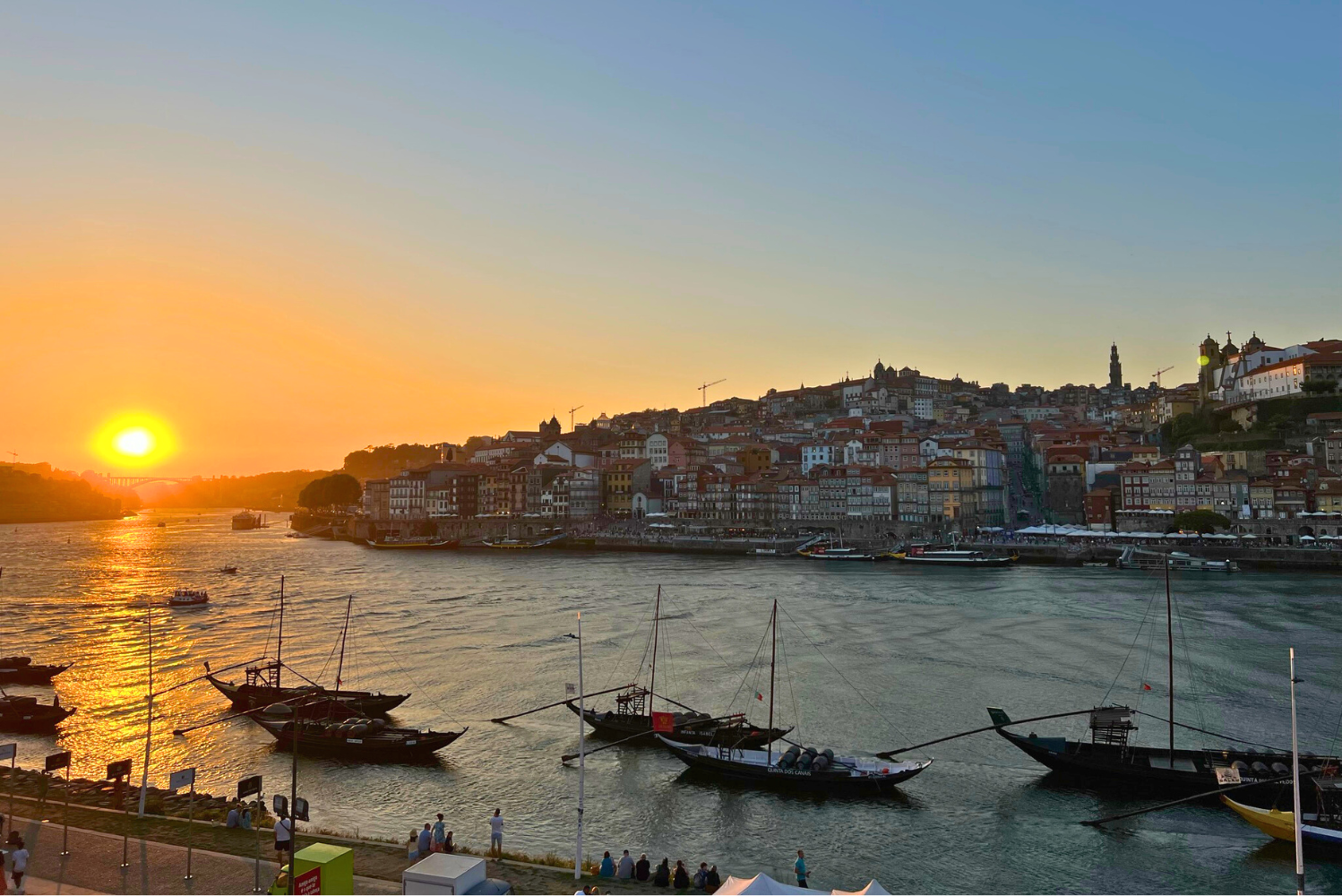
12. Porto, Portugal
This historic riverside city stacks colorful buildings up steep hills overlooking the Douro River. Port wine cellars, UNESCO-listed architecture, and authentic Portuguese cuisine make Porto, Portugal's most characterful city.
Best Time: May-June or September-October for perfect weather; avoid August's peak crowds
Highlights: Port wine cellar tours in Vila Nova de Gaia, sunrise at Ribeira district before crowds arrive, vintage tram to Foz beach, São Bento Station's famous azulejo tiles
🍷 Foodie Secret: Skip tourist-trap Ribeira restaurants, locals eat at "tascas" (neighborhood taverns) in Cedofeita or Bonfim for authentic food at half the price.
Recommended Porto Hotel | Porto Food & Wine Tour | Douro Valley Day Trip
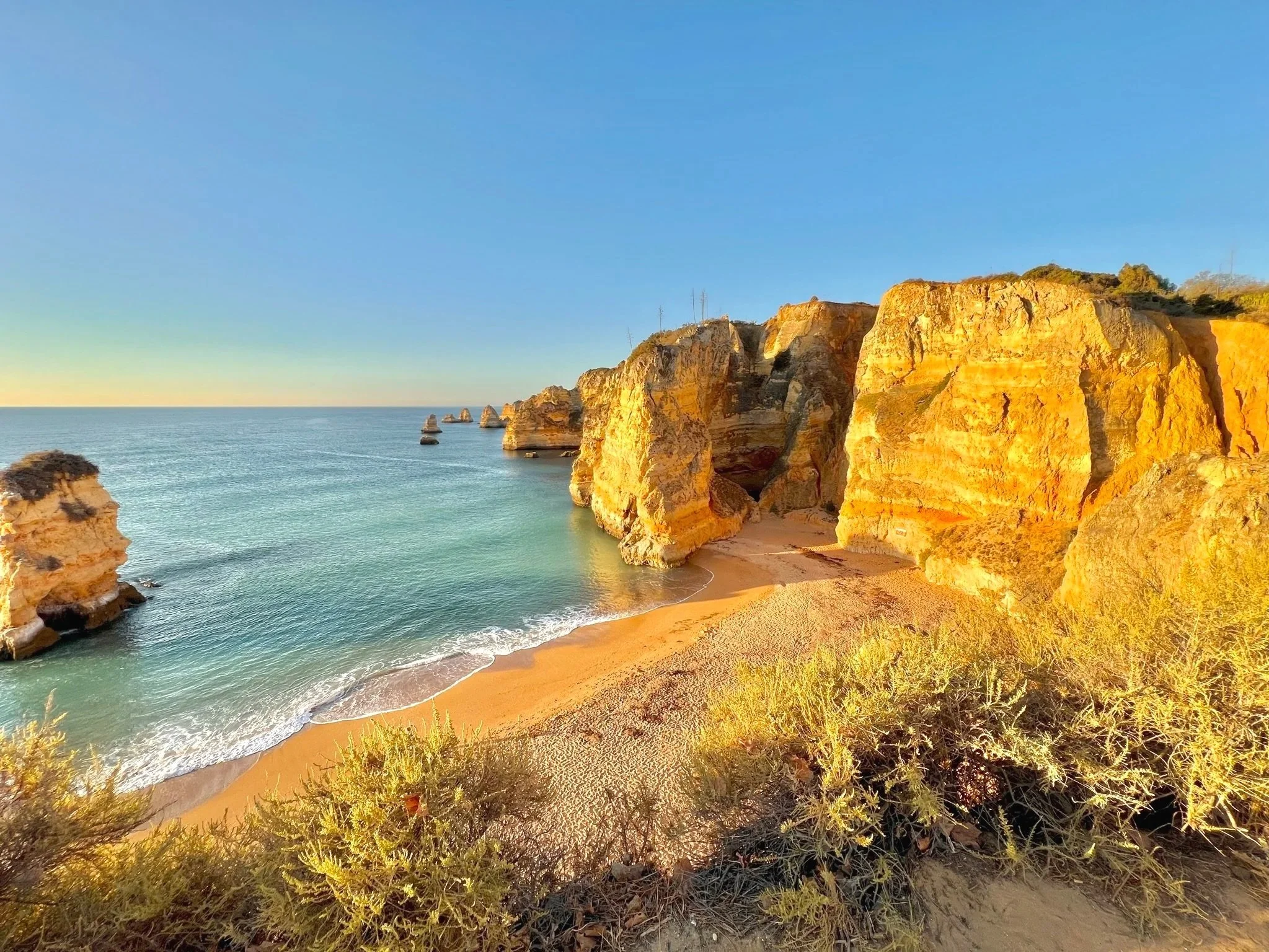
13. Lagos, Portugal
Dramatic golden cliffs frame turquoise waters and hidden beaches along Portugal's Algarve coast. Lagos combines stunning natural rock formations with vibrant nightlife and authentic Portuguese fishing village charm.
Best Time: May or September for perfect beach weather without July-August crowds; October is still warm and very affordable
Must-Do: Boat tour through Ponta da Piedade's sea grottos (best in morning light), climb down to Praia do Camilo via wooden staircase, sunset at Ponta da Piedade
💡 Insider Tip: Book boat tours for early morning when the sea is calmest, and light is best for photography; afternoon winds can make the water choppy.
Recommended Lagos Accommodation | Ponta da Piedade Boat Tour | Lagos Kayaking Experience
14. Seville, Spain
Andalusia's capital overflows with Gothic cathedrals, Moorish palaces, and passionate flamenco culture. Seville offers authentic Spain away from Barcelona's tourist saturation, with incredible tapas culture and perfectly preserved historic quarters.
Best Time: March-May or September-November; summer exceeds 40°C (104°F)—plan indoor activities for midday
Highlights:nAlcázar gardens at opening time (8 am), authentic flamenco in Triana district (skip tourist shows), sunset from Metropol Parasol, evening tapas crawl in Santa Cruz
⚠️ Summer Warning: July-August is brutally hot; locals take long siestas. Plan key sightseeing for the morning and late evening.
Book Seville Hotels | Alcázar Skip-the-Line Tickets | Authentic Flamenco Show
15. Albarracín, Spain
This medieval red-stone village clings to cliffsides in Aragon's mountains, considered one of Spain's most beautiful towns. Pink sandstone buildings cascade down dramatic terrain, virtually unchanged since the Middle Ages.
Best Time: Spring (April-May) for wildflowers and ideal rock climbing; fall for photography light; winter for cozy medieval atmosphere without crowds
Activities: Walk the medieval walls for panoramic views, explore the castle ruins, rock climbing on famous pink sandstone, wander the atmospheric Jewish Quarter
💡 Insider Tip: Stay overnight, day-trippers leave by 6 pm, and you'll have the magical town to yourself.
Recommended Albarracín Hotel | Albarracín Day Tour from Valencia
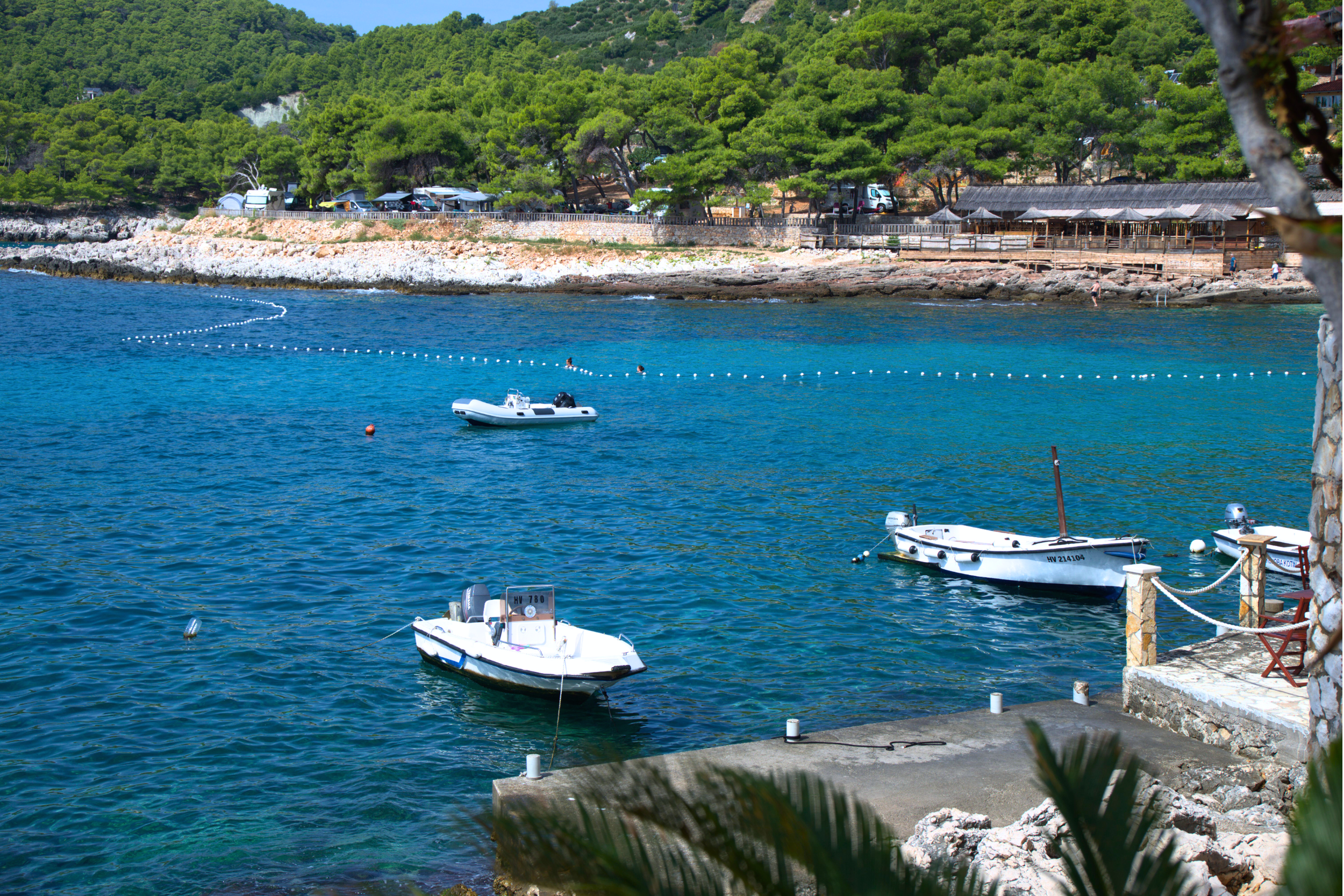
16. Hvar Island, Croatia
Lavender fields meet crystal-clear Adriatic waters on this sophisticated Croatian island. Hvar balances ancient history, luxury yacht culture, and natural beauty with a Mediterranean climate that's among Europe's sunniest.
Best Time: June-July for lavender bloom; May or September for perfect weather minus peak crowds; avoid August's party atmosphere if seeking tranquility
Must-Do: Visit lavender fields in bloom, explore Pakleni Islands by boat, climb to the Spanish Fortress for sunset, try gregada (local fish stew), and Hvar wines
💡 Insider Tip: Stay in Stari Grad for a peaceful, authentic atmosphere vs. Hvar Town's busy nightlife scene.
Book Hvar Hotels | Pakleni Islands Boat Tour | Hvar Wine Tasting
17. Trogir, Croatia
This UNESCO-listed medieval town showcases perfectly preserved Venetian architecture on a tiny island. Trogir offers an intimate Croatian experience with narrow marble streets, Romanesque churches, and a relaxed Mediterranean pace.
Best Time: May or September for pleasant weather and manageable crowds; summer is beautiful but busy
Highlights: Climb St. Lawrence Cathedral for rooftop views, sunrise walk along the promenade, morning market for local produce, boat trips to nearby islands
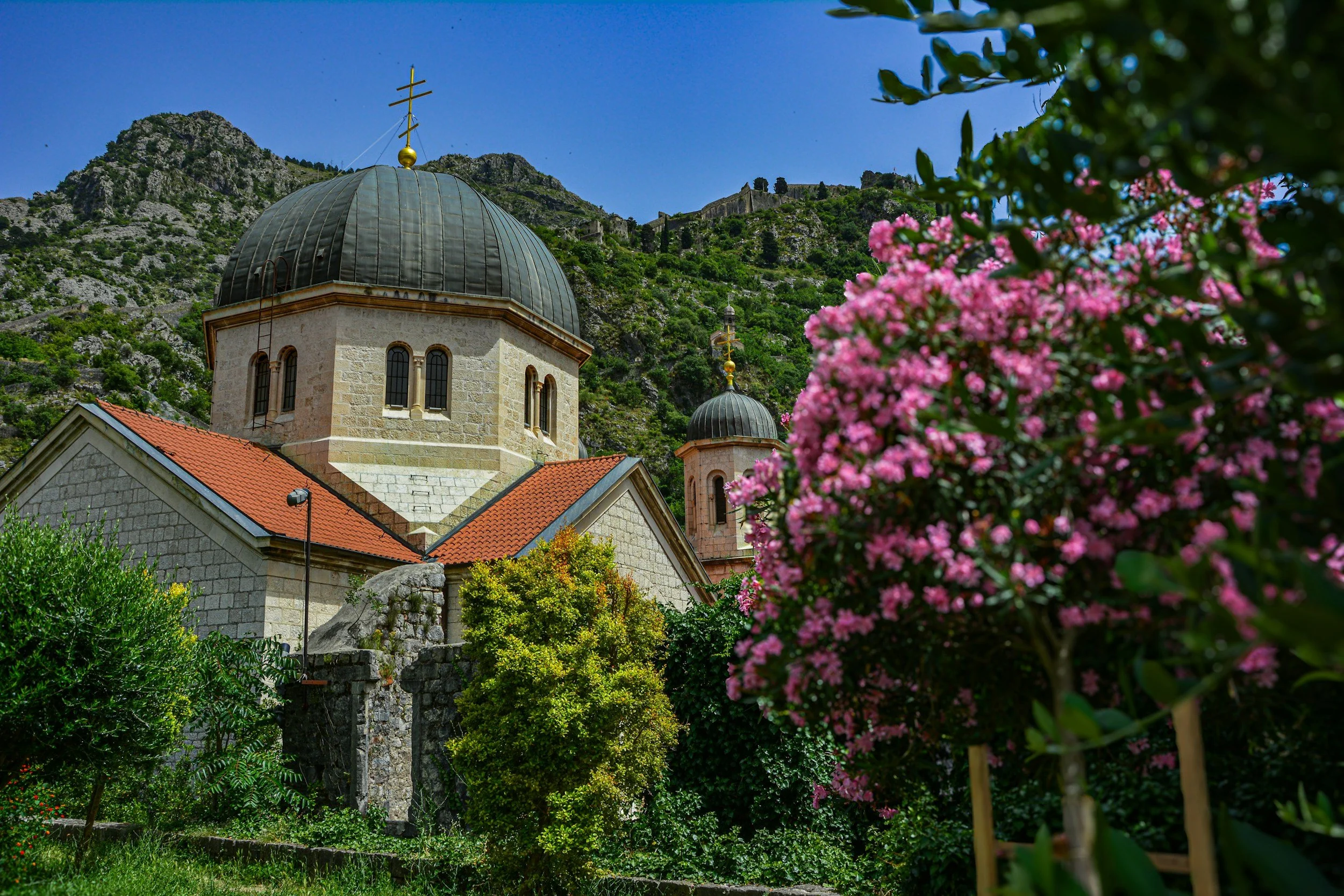
18. Kotor, Montenegro
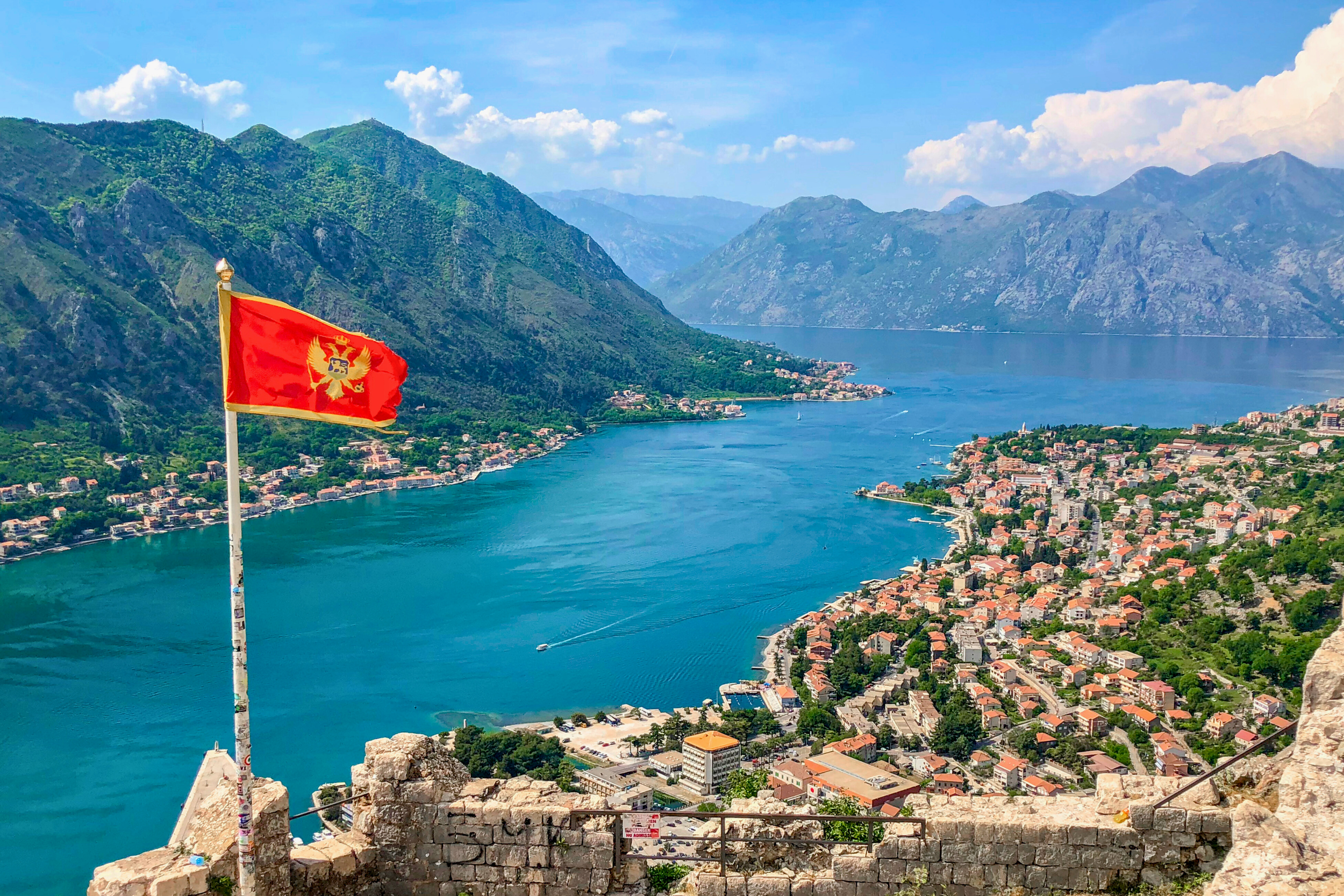
Medieval walls snake up mountains behind this Venetian-influenced bay town. Kotor combines dramatic fjord-like scenery with excellently preserved Old Town architecture and significantly lower prices than neighboring Croatia.
Best Time: May-June or September-October; cruise ships crowd the tiny town May-September (check cruise schedules)
Must-Do: Climb the 1,350-step fortress wall to St. John's Castle (sunrise is spectacular), kayak in the bay at sunset, and find hidden swimming spots along the coast
⚠️ Cruise Ship Alert: When cruise ships dock, the tiny old town becomes unbearably crowded. Visit early morning or evening.
Recommended Kotor Hotel | Kotor Bay Boat Tour | Montenegro Day Trip
19. Monemvasia, Greece
This medieval castle town sits on a dramatic rocky island, connected to the Peloponnese by a causeway. Monemvasia's atmospheric stone alleys and Byzantine churches offer authentic Greek history without Santorini's crowds or prices.
Best Time: May-June or September-October for perfect beach weather; spring wildflowers are spectacular; winter is atmospheric, but many businesses close
Must-Do: Upper town castle ruins at sunset, hidden swimming coves below the walls, stay overnight after day-trippers leave
💡 Insider Tip: The upper town is a steep, hot climb; go at sunrise or late afternoon for best light and cooler temperatures.
Find Monemvasia Hotels | Monemvasia Wine Tour
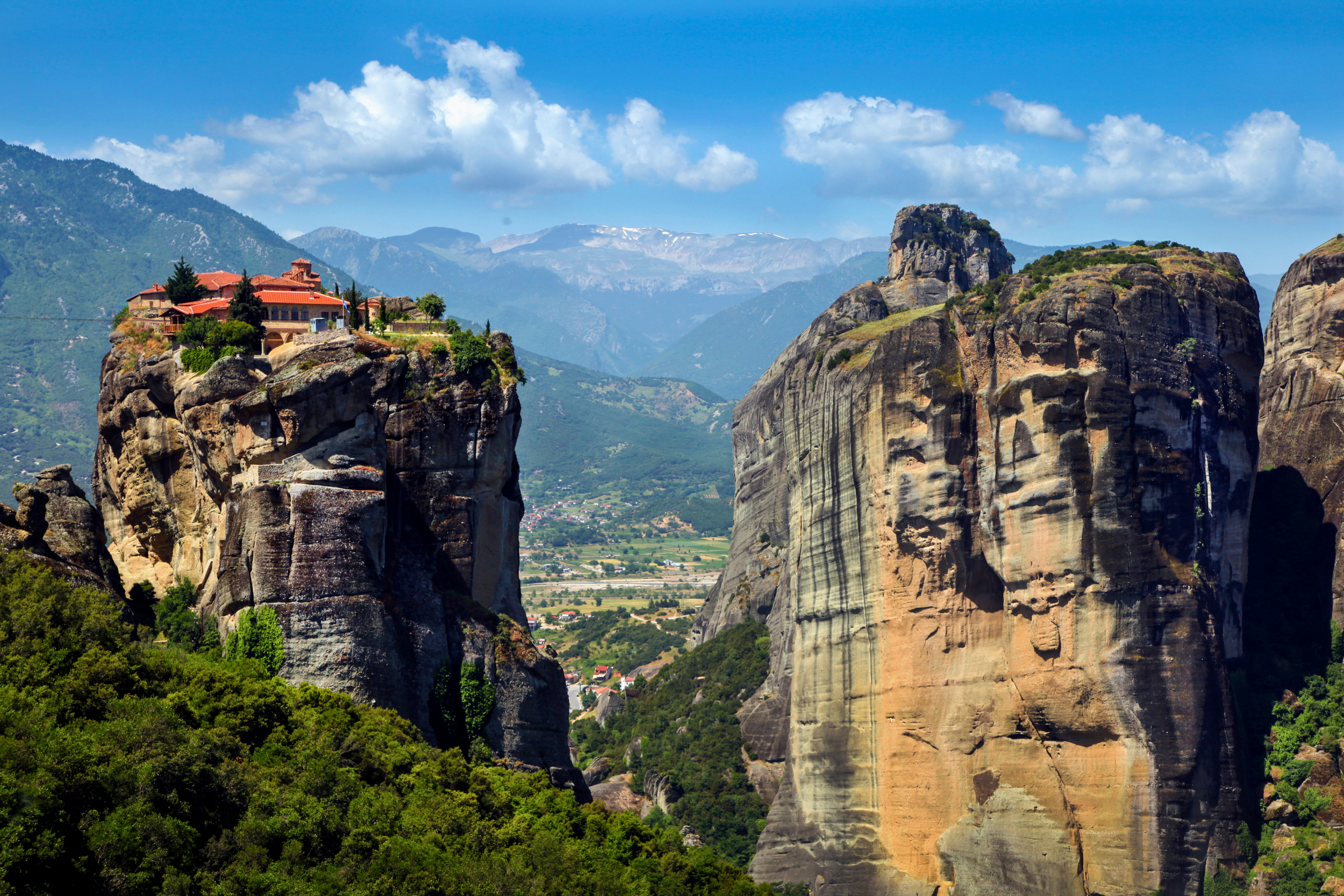
20. Meteora, Greece
Monasteries perch impossibly atop vertical rock pillars, creating one of Earth's most surreal landscapes. These Byzantine monasteries have crowned these natural sandstone towers since the 14th century, housing monks who sought spiritual isolation.
Best Time: April-May or September-October for ideal hiking weather and fewer tourists
Monastery Protocol: Dress modestly (covered shoulders and knees), check opening hours (monasteries close on different days), and respect photography rules inside
Must-Do: Sunrise views from Great Meteoron, hike ancient paths between monasteries, photograph from multiple viewpoints
Recommended Meteora Hotel | Meteora Monastery Tour | Meteora Hiking Experience
Central Europe
21. Prague (Old Town), Czech Republic
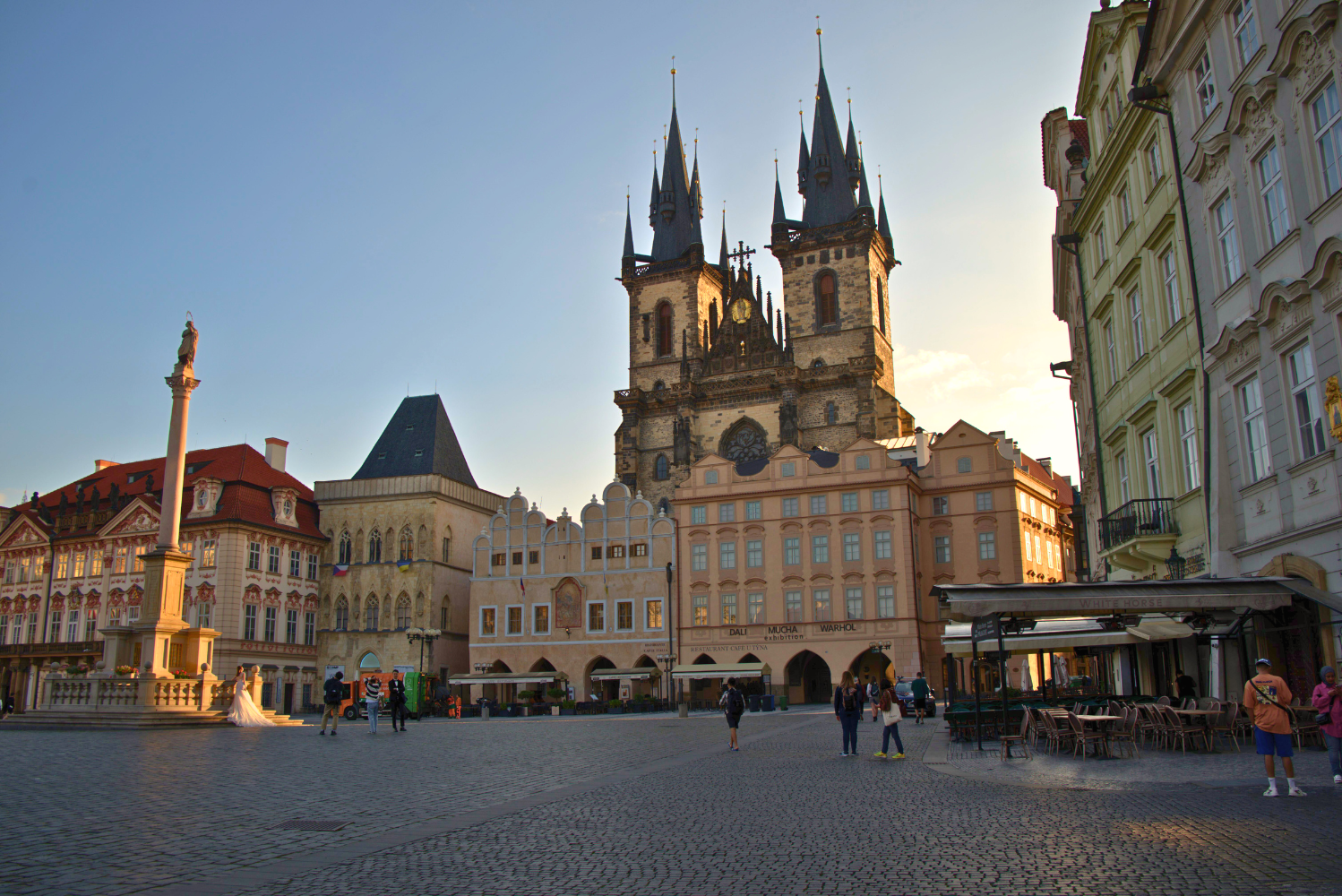
Medieval spires and Gothic architecture create an enchanting atmosphere in one of Europe's best-preserved historic centers. Beyond the tourist crowds, Prague offers hidden courtyards, world-class beer culture, and affordable luxury.
Best Time: April-May or September-October for pleasant weather; December for magical Christmas markets; avoid July-August crowds
Hidden Gems: Franciscan Gardens for a peaceful escape, Nový Svět neighborhood for an authentic atmosphere, Charles Bridge before 8 am for photos without crowds
💡 Money Saver: Prague Castle is free on Mondays after 3 pm (last admission 4 pm), arrive early to beat lines.
Recommended Prague Hotel | Prague Old Town Tour | Czech Beer Tasting
22. Karlovy Vary, Czech Republic
Elegant spa colonnades and pastel architecture grace this historic thermal springs town. Karlovy Vary offers a glimpse of 19th-century spa culture, world-renowned film festival atmosphere, and Bohemian glass artistry.
Best Time: May-September for spa season; July for the International Film Festival (book far ahead); December for Christmas markets
Must-Do: Try the traditional drinking cure at thermal springs, visit historic Elizabeth Baths, tour Moser Glass Factory, walk the colonnades
Recommended Karlovy Vary Hotel | Karlovy Vary Day Trip from Prague
23. Salzburg, Austria
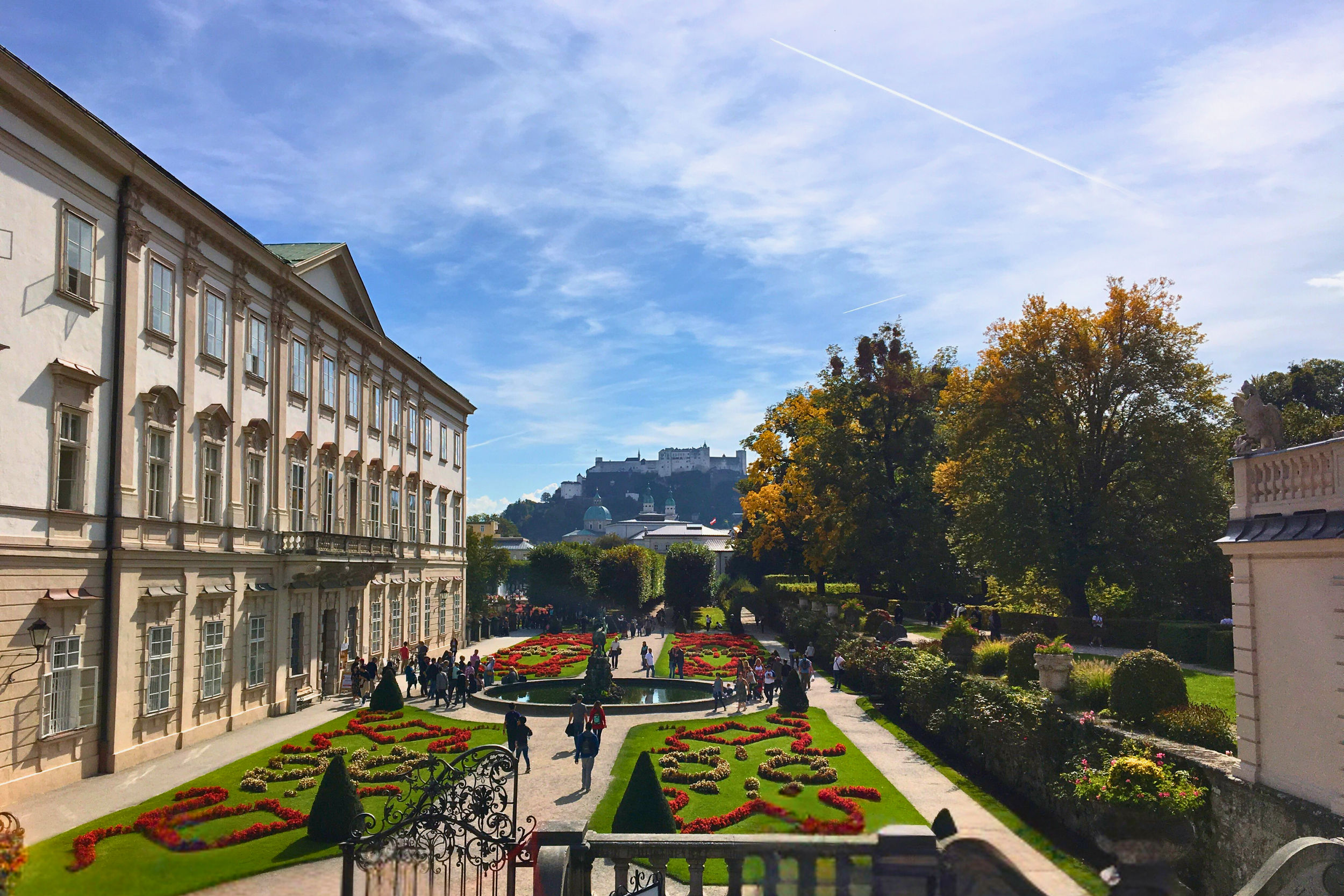
Mozart's birthplace combines baroque architecture with dramatic Alpine scenery. Salzburg offers world-class music festivals, "Sound of Music" locations, and one of Europe's best-preserved historic centers.
Best Time: April-June or September-October for pleasant weather; July-August for Salzburg Festival (book months ahead); December for Christmas markets
Highlights: Fortress views at sunrise, Mozart house tours, evening concert series, traditional coffee house culture
Find Salzburg Accommodation | Salzburg Day Trip & Sound of Music Tour | Mozart Concert Tickets
24. Hallstatt, Austria
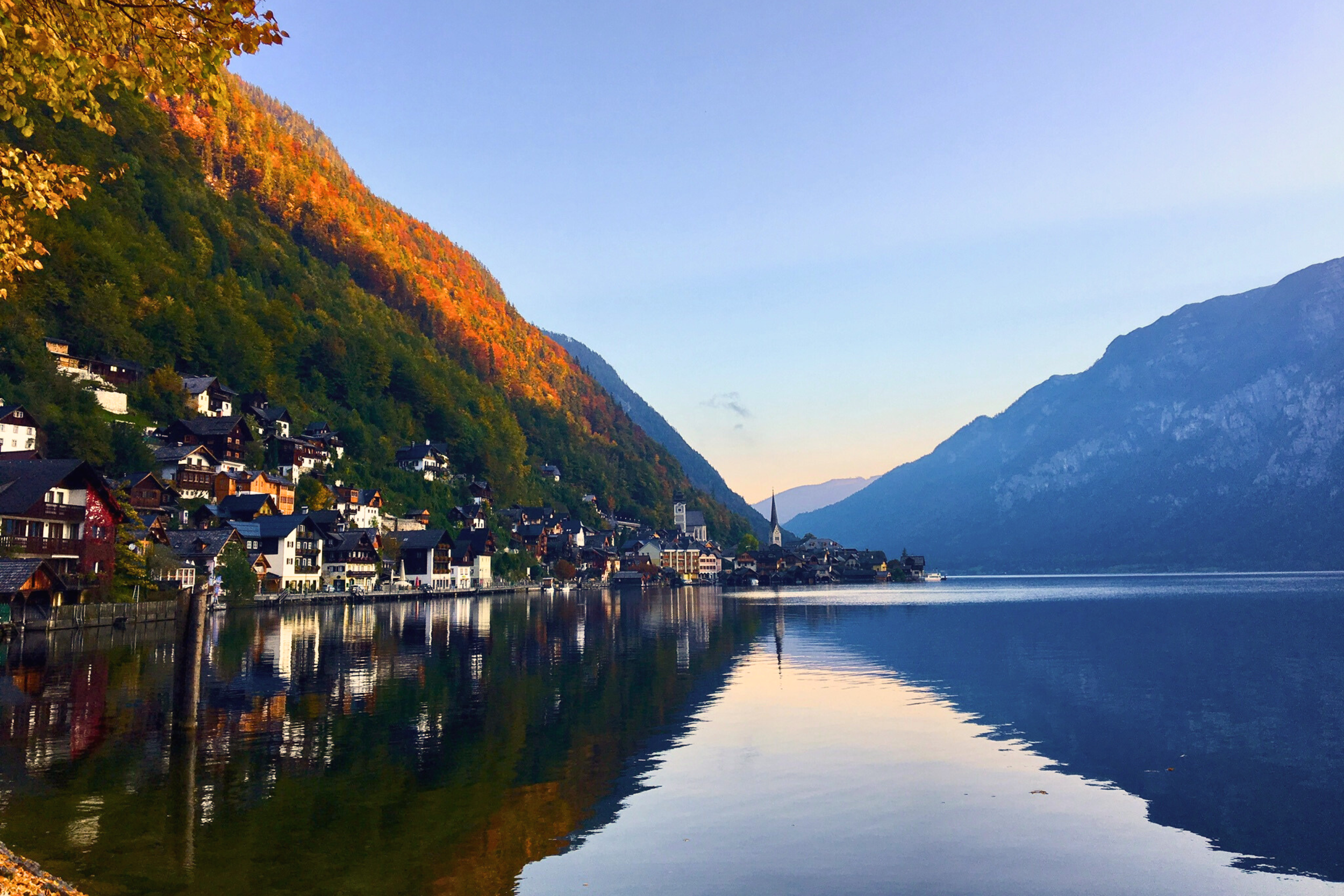
This lakeside village reflects perfectly in alpine waters, creating Austria's most photographed scene. Hallstatt combines 7,000 years of salt mining history with fairy-tale alpine architecture.
Best Time: May-June or September for manageable crowds; winter for snow-covered magic; avoid peak summer overcrowding
Must-Do: Salt mine tours reveal ancient history, Skywalk viewing platform for the famous view, traditional boat rides on the lake, sunrise photography before crowds
📸 Photographer's Tip: The classic viewpoint is unbearably crowded 9 am-5 pm. Arrive by 6 am or after 7 pm for the money shot without people.
Recommended Hallstatt Hotel | Hallstatt Day Trip from Salzburg
25. Rothenburg ob der Tauber, Germany
Perfectly preserved medieval walls encircle this storybook Bavarian town. Rothenburg looks like it was frozen in time in the 15th century, with intact fortifications, half-timbered houses, and cobblestone streets.
Best Time: December for Germany's most famous Christmas market; spring for the garden festival; avoid peak summer crowds
Must-Do: Night Watchman's Tour (entertaining historical walk), Medieval Crime Museum, walk the complete city walls for 360° views
💡 Insider Tip: Stay overnight, the town transforms after day-trippers leave at 5 pm.
Find Rothenburg Hotels | Rothenburg Walking Tour
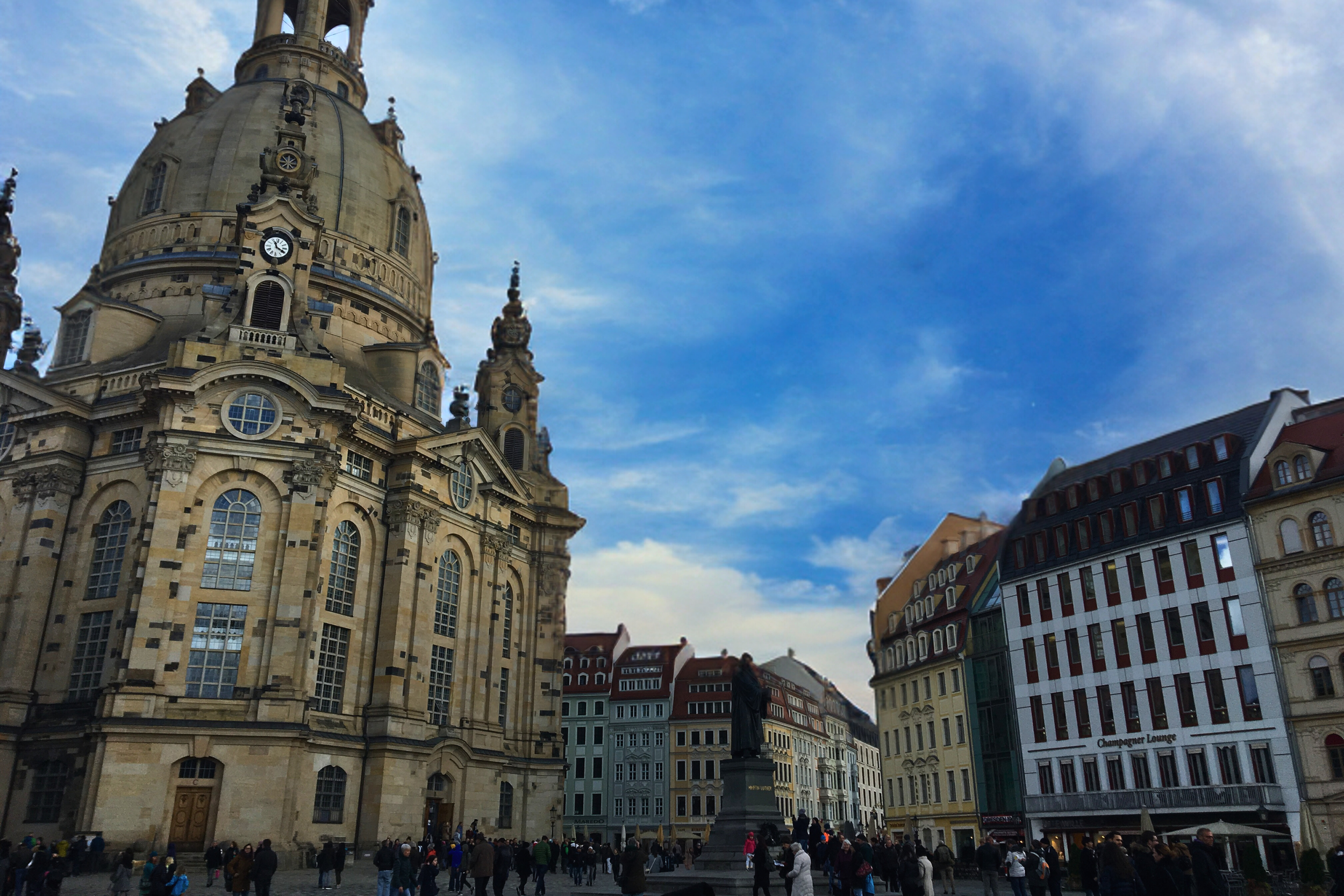
26. Dresden, Germany
This baroque beauty rose from the ashes of WWII through meticulous reconstruction. Dresden showcases Germany's determination to restore its cultural heritage, with stunning palaces, world-class museums, and an Elbe River setting.
Best Time: May-September for outdoor festivals; December for Striezelmarkt (Germany's oldest Christmas market); May for Dixieland Jazz Festival
Highlights: Zwinger Palace concerts, Frauenkirche dome climb, Semperoper tours, evening strolls along Elbe terraces
Book Dresden Hotels | Dresden City Tour | Semperoper Opera Tickets
27. Interlaken, Switzerland
This adventure sports capital sits dramatically between two turquoise alpine lakes. Interlaken serves as a gateway to the Jungfrau region's spectacular peaks while offering year-round outdoor activities.
Best Time: June-September for hiking and water activities; December-March for skiing; spring for waterfalls at peak flow
Must-Do: Paragliding over the lakes, Harder Kulm funicular for panoramic views, Jungfraujoch railway (book ahead), cruise on Lake Thun or Brienz
Find Interlaken Hotels | Jungfraujoch Day Trip | Paragliding Experience
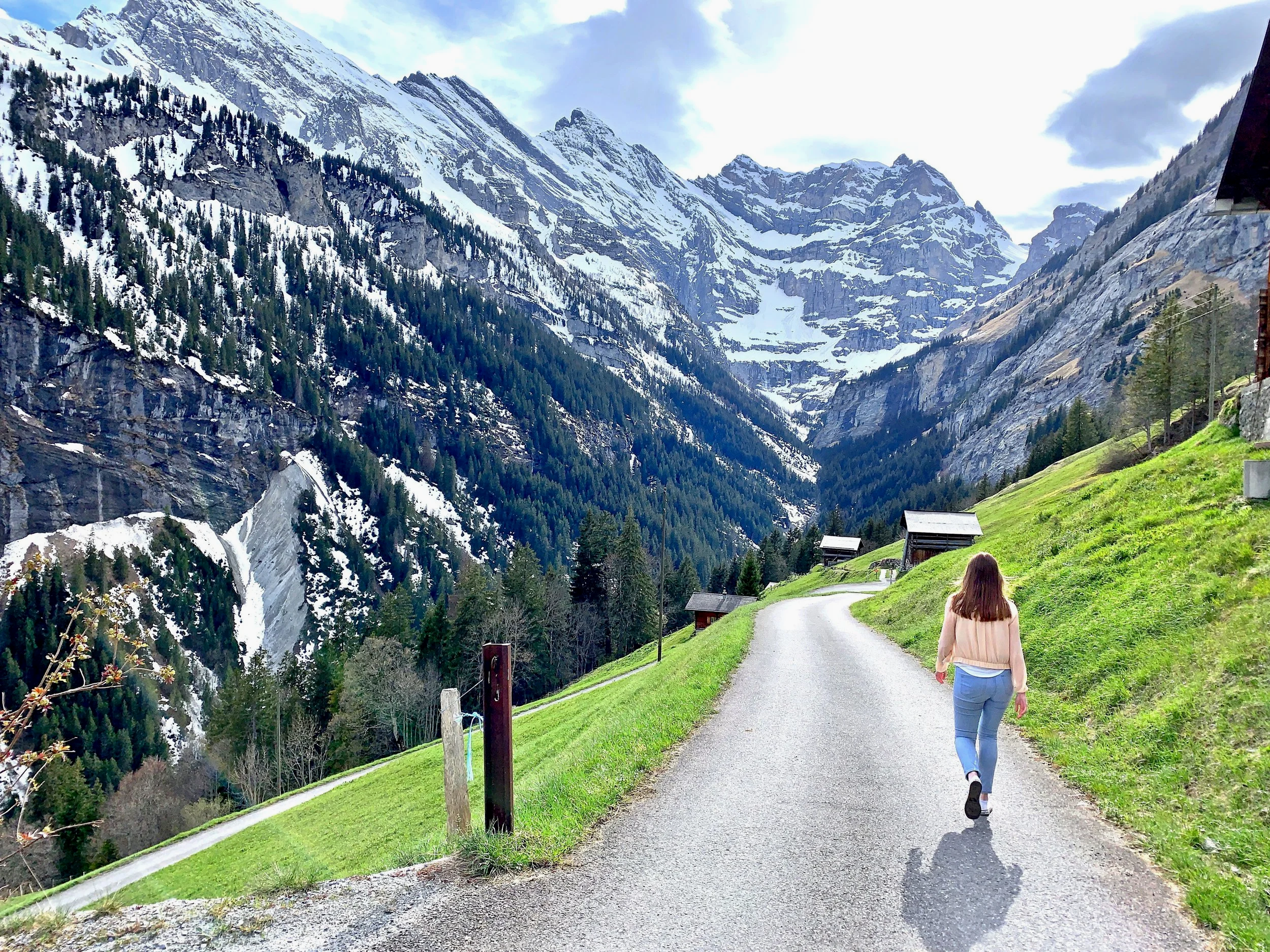
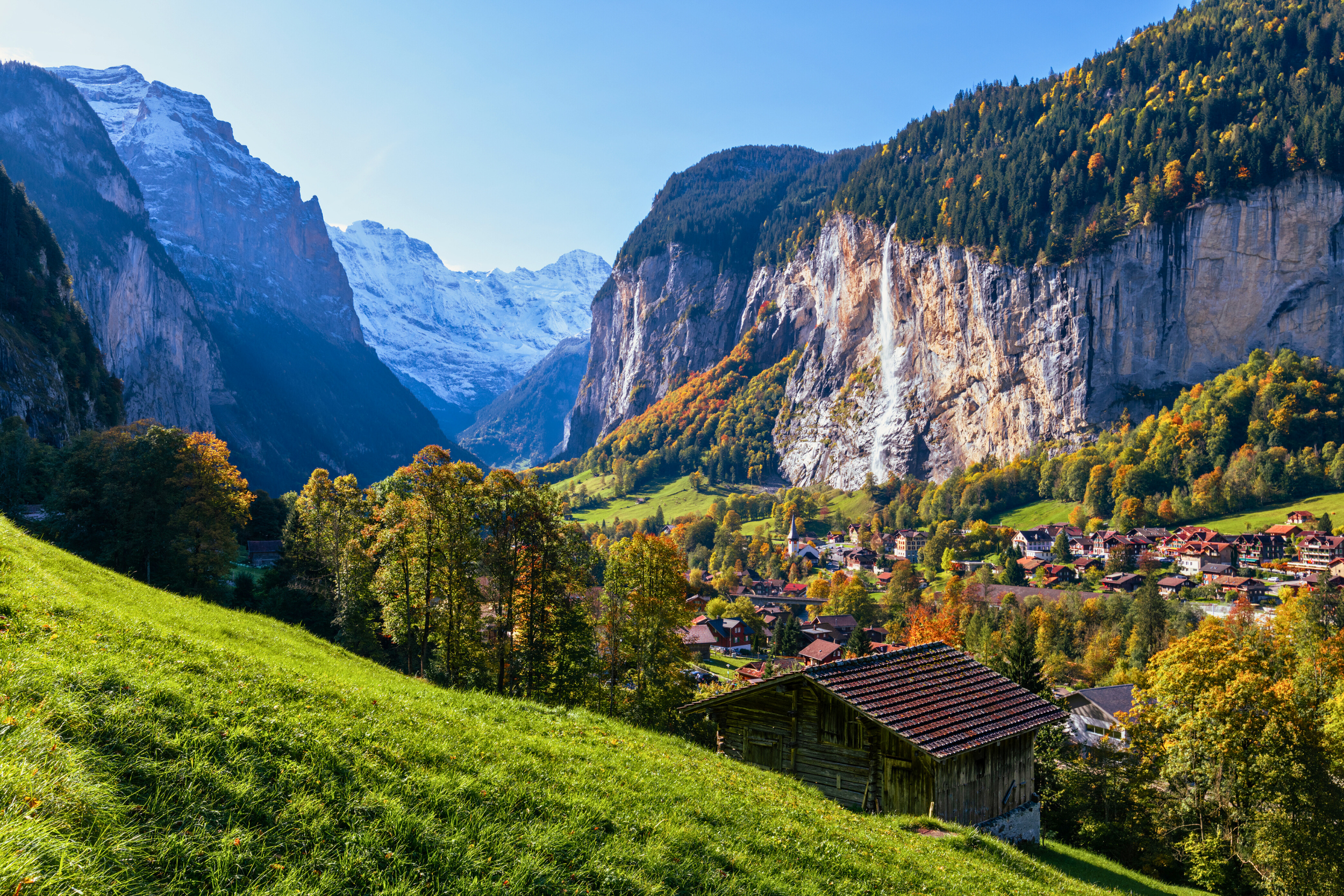
28. Lauterbrunnen, Switzerland
This dramatic valley hosts 72 waterfalls cascading from sheer cliffs, Tolkien's inspiration for Rivendell. Lauterbrunnen offers Switzerland's most accessible alpine beauty with car-free Wengen and Mürren villages above.
Best Time: June-September for hiking (trails can be snow-covered until late June); winter for skiing; spring for maximum waterfall flow
Hiking Routes: Mürrenbachfall Trail for waterfall views, valley floor walk to Stechelberg, cable car to Schilthorn for 007 James Bond experience
Book Lauterbrunnen Hotels | Swiss Alps Day Trip | Schilthorn Cable Car Tickets
29. Fribourg, Switzerland
This bilingual medieval city bridges French and German cultures with unique architectural charm. Fribourg offers authentic Swiss experiences without the tourist prices of more famous cities.
Highlights: Basse-Ville (Lower Town) exploration via funicular, medieval fortifications walk, Art & Espace Jean Tinguely museum
Local Specialties: Gruyère cheese fondue in traditional restaurants, Cardinal beer tasting, local chocolate workshops
Eastern Europe
30. Kraków (Old Town), Poland
This remarkably preserved medieval center escaped WWII destruction, offering Poland's most atmospheric historic quarter. Kraków combines tragic history with vibrant student culture, world-class museums, and authentic Polish cuisine.
Best Time: May-June or September-October for ideal weather; July for Jewish Culture Festival; December for Europe's largest Christmas market
Must-Do: Underground Market Square museum, pierogi-making workshops, Kazimierz Jewish Quarter tours, Wawel Castle at sunrise
💡 Budget Tip: Krakow offers excellent value, quality restaurants, and hotels that cost significantly less than in Western Europe.
Recommended Krakow Hotel | Auschwitz-Birkenau Tour | Krakow Food Tour
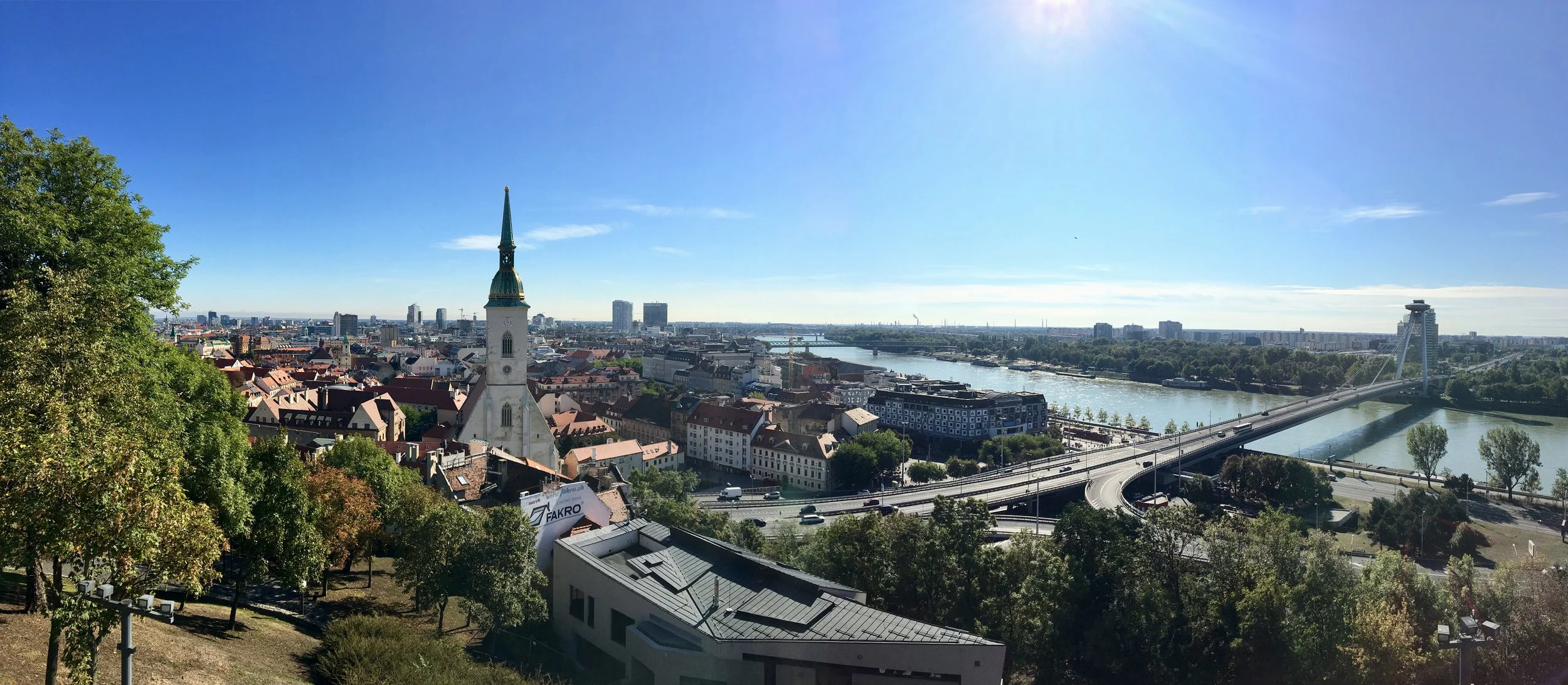
31. Bratislava, Slovakia
This charming capital blends various architectural styles with an increasingly vibrant culture. Bratislava offers Central European authenticity at budget-friendly prices, just an hour from Vienna.
Best Time: May-September for riverside beaches; December for cozy Christmas markets; year-round for affordable city breaks
Highlights: UFO Bridge observation deck at sunset, traditional Slovak cuisine at Flagship Restaurant, Blue Church photography, castle hill hiking
Recommended Bratislava Hotel | Bratislava Walking Tour| Danube River Cruise
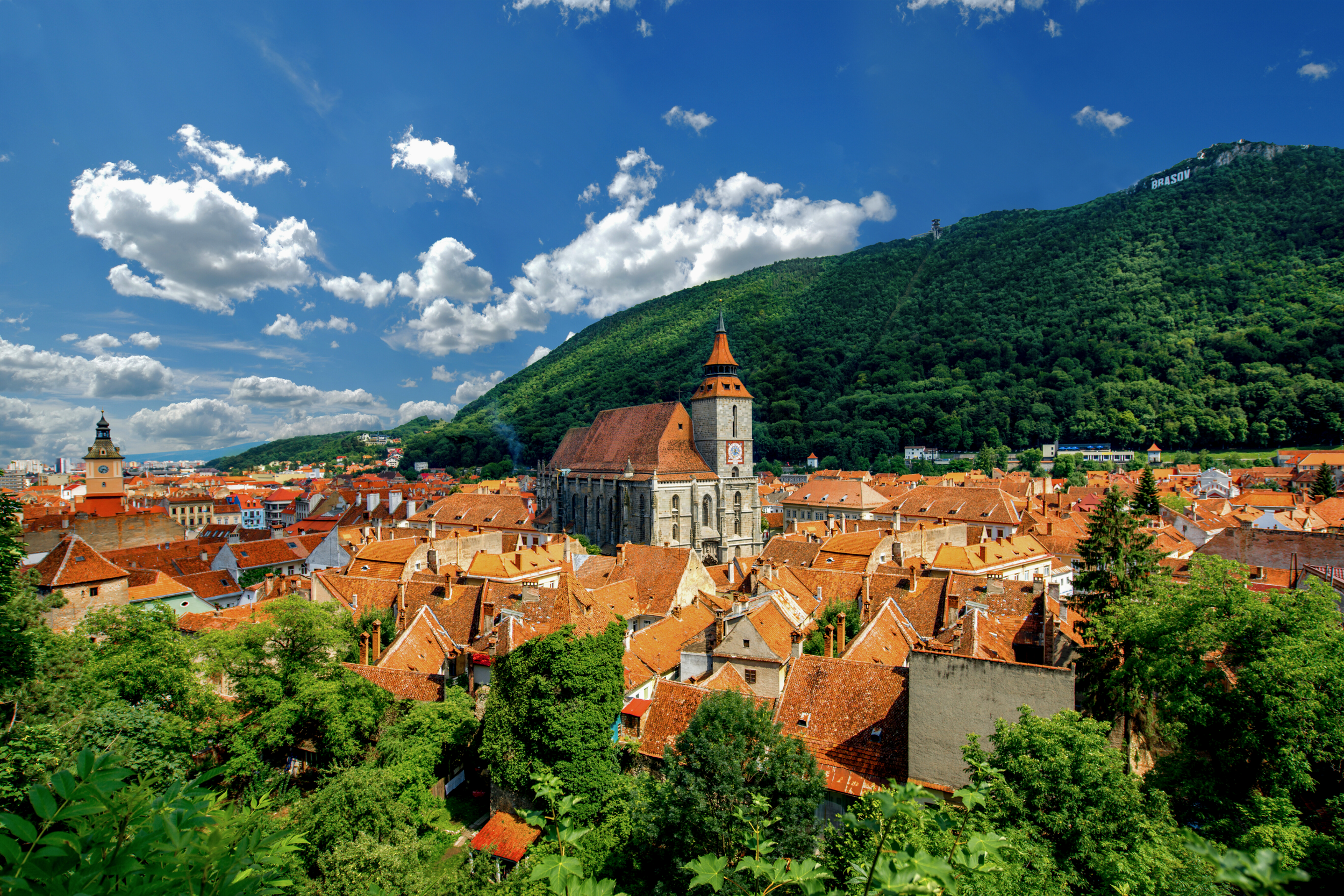
32. Brasov, Romania
This Transylvanian city combines medieval charm with mountain scenery and fascinating Dracula associations. Brasov serves as an excellent base for exploring Romania's famous castles and Saxon villages.
Best Time: May-September for hiking; December for atmospheric Christmas markets; October for fall colors and castle ambiance
Must-Do: Tampa Mountain cable car for city views, Black Church organ concerts, First Romanian School Museum
Day Trips: Bran Castle (Dracula's Castle), Rasnov Fortress, spectacular Peles Castle
Book Brasov Hotels | Dracula Castle Tour | Transylvania Day Trip
33. Sibiu, Romania
This Transylvanian gem showcases distinctive architecture, including buildings with "eyes" (dormer windows that peer down at the street). Sibiu served as European Capital of Culture and maintains a thriving arts scene.
Best Time: May-September for festivals; July for International Theater Festival; December for Christmas markets
Highlights: Bridge of Lies legends, ASTRA outdoor ethnographic museum (enormous and fascinating), medieval squares, local Romanian cuisine
Find Sibiu Accommodation | Sibiu Walking Tour
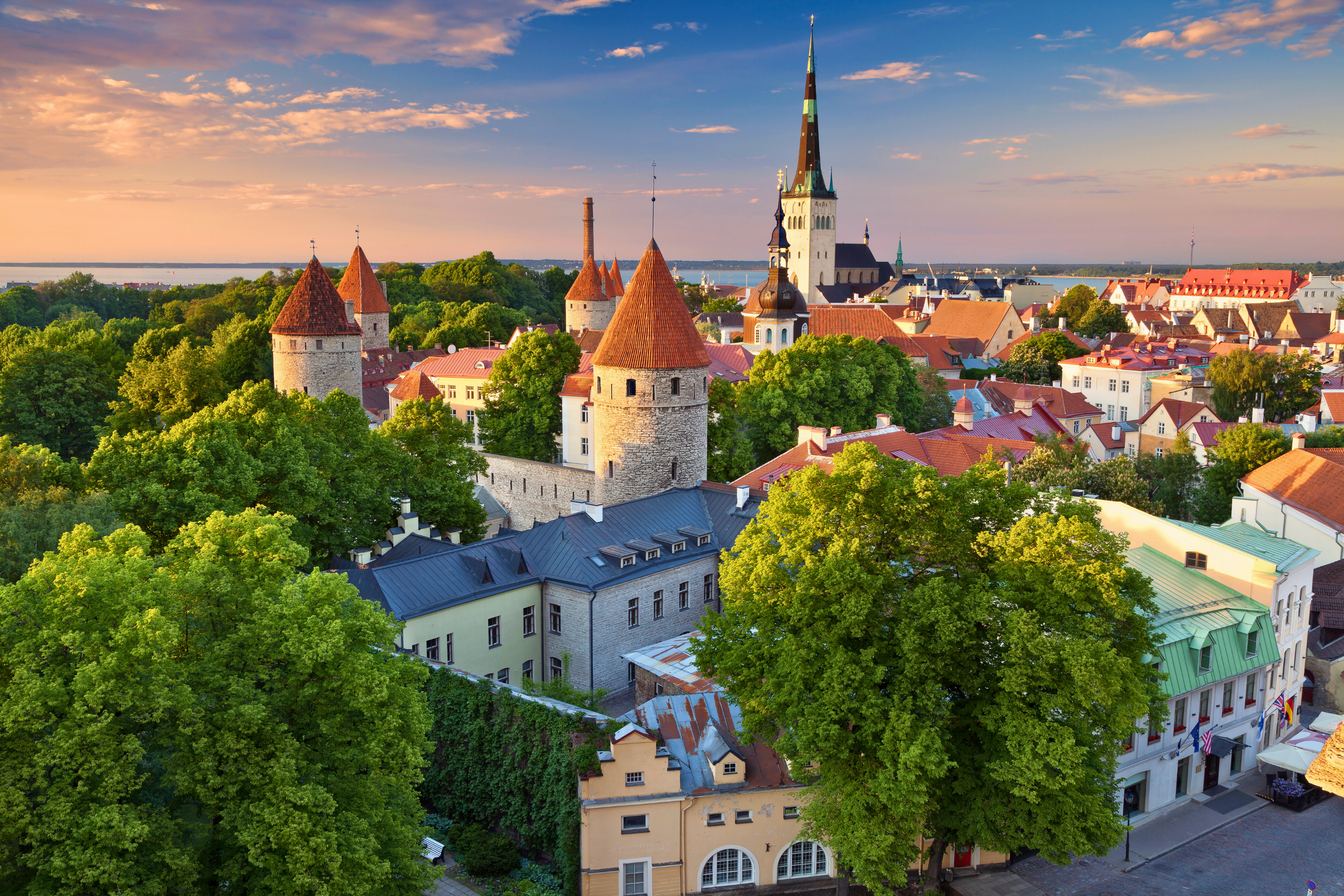
34. Tallinn, Estonia
Medieval towers and walls encircle this Baltic gem's fairy-tale old town. Tallinn successfully blends preserved medieval architecture with digital innovation (e-residency capital of the world), creating fascinating contrasts.
Best Time: May-August for warm weather and long days; December for atmospheric Christmas markets; the first Sunday of the month for free museums
Must-Do: Kohtuotsa and Patkuli viewing platforms for panoramic views, St. Olaf's Church tower climb, medieval dining at Olde Hansa, traditional Estonian sauna
💡 Insider Tip: The Lower Town is most atmospheric early morning before cruise ship crowds arrive (9 am onwards).
Recommended Tallinn Hotel |Tallinn Old Town Tour | Tallinn Food Tour
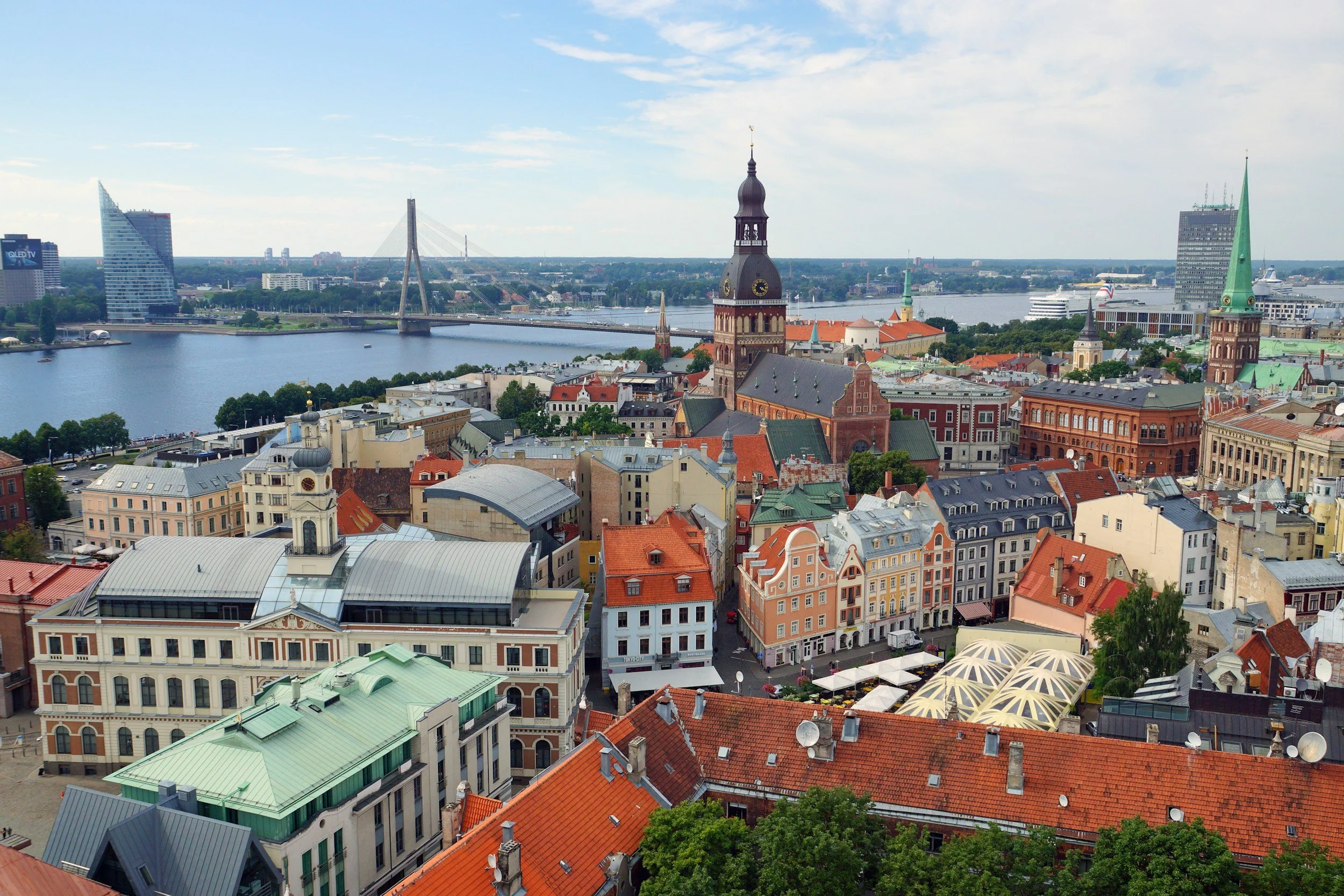
35. Riga, Latvia
This Art Nouveau capital features over 800 Art Nouveau buildings, the world's largest concentration. Riga combines architectural treasures with vibrant market culture and fascinating Soviet history.
Best Time: May-September for pleasant weather; December for Christmas markets; Midsummer (June 23-24) for traditional Latvian celebrations
Art Nouveau Trail: Alberta Street masterpieces, Art Nouveau Museum in an authentic apartment, Elizabeth Street facades
Must-Do: Central Market in former Zeppelin hangars, Black Balsam tasting (Latvian herbal liqueur), Old Town exploration
Recommended Riga Hotels | Riga Art Nouveau Tour | Riga Market & Food Tour
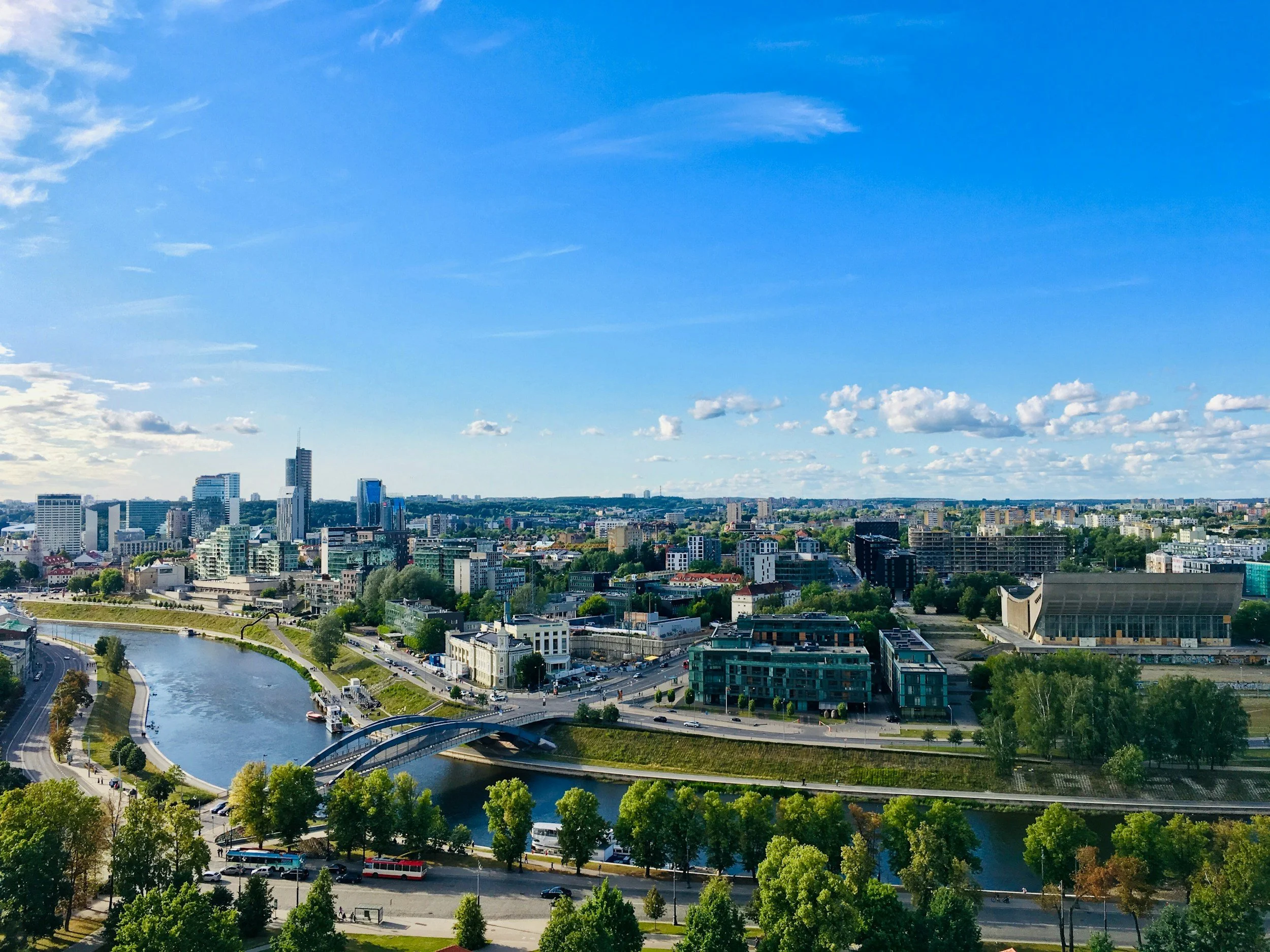
36. Vilnius, Lithuania
The baroque old town features unique architectural blends and artistic spirit, including the self-declared "Republic of Užupis." Vilnius offers one of Europe's largest medieval old towns with a bohemian creative energy.
Best Time: May-September for outdoor festivals; December for Christmas markets; first Sunday of the month for free museums
Must-Visit: Užupis Republic (artist district with its own constitution), Gediminas Castle Tower, Dawn Gate shrine, street art tours
Recommended Vilnius Hotel | Vilnius Walking Tour | KGB Museum Tour
37. Trakai, Lithuania
This historic island castle sits on Lake Galvė surrounded by pristine nature. Trakai offers a unique blend of Lithuanian history, Karaite culture (an ethnic minority with roots in Crimea), and a beautiful lakeside setting.
Best Time: June-August for lake swimming; September-October for fall colors; winter for ice fishing; spring for peaceful exploration
Must-Do: Island castle museum tour, traditional Karaite kibinai (pastries), Lake Galvė boat trips, forest walking trails
Find Trakai Hotels | Trakai Castle Day Trip from Vilnius
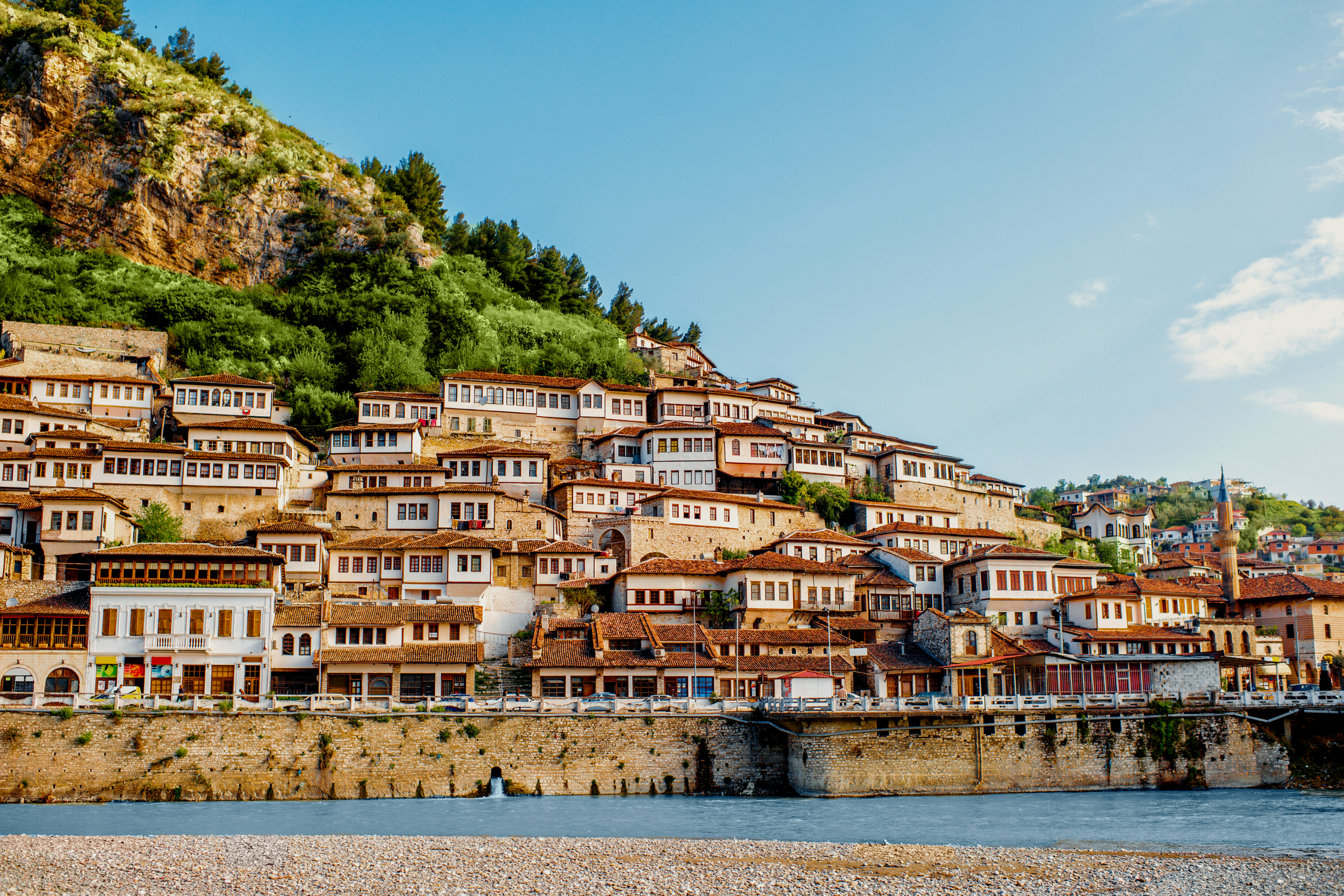
38. Berat, Albania
The "City of a Thousand Windows" displays stunning Ottoman architecture on steep hillsides. Berat offers one of Albania's most beautiful settings with warm hospitality and very affordable prices.
Best Time: April-June or September-October for ideal weather; summer can be hot
Photography Spots: Mangalem Quarter at sunset, Gorica Bridge reflections in Osum River, castle quarter panoramas
Must-Do: Stay in a traditional Ottoman house, visit local wine cellars, explore Byzantine churches in the castle, try traditional Albanian cuisine
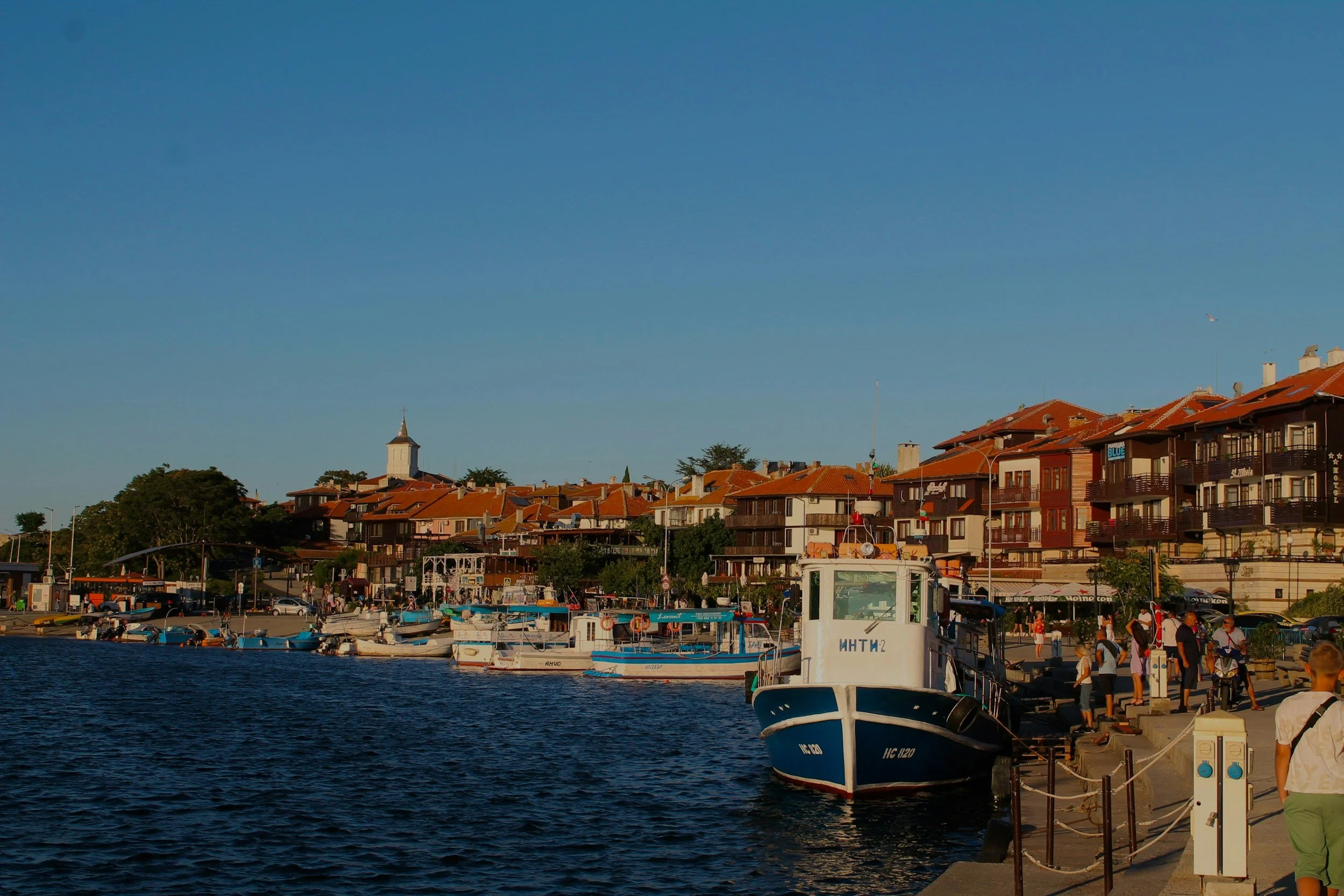
39. Nessebar, Bulgaria
This ancient Black Sea town combines 3,000 years of history with beautiful beaches. The UNESCO-listed old town occupies a small peninsula jutting into the Black Sea, connected by a narrow causeway.
Best Time: June-September for swimming; May or October for peaceful sightseeing; avoid mid-summer crowds
Highlights: Church of Christ Pantocrator, iconic windmill landmark, Archaeological Museum, medieval churches
Find Nessebar Hotels | Black Sea Coast Day Trip
40. Ohrid, North Macedonia
Ancient churches surround this stunning lake town, combining Byzantine heritage with natural beauty. Ohrid is one of Europe's oldest human settlements, with a monastery-dotted landscape and a crystal-clear lake.
Best Time: June-September for lake activities; May or October for fewer crowds and pleasant weather
Cultural Heritage: St. John at Kaneo Church (iconic cliffside setting), ancient theater with summer performances, traditional pearl craftsmen workshops
Water Activities: Sunset lake cruises, beaches for swimming, water sports
Nordic Countries
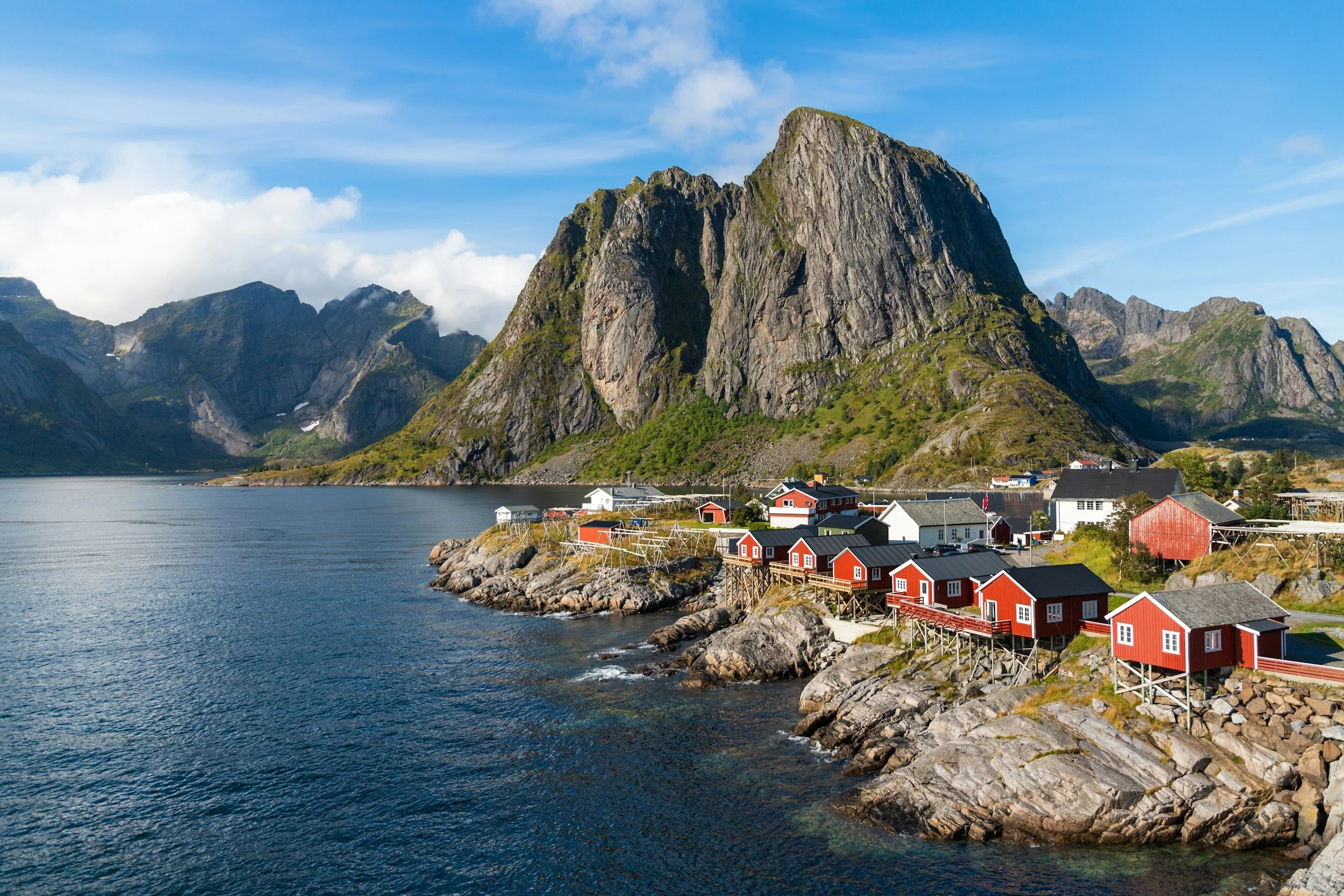
41. Lofoten Islands, Norway
Dramatic peaks rise directly from the Arctic Ocean, creating one of Earth's most spectacular island archipelagos. Traditional red fishermen's cabins (rorbuer) dot the shoreline beneath jagged mountains, offering unique accommodation experiences.
Best Time: June-July for midnight sun and hiking; September-March for Northern Lights; May-September for road accessibility
Photography Opportunities: Northern Lights (September-March), midnight sun (May-July), red rorbuer cabins against mountain backdrop, dramatic coastal scenery
Must-Do: Stay in a rorbu cabin, hike Reinebringen for iconic views, surf at Unstad Beach, visit traditional fishing villages like Reine and Henningsvær
Book Lofoten Accommodation | Northern Lights Tour
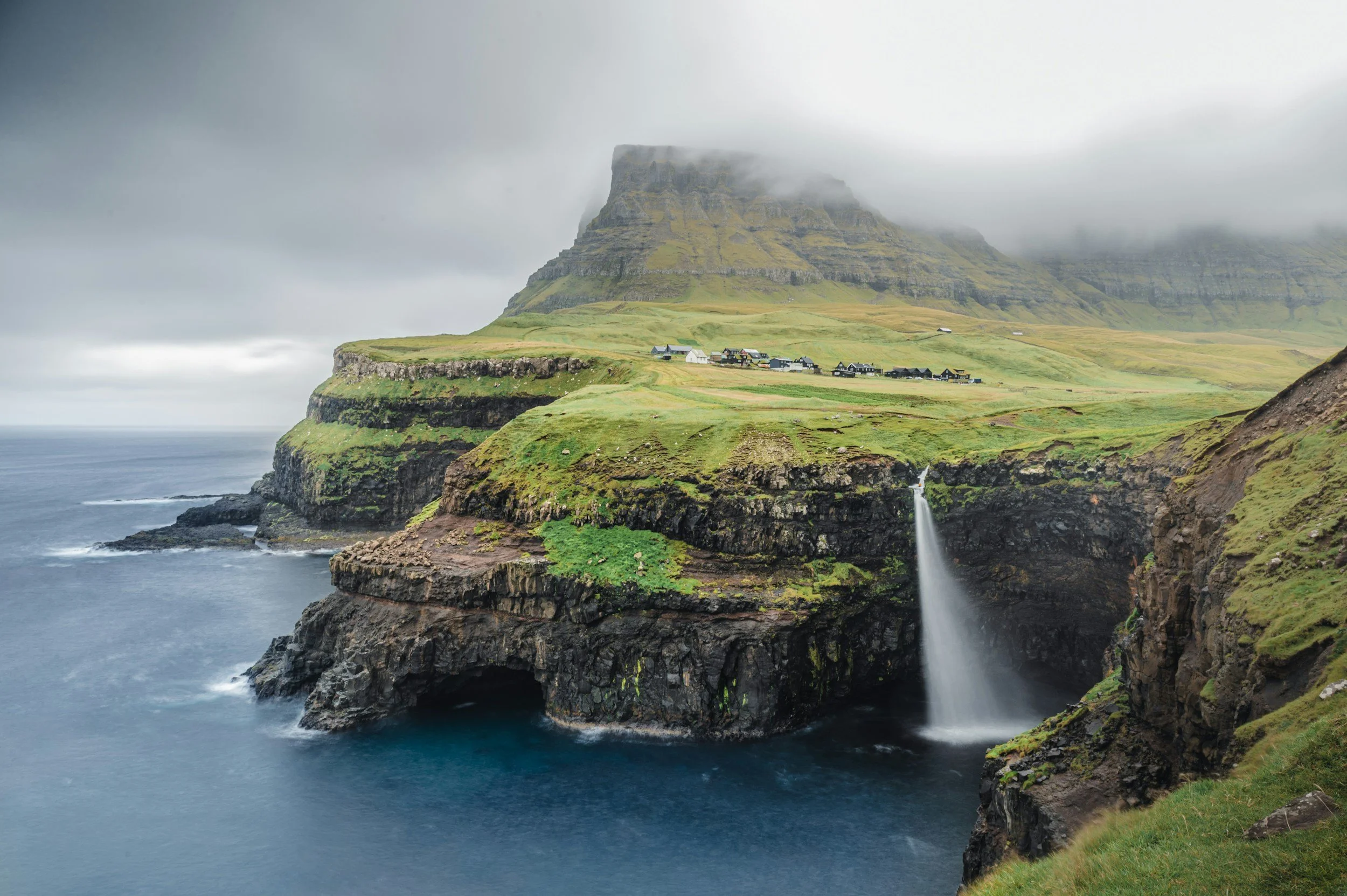
42. Faroe Islands
These dramatic North Atlantic islands offer raw Nordic beauty with grass-roofed houses and spectacular cliffs. The Faroe Islands feel like the edge of the world, with Viking heritage and stunning natural phenomena.
Best Time: June-August for midnight sun and hiking access; winter for Northern Lights, but expect harsh weather; always pack waterproofs
Must-Do: Mykines Island for puffin watching (May-August), Mulafossur Waterfall cascading into the ocean, Sørvágsvatn "floating lake" optical illusion, traditional Faroese food
⚠️ Weather Warning: Be prepared for all four seasons in one day; layers and waterproof gear are essential year-round.
Recommended Faroe Islands Hotel | Faroe Islands Day Tour
43. Kiruna, Sweden
This Arctic town offers unique natural phenomena and Sámi cultural experiences. Kiruna is the gateway to Sweden's far north, featuring the famous Ice Hotel, Northern Lights, and midnight sun.
Best Time: Winter (December-March) for Northern Lights, Ice Hotel, and dog sledding; summer (June-July) for midnight sun and hiking
Winter Activities: Ice Hotel overnight stay, Northern Lights tours, dog sledding, snowmobiling, Sámi cultural experiences
Summer Activities: Midnight sun hikes to Sweden's highest peak, mine tours, Arctic flora exploration
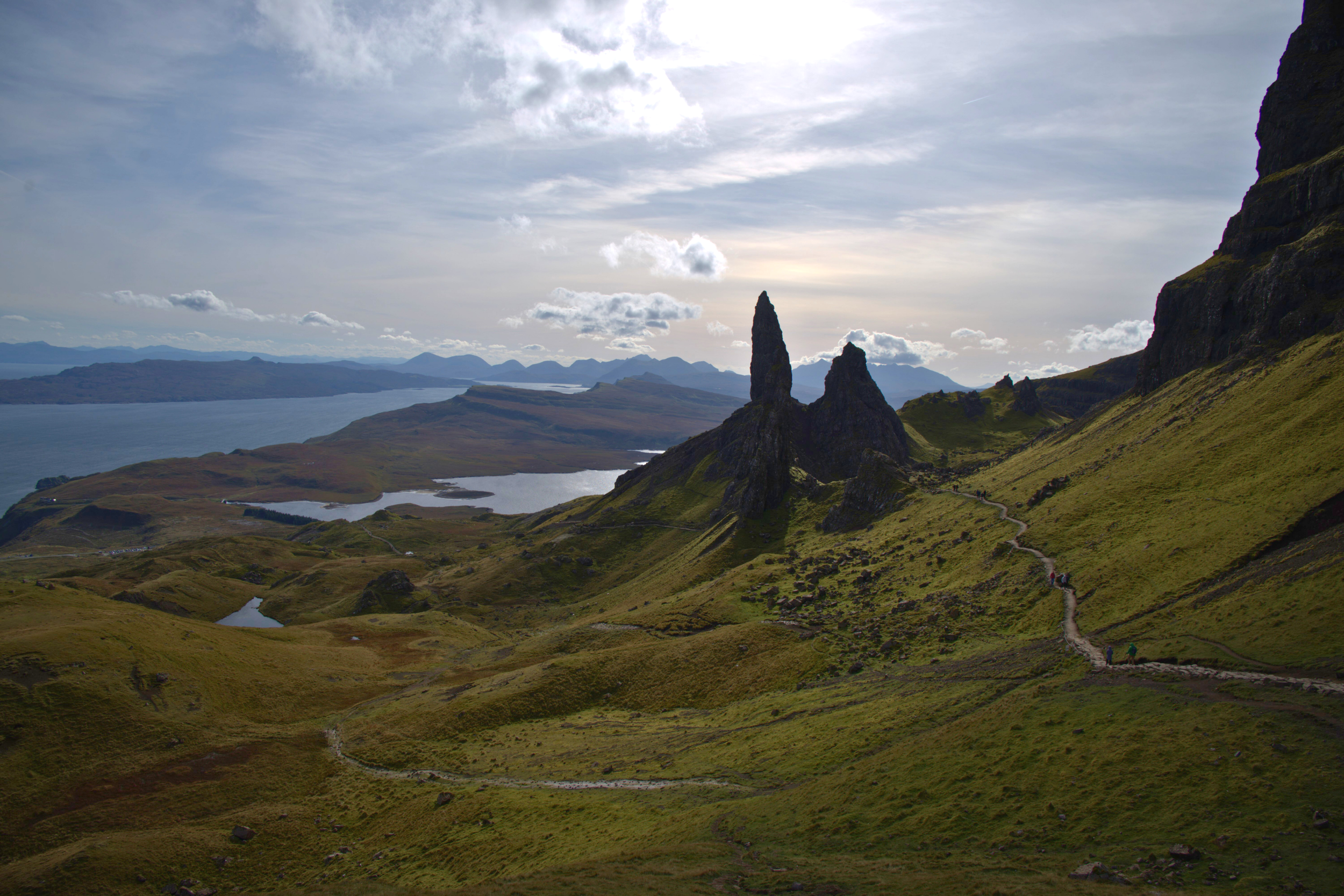
44. Isle of Skye, Scotland
Dramatic landscapes with rugged mountains and mystical scenery create Scotland's most iconic island. Skye's raw beauty, folklore, and Highland atmosphere make it a photographer's paradise.
Best Time: May-September for best weather (but still expect rain); winter brings stunning light but challenging conditions
Must-Visit: Fairy Pools (best in early morning light), Old Man of Storr hike (2-3 hours), Neist Point Lighthouse at sunset, Quiraing's dramatic mountain pass (magical in morning mist)
Recommended Isle of Skye Accommodation | Isle of Skye Day Tour
45. Orkney Islands, Scotland
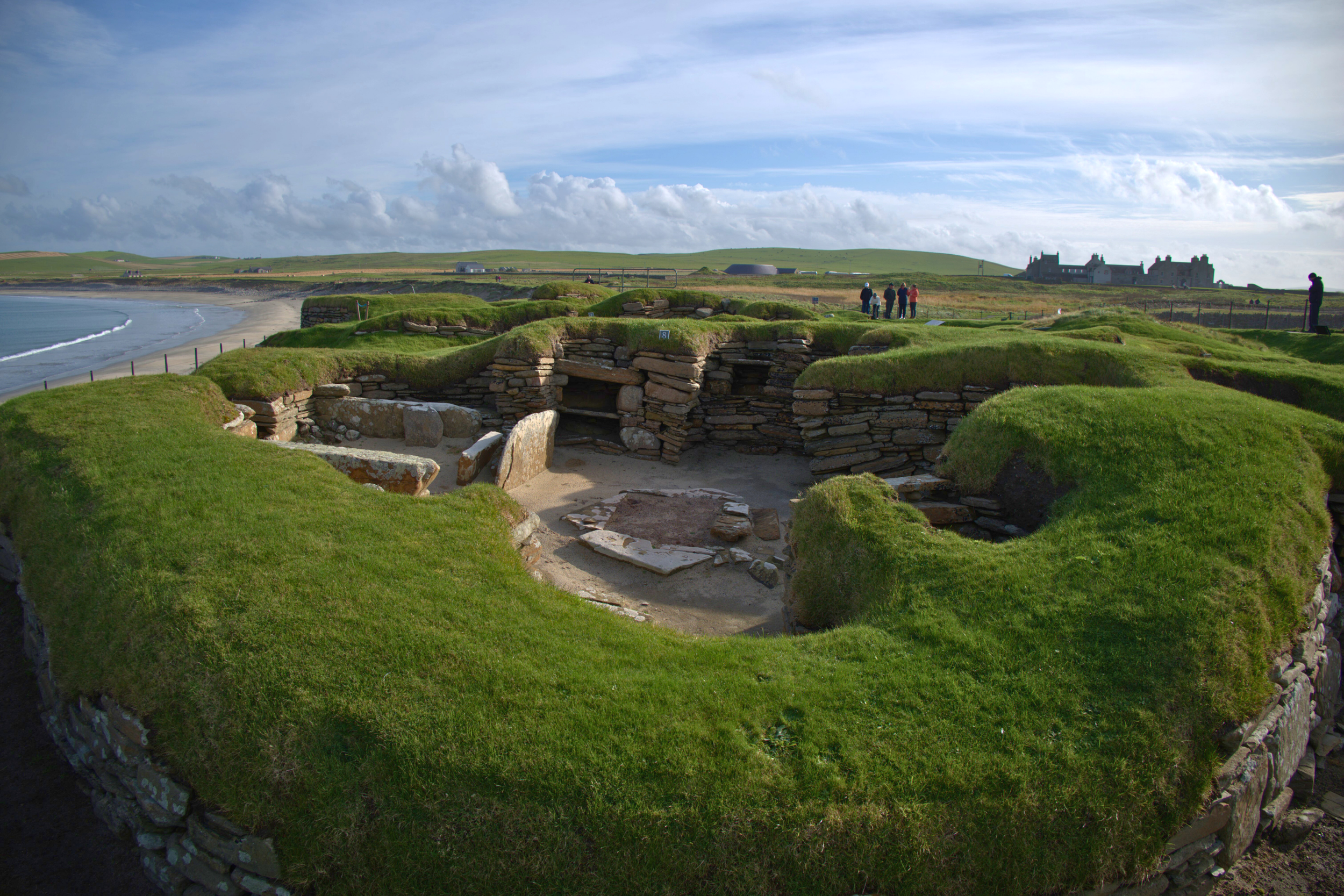
These islands combine prehistoric sites with stunning natural beauty, offering glimpses into 5,000-year-old civilizations. Orkney boasts more ancient monuments than the rest of Scotland combined.
Best Time: May-September for the best weather and archaeological site access
Archaeological Must-Sees: Skara Brae (5,000-year-old stone village, older than Stonehenge), Ring of Brodgar (Neolithic stone circle), Maeshowe tomb (with Viking graffiti)
Practical Tips: Book inter-island ferries in advance, bring waterproof gear regardless of season, plan at least 3 days to see highlights
Recommended Orkney Hotel | Orkney Archaeological Tour
46. Dingle, Ireland
This charming coastal town offers authentic Irish culture with traditional music, stunning coastal scenery, and warm hospitality. The Dingle Peninsula combines a dramatic Atlantic coastline with Irish language heritage and colorful village life.
Best Time: May-September for best weather; winter for cozy pub culture, but expect rain; spring for wildflowers
Must-Do: Slea Head Drive's coastal scenery, traditional music sessions in pubs (most nights), harbor boat trips, ancient beehive huts, and local seafood
💡 Insider Tip: Ask locals which pub has music "on tonight,” sessions happen spontaneously and rotate between venues.
Find Dingle Hotels | Dingle Peninsula Tour | Irish Music & Pub Experience
Additional Gems
47. Mostar, Bosnia and Herzegovina
The iconic Stari Most bridge symbolizes resilience and cultural unity in this historic city. Mostar showcases Ottoman architecture, living history, and powerful post-war renewal along the Neretva River.
Best Time: April-June or September-October for pleasant weather; summer is hot; spring and fall offer comfortable exploring
Must-Do: Watch brave local divers jump from the bridge, visit early morning or late evening for best photos, explore both sides of the bridge, Koski Mehmed Pasha Mosque minaret view
Cultural Experiences: Turkish coffee ceremony, Old Bazar Kujundziluk for authentic copper crafts, traditional Bosnian cuisine
Book Mostar Hotels | Mostar & Herzegovina Day Trip
48. Mdina, Malta
The "Silent City" preserves medieval and baroque architecture in timeless tranquility. This former capital sits on a hilltop overlooking Malta, with car-free streets and golden limestone buildings.
Best Time: March-May or October-November for pleasant weather; avoid July-August heat; winter is mild but some businesses close
Must-Do: Night walking tours, bastion sunset views, traditional Maltese pastry tasting at Fontanella Tea Garden
Film Location Note: Several Game of Thrones scenes were filmed here, plus numerous other productions drawn to the authentic medieval setting.
Find Mdina Hotels | Malta Full-Day Tour
49. Vršič Pass, Slovenia
This scenic mountain pass features 50 dramatic hairpin turns through the Julian Alps. Slovenia's highest mountain pass offers breathtaking views and access to pristine alpine nature.
Best Time: May-October when snow-free (closed November-April); July-August for warmest weather; September for fall colors and fewer tourists
Must-Stops: Russian Chapel (WWI memorial), Ajdovska Deklica rock face, multiple hiking trails accessing Julian Alps peaks and valleys
Driving Tips: Start early to avoid tour buses, drive slowly and carefully on narrow hairpins, and allow time for photo stops at numbered turns
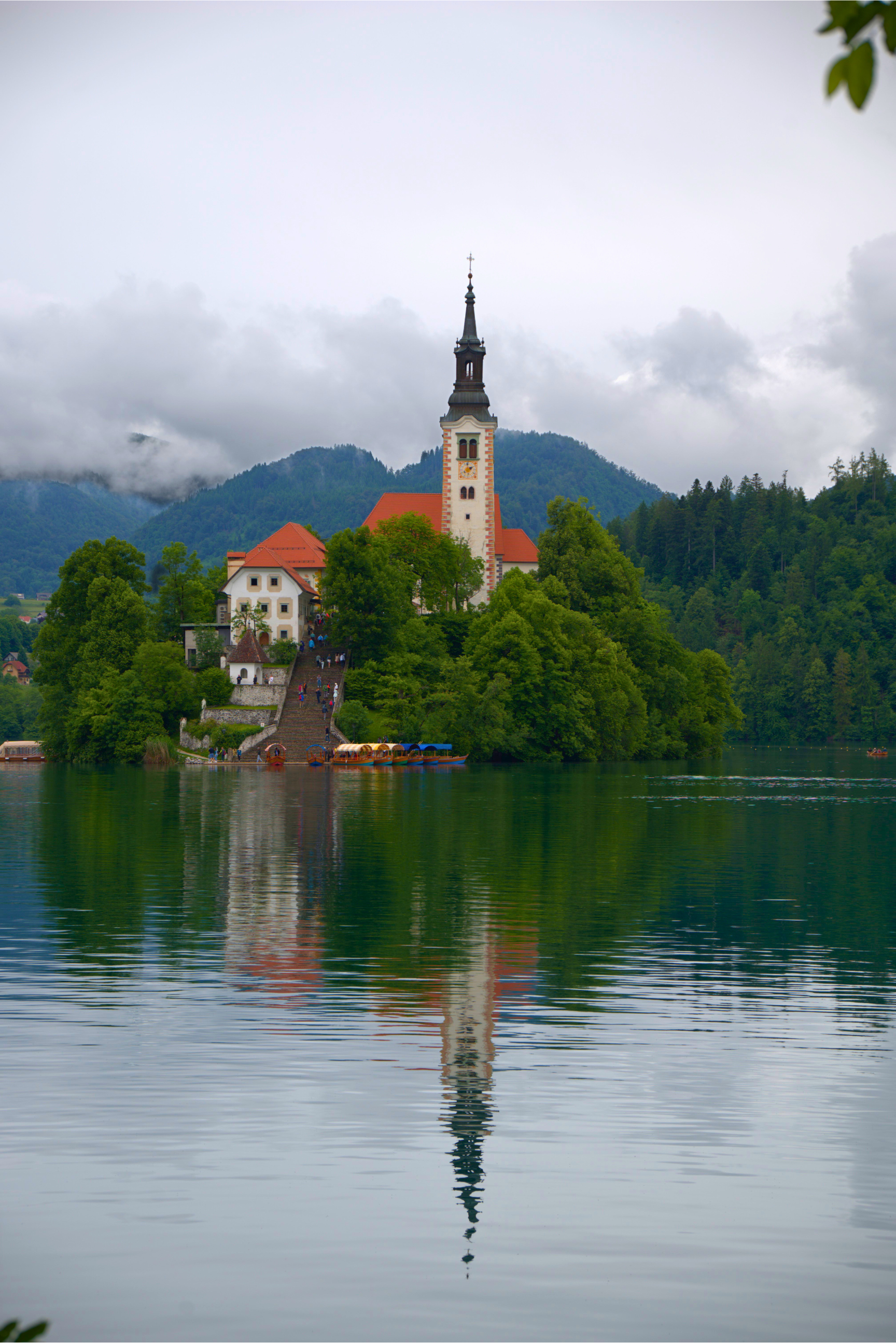
Recommended Lake Bled Hotel | Slovenia Tour
50. San Marino
This microstate offers medieval fortresses, tax-free shopping, and unique stamps on your passport. San Marino, the world's oldest republic, perches dramatically atop Mount Titano with three iconic towers.
Best Time: April-June or September-October for pleasant weather; avoid July-August crowds; winter brings atmospheric views but some closures
Must-Visit: Walk between the Three Towers, Palazzo Pubblico (government palace with changing of the guard), State Museum, panoramic views over Italy
💡 Insider Tip: Arrive early morning for tower visits and best views before tour buses arrive around 10 am.
Planning Your European Trip from the United States
Flight Hubs: Best departure cities are NYC, Boston, Chicago, LAX, SFO, Miami
Average Flight Times:
- East Coast to Western Europe: 7-8 hours
- West Coast to Western Europe: 10-11 hours
ETIAS Requirements: All US passport holders need an ETIAS from Q4 2026
Voltage: Europe uses 220V - bring adapters
Best Credit Cards: Cards with no foreign transaction fees recommended
Post-Brexit Travel from the UK
**New Requirements:**
- ETIAS required from Q4 2026 (£17)
- EES biometric registration on first entry
- 90-day limit per 180-day period in Schengen
Budget Airlines: Ryanair, easyJet for affordable European connections
Rail Options: Eurostar to France/Belgium/Netherlands
Long-Haul Europe Travel from Australia
Flight Routes: Via Singapore, Dubai, or Hong Kong
Average Flight Time: 24+ hours with connections
Budget Tips: Visit multiple countries to maximize long-haul flight value
Best Time: Australian winter (June-August) = European summer
Sample Itineraries: Combining Destinations
10-Day Central European Highlights
Days 1-2: Prague (Old Town & Karlovy Vary day trip)
Days 3-4: Bratislava
Days 5-6: Vienna (not on list, but logical connection)
Days 7-8: Salzburg
Days 9-10: Hallstatt
2-Week Mediterranean Coastal Journey
Days 1-3: Cinque Terre (Italian Riviera)
Days 4-5: French Riviera (Èze & Menton)
Days 6-8: Barcelona area
Days 9-11: Valencia
Days 12-14: Algarve (Lagos, Portugal)
10-Day Adriatic Adventure
Days 1-2: Venice
Days 3-4: Trogir, Croatia
Days 5-6: Hvar Island
Days 7-8: Kotor, Montenegro
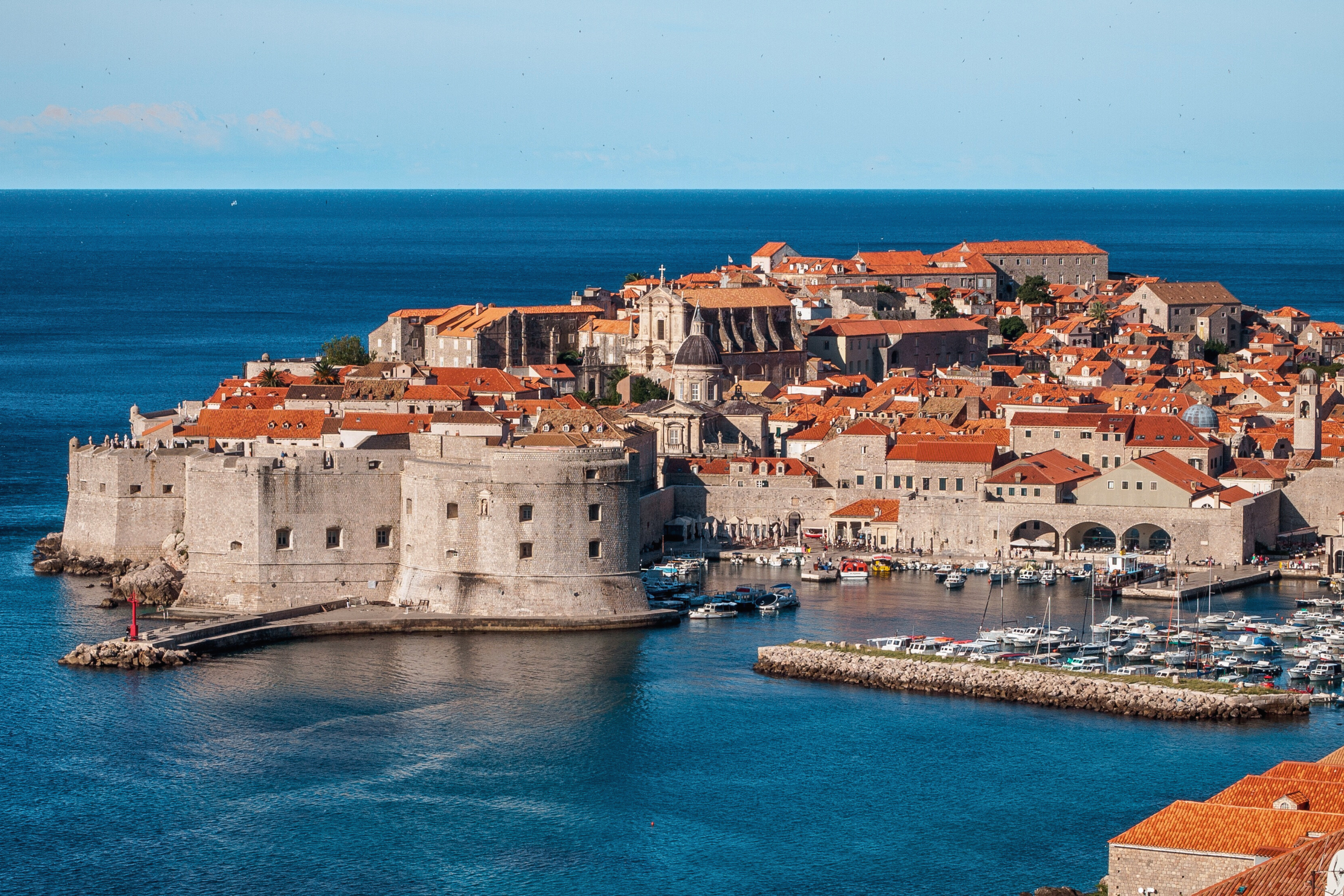
Days 9-10: Mostar, Bosnia & Dubrovnik
12-Day Alpine Explorer
Days 1-3: Alpe di Siusi, Italy (Dolomites)
-Days 4-5: Hallstatt, Austria
Days 6-7: Salzburg
Days 8-10: Interlaken & Lauterbrunnen, Switzerland
Days 11-12: Vršič Pass & Julian Alps, Slovenia
2-Week Eastern European Discovery
Days 1-3: Krakow, Poland
Days 4-5: Bratislava, Slovakia
Days 6-7: Brasov, Romania (with Dracula castle day trips)
Days 8-9: Sibiu, Romania
Days 10-11: Berat, Albania
Days 12-14: Kotor, Montenegro
Frequently Asked Questions About European Travel 2026
-
From late 2026, US, UK, Canadian, and Australian travelers will need an ETIAS travel authorization (€20, valid 3 years) in addition to a valid passport. Apply online at the official EU website at least 2 weeks before travel.
-
Shoulder seasons (April-May and September-October) offer ideal weather with fewer tourists. Avoid July-August in popular destinations like Venice, Barcelona, and the Amalfi Coast.
-
Budget €50-150 per day depending on destination. Eastern European cities (Bratislava, Krakow) are more affordable (€50-80/day) than Western Europe (€100-150/day). Factor in new tourist taxes ranging from €2-20 per night.
-
Secondary cities like Ghent, Freiburg, Porto, Bratislava, and Sibiu offer authentic experiences with fewer crowds. The Lofoten Islands, Slovenia, and Romania are also excellent alternatives to overcrowded hotspots.
-
DIY planning is almost always cheaper and offers more flexibility. European package tours add 30-50% markup for convenience. However, packages can save time if you're short on planning hours. Middle ground: book flights and hotels yourself, then add day tours at destinations for guided experiences without the full package premium. Use comparison sites to ensure you're getting competitive rates.
-
Eat where locals eat: Walk 2-3 blocks away from major sights; prices drop dramatically. Avoid restaurants with photo menus, multilingual staff hawking on the street, or locations directly on main squares.
Ask locals: Hotel staff, Airbnb hosts, and shop owners give the best recommendations. Ask "where do YOU eat?" not "where should tourists eat?"
Visit off-hours: Arrive at major sights at opening time or late afternoon when tour groups leave.
Explore residential areas: The most authentic neighborhoods are where people actually live, not tourist zones.
Skip "traditional" tourist shows: Flamenco in Barcelona is fake; go to Seville. Avoid "medieval banquets" and contrived cultural performances.
-
1. Trying to see too much - Rushing between cities every 1-2 days is exhausting. Stay minimum 3 nights per destination.
2. Only visiting famous cities - London, Paris, Rome are wonderful but overcrowded. Secondary cities offer better value and experiences.
3. Not booking ahead - Assuming you can just "show up" works in shoulder season but summer requires advance booking (2-3 months).
4. Overpacking - European cities have cobblestones and stairs. Pack light—you can do laundry or buy what you forgot.
5. Poor bag choice - Huge suitcases are nightmares on trains and cobblestones. Choose a carry-on backpack or wheeled bag.
6. Not validating train tickets - Many European trains require validating tickets at machines before boarding or face fines.
7. July-August travel - Peak season means peak crowds and peak prices. Shoulder seasons are infinitely better.
-
Europe is increasingly accommodating to dietary restrictions, especially in major cities. Vegetarian/vegan options are widely available. Gluten-free is understood in most places (though less so in Eastern Europe). Food allergy awareness is growing but less standardized than in the US.
Tips by restriction:
Vegetarian: Easy everywhere. Italy (pasta, pizza, risotto), Greece (mezze, salads), Spain (tapas) have abundant options.
Vegan: Easier in UK, Germany, Netherlands, Scandinavia. Download HappyCow app for vegan restaurant locations.
Gluten-free: Learn the local phrase. Italy surprisingly good (certified gluten-free pasta common). Harder in Eastern Europe. Many naturally gluten-free options: grilled meats, seafood, rice dishes, potatoes.
Allergies: Learn key phrases: "I'm allergic to..." in local language. Carry allergy cards in multiple languages. European food labeling is strict—packaged foods clearly mark common allergens.
Religious dietary: Halal widely available in major cities. Kosher available in cities with Jewish communities (Prague, Budapest, Paris, Amsterdam, Rome).
-
Eurail passes make sense if you're: traveling to 4+ countries in 2-3 weeks, doing lots of train travel, want maximum flexibility, don't want to book ahead.
Individual tickets are cheaper if you: book 2-3 months in advance, have a set itinerary, are visiting 1-3 countries, aren't moving every 2 days.
Cost comparison: Do the math. Add up all your planned train journeys, book them individually online to see real prices, then compare to relevant Eurail pass cost.
Pro tip: High-speed trains (France TGV, Italy Frecciarossa) require advance seat reservations even with Eurail pass, adding €10-25 per journey. This cuts into pass savings.
Best of both: Book long-distance trains individually in advance (big savings), use regional trains or buses for shorter hops (cheap anyway).
The Scenic Route Traveler inspires intentional travel through storytelling, hidden gems, and culturally rich experiences around the world.
-
I’m Erin, the voice behind Scenic Route Traveler, sharing intentional travel stories and guides from around the globe.
-
We deliver travel guides and storytelling through YouTube, social media, photography, and digital products designed for fellow travelers.
-
If you’re new here: this is a space for travelers who care more about how a place feels than how it looks on a checklist. You’ll find guides, stories, and resources designed to help you slow down and travel with intention.