
Chicago Winter Guide: Things to Do, What to Expect & Local Tips
Chicago in Winter: A No-Bullshit Guide to the City's Coldest Season
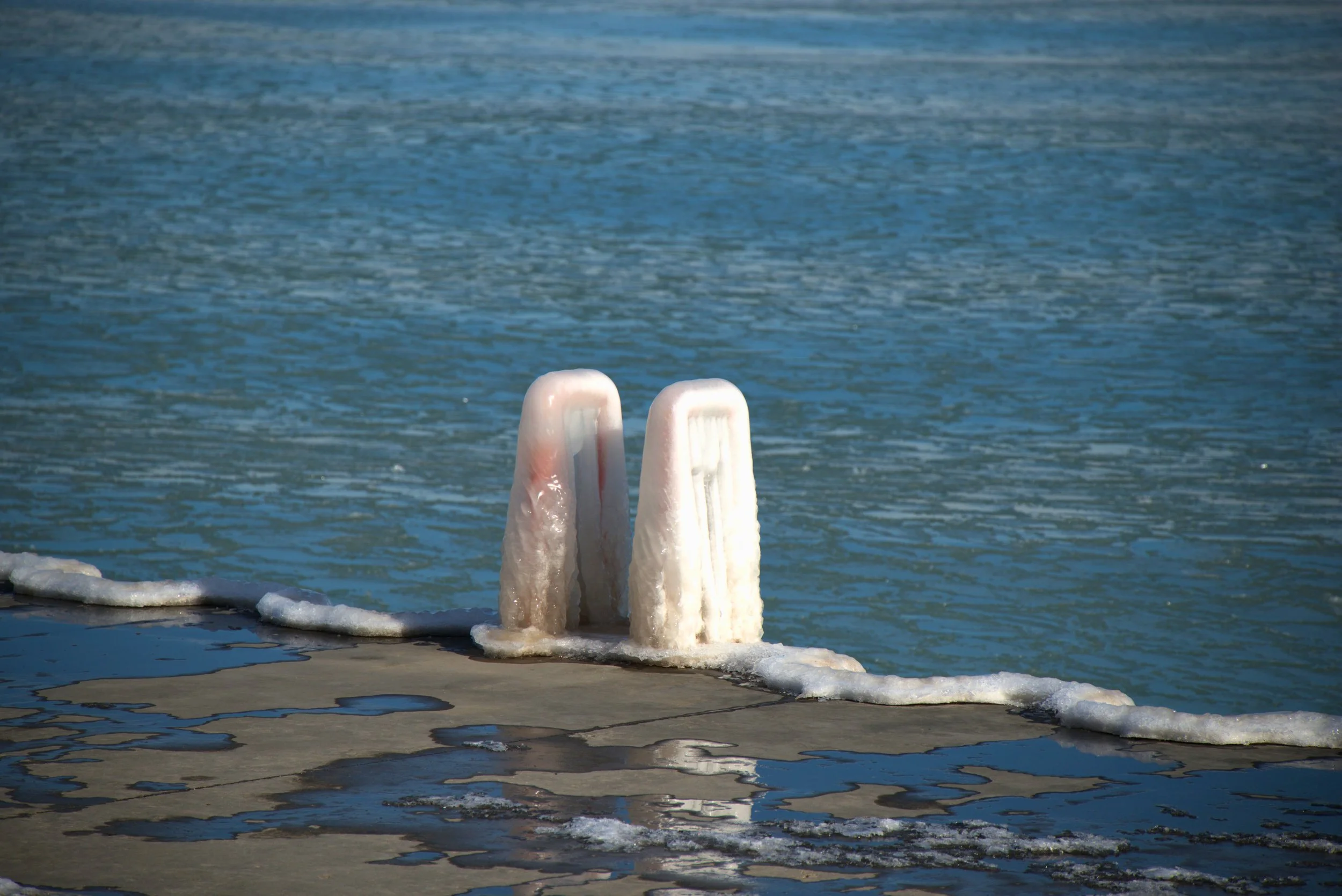
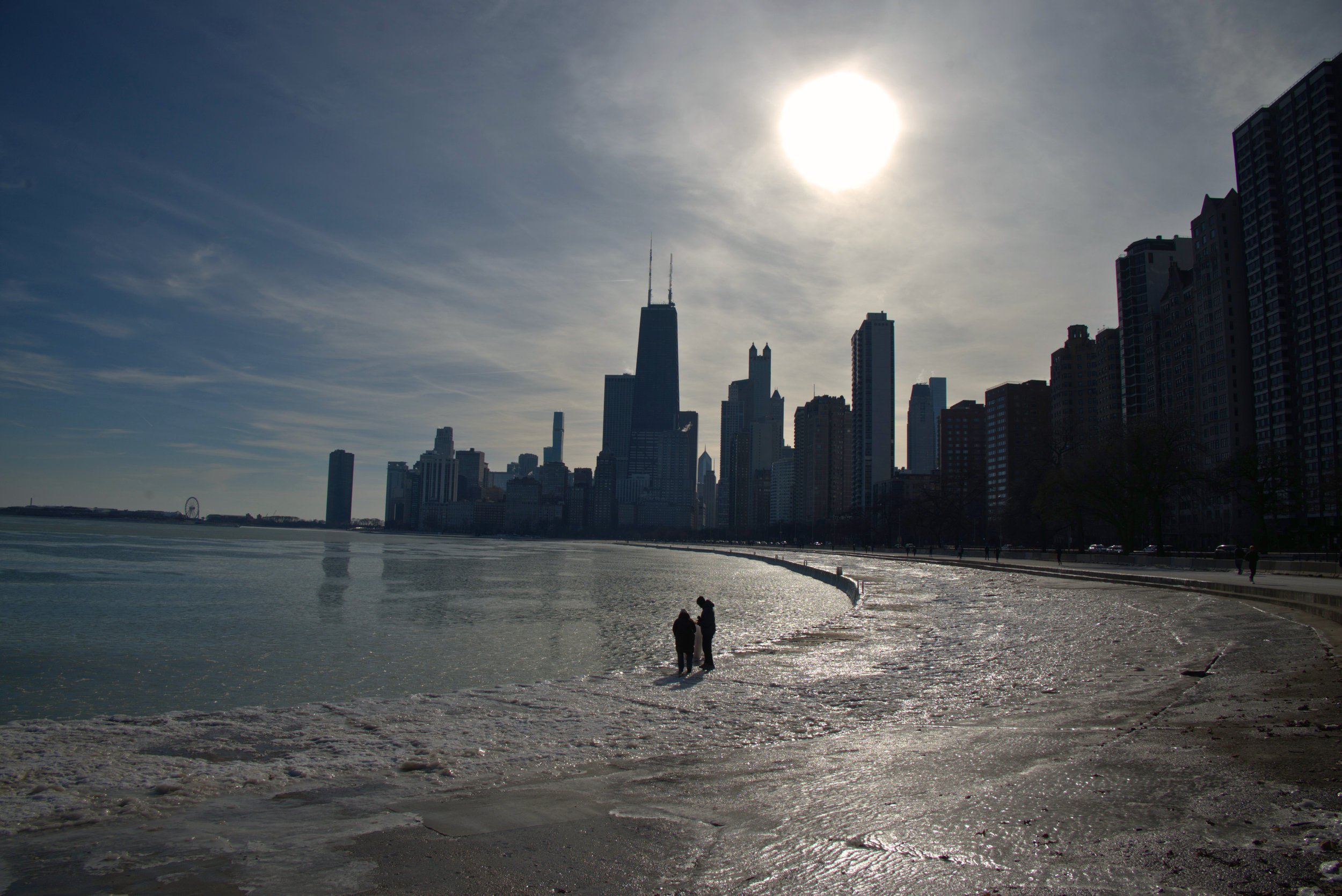
Let me tell you something about Chicago winters that the tourist board won't: they're brutal. I'm talking face-stinging, bone-chilling, question-your-life-choices kind of cold. The kind of cold where your breath crystallizes mid-exhale, and the wind off Lake Michigan hits you like a physical assault.
But here's the thing, and this is what separates the tourists from the people who truly understand, Chicago doesn't just survive winter. It transforms it into something worth experiencing. The city puts on its best coat, lights a thousand fires, and dares you to find beauty in 20-degree weather. And somehow, impossibly, you do.
This isn't your typical "things are open in winter too!" guide. This is about understanding what makes Chicago winters special, even when they're trying to kill you.
When Winter Actually Happens (And What That Means)
The Real Timeline
Forget what the calendar says. Chicago winter starts sometime in late November when that first real cold snap hits, and it doesn't let go until late March. Sometimes April gets cocky and dumps snow on opening day at Wrigley Field, just to remind you who's boss.
December through early January is the money time—holiday markets, twinkling lights, that collective delusion that snow is romantic before it turns to gray slush. Temperatures hover between 20-40°F, which locals consider "not that bad."
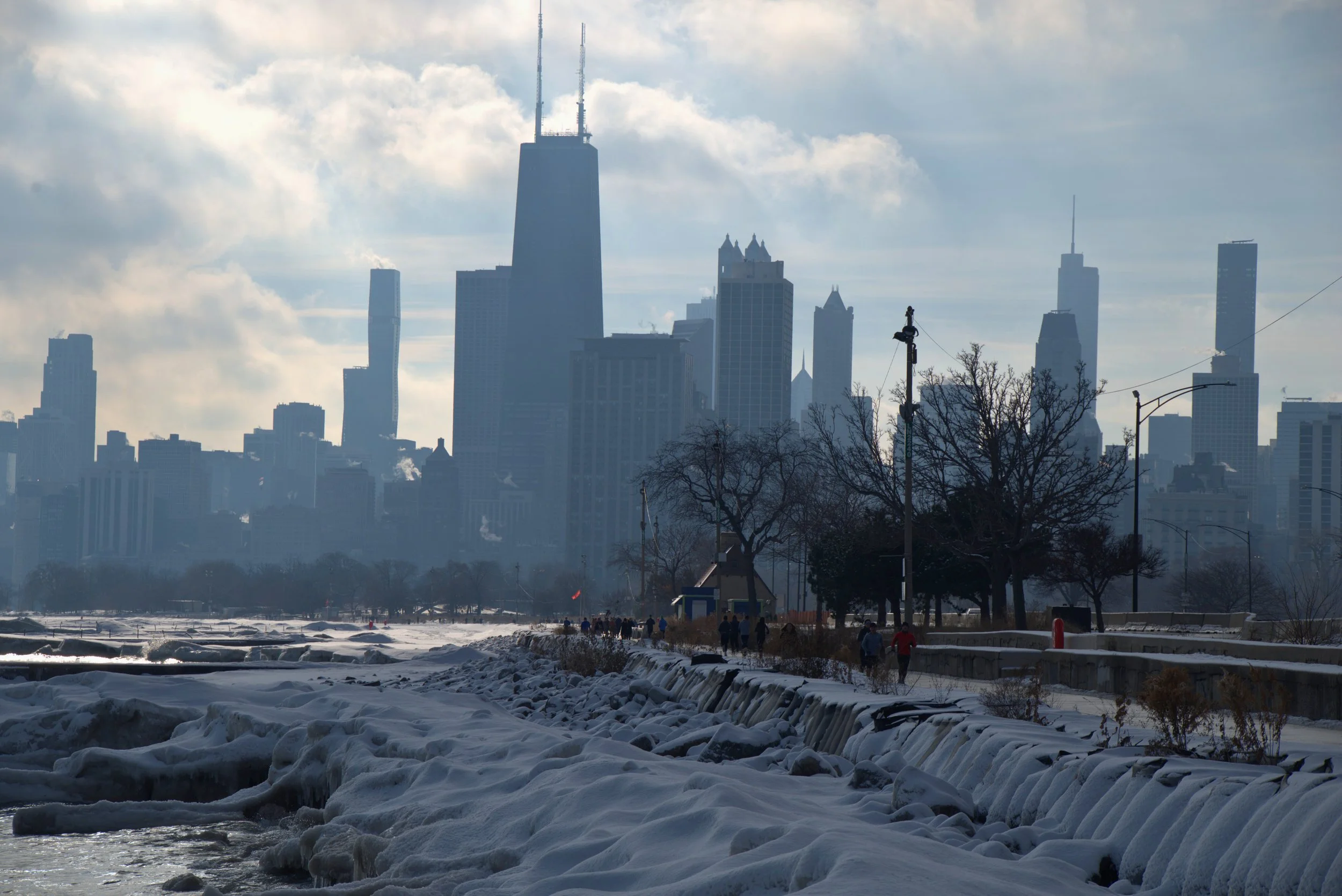
Mid-January through February is when Chicago earns its reputation. We're talking highs in the 30s, lows that can drop to single digits or below zero. Add the wind chill factor from Lake Michigan, and you're looking at -20°F feels-like temps. This is when you see the city's true character: people still going to work, still hitting bars, still living their lives like it's perfectly normal to exist in a frozen wonderland.
March is a liar. One day it's 60°F and sunny, the next day there's a foot of snow. It's the meteorological equivalent of gaslighting.
Why visit in winter? Lower hotel prices, no crowds at major attractions, and the ability to experience Chicago the way locals do, with grit, determination, and an unhealthy relationship with hot chocolate.
This post contains affiliate links. I may earn a commission if you purchase through my links, at no extra cost to you.
Dressing for Survival (Not Instagram)
Look, I've seen tourists in November wearing their "cute" leather jackets and stylish ankle boots. By their second day, they're huddled in Walgreens buying emergency gloves.
Here's what you actually need:
The Core Kit
Your coat situation: This isn't the time for fashion over function. You need a heavy-duty, insulated parka that covers you. Knee-length or longer. Hood mandatory.
Layers are your religion: Thermal base layer (merino wool is the gold standard), then a fleece or sweater, then your coat. Inside most places, you'll be peeling off layers like you're doing a reverse striptease because Chicago cranks the heat to "tropical rainforest" levels indoors.
The extremities matter:
Hat that covers your ears (no, your hood isn't enough)
Scarf or neck gaiter
Real gloves, not those cute knit things, but insulated gloves you can still use your phone through
Boots with actual tread and waterproofing. Snow melts into slush, slush turns streets into salt-crusted obstacle courses.
The salt reality: Chicago dumps industrial amounts of salt on everything. Your shoes will look like they've aged ten years in two months. Locals buy cheap boots they don't care about or accept the cosmetic damage as a winter tax.
The Iconic Winter Experiences
Ice Skating Where It Matters
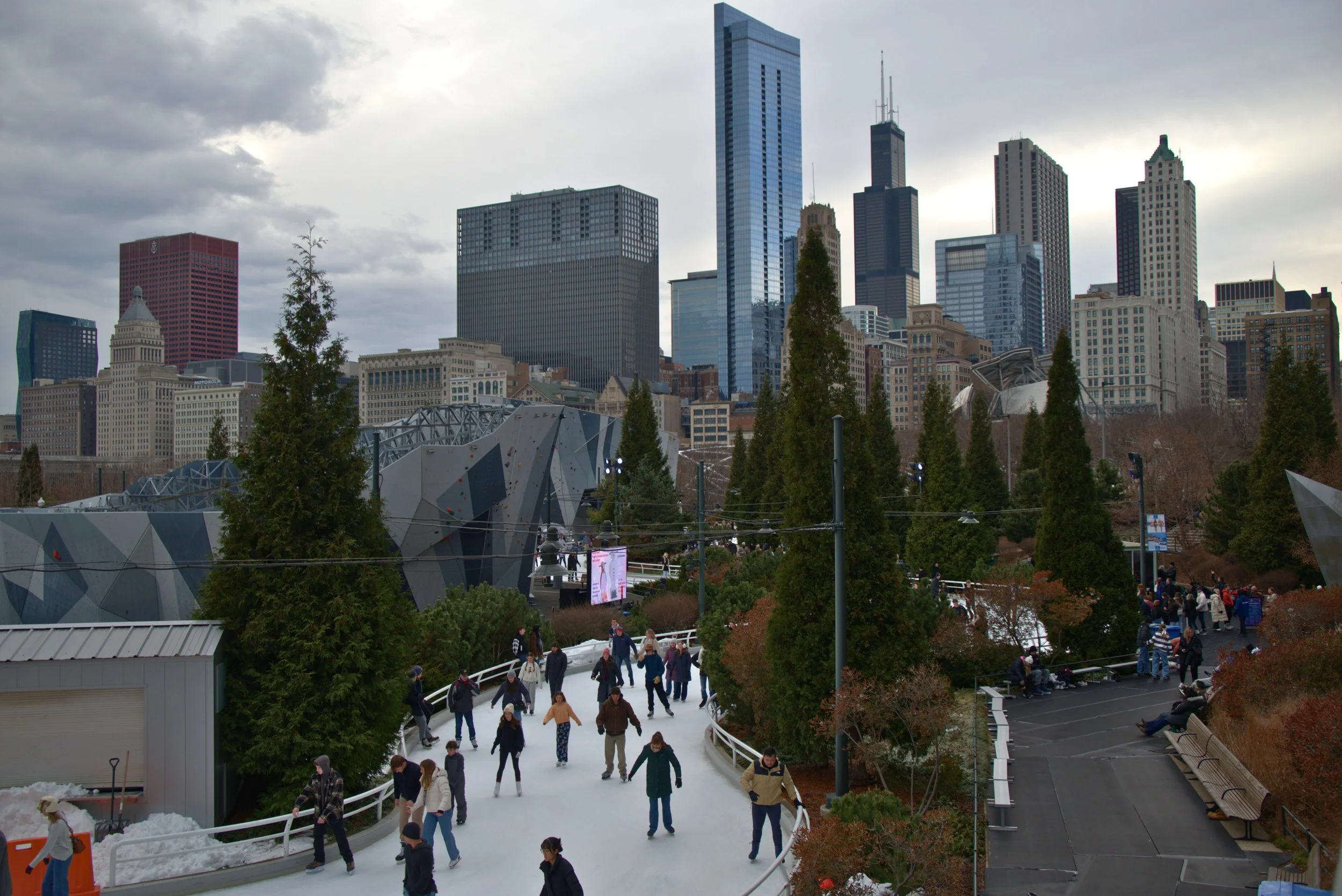
Maggie Daley Park Skating Ribbon
Forget everything you know about ice rinks. This isn't a circle, it's a quarter-mile winding path that curves through the park like someone drew a frozen river through downtown Chicago. You're gliding past a 40-foot climbing wall with the skyline looming behind you, and for a few minutes, you forget that your toes are going numb.
The real advantage: It's free Monday through Thursday if you bring your own skates.
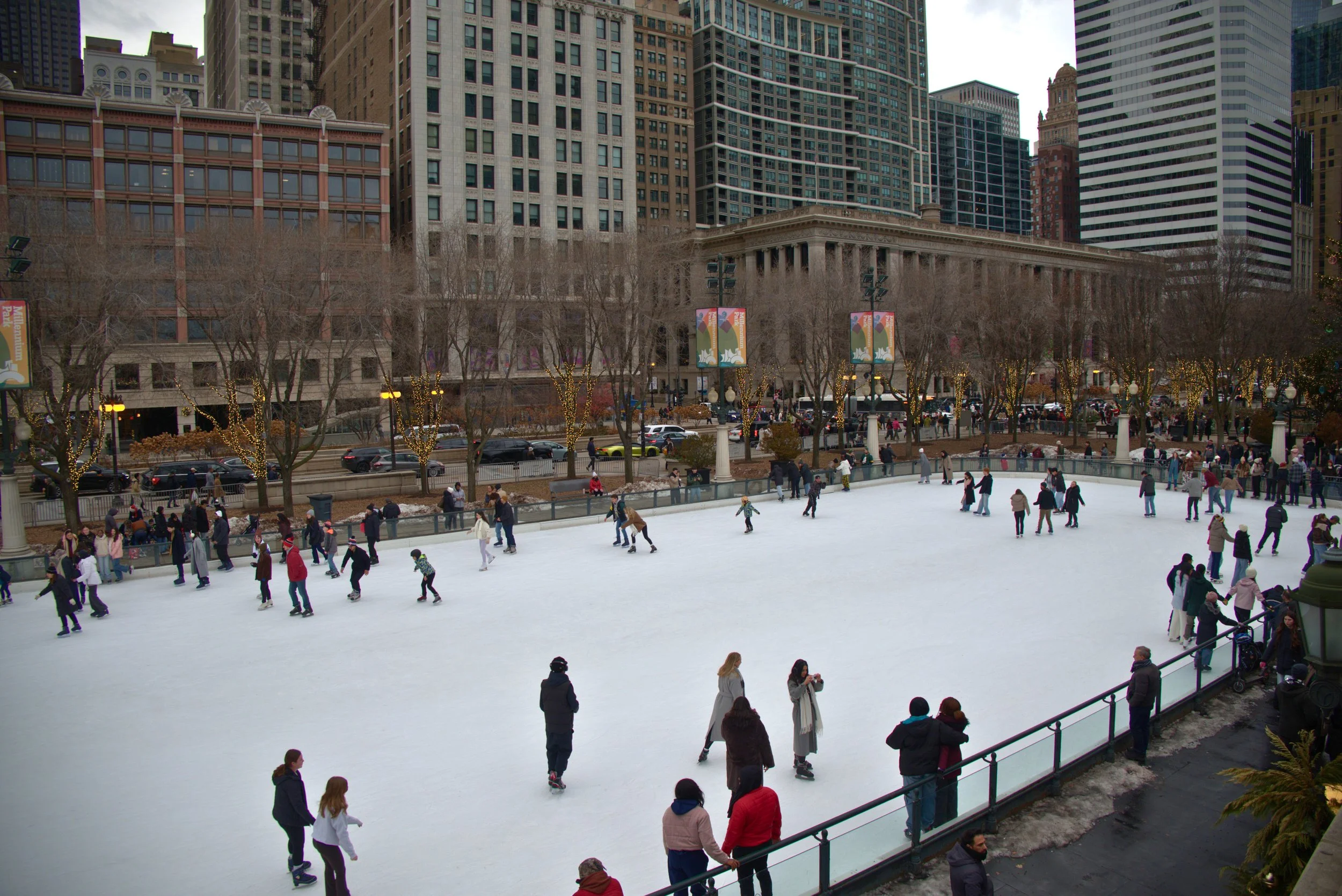
Millennium Park Ice Rink
This is where you skate next to the Bean while Michigan Avenue traffic hums in the background. It's touristy, sure, but there's something undeniably Chicago about it. The rink is free, rentals are $15, and if you're smart, you'll go on a weekday morning when it's just you, some retirees, and that one guy who's way too good at ice skating.
Pro move: Hit the rink at dusk when the city lights start coming on, and the sky turns that particular shade of winter blue-gray that photographers spend their whole careers trying to capture.
Christkindlmarket: German Christmas Done Right
The Daley Plaza Christkindlmarket is where Chicago's German heritage shows up wearing a Santa hat. This is the real deal, a German Christmas market with actual German vendors, imported ornaments, and glühwein (mulled wine) that'll warm you from the inside out.
What makes it work:
The wooden chalets sell everything from hand-carved nutcrackers to raclette
Bratwurst that's actually good, not concession-stand garbage
That moment when you're clutching a mug of hot spiced wine, surrounded by twinkling lights, and you think "okay, winter isn't so bad"
The Wrigleyville location is smaller but less crowded, and you're next to Wrigley Field's Winter Wonderland if you want to make a night of it. Several bars in Wrigleyville go full Christmas-explosion mode, we're talking wall-to-wall decorations, themed cocktails, the works.
Local secret: Go during the week in early December. Weekends are a mob scene.
Hot Tub Boats on the Chicago River
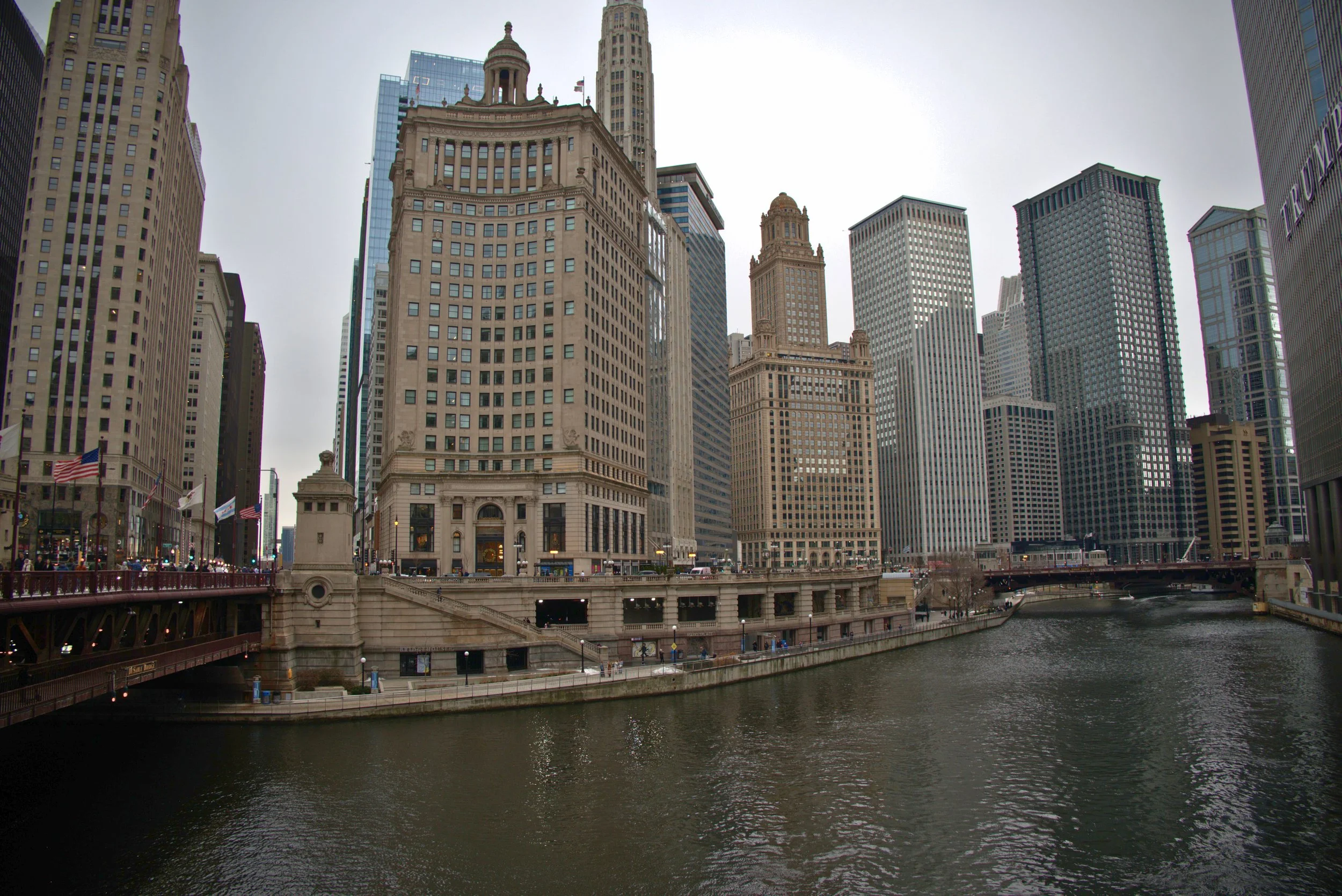
I'm not joking. You can rent a floating hot tub that cruises down the Chicago River. Six people, BYOB, heated water, and the city's architecture rising around you like a frozen cathedral.
Why this is genius: Chicago's architecture is its crown jewel, but in winter, most boat tours shut down. Hot tub boats flip the script, you're warm, slightly drunk, and gliding past buildings that look even more dramatic, dusted with snow.
The catch: The river has to be unfrozen, and you need to book ahead. But if you can make it happen, it's the kind of absurd luxury that makes you feel like you've beaten winter at its own game.
CHICAGO TOURS & EXPERIENCES:
• Chicago Architecture River Cruise: https://tripadvisor.tpx.lu/sbx3urzZ
• Rainy (or cold)-Day Favorite: Architecture Interiors Tour: https://tripadvisor.tpx.lu/J8eq4CFy
• Lake Michigan Sunset Cruise: https://tripadvisor.tpx.lu/mLxAYlnx
The Cultural Escapes (When Outside Is Not an Option)
Some days, winter wins. The windchill is apocalyptic, the snow is sideways, and venturing outside feels like a personal affront to your survival instincts. This is when Chicago's world-class indoor scene saves you.
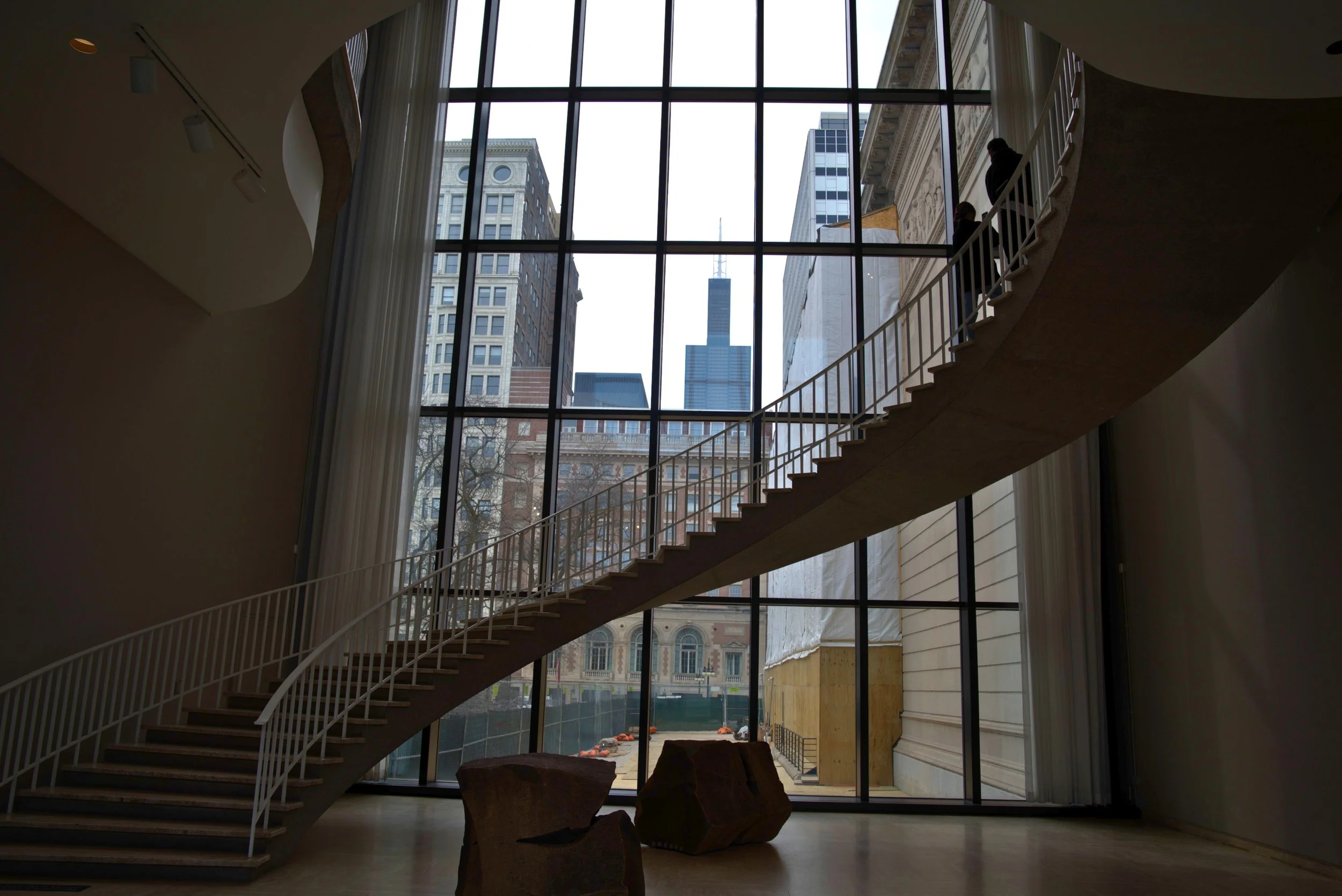
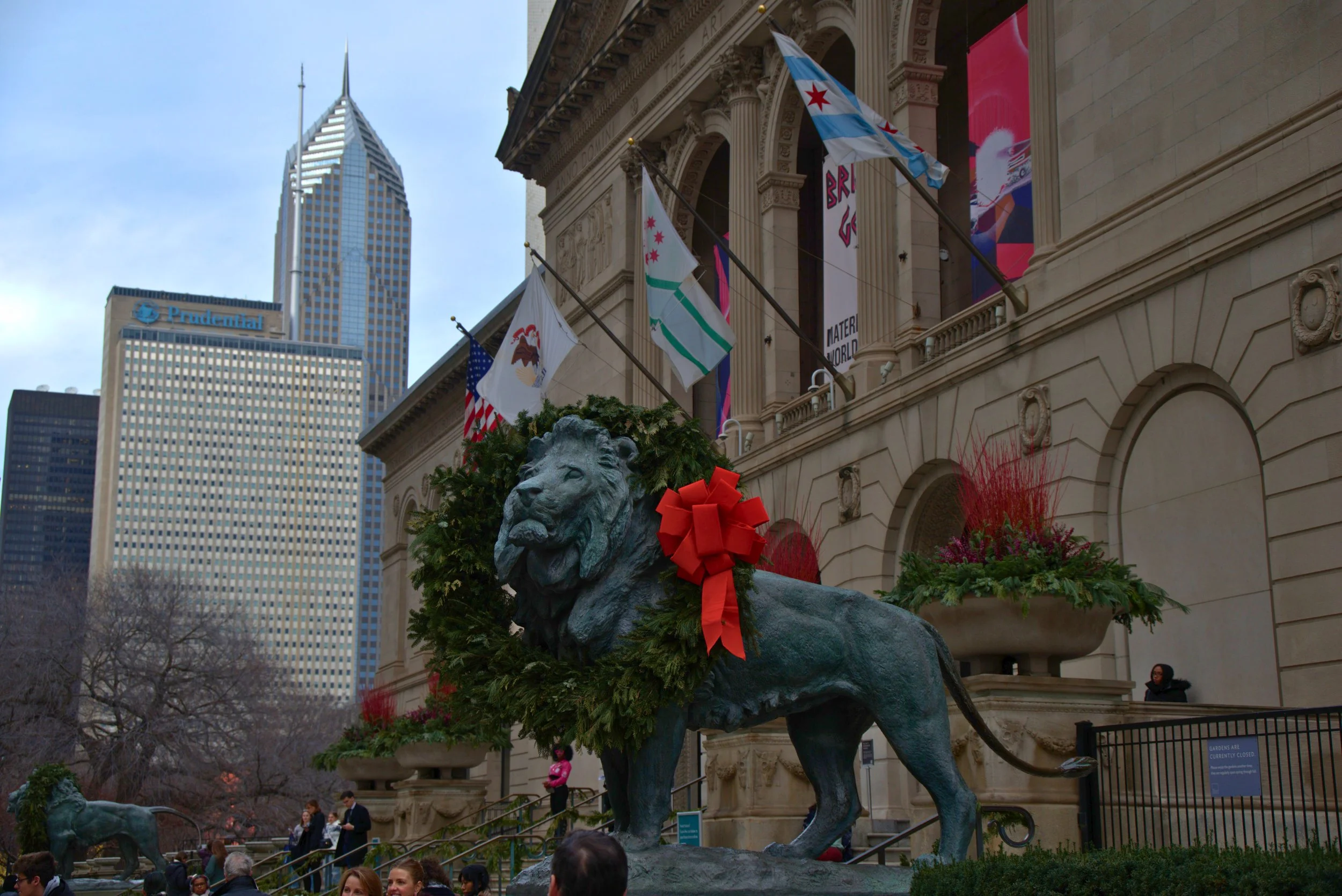
The Art Institute of Chicago becomes a sacred space in winter. You wander past Monets and Hoppers while outside, the city freezes, and there's something profound about that contrast, art made in warm places, viewed from a cold one.
The Museum Campus (Field Museum, Shedd Aquarium, Adler Planetarium) offers Illinois resident free days throughout January, February, and March. Even if you're not a resident, these places are worth the admission. The Field Museum's dinosaurs don't care about wind chill, and watching belugas swim at Shedd while snow falls outside is oddly meditative.
The Underground Pedway System is Chicago's secret weapon, a system of tunnels connecting buildings in the Loop. It's not beautiful, but it's warm, and locals use it to navigate downtown without ever going outside. Smart.
Where to Eat and Drink (The Winter Edition)
Winter eating in Chicago is about seeking warmth, both literal and metaphorical. This is deep-dish pizza weather. Tavern-style sausage and peppers weather. Sit at the bar with a bourbon weather.
The Deep-Dish Debate
Lou Malnati's, Pequod's, or Giordano's? Locals have opinions, and they're all correct depending on mood. Lou's for butter crust, Pequod's for caramelized edges, Giordano's for stuffed. Just know that real Chicagoans don't actually eat deep-dish that often; it's event food. But in winter? Fair game.
The move: Order ahead, pick up, take it back to your hotel room, and eat it in your underwear with the heat cranked. This is the way.
The Neighborhood Taverns
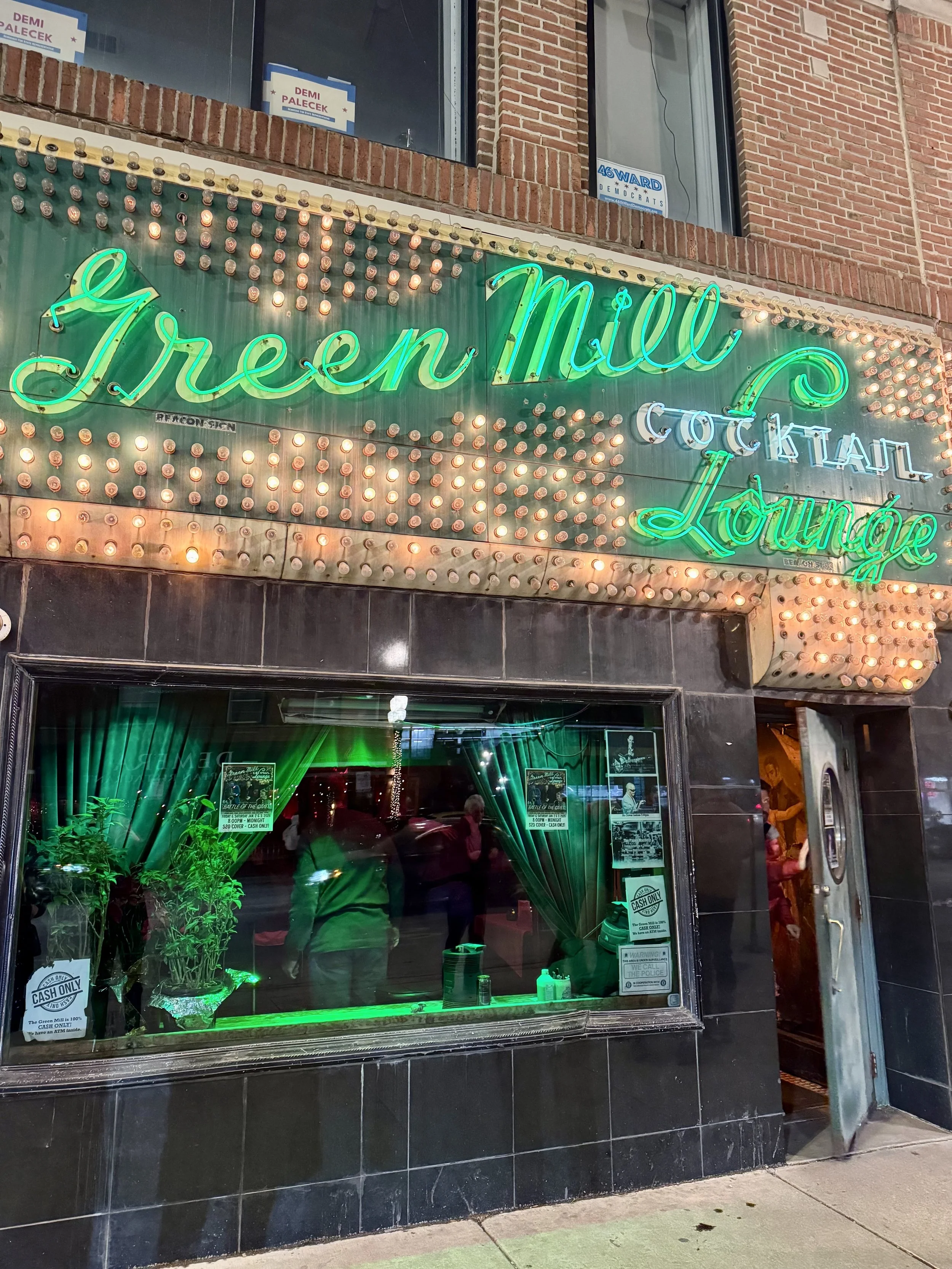
Chicago's soul lives in its neighborhood bars, dimly lit places with Formica tables, Old Style on tap, and that one regular who's been coming here since 1987. In winter, these places become sanctuaries.
Try Schuba's Tavern (Lakeview), The Grafton (Lincoln Square), or any bar that looks like it's been there forever. Order whatever whiskey they're pouring, make friends with strangers, and understand why people choose to live somewhere this cold.
Rooftop Bars with Heated Igloos
Chicago's rooftop scene doesn't die in winter, it evolves. Bars like I|O Godfrey, Cindy's Rooftop at the Chicago Athletic Association, and The Gwen install heated domes, fire pits, and personal igloos that make you feel like you're in a very chic snow globe.
Why it's worth it: Drinking outdoors in February is either stupid or brilliant, depending on execution. These places execute brilliantly. You're cozy, buzzed, and looking at a skyline that's sharp and clear in winter air.
When to Visit Chicago in Winter: Month-by-Month Breakdown
Chicago winter runs from late November through March, but each month offers a completely different experience. Here’s what to expect.
December
Weather: 20-40°F, with nights dropping to the teens. About 26 days below freezing.
The vibe: Holiday magic is in full effect. This is Chicago showing off, twinkling lights, festive markets, that brief window when snow looks picturesque before turning to slush.
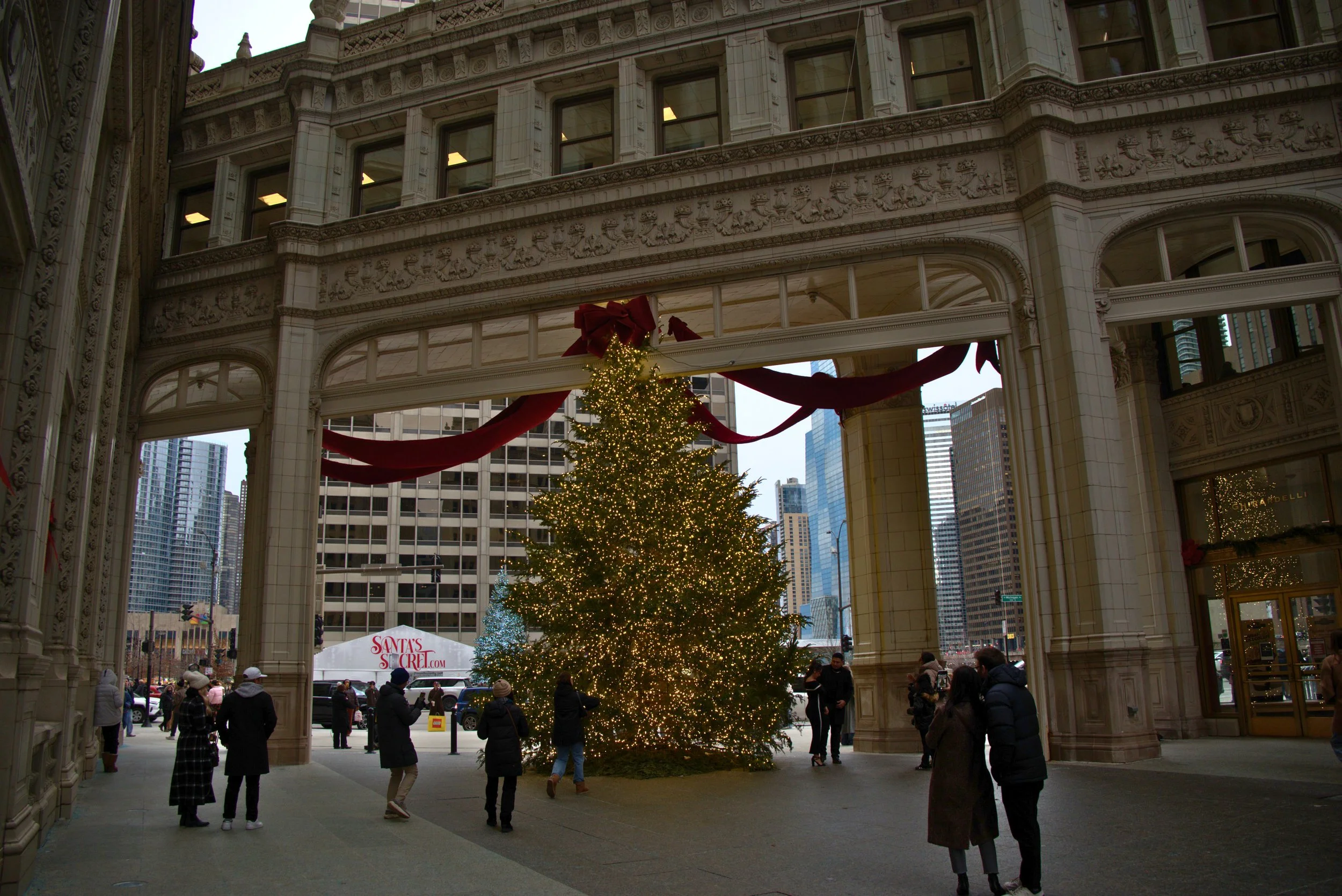
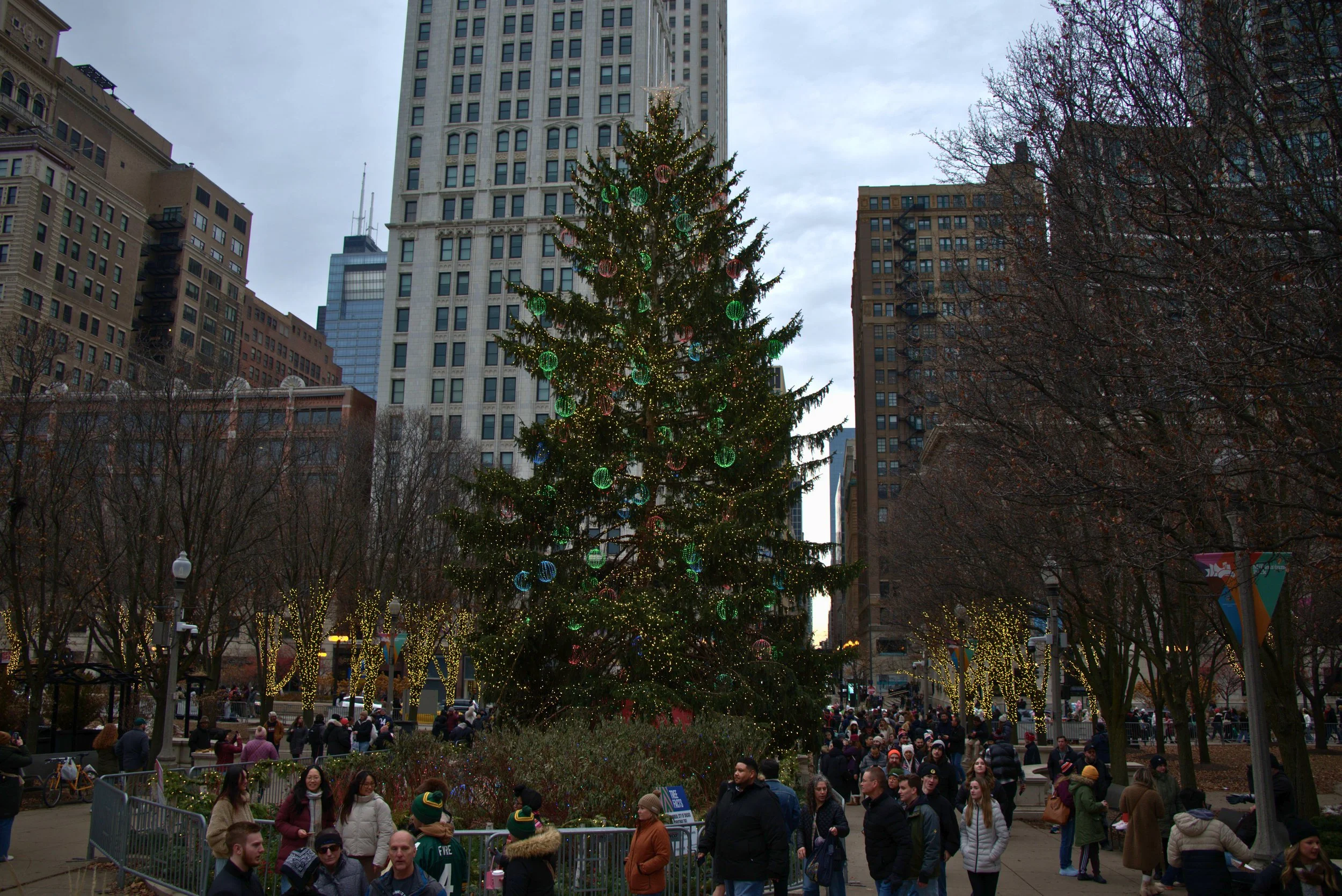
What’s happening: Christkindlmarket at Daley Plaza and Wrigleyville, ZooLights at Lincoln Park Zoo, the official Christmas tree at Millennium Park, ice skating at both major rinks, Navy Pier’s Winter Wonderfest, and holiday displays at museums.
Know before you go: Peak tourism season means higher hotel prices and crowded attractions. Book ahead. Weekday mornings are your friend.
January
Weather: 31°F high, 17°F low, with windchill often dropping to -10°F or colder. Expect about 11 inches of snow and gray skies 85% of the time.
The vibe: The coldest, harshest month. Locals hunker down. The city keeps moving, but there’s a grim determination to everything.
What’s happening: Chicago Restaurant Week (late January), ice skating continues, Bulls and Blackhawks games, comedy shows at Second City and other venues, Lunar New Year celebrations in Chinatown, and museum free days for Illinois residents.
Know before you go: Hotel prices drop significantly. Attractions are empty. This is when you experience Chicago like a local, museums, bars, restaurants, and the underground Pedway system become lifelines.
February
Weather: 36°F high, 22°F low. Slightly warmer than January but with persistent wind chill and gray skies. About 9 days of precipitation.
The vibe: The test of character. Sunset at 5:30 PM. Everyone’s vitamin D deficient and waiting for spring that feels impossibly far away.
What’s happening: Black History Month programming, Chicago Theatre Week ($15-30 show tickets), Valentine’s Day rooftop igloos and restaurant specials, Chicago Auto Show, and ice skating through early March.
Know before you go: Aim for early February over late January for slightly warmer temps and longer days. Valentine’s week brings activity. Cozy neighborhood taverns are at their best.
March
Weather: 47°F high, 32°F low, but don’t trust it. Temperature swings from -8°F to 88°F are possible. One day it’s spring, the next there’s a foot of snow.
The vibe: Unpredictable and manic. Locals are hopeful, then crushed, then hopeful again. The sun stays out longer (11-12 hours by late March), tricking everyone into thinking winter is over.
What’s happening: St. Patrick’s Day (Chicago dyes the river bright green, seriously), two major parades, Shamrock Shuffle 8K, Chicago Flower & Garden Show, Macy’s Flower Show, architecture boat tours restart (weather permitting), and outdoor dining returns.
Know before you go: Pack for 30-70°F on the same trip. Layer everything. The river dyeing happens the Saturday before St. Patrick’s Day (or the day of, if it’s a weekend). Arrive early—it’s spectacular and crowded.
The Chicago Sports Situation
Chicago sports fans don't hibernate. They just move indoors (mostly).
The Chicago Bulls and Blackhawks play at the United Center, and there's something particularly Chicago about watching basketball or hockey when it's 10 degrees outside. The arena's warm, beer flows, and everyone's wearing a jersey over their winter coat.
The Chicago Bears are the masochists' choice, outdoor football at Soldier Field on the lakefront, where the wind is a sentient enemy. But there's something raw and honest about it. Tailgating in the parking lot, portable heaters, and the kind of camaraderie that only comes from shared suffering.
Curling has exploded as a winter activity. Places like Kaiser Tiger in the West Loop and The Gwen rooftop offer curling with beer. It's social, it's weird, and it feels very "we're making the best of this situation."
Recreation and Social Leagues are always a popular way to beat the cold in Chicago winters. You can grab your group of friends or join a team solo to play on a team across locations in Chicago on all nights of the week.
Day Trips: Frozen Waterfalls and State Parks
If you have a car and a spirit of adventure, winter reveals a side of Illinois most people never see.
Starved Rock State Park (90 minutes west) becomes a frozen wonderland when waterfalls turn to icefalls. The French Canyon Trail is half a mile to the first ice formation, and seeing water frozen mid-cascade is surreal. Bring traction cleats for your boots; ice and hiking don't mix without them.
The catch: This is legitimately cold outdoor activity. You need proper gear, and even then, you're gambling with the weather. But if conditions align, it's the kind of experience you tell people about for years.
The Winter Survival Guide
The Salt War
Salt is everywhere—on sidewalks, streets, your boots, and somehow on your coat. Locals just accept it. You track it inside, it gets on your floors, and by February, everything has a white crust. Resign yourself to this reality.
The CTA in Winter
The "L" train keeps running (mostly), but platforms are open-air and wind tunnels. Buses get stuck in snow traffic. Smart locals give themselves an extra 20 minutes for any commute. Rideshare surge pricing kicks in during storms when everyone remembers they're not that tough.
The Mood Shift
February is dark, literally and metaphorically. Sunset's at 5 PM. Vitamin D supplements become essential. The city's energy changes. Everyone's just waiting for spring. It's okay to acknowledge this.
The counter: Chicago bars, restaurants, and cultural venues understand this. There's a reason the comedy scene thrives here, laughter as a survival mechanism.
Practical Information You Actually Need
Where to Stay
Winter is low season, meaning hotel prices drop and availability improves. Stay in:
Lincoln Park: https://expedia.tpx.lu/Z5Azmqaw
River North: https://expedia.tpx.lu/Xmvq5u5m
Wicker Park: https://expedia.tpx.lu/7452u5Eg
🏠 Hostels & budget stays: https://hostelworld.tpx.lu/CFRrWjPK
Pro tip: Look for hotels with attached parking if you're driving. You don't want to park on the street and come back to your car buried in a snowplow aftermath.
Getting Around
The CTA (train and bus) works year-round, but expect delays during snowstorms. Ventra cards cost $5 plus however much you load on them. Rides are $2.50, day passes are $10.
Walking is feasible if you're properly dressed and distances are reasonable. A mile in August? Easy. A mile in February? That's a meditation on mortality.
Rideshares work until everyone needs one simultaneously during a storm, then prices quintuple and wait times become absurd.
Money Matters
Chicago's expensive, but winter makes it less so. Restaurant reservations are easier, and museums are less crowded. Take advantage.
That said, heating your hotel room to "habitable" is free, but eating and drinking to forget the cold adds up fast.
Sample Itineraries
The Weekend Warrior (2 Days)
Day 1:
Morning: Art Institute of Chicago (warm up, see world-class art)
Lunch: Deep-dish at Lou Malnati's
Afternoon: Millennium Park skating + Bean photo op
Evening: Christkindlmarket at Daley Plaza, dinner in the Loop
Day 2:
Morning: Museum Campus (Field Museum or Shedd)
Lunch: Chinatown dim sum
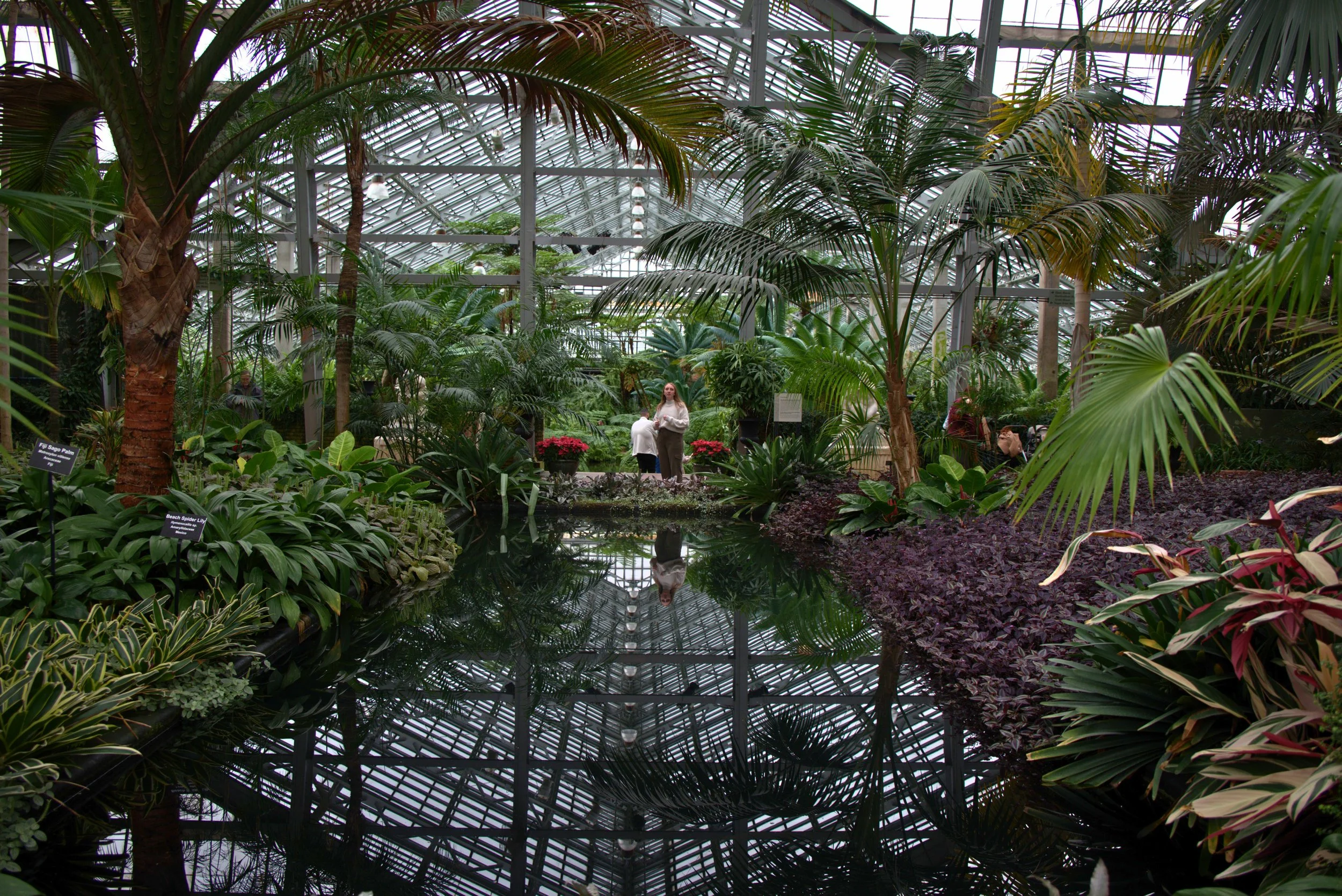
Afternoon: Maggie Daley skating or Lincoln Park Conservatory (tropical greenhouse escape)
Evening: Rooftop bar igloos, late-night comedy at Second City, or head to the Lincoln Park Zoo in December for Zoo Lights
The Long Weekend (3-4 Days)
Add:
Hot tub boat on the Chicago River
Bulls or Blackhawks game at the United Center
Neighborhood exploration (Wicker Park, Logan Square, Lakeview, Andersonville, Hyde Park)
Day trip to Starved Rock for frozen waterfalls
The Truth About Chicago Winters
Here's what I've learned living here through countless winters: Chicago doesn't try to hide its flaws. The city's frozen for many months a year, the wind is aggressive, and winter overstays its welcome by at least a month.
But there's an honesty to that. No false advertising. Chicago in winter is exactly what it says on the box, cold, challenging, and somehow still worth experiencing.
The locals who survive winter develop this particular pride. They've earned their spring and summer. They've sat in heated igloos sipping bourbon while the temperature dropped. They've navigated ice-covered sidewalks in the dark. They've seen the city at its harshest and stuck around anyway.
As a visitor, you get a taste of that. You see a major American city that refuses to shut down for the weather. You drink coffee on a rooftop when it's 25 degrees because the view's worth it. You skate next to the Bean while your face goes numb and somehow feel alive.
Is it for everyone? Absolutely not. But if you're the type of person who appreciates a place that makes you work for it, who finds beauty in adversity, who thinks there's something romantic about a city that looks dramatic covered in snow, then winter Chicago will get under your skin.
Just wear a good coat.
Watch my Chicago winter experience on YouTube and see exactly what I'm talking about. Because sometimes, you need to see someone else suffering through 20-degree weather to understand it's actually kind of amazing. https://www.youtube.com/watch?v=MKOZlu_bTeI
Have questions or want to share your Chicago winter stories? Drop them below. And if you've survived a Chicago winter, you've earned the right to brag about it.
Frequently Asked Questions About Visiting Chicago During the Winter
-
Depends on your tolerance for cold. If you need 70-degree weather to enjoy a city, stay home. But if you can appreciate a place on its own terms—brutal weather and all—Chicago reveals something special in winter. Lower prices, fewer crowds, and a city that refuses to shut down just because it's freezing. There's dignity in that
-
No, you don’t need to speak Korean to visit Seoul, but learning basic phrases helps and is deeply appreciated by locals.
Average daily highs are 30-38°F from December through February. But windchill from Lake Michigan can push feels-like temperatures to -10°F or colder. January and February are the worst. Some years are mild; others, you question every life decision that brought you here.
-
Heavy winter coat (long, insulated, hooded), thermal base layers, real gloves, warm hat covering your ears, scarf or neck gaiter, waterproof boots with traction. Layers you can peel off indoors because Chicago overheats buildings like it's compensating for something.
-
Yes, but pick your battles. Ice skating, Christmas markets, and short walks between restaurants are manageable. Architectural river cruises pause for winter (frozen river). Hot tub boats work if the river's not frozen. Plan for shorter outdoor stints and frequent indoor warm-ups.
-
No, it's from 19th-century politics—Chicago politicians were "full of hot air." But the wind off Lake Michigan in winter is real and vicious. The nickname fits accidentally.
-
Chicago mostly handles it. Plows work around the clock, salt flows freely, and the city keeps moving. But expect transit delays, difficult street parking, and sidewalks that become ice rinks. Locals just bundle up and deal with it.
-
Wicker Park and Bucktown for food and bars with easy ducking indoors between spots. The Loop for museums and the Pedway system. Lincoln Park for the zoo (free) and conservatory (warm). Chinatown because hot pot in winter is life.