

One Week in Egypt Itinerary: 7-Day Guide (2026) | Cairo, Luxor & Aswan


One Week in Egypt: The Ultimate 7-Day Itinerary
Visiting Egypt for the first time is an immersive journey into the cradle of ancient civilization, where the timeless wonders of the Pharaohs unfold against a backdrop of mystique and grandeur. From the iconic pyramids of Giza, standing as a testament to human ingenuity, to the ancient temples of Luxor and the bustling markets of Cairo, every step unveils layers of history, culture, and the vibrant tapestry of daily life along the Nile.
This comprehensive 7-day Egypt itinerary will guide you through the country's must-see destinations, from Cairo's chaotic energy to Aswan's tranquil Nubian villages. Whether you're marveling at the Sphinx, cruising the Nile, or exploring the Valley of the Kings, Egypt casts a spell on first-time visitors, inviting them to uncover the mysteries of an unparalleled historical legacy.
This post contains affiliate links. I may earn a commission if you purchase through my links, at no extra cost to you.
Quick Trip Overview
Best Time to Visit: October to April (cooler weather, ideal for exploring)
Daily Budget: $50-150/day (mid-range traveler)
Visa: E-visa ($25) or visa on arrival
Currency: Egyptian Pound (EGP) - 1 USD ≈ 31 EGP
Time Zone: EET (UTC+2)
Language: Arabic (English widely spoken in tourist areas)
What You'll See: Pyramids of Giza, Sphinx, Egyptian Museum, Khan El Khalili Bazaar, Luxor Temple, Karnak Temple, Valley of the Kings, Philae Temple, Nubian Village
Book your tours in Egypt with GetYourGuide
Essential Pre-Trip Planning
Booking Your Flights
Most international travelers fly into Cairo International Airport (CAI). I recommend booking flights 2-3 months in advance for the best prices.
Find the cheapest flights to Cairo on Expedia
Getting Your Visa
Egypt offers e-visas that you can apply for online before your trip, or you can purchase a visa on arrival at Cairo Airport for $25 USD. The e-visa process is straightforward and takes about 5-7 business days.
Travel Insurance
Don't skip travel insurance for Egypt. I recommend having coverage for medical emergencies, trip cancellations, and lost luggage. The medical facilities outside major cities can be limited, so proper coverage is essential.
Get a quote from VisitorsCoverage
Staying Connected
Stay connected throughout your trip with an eSIM. No need to hunt for local SIM cards at the airport.
Get your Egypt eSIM from Saily
What to Pack for Egypt
Essential Items:
Modest clothing (covering shoulders and knees for temple visits)
Comfortable walking shoes (you'll be doing a LOT of walking) (Recommendation: Men’s & Women’s shoes)
Sun protection: hat, sunglasses, SPF 50+ sunscreen
Light scarf (for women visiting mosques)
Power adapter (Type C/F, 220V)
Portable charger
Cash in small denominations
Photography Gear:
Camera with a wide-angle lens
Extra batteries and memory cards
Dust protection for equipment


Complete 7-Day Egypt Itinerary
Days 1-2: Cairo - Ancient Wonders & Modern Energy
Cairo, the bustling metropolis on the banks of the Nile, is where ancient wonders coexist with the vibrancy of contemporary life. If you're like many travelers arriving in Egypt, you'll likely fly into Cairo for the start of your trip. The city can be overwhelming at first—it's hectic with lots of people bustling about throughout the day and evening. I love cities with energy, but my first few hours walking around Cairo took some getting used to. Give yourself time to acclimate!
Where to Stay in Cairo
My Recommendation: Madina Hostel- Perfect location in downtown Cairo, close to the Egyptian Museum and Tahrir Square. Budget-friendly with clean rooms and helpful staff.
Other Great Options:
Budget: Cecilia Hotel Cairo
Mid-Range: Steigenberger Hotel El Tahrir OR Viaje Hotel Downtown Cairo
Luxury: Four Seasons Cairo at Nile Plaza OR Waldorf Astoria Cairo Heliopolis
Compare all Cairo hotels on Expedia
Day 1: Arriving in Cairo
Morning: After arriving at Cairo Airport, take a pre-arranged airport transfer to your hotel (much easier than negotiating with taxi drivers after a long flight).
Book your Cairo airport transfer in advance
Check into your hotel and take a few hours to rest and adjust to the time difference.
Afternoon: Head to Zamalek, an upscale island district in the heart of Cairo. This area exudes sophistication with tree-lined streets, elegant villas, and a blend of cultural institutions and chic boutiques. It's the perfect place to ease into Cairo's energy without being completely overwhelmed.
Walk along the Nile Corniche and grab lunch at one of the waterfront cafes.
Evening: Visit Cairo Tower for sunset. This soaring landmark offers panoramic views of Cairo's historic treasures, from the ancient pyramids to the bustling metropolis below.
Pro Tip: One floor below the top viewpoint, there's a cafe where you can grab a sandwich and coffee while admiring the sweeping views of Cairo. Much more comfortable than standing at the outdoor viewpoint!
Where to Eat:
Lunch: Sequoia (Zamalek) - Mediterranean cuisine with Nile views
Dinner: Abou El Sid - Traditional Egyptian food in a beautiful setting
Cost Breakdown Day 1: $60-100 (accommodation, meals, Cairo Tower ticket)


Day 2: Pyramids of Giza & Cairo Museums
This is the big day! I highly recommend booking a guided tour for the pyramids. Even with plenty of time in Egypt, having a guide takes the hassle out of getting around and provides invaluable historical context.
My Experience: I did a private full-day tour that included hotel pickup and drop-off, an Egyptologist tour guide, visits to the Pyramids, Sphinx, Khan El Khalili Bazaar, lunch, and the Egyptian Museum.
BOOK HERE: Great Pyramids of Giza Guided Tour
Important Tip: Start your tour at 7 AM! By starting an hour earlier, we were 45 minutes to an hour ahead of most big tour groups at each location. It made the day feel more relaxed, and at times, we felt like we had the pyramids to ourselves.
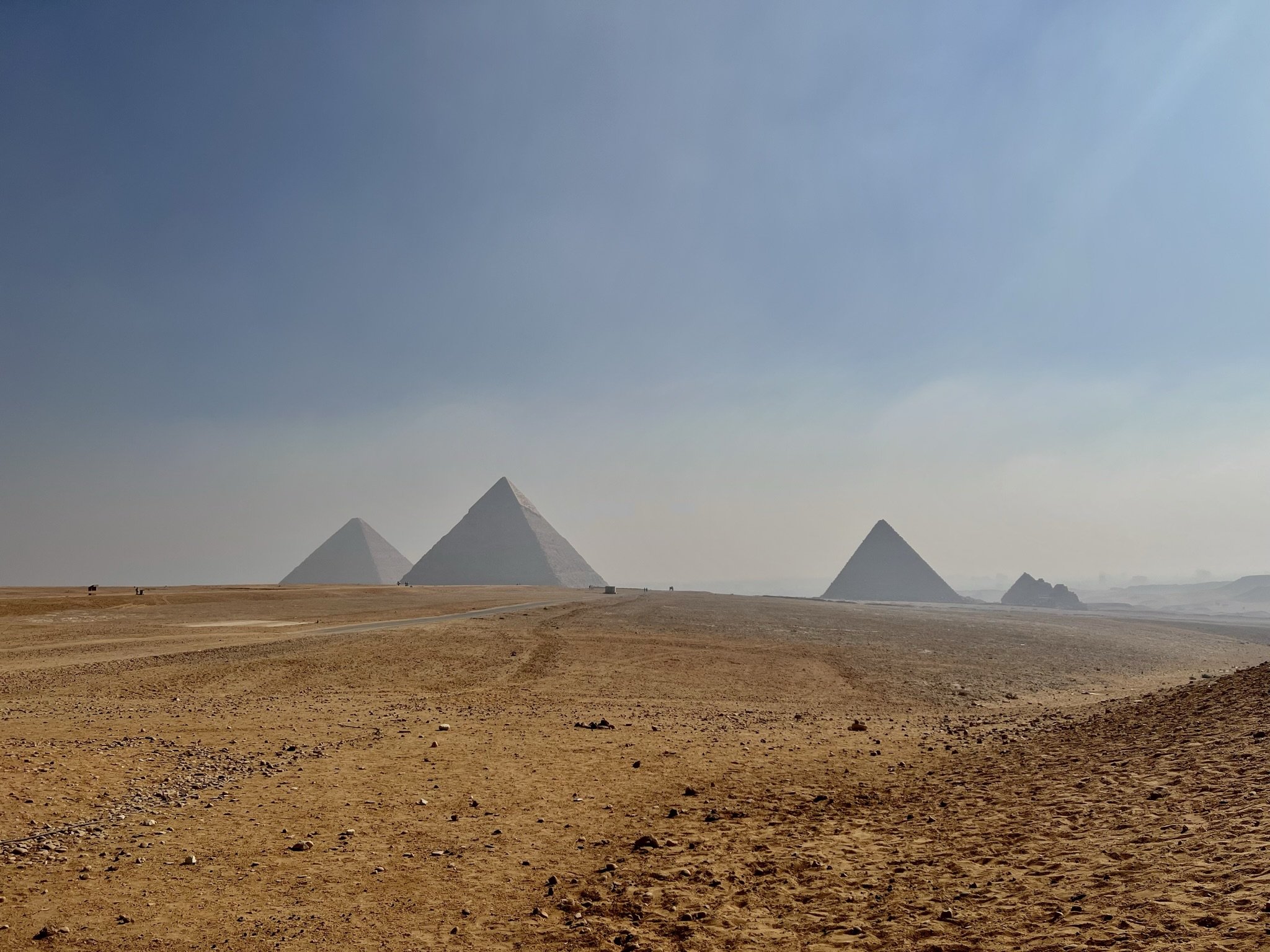
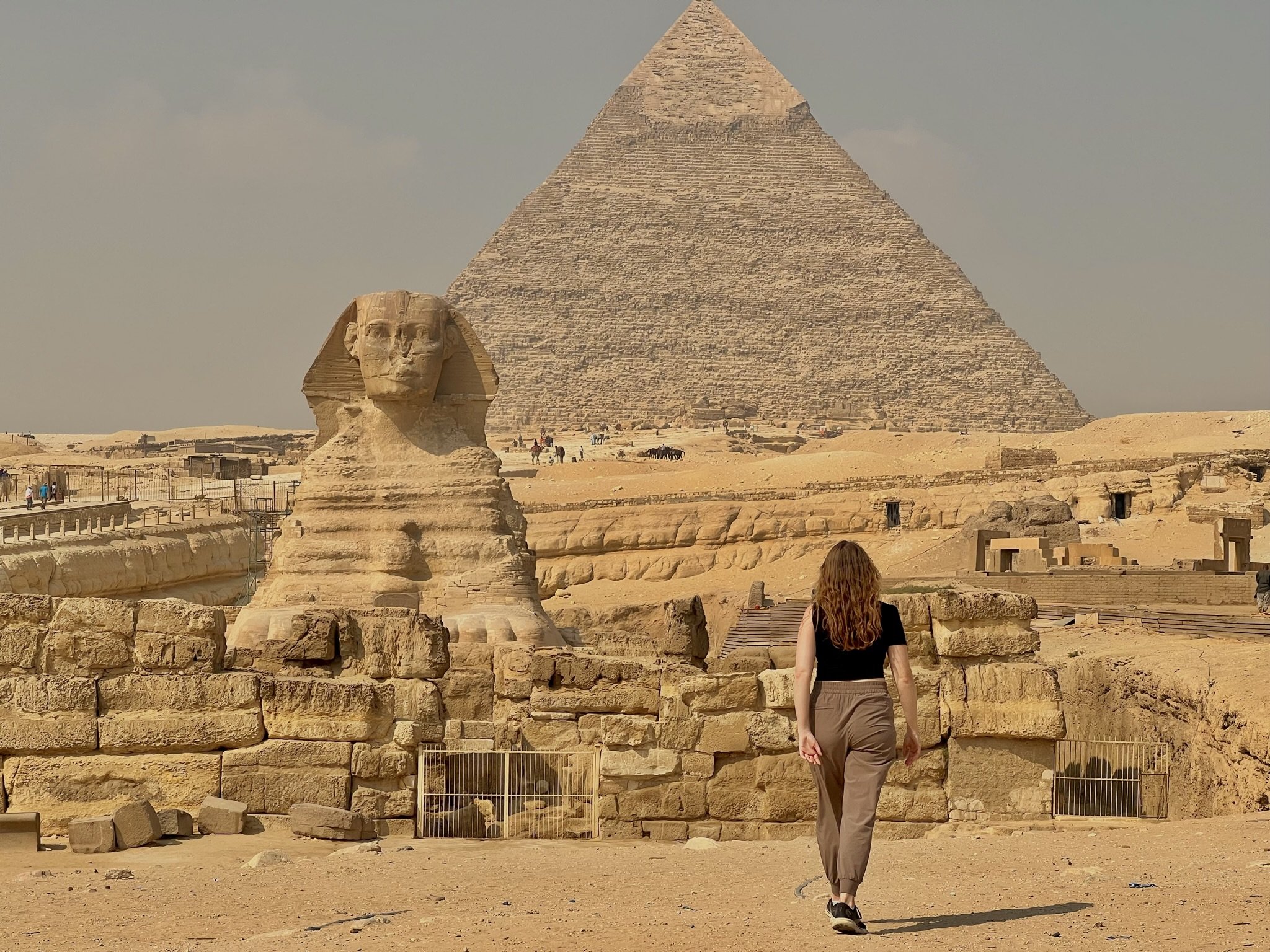
Morning: Giza Plateau The Great Pyramid of Giza dominates the landscape, inviting awe and contemplation as you marvel at the precision and grandeur achieved by ancient architects. You'll visit all three pyramids (Khufu, Khafre, and Menkaure) and the enigmatic Sphinx.
Optional: You can go inside the Great Pyramid, but be prepared for narrow, claustrophobic passages. It costs an additional fee and requires a separate ticket.
Pro Tips for the Pyramids:
Dress modestly and comfortably
Bring cash for tips (bathroom attendants, photo opportunities)
Be firm but polite with vendors
Stay hydrated
The best photo spot is at the panoramic viewpoint behind the pyramids
Afternoon: Egyptian Museum, Home to over 120,000 artifacts, including the famous treasures of Tutankhamun. The golden mask alone is worth the visit. Plan for at least 2-3 hours here. Your guide will show you the highlights, but you could easily spend an entire day exploring.
If your pyramids tour doesn’t include this museum, you can book a separate private showing.
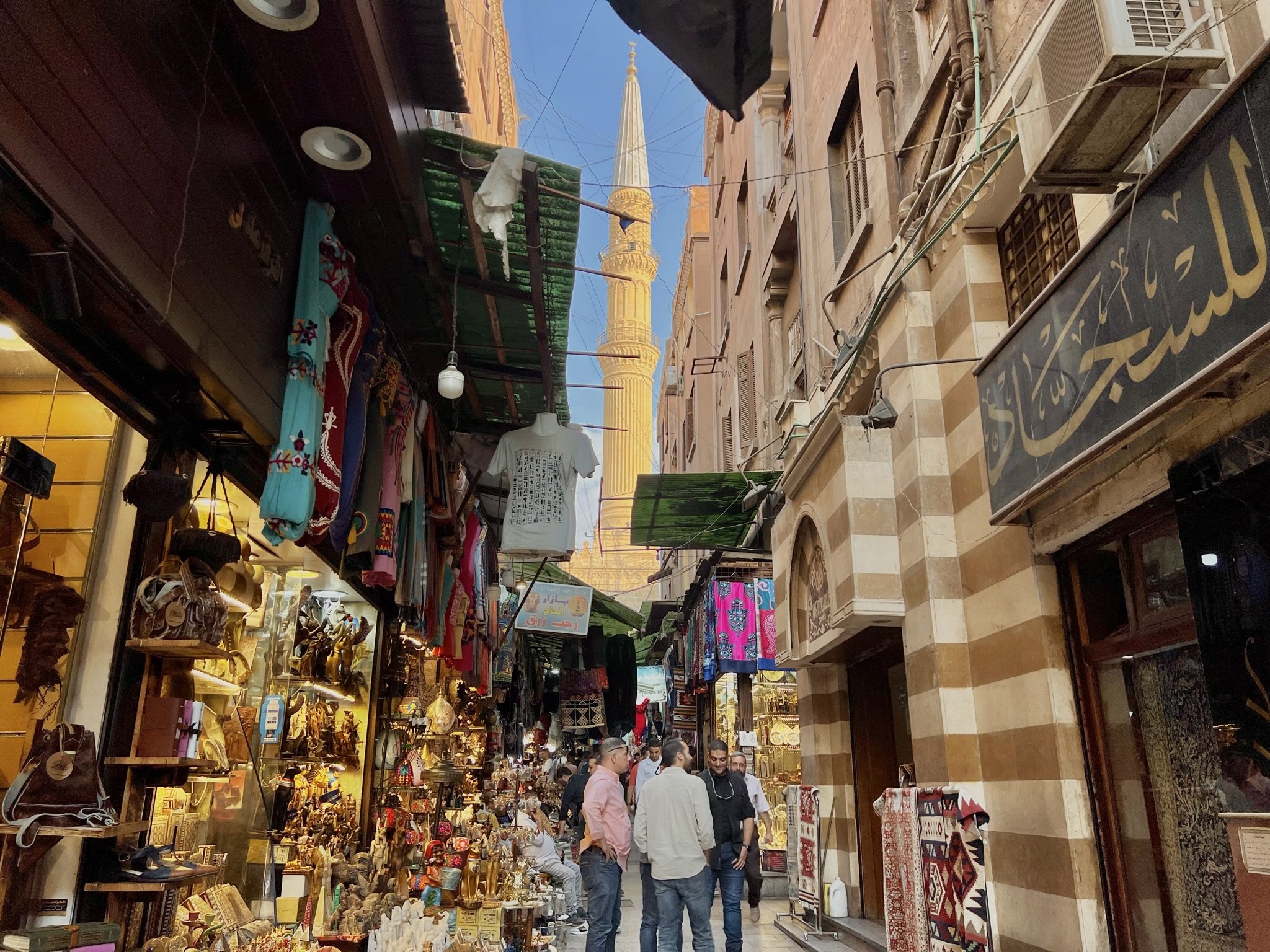
Late Afternoon: Khan El Khalili Bazaar. This historic bazaar and souk in the heart of Cairo is where I did most of my souvenir shopping. There are many stalls where you can bargain to get the best price. Don't accept the first price—negotiate! Start at 30-40% of the asking price.
Same for this bazaar, you can book a street tour separately.
This area is also near Al Moez Ldin Allah Al Fatmi, the oldest street in Cairo. Take a walk through this historic area before sunset.
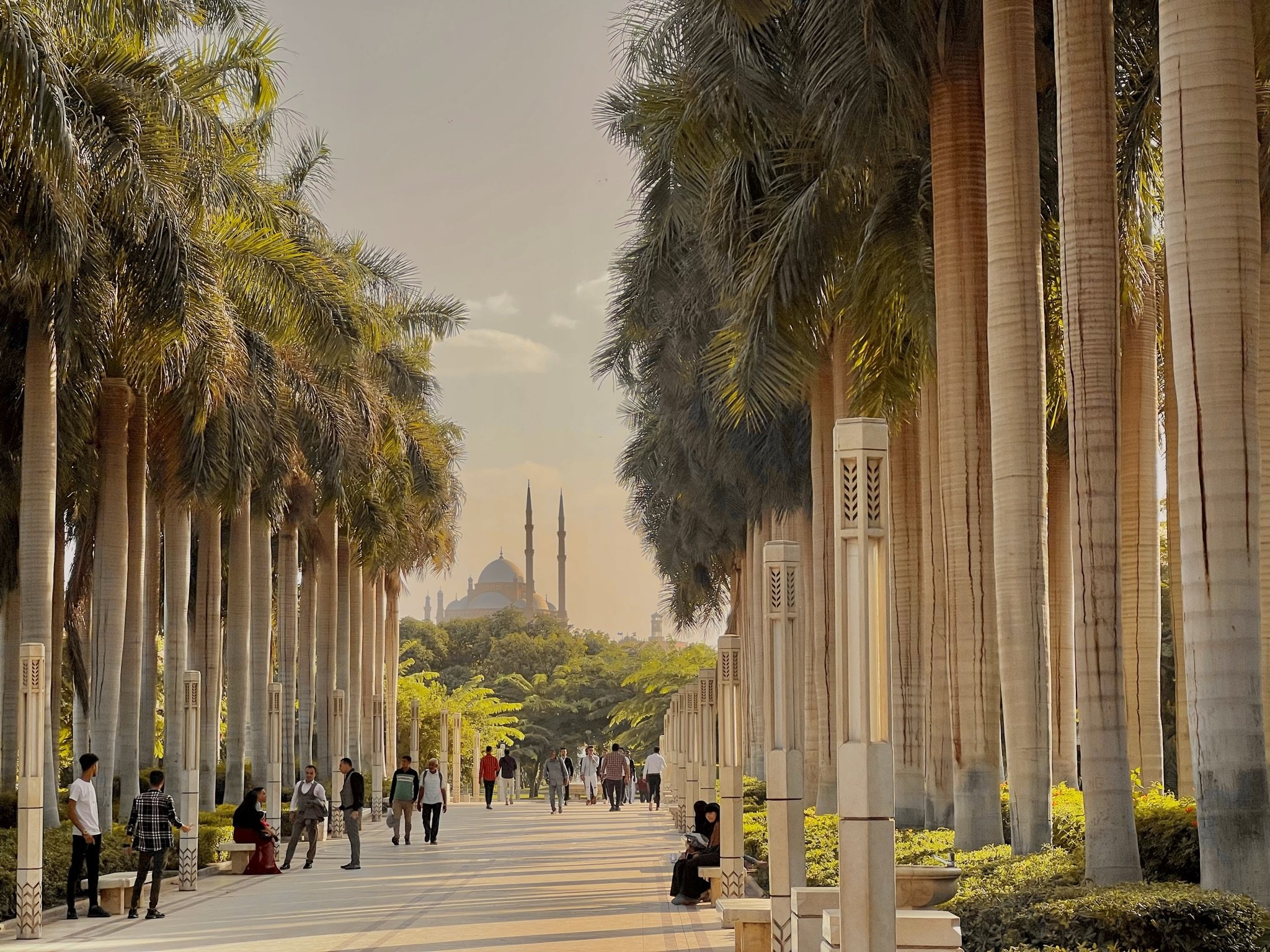
Evening: If you still have energy, visit Al-Azhar Park for sunset. This might not be on many travel blogs, but it was one of my favorite places in Cairo. It's a quiet, beautiful park that gives you peace amid the bustling metropolis. You get grand views of the Mohamed Ali Mosque and other neighborhoods of Cairo.
Where to Eat:
Lunch: Included in tour at local restaurant
Dinner: Naguib Mahfouz Cafe (Khan El Khalili) - Traditional Egyptian cuisine in a historic setting
Cost Breakdown Day 2: $70-120 (tour, entrance fees, meals, souvenirs)
For more detailed Cairo recommendations, check out my in-depth Cairo travel guide


Days 3-4: Luxor - The World's Greatest Open-Air Museum
Luxor, often called the "world's greatest open-air museum," showcases the remnants of ancient Thebes. The city unfolds as a living testament to the grandeur of Pharaonic architecture with its awe-inspiring temples and elaborate royal tombs.
Getting to Luxor from Cairo
Option 1: Fly (Recommended for 7-day itinerary) One-hour flight from Cairo to Luxor. Costs around $60-100 USD per person. This saves you valuable time.
Find the cheapest flights to Luxor on Expedia
Option 2: Overnight Train More affordable at around $30-40 USD for a first-class sleeper, but takes 10-12 hours. We heard mixed reviews about comfort and cleanliness, but it's certainly budget-friendly.
Option 3: Nile Cruise If you have 10+ days, consider a multi-day Nile cruise from Cairo to Luxor (or vice versa), stopping at temples along the way.
Where to Stay in Luxor
My Recommendation: Hotel Pavillon Winter Luxor - This hotel shares grounds and pool with the famous Winter Palace Luxor, which has hosted Winston Churchill, Jackie Kennedy, Prince Charles, Princess Diana, and Agatha Christie (who wrote Death on the Nile here!). The gardens are breathtaking and the pool is perfect after long days of exploring. I'd absolutely stay here again.
Other Options:
Budget: Bob Marley Peace Hotel
Luxury: Hilton Luxor Resort & Spa
Day 3: Luxor West Bank
Start early to catch the magical sunrise hot air balloon spectacle over Luxor. Even if you don't ride in one, wake up early to watch them from your hotel or the Corniche. The sight of dozens of colorful balloons floating over ancient temples as the sun illuminates the valley is unforgettable.
Want to ride in a hot air balloon? Book your sunrise balloon ride here
Morning West Bank Tour: I highly recommend hiring a guide for the West Bank. The sites are spread out (45 minutes from central Luxor), and having an Egyptologist explain the history makes it so much more meaningful.
Book a West Bank Tour with an Egyptologist Guide
Sites You'll Visit:
Valley of the Kings: The elaborate underground tombs of Egyptian pharaohs. Your ticket includes entry to three tombs. King Tut's tomb requires a separate ticket. The tomb of Ramses VI is stunning and less crowded than Tut's tomb.
Valley of the Queens: Home to the tombs of queens and royal children. The Tomb of Nefertari is the most famous, but requires a separate (expensive) ticket and advance booking.
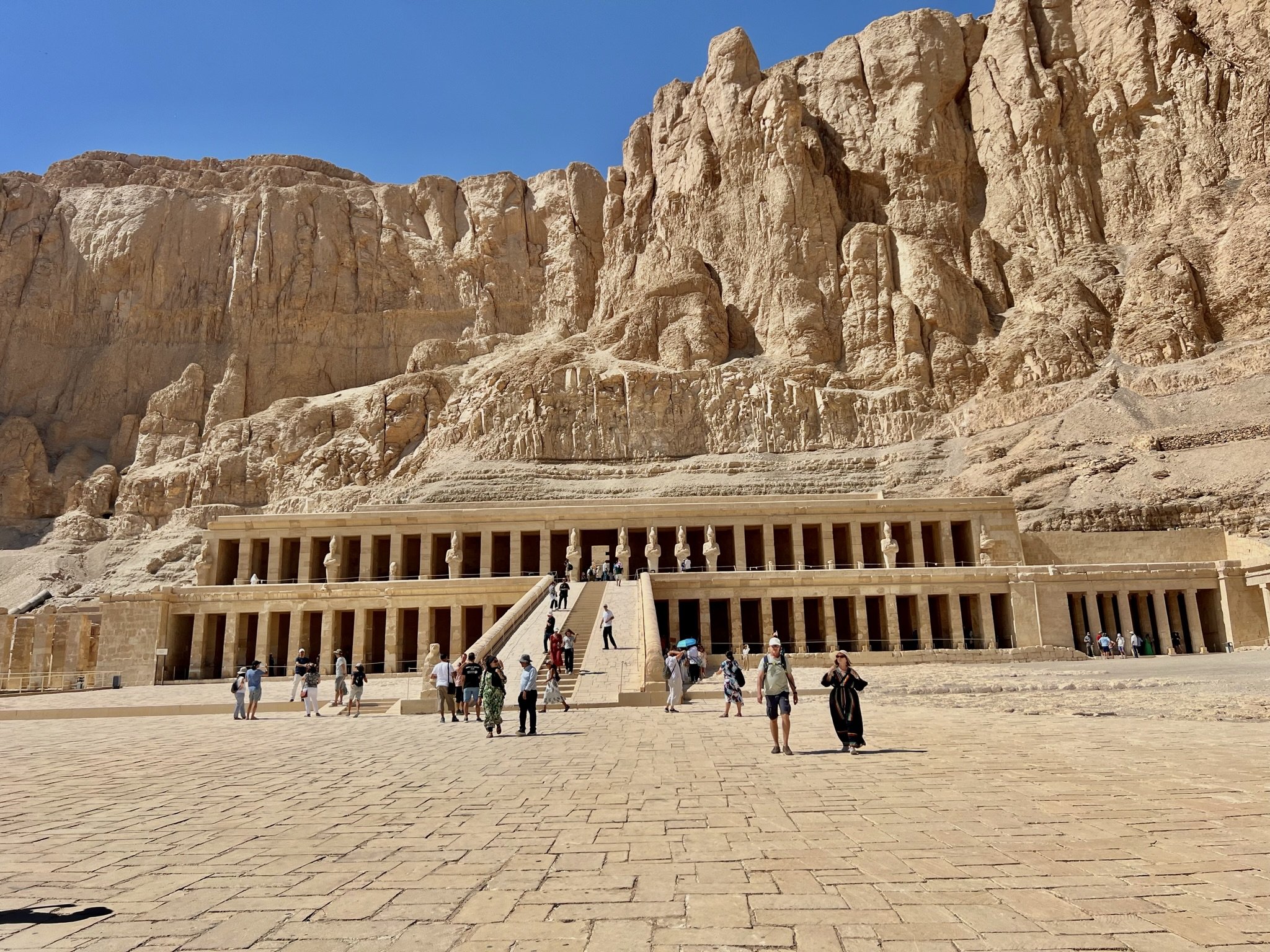
Mortuary Temple of Hatshepsut: This stunning temple, built into the cliffside, honors Egypt's most successful female pharaoh.
Colossi of Memnon: Two massive stone statues of Pharaoh Amenhotep III. Quick photo stop.
Optional Add-ons:
Medinet Habu - Well-preserved mortuary temple
Deir el-Medina - Village of the workers who built the tombs
Afternoon: Return to your hotel for lunch and a swim. The midday heat can be intense, so taking a break is smart.
Evening: Stroll the Luxor Corniche at sunset. The promenade along the Nile comes alive in the evening with locals and tourists alike.
Where to Eat:
Lunch: Hotel restaurant or pool bar
Dinner: Sofra Restaurant - Excellent traditional Egyptian food, make reservations
Cost Breakdown Day 3: $80-140 (accommodation, tour, entrance fees, meals)
Day 4: Luxor East Bank
Morning: Visit Karnak Temple at opening time (7 AM if possible). This massive temple complex is one of the largest religious sites ever built. The Great Hypostyle Hall, with its 134 massive column,s is absolutely awe-inspiring.
Pro Tip: Starting early means you'll have the temple nearly to ourselves for golden hour photography. We arrived at 7:30 AM, and only a handful of tourists (and a film crew from Channel 4 London) were there!
Plan for 2-3 hours exploring Karnak. Hire a guide at the entrance or book one in advance.
Book a Karnak Temple Guided Tour
Late Morning: Walk or take a short taxi ride to Luxor Temple (about 3km from Karnak). This temple is right in the heart of Luxor city and is beautifully illuminated at night, so you might want to return after dark for photos.
Luxor Temple is smaller than Karnak but incredibly well-preserved. The Avenue of Sphinxes connecting Karnak and Luxor Temple has been recently restored.
Afternoon: Visit the Luxor Museum. Often overlooked, this modern museum has an excellent collection of artifacts found in the Luxor area, including items from Tutankhamun's tomb.
Free time for shopping or relaxing by the pool.
Evening: Return to Luxor Temple after dark to see it illuminated. The lighting creates a magical atmosphere.
Consider a felucca ride on the Nile at sunset—a peaceful way to end your time in Luxor.
Book a sunset felucca sailing trip
Where to Eat:
Lunch: Gerda's Garden - Beautiful garden setting, German-Egyptian cuisine
Dinner: 1886 Restaurant at Winter Palace - Splurge on your last night in Luxor
Cost Breakdown Day 4: $70-120 (entrance fees, tours, meals)



Days 5-6: Aswan - Nubian Culture & Nile Serenity
Aswan, a serene city along the Nile in southern Egypt, offers a more relaxed pace than Cairo or Luxor while still providing plenty of historical sites. The Nubian culture, colorful markets, and stunning Nile scenery make Aswan a highlight of any Egypt trip.
Getting to Aswan from Luxor
Option 1: Train We took the train to save money—it cost about $2 USD per ticket! The journey takes 3 hours, BUT trains in Egypt are notorious for delays. We waited an hour and a half past the scheduled departure time. Bring snacks, water, and patience.
Option 2: Private Car Costs $75-200 USD but gets you there in 3-4 hours in a comfortable, air-conditioned vehicle. Worth it if you're traveling with 3-4 people.
Book a private transfer from Luxor to Aswan
Option 3: Cruise Multi-day Nile cruises stop at Kom Ombo and Edfu between Luxor and Aswan.
Where to Stay in Aswan
My Recommendations:
Budget: Wanees Hostel
Mid-Range: Movenpick Resort Aswan OR Basma Hotel Aswan
Luxury: Sofitel Legend Old Cataract
Day 5: Aswan Highlights
Early Morning: Watch the sunrise over the Nile from your hotel or the Corniche. Aswan sunrises are spectacular.
Morning: Visit Philae Temple (my absolute favorite temple in Egypt!). Located on an island in the Nile, you can only reach it by boat, which adds to the magical experience. The temple was relocated piece by piece from another island in 1971 when water levels rose due to the High Dam.
The temple is dedicated to the goddess Isis and features beautiful hieroglyphics and well-preserved structures. Morning light is perfect for photography.
Book a Philae Temple Tour with Boat Transfer
Late Morning: Stop at the Unfinished Obelisk on your way back from Philae. This massive obelisk, still attached to the bedrock, shows the ancient stone-cutting techniques.
Afternoon: Visit the Aswan High Dam, an impressive modern engineering feat. The views of Lake Nasser are stunning.
This tour has both the Unfinished Obelisk & Aswan High Dam
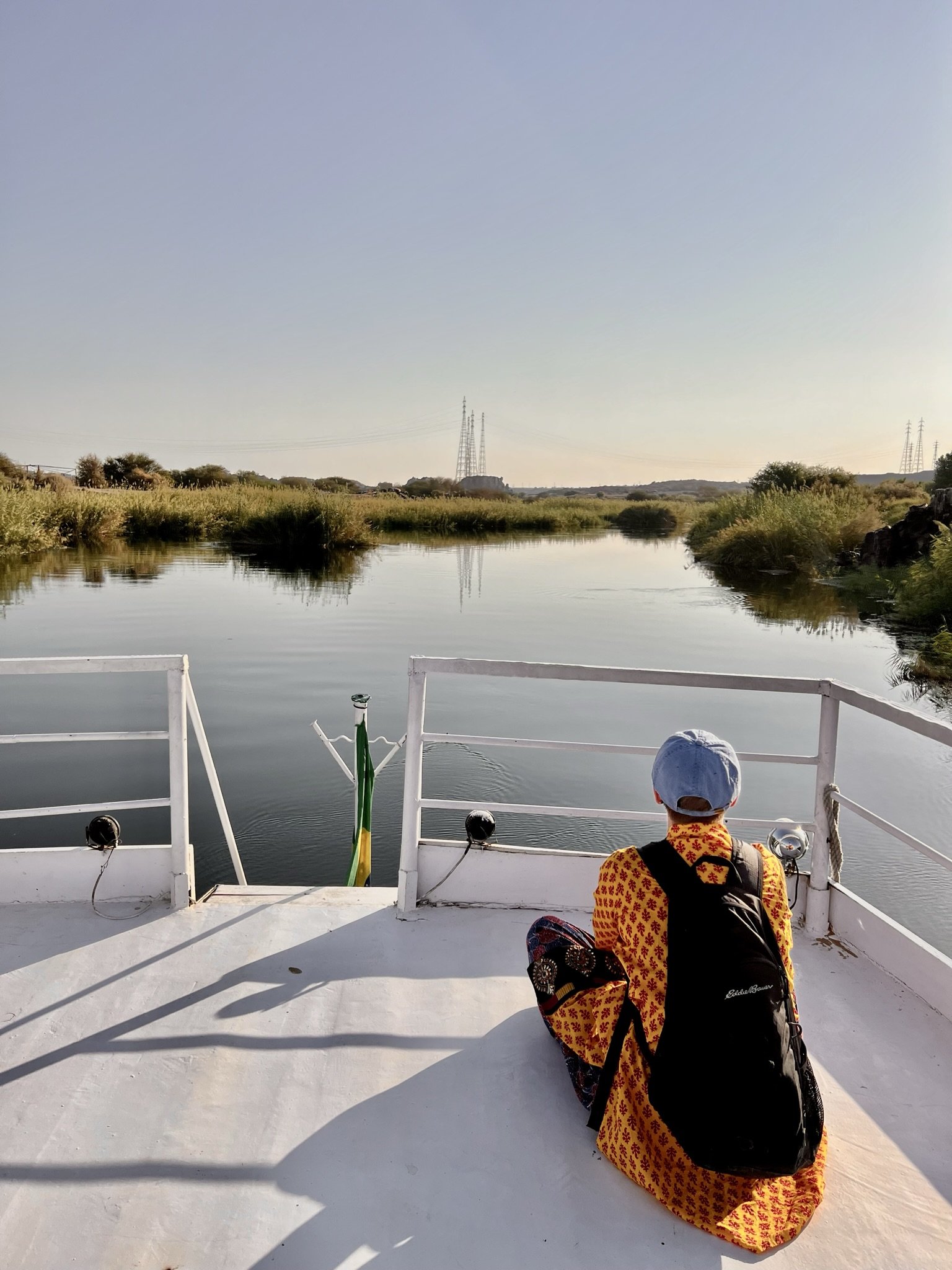
Take a felucca ride on the Nile to Elephantine Island or just cruise around. The felucca captains are skilled and the experience is peaceful and relaxing.
Book a felucca sailing trip with hotel pickup
Late Afternoon: Visit the Aswan Botanical Garden on Kitchener's Island. This peaceful garden features exotic plants from around the world and provides a lovely escape from temple-hopping.
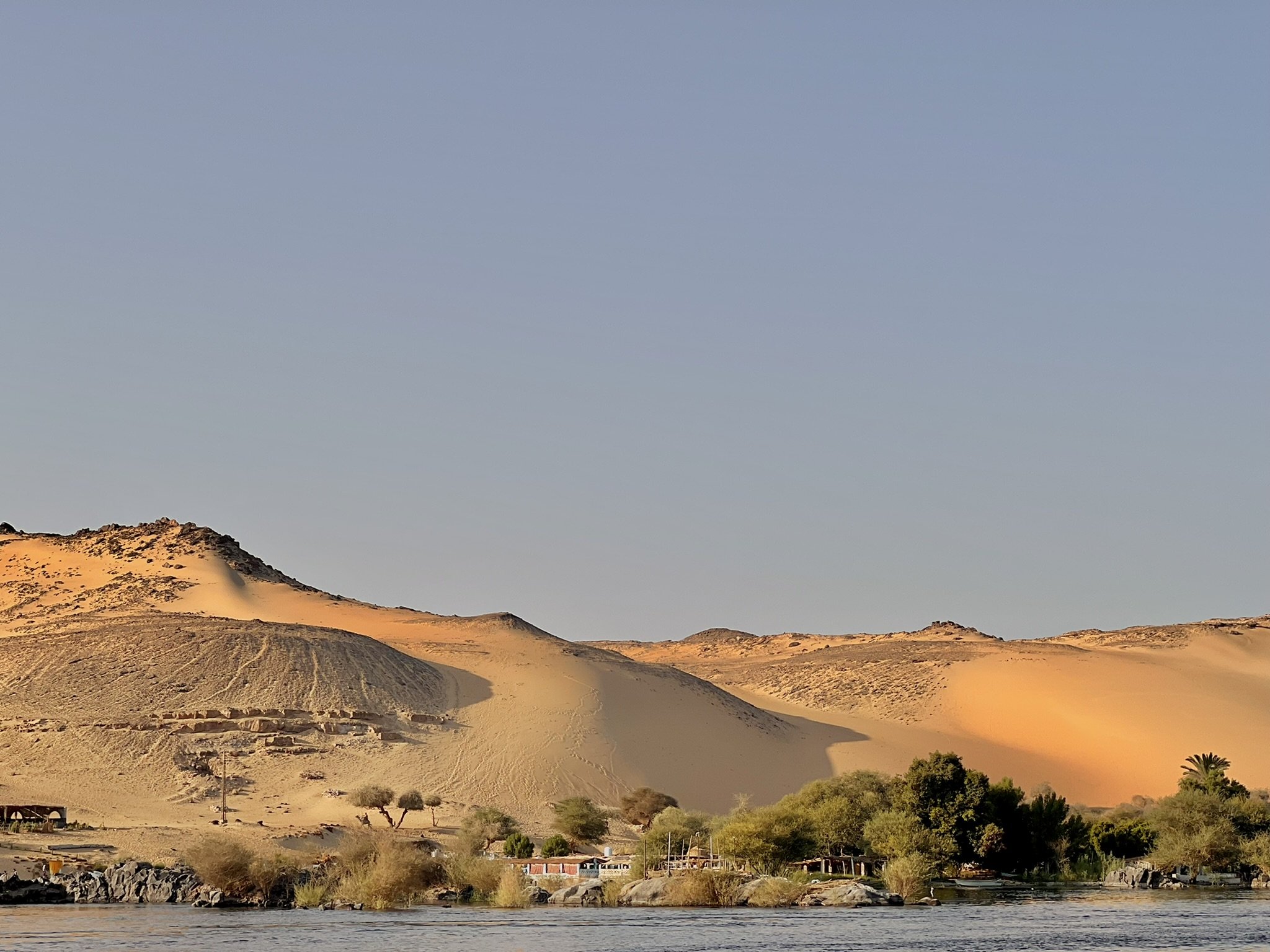
Evening: Head to the Desert Nile Aswan viewpoint for sunset. This elevated spot gives you panoramic views of the Nile, the city, and the surrounding desert. Bring your camera!
Where to Eat:
Lunch: Panorama Restaurant - Nile views, Egyptian and international food
Dinner: Nubian House - Traditional Nubian cuisine, beautiful atmosphere
Cost Breakdown Day 5: $70-110 (accommodation, tours, entrance fees, meals, felucca ride)
Day 6: Nubian Village & Optional Abu Simbel
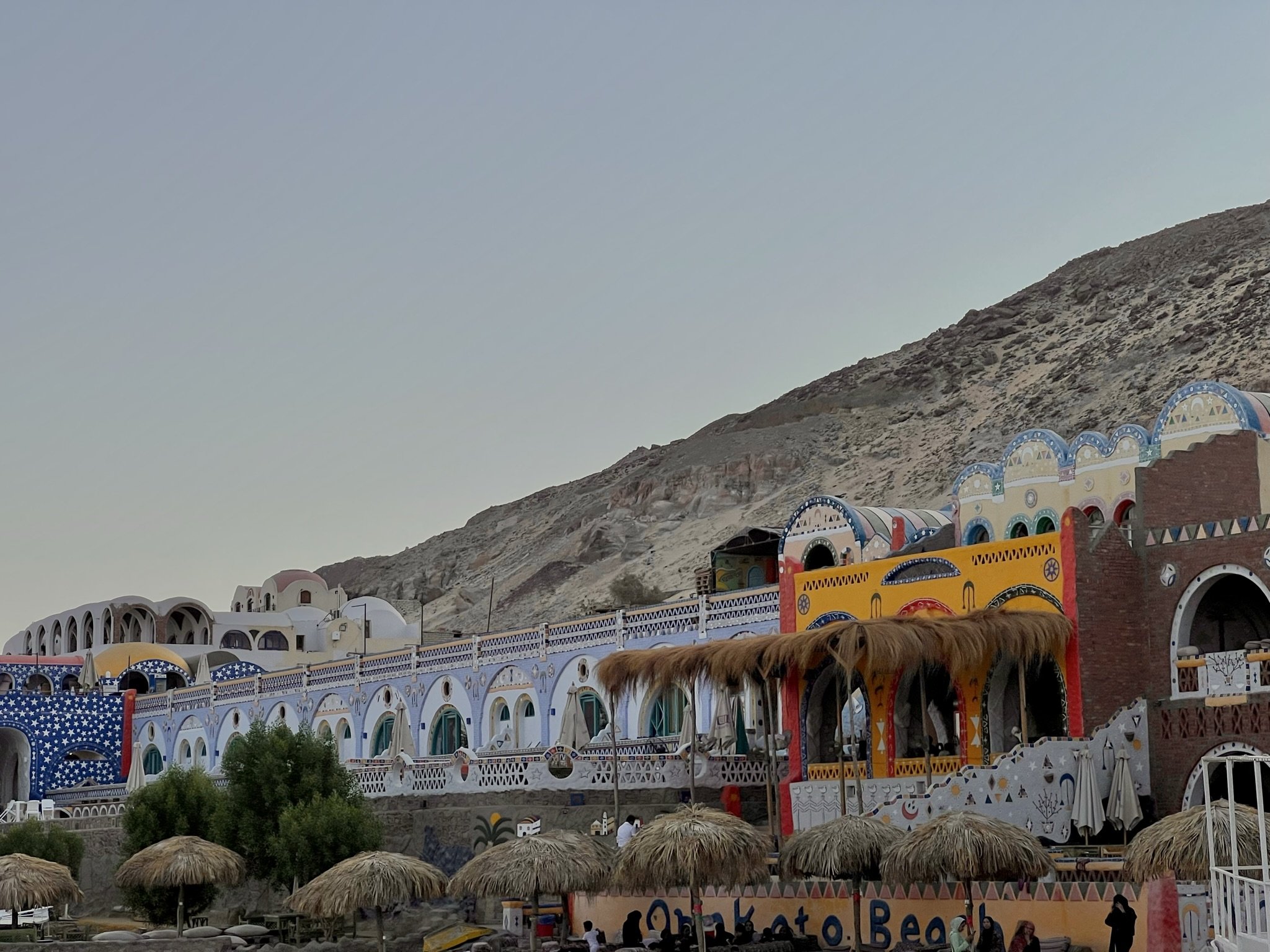
Morning Option 1: Nubian Village Take a motorboat to a traditional Nubian Village across the Nile. The villages are painted with bright colors and inhabited by Nubians who speak their own language and maintain unique traditions different from the rest of Egypt. Their origin traces back to Sudan, and they traveled to southern Egypt for farming around the Nile.
A guided visit includes:
Walking through the colorful village
Learning about Nubian culture and traditions
Visiting a Nubian home
Meeting friendly crocodiles (they keep them as pets!)
Shopping for handmade Nubian crafts
Book a Nubian Village Tour with a Guide
Morning Option 2: Abu Simbel Day Trip If you have the energy and budget, take a day trip to Abu Simbel (3 hours each way). These massive temples carved into a mountainside by Ramses II are UNESCO World Heritage sites and absolutely stunning.
Most tours depart around 4 AM to arrive for sunrise—worth the early wake-up!
Book an Abu Simbel Day Trip from Aswan
Afternoon: If you did the Nubian Village in the morning, spend the afternoon relaxing at your hotel or exploring the Aswan souq (market). The Aswan market is less touristy than Khan El Khalili in Cairo and great for spices, textiles, and authentic souvenirs.
Evening: Enjoy a final dinner overlooking the Nile. Aswan has a romantic, peaceful energy perfect for reflecting on your Egyptian adventure.
Consider a Sound and Light Show at Philae Temple if you're interested in another perspective on the site.
Where to Eat:
Lunch: Aswan Moon - Rooftop restaurant, Nubian and Egyptian dishes
Dinner: 1902 Restaurant at Old Cataract - Splurge-worthy with historic ambiance
Cost Breakdown Day 6: $80-200 (depending on whether you do Abu Simbel, accommodation, tours, meals)



Day 7: Return to Cairo & Departure
Most international flights depart from Cairo, so you'll need to return to the capital.
Getting Back to Cairo from Aswan
Option 1: Fly 1-hour flight from Aswan to Cairo. Most convenient for same-day departures.
Find the cheapest flights to Cairo from Aswan on Expedia
Option 2: Overnight Train If your flight isn't until the evening, you could take a morning/afternoon train.
Timing Your Return: If your flight is in the evening, you could spend a few hours in Cairo revisiting favorites or seeing anything you missed:
Citadel of Cairo and Mohamed Ali Mosque
Coptic Cairo (Hanging Church, Coptic Museum)
Islamic Cairo neighborhoods
Last-minute shopping at Khan El Khalili
If you have an extra day or two, I highly recommend it! There's so much more to see in Cairo.
Beyond the Main Itinerary: Other Destinations Worth Visiting
If you have more than 7 days in Egypt, consider adding these destinations:
Alexandria (2 days) Egypt's Mediterranean coastal city with a blend of Greek, Roman, and Egyptian history. Home to the modern Library of Alexandria and beautiful beaches. If you only have one day, they do offer one-day trips from Cairo.
Dahab (3-4 days) Red Sea beach town perfect for diving, snorkeling, and relaxation. Much more laid-back than Sharm El-Sheikh.
Sharm El-Sheikh (3-4 days) Popular Red Sea resort destination with world-class diving and snorkeling. More info to book here.
White Desert (2 days) Otherworldly limestone formations. Best experienced on an overnight camping trip.
Money-Saving Tips for Egypt
Book tours in advance online - Usually cheaper than booking through hotels
Eat where locals eat - Street food and local restaurants are delicious and cheap
Take the train - Domestic flights are convenient, but trains are much cheaper
Bargain at markets - Start at 30-40% of the asking price
Use ride-sharing apps - Uber and Careem are cheaper than hotel taxis
Visit free sites - Al-Azhar Park, Nile Corniche walks, markets
Travel during shoulder season - October-November or February-March for better prices
Sample Budget Breakdown (7 Days)
Budget Traveler: $350-500 total
Accommodation: $10-20/night (hostels)
Food: $10-15/day (street food, local restaurants)
Transportation: Trains and local transport
Tours: Group tours, some self-guided
Mid-Range Traveler: $700-1,050 total
Accommodation: $40-60/night (3-star hotels)
Food: $20-30/day (mix of local and tourist restaurants)
Transportation: Trains + one domestic flight
Tours: Mix of group and private tours
Luxury Traveler: $1,500-2,500+ total
Accommodation: $100-200+/night (4-5 star hotels)
Food: $40-60/day (upscale restaurants)
Transportation: Domestic flights, private transfers
Tours: All private tours with expert guides
Important Travel Tips for Egypt
Safety & Scams
Egypt is generally safe for tourists, but be aware of common scams:
Papyrus sellers - Only buy from reputable shops; street vendors often sell fake papyrus
Pyramid guides - Unofficial "guides" who demand payment; stick with licensed guides
Taxi drivers - Always negotiate the price before getting in, or use Uber
"Free" help - Nothing is free; people offering help will expect a tip
Cultural Etiquette
Dress modestly - Cover shoulders and knees, especially at religious sites
Remove shoes - When entering mosques
Ask before photographing - Especially people and inside tombs
Use right hand - For eating and greeting (left hand is considered unclean)
Bargaining is expected - At markets and with taxi drivers
Photography Guidelines
Photography fees - Some sites charge extra for cameras
No flash in tombs - Damages ancient paintings
Some tombs prohibit photos - Respect the rules
Best times - Early morning (7-9 AM) and late afternoon (4-6 PM) for lighting
Health & Safety
Don't drink tap water - Stick to bottled water
Be cautious with street food - Choose busy stalls with high turnover
Bring toilet paper - Not always provided
Sun protection - The sun is intense; use high SPF
Travel insurance - Don't skip it!
Have insect repellent
Tipping Culture (Baksheesh)
Tipping is expected in Egypt:
Restaurant servers: 10-15% (check if service charge included)
Tour guides: $5-10/day
Drivers: $3-5/day
Hotel staff: $1-2 for services
Bathroom attendants: 5-10 EGP
What to Know Before You Go
Ramadan Travel If visiting during Ramadan (dates change yearly based on the Islamic calendar), be aware:
Many restaurants closed during day
Some sites have reduced hours
Beautiful evening festivities and special foods
More respectful to not eat/drink in public during fasting hours
Best Time to Visit Egypt
October to April: Best weather (20-30°C/68-86°F)
May to September: Very hot (35-45°C/95-113°F) but fewer crowds and lower prices
Avoid holidays: Eid al-Fitr, Eid al-Adha (Islamic holidays), Coptic Christmas (January 7)
Language Tips Most people in tourist areas speak some English, but learning basic Arabic phrases helps:
Hello: Salam alaikum
Thank you: Shukran
How much?: Bikam?
No thank you: La shukran
Please: Min fadlak
Electricity Egypt uses Type C and Type F outlets (220V, 50Hz). Bring an adapter if your devices use different plugs.
Final Thoughts
Egypt exceeded all my expectations. From standing before the Great Pyramids to sailing on a felucca down the Nile, every moment felt like stepping back in time. Yes, it can be hectic and overwhelming, especially in Cairo, but that energy is part of what makes Egypt so captivating.
This 7-day itinerary hits the highlights while still allowing for some relaxation and spontaneous exploration. Egypt deserves more time if you can spare it—10 to 14 days would allow you to visit the Red Sea, explore Alexandria, or add a Nile cruise.
My biggest piece of advice? Embrace the chaos, bargain with a smile, hire good guides, and keep an open mind. Egypt will challenge you and reward you in equal measure.
Safe travels, and I hope this guide helps you create your own Egyptian adventure!
Helpful Resources
My Other Egypt Guides:
Book Your Egypt Trip:
Follow Along: 📸 Instagram: @erinparro_travel 📺 YouTube: Egypt Travel Vlogs
Frequently Asked Questions About Visiting Egypt
-
Seven days is enough to see the main highlights of Egypt, including Cairo, the Pyramids of Giza, Luxor, and Aswan. However, Egypt has so much to offer that 10-14 days would allow for a more relaxed pace and the opportunity to add destinations like Alexandria, the Red Sea coast, or Abu Simbel with an overnight stay. If you only have one week, this itinerary maximizes your time to see the most iconic sites without feeling too rushed.
-
A week in Egypt can cost anywhere from $350 to $2,500+ depending on your travel style:
Budget travelers: $350-500 total (staying in hostels, eating street food, taking trains, joining group tours)
Mid-range travelers: $700-1,050 total (3-star hotels, mix of local and tourist restaurants, one domestic flight, mix of group and private tours)
Luxury travelers: $1,500-2,500+ total (4-5 star hotels, upscale dining, domestic flights, private tours and transfers)
These estimates don't include international flights to Egypt. Domestic costs are relatively affordable, but tours, entrance fees, and domestic flights add up quickly.
-
Yes, Egypt is generally safe for tourists. The Egyptian government has invested heavily in tourism security, with police and tourist police visible at all major sites. Popular tourist destinations like Cairo, Luxor, and Aswan are well-patrolled and safe for travelers.
That said, use common sense: don't flash expensive jewelry, be aware of your surroundings, avoid political demonstrations, and stick to tourist areas, especially at night. Solo female travelers should dress modestly and may experience some harassment, but millions visit safely every year. Always check current travel advisories from your government before booking.
-
The best time to visit Egypt is October through April when temperatures are cooler and more comfortable for sightseeing (68-86°F/20-30°C). December to February can be quite pleasant, though evenings can be cool, especially in desert areas.
Avoid May through September unless you're comfortable with extreme heat (95-113°F/35-45°C). However, summer is low season with fewer crowds and lower prices.
Consider avoiding major holidays like Ramadan (dates vary), Eid al-Fitr, and Eid al-Adha, as some restaurants and shops may have limited hours.
-
While not strictly necessary, I highly recommend hiring a guide for the Pyramids of Giza, Luxor temples, and other major archaeological sites. Here's why:
Guides provide historical context that brings the sites to life
They navigate the sites efficiently, ensuring you don't miss important areas
Guides help ward off persistent vendors and unofficial "helpers"
They can answer all your questions about ancient Egyptian history
Photography tips and best viewpoints
Often include transportation, eliminating logistics headaches
You can explore on your own, but you'll miss much of the historical significance and likely feel overwhelmed by the crowds and touts.
-
No, do not drink tap water in Egypt. Stick to bottled water, which is inexpensive and widely available everywhere. Also avoid:
Ice in drinks (unless you're at upscale hotels/restaurants that use filtered water)
Raw vegetables that may have been washed in tap water
Brushing teeth with tap water (use bottled water to be safe)
Consider bringing a reusable water bottle with a built-in filter to reduce plastic waste while staying safe.
-
Yes, Egypt can be great for solo travelers, though it requires more awareness and preparation than some destinations.
Pros:
Easy to meet other travelers at hostels and on group tours
Very affordable
Well-established tourist infrastructure
Fascinating history and culture
Challenges:
Can feel overwhelming, especially in Cairo
Solo female travelers may experience harassment
Constant bargaining and vendor attention can be exhausting
Language barriers outside tourist areas
Tips for solo travelers:
Stay in social hostels to meet others
Join group tours for major sites
Book accommodations in tourist-friendly neighborhoods
Consider hiring guides for added security and knowledge
Connect with other travelers for certain activities
Solo female travelers should dress modestly, be firm but polite with touts, and consider joining group tours for added comfort.
-
Yes! Uber operates in Cairo, Alexandria, and some other major cities. It's highly recommended over traditional taxis because:
Price is set by the app (no bargaining or scams)
Driver and route are tracked for safety
Cashless payment option
English-language interface
Driver ratings ensure accountability
Careem is another ride-sharing app popular in Egypt, similar to Uber.
For longer distances between cities, Uber won't work—you'll need to arrange private drivers or take trains/flights.
-
Yes! My best friend and I both are vegan and found eating in Egypt as vegans to be easy. Egyptian cuisine has many naturally vegetarian and vegan dishes:
Vegetarian/Vegan Egyptian foods:
Koshari: National dish with rice, lentils, pasta, chickpeas, tomato sauce
Falafel (ta'ameya): Made from fava beans
Ful medames: Stewed fava beans
Baba ganoush: Eggplant dip
Tahini: Sesame paste
Mahshi: Stuffed vegetables
Fresh salads with pita bread
Grape leaves
Hummus
Fattoush salad
Note: Many Egyptian dishes use ghee (clarified butter), so specify if you're vegan. Restaurants in tourist areas are familiar with vegetarian/vegan requests. Bread is served with almost every meal.
The Scenic Route Traveler inspires intentional travel through storytelling, hidden gems, and culturally rich experiences around the world.
-
I’m Erin, the voice behind Scenic Route Traveler, sharing intentional travel stories and guides from around the globe.
-
We deliver travel guides and storytelling through YouTube, social media, photography, and digital products designed for fellow travelers.
-
If you’re new here: this is a space for travelers who care more about how a place feels than how it looks on a checklist. You’ll find guides, stories, and resources designed to help you slow down and travel with intention.