
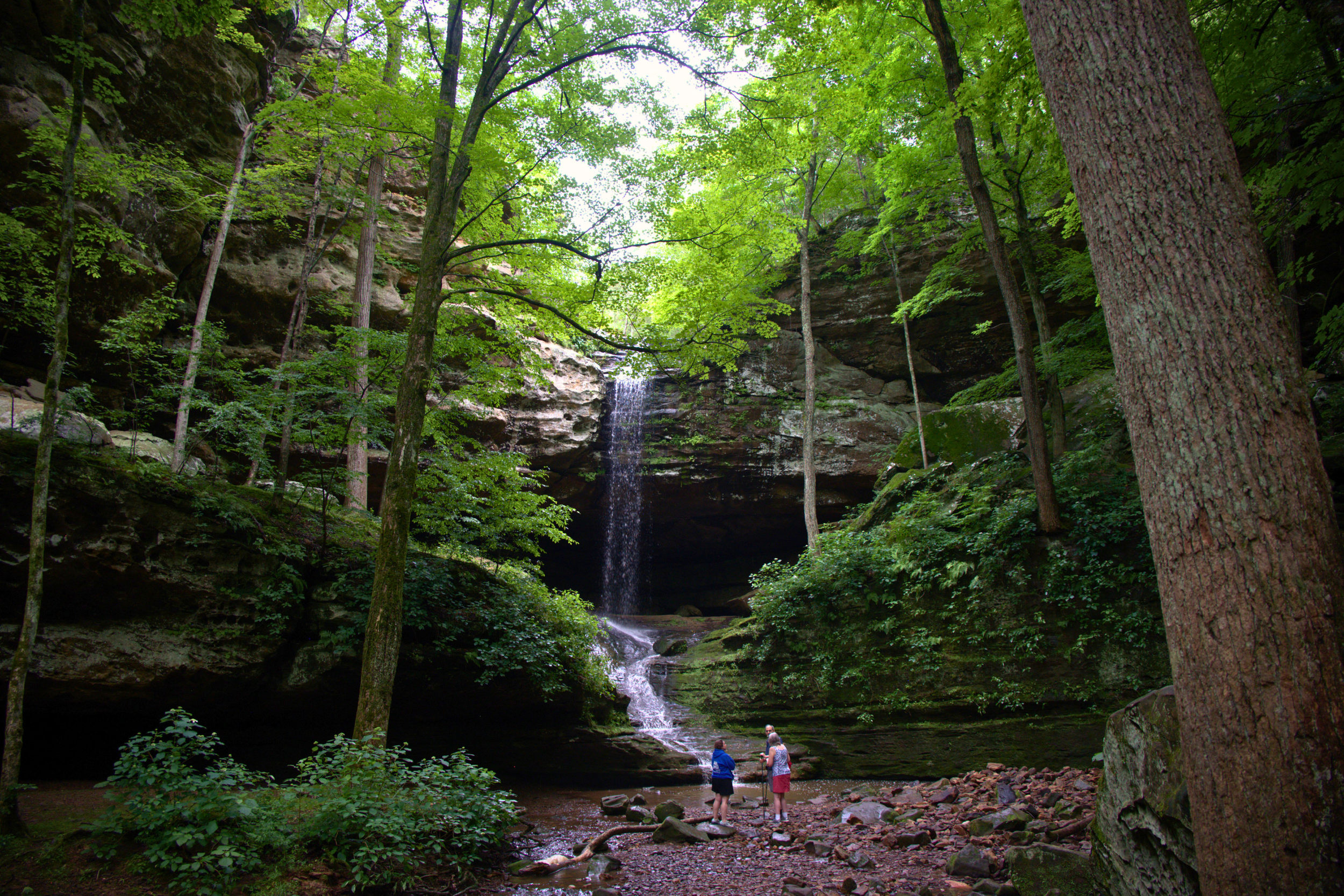
Southern Illinois & Shawnee National Forest: The Complete Weekend Travel Guide
Plan your Southern Illinois weekend — hiking Shawnee National Forest, kayaking Cache River's 1,000-year-old cypress swamp, the Shawnee Hills Wine Trail, and charming small towns. 3 hours from St. Louis, 5 hours from Chicago. Everything you need to know.
This trip was hosted by Southernmost Illinois Tourism. Experiences and accommodations were gifted. All opinions are my own.
What Is Southern Illinois and Why Haven't You Heard of It?
Southern Illinois is one of the most underrated travel destinations in the entire Midwest, and most people who visit say some version of the same thing: I had absolutely no idea this existed.
Tucked between the Ohio and Mississippi rivers in the southernmost tip of the state, the Shawnee National Forest stretches across nearly 290,000 acres of canyon overlooks, ancient cypress swamp wetlands, sandstone bluffs, rolling vineyard hills, and charming small towns that time seems to have forgotten. It looks nothing like the rest of Illinois, and that's exactly the point.
I spent a weekend here with Southernmost Illinois Tourism and came back completely stunned. The landscape genuinely defies everything people assume about Illinois. There are no cornfields. There are no flat prairies. What there is instead is a landscape so dramatic, so lush, and so geologically unusual that you'll find yourself stopping to take photos every ten minutes because your brain keeps telling you this can't be real.
This is my honest, detailed guide to everything worth doing: where to hike, where to kayak, which wineries to visit, where to eat, where to stay, and exactly how to plan your trip, whether you have a weekend or just a day.
This post contains affiliate links. If you book through my links, I may earn a small commission at no extra cost to you. It helps keep this blog going, and I only ever recommend things I'd use myself.



Is Southern Illinois Worth Visiting?
Yes, and it's not even close.
Southern Illinois sits within five hours of Chicago, three hours of St. Louis, four hours of Indianapolis, and four hours of Nashville. For all of those cities, it represents one of the best-kept secret weekend trips in the entire Midwest.
What makes it genuinely special is the combination of experiences you can fit into a single trip. You can hike into a sandstone canyon that looks like something out of Utah, kayak through a 1,000-year-old cypress swamp that looks like Louisiana, drink award-winning wine from vineyards nestled in forest hills, pick fresh peaches from a family orchard, wander through artist towns with no crowds, and stay in a secluded forest cabin, all within about 35 miles of each other.
There are no entrance fees to Shawnee National Forest. Crowds are minimal outside of peak fall weekends. Food and lodging are affordable. And the scenery is genuinely world-class in a way that most people simply don't believe until they see it.
How to Get to Shawnee National Forest
Most visitors drive. The forest sits in far southern Illinois, roughly between the towns of Carbondale and Harrisburg. You'll definitely need a car once you arrive; the forest, trails, and wineries are spread across a wide area with no public transportation.
Driving times from major cities:
Chicago: approximately 5 to 5.5 hours via I-57 South
St. Louis: approximately 2.5 to 3 hours via I-64 East
Indianapolis: approximately 4 hours via I-64 West
Nashville: approximately 3.5 hours via I-24 North
Louisville: approximately 3 hours via I-64 West
Flying in: The closest major airports are St. Louis Lambert International (STL) and Nashville International (BNA). Car rental from either is straightforward. Book in advance for fall weekends when demand spikes significantly.
Base camp options: Carbondale is the largest nearby city with conventional hotel options. However, staying closer to the forest in a cabin or unique accommodation is a significantly better experience, waking up in the trees with the wine trail minutes away is what this region is built for.
🚗 Gear Up: Car Rental
You will need a car to get around this part of Illinois, and if you’re a city gal like me with no car, a rental car was the way to go. I booked through Expedia, and compared a half-dozen options in under five minutes.
The Best Hikes in Shawnee National Forest
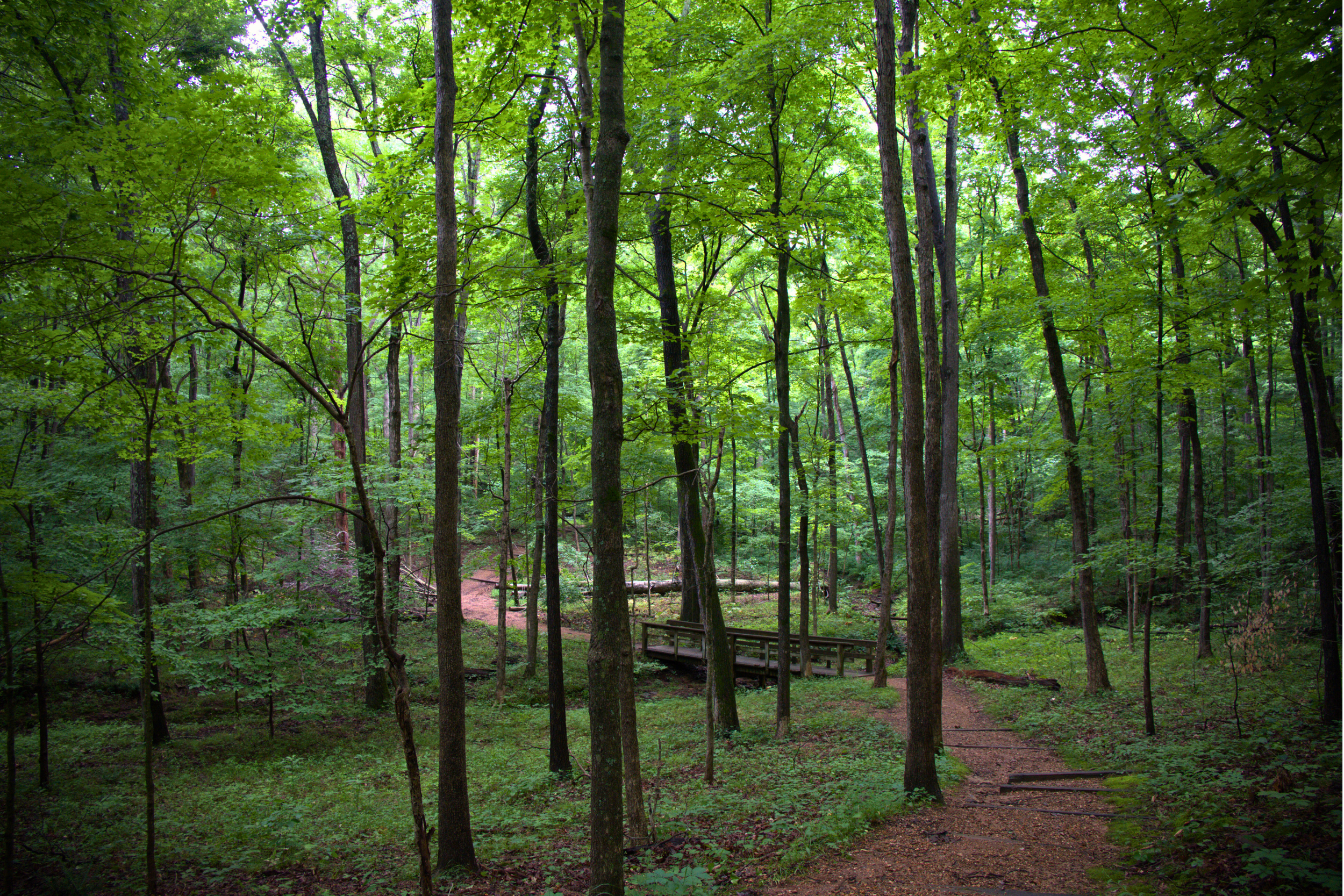
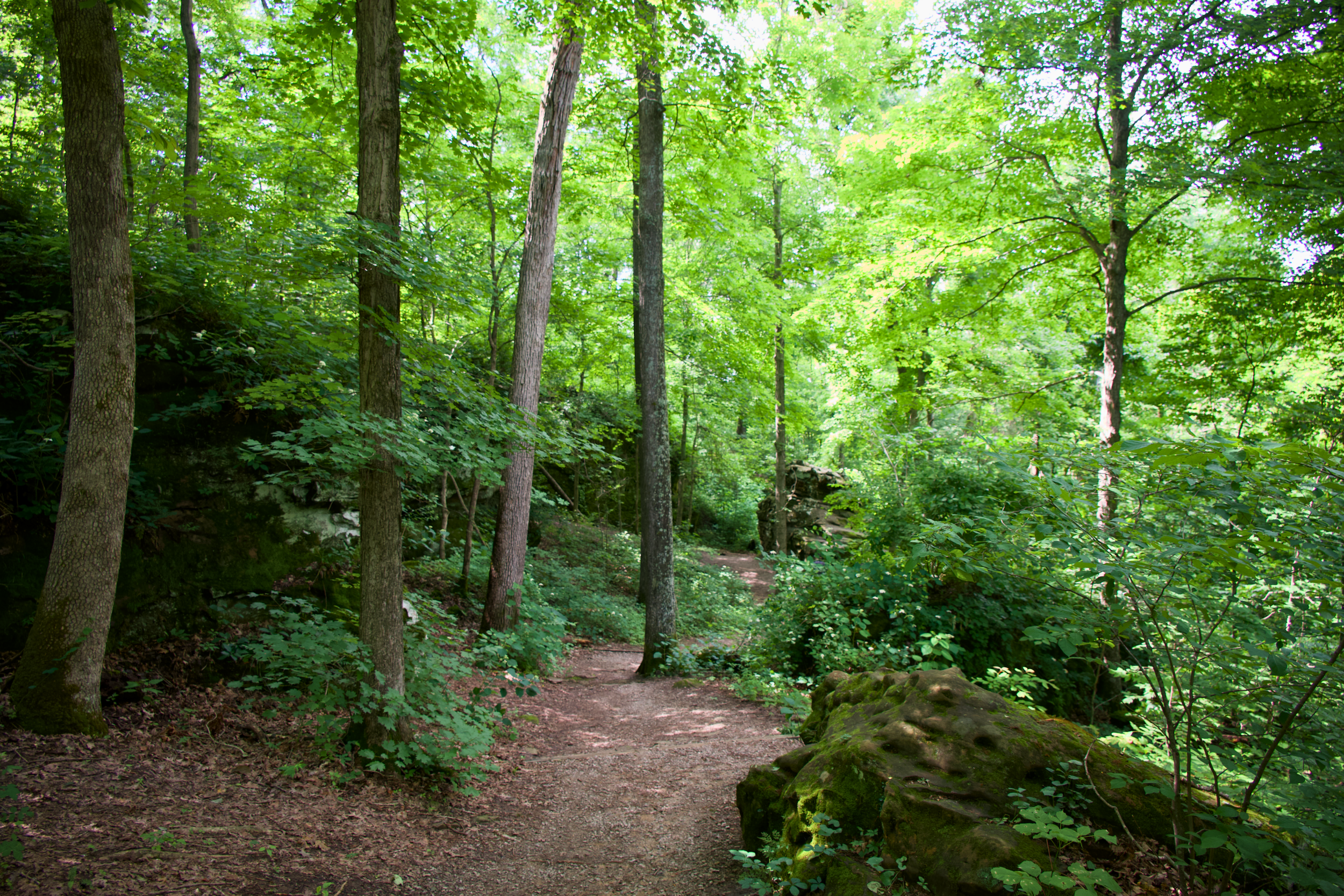
Shawnee National Forest has over 180 miles of trails ranging from easy boardwalk strolls to demanding multi-hour canyon scrambles. The variety is one of the region's great strengths; there's genuinely something for every ability level.
Here are the trails worth prioritizing.
Little Grand Canyon Trail
This is the hike that will change how you think about Illinois forever.
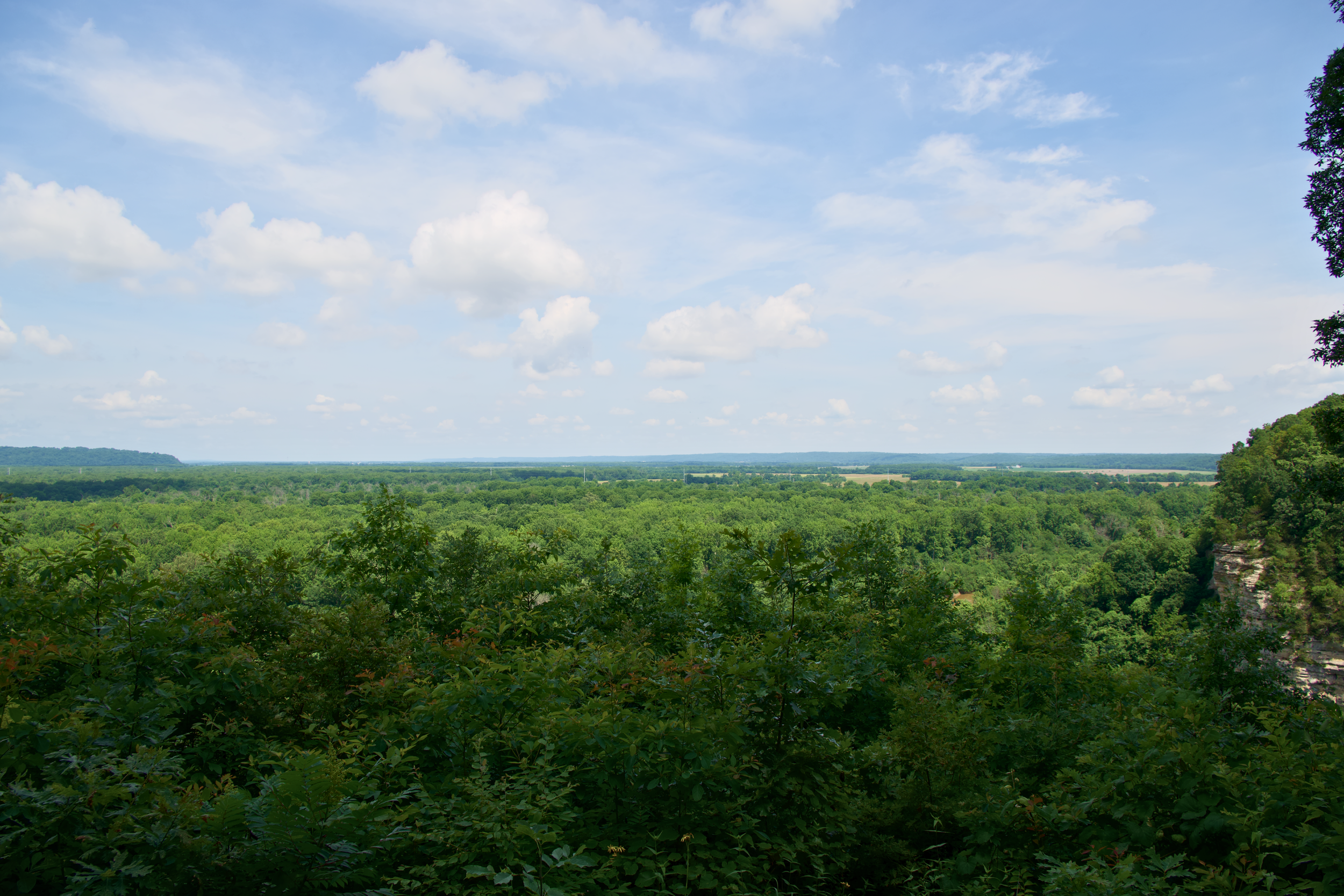
The Little Grand Canyon is a 3.6-mile loop trail near the town of Pomona. It starts deceptively easily, a wide, gently rolling gravel and asphalt path along Hickory Ridge with sweeping views down into the oak and hickory forest below. At about one mile in, you reach the main overlook: a panoramic view of the Big Muddy River valley and the Mississippi River floodplain stretching to the horizon. For anyone who just wants the view, this makes a perfectly satisfying two-mile out-and-back.
But the real experience starts when you descend into the canyon itself.
The trail drops sharply into a deep sandstone box canyon with walls that tower up to 100 feet overhead. The canyon floor is carved by a seasonal stream, and the trail follows the creek bed through cascades, rock scrambles, and narrow passages between ancient stone walls. The Civilian Conservation Corps carved steps into the rock to make the steepest sections navigable, but this is a genuine scramble, especially after rain when the rocks become extremely slick.
Hikers have spotted copperheads and cottonmouths on warm days. Stay aware, stay on the trail, and enjoy one of the most spectacular geological landscapes in the entire Midwest.
Practical details:
Distance: 3.6-mile loop (or ~2 miles out-and-back for overlook only)
Elevation change: 365 feet
Difficulty: Moderate to strenuous
Time: 3 to 4 hours for the full loop
Dogs: Allowed on leash
Best season: April for wildflowers; October for fall color
Pro tip: Hike counterclockwise; the steeper rock scramble is easier to ascend than descend
Caution: Extremely slick when wet; prone to flooding after heavy rain; check conditions before going
Hawk's Cave Trailhead and Big Rocky Hollow Trail
One of the quieter, less-trafficked options in the forest, and one that felt like a genuine discovery.
The trail winds through hollow rock formations and past cave entrances carved by centuries of water erosion. The light inside the rock hollows on a sunny afternoon is genuinely special, shafts of light cutting through the stone in ways that feel almost staged.
This is a good choice for anyone who wants to avoid weekend crowds at more popular destinations while still experiencing the dramatic geology that defines Shawnee.
Practical details:
Difficulty: Moderate
Best for: Hikers who want solitude and geological drama without the technical challenge of Little Grand Canyon
Note: Less maintained than major park trails, sturdy footwear recommended
Ferne Clyffe State Park
One of Southern Illinois' most beloved state parks, Ferne Clyffe offers multiple trail options through dense forested terrain with rock formations, seasonal waterfalls, and canyon views.
The waterfall after rainfall is exceptional, a dramatic curtain of water dropping through a natural rock amphitheater. Photographers in particular will appreciate the light quality in the canyon bowl in the late morning.
Practical details:
Entry: Free
Trail variety: Easy to moderately strenuous; good for groups with mixed abilities
Best feature: Seasonal waterfall; significantly more impressive after recent rain
Family friendly: Yes; multiple easy trail options available
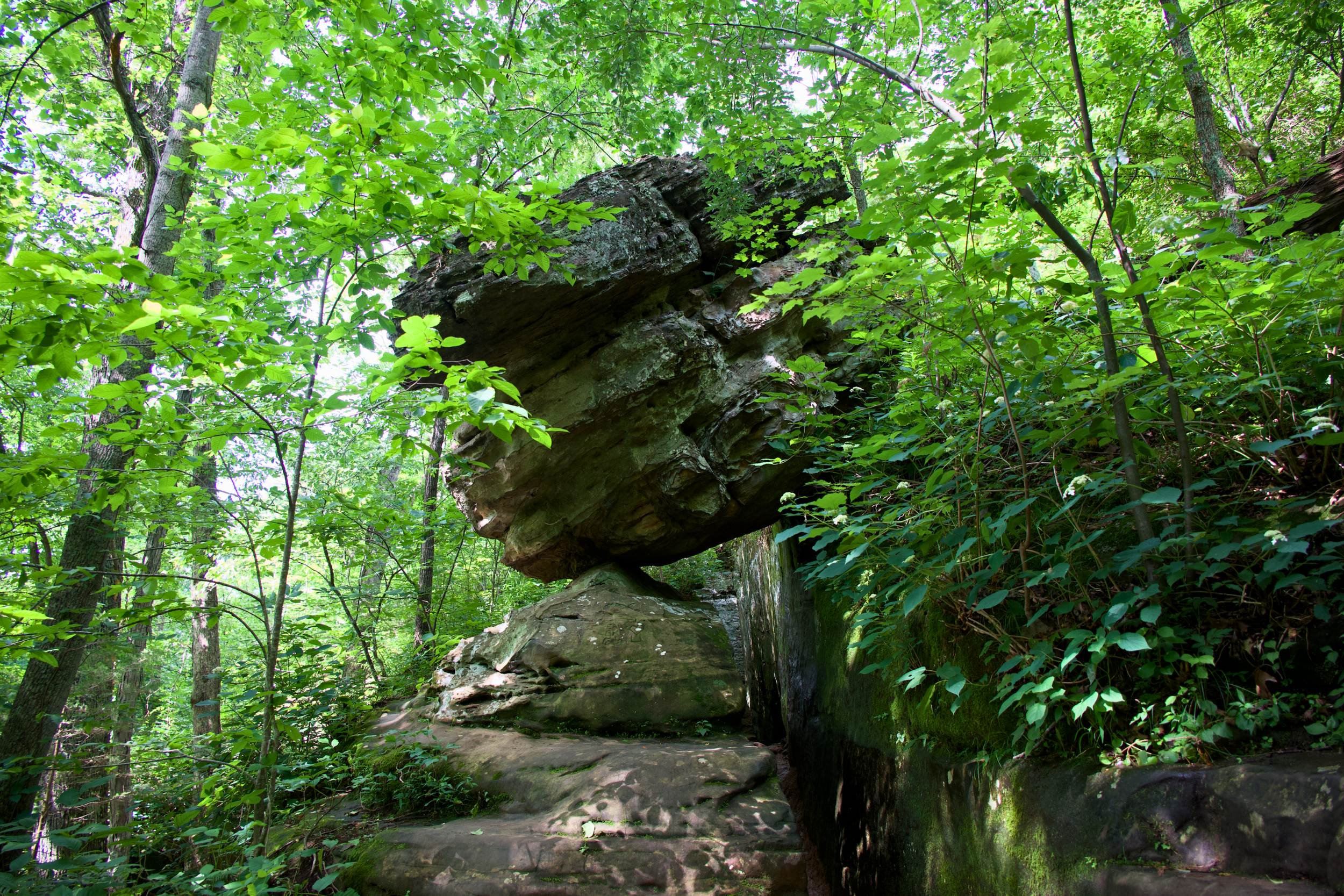
Devil's Standtable Nature Trail
A shorter trail leading to one of the forest's most distinctive rock formations, a massive isolated column of sandstone rising dramatically from the forest floor.
The "standtable" shape results from differential erosion: harder caprock protects the softer sandstone beneath it, leaving this striking pillar standing while the surrounding rock has worn away over millions of years. It's impressive, photogenic, and short enough to add onto a visit to nearby Giant City without much extra time.
Practical details:
Distance: Short; under 1 mile to the formation
Difficulty: Easy
Best combined with: Giant City State Park (nearby)
Giant City Nature Trail and Observation Tower
Giant City State Park is one of Southern Illinois' most visited destinations, and the name tells you exactly what to expect.
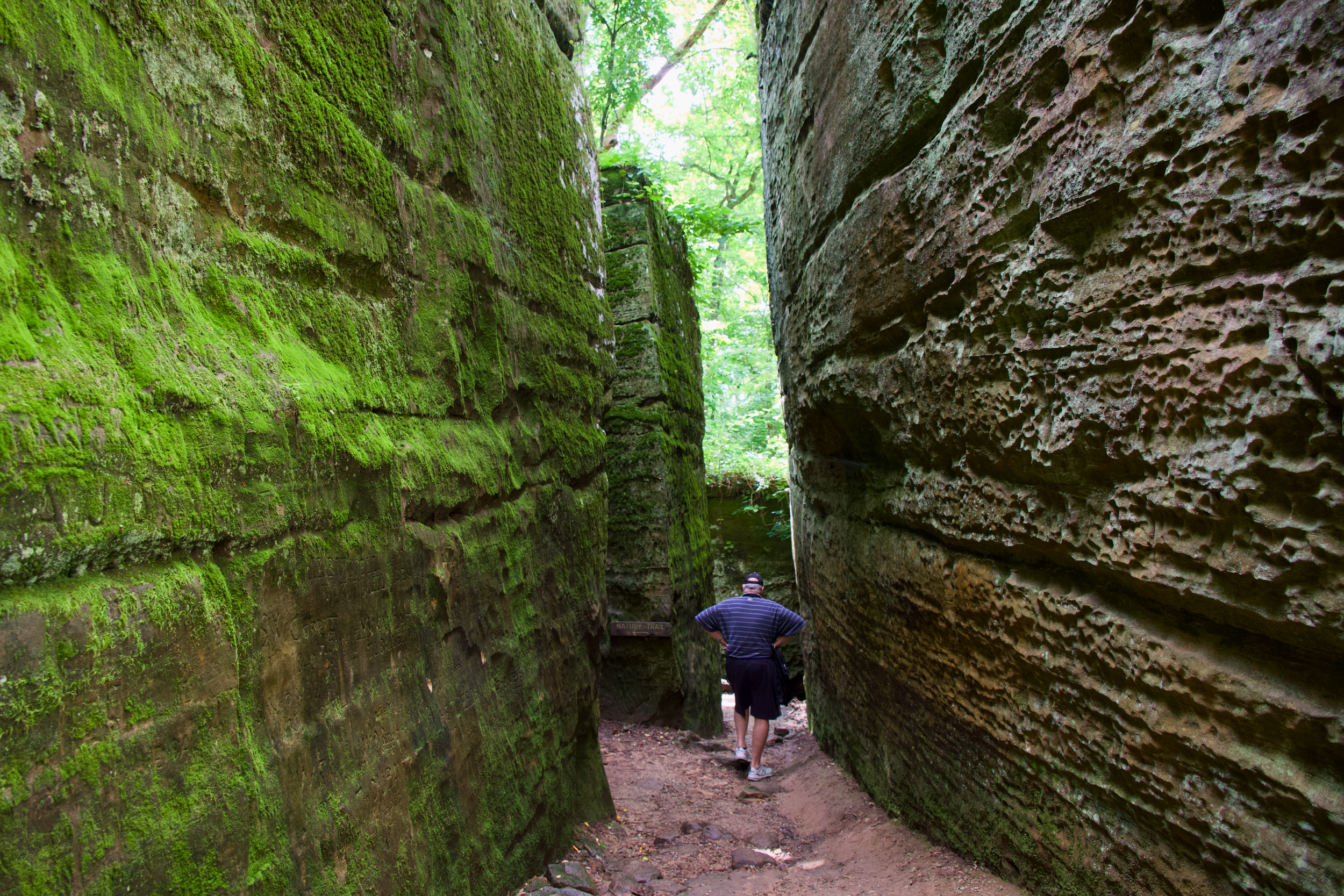
Massive sandstone formations rise like city walls from the forest floor, some standing 40 to 60 feet high, with narrow "streets" running between them that genuinely feel like walking through an ancient ruined city. The nature trail winds through the heart of these formations, accessible enough for most visitors while still delivering dramatic scenery.
The observation tower at the end offers sweeping panoramic views across the forest canopy, a genuinely beautiful perspective on how vast and wild this landscape actually is.
After your hike, the Giant City State Park Lodge is worth a meal. The historic stone lodge dates to the 1930s and serves iconic Southern Illinois comfort food. The fried chicken has been written about in national publications for good reason.
Practical details:
Trail distance: Approximately 1 mile
Difficulty: Easy to moderate
Best add-on: Observation tower views + lunch at the lodge
Pro tip: Make a lunch reservation on fall weekends — it fills up
Panther Den Trailhead
A rugged, decidedly less-visited option for experienced hikers who want solitude and don't mind working for it. Less maintained than the major destinations, exactly what makes it appealing for anyone who wants to feel genuinely off the beaten path.
Best for: Experienced hikers who've already done Little Grand Canyon and want something wilder.
Kayaking the Cache River - North America's Northernmost Cypress Swamp
If there is one experience in Southern Illinois that will completely reframe your understanding of what Illinois looks like, it's paddling the Cache River.
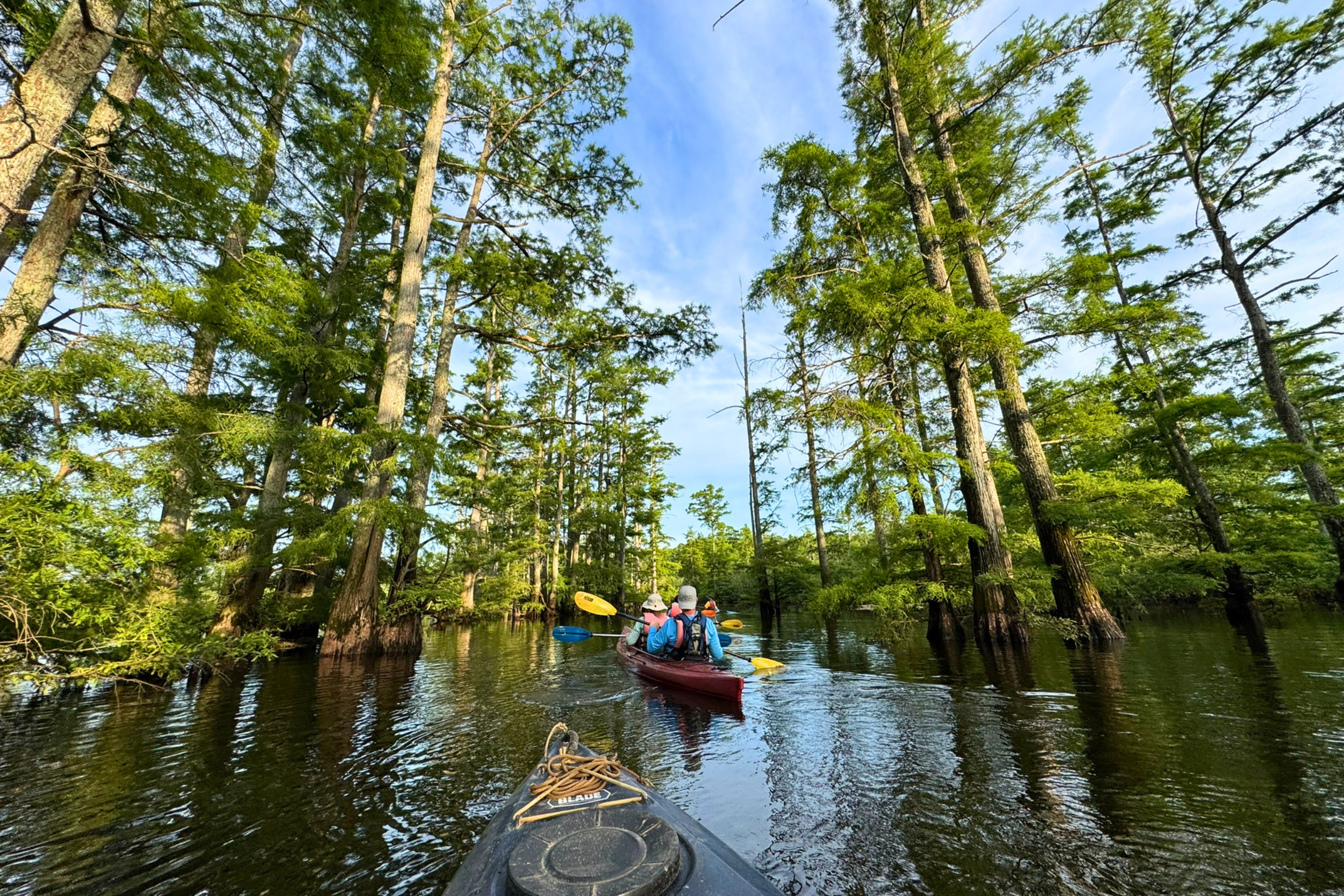
The Cache River State Natural Area is North America's northernmost cypress-tupelo swamp, an ecosystem that should by all geographic logic exist somewhere in Louisiana or Georgia, not Illinois. And yet here it is, tucked into the southernmost corner of the state.
The cypress trees here have buttressed bases exceeding 40 feet in circumference. Many are more than 1,000 years old. Some were already 500 years old when Christopher Columbus arrived in the Americas. They were saplings when the Vikings first reached North America.
The French voyageurs who first explored the river named it "Cache," meaning secret or hidden place. Paddling through it, you immediately understand why.
What the Kayak Experience Is Actually Like
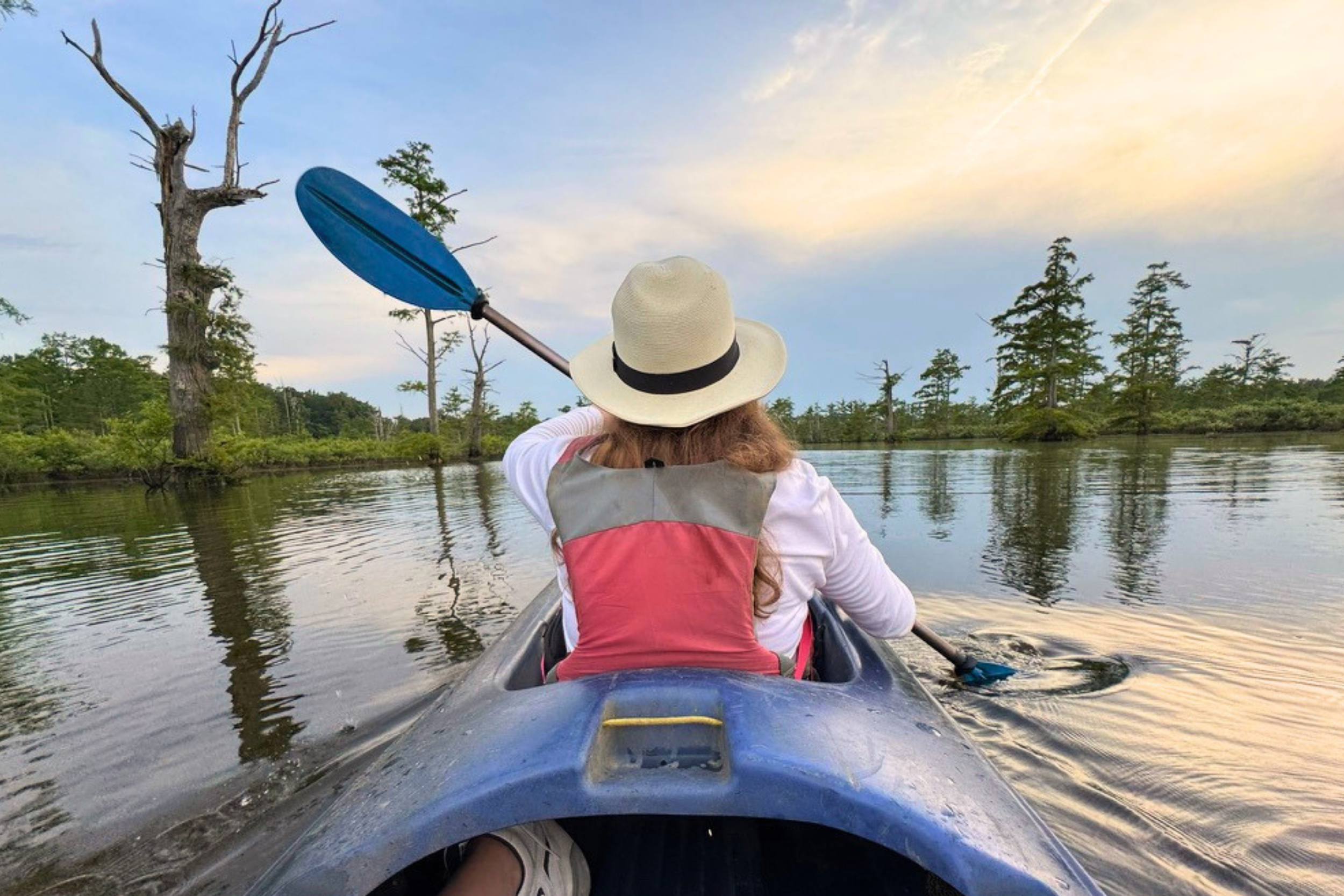
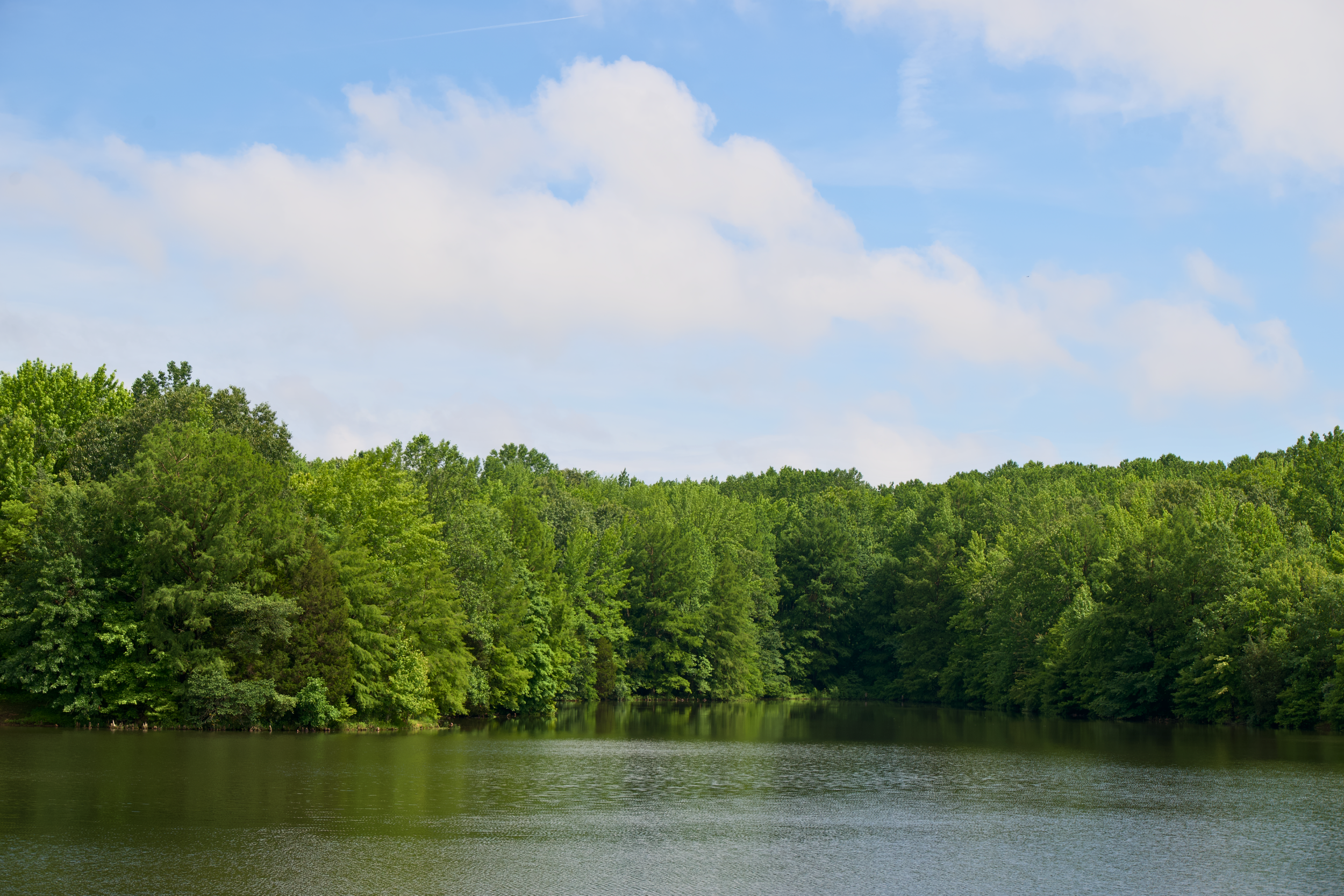
I kayaked here with Cache Bayou Outfitters, which runs both guided and self-guided trips. The water is tannin-stained a deep amber-brown from the cypress roots, turning almost golden where sunlight cuts through the canopy. The cypress trees rise from the water in every direction, their massive flared bases emerging from a floating carpet of brilliant emerald duckweed in summer.
The silence is extraordinary, broken only by the dip of the paddle, the calls of herons, and at dusk, the chorus of tree frogs filling the swamp with a sound like something prehistoric.
The paddling itself is genuinely easy. The water is flat and calm with almost no current, making it accessible for beginners and families. The canoe trail runs three to six miles, depending on how far you want to go, marked with yellow blazes on trees so you won't get lost.
Highlights along the water trail include the state champion bald cypress tree, a 1,000-year-old giant that has to be seen to be understood, and a series of intimate backwater channels accessible only by paddle, where the cypress trees close in on all sides and the outside world completely disappears.
Visiting Cache River Without a Kayak
Even without a kayak, the Cache River area is worth the drive.
Section 8 Woods boardwalk: A 450-foot accessible walk directly into the heart of the cypress swamp. The full visual experience on foot.
Heron Pond: A shallow wetland with a floating boardwalk that takes you out into the swamp. One of the most otherworldly landscapes in the Midwest.
Cache River Wetlands Center: Open Wednesday through Sunday, 9am to 4pm. Excellent interpretive exhibits about the ecology and history of the wetlands. Good first stop.
Cache River Practical Details
Tour operator: Cache Bayou Outfitters
Water trail length: 3 to 6 miles
Difficulty: Easy - flat, calm water suitable for beginners and families
Best season: Late spring through early fall; late spring brings duckweed and tree frogs
What to bring: Insect repellent (essential), sun protection, water, closed-toe shoes
Notable wildlife: Great blue herons, pileated woodpeckers, egrets, bats at dusk, tree frogs, occasional venomous snakes — stay in your kayak and observe from a distance
Book in advance: Summer and fall weekends fill up
One remarkable fact: The Cache River Wetlands are designated a Wetland of International Importance by the Ramsar Convention of UNESCO, one of only about 40 such designations in the entire United States. The area contains over 100 threatened or endangered plant and animal species and 11 state champion trees.
Dry bags and waterproof phone cases from REI are essential for keeping valuables dry while paddling.
The Shawnee Hills Wine Trail: Everything You Need to Know
What Is the Shawnee Hills Wine Trail?
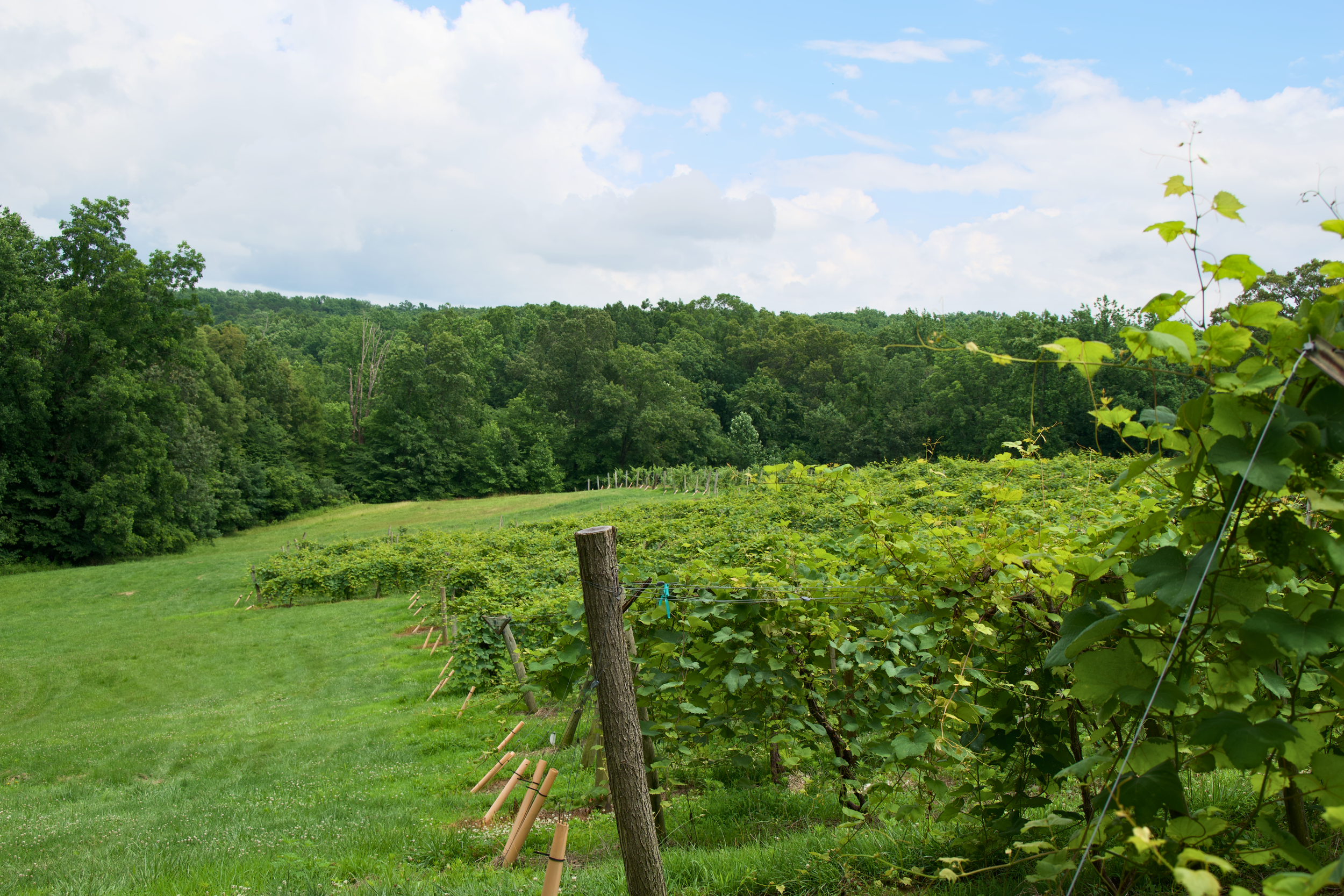
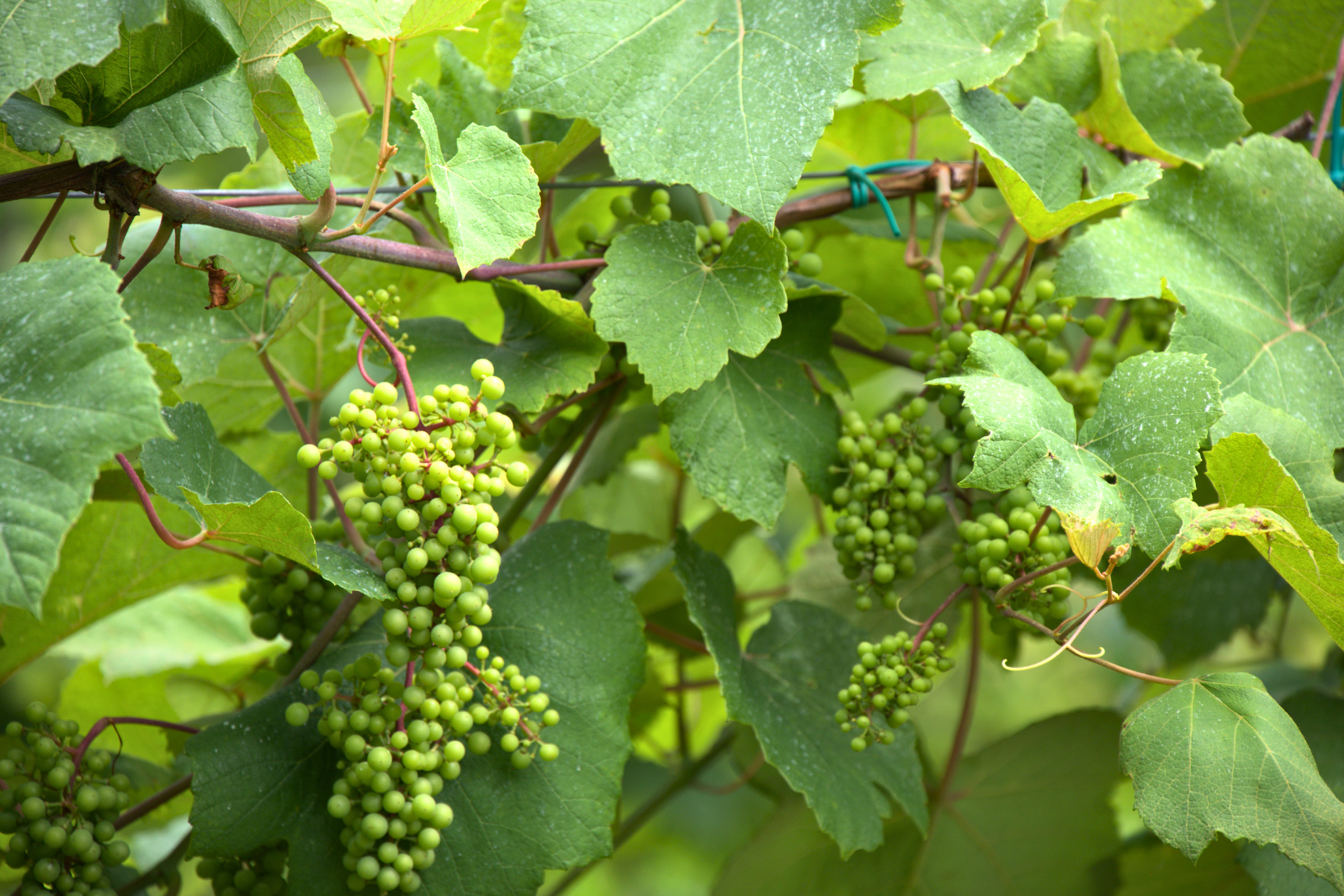
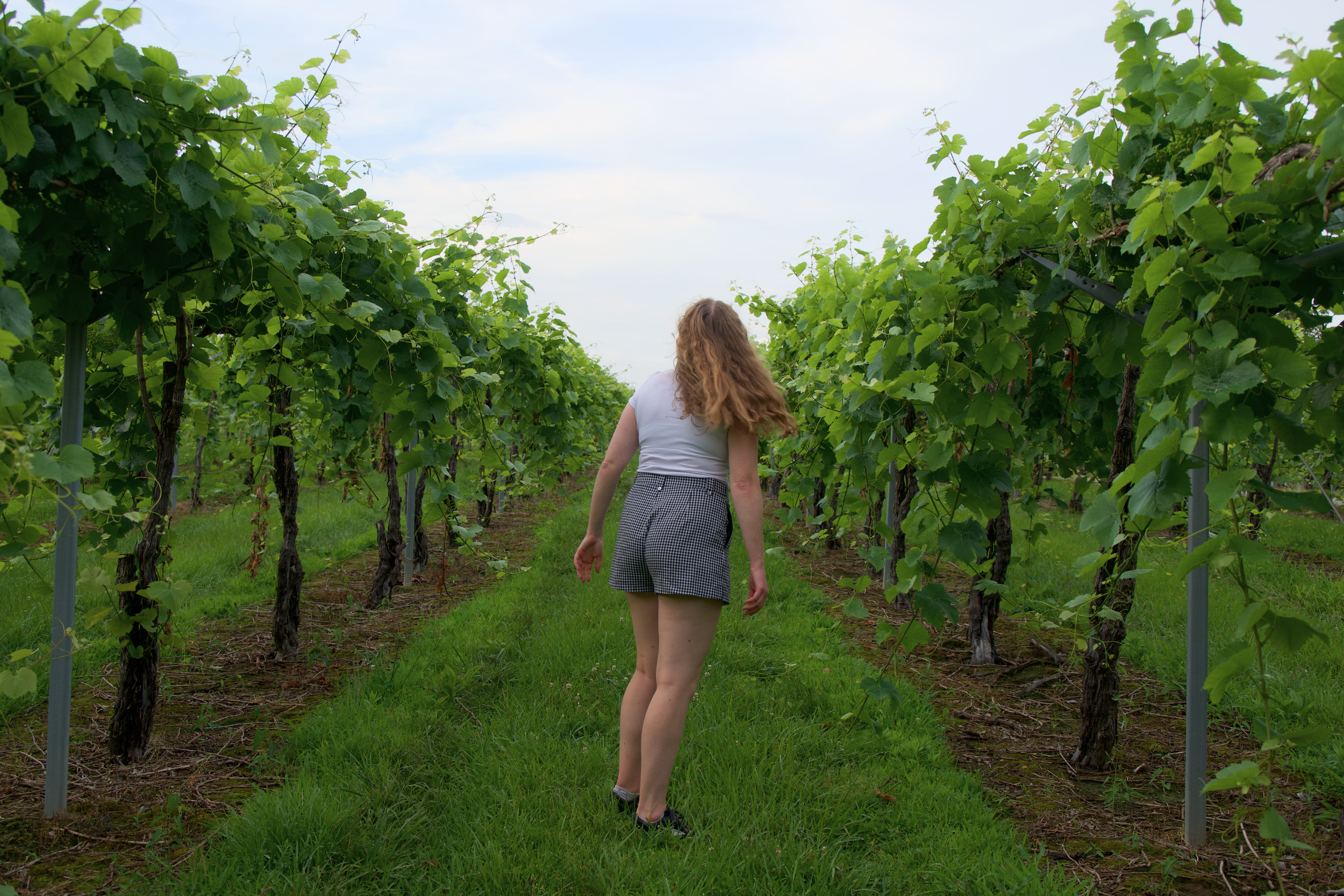
The Shawnee Hills Wine Trail is a 35-mile scenic driving route along Highways 127 and 51 featuring eleven award-winning wineries embedded in the hills and forests of the Shawnee National Forest.
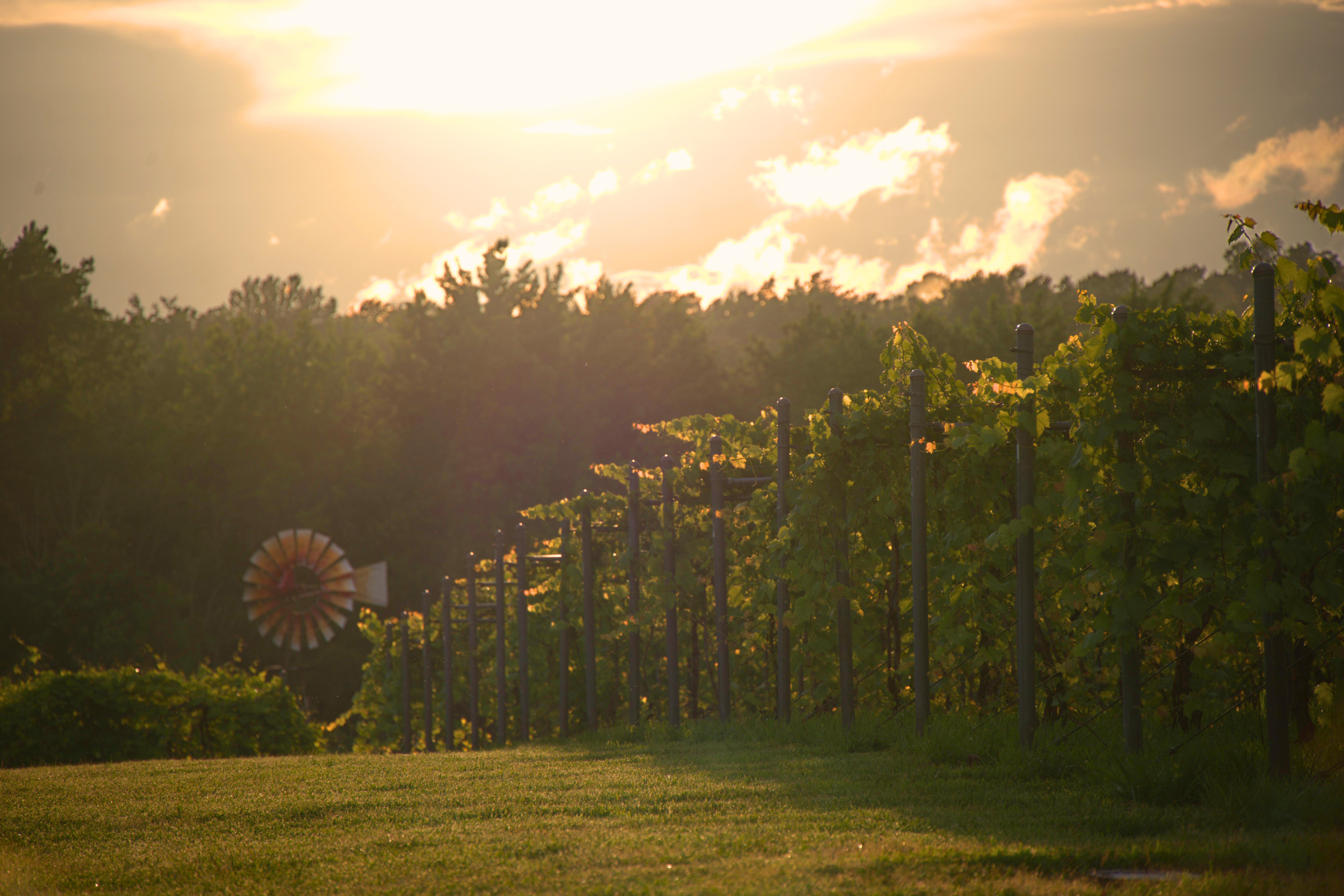
Established in 1995 as the first wine trail of its kind in Illinois, it has grown into one of the most genuinely underrated wine destinations in the entire Midwest. The terrain here, rolling sandstone hills, a longer growing season than the rest of Illinois, and a unique microclimate influenced by the proximity of two major rivers, produces wines that have consistently won national and international awards.
This isn't novelty wine. It's legitimately good.
Blue Sky Vineyard
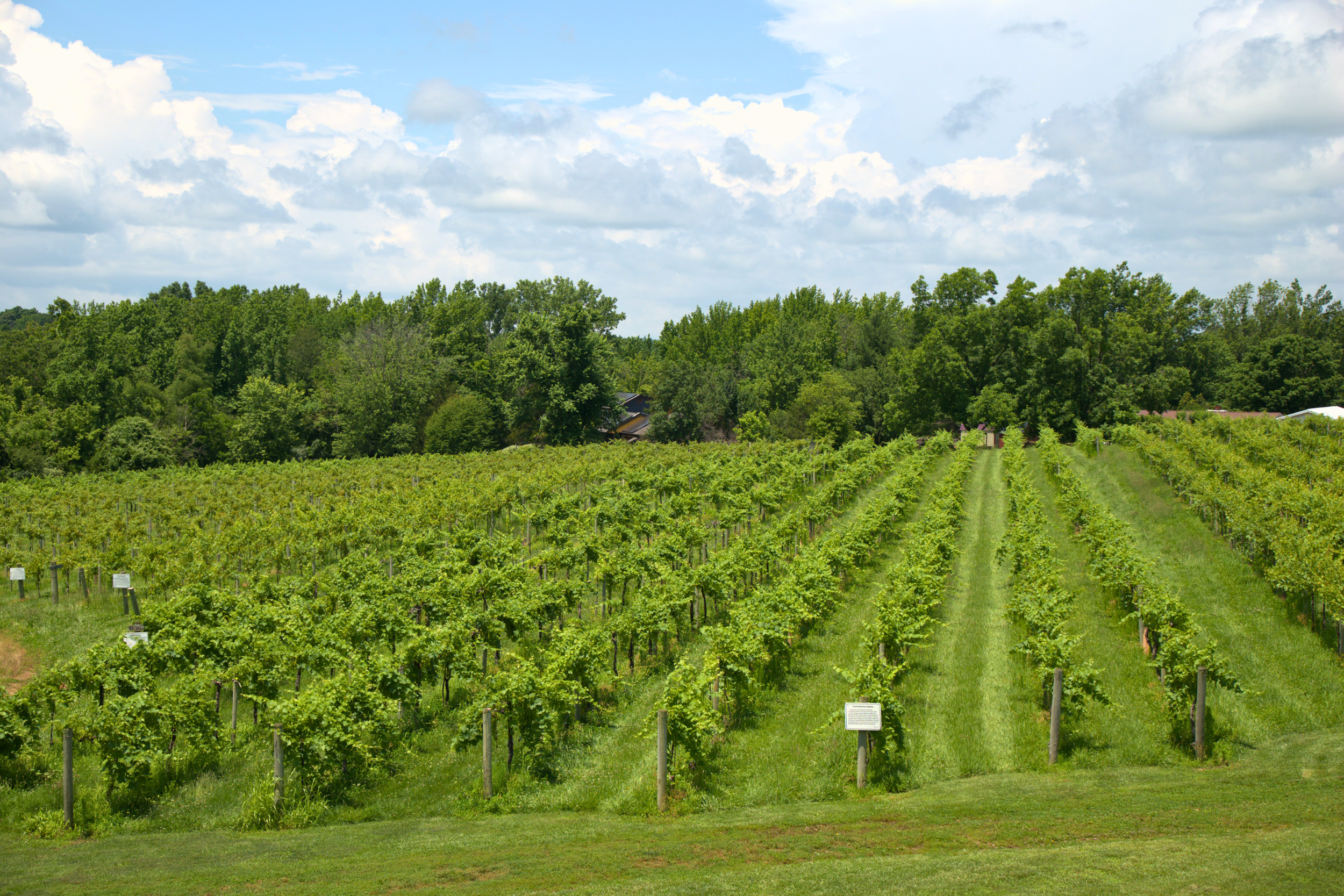
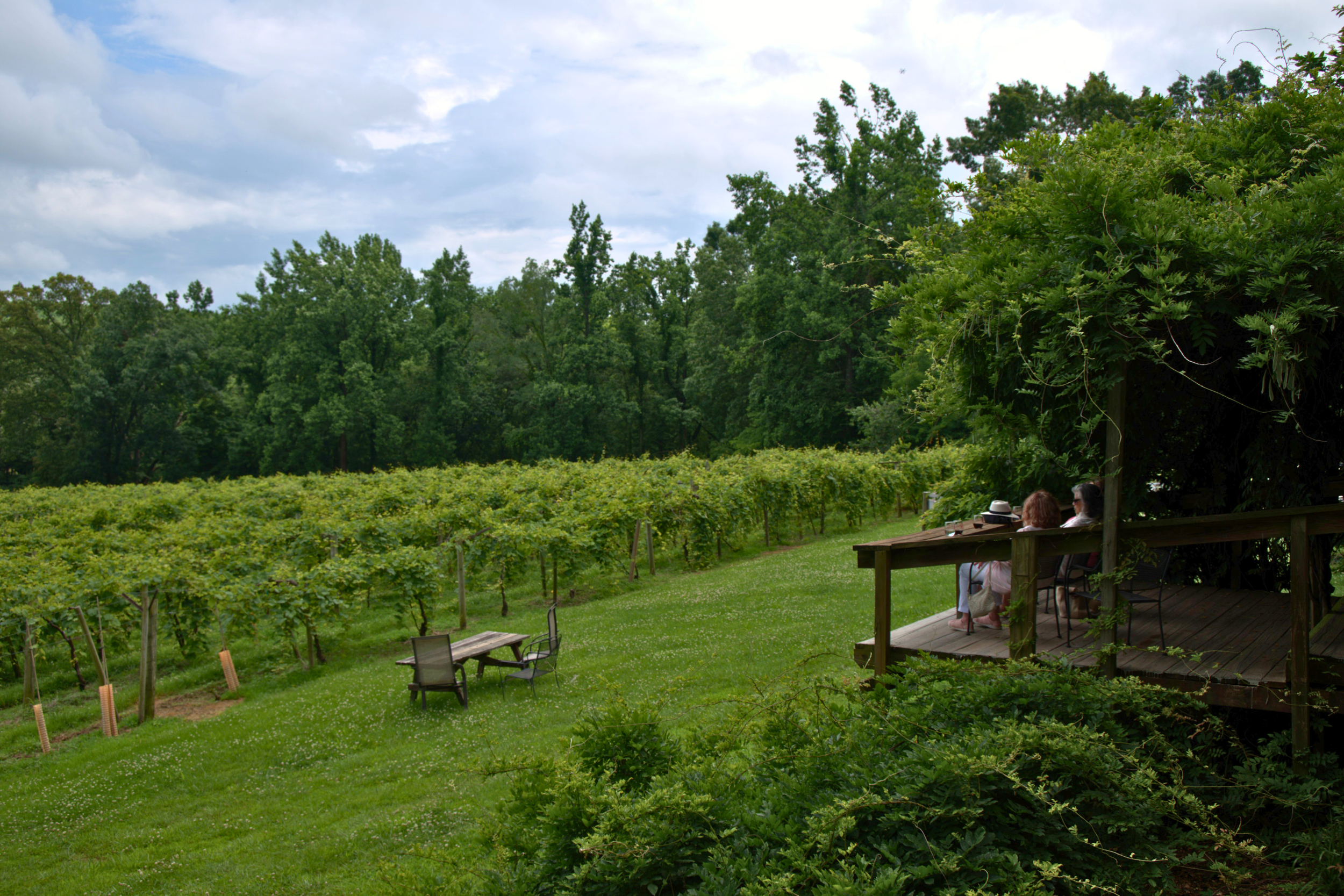
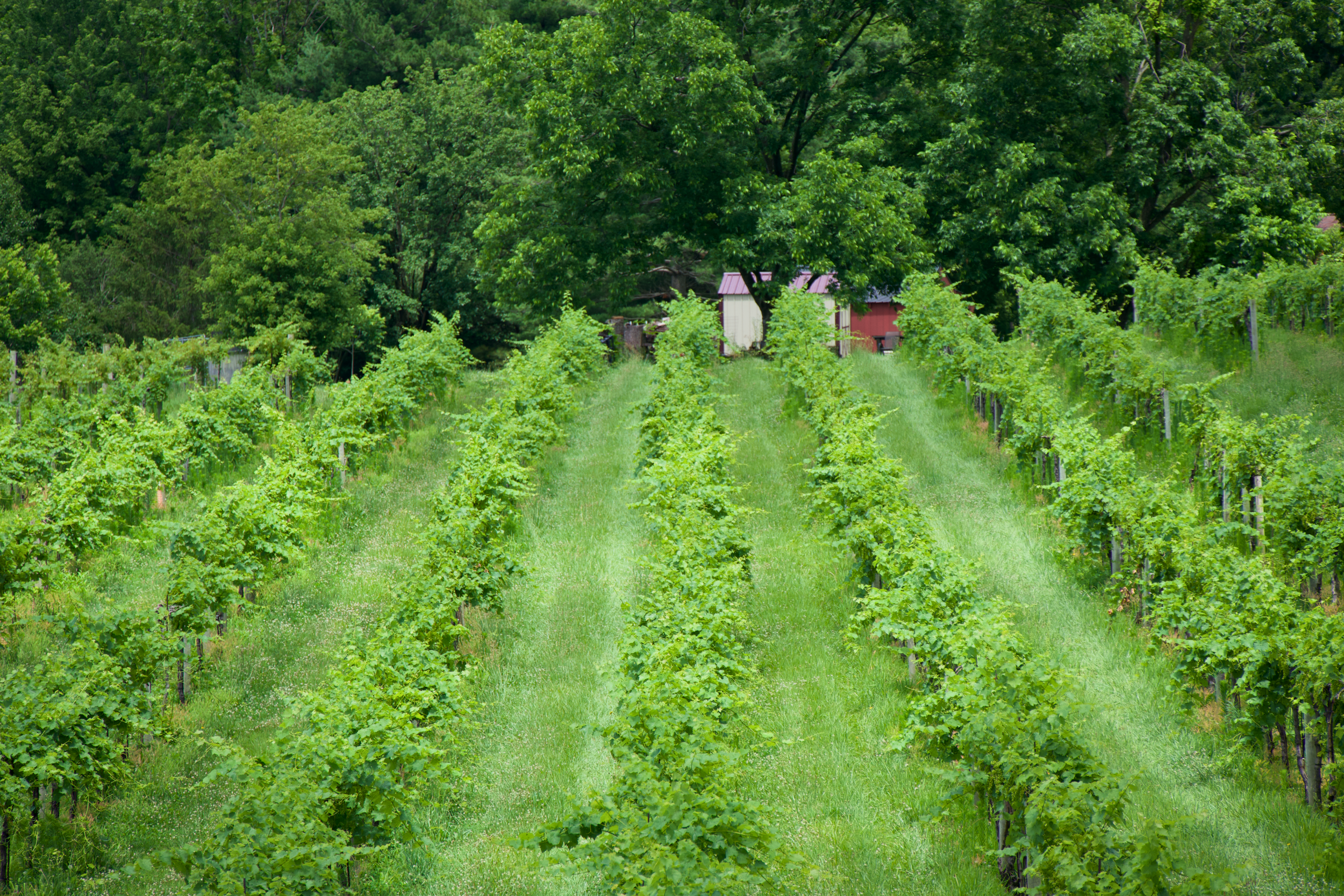
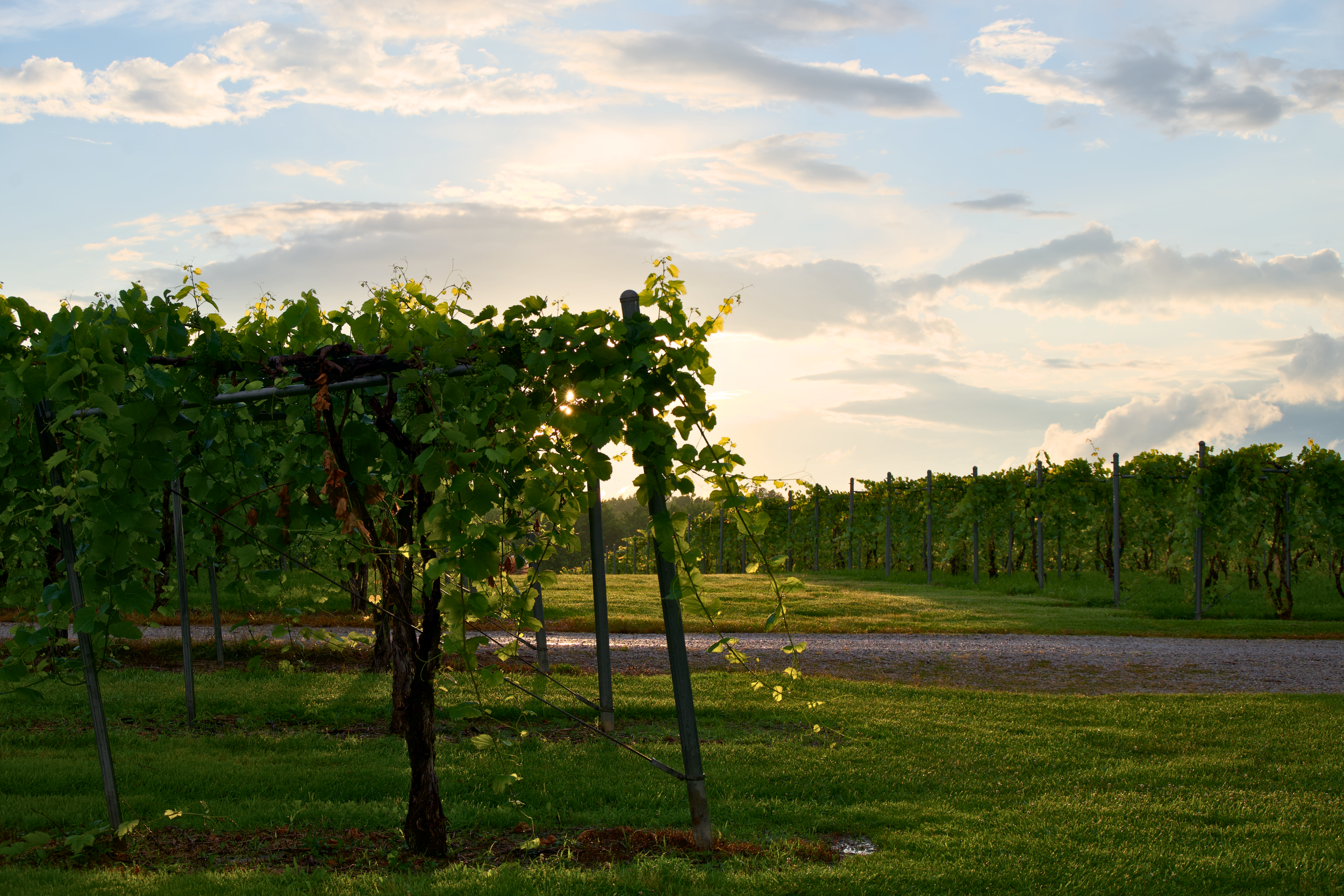
One of the most visually stunning settings on the entire trail. The tasting room sits on an elevated position with sweeping views across the rolling vineyard rows and the forest beyond.
Known for its Norton and Chambourcin red wines, both made from grapes particularly well-suited to the Illinois climate. The outdoor seating on a clear afternoon is exceptional, the kind of place where you arrive intending to stay an hour and leave three hours later.
Best for: Views, red wines, outdoor seating, first stop on a trail day.
Alto Vineyards
Located in the charming hilltop town of Alto Pass, Alto Vineyards is one of the oldest on the trail and a genuine anchor of the region's wine identity.
The setting is relaxed and unpretentious, a classic Southern Illinois winery experience without any pretense. The town itself is worth exploring beyond the winery, particularly the short hike along the old railroad straightaway just outside of town.
Best for: History, classic trail atmosphere, pairing with the Alto Pass railroad trail hike.
Hickory Ridge Vineyard and Winery
Set deep in the forest on the western edge of the trail, Hickory Ridge feels genuinely remote. The intimate tasting room, surrounded by trees on all sides, has an atmosphere unlike anything else on the trail.
This is the one for people who want to feel like they've found something, not a polished tourist destination but a real working winery tucked away in the Illinois woods.
Best for: Atmosphere, intimacy, that "discovered it myself" feeling.
Pomona Winery
A local favorite and one of the most distinctive stops on the entire trail.
Rather than grape wines, Pomona specializes in fruit wines made from locally grown produce, apples, peaches, blackberries, and others, all harvested from the surrounding Southern Illinois region. The result is a completely different tasting experience from any other winery on the trail. Genuinely delicious and unlike anything you'll find elsewhere.
Best for: Unique fruit wines, local character, something completely different.
Kite Hill Vineyards
Casual, friendly, and great for groups. The atmosphere is relaxed and social; a natural stop for a longer afternoon visit when everyone needs a break from driving the trail.
Best for: Groups, a relaxed afternoon, casual tastings.
StarView Vineyards
The name tells you everything. The views from the property are among the best on the entire trail, a panoramic perspective across the forested hills that justifies the visit entirely on its own, with good wine as a bonus.
Best for: Views, photography, sunset visits if timing allows.
How to Plan Your Wine Trail Day
Planning ahead makes a significant difference. Here's what to know:
Wineries per day: Four to six is the sweet spot, enough time to actually experience each stop without feeling rushed or overwhelmed
Check hours in advance: Not every winery is open every day, especially in Pomona; verify before building your route
Food: Almost every winery serves food ranging from charcuterie boards to full meals. Blue Sky and Hickory Ridge both have strong food programs. Plan at least one winery lunch or dinner.
Shuttle services: Several local companies offer wine trail shuttles, worth investigating for groups. Responsible planning matters.
Events calendar: Many wineries host live music, food trucks, and themed events on weekends, especially in the fall.
When to Visit the Shawnee Hills Wine Trail
Fall (September–November): Peak season. Harvest events, fall foliage in the surrounding forest turning deep red and gold, cooler temperatures, and the energy of a region in full celebration. October is magical. Book everything in advance.
Spring (April–June): Lush, green, and significantly less crowded. Wildflowers blooming across the forest, mild weather, and relaxed wineries. Underrated time to visit.
Summer: Warm, outdoor concerts, full patio season, festive atmosphere on weekends. Busier but worth it.
Winter: A passport program in January and February offers incentives for visiting multiple wineries. Cozy tasting rooms, longer conversations with winemakers, minimal crowds. Genuinely underrated.
The Best Small Towns in Southern Illinois
Alto Pass
A tiny hilltop town with an outsized amount of charm for its size.
Beyond Alto Vineyards, the main draw is a short hike along a historic railroad straightaway, a flat, wooded path where the old rail grade cuts through the hillside with the forest pressing in on both sides. The views across the valley from the upper sections are lovely, and the whole thing takes less than an hour.
The town itself has an authentic, unhurried energy. A good place to slow down, have a glass of wine at the vineyard, and remember what it feels like to be somewhere that isn't trying to be anywhere else.
Makanda
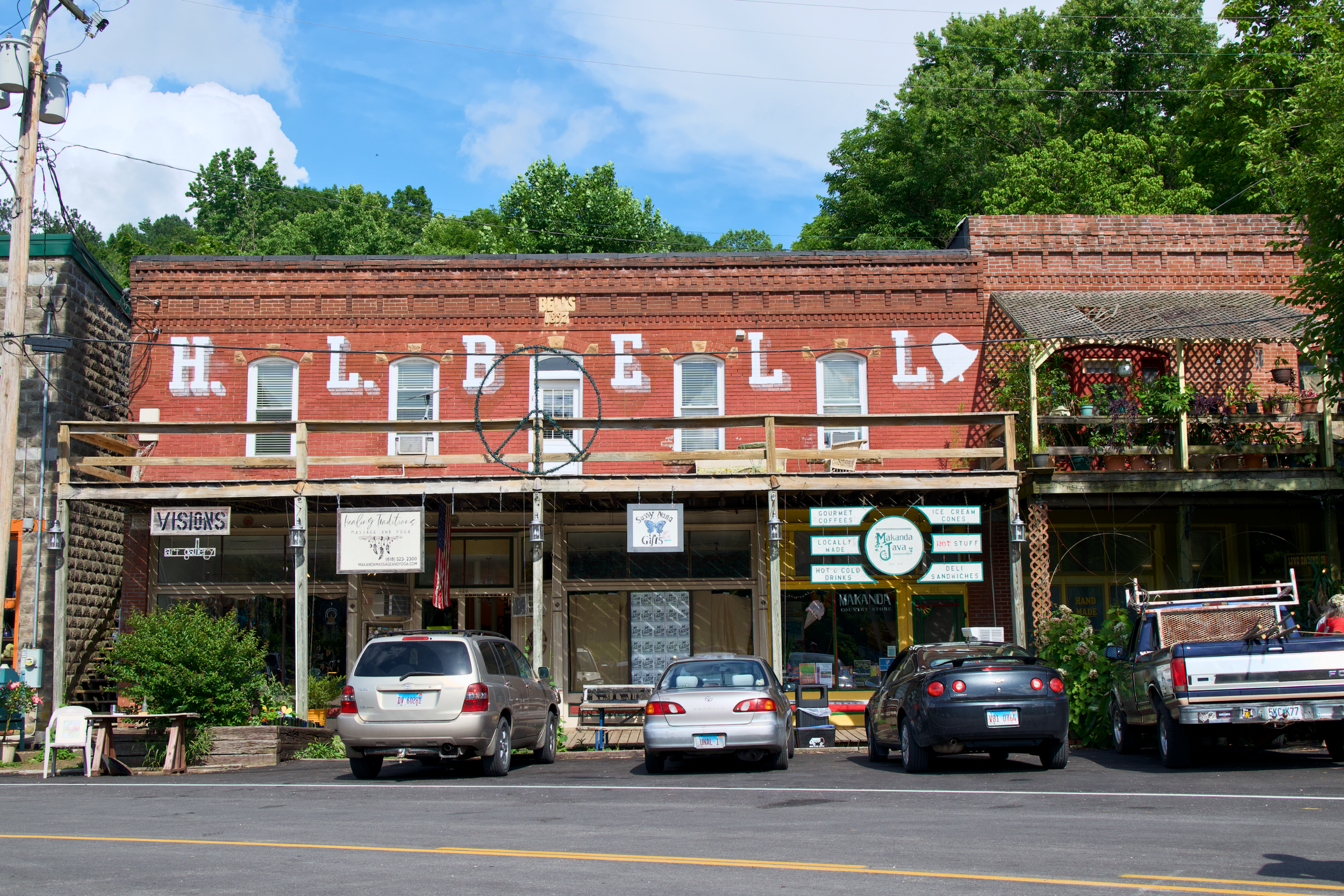
Makanda is unlike any other small town in Illinois. A longtime haven for artists, craftspeople, and independent thinkers, the village has a distinctive creative spirit that shows up in its gallery spaces, independent shops, hand-painted signs, and the general sense that the people here have deliberately chosen to live differently.
The famous Makanda Boardwalk, a collection of eclectic shops, galleries, and studios, is worth at least a couple of hours of wandering. There's almost always something unexpected to find. The town is also surrounded by forest and sits at the edge of the national forest, making it a natural hub for accessing nearby trails.
Anna
A welcoming small city that serves as a practical hub for the southern end of the Shawnee region. Home to the annual AnnaBelle Fest, Anna has an authentic small-town energy that stands in pleasant contrast to more tourist-oriented destinations. Good stopping point for food, supplies, and a genuine sense of the region's character beyond the trails and wineries.
Where to Stay in Southern Illinois
Shawnee Hills Hideaway (Where I Stayed)
The right choice for anyone who wants to be genuinely immersed in the landscape rather than simply near it.
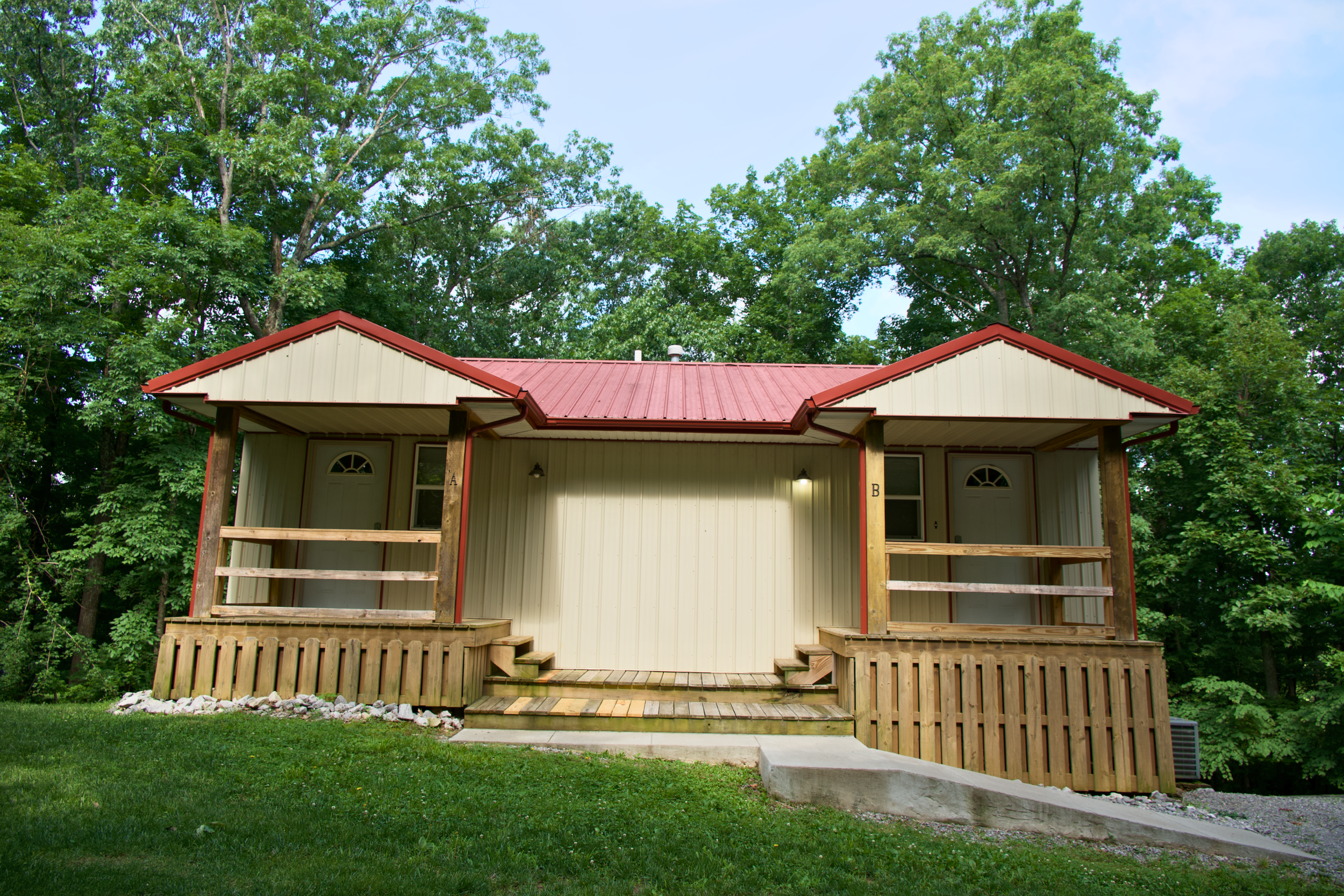
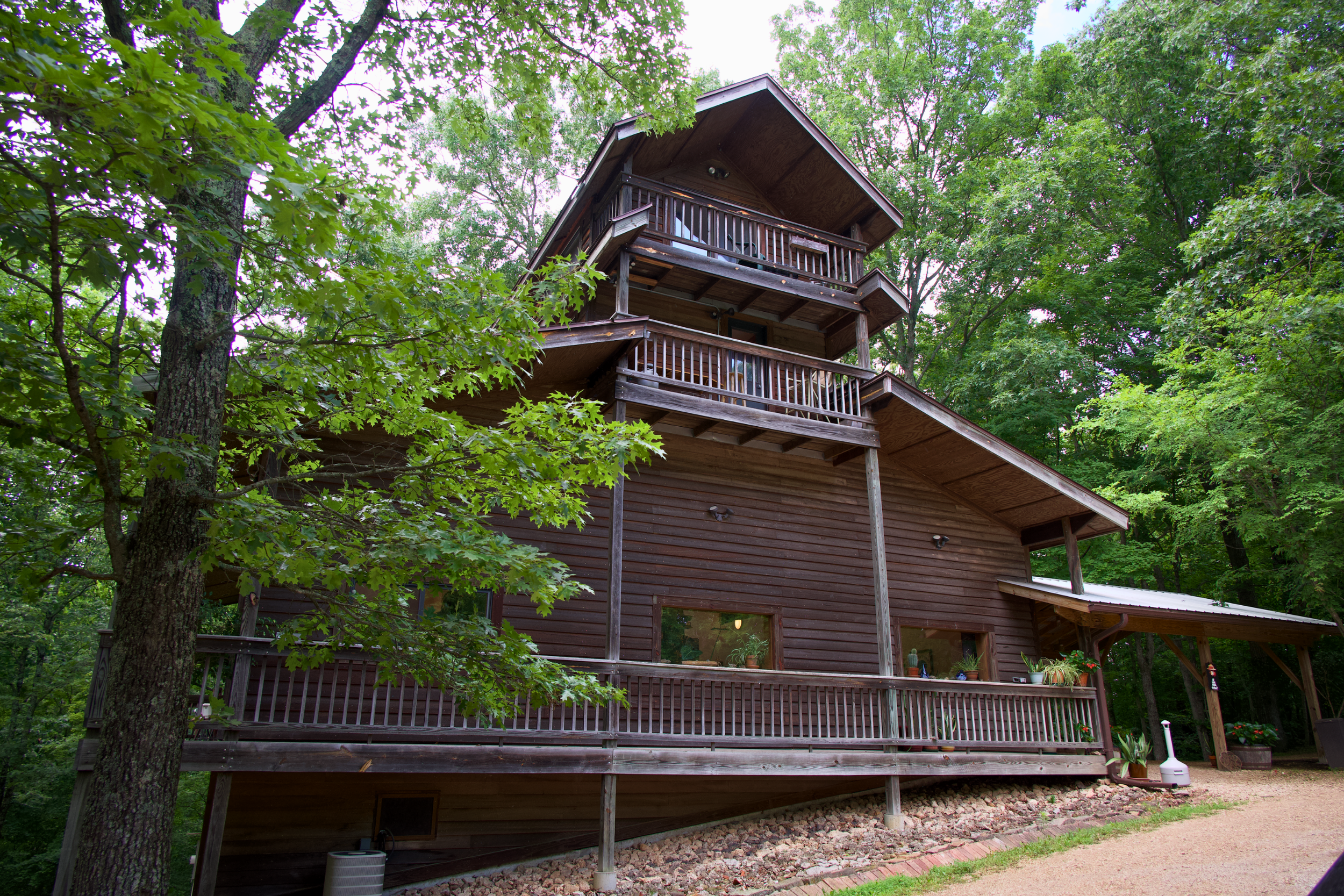
Located within the wine trail and close to multiple hiking destinations, Shawnee Hills Hideaway offers cabin-style accommodations that put you directly in the Southern Illinois experience from the moment you arrive. Waking up in the forest with the wine trail a short drive away and trails accessible without a long commute is the experience this region is built for.
Book well in advance for fall weekends; October fills up extremely fast.
Shawnee Hills Hideaway booking
Giant City State Park Lodge and Cabins
The historic Giant City Lodge, built by the Civilian Conservation Corps in the 1930s from locally quarried sandstone and Illinois hardwood, is one of the most atmospheric lodging options in the region.
The original cabin-style accommodations put you directly adjacent to the park's trails, and the lodge restaurant serves some of the most beloved food in Southern Illinois, particularly the award-winning fried chicken that locals have been returning to for decades.
Camping in Shawnee National Forest
Multiple developed and primitive campgrounds are scattered throughout the forest. Turkey Bayou Campground near Pomona is convenient to Little Grand Canyon. The Forest Service website lists current availability and conditions.
Hipcamp for unique cabin and camping listings in Southern Illinois; Expedia.com for hotel options in Carbondale and Marion.]
Where to Eat in Southern Illinois
Flamm Orchards
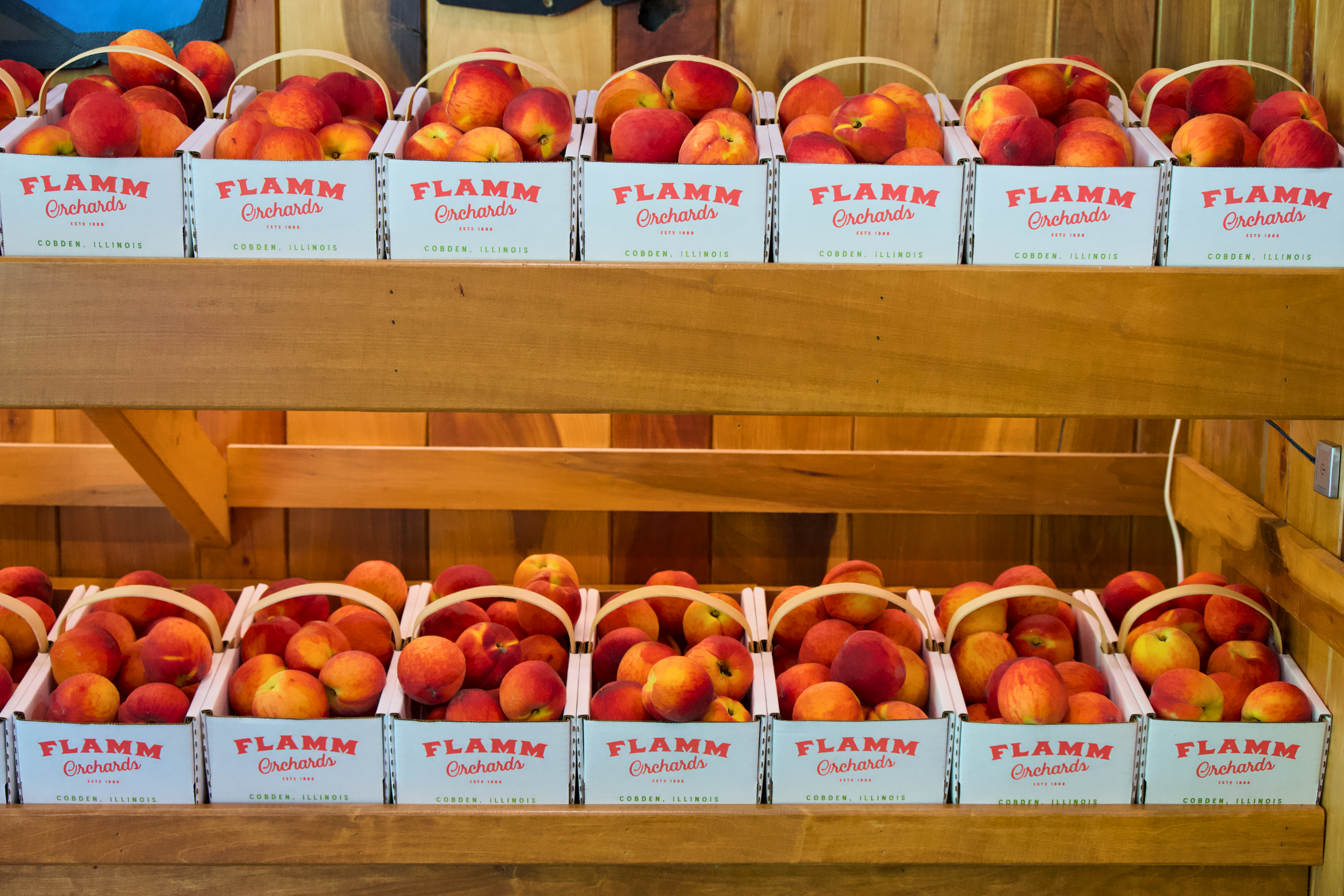
A Southern Illinois institution. The Flamm family has been farming this land for generations, producing some of the best peaches, apples, and seasonal fruit in the Midwest. The farm stand carries fresh fruit, apple cider, preserves, and seasonal produce.
If you're visiting in peach season (late June through August), do not leave without stopping here. The peaches are extraordinary.
Giant City Lodge Restaurant
Iconic Southern Illinois comfort food in a genuinely historic setting. The fried chicken has been written about in national publications for good reason. The stone interior, original woodwork, and sense of place make it worth a meal even if you're not staying at the lodge.
Reservations recommended on fall weekends - it fills up.
The Wineries
Almost every winery on the Shawnee Hills Wine Trail serves food. Blue Sky Vineyard and Hickory Ridge both have particularly good food programs. Planning your itinerary around a winery lunch or dinner is a natural and satisfying approach that many visitors don't think to do in advance.
What to Pack for a Southern Illinois Weekend: The Complete Packing List
Getting this right makes a genuine difference, particularly for the hiking portions of the trip.
Footwear
Footwear is the single most important packing decision for this trip.
Canyon trails (Little Grand Canyon, Hawk's Cave, Panther Den): Hiking boots with ankle support and aggressive tread are non-negotiable. The canyon trail involves wet rocks, root systems, and steep scrambles where regular sneakers are genuinely inadequate. (Men’s& Women’s hiking boots)
Moderate trails (Giant City, Ferne Clyffe): Lightweight trail runners work well. (Men’s & Women’s hiking shoes)
Wine trail: A casual pair of shoes or sandals - your hiking boots will feel out of place at a winery patio. (The cutest pair on REI!)
Clothing
Moisture-wicking base layers - Southern Illinois summers are warm and humid (My recommendations: women's & men’s tops)
Packable midlayer - fall temperatures swing significantly between morning and afternoon (My recommendations: women’s & men’s jackets)
Rain jacket - canyon conditions change fast after rain, and trails close (women’s & men’s rain jackets)
Convertible hiking pants - recommended for canyon trails where poison ivy is present (My recommendations: women’s & men’s pants)
Sun hat and sunglasses - exposed sections of trail have direct sun Sunglasses (polarized recommended)
Trail Essentials
Reusable water bottle— no water sources on most trails
Trekking poles - genuinely useful on Little Grand Canyon for the canyon descent and ascent
Small daypack - for water, snacks, layers, and camera gear
Headlamp - if you're hiking early or staying out near dusk
Trail snacks - no food vendors at trailheads (some of my favs: salty snack mix, sweet & salty snack mix & snack bar)
Kayaking Essentials
Insect repellent - non-negotiable on the Cache River. The swamp is beautiful; the mosquitoes are real.
Dry bags and waterproof phone cases - to protect valuables on the water
Quick-dry clothing - you may get wet
Sun protection - water reflects UV strongly
Closed-toe water shoes - for launching and landing (men’s pair & women’s pair)
Wine Trail Essentials
Small soft cooler or insulated tote, for carrying wine purchases home. Most wineries sell bottles to take away, and having something to keep them cool is practical.
A designated driver plan or knowledge of local shuttle services
Cash; some smaller operations prefer it
Photography
Southern Illinois is exceptionally photogenic. The light in the canyons, swamps, and vineyards is remarkable.
Wide-angle lens or phone clip-on lens - helps capture canyon scale
Waterproof phone case - essential for kayaking (or your GoPro for the most epic photos)
Extra battery or portable charger - you will take more photos than expected
Tech and Navigation
Download offline maps before you go - cell service is spotty in parts of the forest
AllTrails Pro for offline trail maps
Car charger - you'll use GPS extensively throughout the trip
Cash - useful at smaller farm stands and local spots
Southern Illinois Weekend Itinerary: How to Plan Your Trip
The Perfect Two-Day Weekend
Day 1 - Canyons, Swamps, and First Night
Start early with Hawk's Cave Trailhead and Big Rocky Hollow Trail before the day heats up. The morning light in the rock hollows is worth the early alarm.
Midday, head to Ferne Clyffe State Park for a second hike and a picnic lunch among the rock formations.
In the afternoon, drive to the Cache River State Natural Area for a kayak trip with Cache Bayou Outfitters - book this in advance, particularly on summer and fall weekends.
Check in to Shawnee Hills Hideaway in the early evening. Dinner at Blue Sky Vineyard - the outdoor patio at sunset is the right way to end the first day.
Day 2 — Wine Trail, Small Towns, and Canyon
Morning: Giant City Nature Trail and Observation Tower, followed by lunch at the Giant City Lodge.
Early afternoon: Drive to Alto Pass for the railroad trail and Alto Vineyards.
Late afternoon: Continue along the Shawnee Hills Wine Trail — Hickory Ridge, Pomona, Kite Hill, StarView.
Early evening: Wander through Makanda before the drive home. If time allows, Little Grand Canyon is close to this route and worth a sunrise or early morning visit.
Adding a Third Day
A third day opens up significantly more of the region:
Little Grand Canyon deserves its own morning - start early to beat weekend crowds and have time for the full loop
Town of Anna and AnnaBelle Fest (if timing aligns)
Flamm Orchards for fresh fruit and local provisions
Panther Den for experienced hikers who want something wilder
Day Trip From St. Louis
Entirely doable in a single day.
Leave by 7 am, hike Little Grand Canyon in the morning, have lunch at Giant City Lodge, do three or four wineries on the Shawnee Hills Wine Trail in the afternoon, and head back to St. Louis by early evening. It's a long day, but a genuinely memorable one.
Why Southern Illinois Is the Midwest's Best Kept Secret
There's a reason people who visit Southern Illinois keep coming back. It's not just the individual attractions, though those are genuinely exceptional. It's the combination. The way you can hike into a canyon in the morning, paddle through an ancient swamp in the afternoon, and watch the sunset from a vineyard patio in the evening.
The way the landscape keeps surprising you. The way the towns feel real and unpolished in the best possible sense.
Most of the Midwest's great travel destinations are well known. Southern Illinois isn't. It exists in a kind of beautiful anonymity, visited mostly by people from St. Louis and Carbondale who have been coming for years and are in no rush to share the secret.
That's changing. Travel + Leisure featured Shawnee National Forest in 2026. Budget Travel named the Cache River one of America's ten most beautiful hidden gems. The word is getting out, slowly.
Go now, while it's still like this. And bring hiking boots.
Ready to Book Your Southern IL Trip?
Save this guide, start with the full weekend, and let this part of Illinois surprise you. Trust me, it will.
Questions about Southern IL? Send me a message on my social channels. I read everything and genuinely enjoy talking about this part of Illinois. If you've been to this part of the Midwest, tell me what I missed. There's always more.
Frequently Asked Questions About Visiting Southern Illinois
-
Approximately five hours by car via I-57 South. It's a long drive but absolutely worth a full weekend. Many Chicago visitors fly into St. Louis instead and drive from there.
-
Approximately two and a half to three hours - making it one of the best and most accessible weekend trips from St. Louis.
-
Yes. There is no entrance fee. Most trails, overlooks, and recreation areas are completely free to access. Some developed campgrounds charge overnight fees.
-
Fall (September through November) is peak season - harvest events and fall foliage make October especially spectacular. Spring (April through June) is lush and far less crowded. Summer is warm and ideal for kayaking. Winter is quiet and cozy.
-
A 35-mile scenic driving route through the Shawnee National Forest in Southern Illinois, featuring eleven award-winning wineries. Established in 1995 as the first wine trail in Illinois.
-
Yes, with some nuance. Giant City State Park, Ferne Clyffe, the Cache River boardwalks, and the wine trail towns are all family-friendly. Little Grand Canyon is manageable for older children comfortable with physical challenges but is not suitable for young children, the canyon scramble sections require real athleticism.
-
Hiking boots with ankle support and good traction are strongly recommended for canyon trails. Long pants help with poison ivy. Moisture-wicking layers and a hat for sun exposure. Bring plenty of water - there are no water sources on most trails.
-
Yes. The main hazards are natural ones: slippery trail conditions after rain, poison ivy, ticks in warmer months, and occasional venomous snake sightings in canyon and swamp areas. Standard outdoor precautions address all of these comfortably.
-
Cache River State Natural Area contains North America's northernmost cypress-tupelo swamp and is designated a Wetland of International Importance by the Ramsar Convention of UNESCO, one of only about 40 such designations in the entire United States. It contains cypress trees more than 1,000 years old and over 100 threatened or endangered plant and animal species.

The Scenic Route Traveler inspires intentional travel through storytelling, hidden gems, and culturally rich experiences around the world.
-
I’m Erin, the voice behind Scenic Route Traveler, sharing intentional travel stories and guides from around the globe.
-
We deliver travel guides and storytelling through YouTube, social media, photography, and digital products designed for fellow travelers.
-
If you’re new here: this is a space for travelers who care more about how a place feels than how it looks on a checklist. You’ll find guides, stories, and resources designed to help you slow down and travel with intention.