
The French Riviera Villages Worth Building Your Trip Around, And How Long to Spend in Each
A detailed South of France travel guide covering Provence, the Côte d’Azur, villages, lavender fields, food, tips, and itineraries.
The South of France You Think You Know… and the One You Actually Meet
Some places live in your imagination long before you ever see them. The South of France is one of those places.
You picture lavender fields, pastel towns, rosé on a terrace, maybe a striped beach umbrella or two. And yes, all of that exists. But what surprised me most was how quietly beautiful it is. Not dramatic like the Dolomites. Not rugged like Tasmania. More like a slow exhale you didn’t realize you needed.
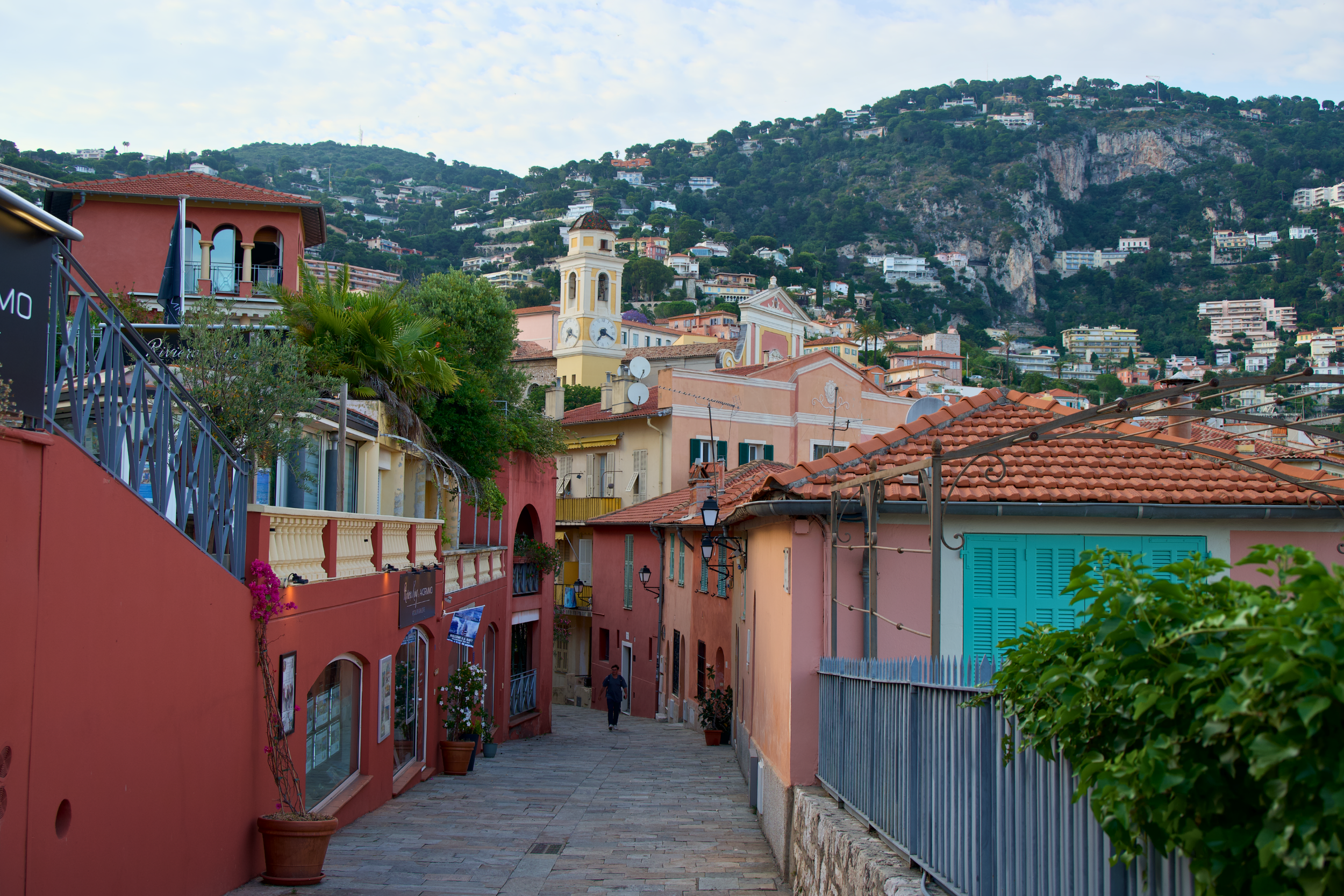
Within the first hour of driving through Provence, I understood why people return here again and again. The light is soft and golden. The villages look like they were carved out of warm stone. And the pace of life feels like it’s been intentionally slowed down, as if the whole region is gently reminding you to do the same.
If you’re planning a trip to the South of France, whether it’s your first time or your fifth, this guide is for you. It’s long, detailed, and honest. A mix of storytelling, practical tips, and the kind of observations you only get from actually being there.
Think of this as your “I want to do this right” guide.
This post contains affiliate links. If you book through my links, I may earn a small commission at no extra cost to you. It helps keep this blog going, and I only ever recommend things I'd use myself.

What the South of France Is Known For
Here’s the thing about the South of France: it’s not one place. It’s a collection of micro‑regions that each feels like its own little world.
The “classic” South of France includes:
Provence — lavender, markets, hilltop villages
The Côte d’Azur — Nice, Cannes, Menton, Èze, beaches
The Luberon — Gordes, Roussillon, Bonnieux
Verdon Region — Gorges du Verdon, turquoise lakes
Camargue — flamingos, salt flats, wild horses
Occitanie — Roman ruins, medieval towns
What it’s famous for:
Lavender fields (June–July)
Rosé wine
Stone villages perched on cliffs
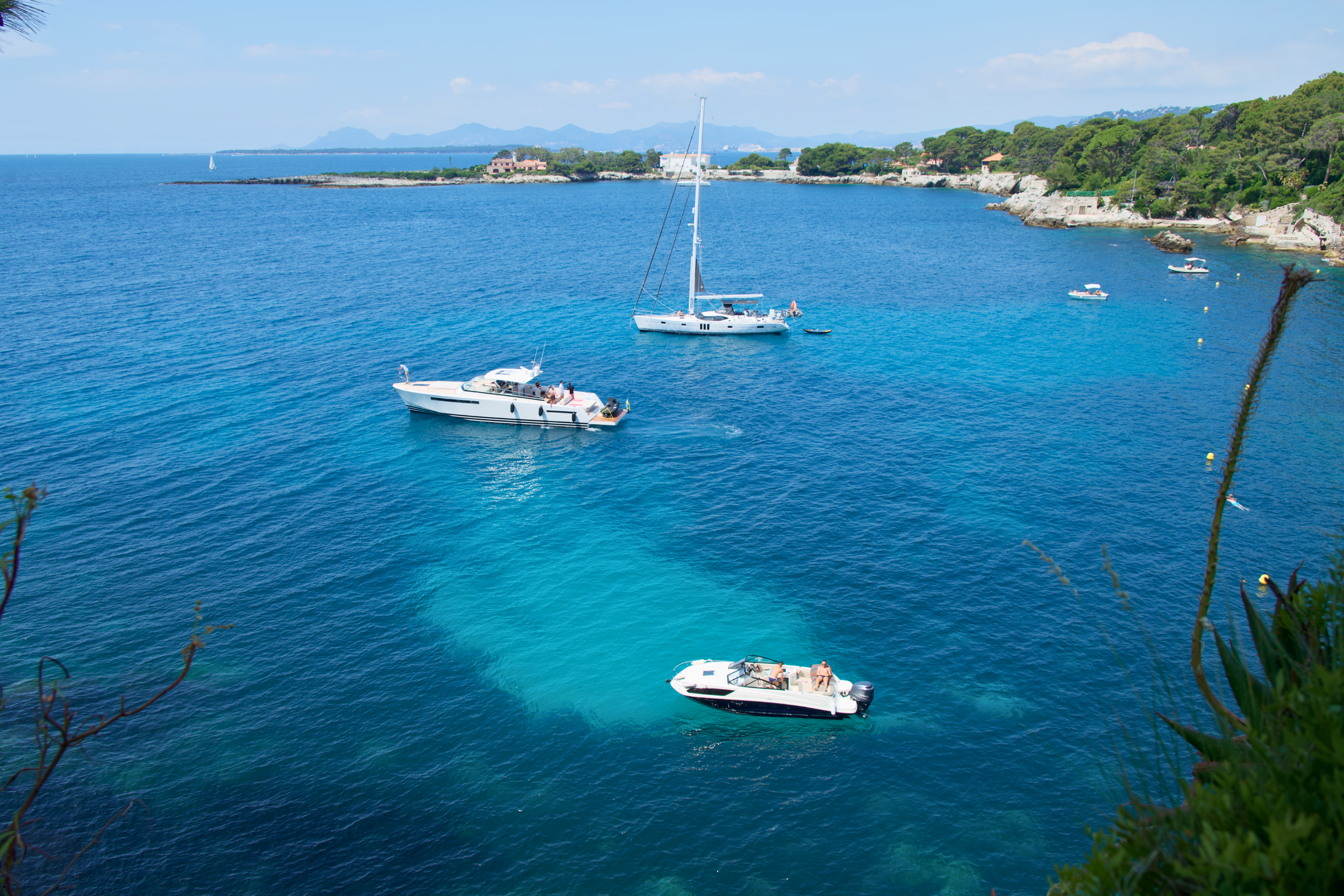
Mediterranean beaches
Outdoor markets
Olive groves + vineyards
Scenic road trips
Art history (Van Gogh, Cézanne, Matisse)
Sunshine — over 300 days a year
But what is it really known for?
A feeling. A slower pace. A softness. A sense that life is meant to be savored, not rushed.
Why the South of France Feels So Captivating
This region has a way of getting under your skin, in the best possible way.
A few things that stood out:
The light — warm, golden, cinematic
The quiet — especially in the mornings
The landscapes — lavender → vineyards → cliffs → sea
The food — simple, fresh, deeply regional
The villages — tiny, charming, timeless
The pace — slow in a way that feels intentional
A moment I didn’t expect:
Driving through the Luberon at golden hour, windows down, cicadas humming, the air smelling like lavender and rosemary. It felt like stepping into a painting, but one that didn’t need to be perfect to be beautiful.
How to Get Around the South of France
Short answer: Rent a car. Long answer: Rent a car unless you’re only doing the Côte d’Azur.
🚗 Driving in Provence
This is a road trip region. Villages are spread out, buses are infrequent, and the best spots are often the ones you stumble upon.
Car rental tip: Book early, especially in summer.
If you’re renting a car, double-check your travel insurance covers it: VisitorCoverage
🚆 Train travel
Great for:
Nice ↔ Cannes ↔ Antibes ↔ Menton
Marseille ↔ Aix
Avignon ↔ Arles
Not great for:
Small villages
Lavender fields
Scenic drives
🚐 Tours (if you don’t want to drive)
A few good options:
Lavender field tours (here’s a great option leaving from Nice)
Verdon Gorge day trips (tour leaving from Nice)
🚗 Gear Up: Car Rental
I booked through Expedia and compared a dozen options in under five minutes. For Provence specifically, look for a car that isn’t too wide or big to help you navigate smaller town roads.
When to Visit the South of France
Here’s where the South of France gets interesting: there’s no bad time to visit, just different versions of the region.
☀️ Summer (June–August)
Lavender, sunflowers, beach days, long evenings
Lavender fields peak late June–mid July
Bustling villages + markets
Warm, sunny, classic Provence vibes
Côte d’Azur beaches are busy but beautiful
Best for: first‑timers, lavender chasers, beach lovers. Downside: crowds + higher prices
🌸 Spring (April–May)
Flowers, mild weather, fewer crowds
Wildflowers everywhere
Perfect hiking weather
Villages feel quieter
Cheaper hotels
Best for: photographers, hikers, slow travelers
🍁 Fall (September–October)
Harvest season, warm days, golden vineyards
Grape harvest
Still warm enough for the beach
Fewer tourists
Amazing food season
Best for: foodies, wine lovers, road trippers
❄️ Winter (November–March)
Quiet, local, atmospheric
Christmas markets
Empty villages
Crisp mornings
Great for budget travelers
Best for: people who want the region to themselves
Where to Stay in the South of France
Choosing where to stay in the South of France is half the experience. This region isn’t about rushing from sight to sight; it’s about settling into a village, a terrace, a rhythm.
Here’s how I’d think about it:
🌸 If you want the classic Provence experience… stay in the Luberon
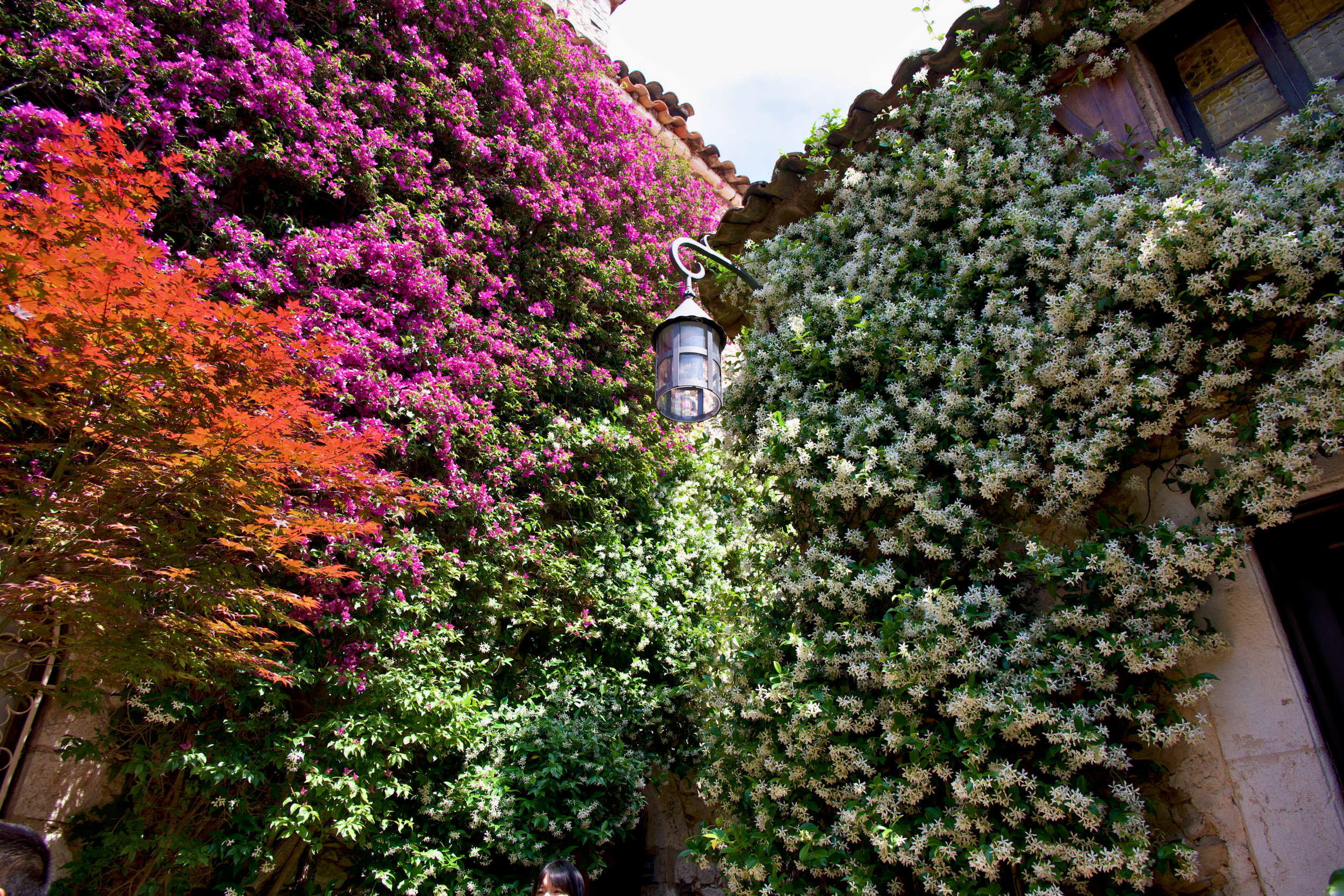
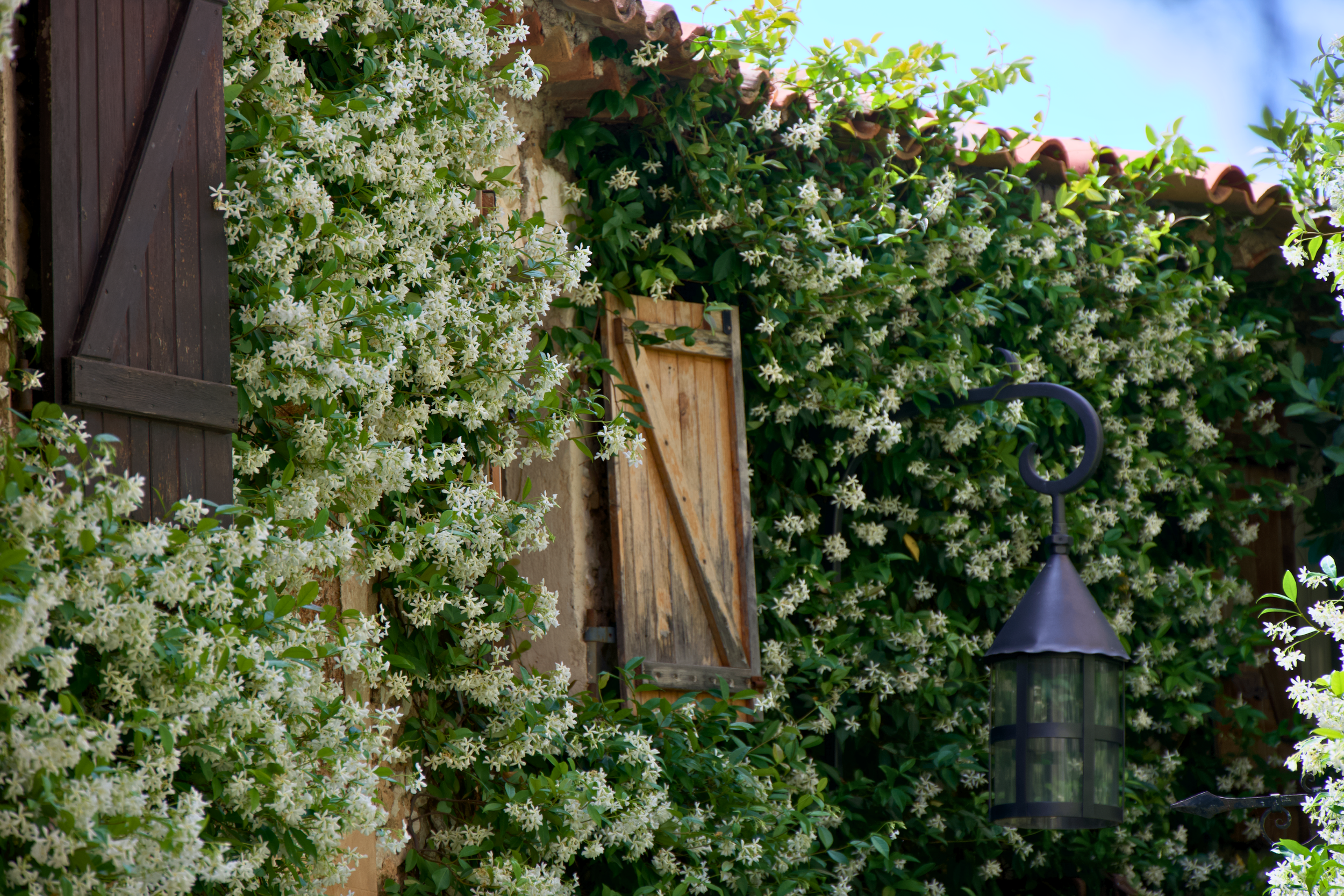
This is the Provence you picture in your head: stone villages, lavender fields, vineyards, ochre cliffs, cicadas humming in the background.
Best bases:
Gordes — iconic, dramatic, perched on a cliff
Roussillon — ochre cliffs + warm colors
Bonnieux — quiet, charming, great views
Ménerbes — small, elegant, peaceful
Why stay here:
Central for exploring
Great for sunrise/sunset photography
Easy access to lavender fields
Slower pace
Where to book:
Boutique hotels (option here)
Farm stays (option here)
Vineyard stays (Château de la Gaude - perfect option)
Stone villas with terraces (Provence stay)
🌊 If you want beaches + coastal towns… stay on the Côte d’Azur
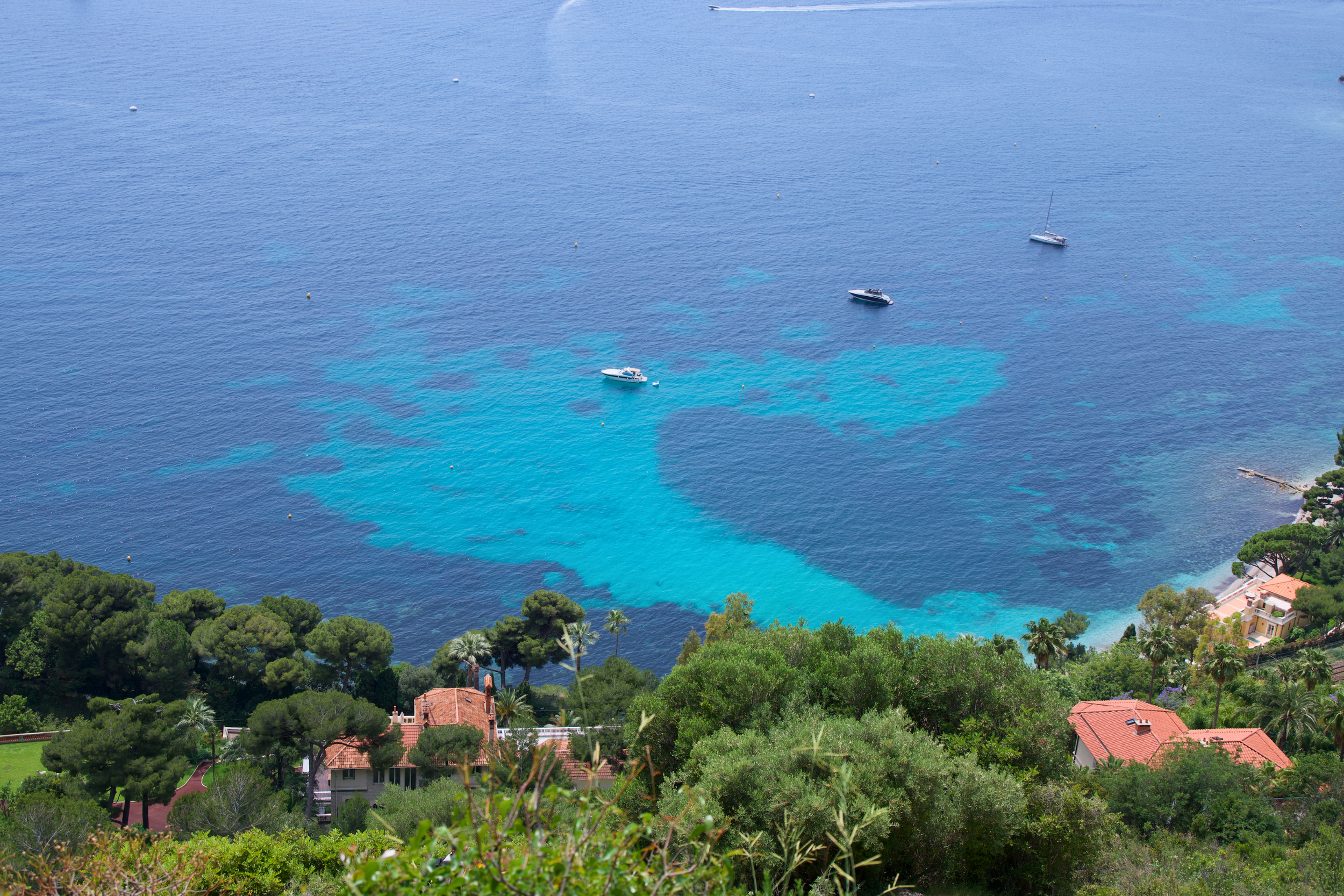
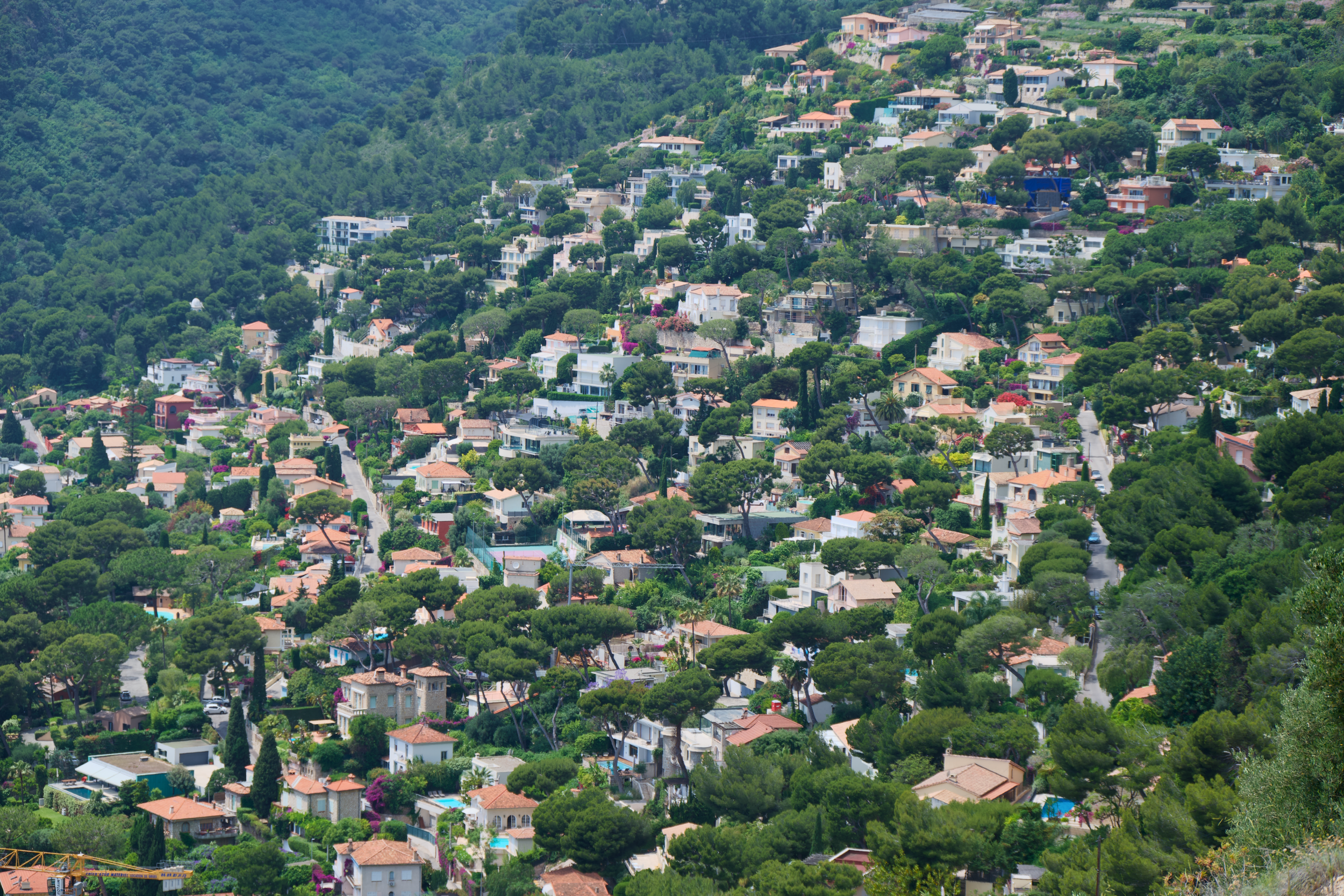
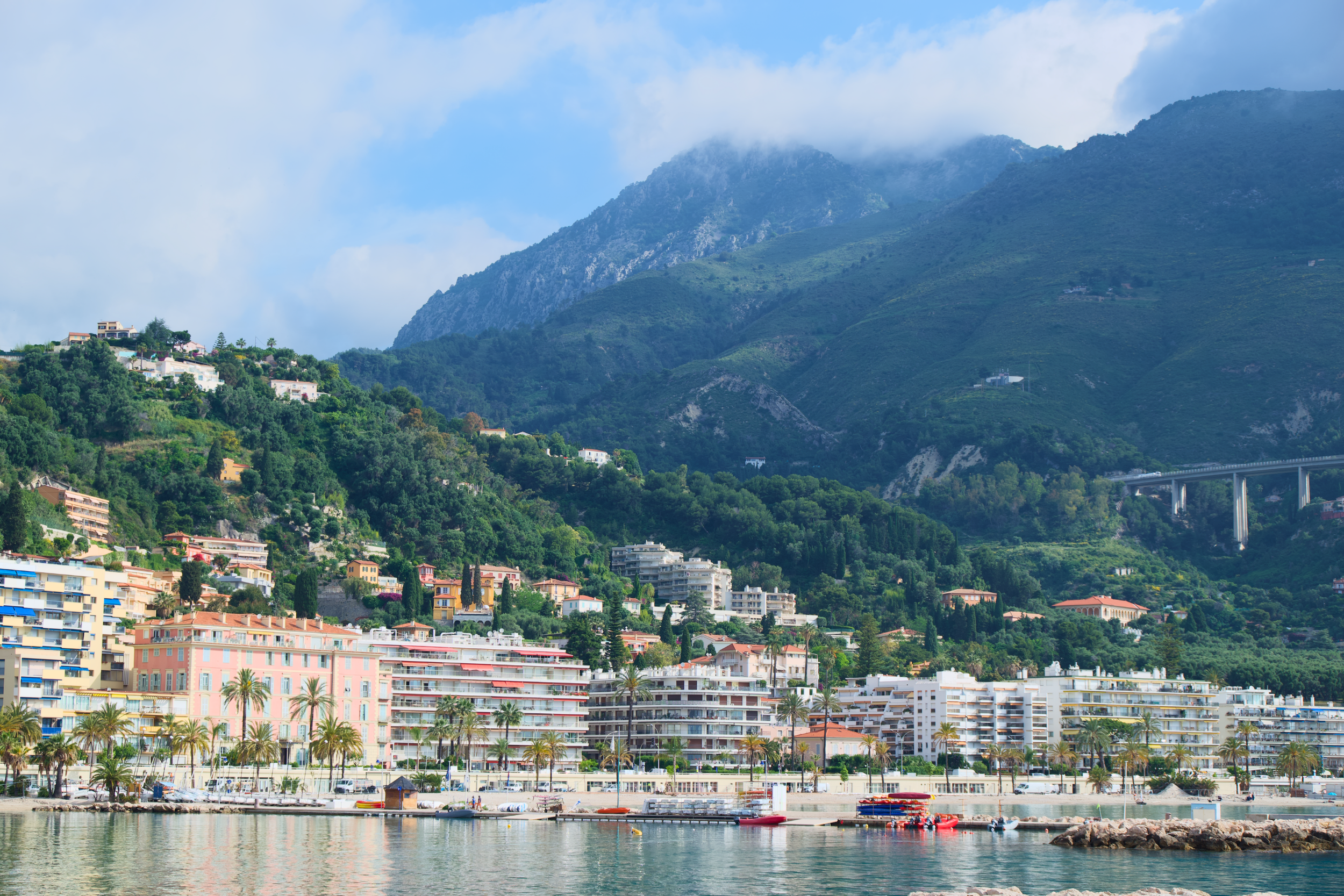
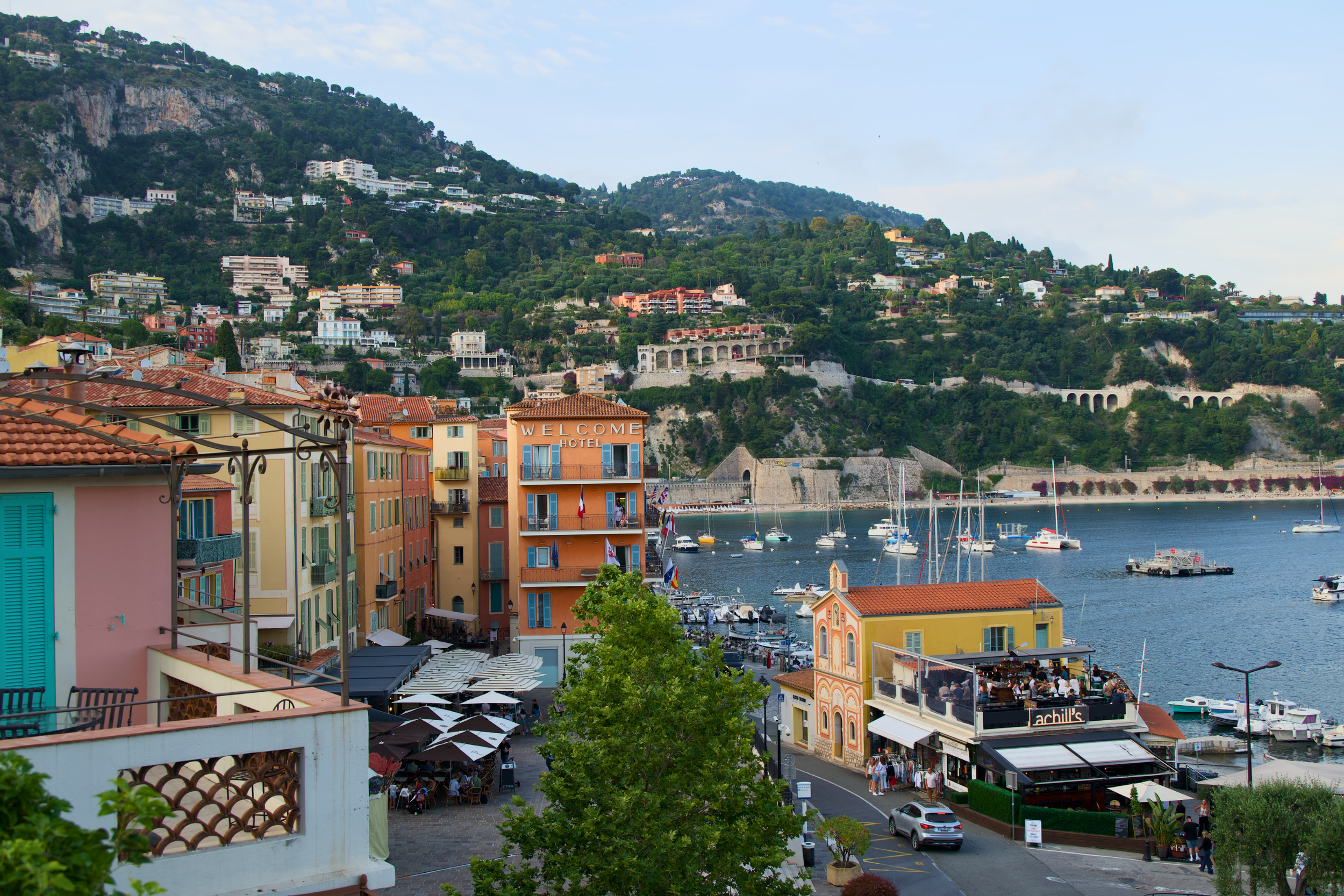
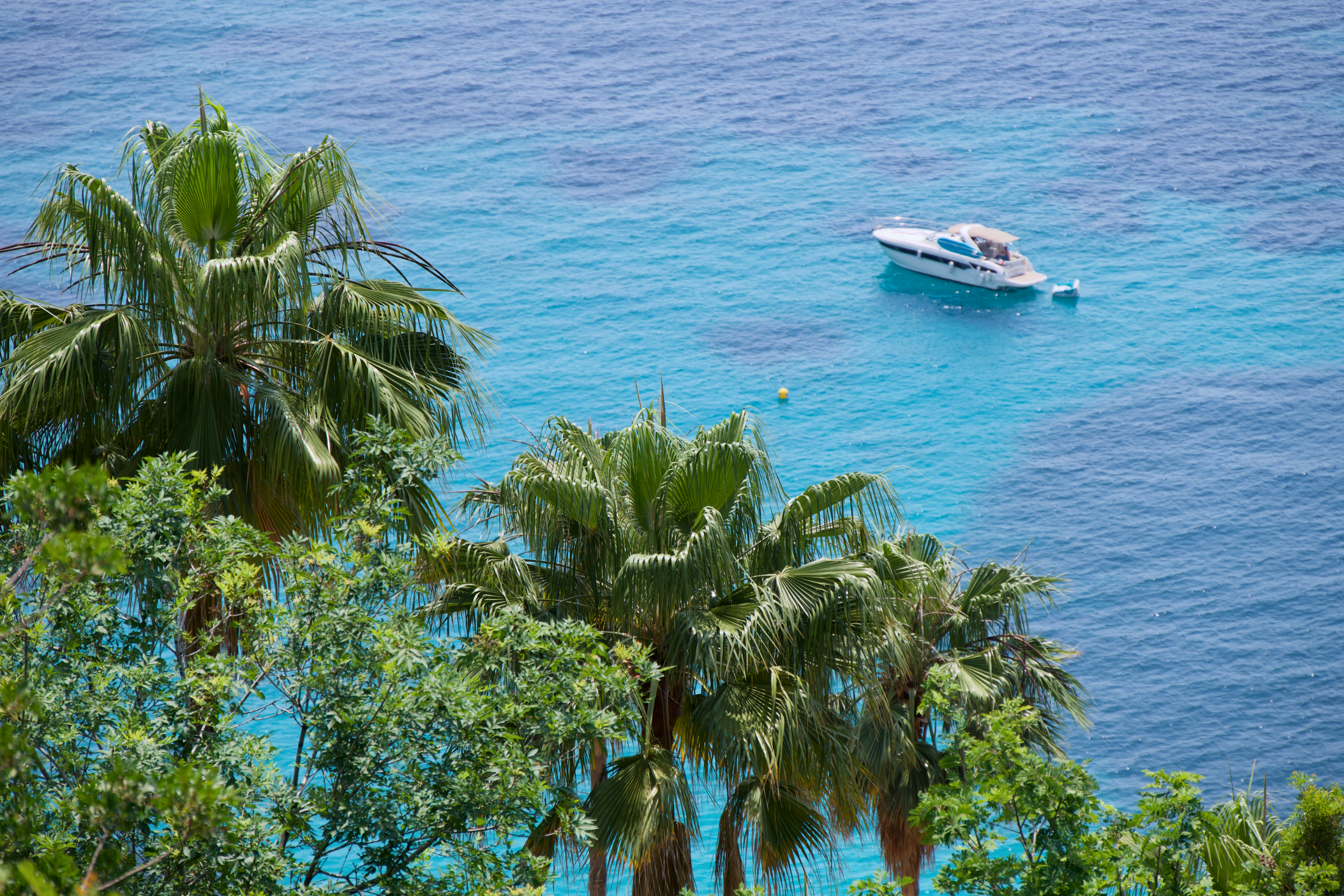
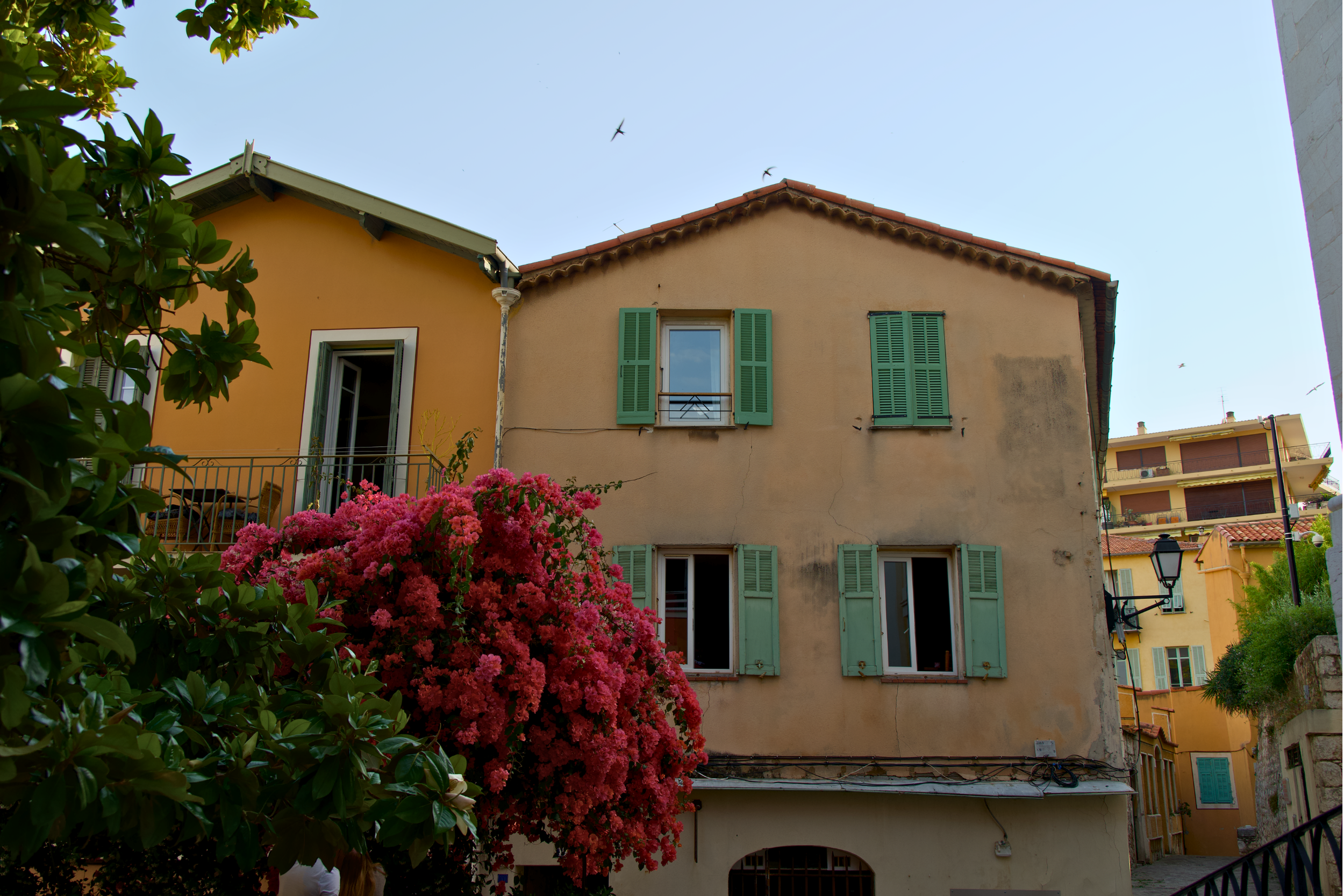
The Côte d’Azur is a different world, with pastel buildings, turquoise water, palm trees, promenades, and that Riviera energy.
Best bases:
Nice — walkable, great food, easy transport
Antibes — charming old town + beaches
Menton — colorful, quiet, near Italy
Èze — dramatic cliffside village
Why stay here:
No car needed
Easy day trips by train
Great for food + nightlife
Beach days
Where to book:
Boutique hotels (Chateau Le Cagnard or Hôtel Le Provençal)
Seaside apartments (Nice option or Antibes option)
Additional properties worth exploring (Hôtel Les Terrasses D'Eze, Nice Pam Hotel, or Eden Hotel)
🍷 If you want vineyards + countryside… stay near Aix or Avignon
These cities make great bases if you want a mix of culture + countryside.
Aix-en-Provence:
Elegant, walkable, fountains everywhere
Great food scene
Close to Luberon + lavender
Avignon:
Medieval walls
Central for day trips
Great for history lovers
Where to book:
Vineyard or farmstays B&Bs (La Ferme Constantin or Gîte l’Inattendu)
Boutique hotels (Chateau de Varenne, Grand Hôtel Henri or Villa Occitana)
🏞️ If you want nature + adventure… stay near Verdon Gorge
This area feels like a completely different trip, with turquoise water, cliffs, hikes, and kayaking.
Best bases:
Moustiers-Sainte-Marie
Castellane
Aiguines
Why stay here:
Hiking
Kayaking
Scenic drives
Cooler temperatures in summer
If you don’t want to drive, these small-group tours are reliable and well-reviewed: GetYourGuide Provence tours or Best of The South of France tours
Provence: Lavender, Villages & Slow Travel
This is the heart of the South of France, the version that feels timeless, warm, and deeply atmospheric.
If you only do one part of this guide, make it Provence.
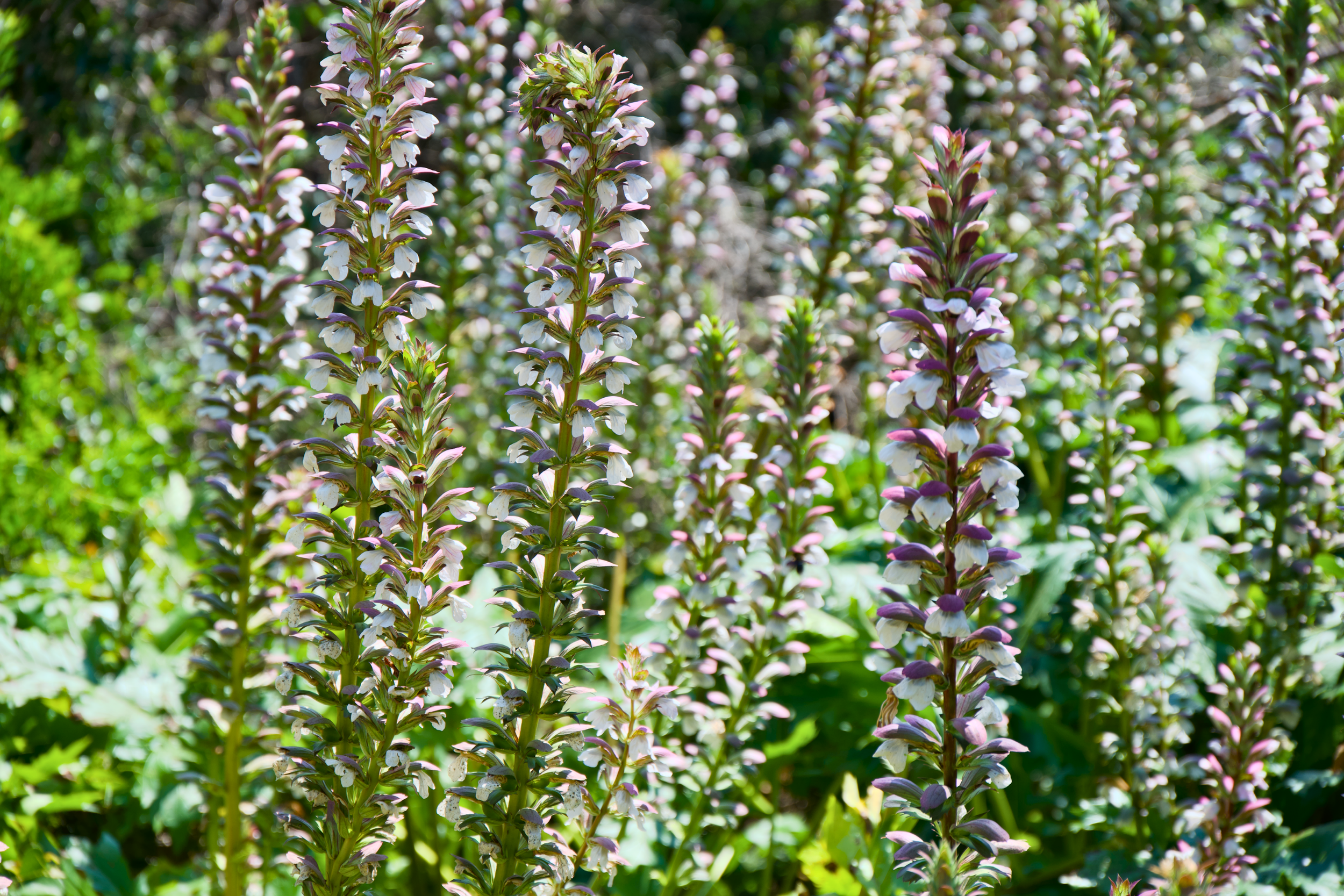
🌸 Lavender Fields (When + Where to See Them)
Lavender season is short and magical.
Best time:
Late June to mid‑July (Varies each year slightly)
Best areas:
Valensole Plateau — endless fields, classic photos
Sault — higher elevation, blooms later
Luberon — smaller fields near villages
Quick tip: Go early. Sunrise is quiet, cool, and golden. Sunset is beautiful but busier.
Photography note: Bring a polarizer if you want deeper blues in the sky.
🧺 Provence Markets (Don’t Skip These)
Markets are the soul of Provence. Even if you’re not a “market person,” you will be here.
My favorites:
L’Isle-sur-la-Sorgue (Sunday) — antiques + food
Apt (Saturday) — huge, local, colorful
Gordes (Tuesday) — scenic + lively
Aix-en-Provence (Daily) — flowers + produce
What to buy:
Peaches
Olives
Lavender honey
Cheese
Fresh bread
Olive oil
Ceramics
Side note: Markets are busiest 9–11 am. Go early for photos, late for deals.
🏘️ Hilltop Villages (The Ones Worth Your Time)
Provence has dozens of villages — but these are the ones that feel special.
Gordes
The postcard village. Come at sunrise for the overlook — it’s worth it.
Roussillon
Warm ochre cliffs, colorful streets, great golden hour.
Bonnieux
Quiet, charming, great views, amazing bakery.
Lourmarin
Shaded streets, cafés, slower pace.
Ménerbes
Small, elegant, peaceful.
Sault
Lavender town with views for days.
🍽️ What to Eat in Provence
Provence is simple food done perfectly.
Must‑tries:
Ratatouille
Aioli
Tapenade
Rosé (obviously)
Goat cheese
Lavender honey
Fresh peaches
Olive oil everything
If you see “plat du jour,” order it. It’s always fresh and always good.
🚗 Best Drives in Provence
These are the drives that make you want to pull over every five minutes.
Gordes → Roussillon
Bonnieux → Lourmarin
Valensole Plateau loop
Sault lavender route
Aix → Luberon villages
Quick tip: Download offline maps — service drops often.
The Côte d’Azur: Beaches, Coastal Towns & Riviera Light
If Provence is all warm stone and slow mornings, the Côte d’Azur is its sun‑soaked, salt‑air counterpart — brighter, livelier, and undeniably glamorous in that effortless French way. The coastline feels like a string of pearls, each town with its own personality, its own color palette, its own rhythm.
Driving into the Riviera after days in Provence feels like stepping into a different chapter of the same story — the light shifts, the air changes, and suddenly the world smells like citrus and sea spray.
Here’s how to make the most of it.
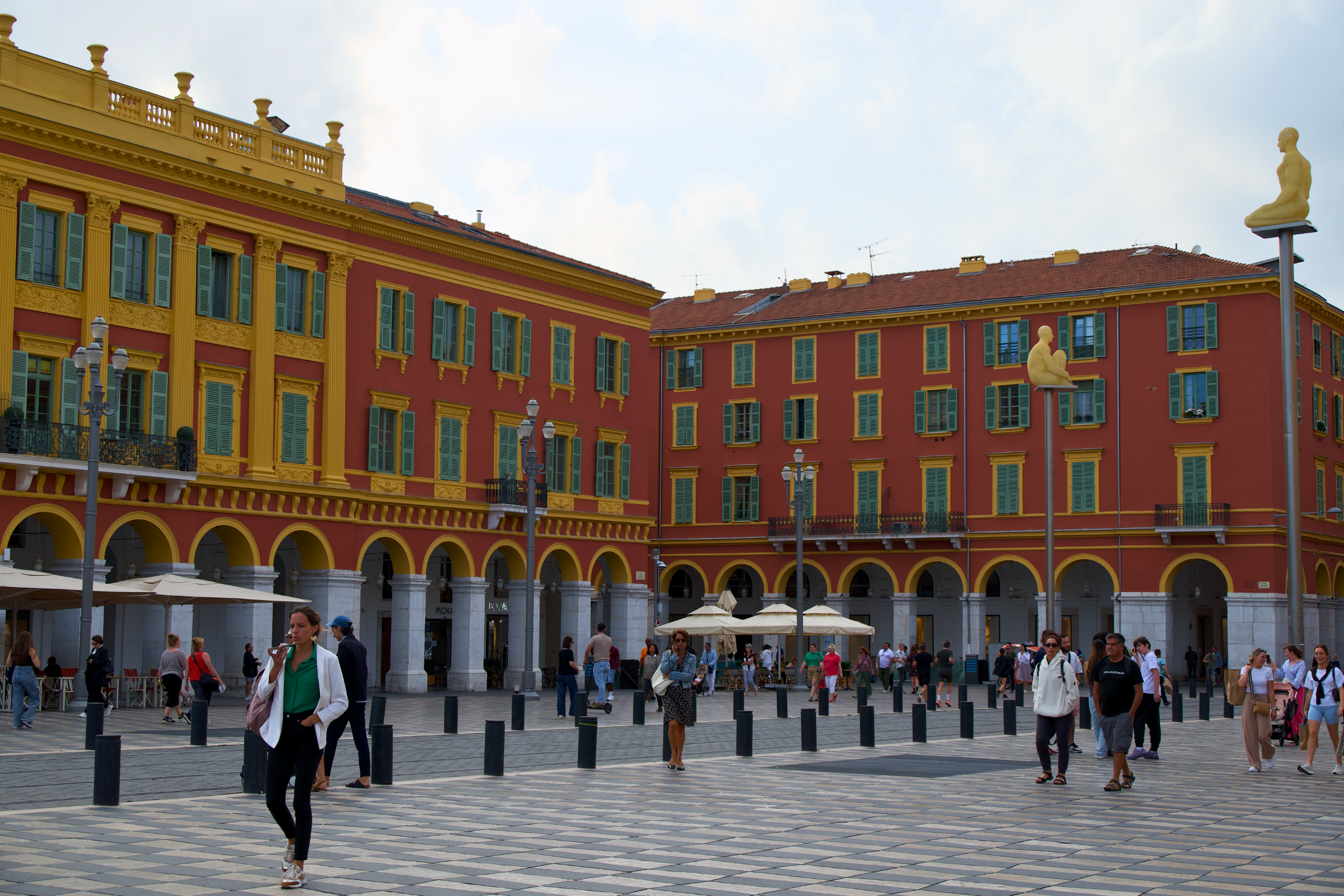
🌴 Nice: The Riviera’s Beating Heart
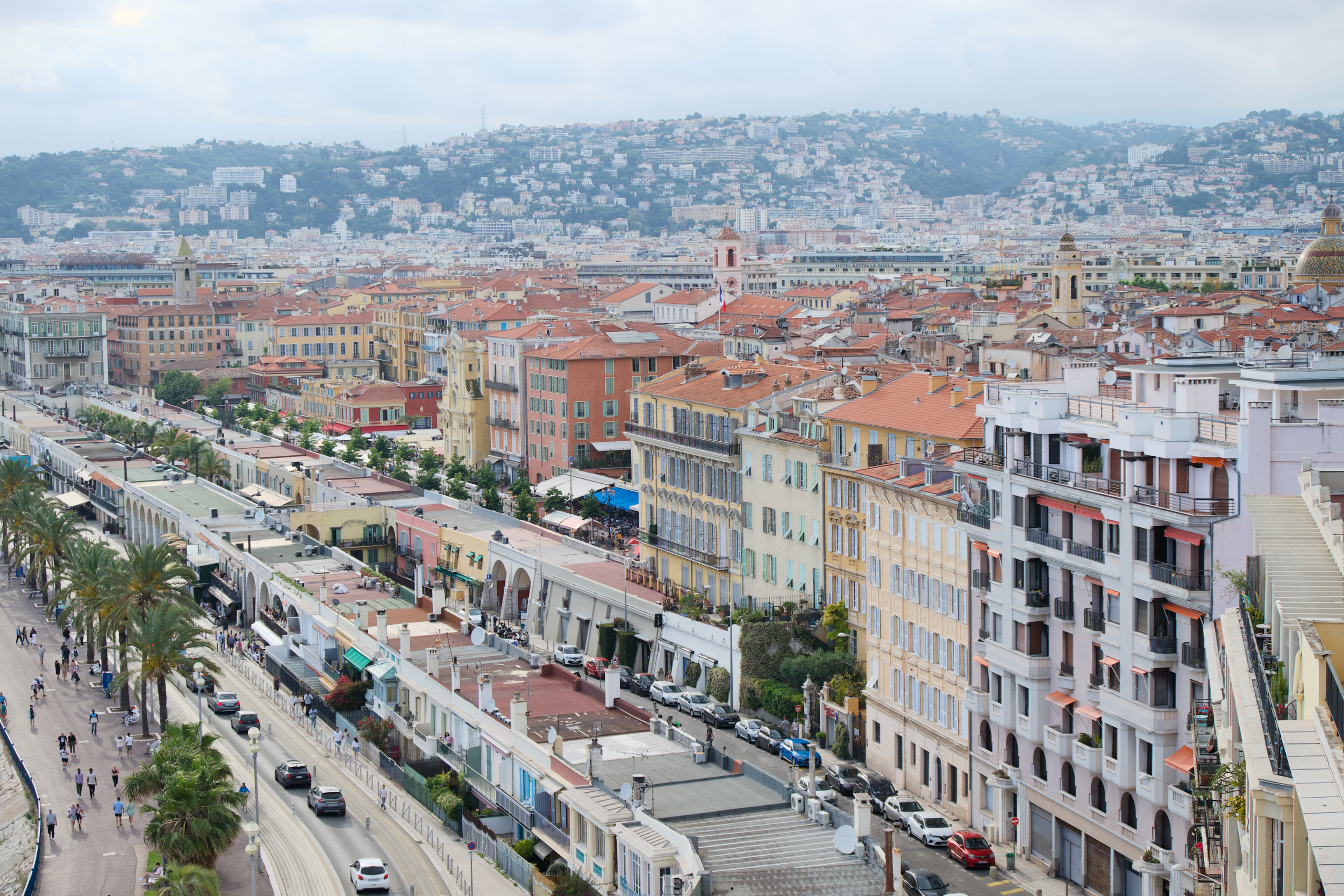
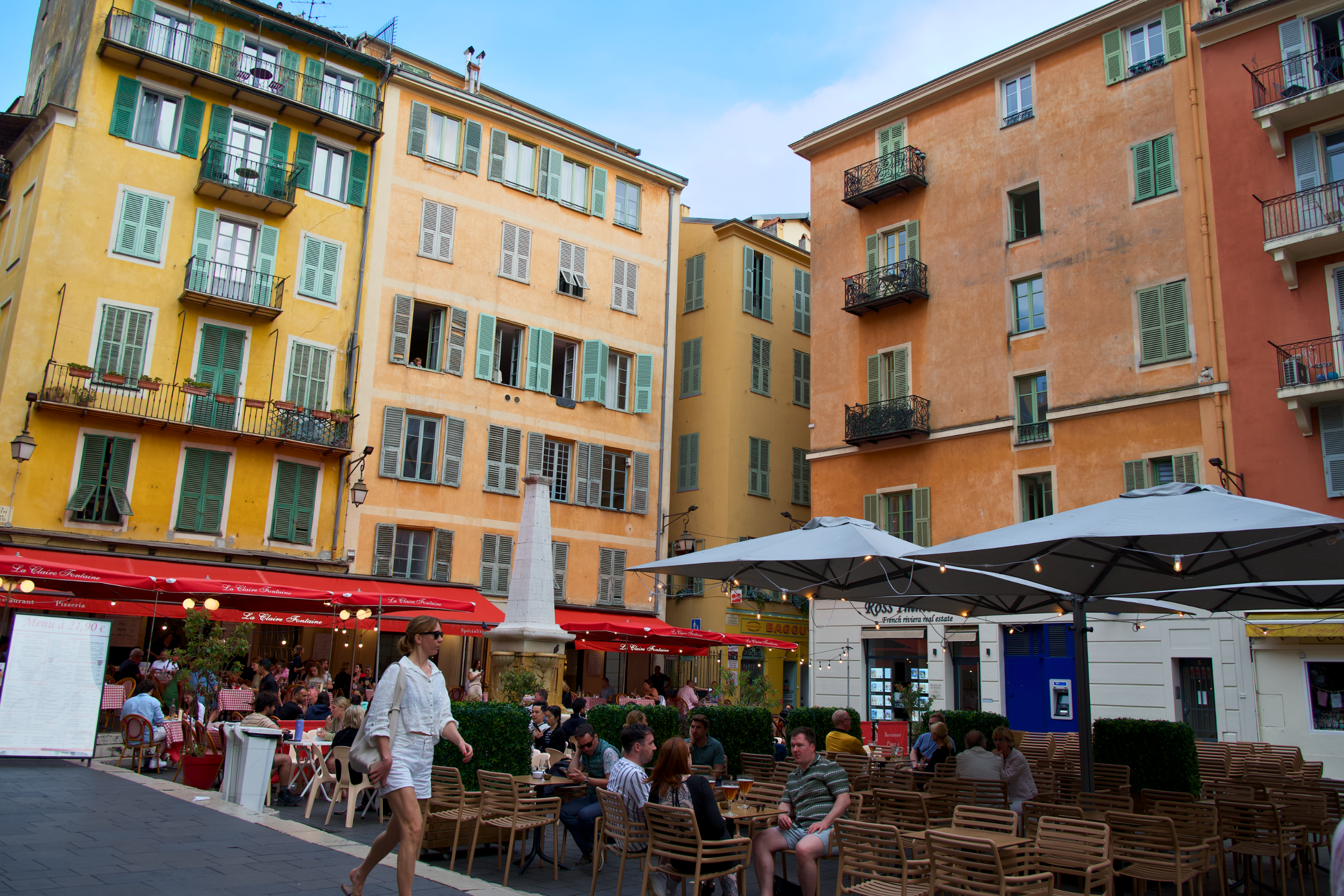
Nice is the kind of place that grows on you slowly. At first, it feels busy, a little chaotic, a little loud, but once you settle into its rhythm, it becomes the perfect base for exploring the coast.
Why Nice works so well:
Walkable old town
Endless food options
Easy train access to every major coastal town
A long, beautiful promenade for morning or sunset walks
Beaches right in the city
What I loved most: The early mornings. Before the city wakes up, the Promenade des Anglais feels peaceful and wide open, with soft light hitting the water and locals walking their dogs. It’s one of those simple moments that stay with you.
Don’t miss:
Castle Hill (go for sunrise if you can)
Old Town (Vieux Nice)
The flower market (Cours Saleya)
A sunset walk along the promenade
Good to know: Nice’s beaches are rocky, bring water shoes if you plan to swim.
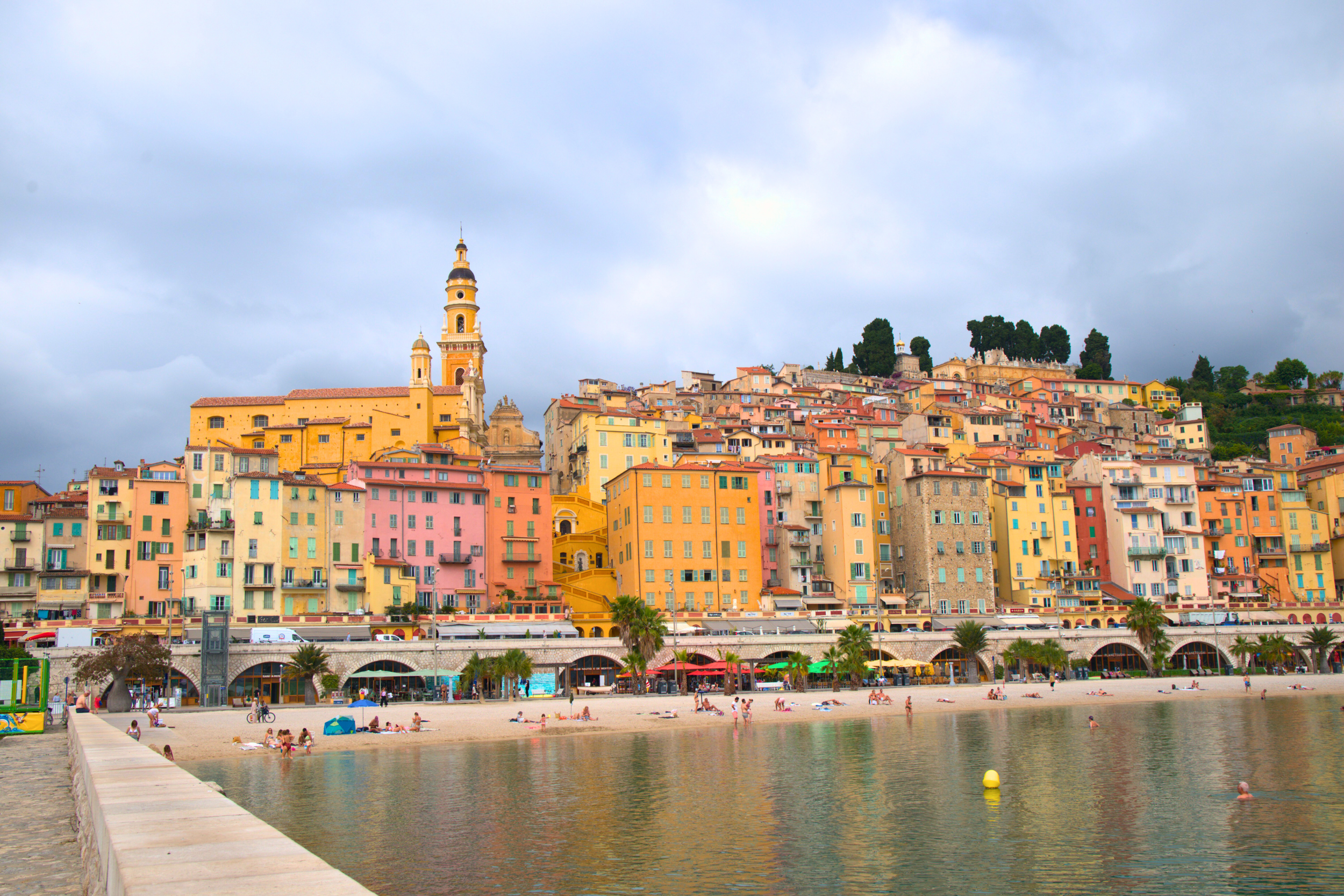
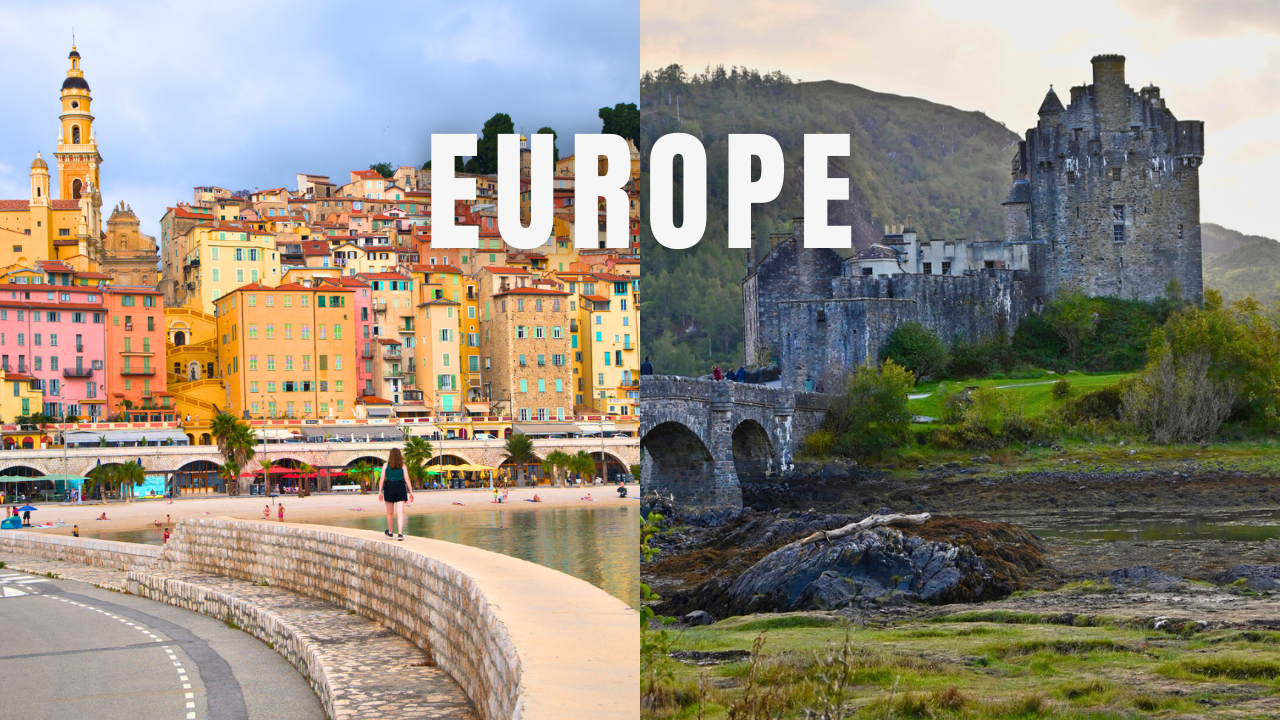
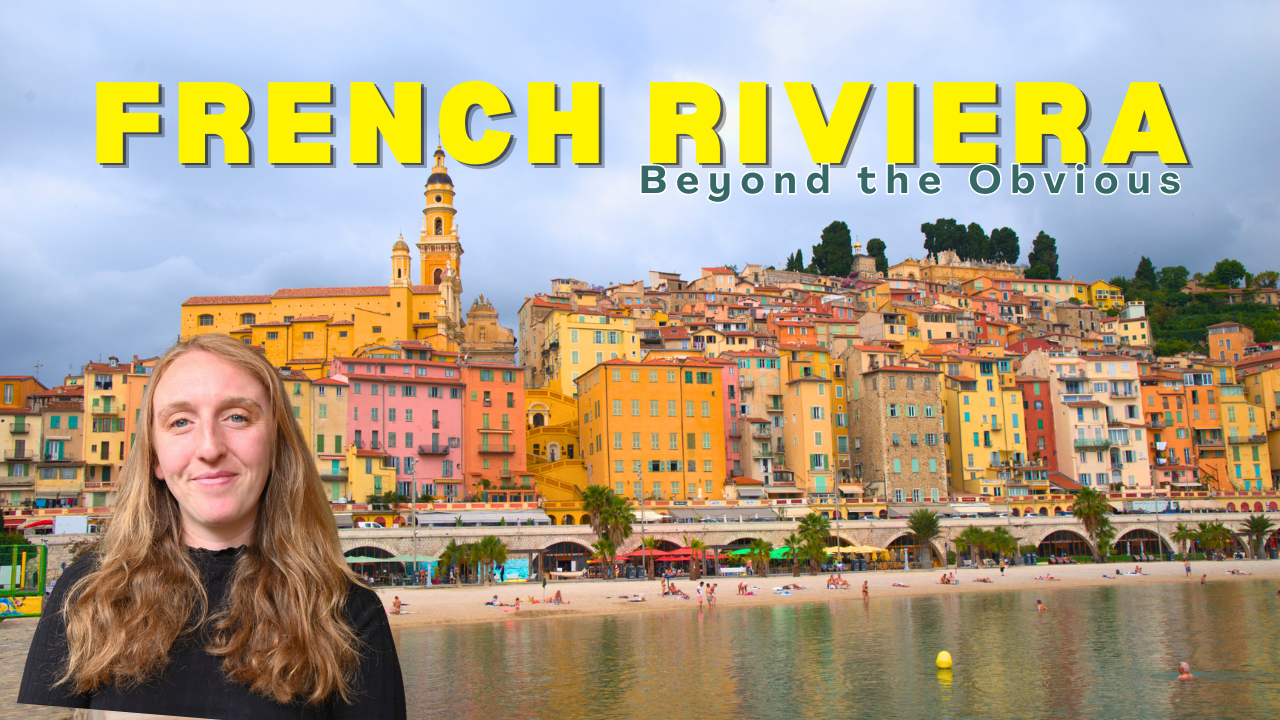
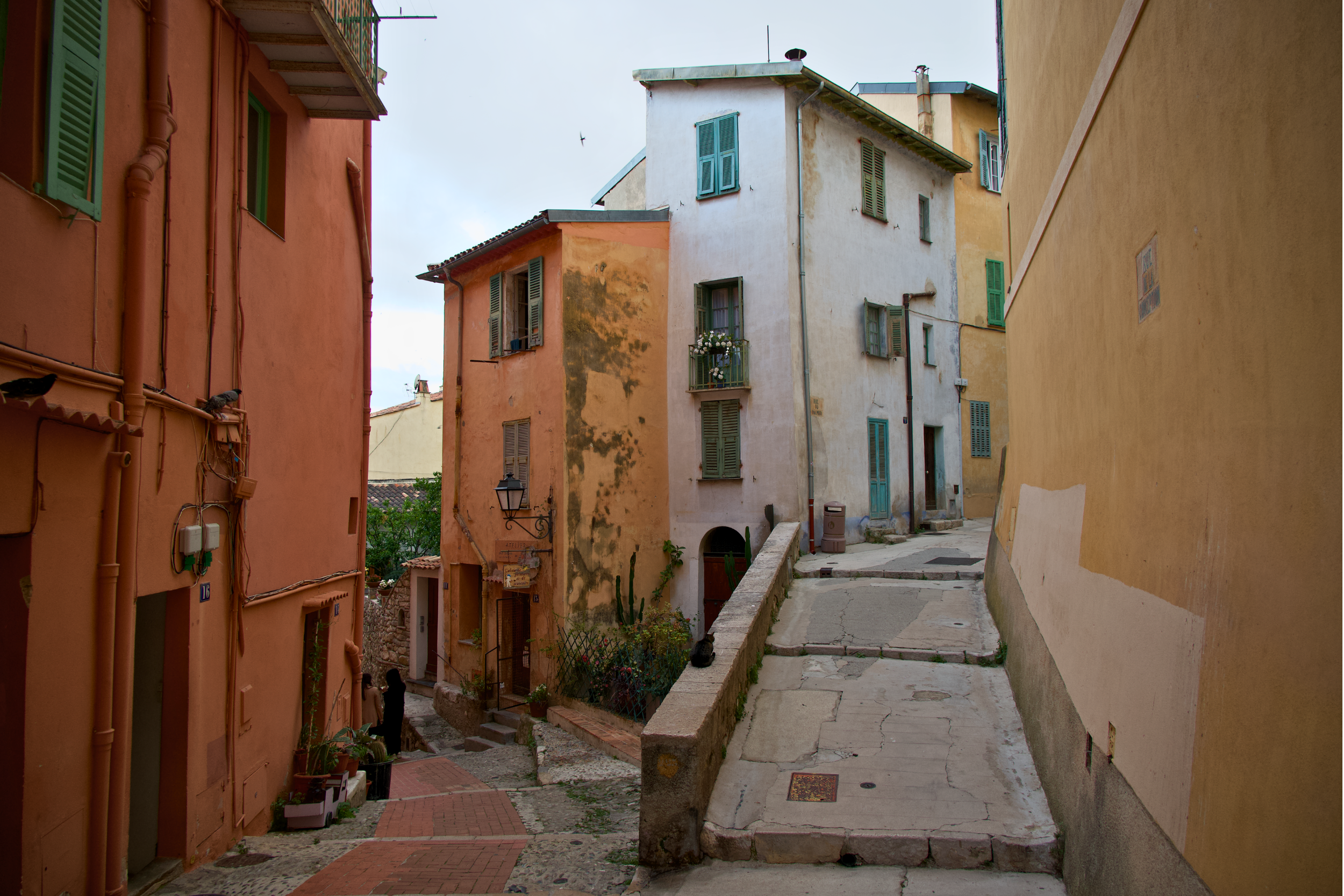
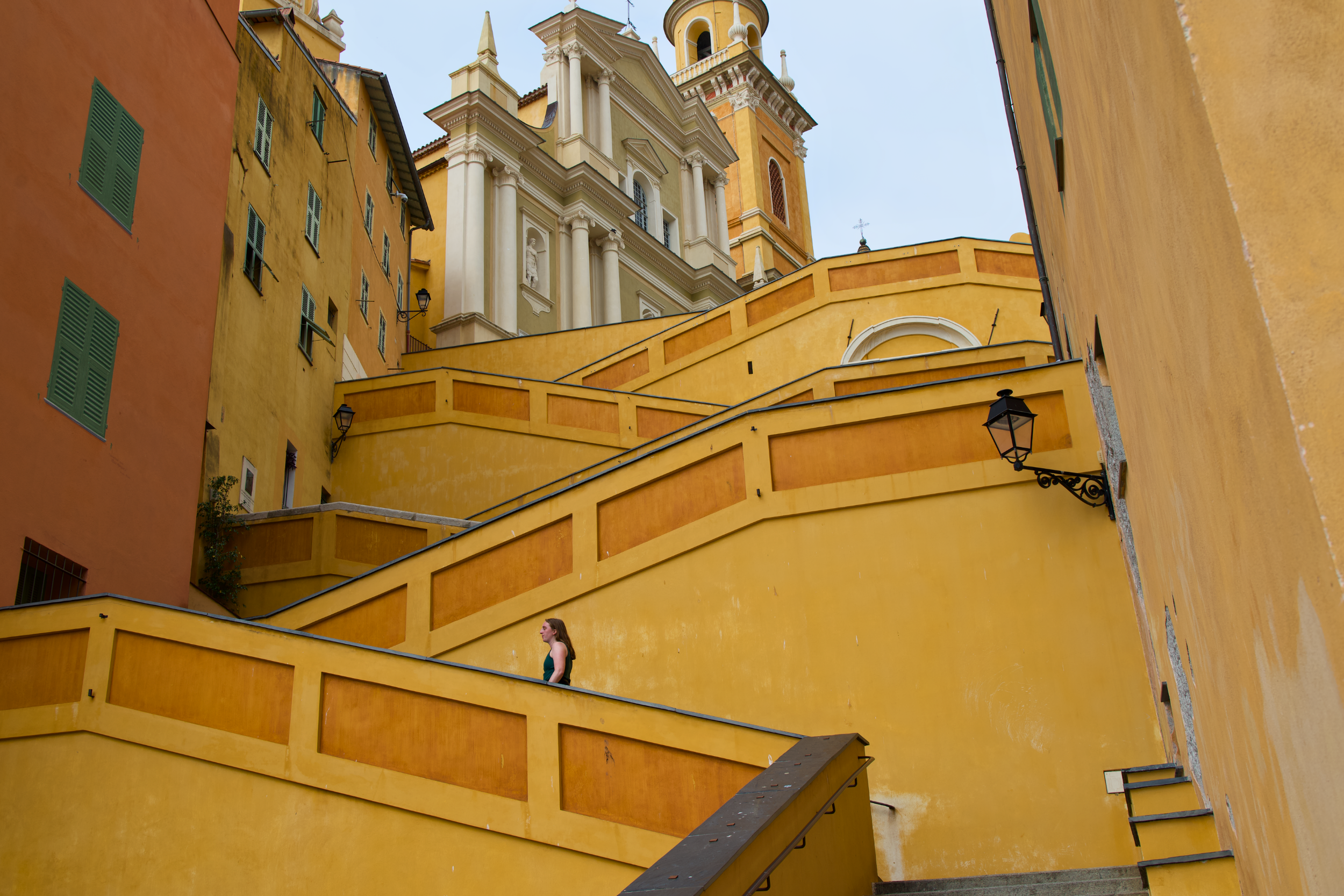
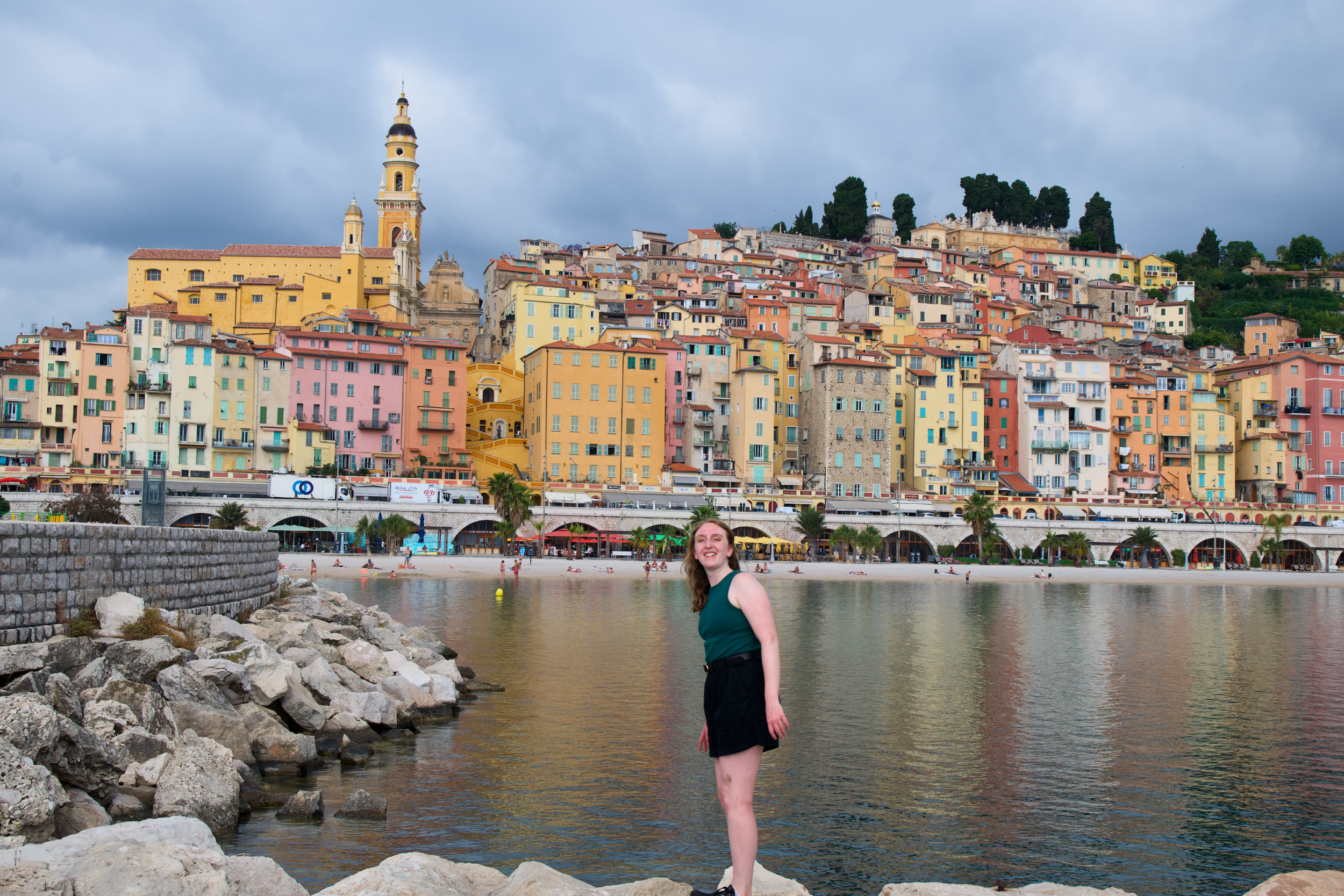
🍋 Menton: The Pastel Town Near the Italian Border
Menton feels like the Côte d’Azur’s gentle soul, colorful, quiet, and almost impossibly pretty. It’s the kind of place where you slow down without trying, where the days feel long and warm, and where the buildings look like they were painted with gelato flavors in mind.
Why Menton is worth your time:
Softer, more pastel color palette
Beautiful old town with winding alleys
Great base for slower days
Easy access to Italy (Ventimiglia is right there)
A moment I loved: Standing on the beach at golden hour, watching the sun hit the old town and turn it into a watercolor painting. It’s one of the most photogenic spots on the entire Riviera.
Quick tip: If you love photography, come here early in the morning — the light is perfect.
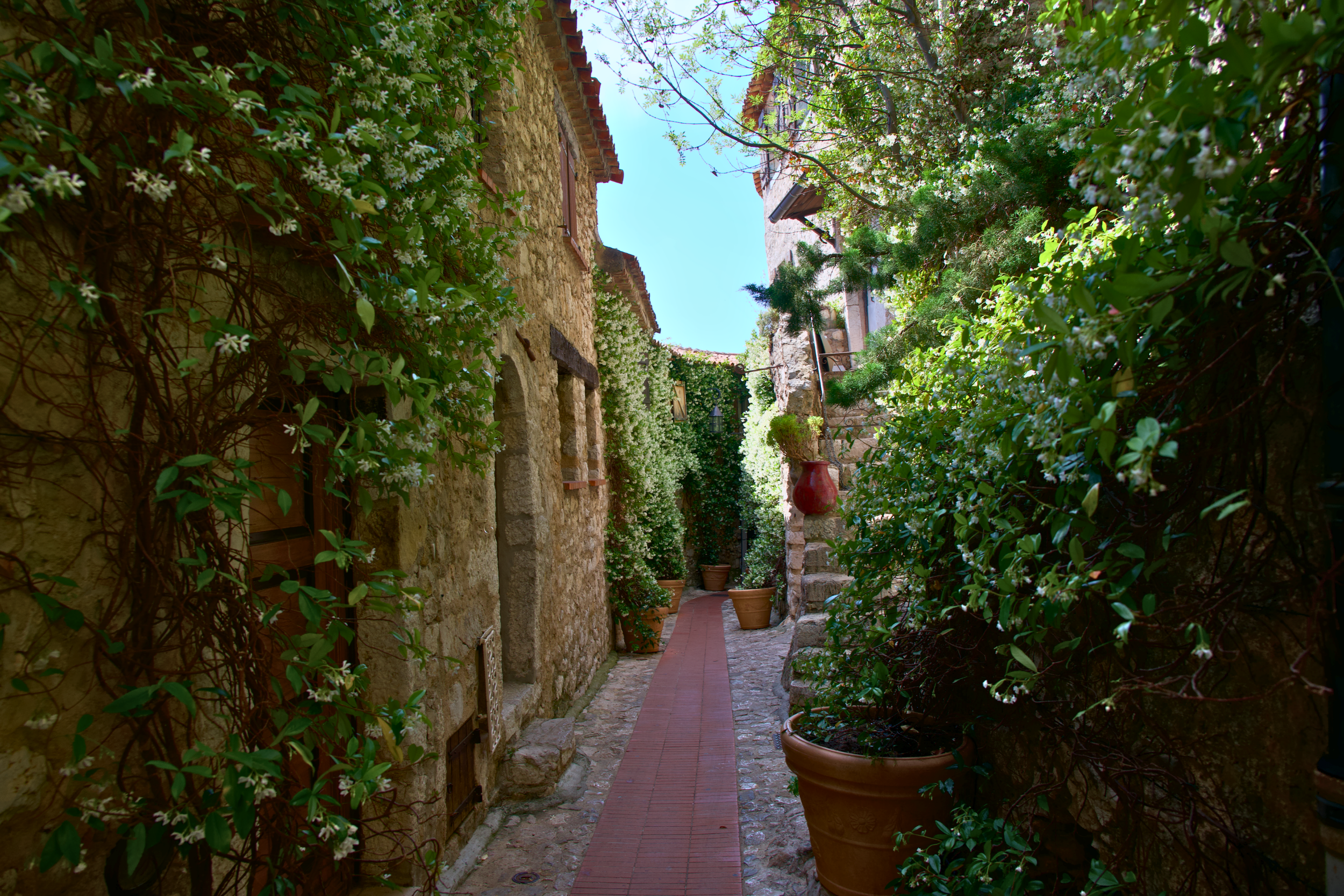
🏰 Èze: The Dramatic Cliffside Village
Èze is tiny, dramatic, and perched so high above the sea that it feels like a movie set. It’s touristy, yes — but it’s also worth it.
Why go:
Unreal views
Medieval stone pathways
Exotic garden at the top
Perfect half‑day trip from Nice
What to expect: Steep climbs, narrow alleys, and views that make you stop mid‑step. It’s the kind of place where you don’t need a plan, just wander and let the village unfold around you.
Side note: If you’re visiting in summer, go early. The village gets crowded by mid‑morning.
🌊 Antibes: Old Town Charm + Sandy Beaches
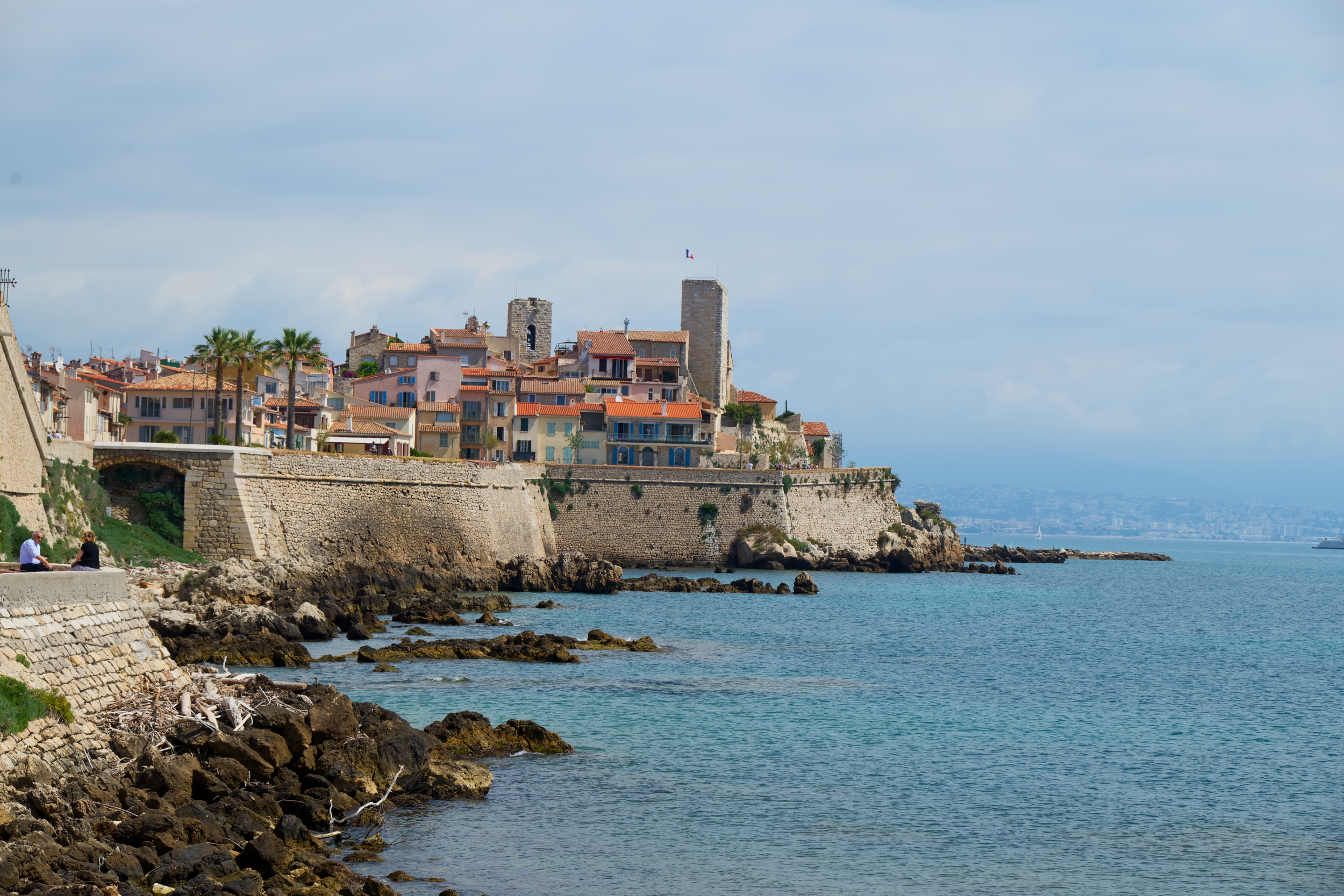
Antibes is one of the few places on the Riviera with sandy beaches, and that alone makes it worth a stop. But it’s also charming, walkable, and full of character.
Why Antibes stands out:
Sandy beaches (rare on the Riviera)
Beautiful old town
Great food scene
Picasso Museum
Relaxed vibe compared to Nice or Cannes
If you’re short on time: Spend a morning wandering the old town, grab lunch at a café, then head to the beach for the afternoon.
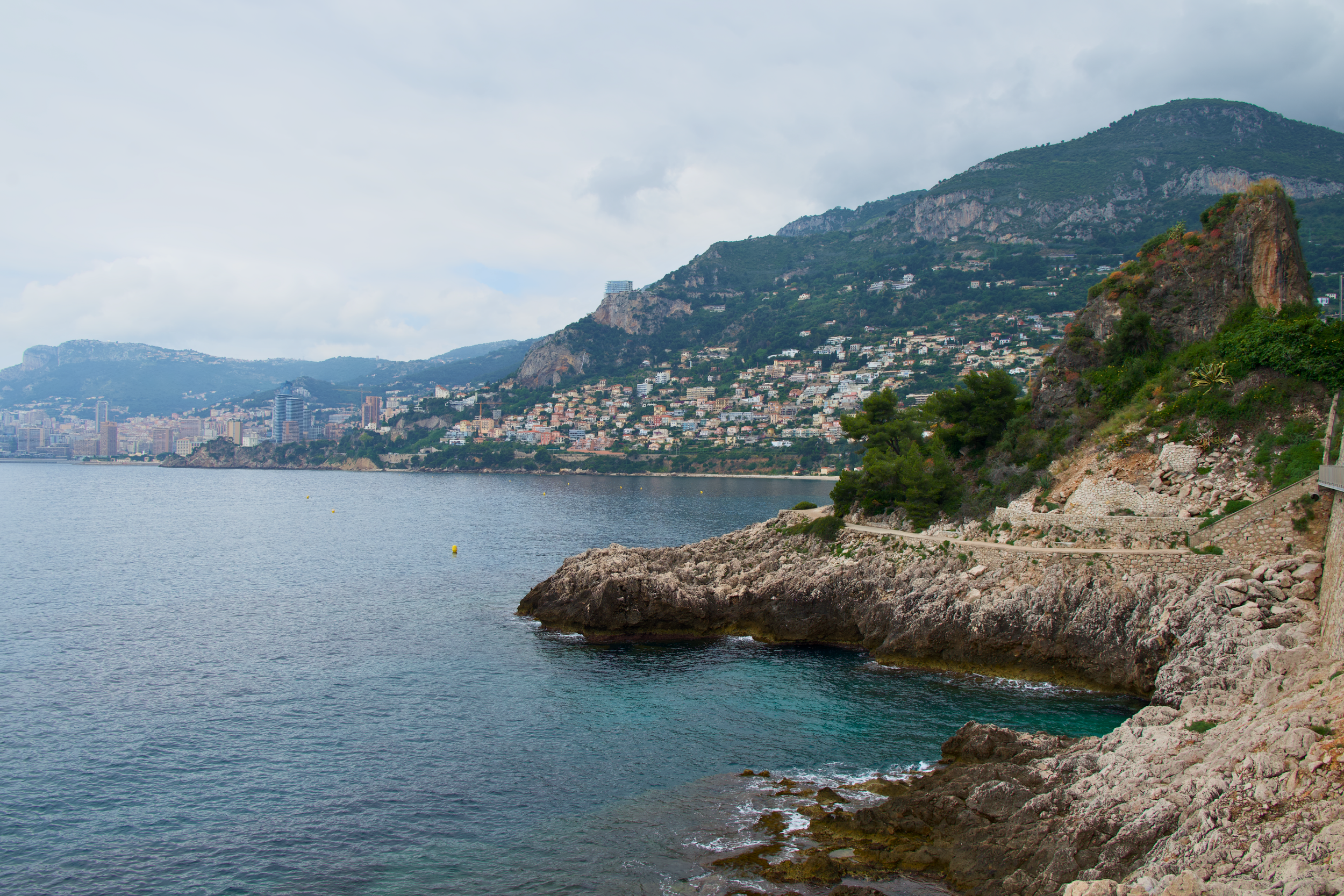
🚗 Best Coastal Drives on the Côte d’Azur
The Riviera is made for scenic drives, the kind where you roll the windows down, feel the sea breeze, and stop whenever something catches your eye.
Top routes:
Nice → Èze → Monaco (dramatic cliffs + sea views)
Menton → Roquebrune → Cap Martin (soft light + pastel towns)
Antibes → Juan-les-Pins → Cannes (classic Riviera energy)
Quick tip: Parking can be tricky in summer — arrive early or late for the best chance.
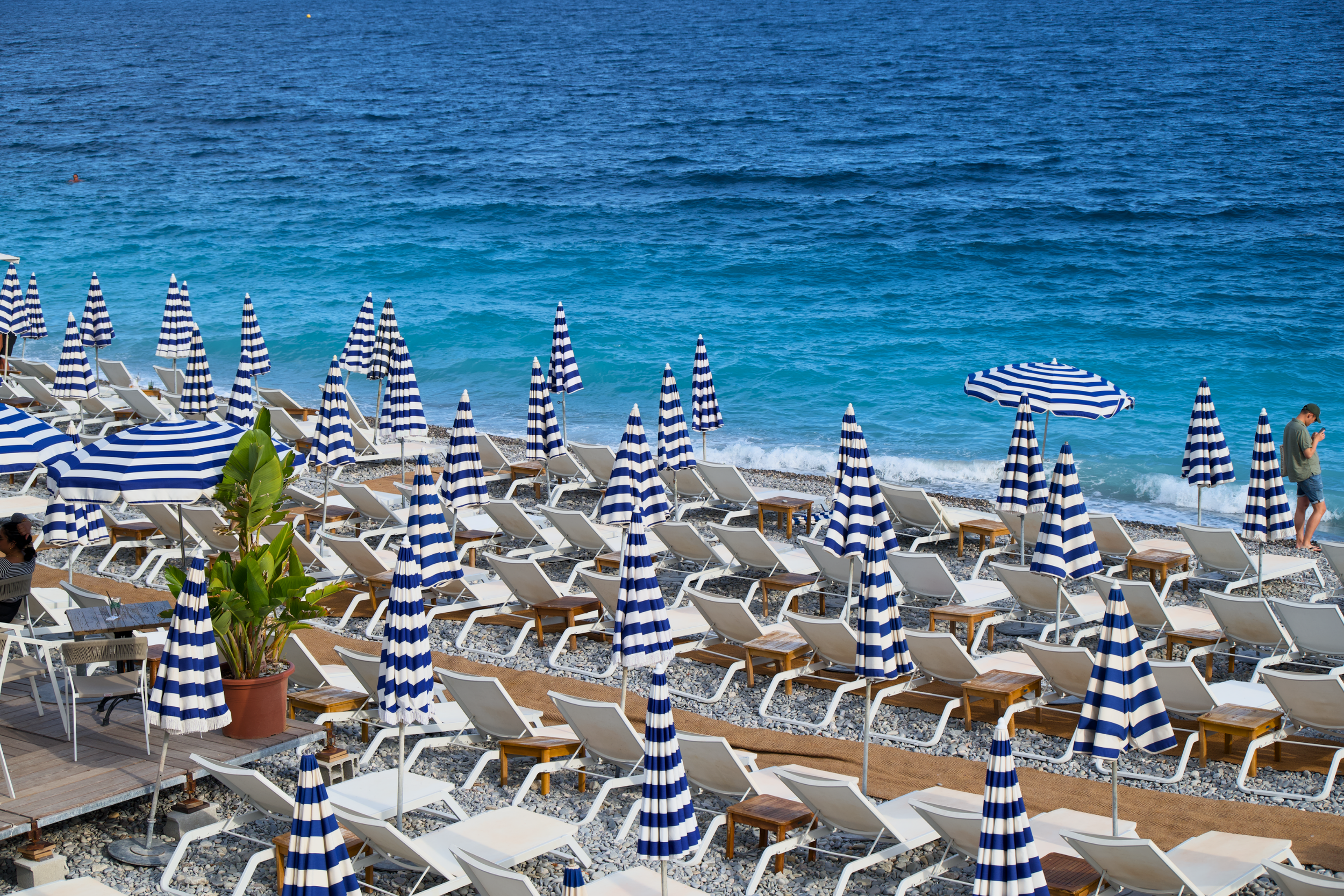
🏖️ Beaches: What to Expect
The Côte d’Azur has a mix of rocky and sandy beaches, and each has its own vibe.
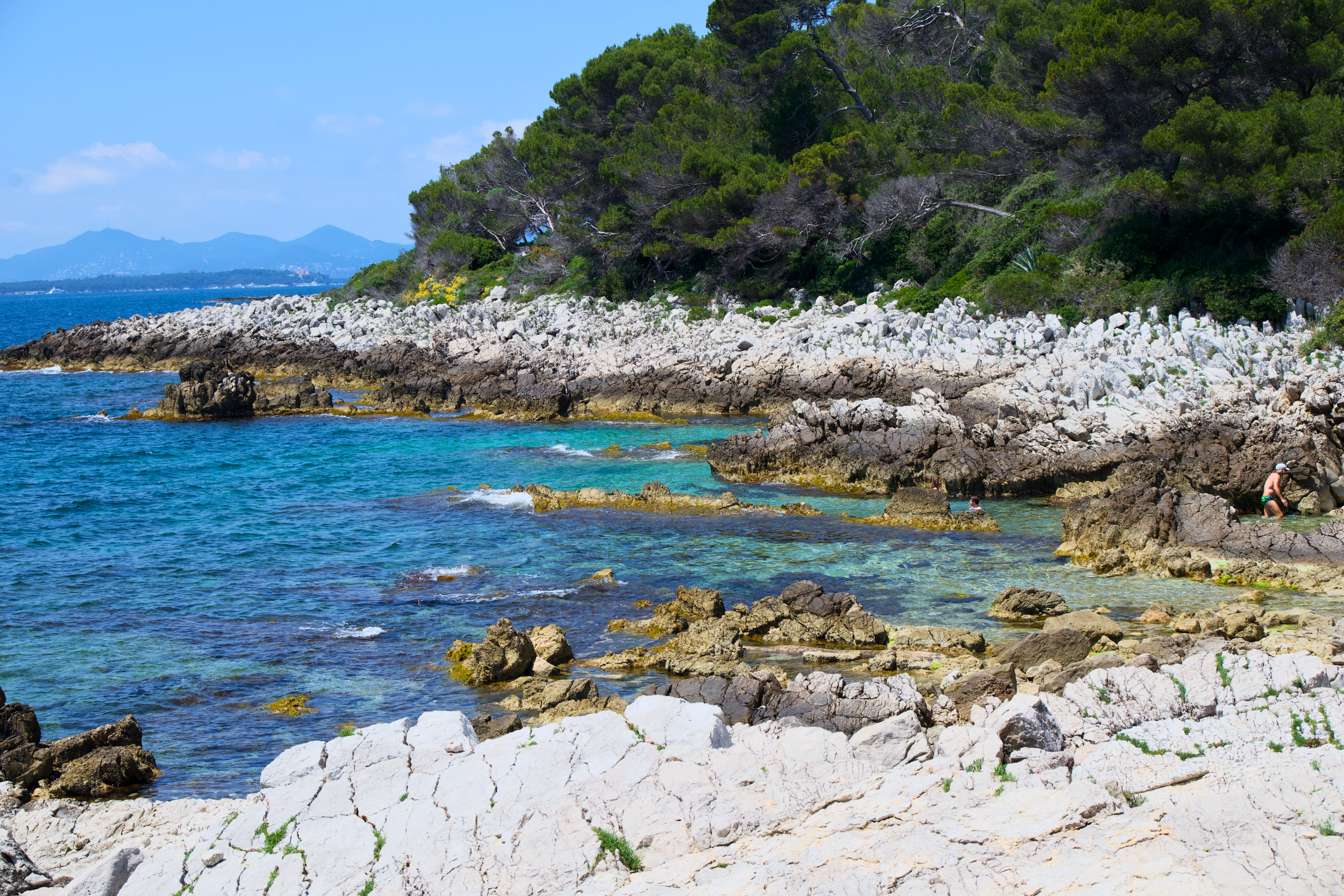
Rocky beaches (Nice, Èze):
Clear water
Great for photos
Bring water shoes
Sandy beaches (Antibes, Cannes):
Softer, more comfortable
Better for long beach days
More family‑friendly
Side note: Beach clubs can be pricey, but they’re great if you want shade, drinks, and a guaranteed spot.
🍽️ What to Eat on the Côte d’Azur
The food here is fresh, bright, and Mediterranean, with lots of seafood, citrus, herbs, and olive oil.
Must‑tries:
Socca (chickpea pancake: get it in Nice)
Salade niçoise
Fresh seafood
Lemon desserts in Menton
Rosé (always)
📸 Photography Tips for the Riviera
Golden hour is your best friend; the light is soft and warm.
Menton is perfect at sunset.
Èze is best early in the morning.
Nice shines at sunrise along the promenade.
Bring a polarizer if you want deeper blues in the water.
Best Road Trip Routes in the South of France
This region is made for road trips, the kind where you don’t rush, you don’t over-plan, and you leave room for the unexpected.
Here are a few routes that capture the best of the region:
🌿 Route 1: The Classic Provence Loop
Aix → Gordes → Roussillon → Bonnieux → Lourmarin → Aix
Why it’s great:
Lavender (in season)
Villages
Markets
Scenic drives
Easy pacing
Perfect for: First-timers, photographers, slow travelers.
🌊 Route 2: The Riviera Drive
Nice → Èze → Monaco → Menton → Cap Martin
Why it’s great:
Coastal views
Pastel towns
Easy train alternatives
Great food
Perfect for: Beach lovers, city explorers, people who don’t want to drive much.
🏞️ Route 3: The Verdon Gorge Loop
Aix → Valensole → Moustiers-Sainte-Marie → Gorges du Verdon → Lac de Sainte-Croix → Aix
Why it’s great:
Lavender + turquoise water
Dramatic landscapes
Adventure options
Perfect for: Outdoor lovers, photographers, and road trip fans.
🗓️ Sample Itineraries (3, 5, 7 & 10 Days)
These itineraries are designed to feel realistic, not rushed, not overstuffed, and with enough breathing room to actually enjoy the region.
3-Day Itinerary (Quick Taste)
Day 1: Aix-en-Provence + markets Day 2: Luberon villages (Gordes, Roussillon, Bonnieux) Day 3: Lavender fields (in season) or Verdon Gorge
Good for: A quick getaway, first-timers, shoulder season trips.
5-Day Itinerary (Provence Focus)
Day 1: Aix Day 2: Gordes + Roussillon Day 3: Bonnieux + Lourmarin Day 4: Lavender fields or Sault Day 5: Verdon Gorge
Good for: People who want the classic Provence experience.
7-Day Itinerary (Provence + Riviera)
Day 1–3: Provence (villages + lavender) Day 4: Drive to Nice Day 5: Nice + Èze Day 6: Menton + Cap Martin Day 7: Antibes or Cannes
Good for: A balanced trip with both countryside + coast.
10-Day Itinerary (The Full Experience)
Day 1–4: Provence (villages, lavender, markets) Day 5: Verdon Gorge Day 6: Drive to Nice Day 7: Nice + Èze Day 8: Menton Day 9: Antibes Day 10: Free day for beaches, food, or a day trip to Monaco
Good for: Travelers who want to see everything without rushing.
Plan your trip essentials here:
Hotels: Expedia, Hotels.com, or HostelWorld (for more affordable French Riviera lodging)
Tours: GetYourGuide South of France
Travel insurance: VisitorCoverage
Packing List for Provence
A quick, realistic list based on what you’ll actually use:
Clothing:
Light dresses/linen shirts
Comfortable walking shoes
Sandals
A light jacket (evenings can be cool)
Essentials:
Sunscreen
Hat
Photography gear:
Lenses
SD cards
Polarizer
Optional but helpful:
Water shoes (for rocky beaches)
🎒 Luggage & Bags If you’re hoping to do this trip in a carry-on, I'd recommend a hybrid approach: a carry-on-sized hardshell or structured bag for the flights, plus a 40–50L soft duffel or travel backpack that fits in the car trunk without issue. Osprey's and Yeti’s carry-ons are both excellent options.
Practical Tips for Traveling the South of France
Traveling the South of France is easy once you get the rhythm of the region, but there are a few things I wish I’d known before going — the kind of small, practical details that make your days smoother and your trip feel more effortless.
🕰️ Shops Close Midday (and Earlier Than You Think)
This is not a “pop into the store at 3 pm” region. Many shops, especially in smaller villages, close for a long lunch break, and some don’t reopen until 4 or 5 pm. Sundays are even quieter.
Quick tip: Do your grocery runs in the morning. Trust me on this one.
🚗 Parking Can Be Tricky in Summer
Villages like Gordes, Roussillon, and Èze get busy, and parking lots fill quickly. The good news: most towns have designated lots just outside the center.
What works best:
Arrive early (before 10am)
Or arrive late (after 5pm)
Avoid midday if you can
Side note: Some lots require coins; keep a few euros handy.
💧 Hydration Is Key (Especially in Provence)
Summer gets hot, not unbearable, but definitely “why didn’t I bring more water?” hot. Markets, villages, and lavender fields don’t always have shade.
Bring:
A reusable water bottle
Sunscreen
A hat
Light layers
🗺️ Download Offline Maps
Service drops often in rural Provence and the Verdon region. Offline maps save you from wrong turns and “wait, where are we?” moments.
Apps that help:
Google Maps offline
Maps.me
Waze (for traffic when you have service)
🍽️ Make Dinner Reservations (Especially on the Riviera)
Nice, Antibes, and Menton fill up fast in summer. Even small bistros book out.
Rule of thumb: If you really want to eat somewhere, book it. If you don’t care, you’ll still find something good; this is France.
🧴 Bring Water Shoes for Rocky Beaches
Nice and Èze have rocky beaches. They’re beautiful, but walking into the water barefoot is… an experience.
Water shoes = game changer.
📸 Golden Hour Is Your Best Friend
The South of France has some of the best golden hour light I’ve ever seen, warm, soft, and cinematic.
Best spots:
Menton at sunset
Gordes at sunrise
Roussillon at golden hour
Nice promenade at sunrise
🧾 Tipping Isn’t Required (But Appreciated)
Service is included in France, but rounding up or leaving a few euros for great service is always kind.
🧳 Pack Light — Cobblestones Are Everywhere
Rolling a heavy suitcase through a medieval village is a workout you didn’t ask for.
If you can: Go carry-on only. Your future self will thank you.
🧼 Air Conditioning Isn’t Guaranteed
Especially in older buildings. If you’re traveling in July or August, double-check before booking.
✈️ Getting Around France
There are a few main ways to get around this part of France. To get into this region, you may end up flying in, and I use trip.com to compare the best price. Once you’re in the region, taking trains or buses can be easy to navigate. I use Omio to compare how to get around and the prices of tickets. Though if you do need to rent a car, I use Expedia to compare cars and prices.
The South of France is one of those rare places that feels both cinematic and deeply human — a region where the beauty isn’t just in the landscapes, but in the rhythm of daily life. The slow mornings. The warm evenings. The way the light hits the stone villages. The way time seems to stretch in a way you didn’t know you needed.
If you’re planning a trip here, I hope this guide helps you build a version of the South of France that feels like your own — whether that’s lavender fields at sunrise, a quiet lunch in a hilltop village, or a long walk along the Riviera with the sea breeze in your hair.
If you found this guide helpful, feel free to share it, save it, or use it to plan your own adventure. And if you want more long-form guides like this, you can subscribe to my newsletter or follow along on Instagram for behind-the-scenes travel moments.
Your South of France story starts here, and I can’t wait to see where it takes you.
👨👩👧 Family Travel: Accommodation
For families, I'd prioritize self-contained accommodation over standard hotel rooms; you need the kitchen, the space, and the flexibility. Vrbo has a solid filter for "apartments" and "holiday homes" in Provence, and the results are generally well-reviewed.
Ready to Book Your Trip to Provence or the French Riviera?
Save this guide, start with the 7-day loop, and let this part of France surprise you. Trust me, it will.
Questions about Tasmania? Send me a message on my social channels. I read everything and genuinely enjoy talking about this part of France. If you've been to the South of France, tell me what I missed. There's always more.
Frequently Asked Questions About the South of France
-
It can be, but it doesn’t have to be. The Riviera (especially Nice, Cannes, and Monaco) is where prices jump, hotels, meals, and beach clubs all cost more. Provence, on the other hand, can be surprisingly affordable if you stay in smaller villages, shop at markets, and book accommodations early. Shoulder season (April–May and September–October) offers the best balance of price and experience.
-
For Provence, yes, a car gives you the freedom to explore villages, lavender fields, and scenic drives at your own pace. Public transportation is limited and infrequent in rural areas. On the Côte d’Azur, however, you can get by without a car thanks to the excellent train system that connects Nice, Menton, Antibes, Èze, and Monaco. Many travelers do a hybrid trip: car in Provence, train on the Riviera.
-
It depends on what you want. Lavender season peaks from late June to mid-July, making it the most popular (and crowded) time. September is arguably the best month overall, warm weather, fewer tourists, and incredible food thanks to harvest season. Spring is beautiful and quiet, while winter offers a more local, atmospheric version of the region.
-
Five to seven days is ideal if you want to experience both Provence and the Riviera without rushing. Three days is enough for a quick taste of one region, while ten days gives you time to explore villages, beaches, lavender fields, and the Verdon Gorge at a relaxed pace. The region rewards slow travel — the more time you give it, the better it gets.
-
Yes, it’s one of the safest regions in Europe. Villages are peaceful, locals are friendly, and the Riviera is lively and well-lit at night. The main thing to watch for is petty theft in crowded tourist areas (like Nice’s old town or busy markets). Standard travel awareness goes a long way, and most solo travelers feel very comfortable here.
-
Think light, breathable fabrics; linen, cotton, and airy dresses or shirts. Summers are warm, especially inland, so pack for heat but bring a light layer for evenings. The Riviera is stylish but not overly formal; you’ll see everything from sundresses to relaxed resort wear. Comfortable shoes are essential for cobblestones and hilltop villages.
-
Timing and location make all the difference. Visit popular villages early in the morning or late in the afternoon, when tour buses are gone and the light is beautiful. Explore lesser-known towns like Saignon, Cucuron, or Oppède-le-Vieux for quieter moments. And if you can, travel in shoulder season — the region feels more authentic and relaxed when the summer rush fades.
The Scenic Route Traveler inspires intentional travel through storytelling, hidden gems, and culturally rich experiences around the world.
-
I’m Erin, the voice behind Scenic Route Traveler, sharing intentional travel stories and guides from around the globe.
-
We deliver travel guides and storytelling through YouTube, social media, photography, and digital products designed for fellow travelers.
-
If you’re new here: this is a space for travelers who care more about how a place feels than how it looks on a checklist. You’ll find guides, stories, and resources designed to help you slow down and travel with intention.