
Things to Do in Tbilisi, Georgia: A Complete Travel Guide + 2-Day Itinerary
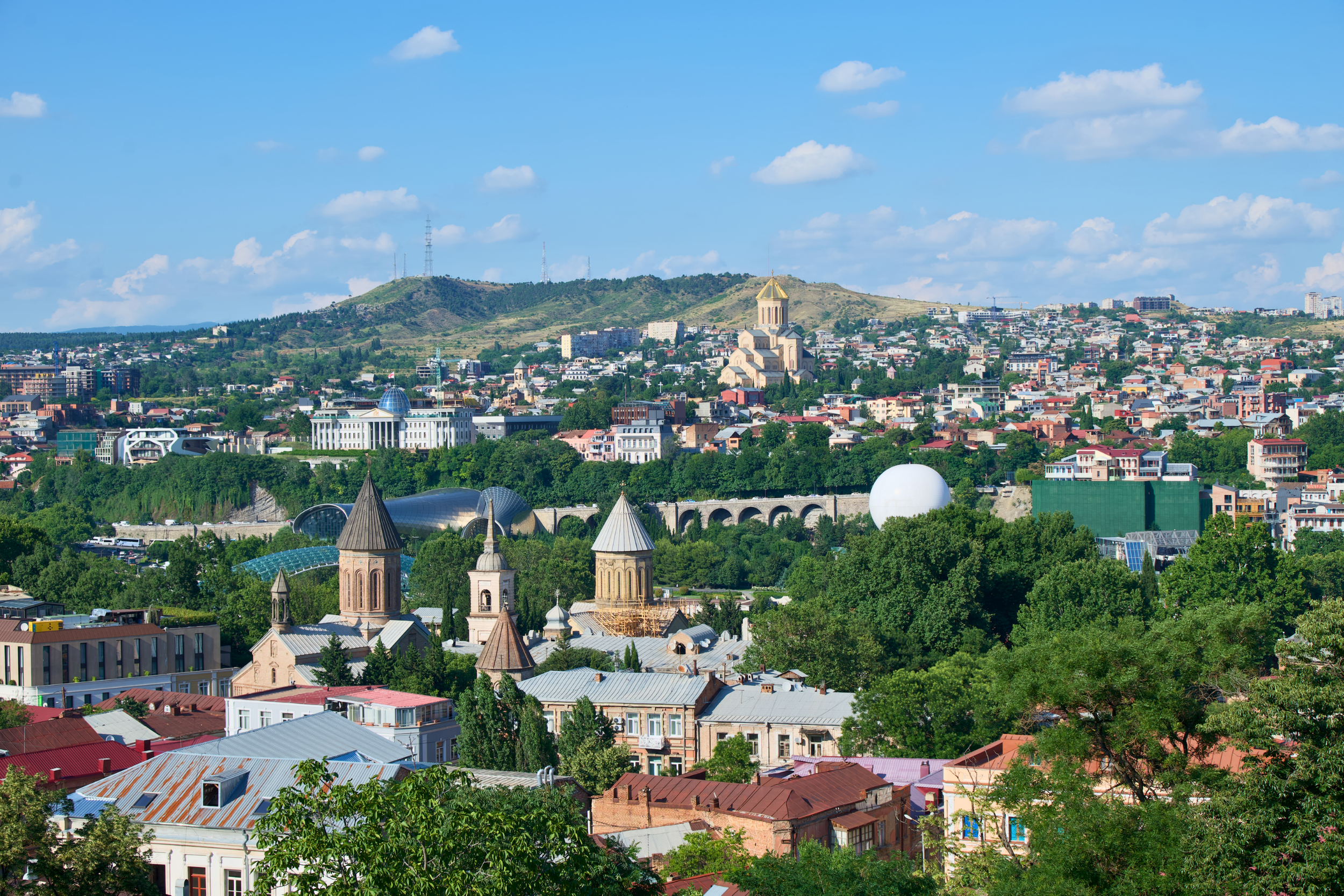
Tbilisi is the kind of city where you can set out looking for one landmark and end up spending an hour wandering down a completely different street. Between its crooked wooden balconies, hillside viewpoints, centuries-old churches, sulfur baths, sprawling markets, cafés and neighborhoods that seem to change character every few blocks, Georgia's capital rewards you for not planning every minute.
If you're wondering what to do in Tbilisi, Georgia, this guide covers the major sights worth seeing, the neighborhoods I think are most interesting to explore on foot, where to find some of the city's best views and markets, practical Tbilisi travel tips, and how I would spend two days in the city.
I spent essentially two days exploring Tbilisi, with stops ranging from Holy Trinity Cathedral and Avlabari to Old Tbilisi, Meidan, Betlemi Street, Sololaki, the Mother of Georgia, Dry Bridge Market, and several cafés and restaurants along the way.
Quick Answer: What Are the Best Things to Do in Tbilisi?
If you only have a short time in Tbilisi, prioritize Old Tbilisi, the sulfur-bath district of Abanotubani, Narikala Fortress and the Mother of Georgia, Rike Park and the Bridge of Peace, Holy Trinity Cathedral, Sololaki, and Dry Bridge Market.
The best part, though, is that many of these sights are close enough to combine into a walking itinerary. Tbilisi's historic core is compact, although its hills and staircases mean you should expect a few more climbs than a map might suggest.
Georgia's tourism authority also recommends a two- to three-day stay for visitors who want to experience Old Tbilisi, Narikala, the Bridge of Peace, sulfur baths and some of the city's museums and restaurants.
This post contains affiliate links. If you book through my links, I may earn a small commission at no extra cost to you. It helps keep this blog going, and I only ever recommend things I'd use myself.
Why Visit Tbilisi?
Tbilisi isn't a city I would describe as polished in the conventional sense.
And that's part of the appeal.
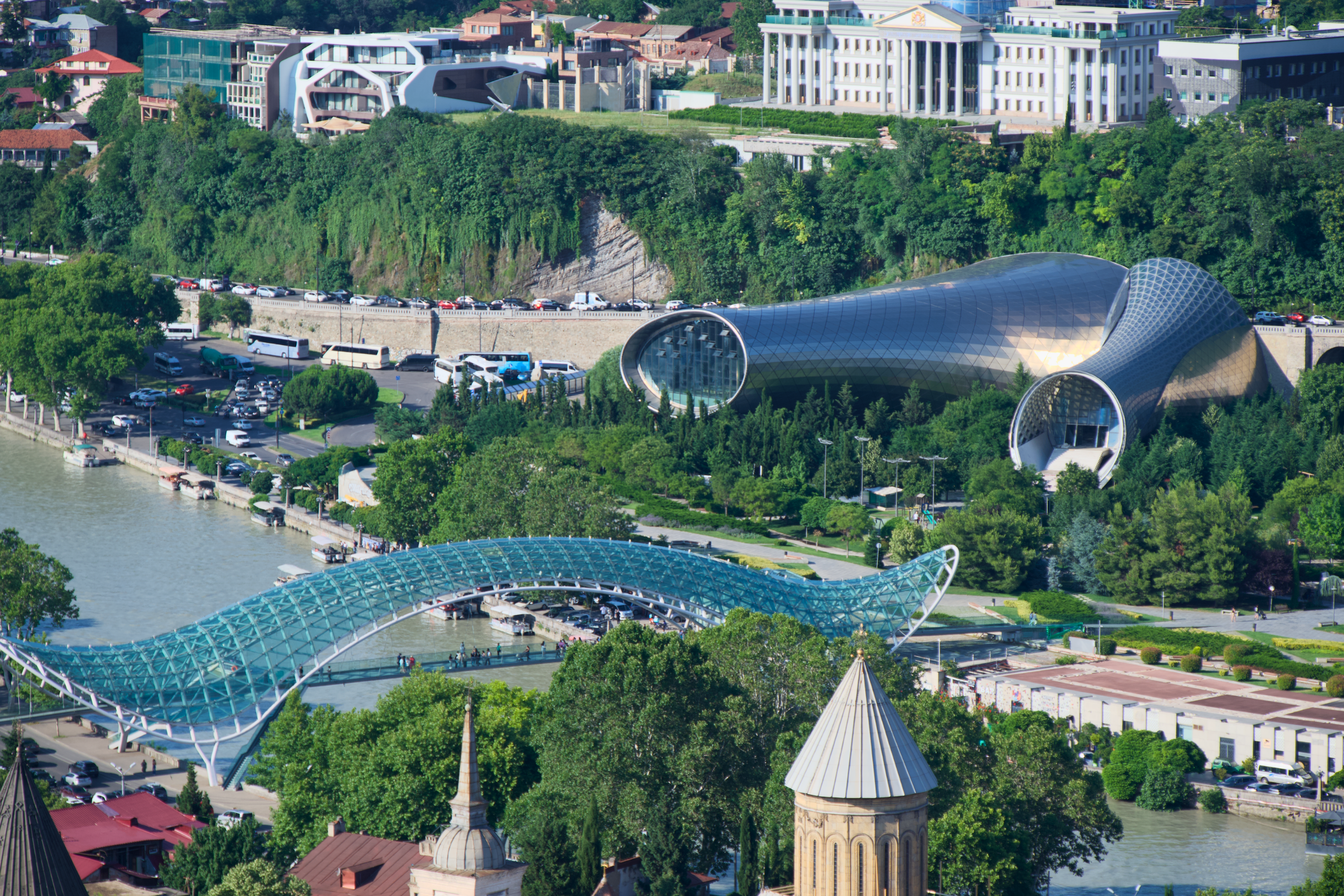
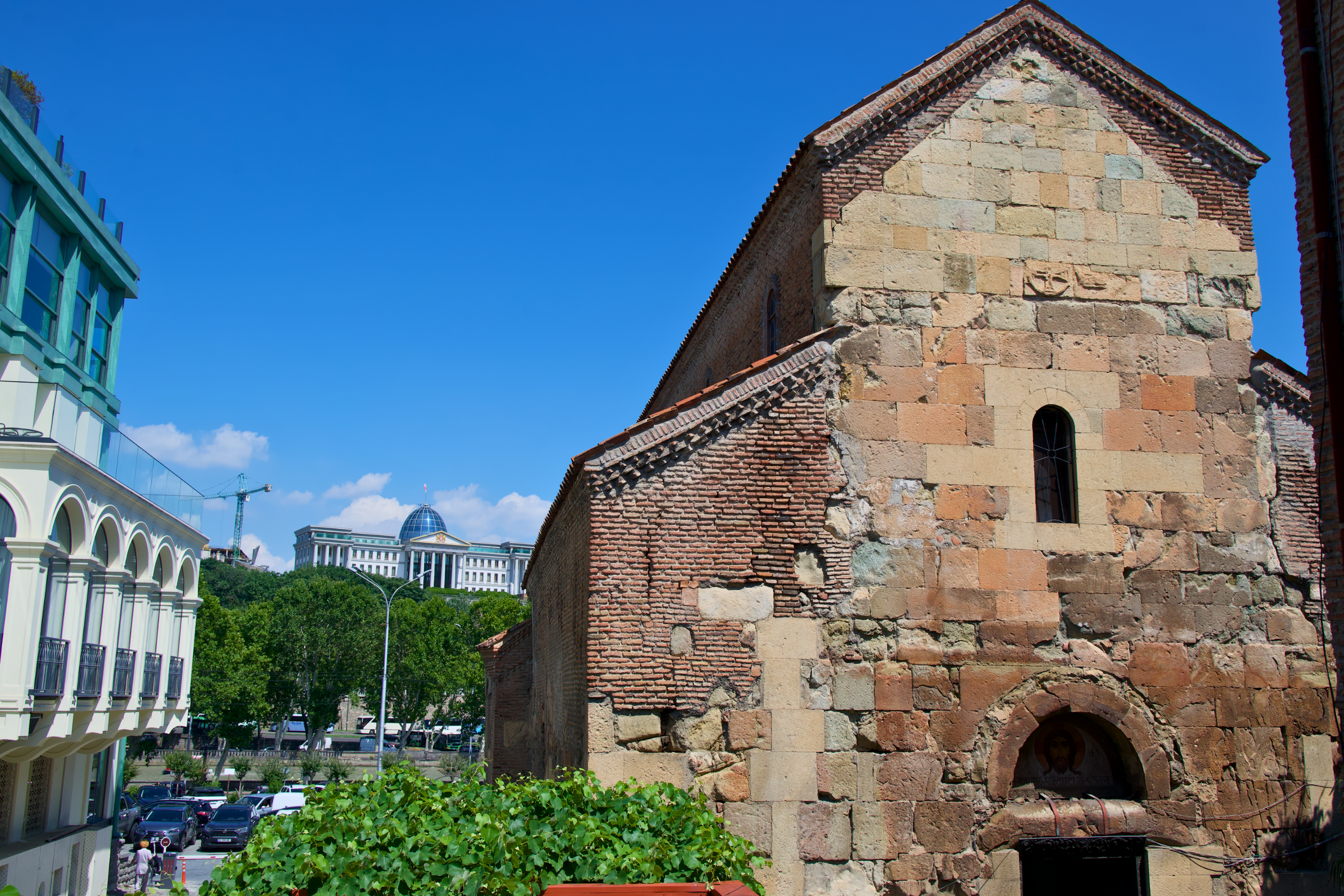
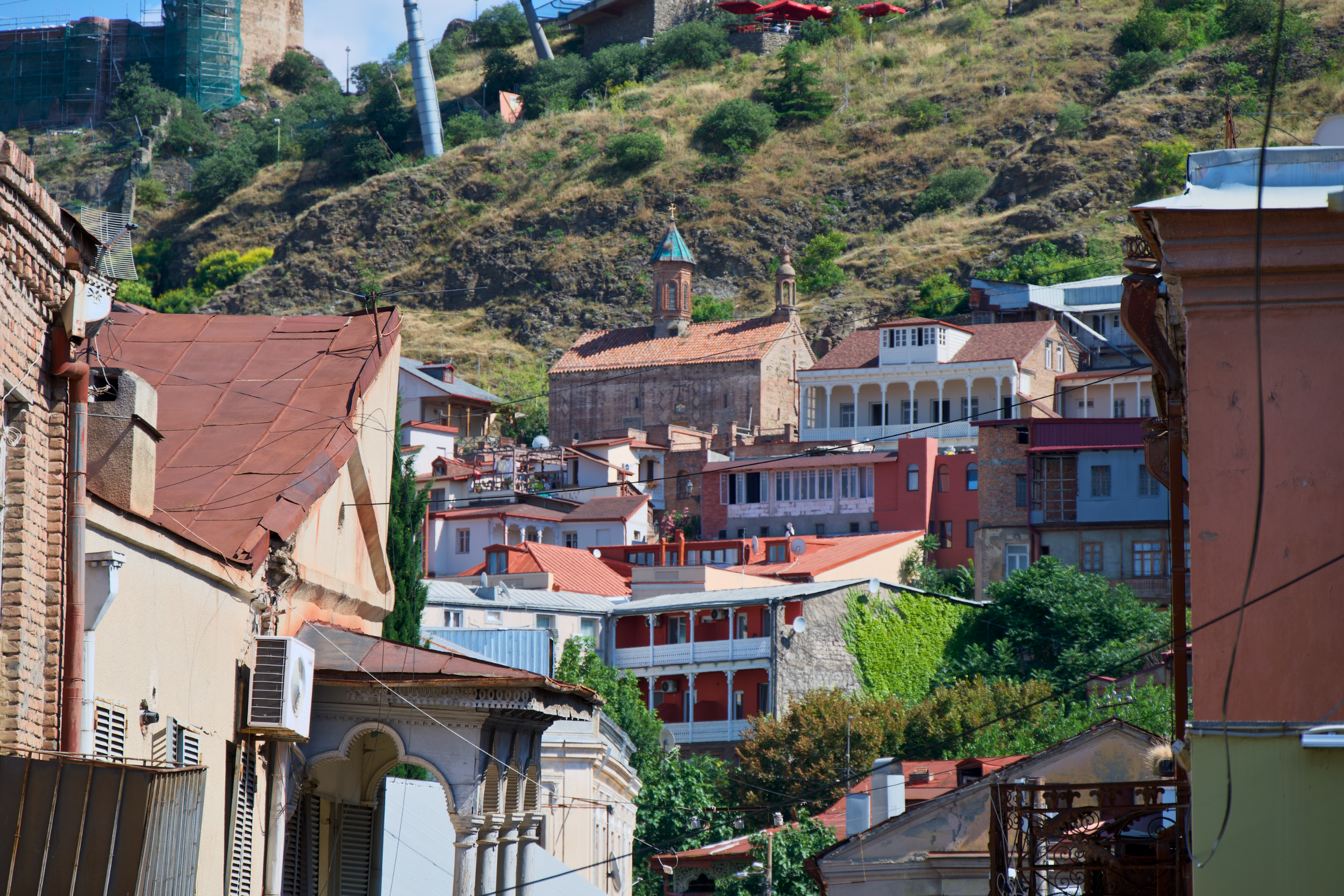
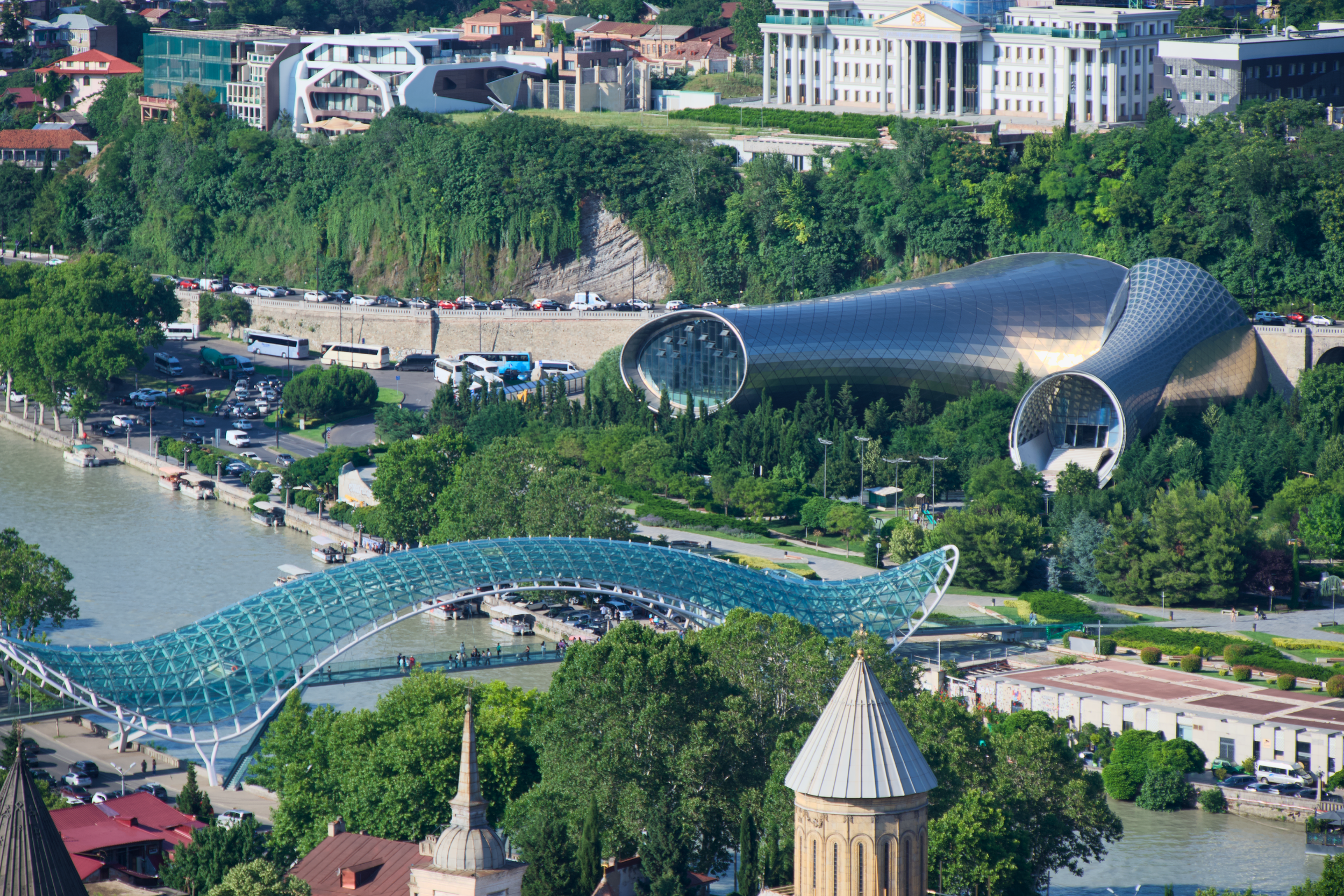
You can walk past a beautifully restored building and then turn a corner onto a street where an old wooden balcony is visibly aging. A modern glass bridge crosses the Mtkvari River a short walk from centuries-old churches. Grand 19th-century architecture sits alongside narrow lanes, courtyards and buildings that look like they've accumulated stories faster than anyone could possibly keep track of them.
That mixture is one of the things that makes Tbilisi so interesting to explore.
The city has been shaped by its position between Europe and Asia and by centuries of political, cultural and commercial exchange. UNESCO's description of the historic district highlights the way different architectural periods and influences coexist within Tbilisi's urban fabric. The city's historic district is currently on Georgia's UNESCO Tentative List.
And you don't have to understand every layer of that history to appreciate what it looks like when you're walking through it.
Travel Insurance
Georgia now requires anyone coming into the country to have travel insurance, so be prepared by buying it ahead of your arrival. I recommend checking out VisitorsCoverage for travel insurance.
20+ Best Things to Do in Tbilisi
1. Wander Through Old Tbilisi
If you do only one thing in Tbilisi, spend some time walking without a strict destination through the historic center.
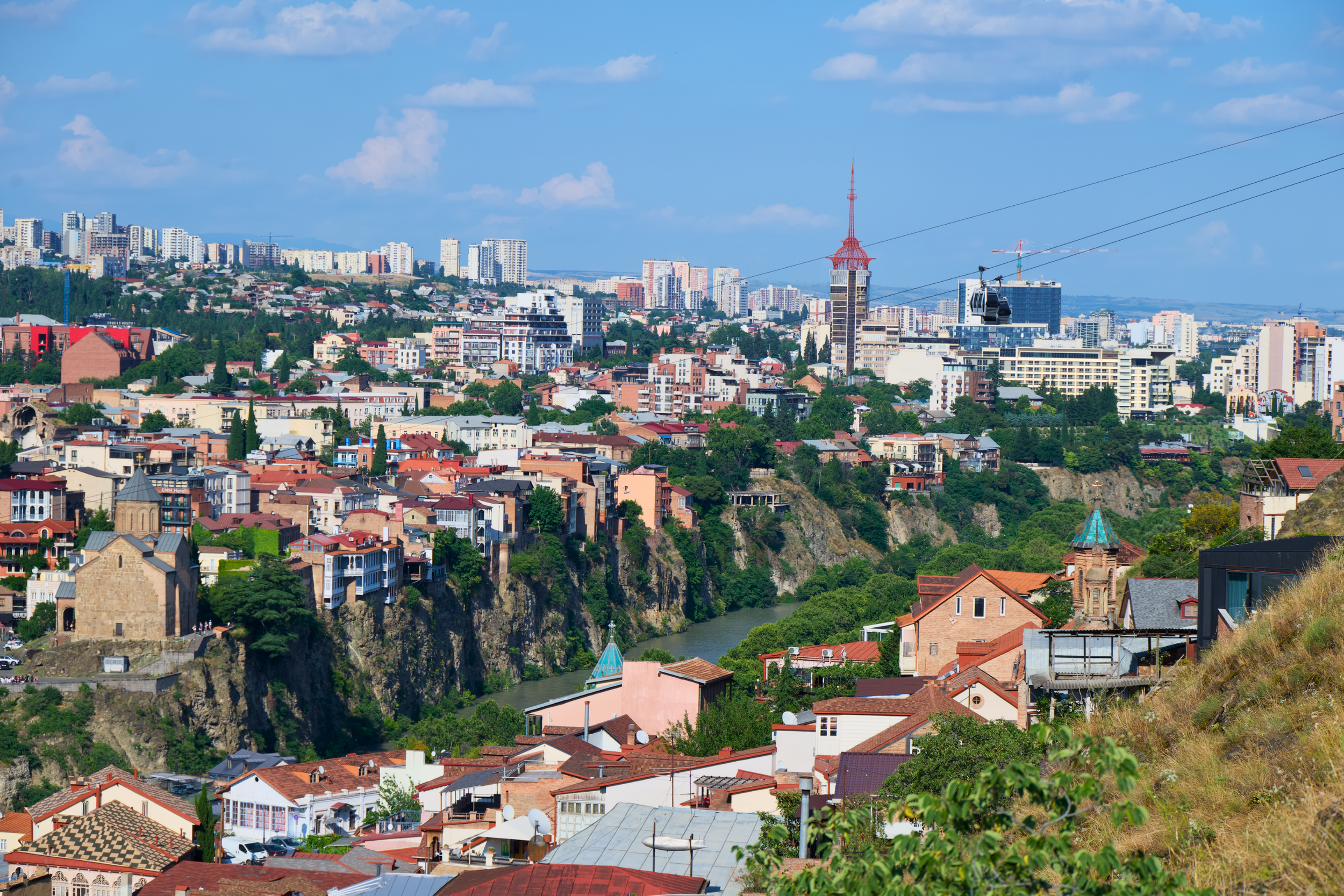
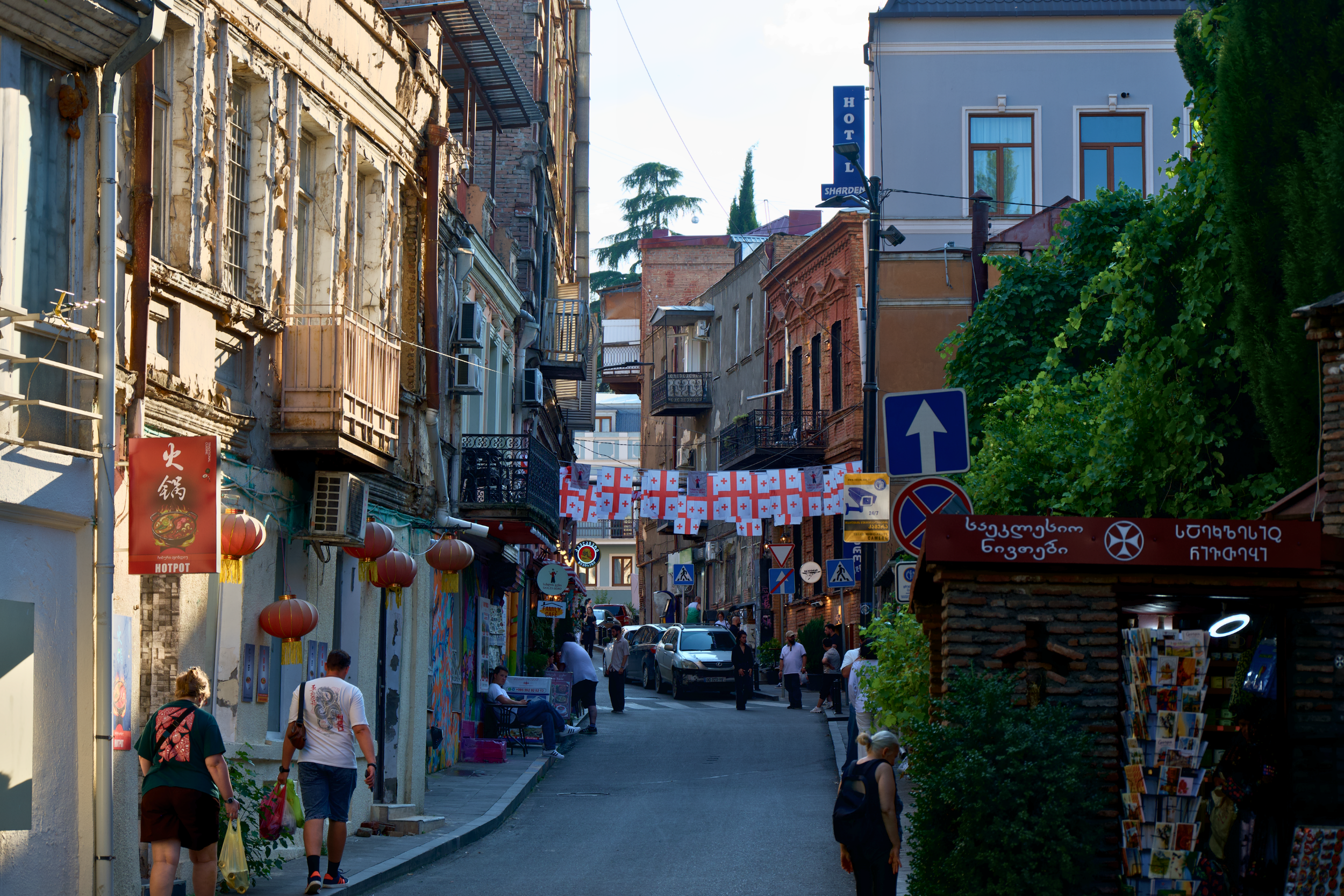
Old Tbilisi isn't really one perfectly preserved neighborhood with a single entrance and exit. It's a collection of historic areas and streets around the old city, including parts of Kala, Abanotubani and the surrounding hillside neighborhoods.
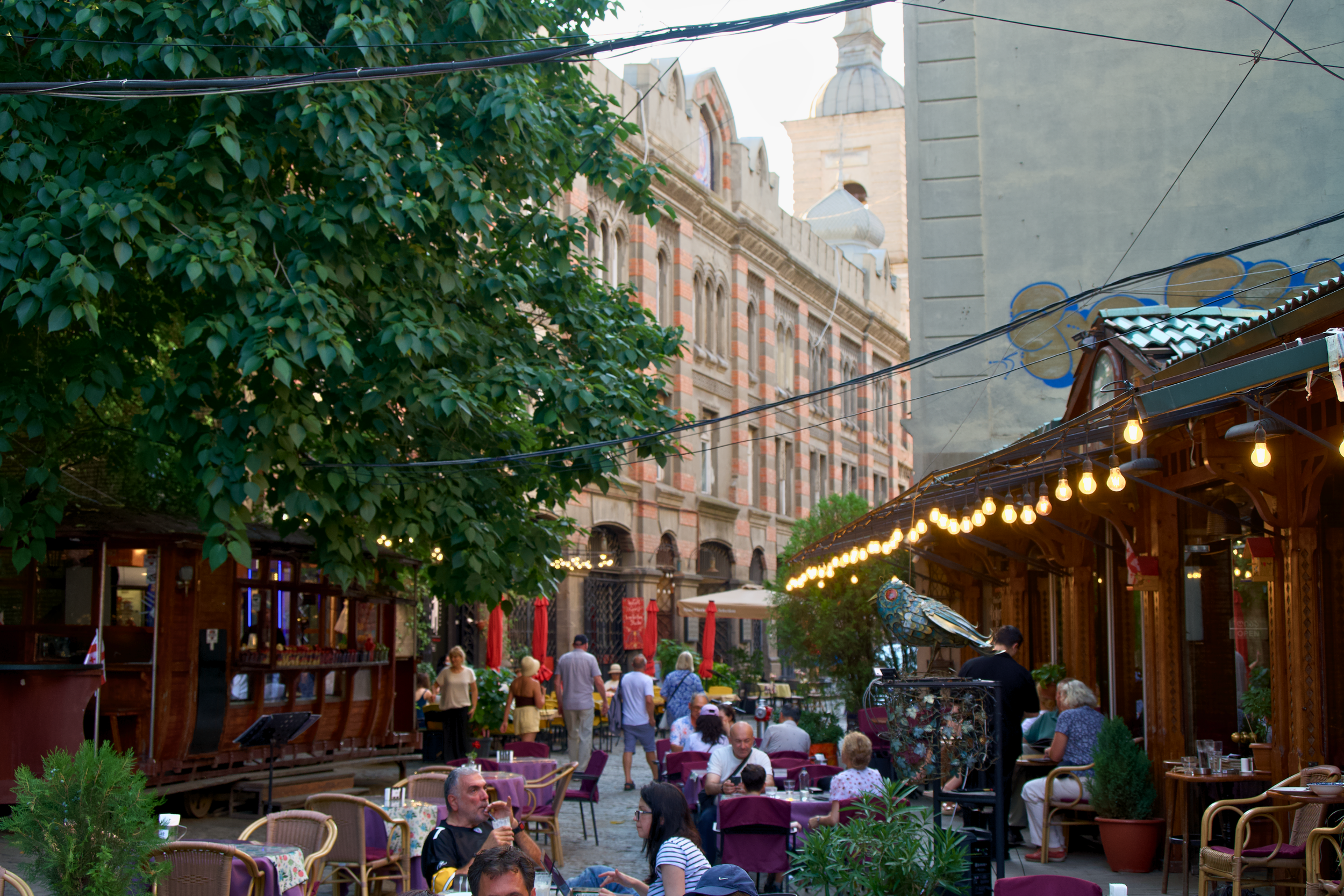
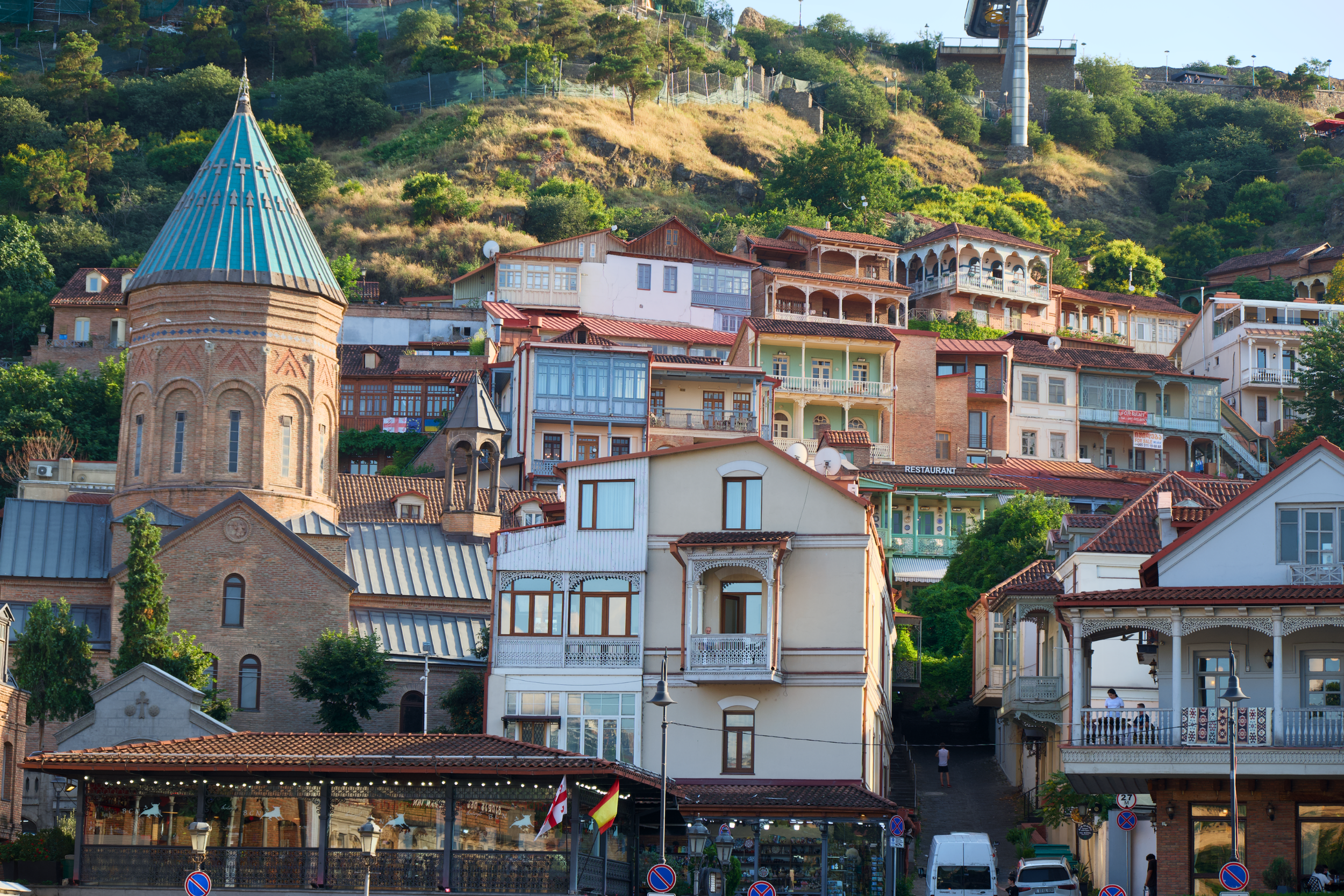
This is where you'll find some of the city's characteristic wooden balconies, narrow lanes, courtyards, churches, bathhouses and winding streets.
The historic district developed around the Mtkvari River and the slopes surrounding the old city. Its irregular streets are part of what gives this section of Tbilisi its distinctive character.
My favorite way to experience it is to leave some time completely unscheduled.
Walk down one street.
Turn onto another.
Follow a staircase because it looks interesting.
Stop when you find a café you want to photograph.
That's often when Tbilisi is at its best.
2. Visit Holy Trinity Cathedral of Tbilisi
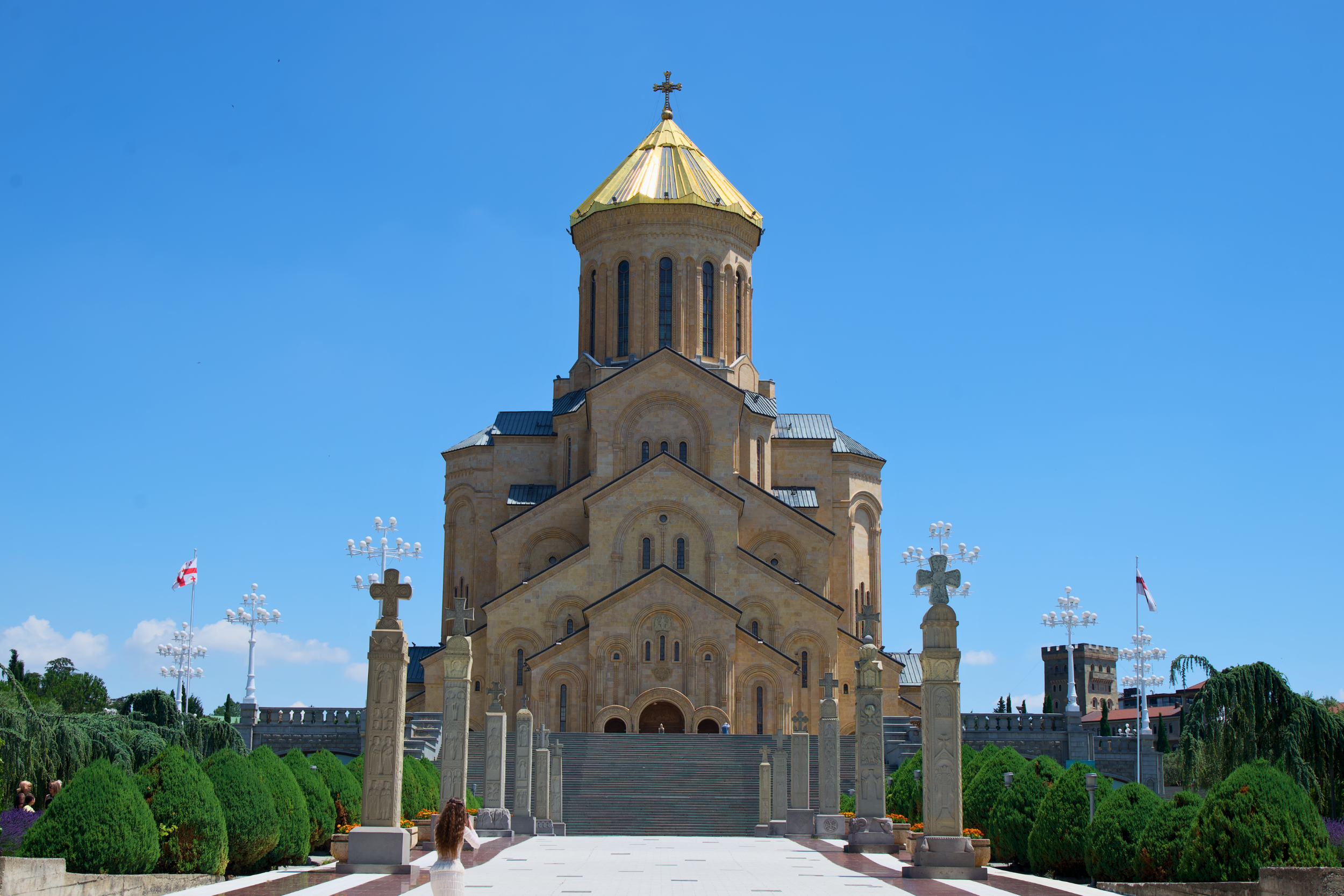
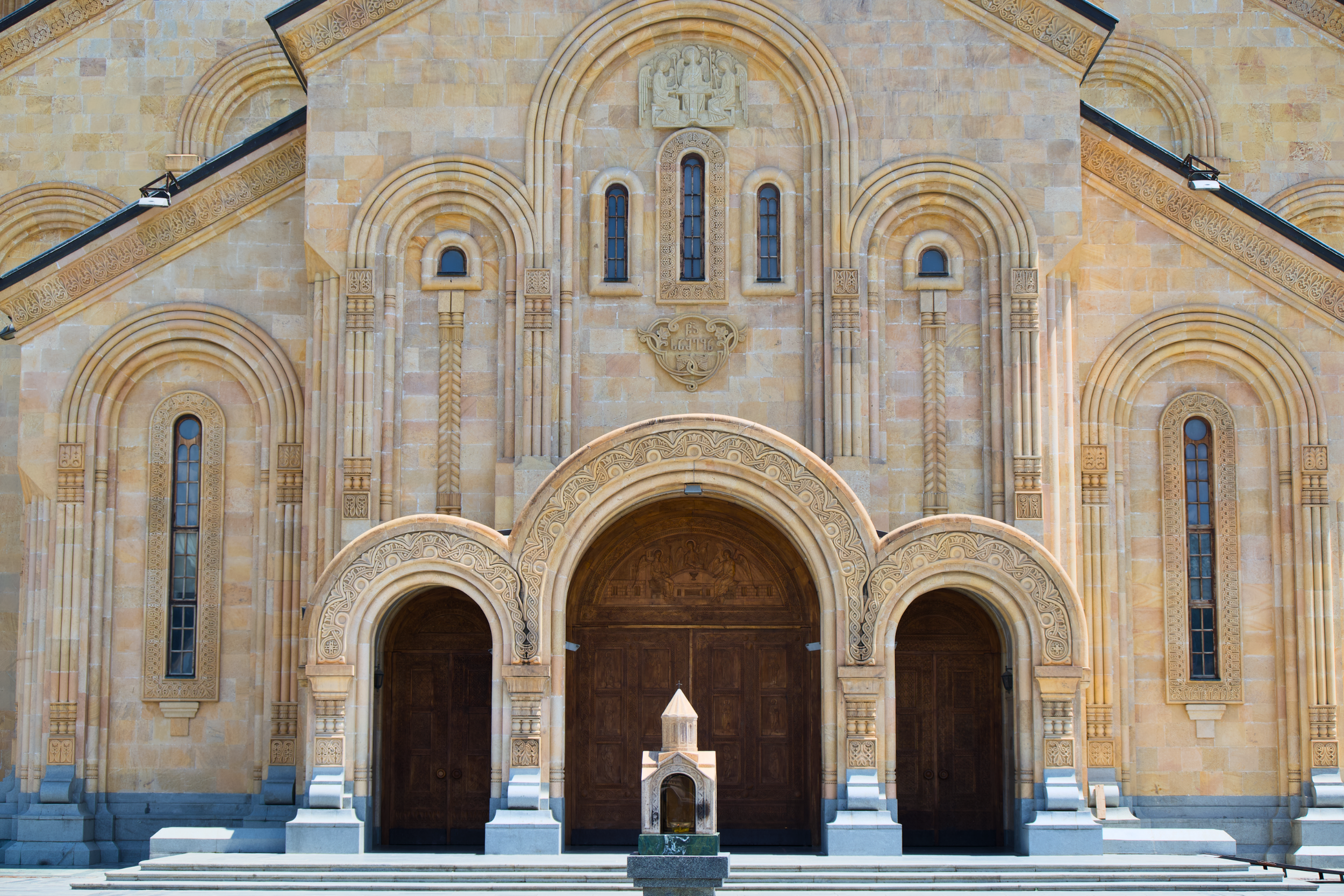
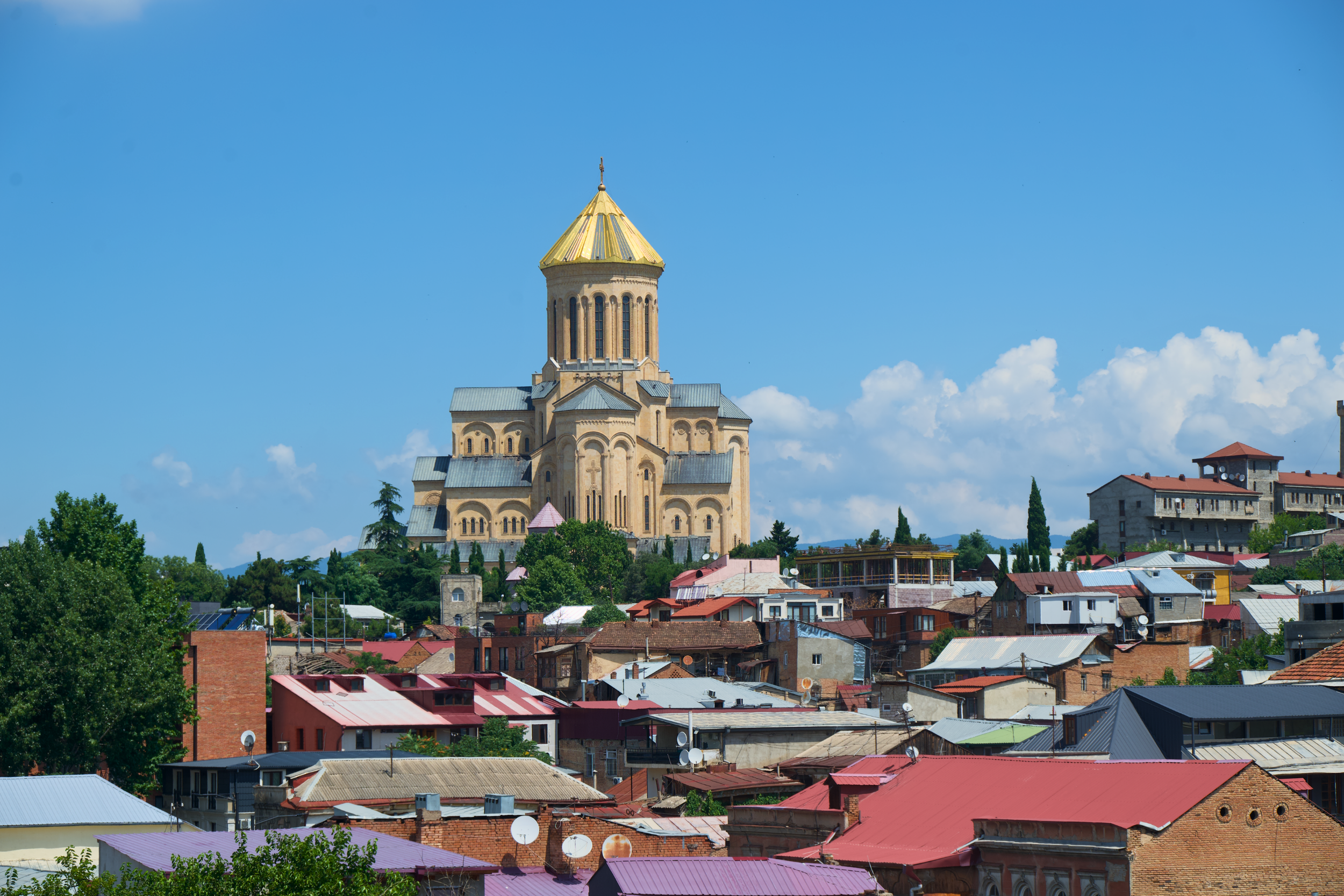
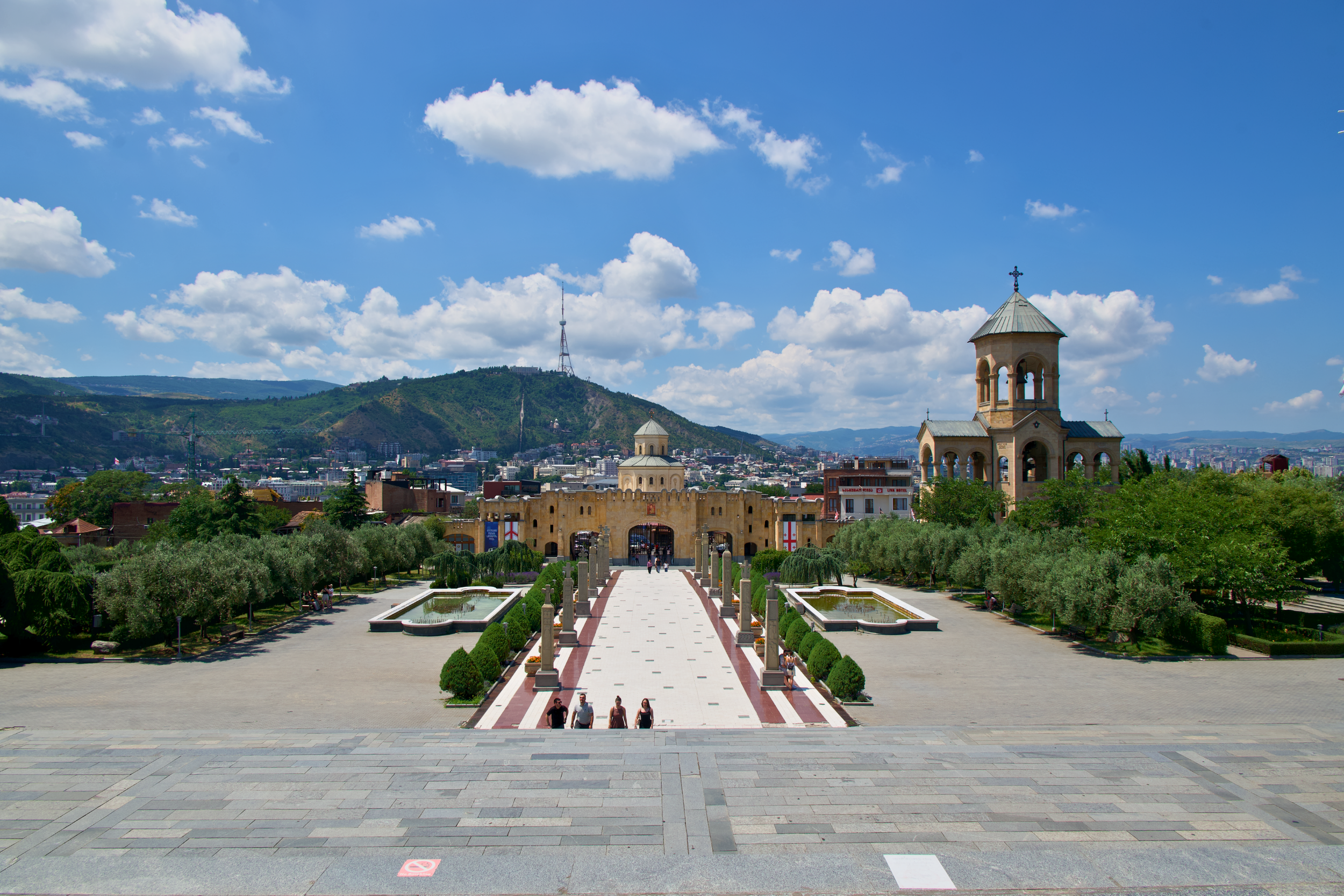
The Holy Trinity Cathedral, also known as Sameba, is one of the most recognizable religious landmarks in Tbilisi.
It's located in the Avlabari area on the eastern side of the Mtkvari River, and its enormous scale makes it difficult to miss.
Even if you aren't particularly interested in religious architecture, the cathedral is worth visiting for the setting and the views.
The grounds are expansive, and the cathedral rises above the surrounding city. It also makes a useful starting point for exploring Avlabari before walking downhill toward Rike Park and the river.
Allow about 30–60 minutes
You don't need half a day here. Give yourself enough time to see the cathedral, walk around the grounds and take in the views before continuing into the neighborhood.
Svaneti, Georgia Trekking
In the middle of my time exploring Tbilisi, I went for an 8-day trek through the Svaneti region in Georgia. If you’re wondering how I did my trek, I booked a group tour that included a guide, transportation, guesthouses, food, and transporting my bag each night. You can book with them here.
3. Explore Avlabari
Avlabari is one of the areas I would make a point of including in a Tbilisi itinerary.
Located on the eastern side of the Mtkvari, it connects several major sights, including Holy Trinity Cathedral, Rike Park and the Bridge of Peace. Georgia's tourism authority describes the area as part of historic Tbilisi and notes its proximity to Sameba, Metekhi Church, Rike Park and the Peace Bridge.
Rather than treating Avlabari as somewhere you go only to see Sameba, give yourself some time to walk around.
This is one of the areas where Tbilisi feels less like a collection of tourist attractions and more like a functioning city.
Book your ‘Georgian Dinner & Dance Show - Social Night’ in advance.
4. Take the Cable Car to the Mother of Georgia
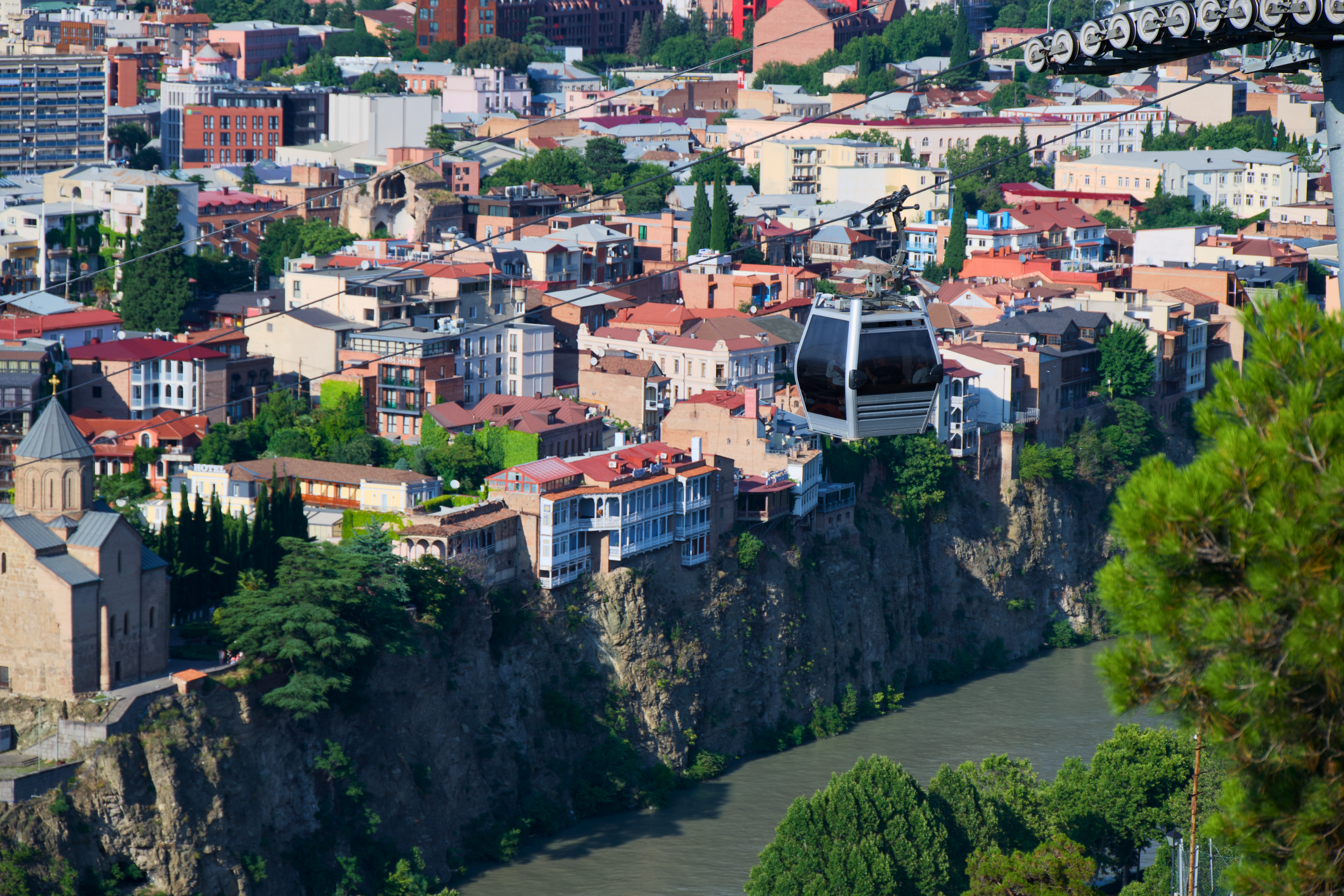
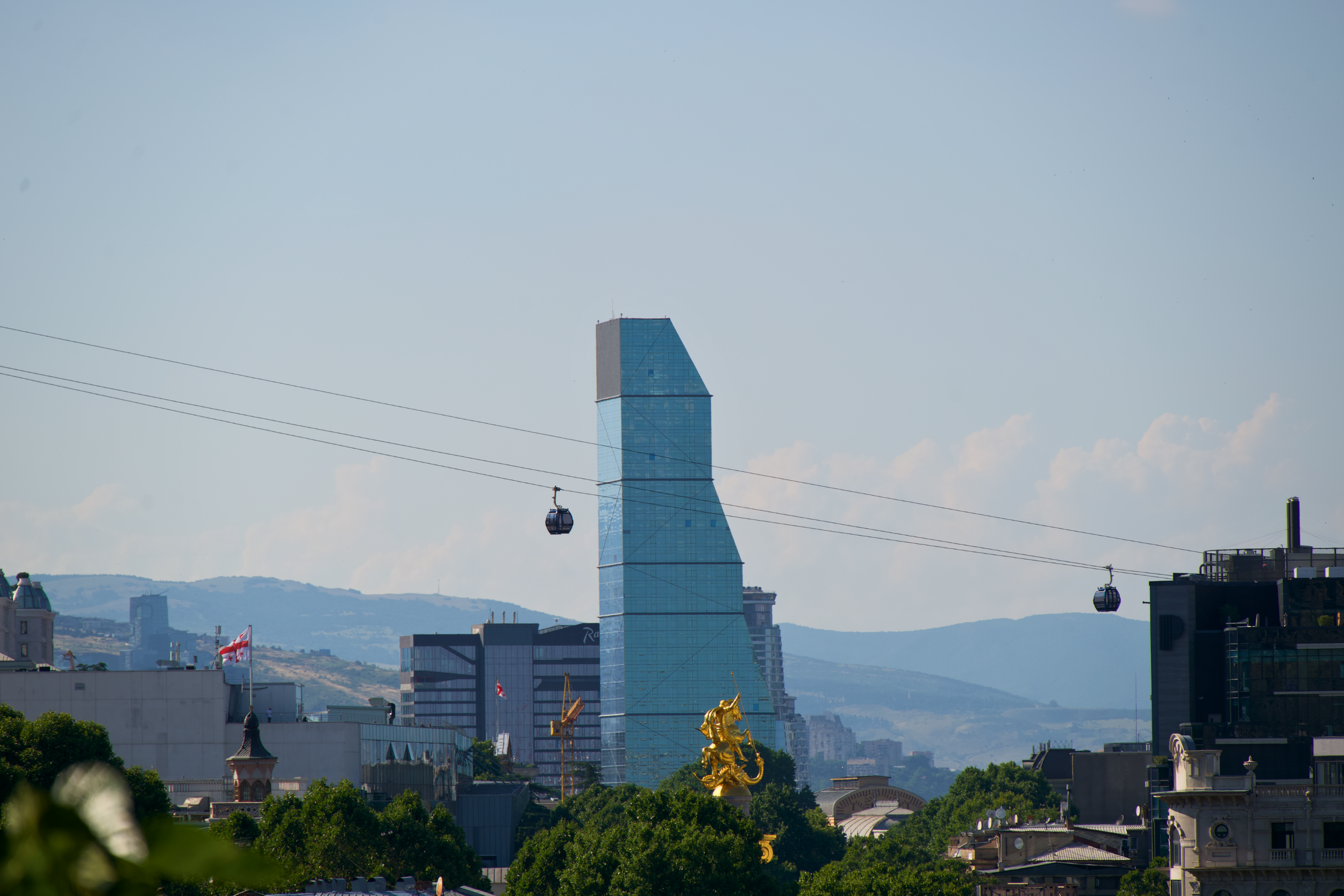
One of the easiest ways to get a dramatically different perspective of Tbilisi is to take the Rike–Narikala cable car.
The cable car connects Rike Park with the hill above the Old Town, making it particularly useful when you want to combine several attractions without turning the entire day into an uphill hike.
The official municipal transit information currently lists the one-way Rike–Narikala cable car fare at 2.5 GEL.
At the top, you'll be near several of Tbilisi's most recognizable sights, including Narikala Fortress and the Mother of Georgia, or Kartlis Deda.
Why I recommend taking it at least one way
The ride itself is short, but the changing view is the point.
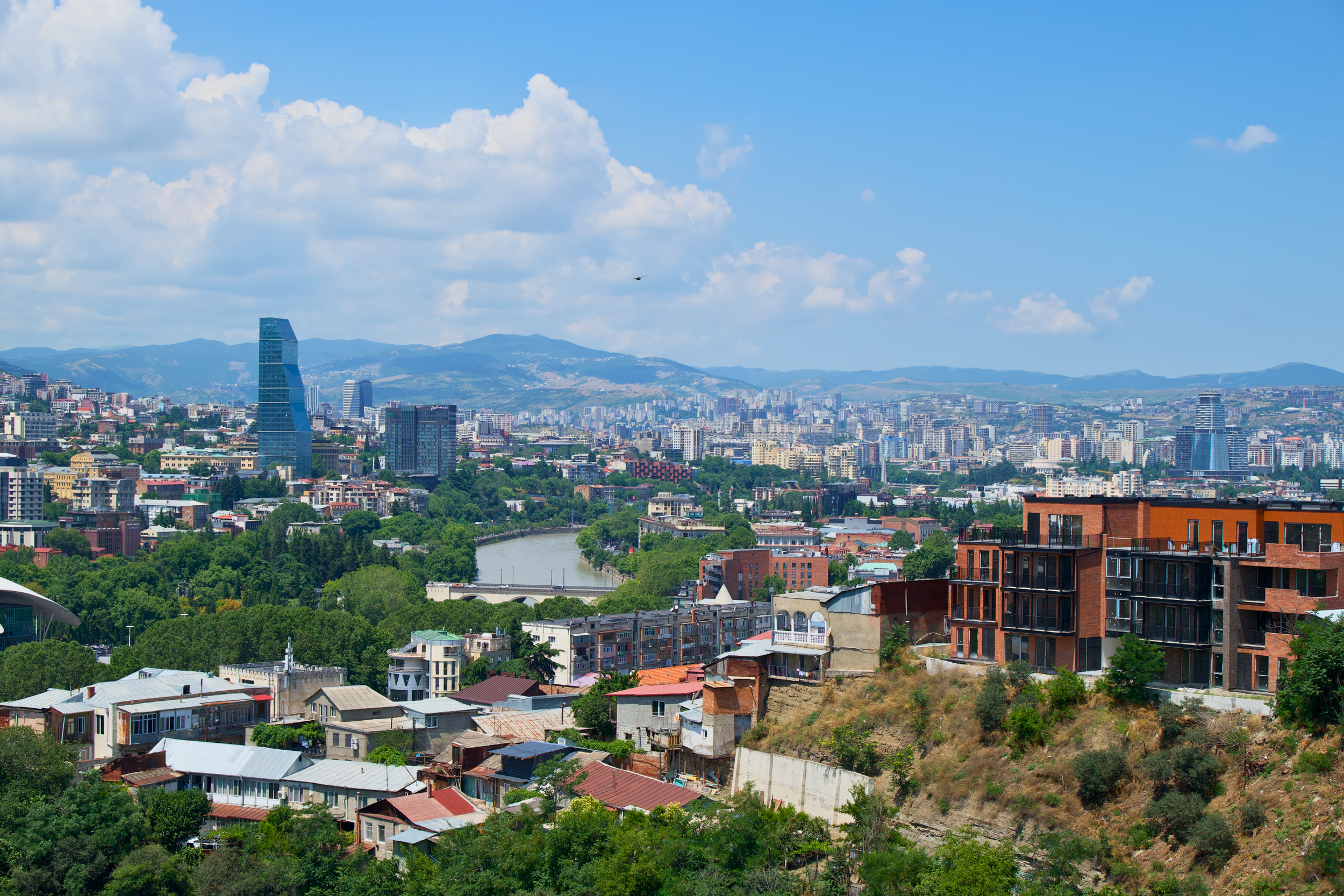
As you rise above the river, you get a completely different sense of how Tbilisi is arranged: the historic center below, the Mtkvari cutting through the city and the hills rising around it.
5. See the Mother of Georgia
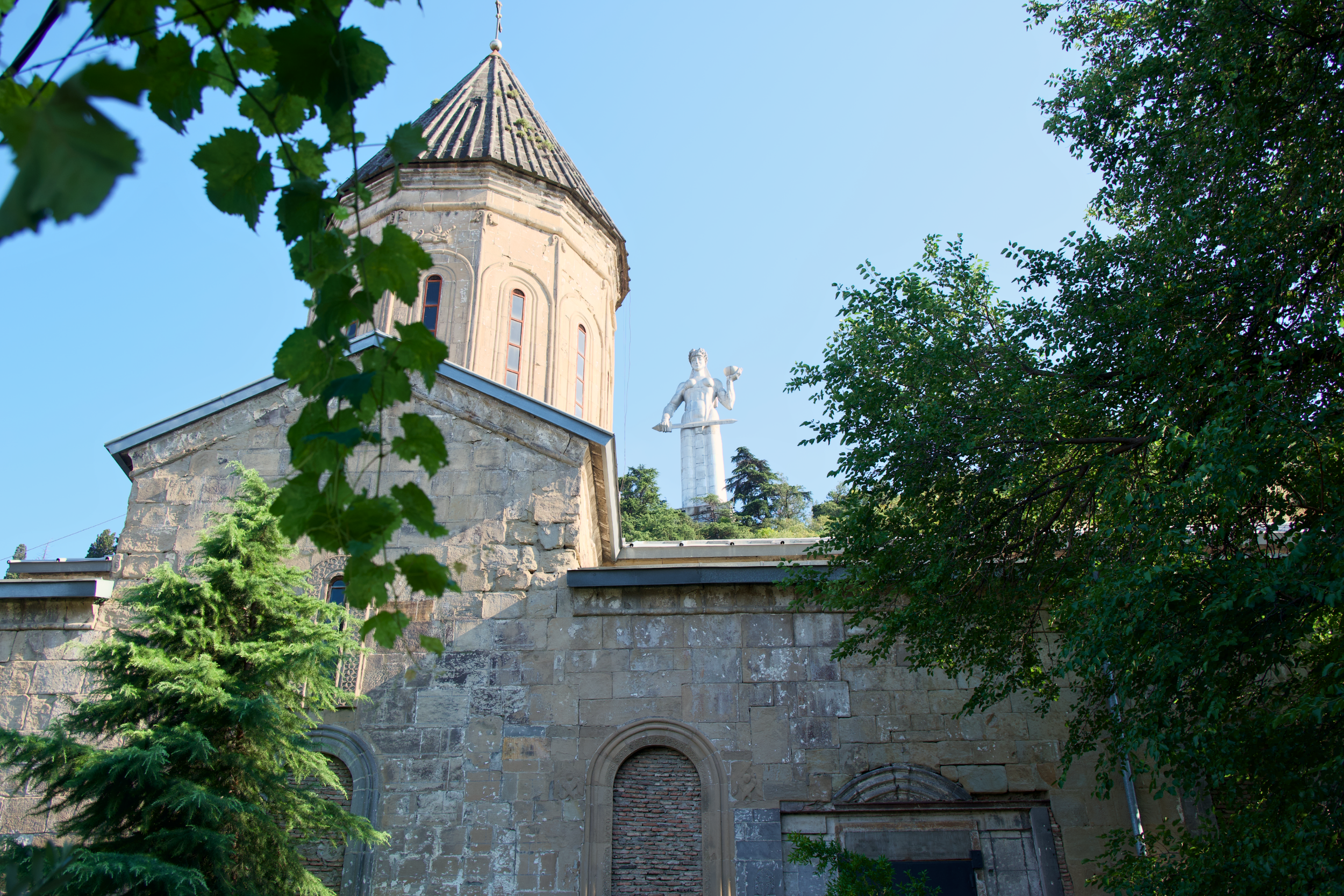
The enormous aluminum statue known as the Mother of Georgia stands above Tbilisi overlooking the city.
She holds a sword in one hand and a bowl in the other, traditionally representing the city's willingness to defend itself while welcoming guests.
You don't necessarily need a huge amount of time at the statue itself. The real reason to make the trip uphill is the combination of the statue, the surrounding hillside and the views across Tbilisi.
This is one of those places where the geography of the city becomes much easier to understand.
6. Explore Narikala Fortress
Narikala Fortress sits above Old Tbilisi and has become one of the city's defining landmarks.
The fortress dates back many centuries and occupies the rocky ridge overlooking the historic center. From here, you can look down over the Old Town, the Mtkvari River and surrounding neighborhoods.
You can combine Narikala with the Mother of Georgia, the cable car, and a walk back downhill toward Abanotubani.
If you're comfortable walking downhill, I'd consider taking the cable car up and exploring your way back down rather than immediately reversing the route.
7. Walk Across the Bridge of Peace
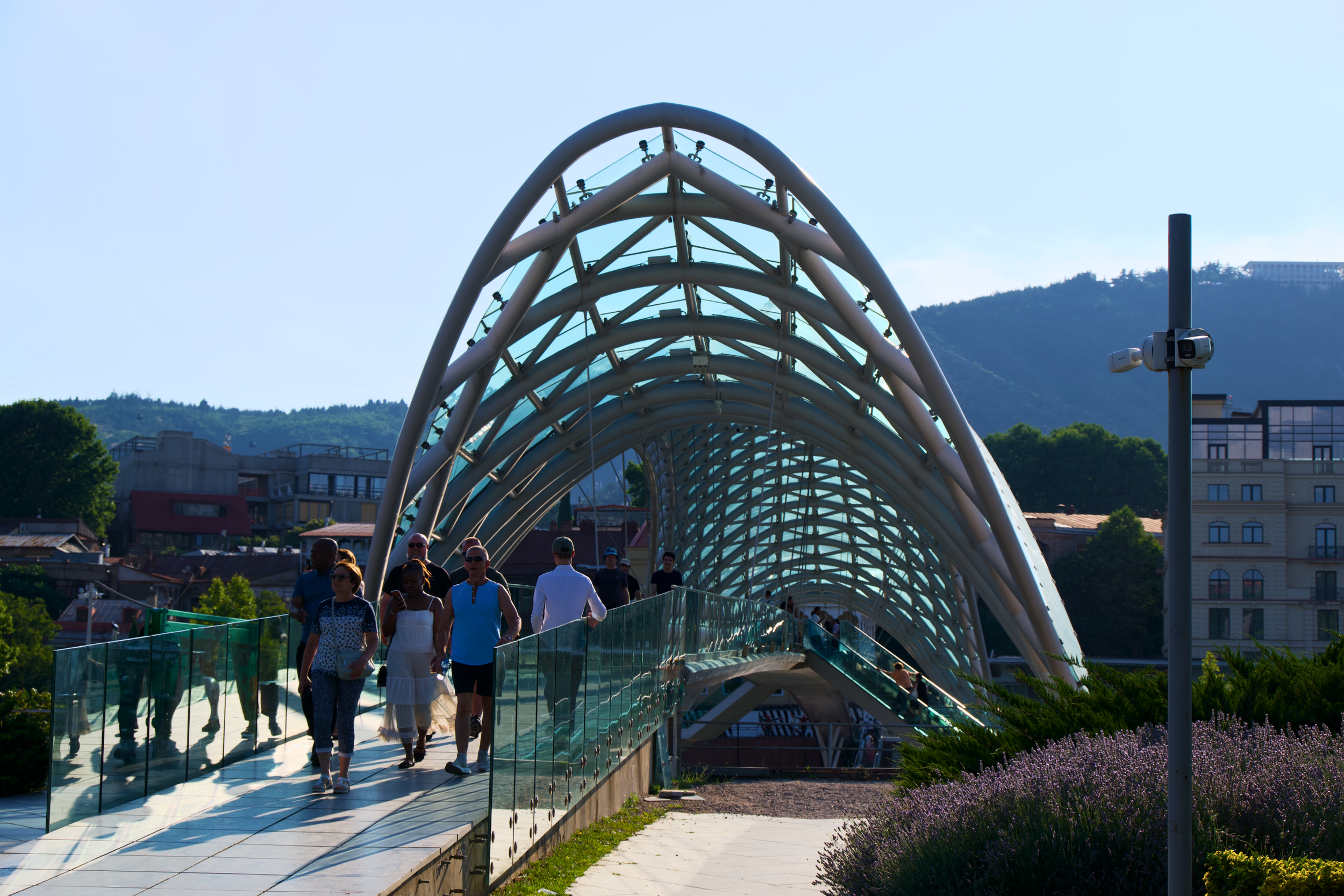
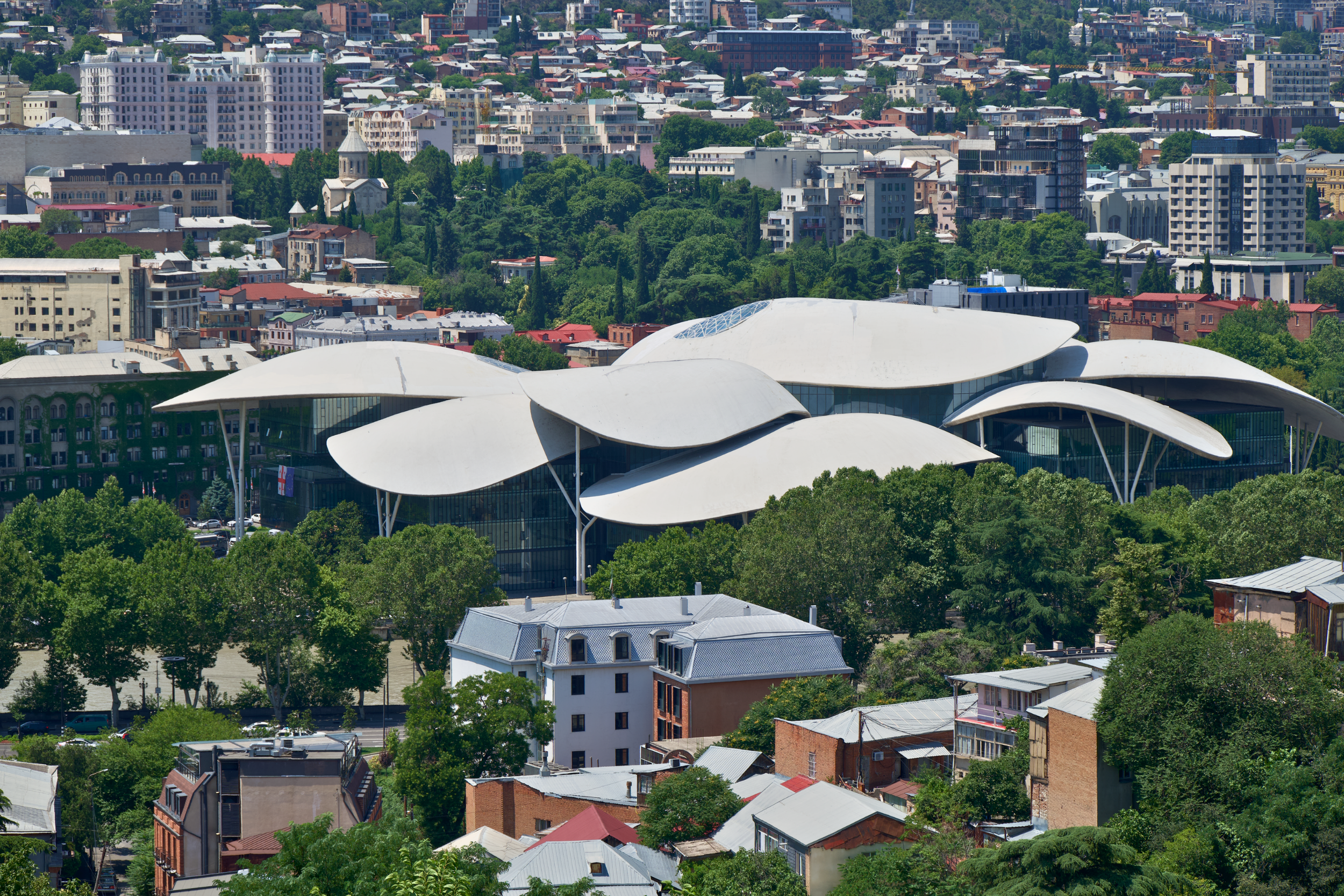
The Bridge of Peace is one of the more modern landmarks in Tbilisi and creates a deliberate contrast with the historic city surrounding it.
The glass-and-steel pedestrian bridge crosses the Mtkvari between Rike Park and the Old Town.
It's especially easy to include in a walking route because it connects several of the places you'll probably want to see anyway.
Walk across it, then turn around.
The views are different in both directions.
Georgia Travel also identifies the Bridge of Peace as one of the city's major examples of the contrast between Tbilisi's newer and older architecture.
If you’re looking for a walking tour in Tbilisi, this is one to book ahead of time.
8. Spend Some Time in Rike Park
Rike Park sits alongside the Mtkvari River and is another natural stopping point when you're exploring this part of Tbilisi.
It's particularly useful as a connector:
Avlabari → Rike Park → Bridge of Peace → Old Tbilisi
You can also start your cable-car ride here.
If you're building your own walking route, don't think of Rike Park as something that needs hours of dedicated sightseeing. It's more useful as part of a larger afternoon exploring the river and Old Town.
9. Wander Around Meidan
Meidan, or Meidani Square, is one of the historic focal points of Old Tbilisi.
This area has long been associated with commerce and gathering, and today it sits at the heart of one of the city's busiest tourist areas.
From here, it's easy to wander into the surrounding streets rather than simply stopping in the square.
Look for:
narrow lanes
balconies
small shops
restaurants and cafés
historic buildings
souvenir stores
views toward the surrounding hills
This is one of the areas where I would resist the urge to follow a perfectly straight route.
10. Walk Down Abo Tbileli Street
Abo Tbileli Street runs through the historic part of Tbilisi and is a good example of why walking is such an important part of visiting the city.
It's close to Meidan and the sulfur-bath district, so you can easily work it into an Old Tbilisi walking route.
The surrounding streets are full of the visual details that make Tbilisi distinctive: balconies, older façades, uneven streets and a mixture of restored and weathered buildings.
11. Visit the Tbilisi Sulfur Baths in Abanotubani
This is one of the classic Tbilisi experiences that I would add even if you only have two days. (Book your sulfur bath ahead of time.)
The Abanotubani district is famous for its sulfur baths, which are closely tied to the city's history and identity. Georgia Travel describes the district as the historic center of Tbilisi's bathhouse tradition.
The colorful domed roofs of the bathhouses make the neighborhood visually distinctive even if you aren't planning to book a bath.
If you do want the experience, research the individual bathhouses and private rooms ahead of time rather than simply showing up and expecting the exact experience you want.
Good to know
The sulfur baths aren't just a modern tourist attraction. Bathhouses have played a role in Tbilisi's social life for centuries.
That makes this one of the experiences where the activity itself is as interesting as the building.
12. Walk the Betlemi Street Stairs
If you want to see a different side of Tbilisi, walk the Betlemi Street stairs.
This area climbs through the hillside above the Old Town and is exactly the sort of place where the city's topography becomes part of the experience.
Bring shoes you can comfortably walk uphill in.
Tbilisi is deceptively hilly.
A map might tell you two attractions are close together, but that doesn't mean the walk between them will be flat.
13. Explore Sololaki
Sololaki is one of my favorite areas to recommend for people who want to look beyond the headline attractions.
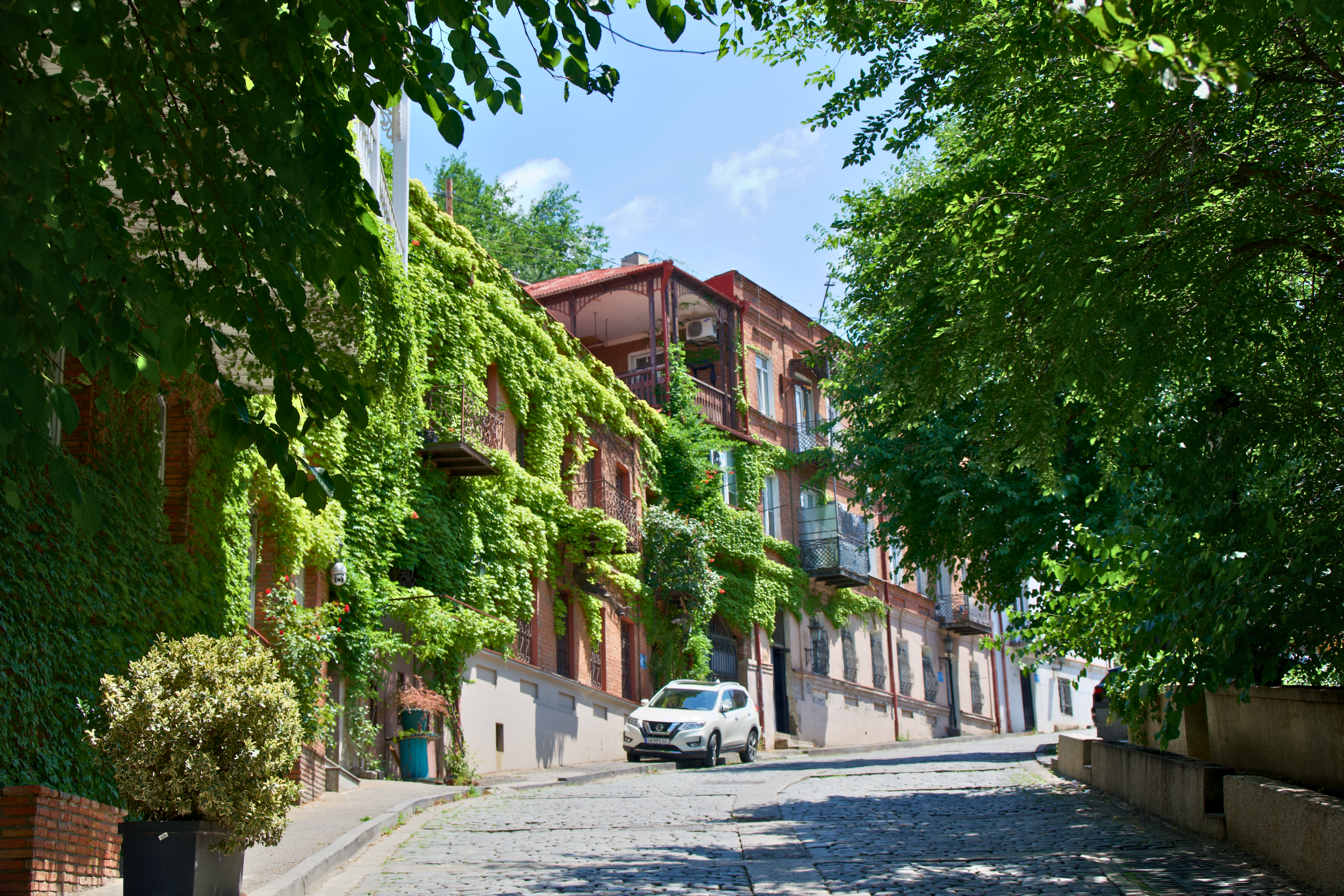
The neighborhood developed heavily in the 19th century and became a residential district for wealthy Tbilisi residents. Today, its architecture includes elaborate entrances, ornate façades, wooden balconies and buildings influenced by a mixture of European, local, Islamic and other architectural traditions.
This is a neighborhood where I would put the camera away occasionally and just walk.
Look into courtyards.
Look at the doors.
Look up at balconies.
Some of the most interesting architectural details in Tbilisi aren't on the city's official list of attractions.
14. Walk Vertskhli Street and the Surrounding Streets
Don't underestimate the smaller streets around central Tbilisi.
Part of what makes the city fun to photograph is that you don't have to arrive at a major monument to find something interesting.
Streets around the Old Town and central neighborhoods can change quickly from tourist-heavy to residential, ornate to weathered, busy to quiet.
That's why I would leave at least a few hours in your Tbilisi itinerary without a fixed destination.
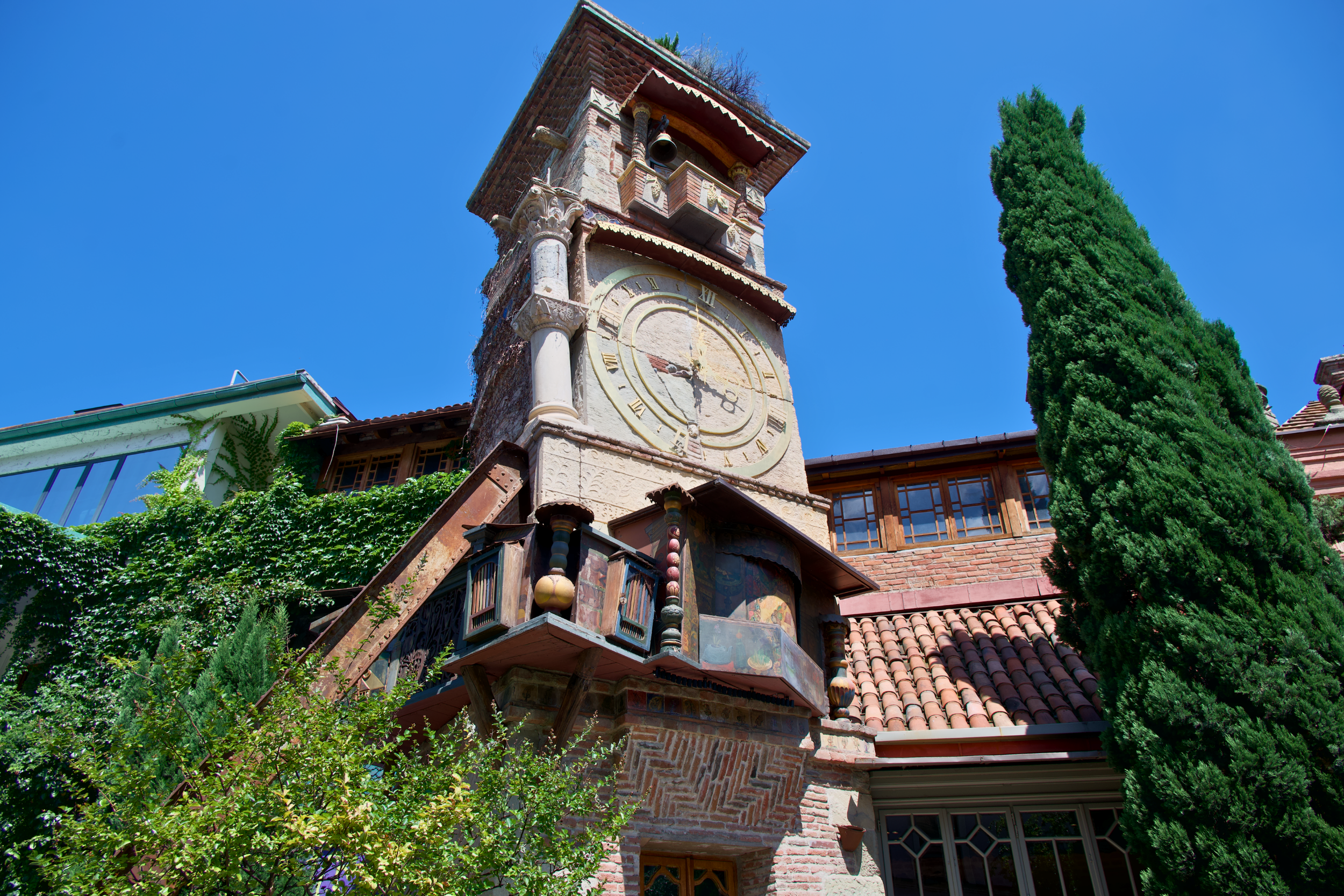
15. Find the Tbilisi Clock Tower
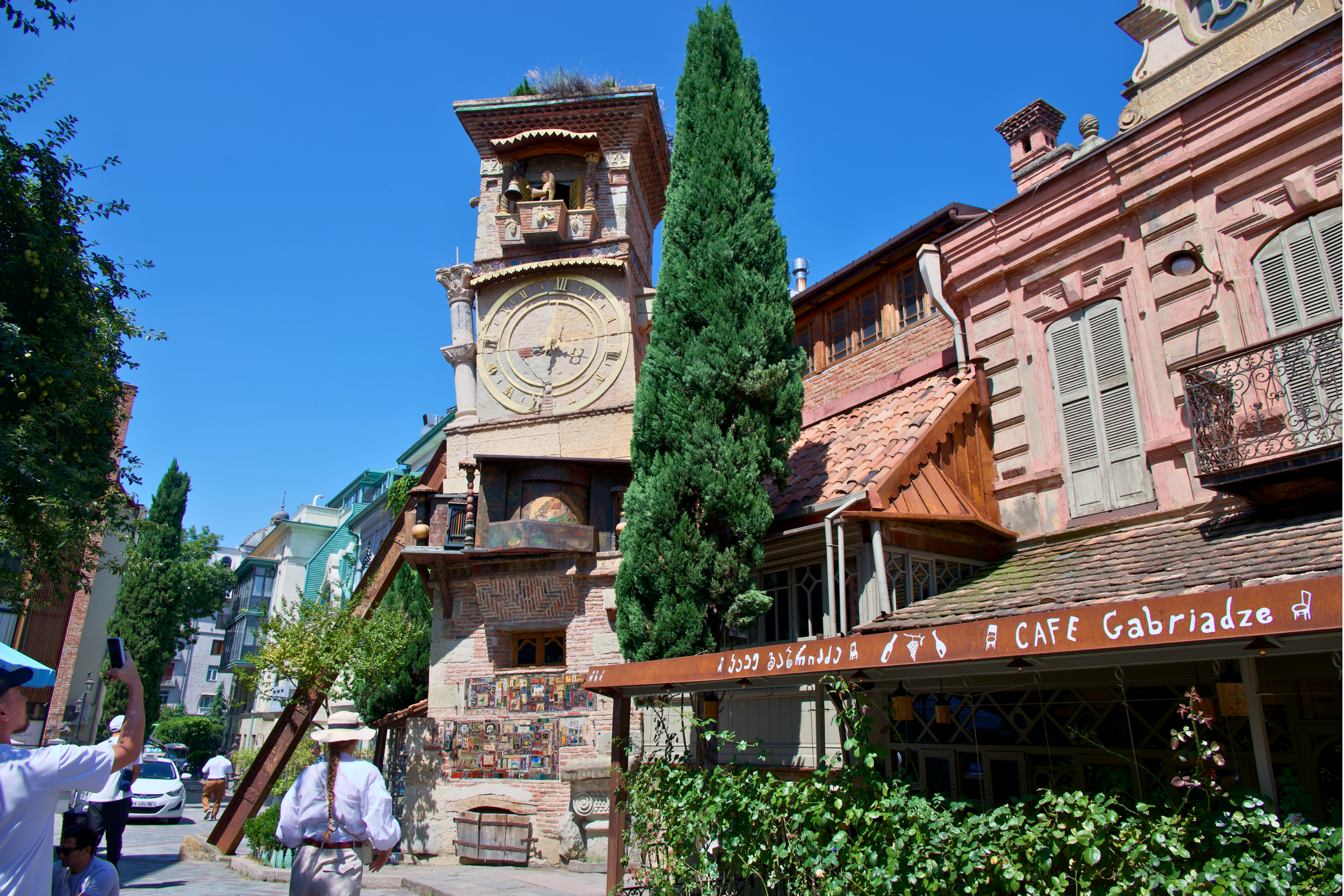
The Tbilisi Clock Tower, associated with the Rezo Gabriadze Marionette Theater, looks almost as though someone dropped a storybook building into the middle of the city.
It's on Shavteli Street, near several other Old Town sights.
The tower is relatively small, so this is another attraction that makes more sense as part of a walking route than as a standalone destination.
Georgia Travel specifically highlights the clock tower and surrounding Shavteli Street as part of an Old Tbilisi walk.
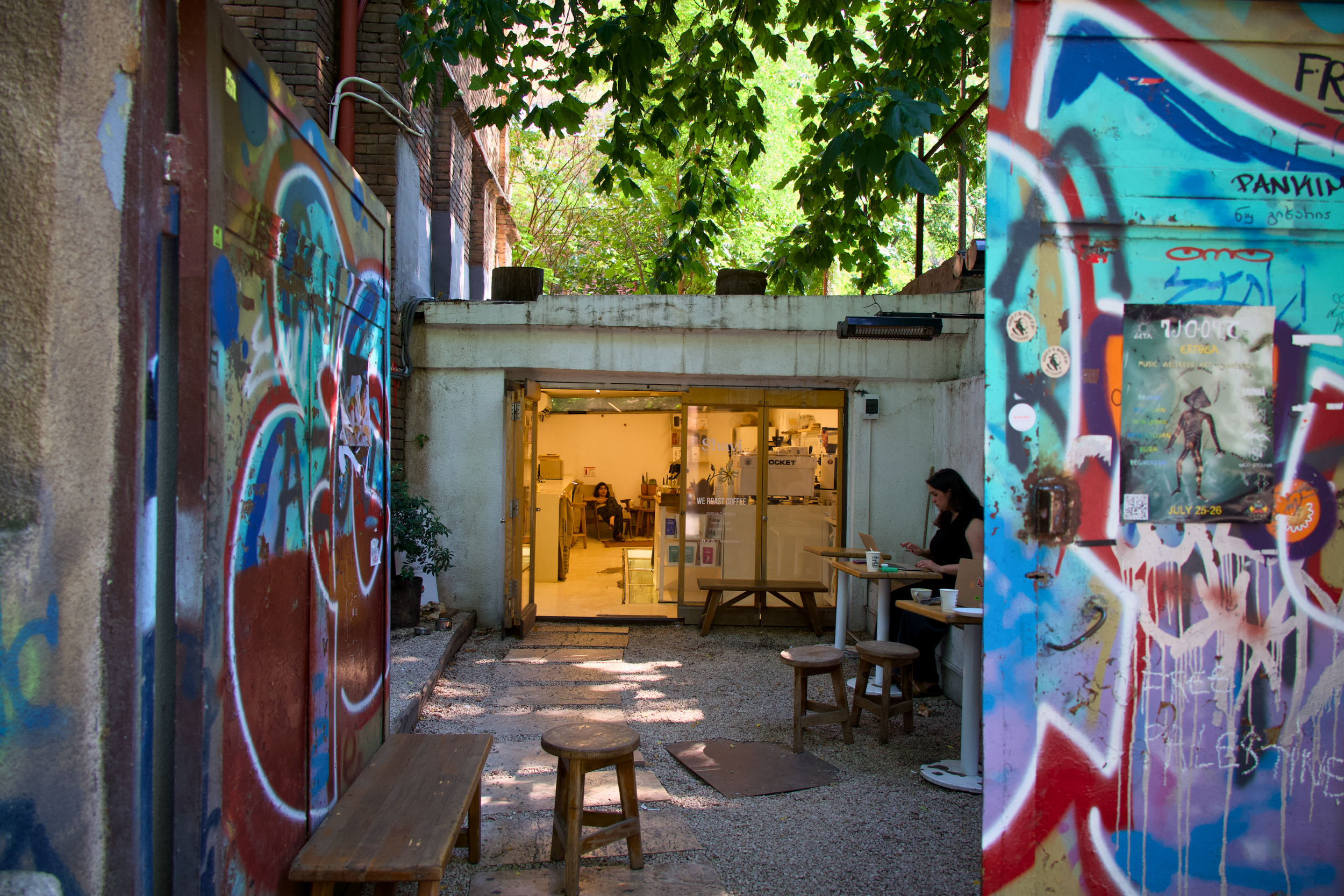
16. Stop at Café Leila
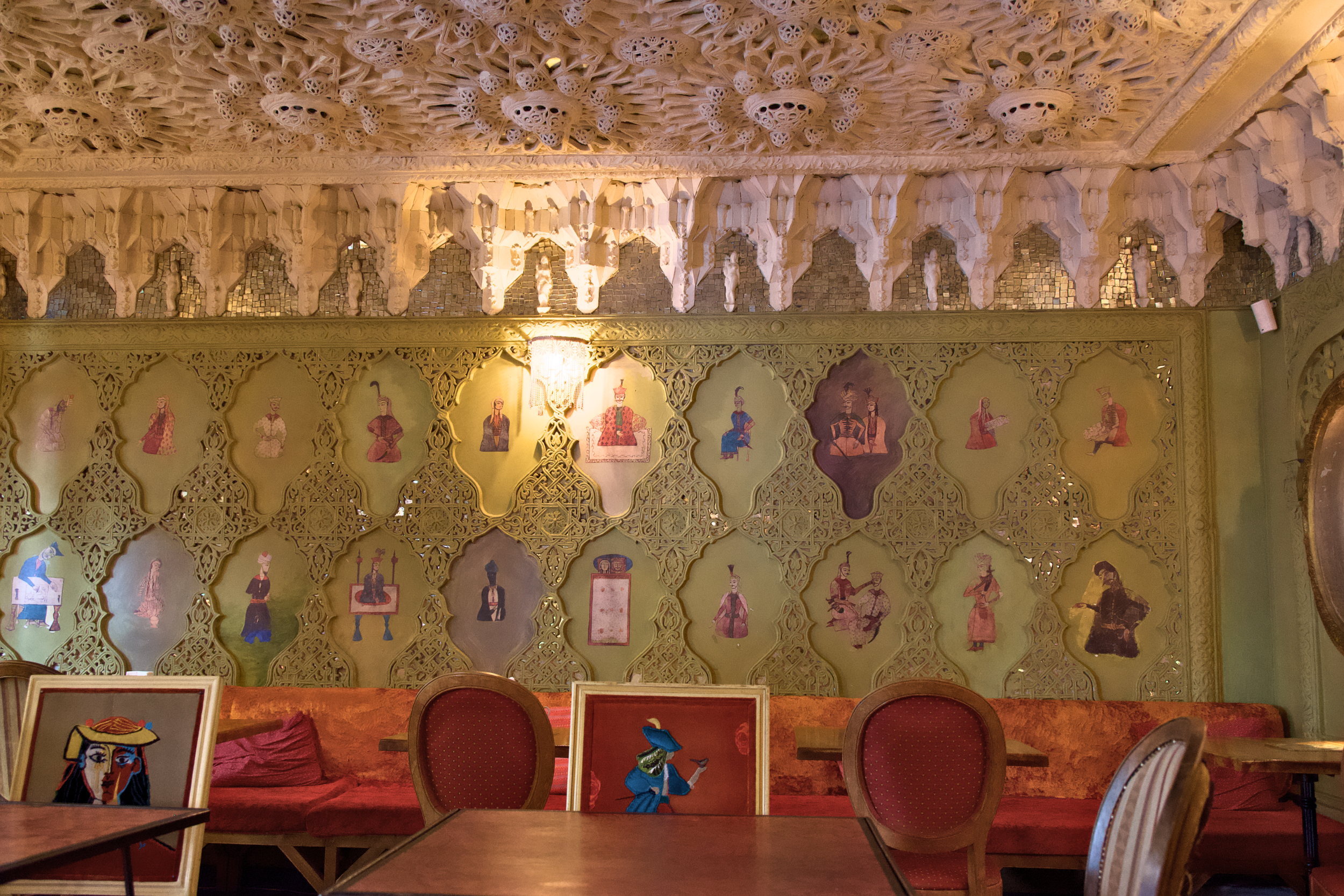
Café Leila is a popular stop in the Old Town and is especially memorable for its interior.
It's close to the clock tower and therefore easy to combine with the surrounding Old Tbilisi sights.
Rather than making a restaurant stop into a major detour, I'd use cafés like this as natural breaks while exploring.
That's one of the easiest ways to make a walking-heavy Tbilisi itinerary feel less like you're checking boxes.
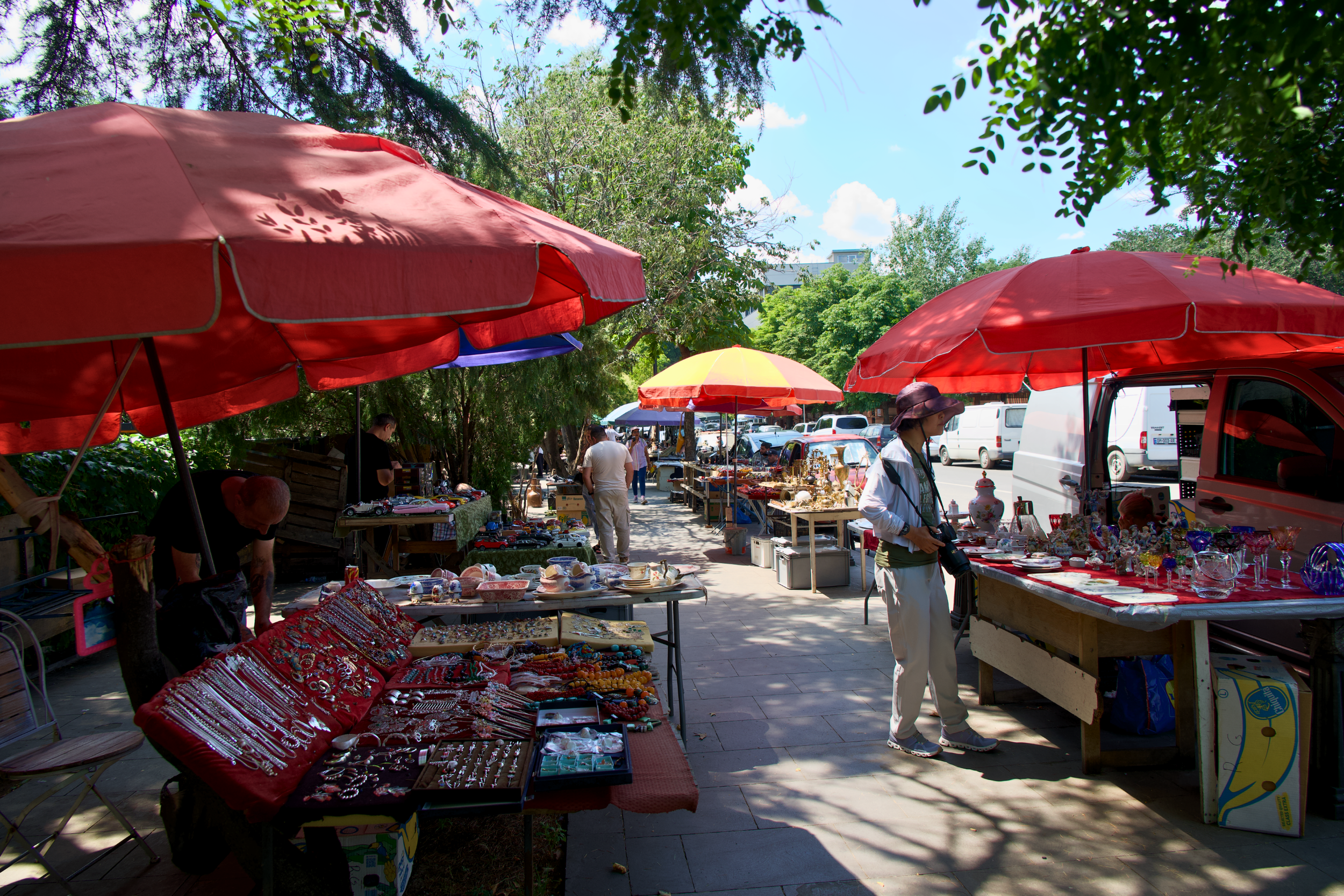
17. Visit Dry Bridge Market
If you like markets, vintage finds, antiques, or objects with a little history behind them, make time for Dry Bridge Market.
This isn't your typical polished souvenir market.
The open-air market has operated in its current form since the 1950s, and vendors sell everything from Soviet-era objects and antiques to artwork, jewelry and other vintage goods.
Georgia Travel describes more than a hundred vendors gathering at the market, with an adjacent area used by artists.
What you'll find at Dry Bridge Market
Depending on when you visit, you may see:
Soviet-era memorabilia
vintage household objects
jewelry
art
books
old coins and medals
antiques
collectibles
handmade goods
It's a fun place to browse even if you have absolutely no intention of buying anything.
And, perhaps more importantly, it gives you a different view of Tbilisi than the city's churches and viewpoints do.
18. Try Georgian Food
You can't really write a Tbilisi travel guide without talking about food.
Georgian cuisine is one of the major reasons to visit the country, and Tbilisi is a particularly good place to sample dishes from across Georgia.
Classic foods include:
Khinkali - Georgian dumplings
Khachapuri - cheese-filled bread with regional variations
Pkhali - vegetable and walnut preparations
Lobio - a traditional bean dish
Ajapsandali - a vegetable dish particularly associated with Tbilisi
Churchkhela - a traditional sweet made with nuts and concentrated grape juice
Badrijani nigvzis - eggplant with walnut filling
Khachapuri has been recognized as part of Georgia's intangible cultural heritage, and the country has numerous regional varieties.
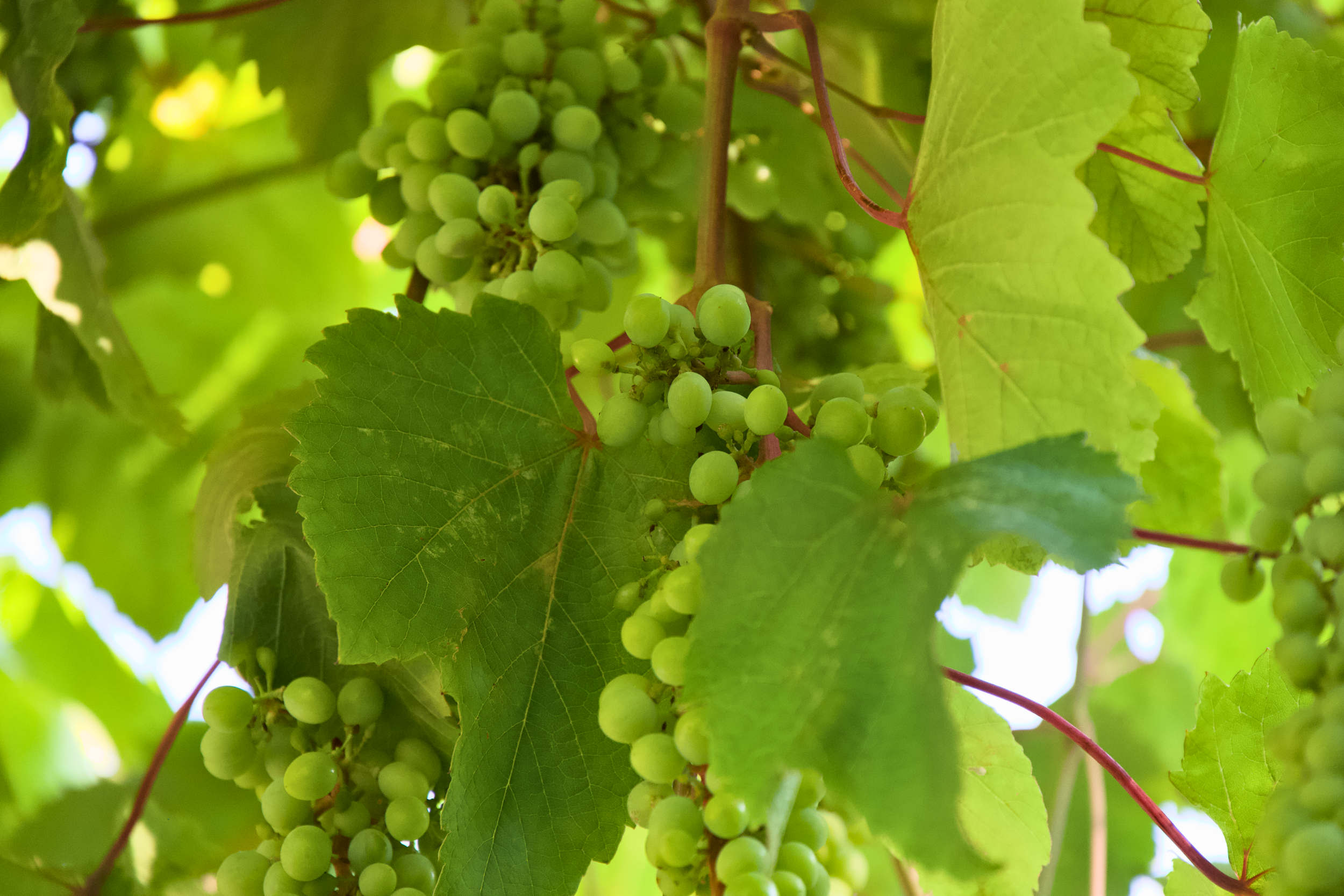
Georgia is also famous for its wine culture, including wines made using the traditional qvevri method.
If food is a major part of your trip, leave room for a longer meal rather than trying to squeeze every restaurant into a packed sightseeing schedule.
Book your ‘Georgian Cooking Class with Khinkali and Khachapuri’ in advance.
19. Visit Mtatsminda for City Views
If you have more than two days in Tbilisi, or simply want another major viewpoint, consider Mtatsminda.
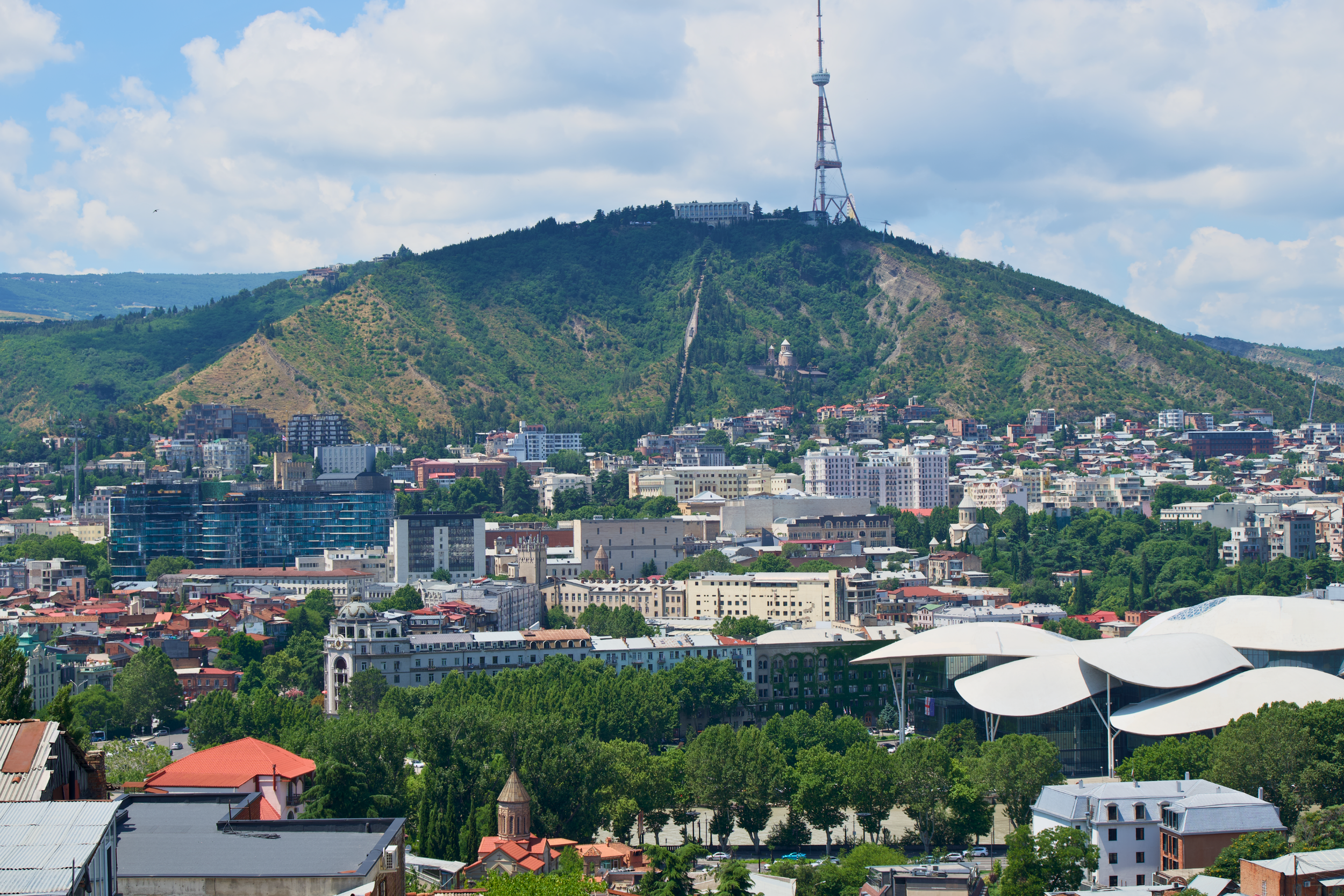
The mountain rises above the city and offers panoramic views across Tbilisi. You can reach the area by the historic funicular railway, and the mountain is also home to restaurants, an amusement park and other attractions.
This is a particularly good option if you want to see Tbilisi from a different direction than the Narikala/Mother of Georgia side of the city.
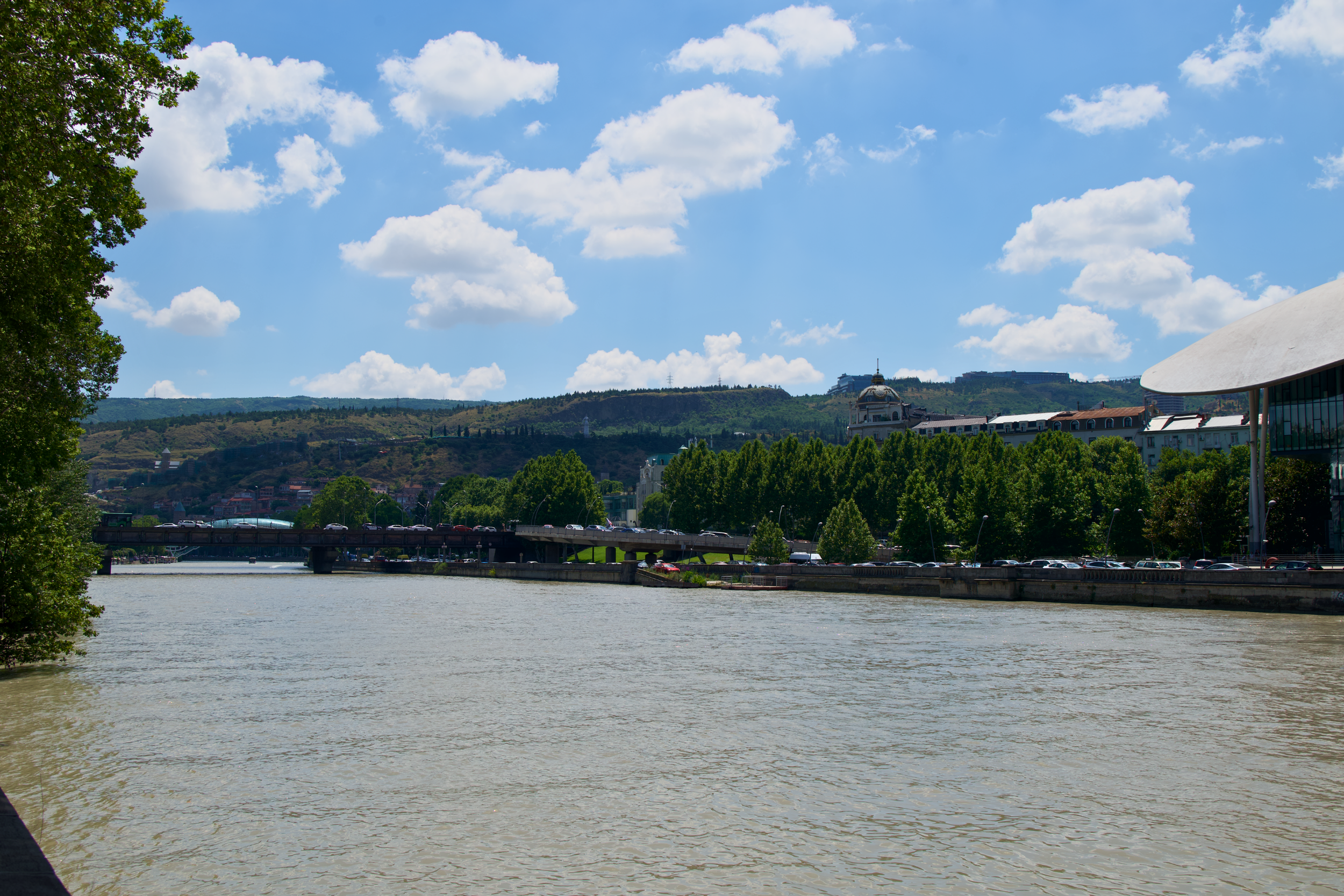
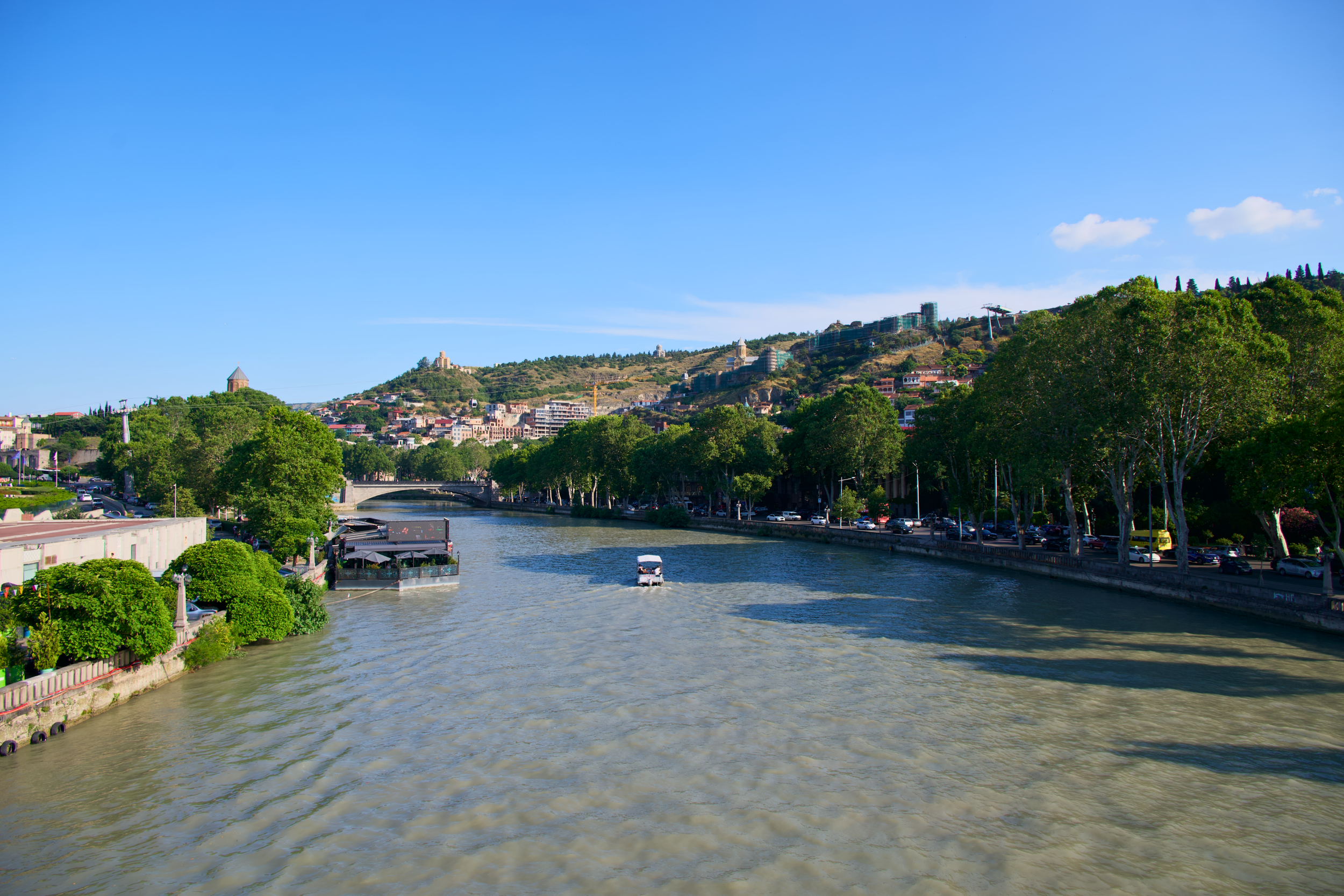
20. Walk Along the Mtkvari River
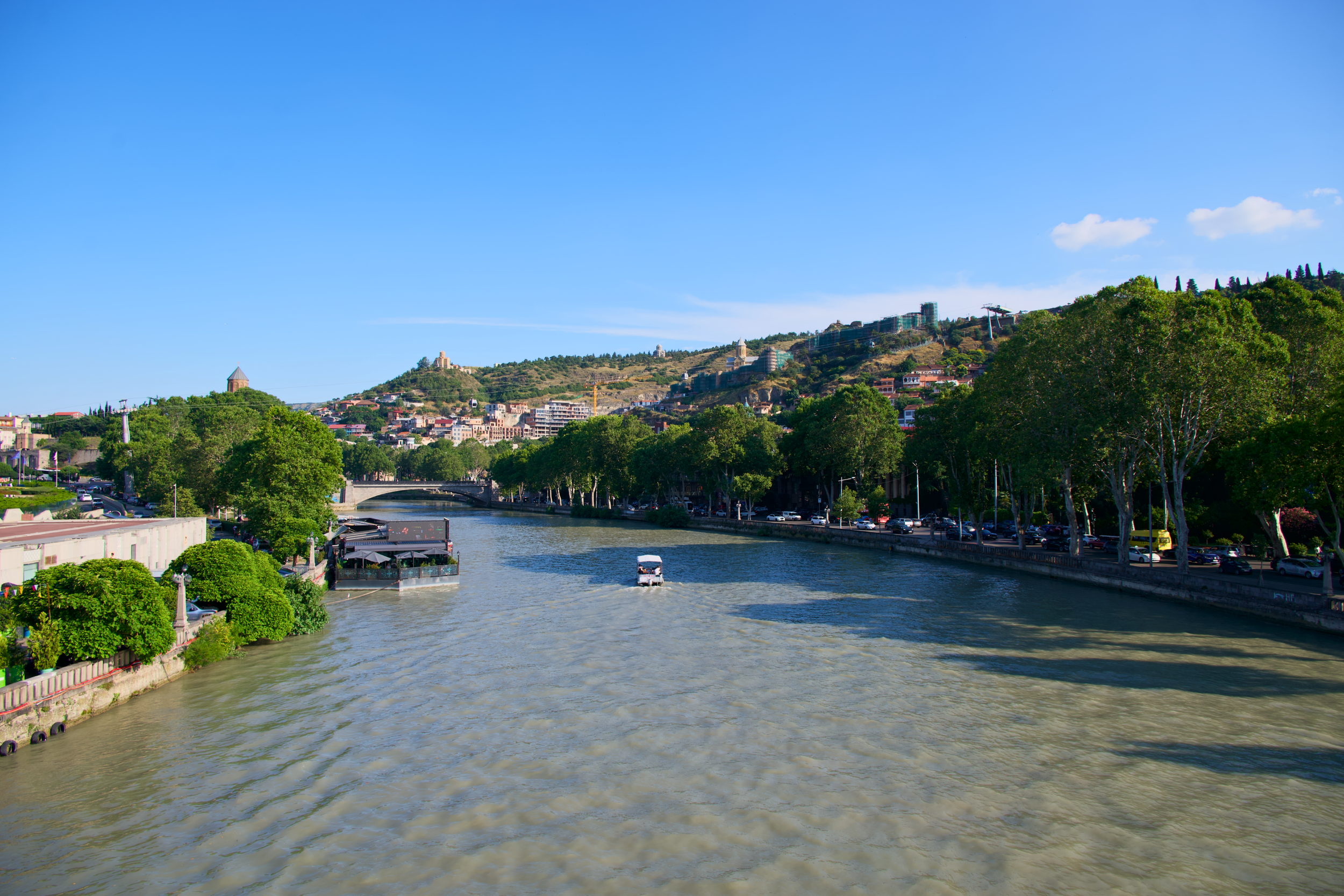
The Mtkvari River is part of the visual identity of Tbilisi.
Rather than treating the river as something you simply cross between attractions, pay attention to how the city is arranged around it.
The river separates and connects different neighborhoods, while the hills rising on either side help explain why Tbilisi has so many viewpoints and steep streets.
Some of my favorite moments in the city were simply walking between major sights and seeing the city unfold around the river.
The Best Tbilisi Neighborhoods to Explore
One of the easiest ways to plan a trip to Tbilisi is by neighborhood rather than attraction.
Old Tbilisi
Best for: first-time visitors, architecture, historic streets, baths, cafés and major sights.
This is where you'll spend much of your first visit.
Focus on Meidan, Abanotubani, the surrounding historic lanes, the Bridge of Peace and the streets climbing toward Narikala.
Avlabari
Best for: Holy Trinity Cathedral, views, Rike Park and access to the river.
Avlabari makes an excellent addition to an Old Tbilisi itinerary because so many major sights are clustered nearby.
Sololaki
Best for: architecture, photography and wandering.
If you love old buildings more than checking off monuments, give Sololaki extra time.
Mtatsminda
Best for: views, the funicular and a different side of central Tbilisi.
Abanotubani
Best for: sulfur baths and the historic heart of Old Tbilisi.
How to Spend 2 Days in Tbilisi
If you only have two days, you can see a surprising amount of Tbilisi without trying to do absolutely everything.
Here's how I would structure it.
Day 1: Avlabari, Rike Park and Old Tbilisi
Morning
Start in Avlabari.
Visit Holy Trinity Cathedral, then make your way downhill toward the Mtkvari River.
From there, walk through Rike Park and across the Bridge of Peace.
Afternoon
Continue into Old Tbilisi.
Explore:
Meidan
Abo Tbileli Street
Abanotubani
The sulfur-bath district
Surrounding Old Town streets
Stop for lunch or coffee along the way.
Late afternoon
Take the Rike–Narikala cable car uphill.
Visit:
Narikala
Mother of Georgia
The surrounding viewpoints
Then walk back down through the historic streets toward the Old Town.
Evening
Have dinner in or around Old Tbilisi and allow yourself some time to wander after dark.
Tbilisi changes character in the evening, especially around the river and historic center.
Day 2: Sololaki, Markets and More Wandering
Morning
Start with breakfast or coffee.
Then explore Sololaki.
This is where I'd intentionally slow down the sightseeing pace. Look at the architecture, courtyards and ornate entrances rather than trying to get from one landmark to the next.
Late morning
Make your way toward Dry Bridge Market.
Give yourself time to browse.
The market isn't something I'd rush through in 15 minutes. Even if you don't buy anything, it's one of the more distinctive experiences in central Tbilisi.
Afternoon
Return toward central Tbilisi and explore whichever streets you didn't have time for on Day 1.
This is also when I'd add:
Café Leila
the Tbilisi Clock Tower
additional Old Town streets
museums
more time in Sololaki
Evening
Finish with a viewpoint, dinner, or a wine bar.
If you want another panoramic view, substitute Mtatsminda for some of the afternoon wandering.
The perfect day trip from Tbilisi: Kakheti Wine Region Tour with 9 Wine Tastings
Where to Stay in Tbilisi
Where you stay can make a surprisingly big difference because Tbilisi's attractions are spread across several neighborhoods and the terrain can make short distances feel longer.
For a first visit, I would look at:
Old Tbilisi
Best if you want to walk out your hotel door and immediately be surrounded by historic streets, restaurants and major attractions.
Avlabari
A convenient choice if you want access to Holy Trinity Cathedral, Rike Park and the river while remaining close to Old Tbilisi.
Sololaki
A good option if architecture and neighborhood atmosphere matter more to you than being directly in the middle of the tourist core.
Where I stayed
During my time in Tbilisi, I stayed at Vinotel and Holiday Inn Express Tbilisi Avlabari by IHG.
Both gave me different perspectives on the city, and staying in Avlabari was particularly convenient for exploring the eastern side of the historic center.
How to Get Around Tbilisi
For the historic center, walking is one of the best ways to experience Tbilisi.
You will, however, encounter hills, stairs and uneven streets.
For longer distances, Tbilisi has a metro, buses, minibuses and cable cars.
The city's standard municipal transport fare is currently 1 GEL for 90 minutes of unlimited travel, with a 3 GEL one-day unlimited option available through the city's subscription system.
The Rike–Narikala cable car is currently listed at 2.5 GEL one way.
Airport to Tbilisi
Tbilisi International Airport is about 17 kilometers southeast of the city.
The municipal Bus 337 connects the airport with central Tbilisi. The airport currently lists the fare at 1 GEL for 90 minutes of unlimited travel, with payment possible using a MetroMoney card or certain bank cards.
The airport also lists a fixed taxi fare of 40 GEL to the city center, with a typical travel time of around 20–30 minutes depending on traffic.
Need an airport transfer or Tbilisi transportation option? Book in advance.
Do You Need a Car in Tbilisi?
For a short Tbilisi city break, I would not rent a car just to explore the city.
Most of the places covered in this guide are much easier to combine on foot and with public transportation.
A car becomes more useful if you're using Tbilisi as a base for exploring other parts of Georgia.
For example, if you're planning to visit Kakheti, the Georgian Military Highway, Kazbegi, or other destinations outside the capital, a rental car can make more sense depending on your itinerary.
Best Time to Visit Tbilisi
Tbilisi can be visited throughout the year, but spring and fall are particularly appealing if you want comfortable conditions for walking.
Spring
Good for:
outdoor cafés
walking
gardens and parks
milder temperatures
Summer
Long days make it easier to fit a lot into an itinerary, but the heat can make Tbilisi's hills and stairs feel considerably less fun.
Fall
A particularly nice time for walking around the city and combining outdoor sightseeing with cafés, markets and restaurants.
Winter
The city is quieter in some areas and can have a different atmosphere, although daylight hours are shorter and temperatures can be cold.
If you're visiting primarily for architecture, food, cafés and urban exploration, you have more flexibility than someone planning a hiking-focused Georgia trip.

Tbilisi Travel Tips
Bring comfortable shoes
This deserves repeating.
You will walk more than you think, and the hills are real.
Don't plan every hour
Tbilisi is a city where wandering is part of the experience.
Leave gaps in your itinerary.
Look up
Some of the city's most interesting architecture is above eye level, especially in Sololaki and Old Tbilisi.
Carry some Georgian lari
Cards are useful in many businesses, but having local currency is still practical for smaller purchases and markets.
Expect touristy areas
Meidan and some of the central Old Town streets can feel busy and commercial.
That doesn't mean you need to avoid them. Just walk a few streets farther and see what changes.
Don't confuse the historic district's UNESCO status
Tbilisi's historic district is on UNESCO's Tentative List, which is different from being inscribed on the UNESCO World Heritage List.
Give yourself time for Georgian food
Meals are part of the trip, not just fuel between attractions.
Final Thoughts on Visiting Tbilisi
Tbilisi isn't a city I would recommend visiting because you can efficiently check off a list of attractions.
I'd go for the opposite reason.
The interesting part is how quickly the city changes as you move through it.
One minute you're looking across the Mtkvari from a modern bridge. A few minutes later you're climbing a narrow staircase through an old neighborhood. Then there's a cathedral on a hill, a sulfur bath tucked below the streets, an ornate 19th-century entrance in Sololaki or a market filled with objects from another era.
That's what made my two days in Tbilisi feel much fuller than I expected.
And if you have more than two days, resist the temptation to simply add more landmarks.
Give yourself another afternoon to wander.
You may end up finding the part of Tbilisi you remember most.
Planning a trip to Georgia? Save this guide for your Tbilisi itinerary, then check out my other Georgia and Europe travel guides for more ideas for your trip.
Ready to Book Your Georgia Trip?
Save this guide, start with the full weekend, and let this part of Georgia surprise you. Trust me, it will.
Questions about Georgia? Send me a message on my social channels. I read everything and genuinely enjoy talking about this part of Georgia. If you've been to this part of Georgia, tell me what I missed. There's always more.
Tbilisi, Georgia: Frequently Asked Questions
-
Yes, especially if you enjoy cities with a strong mix of history, architecture, food and neighborhood exploration. Tbilisi's historic center combines medieval urban fabric, 19th-century architecture, religious buildings, traditional houses and newer landmarks within a relatively compact area.
-
Two days is enough to see many of Tbilisi's major attractions, including Old Tbilisi, Holy Trinity Cathedral, Rike Park, the Bridge of Peace, Narikala, Mother of Georgia and the sulfur-bath district. Three days gives you more time for neighborhoods, museums, food and additional viewpoints.
-
Tbilisi is known for its historic Old Town, sulfur baths, distinctive architecture and balconies, Georgian food and wine, hillside views, and landmarks including Narikala Fortress, the Mother of Georgia and the Bridge of Peace.
-
Yes. Many major attractions are within walking distance of one another, particularly around Old Tbilisi. However, the city is hilly and includes stairs, steep streets and uneven surfaces, so comfortable footwear is important.
-
For a first visit, I'd prioritize Old Tbilisi, Abanotubani and the sulfur baths, Narikala Fortress, Mother of Georgia, the Bridge of Peace, Holy Trinity Cathedral, Sololaki and Dry Bridge Market.
-
Two days is enough for a short visit to Tbilisi, but not enough to experience much of the country beyond the capital. If you want to combine Tbilisi with places such as Kazbegi, Kakheti or other regions of Georgia, plan additional time.

The Scenic Route Traveler inspires intentional travel through storytelling, hidden gems, and culturally rich experiences around the world.
-
I’m Erin, the voice behind Scenic Route Traveler, sharing intentional travel stories and guides from around the globe.
-
We deliver travel guides and storytelling through YouTube, social media, photography, and digital products designed for fellow travelers.
-
If you’re new here: this is a space for travelers who care more about how a place feels than how it looks on a checklist. You’ll find guides, stories, and resources designed to help you slow down and travel with intention.