
Melbourne & Great Ocean Road: 4-Day Road Trip
Plan the perfect 4-day Melbourne and Great Ocean Road trip. Self-drive itinerary with hidden gems, koala spotting, sunset timing, and crowd-avoiding tips.
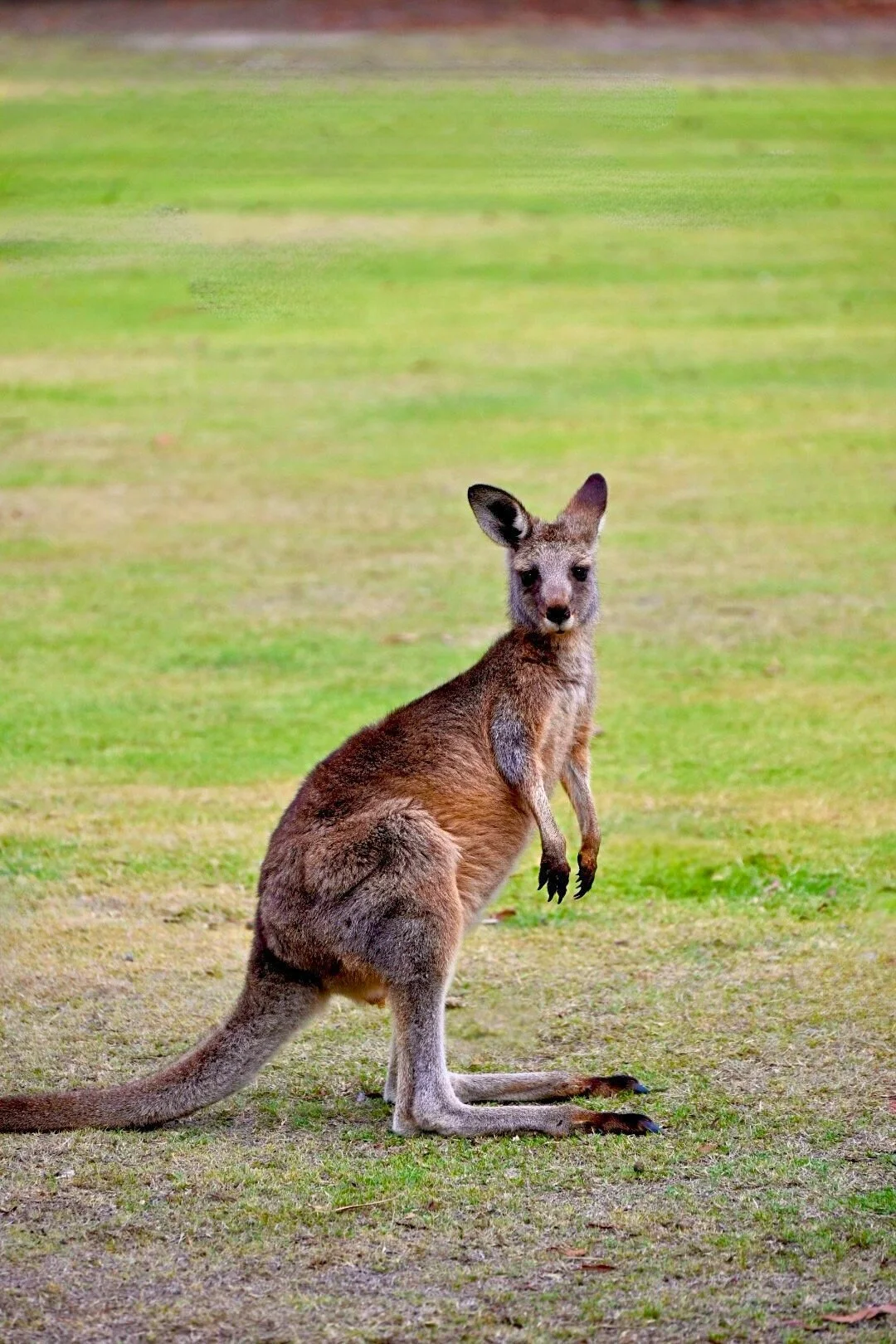
Table of Contents
Great Ocean Road 4-Day Itinerary: Melbourne to Coastal Victoria
Picture this: you're standing above towering limestone cliffs as the Southern Ocean crashes against ancient rock formations below. The late afternoon sun casts everything in gold. Wild koalas sleep in eucalyptus trees overhead. And you have nowhere else to be, because you gave yourself time to actually experience this place.
That's what the Great Ocean Road deserves. Not a rushed day trip from Melbourne, but a proper 4-day journey that balances iconic landmarks with hidden coastal gems, cultural exploration with wildlife encounters, and driving with simply being present in one of the world's most dramatic landscapes.
I've spent the past four days driving this route, and I'm convinced that four days is the sweet spot, enough time to explore Melbourne's culture, drive the coast without rushing, catch both sunrise and sunset at the 12 Apostles, spot koalas in the wild, and wander through rainforests without constantly checking your watch.
This guide shares exactly how I structured my trip, where I stayed, which stops exceeded expectations, and the timing strategies that made all the difference. Whether you're building a larger Australia itinerary or planning a dedicated Victoria road trip, this is designed to help you experience the Great Ocean Road the way it's meant to be experienced: slowly, intentionally, and with room for the unexpected.
This post contains affiliate links. I may earn a commission if you purchase through my links, at no extra cost to you.
Planning Your Great Ocean Road Trip
Before we dive into the day-by-day itinerary, let's cover the essential planning decisions that will shape your experience.
Best Time to Visit the Great Ocean Road
The Great Ocean Road is spectacular year-round, but each season offers something different. Here's what to expect:
Summer (December–February)
Long daylight hours (sunset around 8:30 pm) give you flexibility for photography and exploration. Temperatures range from 65-77°F (18-25°C), perfect for beach stops and coastal walks. However, this is peak tourist season, the 12 Apostles viewing platforms can feel crowded by midday, and accommodation prices increase. If you visit in summer, prioritize early morning arrivals at major landmarks.
Fall (March–May)
This is my personal favorite time. The crowds thin out significantly after March, golden light becomes even more dramatic, and temperatures cool to a comfortable 55-68°F (13-20°C), ideal for rainforest walks without overheating. The ocean takes on moody blue-grey tones that photograph beautifully. Wildlife is still active, and you'll have better luck finding koalas alert and climbing rather than just sleeping.
Winter (June–August)
Winter brings dramatic weather: stormy seas, low-hanging clouds, and intense coastal atmosphere. Temperatures drop to 45-57°F (7-14°C), but this is when you'll see the Southern Ocean at its most powerful. Whale watching season runs May through October, with southern right whales migrating along the coast. Pack layers and waterproof gear, and you'll be rewarded with nearly empty viewing platforms and atmospheric photography conditions.
Spring (September–November)
Wildflowers bloom across the coastal heathlands, temperatures warm to pleasant 57-68°F (14-20°C), and the landscape turns vibrant green. Spring brings variable weather, pack for both sunshine and showers. This is an excellent shoulder season with fewer crowds than summer but better weather than winter.
Self-Drive vs. Guided Tour: Which is Right for You?
The Great Ocean Road is one of those rare destinations where self-driving dramatically improves the experience. Here's why I always recommend renting a car:
Why Self-Drive Wins:
Control your timing, arrive at the 12 Apostles before tour buses (7:30 am vs. 10 am makes a massive difference)
Stop for unexpected photo opportunities without slowing down a group
Spend more time at places that resonate with you, skip what doesn't
Access hidden gems and lesser-known viewpoints that tours skip
Experience golden hour and sunset at your own pace
Budget Comparison:
A typical 1-day Great Ocean Road tour from Melbourne costs $150-200 AUD per person and gives you about 6 hours of actual coastal time. A 4-day car rental costs $200-280 AUD total; fuel adds roughly $100 AUD; and you gain complete freedom for 4 days. When you factor in overnight stays along the coast (which you'd want anyway), self-driving becomes both more economical and infinitely more rewarding.
Compare car rental prices for your Great Ocean Road trip
When a Tour Makes Sense:
If you only have one day in Melbourne, you're uncomfortable driving on the left side of the road, or you genuinely prefer guided experiences, day tours are a practical option. Just know you'll be trading flexibility and depth for convenience. If you take a tour, choose one that spends the night in Port Campbell rather than rushing back to Melbourne the same day.
Tour Options: 1-day tour, small-group day trip, or a 2-day tour
Great Ocean Road Route: East to West or West to East?
This is one of the most commonly debated questions, and the clear answer is: drive west first, then return east.
The Strategy:
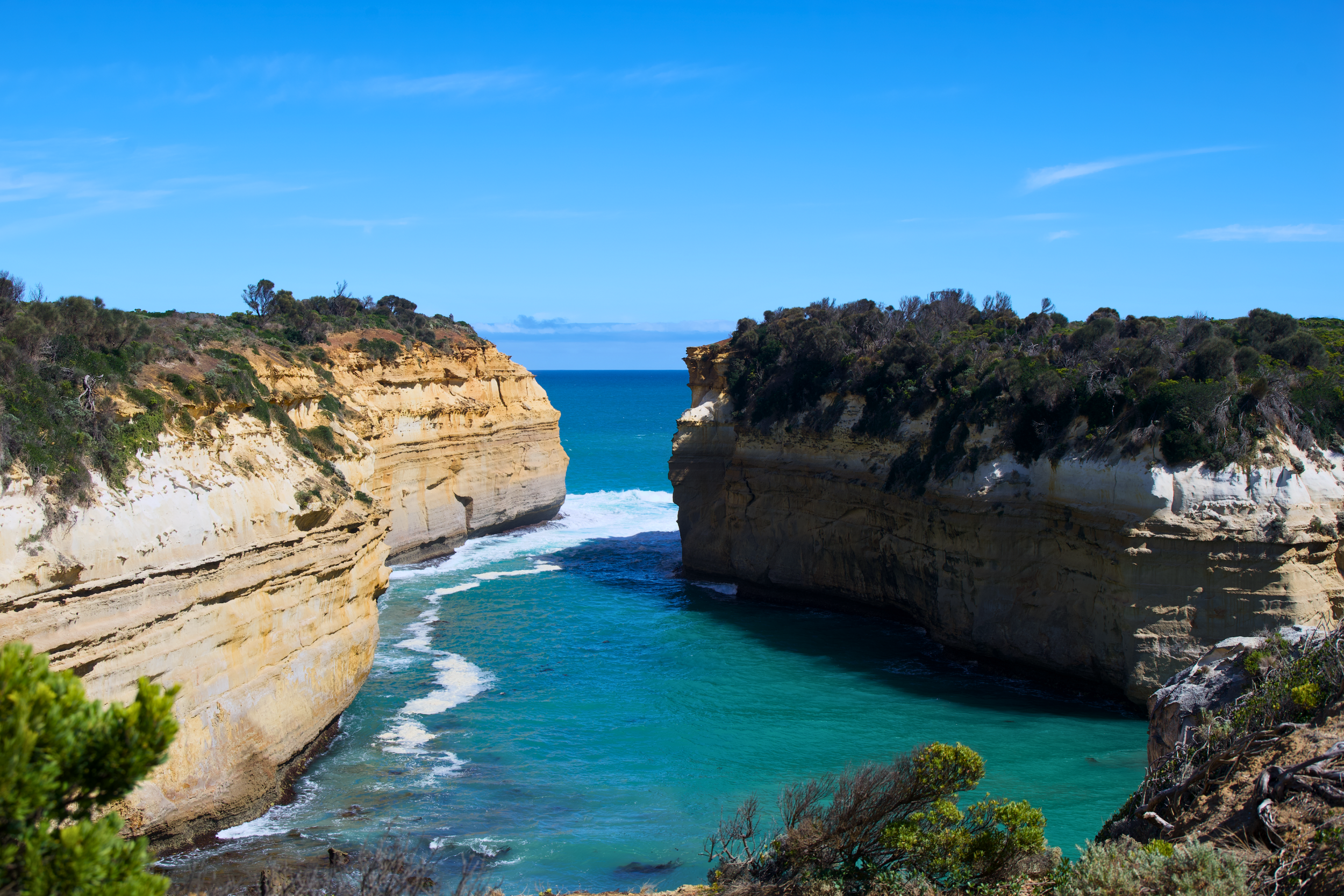
On Day 2, instead of leisurely driving the coast from Melbourne to the 12 Apostles, take the inland route (via Colac) to reach Port Campbell National Park by early morning. This lets you experience the most dramatic formations, 12 Apostles, Loch Ard Gorge, and Gibson Steps, in perfect morning light and before the crowds arrive.
Then on Day 3, drive back east along the coast with all the time in the world to stop at rainforest walks, koala spotting locations, coastal lookouts, and beach towns. You've already seen the headline attractions, so the return drive becomes about discovery rather than a checklist.
Why This Works:
You pull over on the ocean side for scenic viewpoints (driving west, the best pull-offs are on the left)
Tour buses don't arrive at the 12 Apostles until 10-11 am, and you'll be there at sunrise
No pressure to rush back to Melbourne on a tight schedule
The return drive feels relaxed and exploratory rather than ticking boxes
The only downside? You miss the slow reveal of approaching the 12 Apostles after hours of coastal driving. But you gain something far more valuable: space, light, and silence at Australia's most photographed landmark.
Day 1: Melbourne City Highlights
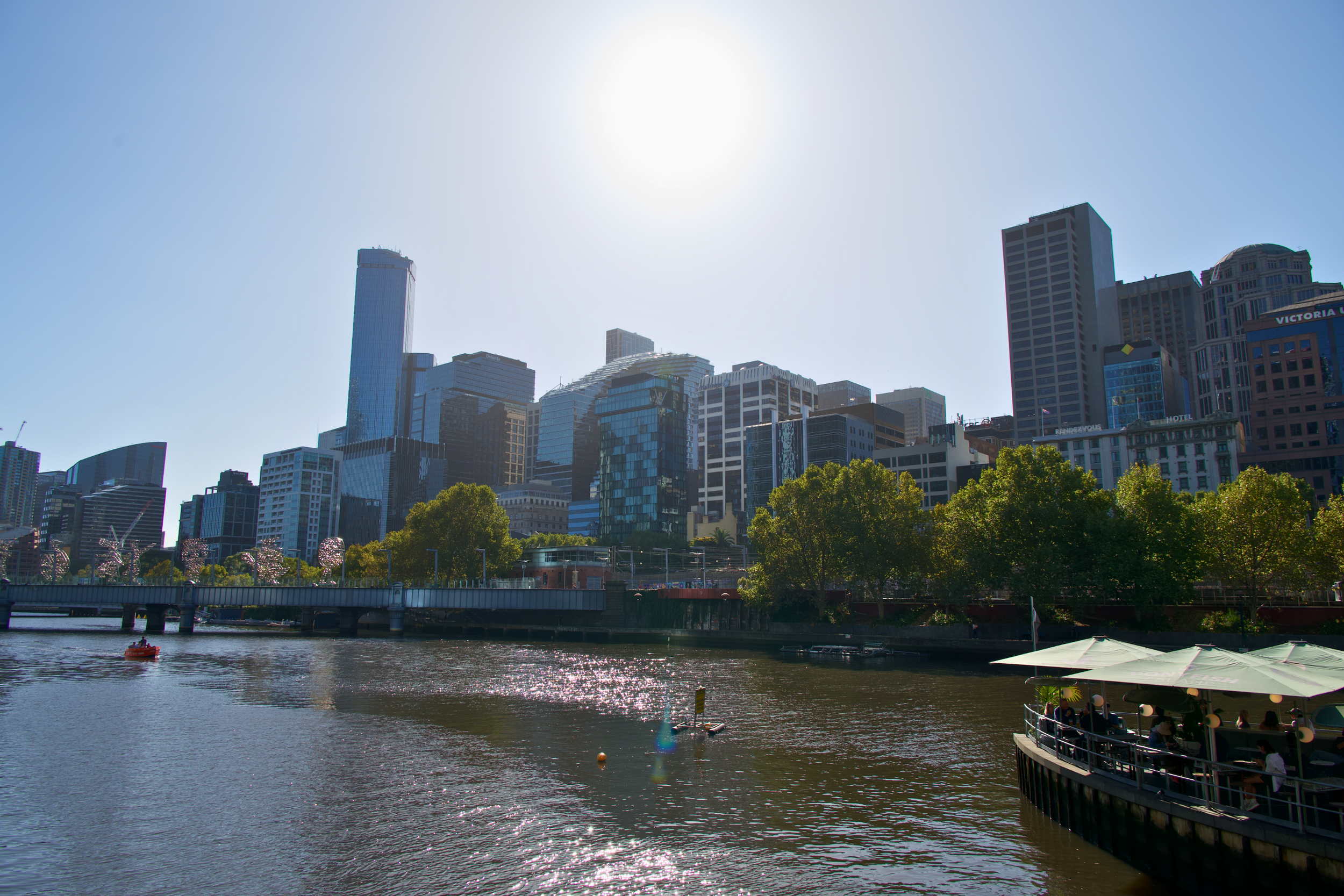
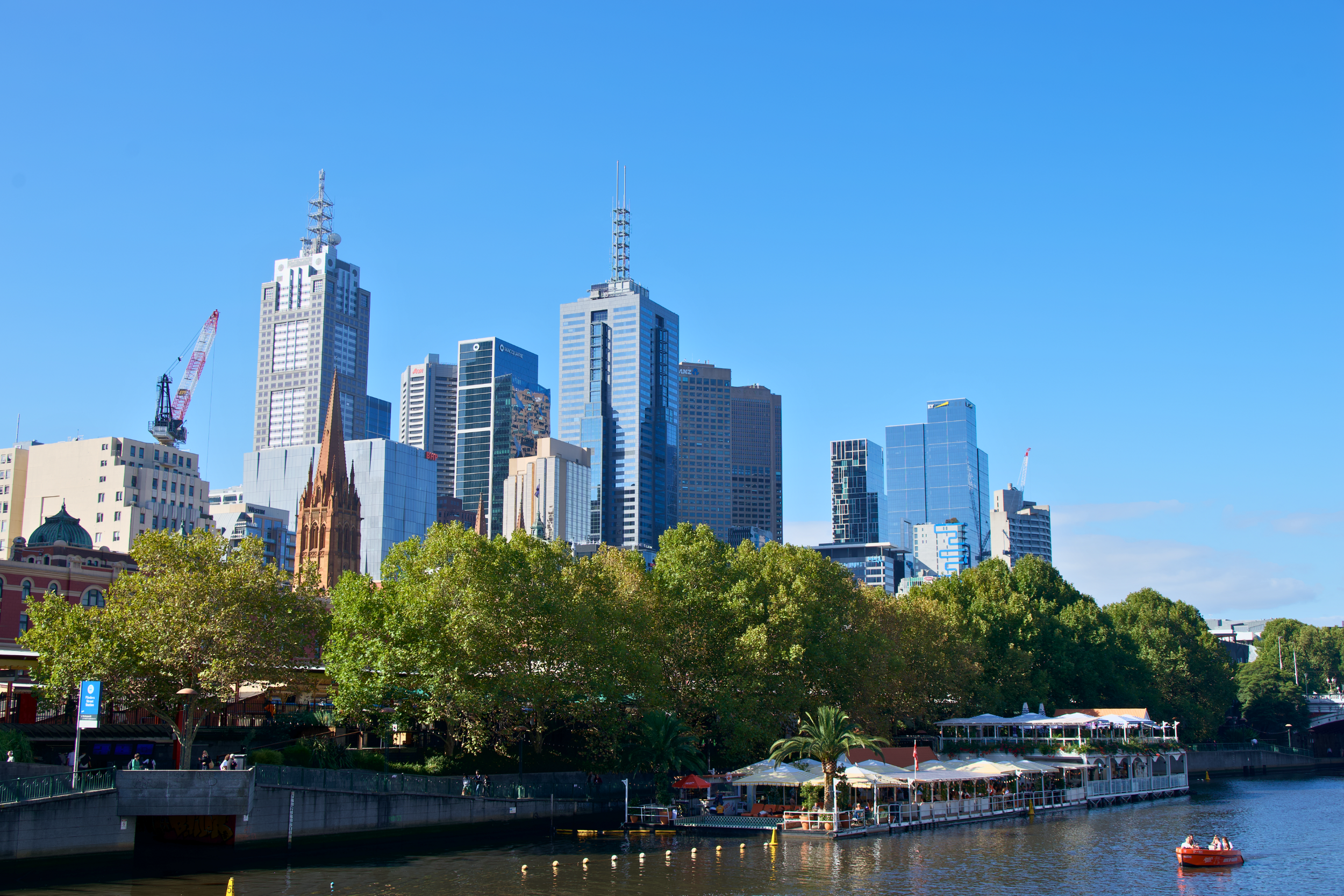
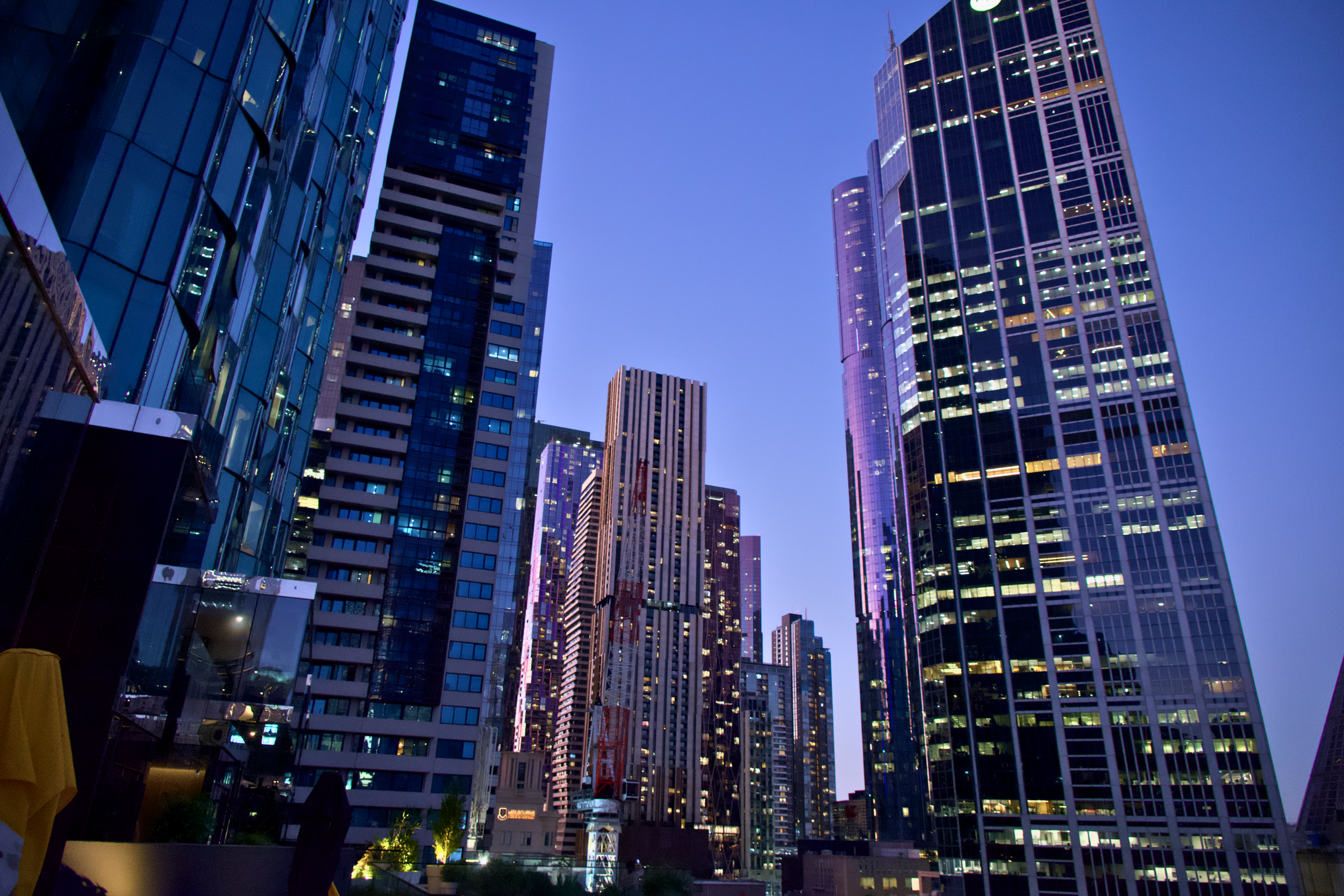
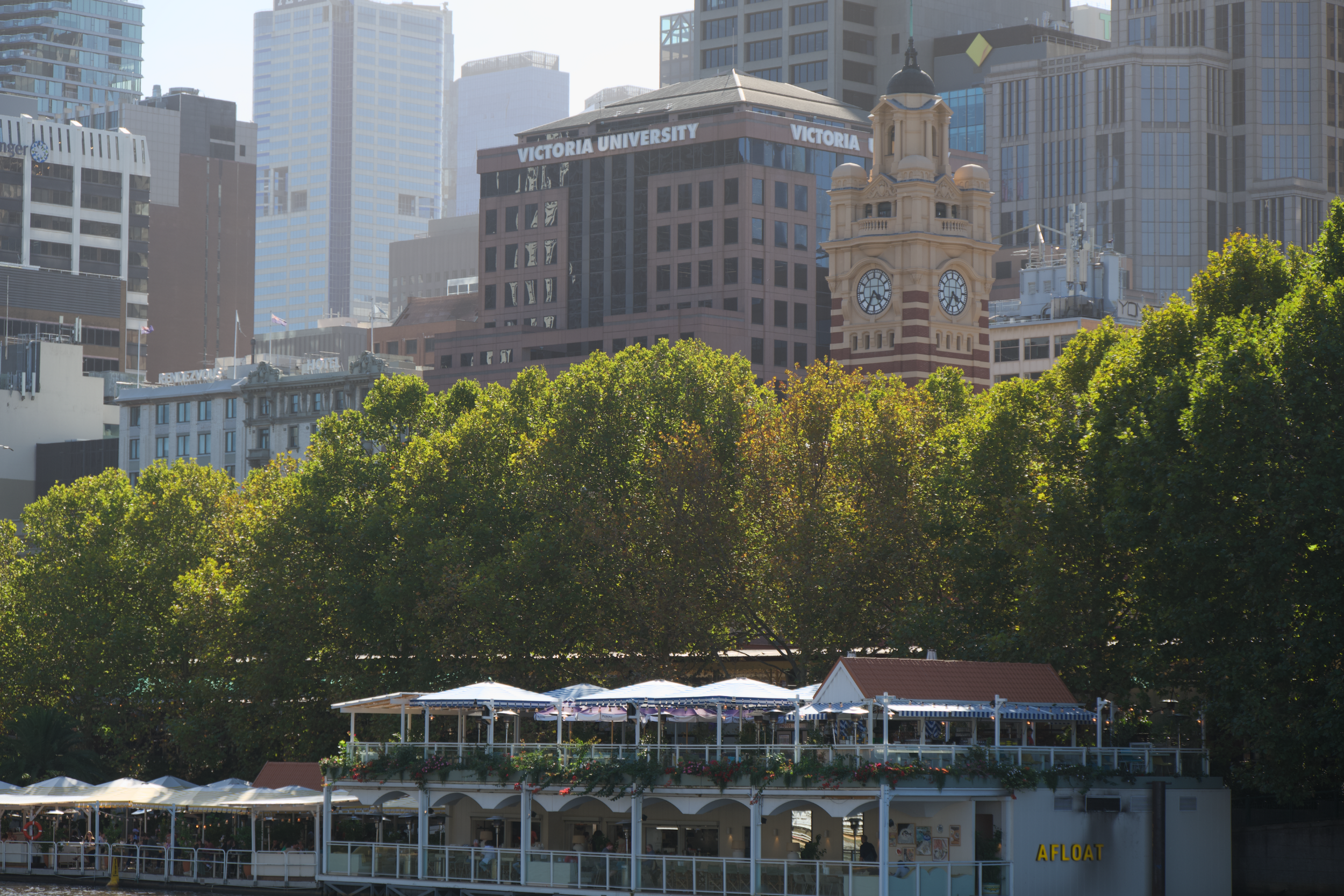
Melbourne surprised me. I arrived expecting a pleasant city and found a place with genuine character, the kind of city where historic arcades hide beneath modern glass towers, where libraries feel like community living rooms, and where neighborhoods retain distinct identities rather than blending into sameness.
Starting your Great Ocean Road trip with a full day in Melbourne serves two purposes: it breaks up the long flight from wherever you're coming from, and it gives you cultural context for understanding coastal Victoria. The city's mix of European influence, indigenous heritage, and coastal Australian sensibility shows up all along the drive.
Morning: Cultural Melbourne
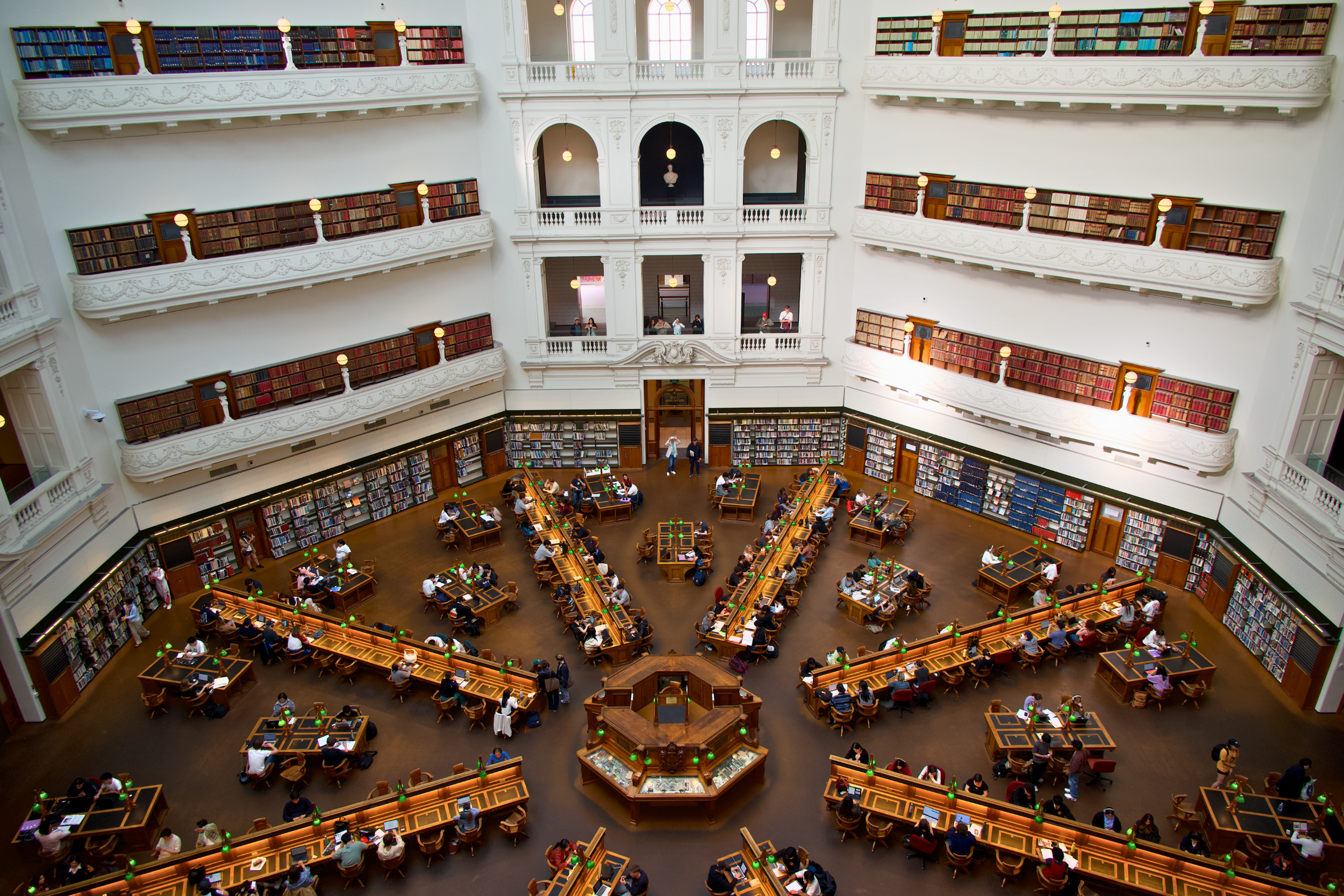
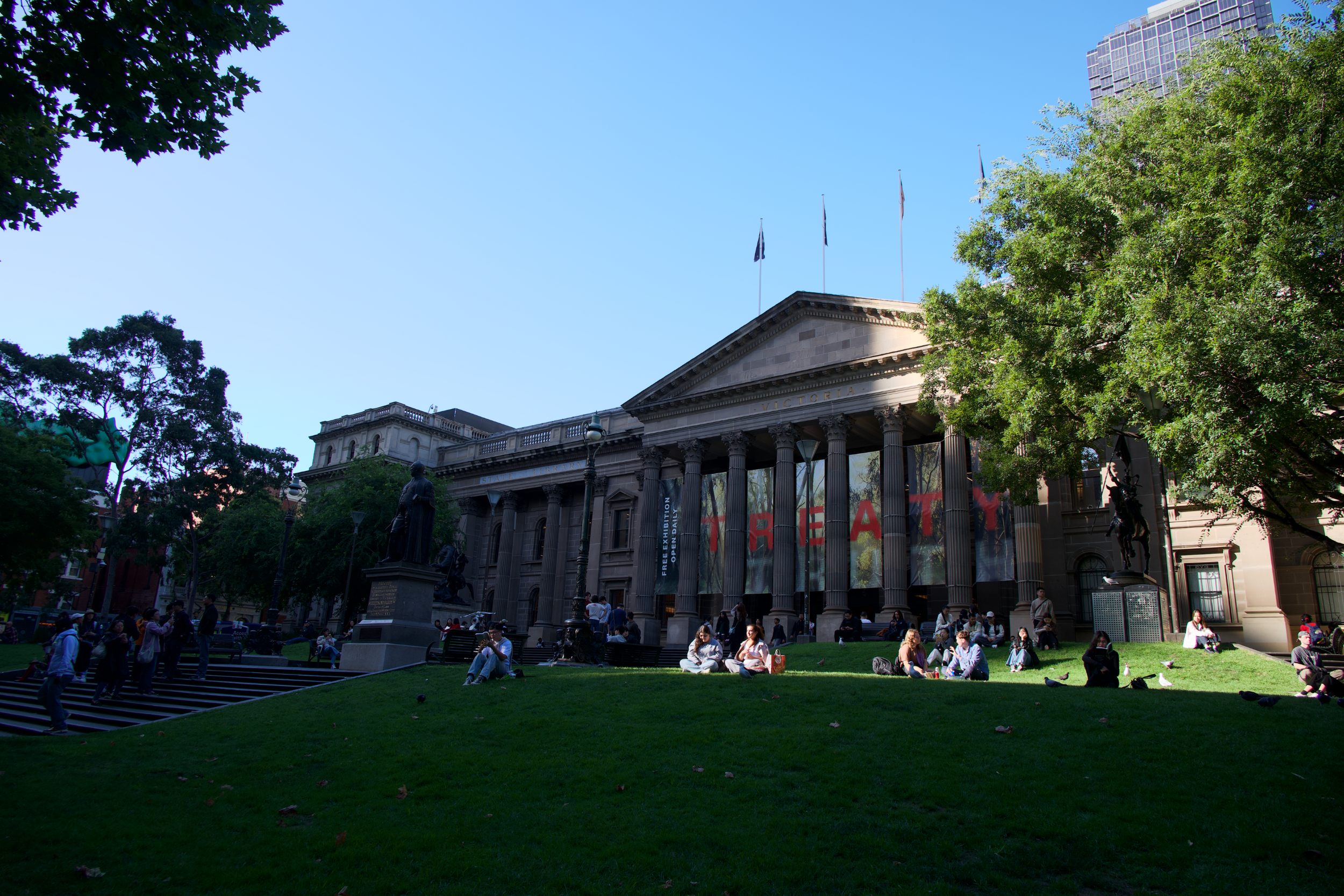
Start at the State Library Victoria around 9 am when it opens. This isn't a quick photo stop; it's one of the most beautiful reading rooms in the world, and it's completely free. The La Trobe Reading Room features an octagonal design with a soaring dome, and watching early-morning light filter through feels almost reverent. Spend 30-45 minutes here. Bring a book, or just sit with the students and locals who use this as a workspace.
From there, walk 10 minutes north to Queen Victoria Market. If you're visiting on a weekend, arrive before 11 am to avoid peak crowds. This isn't a tourist market, it's where Melburnians actually shop. The produce section alone spans multiple warehouse-sized halls, and the smell of fresh strawberries and coffee fills the space. Grab breakfast from one of the food stalls.
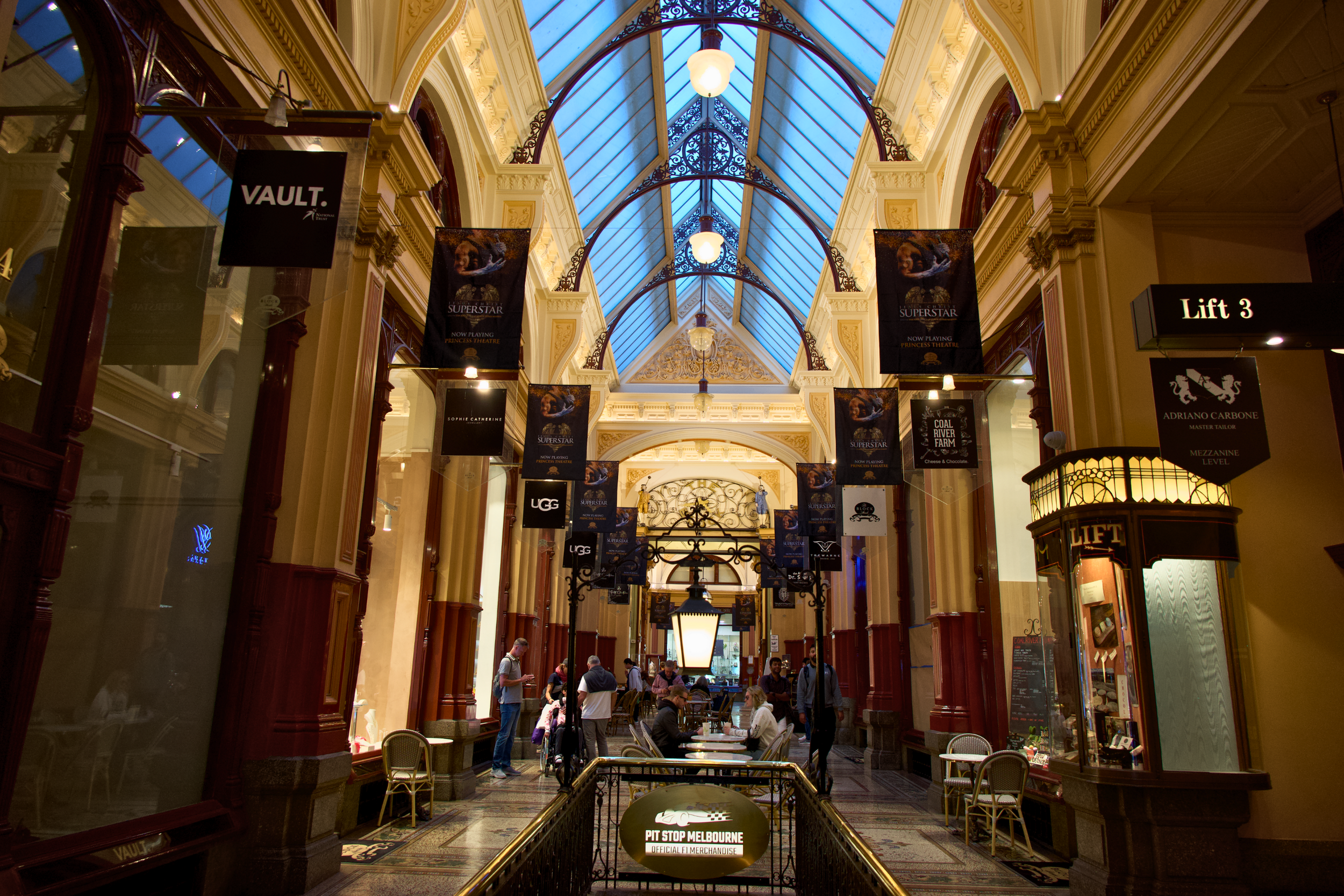
On your way back toward the city center, detour through Royal Arcade. Built in 1869, this Victorian-era shopping arcade has maintained its original mosaic floors and ornate details. It takes five minutes to walk through, but it's a perfect example of Melbourne's commitment to preserving historic architecture.
Afternoon: Sports Precinct & Gardens
Melbourne is obsessed with sports, and the city's sports precinct reflects that cultural priority. The Melbourne Cricket Ground (MCG) is the world's largest cricket stadium and hosts Australian Football League (AFL) games that draw 100,000 fans. Even if you're not particularly interested in sports, the scale is impressive.
Next door, Melbourne Park hosts the Australian Open tennis tournament each January. Walking through this area gives you a sense of how seriously Australians take sport and outdoor recreation, a theme you'll see repeated along the Great Ocean Road with surf culture and coastal activities.
From the sports precinct, walk southeast to Fitzroy Gardens. This is where Melbourne's garden city planning becomes clear. The manicured paths wind through mature trees, ferneries, and conservatory gardens. The Captain Cook's Cottage sits here (transported from England in 1934). Allow 45 minutes to wander.
Finish your afternoon at the Royal Botanic Gardens Victoria, about 20 minutes south by tram. These 94-acre gardens rank among the finest in the world, with landscapes ranging from Australian native plant zones to ornamental lakes to sweeping lawns. The Aboriginal Heritage Walk (bookable separately) provides crucial context about the Boonwurrung and Woiwurrung peoples' relationship with this land.
Evening: Fitzroy & Collingwood Neighborhoods
Take a tram or rideshare to Fitzroy in the early evening. This is Melbourne's creative core, street art covers nearly every laneway, independent bookshops and record stores line Brunswick Street, and the restaurant scene favors small, chef-driven spots over chains.
Walk along Brunswick Street between Gertrude Street and Alexandra Parade. Dinner options range from Vietnamese on Victoria Street to modern Australian bistros to natural wine bars. The neighborhood has a lived-in quality that feels authentic rather than curated for visitors.
Adjacent Collingwood offers similar character with slightly grittier edges. The Smith Street area has excellent Thai, Ethiopian, and Italian restaurants, plus cocktail bars in converted warehouses. Pick whichever neighborhood feels right based on what you're craving for dinner.
Where to Stay in Melbourne
For first-time visitors, staying in the CBD (Central Business District) or Southbank makes logistics easier. You'll be within walking distance of most attractions and near public transportation. Mid-range options in this area start around $150-200 AUD per night.
If you prefer neighborhood character over central location, consider Fitzroy or Carlton. These areas feel more residential and offer better restaurant choices, though you'll need to take trams into the city center.
Hotel Recommendations for Melbourne:
Day 1 Practical Information
Walking distance: Approximately 8-10 km total (most of it leisurely)
Budget estimate: $50-80 AUD (breakfast/lunch/dinner, tram fare)
Best for: Cultural experiences, architecture, food scene, urban gardens
Timing tip: Pick up your rental car in the late afternoon and park it at your accommodation, you won't need it in the city, and parking fees can be expensive
Day 2: Great Ocean Road West (Melbourne to Port Campbell)
This is the day that sets the tone for the entire trip. You'll leave Melbourne's urban density behind, skip the slow coastal build-up, and arrive at the Great Ocean Road's most dramatic landscapes in time for golden morning light.
Early Start Strategy: Beating the Crowds
Leave Melbourne by 6:30 am. I know this sounds painful, but it's the single most important timing decision for this entire trip. Here's what you gain:
Arrive at the 12 Apostles around 9:30 am (before tour buses)
Experience the formations in soft morning light, not harsh midday sun
Actually hear the ocean instead of competing with hundreds of voices
Take photos without strangers in every frame
Take the inland route via Geelong and Colac rather than the coastal Great Ocean Road. It's faster (about 3 hours vs. 5 hours), and it saves the coastal scenery for tomorrow when you'll have time to appreciate it. The inland drive cuts through farmland and volcanic plains, pleasant but not remarkable. Use this time to wake up, grab coffee in Geelong, and mentally transition from city mode to road trip mode.
The 12 Apostles at Sunrise
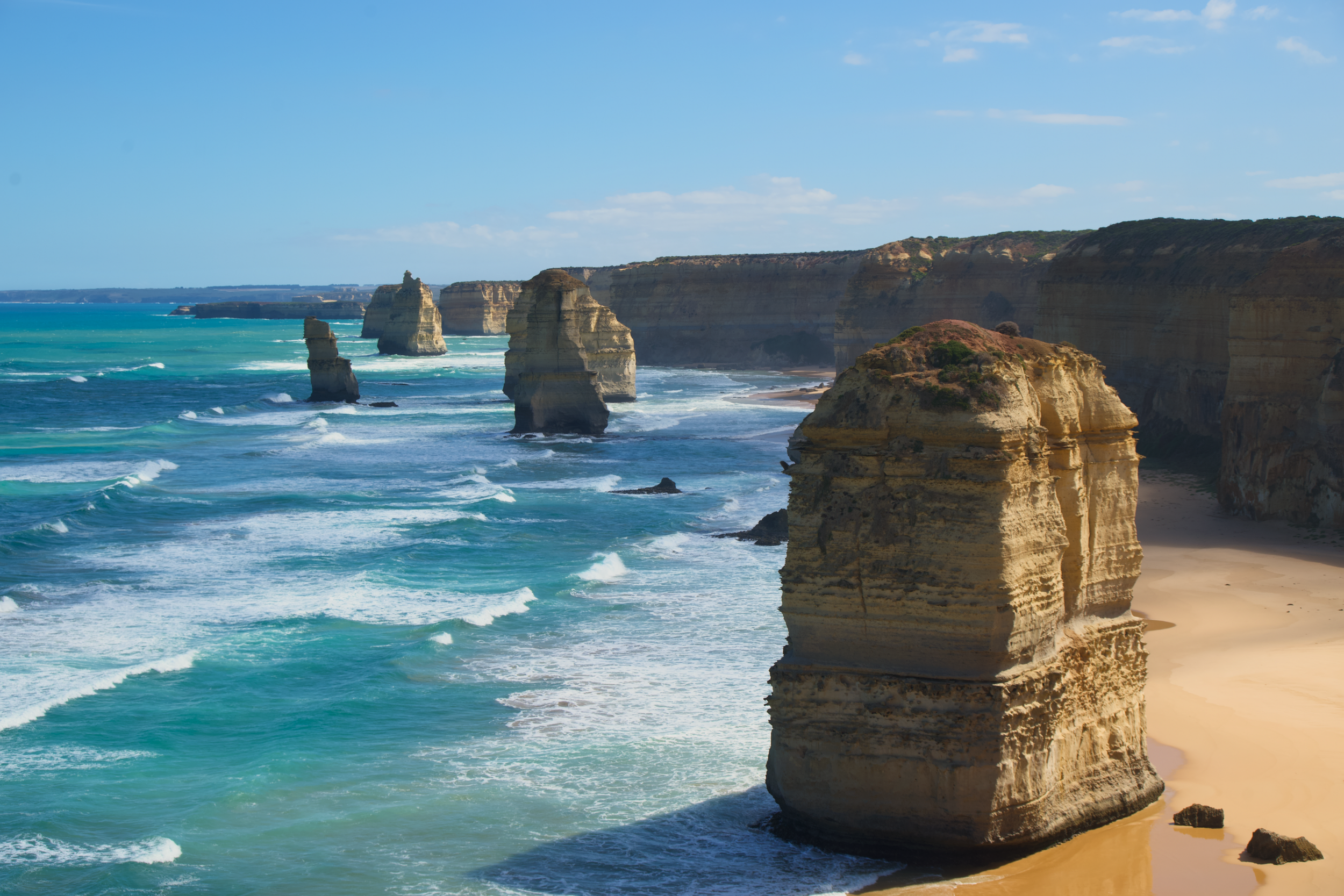
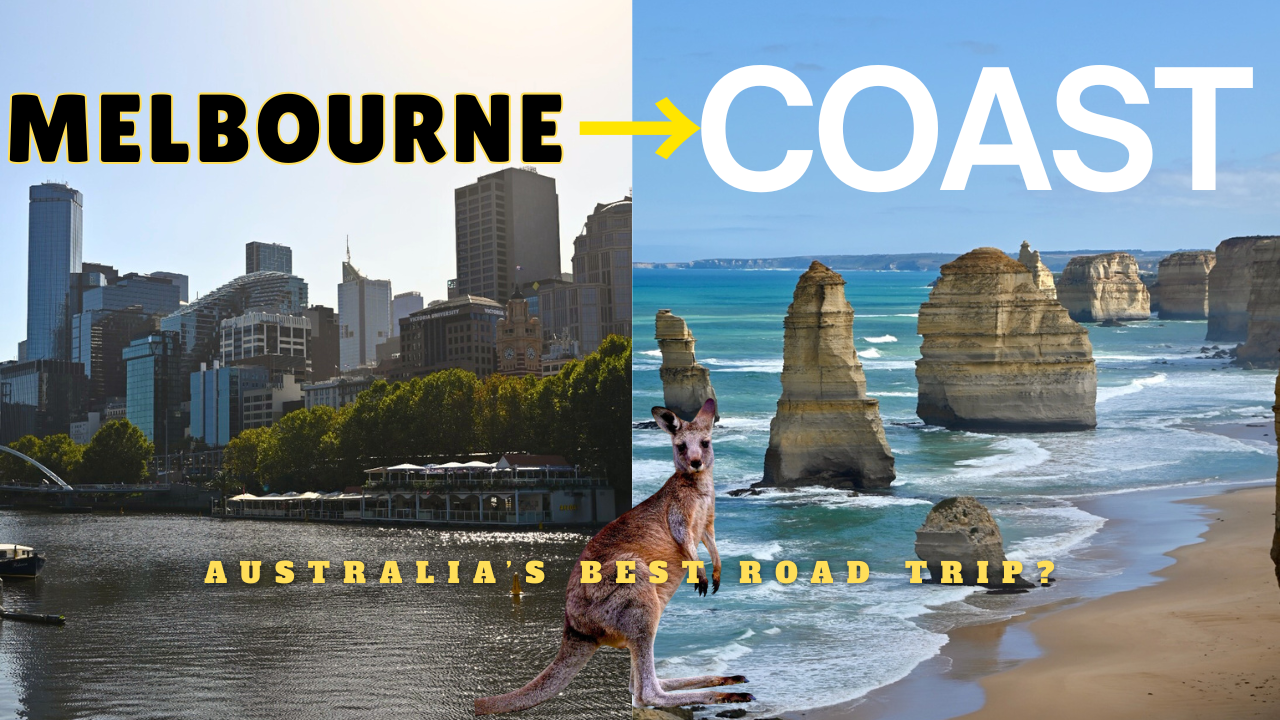
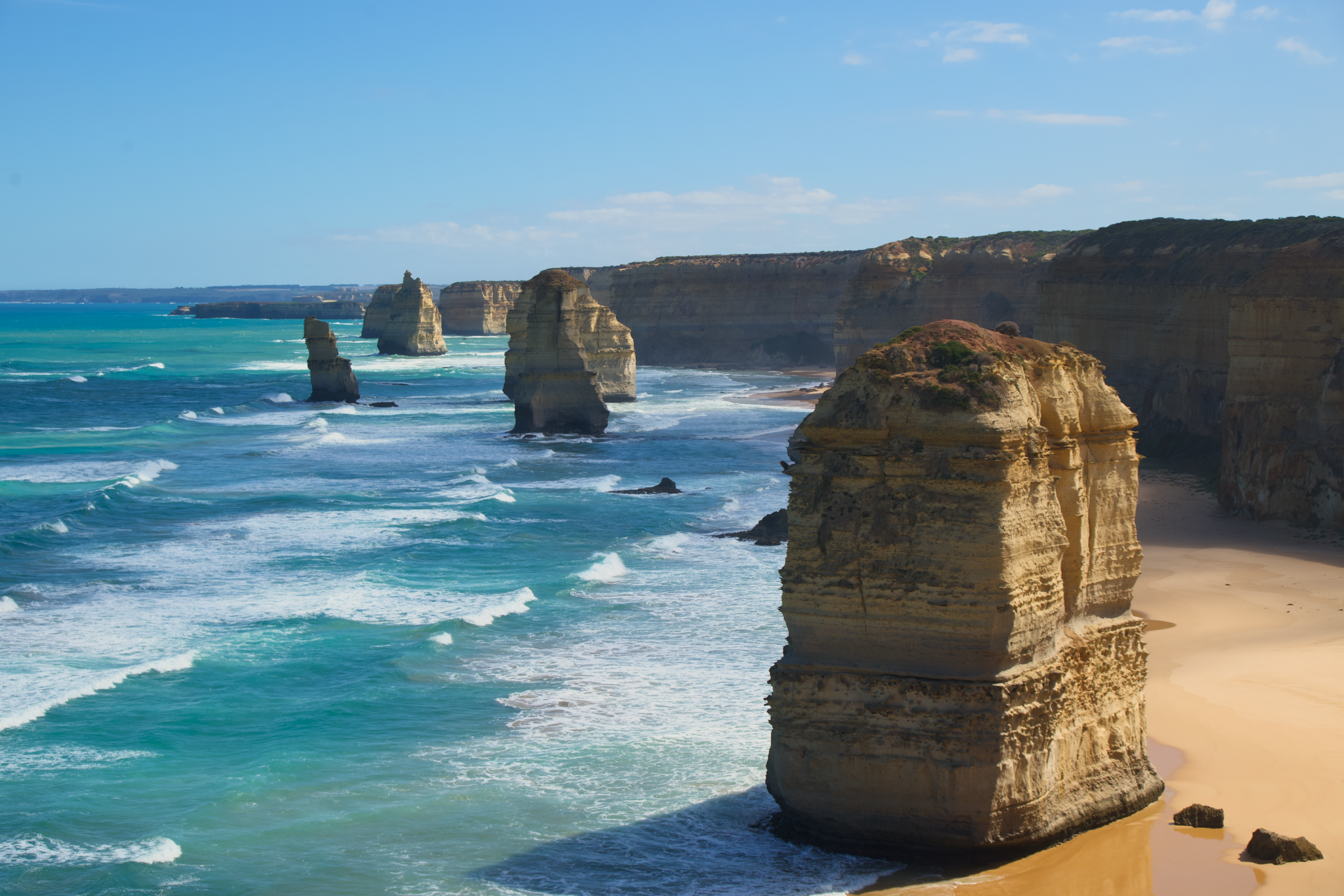
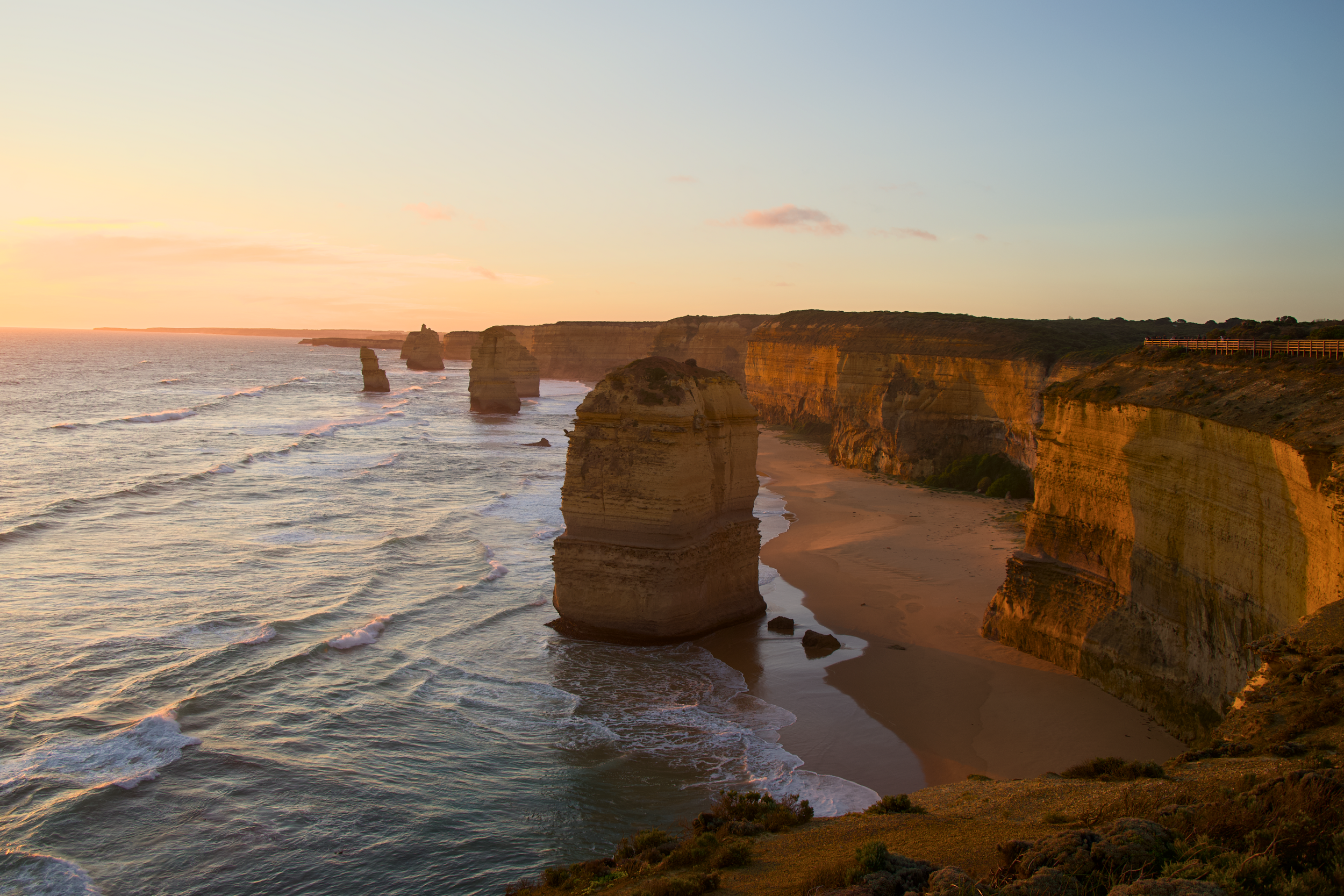
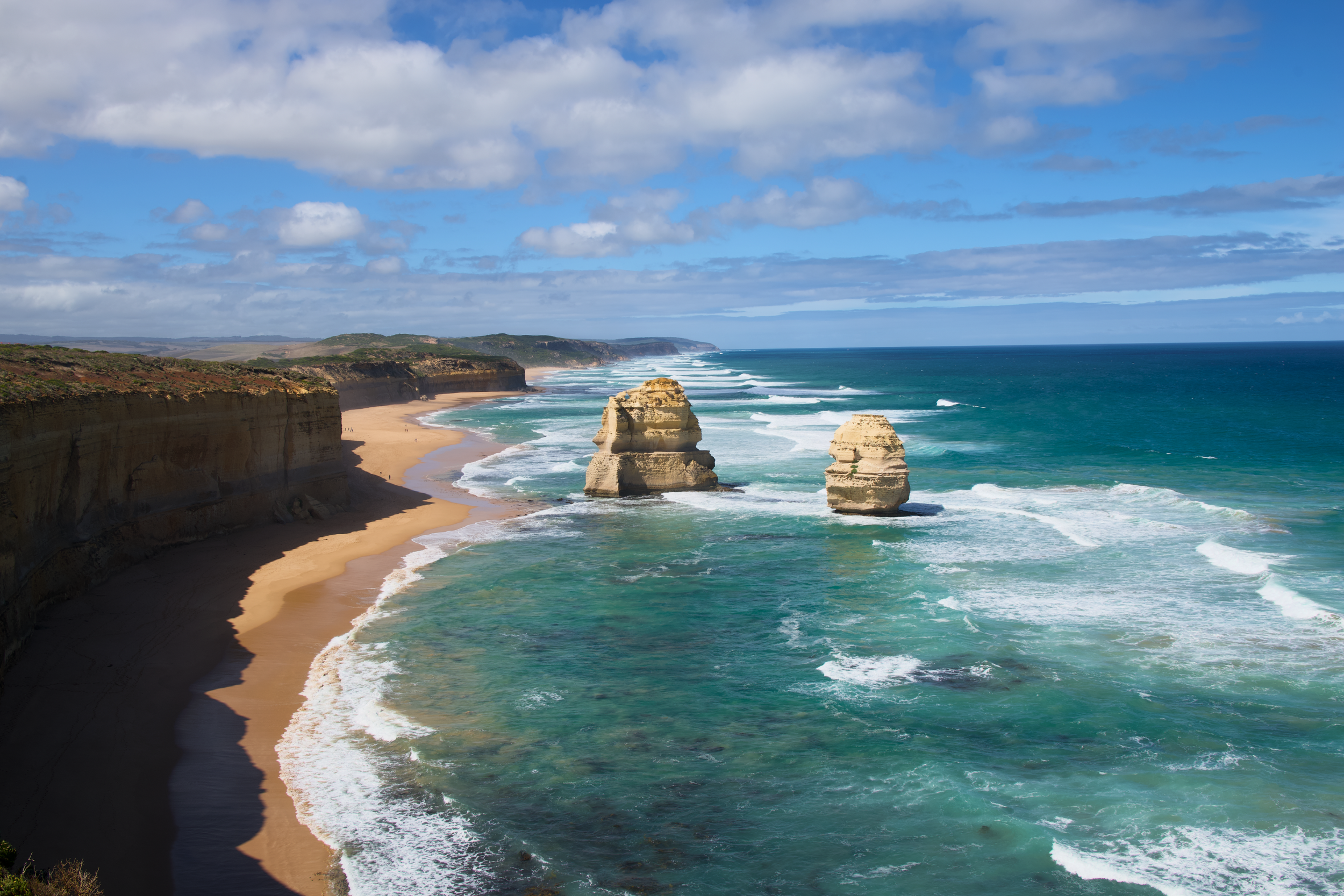
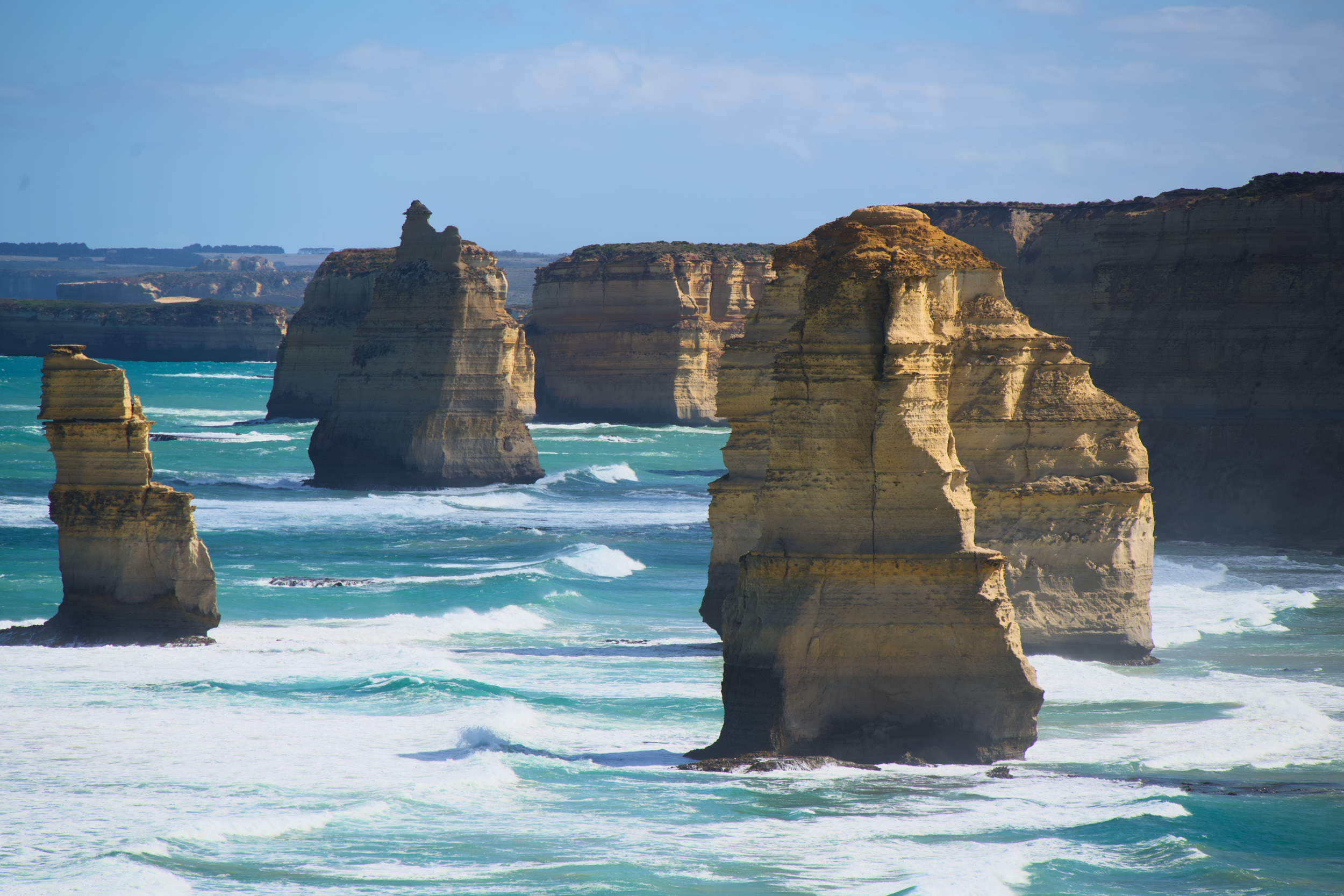
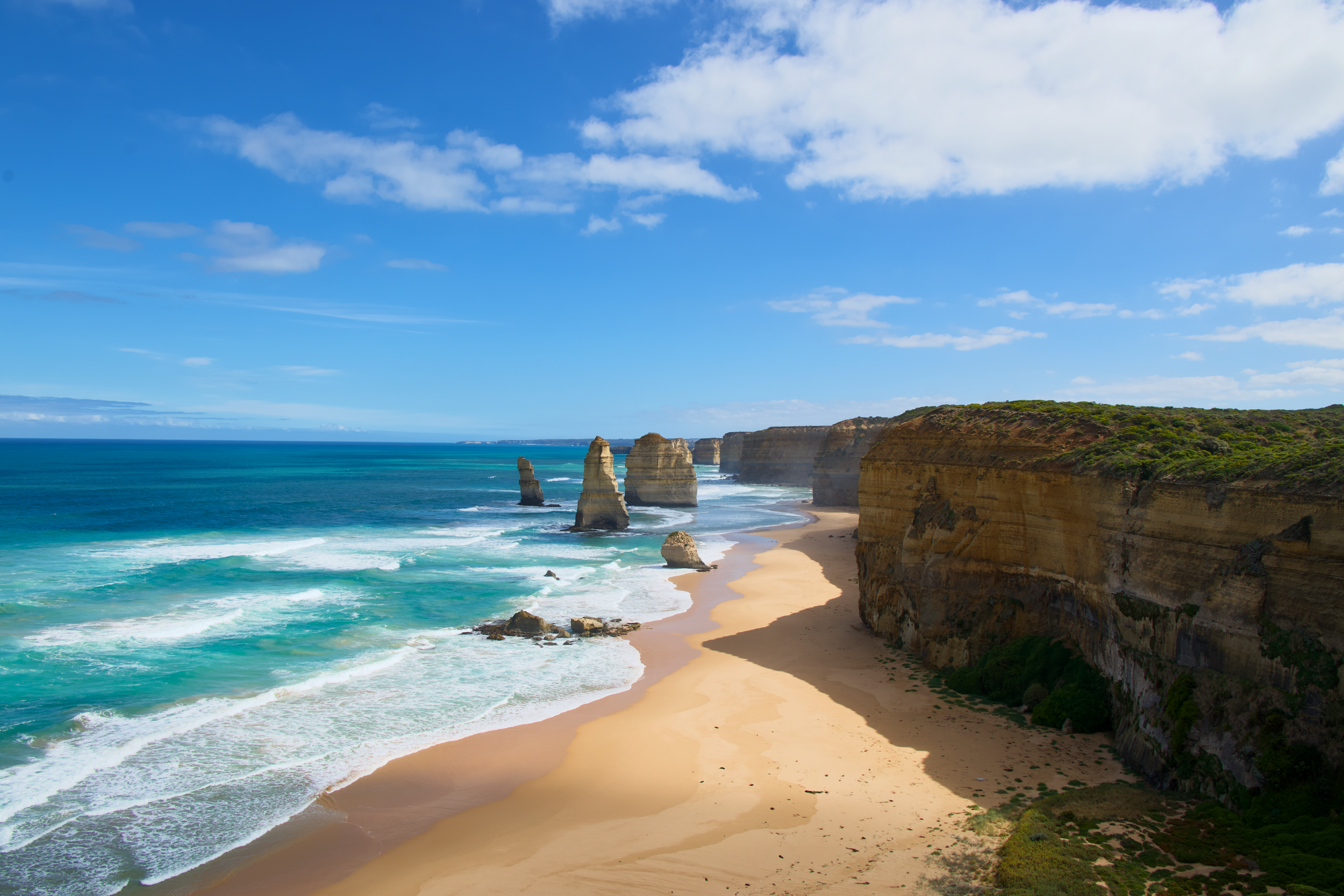
The 12 Apostles are, simply put, one of the most photogenic geological formations on Earth. Eight limestone stacks (despite the name) rise up to 45 meters from the Southern Ocean, carved from the mainland cliffs by centuries of erosion.
Arriving early means you might have the main viewing platform to yourself for 15-20 minutes. The formation looks completely different in morning light versus afternoon; softer, less harsh, with the ocean taking on deeper blues rather than reflecting glare.
Photography Tips:
The main platform gives you the classic wide views: shoot from both ends for different compositions
Look for the small path to the eastern viewing area (fewer people visit this spot)
If you have a zoom lens, isolate individual stacks against the sky
Include the cliffs in your frame; the context matters as much as the stacks themselves
Spend an hour here. This isn't a place to check off and move on.
Port Campbell National Park: Beyond the 12 Apostles
Most visitors see the 12 Apostles and leave. That's a mistake. Port Campbell National Park contains dozens of other formations, each with its own character. Spend the rest of your morning and early afternoon exploring:
Gibson Steps
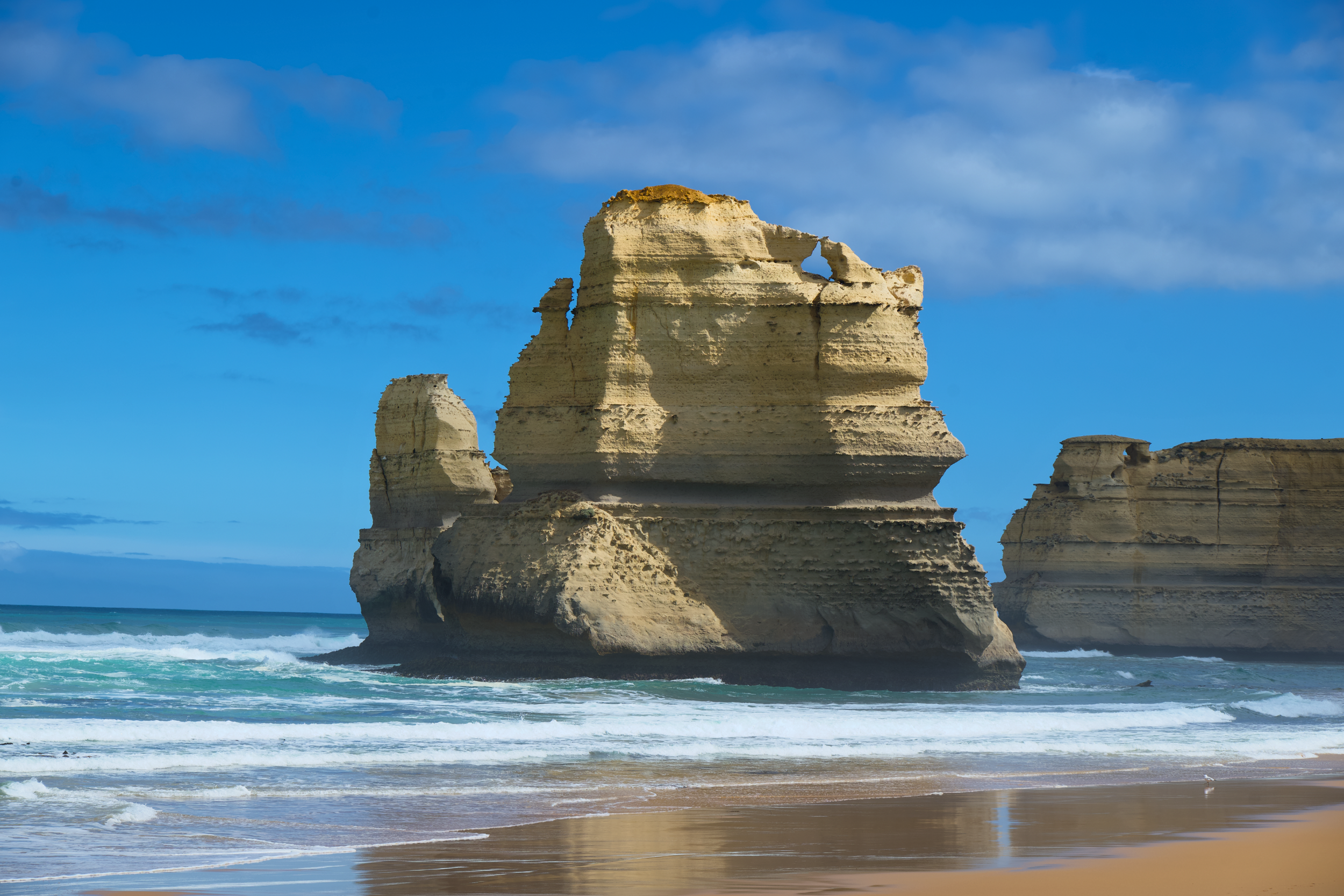
Located just east of the 12 Apostles, Gibson Steps is one of the few places where you can actually descend to beach level. The wooden staircase leads down to sand, and you stand directly beneath Gog and Magog, two massive stacks that tower overhead. Tide-dependent: check conditions before descending. The beach closes during high tide and rough seas. If accessible, spend 20-30 minutes here.
The Razorback
A knife-edge rock formation that juts into the ocean. Most people skip this because it requires a short detour, which makes it a hidden gem. Park at the small pull-off and walk to the viewing area. Five minutes, totally worth it.
Loch Ard Gorge
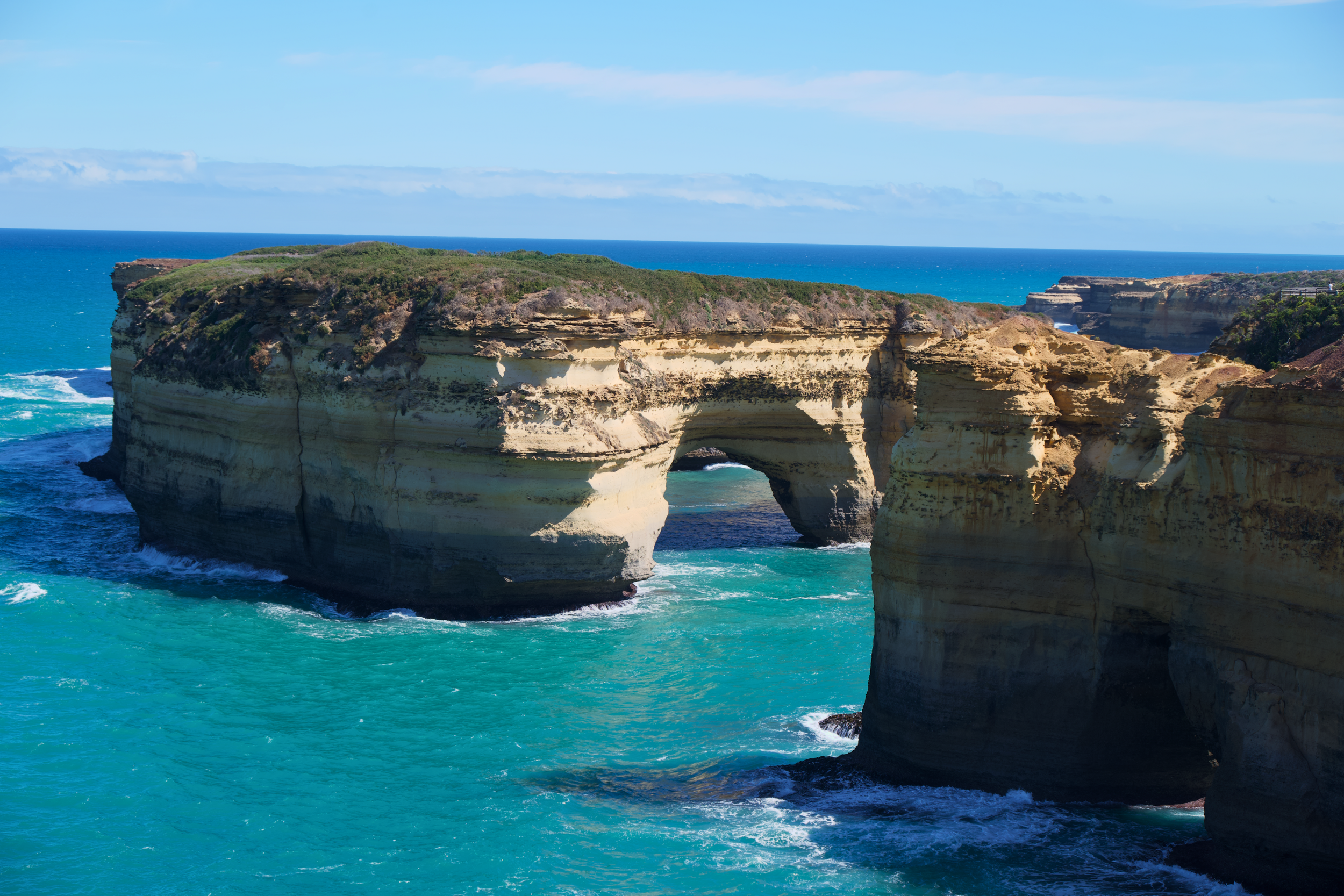
Named after the clipper ship Loch Ard that wrecked here in 1878, this sheltered beach sits within towering sandstone walls. The story of the wreck, where only two of 54 passengers survived, adds historical weight to the landscape. Multiple viewing platforms and beach access. Allow 30 minutes to explore the various viewpoints.
Thunder Cave
A collapsed cave system that creates a natural blowhole. When swells are large, water erupts through the opening with a thunderous boom (hence the name). During calm conditions, you can see through the cave to the ocean beyond. Quick stop, 10 minutes.
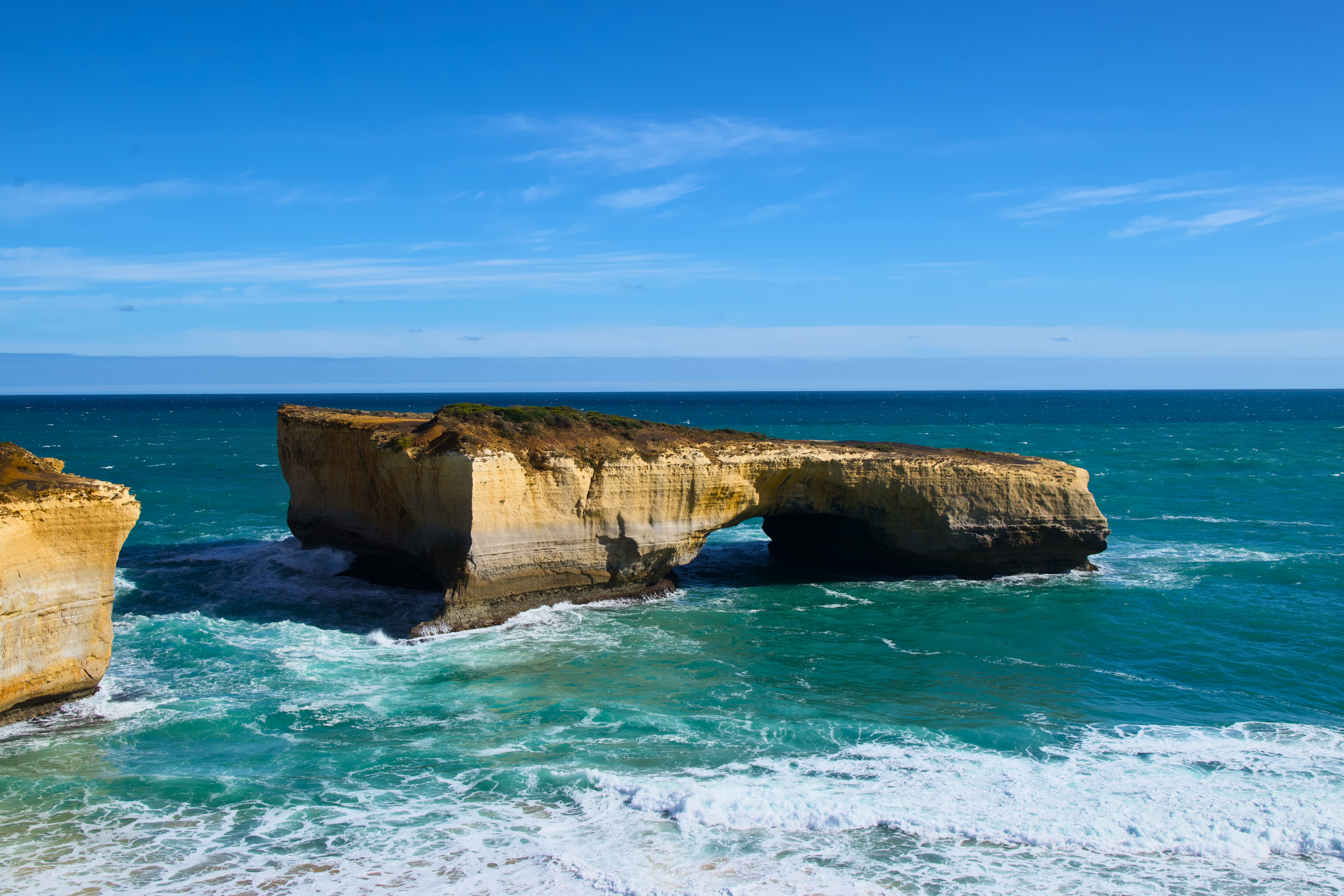
London Bridge
Once connected to the mainland by a natural arch (the "bridge"), the outer section collapsed in 1990, stranding two tourists on the newly formed island (they were rescued by helicopter, unharmed). The formation still impresses, and the viewing platform offers sweeping coastal views.
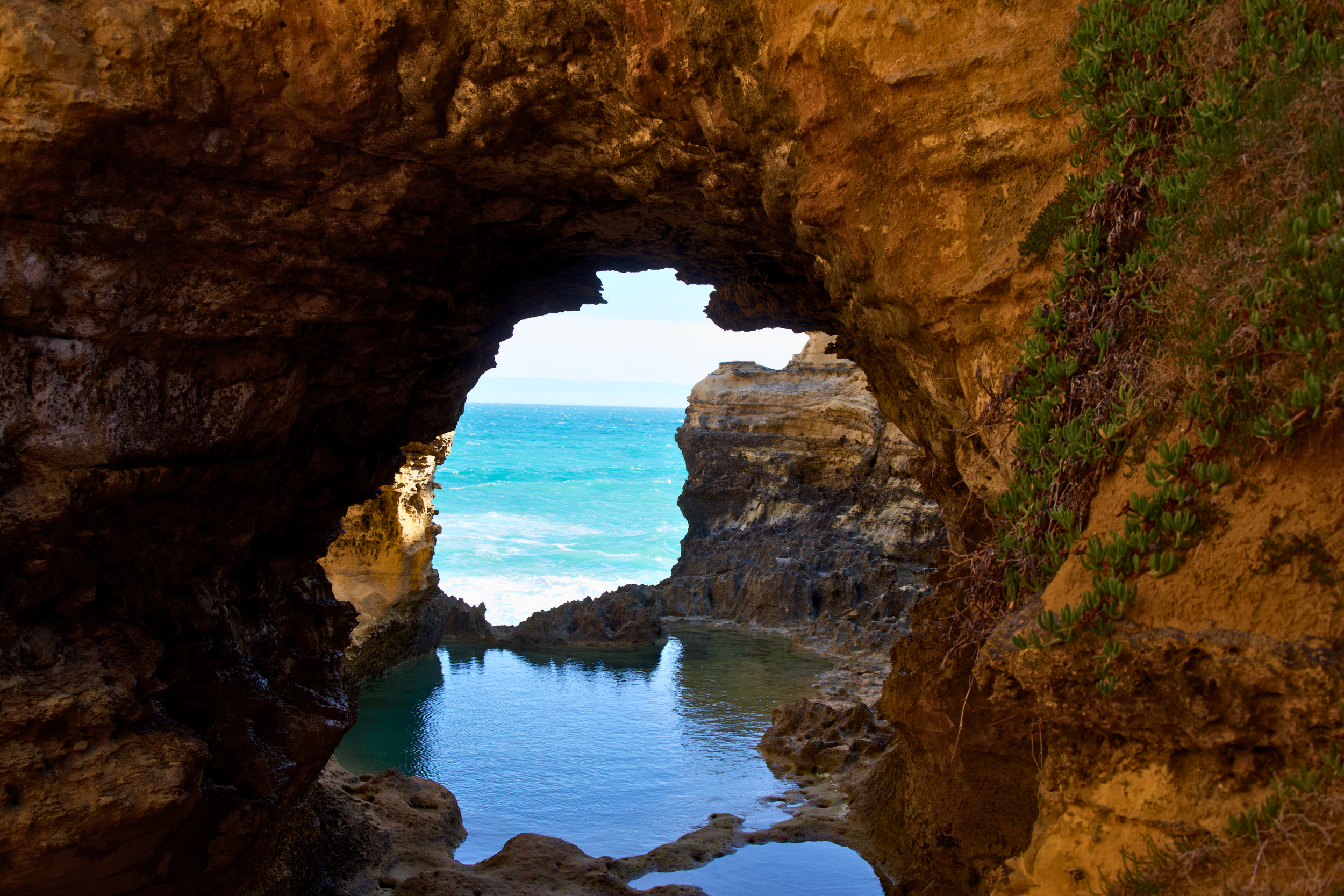
The Grotto
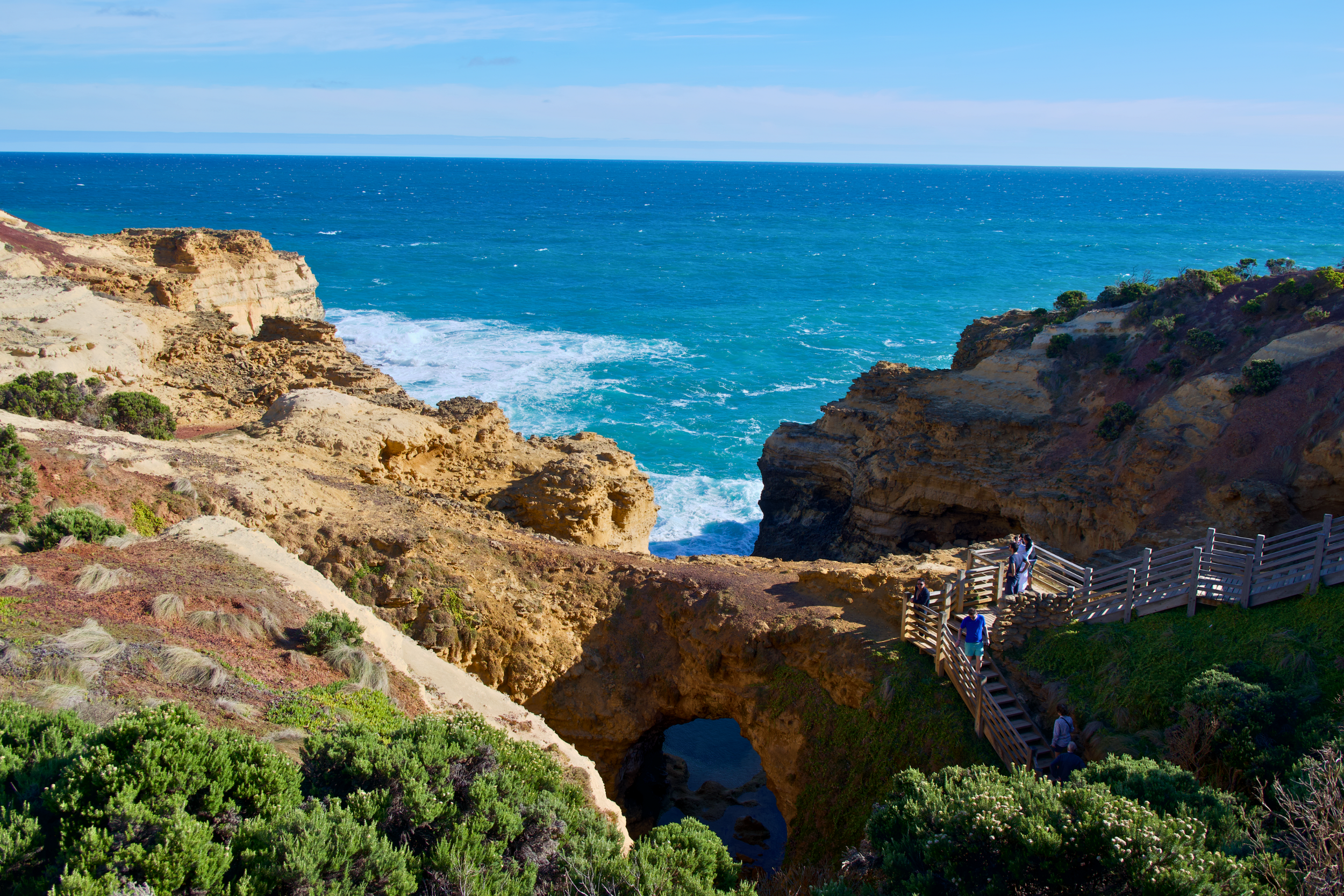
A collapsed sinkhole creates a pool connected to the ocean. Walk down the wooden steps to a small platform overlooking the pool. When sunlight hits the water, it glows an otherworldly turquoise. One of the most underrated stops on the route.
12 Apostles at Sunset (Yes, Again)
After checking into your accommodation in Port Campbell and grabbing an early dinner, return to the 12 Apostles for sunset. The light transforms completely; what was soft and blue in the morning becomes warm and golden in the evening. The limestone takes on amber and orange tones, and the ocean turns deep navy.
Arrive 45 minutes before sunset (check local sunset time online). The platform will be busier than in the morning, but most visitors leave within 10 minutes after the sun dips below the horizon. Stay longer. The post-sunset glow, when the sky turns pink and purple, often outperforms the sunset itself.
Where to Stay: Port Campbell
Port Campbell is a tiny coastal town with limited accommodation: book ahead, especially during summer. Options range from basic motels to slightly nicer seaside lodges. Nothing luxurious, but you're here for the coast, not the accommodations.
The town has a small grocery store, a fish and chips shop, a bakery, and a couple of cafes. Dining options close early (by 8 pm), so plan accordingly.
Hotel Recommendations for Port Campbell
Day 3: Coastal Drive East (Port Campbell to Torquay)
Today is about discovery rather than destinations. You've already seen the greatest hits. Now you can slow down, explore the gaps between the famous stops, and engage with the landscape on your own terms.
Morning: Hidden Coastal Formations
Leave Port Campbell around 8 am and head east. Your first stop is the Bay of Islands, less famous than the 12 Apostles but equally dramatic. The viewing platform overlooks dozens of rock stacks scattered across a wide bay. Far fewer visitors, similar wow factor.
Continue to Castle Cove Lookout, a small pull-off that most people miss. The view encompasses layered coastal cliffs and offshore rock formations. Five-minute stop, perfect for stretching your legs and taking a few photos.
Rainforest Interlude: Great Otway National Park
As you drive east, the landscape shifts. The exposed coastal cliffs give way to dense temperate rainforest. This is where the Great Otway National Park begins, over 100,000 hectares of forest, waterfalls, and fern gullies.
Maits Rest Rainforest Walk
This 30-minute boardwalk loop is my favorite short walk in all of Victoria. The trail winds through an ancient myrtle beech forest, with tree ferns creating a canopy overhead. Moss covers everything.
Apollo Bay: Coastal Town Charm
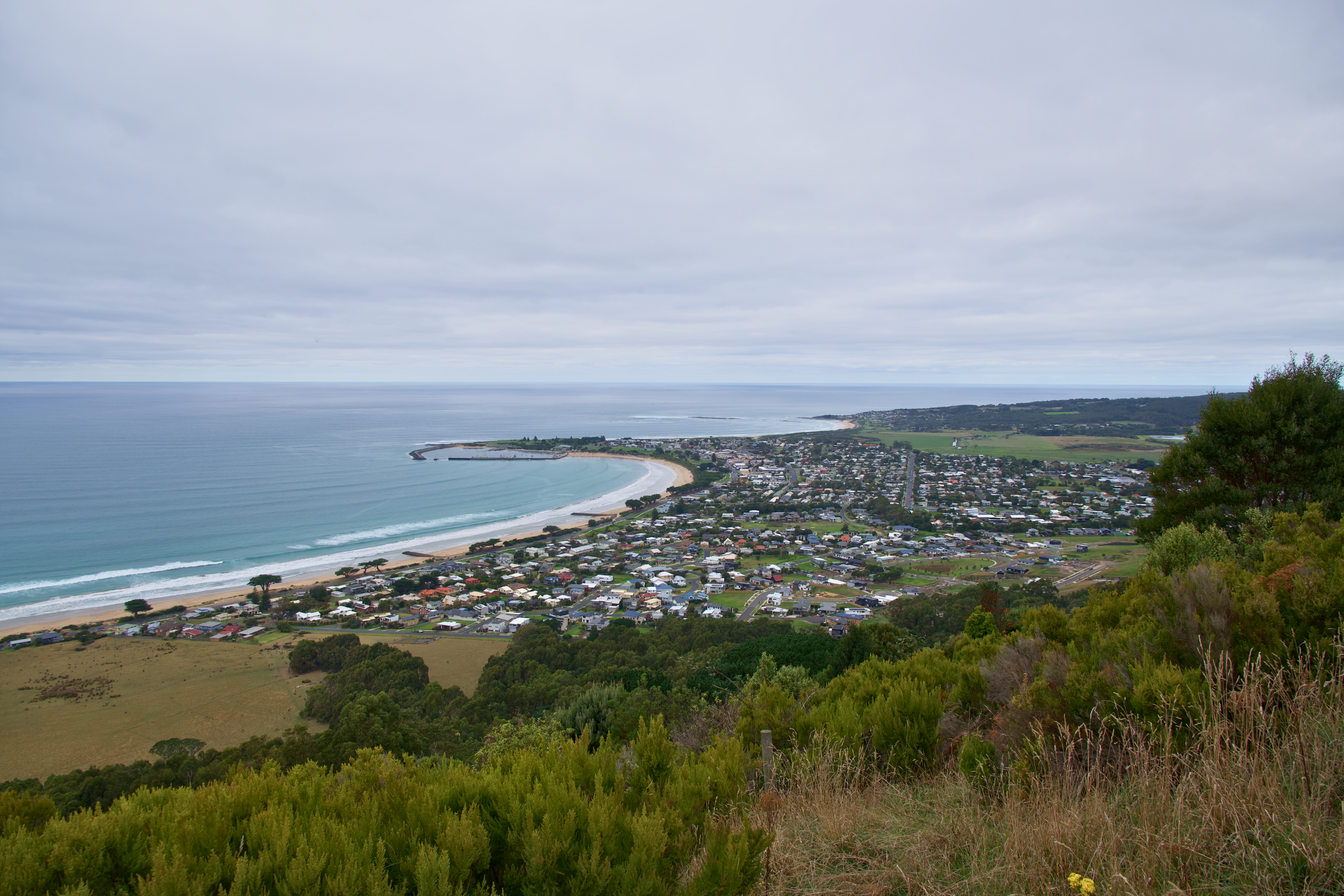
Apollo Bay is the largest town along this section of coast, with a population of about 2,000. It has actual infrastructure, grocery stores, gas stations, proper restaurants, and ATMs, making it a good spot for lunch and resupply.
The main beach stretches for kilometers, backed by the Otway Ranges. If the weather cooperates, walk along the sand or grab fish and chips from one of the beachfront shops. Several good cafes line the main street if you want to sit down for a proper lunch.
Before leaving Apollo Bay, drive up to Marriner's Lookout. The 5-minute drive climbs above town, offering panoramic views of the bay and the surrounding coastline. Particularly beautiful in late afternoon light, but worth visiting regardless of timing.
Day 3 cont. -Wildlife Spotting: Kennett River Koala Walk
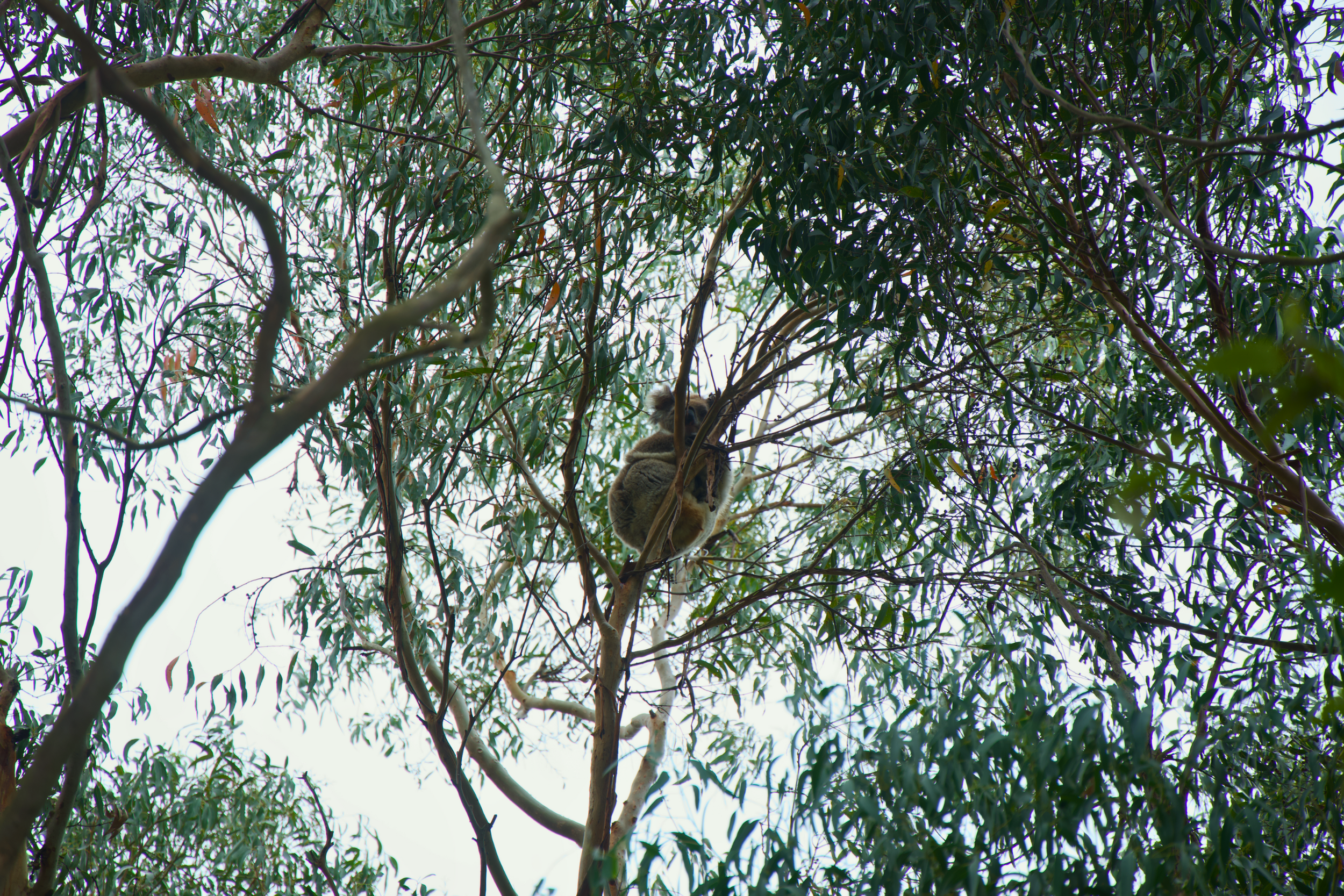
This is the highlight of Day 3. Kennett River is famous among locals as the most reliable place to see wild koalas along the entire Great Ocean Road, and for good reason. I saw 3 koalas in one hour.
How to Find Koalas at Kennett River:
Park at the Kafe Koala car park in Kennett River (there's a cafe here: grab a coffee if you want)
Walk west along Grey River Road (the road continues past the cafe)
Look up. Koalas sleep in eucalyptus trees, usually 5-15 meters off the ground
Scan for gray shapes in tree forks, koalas wedge themselves into branches
Walk slowly. Koalas blend into bark surprisingly well
Best Times to Visit:
Early morning (7-9 am) or late afternoon (4-6 pm) is ideal. Koalas are most active during these times; you might catch them climbing or eating rather than just sleeping. Midday visits work fine too; you'll still see koalas, but they'll likely be napping.
Don't just focus on koalas. King parrots frequent this area and will sometimes land on people's hands or shoulders (they're used to being fed, though feeding wildlife isn't encouraged). You might also spot crimson rosellas, kookaburras, and various cockatoo species.
Allow 1-2 hours here. The walk is easy, flat, and completely worth your time. Bring binoculars if you have them.
Teddy's Lookout
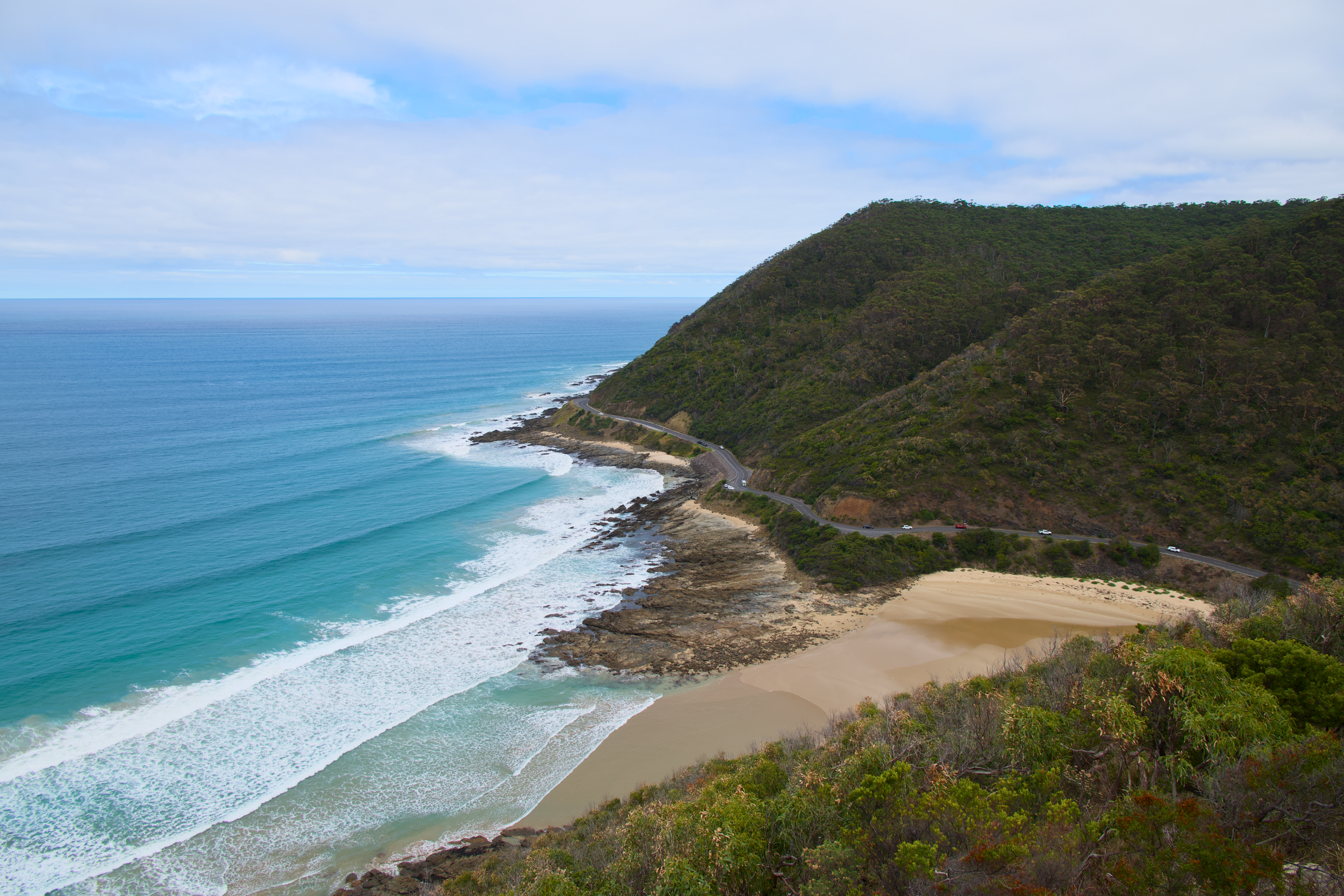
About 20 minutes east of Kennett River, Teddy's Lookout provides expansive coastal views. The lookout sits high above Lorne, overlooking Loutit Bay and the surrounding coastline. It's a quick stop, 10 minutes to take in the view and snap some photos, but the perspective is excellent.
If you're driving in late afternoon, this is a solid sunset location (though you'll need to continue to Torquay afterward in darkness).
Overnight in Torquay
Torquay is the unofficial surfing capital of Australia, home to Rip Curl and Quiksilver headquarters, and host to the annual Rip Curl Pro surfing competition at nearby Bells Beach. The town has significantly more infrastructure than Port Campbell: supermarkets, restaurants, beach access, and accommodation options.
The vibe is laid-back surf culture mixed with family beach holidays. Stay somewhere within walking distance of the beach if possible.
Hotel Recommendations for additional Great Ocean Road stops:
Day 4: Surf Coast & Return to Melbourne
Your final day focuses on the Surf Coast before returning to Melbourne. Depending on your flight time, you can either take this slowly or accelerate straight back to the city.
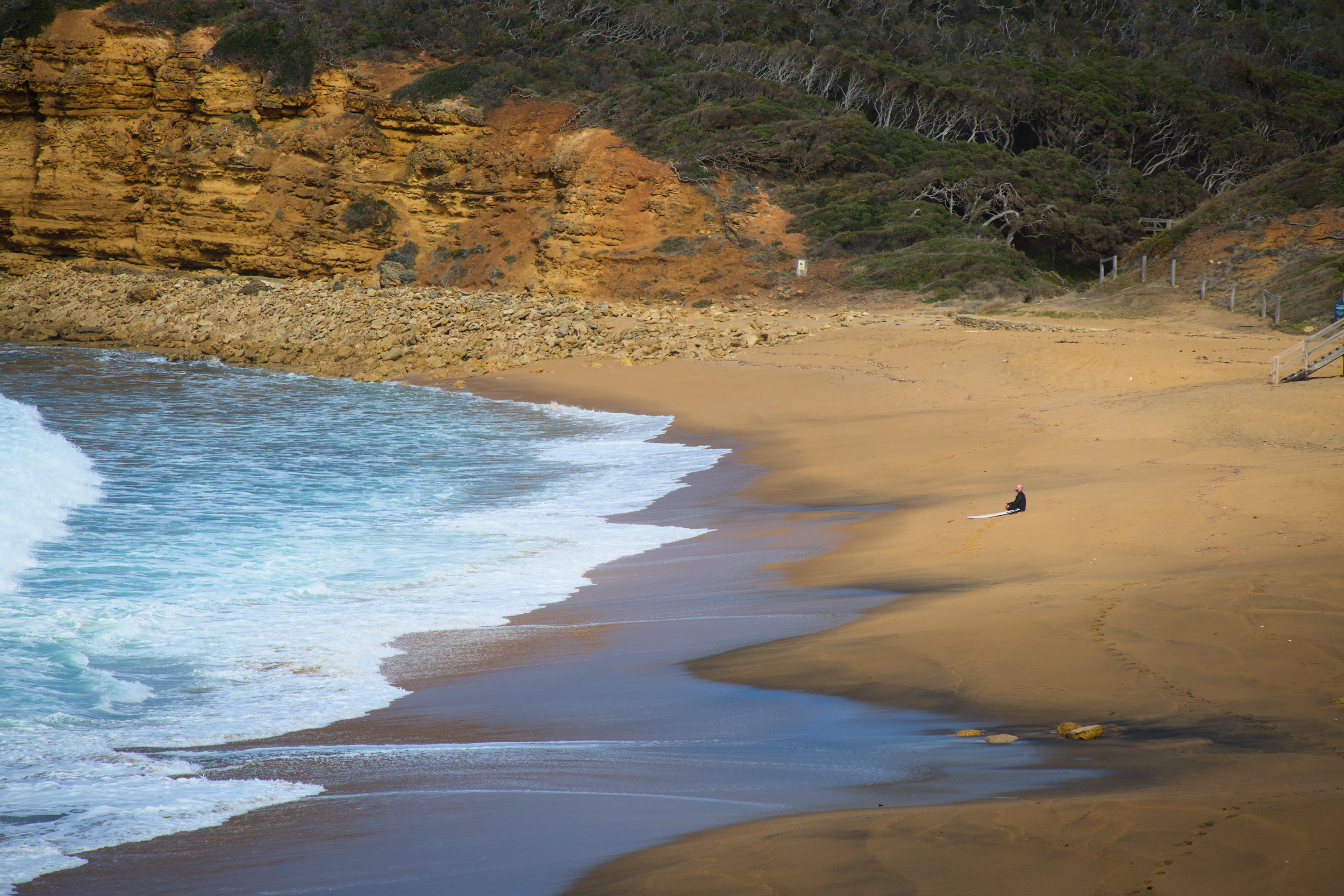
Bells Beach
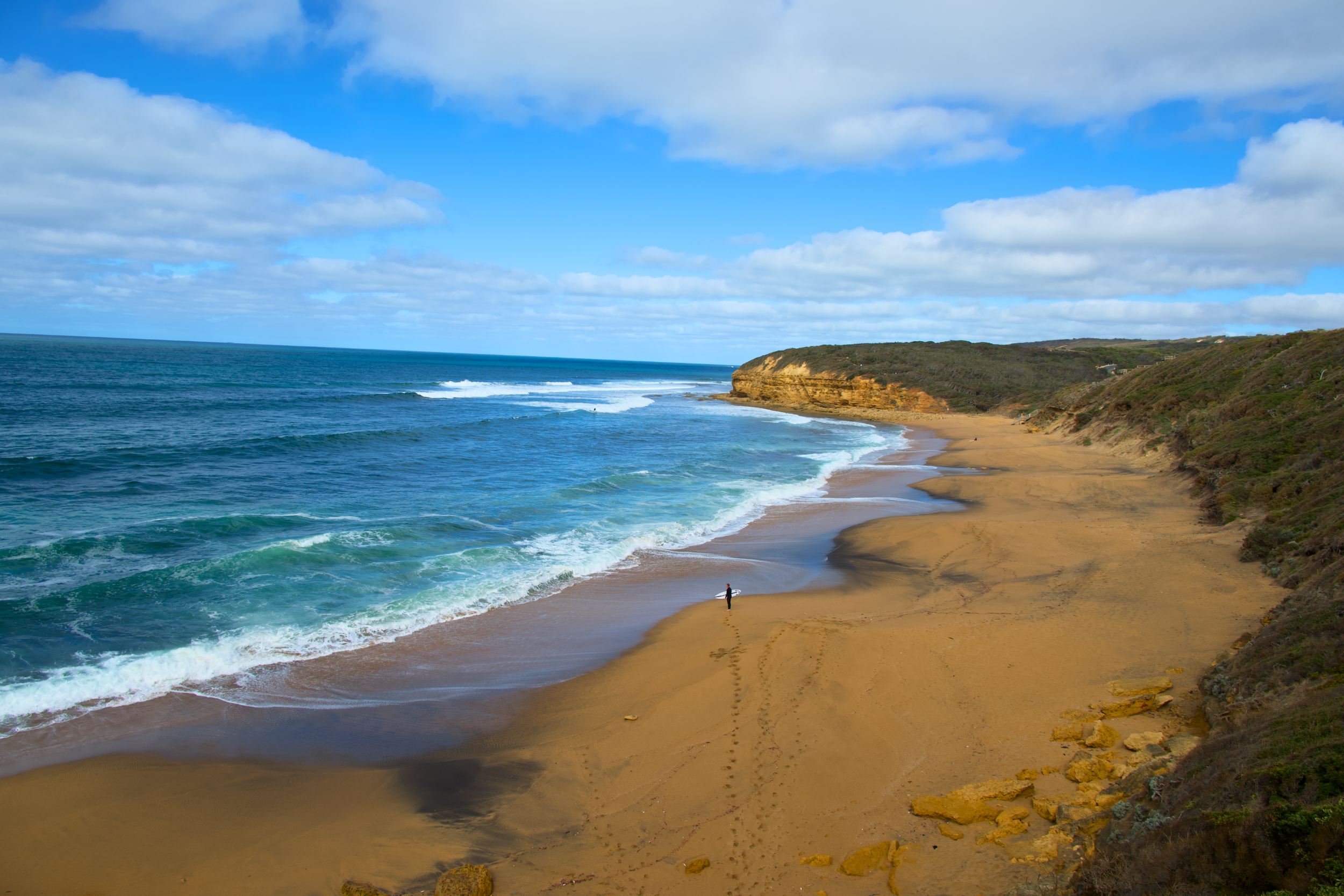
Bells Beach is legendary in surfing culture; the Rip Curl Pro has run here since 1961, making it one of the longest-running surfing competitions in the world. Even if you don't surf, the beach is worth visiting for its cultural significance.
The beach sits below dramatic cliffs accessed via stairs. Watch surfers navigate the reef break, or just appreciate the powerful Southern Ocean swells. This isn't a swimming beach; the rips are dangerous, and the water is cold. Come for the atmosphere.
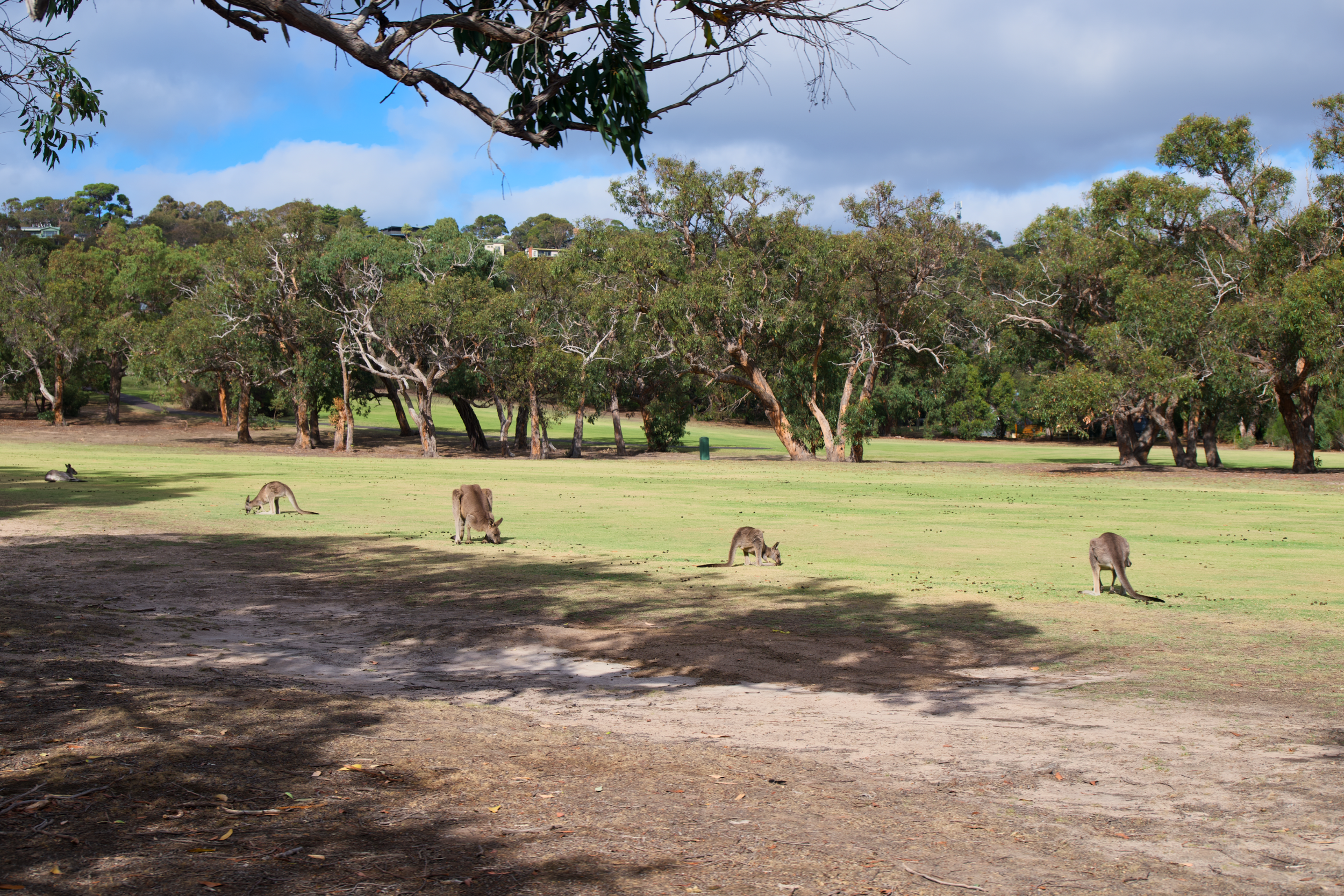
Anglesea Beach & Kangaroo Walk
Anglesea offers a mellower beach experience than Bells, sandy, swimmable, and family-friendly. The town has a relaxed holiday vibe, and the beach is lovely for a morning walk.
The unexpected highlight is the Anglesea Golf Course Kangaroo Walk. Yes, a golf course. Wild kangaroos graze on the fairways, completely unbothered by golfers. The club allows visitors to walk a designated path through the course (stick to the marked trail to avoid disrupting play).
You'll see kangaroos. Guaranteed. They're most active early morning and late afternoon, but even midday visits usually yield sightings. It's surreal watching kangaroos hop across perfectly manicured greens while golfers play through. Free to visit, 30-45 minutes.
Return Drive to Melbourne
The drive from Anglesea to Melbourne takes about 1.5 hours via the coastal route through Geelong. If you have time before your flight, consider these optional stops:
Geelong Waterfront: Revitalized harbor area with cafes and the whimsical Baywalk Bollards (painted pylons)
Werribee Open Range Zoo: If you have 3-4 hours before your flight, this safari-style zoo features African animals (extra cost, bookings required)
Most people skip these and head straight to the airport. Drop off your rental car, and you're done.
Essential Great Ocean Road Tips
What to Pack for the Great Ocean Road
Weather along the Great Ocean Road changes rapidly; you can experience four seasons in a single day. Pack layers and prepare for variability:
Base layers: Moisture-wicking base layers (My recommendations: women's & men’s tops)
Mid-layer: Light fleece or puffy jacket (My recommendations: women’s & men’s jackets)
Outer layer: Waterproof jacket with hood (women’s & men’s rain jackets)
Footwear: Comfortable walking shoes with good traction for boardwalks and beach access
Sun protection: Sunscreen (SPF 50+), sunglasses, wide-brim hat
Reusable water bottle: Tap water is safe throughout Victoria
Driving Tips & Safety
Left-Side Driving:
Australia drives on the left. If you're from a right-driving country, this requires conscious attention, especially when:
Turning at intersections (left is your wide turn, right is your tight turn)
Pulling out of parking lots (your instinct will be wrong)
Roundabouts (enter from the left, circle clockwise)
Rent an automatic transmission if you're not confident with left-side manual shifting.
Road Conditions:
The Great Ocean Road is paved and well-maintained, but sections are narrow and winding. Drive conservatively, especially in wet conditions. Pull over to let faster traffic pass rather than feeling pressured.
Wildlife Crossings:
Kangaroos, wallabies, and wombats are active at dawn and dusk. Drive carefully during these times, particularly on forested sections. If you see one animal cross the road, expect more; they rarely travel alone.
Fuel Stops:
Gas stations are spaced far apart. Fill up in Geelong before heading west, and don't let your tank drop below half. Apollo Bay and Port Campbell have fuel, but prices are higher than in cities.
Frequently Asked Questions
How many days do you need for the Great Ocean Road?
Four days is ideal for experiencing both Melbourne and the Great Ocean Road without rushing. This allows a full day in the city, a day exploring Port Campbell National Park, a leisurely return drive with wildlife spotting and rainforest walks, and a morning on the Surf Coast. You can technically drive the route in one very long day from Melbourne, but you'll sacrifice depth for coverage. Three days’ work if you skip Melbourne entirely and focus solely on the coast. Five or more days lets you add inland detours, additional hikes, or extend your time in specific areas.
Can you do the Great Ocean Road in one day from Melbourne?
Yes, but it's exhausting, and you'll miss most of what makes the region special. One-day trips from Melbourne typically involve 4-5 hours of driving, rushed stops at the 12 Apostles and a few other formations, and returning to Melbourne by evening. You won't have time for rainforest walks, wildlife spotting, or experiencing locations in different light. If you only have one day, take a guided tour so you're not spending the entire day driving yourself. Better yet, build your itinerary to allow overnight stays along the coast.
What is the best month to visit the Great Ocean Road?
March through May (fall) offers the best balance of weather, crowds, and light quality. Temperatures remain comfortable for walking, tourist numbers drop significantly after February, and golden hour light becomes even more dramatic. Wildlife stays active, and you'll have better chances of seeing koalas alert and climbing rather than sleeping. December through February brings the longest days and warmest weather, but also peak crowds and highest prices. Winter (June-August) offers moody atmospheric conditions and whale watching opportunities, but requires warm layers and waterproof gear.
Where is the best place to see koalas on the Great Ocean Road?
Kennett River, specifically along Grey River Road past the Kafe Koala cafe. This is the most reliable koala-spotting location on the entire route. Walk slowly, look up into eucalyptus trees, and scan for gray shapes in tree forks. Early morning (7-9 am) and late afternoon (4-6 pm) offer the best viewing as koalas are more active during these times. Midday visits still yield sightings, though koalas will likely be sleeping. You can easily see 5-10+ koalas in a one-hour walk. Bring binoculars for better views of koalas high in trees.
Is the Great Ocean Road worth it?
Absolutely. The Great Ocean Road ranks among the world's most scenic coastal drives, combining dramatic limestone formations, pristine beaches, temperate rainforests, and reliable wildlife encounters. The diversity surprises most visitors; you're not just driving along cliffs for hours. The landscape constantly shifts from exposed coastal formations to dense forest to surf beaches to small towns. If you value natural beauty, road trip experiences, and having space to explore at your own pace, the Great Ocean Road delivers. Give yourself time to experience it properly rather than treating it as a checkbox destination.
Do you need a 4WD for the Great Ocean Road?
No. The Great Ocean Road is fully paved, and any standard rental car handles the route perfectly fine. All major attractions have sealed parking areas and maintained pathways. Save the 4WD rental fees for destinations that actually require off-road capability. A compact or mid-size sedan works great and will save you money on both rental costs and fuel consumption.
Frequently Asked Questions About Visiting Australia
-
Very safe. Australia has low crime rates, stable government, and generally safe cities. The biggest safety concerns are natural—sun exposure (UV is brutal, wear SPF 50+ and reapply constantly), ocean rip currents (only swim at patrolled beaches between the flags), and wildlife in remote areas. Saltwater crocodiles exist in Far North Queensland, box jellyfish are present November-May (wear stinger suits), and snakes/spiders exist but are rarely encountered. Common sense keeps you safe.
-
Tipping is NOT expected in Australia. This is the biggest cultural difference for Americans. Australian workers earn a liveable minimum wage ($24.95/hour as of 2025), so they don't rely on tips. Tipping is slowly becoming more common in upscale city restaurants (10% for exceptional service), but it's purely optional and never expected. Don't tip at cafes, bars, taxis, or casual restaurants—it can even be seen as awkward. The price you see is the price you pay (taxes included). If you receive truly exceptional service at a nice restaurant, rounding up or leaving 10% is appreciated but never required.
-
Yes, everywhere. Australia has excellent tap water quality in all cities and towns. Bring a reusable water bottle and fill it freely. You'll save money and plastic waste. Even in remote areas, tap water is generally safe.
-
You'll see lots of wildlife, but dangerous encounters are extremely rare. Most Australians never see a dangerous snake or spider. What you WILL see:
Kangaroos and wallabies: Common in Tasmania, national parks, even golf courses
Koalas: Look in eucalyptus trees at places like Kennett River (Great Ocean Road)
Wombats: Everywhere in Tasmania, especially Maria Island
Birds: Cockatoos, kookaburras, rainbow lorikeets, magpies (watch for swooping in spring September-November)
Marine life: Sea turtles, reef fish, seals, dolphins, whales (May-November)
Dangerous animals exist but are avoidable: Don't swim in unmarked waterways in Far North Queensland (crocodiles), wear stinger suits in Cairns November-May (jellyfish), don't put hands in dark holes or under rocks (spiders/snakes), and shake out shoes before putting them on in remote areas.
-
Absolutely yes. Australia has excellent healthcare but it's expensive for visitors. A trip to the emergency room can cost thousands. Ambulance rides are not free and can cost $1,000+. Get comprehensive travel insurance that covers:
Medical emergencies and evacuation
Trip cancellation/interruption
Lost/stolen belongings
Adventure activities (reef diving, hiking, water sports)
If you can't afford travel insurance, you can't afford to travel to Australia.
-
Type I (Australia-specific) three-pin adapter. Australia uses 220-240V, 50Hz power. US devices (110V) work fine with an adapter, but check if your device is dual voltage (most modern electronics are). Buy adapters before you leave—they're cheaper at home than in Australia.
-
Parts are bleached, but vast sections are thriving. Climate change has damaged coral, but the reef is far from dead. When I snorkeled there, the abundance of life was extraordinary—colorful coral, sea turtles, reef sharks, countless fish. Go now, support responsible tourism (choose reef-safe operators), and minimize your carbon footprint elsewhere. The reef is still one of Earth's natural wonders and worth the journey.
-
2-3 months ahead for major cities and popular areas. Tasmania's Freycinet National Park and Bay of Fires areas book out months ahead (limited accommodation). Sydney and Melbourne have plenty of options but prices increase closer to travel dates. Cairns is generally available but book reef tours as early as possible (they fill up). During Australian school holidays, book even earlier.
-
Australian coffee culture is serious and exceptional. Forget drip coffee—it doesn't exist. Order:
Flat white: Espresso with velvety microfoam milk (the Australian staple)
Long black: Espresso with hot water (like an Americano but better)
Cappuccino: Espresso with foamed milk and chocolate dusting
Coffee costs $5-6, and even random suburban cafes make better coffee than most US specialty shops. This will ruin you for coffee elsewhere. Never ask for "regular coffee."
-
Major cities are generally accessible, but it varies. Sydney and Melbourne have accessible public transport, hotels, and attractions. Older buildings and regional areas have limited accessibility. Many of the hikes in this itinerary (Wineglass Bay, Bondi to Coogee walk) involve stairs and uneven terrain that aren't wheelchair accessible. Research specific accommodations and attractions ahead of time. Tourism Australia's website has accessibility information for major attractions.
The Scenic Route Traveler inspires intentional travel through storytelling, hidden gems, and culturally rich experiences around the world.
-
I’m Erin, the voice behind Scenic Route Traveler, sharing intentional travel stories and guides from around the globe.
-
We deliver travel guides and storytelling through YouTube, social media, photography, and digital products designed for fellow travelers.
-
If you’re new here: this is a space for travelers who care more about how a place feels than how it looks on a checklist. You’ll find guides, stories, and resources designed to help you slow down and travel with intention.