
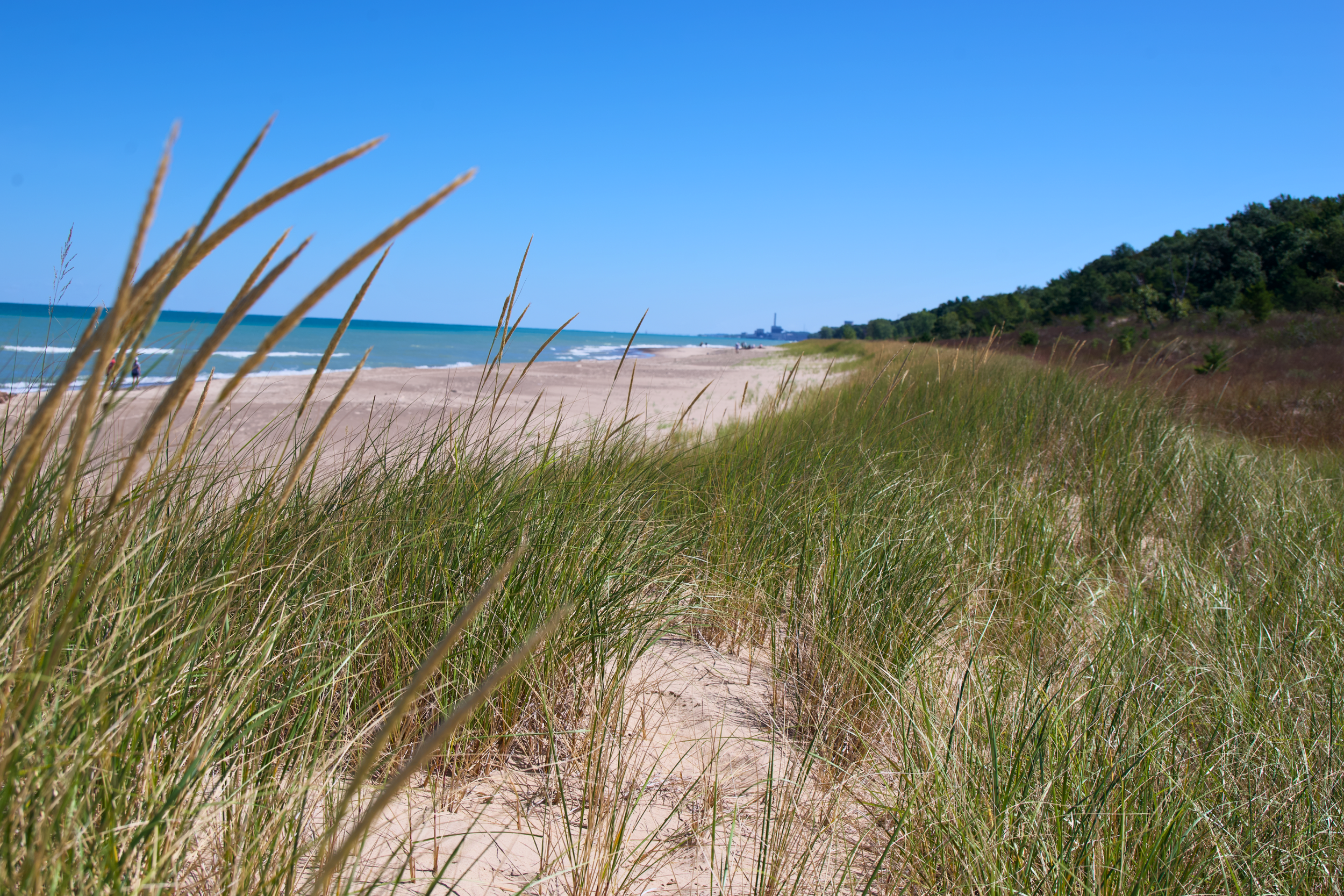
Is Indiana Dunes National Park Worth Visiting from Chicago? A Deep, Honest Planning Guide
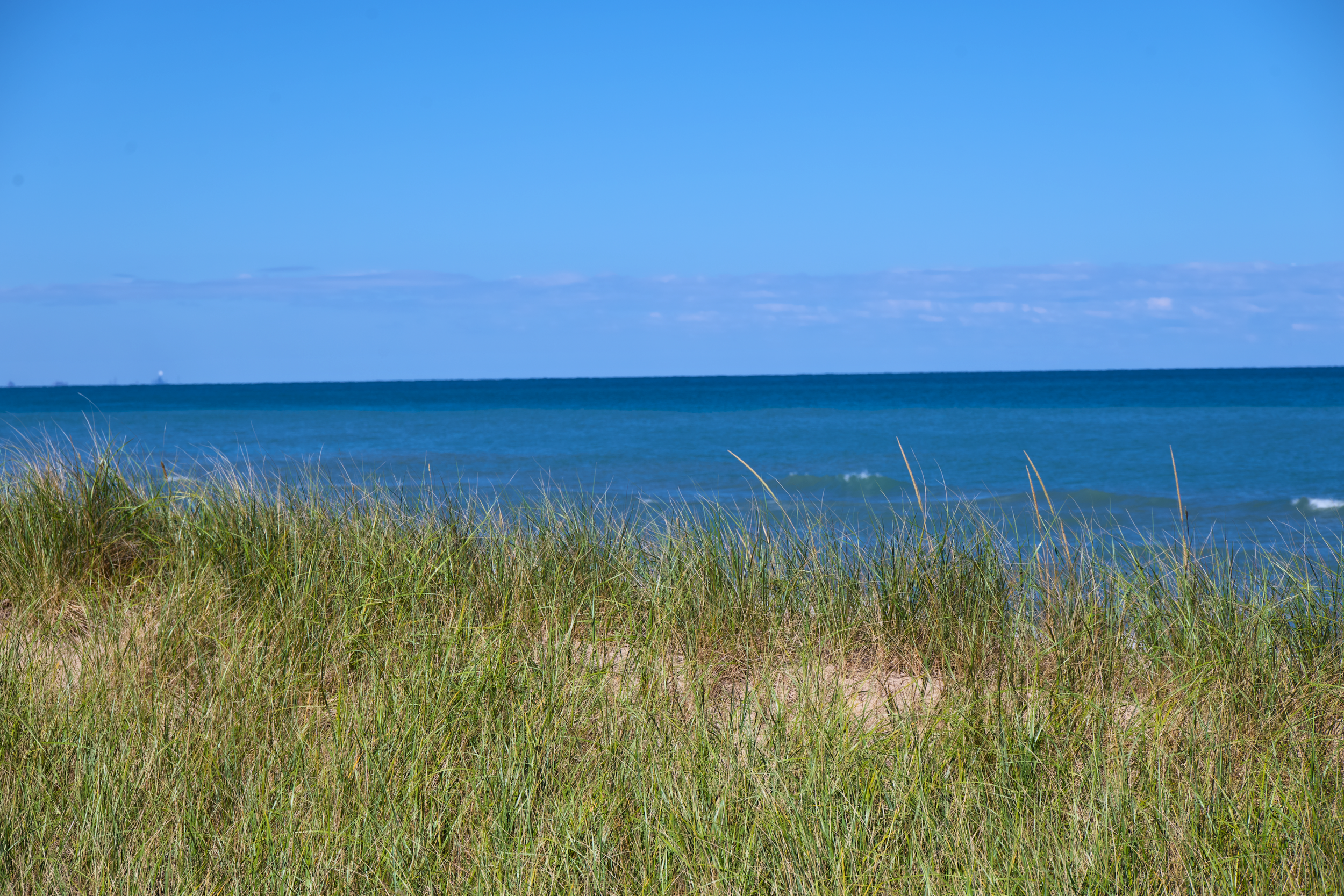
Quick Answer: Is Indiana Dunes National Park Worth It from Chicago?
Yes. Indiana Dunes National Park is worth visiting from Chicago, but only for a specific type of traveler and only with realistic expectations.
If you want:
A true change of scenery without flying
Beaches that genuinely feel expansive
Challenging hikes that don't require technical skills
A nature escape you can reach in under two hours
Then Indiana Dunes delivers, when planned intentionally and realistically.
If you expect:
Iconic national park vistas at every turn
A centralized, easy-to-navigate park
Solitude on summer weekends
You'll likely be disappointed.
This guide breaks down why Indiana Dunes can feel polarizing, how it compares to other Chicago-area getaways, and exactly how to plan a visit that feels worth your time.
Where Indiana Dunes National Park Is, and Why That Complicates Things
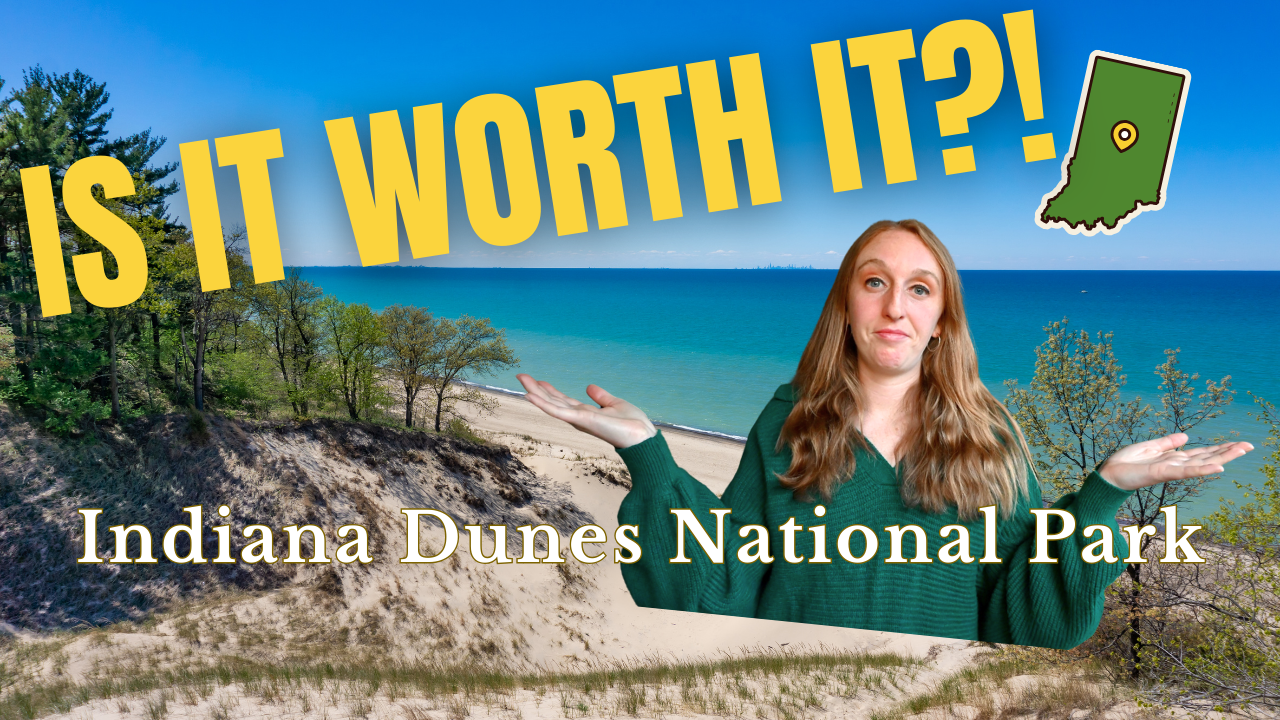
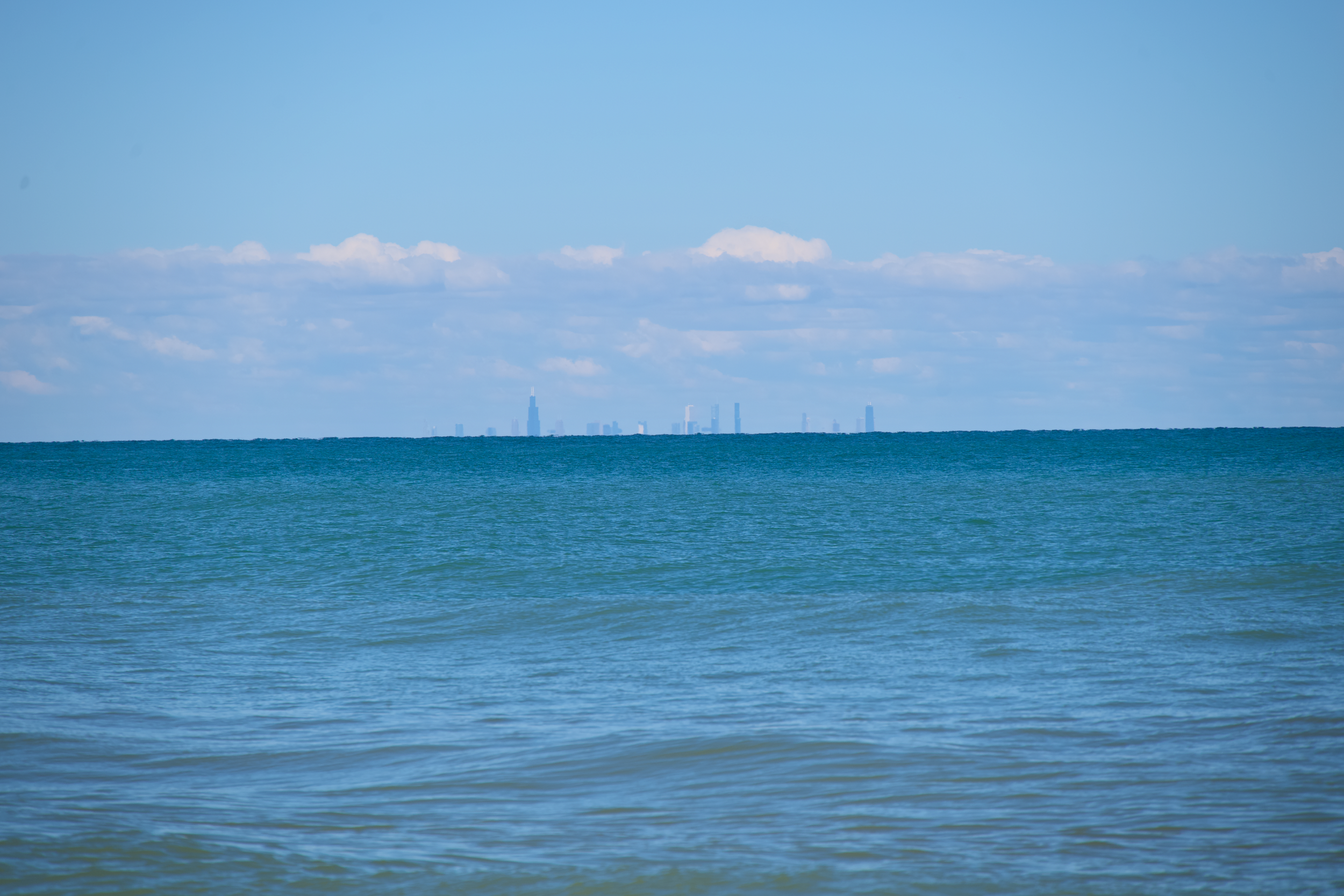
Indiana Dunes National Park sits along roughly 15 miles of Lake Michigan shoreline in northwest Indiana, about 50 miles east of downtown Chicago. On a map, it looks straightforward. In reality, its layout is the single biggest source of confusion for first-time visitors.
Unlike most national parks, Indiana Dunes has no single entrance. Instead, it's a patchwork of beaches, trailheads, wetlands, and preserves separated by:
Towns
Roads
Rail lines
Industrial areas
For Chicago travelers, this means:
You must decide which sections you're visiting before you arrive
Driving time between stops matters more than distance
Parking availability can dictate your entire experience
Many negative reviews stem from visitors expecting a traditional park flow. Indiana Dunes doesn't work that way, and once you understand that, planning becomes far easier.
This post contains affiliate links. I may earn a commission if you purchase through my links, at no extra cost to you.
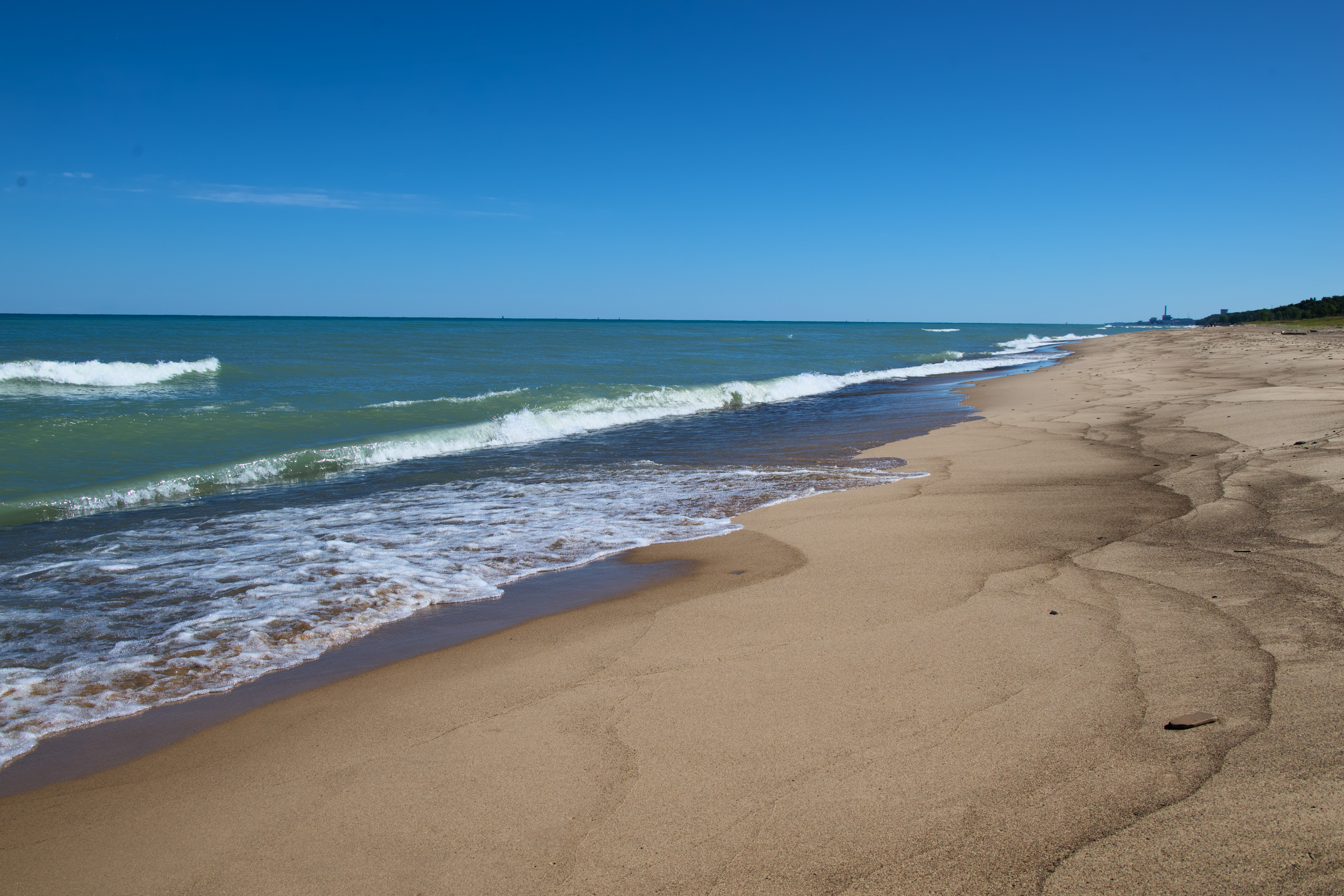
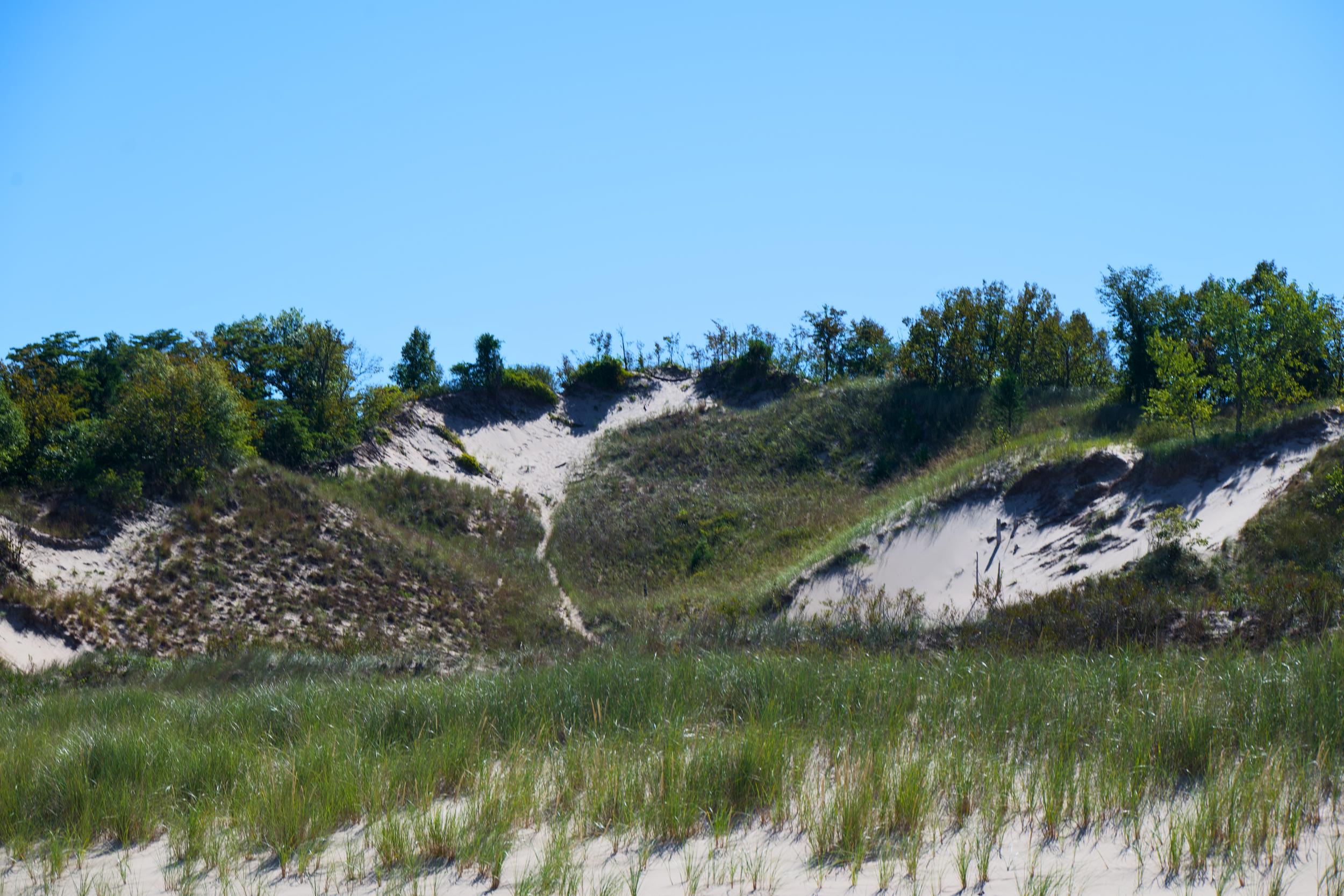




Specific Towns and Access Points Within Indiana Dunes
The park spans multiple municipalities, and knowing which town you're targeting helps with navigation, lodging, and realistic time estimates. Major access points include:
Porter: Home to West Beach (most facilities) and Portage Lakefront and Riverwalk
Chesterton: Central access point with trails like Cowles Bog and nearby dining
Michigan City: Eastern edge, closer to Indiana Dunes State Park
Beverly Shores: Quiet residential area with Mt. Baldy access
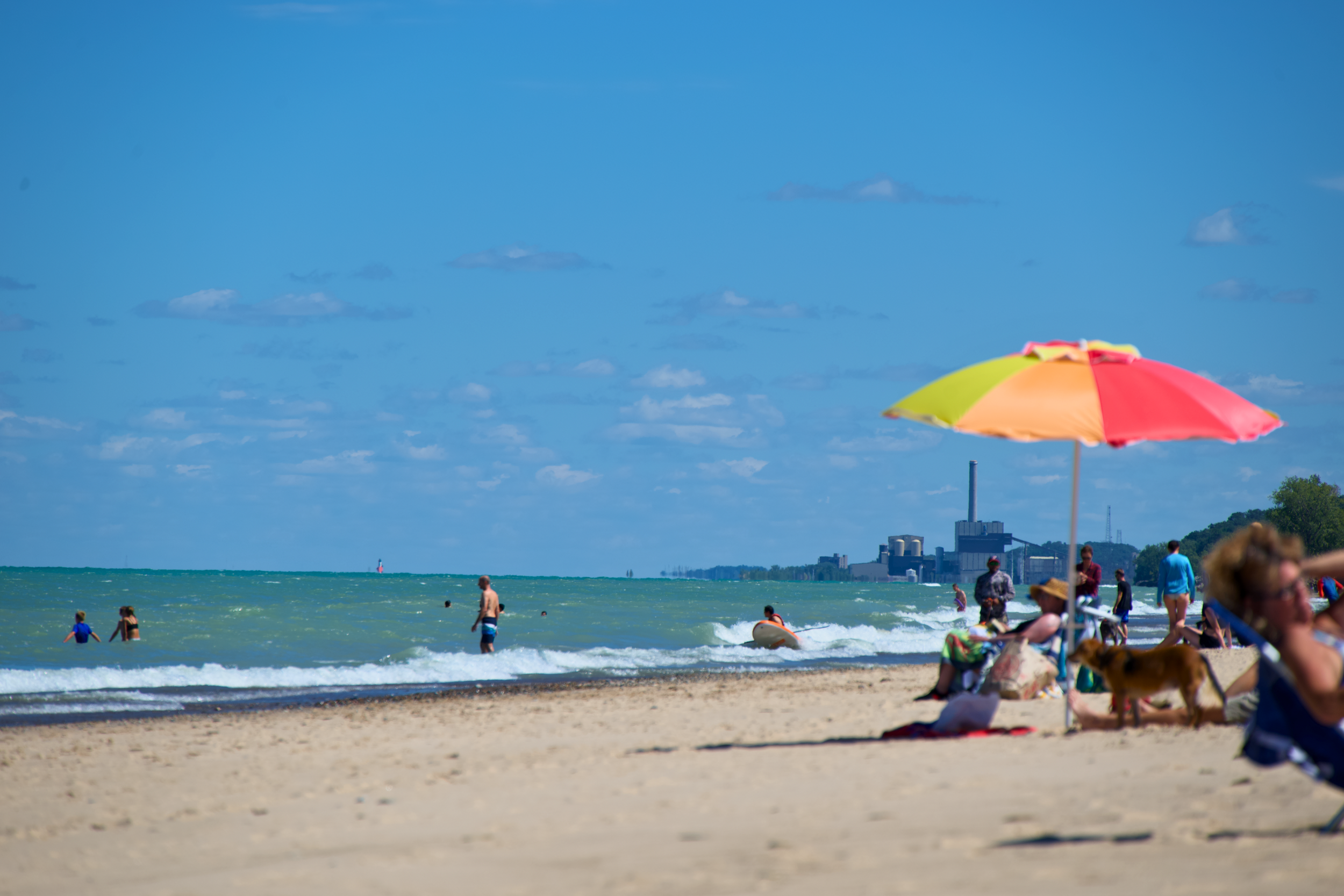
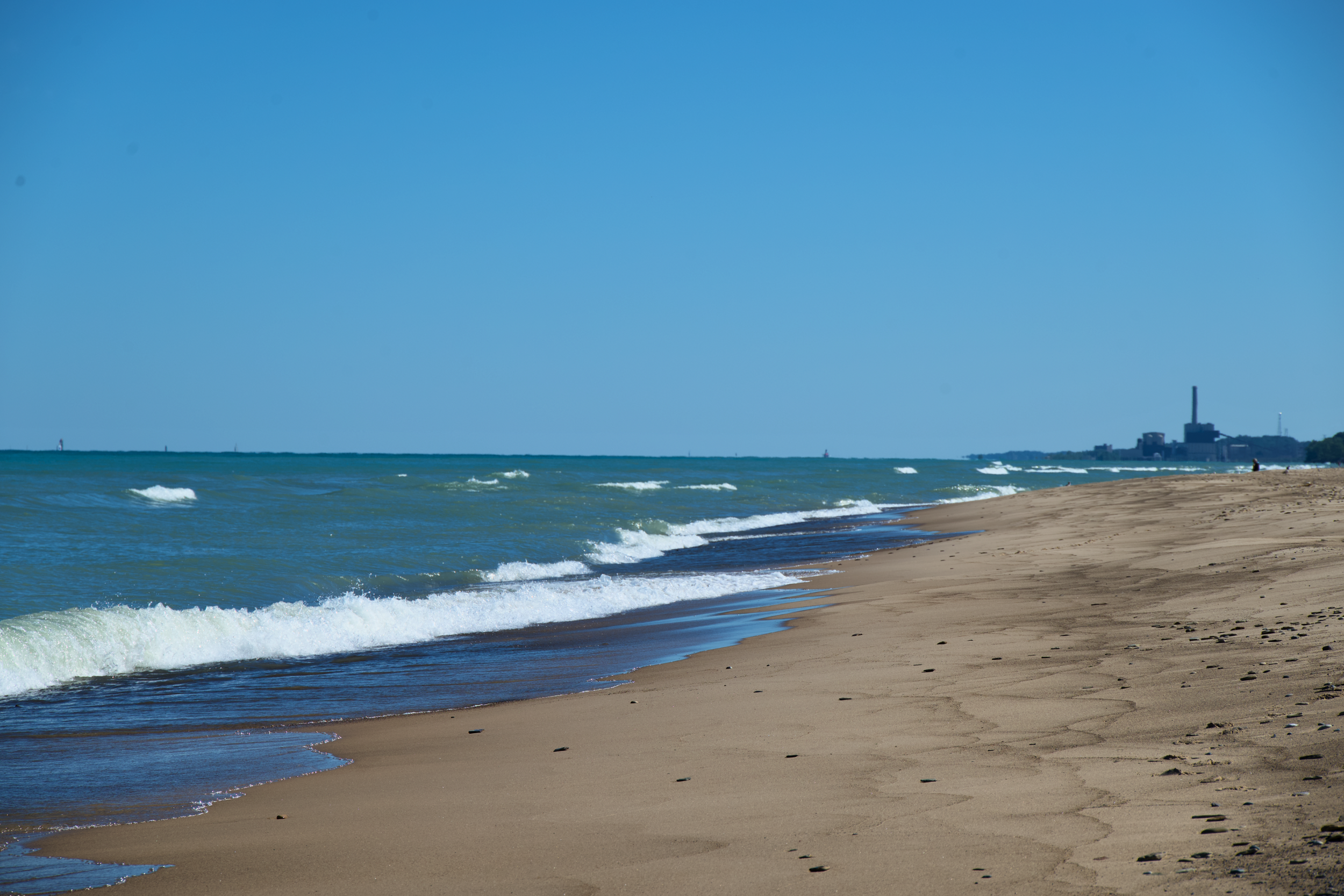
Google Maps often routes visitors through Gary or Hammond when traveling from Chicago. While these routes are fastest, they pass through heavily industrial corridors that can feel jarring if you're expecting scenic byways. This contrast is part of what makes the Indiana Dunes unusual: wilderness pressed directly against heavy industry.
Indiana Dunes National Park vs Indiana Dunes State Park (Do Not Skip This)
These are two separate parks with separate fees, management, and experiences, and confusing them is one of the most common planning mistakes.
Indiana Dunes National Park
Managed by the National Park Service
Entrance fee: $25 per vehicle (7 days)
America the Beautiful Pass accepted
Includes most beaches, wetlands, and dispersed trails
Indiana Dunes State Park
Managed by the State of Indiana
Separate entrance fee (not covered by NPS pass)
Home to the famous 3 Dune Challenge
More centralized layout and facilities
Many Chicago visitors choose one or the other. You can visit both, but it requires extra time, planning, and fees. If you have an America the Beautiful annual pass, the National Park is included at no extra cost, making it the more economical choice.
Which Should You Choose?
Choose Indiana Dunes State Park if you want a more contained, traditional park experience with well-marked trails, a beach pavilion, and the physical challenge of the 3 Dune Challenge. It's better for families with young children who need facilities and clear boundaries.
Choose Indiana Dunes National Park if you want variety, more beach access points, ecological diversity, and a sense of exploration. It's better for flexible travelers who don't mind navigating between disconnected areas.
What People Expect vs. What Indiana Dunes Actually Is
Expectation: A compact national park with iconic overlooks.
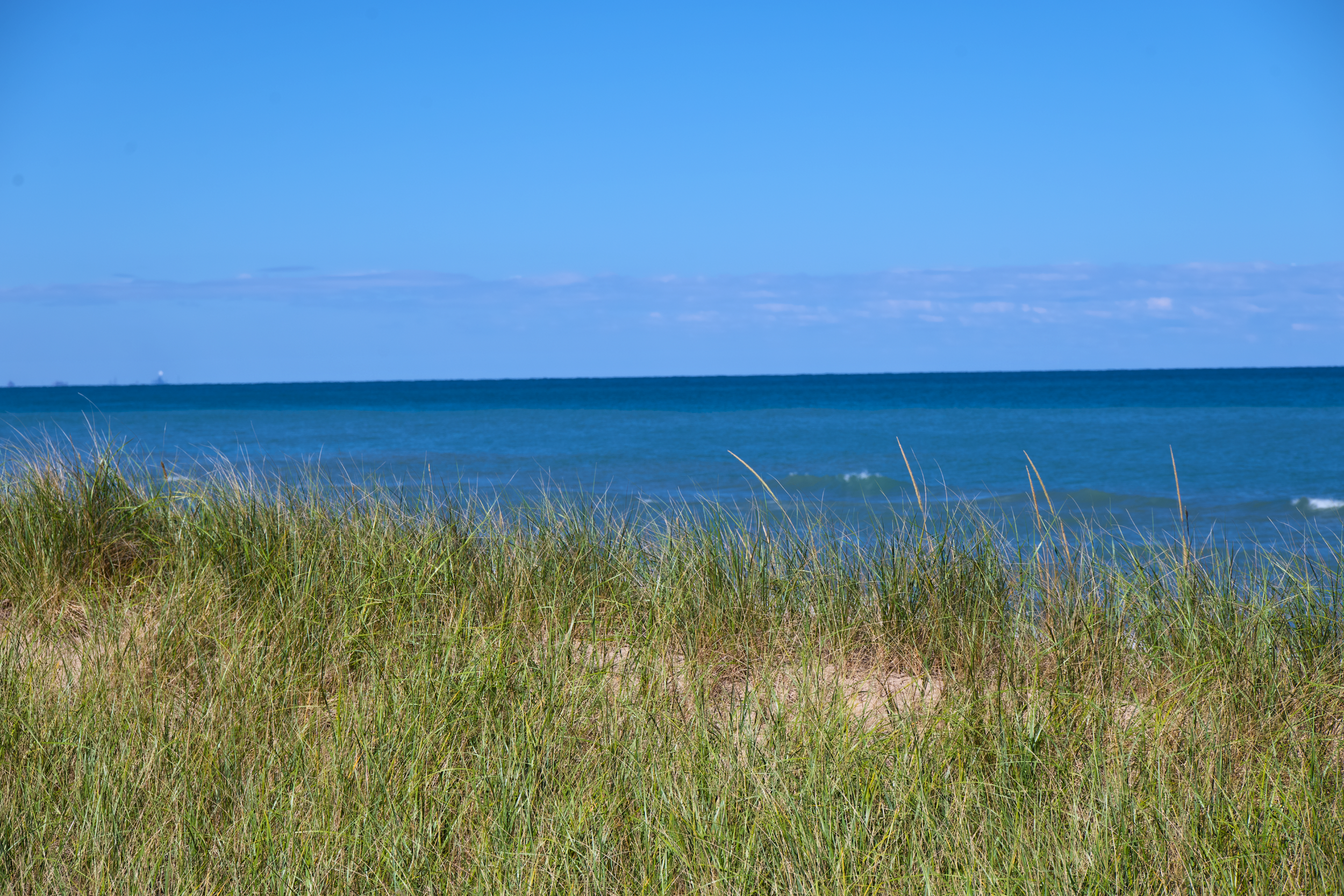
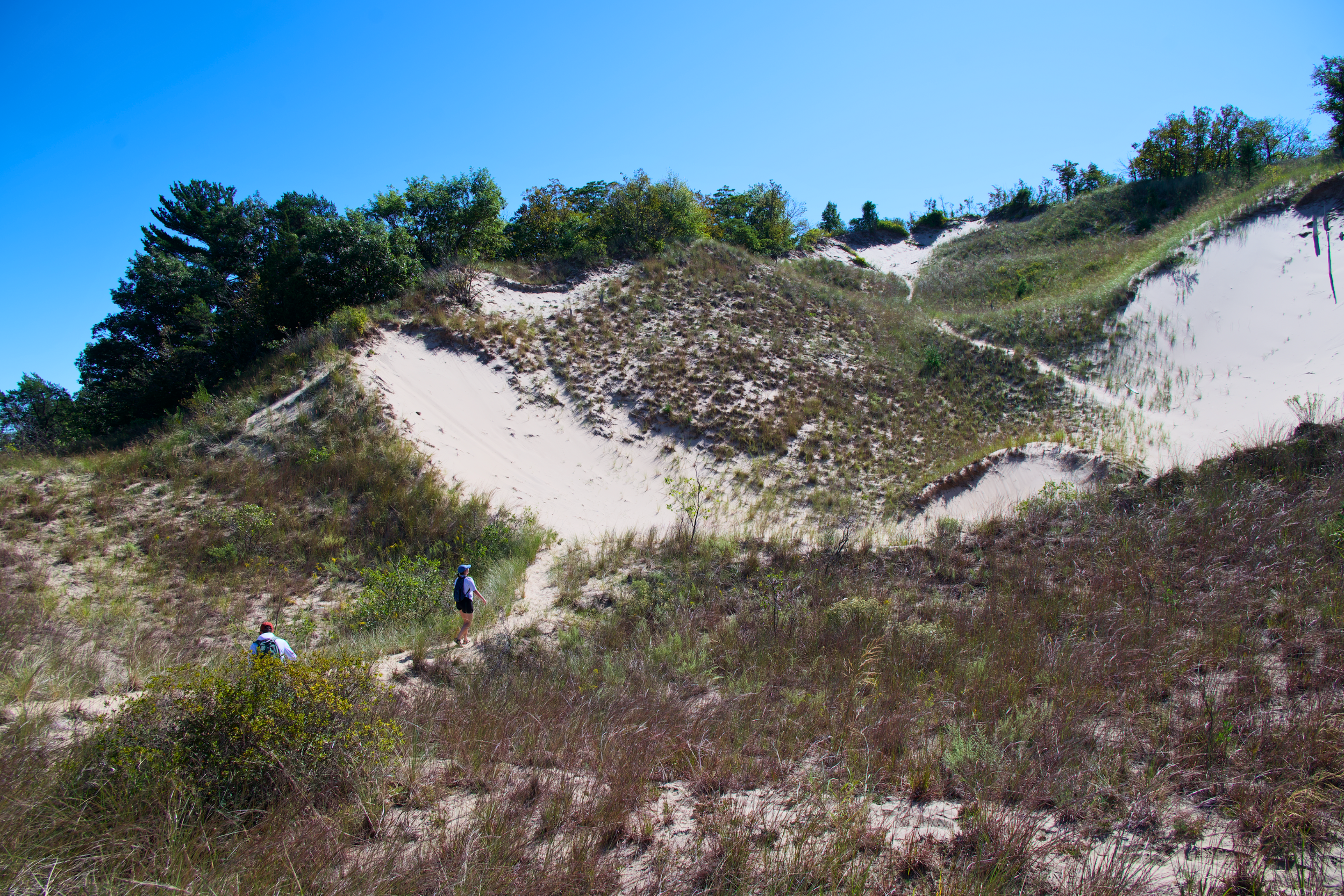
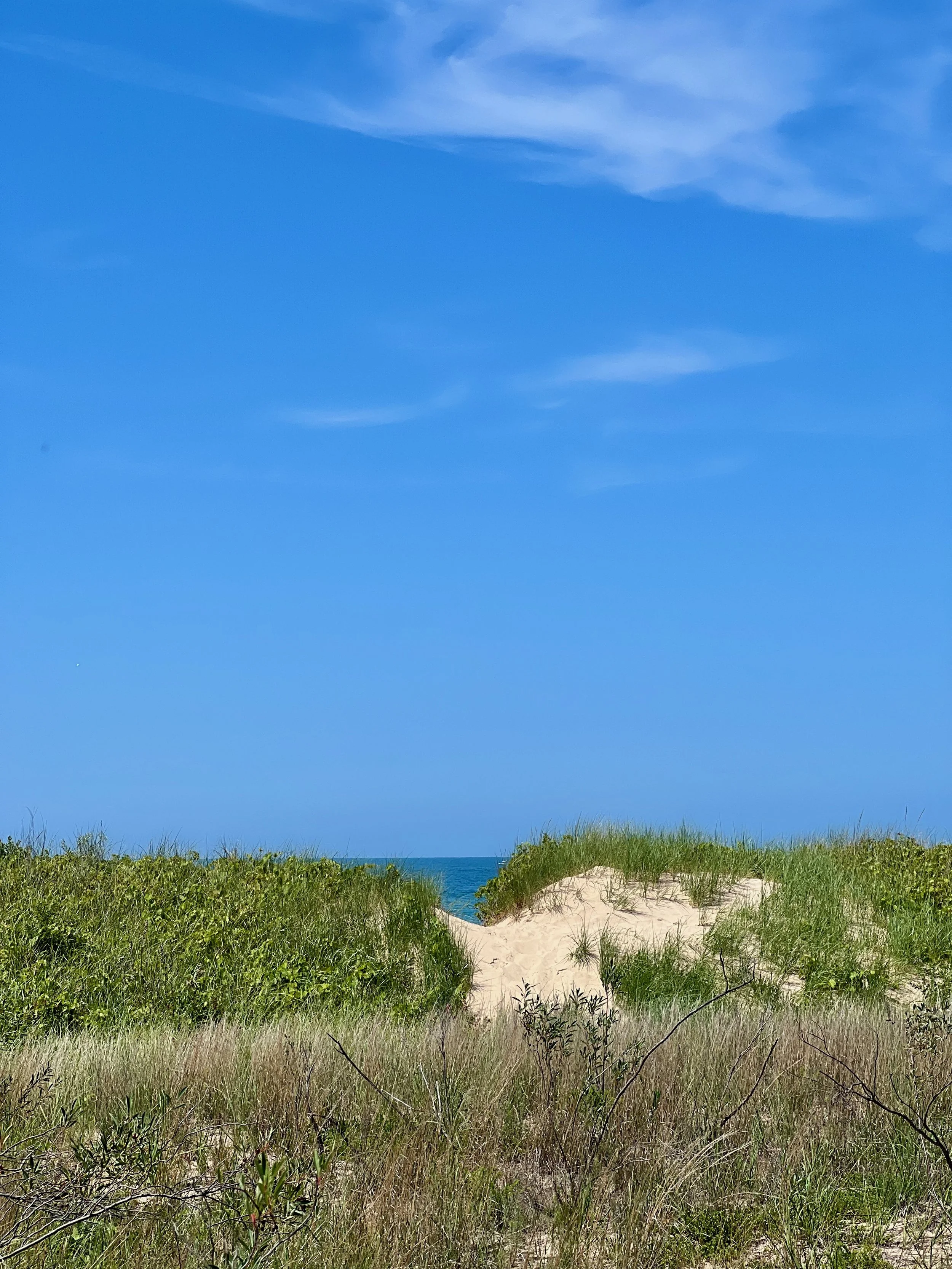
Reality: A subtle, fragmented landscape where the payoff comes from immersion, not viewpoints.
Indiana Dunes excels in:
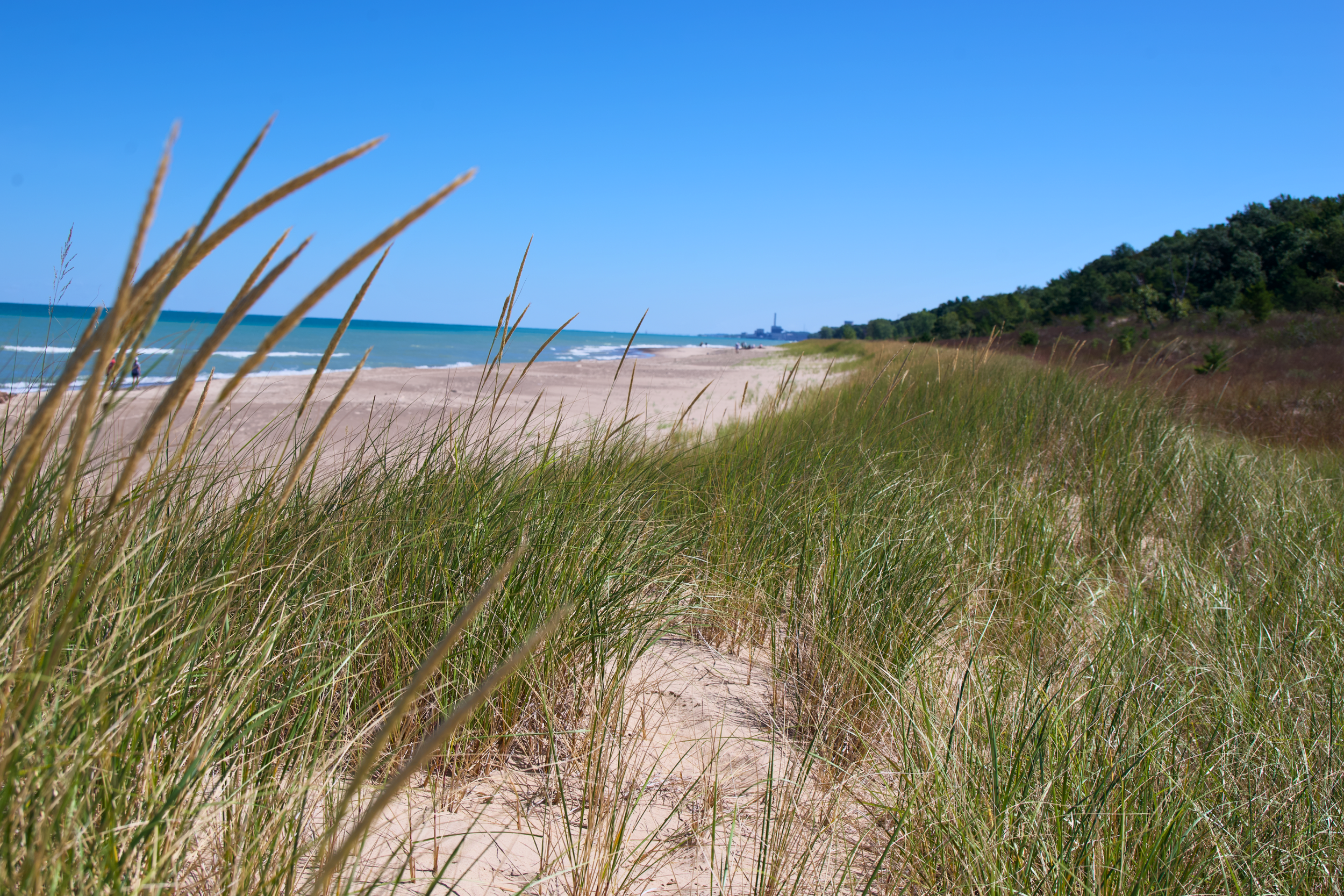
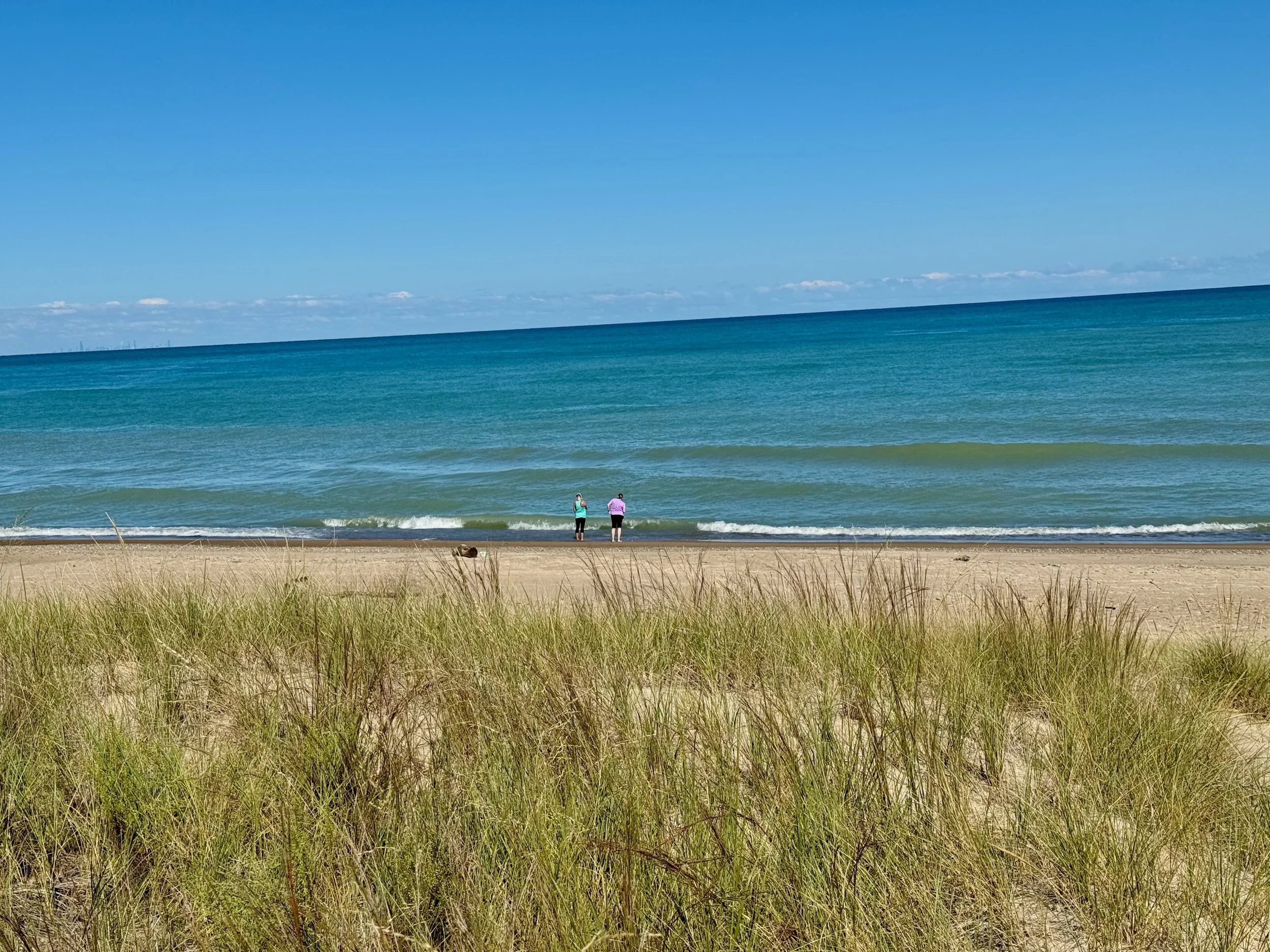
Scale once you're on the beach
Physicality of dune hiking
Ecological diversity (over 1,000 plant species)
Light changes dramatically throughout the day
Birding opportunities, especially during spring and fall migration
It underwhelms when:
Visited midday on crowded summer weekends
Treated as a quick roadside stop
Compared directly to western national parks
Approached without understanding its fragmented layout
Understanding this difference is the key to enjoying the park. Indiana Dunes rewards patience, early arrivals, and a willingness to experience nature on its own terms rather than on Instagram's.
How Indiana Dunes Compares to Other Chicago Getaways
Indiana Dunes vs Starved Rock
Indiana Dunes offers beaches, dunes, wind, and open space. Starved Rock delivers waterfalls, canyons, and dramatic rock formations, but with significantly heavier crowds, especially in spring and fall.
Indiana Dunes feels more expansive and offers better opportunities for solitude outside of peak summer weekends. Starved Rock feels more visually dramatic but confined, with narrow canyon trails that bottleneck quickly. If you prefer geological drama, choose Starved Rock. If you want space to breathe, choose Indiana Dunes.
Indiana Dunes vs Michigan Beaches
Michigan's southwestern beaches, Warren Dunes, Silver Lake, and Saugatuck, are often compared to Indiana Dunes. Michigan beaches typically offer more polished amenities, better-developed beach towns, and a more relaxed vibe.
Indiana Dunes has better hiking variety, more ecological diversity, and slightly shorter drive times from Chicago's South Side and South Loop. If your priority is a classic beach day with nearby dining and shopping, Michigan wins. If you want hiking combined with beach time, the Indiana Dunes is the better choice.
Indiana Dunes vs Door County
Door County offers charm, amenities, waterfront dining, and a well-developed tourism infrastructure. It's a longer drive (4–5 hours from Chicago) and requires more planning and budget.
Indiana Dunes wins on proximity and spontaneity; you can decide to go the night before and still have a great experience. Door County is a proper weekend getaway destination that rewards planning.
Indiana Dunes vs Devil's Lake (Wisconsin)
Devil's Lake State Park offers dramatic bluff hiking and a beautiful quartzite landscape. The drive is similar in length to Indiana Dunes (about 3 hours from Chicago), but Devil's Lake has no beach culture; it's purely about hiking and inland lake swimming.
Choose Devil's Lake if you want challenging bluff trails with panoramic views. Choose Indiana Dunes if you want Lake Michigan shoreline and a mix of beach and trail experiences.
Getting to Indiana Dunes from Chicago
Driving from Chicago
Expect 1–1.5 hours without traffic. However, traffic conditions can easily extend this to 2+ hours during summer Friday afternoons and Sunday evenings.
Parking fills early in summer, especially at popular access points like West Beach. Arriving before 9 AM on summer weekends is essential. Weekday visits rarely face parking challenges.
Recommended Driving Routes from Different Chicago Neighborhoods
From Downtown/Loop: Take I-90 East to I-94 East, then follow signs for specific park access points. Total time: 60–75 minutes without traffic.
From North Side (Lincoln Park, Lakeview): Take Lake Shore Drive to I-90/94, then continue on I-94 East. Time: 75–90 minutes.
From South Side (Hyde Park, Bronzeville): Take I-90 East directly. This is the quickest route. Time: 50–70 minutes.
From West Suburbs (Oak Park, Naperville): Take I-294 North to I-80/94 East. Time: 75–100 minutes, depending on the exact starting point.
Train from Chicago
The South Shore Line runs from Millennium Station in downtown Chicago to several stops near park access points, including Beverly Shores, Dune Park, and Ogden Dunes.
This is ideal for day trips without a car, though it limits which areas of the park you can easily reach. Train schedules run more frequently on weekends during the summer. Expect the journey to take 90–120 minutes, depending on your destination stop.
Note: Some trailheads are a significant walk from train stops, so research your specific destination carefully if relying on public transit.
Entrance Fees, Passes, and Costs
Indiana Dunes National Park charges the following entrance fees:
$25 per private vehicle (valid for 7 days)
$15 per person (walk-in, bicycle, or motorcycle)
Free with America the Beautiful Pass ($80 annual pass covering all national parks)
Additional costs to consider:
Indiana Dunes State Park entrance fee (separate, if visiting both)
Parking alternatives during peak season (private lots near beach access points)
Gas, food, and potential lodging if staying overnight
If you visit national parks even twice per year, the America the Beautiful Pass pays for itself. For Chicago residents who might visit Indiana Dunes multiple times in a season, it's an obvious value.
Best Time to Visit Indiana Dunes National Park
Summer (June–August)
Warm water temperatures make swimming genuinely pleasant, a rarity for Lake Michigan. However, summer weekends bring crowds and parking challenges.
Best for:
Beach-focused visits
Swimming and water activities
Early mornings and weekdays to avoid crowds
Challenges:
Parking lots fill by 10 AM on weekends
Heat can make dune hiking uncomfortable midday
Beach areas can feel crowded, especially near facilities
Late Spring & Early Fall (Best Overall)
Late May and September through early October offer the best balance of pleasant weather, fewer crowds, and ideal hiking conditions.
Best for:
Hiking without oppressive heat
Photography (especially fall colors in October)
Birding during migration periods
Solitude and a more contemplative experience
Water temperatures are too cold for most swimmers, but the trade-off is space, quiet, and better conditions for exploring the park's ecological diversity.
Winter (December–March)
Winter visits offer stark, dramatic landscapes and near-total solitude. Snow-covered dunes and ice formations along the shoreline create a surreal beauty.
Best for:
Experienced cold-weather hikers
Winter photography
Complete solitude
Challenges:
Lake effect snow can make access difficult
Bitter cold requires proper gear
Some facilities and restrooms may be closed
Winter is not for casual visitors, but for those equipped and prepared, it offers a completely different park experience.
Spring (April–May)
Spring brings wildflowers, bird migration, and warming temperatures, though the water remains cold. This is one of the best times for ecological diversity and birding.
Expect unpredictable weather; warm sunny days can be followed by chilly, windy conditions. Layering is essential.
Day Trip vs Weekend Trip from Chicago
Day Trip
Best for:
Beach-focused visits
One major hike
Testing whether you like the park before committing to a longer stay
Limitations:
Rushed pace leaves little room for spontaneity
Less flexibility with parking and timing
You'll likely only see one section of the park
A day trip works, but you'll get a limited view of what the Indiana Dunes offers. If the park appeals to you at all, consider a weekend trip instead.
Weekend Trip (Recommended)
Best for:
Exploring multiple areas of the park
Catching early mornings and sunsets
Avoiding peak congestion by visiting during off-hours
Truly unwinding and experiencing the park at a slower pace
A weekend allows you to see different sections, experience both beach and trail environments, and adjust your plans based on weather and crowds. It's the minimum time needed to understand why Indiana Dunes has earned national park status.
Best Beaches in Indiana Dunes National Park
Rather than listing every beach, focus on why you'd choose one over another. Each beach serves different needs and preferences.
West Beach
West Beach is the most developed access point with restrooms, changing facilities, and the longest maintained trail system. The Dune Succession Trail starts here.
Choose West Beach if you want:
Facilities and amenities
Access to longer trails
A mix of beach time and hiking
Expect crowds on summer weekends. Parking fills quickly, so arrive before 9 AM or after 4 PM.
Central Avenue Beach
Central Avenue offers a quieter beach experience with limited parking (intentionally). It's less developed and feels more secluded.
Choose Central Avenue if you want:
Fewer people
A more natural setting
Willingness to bring your own supplies (no facilities nearby)
The limited parking means you can't simply arrive whenever you want in summer. Plan accordingly.
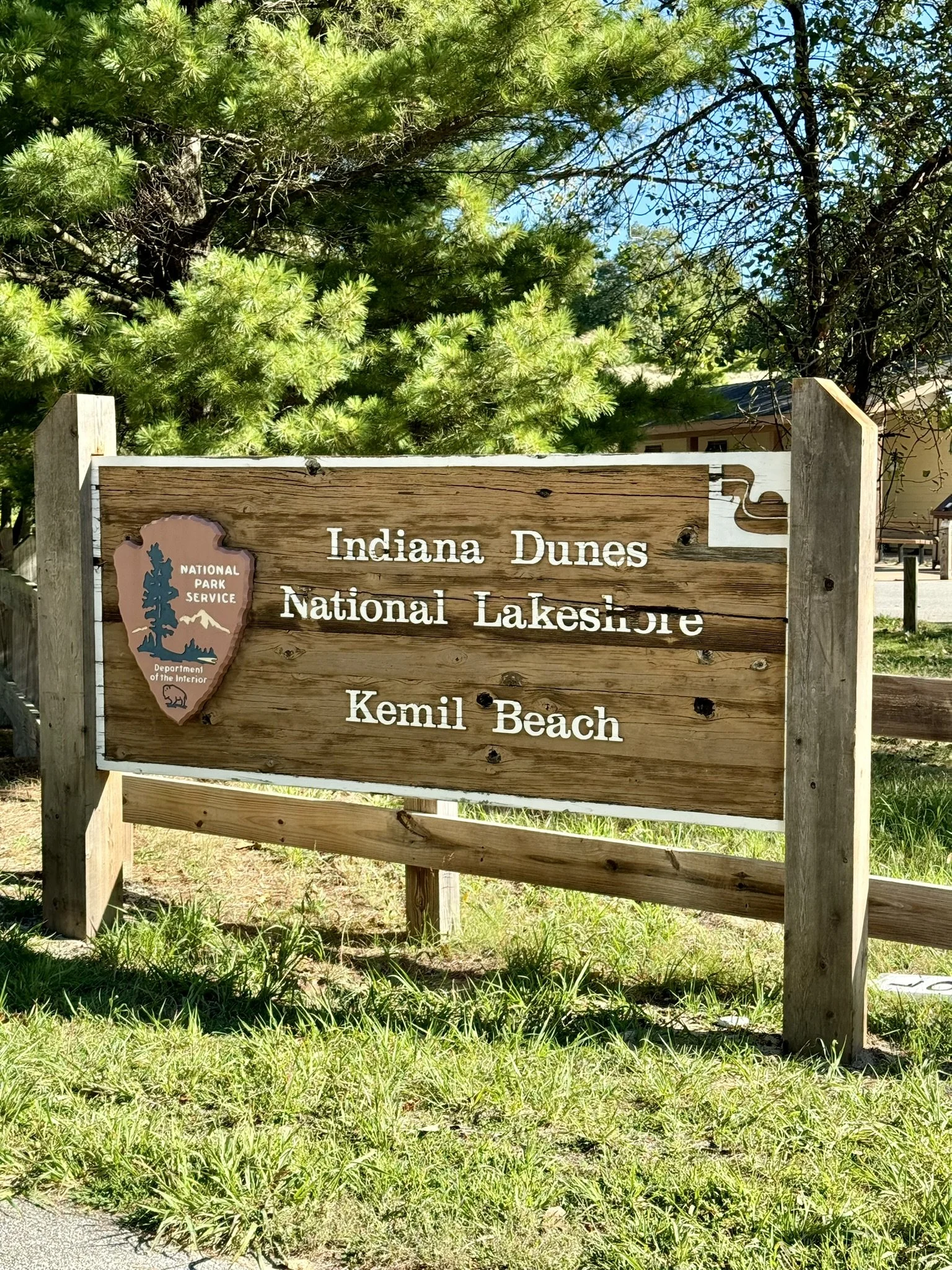
Kemil Beach
Kemil Beach is more rugged with fewer amenities. It offers access to Mt. Baldy (currently closed for safety reasons, but the area remains interesting).
Choose Kemil Beach if you want:
A more remote feel
Proximity to the eastern sections of the park
Less infrastructure
Portage Lakefront and Riverwalk
This area offers a unique mix of beach, pavilion, and riverwalk trails. It's less about traditional dune landscapes and more about waterfront access with urban-adjacent infrastructure.
Best for families wanting facilities, paved paths, and easy access without the full wilderness experience.
Best Hikes and Dune Experiences
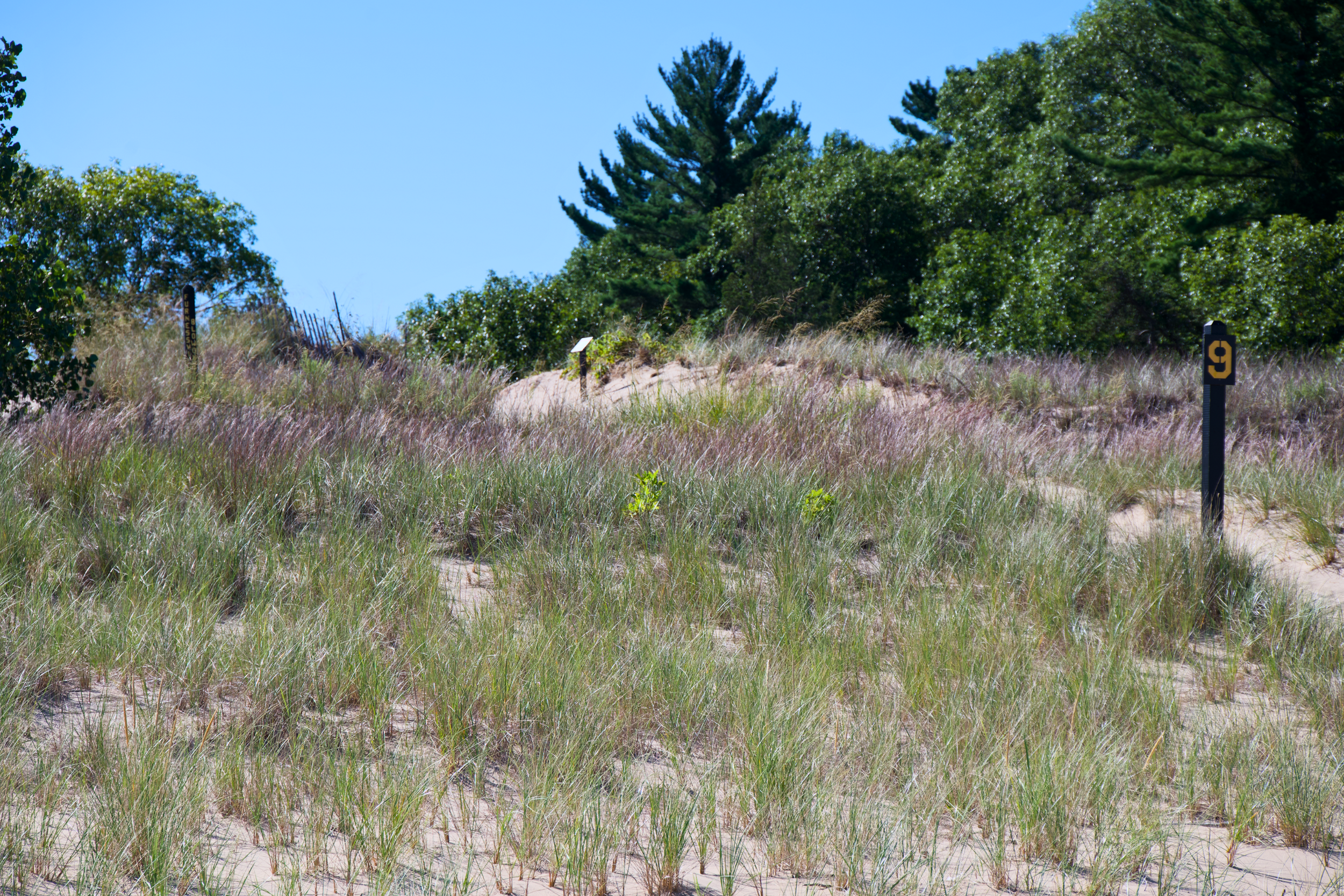
Indiana Dunes hiking is defined by sand, elevation gain, and exposure to wind and sun. These are not technical hikes, but they are physically demanding in ways that surprise unprepared visitors.
Dune Succession Trail (West Beach)
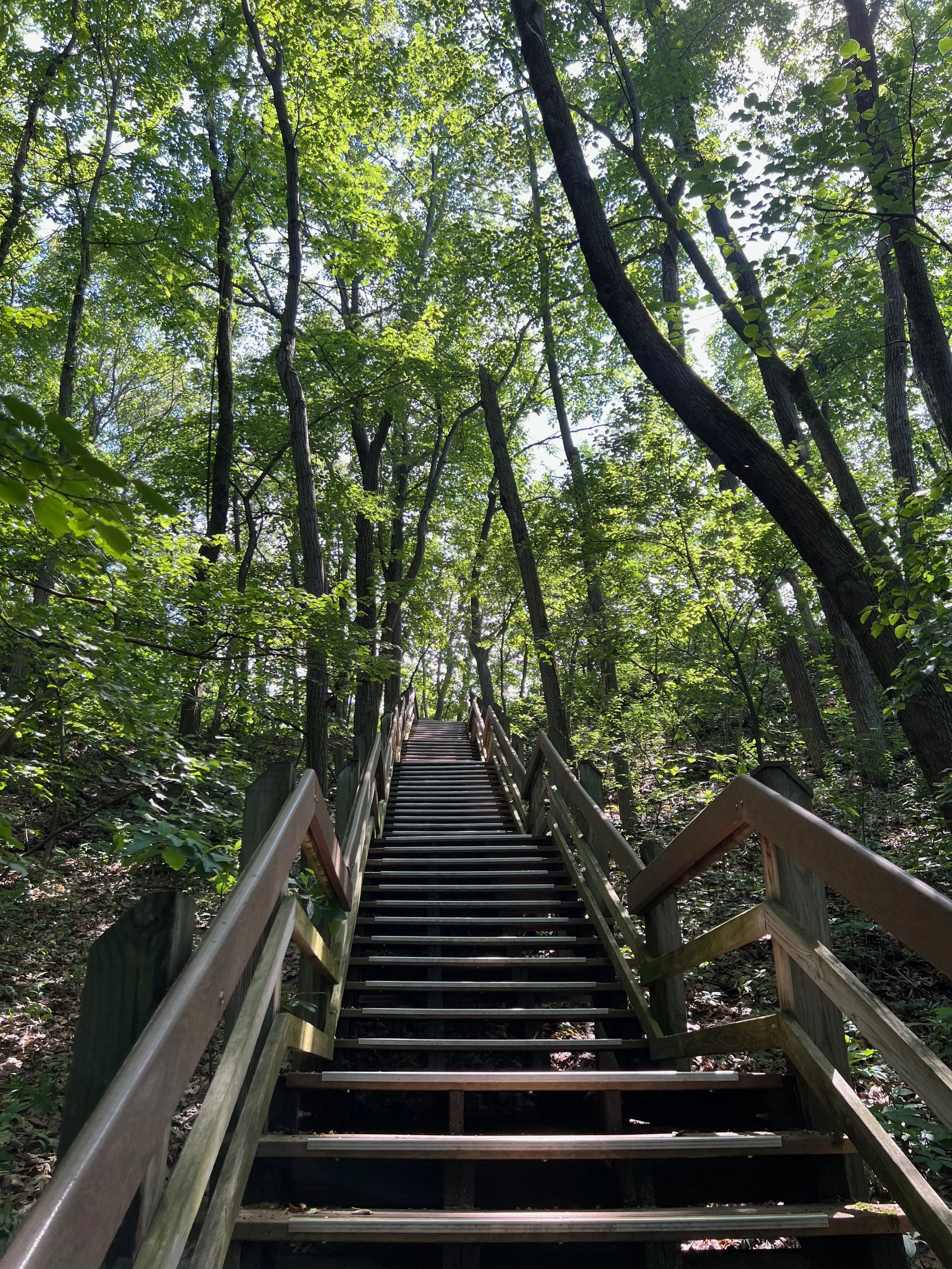
This 1-mile loop is short but intense. It climbs steep sand dunes and offers a crash course in dune ecology, showing how plant communities change from beach to forest.
Expect 20–30 minutes at a moderate pace. The sand makes this harder than the distance suggests. Best for learning about dune ecology in a compact experience.
Cowles Bog Trail
This 4.7-mile loop showcases the park's ecological diversity: dunes, wetlands, bogs, and forest. It's one of the best trails for understanding why the Indiana Dunes earned national park status.
The trail is mostly flat with some sandy sections. Expect 2–3 hours. Bring bug spray in warmer months; wetlands mean mosquitoes.
This is the best hike for birders and nature photographers. The variety of habitats attracts diverse species.
3 Dune Challenge (Indiana Dunes State Park)
Technically, in the State Park (separate fee), this is the most physically demanding dune experience. You climb three major dunes in succession: Mt. Jackson, Mt. Holden, and Mt. Tom.
The challenge is about 1.5 miles total but involves over 550 feet of elevation gain, all in soft sand. Many fit hikers find this surprisingly exhausting.
Best for those who want a real physical workout and bragging rights. Not recommended in high heat or for those with knee issues.
Bailly-Chellberg Trail
This 3.5-mile loop offers a different kind of experience, historic homesteads, working farms, and forested areas. It's less about dunes and more about the human and agricultural history of the region.
Easier terrain and well-shaded, making it a good choice for hot days when exposed dune hiking would be unpleasant.
Hiking Tips Specific to Indiana Dunes
Wear proper footwear — trail shoes or hiking boots perform far better than sandals or sneakers in soft sand
Bring more water than you think you need — dune hiking is deceptively demanding
Apply sunscreen even on overcast days — sun exposure on the dunes is intense
Start early — heat builds quickly on exposed dunes by midday in summer
Download offline maps — cell service can be spotty in some areas
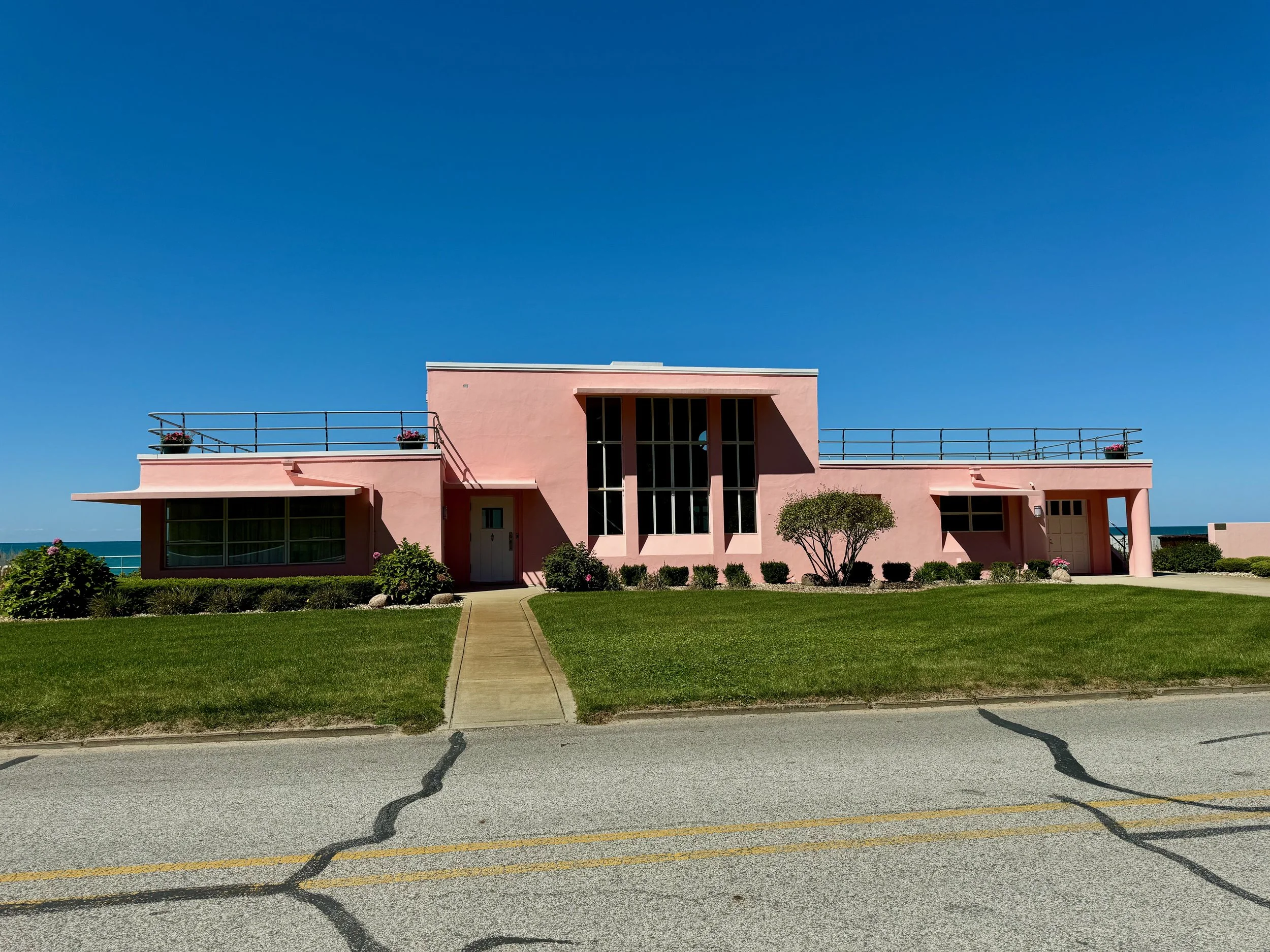
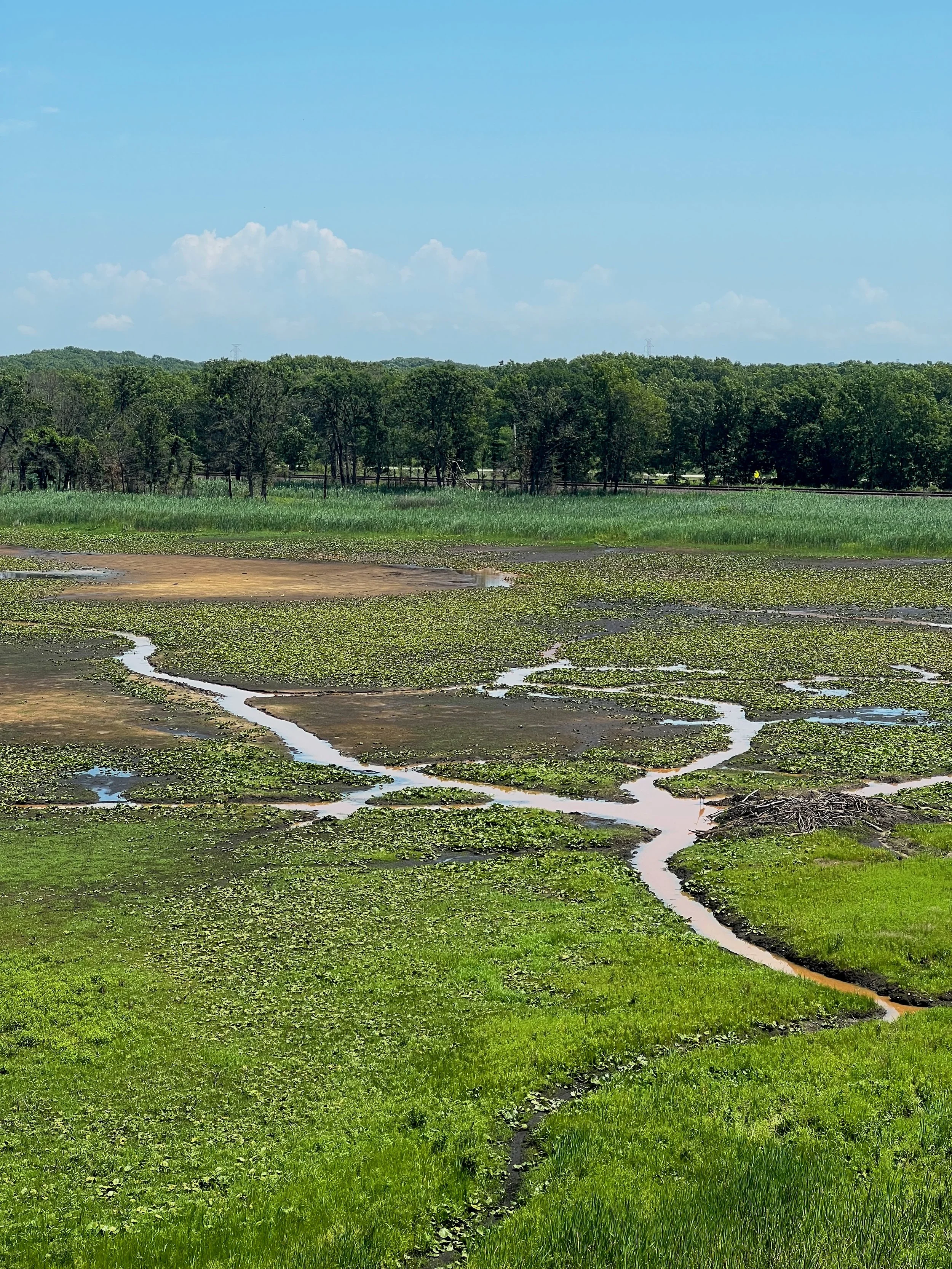
Beyond Beaches: What Most Visitors Miss
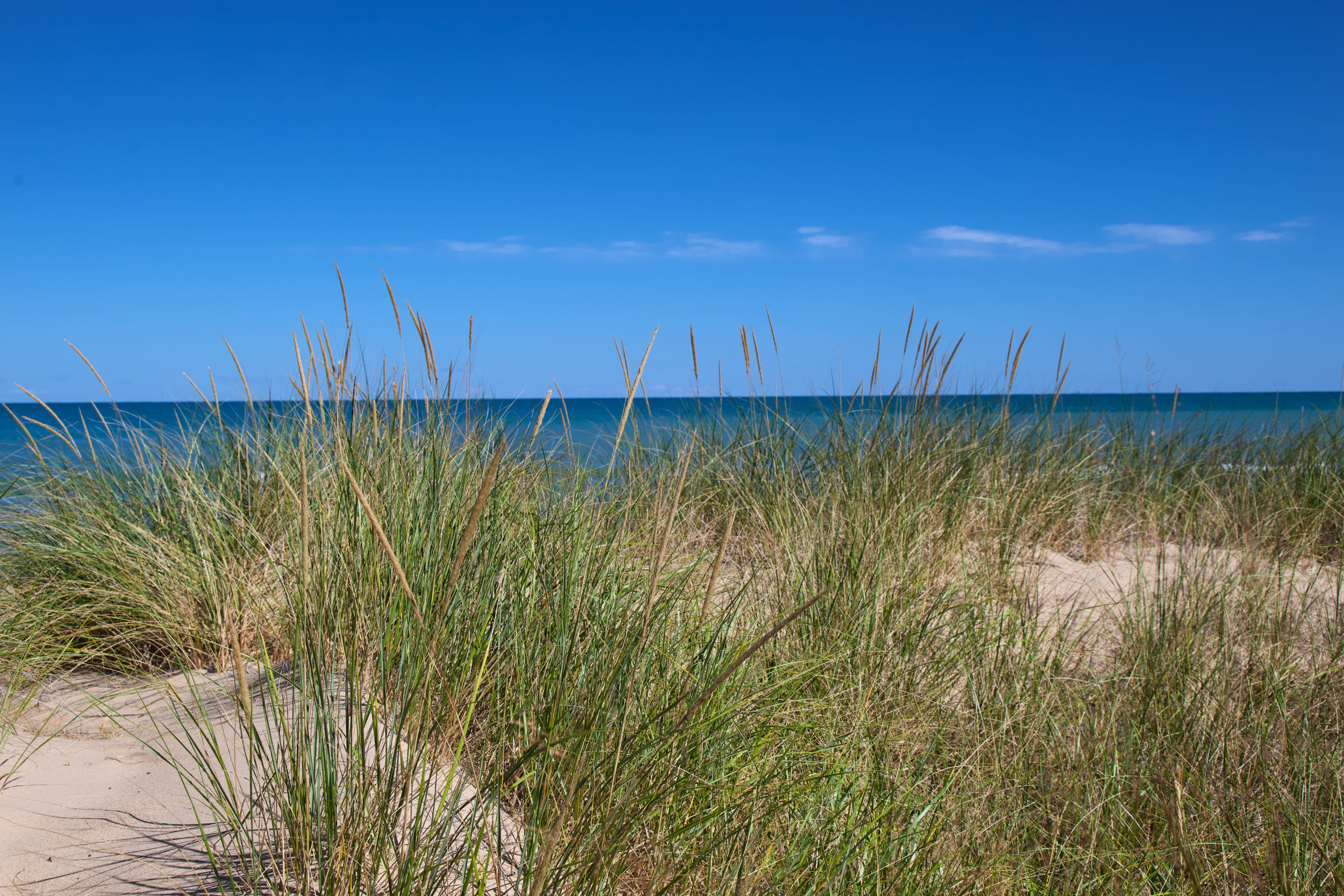
Indiana Dunes is often reduced to its beaches in popular imagination, but the park's real distinction lies in its ecological diversity. This is where the park quietly stands out.
Wetlands and Bogs
The park contains rare wetland ecosystems, including Cowles Bog, one of the last remaining wetlands in this heavily developed region. These areas support unique plant species, including carnivorous pitcher plants and sundews.
Most visitors walk right past these areas. Take the time to explore them, especially in late spring and early summer when wildflowers bloom.
Bird Migration Corridors
Indiana Dunes sits along the Lake Michigan flyway, making it a critical stopover point for migrating birds. Spring and fall bring massive numbers of warblers, raptors, and waterfowl.
Serious birders know this, but casual visitors often miss it. Bring binoculars and consult recent bird sighting reports before visiting during migration season.
Prairie Restoration Areas
The park manages several prairie restoration areas where you can see native grasses and wildflowers that once covered the region. These areas are at their best in late summer when prairie plants bloom.
For those interested in ecology and conservation, these areas tell an important story about restoration and land management.
The Industrial Juxtaposition
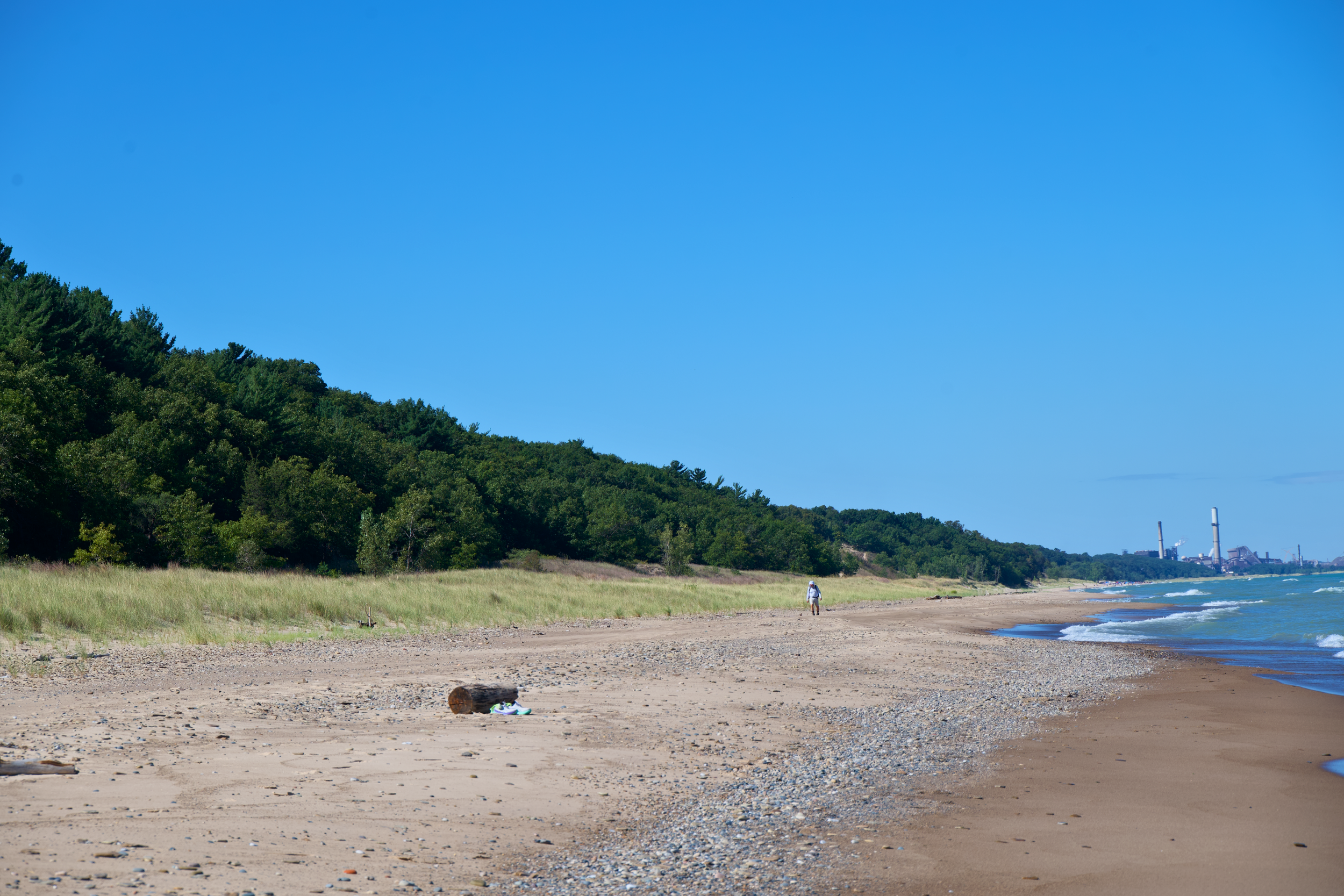
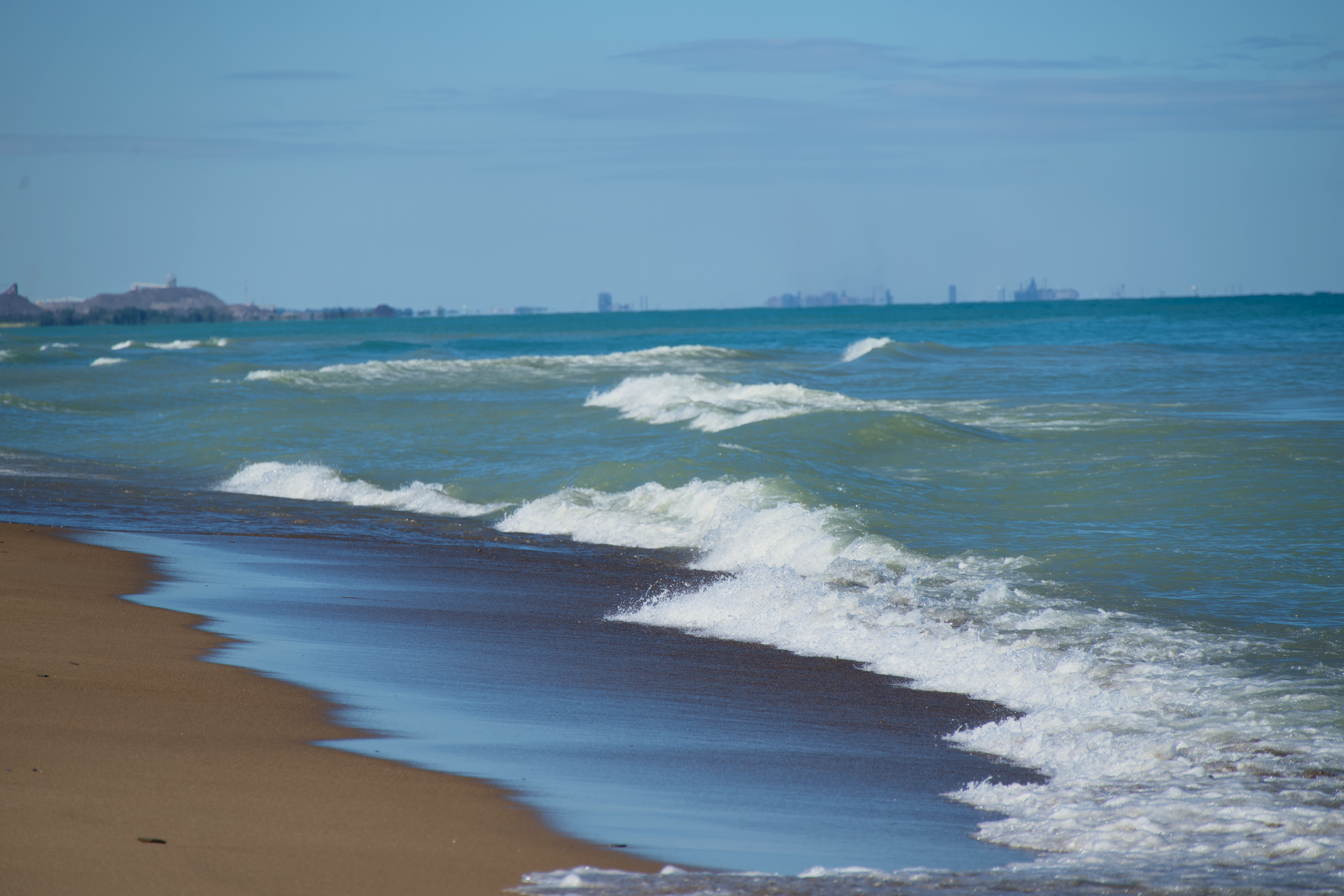
One of the strangest aspects of Indiana Dunes is its proximity to heavy industry. Steel mills and power plants are visible from some beaches and trails.
This can feel jarring, but it also tells a story about how nature persists and is worth protecting, even in heavily developed landscapes. It's a very different kind of national park experience.
Where to Stay Near Indiana Dunes
Staying Nearby (Recommended for Weekend Trips)
Staying near the park allows early beach access before crowds arrive and gives you flexibility to return to your lodging during the heat of the day.
Best nearby towns for lodging:
Chesterton: Closest to central park access, small-town feel, good dining options
Michigan City: More hotel options, outlet shopping, slightly farther from the park
Portage: Budget-friendly chain hotels, easy highway access
Beverly Shores: Limited options but charming if you find a rental
Vacation rentals through Airbnb and Vrbo are available throughout the area. Book early for summer weekends.
Camping
Indiana Dunes National Park offers campgrounds at Dunewood Campground. Sites include electric hookups and are well-suited for RVs and tent camping.
Indiana Dunes State Park also has a campground with more facilities and beach proximity.
Both fill quickly in summer. Reserve through Recreation.gov (National Park) or the Indiana State Parks reservation system well in advance.
Staying in Chicago
Day trips work from Chicago, but you'll face traffic, limited timing flexibility, and a rushed experience. If you're already in Chicago and only have one day, it's doable. If you're planning a dedicated trip, staying nearby is worth it.
Recommended Places to Stay:
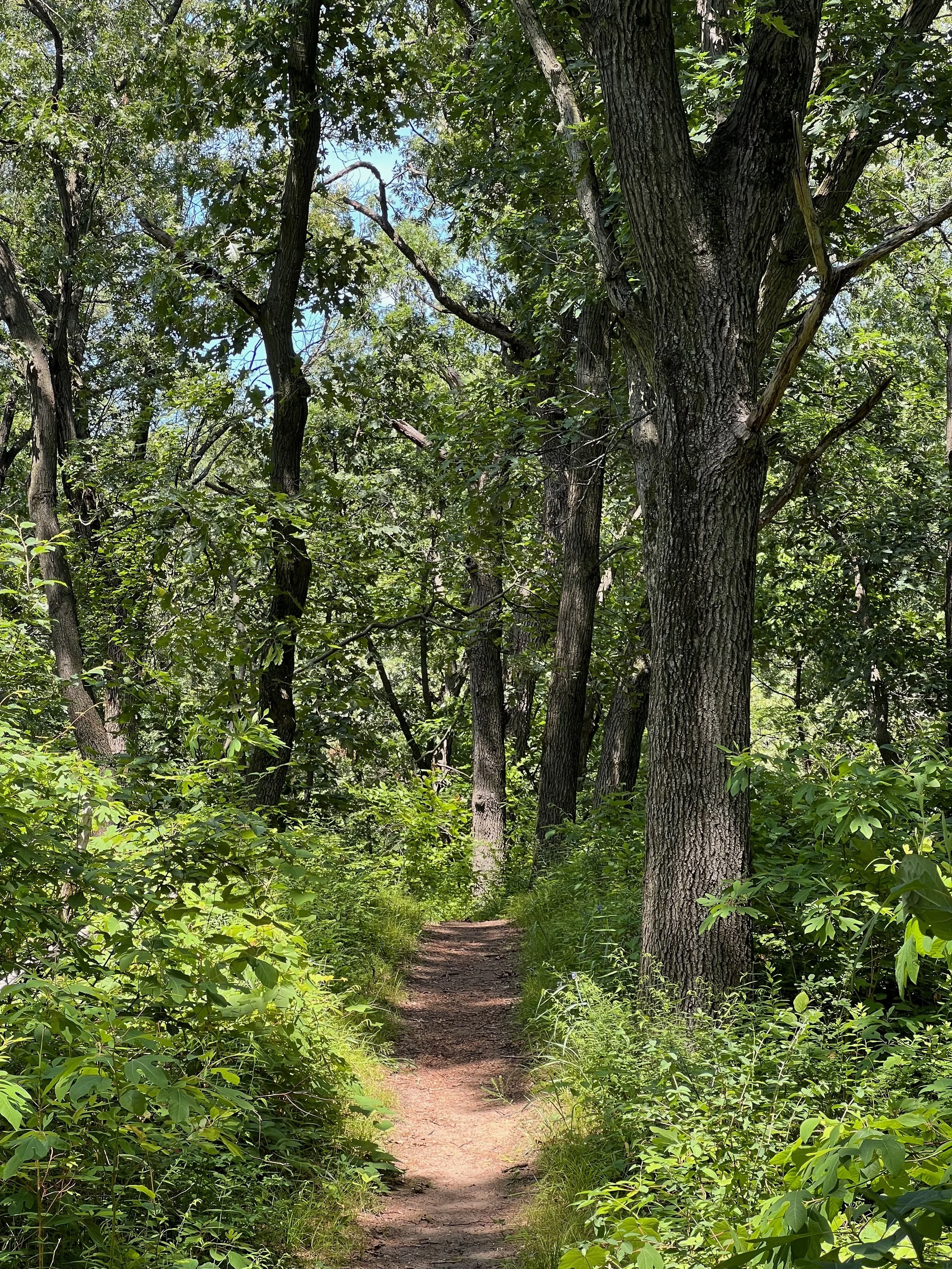
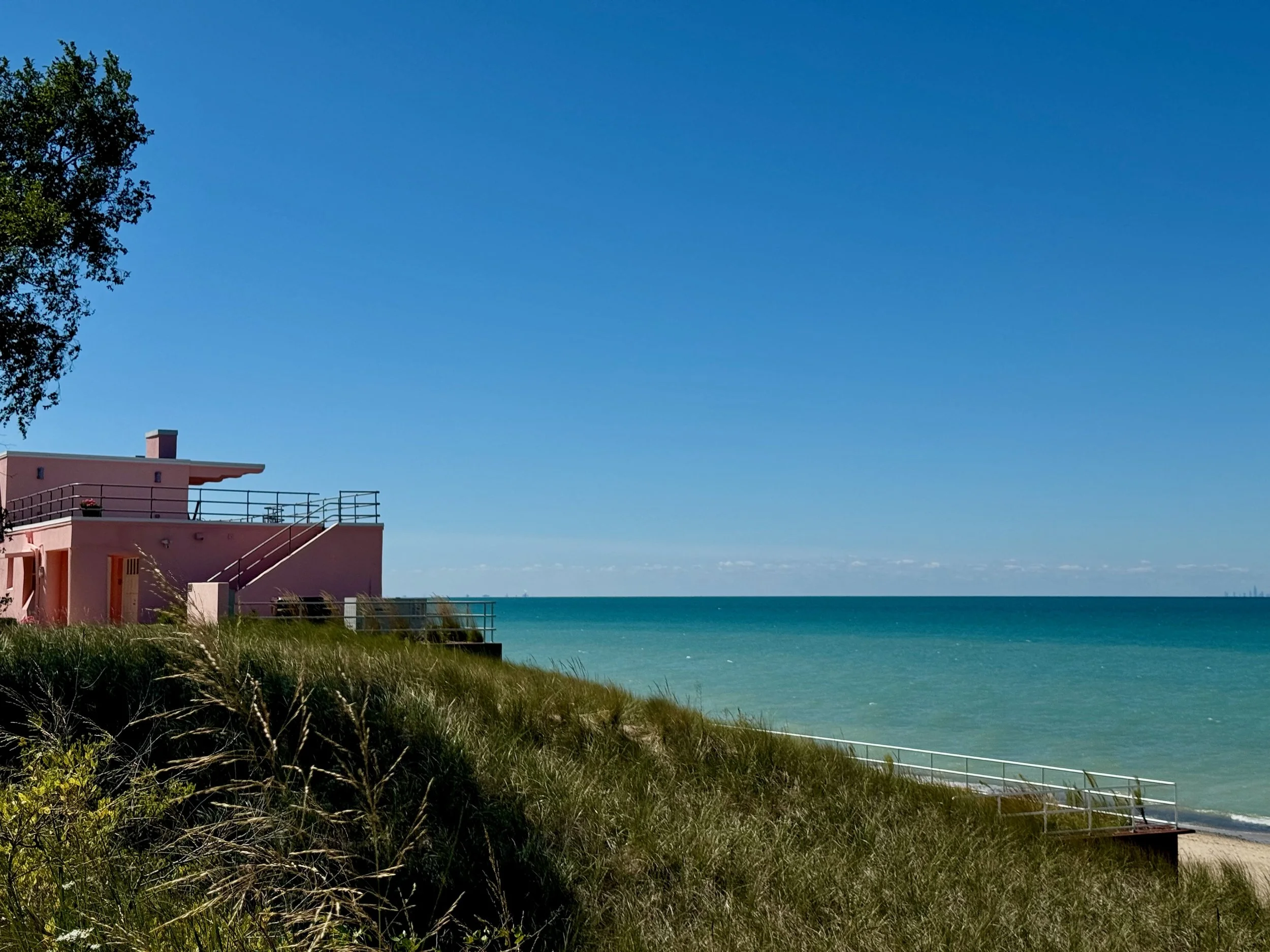
Practical Tips for Visiting Indiana Dunes National Park
Entrance Fees
Indiana Dunes National Park is free to enter. Separate fees apply for Indiana Dunes State Park.
Parking Tips
Arrive early on summer weekends and have multiple beach options planned.
What to Pack
Clothing:
Moisture-wicking base layers (My recommendations: women's & men’s tops)
Long-sleeve sun shirt (SPF rated)
Light fleece or puffy jacket (My recommendations: women’s & men’s jackets)
Convertible hiking pants (My recommendations: women’s & men’s pants)
Wide-brim hat (non-negotiable)
Broken-in hiking boots + camp shoes (men’s & women’s hiking boots)
Sun Protection (Non-Negotiable):
SPF lip balm
Sunglasses (polarized recommended)
Essential Gear:
Hydration system: 3L bladder + backup bottles
Microspikes (if visiting in winter)
Dry bag (electronics protection)
Binoculars (for bird spotting)
Reusable water bottle (refill at visitor centers)
Small daypack (for hikes)
Portable grills and camping cookware (silverware, blanket, picnic table cover & table)
Photography Equipment
Binoculars (for birding sections)
Camera gear and lens filters
Smartphone photography accessories
GoPro or action cameras for beach/water content
Sample Itineraries for Indiana Dunes
One-Day Itinerary (Summer Focus)
7:00 AM: Leave Chicago, arrive at West Beach by 8:30 AM before parking fills
9:00 AM: Hike Dune Succession Trail (1 hour)
10:30 AM–2:00 PM: Beach time, swimming, and lunch
2:30 PM: Drive to Cowles Bog trailhead
3:00 PM: Hike Cowles Bog Trail (2.5 hours at a moderate pace)
6:00 PM: Return to Chicago or stop for dinner in Chesterton
Weekend Itinerary (Best for First-Timers)
Day 1:
Morning: Arrive early, check into lodging in Chesterton
Late Morning: West Beach and Dune Succession Trail
Afternoon: Beach time and swimming
Evening: Dinner in Chesterton, sunset walk on the beach
Day 2:
Morning: Cowles Bog Trail for birding and ecology
Midday: Visit Indiana Dunes State Park and attempt 3 Dune Challenge
Afternoon: Relax at State Park beach
Evening: Return to Chicago
Fall Photography Itinerary
Early October offers the best fall colors and minimal crowds. Focus on woodland trails like Bailly-Chellberg and Cowles Bog. Visit during golden hour for the best light on the dunes.
Frequently Asked Questions Indiana Dunes National Park
-
Yes, especially for weekend trips or early-morning day visits. The park offers beaches, dunes, diverse trails, and ecological variety within 1–1.5 hours of Chicago. It's best for travelers who value nature immersion and are willing to plan around crowds.
-
At least one full day; two days is ideal. A single day allows you to experience one major hike and a beach, but a weekend lets you explore multiple areas and visit during optimal times like early morning or sunset.
-
Yes, via the South Shore Line train from downtown Chicago. The train stops near several park access points, though some trailheads require additional walking. This works best for day trips focused on one or two locations.
-
Yes on summer weekends, especially at popular beaches like West Beach where parking fills by 10 AM. Weekdays and shoulder seasons (May, September, October) are significantly quieter and offer better experiences.
-
They are separate parks. The National Park is managed by the National Park Service, covers more area with dispersed access points, and accepts the America the Beautiful Pass. The State Park has a separate fee, more centralized facilities, and is home to the 3 Dune Challenge hike.
-
Late May and September through early October offer the best balance of pleasant weather, fewer crowds, and ideal hiking conditions. Summer offers warm swimming but brings heavy crowds and parking challenges.
-
About 50 miles or 1–1.5 hours by car without traffic. Summer weekend traffic can extend this to 2+ hours. The South Shore Line train takes 90–120 minutes depending on your destination stop.
-
Dogs are allowed in most areas of Indiana Dunes National Park but must be leashed. They are not permitted on some trails and swimming beaches. Check current regulations before visiting.
The Scenic Route Traveler inspires intentional travel through storytelling, hidden gems, and culturally rich experiences around the world.
-
I’m Erin, the voice behind Scenic Route Traveler, sharing intentional travel stories and guides from around the globe.
-
We deliver travel guides and storytelling through YouTube, social media, photography, and digital products designed for fellow travelers.
-
If you’re new here: this is a space for travelers who care more about how a place feels than how it looks on a checklist. You’ll find guides, stories, and resources designed to help you slow down and travel with intention.