
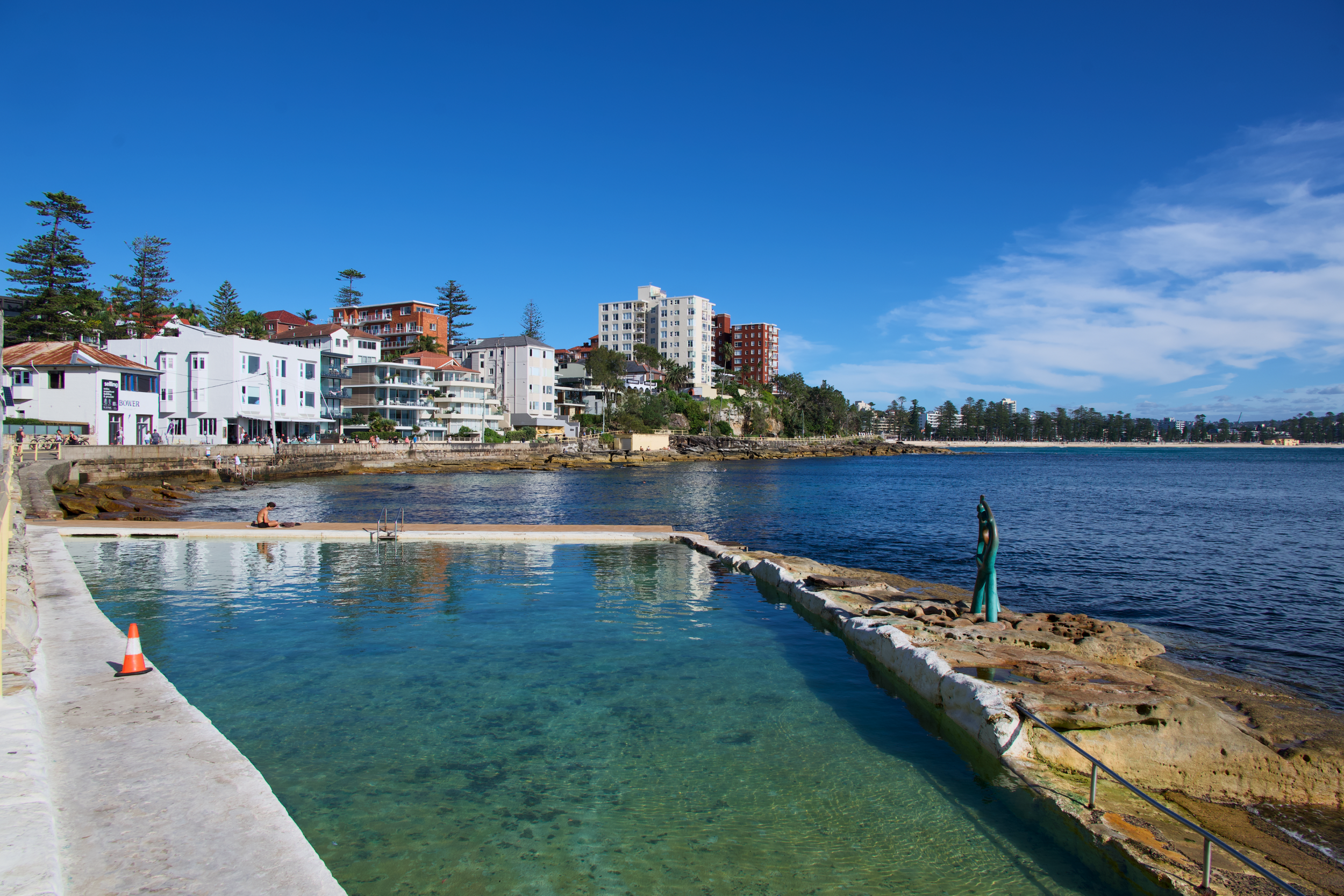
Is Sydney Worth the Hype? An Honest Review After Spending Days Exploring Australia's Most Famous City
Is Sydney worth visiting or just overhyped? An honest review of Sydney's iconic landmarks, hidden coastal walks, and ferry rides; what exceeded expectations and what didn't.
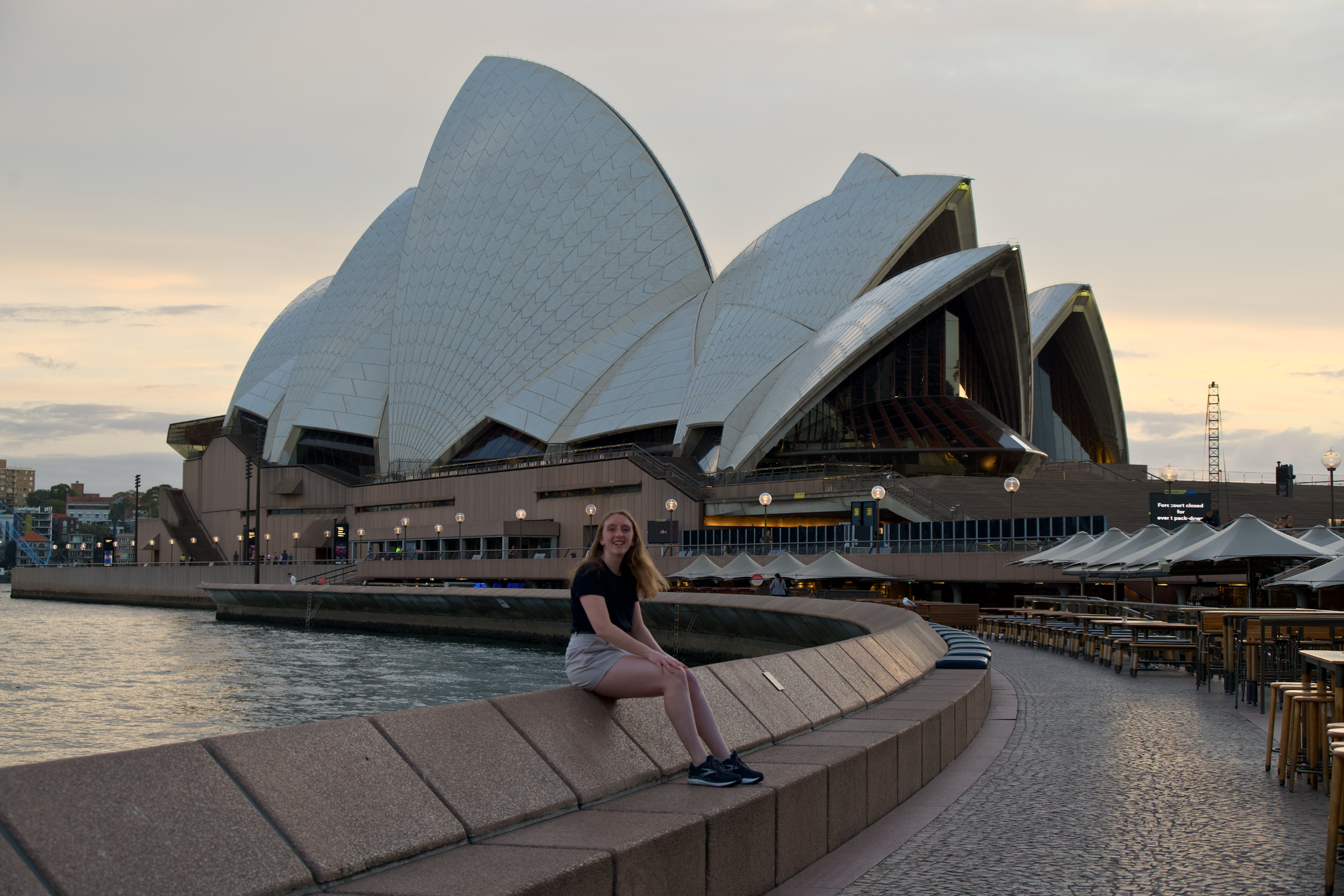
Table of Contents
Sydney has a reputation problem, or maybe it's a reputation gift, depending on how you look at it. It's Australia's most famous city, the one with the Opera House plastered across every Australian travel guide, the harbor that appears in every movie set down under. It's iconic to the point of cliché.
Before arriving, I had one nagging question: Is Sydney actually worth the hype, or is it just really, really photogenic?
I spent several days in Sydney exploring everything from the obvious landmarks to quieter coastal paths, riding ferries across the harbor, walking neighborhoods I'd never heard of, and trying to figure out what makes this city special beyond its postcard-perfect setting.
Here's my honest take on whether Sydney lives up to its massive reputation.
This post contains affiliate links. I may earn a commission if you purchase through my links, at no extra cost to you.
Why Visit Sydney?
Sydney is a city where nature and culture meet in a way that feels effortless. You get:
World‑class icons (Opera House, Harbour Bridge, Bondi)
Neighborhoods with personality (Surry Hills, Newtown, Paddington)
Deep Indigenous history woven into the land
A coastline that feels unreal
A multicultural food scene shaped by migration
Easy, scenic public transport: ferries are basically cruises
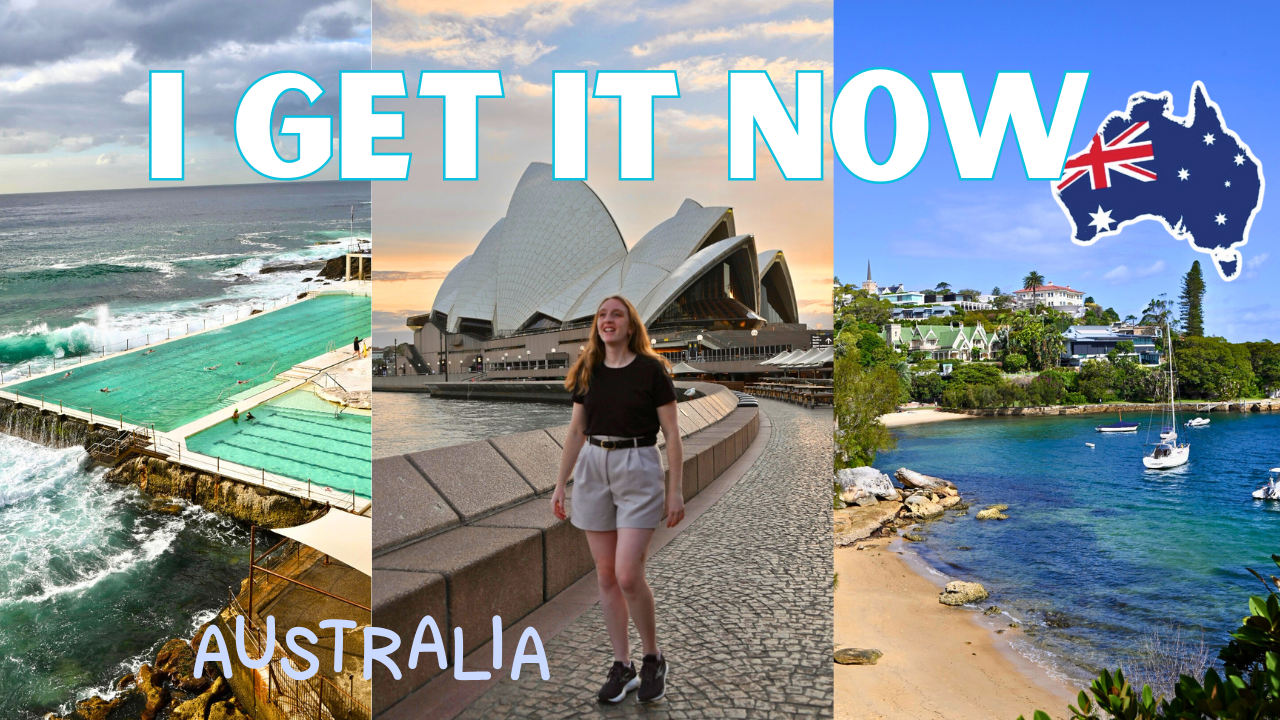
First Impressions: Does Sydney Live Up to the Postcards?
The Airport Arrival Reality
Landing in Sydney after a long-haul flight, you immediately notice the light. Australian sunlight has this crystalline quality that makes everything look sharper, more saturated. It's not just Instagram filters; the UV index here is genuinely different.
I took the train from the airport to the city (AUD$19, 13 minutes to Central Station), and within 20 minutes of arrival, I was walking through Potts Point looking for my accommodation. The city felt immediately accessible in a way some major cities don't. Clean, organized, public transport that actually works, English-speaking, pedestrian-friendly.
First impression: Sydney is easy. That matters when you're jet-lagged and disoriented.
Airport transfer service: If you're arriving with heavy luggage or after a long flight, book a private airport transfer here for door-to-door service
Travel SIM card: Before leaving the airport, grab an Australian SIM card or order an eSIM in advance here
That First Harbor Glimpse
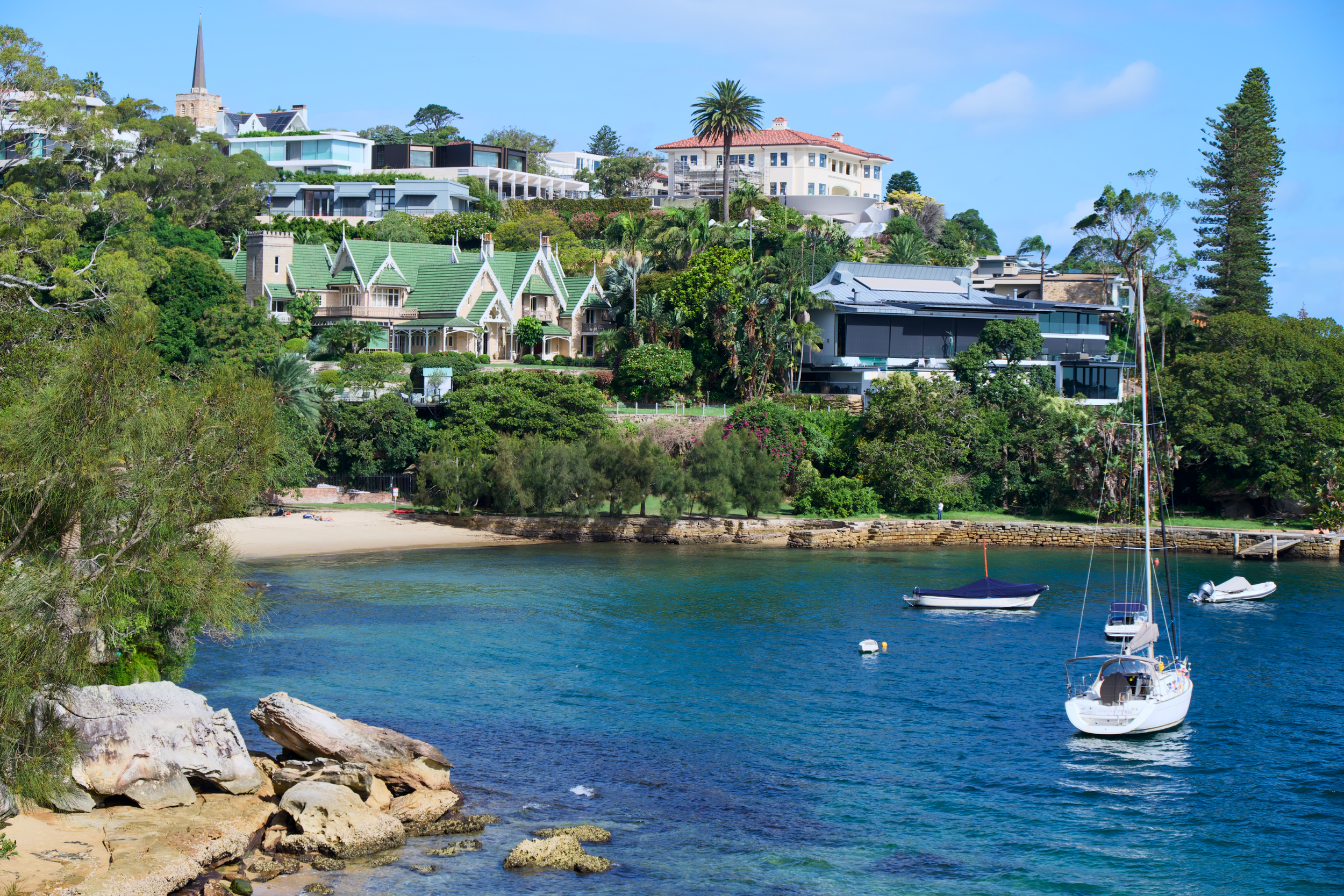
My accommodation was in Potts Point, a quiet neighborhood on a peninsula overlooking the harbor. I walked down to the waterfront the first evening and caught my first glimpse of the Sydney Harbour Bridge lit up at night, ferries moving across dark water, city lights reflecting everywhere.
Immediate thought: Okay, this is genuinely beautiful. Not just photogenic; actually, physically stunning in person.
But I'd traveled too far to judge Sydney on a single pretty view. Every major city has one great vista. The real question was: what else does Sydney have beyond that famous harbor?
The Icons: Opera House, Harbor Bridge & Ferry Rides
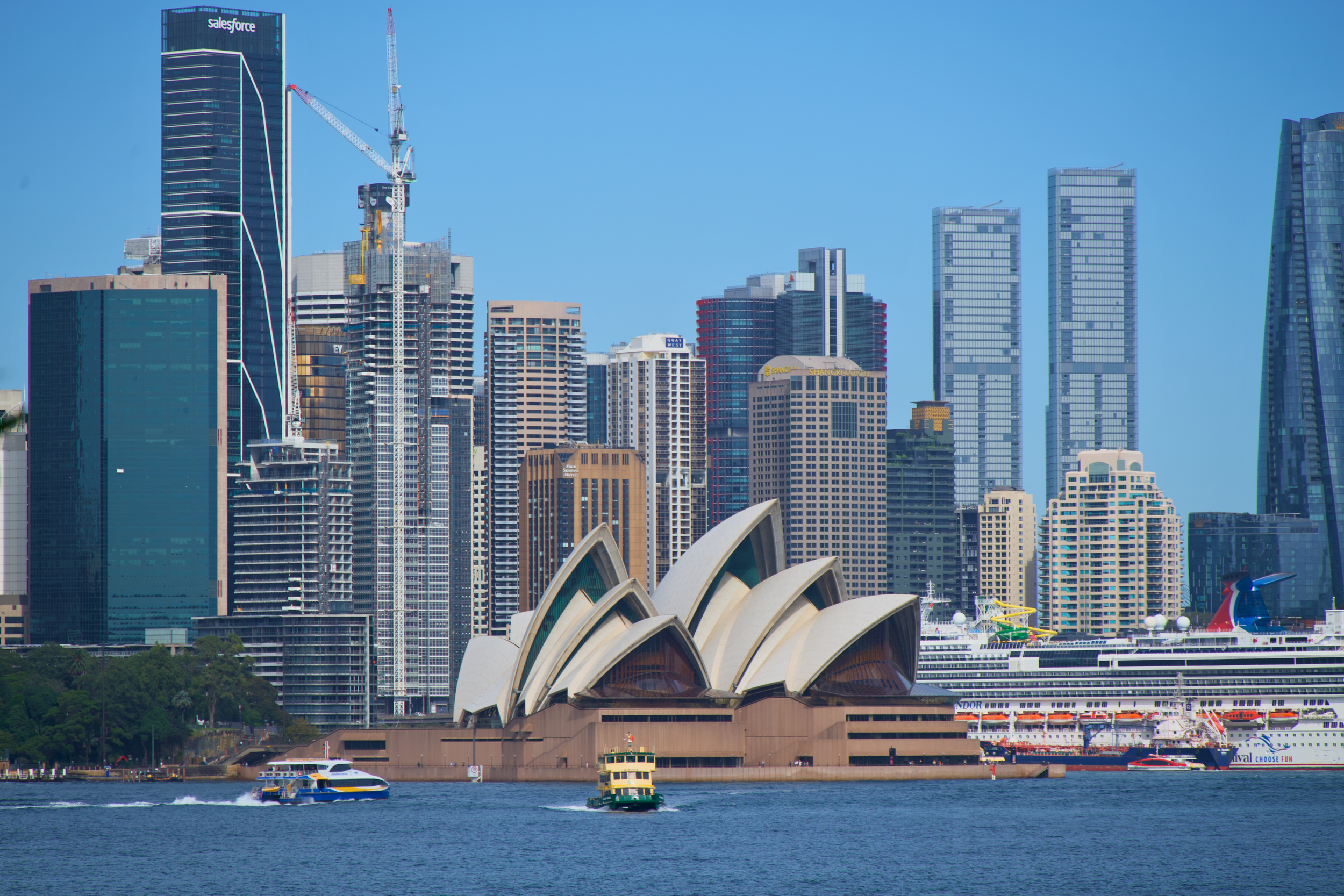
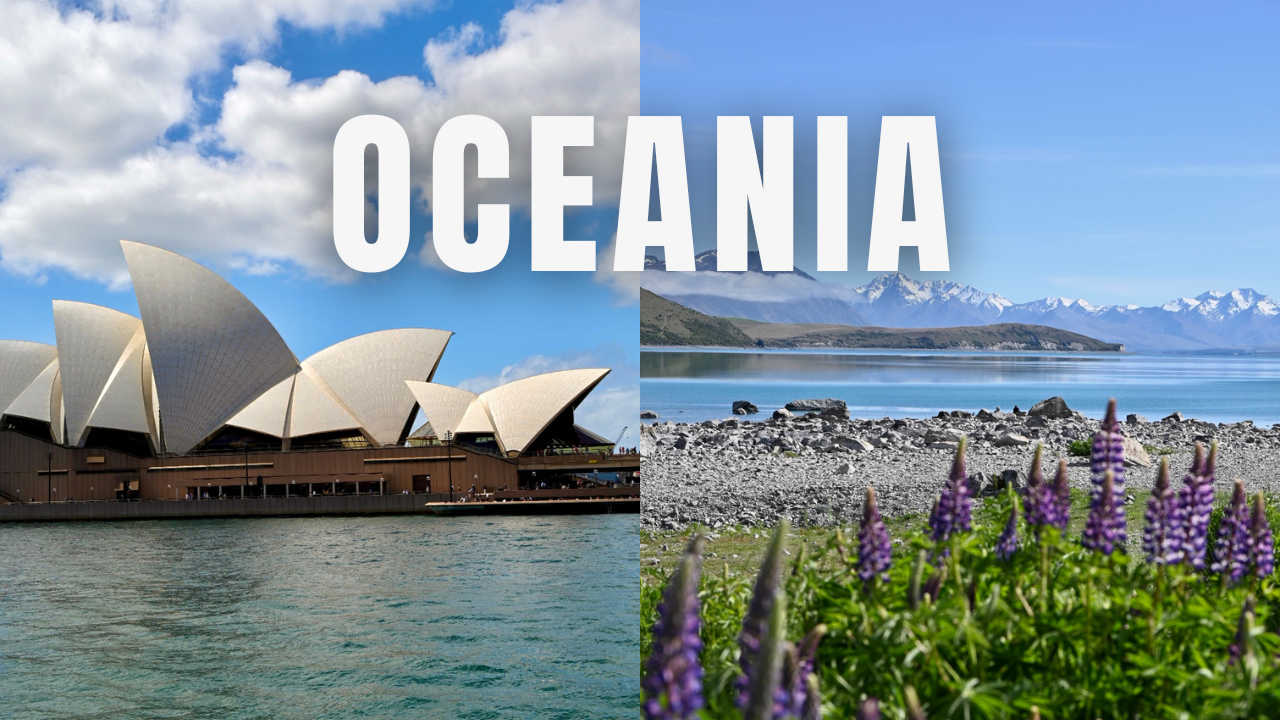
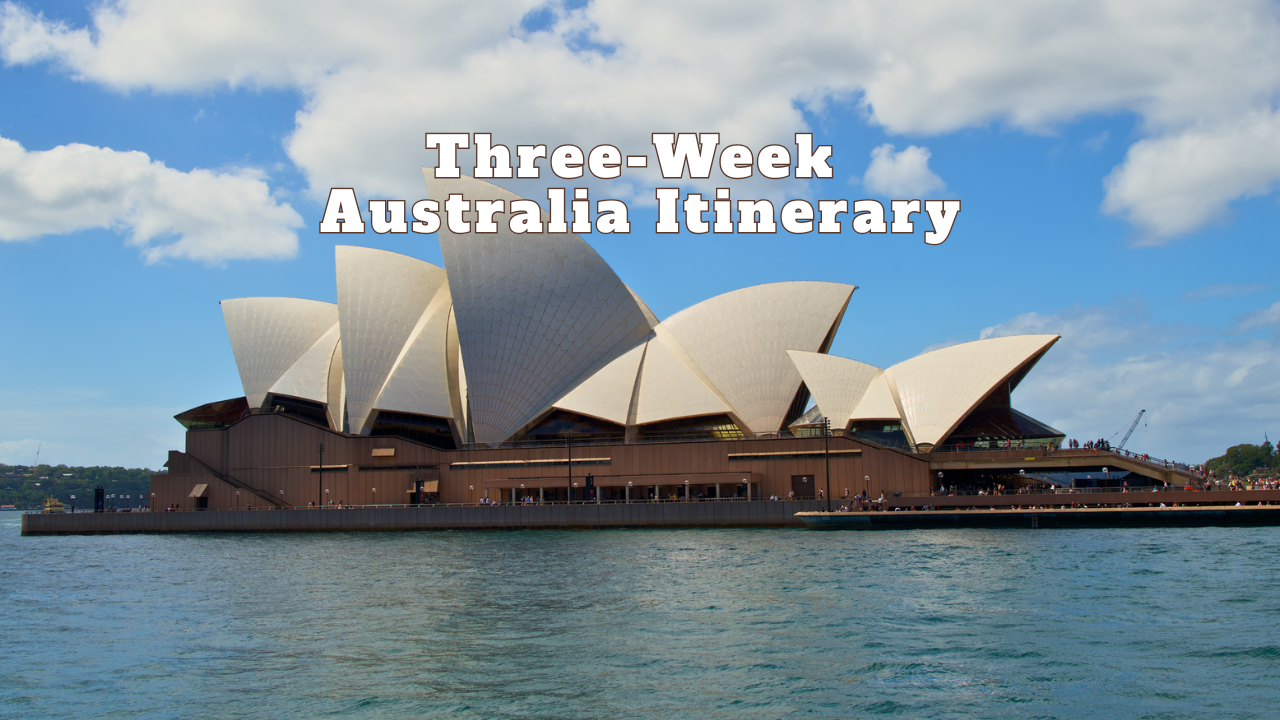
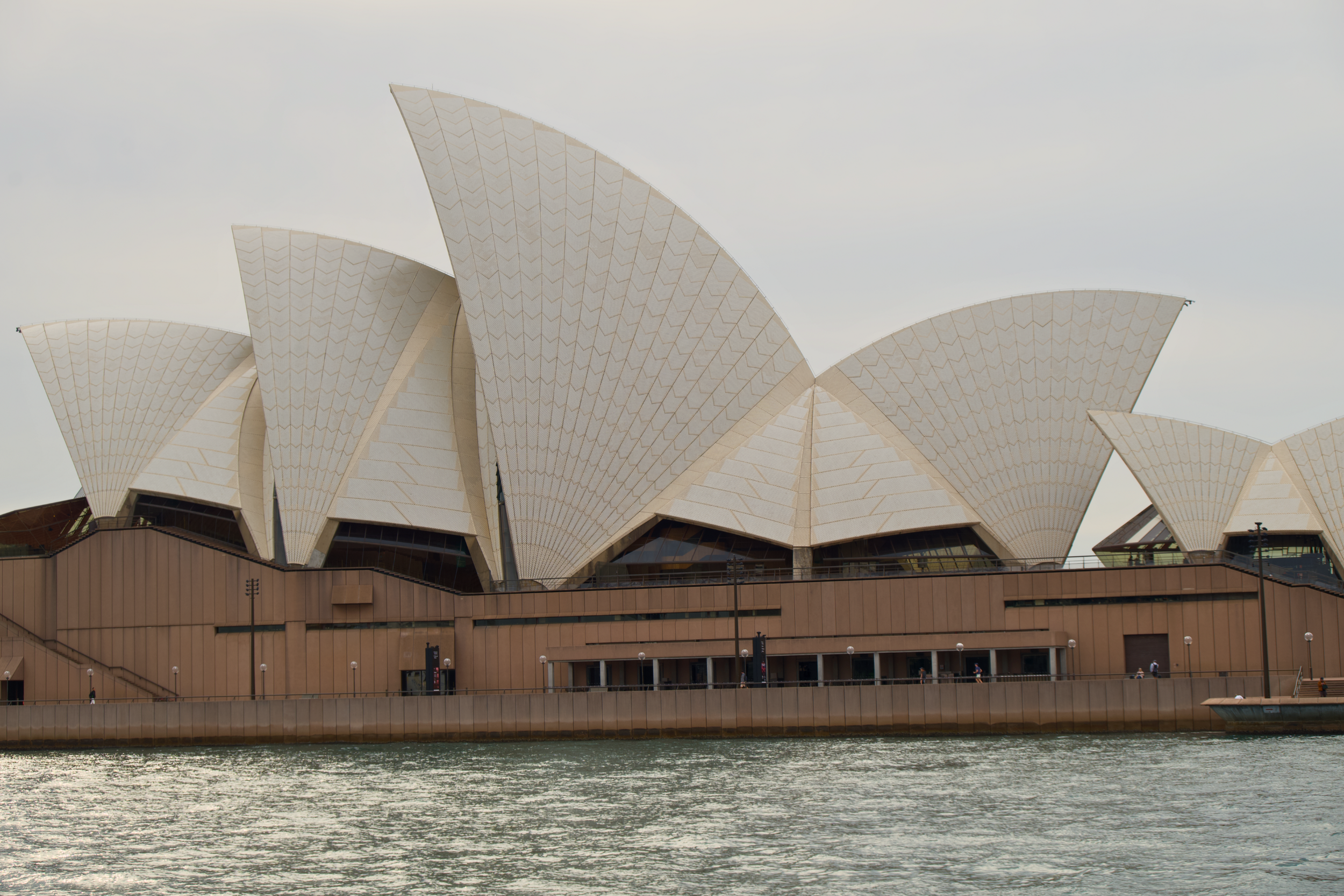
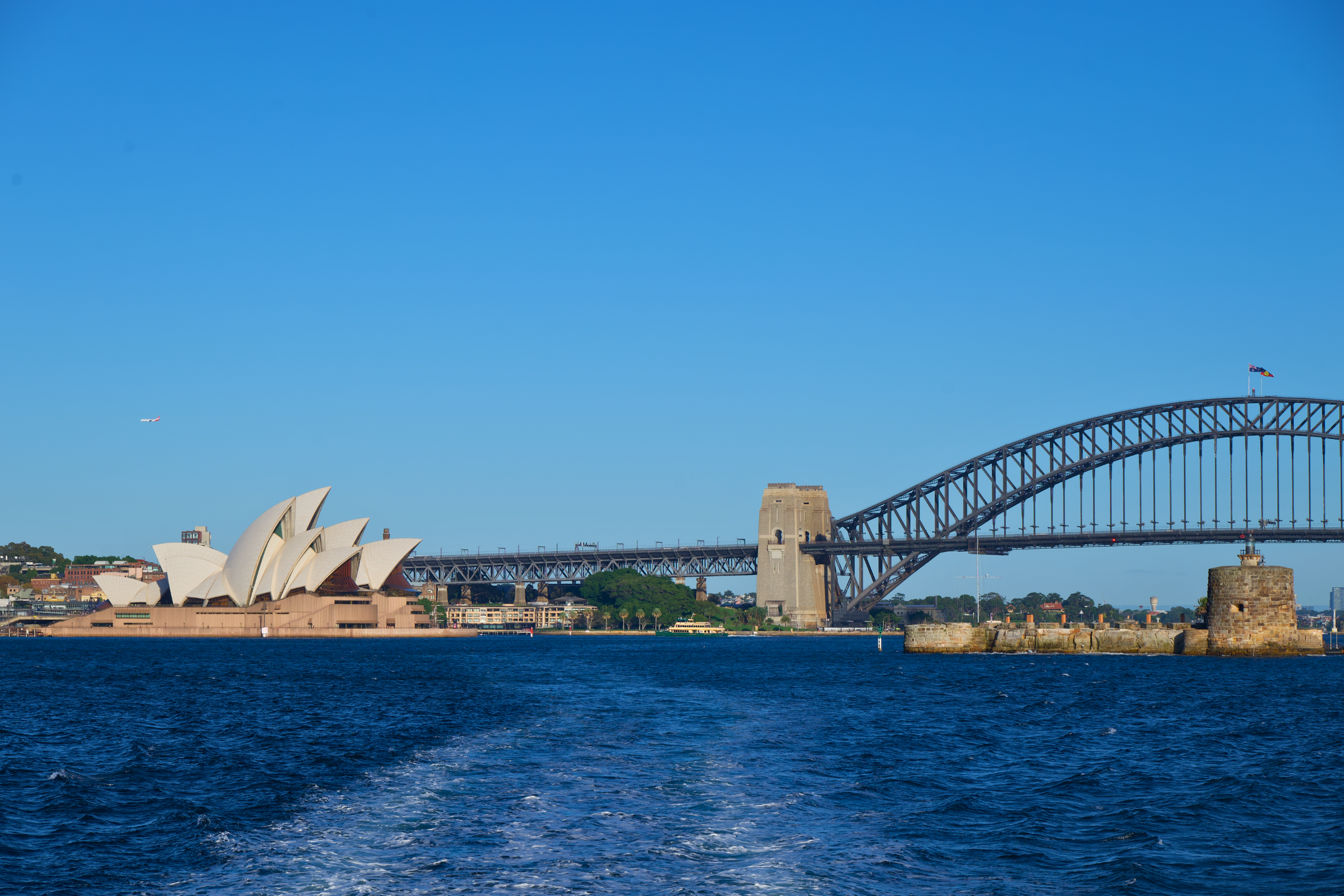
Sydney Opera House: Somehow Still Impressive
The Opera House is so ubiquitous in photos that I worried it would feel anticlimactic in person. I've seen it in Finding Nemo, on postcards, in every Australian tourism ad ever made. How could the real thing compete with decades of hype?
The answer: It exceeded expectations anyway.
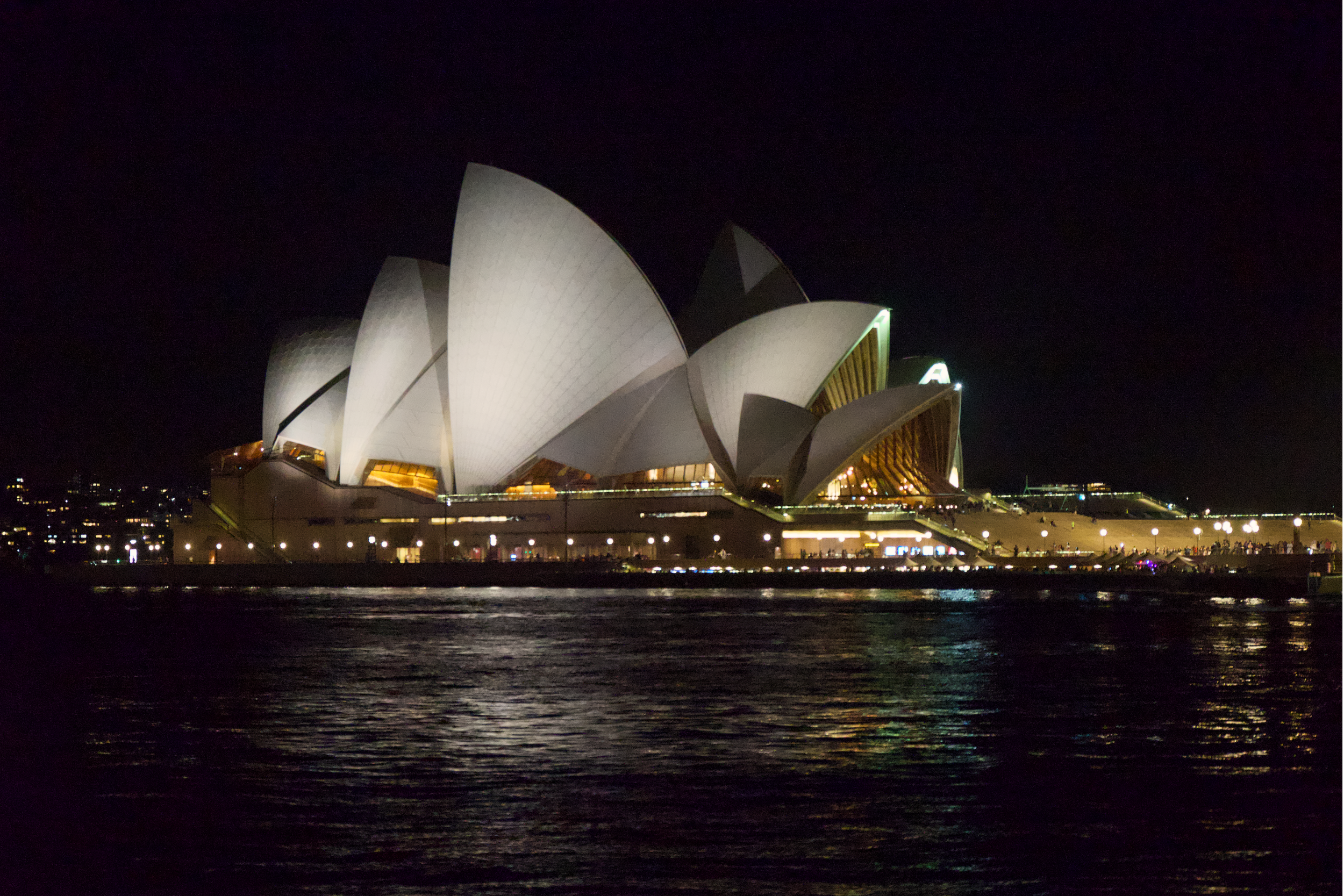
I walked to the Opera House at 7 AM to beat the crowds. The morning light hit those white sails (technically cream-colored tiles, which you learn on the tour), and the whole structure glowed against blue sky and water. The architecture is genuinely extraordinary; those sculptural shells look impossible, like something that shouldn't be able to stand.
Sydney Opera House Tour Experience:
Cost: AUD$43 for a 1-hour guided tour (or book this slightly cheaper tour option)
Worth it? Yes, if you care about architecture or cultural history
What you learn: It took 14 years to build, nearly bankrupted New South Wales, the architect Jørn Utzon never saw it completed (he resigned after disputes), and the acoustics inside the concert hall are engineered to perfection
My take: The Opera House earned its fame. It's not just pretty, it's architecturally significant and genuinely impressive to see up close. Book the 9 AM tour to avoid crowds and get better photos.
Best Photo Spots:
Royal Botanic Gardens: Classic angle with Opera House and Harbor Bridge together
Mrs Macquarie's Point: The postcard view everyone gets
Circular Quay at sunrise: Empty, golden light, perfect conditions
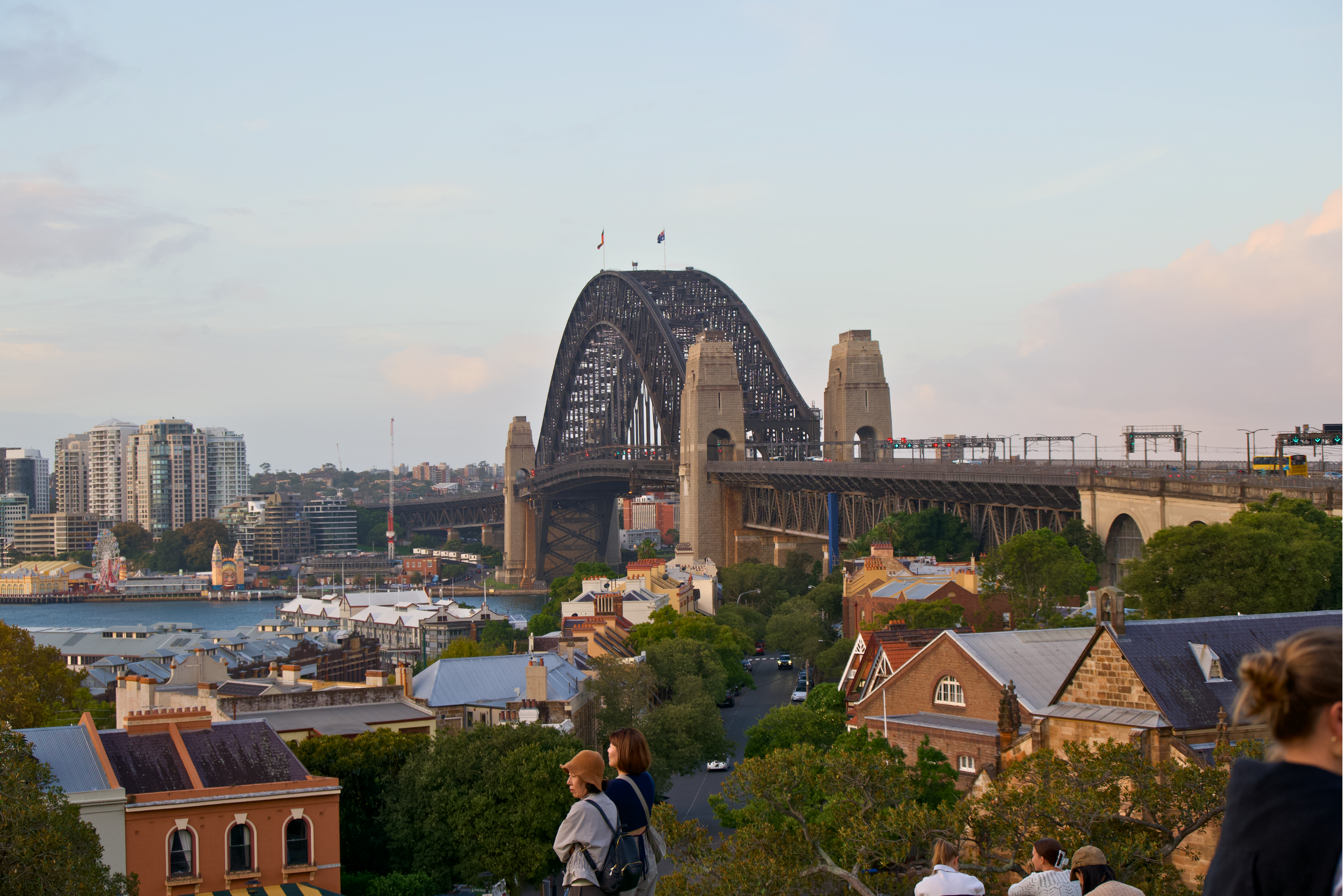
Harbor Bridge: Free Walk vs. Expensive Climb
The Sydney Harbour Bridge dominates the skyline. You can experience it two ways:
Option 1: BridgeClimb
Cost: AUD$308-388 depending on time of day
Duration: 3.5 hours
Experience: You climb the arch in a safety harness, guided group of 10-12 people, reaching the summit 134 meters above the harbor
My decision: I skipped it. But you can book it here if interested.
Option 2: Walk the Bridge for Free
Cost: $0
Duration: 20 minutes each way
Experience: Eastern pedestrian walkway offers nearly identical views of the harbor, Opera House, and city
My take: I walked it and felt zero regret about not paying $350. The views from the pedestrian path are spectacular. Unless you specifically want the adrenaline of climbing the arch or have money to burn, the free walk delivers 90% of the experience.
Sydney's Ferries: The City's Secret Weapon
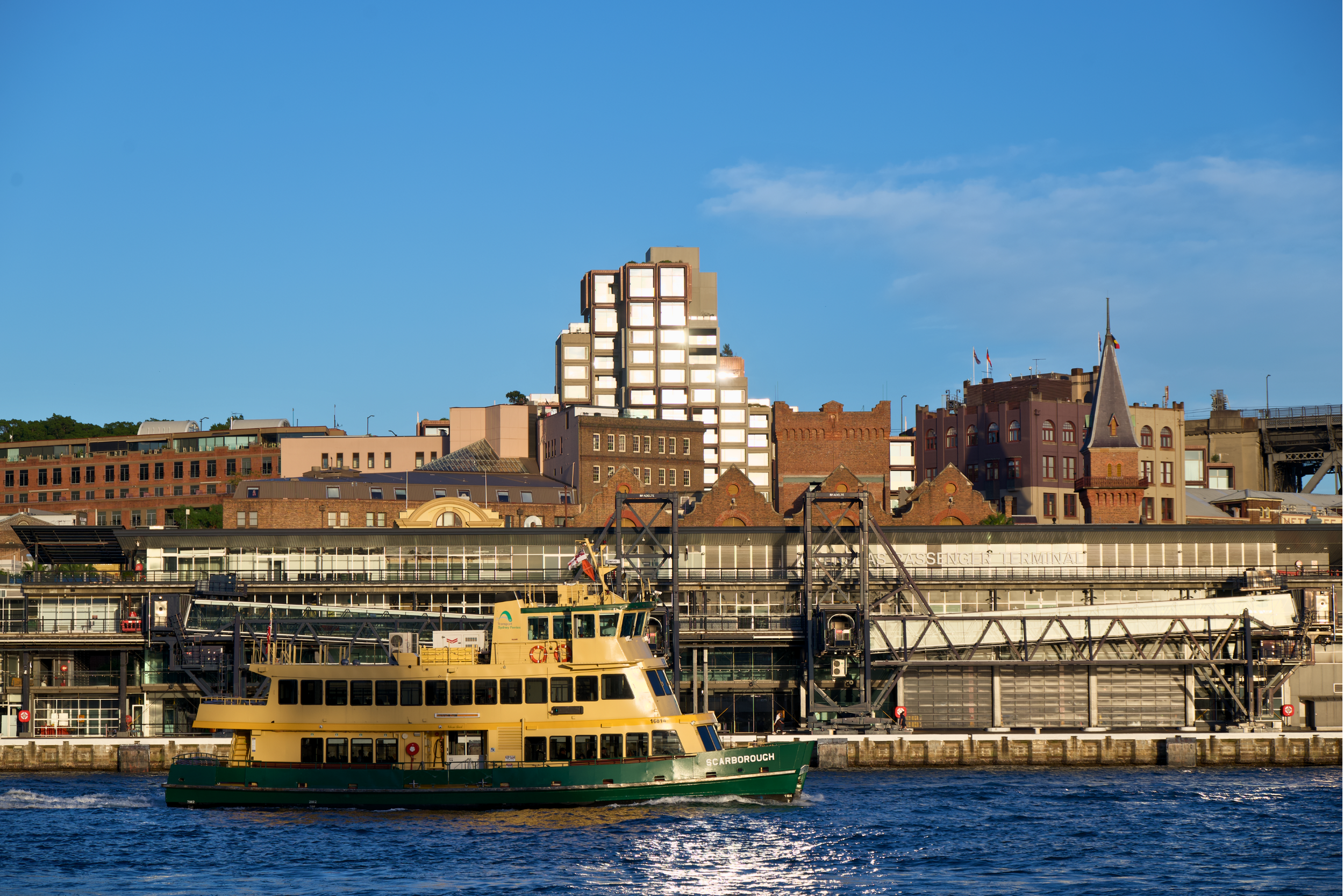
Here's something I didn't expect: Sydney's public ferries might be the best urban transport experience in the world.
The ferry from Circular Quay to Manly costs AUD$8.80 (just use your Opal public transport card) and takes 30 minutes. But it's not just transportation, it's a scenic cruise past waterfront mansions, under the Harbor Bridge, past islands and bays, with views of the city receding behind you.
Why the ferries exceeded expectations:
Genuinely beautiful (not tourist-trap beautiful, actually stunning)
Cheap as regular public transport
Comfortable, clean, frequent
Gives you a harbor perspective you can't get from land
Routes I took:
Circular Quay to Manly: The classic, well worth it
Taronga Zoo wharf route: Quieter, equally scenic
Various inner-harbor ferries: Parramatta, Rose Bay, Watsons Bay
My take: Use Sydney's ferries liberally. They're functional transport that happens to be gorgeous. This is what sets Sydney apart—the beauty is integrated into daily life, not cordoned off as a tourist experience.
Tour Recommendations:
Cruise: Sydney: Morning or Afternoon Harbour Sightseeing Cruise
Performance tickets: Book Sydney Opera House performance tickets here
Photography tour: Book a Sydney photography tour that includes the best Opera House shooting locations
Helicopter tour: For ultimate views, book a helicopter tour over the harbor - pricey but unforgettable
Blue Mountains Day Trip
All-inclusive day tours: This highly-rated Blue Mountains tour includes Scenic World, Three Sisters, AND a stop at Featherdale Wildlife Park
Blue Mountains with wildlife: Combine Blue Mountains with wildlife encounters - hold koalas and see kangaroos before heading to the lookouts
Blue Mountains sunset tour: This sunset tour times the visit for golden hour at the Three Sisters
Car rental for DIY trip: Rent a car for the day through Booking.com if you want flexibility to stop where you want
The Coastal Walks That Stole the Show
If I'm being completely honest, Sydney's coastal walks were the highlight of my entire visit; more than the Opera House, more than the neighborhoods, more than anything else.
Bondi to Coogee: Yes, It's Touristy. Yes, Do It Anyway.
The stats:
Distance: 6km
Duration: 2-3 hours with swim stops
Difficulty: Easy to moderate (some stairs and uneven paths)
Everyone told me to do the Bondi to Coogee walk. Every guide mentions it. It's on every Sydney itinerary. I worried it would be overcrowded and overhyped.
The reality: It absolutely lives up to the hype.
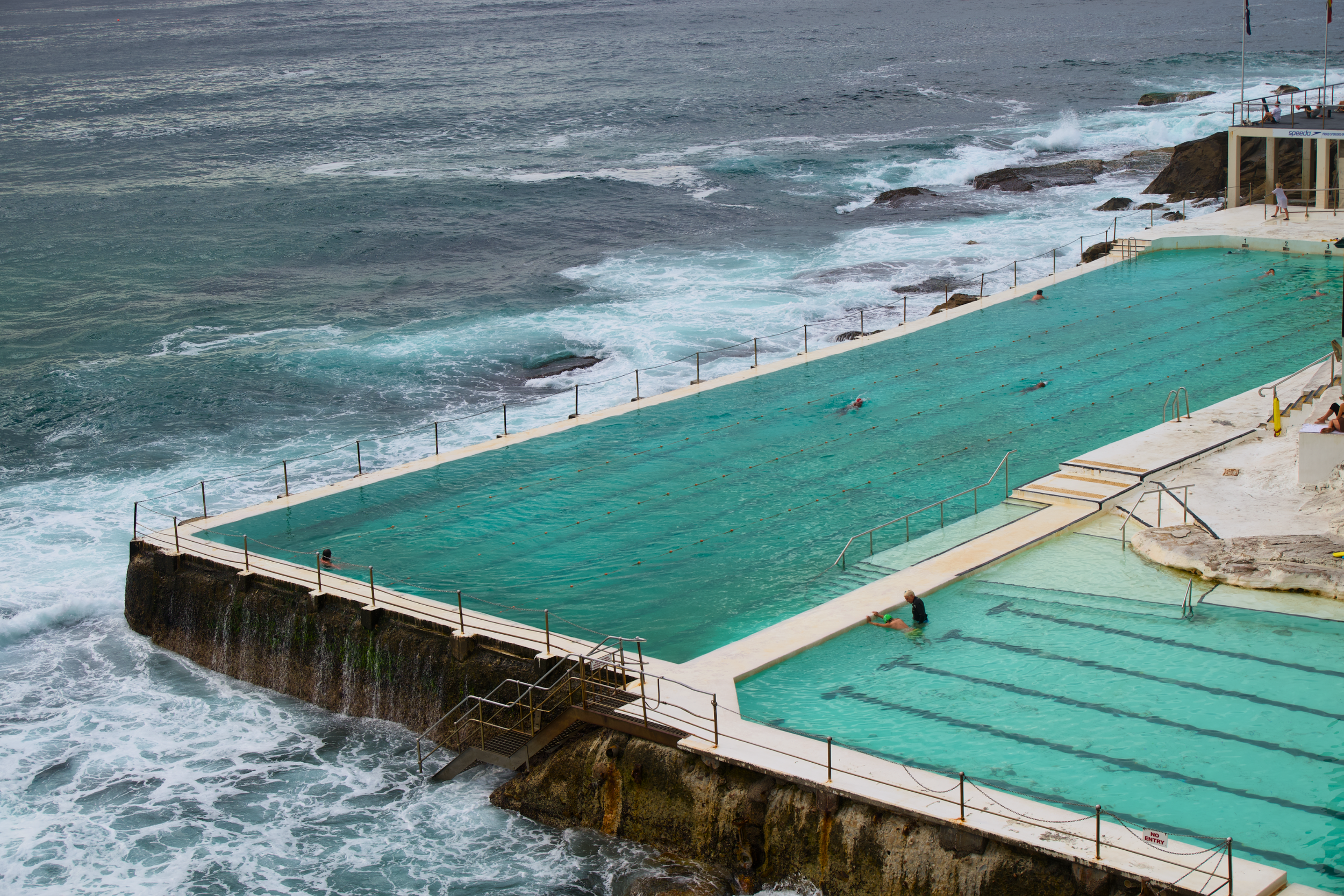
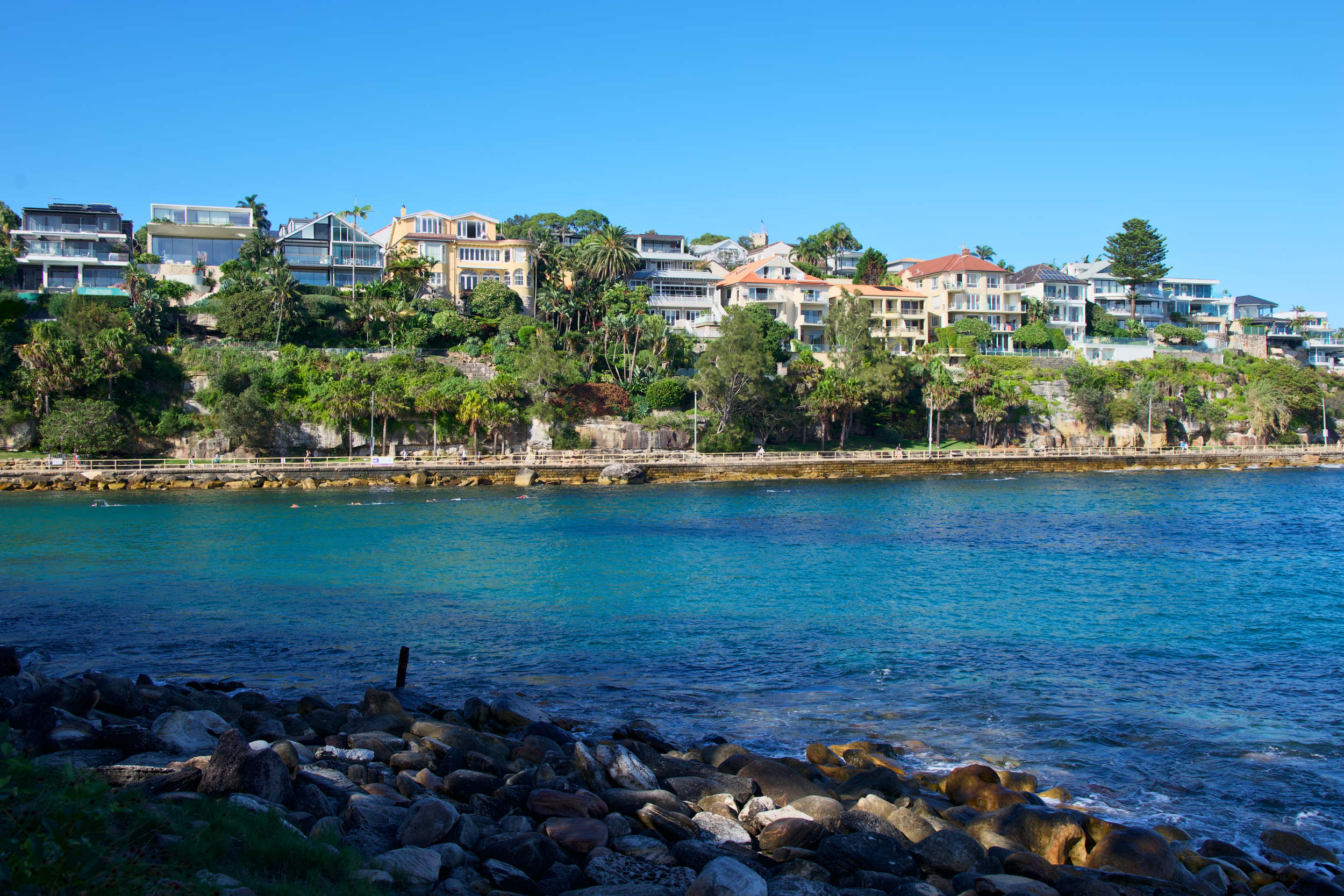
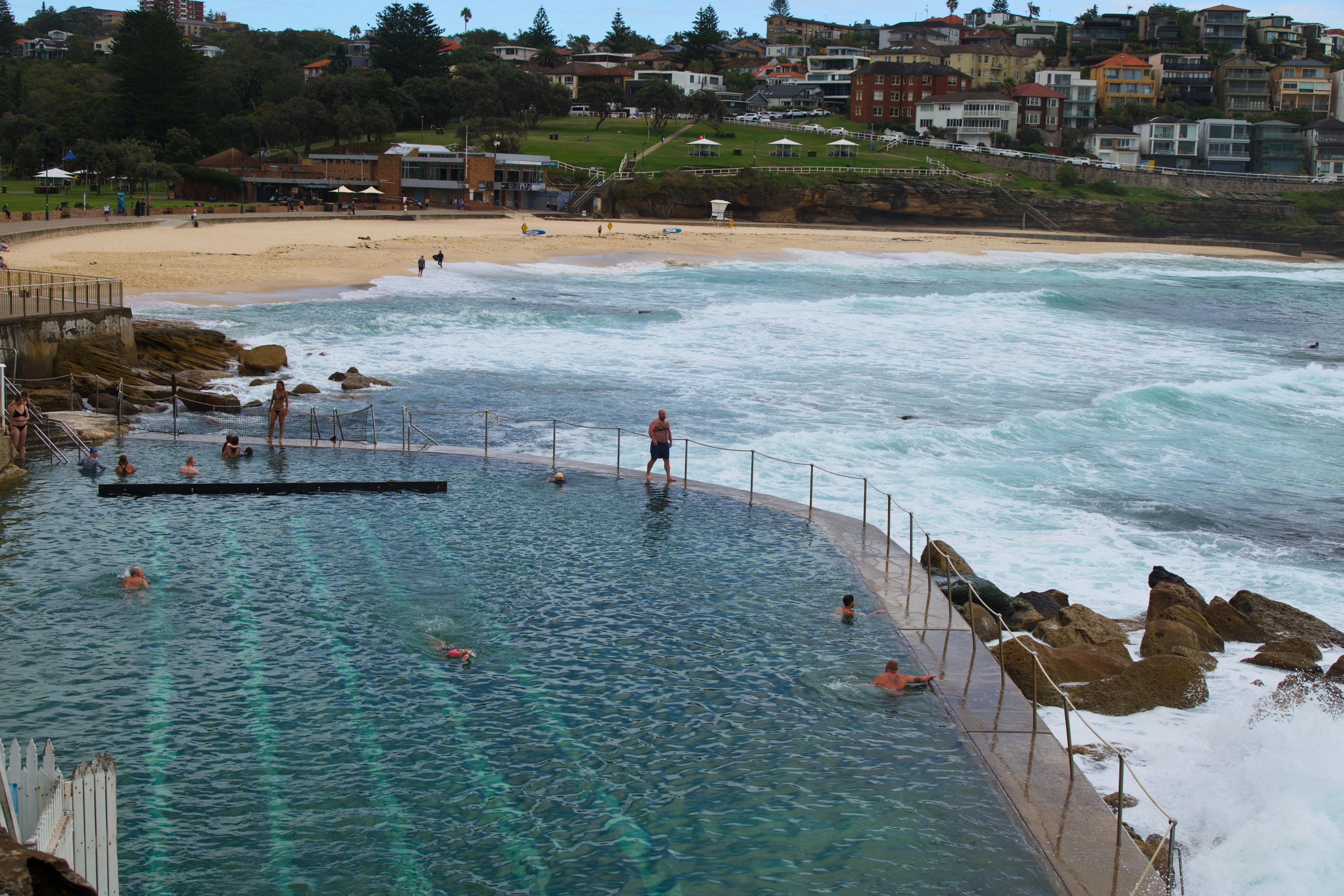
Starting from Bondi Icebergs pool (that Instagram-famous ocean pool carved into the cliffs), the path immediately climbs onto sandstone cliffs. The Pacific Ocean stretches infinitely and is blue to your left. You walk above waves crashing on rocks, past beaches tucked into coves, through residential neighborhoods where people live with this view daily.
The beach progression:
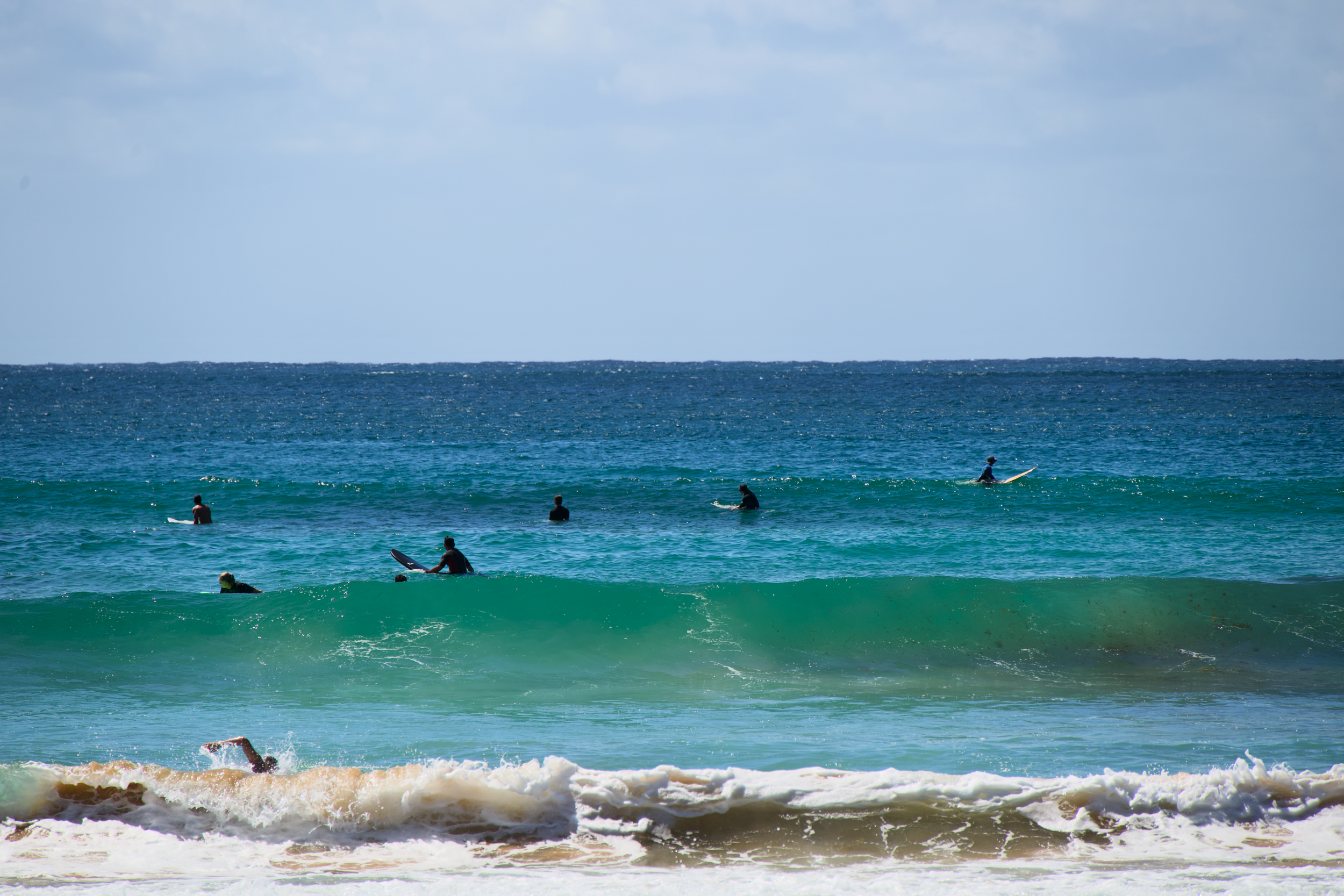
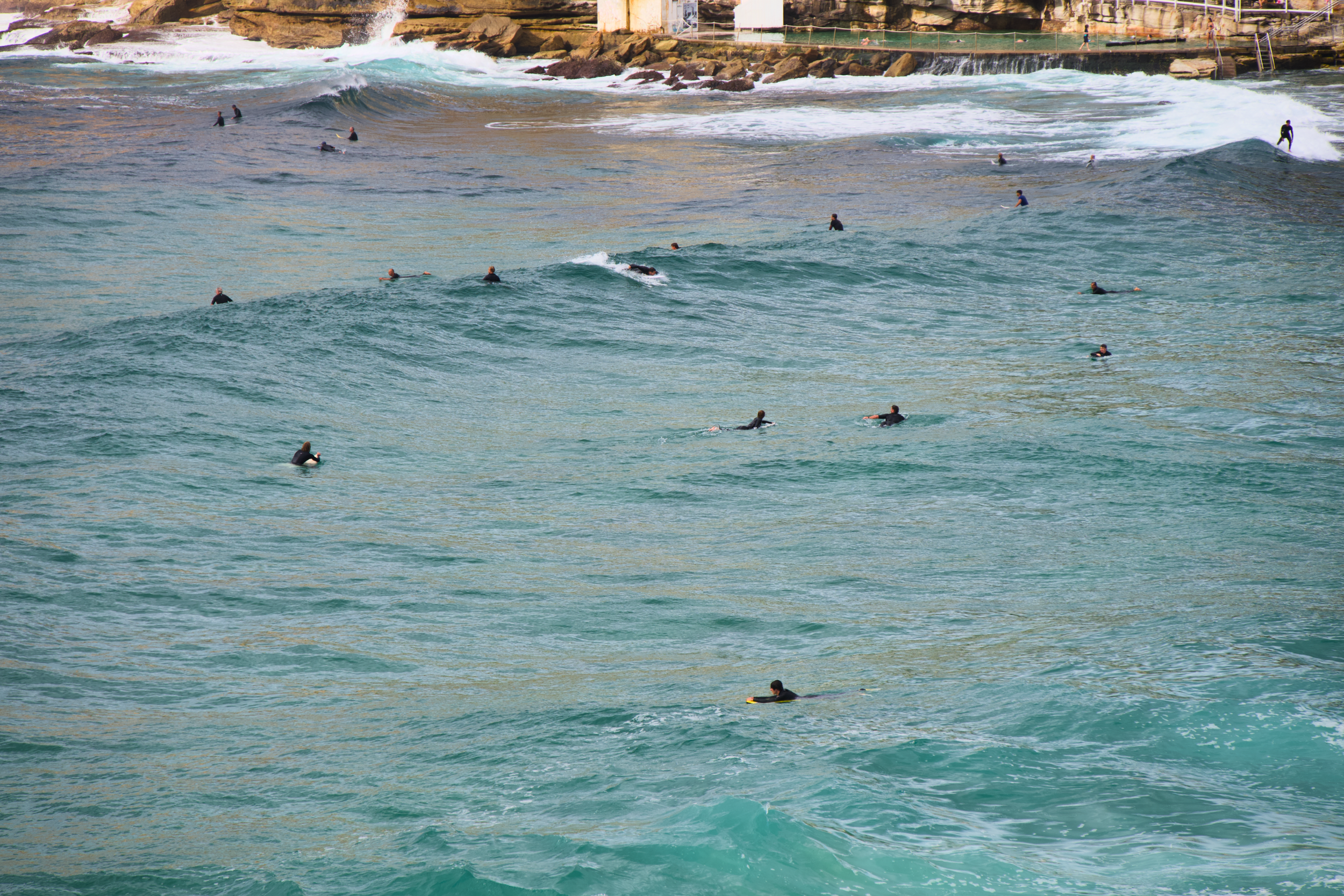
Bondi: Iconic crescent, crowded, surfers everywhere, tourists everywhere, still beautiful
Tamarama: Small, dramatic, locals call it "Glamarama" (more beautiful people per square meter)
Bronte: Family-friendly with a gorgeous ocean pool, excellent coffee stop
Clovelly: Protected bay, calm water, perfect for swimming
Coogee: Your reward at the end, fish and chips, casual beach vibe
What I didn't expect: How empty some sections feel. Between beaches, you're walking clifftop paths with just ocean and sky, occasionally passing other walkers. It doesn't feel touristy; it feels like a genuinely beautiful coastal walk that happens to be accessible from a major city.
Pro tips:
Start early (7-8 AM) to avoid crowds and heat
Bring a swimsuit under clothes, you'll want to swim
Reef-safe sunscreen (Australian sun is brutal, reapply constantly)
Walk south to north (Bondi→Coogee) so the sun isn't in your eyes
Stop at Bronte for coffee, Coogee for lunch
My take: Do this walk. Yes, it's on every list. Yes, tourists do it. It's still worth every step.
Surf lessons at Bondi: Always wanted to surf? Book a beginner lesson at Bondi before or after your walk
Beach hopping tour: Book a guided beach tour that takes you to numerous Sydney beaches
Waterproof phone case: Protect your phone from ocean spray and sand - use this waterproof case
Quick-dry microfiber towel: Essential for multiple swim stops - this compact travel towel dries fast and packs small
Reef-safe sunscreen: This reef-safe SPF 50 - doesn't sting eyes and actually stays on in the water
Hermitage Foreshore Walk: The Quiet Alternative
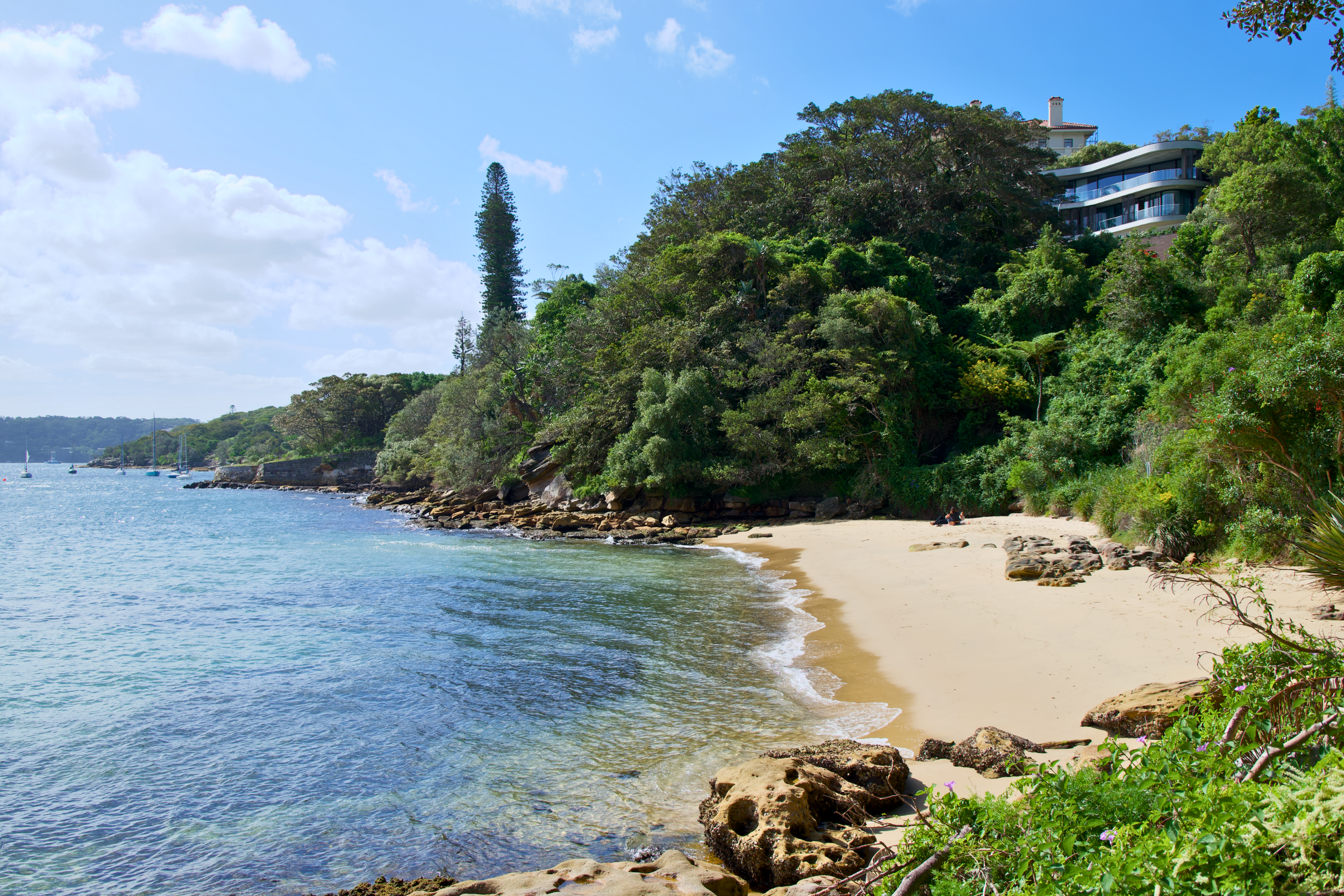
After Bondi to Coogee, I wanted something less crowded. Took the ferry to Taronga Zoo wharf and discovered the Hermitage Foreshore Walk—a 1.8km loop that barely anyone talks about.
The experience:
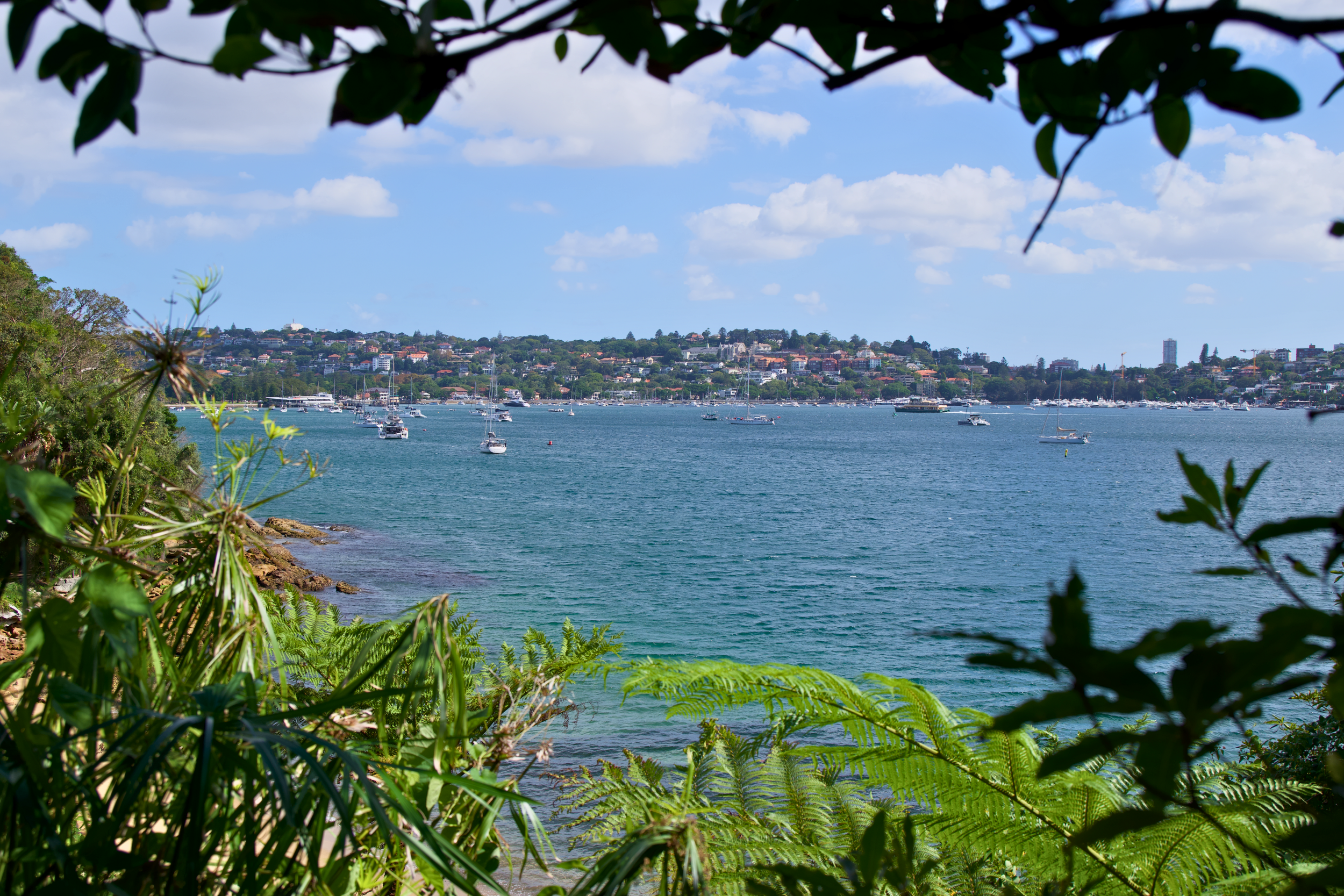
Shaded path through bushland along the harbor
Stunning views of the Opera House and city skyline from a different angle
Balmoral Beach halfway through (beautiful, calm, perfect for swimming)
Maybe saw 10 other people the entire walk
My take: If you want Sydney's coastal beauty without crowds, this walk delivers. The harbor perspective is completely different from the ocean side—calmer, more protected, equally stunning.
Route: Taronga Zoo wharf → Bradleys Head → Balmoral Beach → Kurraba Point wharf → Ferry back to Circular Quay
Finished at Kurraba Point, took the ferry back, felt like I'd discovered something locals know about but tourists miss.
The Underrated Coastal Walk: Taronga Zoo to Kurraba Point
This might have been my favorite Sydney discovery. After taking the ferry to the Sydney Zoo, I walked the coastal path from Taronga Zoo to Kurraba Point Wharf (about 2km).
What made it special:
Harbor views the entire way
Almost completely empty (passed maybe 5 people)
Ended at a ferry wharf, so you can ride back to the city
Perfect late afternoon light on the water
My take: Sydney has dozens of these coastal paths. You don't need to just do the famous one. The whole harbor is ringed with walking trails, and the quiet ones are often the best.
The Neighborhoods Worth Your Time
Potts Point: Where I Stayed
Potts Point surprised me. It's a quiet residential peninsula with tree-lined streets, art deco apartment buildings, excellent cafes, and harbor views. Close enough to walk to the city center (30 minutes to Circular Quay), but removed from tourist chaos.
What I loved:
Macleay Street: Local cafes, bookshops, vintage stores
Elizabeth Bay: Waterfront park perfect for sunset
Walkability: Everything felt accessible on foot
Where to stay in Potts Point:
Holiday Inn Sydney Potts Point by IHG (where I stayed—good value, great location)
Ovolo Sydney Woolloomooloo, a Wyndham Hotel
My take: Potts Point is ideal if you want a real neighborhood feel while still being central. It's not flashy, but it's functional and pleasant.
Surry Hills: Coffee Culture & Street Life
Wandered Surry Hills multiple times, drawn back by the cafe culture and pedestrian-friendly streets.
What I found:
Crown Street is lined with cafes, bookshops, and vintage stores
Excellent coffee everywhere (Sydney's coffee scene is serious)
Mix of locals and visitors, not overwhelmingly touristy
Prince Alfred Park for relaxing
Where to Stay
My take: Surry Hills has character. It feels like a neighborhood with actual local life, not just tourist infrastructure.
What About Bondi (the neighborhood)?
Bondi is more than just the beach—it's a whole suburb with excellent cafes, restaurants, and shopping along Hall Street and Campbell Parade.
The reality: Bondi neighborhood is expensive, very beachy-casual, and definitely tourist-oriented. It's pleasant but not essential unless you're planning to spend multiple days beach-focused.
My take: Visit Bondi for the beach and coastal walk, but don't necessarily stay there unless beach proximity is your top priority.
Where to Stay
Manly: Beach Town Accessible by Ferry
Manly sits across the harbor from the city, a 30-minute ferry ride from Circular Quay. It has a completely different vibe from Sydney proper; more laid-back, beach-town casual, less rushed.
The Manly experience:
The ferry deposits you at Manly Wharf
The Corso (pedestrian mall) connects the wharf to the ocean beach
Ocean beach on one side, protected harbor beach on the other
Excellent cafes and casual restaurants
What I did:
Swam at the harbor beach (calmer water)
Walked to the ocean beach (more dramatic waves, surfers)
Had lunch at a beachfront café
Hiked Sydney Harbour National Park
Where to Stay
My take: Manly offers the beach town experience without leaving Sydney. If you only have a few days, the ferry ride alone is worth it for the harbor views.
Manly bike rental: "Explore Manly on two wheels - rent bikes or e-bikes here and ride to nearby beaches
Kayak rental in Manly: Rent kayaks and paddle the calm harbor waters

What Didn't Live Up to Expectations
The Rocks: Historic But Sanitized
The Rocks is Sydney's oldest neighborhood, the site of the original 1788 settlement. It's promoted as historic and charming, with cobblestone streets and sandstone buildings dating to the 1800s.
The reality: It feels like a historic theme park. The buildings are genuinely old, but the neighborhood has been thoroughly touristified. Every building houses a souvenir shop, an overpriced restaurant, or a generic pub. The weekend markets (Friday-Sunday) are fine but nothing special.
My take: Walk through The Rocks for the architecture and harbor views, but don't expect authentic neighborhood character. It's preserved history packaged for tourists, which is fine for what it is, but not where Sydney's soul lives.
Darling Harbour: Skip It
Darling Harbour is Sydney's waterfront entertainment district: restaurants, shops, attractions, all clustered around an inner harbour basin.
Why I didn't love it:
Feels like every other city's waterfront development (generic)
Crowded with tourists and chain restaurants
Expensive for mediocre experiences
Zero local character
My take: Unless you're traveling with kids who want the aquarium or maritime museum, skip Darling Harbour entirely. Sydney's real character is elsewhere.
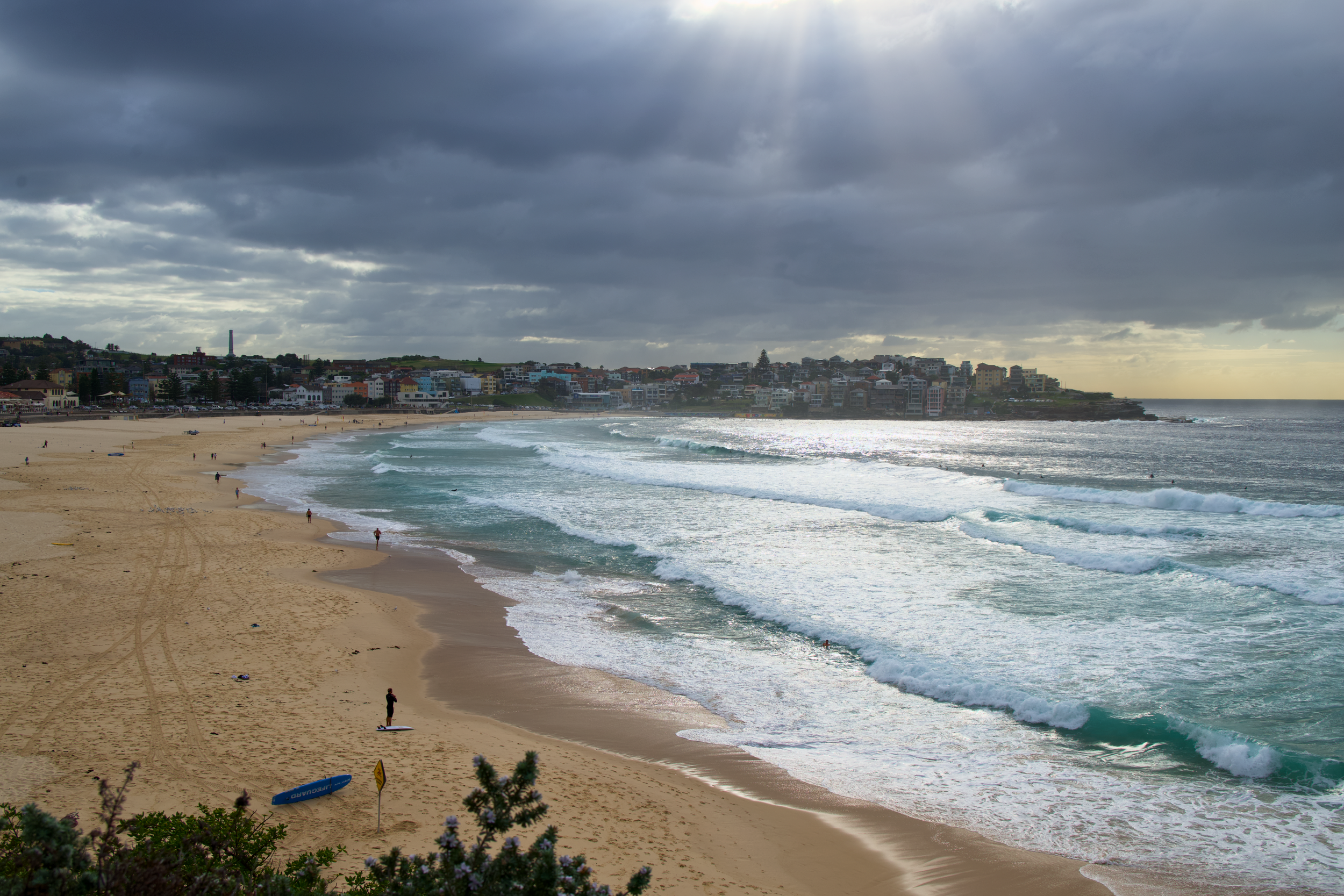
Bondi Beach: Crowded But Still Worth It
Bondi Beach is simultaneously overhyped and genuinely great. Yes, it's packed with tourists. Yes, everyone knows about it. Yes, it's on every Sydney list ever written.
But here's the thing: Bondi delivers what it promises. Beautiful beach, great surf, vibrant atmosphere, excellent cafes and restaurants nearby. The Bondi Icebergs pool is genuinely iconic for good reason.
My take: Go to Bondi, but don't make it your only beach. Use it as the starting point for the Bondi to Coogee walk, spend a few hours there, then move on. It's famous because it's good, not despite being famous.
The CBD (Central Business District)
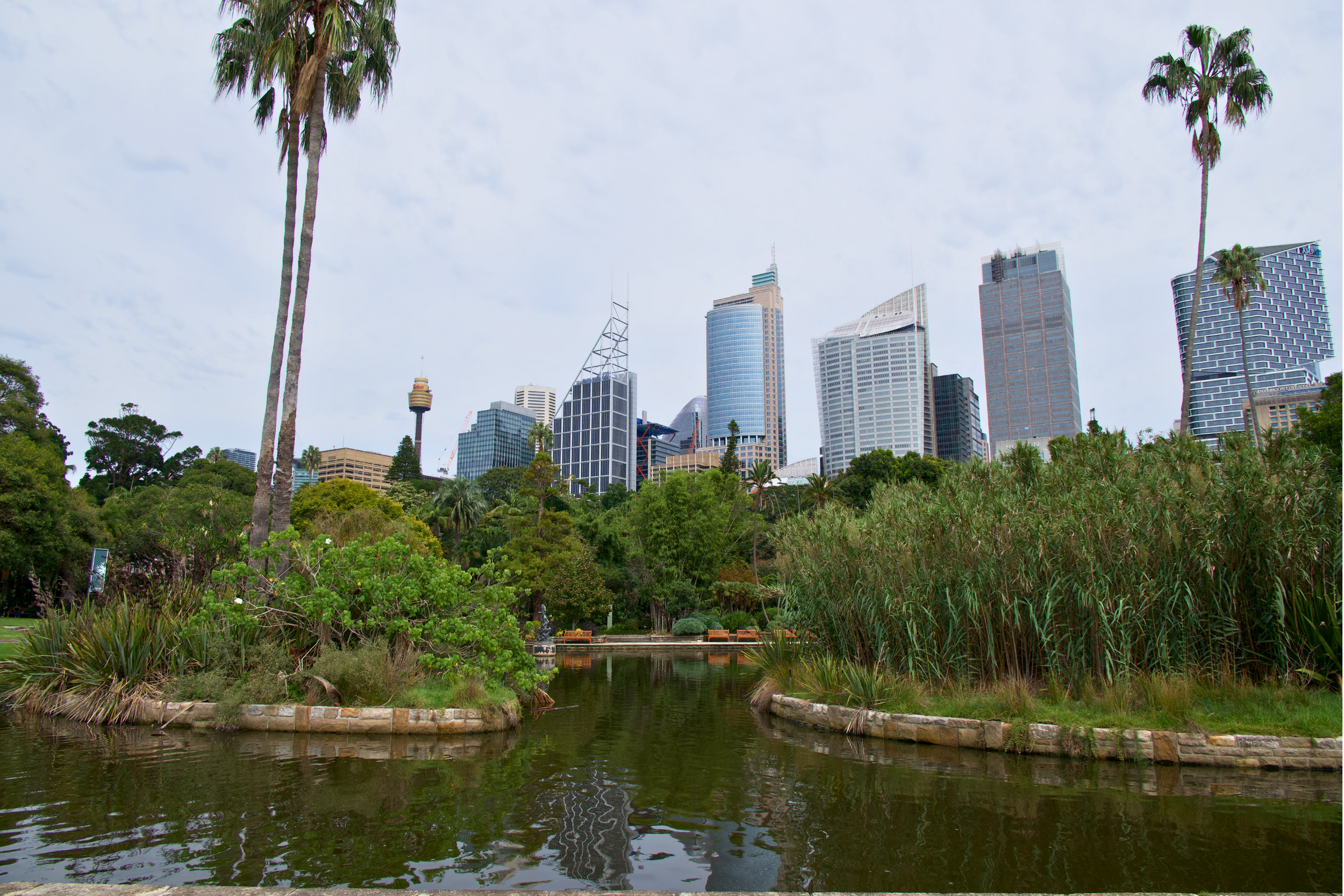
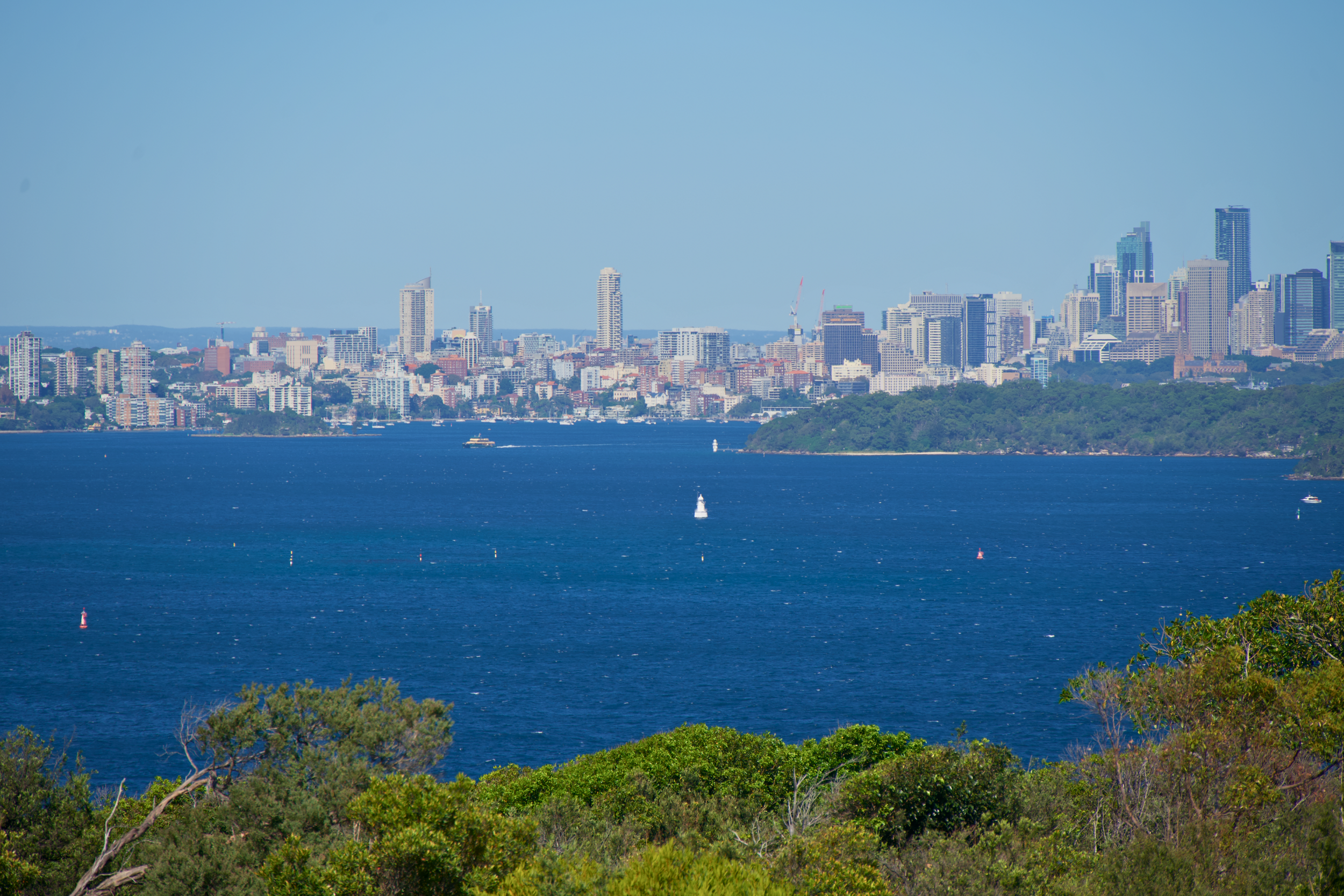
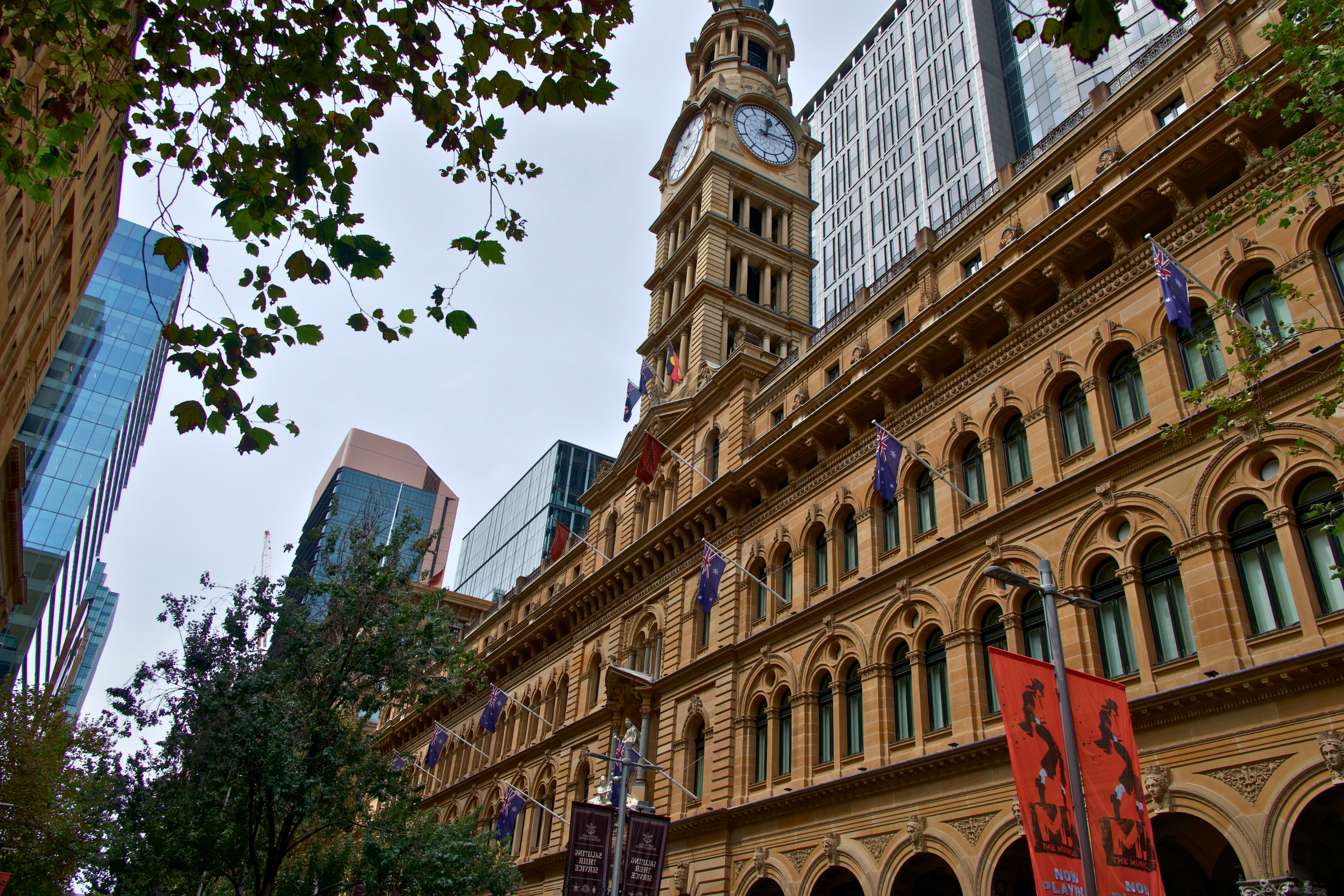
Sydney's CBD is... fine. It's a modern city center with skyscrapers, shopping, and corporate offices. It's not particularly interesting or charming.
What I expected: Some architectural character, interesting streets to explore
What I got: Generic modern city center, not much reason to spend time there
My take: Sydney's appeal isn't its CBD; it's the harbor, beaches, and neighborhoods. Don't waste time wandering the business district.
Restaurant Costs vs. Quality
Sydney's restaurant scene is excellent; multicultural, creative, fresh seafood everywhere. But the cost-to-quality ratio sometimes felt off.
The issue: Paying AUD$45-60 for a main course at a casual restaurant felt steep, especially when the quality was good but not exceptional.
Where I found value:
Asian restaurants (Thai, Vietnamese, Chinese, Korean) offered better prices
Cafes for breakfast and lunch (AUD$18-25 for excellent food)
Cooking at least one meal daily
My take: Sydney has great food, but you pay for it. Budget accordingly or you'll hemorrhage money on mediocre meals.
The Practical Reality: Cost, Crowds & Logistics
Sydney Is Expensive—Here's What That Actually Means
Sydney's cost was shocking, even though I'd been warned. Here's the reality:
Food costs:
Coffee: AUD$5-6 (but exceptional quality everywhere)
Casual lunch: AUD$18-25
Decent dinner: AUD$40-70 per person
Nice restaurant: AUD$80-120+ per person
Accommodation:
Budget hostel: AUD$35-50/night (dorm bed)
Mid-range hotel: AUD$150-250/night
Nice hotel: AUD$300-500/night
Activities:
Opera House tour: AUD$43
BridgeClimb: AUD$308-388
Bondi Icebergs pool entry: AUD$10
Most museums: Free or AUD$15-25
How I managed costs:
Cooked breakfast and lunch, if you have a kitchen
One nice dinner out per day
Used public transport ($8.80 ferry to Manly)
Free activities: beaches, coastal walks, Royal Botanic Gardens, harbor bridge pedestrian walk
My take: Sydney is expensive, but you can manage it. The key is choosing where to spend: splurge on a few meaningful experiences (Opera House tour, nice dinner), save on others (walk the bridge instead of climbing it, cook some meals).
The Crowd Factor
Sydney is popular. The Opera House area, Bondi Beach, and major viewpoints draw massive crowds, especially on weekends and during Australian school holidays.
When crowds were manageable:
Early mornings (before 9 AM)
Weekdays
Lesser-known spots (Hermitage Walk, Kurraba Point, quieter beaches)
When crowds were intense:
Bondi Beach on Saturday afternoon
Opera House forecourt midday
Darling Harbour evenings
My strategy: Start early, visit famous spots before 9 AM, and explore quieter areas in the afternoon. It worked perfectly.
So, Is Sydney Worth Visiting? The Verdict
Short answer: Yes, absolutely.
Longer answer: Sydney earned its reputation, but not necessarily for the reasons I expected.
What Exceeded Expectations:
1. The Integration of Nature and City
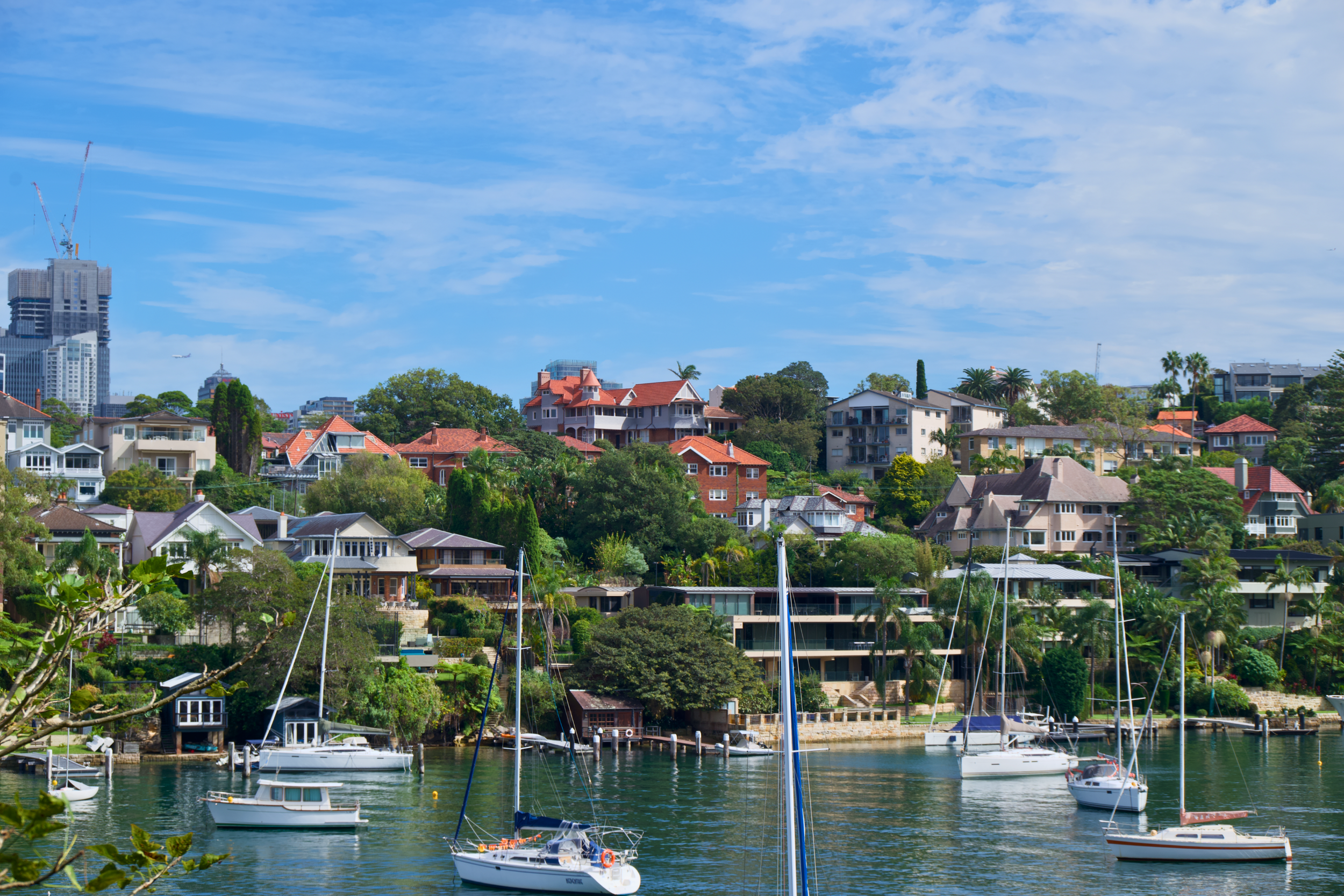
Sydney's superpower is how seamlessly it blends urban sophistication with coastal access. You can have breakfast in a world-class cafe, spend the afternoon swimming and walking coastal trails, and be back for dinner overlooking the harbor. That's rare.
Other cities have beaches. Other cities have great restaurants and culture. But few cities make it this easy to experience both in the same day without significant travel time.
2. The Ferries as Daily Infrastructure
I expected the ferries to be a tourist gimmick. They're actually how locals commute, which happens to also be a scenic harbor cruise. This integration of beauty into daily life is what makes Sydney special.
3. The Coastal Paths
I cannot overstate how good Sydney's coastal walks are. They're accessible, well-maintained, genuinely beautiful, and free. This alone justifies visiting Sydney.
4. The Coffee Culture
Australian coffee culture is legitimately exceptional. Even random suburban cafes make better coffee than most specialty shops elsewhere. This will ruin you for coffee in other countries.
What Fell Short:
1. Generic City Center
The CBD is unremarkable. Sydney's charm is its edges—the harbor, the coast, the neighborhoods—not its corporate core.
2. Cost Without Always Matching Value
Everything is expensive. Sometimes that expense delivers exceptional quality. Sometimes you're just paying Sydney prices for average experiences.
3. Tourist Infrastructure Overwhelms Some Areas
Darling Harbour, parts of The Rocks, central Bondi—these areas feel heavily tourist-oriented, lacking authentic local character.
The Honest Verdict:
Sydney is worth visiting if you:
Appreciate coastal beauty and want easy access to beaches and ocean
Value experiences that blend urban and natural environments
Don't mind paying premium prices for quality experiences
Have 3-4+ days to explore beyond just hitting the major landmarks
Sydney might disappoint you if you:
Expect cheap travel (it's expensive, period)
Want "undiscovered" destinations (Sydney is firmly discovered)
Only have 1-2 days (not enough time to get past the postcard version)
Hate crowds (major attractions are packed)
My personal take: Sydney surprised me by being more than its famous landmarks. The Opera House and Harbor Bridge are genuinely impressive, but the coastal walks, ferry rides, and integration of nature into daily urban life are what made Sydney special.
It's not perfect. It's expensive, some areas are over-touristy, and the city center is bland. But on balance, Sydney delivered something I wasn't expecting: a model for how cities can coexist with spectacular natural surroundings without sacrificing either.
Would I return? Yes. There's more to explore; beaches I didn't reach, neighborhoods I didn't wander, the Blue Mountains day trip I ran out of time for. Sydney has depth beyond its postcard image, but you need time to find it.
Essential Sydney Travel Tips
What I Wish I'd Known Before Arriving
1. Get an Opal Card Immediately
Sydney's public transport card (Opal) makes everything easier. Buy one at the airport or any convenience store, load it with AUD$40-50, and use it for trains, buses, ferries, and light rail.
Cost caps: After AUD$16.80 in a day, travel is free. On Sundays, the daily cap is AUD$2.80 (ridiculously cheap). Use Sunday for exploring by ferry.
2. The Sun Is No Joke
Australian UV index is genuinely dangerous. I got sunburned twice despite constant sunscreen.
Essential sun protection:
SPF 50+ reef-safe sunscreen, reapply every 2 hours
Hat with brim
Sunglasses
Rashguard or UV shirt for beach days
Seek shade 11 AM-3 PM
3. Swim Between the Flags
Sydney beaches have lifeguards, and they mark safe swimming areas with red and yellow flags. Rip currents are dangerous and kill tourists every year.
Rule: Only swim between the flags. If caught in a rip current, don't panic, swim parallel to shore to escape it.
4. Book Popular Experiences Ahead
Opera House tours, BridgeClimb, and popular restaurants book out weeks ahead, especially on weekends.
What to book in advance:
Opera House tour (book here)
BridgeClimb (book here)
Nice restaurants (especially waterfront spots)
Blue Mountains tours if not driving yourself (tour options here)
5. Budget More Than You Think
Whatever budget you've set for Sydney, add 30%. Everything costs more than expected: coffee, meals, activities, even groceries.
6. Sydney's Beaches Are Different
Coming from the US, I expected warm, calm water. Sydney's ocean beaches have waves, even on calm days. The water is refreshing but not warm (18-23°C / 64-73°F depending on season).
For calm swimming: Harbor beaches (Balmoral, Nielsen Park) or ocean pools (Bondi Icebergs, Bronte, Coogee).
7. Tipping Isn't Expected
Australian workers earn livable wages, so tipping isn't customary. Don't tip at cafes, casual restaurants, or taxis. At upscale restaurants, 10% for exceptional service is appreciated but never required.
Essential Gear for Sydney:
Packable day backpack: This daypack was perfect for beach days - fit towel, water bottle, sunscreen, and snacks
UV-protection rashguard: I wore this long-sleeve rashguard for snorkeling and swimming - way better than constant sunscreen reapplication
Polarized sunglasses: Polarized lenses are essential for cutting glare off water - made coastal walks way more comfortable
Waterproof bag: Dry bag for beach days - kept phone, wallet, keys safe while swimming
Walking sandals: These sandals worked for both beach and city walking - way more versatile than flip flops
Frequently Asked Questions About Visiting Sydney
How many days do you need in Sydney?
Minimum: 3-4 days to see major landmarks and do one coastal walk
Ideal: 5-7 days to explore neighborhoods, take your time, add day trips (Blue Mountains, beaches north/south of city)
I had 4 days and wished I'd had 6. There were neighborhoods I didn't explore, beaches I didn't reach, and walks I didn't do. Sydney rewards time.
Is Sydney better than Melbourne?
They're different cities with different appeals. Sydney has spectacular natural beauty, harbor views, and beach access. Melbourne has better cafe culture, arts scene, and urban character.
My take: Sydney is more immediately impressive (that harbor, those beaches). Melbourne takes longer to appreciate but has a deeper cultural texture. Both are worth visiting if you have time.
Is the Sydney Opera House worth touring inside?
Yes, if you care about architecture or performing arts. The hour-long tour explains the building's history, engineering, and acoustics. You see inside the concert halls and learn why it took 14 years to build.
Skip if: You're only interested in exterior photos (you can see the outside for free from multiple angles).
Book the Opera House tour here to guarantee your spot.
What's the best area to stay in Sydney?
For first-time visitors:
Potts Point: Great value, walkable, local character
Surry Hills: Trendy, excellent cafes, walkable to everything
The Rocks/Circular Quay: Expensive but right at the harbor
For beach lovers:
Bondi: Beach access, but touristy and expensive
Manly: More local feel, requires ferry commute to city
Budget option:
Newtown: Further from the harbor, but an excellent neighborhood, cheaper
I stayed in Potts Point and would choose it again. Book your hotel here to compare the best prices.
Can you swim at Sydney beaches year-round?
Technically, yes, but realistically depends on your cold tolerance.
Summer (Dec-Feb): Water 21-24°C (70-75°F), perfect
Autumn (Mar-May): Water 19-22°C (66-72°F), still comfortable
Winter (Jun-Aug): Water 16-18°C (61-64°F), cold, but locals still swim
Spring (Sep-Nov): Water 17-20°C (63-68°F), warming up
I visited in late March/early April. Water was refreshing but not warm. I swam multiple times and enjoyed it, but it's not Caribbean bathwater.
Ocean pools (Bondi Icebergs, Bronte, Coogee) offer ocean swimming with less wave intensity if you want calmer conditions.
Is Sydney worth visiting if you only have 2 days?
Honestly? Barely.
With only 2 days, you can hit the major landmarks (Opera House, Harbor Bridge, one beach, maybe one coastal walk), but you'll miss what makes Sydney genuinely special—the slower discoveries, the neighborhood wandering, the time to appreciate how the city integrates nature into daily life.
If you only have 2 days:
Day 1: Opera House, harbor walk, ferry to Manly, Harbor Bridge
Day 2: Bondi to Coogee walk, beach time, sunset at Observatory Hill
But you'll leave feeling like you scratched the surface, which is frustrating for how far you've traveled.
What's the best time of year to visit Sydney?
Best overall: March-May (autumn) or September-November (spring)
Warm but not sweltering
Fewer crowds than summer
Lower accommodation prices
Still great beach weather
Peak summer (Dec-Feb):
Best beach weather
Most crowded and expensive
Australian school holidays (late Dec-late Jan) bring massive crowds
Winter (Jun-Aug):
Cooler (15-18°C / 59-64°F days)
Cheaper accommodation
Still sunny many days, but the ocean swimming is cold
Whale watching season (May-November)
I visited in late March, and the weather was perfect: sunny, warm, manageable crowds.
Is Sydney safe for solo travelers?
Very safe. Sydney has low crime rates, well-lit streets, and excellent public transport running late into the evening. I felt completely comfortable walking around alone at all hours.
Standard precautions: Don't leave valuables unattended on beaches, stay aware in crowded areas, and use common sense at night.
Do you need a car in Sydney?
No. Sydney's public transport (trains, buses, ferries, light rail) is excellent and reaches all major areas. Walking is pleasant in most neighborhoods.
When you might want a car:
Day trips outside Sydney (Blue Mountains, beaches north/south)
Exploring multiple beaches in one day
For my Sydney stay, I used only public transport and walking. Saved money and avoided parking stress. If doing day trips, rent a car through Expedia for best rates.
What about day trips from Sydney?
Blue Mountains (90 minutes west):
Dramatic cliffs, waterfalls, eucalyptus forests
Three Sisters rock formation
Scenic World cable cars and railway
Book a Blue Mountains tour here if you're not driving
Hunter Valley (2 hours north):
Wine region with 150+ wineries
Frequently Asked Questions About Visiting Australia
-
Very safe. Australia has low crime rates, stable government, and generally safe cities. The biggest safety concerns are natural—sun exposure (UV is brutal, wear SPF 50+ and reapply constantly), ocean rip currents (only swim at patrolled beaches between the flags), and wildlife in remote areas. Saltwater crocodiles exist in Far North Queensland, box jellyfish are present November-May (wear stinger suits), and snakes/spiders exist but are rarely encountered. Common sense keeps you safe.
-
Tipping is NOT expected in Australia. This is the biggest cultural difference for Americans. Australian workers earn a liveable minimum wage ($24.95/hour as of 2025), so they don't rely on tips. Tipping is slowly becoming more common in upscale city restaurants (10% for exceptional service), but it's purely optional and never expected. Don't tip at cafes, bars, taxis, or casual restaurants—it can even be seen as awkward. The price you see is the price you pay (taxes included). If you receive truly exceptional service at a nice restaurant, rounding up or leaving 10% is appreciated but never required.
-
Yes, everywhere. Australia has excellent tap water quality in all cities and towns. Bring a reusable water bottle and fill it freely. You'll save money and plastic waste. Even in remote areas, tap water is generally safe.
-
You'll see lots of wildlife, but dangerous encounters are extremely rare. Most Australians never see a dangerous snake or spider. What you WILL see:
Kangaroos and wallabies: Common in Tasmania, national parks, even golf courses
Koalas: Look in eucalyptus trees at places like Kennett River (Great Ocean Road)
Wombats: Everywhere in Tasmania, especially Maria Island
Birds: Cockatoos, kookaburras, rainbow lorikeets, magpies (watch for swooping in spring September-November)
Marine life: Sea turtles, reef fish, seals, dolphins, whales (May-November)
Dangerous animals exist but are avoidable: Don't swim in unmarked waterways in Far North Queensland (crocodiles), wear stinger suits in Cairns November-May (jellyfish), don't put hands in dark holes or under rocks (spiders/snakes), and shake out shoes before putting them on in remote areas.
-
Absolutely yes. Australia has excellent healthcare but it's expensive for visitors. A trip to the emergency room can cost thousands. Ambulance rides are not free and can cost $1,000+. Get comprehensive travel insurance that covers:
Medical emergencies and evacuation
Trip cancellation/interruption
Lost/stolen belongings
Adventure activities (reef diving, hiking, water sports)
If you can't afford travel insurance, you can't afford to travel to Australia.
-
Type I (Australia-specific) three-pin adapter. Australia uses 220-240V, 50Hz power. US devices (110V) work fine with an adapter, but check if your device is dual voltage (most modern electronics are). Buy adapters before you leave—they're cheaper at home than in Australia.
-
Parts are bleached, but vast sections are thriving. Climate change has damaged coral, but the reef is far from dead. When I snorkeled there, the abundance of life was extraordinary—colorful coral, sea turtles, reef sharks, countless fish. Go now, support responsible tourism (choose reef-safe operators), and minimize your carbon footprint elsewhere. The reef is still one of Earth's natural wonders and worth the journey.
-
2-3 months ahead for major cities and popular areas. Tasmania's Freycinet National Park and Bay of Fires areas book out months ahead (limited accommodation). Sydney and Melbourne have plenty of options but prices increase closer to travel dates. Cairns is generally available but book reef tours as early as possible (they fill up). During Australian school holidays, book even earlier.
-
Australian coffee culture is serious and exceptional. Forget drip coffee—it doesn't exist. Order:
Flat white: Espresso with velvety microfoam milk (the Australian staple)
Long black: Espresso with hot water (like an Americano but better)
Cappuccino: Espresso with foamed milk and chocolate dusting
Coffee costs $5-6, and even random suburban cafes make better coffee than most US specialty shops. This will ruin you for coffee elsewhere. Never ask for "regular coffee."
-
Major cities are generally accessible, but it varies. Sydney and Melbourne have accessible public transport, hotels, and attractions. Older buildings and regional areas have limited accessibility. Many of the hikes in this itinerary (Wineglass Bay, Bondi to Coogee walk) involve stairs and uneven terrain that aren't wheelchair accessible. Research specific accommodations and attractions ahead of time. Tourism Australia's website has accessibility information for major attractions.
The Scenic Route Traveler inspires intentional travel through storytelling, hidden gems, and culturally rich experiences around the world.
-
I’m Erin, the voice behind Scenic Route Traveler, sharing intentional travel stories and guides from around the globe.
-
We deliver travel guides and storytelling through YouTube, social media, photography, and digital products designed for fellow travelers.
-
If you’re new here: this is a space for travelers who care more about how a place feels than how it looks on a checklist. You’ll find guides, stories, and resources designed to help you slow down and travel with intention.