

The Best Things to Do in Tasmania, Australia (That Nobody Warns You About)
A brutally honest guide to Australia's wildest island: the waterfalls, the whisky, and the wombats you absolutely will not be ready for.
QUICK ANSWER
The best things to do in Tasmania include hiking the Overland Track at Cradle Mountain National Park, exploring the sandstone prison ruins at Port Arthur, kayaking Wineglass Bay in Freycinet National Park, eating your way through the Hobart Waterfront and MONA (Museum of Old and New Art), and road-tripping the East Coast. Tasmania rewards slow travelers; plan at least 7–10 days to scratch the surface.
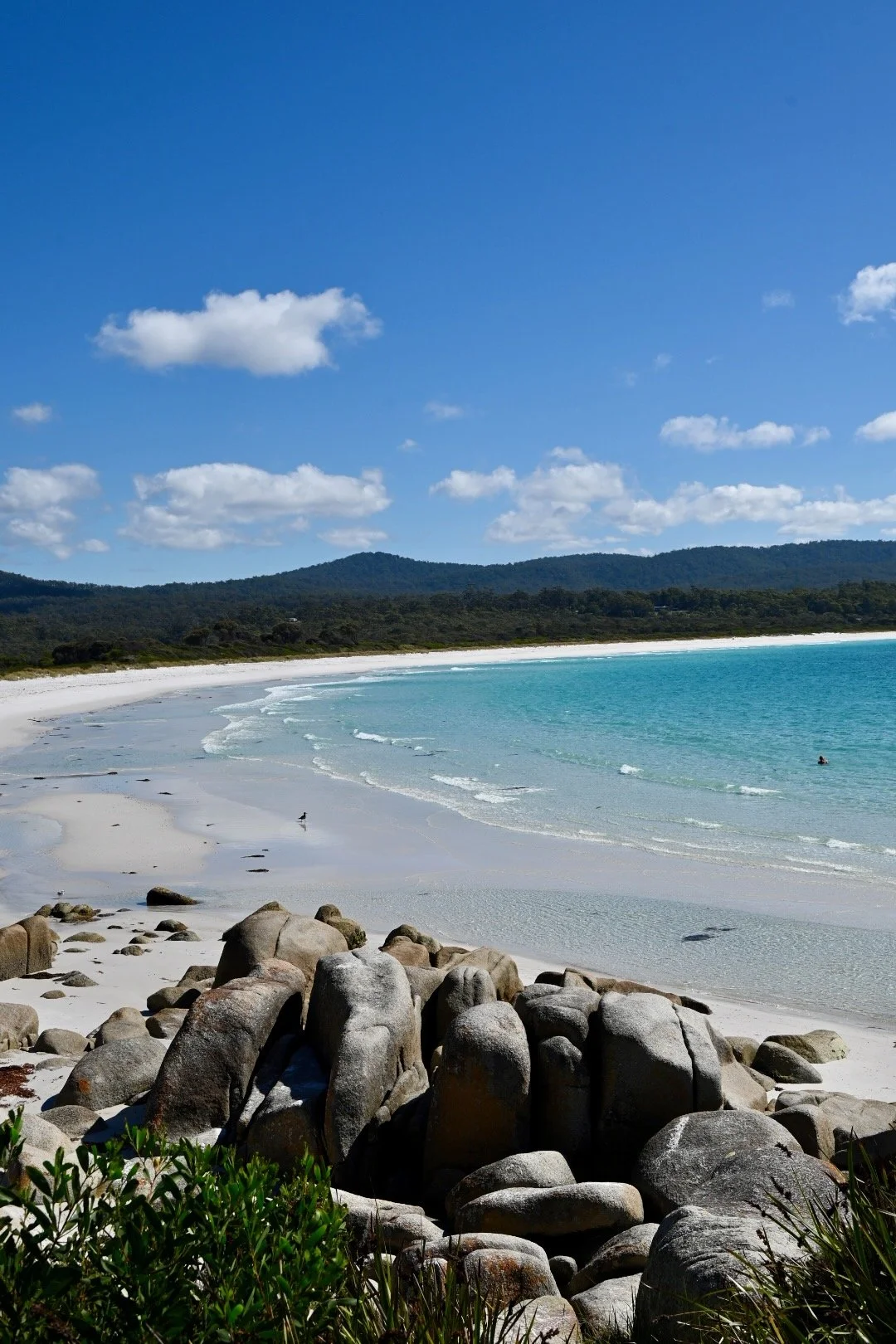
Table of Contents
Nobody told me Tasmania would ruin the rest of Australia for me. I arrived expecting a chilly, slightly weird little island. I left, genuinely considering whether I could just… stay.
Tasmania, or "Tassie" as everyone calls it with a kind of territorial affection, is technically Australia's smallest state, but it packs a startling amount into its 68,000 square kilometers. Forty percent of the island is protected wilderness. There are more than 60 national parks and reserves.
And yet, it's shockingly overlooked. Mention you're going to Australia and people talk about Sydney, Cairns, and the Great Barrier Reef. Tasmania gets mentioned in the same breath as "oh, and you could tack that on." Don't tack it on. Make it the point.
This guide covers the best things to do in Tasmania, not just the hits on every other blog (though we'll cover those too), but also the specific beaches, food halls, whisky distilleries, and offbeat coastal drives that make Tasmania feel unlike anywhere else I've been.
This post contains affiliate links. If you book through my links, I may earn a small commission at no extra cost to you. It helps keep this blog going, and I only ever recommend things I'd use myself.
Tasmania 101: What You Need to Know Before You Go
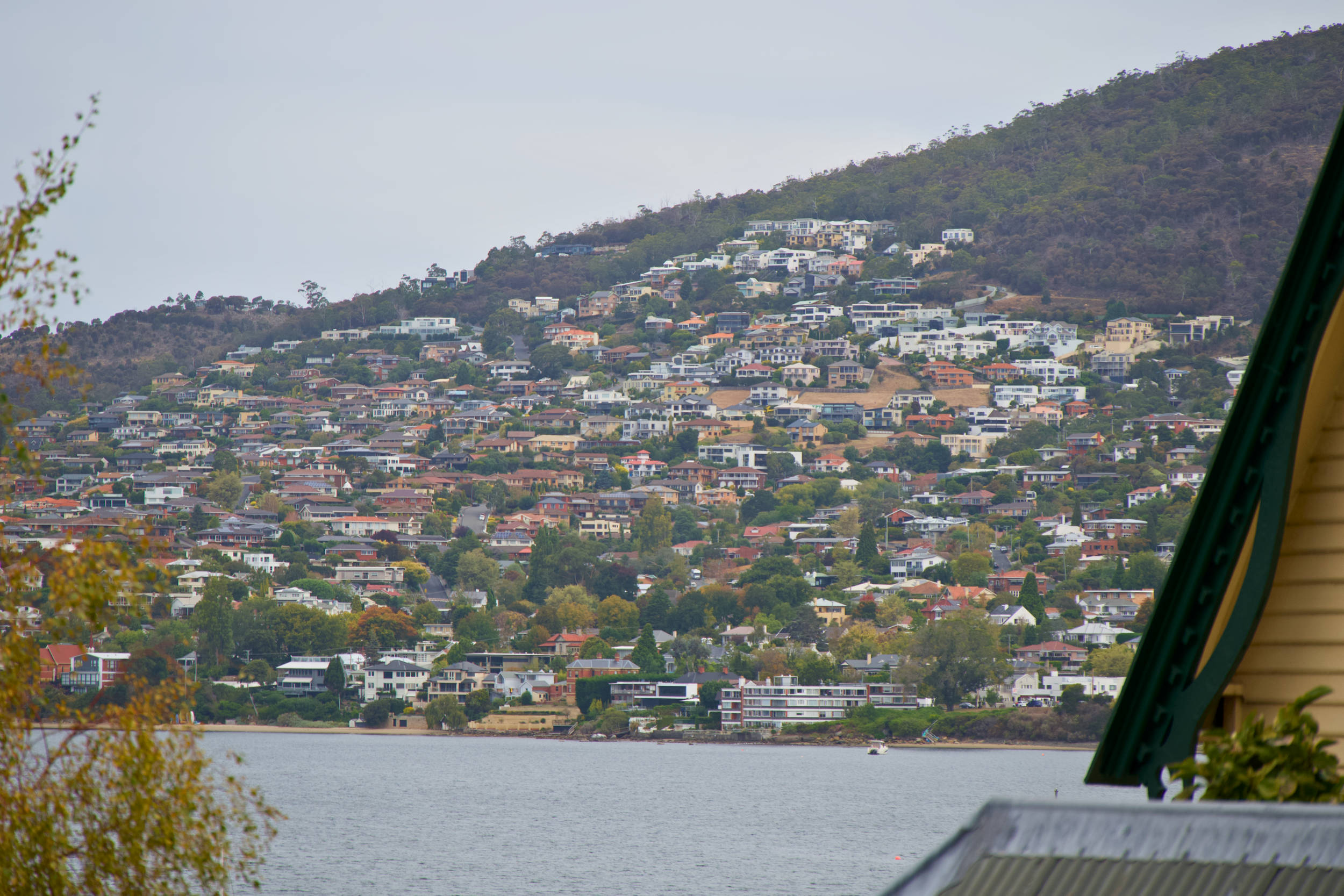
Tasmania sits about 240 kilometers south of the Australian mainland, separated by the notoriously rough Bass Strait. It's cold by Australian standards, think the Pacific Northwest of the U.S. rather than the tropical Australia you see in every tourism ad. Hobart is the capital, and it's utterly charming: part Georgian sandstone history, part cutting-edge food scene, part genuinely weird art municipality.
You fly into Hobart Airport (HBA) or Launceston Airport (LST) from Melbourne, Sydney, or Brisbane. Flights take about an hour from Melbourne and under two from Sydney. You can also take the Spirit of Tasmania overnight ferry from Melbourne, which is part experience, part logistical genius; you arrive rested and already in Tasmania, and if you want to bring a car (which you absolutely should), this is how you do it.
Car rental is essential. Tasmania is not a public transit destination. The whole beauty of the place is that the best things are scattered across the island — down logging roads, at the end of peninsula drives, across river ferries. You need wheels.
🚗 Gear Up: Car Rental
I booked through Expedia and compared a half-dozen options in under five minutes. For Tasmania specifically, look for a car with decent clearance if you plan to explore the west coast; some of the best drives have gravel sections that'll make you regret a zippy little sedan. A 4WD isn't necessary for most tourist routes, but it opens doors.
Best Time to Visit Tasmania
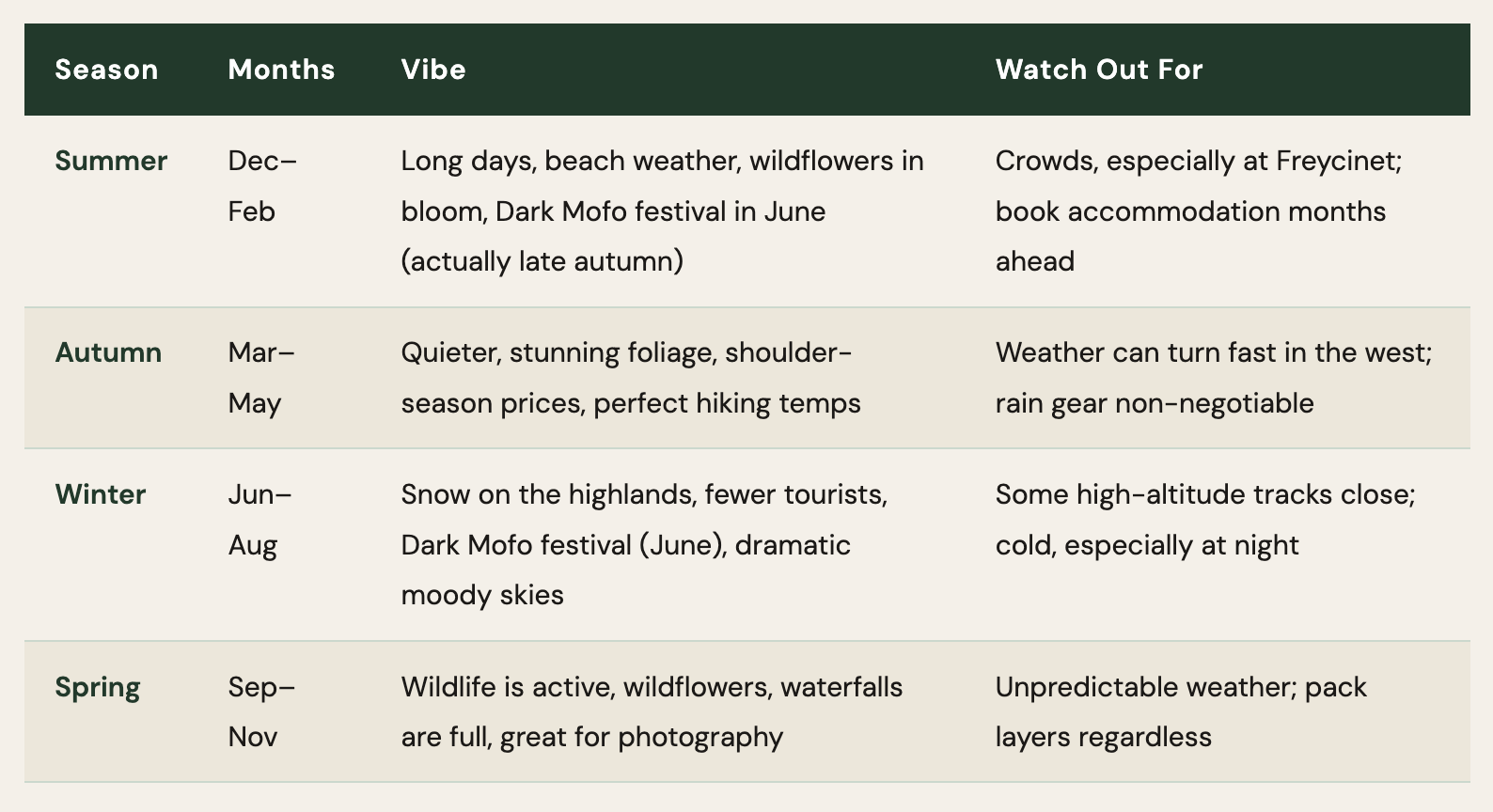
I visited in late March, and the island was wearing its autumn coat: golden light, cooler temperatures, trails with almost no one on them. It felt like having Tasmania entirely to myself. That's my vote: March–April or October–November for most travelers.
Hobart: The City That Refuses to Be Boring
Every guide about Hobart mentions Salamanca Market on Saturday mornings, and they're right to, but let me tell you about the Hobart I stumbled into on a Tuesday at 6 pm, when the waterfront bars were three-deep with locals who'd just finished work, and the light off Sullivan's Cove was doing something impossible with the Derwent River.
Hobart is small, around 250,000 people, but it punches well above its weight on food, art, and general atmosphere. This is a city that somehow has one of the best contemporary art museums in the world (more on that in a second) and also still has a historic working waterfront where you can watch actual fishing boats come in alongside float planes taxiing for takeoff.
MONA (Museum of Old and New Art)
I'm going to say something controversial: MONA is probably the best reason to visit Hobart. It's a privately funded art museum built into a sandstone cliff on the Derwent River, about 20 minutes from the city center. The collection ranges from ancient Egyptian mummies to a machine that produces and consumes its own feces (you will have opinions) to room-sized immersive installations that you walk through in the dark.
What makes it genuinely extraordinary isn't just the art, it's the commitment to the experience. The "O" (the museum's phone app/guide) replaces all wall labels and instead gives you the artist's own words, critic responses, and the option to simply say you like or hate each piece. No pretension. No educational lectures. Just: what do you actually feel?
Get there by the ferry from Brooke Street Pier, it's part of the visit. The ferry is purpose-built for the museum and is itself a piece of design worth experiencing.
💡Pro tip: MONA is closed on Tuesdays. Many travelers don't realize this until they show up. The museum is free for Tasmania residents; interstate and international visitors pay an entry fee (~$35 AUD). Book online in advance during the summer. If you want a Hobart tour + MONA experience in one, this is a great option to consider.
Salamanca Place & Battery Point
Salamanca Place is the row of Georgian sandstone warehouses that fronts the harbor, now home to galleries, restaurants, and bars. On Saturday mornings, the weekly market stretches the length of the boulevard, with local produce, handmade leather goods, Tasmanian honey, hot food stalls, and live music. It's the kind of morning market that makes you want to find a nearby apartment and simply not leave.
Behind Salamanca, the neighborhood of Battery Point is Hobart's historic heart. Victorian cottages, narrow lanes, a pub (the Shipwright's Arms) that's been there since 1846. Walk up Kelly's Steps (the stone staircase carved directly into the hillside), and you'll find yourself in streets that feel like an entirely different era.
Eat & Drink in Hobart
Tasmania's food scene is rooted in what the island actually produces: exceptional seafood (the oysters, particularly from Bruny Island and the Huon Valley, are among the best I've had anywhere), phenomenal dairy, cool-climate wines, and, this surprised me, outstanding whisky. Lark Distillery in Hobart was one of the pioneers of Australian whisky and is now considered world-class. They have a cellar door on the waterfront, and I'm not saying I visited twice, but I'm not not saying it either.
Places I'd recommend:
Franklin — open fire cooking, local produce, book ahead
Ettie's — Glaswegian cafe energy meets Tasmanian produce, excellent pastries
Rough Rice — best ramen south of Sydney, seriously
The Glass House at MONA — the restaurant inside the museum is worth the trip separately
Smolt on Salamanca — casual, seafood-forward, killer wine list
🏨 Where to Stay in Hobart
For Hobart, I'd focus your accommodation search on the waterfront area (Battery Point, Salamanca, or the Wharves). Being walkable to everything matters here; the city's best stuff is all clustered near the harbor.
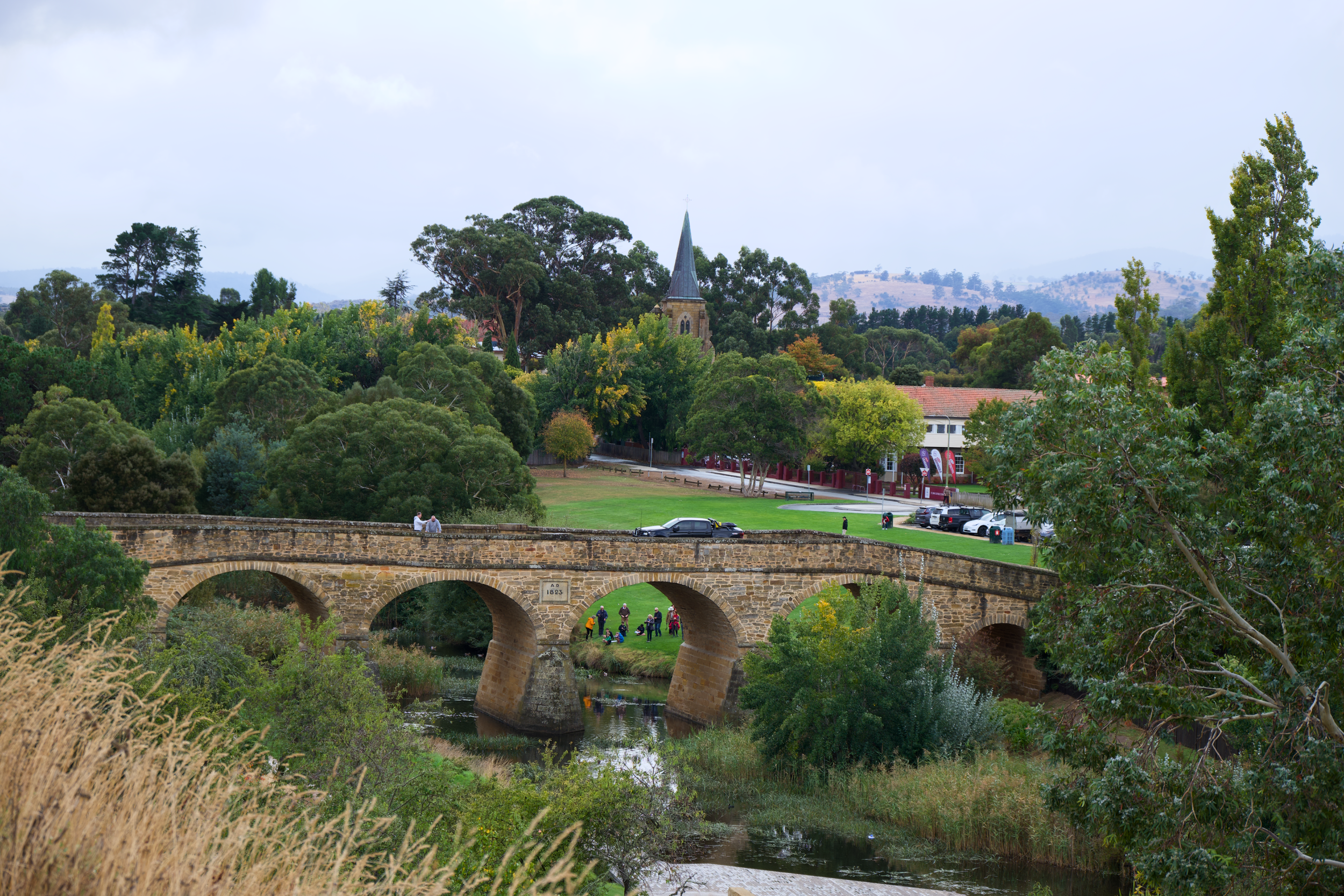
My Recommendations: Lenna Of Hobart, The Tasman, Maylands Lodge, The Grand Old Duke, or Prospect Country House (Richmond)
Cradle Mountain & the Overland Track: Yes, It's Worth It
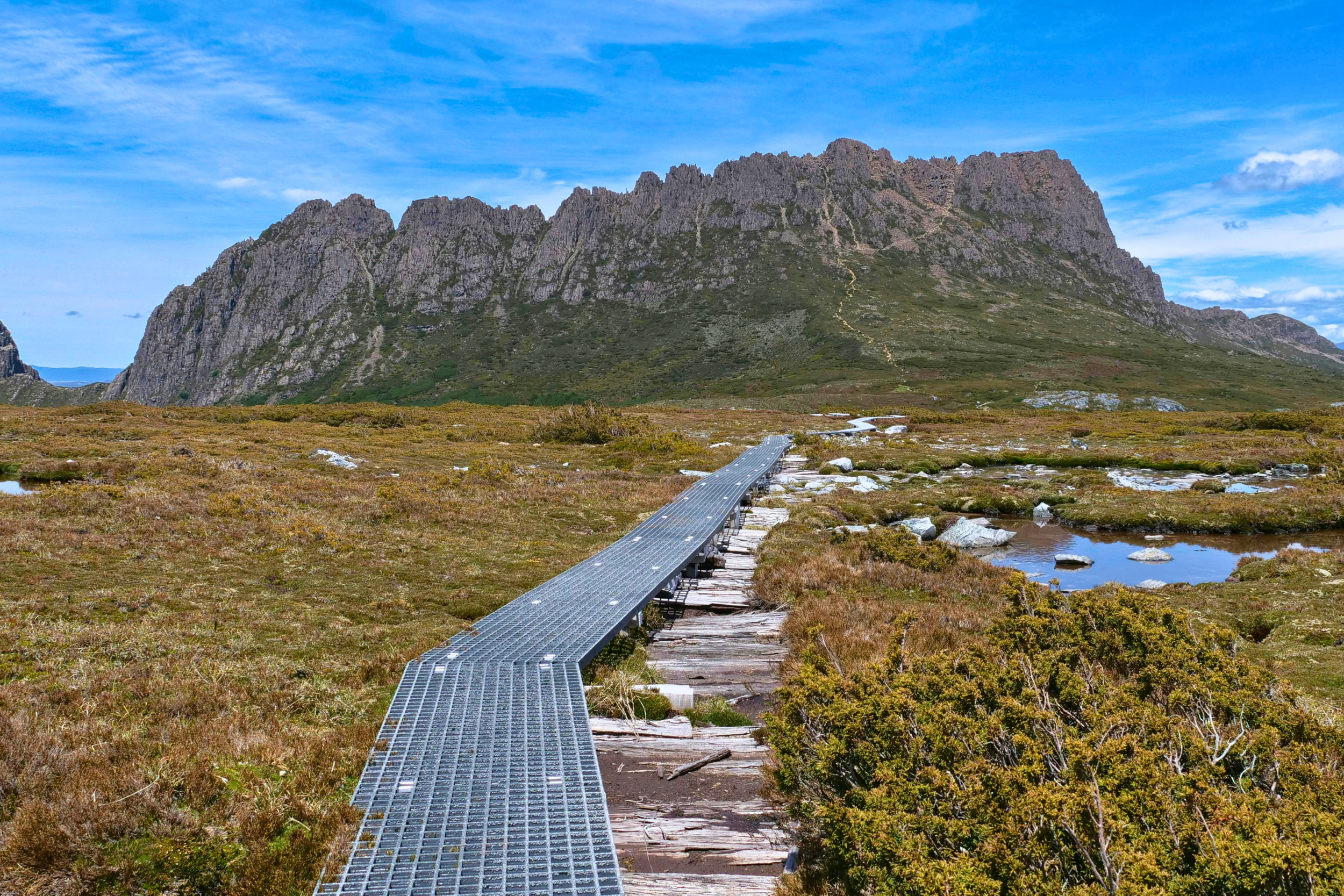
Let's get this out of the way: Cradle Mountain is spectacular. The kind of spectacular that makes you stop mid-hike because you can't quite believe you're looking at something real.
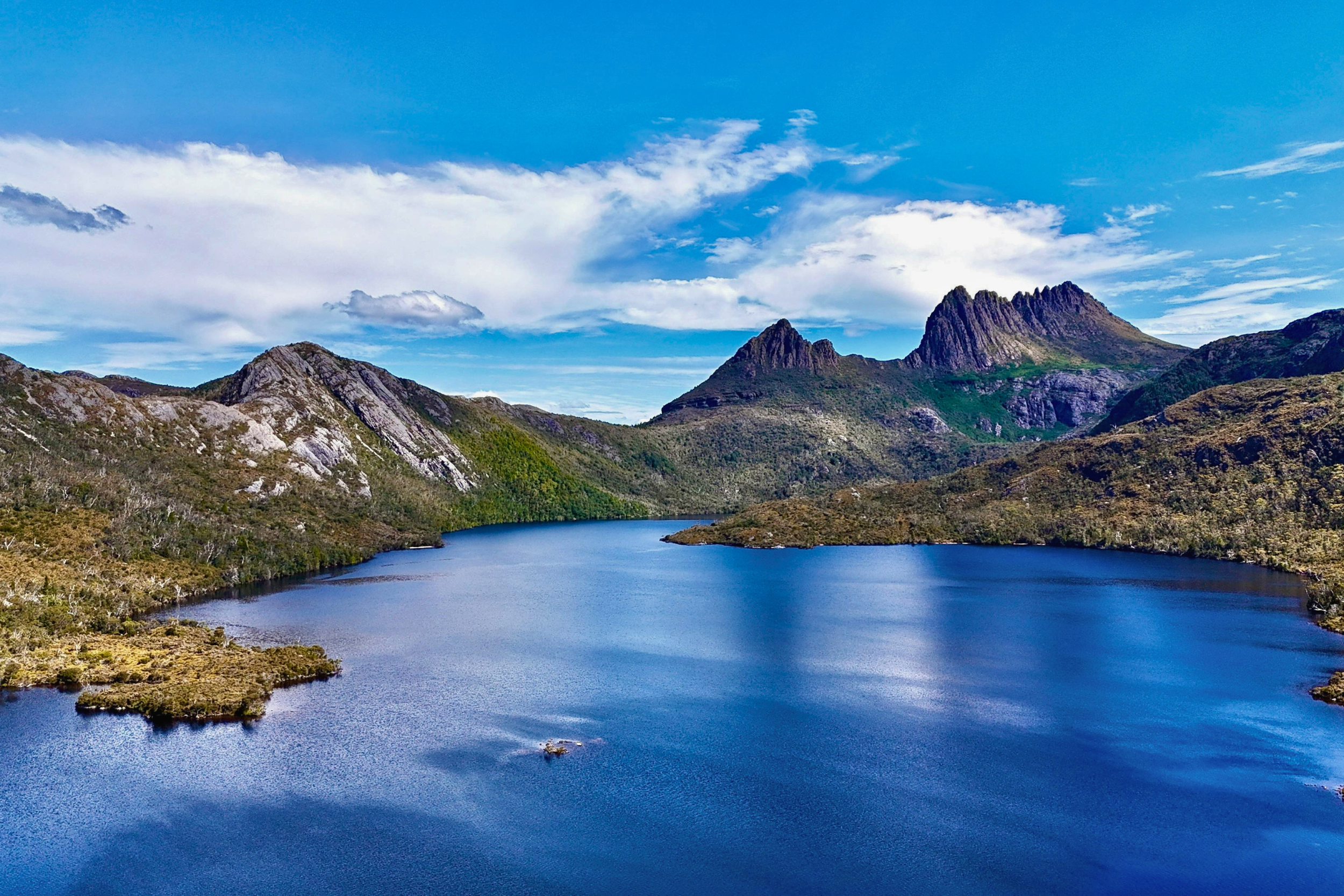
The dolerite peaks rise sharply from a glacial plateau, reflected in Dove Lake below. The alpine vegetation, cushion plants, pandani palms, and scoparia scrub look like they belong on another planet. The light shifts every ten minutes as clouds race across the sky.
Cradle Mountain-Lake St Clair National Park is the northern anchor of the Overland Track, Australia's most famous multi-day hike: 65 kilometers through alpine wilderness, taking most walkers 6–8 days. If you have the time and fitness for it, do the Overland Track. Permit numbers are limited during peak season (October–May), and for good reason; it's genuinely remote.
Day Hiking Around Dove Lake
If a week-long backcountry hike isn't in the plan, the circuit around Dove Lake is one of Australia's great day walks, about 6 kilometers, taking 2–3 hours, with frontline views of the mountain the whole way. Do it early in the morning before the tour buses arrive.
The Cradle Mountain visitor precinct operates a shuttle bus from the car park to the lake trail head; private vehicles aren't allowed beyond the Visitor Centre during peak hours. Plan accordingly.
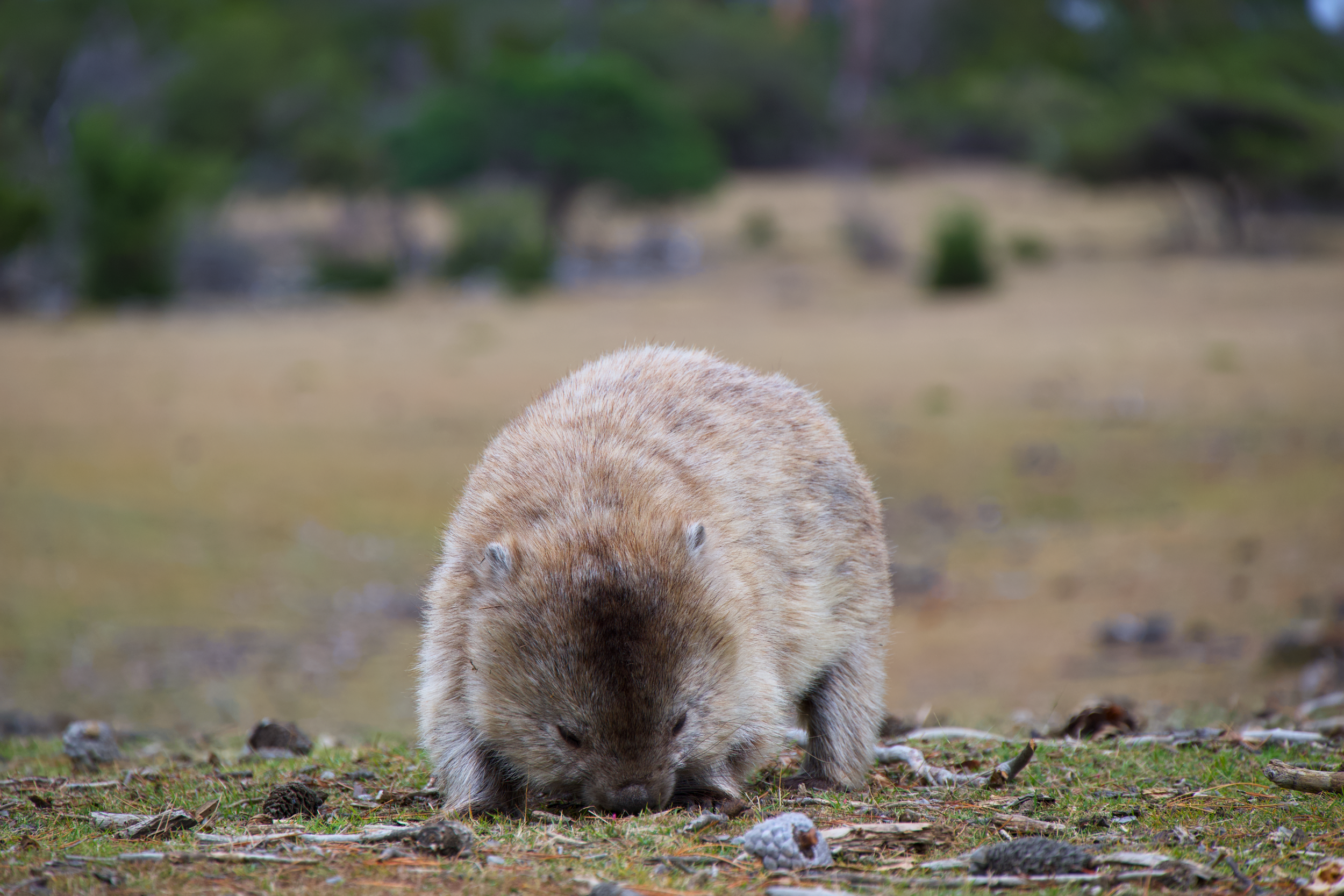
🐾 Wildlife note: Wombats in this park are famously unafraid of humans. You'll see them grazing at dusk near the accommodation lodges. They're roughly the size of a medium dog, move like they've forgotten to be in a hurry, and seem entirely unbothered by your obvious delight. Don't get too close, they're still wild animals with strong jaws and the general attitude of someone who's had enough.
Where to Stay at Cradle Mountain
Most visitors stay at Cradle Mountain Lodge, where the heritage timber cabins in the forest are genuinely lovely, with wood-burning stoves and proximity to the park trails. It's not cheap, but waking up in the forest and walking directly to the Dove Lake trailhead is hard to put a price on. Book months in advance for summer.
More budget-conscious? Cradle Mountain Wilderness Village has self-contained cabins that are significantly cheaper and still perfectly positioned.
🥾 Guided Wilderness Experiences
If you want to do a section of the Overland Track without the full self-guided commitment, several operators run guided walks with catered huts, which honestly sounds like the ideal compromise between wilderness experience and not having to carry a week of food on your back. I've heard great things about Cradle Mountain Huts Walk (Tasmanian Walking Company), which does the Overland Track's most iconic section with private hut accommodation. You can also book a full-day tour of Dove Lake.
🏨 Where to Stay Near Cradle Mountain
My Recommendations: Cradle Mountain Lodge, Cradle Highlander, Discovery Parks - Cradle Mountain, or Cradle Mountain Hotel
Freycinet & Wineglass Bay: The Postcard That Earns It
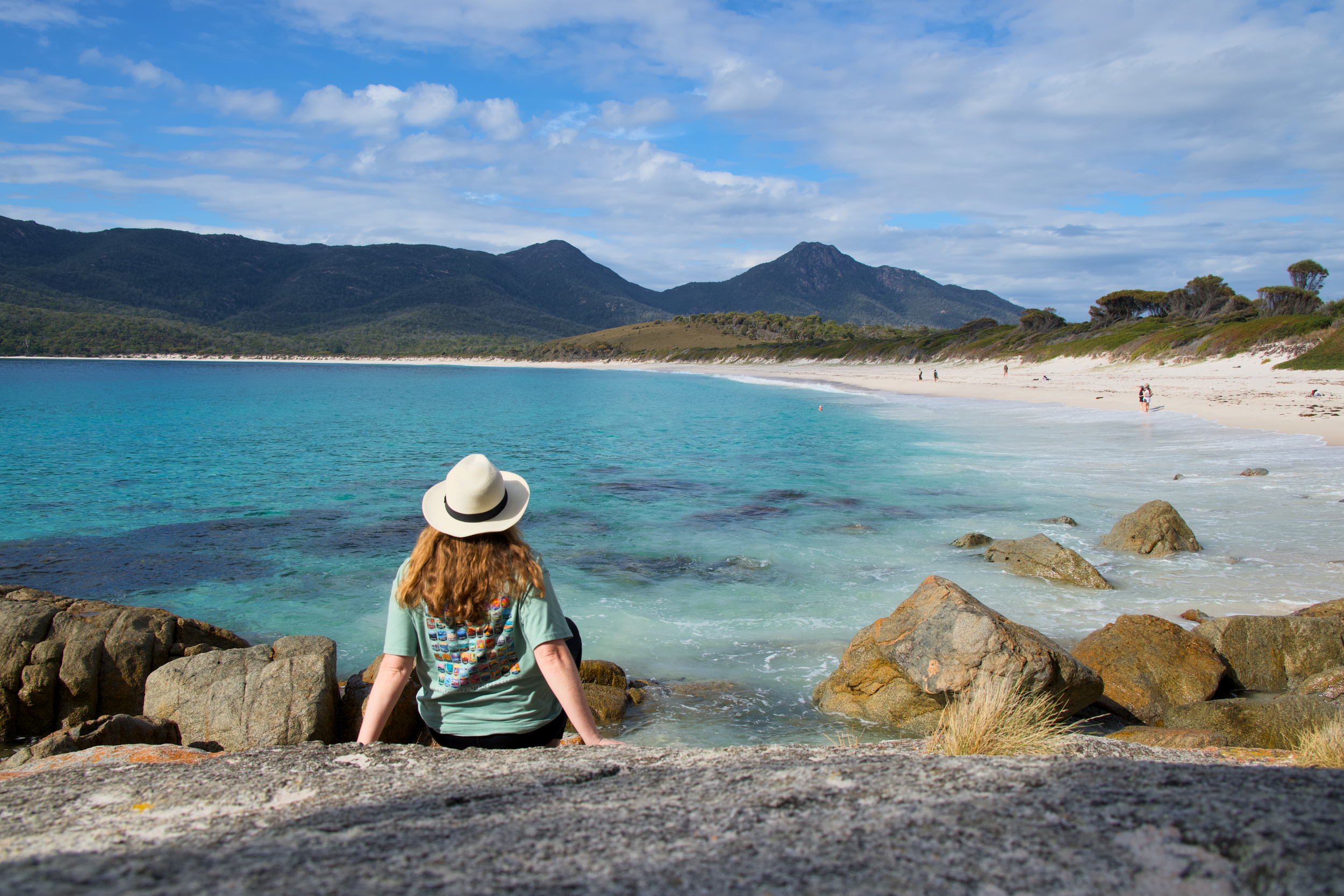
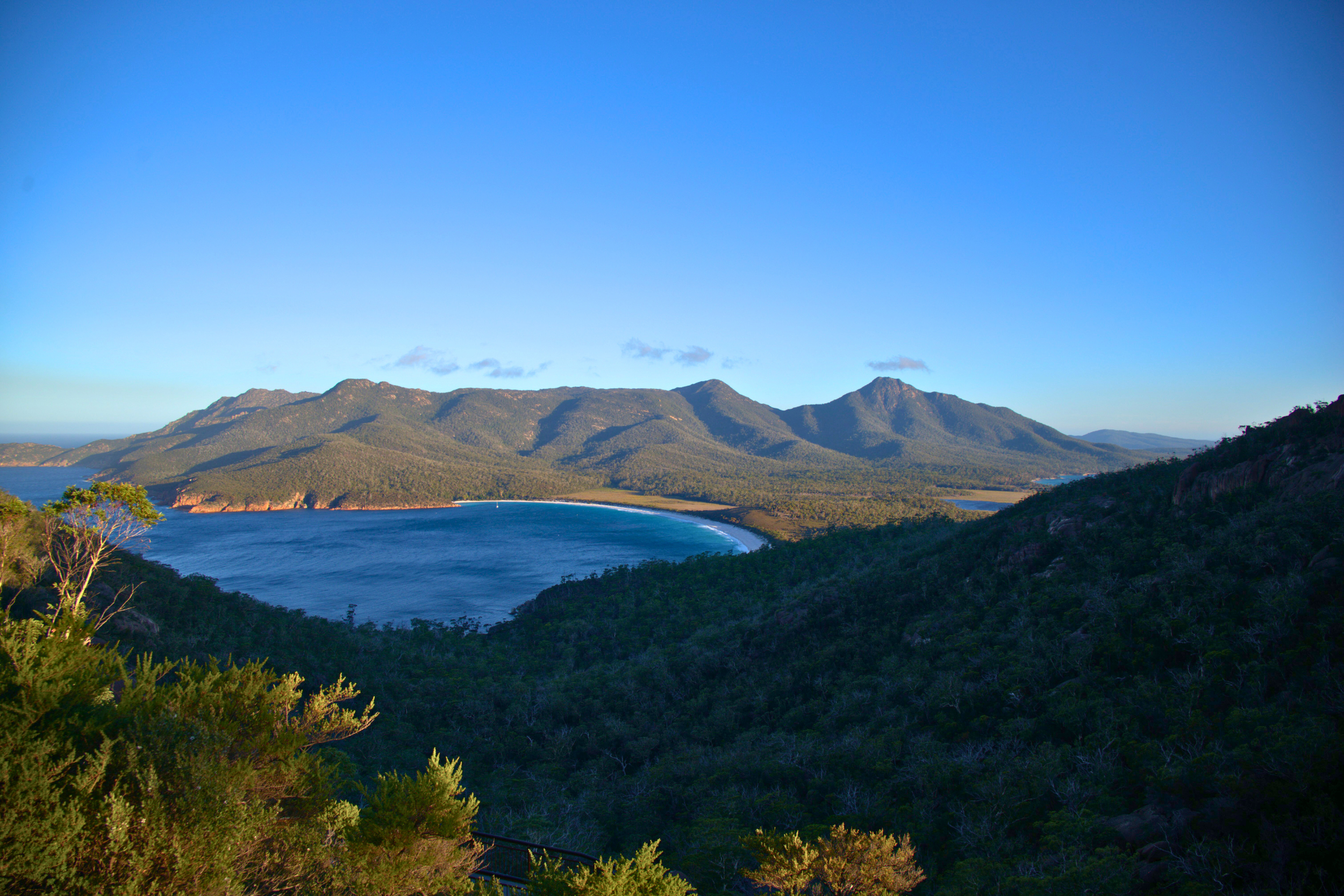
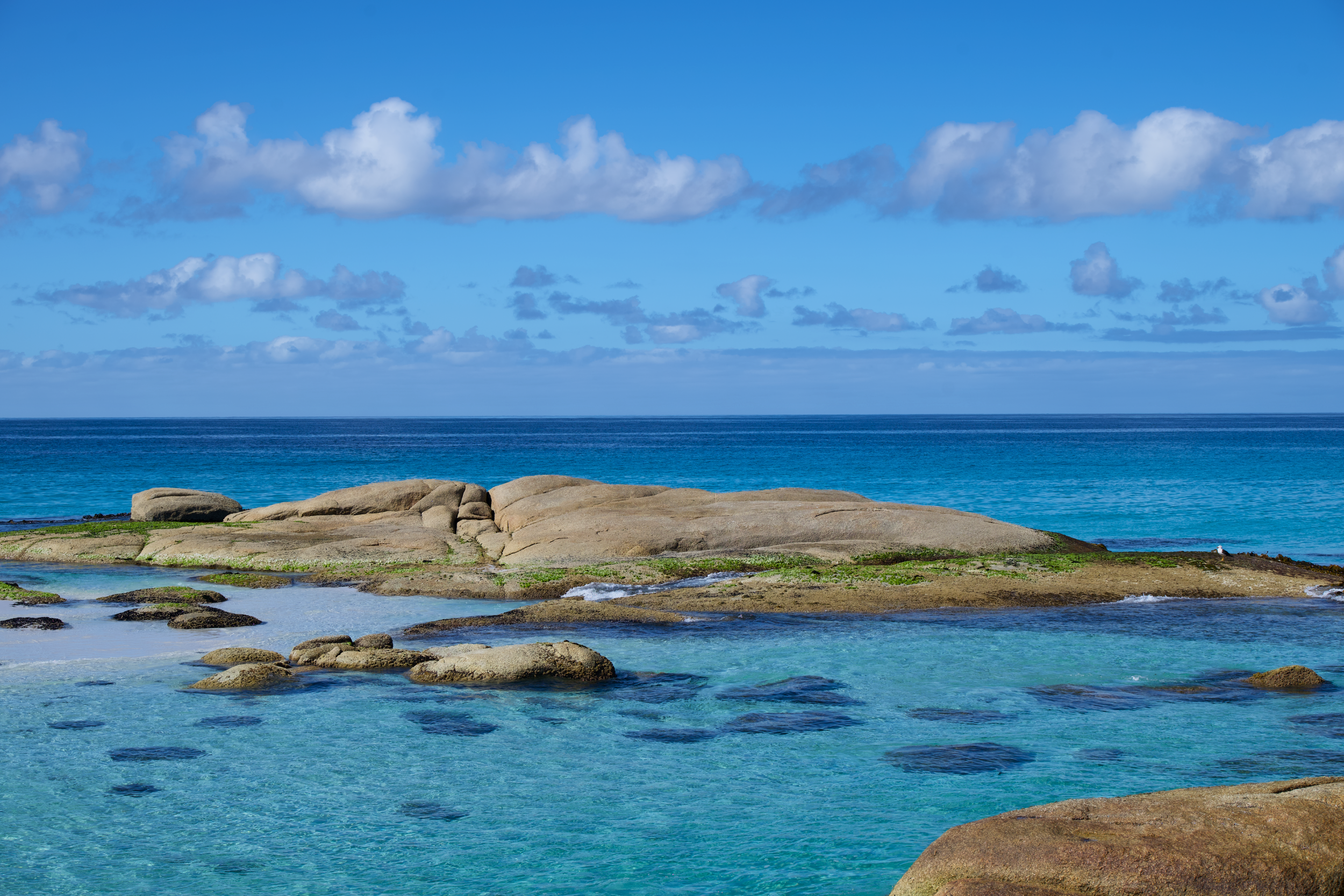
You've seen the photo. The crescent of white sand framed by the Hazards mountains, the water so turquoise you assume it's been edited. It hasn't. Wineglass Bay looks exactly like that.
Freycinet National Park sits on a peninsula on Tasmania's east coast, about 2.5 hours from Hobart. The lookout hike to the Wineglass Bay viewpoint is about 30–45 minutes each way, not difficult, but steep enough to earn the view. If you want to actually stand on the beach rather than look down at it, it's another 40 minutes to descend and come back. Do it. Go down to the beach. Walk into the water even if it's cold. You'll regret it forever if you don't.
Beyond Wineglass Bay
Most people see the viewpoint and leave. Here's what they miss:
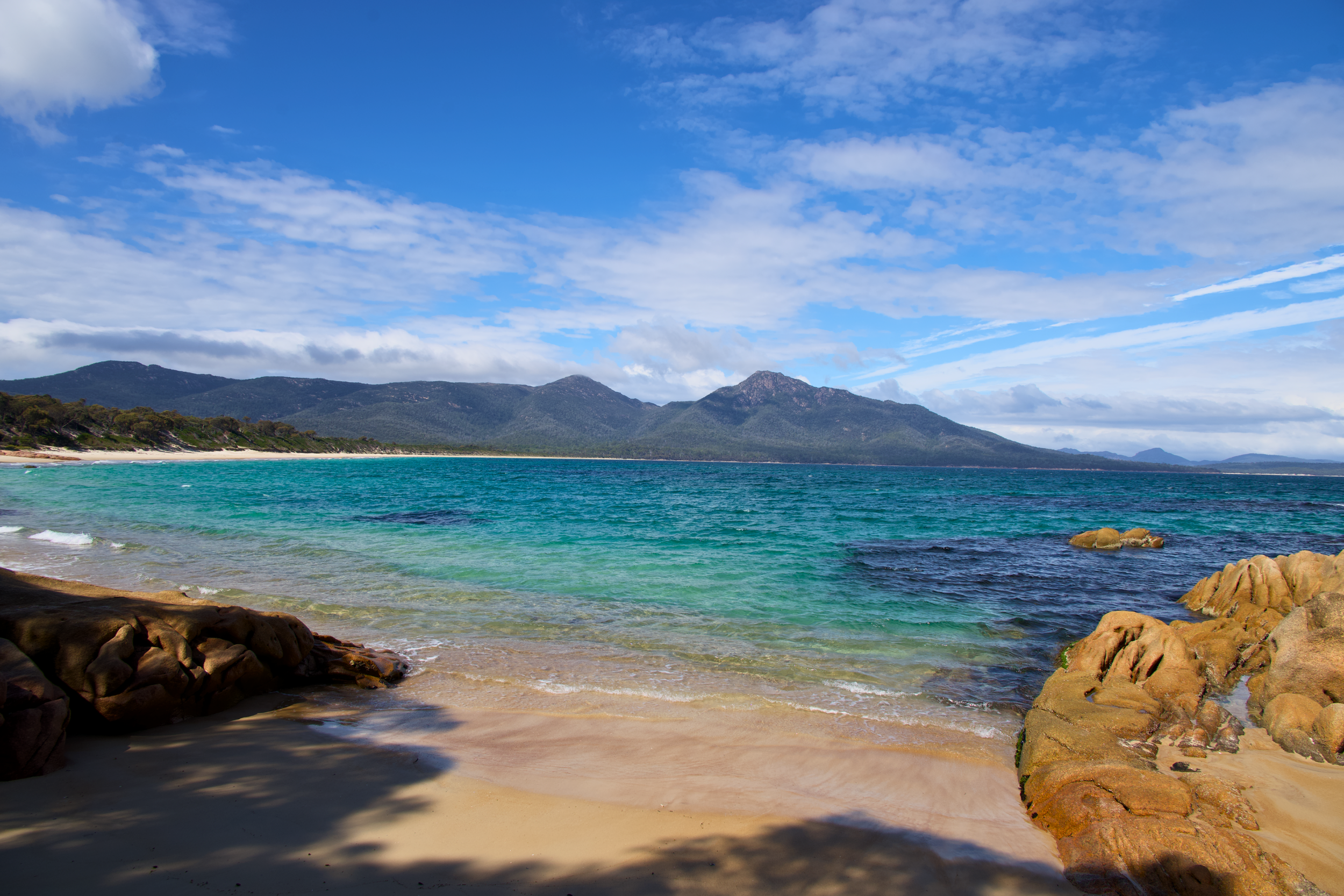
Hazards Beach — on the west side of the peninsula, accessible via a 10km circuit from the car park; almost no one goes there compared to Wineglass
Cape Tourville Lighthouse — a 20-minute easy walk with 270-degree ocean views and almost guaranteed wallaby sightings
Honeymoon Bay — a sheltered cove near Coles Bay, excellent for kayaking
Oyster Bay driving along the coast — pull over constantly; the light is absurd
If you are looking for a tour around Wineglass Bay, consider booking this one. They also offer Freycinet National Park Guided Walk tours.
Where to Stay Near Freycinet
Coles Bay is a small village at the park entrance. Freycinet Lodge is directly inside the park and is worth it for the location. The town also has holiday rentals that are perfect for self-catering, grab oysters and local produce at the Coles Bay bottle shop, and cook dinner on a deck overlooking the bay.
🏨 Where to Stay Near Freycinet National Park
My Recommendations: Eagle Peaks at Freycinet, Coles Bay, Freycinet Lodge, Edge of the Bay & Freycinet Resort
Port Arthur: Australia's Most Haunting Historic Site
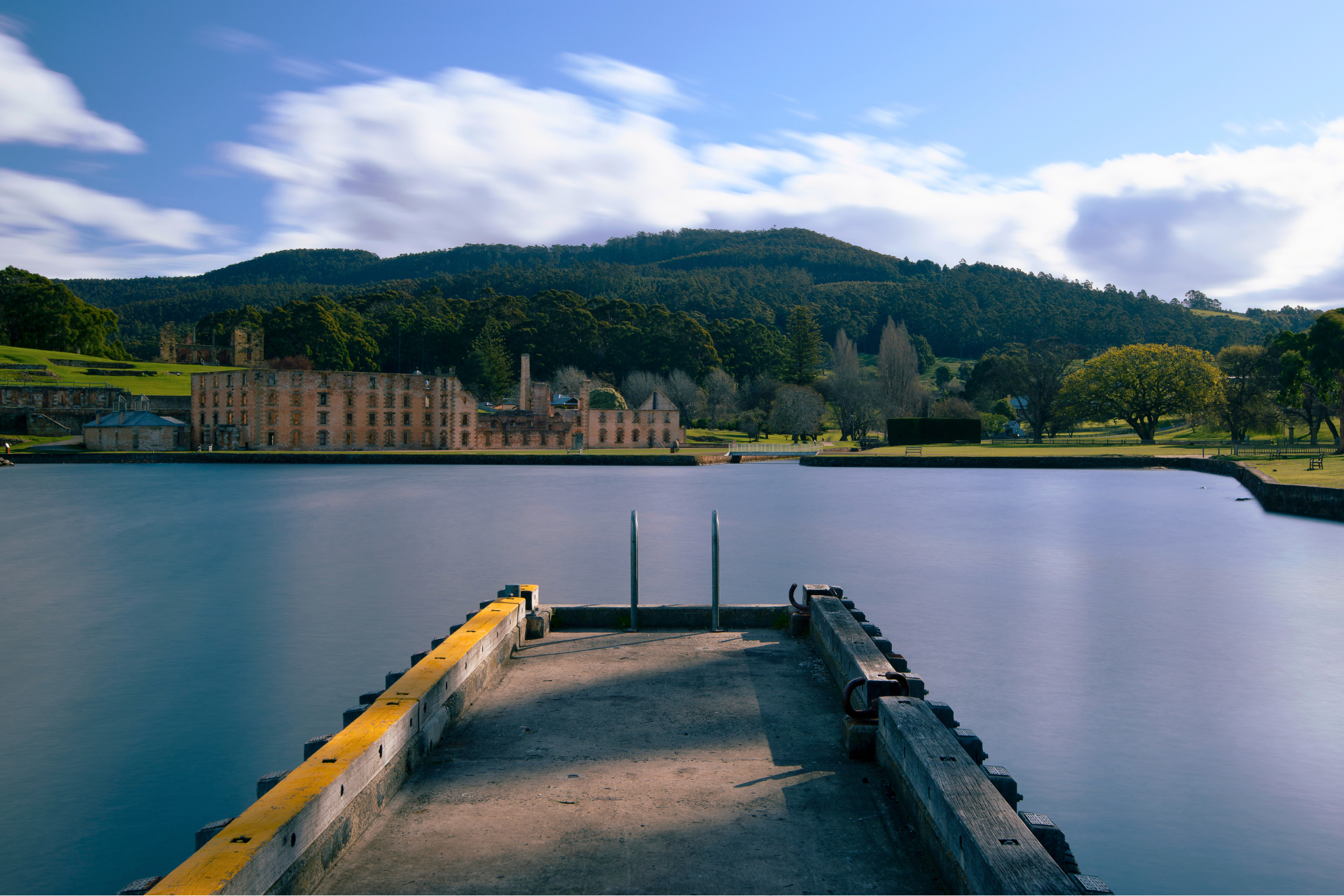
Port Arthur is about 90 minutes from Hobart, at the end of the Tasman Peninsula, and it requires an entire day, not because there's that much to walk, but because you'll find yourself slowing down involuntarily, rereading plaques, sitting in the ruins longer than you expected. If you are looking for a tour, I recommend this one to consider.
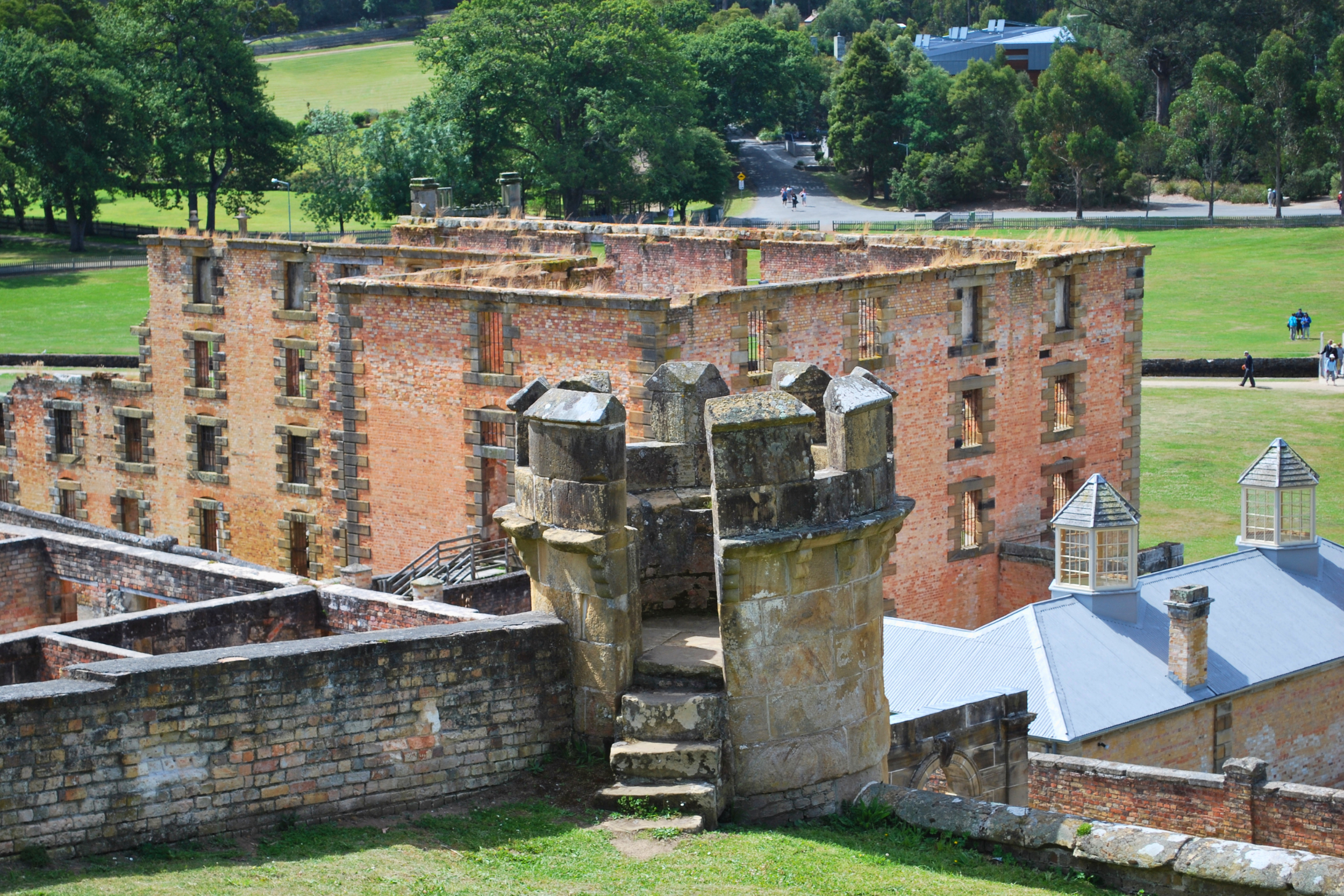
From 1833 to 1877, Port Arthur was a convict settlement and penal colony, Australia's most notorious. At its peak, it held 1,100 convicts. The ruins that remain are extraordinarily well-preserved: the Penitentiary, the Guard Tower, the Separate Prison (where solitary confinement was practiced with a grim Victorian theory that silence and isolation could "reform" a man), and the Model Prison, which looks like a cathedral and was designed to be experienced as one, light filtering through lancet windows into absolute silence.
The site also has a Convict-Era museum with genuinely affecting individual stories, a harbor cruise to the Isle of the Dead (the convict cemetery on an island in the harbor), and a candlelit ghost tour at night that is, by all accounts, excellent whether you believe in ghosts or not.
🕯Worth knowing: Port Arthur is more than just history; the site was the location of the 1996 Port Arthur massacre, Australia's deadliest mass shooting, which directly led to the country's gun law reforms. There's a memorial garden. Give it the quiet it deserves.
✦
The East Coast Drive: Tasmania's Greatest Road Trip
If you do one thing in Tasmania beyond Hobart and Cradle Mountain, make it a drive up the East Coast on the A3 highway. This is Tasmania's sunnier, calmer side, sheltered from the wild west coast weather by the central highlands. The East Coast is warmer, more agricultural, and littered with beaches that wouldn't look out of place in the Mediterranean.
Key Stops on the East Coast
Bicheno — small fishing village famous for its penguin tour at dusk (little penguins come ashore every night)
St Helens — gateway to the Bay of Fires, and a solid base for the east coast
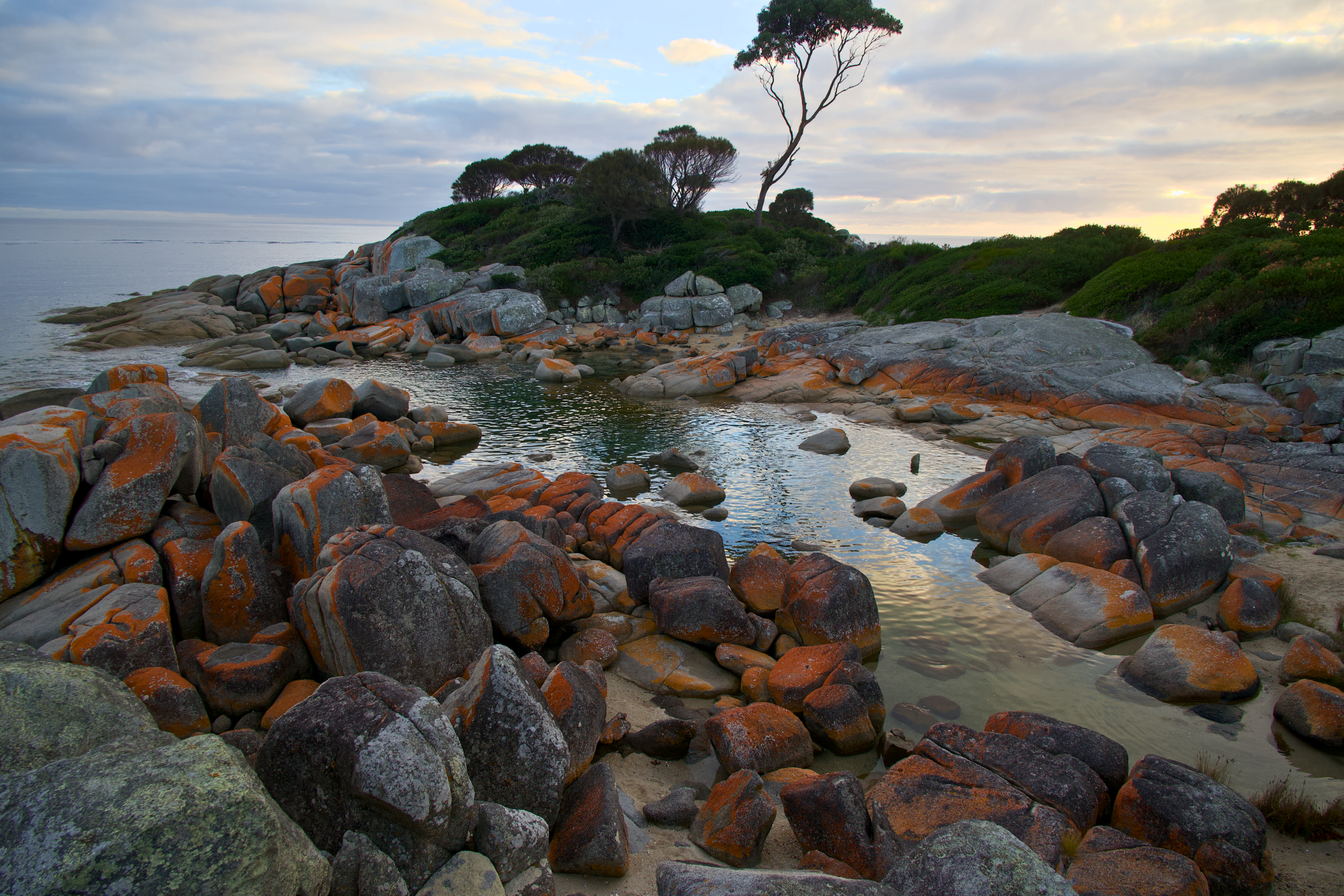
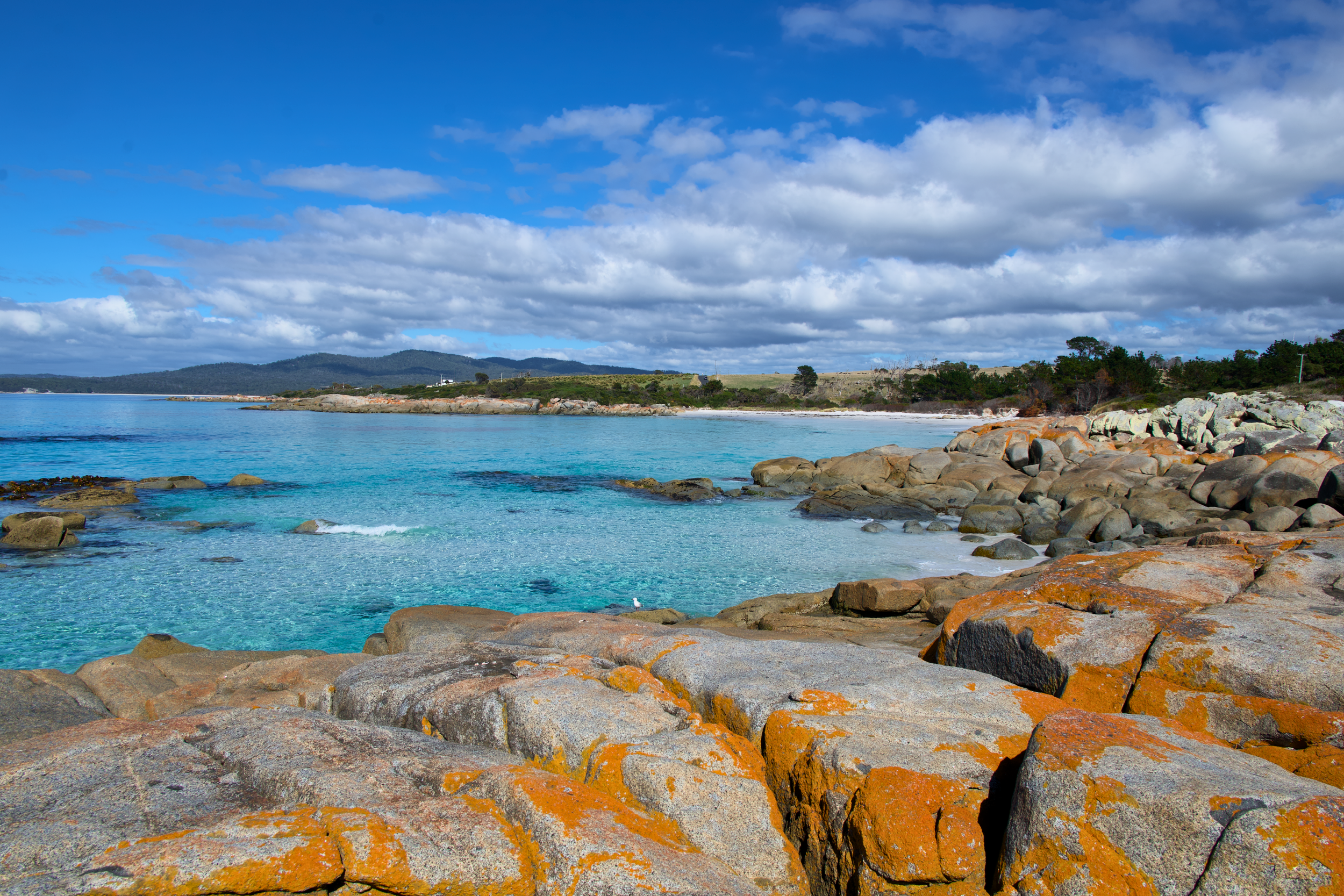
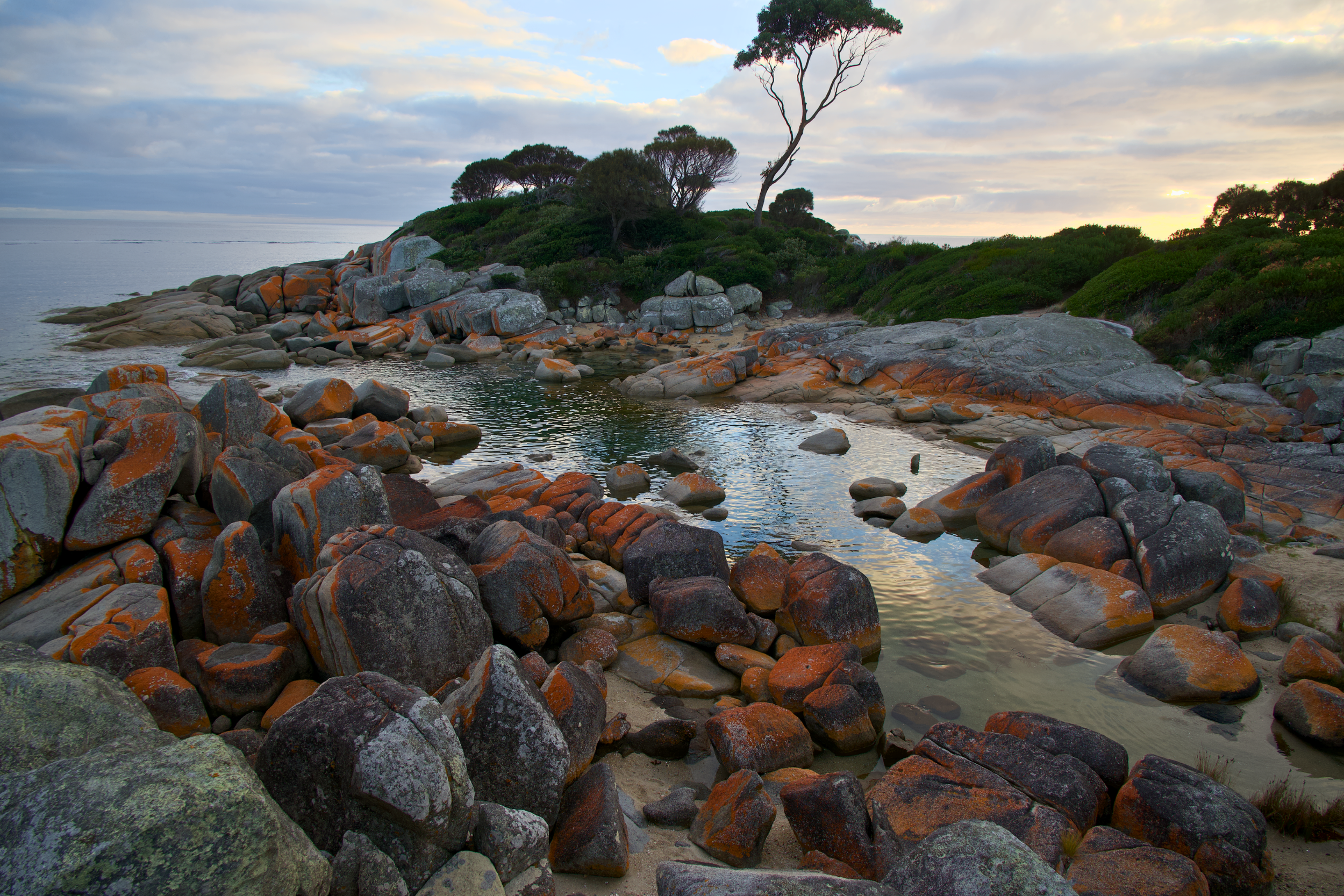
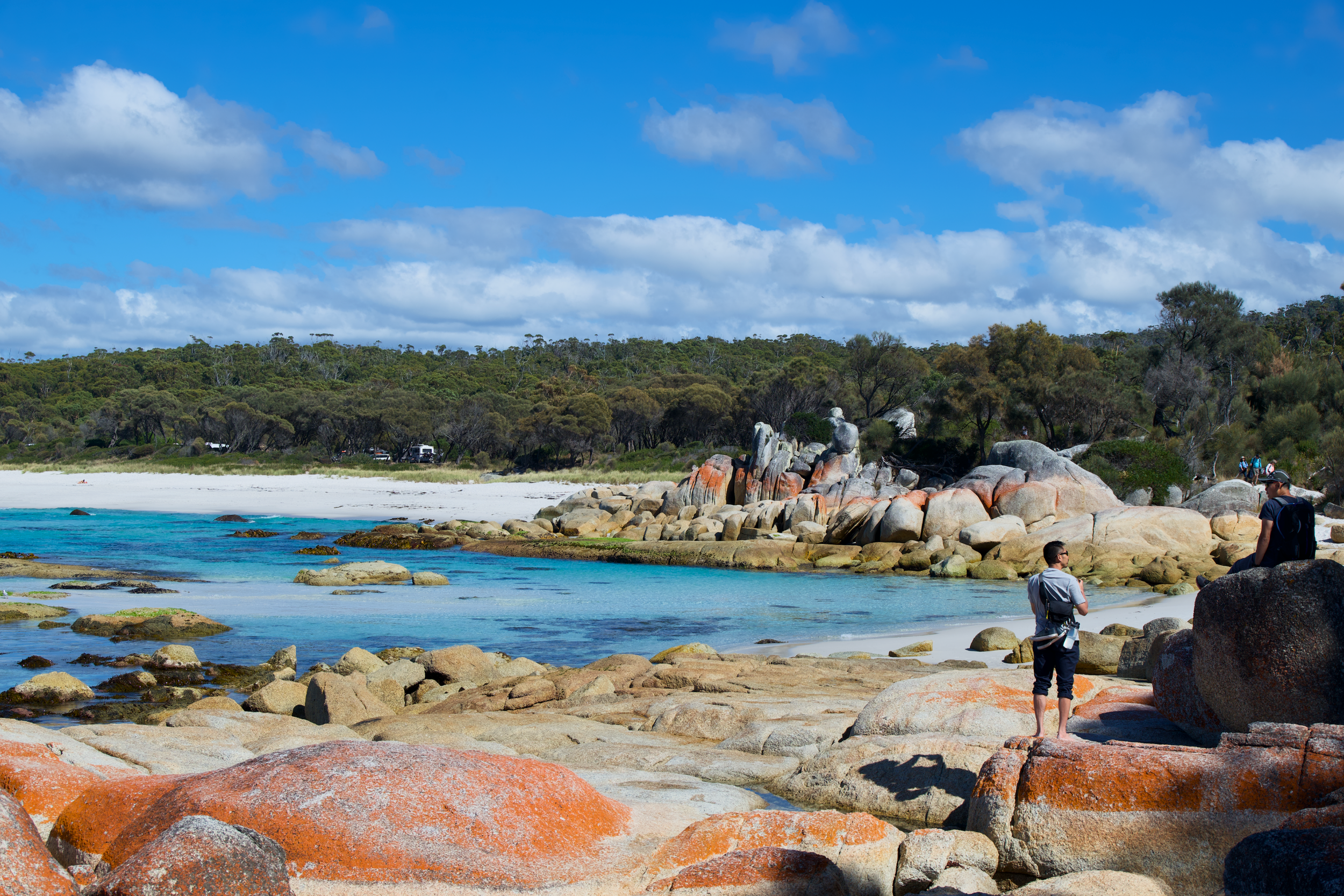
Bay of Fires — no, there are no fires; the name comes from the Indigenous fires early European sailors saw along the coast. The lichen-covered orange boulders against white sand and brilliant blue water are otherworldly. This is one of the most photographed coastlines in Australia, and the photographs don't do it justice.
Swansea — charming heritage town with a good pub, oyster farm nearby, and a bakery that'll compromise your plans to eat lightly
Tasman Arch & Blowhole — on the drive to Port Arthur, pull off at Eaglehawk Neck for sea caves and a natural stone arch; the blowhole, when the swell is right, is dramatic
🗺 Route tip: Most people drive the East Coast as a loop from Hobart, north to Launceston via the coast, west to Cradle Mountain, then south back to Hobart through the central highlands. This works beautifully as a 7–10 day circuit and covers nearly all of Tasmania's major highlights.
Bruny Island: A Day Trip That Becomes a Weekend
Bruny Island sits off the D'Entrecasteaux Channel, a 20-minute ferry crossing from Kettering (about 40 minutes south of Hobart). It's one of those places where you plan to spend the afternoon and end up booking another night.
The island is famous for its food; the Bruny Island Cheese Company, Get Shucked oyster farm, Bruny Island Premium Wines, and the House of Whisky are all there. Eating your way around the island in a single day is entirely doable and extremely recommended. Pack a cooler.
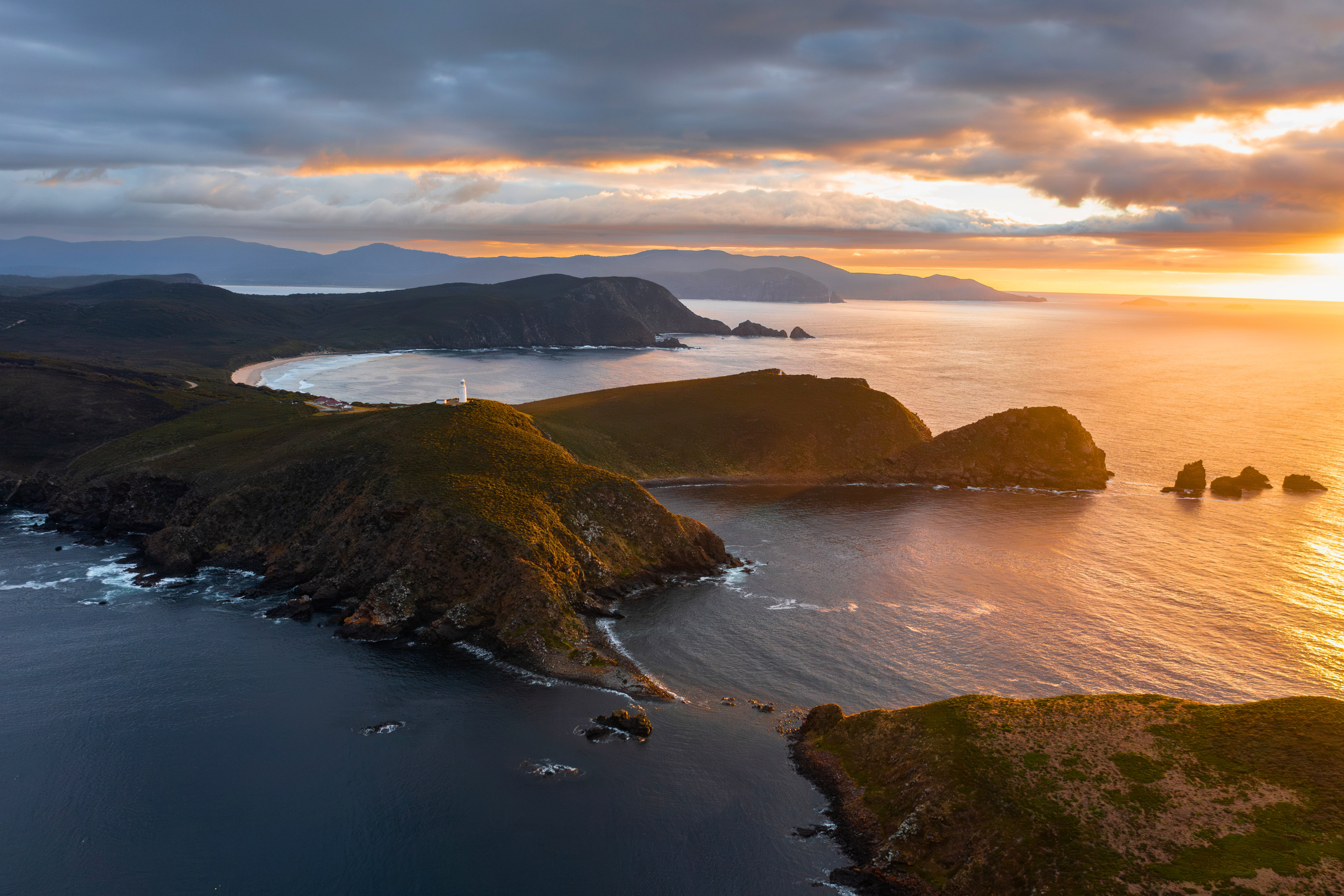
The Adventure Bay area on South Bruny has beautiful beaches, a small lighthouse walk, and some of the most reliable wildlife viewing in the state. Echidnas waddle across the road with total disregard for traffic, and Cape Barren geese graze in the paddocks like they own the place (they do).
The Neck
Between North and South Bruny is a narrow isthmus called The Neck, a sandspit with a viewing platform at the top of a steep wooden staircase (280 steps, but who's counting). From up there, you look south toward Antarctica, and it genuinely feels like you're at the edge of the world.
✦
The West Coast: Tasmania's Wild, Weird, Unmissable Edge
Most people never make it to the West Coast. The roads are longer. The weather is less forgiving. There are fewer Instagram-optimized viewpoints with convenient car parks. And because of all of this, the west coast is the most extraordinary part of Tasmania, a place where the landscape stops performing for tourists and just exists, enormous and indifferent, in a way that feels genuinely rare in the modern world.
The west is wet. Seriously wet, Queenstown receives around 2,400mm of rain per year. Pack accordingly and go anyway.
Queenstown: The Town That Looks Like Mars
Queenstown is one of the most visually startling towns I've ever driven into. Decades of copper mining and sulfur emissions stripped the surrounding hills of all vegetation, leaving bare, multi-colored slopes of orange, purple, and ochre that roll down to the town like something from another planet. The vegetation has partially returned in some areas, but the hills still glow with those mineral hues on a clear afternoon.
It's not conventionally beautiful. It's better than that; it's genuinely strange, and the town leans into it. The Galley Museum and Arts Centre tells the mining history with more depth than you'd expect, and the Empire Hotel is a beautifully preserved art nouveau pub that's been pouring drinks since 1901. Have one.
Strahan & the Gordon River Cruise
Strahan is a small harbor town on Macquarie Harbour, the entry point for the Gordon River and the southwest wilderness. The Gordon River cruise is a genuine must-do on the west coast: a full-day journey up a tannin-dark river (the color of black tea, from button grass in the catchment) through ancient Huon pine forest that hasn't changed since the last ice age.
The Huon pines along the Gordon are thousands of years old. Some of the individual trees you'll see from the boat are over 2,000 years old. Let that sit for a moment.
The cruise also stops at Sarah Island, a convict settlement that predates Port Arthur and was, by all historical accounts, considerably more brutal. The guided walk through the ruins is sobering in the best way. You can book a tour of Strahan here.
🌧 West coast reality check: The Lyell Highway (A10) from Hobart to Queenstown is genuinely beautiful but takes about 3.5 hours, longer than maps suggest, because the mountain sections demand careful driving. Don't rush it. The drive through the Franklin-Gordon Wild Rivers National Park alone is worth the trip.
Hartz Mountains National Park
For hikers who want wilderness without the multi-day commitment of the Overland Track, the Hartz Mountains offer superb alpine walking within two hours of Hobart. The Hartz Peak track (8km return, about 4–5 hours) climbs through ancient rainforest into exposed alpine dolerite country with sweeping views toward the Southern Ocean. On a clear day, you can see all the way to Cockle Creek, the southernmost road in Australia, and beyond that, nothing but ocean until Antarctica.
Launceston: The City Everyone Drives Through (And Shouldn't)
Launceston is Tasmania's second city, about 2 hours north of Hobart, and most visitors treat it as a waypoint on the drive to Cradle Mountain. This is a mistake. Launceston is genuinely charming, a Victorian-era city with excellent food, a farmers market worth rerouting for, and a natural attraction so improbable it feels like a rumor until you see it.
Cataract Gorge: Nature's Plot Twist
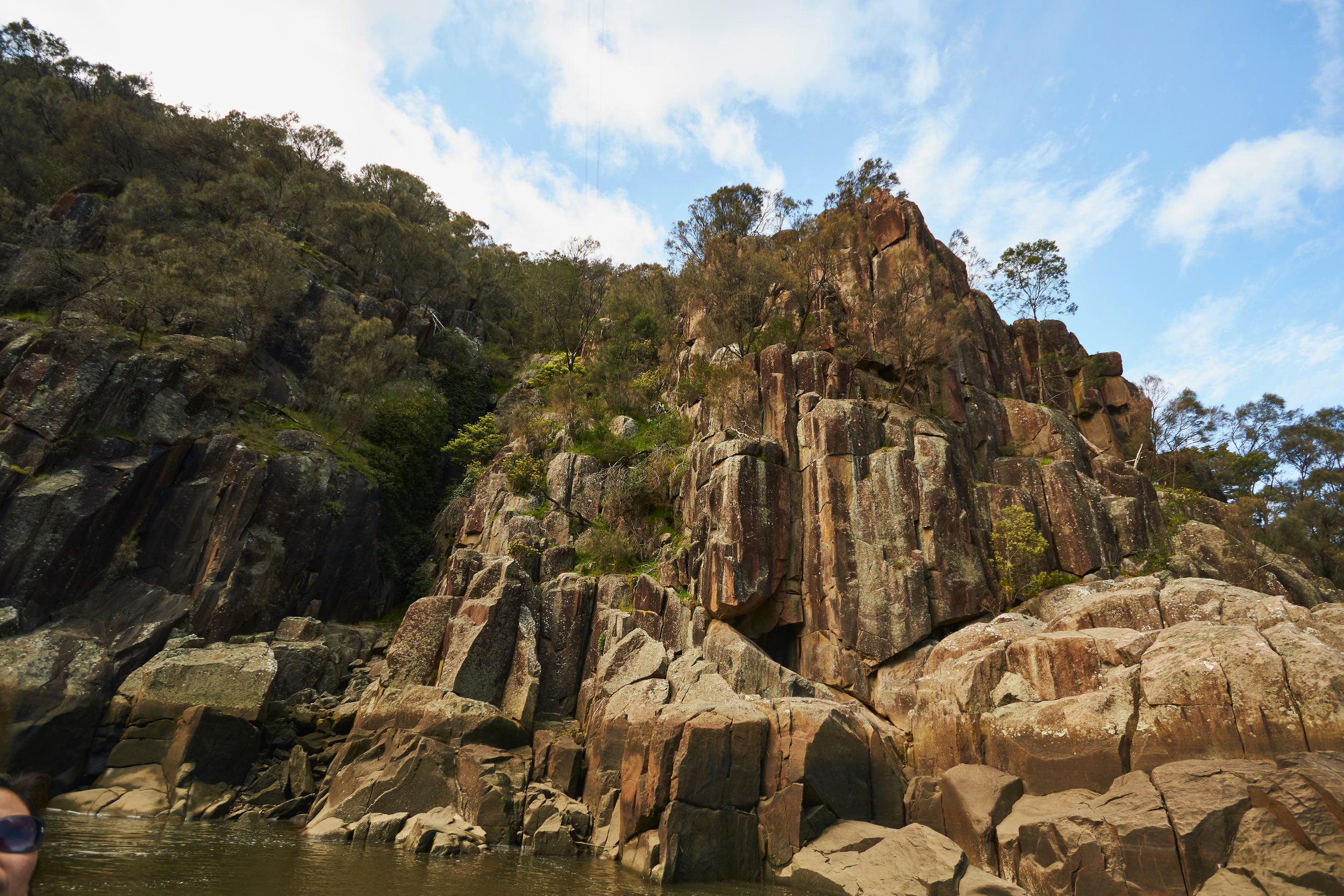
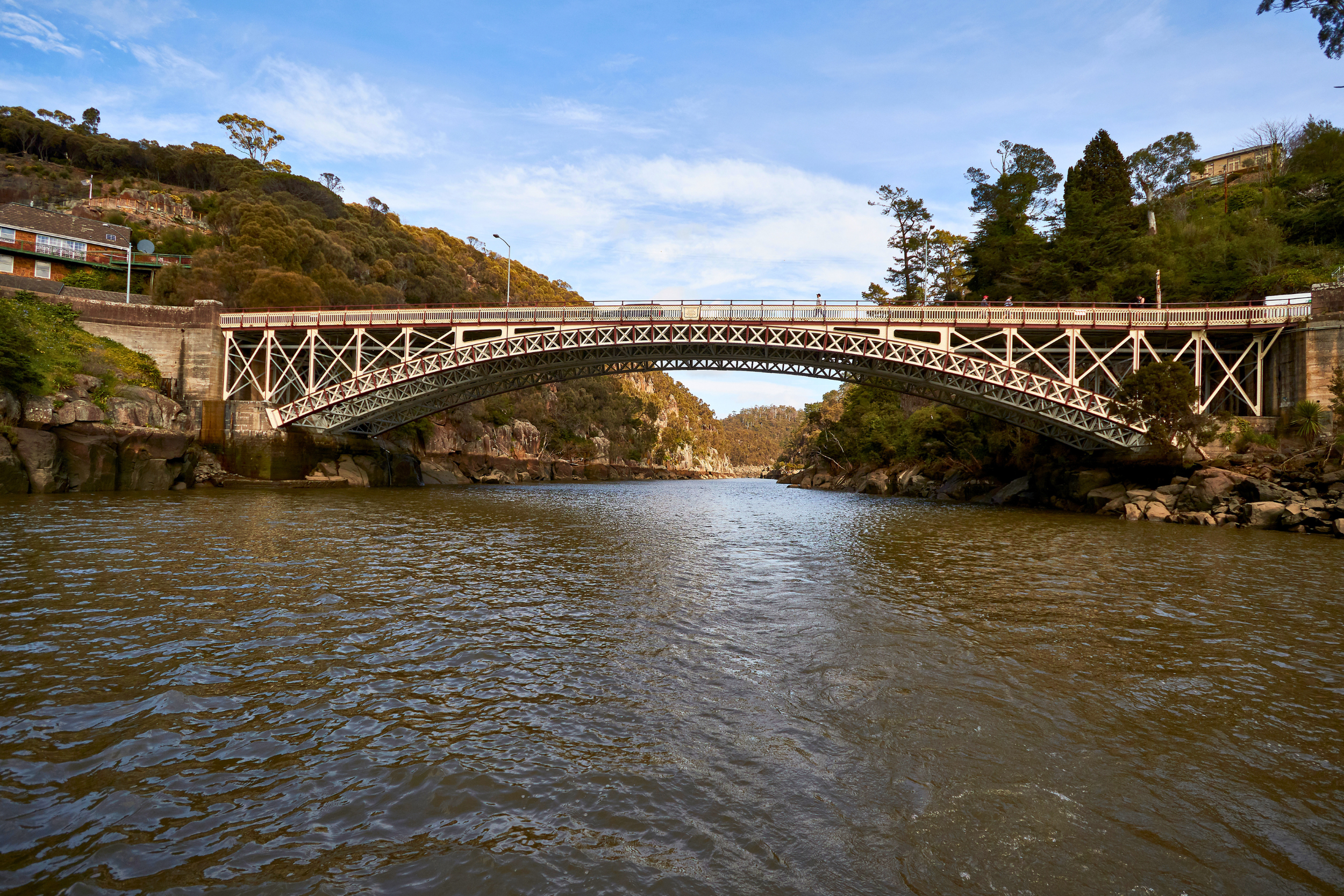
Ten minutes' walk from Launceston's city center, the South Esk River has carved a deep, dramatic gorge through the urban landscape. Cataract Gorge is one of those places that genuinely shouldn't exist where it does — steep rocky cliffs, wild peacocks roaming the reserve (not a metaphor, actual peacocks), a suspension bridge, a Victorian-era swimming pool fed by the river, and a chairlift over the gorge that's been operating since 1972 and is entirely delightful.
The First Basin walk (about 2km return from Kings Bridge) is easy enough for most fitness levels and gives you the full drama of the gorge. Do the chairlift. It costs a few dollars and takes four minutes, and you'll talk about it for weeks.
Eat & Drink in Launceston
Launceston punches above its weight on food, partly because it services the Tamar Valley wine region, which produces excellent cool-climate Pinot Noir and Chardonnay. Places worth your time:
Stillwater — the benchmark fine dining restaurant in a converted flour mill on the Tamar River; book ahead, go for lunch if dinner stretches the budget
Black Cow Bistro — attached to Stillwater, more casual, excellent steaks using Tasmanian beef
Harvest Market — Saturday mornings at Cimitiere Street; local producers, coffee, pastries, the energy of a city that genuinely cares about where its food comes from
Josef Chromy Wines — 15 minutes from the city, a winery set around a lake with one of the most scenic lunch settings in Tasmania
Tamar Valley Wine Region
The Tamar Valley north of Launceston is Tasmania's most established wine region, with about 30 wineries stretched along both sides of the river. It's a relaxed, unhurried wine trail: pull off at cellar doors, have a long lunch, drive slowly back to town. Pipers Brook, Jansz (Tasmania's best sparkling wine producer), and Ninth Island are all worth stopping at. Book Ahead: Launceston: Tamar Valley Wine Tour with Lunch
🍷 Tip: If you're doing a Tamar Valley wine trail, designate a driver or book a local wine tour; the roads are rural, and police presence is real. Several operators run half-day tours from Launceston that hit 3–4 wineries with lunch included. GetYourGuide has options worth booking.
Tasmanian Wildlife Guide: What You'll See & Where
Tasmania has wildlife that exists nowhere else on earth, and unlike mainland Australia, where you might drive for hours between wildlife sightings, in Tasmania, you basically cannot avoid it. The island has no foxes and no rabbits (both were eradicated or never established), which means the native fauna thrives in an increasingly rare way.
Here's your honest guide to what you'll actually encounter:
Tasmanian Devils
The Tasmanian devil is the largest carnivorous marsupial on earth, about the size of a small dog, built like a bowling ball with a jaw that can crush bone, and possessed of a scream that sounds like someone left a haunted kettle on. They are magnificent.
Devils are nocturnal and genuinely hard to spot in the wild, though your best chance is driving rural roads at dusk in national park areas. For a guaranteed sighting, Bonorong Wildlife Sanctuary (about 25 minutes north of Hobart) is run by a conservation nonprofit that rescues injured and orphaned native animals. Their nighttime Devil feeding tours are remarkable — you stand a meter away as the keepers hand-feed them, and you'll understand immediately why the jaw-strength reputation is warranted.
The conservation context matters: Tasmanian devils were nearly wiped out by a contagious facial tumor disease (Devil Facial Tumor Disease, or DFTD) that swept through the population from the 1990s onward. Conservation programs have been breeding disease-resistant individuals and reintroducing devils to mainland Australia for the first time in 3,000 years. Visiting Bonorong directly supports this work.
Wombats
Common wombats are everywhere in Tasmania's national parks, such as Cradle Mountain, Maria Island, and the East Coast. They graze at dawn and dusk with the energy of someone who has made peace with everything. You will see them. You will stop the car. You will take approximately 400 photos. This is normal.
Little Penguins
Little penguins (also called fairy penguins) come ashore after dark every single night of the year at Bicheno on the East Coast. A small guided tour group walks down to the beach and watches by dim red torchlight as the penguins waddle up from the surf and navigate back to their burrows, stumbling, flopping over each other, making sounds somewhere between a bark and a wheeze. It is objectively one of the funniest and most charming wildlife experiences I've had anywhere.
Quolls
Spotted-tailed quolls are cat-sized carnivorous marsupials with distinctive white spots and the general demeanor of something that has been told it's too small to be taken seriously and has decided to prove everyone wrong. They're elusive in the wild but occasionally spotted at night in forested areas. Bonorong Sanctuary has resident quolls if you want a guaranteed encounter.
Echidnas
Echidnas, spiny monotremes that lay eggs despite being mammals, are surprisingly common in Tasmania and largely unafraid of humans. You'll often spot them shuffling along roadsides or through national park undergrowth, nose to the ground, entirely absorbed in the business of finding ants. They move slowly enough that you'll have plenty of time to photograph them.
Pademelons & Wallabies
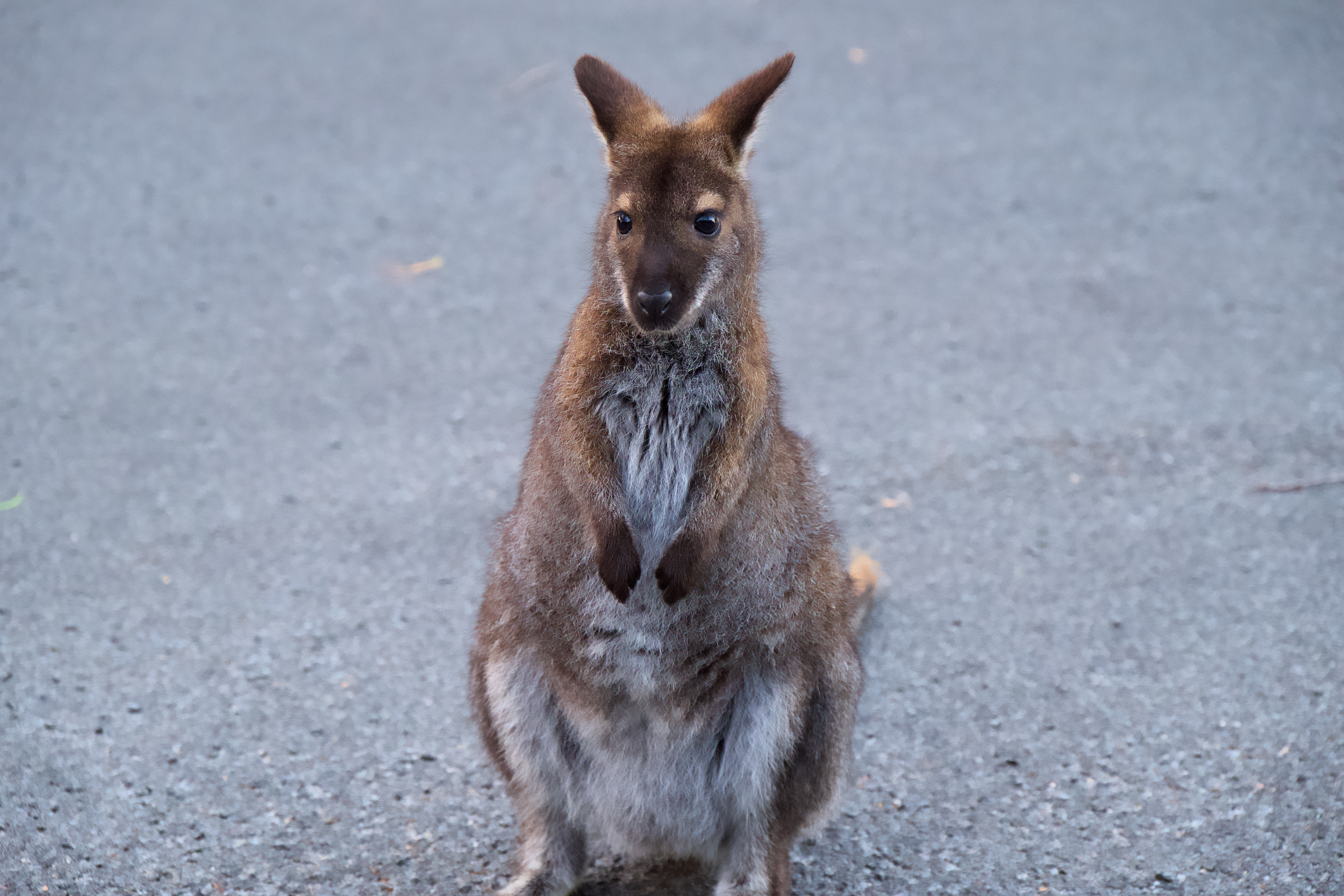
Pademelons are small, compact wallabies that live in forest edges throughout the island. You'll see them grazing at the treeline at dusk almost everywhere, particularly around Freycinet, the east coast, and any national park accommodation. Bennett's wallabies are larger and equally ubiquitous. If you're at Cradle Mountain Lodge at dusk, you'll likely have wallabies grazing ten meters from the reception desk.
Platypus
The platypus is the universe's proof that it has a sense of humor, a venomous, egg-laying, duck-billed, beaver-tailed mammal that uses electroreception to hunt. Latrobe, near Devonport, is known as the "Platypus Capital of the World," and the Warrawee Forest Reserve there offers good platypus spotting in the early morning and late afternoon. Trowunna Wildlife Sanctuary also has a resident platypus.
🐾 Wildlife Sanctuary Tours
For first-timers who want guaranteed wildlife encounters, especially with devils, quolls, and wombats, a wildlife sanctuary visit is worth every dollar. Bonorong Wildlife Sanctuary is the best in the state and does guided night tours for devil feeding.
The Tasmania Packing List: What You Actually Need
Tasmania is not a beach holiday. Even in summer, it can be cold, wet, and windy within an hour of being warm and sunny. The West Coast operates by its own weather rules entirely. Pack for variability and you'll be fine; pack for the destination brochure and you'll be cold, damp, and making emergency purchases in Hobart.
Here's what I'd bring:
Clothing & Layering System
Base layer (merino wool): Merino is the move for Tasmania; it regulates temperature, doesn't hold odor on multi-day hikes, and dries faster than cotton. Icebreaker and Smartwool are the benchmark brands. Worth every cent for a trip with this much outdoor activity. (My recommendations: women's & men’s tops)
Mid layer (fleece or down jacket): A packable down jacket is essential; it compresses to nothing in your daypack and adds significant warmth at altitude or on the water. (My recommendations: women’s & men’s jackets)
Waterproof shell jacket: Non-negotiable. Not a "shower resistant" jacket — an actual waterproof, breathable hardshell. (women’s & men’s rain jackets)
Hiking pants: Quick-dry, ideally with a bit of stretch. Kuhl, Prana, and Fjällräven all make excellent options. Avoid jeans for anything beyond city walking. (My recommendations: women’s & men’s pants)
Warm hat & gloves: Even in December. Especially at altitude. A merino beanie takes up essentially no space and earns its place in your bag repeatedly.
Sun protection: The UV index in Tasmania, despite the latitude, is high on clear days. Sunscreen, sunglasses, and a hat with a brim for open coastal and highland walks. Sunglasses (polarized recommended)
Footwear
Hiking boots (waterproof): If you're doing Cradle Mountain, Freycinet, or any national park walking, proper waterproof hiking boots are essential. Break them in before you go; blisters on day two of the Overland Track are a special kind of miserable. (men’s & women’s hiking boots)
Trail runners: If you're doing lighter day hikes and don't want to carry full boots, a good pair of waterproof trail runners will handle most Tasmanian day walks fine.
Casual shoes: For Hobart, Launceston, and evenings out. Hobart restaurants are relaxed, but you'll want something other than hiking boots at Franklin.
Gear & Tech
Daypack (20–30L): For day hikes. Osprey and Deuter both make excellent options at this volume. Look for a hipbelt and rain cover.
Trekking poles: Optional for casual walkers, near-essential for the Overland Track or any multi-day trip. Black Diamond and Leki both make solid collapsible options.
Personal Locator Beacon (PLB): If you're doing any remote hiking, rent one. They're available from outdoor stores in Hobart and Launceston for around $5–10/day. This is not a nice-to-have in the Tasmanian wilderness; it's safety equipment.
Reusable water bottle: Tasmania's tap water is genuinely excellent, among the cleanest in the world. On hikes, streams in the highlands are generally safe to drink from (use a filter for longer trips). A good insulated bottle keeps it cold all day.
Headlamp: Essential for the penguin tour at Bicheno (you'll use a red light), any camping, and practical for early-morning hike starts. Black Diamond Spot is the standard recommendation.
Portable power bank: Long drives and days in the wilderness will drain your phone. A 10,000mAh bank will give you 2–3 full charges and fits in a jacket pocket.
Camera or quality phone: Tasmania will make you want a better camera. The Bay of Fires at golden hour, Wineglass Bay from the viewpoint, Dove Lake at dawn, these are genuinely extraordinary subjects. If you've been thinking about upgrading, this is the trip that'll tip you over (especially an upgrade to GoPro!)
Documents & Admin
Australian ETA: Apply via the Australian ETA app before departure (~$20 AUD). Takes 10 minutes. Don't leave without it.
Tasmania National Parks Pass: Buy the Holiday Pass online before arrival, ~$60 AUD per vehicle, valid for 8 weeks, covers all national parks. Saves money and time at gates.
Travel insurance documents: Keep a digital and printed copy. Specifically check that your policy covers hiking and outdoor activities at altitude.
Offline maps: Download Tasmania on Maps.me or Google Maps offline before you go. Mobile coverage drops in the west and highlands.
🎒 Luggage & Bags For a Tasmania trip, I'd recommend a hybrid approach: a carry-on-sized hardshell or structured bag for the flights, plus a 40–50L soft duffel or travel backpack that fits in the car trunk without issue. Osprey's and Yeti’s carry-ons are both excellent options. If you're doing the Overland Track, you'll need a proper 65–75L pack, worth renting locally in Hobart rather than flying with it if you're coming from overseas.
Tasmania with Kids: Better Than You'd Think
Tasmania is not an obvious "family holiday" destination; it has no theme parks, no sprawling resort strips, no waterslide complexes. What it has is better: wildlife encounters that make children genuinely lose their minds, beaches with almost no one on them, and the kind of adventurous travel that kids actually remember when they're adults.
I've talked to enough families who've done it to say with confidence: Tasmania with kids is excellent. You just need to pick your activities carefully and accept that the Overland Track is not on this trip's agenda.
Best Kid-Friendly Experiences
Bonorong Wildlife Sanctuary (Hobart): The non-negotiable first stop for families. Kids can hand-feed kangaroos and wombats, get within arm's reach of Tasmanian devils, and see echidnas, koalas, and quolls. The keepers are brilliant with children and explain the conservation context in age-appropriate ways. Budget 2–3 hours.
Little Penguin Tour at Bicheno: Watching small penguins waddle dramatically up the beach in the dark is genuinely magical for children of almost any age. The red torches and hushed atmosphere feel like a secret adventure. Most children from about 5 upward absolutely love it, just prep them in advance that it'll be dark, quiet, and they'll need to stay still.
Cadbury Chocolate Factory (Hobart): Not exactly wilderness, but it's a chocolate factory tour with a tasting room. Kids will not be complaining. Located in Claremont, about 15 minutes from the city center. Book ahead — tours sell out, especially in school holidays.
Cataract Gorge Chairlift (Launceston): The four-minute chairlift ride over the gorge is equal parts thrilling and manageable, exciting enough for kids, not terrifying for parents. The swimming pool in First Basin is a bonus in summer. (You can also consider the Cataract Gorge Adventure Cruise or Hollybank Tree Ropes Course)
Dove Lake Circuit (Cradle Mountain): The 6km lake circuit is achievable for most children aged 7+, and the wombat sightings along the way mean you'll be stopping regularly anyway. Bring snacks. Many snacks. You can also book a full-day tour of Dove Lake.
East Coast beaches: The beaches between Swansea and St Helens are calm, clean, often sheltered, and frequently empty. Kids can run for what feels like miles. Freycinet's Honeymoon Bay is particularly good for young families, with a protected cove, calm water, and easy access.
Mona Foma & Dark Mofo (seasonal): If you're visiting in January (Mona Foma, the summer festival) or June (Dark Mofo, the winter festival), both have family-friendly programming alongside the more adult-oriented events. Worth checking the schedule.
Practical Tips for Families
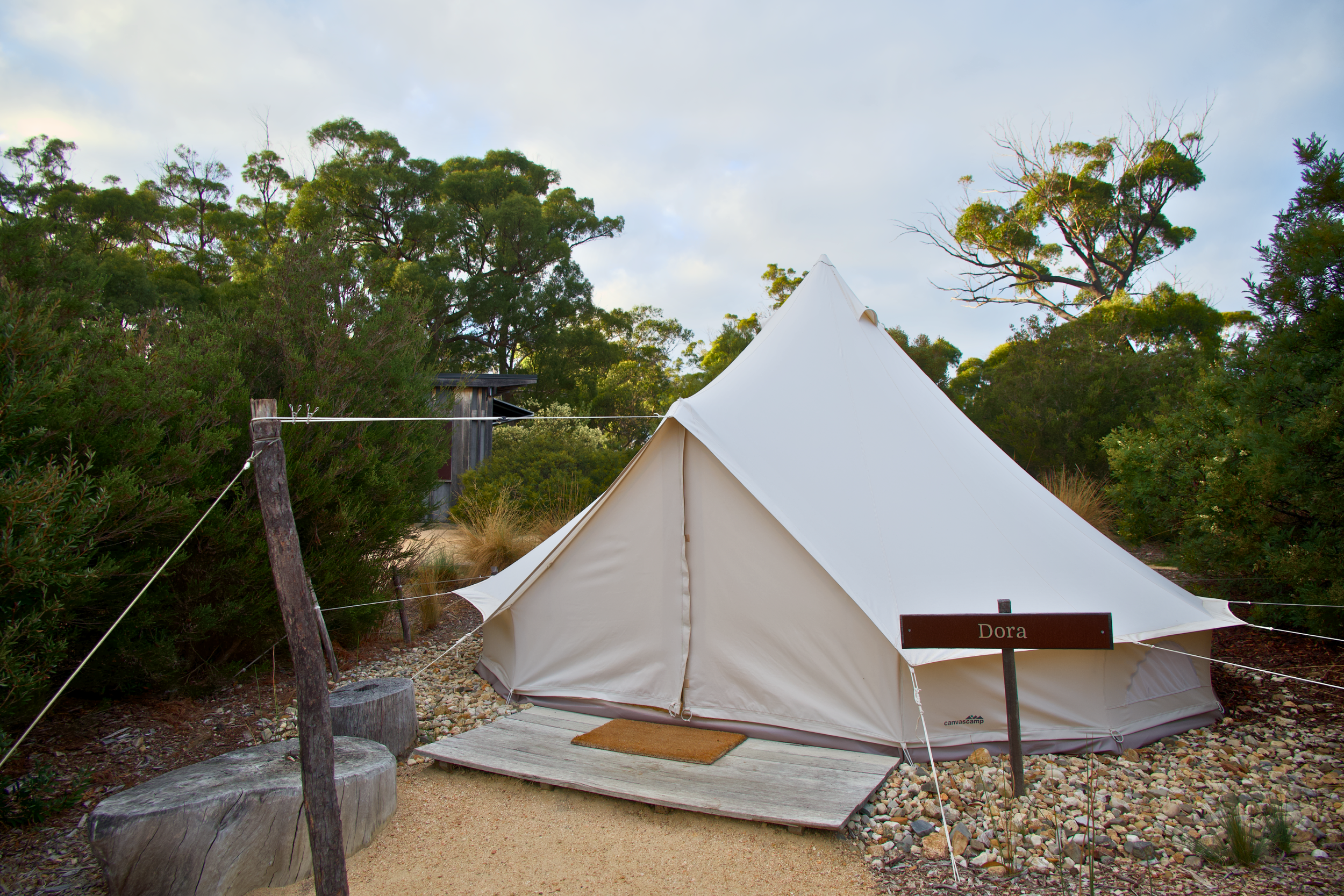
Self-contained accommodation is your friend; holiday houses and self-catering cabins are plentiful on the east coast and around Freycinet, let kids decompress in real space, and save significantly on meals. Stayz and Airbnb both have good options across the island.
Car entertainment: The drives between major points are real; Hobart to Cradle Mountain is 3+ hours. Download shows, podcasts, and playlists before leaving. Tasmania's rural mobile coverage is patchy.
Weather changes fast: Pack a warm layer and rain jacket for every child, every day, regardless of the forecast. Tasmania will humble you on this if you don't.
Wildlife safety: Remind kids not to approach or touch wild animals, even friendly-seeming wombats and wallabies. The wildlife sanctuaries have structured, safe encounters; in the wild, observe from a respectful distance.
👨👩👧 Family Travel: Accommodation
For families, I'd prioritize self-contained accommodation over standard hotel rooms; you need the kitchen, the space, and the flexibility. Vrbo has a solid filter for "apartments" and "holiday homes" in Tasmania, and the results are generally well-reviewed.
Eating & Drinking Across Tasmania: A Practical Love Letter
Tasmania's food and drink scene deserves its own post, but here's the thumbnail version for hungry travelers.
Tasmanian Whisky
Yes, really. Tasmania has become one of the world's most exciting whisky regions, with more than 50 distilleries now operating. The combination of clean water, cool climate, and high-quality barley has produced whiskies that have won international awards and shocked Scotch traditionalists. Lark Distillery (Hobart) was the original pioneer. Sullivans Cove won World's Best Single Malt a few years back. Hellyers Road near Burnie is the largest distillery, with excellent tours.
Oysters
The cold, clean waters of D'Entrecasteaux Channel and Pittwater produce oysters with exceptional flavor. Get Shucked on Bruny Island will shuck them fresh off the farm directly into your hand, with a squeeze of lemon, standing at a rustic table overlooking the channel. Few meals I've had anywhere were more satisfying.
Truffles
This surprised me completely: Tasmania and the nearby Manjimup region in Western Australia produce some of the world's best black truffles, harvested in winter (June–August). Several properties near the Huon Valley and Coal River Valley offer truffle hunts during the season. This is genuinely magical, and genuinely expensive and genuinely worth it if you're a food person.
🛡 Travel Insurance — Especially for Hiking
Tasmania involves real wilderness. Helicopter evacuations from the Overland Track are not unheard of. Please, please don't hike the remote west coast without appropriate travel insurance that covers medical evacuation. I've used VisitorsCoverage for years for adventure travel, specifically policies that cover activities like hiking and kayaking that many basic policies exclude.
Practical Tasmania Tips (The Stuff That Actually Helps)
Tasmania Parks Pass: If you're visiting more than two national parks (and you should be), the Holiday Pass (~$60 AUD per vehicle) pays for itself immediately. Buy it at the airport or online before you go.
Book accommodation early: Summer (Dec–Feb) and shoulder season (March, November) fill up fast, especially in Freycinet and Cradle Mountain. Six months ahead is not excessive.
Cash: Some farm stalls, smaller cafes, and remote accommodation still prefer cash. Keep some on you.
Mobile coverage: Telstra has the best regional coverage in Tasmania. If you're renting a phone SIM, go Telstra. Other networks drop out in the west and center.
Weather layering: Tasmania's weather changes in 20 minutes. I'm not exaggerating. Pack a waterproof layer regardless of what season you're visiting. A mid-layer fleece. Actual hiking shoes for anything beyond city walking.
Driving times: Google Maps consistently underestimates Tasmanian drive times because it doesn't account for single-lane bridges, kangaroos on the road at dusk, and the fact that you'll stop constantly to photograph things. Build in 20–30% extra time.
Wombats at dusk: They're on the roads. Drive carefully at dawn and dusk in national park areas.
✈️ Getting to Tasmania
Fly into Hobart (HBA) from Sydney, Melbourne, or Brisbane. Jetstar and Virgin Australia run competitive routes, and Qantas covers the mainline connections. I always check Trip.com first for Tasmania flights because it catches the low-cost carrier deals that often don't show up on other aggregators. Set a price alert if your dates are flexible.
Sample Tasmania Itineraries (By Trip Length)
7 Days: The Highlights Loop
Days 1–2: Hobart — MONA, Salamanca, Battery Point, waterfront dining
Day 3: Bruny Island day trip
Day 4: Drive to Freycinet via Swansea; Wineglass Bay lookout
Day 5: Freycinet — Hazards Beach circuit, Cape Tourville, sunset
Day 6: Drive to Cradle Mountain via Launceston (stop at Boag's Brewery if you're a beer person)
Day 7: Dove Lake circuit; drive back to Hobart via the highlands
10 Days: The Full Circuit
Add to the 7-day loop:
Day 8: Bay of Fires — stay in St Helens
Day 9: Port Arthur via the Tasman Peninsula
Day 10: Hobart — last morning at Salamanca Market (Saturday) or whisky distilleries
14+ Days: Add the West Coast
The wild west coast is Tasmania's final frontier, Strahan, Queenstown (a mining town with a lunar landscape that is genuinely extraordinary), the Gordon River cruise, and the Hartz Mountains National Park. Few tourists get here. The roads are longer, the weather is wetter, the landscapes are incomprehensible. Go.
Ready to Book Your Tasmania Trip?
Save this guide, start with the 7-day loop, and let the island surprise you. Trust me, it will.
Questions about Tasmania? Send me a message on my social channels. I read everything and genuinely enjoy talking about this island more than is probably reasonable. If you've been to Tassie, tell me what I missed. There's always more.
Frequently Asked Questions About Tasmania
-
A minimum of 7 days to cover the main highlights (Hobart, Cradle Mountain, Freycinet). Ten days is more comfortable and lets you add Bruny Island and the East Coast. If you want the full experience, including the West Coast and Overland Track, two weeks is the sweet spot.
-
Absolutely yes, and it's often the most underrated part of an Australia trip. Tasmania has the highest concentration of World Heritage wilderness in Australia, a world-class food and drink scene, extraordinary art (MONA alone justifies the trip), and far fewer tourists than Sydney or the Great Barrier Reef. Most travelers who visit wish they'd gone sooner and stayed longer.
-
For most of the island's highlights, yes. Tasmania has very limited public transit outside of Hobart, and the best experiences, national parks, coastal drives, remote beaches, require a car. You can fly in without one if you're sticking to Hobart and booking day tours, but a rental car unlocks the whole island. Drive on the left, and watch for wildlife at dawn and dusk.
-
Tasmania is most famous for its wilderness, Cradle Mountain, Wineglass Bay, and the Overland Track are iconic. It's also known for the Tasmanian devil (still wild here, recovering from a facial tumor disease), MONA (one of the most unconventional art museums in the world), its convict history at Port Arthur, and increasingly, its exceptional food: oysters, truffles, cheese, whisky, and cool-climate wine.
-
Tasmania is one of the safer destinations in Australia and genuinely excellent for solo travel. Hobart is a walkable, well-lit city with a friendly local culture. The main considerations for solo travelers are practical wilderness ones: tell someone your hiking plans if you're going off-trail, carry a personal locator beacon (PLBs can be rented) for remote hikes, and don't underestimate how quickly weather changes at altitude.
The Scenic Route Traveler inspires intentional travel through storytelling, hidden gems, and culturally rich experiences around the world.
-
I’m Erin, the voice behind Scenic Route Traveler, sharing intentional travel stories and guides from around the globe.
-
We deliver travel guides and storytelling through YouTube, social media, photography, and digital products designed for fellow travelers.
-
If you’re new here: this is a space for travelers who care more about how a place feels than how it looks on a checklist. You’ll find guides, stories, and resources designed to help you slow down and travel with intention.